Overview
Thermoregulation is the physiological process by which organisms maintain their core body temperature within optimal ranges despite fluctuations in environmental temperature. In humans, this sophisticated system maintains body temperature at approximately 37°C (98.6°F), a critical requirement for proper enzyme function, metabolic processes, and cellular homeostasis. The thermoregulation system integrates neural, endocrine, and behavioral mechanisms through the hypothalamus, which acts as the body's thermostat, coordinating responses that include vasomotor changes, sweating, shivering, and metabolic adjustments.
For the MCAT, thermoregulation Biology represents a high-yield integration point that connects multiple organ systems including the nervous system, endocrine system, integumentary system, and cardiovascular system. Questions on thermoregulation MCAT content frequently appear in passages discussing Physiology and Organ Systems, often embedded within clinical scenarios involving fever, heat stroke, hypothermia, or metabolic disorders. Understanding thermoregulation requires mastery of negative feedback loops, neural signaling pathways, and the interplay between autonomic nervous system divisions—all fundamental concepts in Biology that appear across multiple MCAT sections.
The significance of thermoregulation extends beyond isolated physiology questions. MCAT passages commonly integrate thermoregulation with topics such as metabolic rate, surface area-to-volume ratios (connecting to physics), evaporative cooling (connecting to chemistry), and evolutionary adaptations (connecting to behavioral biology). A comprehensive understanding of thermoregulatory mechanisms enables students to tackle complex passages that require synthesis across multiple biological systems, making this topic essential for achieving competitive scores in the Biological and Biochemical Foundations of Living Systems section.
Learning Objectives
- [ ] Define thermoregulation using accurate Biology terminology
- [ ] Explain why thermoregulation matters for the MCAT
- [ ] Apply thermoregulation concepts to exam-style questions
- [ ] Identify common mistakes related to thermoregulation
- [ ] Connect thermoregulation to related Biology concepts
- [ ] Diagram the neural pathway from thermoreceptors through the hypothalamus to effector organs
- [ ] Compare and contrast mechanisms of heat generation versus heat dissipation in humans
- [ ] Analyze the metabolic consequences of prolonged exposure to extreme temperatures
- [ ] Predict physiological responses to thermoregulatory challenges based on environmental conditions
Prerequisites
- Homeostasis and negative feedback loops: Thermoregulation exemplifies negative feedback control, requiring understanding of set points, sensors, integrators, and effectors
- Hypothalamic function: The hypothalamus serves as the primary thermoregulatory control center, necessitating knowledge of its role in autonomic and endocrine regulation
- Autonomic nervous system divisions: Sympathetic and parasympathetic responses drive many thermoregulatory mechanisms
- Cardiovascular physiology: Vasodilation and vasoconstriction are primary mechanisms for heat exchange, requiring understanding of blood flow regulation
- Cellular respiration and metabolism: Heat generation through metabolic processes underlies thermogenesis
- Skin anatomy: The integumentary system serves as the primary interface for heat exchange with the environment
Why This Topic Matters
Thermoregulation holds significant clinical relevance across multiple medical contexts. Fever represents one of the most common clinical presentations, resulting from cytokine-mediated resetting of the hypothalamic set point during infection. Heat-related illnesses (heat exhaustion, heat stroke) and cold-related conditions (hypothermia, frostbite) constitute medical emergencies requiring immediate intervention. Metabolic disorders affecting thyroid function directly impact thermoregulatory capacity, while certain medications (antipyretics, anesthetics) specifically target thermoregulatory pathways. Understanding these mechanisms enables medical professionals to recognize, prevent, and treat temperature-related pathologies.
On the MCAT, thermoregulation appears with moderate frequency but high integration potential. Approximately 2-4 questions per exam directly or indirectly assess thermoregulatory concepts. Questions typically appear in three formats: (1) passage-based questions presenting clinical scenarios involving temperature dysregulation, (2) discrete questions testing mechanistic understanding of specific thermoregulatory responses, and (3) research-based passages examining experimental manipulations of temperature regulation in animal models. The topic frequently appears alongside endocrinology passages (thyroid hormone effects), neuroscience passages (hypothalamic control), or evolutionary biology passages (adaptations to extreme environments).
Common passage contexts include: athletes exercising in extreme heat, patients with fever and infection, comparative physiology of endotherms versus ectotherms, metabolic rate studies across different environmental temperatures, and pharmacological interventions affecting body temperature. The interdisciplinary nature of thermoregulation makes it particularly valuable for passages requiring integration of multiple biological systems, a hallmark of high-difficulty MCAT questions that distinguish top-scoring students.
Core Concepts
Definition and Classification of Thermoregulation
Thermoregulation refers to the biological mechanisms that maintain core body temperature within a narrow, optimal range despite environmental temperature fluctuations. Organisms employ two fundamental strategies: endothermy (internal heat generation through metabolism) and ectothermy (reliance on external heat sources). Humans are endothermic homeotherms, maintaining constant body temperature (~37°C) through continuous metabolic heat production and sophisticated regulatory mechanisms. This classification contrasts with ectothermic organisms whose body temperatures fluctuate with environmental conditions.
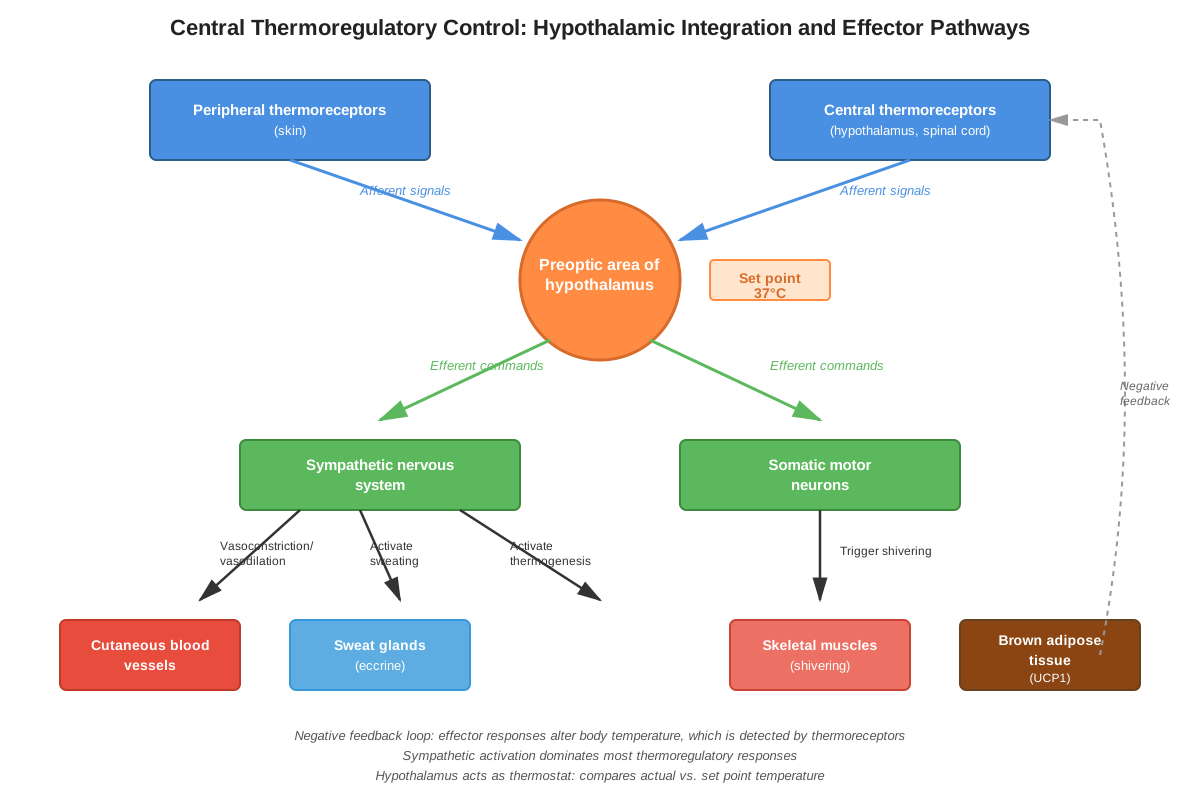
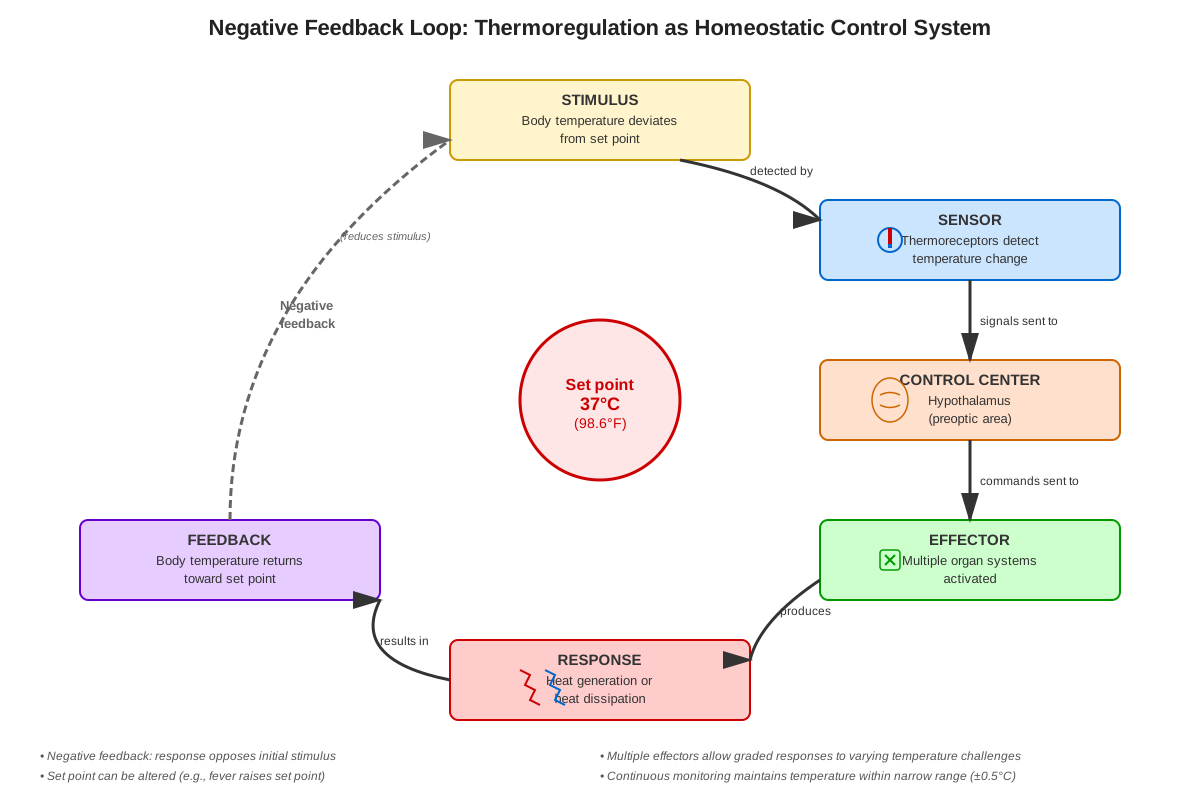
The thermoregulatory system operates through a classic negative feedback loop. Peripheral and central thermoreceptors detect temperature changes, transmitting signals to the preoptic area of the anterior hypothalamus, which functions as the body's thermostat. The hypothalamus compares actual temperature against the set point (typically 37°C) and initiates appropriate responses through autonomic, somatic, endocrine, and behavioral pathways to correct deviations.
Thermoreceptors and Sensory Input
Temperature detection occurs through specialized thermoreceptors distributed throughout the body. Peripheral thermoreceptors in the skin include cold receptors (responding maximally at 25-30°C) and warm receptors (responding maximally at 40-45°C). These receptors are free nerve endings that transmit information via A-delta fibers (cold) and C fibers (warm) to the spinal cord and ultimately to the hypothalamus.
Central thermoreceptors located in the hypothalamus, spinal cord, and abdominal organs directly monitor core body temperature. The preoptic area of the anterior hypothalamus contains the highest concentration of temperature-sensitive neurons, with warm-sensitive neurons outnumbering cold-sensitive neurons approximately 4:1. This central monitoring provides the primary input for thermoregulatory responses, while peripheral receptors primarily contribute to thermal sensation and anticipatory responses.
The Hypothalamic Control Center
The hypothalamus integrates thermal information and coordinates thermoregulatory responses. The preoptic area and anterior hypothalamus primarily respond to heat, initiating heat-loss mechanisms when temperature rises above the set point. The posterior hypothalamus coordinates heat-conservation and heat-generation responses when temperature falls below the set point.
The hypothalamus exerts control through multiple pathways:
- Autonomic nervous system activation: Sympathetic outflow controls vasomotor tone, sweat gland activity, and metabolic rate
- Endocrine signaling: Thyroid-releasing hormone (TRH) stimulates thyroid hormone production, increasing basal metabolic rate
- Somatic motor control: Voluntary and involuntary muscle contractions generate heat through shivering
- Behavioral modifications: Conscious actions like seeking shade or adding clothing layers
Heat-Loss Mechanisms
When core temperature exceeds the set point, the body employs several mechanisms to dissipate heat:
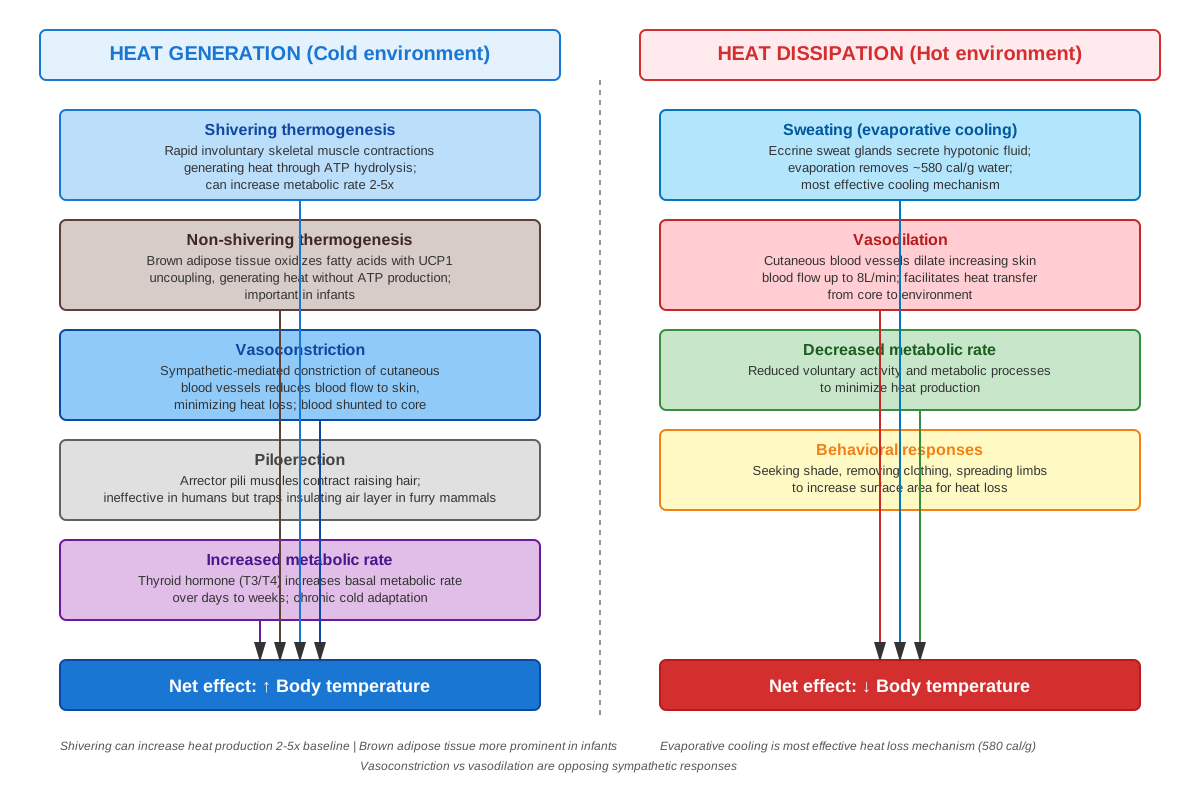
Vasodilation represents the primary rapid-response mechanism. Sympathetic cholinergic neurons innervating cutaneous blood vessels reduce vasoconstrictor tone, allowing increased blood flow to the skin surface. This can increase cutaneous blood flow from approximately 200 mL/min at rest to 7-8 L/min during maximal heat stress, dramatically enhancing heat transfer from the core to the environment through radiation and convection.
Sweating provides the most powerful heat-loss mechanism through evaporative cooling. Eccrine sweat glands, innervated by sympathetic cholinergic fibers, secrete hypotonic fluid onto the skin surface. The evaporation of each gram of water removes approximately 0.58 kcal of heat. Humans can produce up to 1-2 liters of sweat per hour during extreme heat stress, though this capacity varies with acclimatization status. The effectiveness of evaporative cooling decreases dramatically in high-humidity environments where evaporation rates decline.
Behavioral modifications include seeking cooler environments, removing clothing, reducing physical activity, and adopting postures that maximize surface area exposure. While often overlooked in purely physiological discussions, behavioral thermoregulation represents the most energy-efficient strategy and often precedes autonomic responses.
Heat-Generation and Heat-Conservation Mechanisms
When core temperature falls below the set point, the body activates heat-generating and heat-conserving responses:
Vasoconstriction reduces cutaneous blood flow, minimizing heat loss to the environment. Sympathetic adrenergic neurons increase vascular smooth muscle tone in skin arterioles, redirecting blood flow to deeper tissues. This response can reduce skin blood flow to as little as 20-50 mL/min, substantially decreasing heat loss through radiation and convection.
Shivering thermogenesis generates heat through involuntary, rhythmic muscle contractions. The posterior hypothalamus activates motor neurons in the spinal cord, causing rapid muscle contractions (10-20 per second) that can increase heat production by 2-5 fold above basal levels. Shivering primarily involves skeletal muscles of the trunk and proximal limbs, converting chemical energy (ATP) into heat with minimal mechanical work.
Non-shivering thermogenesis occurs primarily in brown adipose tissue (BAT), particularly important in infants but also present in adults. Sympathetic stimulation releases norepinephrine, which activates β3-adrenergic receptors on brown adipocytes. This triggers expression of uncoupling protein 1 (UCP1) in mitochondrial inner membranes, allowing protons to bypass ATP synthase, dissipating the proton gradient as heat rather than capturing energy in ATP bonds. This process can significantly increase metabolic rate without shivering.
Metabolic rate increases occur through thyroid hormone action. Cold exposure stimulates hypothalamic TRH release, triggering anterior pituitary TSH secretion, which stimulates thyroid hormone (T3 and T4) production. Thyroid hormones increase basal metabolic rate by upregulating cellular respiration across most tissues, generating additional heat as a byproduct. This response develops over days to weeks, representing a long-term adaptation to cold environments.
Piloerection (goosebumps) represents a vestigial response in humans. Sympathetic stimulation causes arrector pili muscles to contract, raising body hairs. While effective in furry mammals by trapping an insulating air layer, this mechanism provides negligible thermal benefit in relatively hairless humans.
Fever and Pyrogens
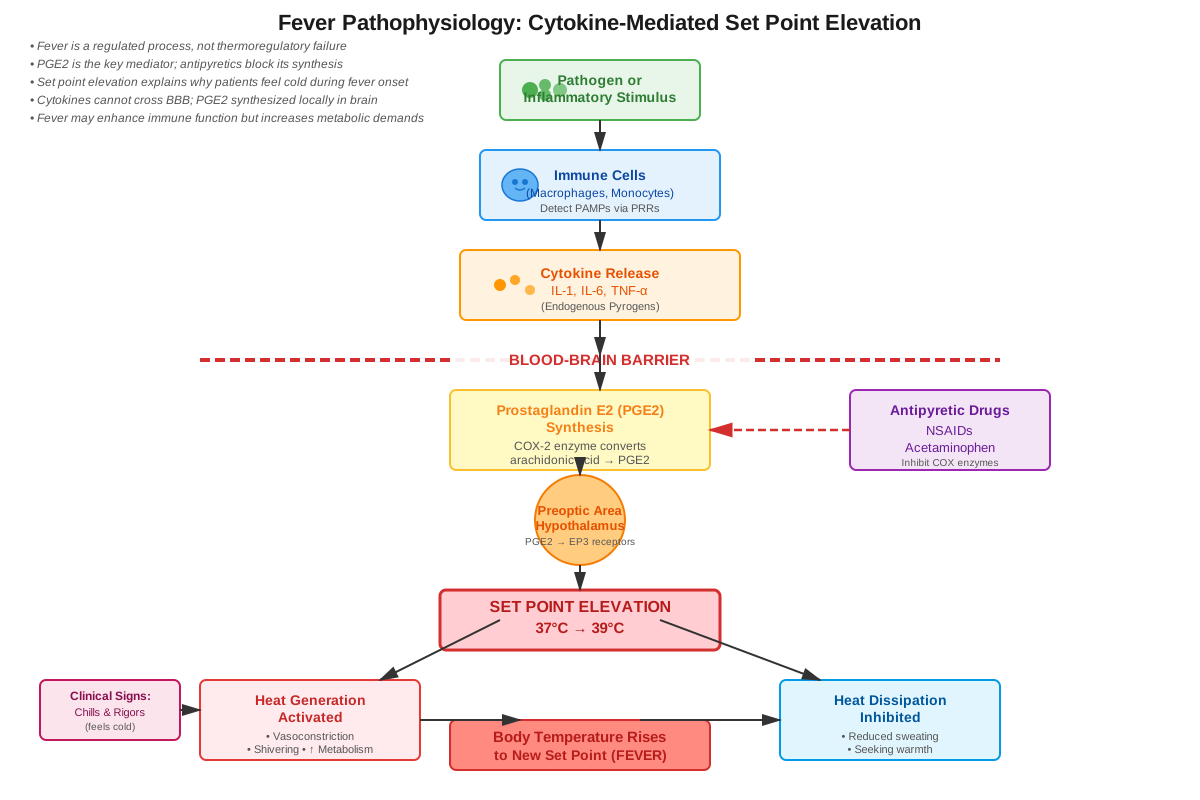
Fever represents a regulated increase in the hypothalamic set point, typically triggered by infection or inflammation. Exogenous pyrogens (bacterial endotoxins like lipopolysaccharide) stimulate immune cells to release endogenous pyrogens including interleukin-1 (IL-1), interleukin-6 (IL-6), and tumor necrosis factor-alpha (TNF-α). These cytokines cross the blood-brain barrier or act on circumventricular organs, stimulating prostaglandin E2 (PGE2) synthesis in hypothalamic endothelial cells.
PGE2 binds to EP3 receptors on hypothalamic neurons, raising the thermoregulatory set point from 37°C to potentially 39-40°C or higher. The body then perceives normal body temperature as "too cold" and activates heat-generating mechanisms (vasoconstriction, shivering) until the new set point is reached. This explains why patients with fever often experience chills despite elevated body temperature.
Antipyretic medications like aspirin, acetaminophen, and NSAIDs reduce fever by inhibiting cyclooxygenase (COX) enzymes, preventing PGE2 synthesis and allowing the set point to return to normal. Importantly, antipyretics do not affect normal thermoregulation—they only reduce elevated set points.
Thermoregulatory Disorders
| Condition | Mechanism | Core Temperature | Key Features |
|---|---|---|---|
| Heat exhaustion | Excessive fluid/electrolyte loss | 37-40°C | Intact thermoregulation, profuse sweating, weakness |
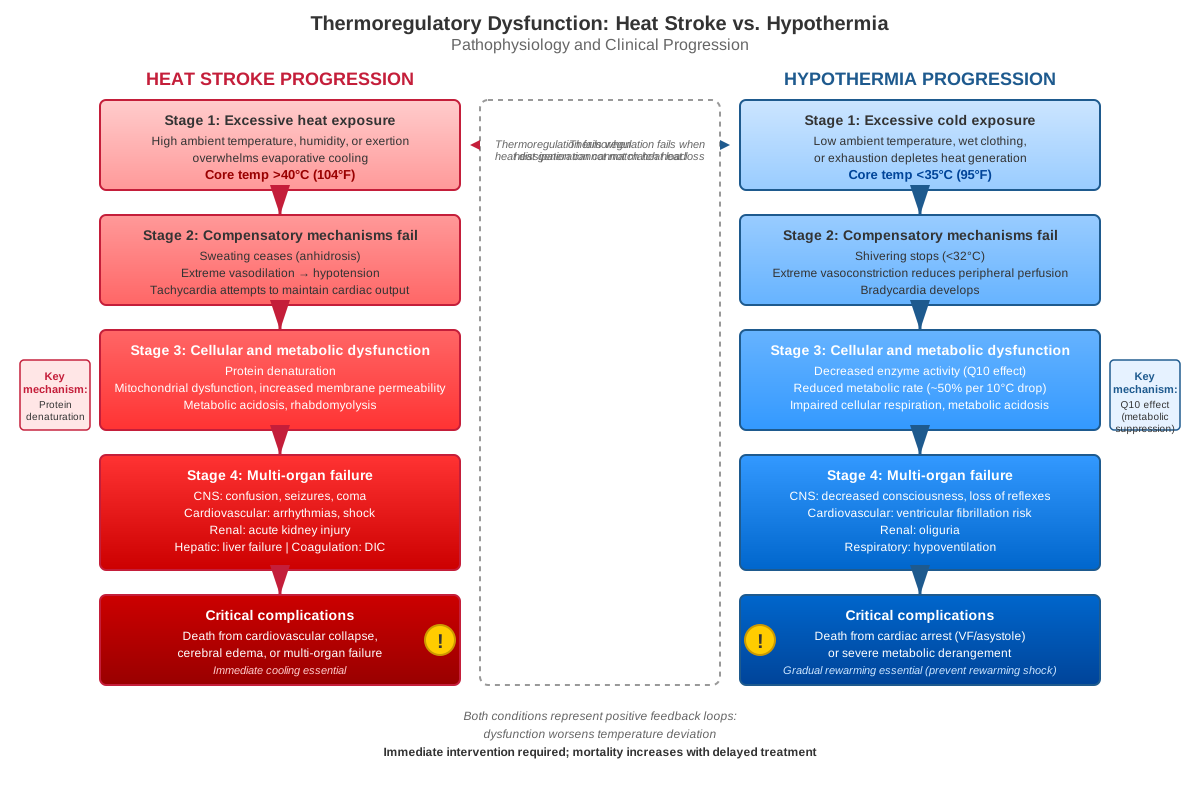
| Heat stroke | Thermoregulatory failure | >40°C | Absent sweating, altered mental status, medical emergency |
| Hypothermia | Heat loss exceeds generation | <35°C | Progressive CNS depression, cardiac arrhythmias |
| Malignant hyperthermia | Genetic disorder triggered by anesthetics | Rapidly rising | Excessive muscle metabolism, requires dantrolene |
| Hyperthyroidism | Excessive thyroid hormone | Slightly elevated | Increased basal metabolic rate, heat intolerance |
| Hypothyroidism | Insufficient thyroid hormone | Slightly decreased | Decreased basal metabolic rate, cold intolerance |
Concept Relationships
Thermoregulation integrates multiple physiological systems through hierarchical control mechanisms. The relationship begins with thermoreceptors (sensory input) → hypothalamus (integration center) → effector organs (response execution). This negative feedback loop continuously adjusts responses to maintain homeostasis.
The autonomic nervous system serves as the primary effector pathway, with sympathetic activation driving both heat-loss mechanisms (through cholinergic pathways to sweat glands and vasodilator fibers) and heat-conservation mechanisms (through adrenergic pathways causing vasoconstriction and metabolic stimulation). This dual role demonstrates the complexity of sympathetic function beyond simple "fight-or-flight" responses.
Endocrine regulation provides longer-term thermoregulatory control. The hypothalamic-pituitary-thyroid axis links thermoregulation to metabolic rate: cold exposure → TRH → TSH → thyroid hormones → increased cellular respiration → heat generation. This connection explains why thyroid disorders manifest with temperature regulation abnormalities.
Cardiovascular adjustments enable heat transfer between core and periphery. Vasomotor control determines whether metabolically-generated heat remains in the core (vasoconstriction) or transfers to the skin for dissipation (vasodilation). This connects thermoregulation to blood pressure regulation, as cutaneous vasodilation can reduce total peripheral resistance.
Behavioral thermoregulation represents the highest level of control, involving conscious decision-making and learned responses. This connects thermoregulation to cognitive neuroscience and demonstrates how physiological drives influence behavior.
The relationship to metabolism is bidirectional: metabolic processes generate heat as a byproduct (connecting to cellular respiration and thermodynamics), while thermoregulatory demands influence metabolic rate (connecting to energy balance and nutrition). This explains why cold environments increase caloric requirements.
Evolutionary adaptations in thermoregulation connect to comparative physiology: endothermy versus ectothermy, adaptations to extreme environments (desert, arctic), and the relationship between body size and thermoregulation (surface area-to-volume ratios). These connections frequently appear in MCAT passages examining evolutionary biology.
Quick check — test yourself on Thermoregulation so far.
Try Flashcards →High-Yield Facts
⭐ The preoptic area of the anterior hypothalamus serves as the primary thermoregulatory control center, with warm-sensitive neurons outnumbering cold-sensitive neurons 4:1
⭐ Evaporative cooling through sweating represents the most powerful heat-loss mechanism, removing approximately 0.58 kcal per gram of water evaporated
⭐ Fever results from cytokine-mediated increases in prostaglandin E2 (PGE2), which raises the hypothalamic set point rather than representing thermoregulatory failure
⭐ Brown adipose tissue generates heat through uncoupling protein 1 (UCP1), which dissipates the proton gradient as heat rather than producing ATP
⭐ Cutaneous blood flow can vary from 50 mL/min during maximal vasoconstriction to 7-8 L/min during maximal vasodilation, representing a 100-fold range
- Peripheral thermoreceptors include cold receptors (A-delta fibers) and warm receptors (C fibers) that provide anticipatory information about environmental temperature
- Shivering thermogenesis can increase heat production by 2-5 fold through involuntary muscle contractions at 10-20 cycles per second
- Antipyretic medications (aspirin, acetaminophen, NSAIDs) reduce fever by inhibiting cyclooxygenase enzymes and preventing PGE2 synthesis
- Heat stroke represents a medical emergency characterized by core temperature >40°C and thermoregulatory failure with absent sweating
- Thyroid hormones increase basal metabolic rate across most tissues, representing a long-term adaptation to cold environments that develops over days to weeks
- The effectiveness of evaporative cooling decreases dramatically in high-humidity environments where water vapor pressure gradients are reduced
- Malignant hyperthermia represents a genetic disorder triggered by certain anesthetics, causing excessive muscle metabolism and requiring immediate treatment with dantrolene
Common Misconceptions
Misconception: Fever represents a failure of thermoregulation and should always be aggressively treated.
Correction: Fever represents a regulated increase in the hypothalamic set point that may enhance immune function. Moderate fever (<39.5°C) in otherwise healthy individuals often does not require treatment. The body's thermoregulatory mechanisms remain functional during fever—they are simply defending a higher set point.
Misconception: Sweating directly cools the body.
Correction: Sweat production alone does not cool the body; only the evaporation of sweat removes heat through the latent heat of vaporization. In high-humidity environments, sweat may drip off the skin without evaporating, providing no cooling benefit while still causing fluid and electrolyte loss. This explains why humid heat feels more oppressive than dry heat at the same temperature.
Misconception: Shivering and non-shivering thermogenesis are mutually exclusive processes.
Correction: Both mechanisms can operate simultaneously, though non-shivering thermogenesis typically precedes shivering during cold exposure. Brown adipose tissue activation represents the body's first line of metabolic heat generation, with shivering recruited when non-shivering thermogenesis proves insufficient.
Misconception: The sympathetic nervous system only causes vasoconstriction.
Correction: While sympathetic adrenergic pathways cause vasoconstriction, sympathetic cholinergic pathways mediate both sweating and active vasodilation in cutaneous vessels during heat stress. This demonstrates the complexity of sympathetic function, which includes both heat-loss and heat-conservation mechanisms depending on the specific neural pathway activated.
Misconception: Alcohol warms the body during cold exposure.
Correction: Alcohol causes cutaneous vasodilation, creating a sensation of warmth but actually increasing heat loss from the core to the environment. This accelerates the development of hypothermia during cold exposure. The subjective feeling of warmth results from increased skin temperature, while core temperature actually decreases—a dangerous combination that impairs judgment about cold danger.
Misconception: Piloerection (goosebumps) provides meaningful thermal insulation in humans.
Correction: Piloerection represents a vestigial response that effectively insulates furry mammals by trapping air but provides negligible thermal benefit in relatively hairless humans. The response persists because the same sympathetic pathways that cause piloerection in cold also cause vasoconstriction, which does provide thermal benefit.
Worked Examples
Example 1: Fever Pathophysiology
Clinical Vignette: A 25-year-old patient presents with fever (39.5°C), chills, and body aches after developing a bacterial infection. Blood tests reveal elevated IL-1 and IL-6 levels. The patient reports feeling cold despite the elevated temperature. Explain the physiological basis for this presentation.
Analysis:
Step 1: Identify the mechanism of fever development. Bacterial infection introduces exogenous pyrogens (endotoxins) that stimulate immune cells (macrophages, monocytes) to release endogenous pyrogens including IL-1 and IL-6.
Step 2: Trace the pathway from cytokines to set point change. IL-1 and IL-6 act on hypothalamic endothelial cells, stimulating cyclooxygenase-2 (COX-2) to produce prostaglandin E2 (PGE2). PGE2 binds to EP3 receptors on thermoregulatory neurons in the preoptic area, raising the set point from 37°C to approximately 39.5°C.
Step 3: Explain the sensation of cold. With the set point elevated to 39.5°C, the hypothalamus perceives the current body temperature (initially 37°C) as below the set point. This triggers heat-generating and heat-conserving responses: vasoconstriction (reducing skin temperature and creating the sensation of cold) and shivering (the "chills"). These responses continue until body temperature reaches the new set point of 39.5°C.
Step 4: Connect to treatment. Administering an antipyretic (aspirin, acetaminophen, or ibuprofen) would inhibit COX enzymes, reducing PGE2 synthesis and allowing the set point to return to 37°C. The patient would then perceive 39.5°C as "too hot," triggering heat-loss mechanisms (vasodilation, sweating) until temperature normalizes.
Key Concept: This example demonstrates that fever represents regulated hyperthermia with intact thermoregulatory mechanisms defending an elevated set point, contrasting with heat stroke where thermoregulatory mechanisms fail. Understanding this distinction is critical for MCAT questions differentiating various hyperthermic conditions.
Example 2: Exercise in Heat
Experimental Scenario: Researchers study two groups of athletes exercising at 70% VO2max in different environments: Group A in 20°C with 40% humidity, Group B in 35°C with 80% humidity. Both groups exercise until core temperature reaches 39°C. Group B reaches this temperature significantly faster and reports greater perceived exertion. Explain the physiological basis for these findings.
Analysis:
Step 1: Identify heat sources during exercise. Skeletal muscle contraction generates substantial heat as a byproduct of ATP hydrolysis and inefficient energy conversion. At 70% VO2max, metabolic heat production may reach 800-1000 watts, far exceeding resting heat production (~80 watts).
Step 2: Analyze heat-loss mechanisms available. The body must dissipate this excess heat to prevent dangerous core temperature elevation. The primary mechanisms are:
- Radiation and convection (enhanced by cutaneous vasodilation)
- Evaporative cooling through sweating
Step 3: Compare environmental conditions. Group A (20°C, 40% humidity) benefits from:
- Large temperature gradient between skin and environment, enhancing radiation and convection
- Low humidity allowing efficient sweat evaporation
Group B (35°C, 80% humidity) faces:
- Minimal temperature gradient (skin temperature during exercise may be 33-35°C, nearly equal to ambient temperature), severely limiting radiation and convection
- High humidity reducing the water vapor pressure gradient, dramatically impairing evaporative cooling
Step 4: Explain the cardiovascular challenge. To maximize heat dissipation, the hypothalamus triggers maximal cutaneous vasodilation. However, this creates competing demands: muscles require increased blood flow for oxygen delivery, while skin requires increased blood flow for heat dissipation. In Group B, the inability to dissipate heat through evaporation necessitates even greater cutaneous blood flow, potentially compromising muscle perfusion and cardiovascular function. This explains the greater perceived exertion and faster temperature rise.
Step 5: Predict additional consequences. Group B athletes face higher risk of heat exhaustion due to:
- Greater sweat production attempting to compensate for reduced evaporative efficiency
- Accelerated fluid and electrolyte loss
- Greater cardiovascular strain from competing blood flow demands
- Potential progression to heat stroke if exercise continues
Key Concept: This example integrates thermoregulation with cardiovascular physiology, metabolism, and environmental physics. MCAT passages frequently present similar scenarios requiring students to analyze multiple interacting systems and predict physiological outcomes based on environmental manipulations.
Exam Strategy
When approaching MCAT questions on thermoregulation, first identify whether the question addresses:
- Sensory input (thermoreceptors, neural pathways)
- Integration (hypothalamic control, set point changes)
- Effector responses (specific mechanisms of heat loss or generation)
- Pathological conditions (fever, heat stroke, hypothermia)
Trigger words that signal thermoregulation content include: "body temperature," "hypothalamus," "fever," "sweating," "shivering," "vasoconstriction/vasodilation," "heat stroke," "hypothermia," "brown adipose tissue," "metabolic rate," and "thermal regulation." When these appear, immediately activate your thermoregulation framework.
For mechanism questions, trace the complete pathway: stimulus → receptor → integration center → effector → response. MCAT questions often test whether students understand the complete pathway rather than isolated components. For example, a question might ask why a patient with spinal cord injury has impaired thermoregulation—the answer requires recognizing that efferent pathways from the hypothalamus to effector organs are disrupted.
For fever versus hyperthermia questions, the critical distinction is set point:
- Fever = elevated set point, intact thermoregulation
- Hyperthermia (heat stroke) = normal set point, failed thermoregulation
This distinction determines appropriate treatment and prognosis.
Process-of-elimination strategies:
- Eliminate answers suggesting sympathetic activation causes only one type of response (it mediates both heat loss and heat conservation through different pathways)
- Eliminate answers confusing sweating with evaporative cooling (sweating without evaporation provides no cooling)
- Eliminate answers suggesting fever represents thermoregulatory failure (it represents regulated hyperthermia)
- Eliminate answers ignoring the role of humidity in evaporative cooling effectiveness
Time allocation: Thermoregulation questions typically require 60-90 seconds. Discrete questions testing basic mechanisms (30-45 seconds) appear less frequently than passage-based questions requiring integration (90-120 seconds). Budget extra time for questions requiring quantitative analysis of heat transfer or metabolic rate calculations.
Exam Tip: When passages present graphs of body temperature over time, pay careful attention to the slope of temperature change. Rapid temperature increases suggest thermoregulatory failure (heat stroke), while gradual increases followed by plateau suggest intact thermoregulation defending a new set point (fever or acclimatization).
Memory Techniques
SHIVER mnemonic for heat-generating mechanisms:
- Shivering thermogenesis
- Hormonal (thyroid) stimulation
- Increased metabolic rate
- Vasoconstriction (heat conservation)
- Endocrine responses
- Reduced surface area (behavioral)
SAVE mnemonic for heat-loss mechanisms:
- Sweating (evaporative cooling)
- Arteriole dilation (vasodilation)
- Ventilation increase (minor contribution)
- Expanded surface area (behavioral)
Fever pathway visualization: Picture a thermostat being turned up:
- Bacteria (exogenous pyrogen) enters
- Immune cells release IL-1, IL-6 (endogenous pyrogens)
- COX-2 produces PGE2 in hypothalamus
- Thermostat (set point) increases
- Body responds as if too cold (shivers, vasoconstricts)
- Temperature rises to new set point
Hypothalamic control memory aid: "Anterior for Anti-cold (heat dissipation), Posterior for Pro-heat (heat generation)"
- Anterior hypothalamus → activated by heat → triggers cooling
- Posterior hypothalamus → activated by cold → triggers warming
Brown adipose tissue (BAT) mechanism: Visualize "uncoupling" as a train (protons) that normally drives a generator (ATP synthase) being diverted to a different track (UCP1) where it just creates friction (heat) without generating electricity (ATP).
Summary
Thermoregulation represents a sophisticated homeostatic system maintaining core body temperature at approximately 37°C through integrated neural, endocrine, and behavioral mechanisms. The preoptic area of the anterior hypothalamus serves as the primary control center, receiving input from peripheral and central thermoreceptors and coordinating responses through autonomic, somatic, and endocrine pathways. Heat-loss mechanisms include cutaneous vasodilation and evaporative cooling through sweating, while heat-generation mechanisms include shivering thermogenesis, non-shivering thermogenesis in brown adipose tissue, and thyroid hormone-mediated increases in metabolic rate. Fever represents a regulated increase in the hypothalamic set point triggered by cytokine-mediated prostaglandin E2 synthesis, contrasting with heat stroke where thermoregulatory mechanisms fail. Understanding thermoregulation requires integrating concepts from neuroscience, endocrinology, cardiovascular physiology, and metabolism—making it a high-yield topic for MCAT passages requiring synthesis across multiple biological systems. Mastery of thermoregulatory mechanisms enables students to analyze clinical scenarios, predict physiological responses to environmental challenges, and understand the pathophysiology of temperature-related disorders.
Key Takeaways
- The hypothalamus integrates thermal information and coordinates thermoregulatory responses through autonomic, endocrine, and behavioral pathways, with the anterior hypothalamus mediating heat loss and the posterior hypothalamus mediating heat generation
- Evaporative cooling through sweating represents the most powerful heat-loss mechanism but requires evaporation (not just sweat production) and is dramatically impaired in high-humidity environments
- Fever results from cytokine-mediated elevation of the hypothalamic set point through prostaglandin E2, representing regulated hyperthermia with intact thermoregulation, not thermoregulatory failure
- Brown adipose tissue generates heat through uncoupling protein 1 (UCP1), which dissipates the mitochondrial proton gradient as heat rather than producing ATP, representing non-shivering thermogenesis
- Cutaneous blood flow varies over a 100-fold range (50 mL/min to 7-8 L/min) through vasomotor control, representing the primary mechanism for regulating heat transfer between core and environment
- Thermoregulation integrates multiple organ systems including nervous, endocrine, cardiovascular, and integumentary systems, making it a high-yield topic for MCAT passages requiring synthesis across biological disciplines
- Understanding the distinction between regulated hyperthermia (fever) and thermoregulatory failure (heat stroke) is critical for analyzing clinical scenarios and predicting appropriate interventions
Related Topics
Endocrine System: Thyroid hormone regulation directly impacts metabolic rate and thermoregulation, with hypothyroidism causing cold intolerance and hyperthyroidism causing heat intolerance. Understanding the hypothalamic-pituitary-thyroid axis deepens comprehension of long-term thermoregulatory adaptations.
Autonomic Nervous System: Sympathetic and parasympathetic divisions mediate most thermoregulatory effector responses. Mastering autonomic physiology enables prediction of thermoregulatory responses and understanding of how autonomic dysfunction affects temperature regulation.
Cardiovascular Physiology: Blood flow redistribution through vasomotor control represents a primary thermoregulatory mechanism. Understanding cardiovascular regulation, including baroreceptor reflexes and blood pressure control, explains how thermoregulatory demands interact with cardiovascular homeostasis.
Metabolism and Bioenergetics: Heat generation as a byproduct of cellular respiration connects thermoregulation to metabolic pathways. Understanding ATP synthesis, electron transport chain function, and metabolic rate calculations enables quantitative analysis of heat production.
Fluid and Electrolyte Balance: Sweating causes substantial fluid and electrolyte loss, connecting thermoregulation to renal physiology and osmotic regulation. Understanding these connections explains complications of heat-related illnesses and appropriate rehydration strategies.
Comparative Physiology: Examining thermoregulatory strategies across species (endothermy versus ectothermy, adaptations to extreme environments) provides evolutionary context and frequently appears in MCAT passages testing comparative biology concepts.
Practice CTA
Now that you have mastered the core concepts of thermoregulation, challenge yourself with practice questions that integrate these principles with other biological systems. Focus on passage-based questions presenting clinical scenarios or experimental manipulations, as these best simulate MCAT question formats. Use flashcards to reinforce high-yield facts, particularly the specific mechanisms of heat generation and dissipation, the fever pathway, and the distinctions between various hyperthermic and hypothermic conditions. Remember that thermoregulation questions reward systematic thinking—trace pathways from stimulus to response, consider environmental factors affecting heat transfer, and always distinguish between regulated temperature changes (fever) and thermoregulatory failure (heat stroke). Your comprehensive understanding of this topic will serve you well not only on discrete thermoregulation questions but also on complex passages requiring integration across multiple physiological systems. Keep pushing forward—mastery of thermoregulation demonstrates the synthetic thinking that distinguishes top MCAT performers!
Sign up free to keep reading
Create a free AnvayaPrep account to finish this MCAT guide on Thermoregulation — plus flashcards and practice questions.