Overview
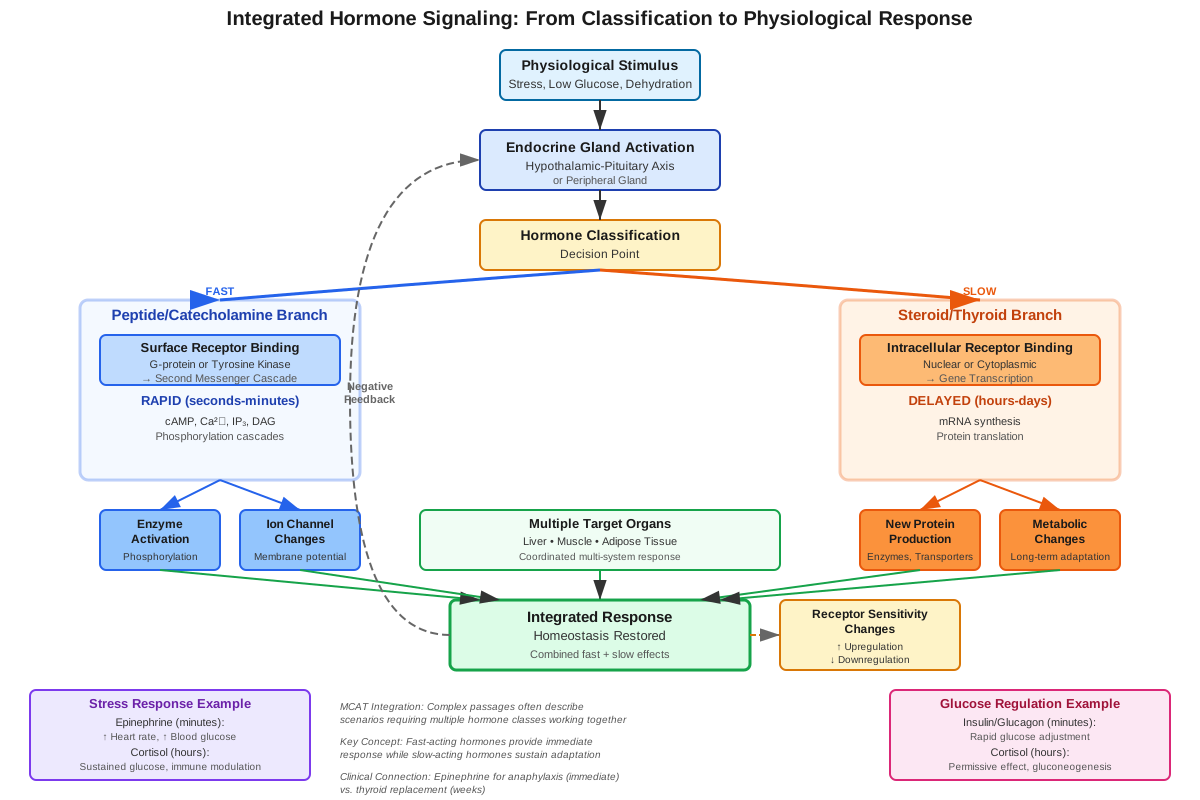
Hormone classes represent one of the most fundamental organizational frameworks in endocrinology and are essential for understanding how the body coordinates complex physiological processes across multiple organ systems. Hormones are chemical messengers secreted by endocrine glands that travel through the bloodstream to target cells, where they elicit specific biological responses. The classification of hormones into distinct categories based on their chemical structure directly determines their mechanism of action, transport in blood, receptor location, and speed of response—all critical concepts for MCAT success.
Understanding hormone classes Biology is particularly important because it bridges multiple disciplines tested on the MCAT: biochemistry (molecular structure and synthesis), cell biology (receptor mechanisms and signal transduction), and physiology (homeostatic regulation and organ system integration). The MCAT frequently tests students' ability to predict hormone behavior based on chemical properties, trace signaling cascades from receptor binding to cellular response, and analyze experimental data involving hormonal regulation. Questions may appear as discrete items testing classification knowledge or embedded within passages describing endocrine disorders, pharmacological interventions, or research studies.
Within Physiology and Organ Systems, hormone classes serve as the mechanistic foundation for understanding reproduction, metabolism, growth, stress responses, and homeostatic regulation. Mastery of this topic enables students to approach complex passages systematically by immediately recognizing which signaling pathway is involved based on hormone identity, predicting whether effects will be rapid or delayed, and understanding why certain hormones require carrier proteins while others do not. This organizational framework transforms what could be overwhelming memorization of individual hormones into a logical, predictable system.
Learning Objectives
- [ ] Define hormone classes using accurate Biology terminology
- [ ] Explain why hormone classes matters for the MCAT
- [ ] Apply hormone classes to exam-style questions
- [ ] Identify common mistakes related to hormone classes
- [ ] Connect hormone classes to related Biology concepts
- [ ] Predict the mechanism of action for any hormone based solely on its chemical classification
- [ ] Compare and contrast the signaling pathways of different hormone classes at the molecular level
- [ ] Analyze experimental scenarios to determine which hormone class is most likely involved based on response characteristics
Prerequisites
- Cell membrane structure and properties: Understanding lipid bilayer composition is essential because hormone solubility determines whether hormones can cross membranes or require surface receptors
- Protein synthesis and gene expression: Steroid and thyroid hormones alter transcription, requiring knowledge of how genes are regulated and proteins are produced
- Receptor types and signal transduction: Familiarity with G-protein coupled receptors, receptor tyrosine kinases, and intracellular receptors provides the foundation for understanding hormone-receptor interactions
- Basic organic chemistry functional groups: Recognizing amino groups, peptide bonds, and steroid ring structures allows classification of hormones by chemical structure
- Enzyme kinetics and second messenger systems: Peptide hormone signaling involves cascades with cAMP, IP3, and calcium that amplify signals
Why This Topic Matters
Clinical and Real-World Significance: Endocrine disorders affect millions of people worldwide, from diabetes mellitus (insulin dysfunction) to thyroid disease (thyroid hormone imbalance) to reproductive disorders (sex steroid abnormalities). Pharmaceutical interventions frequently target hormone pathways—understanding hormone classes explains why steroid medications can be taken orally and have delayed but prolonged effects, while peptide hormones like insulin must be injected and act rapidly. Hormone replacement therapy, contraceptives, and treatments for growth disorders all rely on principles of hormone classification and mechanism.
Exam Statistics: Hormone-related questions appear in approximately 8-12% of MCAT Biology/Biochemistry section questions. The exam tests hormone classes through multiple question formats: discrete questions asking about mechanisms, passage-based questions analyzing experimental endocrinology studies, and integrated questions connecting hormones to metabolism, reproduction, or homeostasis. The MCAT particularly favors questions requiring students to predict outcomes based on hormone properties rather than simple recall.
Common Exam Appearances: Passages frequently present scenarios involving hormone resistance (requiring understanding of receptor mechanisms), comparative endocrinology experiments (testing ability to classify unknown hormones), pharmacological studies of hormone analogs (requiring prediction of effects based on structure), or clinical vignettes describing endocrine pathology (demanding integration of hormone function with organ systems). Questions often include data tables showing hormone levels, response times, or effects of receptor blockers, requiring students to interpret results through the lens of hormone classification.
Core Concepts
The Three Major Hormone Classes
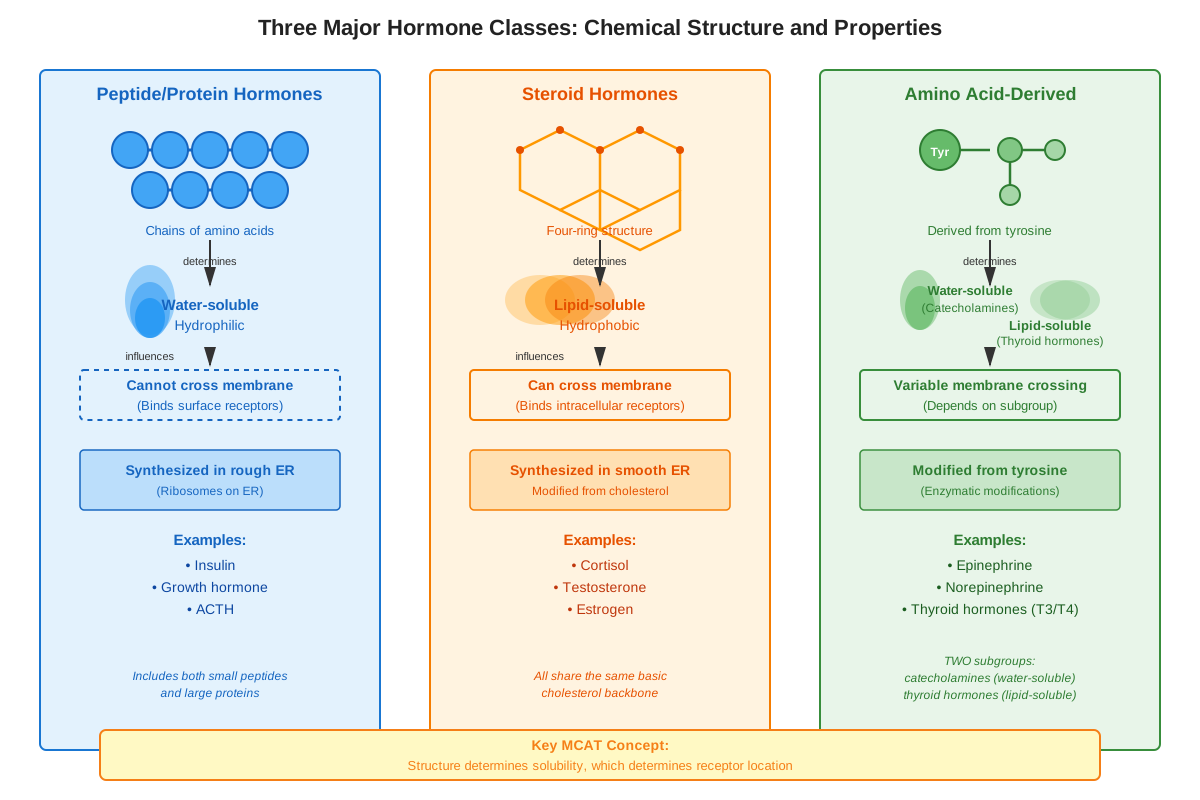
Hormone classes in Biology are traditionally divided into three major categories based on chemical structure: peptide hormones (also called protein hormones), steroid hormones, and amino acid-derived hormones. This classification system is not arbitrary—the chemical nature of each hormone class directly determines its synthesis, storage, transport, receptor location, mechanism of action, and response characteristics. Understanding these structure-function relationships allows prediction of hormone behavior without memorizing individual details for every hormone.
Peptide Hormones
Peptide hormones are composed of amino acids linked by peptide bonds, ranging from small peptides of just 3 amino acids (like thyrotropin-releasing hormone) to large proteins with over 200 amino acids (like growth hormone). This class represents the majority of human hormones and includes insulin, glucagon, growth hormone, prolactin, adrenocorticotropic hormone (ACTH), follicle-stimulating hormone (FSH), luteinizing hormone (LH), antidiuretic hormone (ADH), oxytocin, and many others.
Synthesis and Storage: Peptide hormones are synthesized as preprohormones on ribosomes of the rough endoplasmic reticulum, processed through the Golgi apparatus where they are cleaved to prohormones and then to active hormones, and stored in secretory vesicles until needed. This storage capacity allows rapid release in response to stimuli without requiring new synthesis. The signal sequence directs the growing peptide chain into the ER lumen, ensuring these hydrophilic molecules are packaged for secretion rather than released into the cytoplasm.
Transport: Because peptide hormones are hydrophilic (water-soluble), they dissolve readily in blood plasma and do not require carrier proteins for transport. This property also means they cannot cross the lipid bilayer of cell membranes passively.
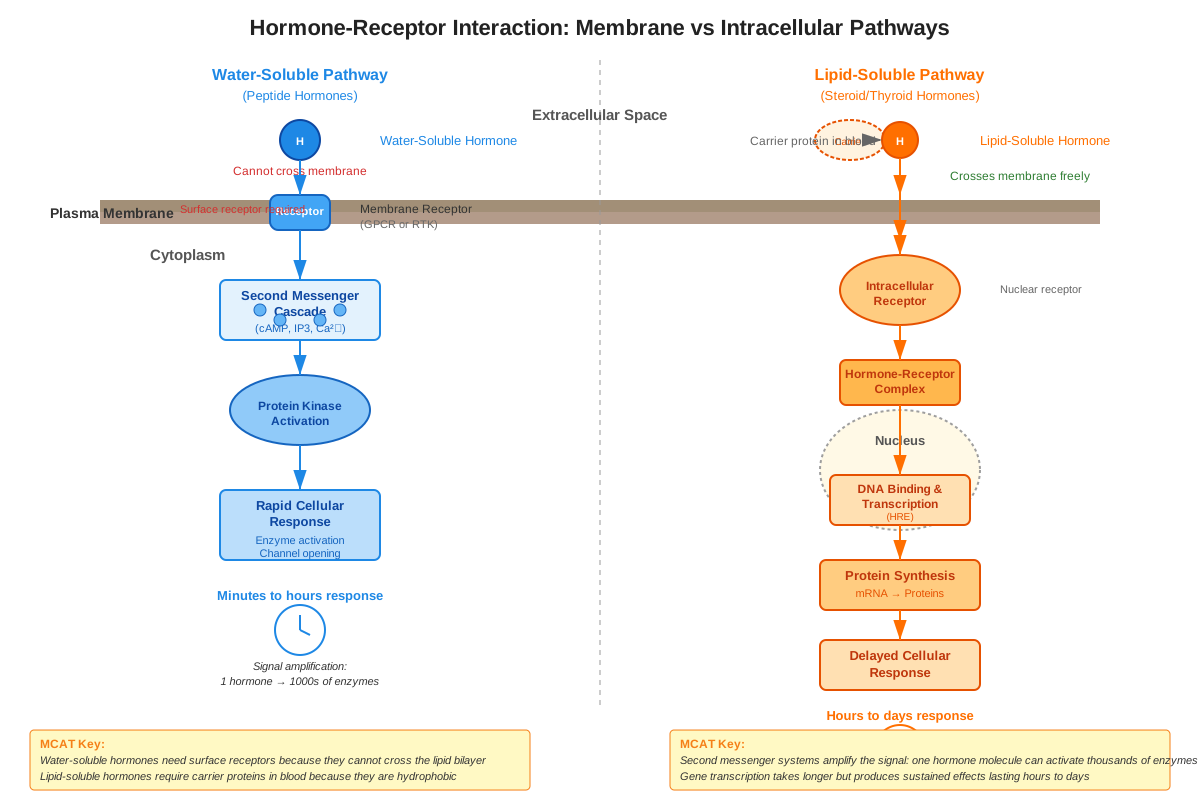
Receptor Location and Mechanism: Peptide hormones bind to cell surface receptors (plasma membrane receptors) because they cannot penetrate the hydrophobic membrane core. These receptors are typically G-protein coupled receptors (GPCRs) or receptor tyrosine kinases (RTKs). Binding triggers intracellular signaling cascades involving second messengers such as cyclic AMP (cAMP), inositol trisphosphate (IP3), diacylglycerol (DAG), or calcium ions. These cascades amplify the signal—one hormone molecule binding can activate many G-proteins, each activating many enzyme molecules, producing thousands of second messenger molecules.
Response Characteristics: Peptide hormone effects are typically rapid (seconds to minutes) because they work through existing proteins via phosphorylation cascades rather than requiring new protein synthesis. However, effects are also relatively short-lived because phosphatases reverse phosphorylation and second messengers are quickly degraded. The response involves changes in enzyme activity, ion channel opening, or cytoskeletal rearrangement.
Steroid Hormones
Steroid hormones are lipid molecules derived from cholesterol, characterized by a four-ring hydrocarbon core structure (three cyclohexane rings and one cyclopentane ring). This class includes the sex hormones (estrogen, progesterone, testosterone), corticosteroids (cortisol, aldosterone), and vitamin D derivatives (calcitriol). The structural similarity to cholesterol makes these hormones highly lipophilic (fat-soluble).
Synthesis: Steroid hormones are synthesized from cholesterol through enzymatic modifications in the smooth endoplasmic reticulum and mitochondria. Unlike peptide hormones, steroids cannot be stored in vesicles because they would simply diffuse through the vesicle membrane. Instead, they are synthesized on demand and immediately released by diffusing through the cell membrane of the endocrine cell.
Transport: Because steroid hormones are lipophilic and poorly soluble in aqueous blood plasma, they require carrier proteins for transport. Most travel bound to specific binding proteins (like sex hormone-binding globulin or corticosteroid-binding globulin) or to albumin. Only the small fraction of unbound (free) hormone is biologically active and can enter target cells. This protein binding serves as a reservoir, prolonging hormone half-life in circulation.
Receptor Location and Mechanism: Steroid hormones easily diffuse across the plasma membrane due to their lipid solubility. They bind to intracellular receptors located in the cytoplasm or nucleus. The hormone-receptor complex acts as a transcription factor, entering the nucleus (if not already there), binding to specific DNA sequences called hormone response elements (HREs) in gene promoter regions, and altering gene transcription. This changes the amount of specific mRNA produced, which subsequently changes protein levels in the cell.
Response Characteristics: Steroid hormone effects are slow (hours to days) because they require transcription of new mRNA, translation into protein, and accumulation of sufficient protein to produce observable effects. However, effects are long-lasting because the newly synthesized proteins remain functional for extended periods. The response involves changes in cell metabolism, growth, differentiation, or function through altered protein expression.
Amino Acid-Derived Hormones
Amino acid-derived hormones (also called amine hormones or biogenic amines) are synthesized from single amino acids, primarily tyrosine or tryptophan. This diverse class includes thyroid hormones (T3 and T4), catecholamines (epinephrine, norepinephrine, dopamine), and melatonin. Despite sharing a common origin from amino acids, this class exhibits heterogeneous properties, with some members behaving like peptide hormones and others like steroid hormones.
Catecholamines (epinephrine, norepinephrine, dopamine) are derived from tyrosine through a series of enzymatic modifications. They behave functionally like peptide hormones: they are hydrophilic, stored in vesicles, released by exocytosis, travel freely in blood, bind to cell surface receptors (GPCRs called adrenergic receptors), activate second messenger systems (primarily cAMP), and produce rapid, short-lived effects. The key difference from peptide hormones is their small size and synthesis pathway.
Thyroid hormones (triiodothyronine or T3, and thyroxine or T4) are also derived from tyrosine but are iodinated and coupled together. Despite their amino acid origin, thyroid hormones behave like steroid hormones: they are lipophilic, require carrier proteins in blood (thyroid-binding globulin), cross cell membranes readily, bind to intracellular nuclear receptors, alter gene transcription, and produce slow, long-lasting effects. The iodination and coupling create a hydrophobic molecule despite the amino acid precursor.
Melatonin, derived from tryptophan, is lipophilic enough to cross membranes but primarily acts through cell surface receptors, representing an intermediate case.
Comparative Summary Table
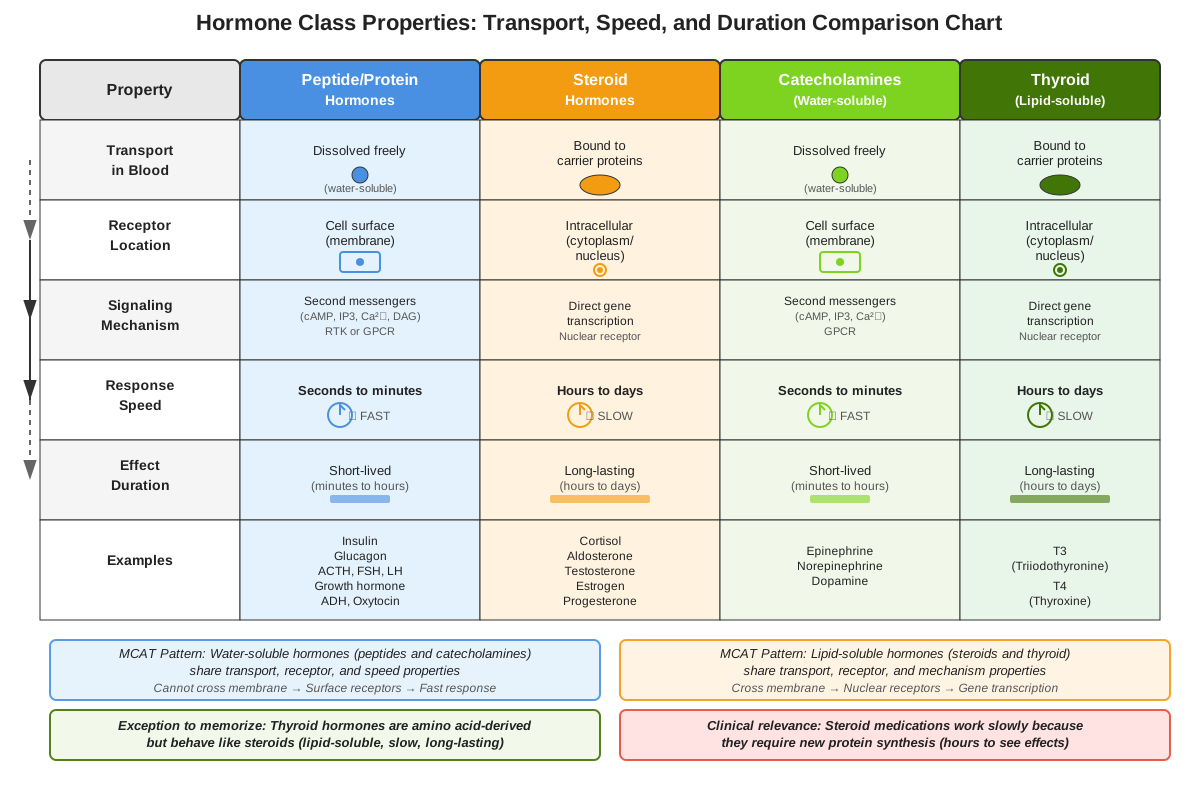
| Property | Peptide Hormones | Steroid Hormones | Catecholamines | Thyroid Hormones |
|---|---|---|---|---|
| Chemical Nature | Amino acid chains | Cholesterol derivatives | Modified tyrosine | Iodinated tyrosine |
| Solubility | Hydrophilic | Lipophilic | Hydrophilic | Lipophilic |
| Synthesis Location | Rough ER, Golgi | Smooth ER, mitochondria | Cytoplasm | Thyroid follicle |
| Storage | Vesicles | Not stored | Vesicles | Bound to thyroglobulin |
| Transport in Blood | Free (dissolved) | Protein-bound | Free (dissolved) | Protein-bound |
| Receptor Location | Cell surface | Intracellular | Cell surface | Intracellular (nuclear) |
| Mechanism | Second messengers | Gene transcription | Second messengers | Gene transcription |
| Response Speed | Rapid (seconds-minutes) | Slow (hours-days) | Rapid (seconds-minutes) | Slow (hours-days) |
| Response Duration | Short-lived | Long-lasting | Short-lived | Long-lasting |
| Examples | Insulin, glucagon, ADH | Cortisol, estrogen, testosterone | Epinephrine, norepinephrine | T3, T4 |
Molecular Mechanisms in Detail
Second Messenger Systems: When peptide hormones or catecholamines bind to GPCRs, they cause conformational changes that activate associated G-proteins. The activated G-protein subunit then modulates effector enzymes. Gs proteins activate adenylyl cyclase, increasing cAMP production; cAMP activates protein kinase A (PKA), which phosphorylates target proteins. Gq proteins activate phospholipase C, which cleaves PIP2 into IP3 and DAG; IP3 triggers calcium release from the endoplasmic reticulum, while DAG activates protein kinase C (PKC). Gi proteins inhibit adenylyl cyclase, decreasing cAMP. This cascade provides signal amplification—one hormone molecule can generate thousands of phosphorylated proteins.
Gene Transcription Mechanism: Steroid and thyroid hormones bind to receptors that are transcription factors. The unbound receptor is often associated with heat shock proteins that maintain it in an inactive state. Hormone binding causes dissociation of these chaperones and receptor dimerization (two receptor molecules pairing). The hormone-receptor dimer translocates to the nucleus, binds to HREs (specific DNA sequences), and recruits coactivator or corepressor proteins that modify chromatin structure and recruit RNA polymerase II, thereby increasing or decreasing transcription of specific genes. The resulting changes in protein levels alter cell function over hours to days.
Signal Termination
Understanding how hormone signals are terminated is crucial for predicting response duration. Peptide hormone signals terminate through multiple mechanisms: hormone dissociation from receptors, receptor internalization and degradation (downregulation), phosphodiesterase degradation of cAMP, phosphatase removal of phosphate groups from activated proteins, and calcium reuptake into the ER. These processes occur within minutes.
Steroid hormone signals terminate more slowly: hormone dissociation from receptors, hormone metabolism by liver enzymes, protein degradation of newly synthesized proteins, and eventual turnover of altered mRNA. These processes require hours to days, explaining the prolonged effects.
Concept Relationships
The three hormone classes represent a fundamental organizational principle that connects to virtually every aspect of endocrinology. Chemical structure (peptide vs. steroid vs. amino acid-derived) → determines solubility (hydrophilic vs. lipophilic) → determines transport mechanism (free vs. protein-bound) → determines receptor location (cell surface vs. intracellular) → determines signaling mechanism (second messengers vs. gene transcription) → determines response characteristics (rapid/short vs. slow/long).
This topic connects directly to cell membrane structure: the phospholipid bilayer's hydrophobic core explains why hydrophilic peptide hormones require surface receptors while lipophilic steroid hormones can enter cells. It connects to signal transduction pathways: understanding GPCR mechanisms, second messengers, and phosphorylation cascades is essential for peptide hormone function. It connects to gene expression and protein synthesis: steroid and thyroid hormone mechanisms require knowledge of transcription factors, promoters, and translation.
Within Physiology and Organ Systems, hormone classes explain the coordination of metabolism (insulin and glucagon as peptide hormones for rapid glucose regulation; cortisol as a steroid for sustained metabolic changes), reproduction (LH and FSH as peptide hormones for rapid ovulation triggering; estrogen and progesterone as steroids for sustained reproductive tissue development), stress response (epinephrine as a catecholamine for immediate fight-or-flight; cortisol as a steroid for prolonged stress adaptation), and growth (growth hormone as a peptide for acute effects; thyroid hormones for sustained developmental changes).
The concept also connects forward to pharmacology: understanding hormone classes explains drug design (why insulin must be injected but prednisone can be oral), drug timing (when to administer medications for optimal effect), and side effects (why steroid medications have widespread, prolonged effects). It connects to pathophysiology: hormone resistance disorders often involve receptor defects, and understanding which receptor type is involved predicts the clinical presentation.
Quick check — test yourself on Hormone classes so far.
Try Flashcards →High-Yield Facts
⭐ Peptide hormones are hydrophilic, bind to cell surface receptors, use second messenger systems, and produce rapid but short-lived effects
⭐ Steroid hormones are lipophilic, require carrier proteins in blood, bind to intracellular receptors, alter gene transcription, and produce slow but long-lasting effects
⭐ Thyroid hormones (T3/T4) are amino acid-derived but behave like steroid hormones with intracellular receptors and transcriptional effects
⭐ Catecholamines (epinephrine/norepinephrine) are amino acid-derived but behave like peptide hormones with cell surface receptors and second messenger systems
⭐ Only free (unbound) hormone is biologically active; protein-bound hormone serves as a reservoir
- Peptide hormones are synthesized as preprohormones and stored in vesicles until release
- Steroid hormones cannot be stored and are synthesized on demand from cholesterol
- Second messenger systems provide signal amplification: one hormone molecule can activate thousands of proteins
- Hormone response duration correlates with mechanism: phosphorylation changes are quickly reversed, but new protein synthesis has lasting effects
- G-protein coupled receptors can be stimulatory (Gs, increasing cAMP) or inhibitory (Gi, decreasing cAMP)
- Receptor tyrosine kinases (RTKs) are used by some peptide hormones like insulin and growth factors
- Downregulation (receptor internalization) occurs with prolonged hormone exposure, reducing cellular sensitivity
- Steroid hormone receptors act as transcription factors by binding to hormone response elements (HREs) in DNA
- The rate-limiting step in steroid hormone synthesis is cholesterol transport into mitochondria via StAR protein
- Thyroid hormones require iodine for synthesis; iodine deficiency prevents T3/T4 production regardless of TSH stimulation
Common Misconceptions
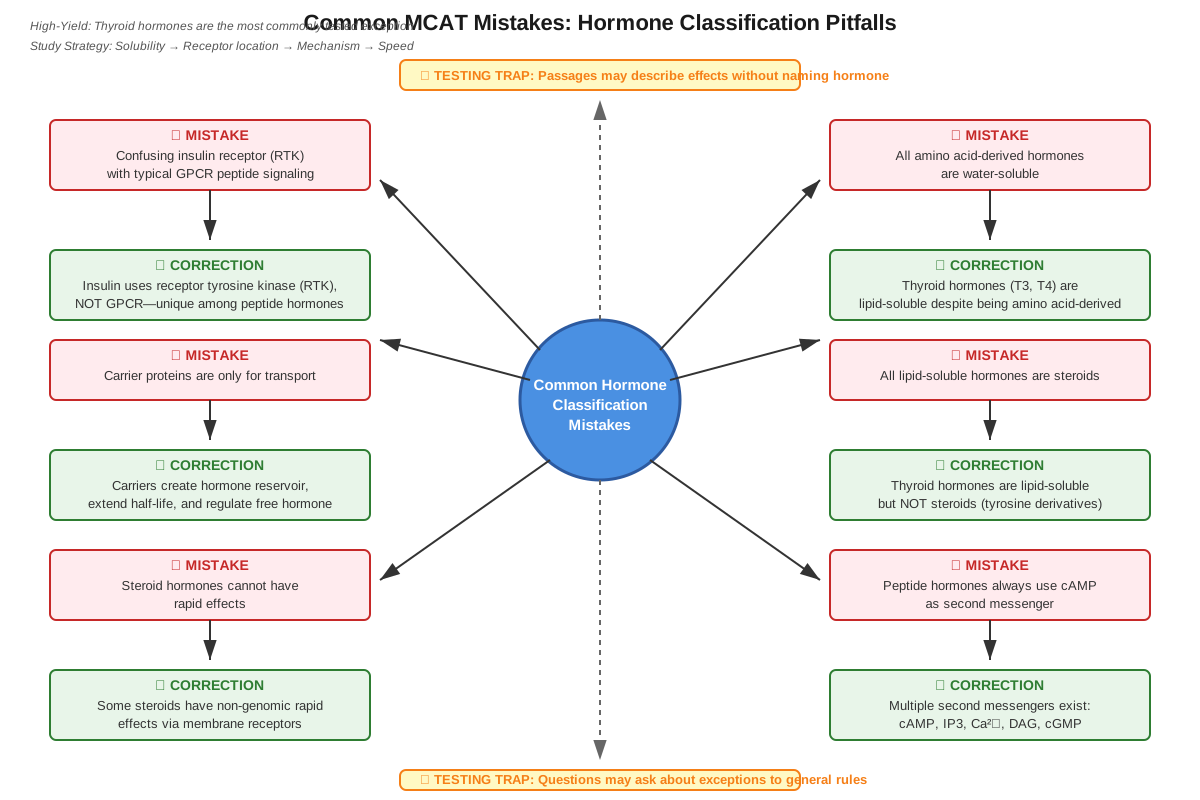
Misconception: All hormones derived from amino acids behave the same way.
Correction: Amino acid-derived hormones are functionally diverse. Catecholamines (from tyrosine) are hydrophilic and act like peptide hormones with cell surface receptors and rapid effects. Thyroid hormones (also from tyrosine) are lipophilic due to iodination and act like steroid hormones with intracellular receptors and slow effects. Chemical origin does not determine functional properties—structure and solubility do.
Misconception: Steroid hormones work faster than peptide hormones because they can enter cells directly.
Correction: Steroid hormones actually work much slower than peptide hormones. Although steroids enter cells easily, they must alter gene transcription, wait for mRNA synthesis, wait for protein translation, and allow new proteins to accumulate before effects are observed (hours to days). Peptide hormones activate existing proteins through phosphorylation cascades, producing effects within seconds to minutes despite being unable to enter cells.
Misconception: Hormones bound to carrier proteins in blood are inactive and serve no purpose.
Correction: Protein-bound hormones serve as a circulating reservoir that extends hormone half-life and provides a buffer against rapid concentration changes. The bound and free hormone exist in equilibrium; as free hormone is used, more dissociates from carriers to maintain equilibrium. This prevents the rapid clearance that would occur if all hormone were free in solution.
Misconception: All peptide hormones use the cAMP second messenger system.
Correction: Peptide hormones use diverse second messenger systems depending on their specific receptor. Some use cAMP (via Gs-coupled receptors), others use IP3/DAG/calcium (via Gq-coupled receptors), some use receptor tyrosine kinase pathways (like insulin), and others may inhibit cAMP (via Gi-coupled receptors). The peptide nature determines receptor location (cell surface) but not which specific signaling pathway is activated.
Misconception: Because steroid hormones alter gene expression, they only affect the nucleus and don't have cytoplasmic effects.
Correction: While the primary mechanism involves nuclear gene transcription, the proteins synthesized as a result can have effects throughout the cell. Additionally, some steroid hormones have rapid "non-genomic" effects through membrane-associated receptors or direct effects on mitochondria, though these are less prominent than the classical genomic mechanism. The altered proteins may be enzymes, transporters, or structural proteins affecting any cellular compartment.
Misconception: Hormone classification is just memorization with no predictive value.
Correction: Hormone classification is a powerful predictive framework. If you know a hormone is a steroid, you can immediately predict it requires carrier proteins, crosses membranes, binds intracellular receptors, alters transcription, and has slow but lasting effects—without memorizing these facts individually for each steroid. The classification system transforms endocrinology from overwhelming memorization into logical prediction based on chemical principles.
Worked Examples
Example 1: Predicting Hormone Properties from Structure
Question: A researcher discovers a novel hormone that is a 45-amino acid peptide. Based solely on this information, predict: (A) whether it requires carrier proteins in blood, (B) where its receptor is likely located, (C) the general mechanism of action, and (D) the expected speed and duration of response.
Solution:
Step 1: Classify the hormone
The hormone is composed of 45 amino acids linked by peptide bonds, making it a peptide hormone.
Step 2: Determine solubility
Peptide hormones are chains of amino acids with many polar groups (backbone carbonyls and amines, plus polar side chains). This makes them hydrophilic and water-soluble.
Step 3: Predict transport (Answer A)
Because the hormone is hydrophilic, it dissolves readily in the aqueous blood plasma. It does NOT require carrier proteins and will travel freely in blood. Only lipophilic hormones (steroids and thyroid hormones) require carrier proteins.
Step 4: Predict receptor location (Answer B)
Hydrophilic molecules cannot cross the lipid bilayer of cell membranes. Therefore, the receptor must be located on the cell surface (plasma membrane). The hormone will bind to an extracellular domain of a transmembrane receptor.
Step 5: Predict mechanism (Answer C)
Cell surface receptors for peptide hormones typically activate intracellular signaling cascades using second messenger systems. The receptor is likely a G-protein coupled receptor (GPCR) or possibly a receptor tyrosine kinase (RTK). Binding will trigger production of second messengers like cAMP, IP3, or calcium, which will activate protein kinases that phosphorylate target proteins, changing their activity.
Step 6: Predict response characteristics (Answer D)
Because the mechanism involves phosphorylation of existing proteins rather than synthesis of new proteins, the response will be rapid (seconds to minutes). However, because phosphatases will remove phosphate groups and second messengers will be degraded, the response will be short-lived unless the hormone signal continues.
Key Principle: Chemical structure (peptide) → solubility (hydrophilic) → transport (free) → receptor location (cell surface) → mechanism (second messengers) → response (rapid/short). This logical chain allows prediction of all properties from the initial classification.
Example 2: Analyzing an Experimental Scenario
Question: Researchers are studying two hormones, Hormone X and Hormone Y. They perform the following experiments:
- Experiment 1: Both hormones are added to cells in culture. Hormone X produces measurable effects within 5 minutes. Hormone Y produces no measurable effects until 6 hours after addition.
- Experiment 2: Cells are pretreated with a protein synthesis inhibitor (blocks translation). Hormone X still produces its effects, but Hormone Y no longer produces any effects.
- Experiment 3: Radioactively labeled versions of both hormones are added to cells. Hormone X remains outside cells, bound to the membrane. Hormone Y is found inside cells, concentrated in the nucleus.
Based on these experiments, classify Hormone X and Hormone Y into hormone classes and explain the reasoning.
Solution:
Analysis of Hormone X:
From Experiment 1: The rapid response (5 minutes) suggests Hormone X works through a mechanism that doesn't require new protein synthesis—likely phosphorylation of existing proteins via a second messenger cascade.
From Experiment 2: Hormone X still works when protein synthesis is blocked, confirming it does NOT require new protein synthesis. This rules out mechanisms involving gene transcription.
From Experiment 3: Hormone X remains outside cells, bound to the membrane, indicating it cannot cross the lipid bilayer. This means it's hydrophilic and binds to a cell surface receptor.
Conclusion: Hormone X is a peptide hormone (or catecholamine). It is hydrophilic, binds to cell surface receptors, uses second messenger systems to phosphorylate existing proteins, and produces rapid effects without requiring transcription or translation.
Analysis of Hormone Y:
From Experiment 1: The delayed response (6 hours) suggests Hormone Y requires time-consuming processes like transcription and translation to produce effects.
From Experiment 2: Hormone Y's effects are completely blocked by a protein synthesis inhibitor, confirming that new protein synthesis is absolutely required for its mechanism. This indicates it works by altering gene expression.
From Experiment 3: Hormone Y enters cells and concentrates in the nucleus, indicating it can cross the lipid bilayer (lipophilic) and likely binds to nuclear receptors that act as transcription factors.
Conclusion: Hormone Y is a steroid hormone (or thyroid hormone). It is lipophilic, crosses cell membranes, binds to intracellular nuclear receptors, alters gene transcription, requires new protein synthesis, and produces slow but lasting effects.
Key Principle: Experimental observations about response time, dependence on protein synthesis, and cellular localization allow classification of unknown hormones. Response time and protein synthesis dependence are particularly diagnostic: rapid + synthesis-independent = peptide/catecholamine; slow + synthesis-dependent = steroid/thyroid.
Exam Strategy
Approaching MCAT Questions on Hormone Classes:
- Identify the hormone class first: When a question mentions a specific hormone, immediately classify it (peptide, steroid, or amino acid-derived). This classification unlocks predictions about all other properties.
- Use the structure-function chain: If given chemical structure or properties, follow the logical chain: structure → solubility → transport → receptor location → mechanism → response characteristics. Each step follows inevitably from the previous one.
- Watch for trigger words:
- "Rapid response," "within minutes," "second messenger," "cAMP," "phosphorylation," "cell surface receptor" → peptide hormone or catecholamine
- "Delayed response," "hours to days," "gene transcription," "requires protein synthesis," "intracellular receptor," "carrier protein" → steroid or thyroid hormone
- "Lipophilic," "crosses membrane," "nuclear receptor" → steroid or thyroid hormone
- "Hydrophilic," "cannot cross membrane," "stored in vesicles" → peptide hormone or catecholamine
- Process of elimination for receptor questions: If asked about receptor location, eliminate based on solubility. Hydrophilic hormones CANNOT have intracellular receptors (they can't get inside). Lipophilic hormones typically DON'T use cell surface receptors (though some have non-classical membrane effects, the primary mechanism is intracellular).
- For mechanism questions: If the question describes a signaling pathway, match it to hormone class:
- GPCR → cAMP/IP3/calcium → kinase activation → phosphorylation = peptide/catecholamine
- Intracellular receptor → DNA binding → transcription → translation = steroid/thyroid
- Time allocation: Hormone classification questions should be answerable quickly (30-45 seconds) if you know the framework. Don't get bogged down trying to recall specific details—use the classification to predict. Save time for more complex passage analysis.
- Passage-based strategy: In passages about endocrine experiments, quickly identify which hormone class is being studied based on experimental design clues (response time, use of transcription inhibitors, receptor location studies). This frames your interpretation of all data in the passage.
- Beware of amino acid-derived hormones: These are the "trick" category. Don't assume all amino acid-derived hormones behave the same. Catecholamines behave like peptides; thyroid hormones behave like steroids. The MCAT loves testing this distinction.
Memory Techniques
Mnemonic for Peptide Hormone Properties - "PEPTIDES SURF":
- Protein/Peptide structure
- Extracellular receptors (cell surface)
- Polar (hydrophilic)
- Transport free in blood
- Immediate/rapid effects
- Don't cross membranes
- Exocytosis for release
- Second messengers
- Unstored synthesis (actually stored in vesicles, but think "used quickly")
- Rapidly reversed
- Fast but fleeting
Mnemonic for Steroid Hormone Properties - "STEROIDS LIFT":
- Synthesized from cholesterol
- Transcription factors (receptors act as)
- Enter cells easily
- Require carrier proteins
- On-demand synthesis (not stored)
- Intracellular receptors
- Delayed effects
- Slow but sustained
- Lipophilic
- Inside nucleus (receptor location)
- Fat-soluble
- Time-consuming (hours to days)
Visualization Strategy for Receptor Location:
Picture a cell with a thick, oily membrane. Imagine trying to throw different objects at it:
- Peptide hormones = water balloons (hydrophilic): They splat on the surface and can't penetrate. They must knock on the door (bind surface receptor) to send a message inside.
- Steroid hormones = oil droplets (lipophilic): They pass right through the oily membrane like dissolves like. Once inside, they go to the control center (nucleus) to change the instruction manual (DNA).
Acronym for Amino Acid-Derived Hormone Behavior - "CAT-P, THY-S":
- CATecholamines behave like Peptides
- THYroid hormones behave like Steroids
Memory Aid for Response Time:
"Peptides are Prompt" (rapid response)
"Steroids are Slow" (delayed response)
Summary
Hormone classes represent a fundamental organizational framework in endocrinology that connects chemical structure to biological function. The three major classes—peptide hormones, steroid hormones, and amino acid-derived hormones—differ systematically in their synthesis, storage, transport, receptor location, mechanism of action, and response characteristics. Peptide hormones are hydrophilic proteins that bind to cell surface receptors, activate second messenger cascades, and produce rapid but short-lived effects through phosphorylation of existing proteins. Steroid hormones are lipophilic cholesterol derivatives that require carrier proteins for transport, bind to intracellular nuclear receptors, alter gene transcription, and produce slow but long-lasting effects through synthesis of new proteins. Amino acid-derived hormones are functionally diverse: catecholamines behave like peptide hormones with rapid effects via cell surface receptors, while thyroid hormones behave like steroid hormones with delayed effects via nuclear receptors. Understanding this classification system allows prediction of hormone behavior based on chemical properties and provides a logical framework for approaching MCAT questions about endocrine physiology, signal transduction, and homeostatic regulation.
Key Takeaways
- Chemical structure determines function: A hormone's classification as peptide, steroid, or amino acid-derived predicts its solubility, transport, receptor location, mechanism, and response characteristics through a logical chain of structure-function relationships
- Peptide hormones are hydrophilic, use cell surface receptors and second messengers, and produce rapid but transient effects without requiring new protein synthesis
- Steroid hormones are lipophilic, require carrier proteins, use intracellular receptors as transcription factors, and produce slow but sustained effects that depend on new protein synthesis
- Amino acid-derived hormones are functionally heterogeneous: catecholamines behave like peptide hormones while thyroid hormones behave like steroid hormones, despite both originating from tyrosine
- Response time is diagnostic: rapid effects (minutes) indicate second messenger mechanisms (peptide/catecholamine), while delayed effects (hours) indicate transcriptional mechanisms (steroid/thyroid)
- Receptor location follows from solubility: hydrophilic hormones cannot cross membranes and must use cell surface receptors; lipophilic hormones cross membranes and use intracellular receptors
- The classification system is predictive, not just descriptive: knowing a hormone's class allows prediction of all its properties without individual memorization, making this framework essential for efficient MCAT preparation
Related Topics
- Signal Transduction Pathways: Deep dive into GPCR mechanisms, second messenger systems (cAMP, IP3/DAG, calcium), and phosphorylation cascades that mediate peptide hormone effects
- Gene Expression and Transcriptional Regulation: Detailed examination of how steroid hormone receptors function as transcription factors, including hormone response elements, coactivators, and chromatin remodeling
- Specific Endocrine Organs and Their Hormones: Application of hormone class principles to hypothalamus, pituitary, thyroid, adrenal, pancreas, and gonads, understanding how each organ's hormones fit into the classification system
- Homeostatic Regulation and Feedback Loops: Integration of hormone classes into negative and positive feedback systems that maintain physiological balance
- Endocrine Pathophysiology: Clinical applications including diabetes mellitus, thyroid disorders, Cushing's syndrome, and hormone resistance syndromes, understanding how classification predicts disease presentation and treatment
Practice CTA
Now that you've mastered the conceptual framework of hormone classes, it's time to solidify your understanding through active practice. Attempt the practice questions and flashcards associated with this topic to test your ability to classify hormones, predict their properties, and apply these principles to MCAT-style scenarios. Remember, understanding the logical structure-function relationships in hormone classes transforms endocrinology from overwhelming memorization into predictable, testable patterns. Each practice question you work through strengthens these neural pathways and builds the rapid pattern recognition essential for MCAT success. You've built the framework—now reinforce it through deliberate practice!
Sign up free to keep reading
Create a free AnvayaPrep account to finish this MCAT guide on Hormone classes — plus flashcards and practice questions.