Overview
MHC class I molecules are essential cell-surface proteins that play a central role in the adaptive immune response by presenting intracellular antigens to cytotoxic T lymphocytes (CD8+ T cells). These glycoproteins are expressed on virtually all nucleated cells in the body and function as molecular "display cases" that showcase fragments of proteins being produced inside the cell. When a cell becomes infected with a virus or undergoes malignant transformation, MHC class I molecules present abnormal peptides on the cell surface, effectively marking the cell for destruction by the immune system. This antigen presentation pathway is fundamental to immunological surveillance and represents one of the body's primary defenses against intracellular pathogens and cancer.
For the MCAT, understanding MHC class I Biology is crucial because it integrates multiple high-yield concepts including protein synthesis, cellular immunity, and signal transduction. Questions frequently test the distinction between MHC class I and MHC class II pathways, the consequences of viral immune evasion strategies, and the molecular basis of transplant rejection. The topic appears regularly in both discrete questions and passage-based scenarios involving immunology, infectious disease, and cancer biology. Students must be able to trace the complete pathway from antigen processing in the cytoplasm through presentation on the cell surface and subsequent T cell recognition.
Within the broader context of Physiology and Organ Systems, MHC class I molecules exemplify how molecular-level processes enable tissue-level immune surveillance. This topic connects directly to lymphocyte development, cytokine signaling, apoptosis pathways, and the distinction between innate and adaptive immunity. Mastery of MHC class I MCAT concepts provides the foundation for understanding autoimmune diseases, immunotherapy approaches, and the molecular mechanisms underlying graft rejection—all topics that appear with moderate to high frequency on the exam.
Learning Objectives
- [ ] Define MHC class I using accurate Biology terminology
- [ ] Explain why MHC class I matters for the MCAT
- [ ] Apply MHC class I to exam-style questions
- [ ] Identify common mistakes related to MHC class I
- [ ] Connect MHC class I to related Biology concepts
- [ ] Describe the complete pathway of antigen processing and presentation via MHC class I
- [ ] Compare and contrast MHC class I and MHC class II in terms of structure, function, and cellular distribution
- [ ] Predict the immunological consequences of MHC class I downregulation or mutation
- [ ] Analyze how viral pathogens evade MHC class I-mediated immune surveillance
Prerequisites
- Basic cell biology and membrane proteins: MHC molecules are transmembrane glycoproteins requiring understanding of protein structure and membrane topology
- Protein synthesis and the secretory pathway: Antigens presented by MHC class I originate from cytoplasmic proteins, necessitating knowledge of translation and protein degradation
- Basic immunology concepts: Understanding of self vs. non-self recognition and the general organization of the immune system provides context for MHC function
- T cell biology fundamentals: MHC class I specifically interacts with CD8+ T cells, requiring baseline knowledge of T lymphocyte types and functions
- Enzyme kinetics and proteasome function: The ubiquitin-proteasome system generates peptides for MHC class I presentation
Why This Topic Matters
Clinical and Real-World Significance
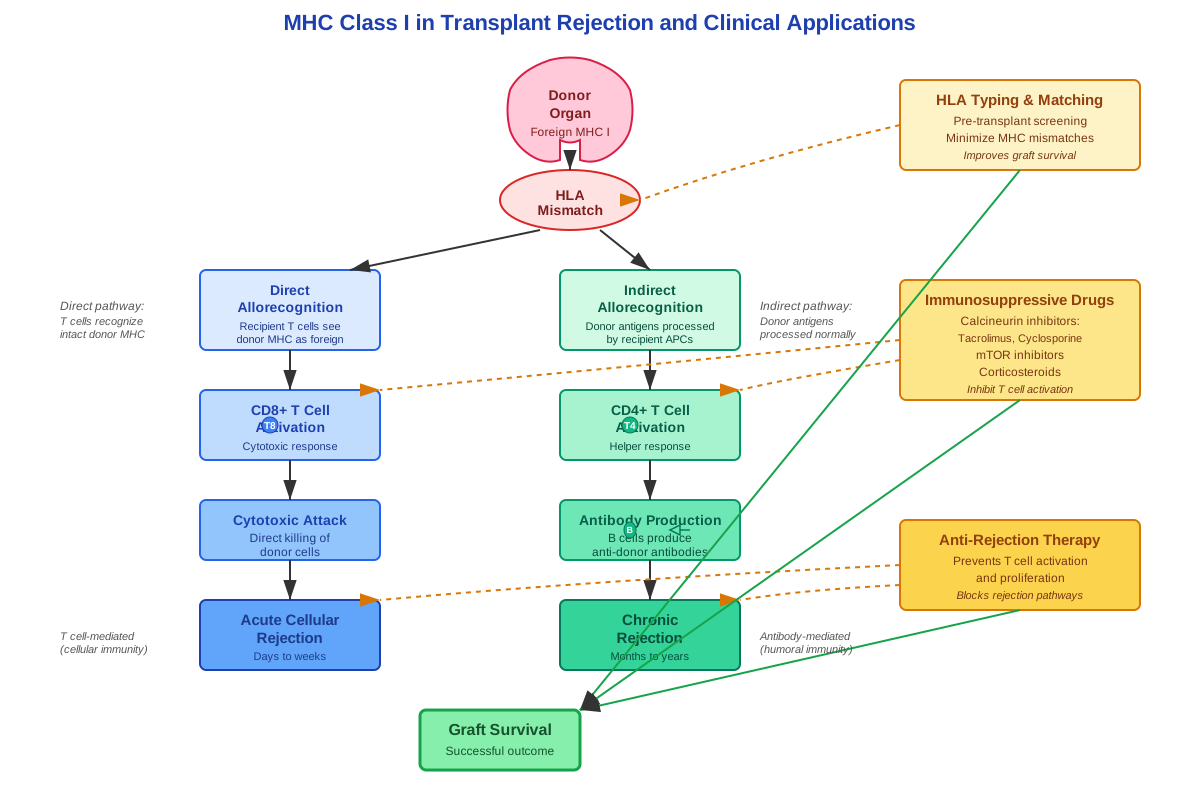
MHC class I molecules are clinically significant in multiple contexts that frequently appear in MCAT passages. In transplantation medicine, MHC class I mismatches between donor and recipient trigger acute rejection through CD8+ T cell-mediated destruction of transplanted tissue. Cancer immunotherapy strategies, including checkpoint inhibitors and CAR-T cell therapy, depend on proper MHC class I expression to enable tumor recognition. Many viruses, including HIV, herpes simplex virus, and cytomegalovirus, have evolved sophisticated mechanisms to downregulate MHC class I expression, allowing infected cells to evade immune surveillance. Additionally, certain autoimmune diseases result from inappropriate presentation of self-antigens via MHC class I, leading to tissue destruction by autoreactive cytotoxic T cells.
Exam Statistics and Question Types
MHC class I appears in approximately 3-5% of MCAT Biology questions, with moderate to high yield for students targeting competitive scores. Questions typically fall into three categories: (1) mechanism-based questions requiring students to trace the antigen presentation pathway, (2) comparative questions distinguishing MHC class I from class II, and (3) application questions involving viral immune evasion or transplant immunology. The topic appears most frequently in passages discussing infectious disease, cancer biology, or immunological disorders, often integrated with experimental data showing T cell activation assays or flow cytometry results.
Common Exam Passage Contexts
MCAT passages featuring MHC class I typically present experimental scenarios investigating: immune responses to viral infection, mechanisms of tumor immune evasion, development of novel vaccines, transplant rejection models, or autoimmune disease pathogenesis. Passages may describe experiments using knockout mice lacking β2-microglobulin (rendering MHC class I non-functional), flow cytometry data showing MHC class I surface expression levels, or co-culture experiments measuring CD8+ T cell activation. Students must be prepared to interpret these experimental designs and connect molecular-level MHC function to observed immunological outcomes.
Core Concepts
Structure of MHC Class I Molecules
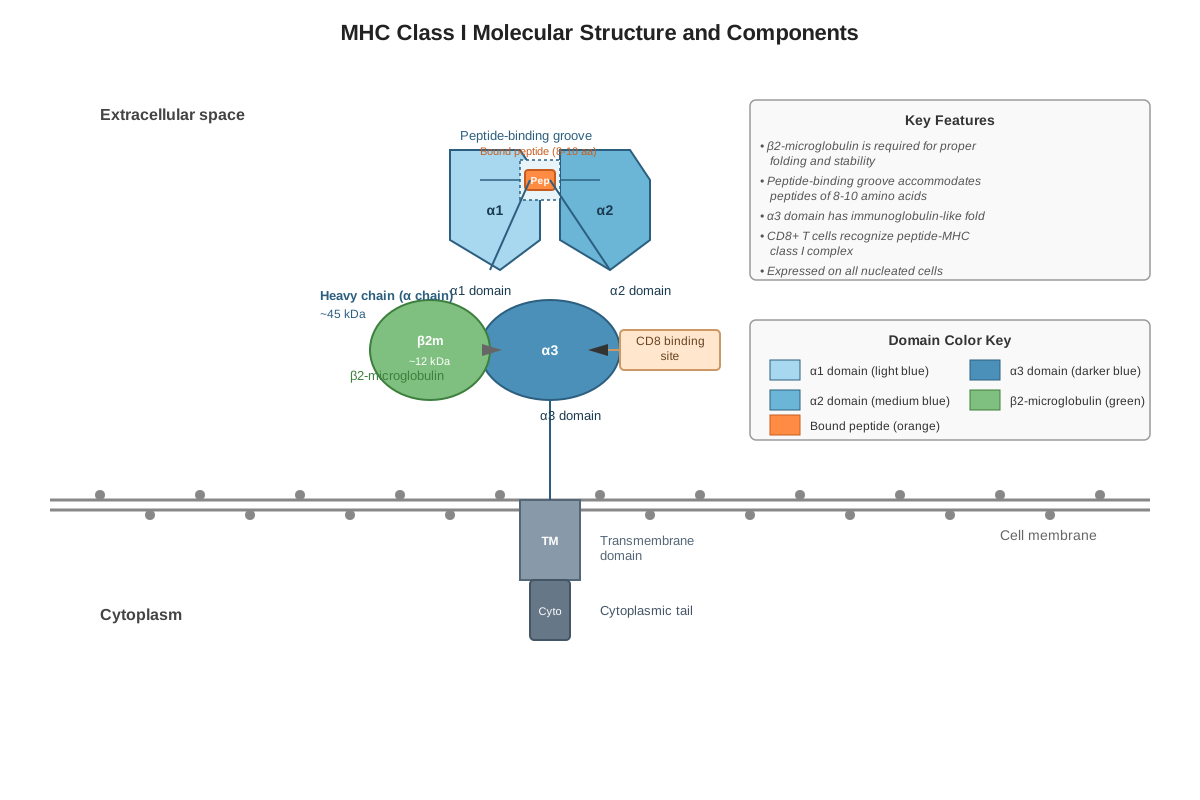
MHC class I molecules are heterodimeric glycoproteins composed of two distinct polypeptide chains. The heavy chain (α chain) is a polymorphic transmembrane protein encoded by genes in the major histocompatibility complex on chromosome 6 in humans (called HLA in humans, H-2 in mice). This heavy chain contains three extracellular domains (α1, α2, and α3), a transmembrane region, and a short cytoplasmic tail. The α1 and α2 domains form the peptide-binding groove—a cleft that accommodates peptides typically 8-10 amino acids in length. The polymorphic nature of these domains (high variability between individuals) determines which specific peptides can be bound and presented.
The second component is β2-microglobulin, a small invariant protein that does not span the membrane but associates non-covalently with the α3 domain of the heavy chain. β2-microglobulin is essential for proper folding and stability of the MHC class I complex; without it, the heavy chain cannot reach the cell surface. This structural requirement has important experimental implications—knockout mice lacking β2-microglobulin effectively lack functional MHC class I molecules and cannot mount CD8+ T cell responses.
Cellular Distribution and Expression
A defining characteristic of MHC class I molecules is their nearly ubiquitous expression on all nucleated cells in the body. This includes epithelial cells, fibroblasts, hepatocytes, neurons, and immune cells themselves. Red blood cells, which lack nuclei, do not express MHC class I. This widespread distribution makes biological sense: since any nucleated cell can potentially become infected with a virus or undergo malignant transformation, all such cells must be capable of displaying their internal protein contents for immune surveillance.
Expression levels of MHC class I are not static but can be upregulated by interferons, particularly interferon-gamma (IFN-γ) and interferon-alpha (IFN-α). These cytokines are produced during viral infections and enhance MHC class I expression, increasing the likelihood that infected cells will be detected and eliminated. Conversely, many pathogens have evolved mechanisms to downregulate MHC class I expression, highlighting the evolutionary arms race between host immunity and pathogen evasion strategies.
The Antigen Processing Pathway
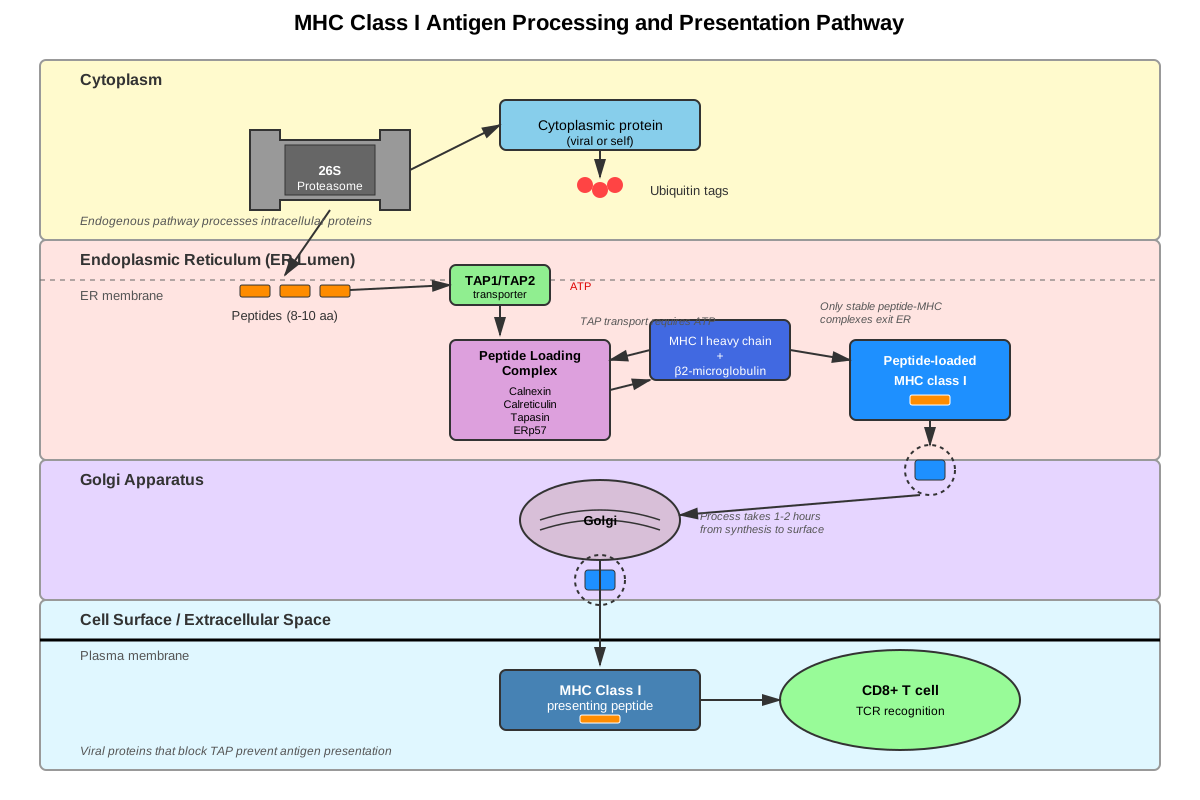
The pathway by which peptides are loaded onto MHC class I molecules is highly organized and involves multiple cellular compartments. The process begins in the cytoplasm, where proteins are continuously degraded by the proteasome—a large multi-subunit protease complex. Proteins destined for degradation are first tagged with ubiquitin chains, marking them for proteasomal destruction. The proteasome cleaves these proteins into peptide fragments, typically 8-15 amino acids long.
These peptide fragments are then transported from the cytoplasm into the endoplasmic reticulum (ER) lumen via the TAP (Transporter associated with Antigen Processing) complex. TAP is an ATP-dependent transporter that preferentially moves peptides of appropriate length and sequence characteristics. Once in the ER, peptides encounter newly synthesized MHC class I heavy chains that are associated with β2-microglobulin and held in a partially folded state by chaperone proteins including calnexin, calreticulin, and tapasin. This assembly complex, called the peptide-loading complex, positions the MHC class I molecule near the TAP transporter to facilitate efficient peptide loading.
When an appropriate peptide binds into the groove formed by the α1 and α2 domains, the MHC class I molecule undergoes a conformational change that stabilizes the complex. The chaperone proteins dissociate, and the now-stable peptide-MHC class I complex is transported through the Golgi apparatus to the cell surface via the standard secretory pathway. This entire process ensures that the cell surface displays a representative sample of all proteins being synthesized in the cytoplasm.
Recognition by CD8+ T Cells
Once at the cell surface, peptide-MHC class I complexes can be recognized by CD8+ T cells (cytotoxic T lymphocytes or CTLs). The T cell receptor (TCR) on CD8+ T cells simultaneously recognizes both the peptide and the MHC class I molecule itself—a phenomenon called MHC restriction. The CD8 co-receptor on these T cells specifically binds to the α3 domain of MHC class I, providing additional binding affinity and helping to transduce activation signals.
If the peptide is derived from a normal self-protein and the T cell has been properly educated during thymic selection, no immune response occurs—this is immunological tolerance. However, if the peptide is foreign (derived from a viral protein, for example) or abnormal (from a mutated tumor antigen), and if the CD8+ T cell has the appropriate TCR specificity, the T cell becomes activated. Activated CD8+ T cells release cytotoxic granules containing perforin and granzymes, which induce apoptosis in the target cell. They also produce cytokines like IFN-γ that enhance the immune response.
MHC Class I vs. MHC Class II: Key Distinctions
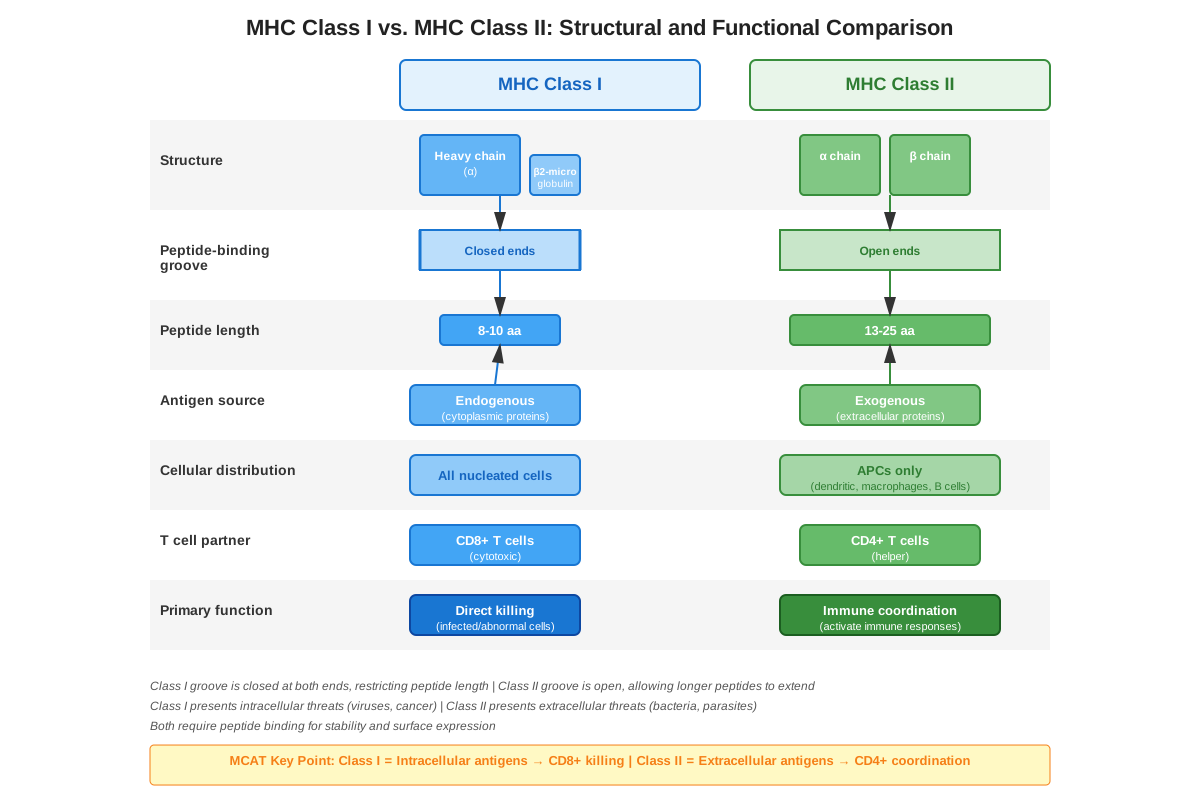
Understanding the differences between MHC class I and MHC class II is essential for the MCAT, as comparative questions are common. The table below summarizes the critical distinctions:
| Feature | MHC Class I | MHC Class II |
|---|---|---|
| Structure | Heavy chain (α) + β2-microglobulin | α chain + β chain (both transmembrane) |
| Cellular distribution | All nucleated cells | Antigen-presenting cells only (dendritic cells, macrophages, B cells) |
| Peptide source | Cytoplasmic/endogenous proteins | Extracellular/exogenous proteins (endocytosed) |
| Peptide loading location | Endoplasmic reticulum | Endosomal/lysosomal compartments (MIIC) |
| Peptide length | 8-10 amino acids | 13-25 amino acids (longer, more variable) |
| T cell recognition | CD8+ T cells (cytotoxic) | CD4+ T cells (helper) |
| Co-receptor binding | CD8 binds α3 domain | CD4 binds β2 domain |
| Primary function | Display intracellular antigens; mark infected/abnormal cells for destruction | Display extracellular antigens; activate helper T cells to coordinate immune response |
This distinction reflects a fundamental division of labor in adaptive immunity: MHC class I monitors the intracellular environment (detecting viruses and cancer), while MHC class II monitors the extracellular environment (detecting bacteria and parasites).
Viral Immune Evasion Strategies
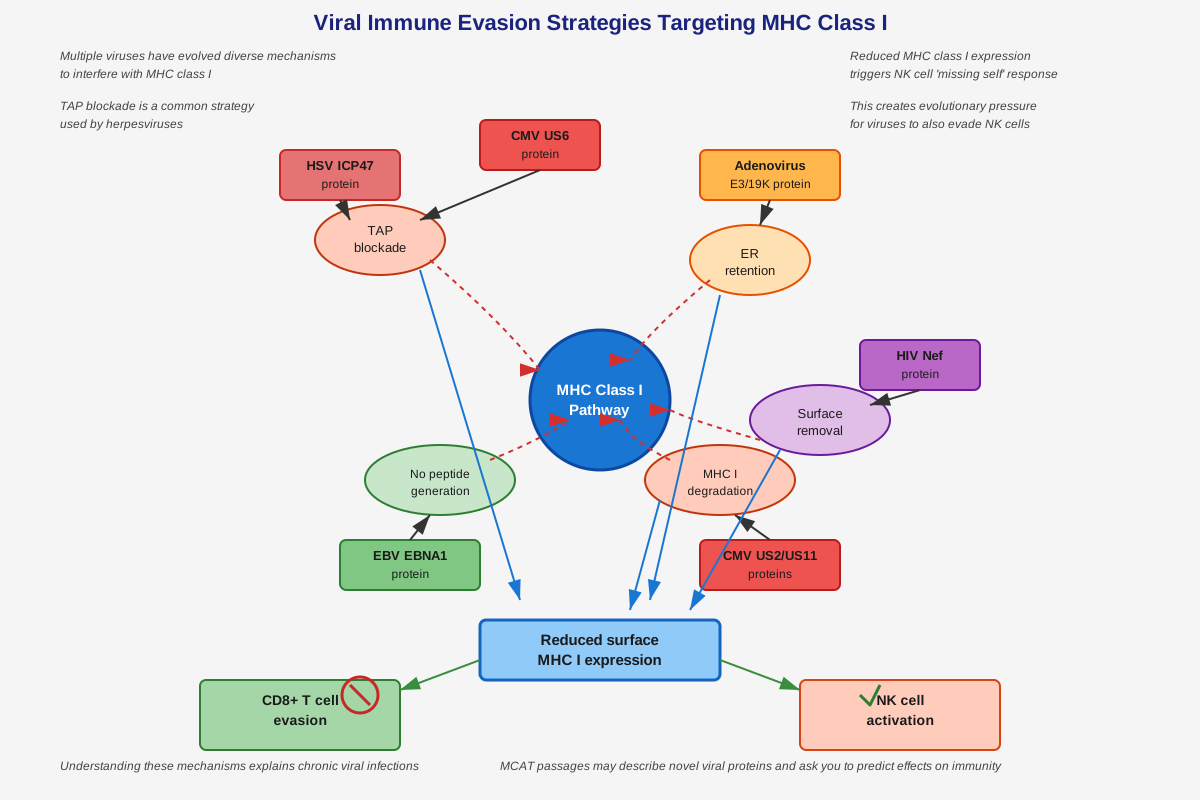
Many viruses have evolved mechanisms to interfere with MHC class I presentation, as this pathway represents a major threat to viral survival. These evasion strategies are frequently tested on the MCAT and include:
- Blocking TAP function: Some viruses produce proteins that inhibit the TAP transporter, preventing peptides from entering the ER (e.g., herpes simplex virus ICP47 protein)
- Retaining MHC class I in the ER: Certain viral proteins bind to MHC class I molecules and prevent their transport to the cell surface (e.g., adenovirus E3/19K protein)
- Promoting MHC class I degradation: Some viruses encode proteins that target MHC class I for proteasomal degradation or redirect it to lysosomes (e.g., HIV Nef protein)
- Interfering with proteasome function: By altering proteasome activity, viruses can prevent generation of appropriate peptides
However, the immune system has evolved a counter-strategy: natural killer (NK) cells recognize and kill cells with abnormally low MHC class I expression through "missing self" recognition. This creates a dilemma for viruses—downregulating MHC class I to evade CD8+ T cells makes cells vulnerable to NK cells.
Concept Relationships
The concepts within MHC class I biology form an integrated pathway that can be mapped as follows:
Protein synthesis in cytoplasm → Ubiquitination and proteasomal degradation → Peptide generation → TAP-mediated transport into ER → Peptide loading onto MHC class I-β2-microglobulin complex → Conformational stabilization and chaperone release → Transport through Golgi to cell surface → Recognition by CD8+ T cell TCR and CD8 co-receptor → T cell activation → Target cell apoptosis
This pathway connects to prerequisite knowledge of protein synthesis (translation provides the source proteins), the secretory pathway (MHC class I follows the standard ER-Golgi-plasma membrane route), and cell signaling (T cell activation involves multiple signal transduction cascades). The topic also connects forward to more advanced immunology concepts including:
- Thymic selection: T cells are educated to recognize self-MHC molecules during development
- Transplant immunology: MHC mismatches trigger rejection through allorecognition
- Tumor immunology: Cancer cells often downregulate MHC class I to evade immune surveillance
- Autoimmunity: Inappropriate presentation of self-antigens can trigger autoimmune destruction
- Vaccine design: Effective vaccines must generate peptides that can be presented via MHC class I to induce CD8+ T cell memory
The relationship between MHC class I and MHC class II represents parallel but distinct pathways that together provide comprehensive immune surveillance of both intracellular and extracellular threats. Both pathways converge on T cell activation but diverge in their cellular distribution, peptide sources, and the T cell subsets they engage.
Quick check — test yourself on MHC class I so far.
Try Flashcards →High-Yield Facts
⭐ MHC class I molecules are expressed on all nucleated cells, enabling immune surveillance of the entire body for intracellular pathogens and cancer
⭐ MHC class I presents endogenous (cytoplasmic) antigens to CD8+ T cells, while MHC class II presents exogenous antigens to CD4+ T cells
⭐ β2-microglobulin is essential for MHC class I stability and surface expression; without it, the heavy chain cannot properly fold or reach the cell surface
⭐ The TAP transporter moves peptides from the cytoplasm into the ER, where they are loaded onto MHC class I molecules in the peptide-loading complex
⭐ MHC class I typically binds peptides 8-10 amino acids in length, generated by proteasomal degradation of cytoplasmic proteins
- Interferons (IFN-α, IFN-β, IFN-γ) upregulate MHC class I expression, enhancing immune surveillance during viral infections
- The CD8 co-receptor on cytotoxic T cells binds to the α3 domain of MHC class I, providing additional binding affinity and signal transduction
- Many viruses downregulate MHC class I to evade CD8+ T cells, but this makes infected cells vulnerable to NK cell-mediated killing (missing self-recognition)
- Red blood cells do not express MHC class I because they lack nuclei and are not susceptible to intracellular infections
- Transplant rejection occurs when recipient T cells recognize donor MHC molecules as foreign (allorecognition), with MHC class I mismatches triggering CD8+ T cell-mediated rejection
- The peptide-binding groove of MHC class I is formed by the α1 and α2 domains and is closed at both ends, restricting peptide length
- Tapasin is a chaperone protein that bridges MHC class I to the TAP transporter, facilitating efficient peptide loading in the ER
Common Misconceptions
Misconception: MHC class I only presents viral antigens.
Correction: MHC class I presents peptides from all cytoplasmic proteins, including normal self-proteins, viral proteins, tumor antigens, and even proteins from intracellular bacteria. The immune system distinguishes self from non-self through T cell education during thymic selection, not through selective loading onto MHC molecules.
Misconception: MHC class I and MHC class II are simply different versions of the same molecule with the same function.
Correction: MHC class I and class II have fundamentally different structures, cellular distributions, peptide sources, and functions. Class I monitors intracellular proteins and activates CD8+ T cells, while class II monitors extracellular proteins and activates CD4+ T cells. They represent distinct pathways for surveilling different cellular compartments.
Misconception: The proteasome specifically generates peptides for MHC class I presentation.
Correction: The proteasome's primary function is general protein turnover and quality control. MHC class I presentation is an "opportunistic" process that samples the peptides generated during normal protein degradation. However, during infection, immunoproteasomes (induced by interferons) can alter cleavage patterns to generate peptides more suitable for MHC class I binding.
Misconception: All cells express the same MHC class I molecules.
Correction: MHC genes are highly polymorphic, meaning different individuals have different MHC class I variants (alleles). Each person inherits three MHC class I genes from each parent (HLA-A, HLA-B, and HLA-C in humans), and typically expresses all six variants. This diversity is why tissue matching is critical for transplantation.
Misconception: Downregulating MHC class I is an effective long-term viral evasion strategy.
Correction: While many viruses downregulate MHC class I to evade CD8+ T cells, this strategy has a significant cost: cells with low or absent MHC class I expression are recognized and killed by NK cells through "missing self" recognition. This creates evolutionary pressure for viruses to find a balance or develop additional NK cell evasion mechanisms.
Misconception: Peptides are loaded onto MHC class I at the cell surface.
Correction: Peptide loading occurs in the ER, not at the cell surface. The peptide-MHC class I complex is stable and assembled before transport to the plasma membrane. Once at the surface, peptide exchange is extremely slow under normal conditions, ensuring that the displayed peptides accurately represent the cell's internal protein composition.
Worked Examples
Example 1: Viral Immune Evasion Mechanism
Question: Researchers studying a novel herpesvirus discover that infected cells show normal levels of MHC class I heavy chain and β2-microglobulin in the ER but reduced MHC class I at the cell surface. The virus produces a protein that binds to the cytoplasmic tail of MHC class I. Which of the following best explains the mechanism of immune evasion?
A) The viral protein prevents peptide binding in the ER
B) The viral protein blocks TAP transporter function
C) The viral protein interferes with MHC class I trafficking from ER to Golgi
D) The viral protein promotes proteasomal degradation of MHC class I
Reasoning Process:
First, identify what is normal and what is abnormal. The question states that MHC class I heavy chain and β2-microglobulin levels are normal in the ER, indicating that synthesis and initial assembly are unaffected. However, surface expression is reduced, suggesting a problem with trafficking.
The viral protein binds to the cytoplasmic tail of MHC class I. The cytoplasmic tail contains trafficking signals that direct proteins through the secretory pathway. If this region is blocked, the normal ER-to-Golgi transport would be disrupted.
Evaluate each option:
- Option A is incorrect because peptide binding occurs in the ER, where MHC class I levels are normal
- Option B is incorrect because TAP blockade would prevent peptide loading, but the question indicates MHC class I is properly assembled in the ER
- Option C is correct because blocking the cytoplasmic tail would interfere with the trafficking signals needed for ER-to-Golgi transport, explaining why MHC class I accumulates in the ER but doesn't reach the surface
- Option D is incorrect because degradation would reduce ER levels, which are described as normal
Answer: C
Connection to Learning Objectives: This example applies MHC class I knowledge to analyze a viral evasion mechanism, demonstrating understanding of the complete pathway from synthesis to surface expression and identifying where disruption occurs.
Example 2: Experimental Analysis of MHC Class I Function
Question: Researchers create a knockout mouse strain lacking functional β2-microglobulin. When these mice are infected with a virus, which of the following immune responses would be most impaired?
A) Antibody production by B cells
B) Phagocytosis by macrophages
C) Cytotoxic killing by CD8+ T cells
D) Cytokine production by CD4+ T cells
Reasoning Process:
Begin by determining the consequence of β2-microglobulin deficiency. β2-microglobulin is essential for MHC class I stability and surface expression. Without it, MHC class I heavy chains cannot properly fold or reach the cell surface, effectively eliminating functional MHC class I molecules throughout the body.
Next, consider which immune response depends on MHC class I. MHC class I presents endogenous antigens to CD8+ T cells. Without surface MHC class I, CD8+ T cells cannot recognize infected cells, preventing their activation and cytotoxic function.
Evaluate each option:
- Option A (antibody production) depends on B cell activation by CD4+ T cells and antigen recognition by B cell receptors, not MHC class I
- Option B (phagocytosis) is an innate immune function that does not require MHC class I
- Option C is correct because CD8+ T cell activation absolutely requires recognition of peptide-MHC class I complexes; without β2-microglobulin, no functional MHC class I exists, and CD8+ T cells cannot be activated
- Option D (CD4+ T cell function) depends on MHC class II, not MHC class I
Answer: C
Connection to Learning Objectives: This example requires understanding the structural requirement for β2-microglobulin, the specific T cell subset that recognizes MHC class I, and the ability to predict immunological consequences of MHC class I deficiency—integrating multiple core concepts.
Exam Strategy
Approaching MHC Class I Questions
When encountering MCAT questions about MHC class I, first determine what aspect of the pathway is being tested: structure, cellular distribution, antigen processing, peptide loading, T cell recognition, or immune evasion. Questions often hinge on distinguishing MHC class I from class II, so immediately note whether the question involves intracellular vs. extracellular antigens, CD8+ vs. CD4+ T cells, or ubiquitous vs. restricted cellular expression.
Trigger Words and Phrases
Watch for these high-yield trigger phrases that signal MHC class I involvement:
- "Cytotoxic T lymphocytes" or "CD8+ T cells" → MHC class I
- "Intracellular pathogen" or "viral infection" → MHC class I pathway
- "All nucleated cells" → MHC class I distribution
- "Endogenous antigens" or "cytoplasmic proteins" → MHC class I
- "β2-microglobulin" → MHC class I structure
- "TAP transporter" or "proteasome" → MHC class I processing
- "Transplant rejection" involving CD8+ T cells → MHC class I mismatch
Conversely, phrases like "antigen-presenting cells only," "extracellular bacteria," "CD4+ T cells," or "helper T cells" indicate MHC class II, not class I.
Process of Elimination Tips
When comparing answer choices:
- Eliminate options that confuse MHC class I with class II (wrong T cell type, wrong cellular distribution, wrong antigen source)
- Eliminate options that place events in the wrong cellular compartment (e.g., peptide loading at the cell surface rather than in the ER)
- Eliminate options that ignore the requirement for β2-microglobulin
- For viral evasion questions, eliminate mechanisms that would affect both MHC class I and class II unless the question specifies both are affected
Time Allocation
MHC class I questions typically require 60-90 seconds. Discrete questions can often be answered quickly if you've memorized the key distinctions between class I and class II. Passage-based questions may require more time to interpret experimental data, but the underlying concepts remain the same. If a question requires tracing the complete pathway from protein degradation to T cell recognition, budget additional time to work through each step systematically rather than guessing.
Memory Techniques
Mnemonic for MHC Class I vs. Class II
"1 for 1, 2 for 2"
- MHC class I presents to CD8 T cells (1 × 8 = 8, single digit)
- MHC class II presents to CD4 T cells (2 × 2 = 4)
Mnemonic for Antigen Sources
"I for Inside, II for Outside"
- MHC class I presents Intracellular (endogenous) antigens
- MHC class II presents extracellular (exogenous) antigens
Visualization Strategy for the Pathway
Visualize the MHC class I pathway as a "factory assembly line":
- Demolition zone (cytoplasm): Proteasome breaks down proteins
- Loading dock (TAP transporter): Peptides transported into ER
- Assembly station (ER): Peptides loaded onto MHC class I with help from chaperones
- Quality control (ER): Only stable peptide-MHC complexes proceed
- Shipping department (Golgi): Complexes packaged for surface delivery
- Display window (cell surface): Peptide-MHC complexes shown to passing CD8+ T cells
Acronym for MHC Class I Components
"TAP-BETA-HEAVY" for the key players:
- TAP transporter
- Beta-2-microglobulin
- Heavy chain (α chain)
Summary
MHC class I molecules are heterodimeric glycoproteins consisting of a polymorphic heavy chain and β2-microglobulin, expressed on all nucleated cells to enable immune surveillance of intracellular proteins. The pathway begins with proteasomal degradation of cytoplasmic proteins, generating peptides that are transported into the ER via the TAP transporter. In the ER, peptides are loaded onto MHC class I molecules with assistance from chaperone proteins in the peptide-loading complex. Stable peptide-MHC class I complexes traffic through the Golgi to the cell surface, where they can be recognized by CD8+ T cells through simultaneous binding of the T cell receptor to the peptide-MHC complex and the CD8 co-receptor to the α3 domain. This recognition, when involving foreign or abnormal peptides, triggers CD8+ T cell activation and cytotoxic killing of the target cell. The pathway is distinct from MHC class II in structure, distribution, antigen source, and T cell recognition, representing the immune system's primary mechanism for detecting intracellular pathogens and transformed cells. Many viruses have evolved strategies to evade MHC class I presentation, but these create vulnerability to NK cell-mediated killing.
Key Takeaways
- MHC class I molecules (heavy chain + β2-microglobulin) are expressed on all nucleated cells and present endogenous antigens to CD8+ T cells
- The antigen processing pathway involves proteasomal degradation, TAP-mediated transport into the ER, peptide loading with chaperone assistance, and trafficking to the cell surface
- MHC class I differs fundamentally from MHC class II in cellular distribution (ubiquitous vs. APC-restricted), antigen source (intracellular vs. extracellular), and T cell recognition (CD8+ vs. CD4+)
- Viral immune evasion strategies targeting MHC class I include blocking TAP, retaining MHC in the ER, and promoting degradation, but these create vulnerability to NK cells
- β2-microglobulin is essential for MHC class I function; its absence eliminates surface expression and CD8+ T cell responses
- MHC class I polymorphism creates individual variation in peptide presentation, which is the molecular basis for transplant rejection and vaccine response variability
- Interferons upregulate MHC class I expression during infection, enhancing immune surveillance and CD8+ T cell recognition of infected cells
Related Topics
MHC Class II and Antigen Presentation: Understanding MHC class II completes the picture of adaptive immunity by explaining how extracellular antigens are presented to CD4+ T cells, enabling coordination of immune responses through helper T cell activation.
T Cell Development and Thymic Selection: Mastering MHC class I enables deeper understanding of how T cells are educated to recognize self-MHC molecules while avoiding autoreactivity, a process essential for immunological tolerance.
Transplant Immunology and HLA Matching: The polymorphic nature of MHC class I directly determines transplant compatibility, making this topic essential for understanding graft rejection mechanisms and immunosuppressive therapy.
Tumor Immunology and Checkpoint Inhibitors: Cancer cells frequently downregulate MHC class I to evade immune surveillance, and modern immunotherapies aim to restore or enhance MHC class I-mediated tumor recognition.
Viral Immunology and Immune Evasion: Many viral pathogens have evolved sophisticated mechanisms to interfere with MHC class I presentation, representing an ongoing evolutionary arms race between host and pathogen.
Practice CTA
Now that you've mastered the core concepts of MHC class I, it's time to solidify your understanding through active practice. Work through the practice questions to test your ability to apply these concepts in exam-style scenarios, and use the flashcards to reinforce the high-yield facts and distinctions between MHC class I and class II. Remember, the MCAT rewards not just knowledge but the ability to apply that knowledge under time pressure—consistent practice with these materials will build both your confidence and your speed. You've built a strong foundation; now strengthen it through deliberate practice!
Sign up free to keep reading
Create a free AnvayaPrep account to finish this MCAT guide on MHC class I — plus flashcards and practice questions.