Overview
MHC class II molecules are critical cell-surface glycoproteins that play an essential role in adaptive immunity by presenting extracellular antigens to helper T cells (CD4+ T cells). These molecules are expressed exclusively on professional antigen-presenting cells (APCs), including dendritic cells, macrophages, and B cells. Understanding MHC class II Biology is fundamental to comprehending how the immune system distinguishes self from non-self and coordinates immune responses against pathogens. The major histocompatibility complex (MHC) system represents one of the most polymorphic gene clusters in the human genome, ensuring population-level diversity in immune recognition capabilities.
For the MCAT, MHC class II MCAT questions frequently appear in passages related to Physiology and Organ Systems, particularly within immunology contexts. Test-makers commonly integrate MHC class II concepts into clinical vignettes involving autoimmune diseases, transplant rejection, vaccine development, and infectious disease pathology. Questions may ask students to distinguish between MHC class I and class II pathways, predict which cell types can activate CD4+ T cells, or analyze experimental data involving antigen presentation. The topic bridges molecular biology, cell biology, and immunology, making it a high-yield integration point for interdisciplinary MCAT questions.
The broader significance of MHC class II extends beyond isolated immune function. These molecules connect to fundamental Biology principles including gene expression regulation, protein trafficking through cellular compartments, cell-cell communication, and evolutionary selection pressures. MHC class II presentation initiates the adaptive immune cascade that leads to B cell activation, antibody production, and immunological memory—concepts that appear throughout MCAT biological sciences sections. Mastery of this topic provides the foundation for understanding transplantation immunology, hypersensitivity reactions, and the molecular basis of immune surveillance.
Learning Objectives
- [ ] Define MHC class II using accurate Biology terminology
- [ ] Explain why MHC class II matters for the MCAT
- [ ] Apply MHC class II to exam-style questions
- [ ] Identify common mistakes related to MHC class II
- [ ] Connect MHC class II to related Biology concepts
- [ ] Compare and contrast MHC class I and MHC class II antigen presentation pathways
- [ ] Trace the cellular trafficking route of MHC class II molecules from synthesis to membrane expression
- [ ] Predict the immunological consequences of MHC class II deficiency or dysfunction
Prerequisites
- Basic cell biology: Understanding of membrane proteins, endocytosis, and vesicular trafficking is essential for comprehending how MHC class II molecules process and present antigens
- Protein structure: Knowledge of quaternary protein structure helps explain the heterodimeric composition of MHC class II molecules
- Immune system overview: Familiarity with innate versus adaptive immunity provides context for MHC class II's role in adaptive responses
- T cell biology: Basic understanding of T cell receptor (TCR) structure and CD4/CD8 co-receptors is necessary to appreciate MHC-T cell interactions
- Gene expression: Knowledge of transcriptional regulation explains tissue-specific and cytokine-induced MHC class II expression
Why This Topic Matters
Clinical and Real-World Significance
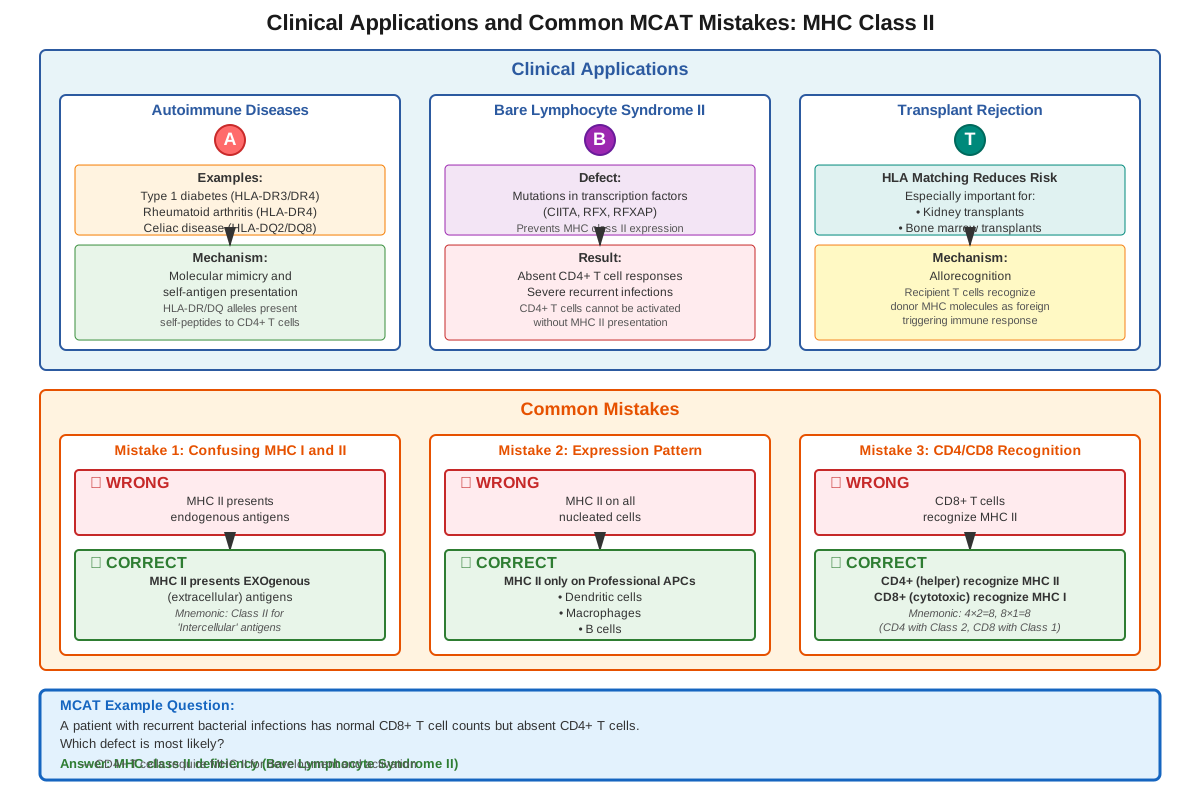
MHC class II molecules are central to numerous clinically relevant conditions. Autoimmune diseases such as rheumatoid arthritis, type 1 diabetes, and multiple sclerosis show strong associations with specific MHC class II alleles (HLA-DR, HLA-DQ, HLA-DP in humans). Transplant medicine relies heavily on MHC matching—the closer the MHC class II match between donor and recipient, the lower the rejection risk. Immunodeficiency syndromes like Bare Lymphocyte Syndrome type II result from defective MHC class II expression, leading to severe combined immunodeficiency. Understanding MHC class II is also crucial for vaccine design, as effective vaccines must generate antigens that can be efficiently presented via this pathway to activate helper T cells.
MCAT Exam Statistics and Question Types
MHC class II appears in approximately 3-5% of MCAT biological sciences questions, with higher frequency in passages involving immunology, infectious disease, or experimental immunology techniques. Questions typically fall into three categories: (1) mechanistic questions asking students to trace antigen processing pathways, (2) comparative questions distinguishing MHC class I from class II, and (3) application questions requiring students to predict immune outcomes based on MHC expression patterns. Passages may present flow cytometry data showing MHC expression on different cell types, describe knockout mouse experiments lacking MHC class II, or present clinical vignettes involving transplant rejection.
Common Exam Passage Contexts
MCAT passages featuring MHC class II often involve: experimental studies measuring T cell activation in response to different APCs; clinical cases of autoimmune disease with genetic analysis of HLA alleles; vaccine development studies examining antigen presentation efficiency; transplantation scenarios requiring analysis of histocompatibility; and infectious disease cases where pathogens evade or manipulate MHC class II presentation. The AAMC particularly favors passages that integrate MHC class II with experimental techniques like ELISA, flow cytometry, or Western blotting.
Core Concepts
Structure of MHC Class II Molecules
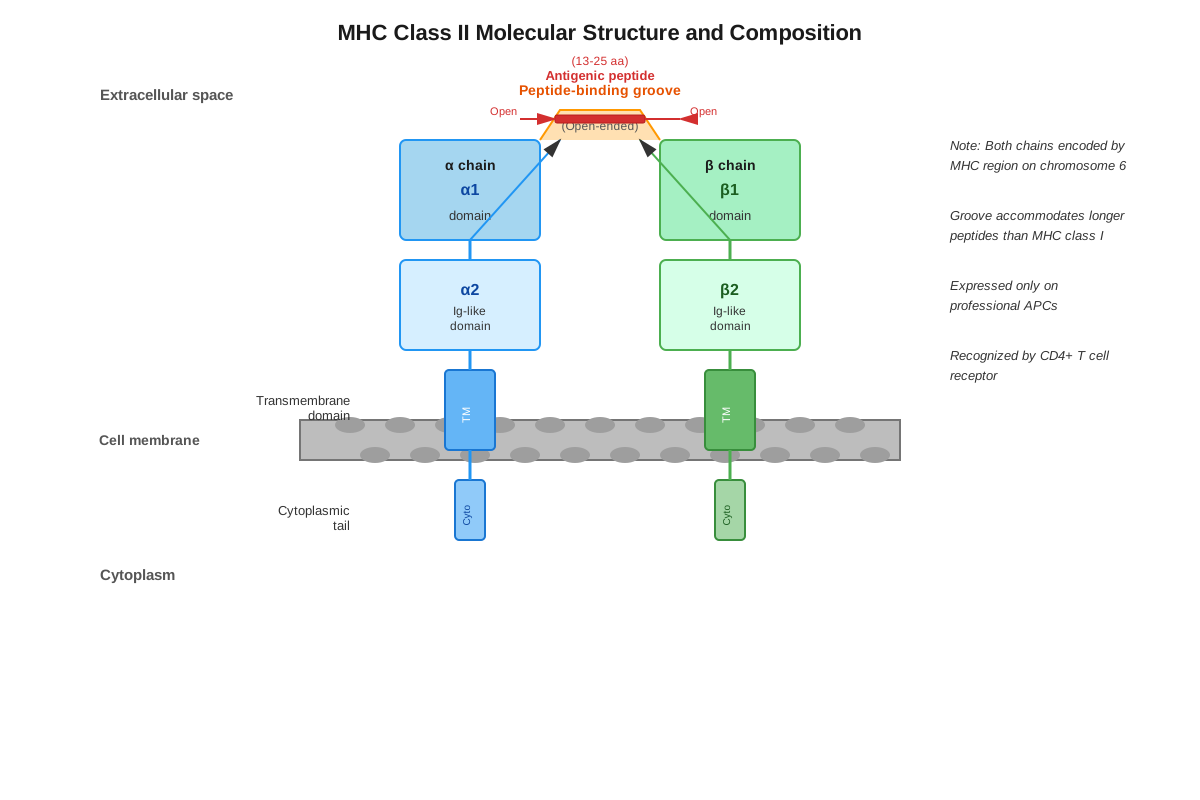
MHC class II molecules are heterodimeric glycoproteins composed of two non-covalently associated transmembrane chains: an α chain (approximately 33 kDa) and a β chain (approximately 28 kDa). Both chains are encoded by genes within the MHC locus (chromosome 6 in humans, termed the HLA complex). Each chain contains two extracellular domains: α1 and α2 for the alpha chain, β1 and β2 for the beta chain. The α1 and β1 domains together form the peptide-binding groove—a critical structural feature that accommodates antigenic peptides typically 13-25 amino acids in length.
Unlike MHC class I molecules (which have closed ends in their binding groove), the MHC class II binding groove is open at both ends, allowing longer peptides to extend beyond the groove. This structural difference explains why MHC class II can present longer peptide fragments. The binding groove contains pockets that interact with anchor residues on the peptide, but the specificity is generally less stringent than MHC class I, allowing each MHC class II molecule to bind a broader repertoire of peptides. The polymorphic residues (those that vary between individuals) cluster primarily in the peptide-binding region, creating the molecular basis for differential antigen presentation across populations.
Expression Pattern and Cellular Distribution
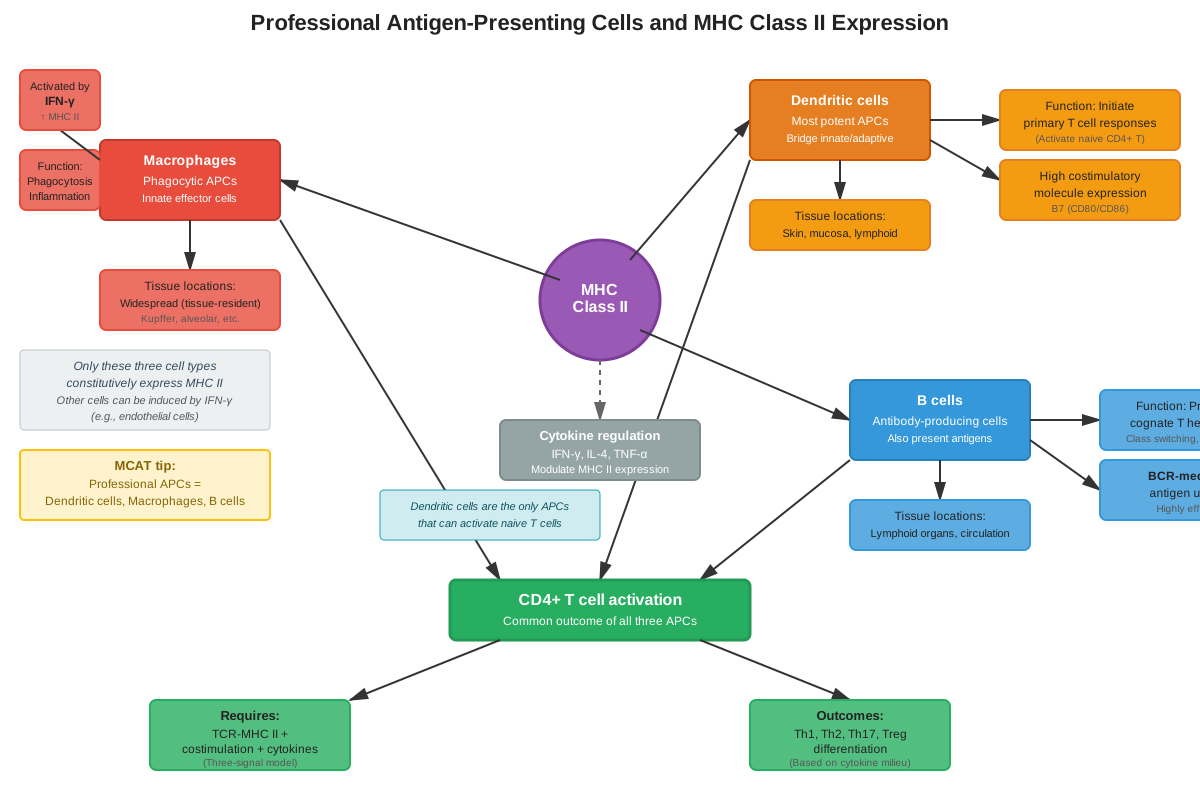
MHC class II expression is highly restricted compared to MHC class I (which appears on nearly all nucleated cells). Under normal conditions, MHC class II molecules are expressed exclusively on professional antigen-presenting cells (APCs): dendritic cells, macrophages, B lymphocytes, and thymic epithelial cells. This restricted expression pattern makes biological sense—only cells specialized for antigen presentation need to activate CD4+ helper T cells.
Expression can be induced on other cell types under inflammatory conditions. The cytokine interferon-gamma (IFN-γ), produced during immune responses, can upregulate MHC class II expression on endothelial cells, fibroblasts, and other cell types. This induction involves transcription factors including CIITA (class II transactivator), the master regulator of MHC class II gene expression. Mutations in CIITA or related transcription factors cause Bare Lymphocyte Syndrome type II, characterized by absent MHC class II surface expression and severe immunodeficiency.
The Exogenous Antigen Processing Pathway
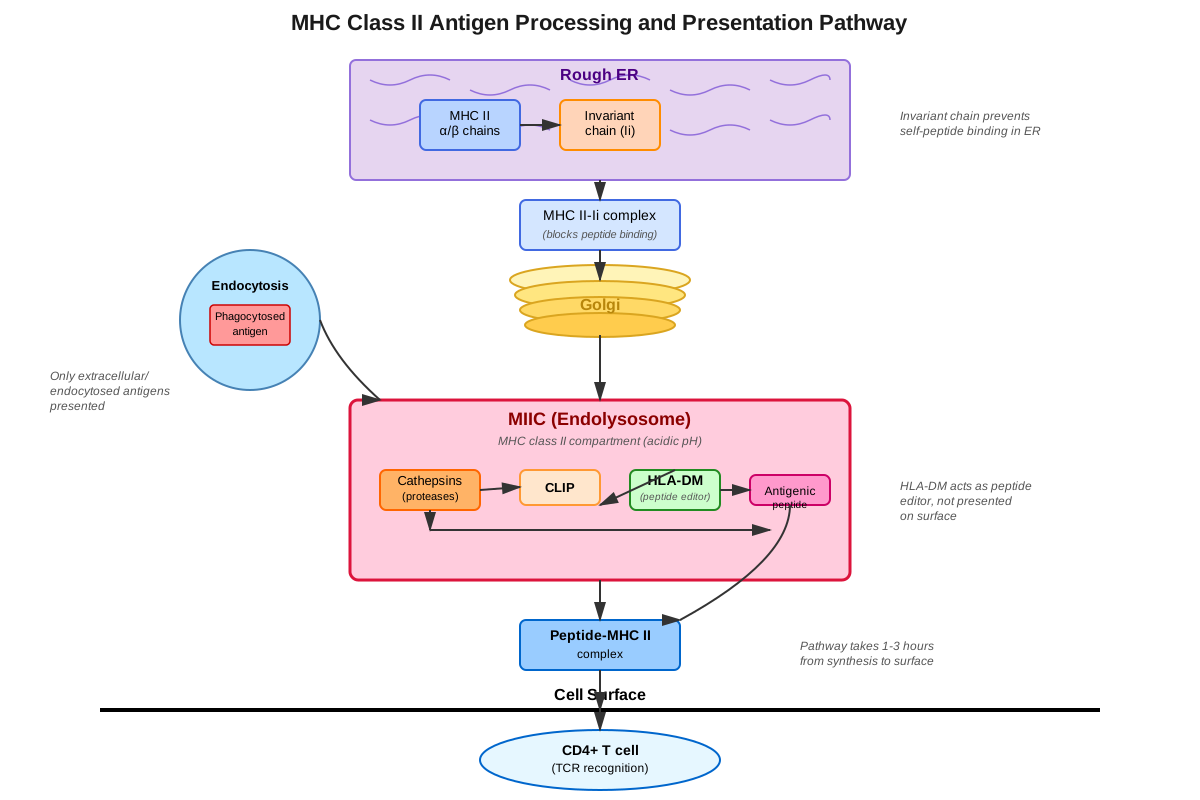
MHC class II molecules present peptides derived from exogenous antigens—proteins that originate outside the cell and are internalized through endocytosis, phagocytosis, or receptor-mediated uptake. This pathway contrasts with MHC class I, which presents endogenous (intracellular) antigens. The exogenous pathway follows these sequential steps:
- Antigen uptake: Professional APCs internalize extracellular proteins through various mechanisms (phagocytosis of bacteria, receptor-mediated endocytosis of antibody-antigen complexes, macropinocytosis of soluble proteins)
- Vesicular trafficking: Internalized antigens enter early endosomes, which progressively acidify and mature into late endosomes and lysosomes
- Proteolytic processing: Acidic proteases (cathepsins and other lysosomal enzymes) degrade the internalized proteins into peptide fragments of varying lengths
- MHC class II loading: MHC class II molecules, synthesized in the endoplasmic reticulum (ER), are protected from premature peptide binding by the invariant chain (Ii or CD74), which occupies the peptide-binding groove
- CLIP removal: In the endosomal compartment, the invariant chain is progressively degraded, leaving a small fragment called CLIP (class II-associated invariant chain peptide) in the binding groove
- HLA-DM catalysis: The non-classical MHC molecule HLA-DM catalyzes CLIP removal and facilitates loading of antigenic peptides into the MHC class II binding groove
- Surface expression: Peptide-loaded MHC class II molecules traffic to the cell surface for presentation to CD4+ T cells
MHC Class II-CD4+ T Cell Interaction
The biological function of MHC class II culminates in its interaction with CD4+ helper T cells. The T cell receptor (TCR) on CD4+ T cells recognizes the peptide-MHC class II complex through a highly specific binding interaction. The CD4 co-receptor on the T cell surface binds to the non-polymorphic β2 domain of the MHC class II molecule, stabilizing the interaction and enhancing signal transduction.
This recognition event requires three signals for full T cell activation:
- Signal 1: TCR recognition of peptide-MHC class II complex
- Signal 2: Co-stimulatory molecules (B7 on APC binding to CD28 on T cell)
- Signal 3: Cytokine signals that direct T cell differentiation
Successful activation leads to CD4+ T cell proliferation and differentiation into various helper T cell subsets (Th1, Th2, Th17, Tfh), each secreting distinct cytokine profiles that orchestrate different types of immune responses. This makes MHC class II presentation the critical initiating step for antibody production, macrophage activation, and coordinated adaptive immunity.
Comparison: MHC Class I vs. MHC Class II
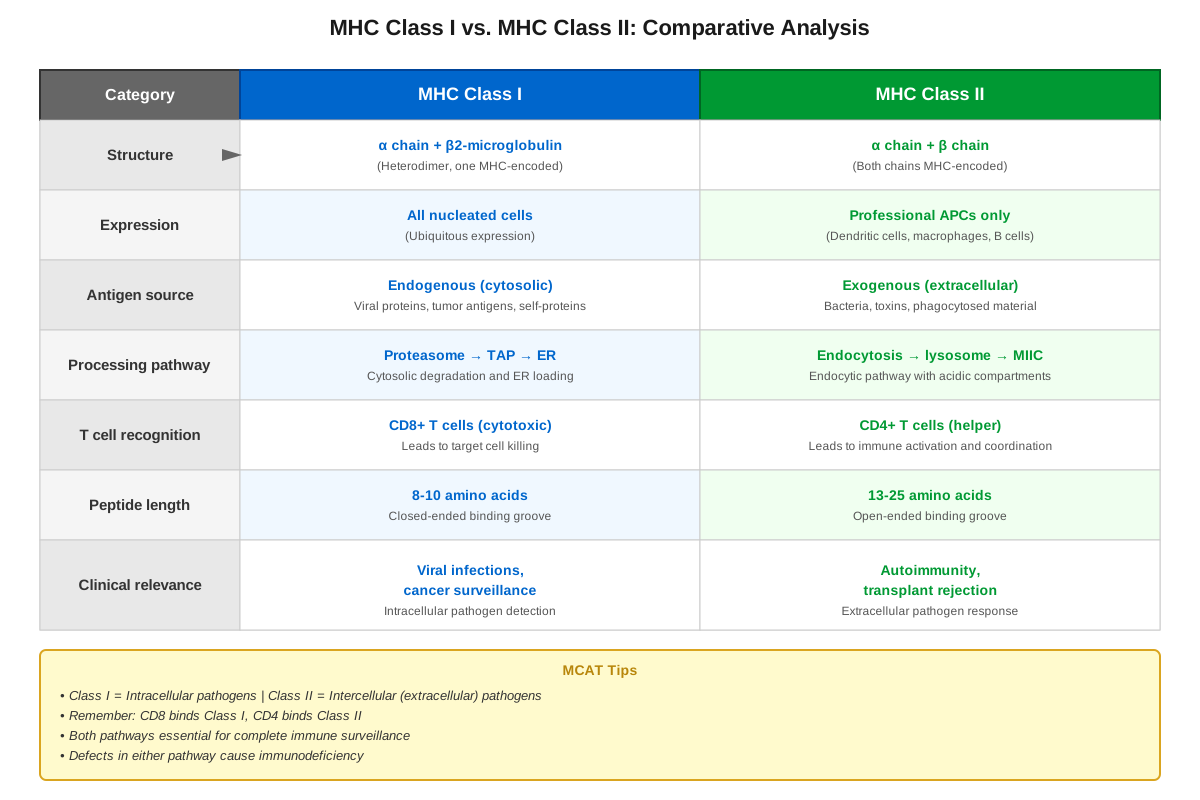
Understanding the distinctions between these two antigen presentation pathways is essential for MCAT success:
| Feature | MHC Class I | MHC Class II |
|---|---|---|
| Chain composition | α chain + β2-microglobulin | α chain + β chain |
| Peptide-binding groove | Closed ends (8-10 aa peptides) | Open ends (13-25 aa peptides) |
| Antigen source | Endogenous (cytosolic) | Exogenous (extracellular) |
| Processing location | Proteasome → ER | Endosome/lysosome |
| Cell expression | Nearly all nucleated cells | Professional APCs only |
| T cell recognition | CD8+ cytotoxic T cells | CD4+ helper T cells |
| Co-receptor | CD8 | CD4 |
| Loading chaperone | TAP, tapasin, calreticulin | Invariant chain, HLA-DM |
| Primary function | Display intracellular infection | Initiate adaptive immune response |
Genetic Organization and Polymorphism
The human MHC class II genes are located in the HLA-D region of chromosome 6 and include three main isotypes: HLA-DR, HLA-DQ, and HLA-DP. Each isotype consists of separate genes encoding the α and β chains. The extreme polymorphism of MHC genes—with hundreds of allelic variants at some loci—results from balancing selection driven by pathogen diversity. This polymorphism ensures that at the population level, at least some individuals can present peptides from any given pathogen.
For individuals, MHC polymorphism has important consequences. Each person inherits one set of MHC genes from each parent (codominant expression), meaning most individuals express six different MHC class II molecules (two each of DR, DQ, and DP). This diversity increases the range of peptides any individual can present but also complicates transplantation, as MHC mismatches trigger allograft rejection.
Concept Relationships
The MHC class II system integrates multiple biological concepts into a coherent functional pathway. Protein synthesis and trafficking provides the foundation: MHC class II chains are synthesized in the ER, assembled with the invariant chain, and trafficked through the Golgi to endosomal compartments. This connects to fundamental cell biology concepts of vesicular transport and organelle function.
Endocytosis and phagocytosis → antigen internalization → lysosomal degradation → peptide generation represents the upstream portion of the pathway, linking MHC class II to innate immune mechanisms. Professional APCs use pattern recognition receptors (PRRs) to identify pathogens, triggering both innate responses and enhanced antigen uptake for MHC class II presentation.
The invariant chain → CLIP → HLA-DM sequence represents a quality control mechanism ensuring that only appropriate antigenic peptides are presented. This connects to broader biological principles of molecular chaperones and catalyzed exchange reactions.
MHC class II-peptide complex → CD4+ T cell recognition → T cell activation → cytokine secretion → B cell help and antibody production illustrates how MHC class II bridges innate and adaptive immunity. This pathway connects to humoral immunity, cell-mediated immunity, and immunological memory.
The relationship between MHC class I and class II pathways demonstrates functional compartmentalization: class I surveys intracellular space (detecting viruses, cancer), while class II surveys extracellular space (detecting bacteria, parasites, toxins). Together, they provide comprehensive immune surveillance.
High-Yield Facts
⭐ MHC class II molecules are expressed exclusively on professional APCs (dendritic cells, macrophages, B cells) under normal conditions, distinguishing them from the nearly ubiquitous MHC class I expression
⭐ MHC class II presents exogenous antigens (extracellular origin) to CD4+ helper T cells, while MHC class I presents endogenous antigens to CD8+ cytotoxic T cells
⭐ The invariant chain (Ii/CD74) blocks the MHC class II binding groove during synthesis and trafficking, preventing premature peptide binding until the molecule reaches endosomal compartments
⭐ HLA-DM catalyzes the exchange of CLIP for antigenic peptides in the endosomal compartment, serving as the peptide editor for MHC class II
⭐ CD4 co-receptor binds to the β2 domain of MHC class II, stabilizing the TCR-peptide-MHC interaction and enhancing T cell activation signals
- MHC class II binding grooves are open at both ends, accommodating peptides of 13-25 amino acids (longer than MHC class I peptides)
- Interferon-gamma (IFN-γ) can induce MHC class II expression on non-professional APCs during inflammation
- CIITA (class II transactivator) is the master transcriptional regulator of MHC class II gene expression; mutations cause Bare Lymphocyte Syndrome type II
- MHC class II molecules are heterodimers composed of non-covalently associated α and β chains, both encoded within the MHC locus
- Successful CD4+ T cell activation requires three signals: TCR-MHC recognition, co-stimulation (B7-CD28), and cytokine signals
- HLA-DR, HLA-DQ, and HLA-DP represent the three main human MHC class II isotypes, each with distinct α and β chain genes
- Antigen processing for MHC class II occurs in acidic endosomal/lysosomal compartments using cathepsins and other proteases
Quick check — test yourself on MHC class II so far.
Try Flashcards →Common Misconceptions
Misconception: MHC class II molecules can be expressed on any cell type that encounters pathogens.
Correction: MHC class II expression is restricted to professional APCs (dendritic cells, macrophages, B cells) under normal conditions. While IFN-γ can induce expression on other cells during inflammation, this is not the baseline state. This restriction ensures that only specialized cells capable of providing proper co-stimulation can activate naive CD4+ T cells, preventing inappropriate immune activation.
Misconception: MHC class I and class II present the same types of antigens but to different T cell subsets.
Correction: The pathways present fundamentally different antigen sources. MHC class I presents endogenous antigens (proteins synthesized within the cell, including viral proteins and tumor antigens) to CD8+ T cells. MHC class II presents exogenous antigens (proteins from outside the cell that were internalized) to CD4+ T cells. This division of labor allows comprehensive immune surveillance of both intracellular and extracellular compartments.
Misconception: The invariant chain is permanently associated with MHC class II molecules at the cell surface.
Correction: The invariant chain is a temporary chaperone that is progressively degraded in endosomal compartments. Only a small fragment (CLIP) remains in the binding groove until HLA-DM catalyzes its removal and replacement with antigenic peptides. MHC class II molecules at the cell surface are loaded with antigenic peptides, not invariant chain.
Misconception: CD4+ T cells can recognize antigens presented by any cell expressing MHC class II.
Correction: While CD4+ T cells recognize peptide-MHC class II complexes, full activation of naive T cells requires co-stimulatory signals (particularly B7-CD28 interaction) that only professional APCs provide. Non-professional cells induced to express MHC class II during inflammation typically lack adequate co-stimulation and may induce T cell anergy rather than activation.
Misconception: MHC class II molecules are loaded with peptides in the endoplasmic reticulum, similar to MHC class I.
Correction: MHC class II molecules are synthesized in the ER but are protected from peptide loading there by the invariant chain. Peptide loading occurs in specialized endosomal compartments (sometimes called MIIC—MHC class II compartments) where antigenic peptides and MHC class II molecules converge. This spatial separation ensures that MHC class II presents exogenous rather than endogenous antigens.
Misconception: All peptides generated in endosomes bind equally well to MHC class II molecules.
Correction: HLA-DM serves as a peptide editor, catalyzing the release of weakly binding peptides and stabilizing the binding of high-affinity peptides. This quality control mechanism ensures that MHC class II molecules present immunologically relevant peptides rather than random degradation products. HLA-DO can further modulate this editing process in B cells.
Worked Examples
Example 1: Experimental Analysis of Antigen Presentation
Vignette: Researchers generate a knockout mouse strain lacking functional HLA-DM. They pulse bone marrow-derived dendritic cells from wild-type and knockout mice with ovalbumin protein, then measure the ability of these cells to activate ovalbumin-specific CD4+ T cells. Flow cytometry shows that both wild-type and knockout dendritic cells express similar levels of MHC class II on their surface.
Question: Which result would most likely be observed, and why?
Analysis:
Step 1: Identify the function of HLA-DM. HLA-DM catalyzes the removal of CLIP from the MHC class II binding groove and facilitates loading of antigenic peptides. It also serves as a peptide editor, promoting the binding of high-affinity peptides.
Step 2: Predict the consequence of HLA-DM deficiency. Without HLA-DM, CLIP removal is inefficient, and many MHC class II molecules at the cell surface will contain CLIP rather than antigenic peptides. Additionally, any peptides that do bind may be lower affinity and less immunologically relevant.
Step 3: Consider the experimental readout. The question asks about CD4+ T cell activation. T cells recognize specific peptide-MHC complexes through their TCR. If MHC class II molecules are occupied by CLIP instead of ovalbumin peptides, T cell activation will be reduced.
Step 4: Note that surface MHC class II levels are similar. This eliminates the possibility that reduced T cell activation is due to lower MHC expression. The defect is specifically in peptide loading, not MHC synthesis or trafficking.
Answer: Knockout dendritic cells would show significantly reduced ability to activate ovalbumin-specific CD4+ T cells compared to wild-type cells. Despite normal MHC class II surface expression, the knockout cells cannot efficiently load ovalbumin peptides because CLIP remains in the binding groove. This demonstrates that HLA-DM is essential for functional antigen presentation, not just for MHC class II expression.
Connection to Learning Objectives: This example applies MHC class II concepts to experimental data interpretation, requires distinguishing between MHC expression and functional peptide presentation, and illustrates the critical role of HLA-DM in the antigen presentation pathway.
Example 2: Clinical Application in Transplantation
Vignette: A patient with end-stage renal disease requires a kidney transplant. HLA typing reveals the following:
- Patient: HLA-DR3/DR7, HLA-DQ2/DQ6, HLA-DP1/DP4
- Sibling donor: HLA-DR3/DR4, HLA-DQ2/DQ8, HLA-DP1/DP5
- Unrelated donor: HLA-DR7/DR11, HLA-DQ6/DQ7, HLA-DP4/DP17
The transplant team must decide which donor provides better HLA matching.
Question: Which donor would likely result in lower rejection risk, and what is the immunological basis?
Analysis:
Step 1: Count MHC class II matches. The sibling shares DR3, DQ2, and DP1 (3 of 6 alleles). The unrelated donor shares DR7, DQ6, and DP4 (3 of 6 alleles). Both show 50% matching at first glance.
Step 2: Consider the biological significance of different loci. HLA-DR typically shows the strongest association with transplant outcomes, followed by HLA-DQ, then HLA-DP. The sibling shares one DR allele (DR3), while the unrelated donor also shares one DR allele (DR7).
Step 3: Evaluate mismatches. The sibling has mismatches at DR4 (vs. DR7), DQ8 (vs. DQ6), and DP5 (vs. DP4). The unrelated donor has mismatches at DR11 (vs. DR3), DQ7 (vs. DQ2), and DP17 (vs. DP1).
Step 4: Consider the immunological mechanism. Mismatched MHC class II molecules on donor tissue can be recognized by recipient CD4+ T cells through two mechanisms: (1) direct allorecognition—recipient T cells recognize intact donor MHC-peptide complexes as foreign, and (2) indirect allorecognition—recipient APCs process donor MHC molecules and present them via recipient MHC class II to recipient CD4+ T cells. Both pathways activate helper T cells that coordinate rejection.
Step 5: Apply additional transplant principles. Siblings share more genetic background beyond just the typed loci, potentially including minor histocompatibility antigens. Additionally, the sibling shares one haplotype (DR3-DQ2-DP1), which may reduce the overall immunological disparity.
Answer: The sibling donor would likely result in lower rejection risk despite similar numerical matching. Sharing one complete haplotype (DR3-DQ2-DP1) is immunologically more favorable than having scattered matches across loci. The shared haplotype means that at least half of the donor's MHC class II molecules are identical to the recipient's, reducing the number of allogeneic targets for CD4+ T cell recognition. Additionally, sibling donors typically share more genetic background, potentially reducing minor histocompatibility antigen mismatches.
Connection to Learning Objectives: This example connects MHC class II to clinical transplantation, requires understanding of how MHC class II molecules trigger immune responses, and demonstrates the real-world importance of MHC matching in medicine.
Exam Strategy
Approaching MHC Class II Questions
When encountering MHC class II questions on the MCAT, first identify the question type: (1) mechanistic (asking about the pathway steps), (2) comparative (distinguishing class I from class II), or (3) functional (predicting immune outcomes). Read carefully for trigger words that indicate which aspect is being tested.
Trigger Words and Phrases
Watch for these high-yield phrases:
- "Professional antigen-presenting cells" → indicates MHC class II context
- "Extracellular bacteria" or "exogenous antigen" → suggests MHC class II pathway
- "CD4+ T cells" or "helper T cells" → MHC class II is the presenting molecule
- "Endosomal compartment" or "lysosomal processing" → MHC class II pathway
- "Invariant chain" or "CLIP" → specific to MHC class II loading
- "HLA-DR, DQ, or DP" → human MHC class II molecules
Conversely, these phrases indicate MHC class I:
- "Viral infection" or "intracellular pathogen" → usually MHC class I
- "CD8+ T cells" or "cytotoxic T cells" → MHC class I presentation
- "Proteasome" or "TAP transporter" → MHC class I pathway
- "All nucleated cells" → MHC class I expression pattern
Process of Elimination Tips
For questions asking which cells can activate CD4+ T cells, eliminate any answer choices listing non-professional APCs (hepatocytes, neurons, muscle cells, epithelial cells) unless the question specifically mentions inflammatory conditions and IFN-γ induction.
For pathway questions, eliminate answers that place MHC class II peptide loading in the ER or that involve proteasomal degradation—these are MHC class I features. Similarly, eliminate answers suggesting MHC class II presents endogenous antigens or activates CD8+ T cells.
For questions about antigen source, remember: extracellular bacteria, parasites, and toxins → MHC class II; intracellular viruses and tumor antigens → MHC class I. Eliminate answers that reverse this relationship.
Time Allocation
MHC class II questions typically appear in passages rather than as discrete questions. Allocate 1.5-2 minutes per passage-based question. If a question asks you to trace the complete pathway, quickly sketch the steps (antigen uptake → endosome → processing → CLIP removal → peptide loading → surface expression) to organize your thinking before evaluating answer choices. This 15-second investment prevents confusion and increases accuracy.
For questions comparing MHC class I and II, create a quick two-column mental comparison focusing on the specific feature being tested (expression pattern, antigen source, T cell type, or processing location). This structured approach prevents mixing up the pathways under time pressure.
Memory Techniques
Mnemonic for MHC Class II Expression
"D-M-B" = Dendritic cells, Macrophages, B cells (the three main professional APCs)
Mnemonic for MHC Class II Pathway
"Every Endosome Processes Antigens Carefully"
- Exogenous antigen uptake
- Endosomal trafficking
- Proteolytic processing
- Antigenic peptide loading (after CLIP removal)
- CD4+ T cell presentation
Visualization Strategy: The "4s and 8s Rule"
Visualize the number 4 as having an open top (like the open-ended MHC class II binding groove), and associate it with:
- CD4+ T cells
- Four letters in "exo-" (exogenous)
- MHC class II (2 = 4/2, half of 8)
Visualize the number 8 as closed (like the closed MHC class I binding groove), and associate it with:
- CD8+ T cells
- Eight letters in "endogeno-" (endogenous)
- MHC class I (1 = 8/8, whole number)
Acronym for Invariant Chain Function
"CLIP" serves double duty:
- Literally stands for Class II-associated Invariant chain Peptide
- Metaphorically, it "clips" into the binding groove, blocking it until the right time
Memory Palace Technique
Imagine walking through a cell:
- ER (entrance): MHC class II chains are born here, wearing an invariant chain "coat" for protection
- Golgi (hallway): MHC class II travels through, still wearing its coat
- Endosome (meeting room): Antigens arrive from outside (exogenous), the invariant chain coat is removed piece by piece, leaving only CLIP
- Late endosome (conference room): HLA-DM acts as a "facilitator," removing CLIP and helping load the right antigenic peptide
- Cell surface (exit): MHC class II presents its peptide to CD4+ T cells waiting outside
Summary
MHC class II molecules are heterodimeric glycoproteins expressed exclusively on professional antigen-presenting cells that present exogenous antigens to CD4+ helper T cells, initiating adaptive immune responses. The pathway begins with antigen uptake through endocytosis or phagocytosis, followed by proteolytic processing in acidic endosomal compartments. MHC class II molecules, synthesized in the ER with the invariant chain blocking their binding groove, traffic to endosomes where the invariant chain is degraded to CLIP. HLA-DM catalyzes CLIP removal and facilitates loading of antigenic peptides into the open-ended binding groove, which accommodates peptides of 13-25 amino acids. The peptide-MHC class II complex then traffics to the cell surface, where it is recognized by the T cell receptor and CD4 co-receptor on helper T cells, leading to T cell activation and coordination of adaptive immunity. This pathway contrasts with MHC class I, which presents endogenous antigens to CD8+ T cells and is expressed on nearly all nucleated cells. Understanding MHC class II is essential for comprehending transplant rejection, autoimmune disease, vaccine function, and immune responses to extracellular pathogens—all high-yield topics for the MCAT.
Key Takeaways
- MHC class II molecules present exogenous antigens to CD4+ helper T cells, distinguishing them from MHC class I molecules that present endogenous antigens to CD8+ cytotoxic T cells
- Expression is restricted to professional APCs (dendritic cells, macrophages, B cells), ensuring that only specialized cells can initiate CD4+ T cell responses
- The invariant chain and CLIP serve as temporary placeholders that prevent premature peptide binding until MHC class II reaches endosomal compartments where antigenic peptides are available
- HLA-DM functions as a peptide editor, catalyzing CLIP removal and promoting the binding of high-affinity antigenic peptides to optimize immune recognition
- The open-ended binding groove accommodates longer peptides (13-25 amino acids) compared to the closed MHC class I groove, reflecting the different processing pathways
- CD4 co-receptor binding to MHC class II stabilizes the TCR-peptide-MHC interaction, providing both specificity and enhanced signaling for T cell activation
- MHC class II polymorphism creates population-level diversity in antigen presentation capabilities, with important implications for transplantation, autoimmune disease susceptibility, and infectious disease outcomes
Related Topics
MHC Class I Antigen Presentation: Understanding the endogenous pathway provides essential contrast to MHC class II and completes the picture of how the immune system surveys both intracellular and extracellular compartments. Mastery of both pathways enables comprehensive analysis of immune responses.
CD4+ T Helper Cell Subsets: MHC class II presentation initiates CD4+ T cell activation, which leads to differentiation into Th1, Th2, Th17, and Tfh subsets. Understanding these subsets explains how a single antigen presentation event can lead to diverse immune outcomes.
B Cell Activation and Antibody Production: MHC class II on B cells presents antigen to helper T cells, receiving signals necessary for class switching and affinity maturation. This connection explains how cellular and humoral immunity are coordinated.
Autoimmune Disease Mechanisms: Many autoimmune diseases show strong MHC class II associations, reflecting the central role of CD4+ T cells in breaking self-tolerance. Understanding MHC class II provides molecular insight into disease susceptibility.
Transplantation Immunology: MHC matching, particularly for class II molecules, determines transplant outcomes. This topic integrates MHC class II with clinical medicine and population genetics.
Immunological Tolerance: Central tolerance in the thymus involves MHC class II presentation of self-antigens to developing T cells, eliminating autoreactive clones. This connects MHC class II to fundamental questions of self versus non-self discrimination.
Practice CTA
Now that you have mastered the core concepts of MHC class II antigen presentation, test your understanding with practice questions and flashcards. Focus on distinguishing MHC class I from class II pathways, tracing the steps of antigen processing, and predicting immune outcomes based on MHC expression patterns. The more you apply these concepts to MCAT-style questions, the more automatic your recognition of MHC class II contexts will become. Remember: MHC class II questions often appear in immunology passages, so developing fluency with this topic will improve both your speed and accuracy on test day. You've built a strong foundation—now reinforce it through active practice!
Sign up free to keep reading
Create a free AnvayaPrep account to finish this MCAT guide on MHC class II — plus flashcards and practice questions.