Overview
Muscle tissue is one of the four primary tissue types in the human body and represents a critical component of the Physiology and Organ Systems content tested on the MCAT. This specialized tissue is responsible for generating force and producing movement through the coordinated contraction of muscle cells (myocytes). Understanding muscle tissue requires integrating knowledge from multiple biological disciplines, including cell biology, biochemistry, and physiology. The MCAT frequently tests muscle tissue concepts through both discrete questions and passage-based scenarios that explore muscle contraction mechanisms, energy metabolism, and the structural differences between muscle types.
The study of muscle tissue Biology encompasses three distinct muscle types—skeletal, cardiac, and smooth—each with unique structural features, control mechanisms, and physiological roles. Mastery of this topic requires understanding not only the anatomical differences between these muscle types but also the molecular mechanisms underlying muscle contraction, the role of calcium signaling, and the energetic demands of muscle function. These concepts frequently appear in MCAT passages discussing exercise physiology, cardiovascular function, digestive processes, and various disease states affecting muscle function.
For the MCAT, muscle tissue serves as an integrative topic that connects cellular structure to organ system function. Questions may require students to apply knowledge of action potentials, ATP metabolism, protein structure, and homeostatic regulation—all within the context of muscle physiology. The topic appears across multiple sections of the exam, particularly in Biological and Biochemical Foundations of Living Systems, and often requires students to interpret experimental data, analyze physiological scenarios, or predict the effects of pharmacological interventions on muscle function.
Learning Objectives
- [ ] Define muscle tissue using accurate Biology terminology
- [ ] Explain why muscle tissue matters for the MCAT
- [ ] Apply muscle tissue concepts to exam-style questions
- [ ] Identify common mistakes related to muscle tissue
- [ ] Connect muscle tissue to related Biology concepts
- [ ] Compare and contrast the three types of muscle tissue based on structure, function, and control mechanisms
- [ ] Explain the molecular mechanism of muscle contraction using the sliding filament theory
- [ ] Analyze the role of calcium ions in muscle contraction across different muscle types
- [ ] Predict the physiological consequences of disruptions in muscle tissue function
Prerequisites
- Cell membrane structure and function: Understanding membrane potentials and ion channels is essential for comprehending muscle cell excitability and action potential propagation
- Action potentials and neural signaling: Muscle contraction is initiated by electrical signals that must be understood at the cellular level
- ATP structure and cellular respiration: Muscle contraction is an energy-intensive process requiring thorough knowledge of ATP production and utilization
- Protein structure and function: Muscle contraction depends on the interaction of contractile proteins whose structure determines their function
- Basic histology and tissue types: Recognizing muscle tissue as one of four primary tissue types provides context for its specialized features
- Homeostasis and feedback mechanisms: Muscle function is regulated by multiple homeostatic systems that maintain physiological balance
Why This Topic Matters
Muscle tissue represents one of the most clinically relevant topics in human physiology, with direct applications to understanding exercise, cardiovascular disease, neuromuscular disorders, and metabolic conditions. Physicians regularly encounter patients with muscle-related pathologies, from myocardial infarctions affecting cardiac muscle to muscular dystrophies affecting skeletal muscle. Understanding normal muscle physiology provides the foundation for recognizing and treating these conditions, making this topic essential for future medical professionals.
On the MCAT, muscle tissue appears with moderate to high frequency, typically in 2-4 questions per exam. Questions may be presented as discrete items testing specific facts about muscle structure or function, but more commonly appear within passages exploring experimental scenarios, clinical vignettes, or physiological studies. The Biological and Biochemical Foundations of Living Systems section frequently includes passages about exercise physiology, muscle metabolism, or cardiovascular function that require integrated understanding of muscle tissue concepts. The Chemical and Physical Foundations of Biological Systems section may test muscle tissue in the context of biomechanics, force generation, or energy transformations.
Common passage themes include: experimental manipulations of muscle contraction (such as calcium chelators or ATP analogs), comparative physiology studies examining different muscle types, clinical scenarios involving muscle diseases or injuries, exercise physiology experiments measuring muscle performance, and pharmacological studies of drugs affecting muscle function. Students must be prepared to interpret graphs showing muscle tension over time, analyze data from muscle biopsy studies, and apply knowledge of muscle physiology to predict experimental outcomes.
Core Concepts
Definition and Classification of Muscle Tissue
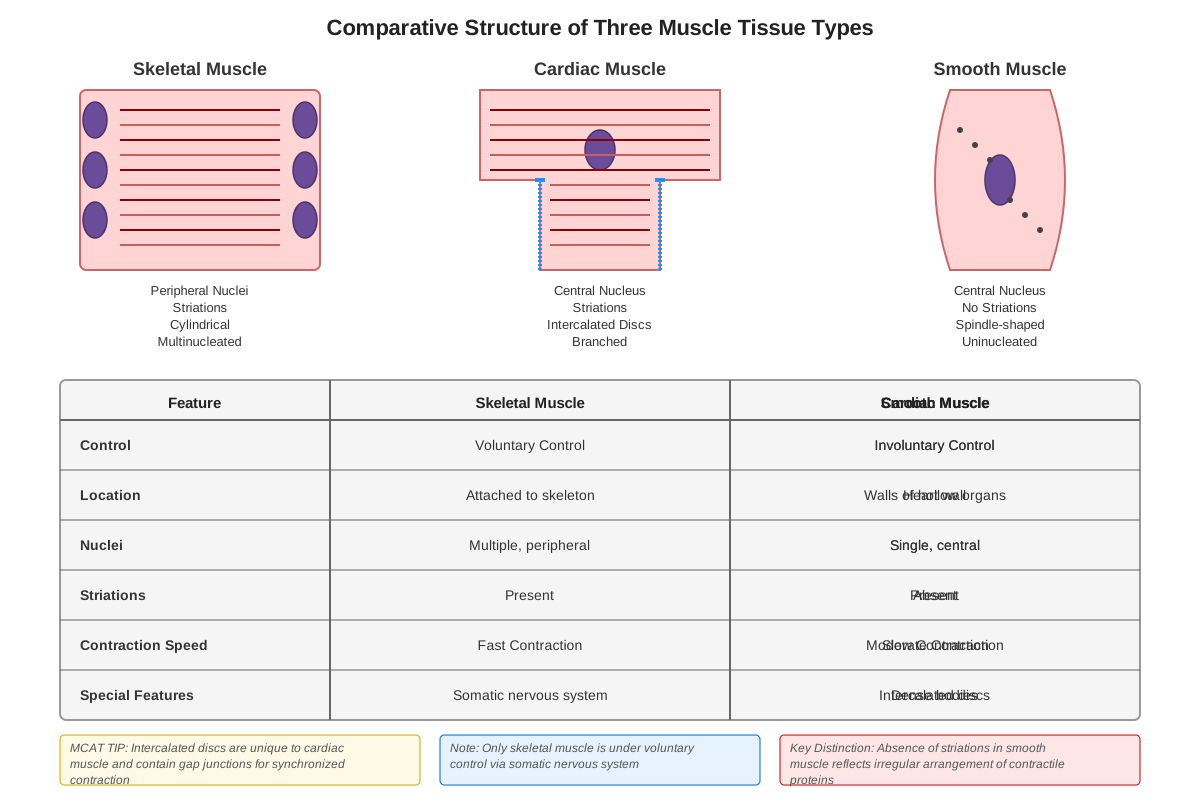
Muscle tissue is a specialized tissue composed of cells capable of contraction, generating force and producing movement. This tissue type is characterized by the presence of contractile proteins organized into highly ordered structures that enable coordinated shortening of cells. Muscle tissue is classified into three distinct types based on structural features, location, and control mechanisms: skeletal muscle, cardiac muscle, and smooth muscle.
The fundamental functional unit of all muscle types is the muscle cell or myocyte, though terminology varies by muscle type (skeletal muscle cells are called muscle fibers, cardiac muscle cells are called cardiomyocytes). All muscle cells share the ability to convert chemical energy (ATP) into mechanical work through the interaction of contractile proteins, but the specific mechanisms and regulatory systems differ significantly among muscle types.
Skeletal Muscle
Skeletal muscle is voluntary muscle tissue attached to bones via tendons, responsible for locomotion and postural maintenance. Skeletal muscle cells are multinucleated, cylindrical fibers that can extend the entire length of a muscle. These cells display prominent striations (alternating light and dark bands) visible under microscopy, resulting from the highly organized arrangement of contractile proteins.
The structural organization of skeletal muscle follows a hierarchical pattern:
- Muscle fibers (individual cells) contain multiple nuclei positioned peripherally
- Myofibrils are cylindrical structures within each fiber composed of repeating contractile units
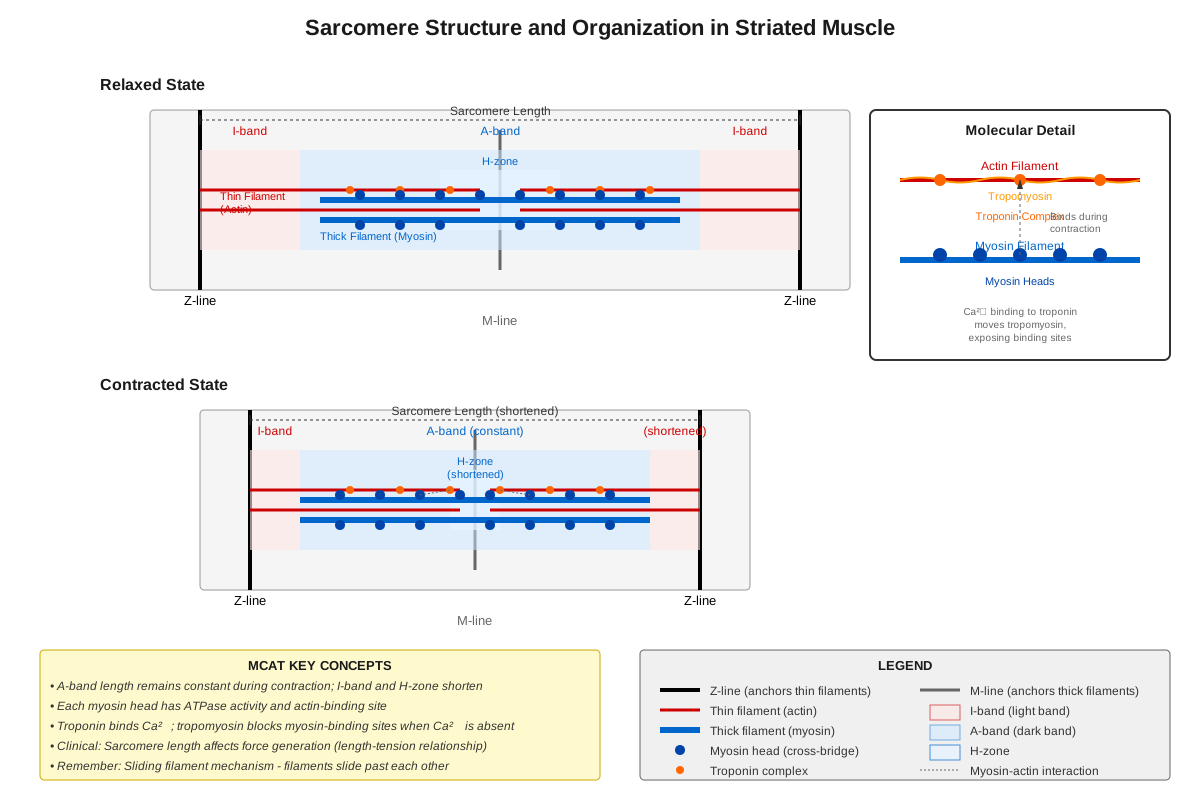
- Sarcomeres are the functional contractile units arranged end-to-end along myofibrils
- Myofilaments are the protein filaments (thick and thin) within sarcomeres that generate force
Each sarcomere extends from one Z-line (or Z-disc) to the next and contains overlapping thick filaments (composed primarily of myosin) and thin filaments (composed primarily of actin, along with regulatory proteins troponin and tropomyosin). The A-band represents the region containing thick filaments, the I-band contains only thin filaments, and the H-zone is the central region of the A-band containing only thick filaments. During contraction, the I-band and H-zone narrow as thin filaments slide past thick filaments, while the A-band remains constant in width.
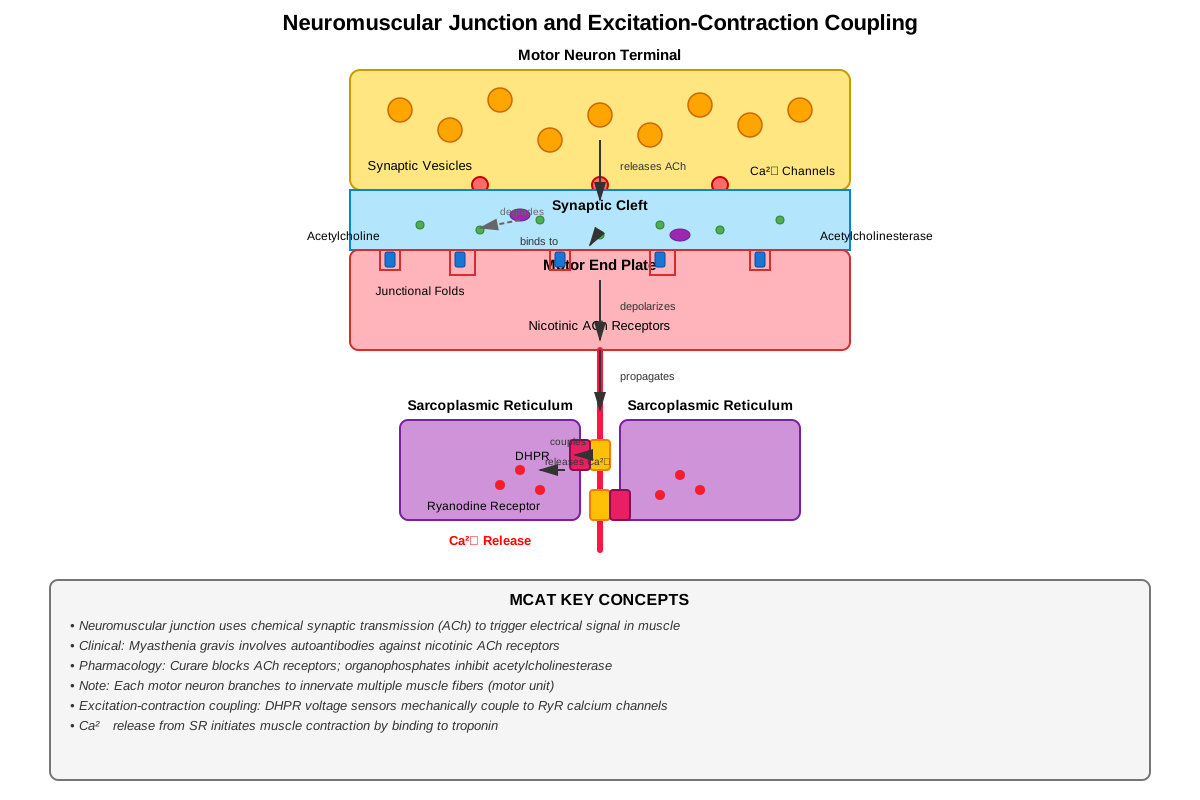
Skeletal muscle contraction is initiated by motor neurons at specialized synapses called neuromuscular junctions. When an action potential reaches the motor neuron terminal, acetylcholine is released, binds to receptors on the muscle fiber membrane (sarcolemma), and triggers an action potential that propagates along the sarcolemma and into the fiber via T-tubules (transverse tubules). This electrical signal causes the sarcoplasmic reticulum (specialized endoplasmic reticulum) to release calcium ions into the cytoplasm (sarcoplasm), initiating contraction.
Cardiac Muscle
Cardiac muscle is found exclusively in the heart wall and is responsible for pumping blood throughout the circulatory system. Like skeletal muscle, cardiac muscle displays striations due to organized sarcomere structure, but cardiac muscle cells are typically uninucleated or binucleated, branched, and connected to adjacent cells via specialized junctions called intercalated discs.
Intercalated discs contain two types of junctions: desmosomes (which provide mechanical strength and prevent cells from separating during contraction) and gap junctions (which allow electrical signals to pass directly between cells, enabling coordinated contraction). This electrical coupling creates a functional syncytium, meaning the heart muscle functions as a single coordinated unit despite being composed of individual cells.
Cardiac muscle is involuntary and possesses automaticity—the ability to generate rhythmic contractions without external neural stimulation. Specialized pacemaker cells in the sinoatrial (SA) node spontaneously depolarize, initiating action potentials that spread throughout the heart. However, cardiac muscle contraction is modulated by the autonomic nervous system, with sympathetic stimulation increasing heart rate and contractility, while parasympathetic stimulation decreases these parameters.
The cardiac action potential differs significantly from skeletal muscle, featuring a prolonged plateau phase caused by calcium influx through voltage-gated calcium channels. This extended depolarization prevents tetanic contraction (sustained contraction without relaxation), ensuring the heart has time to refill with blood between beats. Calcium entering during the action potential triggers additional calcium release from the sarcoplasmic reticulum through calcium-induced calcium release, amplifying the signal for contraction.
Smooth Muscle
Smooth muscle lacks the organized sarcomere structure that produces striations, giving it a smooth appearance under microscopy. This muscle type is found in the walls of hollow organs (blood vessels, digestive tract, bladder, uterus, airways) and is responsible for involuntary movements such as peristalsis, vasoconstriction, and regulation of airflow.
Smooth muscle cells are spindle-shaped, uninucleated, and much smaller than skeletal muscle fibers. While smooth muscle contains actin and myosin, these proteins are not arranged in regular sarcomeres. Instead, thin filaments attach to dense bodies (analogous to Z-lines) distributed throughout the cell and on the cell membrane. Thick filaments are interspersed among thin filaments in a less organized pattern.
Smooth muscle is classified into two functional types:
- Single-unit (visceral) smooth muscle: Cells are electrically coupled via gap junctions, contract as a unit, and display spontaneous activity (found in digestive tract, uterus, small blood vessels)
- Multi-unit smooth muscle: Cells function independently, require neural stimulation for contraction, and allow fine control (found in large airways, large arteries, iris, ciliary muscle)
Smooth muscle contraction is regulated differently than striated muscle. Rather than troponin, smooth muscle uses calmodulin as the calcium-binding protein. When calcium binds calmodulin, the complex activates myosin light chain kinase (MLCK), which phosphorylates myosin light chains, enabling myosin to bind actin and generate force. Relaxation occurs when myosin light chain phosphatase removes the phosphate groups.
Sliding Filament Theory
The sliding filament theory explains the molecular mechanism of muscle contraction in striated muscle. According to this model, muscle contraction occurs when thin filaments slide past thick filaments, shortening the sarcomere without changing the length of individual filaments.
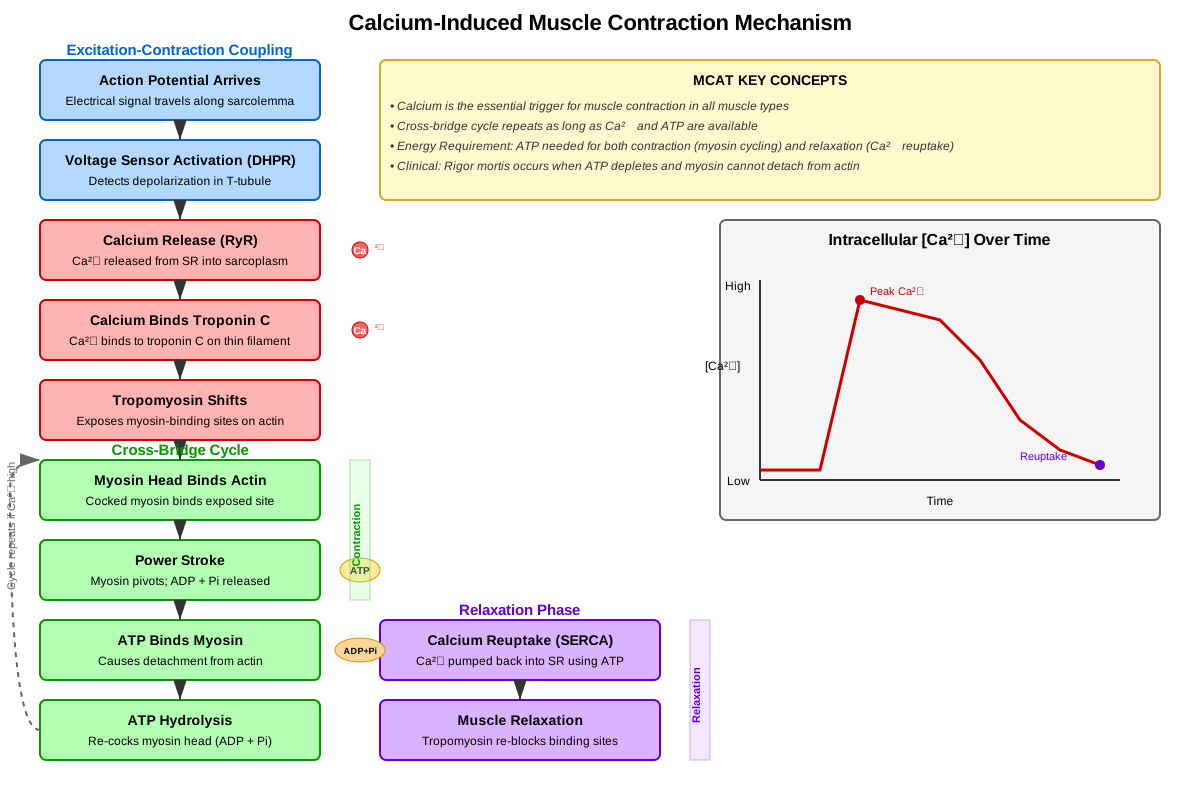
The contraction cycle involves these steps:
- Resting state: Myosin heads are bound to ADP and inorganic phosphate (Pi), in a "cocked" high-energy configuration, but cannot bind actin because tropomyosin blocks binding sites
- Calcium binding: Calcium ions bind to troponin, causing a conformational change that moves tropomyosin away from myosin-binding sites on actin
- Cross-bridge formation: Myosin heads bind to exposed sites on actin, forming cross-bridges
- Power stroke: Myosin heads pivot, pulling thin filaments toward the sarcomere center while releasing ADP and Pi
- ATP binding: ATP binds to myosin, causing it to release from actin
- ATP hydrolysis: Myosin ATPase hydrolyzes ATP to ADP + Pi, re-cocking the myosin head for another cycle
This cycle repeats as long as calcium and ATP are available. When neural stimulation ceases, calcium is actively pumped back into the sarcoplasmic reticulum, tropomyosin re-blocks binding sites, and the muscle relaxes.
Muscle Contraction Regulation
Regulation of muscle contraction differs among muscle types but centers on calcium ion availability:
In skeletal muscle: The action potential propagates along T-tubules, causing voltage-sensitive dihydropyridine receptors (DHPR) to undergo conformational changes. These receptors are mechanically coupled to ryanodine receptors (RyR) on the sarcoplasmic reticulum, causing them to open and release calcium. This process is called excitation-contraction coupling.
In cardiac muscle: Calcium enters through voltage-gated calcium channels (DHPR) during the action potential plateau phase. This calcium triggers calcium-induced calcium release from the sarcoplasmic reticulum through ryanodine receptors, amplifying the signal.
In smooth muscle: Calcium enters through voltage-gated channels or is released from intracellular stores in response to various stimuli (neurotransmitters, hormones, stretch). The calcium-calmodulin complex activates MLCK, initiating contraction.
Energy Metabolism in Muscle
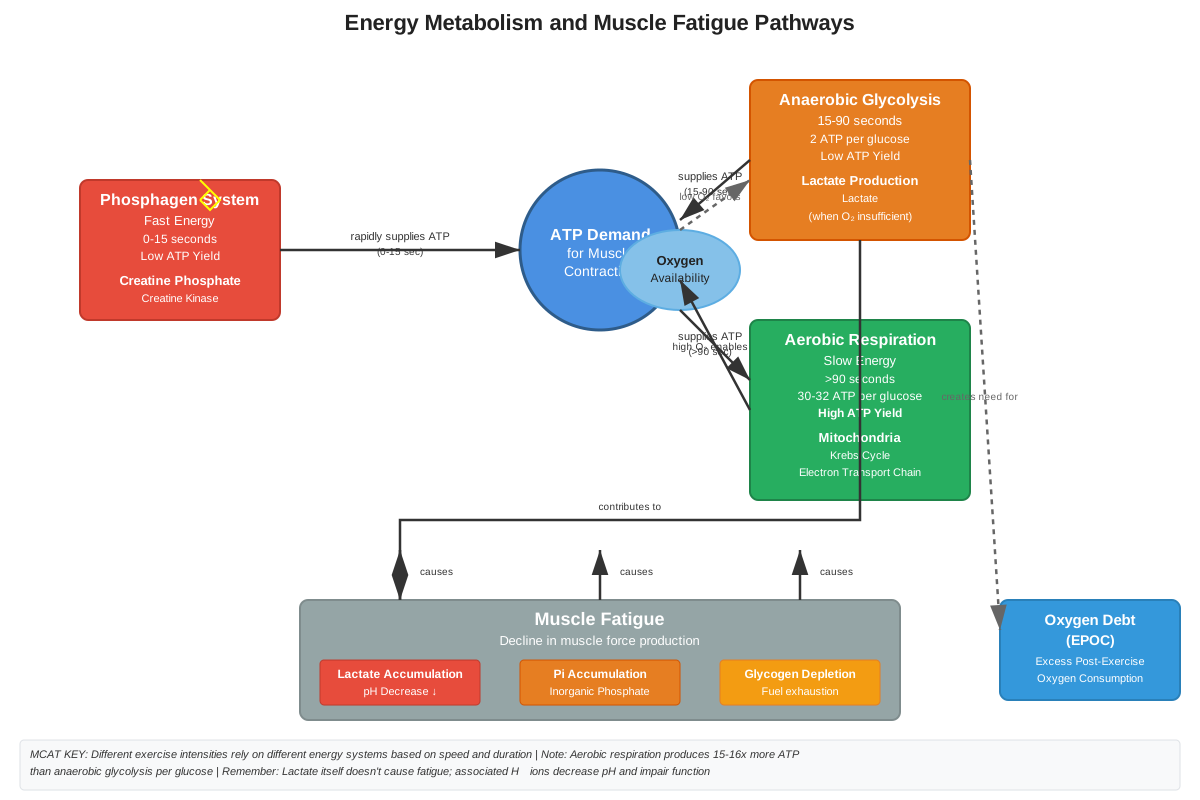
Muscle contraction requires continuous ATP supply for multiple processes: myosin ATPase activity during the power stroke, calcium pumping back into the sarcoplasmic reticulum, and maintaining ion gradients across the sarcolemma. Muscle cells employ several systems to meet these energy demands:
- Immediate energy: Stored ATP provides energy for only a few seconds of contraction
- Phosphocreatine system: Creatine phosphate rapidly donates phosphate to ADP, regenerating ATP for 10-15 seconds of maximal activity
- Anaerobic glycolysis: Glucose breakdown to lactate produces ATP quickly but inefficiently, sustaining activity for 1-2 minutes
- Aerobic respiration: Oxidative phosphorylation produces ATP efficiently from glucose, fatty acids, and amino acids, supporting prolonged activity
Different muscle fiber types emphasize different metabolic pathways:
| Fiber Type | Alternative Names | Contraction Speed | Fatigue Resistance | Primary Metabolism | Myoglobin Content | Mitochondria |
|---|---|---|---|---|---|---|
| Type I | Slow-twitch, red, oxidative | Slow | High | Aerobic | High | Many |
| Type IIa | Fast-twitch oxidative-glycolytic | Fast | Moderate | Both | Moderate | Moderate |
| Type IIb/IIx | Fast-twitch, white, glycolytic | Very fast | Low | Anaerobic | Low | Few |
Concept Relationships
The three muscle types share fundamental contractile mechanisms but differ in structure, control, and function, creating a hierarchical relationship: basic contractile mechanism (actin-myosin interaction) → specialized structural organization (sarcomeres vs. non-sarcomeric) → specific control mechanisms (voluntary vs. involuntary, neural vs. hormonal) → distinct physiological roles.
Within skeletal muscle, the relationship flows: motor neuron action potential → neuromuscular junction activation → sarcolemma depolarization → T-tubule signal propagation → sarcoplasmic reticulum calcium release → troponin-tropomyosin regulation → actin-myosin cross-bridge cycling → sarcomere shortening → muscle fiber contraction → whole muscle force generation.
Muscle tissue connects to prerequisite topics through multiple pathways: action potentials (from neuroscience) trigger muscle contraction; ATP metabolism (from biochemistry) powers contraction; protein structure (from molecular biology) determines contractile protein function; membrane transport (from cell biology) enables calcium regulation; and homeostasis (from physiology) maintains muscle function during varying demands.
The topic also connects forward to organ systems: skeletal muscle enables the musculoskeletal system; cardiac muscle drives the cardiovascular system; smooth muscle regulates the digestive, respiratory, urinary, and reproductive systems. Understanding muscle tissue is essential for comprehending exercise physiology, cardiovascular function, gastrointestinal motility, and numerous disease processes.
Quick check — test yourself on Muscle tissue so far.
Try Flashcards →High-Yield Facts
⭐ Skeletal muscle is multinucleated, striated, and under voluntary control; cardiac muscle is uninucleated/binucleated, striated, and involuntary; smooth muscle is uninucleated, non-striated, and involuntary
⭐ The sarcomere is the functional contractile unit extending from Z-line to Z-line; during contraction, the I-band and H-zone shorten while the A-band remains constant
⭐ Troponin binds calcium in skeletal and cardiac muscle, causing tropomyosin to move and expose myosin-binding sites on actin
⭐ ATP is required for myosin to detach from actin; without ATP, muscles remain in rigor (as in rigor mortis)
⭐ Cardiac muscle has gap junctions in intercalated discs that allow electrical coupling, creating a functional syncytium
- The neuromuscular junction uses acetylcholine as the neurotransmitter to initiate skeletal muscle contraction
- T-tubules are invaginations of the sarcolemma that allow action potentials to penetrate deep into muscle fibers
- The sarcoplasmic reticulum stores and releases calcium ions, which are essential for initiating contraction
- Smooth muscle contraction requires calcium-calmodulin activation of myosin light chain kinase (MLCK)
- Type I (slow-twitch) muscle fibers are fatigue-resistant and rely on aerobic metabolism, while Type II (fast-twitch) fibers fatigue quickly and use anaerobic metabolism
- Cardiac muscle has a prolonged refractory period due to the plateau phase, preventing tetanic contraction
- Creatine phosphate serves as a rapid ATP buffer system in muscle, providing immediate energy for contraction
- Excitation-contraction coupling refers to the process linking electrical excitation to mechanical contraction
- Smooth muscle can maintain prolonged contraction with low energy expenditure through the "latch state"
- Muscle tone refers to the continuous partial contraction of muscles, maintained by asynchronous motor unit activation
Common Misconceptions
Misconception: Muscles actively lengthen during relaxation → Correction: Muscles can only generate force through contraction (shortening); they return to resting length passively when relaxation occurs, often aided by antagonistic muscles or elastic recoil. Relaxation is an active process requiring ATP to pump calcium back into the sarcoplasmic reticulum, but lengthening itself is passive.
Misconception: The A-band shortens during muscle contraction → Correction: The A-band (containing thick filaments) maintains constant length during contraction. Only the I-band (containing thin filaments not overlapping thick filaments) and H-zone (containing thick filaments not overlapping thin filaments) shorten as the filaments slide past each other. This is a key feature of the sliding filament theory.
Misconception: Cardiac muscle cells contract independently like skeletal muscle fibers → Correction: Cardiac muscle cells are electrically coupled through gap junctions in intercalated discs, allowing action potentials to spread directly from cell to cell. This creates a functional syncytium where the entire heart muscle contracts as a coordinated unit, unlike skeletal muscle where individual fibers are controlled by separate motor neurons.
Misconception: Smooth muscle lacks actin and myosin → Correction: Smooth muscle contains both actin and myosin, but these proteins are not arranged in the regular sarcomeric pattern that produces striations. Instead, thin filaments attach to dense bodies, and the contractile proteins are arranged in a less organized manner that still enables contraction through cross-bridge cycling.
Misconception: ATP is only needed for muscle contraction (the power stroke) → Correction: ATP is required for multiple steps in the contraction-relaxation cycle: ATP binding causes myosin to detach from actin, ATP hydrolysis re-cocks the myosin head for the next cycle, and ATP powers the calcium pumps that return calcium to the sarcoplasmic reticulum during relaxation. Without ATP, muscles cannot relax (rigor state).
Misconception: All skeletal muscle fibers are identical → Correction: Skeletal muscle contains different fiber types (Type I, Type IIa, Type IIb/IIx) with distinct metabolic profiles, contraction speeds, and fatigue resistance. The proportion of fiber types varies among muscles and individuals, affecting athletic performance and muscle function.
Misconception: Calcium directly causes myosin to bind actin → Correction: In striated muscle, calcium binds to troponin (not myosin), causing a conformational change that moves tropomyosin away from myosin-binding sites on actin. This regulatory mechanism is indirect—calcium enables binding by removing the blocking mechanism rather than directly activating myosin.
Worked Examples
Example 1: Experimental Manipulation of Muscle Contraction
Scenario: Researchers are studying skeletal muscle contraction in vitro. They isolate muscle fibers and expose them to different experimental conditions. In Condition A, fibers are placed in a solution containing calcium ions and ATP. In Condition B, fibers are placed in a solution containing calcium ions but no ATP. In Condition C, fibers are placed in a solution containing ATP but no calcium ions.
Question: Predict the state of the muscle fibers under each condition and explain the molecular basis for each outcome.
Solution:
Condition A (Calcium + ATP): The muscle fibers will undergo repeated cycles of contraction and relaxation, likely settling into a contracted state if calcium remains elevated.
Reasoning: Calcium binds to troponin, causing tropomyosin to move and expose myosin-binding sites on actin. With ATP available, the cross-bridge cycle can proceed: myosin binds actin, performs the power stroke, ATP binds causing detachment, ATP is hydrolyzed to re-cock the myosin head, and the cycle repeats. As long as calcium remains bound to troponin, the binding sites remain exposed and cycling continues, maintaining contraction.
Condition B (Calcium, no ATP): The muscle fibers will contract and remain in a sustained contracted state (rigor).
Reasoning: Calcium binding to troponin exposes myosin-binding sites, allowing myosin heads to bind actin and perform the power stroke. However, without ATP, myosin cannot detach from actin. The muscle becomes "locked" in the rigor state with cross-bridges formed but unable to cycle. This is the molecular basis of rigor mortis, which occurs after death when ATP is depleted but calcium leaks from the sarcoplasmic reticulum.
Condition C (ATP, no calcium): The muscle fibers will remain relaxed.
Reasoning: Without calcium, troponin remains in its resting conformation, and tropomyosin blocks myosin-binding sites on actin. Even though ATP is available to power the cross-bridge cycle, myosin cannot access the binding sites on actin, preventing cross-bridge formation. The muscle remains in the relaxed state. ATP is used to maintain ion gradients but not for contraction.
Key Concept: This example illustrates that both calcium (for regulation) and ATP (for cycling) are essential for normal muscle contraction. It connects to Learning Objective: Apply muscle tissue concepts to exam-style questions.
Example 2: Comparing Muscle Types in a Clinical Context
Scenario: A patient presents with three distinct symptoms: (1) difficulty swallowing (dysphagia), (2) irregular heartbeat (arrhythmia), and (3) chronic constipation. A neurologist suspects a condition affecting muscle function. Laboratory tests reveal normal skeletal muscle strength in the limbs, but specialized testing shows abnormalities in esophageal motility, cardiac conduction, and intestinal peristalsis.
Question: Explain which muscle types are affected and why limb muscle function might be preserved. Discuss the structural and functional features that make certain muscle types more vulnerable to this condition.
Solution:
The patient's symptoms suggest involvement of smooth muscle (esophagus and intestines) and cardiac muscle (heart), while skeletal muscle in the limbs appears unaffected.
Esophageal involvement (smooth muscle): The esophagus contains smooth muscle in its lower two-thirds, responsible for peristaltic contractions that propel food toward the stomach. Smooth muscle dysfunction would impair these coordinated contractions, causing dysphagia. The upper esophagus contains skeletal muscle, which may explain why swallowing initiation (a voluntary process) might be preserved while the involuntary phase is impaired.
Cardiac involvement (cardiac muscle): Arrhythmias suggest disruption of the cardiac conduction system or contractile function. Cardiac muscle's unique features—intercalated discs with gap junctions, automaticity, and calcium-induced calcium release—make it vulnerable to conditions affecting electrical coupling or calcium handling. The functional syncytium means that localized dysfunction can affect the entire heart's rhythm.
Intestinal involvement (smooth muscle): Constipation indicates impaired peristalsis in the intestinal smooth muscle. Single-unit smooth muscle in the GI tract normally displays spontaneous rhythmic contractions coordinated through gap junctions. Dysfunction in this system would slow or prevent normal intestinal motility.
Preservation of limb skeletal muscle: Skeletal muscle in the limbs is under voluntary control via motor neurons at neuromuscular junctions. If the condition specifically affects involuntary muscle types or their intrinsic regulatory mechanisms (such as gap junction function, automaticity, or smooth muscle-specific calcium regulation), skeletal muscle might be spared. Additionally, skeletal muscle has different calcium handling mechanisms (mechanical coupling between DHPR and RyR rather than calcium-induced calcium release) that might not be affected by this condition.
Possible underlying mechanism: This clinical presentation could suggest a condition affecting gap junction proteins (connexins), calcium channel function, or autonomic nervous system regulation—all of which would preferentially affect cardiac and smooth muscle while sparing skeletal muscle. Conditions like certain channelopathies or autoimmune disorders affecting autonomic function could produce this pattern.
Key Concept: This example demonstrates the importance of understanding structural and functional differences among muscle types for clinical reasoning. It addresses Learning Objectives: Compare muscle types and Connect muscle tissue to related Biology concepts.
Exam Strategy
When approaching MCAT questions on muscle tissue, employ these strategic approaches:
Trigger words to identify muscle type:
- "Voluntary," "multinucleated," "attached to bones" → skeletal muscle
- "Intercalated discs," "gap junctions," "automaticity," "heart" → cardiac muscle
- "Hollow organs," "peristalsis," "vasoconstriction," "non-striated" → smooth muscle
For contraction mechanism questions:
- Identify whether the question asks about initiation, regulation, or energy
- Trace the pathway: neural signal → membrane depolarization → calcium release → regulatory protein interaction → cross-bridge cycling
- Remember that calcium is always the key regulatory signal, but the mechanism differs by muscle type
For experimental passage questions:
- Look for manipulations of calcium concentration, ATP availability, or regulatory proteins
- Predict outcomes based on the cross-bridge cycle requirements
- Consider both contraction AND relaxation (students often forget relaxation requires ATP)
Process of elimination tips:
- Eliminate answers that confuse muscle types (e.g., attributing gap junctions to skeletal muscle)
- Eliminate answers that violate the sliding filament theory (e.g., filaments changing length)
- Eliminate answers that suggest muscles can actively lengthen
- Watch for answers that confuse troponin (striated muscle) with calmodulin (smooth muscle)
Time allocation:
- Discrete questions on muscle tissue typically require 45-60 seconds
- Passage-based questions may require 90-120 seconds, especially if interpreting experimental data
- If a question requires detailed pathway tracing, quickly sketch the sequence rather than trying to hold it all in working memory
Common question formats:
- Comparing structural features of muscle types (often in table format)
- Predicting effects of drugs or toxins on contraction
- Interpreting graphs of muscle tension over time
- Analyzing experimental manipulations of calcium or ATP
- Clinical vignettes requiring application of muscle physiology
Memory Techniques
Mnemonic for muscle type characteristics - "SCS":
- Skeletal: Striations, Several nuclei (multinucleated), Somatic (voluntary) control
- Cardiac: Connected (intercalated discs), Central nucleus, Can't control (involuntary)
- Smooth: Single nucleus, Smooth appearance (no striations), Spontaneous activity (in single-unit type)
Mnemonic for sarcomere bands - "A Athletes In Harlem Zone":
- A band: All of the thick filament (includes overlap)
- I band: Isn't thick filament (only thin filaments)
- H zone: Has only thick filament (no overlap)
- Z line: Zipper that holds thin filaments
Mnemonic for cross-bridge cycle - "CRAB Cycle":
- Calcium binds troponin
- Ready: myosin binds actin (cross-bridge formation)
- Action: power stroke occurs
- Break: ATP binds, myosin detaches
Visualization for sliding filament theory:
Imagine two hands with interlocking fingers sliding past each other. The fingers represent the thick and thin filaments—they don't change length, but they slide to increase overlap. The palms (Z-lines) move closer together as the fingers slide deeper into each other.
Acronym for ATP uses in muscle - "PRC":
- Power stroke (myosin ATPase)
- Release (ATP binding causes detachment)
- Calcium pumping (back into SR)
Memory aid for smooth muscle regulation:
"CAM the MLK" - Calcium binds Calmodulin, activating Myosin Light chain Kinase
Summary
Muscle tissue is a specialized contractile tissue existing in three forms—skeletal, cardiac, and smooth—each adapted for specific physiological roles. All muscle types share the fundamental mechanism of actin-myosin cross-bridge cycling powered by ATP, but differ significantly in structure, regulation, and control. Skeletal muscle is voluntary, multinucleated, and striated, organized into sarcomeres that shorten via the sliding filament mechanism when calcium binds troponin. Cardiac muscle is involuntary, typically uninucleated, striated, and electrically coupled through gap junctions in intercalated discs, enabling coordinated contraction of the heart. Smooth muscle is involuntary, uninucleated, and non-striated, using calmodulin-mediated regulation rather than troponin. The contraction process requires both calcium (for regulation) and ATP (for cross-bridge cycling and relaxation), with excitation-contraction coupling linking electrical signals to mechanical contraction. Understanding muscle tissue requires integrating knowledge of cellular structure, membrane physiology, protein biochemistry, and energy metabolism—making it a high-yield integrative topic for the MCAT that connects multiple biological disciplines.
Key Takeaways
- Muscle tissue exists in three types with distinct structures and functions: skeletal (voluntary, multinucleated, striated), cardiac (involuntary, uni/binucleated, striated, gap junctions), and smooth (involuntary, uninucleated, non-striated)
- The sliding filament theory explains contraction: thin filaments slide past thick filaments without changing filament length; the I-band and H-zone shorten while the A-band remains constant
- Calcium is the universal trigger for muscle contraction: it binds troponin in striated muscle or calmodulin in smooth muscle, ultimately exposing myosin-binding sites on actin
- ATP is essential for both contraction and relaxation: it powers the cross-bridge cycle, causes myosin detachment, and pumps calcium back into storage; without ATP, muscles enter rigor
- Excitation-contraction coupling links electrical and mechanical events: action potentials trigger calcium release from the sarcoplasmic reticulum through different mechanisms in each muscle type
- Cardiac muscle's unique features enable coordinated heart contraction: intercalated discs with gap junctions create electrical coupling, while the prolonged refractory period prevents tetanic contraction
- Different skeletal muscle fiber types support different activities: Type I fibers are slow, fatigue-resistant, and aerobic; Type II fibers are fast, fatigue-prone, and rely more on anaerobic metabolism
Related Topics
Nervous System and Neuromuscular Junction: Understanding how motor neurons communicate with skeletal muscle through acetylcholine release and receptor activation builds directly on muscle tissue concepts and is essential for comprehending neuromuscular disorders.
Cardiovascular Physiology: Cardiac muscle function is central to understanding cardiac output, blood pressure regulation, and cardiovascular disease—mastering muscle tissue enables deeper study of the cardiovascular system.
Energy Metabolism and Exercise Physiology: The metabolic demands of muscle contraction connect to cellular respiration, glycolysis, and metabolic adaptations to exercise, making muscle tissue a gateway to understanding whole-body metabolism.
Endocrine System: Hormones like epinephrine, thyroid hormone, and insulin significantly affect muscle function and metabolism, requiring integration of muscle tissue knowledge with endocrine physiology.
Pathophysiology of Muscle Diseases: Understanding normal muscle function is prerequisite for studying muscular dystrophies, myasthenia gravis, cardiomyopathies, and other muscle-related disorders frequently tested on the MCAT.
Practice CTA
Now that you've mastered the core concepts of muscle tissue, it's time to reinforce your understanding through active practice. Challenge yourself with the practice questions and flashcards designed to test your ability to apply these concepts in exam-style scenarios. Focus particularly on questions requiring you to compare muscle types, trace the contraction mechanism, or predict experimental outcomes—these represent the highest-yield question formats for the MCAT. Remember, understanding muscle tissue provides a foundation for multiple organ systems and integrates knowledge from cell biology, biochemistry, and physiology. Your investment in mastering this topic will pay dividends across multiple sections of the exam. You've got this!
Sign up free to keep reading
Create a free AnvayaPrep account to finish this MCAT guide on Muscle tissue — plus flashcards and practice questions.