Overview
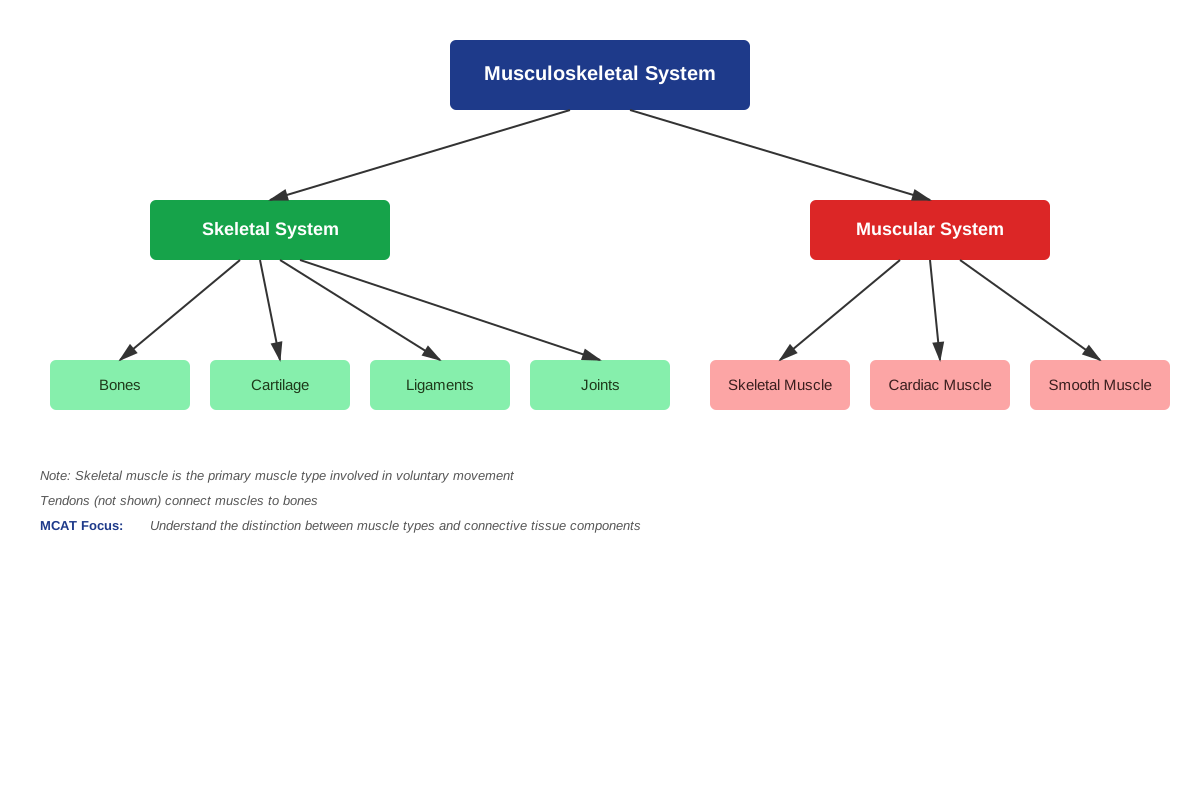
The musculoskeletal system overview represents a foundational topic in Biology and Physiology and Organ Systems that integrates anatomy, physiology, and biomechanics to explain how the human body generates movement, maintains posture, and provides structural support. This system comprises two major components: the skeletal system (bones, cartilage, ligaments, and joints) and the muscular system (skeletal, cardiac, and smooth muscle). For the MCAT, understanding the musculoskeletal system is essential because it frequently appears in both biological sciences passages and in interdisciplinary contexts that connect anatomy with physics (biomechanics), chemistry (muscle contraction biochemistry), and even psychology (motor control and proprioception).
The musculoskeletal system overview MCAT content emphasizes the integration of structure and function—a core principle in biological systems. Test-makers frequently present passages that require students to understand how bone structure relates to mechanical stress, how muscle fiber types determine athletic performance, or how connective tissue injuries affect joint stability. This topic serves as a bridge between cellular biology (muscle cell physiology) and organismal biology (whole-body movement patterns), making it a high-yield area for synthesis questions that test multiple knowledge domains simultaneously.
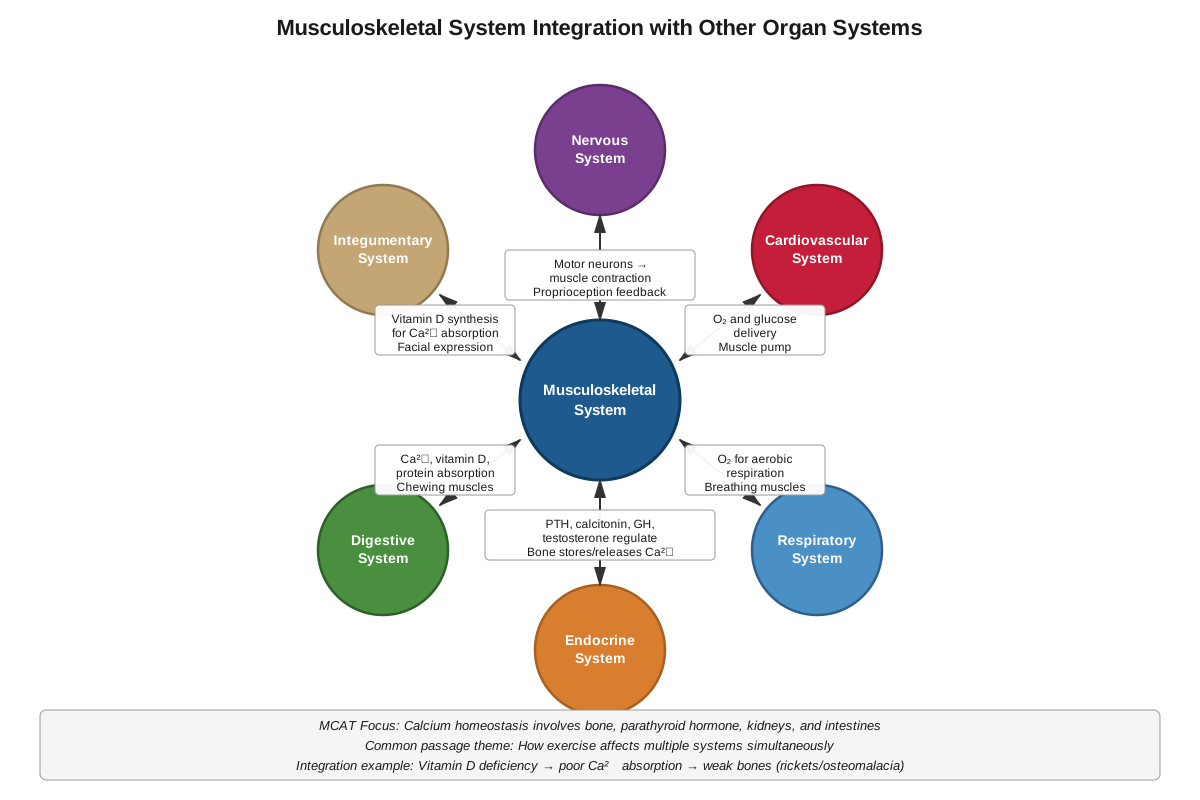
From a big-picture perspective, the musculoskeletal system connects to virtually every other organ system: the nervous system controls muscle contraction, the cardiovascular system delivers oxygen and nutrients to muscle tissue, the endocrine system regulates bone remodeling and muscle growth, and the integumentary system provides attachment points for muscles. Understanding these interconnections allows students to approach complex MCAT passages with confidence, recognizing that musculoskeletal questions often test the ability to integrate multiple physiological concepts rather than recall isolated facts.
Learning Objectives
- [ ] Define musculoskeletal system overview using accurate Biology terminology
- [ ] Explain why musculoskeletal system overview matters for the MCAT
- [ ] Apply musculoskeletal system overview to exam-style questions
- [ ] Identify common mistakes related to musculoskeletal system overview
- [ ] Connect musculoskeletal system overview to related Biology concepts
- [ ] Distinguish between the three types of muscle tissue and their respective functions in the musculoskeletal system
- [ ] Analyze how bone structure and composition contribute to mechanical properties and physiological functions
- [ ] Evaluate the relationship between connective tissue components (ligaments, tendons, cartilage) and joint function
- [ ] Predict how disruptions in musculoskeletal system components affect overall body homeostasis
Prerequisites
- Basic cell biology: Understanding cellular structure is essential because muscle cells (myocytes) have specialized organelles and membrane systems that enable contraction
- Tissue types: Knowledge of the four primary tissue types (epithelial, connective, muscle, nervous) provides context for how musculoskeletal tissues are classified and organized
- Basic chemistry: Familiarity with chemical bonds, ions (especially calcium), and ATP is necessary to understand muscle contraction mechanisms and bone mineralization
- Anatomical terminology: Directional terms (anterior/posterior, proximal/distal) and body planes are required to describe musculoskeletal structures accurately
- Basic physics concepts: Understanding force, leverage, and mechanical advantage helps explain how muscles and bones work together to produce movement
Why This Topic Matters
The musculoskeletal system has profound clinical significance that extends far beyond movement. Osteoporosis affects over 10 million Americans and results from disrupted bone remodeling, while muscular dystrophies represent genetic disorders that progressively weaken skeletal muscle. Sports medicine, orthopedic surgery, physical therapy, and rheumatology all focus primarily on musculoskeletal pathology. Understanding normal musculoskeletal function provides the foundation for recognizing disease states—a critical skill for future physicians.
On the MCAT, musculoskeletal content appears in approximately 5-10% of Biological and Biochemical Foundations questions, with medium frequency but high integration potential. Questions typically appear in three formats: (1) passage-based questions that present research on muscle physiology, bone metabolism, or biomechanics; (2) discrete questions testing anatomical knowledge or physiological mechanisms; and (3) interdisciplinary questions that combine biology with physics (calculating mechanical advantage of lever systems) or chemistry (analyzing the role of calcium in muscle contraction). The AAMC particularly favors questions that require students to apply basic principles to novel situations rather than simply recall memorized facts.
Common passage themes include exercise physiology studies examining muscle fiber recruitment patterns, clinical vignettes describing fracture healing or joint injuries, and research articles investigating hormonal regulation of bone density. The musculoskeletal system also frequently appears in passages about aging, nutrition (vitamin D and calcium metabolism), and genetic disorders. Recognizing these patterns helps students anticipate question types and prepare targeted study strategies.
Core Concepts
Components of the Musculoskeletal System
The musculoskeletal system consists of two integrated subsystems that work synergistically to produce movement, maintain posture, protect internal organs, store minerals, and produce blood cells. The skeletal system provides the rigid framework, while the muscular system generates the forces necessary for movement. Together, these systems enable all voluntary and many involuntary body movements.
The skeletal system includes 206 bones in the adult human body, along with cartilage, ligaments, and joints. Bones serve six primary functions: (1) structural support for the body, (2) protection of vital organs (skull protects brain, ribcage protects heart and lungs), (3) movement facilitation through lever systems, (4) mineral storage (especially calcium and phosphate), (5) blood cell production (hematopoiesis in red bone marrow), and (6) energy storage (yellow bone marrow contains adipose tissue).
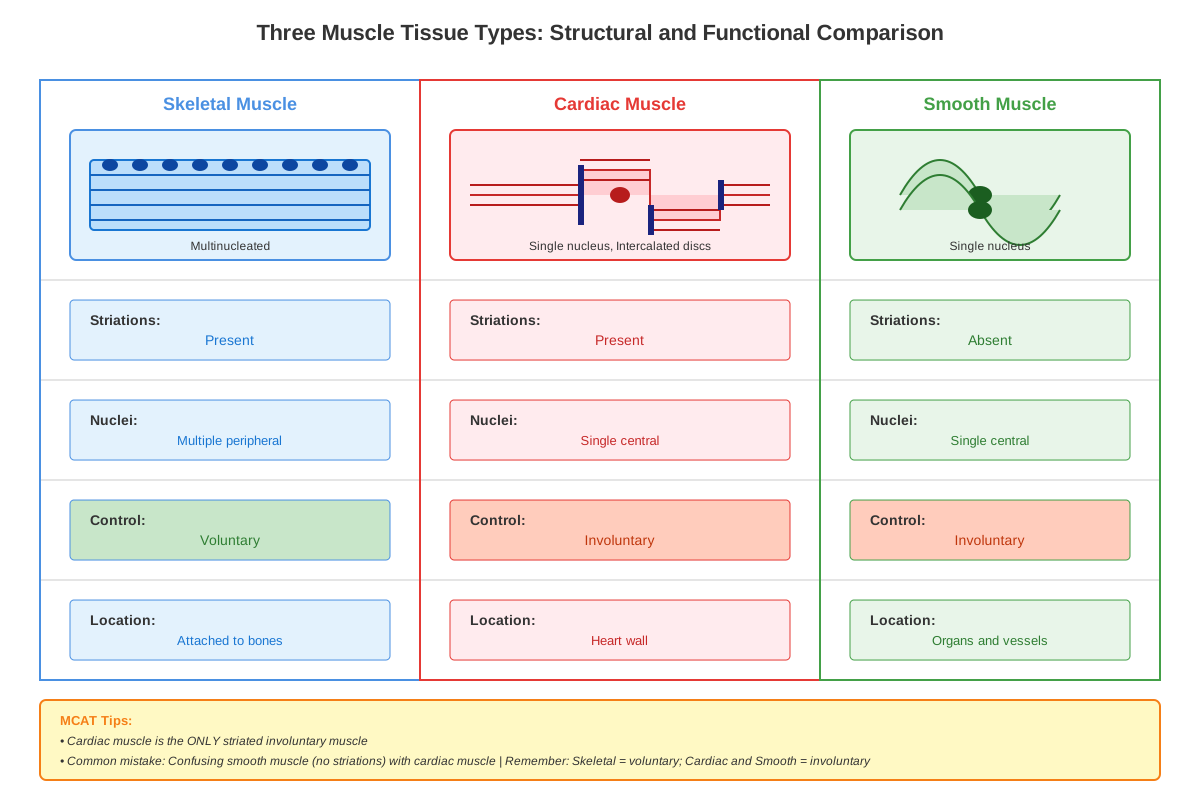
The muscular system comprises three distinct tissue types: skeletal muscle (voluntary, striated, multinucleated), cardiac muscle (involuntary, striated, branched with intercalated discs), and smooth muscle (involuntary, non-striated, spindle-shaped). For musculoskeletal system discussions, skeletal muscle receives primary emphasis because it directly attaches to bones and produces voluntary movement.
Bone Structure and Composition
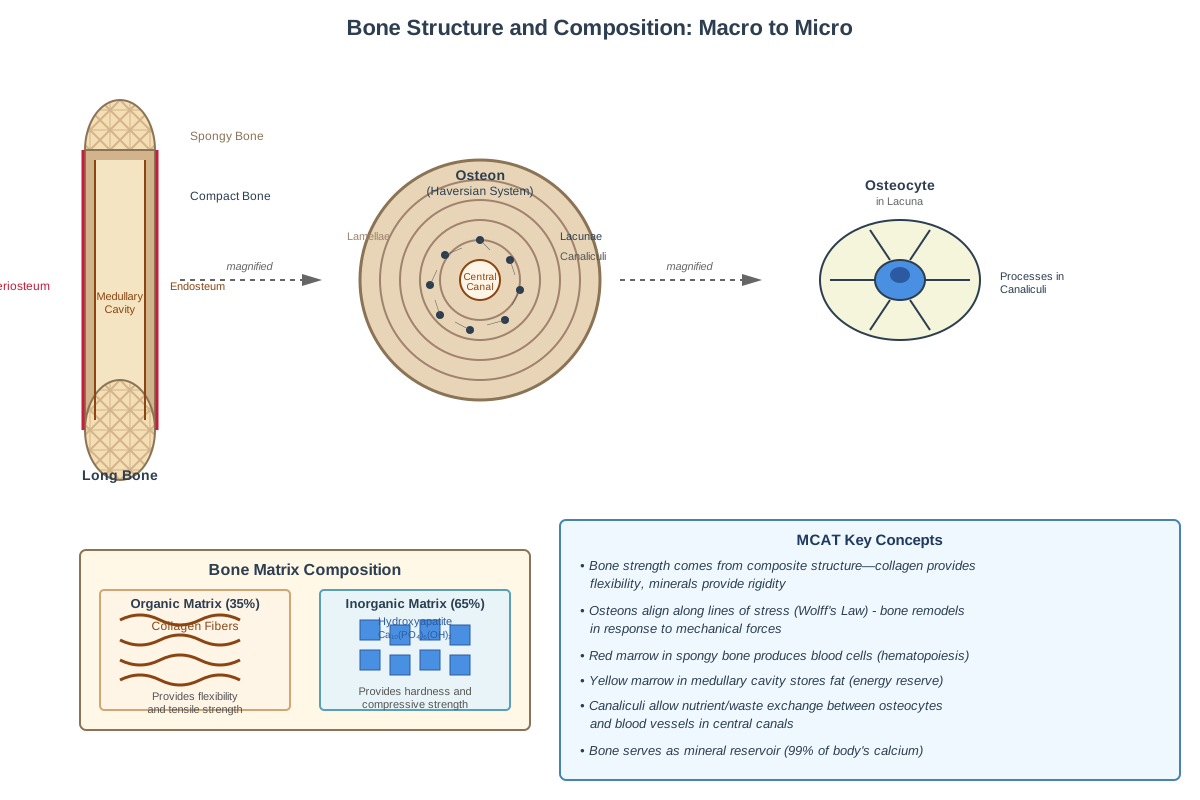
Bone tissue represents a specialized connective tissue with a unique extracellular matrix that combines organic components (primarily type I collagen) with inorganic mineral crystals (hydroxyapatite, a calcium phosphate compound). This combination creates a composite material that is both strong (resistant to compression) and flexible (resistant to fracture). The organic matrix provides tensile strength, while the mineral component provides compressive strength.
Bones are classified by shape into five categories: long bones (femur, humerus), short bones (carpals, tarsals), flat bones (skull, scapula, sternum), irregular bones (vertebrae, facial bones), and sesamoid bones (patella). Long bones exhibit a characteristic structure with a diaphysis (shaft), two epiphyses (ends), metaphyses (regions between diaphysis and epiphyses), articular cartilage (covers joint surfaces), periosteum (outer membrane), endosteum (inner membrane lining medullary cavity), and medullary cavity (contains bone marrow).
Two types of bone tissue exist: compact bone (dense, organized into osteons/Haversian systems) and spongy bone (trabecular/cancellous, lattice-like structure). Compact bone forms the outer layer and diaphysis of long bones, providing strength and protection. Spongy bone fills the epiphyses and contains red bone marrow where hematopoiesis occurs. The trabecular arrangement in spongy bone follows stress lines, maximizing strength while minimizing weight—an elegant example of form following function.
Bone Cells and Remodeling
Three specialized cell types maintain bone tissue throughout life: osteoblasts (bone-building cells that secrete osteoid and promote mineralization), osteocytes (mature bone cells embedded in the matrix that sense mechanical stress and regulate remodeling), and osteoclasts (large, multinucleated cells that resorb bone tissue). These cells work in coordinated fashion during bone remodeling, a continuous process that replaces old bone with new bone throughout life.
Bone remodeling occurs in five phases: (1) activation (osteoclast precursors are recruited), (2) resorption (osteoclasts dissolve mineral and digest collagen), (3) reversal (transition from resorption to formation), (4) formation (osteoblasts deposit new osteoid), and (5) mineralization (calcium phosphate crystals are deposited). This process serves multiple functions: repairing microdamage, adapting bone structure to mechanical stress (Wolff's law), and regulating calcium homeostasis.
Hormonal regulation of bone remodeling involves multiple endocrine signals. Parathyroid hormone (PTH) increases blood calcium by stimulating osteoclast activity (indirectly through osteoblasts), increasing calcium reabsorption in kidneys, and promoting vitamin D activation. Calcitonin decreases blood calcium by inhibiting osteoclast activity. Vitamin D (calcitriol) increases calcium absorption in the intestines and works with PTH to mobilize calcium from bone. Estrogen and testosterone promote bone formation and inhibit resorption, explaining why postmenopausal women and older men experience increased osteoporosis risk.
Skeletal Muscle Structure
Skeletal muscle exhibits a hierarchical organization from macroscopic to microscopic levels. A whole muscle contains multiple fascicles (bundles of muscle fibers) surrounded by connective tissue sheaths. The epimysium surrounds the entire muscle, the perimysium surrounds each fascicle, and the endomysium surrounds individual muscle fibers (cells). These connective tissue layers converge to form tendons that attach muscle to bone.
Individual muscle fibers are elongated, multinucleated cells formed by fusion of myoblasts during development. Each fiber contains numerous myofibrils (contractile units) arranged in parallel. Myofibrils display alternating light and dark bands, creating the striated appearance characteristic of skeletal muscle. The repeating functional unit is the sarcomere, extending from one Z-line to the next Z-line.
Within each sarcomere, thick filaments (primarily myosin) and thin filaments (primarily actin, plus troponin and tropomyosin) are arranged in overlapping patterns. The A band (dark) contains thick filaments and overlapping thin filaments. The I band (light) contains only thin filaments. The H zone (center of A band) contains only thick filaments. The M line (center of H zone) contains proteins that anchor thick filaments. This precise arrangement enables the sliding filament mechanism of muscle contraction.
Muscle Contraction Mechanism
Muscle contraction follows the sliding filament theory, where thin filaments slide past thick filaments without either filament shortening. This process requires ATP and is triggered by calcium ions. The sequence begins when a motor neuron releases acetylcholine at the neuromuscular junction, causing depolarization of the muscle fiber membrane (sarcolemma). This depolarization spreads along the sarcolemma and down T-tubules (transverse tubules), which are invaginations that penetrate deep into the fiber.
T-tubule depolarization triggers calcium release from the sarcoplasmic reticulum (specialized endoplasmic reticulum that stores calcium). Calcium binds to troponin on thin filaments, causing a conformational change that moves tropomyosin away from myosin-binding sites on actin. With binding sites exposed, myosin heads (which have already hydrolyzed ATP to ADP + Pi) attach to actin, forming cross-bridges.
The power stroke occurs when myosin heads pivot, pulling thin filaments toward the sarcomere center and releasing ADP and Pi. A new ATP molecule then binds to the myosin head, causing it to detach from actin. ATP hydrolysis re-cocks the myosin head, preparing it for another cycle. This process repeats as long as calcium and ATP are available. When neural stimulation ceases, calcium is actively pumped back into the sarcoplasmic reticulum (requiring ATP), tropomyosin re-covers binding sites, and the muscle relaxes.
Muscle Fiber Types
Skeletal muscle fibers are classified into three types based on contractile speed and metabolic properties:
| Fiber Type | Alternative Names | Contraction Speed | Fatigue Resistance | Primary Metabolism | Myoglobin Content | Mitochondria | Capillary Density | Function |
|---|---|---|---|---|---|---|---|---|
| Type I | Slow-twitch, slow oxidative (SO) | Slow | High | Aerobic (oxidative phosphorylation) | High (red fibers) | Many | High | Posture, endurance activities |
| Type IIA | Fast-twitch oxidative-glycolytic (FOG) | Fast | Moderate | Both aerobic and anaerobic | Moderate | Moderate | Moderate | Sustained power activities |
| Type IIB/IIX | Fast-twitch glycolytic (FG) | Very fast | Low | Anaerobic (glycolysis) | Low (white fibers) | Few | Low | Brief, explosive movements |
Most muscles contain a mixture of fiber types, with proportions determined by genetics and modified by training. Endurance training increases Type I fiber proportion and oxidative capacity, while resistance training increases fiber diameter (hypertrophy) and strength. The motor unit (one motor neuron plus all fibers it innervates) contains only one fiber type, ensuring coordinated contraction characteristics.
Connective Tissue Components
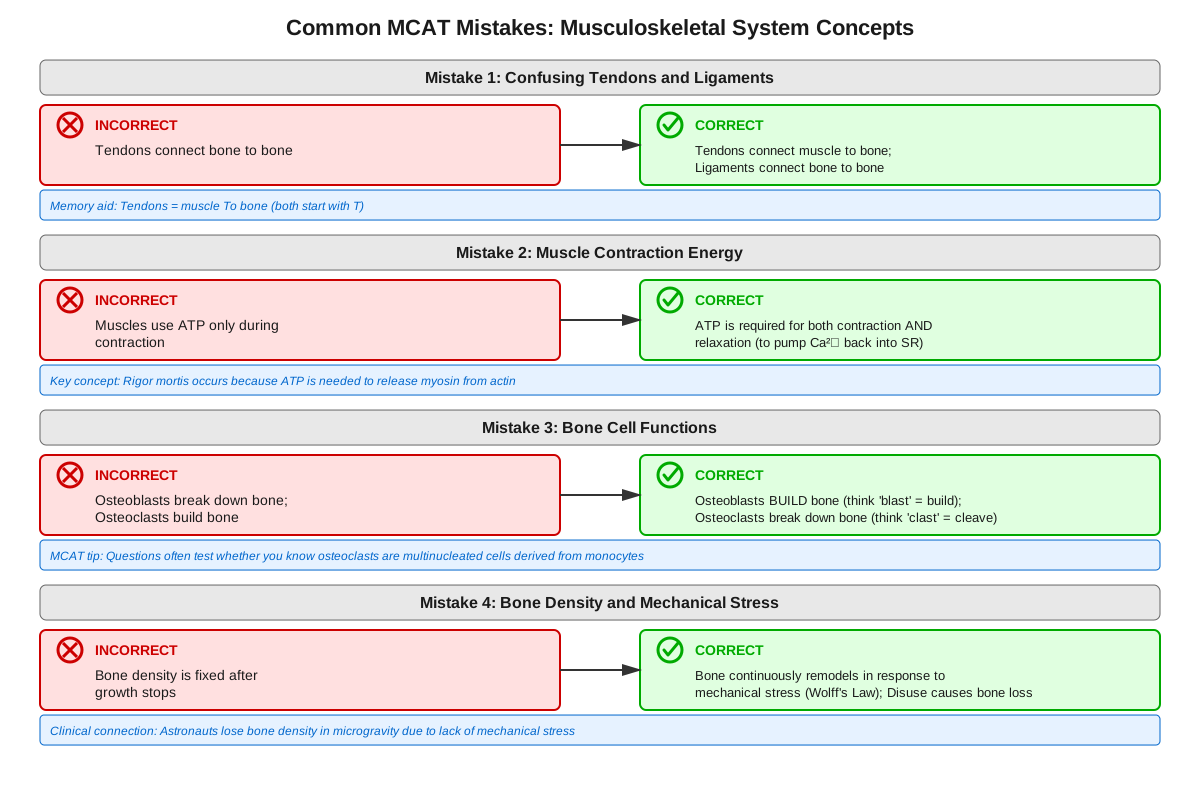
Tendons are dense regular connective tissue structures that attach muscle to bone, transmitting contractile forces. Composed primarily of parallel type I collagen fibers with interspersed fibroblasts, tendons exhibit high tensile strength but limited elasticity. The collagen fiber alignment along the axis of tension maximizes strength while minimizing tissue volume. Tendons can store elastic energy during stretching, contributing to movement efficiency (particularly evident in the Achilles tendon during running).
Ligaments connect bone to bone, stabilizing joints while permitting appropriate movement ranges. Like tendons, ligaments consist primarily of type I collagen, but with less parallel organization, reflecting their need to resist forces from multiple directions. Some ligaments (such as the ligamentum flavum in the spine) contain significant elastin, providing greater extensibility. Ligament injuries (sprains) are graded by severity: Grade I (microscopic tears, mild pain), Grade II (partial tear, moderate instability), Grade III (complete tear, significant instability).
Cartilage is an avascular connective tissue that provides smooth joint surfaces, absorbs shock, and provides flexible support. Three types exist: (1) hyaline cartilage (most common, covers articular surfaces, forms costal cartilages and most of fetal skeleton), (2) elastic cartilage (contains elastin, found in external ear and epiglottis), and (3) fibrocartilage (contains dense collagen, found in intervertebral discs and menisci). Cartilage's avascular nature limits its healing capacity, making cartilage injuries particularly problematic.
Joint Classification and Function
Joints (articulations) are classified structurally by the material connecting bones and functionally by the degree of movement permitted. Structural classifications include fibrous joints (bones connected by dense connective tissue), cartilaginous joints (bones connected by cartilage), and synovial joints (bones separated by fluid-filled cavity). Functional classifications include synarthroses (immovable), amphiarthroses (slightly movable), and diarthroses (freely movable).
Synovial joints are the most common and functionally important joint type, characterized by: (1) articular cartilage covering bone ends, (2) joint cavity containing synovial fluid, (3) articular capsule (outer fibrous layer and inner synovial membrane), (4) synovial fluid (lubricant and nutrient source for cartilage), (5) reinforcing ligaments, and (6) sometimes accessory structures (menisci, bursae, fat pads). Synovial joints are classified by shape and movement: hinge (elbow), pivot (atlantoaxial), ball-and-socket (hip, shoulder), condyloid (wrist), saddle (thumb), and plane (intercarpal).
Movement terminology describes joint actions: flexion (decreasing joint angle), extension (increasing joint angle), abduction (moving away from midline), adduction (moving toward midline), rotation (turning around longitudinal axis), circumduction (circular movement combining flexion, extension, abduction, and adduction), pronation (palm down), supination (palm up), inversion (sole inward), eversion (sole outward), dorsiflexion (foot up), and plantarflexion (foot down).
Concept Relationships
The musculoskeletal system demonstrates extensive internal integration and external connections to other physiological systems. Within the system, bone structure directly determines mechanical properties: compact bone organization into osteons provides strength for weight-bearing, while spongy bone architecture follows stress lines to maximize strength-to-weight ratio. This structural foundation → supports muscle attachment → enables lever systems → produces movement, creating a functional cascade from molecular to organismal levels.
Bone remodeling connects to muscle function through mechanical stress sensing: muscle contraction generates forces on bones → osteocytes detect mechanical strain → signaling pathways activate → osteoblast and osteoclast activity adjusts → bone structure adapts to loading patterns (Wolff's law). This relationship explains why astronauts lose bone density in microgravity and why weight-bearing exercise prevents osteoporosis.
Muscle contraction mechanisms link cellular biology to whole-body physiology: neural signal → neuromuscular junction transmission → sarcolemma depolarization → calcium release → troponin-tropomyosin conformational change → myosin-actin interaction → sarcomere shortening → muscle fiber contraction → whole muscle force generation → joint movement. Each step depends on the previous one, creating a tightly coupled system where disruption at any level impairs overall function.
The musculoskeletal system connects to other organ systems through multiple pathways. The nervous system provides motor control (somatic motor neurons innervate skeletal muscle) and sensory feedback (proprioceptors in muscles, tendons, and joints inform the CNS about body position and movement). The cardiovascular system delivers oxygen and nutrients required for muscle metabolism and removes metabolic wastes (lactate, CO2). The endocrine system regulates bone remodeling (PTH, calcitonin, vitamin D, sex hormones, growth hormone) and muscle growth (testosterone, growth hormone, insulin-like growth factor). The integumentary system provides attachment points for facial muscles and protects underlying musculoskeletal structures.
Energy metabolism connects muscle function to biochemistry: ATP hydrolysis powers both muscle contraction (myosin-actin cycling) and relaxation (calcium pumping). Muscle fibers use three ATP sources depending on activity duration: (1) stored ATP (immediate, lasts ~2 seconds), (2) creatine phosphate (rapid, lasts ~10 seconds), and (3) cellular respiration (aerobic or anaerobic, sustained). This progression from immediate to short-term to long-term energy sources explains why different muscle fiber types suit different activities.
Quick check — test yourself on Musculoskeletal system overview so far.
Try Flashcards →High-Yield Facts
⭐ The musculoskeletal system consists of bones, cartilage, ligaments, tendons, and three muscle types (skeletal, cardiac, smooth), with skeletal muscle being the primary focus for voluntary movement.
⭐ Bone serves six functions: support, protection, movement, mineral storage (calcium and phosphate), hematopoiesis (blood cell production in red marrow), and energy storage (yellow marrow).
⭐ Bone remodeling involves osteoblasts (build bone), osteocytes (maintain bone and sense mechanical stress), and osteoclasts (resorb bone), regulated by PTH, calcitonin, vitamin D, and sex hormones.
⭐ The sarcomere is the functional contractile unit of skeletal muscle, extending from Z-line to Z-line, containing thick filaments (myosin) and thin filaments (actin, troponin, tropomyosin).
⭐ Muscle contraction follows the sliding filament theory: calcium binds troponin → tropomyosin moves → myosin binds actin → power stroke → ATP binds myosin → detachment → cycle repeats.
- Type I muscle fibers (slow-twitch) are fatigue-resistant, use aerobic metabolism, and are suited for endurance activities; Type II fibers (fast-twitch) contract rapidly but fatigue quickly, using primarily anaerobic metabolism.
- Compact bone is dense and organized into osteons (Haversian systems), while spongy bone has a trabecular structure that follows stress lines, maximizing strength while minimizing weight.
- Tendons (muscle to bone) and ligaments (bone to bone) consist primarily of type I collagen arranged to resist tensile forces; tendons have parallel fibers while ligaments have less organized structure.
- Synovial joints are freely movable joints characterized by articular cartilage, joint cavity with synovial fluid, articular capsule, and reinforcing ligaments.
- Wolff's law states that bone adapts to mechanical stress: increased loading stimulates bone deposition, while decreased loading leads to bone resorption.
- The neuromuscular junction is the synapse between a motor neuron and muscle fiber where acetylcholine triggers muscle fiber depolarization and subsequent contraction.
- Cartilage is avascular (lacks blood vessels), receiving nutrients by diffusion from synovial fluid or surrounding tissues, which limits its healing capacity after injury.
Common Misconceptions
Misconception: Muscles directly attach to bones at all points along their length.
Correction: Muscles attach to bones specifically at their origin (typically the more stationary attachment) and insertion (typically the more mobile attachment) via tendons. The muscle belly (middle portion) does not directly contact bone but is separated by connective tissue layers.
Misconception: Muscle contraction involves muscle fibers or myofilaments physically shortening by compressing or coiling.
Correction: The sliding filament theory explains that thin filaments slide past thick filaments without either filament changing length. Sarcomeres shorten because the overlap between filaments increases, not because the filaments themselves compress.
Misconception: Bones are static, unchanging structures once growth is complete.
Correction: Bone is dynamic living tissue that continuously undergoes remodeling throughout life. Approximately 10% of the adult skeleton is replaced annually through coordinated osteoclast resorption and osteoblast formation. This process adapts bone structure to mechanical demands and maintains calcium homeostasis.
Misconception: Type I and Type II muscle fibers can completely interconvert with training.
Correction: While training can modify fiber characteristics (increasing oxidative capacity, changing size), complete conversion between Type I and Type II is limited. Training primarily causes shifts within Type II subtypes (IIX ↔ IIA) and enhances metabolic properties rather than fundamentally changing fiber type genetics.
Misconception: Cartilage and bone are essentially the same tissue with different hardness.
Correction: Cartilage and bone are distinct connective tissues with different cellular composition, matrix properties, and vascularization. Cartilage is avascular with chondrocytes embedded in a flexible matrix rich in type II collagen and proteoglycans. Bone is highly vascular with osteocytes in a rigid, mineralized matrix containing type I collagen and hydroxyapatite crystals.
Misconception: Calcium is only needed for bone strength and has no role in muscle function.
Correction: Calcium serves dual critical roles: providing structural strength to bones (as hydroxyapatite crystals) and serving as the essential trigger for muscle contraction (binding to troponin to initiate the cross-bridge cycle). Bones serve as a calcium reservoir that can be mobilized to maintain blood calcium levels necessary for muscle and nerve function.
Misconception: All joints in the body are freely movable.
Correction: Joints vary widely in mobility. Fibrous joints (like skull sutures) are immovable (synarthroses), cartilaginous joints (like intervertebral discs) are slightly movable (amphiarthroses), and synovial joints (like the knee) are freely movable (diarthroses). Joint structure reflects functional requirements.
Worked Examples
Example 1: Analyzing Bone Remodeling in Response to Exercise
Question: A research study examines bone density changes in three groups: sedentary individuals, runners, and swimmers. After 12 months, runners show significant increases in femur and tibia bone density, swimmers show minimal changes in leg bone density but increased arm bone density, and sedentary individuals show slight decreases in overall bone density. Explain these findings using principles of bone physiology.
Solution:
Step 1: Identify the relevant principle. Wolff's law states that bone adapts to mechanical stress—increased loading stimulates bone deposition while decreased loading leads to resorption.
Step 2: Analyze the runners' results. Running is a high-impact, weight-bearing activity that generates significant compressive and tensile forces on leg bones (femur, tibia). These mechanical stresses are detected by osteocytes embedded in the bone matrix. In response, osteocytes signal to increase osteoblast activity and decrease osteoclast activity, resulting in net bone deposition and increased bone density in the loaded regions.
Step 3: Analyze the swimmers' results. Swimming is a non-weight-bearing activity because water buoyancy supports body weight. Leg bones experience minimal impact forces during swimming, so they receive insufficient mechanical stimulus to trigger significant bone deposition. However, arm bones experience repeated loading from pulling through water, providing mechanical stimulus that increases arm bone density. This demonstrates that bone remodeling is site-specific, responding to local mechanical demands.
Step 4: Analyze the sedentary group. Without regular mechanical loading, bones experience reduced osteocyte stimulation. The balance shifts toward osteoclast activity (bone resorption) over osteoblast activity (bone formation), resulting in net bone loss. This explains why sedentary lifestyle is a risk factor for osteoporosis.
Step 5: Connect to broader concepts. This example illustrates how bone is a dynamic tissue that continuously adapts to functional demands. The findings also connect to clinical recommendations: weight-bearing exercise is specifically prescribed for osteoporosis prevention because it provides the mechanical stimulus necessary to maintain or increase bone density.
Key takeaway: Bone remodeling is mechanically regulated and site-specific, with increased loading stimulating bone deposition and decreased loading leading to bone resorption, explaining why different exercise types produce different skeletal adaptations.
Example 2: Predicting Muscle Contraction Failure
Question: A patient presents with muscle weakness and fatigue. Laboratory analysis reveals normal acetylcholine release at neuromuscular junctions, normal sarcolemma depolarization, and normal sarcoplasmic reticulum calcium release. However, muscle biopsies show severely depleted ATP levels and accumulated ADP and Pi. At which step(s) in the contraction cycle would this patient's muscles fail, and what would be the observable result?
Solution:
Step 1: Review the normal contraction cycle sequence:
- Acetylcholine release → sarcolemma depolarization (confirmed normal)
- T-tubule signal → calcium release from sarcoplasmic reticulum (confirmed normal)
- Calcium binds troponin → tropomyosin moves → myosin-binding sites exposed (depends on calcium, which is normal)
- Myosin heads (with ADP + Pi) bind actin → power stroke → release ADP and Pi
- ATP binds myosin → myosin detaches from actin
- ATP hydrolysis → myosin head re-cocks
- Calcium pumped back into sarcoplasmic reticulum (requires ATP)
Step 2: Identify ATP-dependent steps. ATP is required for: (1) myosin detachment from actin (step 5), (2) myosin head re-cocking (step 6), and (3) calcium reuptake into sarcoplasmic reticulum (step 7).
Step 3: Predict failure points with depleted ATP. Without sufficient ATP:
- After the power stroke, myosin heads cannot detach from actin because ATP binding is required for detachment. Myosin heads remain bound to actin in a rigor state (similar to rigor mortis in death).
- Myosin heads that do detach cannot be re-cocked for another contraction cycle.
- Calcium cannot be pumped back into the sarcoplasmic reticulum, so calcium remains elevated in the sarcoplasm, keeping troponin-tropomyosin in the "on" position.
Step 4: Determine observable results. The patient's muscles would exhibit:
- Muscle rigidity: Persistent cross-bridges create stiffness because myosin cannot detach from actin
- Inability to relax: Elevated calcium maintains the contractile machinery in an activated state
- Inability to generate new contractions: Even though binding sites remain exposed, myosin heads cannot complete new cycles without ATP for detachment and re-cocking
- Progressive weakness: As more cross-bridges become locked, fewer functional units remain available
Step 5: Connect to clinical context. This scenario resembles conditions that impair ATP production, such as mitochondrial myopathies, severe ischemia (inadequate oxygen delivery), or metabolic disorders affecting glycolysis or oxidative phosphorylation. The combination of weakness and rigidity is characteristic of energy-depleted muscle.
Key takeaway: ATP is essential for both muscle contraction (powering the cross-bridge cycle) and relaxation (detaching myosin from actin and pumping calcium back into storage). ATP depletion causes muscle rigidity and weakness, demonstrating that relaxation is an active, energy-requiring process, not simply the passive cessation of contraction.
Exam Strategy
When approaching MCAT questions on the musculoskeletal system, first identify whether the question focuses on structure (anatomy), function (physiology), or the relationship between them. Structure-function relationships are particularly high-yield—the MCAT frequently asks students to predict functional consequences of structural changes or explain how structure enables specific functions.
Trigger words and phrases to recognize:
- "Sliding filament" → Think about myosin-actin interaction, calcium's role, ATP requirements
- "Bone remodeling" → Consider osteoblasts, osteoclasts, osteocytes, and hormonal regulation (PTH, calcitonin, vitamin D)
- "Muscle fiber type" → Distinguish Type I (slow, oxidative, fatigue-resistant) from Type II (fast, glycolytic, fatigable)
- "Mechanical stress" or "weight-bearing" → Apply Wolff's law about bone adaptation
- "Neuromuscular junction" → Focus on acetylcholine, sarcolemma depolarization, and the initiation of contraction
- "Calcium" in muscle context → Think about troponin binding, sarcoplasmic reticulum release/reuptake
- "ATP" in muscle context → Consider three roles: myosin detachment, myosin re-cocking, calcium pumping
Process-of-elimination strategies:
- For muscle contraction questions, eliminate answers that suggest filaments change length (they don't—they slide past each other)
- For bone cell questions, remember: osteoBLASTS BUILD, osteoCLASTS CLEAVE (resorb)
- For fiber type questions, eliminate answers that confuse oxidative capacity with contraction speed (Type I is slow AND oxidative; Type IIB is fast AND glycolytic)
- For joint questions, eliminate answers that describe cartilage as vascular (it's avascular)
Time allocation advice: Musculoskeletal questions typically require 60-90 seconds. Spend 20-30 seconds identifying the specific concept being tested (bone remodeling, muscle contraction mechanism, joint structure, etc.), 30-40 seconds analyzing the question stem and answer choices, and 10-20 seconds confirming your answer. For passage-based questions, quickly scan for figures showing muscle structure, bone organization, or experimental setups involving exercise or mechanical loading—these visual elements often contain key information for answering questions.
Common question formats:
- Experimental passages describing exercise interventions and asking about predicted bone or muscle adaptations
- Clinical vignettes presenting symptoms and asking students to identify the disrupted physiological process
- Mechanism questions requiring step-by-step analysis of muscle contraction or bone remodeling
- Comparative questions asking students to distinguish between muscle fiber types, bone tissue types, or joint classifications
Memory Techniques
Mnemonic for bone cell functions: "Blasts Build, Clasts Cleave, Cytes Communicate"
- OsteoBLASTS BUILD bone (secrete osteoid, promote mineralization)
- OsteoCLASTS CLEAVE bone (resorb/break down bone tissue)
- OsteoCYTES COMMUNICATE (sense mechanical stress, regulate remodeling)
Mnemonic for muscle fiber types: "Slow Red Ox" vs "Fast White Gas"
- Type I: SLOW contraction, RED appearance (high myoglobin), OXidative metabolism
- Type IIB: FAST contraction, WHITE appearance (low myoglobin), Glycolytic (GAS) metabolism
Visualization for sarcomere structure: Picture a sarcomere as a zipper with teeth (myosin heads) on thick filaments interdigitating with thin filaments. The Z-lines are like the zipper stops at each end. During contraction, the zipper "closes" as teeth pull the thin filaments inward, but neither the teeth nor the zipper tape change length—they just overlap more.
Acronym for synovial joint components: "CALFFS"
- Cartilage (articular)
- Articular capsule
- Ligaments (reinforcing)
- Fluid (synovial)
- Fibrous layer (outer part of capsule)
- Synovial membrane (inner part of capsule)
Memory aid for calcium's dual roles: "Calcium: Bones for Storage, Muscles for Action"
- In bones: Structural component (hydroxyapatite crystals) providing strength
- In muscles: Signaling molecule triggering contraction (binds troponin)
- This reminds you that bones serve as calcium reservoir for maintaining blood calcium needed for muscle function
Sequence memory for muscle contraction: Use the acronym "NERVE CATS" to remember the sequence:
- Neuron releases acetylcholine
- Excitation of sarcolemma
- Release of calcium from sarcoplasmic reticulum
- Vacation of tropomyosin from binding sites (moves away)
- Engagement of myosin with actin
- Contraction (power stroke)
- ATP binds, causing detachment
- Termination when calcium is pumped back
- Sarcomere returns to resting length
Summary
The musculoskeletal system integrates skeletal and muscular components to produce movement, maintain posture, protect organs, store minerals, and produce blood cells. Bone is a dynamic connective tissue composed of organic matrix (type I collagen) and inorganic minerals (hydroxyapatite), continuously remodeled by osteoblasts (building), osteoclasts (resorbing), and osteocytes (sensing mechanical stress). Bone adapts to mechanical loading according to Wolff's law, with hormonal regulation by PTH, calcitonin, and vitamin D maintaining calcium homeostasis. Skeletal muscle exhibits hierarchical organization from whole muscle to fascicles to fibers to myofibrils to sarcomeres, the functional contractile units. Muscle contraction follows the sliding filament theory: neural stimulation triggers calcium release, which binds troponin, exposing myosin-binding sites on actin; myosin heads then execute power strokes powered by ATP hydrolysis, pulling thin filaments past thick filaments to shorten sarcomeres. Three muscle fiber types (Type I slow-oxidative, Type IIA fast-oxidative-glycolytic, Type IIB fast-glycolytic) differ in contraction speed, fatigue resistance, and metabolic properties. Connective tissues (tendons, ligaments, cartilage) connect muscles to bones, stabilize joints, and provide smooth articular surfaces. Understanding these integrated components and their regulatory mechanisms enables students to analyze musculoskeletal function in health and disease, a critical skill for MCAT success and future medical practice.
Key Takeaways
- The musculoskeletal system comprises bones (support, protection, movement, mineral storage, hematopoiesis) and muscles (force generation for movement), integrated through connective tissues (tendons, ligaments, cartilage)
- Bone is dynamic living tissue continuously remodeled by osteoblasts (build), osteoclasts (resorb), and osteocytes (sense stress), regulated by PTH, calcitonin, vitamin D, and mechanical loading (Wolff's law)
- Muscle contraction follows the sliding filament theory: calcium triggers troponin-tropomyosin conformational changes, exposing myosin-binding sites on actin; ATP-powered myosin cross-bridge cycles pull thin filaments past thick filaments
- ATP is essential for both contraction (powering myosin cross-bridge cycles) and relaxation (detaching myosin from actin and pumping calcium back into sarcoplasmic reticulum)
- Type I muscle fibers (slow-twitch, oxidative, fatigue-resistant) suit endurance activities, while Type II fibers (fast-twitch, glycolytic, fatigable) suit brief, powerful movements
- Bone structure reflects function: compact bone provides strength in weight-bearing regions, while spongy bone's trabecular architecture follows stress lines to maximize strength-to-weight ratio
- The musculoskeletal system integrates with nervous (motor control), cardiovascular (nutrient delivery), and endocrine (hormonal regulation) systems, making it a high-yield topic for interdisciplinary MCAT questions
Related Topics
Nervous System and Motor Control: Understanding how the somatic nervous system controls skeletal muscle through motor neurons, motor units, and the neuromuscular junction builds directly on musculoskeletal foundations. This includes reflex arcs, proprioception, and motor cortex organization.
Energy Metabolism and Exercise Physiology: Exploring how muscles generate ATP through different pathways (phosphagen system, glycolysis, oxidative phosphorylation) and how metabolic demands change with exercise intensity and duration extends musculoskeletal concepts into biochemistry.
Endocrine System Regulation: Examining how hormones regulate bone remodeling (PTH, calcitonin, vitamin D, growth hormone, sex hormones) and muscle growth (testosterone, growth hormone, insulin-like growth factor) connects musculoskeletal physiology to endocrine function.
Connective Tissue Biology: Studying collagen synthesis, extracellular matrix organization, and tissue repair mechanisms provides molecular-level understanding of tendons, ligaments, and cartilage structure and function.
Biomechanics and Physics Applications: Applying physics concepts (force, torque, mechanical advantage, lever systems) to analyze how muscles and bones work together to produce movement bridges biology and physical sciences on the MCAT.
Practice CTA
Now that you've mastered the foundational concepts of the musculoskeletal system, it's time to test your understanding and reinforce your learning. Complete the practice questions to apply these concepts to MCAT-style scenarios, and use the flashcards to solidify high-yield facts and terminology. Remember, active retrieval practice is one of the most effective study strategies—each practice question you work through strengthens neural pathways and improves your ability to recall information under exam conditions. You've built a strong foundation; now demonstrate your mastery!
Sign up free to keep reading
Create a free AnvayaPrep account to finish this MCAT guide on Musculoskeletal system overview — plus flashcards and practice questions.