Overview
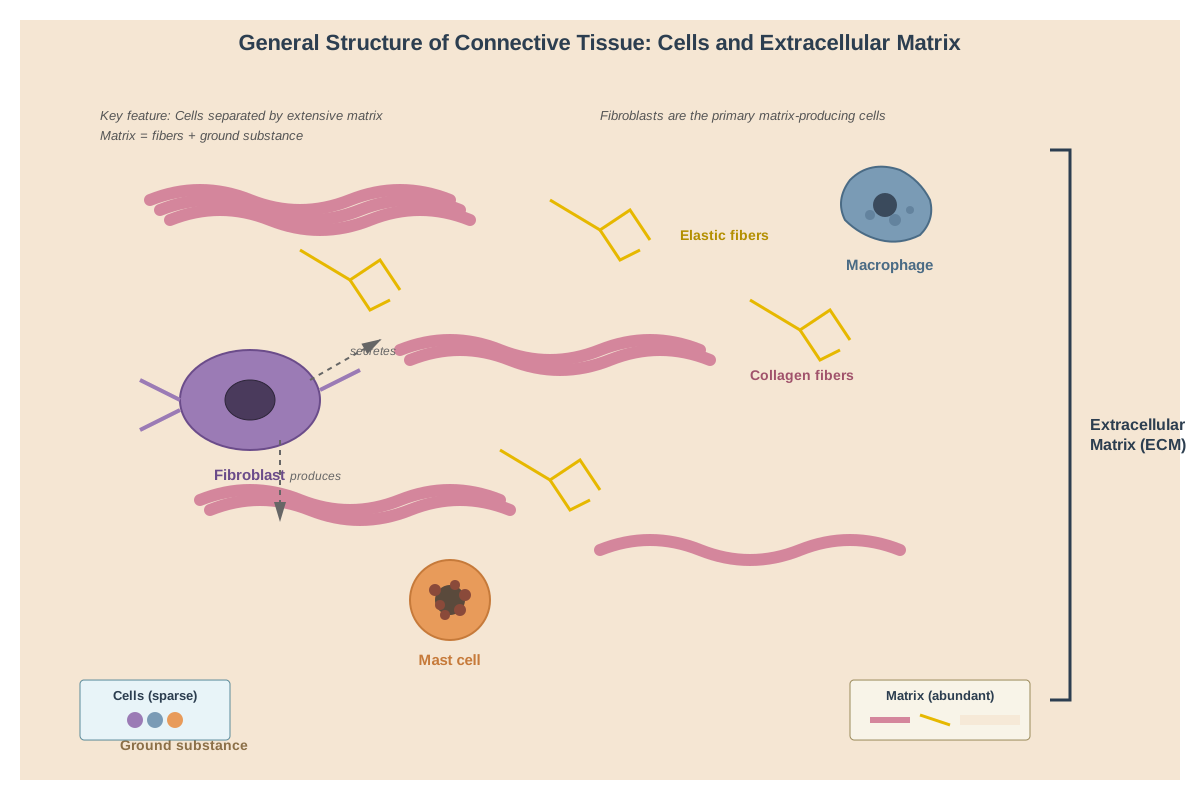
Connective tissue represents one of the four fundamental tissue types in the human body, alongside epithelial, muscle, and nervous tissue. This tissue category is distinguished by its unique structural organization: cells are dispersed within an extensive extracellular matrix composed of protein fibers and ground substance. Unlike epithelial tissue where cells are tightly packed, connective tissue features relatively few cells separated by abundant matrix material that the cells themselves produce and maintain. This architectural arrangement enables connective tissue to perform diverse mechanical and biochemical functions throughout the body, from providing structural support in bones and cartilage to facilitating immune responses in blood and lymph.
For the MCAT, connective tissue Biology appears frequently in passages related to Physiology and Organ Systems, particularly in questions addressing tissue structure-function relationships, wound healing, immune responses, and musculoskeletal physiology. Understanding connective tissue is essential because it integrates multiple biological concepts: cell biology (fibroblast function), biochemistry (collagen synthesis and structure), immunology (immune cell types), and physiology (tissue repair mechanisms). The MCAT commonly tests students' ability to distinguish between connective tissue subtypes, recognize their locations and functions, and predict physiological consequences when connective tissue is damaged or diseased.
The study of connective tissue MCAT content bridges foundational cell biology with organ-level physiology. Connective tissue components appear in virtually every organ system—from the dermis of integumentary system to the stroma supporting epithelial organs, from blood vessels' tunica media to the bone matrix of the skeletal system. Mastering this topic enables students to approach complex passages involving inflammation, tissue engineering, genetic collagen disorders, cancer metastasis, and wound healing with confidence and analytical precision.
Learning Objectives
- [ ] Define connective tissue using accurate Biology terminology
- [ ] Explain why connective tissue matters for the MCAT
- [ ] Apply connective tissue concepts to exam-style questions
- [ ] Identify common mistakes related to connective tissue
- [ ] Connect connective tissue to related Biology concepts
- [ ] Compare and contrast the major types of connective tissue based on matrix composition and cellular components
- [ ] Analyze the relationship between collagen structure and connective tissue mechanical properties
- [ ] Predict physiological consequences of connective tissue disorders based on affected tissue type
Prerequisites
- Cell structure and organelles: Understanding rough endoplasmic reticulum and Golgi apparatus function is essential because connective tissue cells actively synthesize and secrete matrix proteins
- Protein structure: Knowledge of primary through quaternary protein structure enables comprehension of collagen's unique triple-helix configuration
- Basic histology: Familiarity with the four tissue types provides context for distinguishing connective tissue from epithelial, muscle, and nervous tissue
- Extracellular matrix basics: General awareness that cells exist within an external environment containing proteins and polysaccharides
- Cell differentiation: Understanding that stem cells differentiate into specialized cell types explains the origin of diverse connective tissue cells
Why This Topic Matters
Clinical and Real-World Significance: Connective tissue disorders represent a significant category of human disease. Genetic conditions like Ehlers-Danlos syndrome (defective collagen synthesis) and Marfan syndrome (defective fibrillin) demonstrate how matrix protein abnormalities cause multi-system dysfunction. Scurvy, resulting from vitamin C deficiency, impairs collagen hydroxylation and leads to bleeding gums, poor wound healing, and bone abnormalities. Autoimmune conditions like systemic lupus erythematosus and rheumatoid arthritis primarily target connective tissue. Understanding normal connective tissue structure enables medical professionals to recognize, diagnose, and treat these conditions effectively.
Exam Statistics: Connective tissue appears in approximately 3-5% of MCAT Biology questions, most frequently within passages addressing the musculoskeletal system, immune system, or integumentary system. Questions typically test classification skills (identifying tissue type from descriptions), structure-function relationships (predicting consequences of matrix alterations), and integration with other systems (how connective tissue supports epithelial function). The topic appears in both passage-based and discrete questions, with medium difficulty level requiring application rather than simple recall.
Common Exam Contexts: MCAT passages featuring connective tissue often present experimental scenarios investigating wound healing mechanisms, research on tissue engineering scaffolds, clinical vignettes describing genetic collagen disorders, or studies examining inflammatory responses. Questions may ask students to identify which connective tissue type is affected in a disease state, predict how matrix composition changes affect tissue properties, or explain why certain cells are found in specific connective tissue types. The interdisciplinary nature of connective tissue makes it ideal for passages integrating biology with biochemistry or physiology.
Core Concepts
Definition and General Characteristics
Connective tissue is defined as a primary tissue type characterized by cells dispersed within an abundant extracellular matrix (ECM) composed of protein fibers embedded in ground substance. This distinguishes connective tissue from epithelial tissue (cells tightly joined with minimal matrix), muscle tissue (cells specialized for contraction), and nervous tissue (cells specialized for electrical signaling). The matrix is not merely passive filler material—it actively influences cell behavior, provides mechanical support, and facilitates communication between cells.
All connective tissues share three fundamental components: (1) specialized cells that produce and maintain the matrix, (2) protein fibers providing tensile strength and elasticity, and (3) ground substance, an amorphous gel-like material filling spaces between cells and fibers. The relative proportions and specific types of these components determine each connective tissue subtype's unique properties and functions.
Extracellular Matrix Components
Protein Fibers
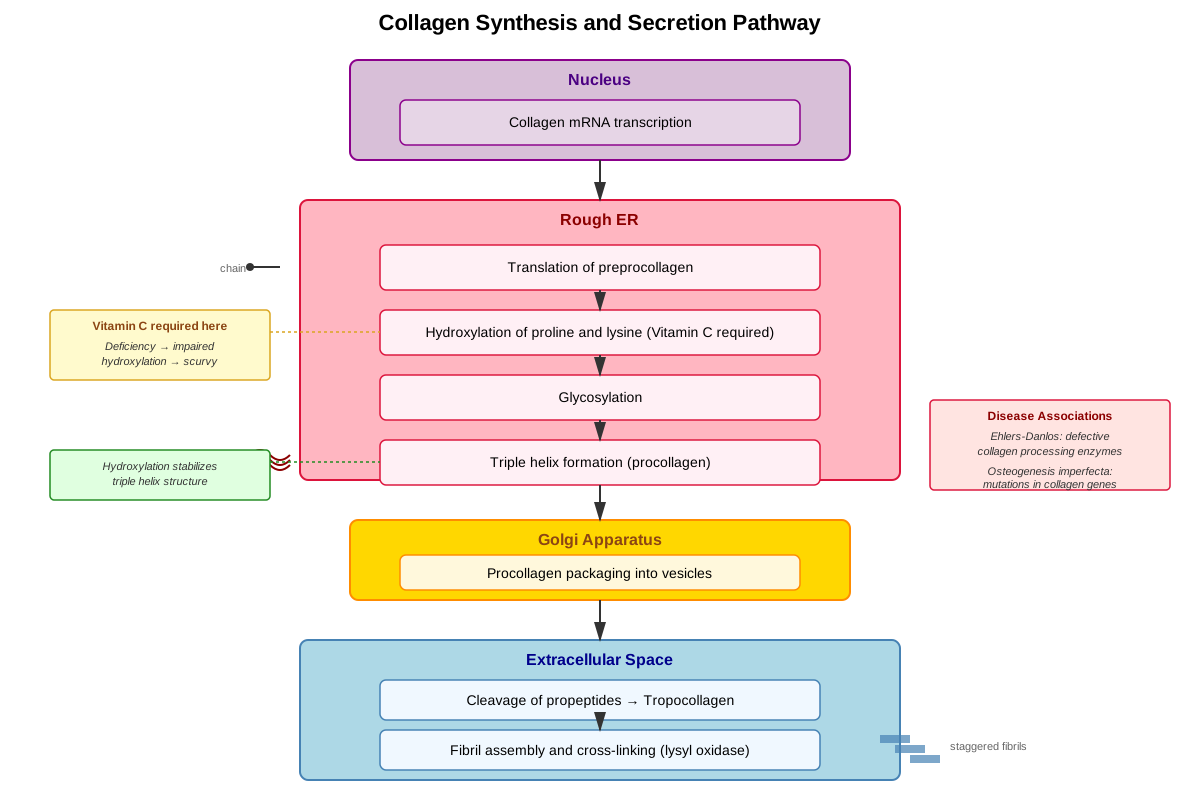
Collagen fibers represent the most abundant protein in the human body and provide tensile strength to connective tissue. Collagen molecules consist of three polypeptide chains (alpha chains) wound together in a characteristic triple helix. This structure requires glycine at every third position because only glycine's small size fits in the helix's interior. Proline and hydroxyproline residues are abundant, with hydroxyproline formation requiring vitamin C as a cofactor—explaining why vitamin C deficiency causes collagen defects in scurvy. Multiple collagen molecules align in a staggered array and cross-link to form collagen fibrils, which bundle into visible collagen fibers. Type I collagen predominates in bone, tendons, and dermis; Type II in cartilage; Type III in reticular fibers; and Type IV in basement membranes.
Elastic fibers contain the protein elastin and provide tissue elasticity, allowing tissues to stretch and recoil. Elastin molecules are cross-linked by fibrillin microfibrils into a rubber-like network. Elastic fibers are particularly abundant in arteries (allowing vessel expansion during systole), lungs (enabling elastic recoil during expiration), and skin (providing resilience). Genetic defects in fibrillin cause Marfan syndrome, characterized by excessive arterial elasticity leading to aortic aneurysm risk.
Reticular fibers are thin, branching fibers composed of Type III collagen. They form delicate supporting networks in lymphoid organs (spleen, lymph nodes), bone marrow, and around adipocytes and small blood vessels. Reticular fibers are typically visualized with silver stains in histology.
Ground Substance
Ground substance is a gel-like material composed of glycosaminoglycans (GAGs), proteoglycans, and glycoproteins. GAGs are long, unbranched polysaccharides with repeating disaccharide units, typically containing an amino sugar and a uronic acid. Most GAGs are sulfated and highly negatively charged, attracting cations and water molecules. This hydration creates turgor pressure that enables ground substance to resist compressive forces.
Major GAGs include hyaluronic acid (non-sulfated, found in synovial fluid and vitreous humor), chondroitin sulfate (abundant in cartilage), heparan sulfate (in basement membranes), and keratan sulfate (in cornea and cartilage). Proteoglycans consist of a core protein with covalently attached GAG chains, forming bottle-brush-like structures. The massive proteoglycan aggrecan in cartilage binds hundreds of GAG chains and associates with hyaluronic acid to form enormous aggregates that trap water and resist compression.
Classification of Connective Tissue
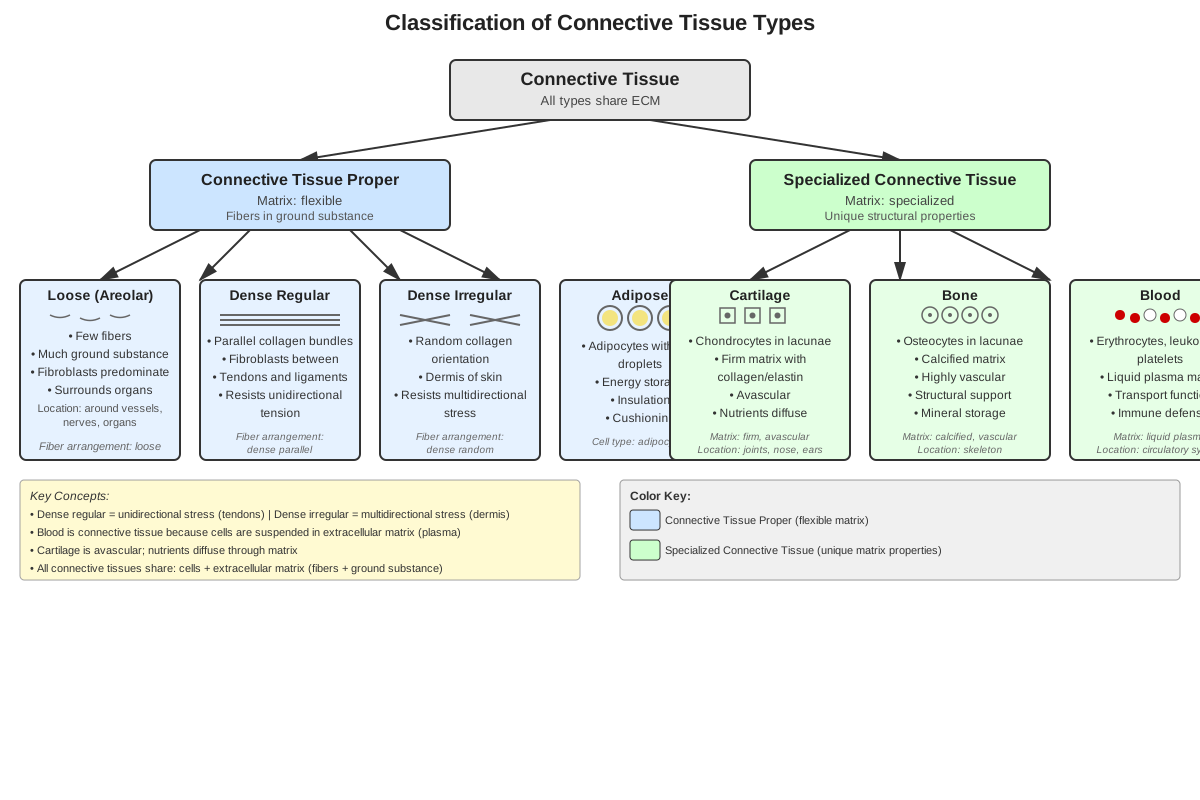
Connective tissue is classified into two major categories: connective tissue proper and specialized connective tissue.
Connective Tissue Proper
Loose (areolar) connective tissue features loosely arranged collagen and elastic fibers in abundant ground substance, with numerous cells and blood vessels. This tissue fills spaces between organs, surrounds blood vessels and nerves, and underlies most epithelia. Its loose organization permits cell migration during immune responses and provides a reservoir for water and salts. Cells present include fibroblasts, macrophages, mast cells, and various white blood cells.
Dense connective tissue contains densely packed collagen fibers with fewer cells and less ground substance. In dense regular connective tissue, collagen fibers are parallel and aligned along the direction of tension, as seen in tendons (connecting muscle to bone) and ligaments (connecting bone to bone). This organization maximizes tensile strength in one direction. In dense irregular connective tissue, collagen fibers are randomly oriented, providing strength in multiple directions. The dermis of skin exemplifies dense irregular connective tissue, resisting tension from various directions.
Adipose tissue consists of adipocytes (fat cells) specialized for triglyceride storage. In white adipose tissue, each cell contains a single large lipid droplet that pushes the nucleus to the cell periphery, creating a "signet ring" appearance. White adipose tissue provides insulation, cushioning, and energy storage. Brown adipose tissue contains multiple smaller lipid droplets and numerous mitochondria rich in the protein thermogenin (UCP1), which generates heat rather than ATP. Brown adipose tissue is abundant in newborns and contributes to non-shivering thermogenesis.
Reticular connective tissue consists of reticular fibers forming a delicate network that supports cells in lymphoid organs and bone marrow. The fibers are produced by specialized fibroblasts called reticular cells.
Specialized Connective Tissue
Cartilage is an avascular connective tissue with cells called chondrocytes residing in spaces called lacunae within an extensive matrix. The matrix contains collagen fibers (type varies by cartilage type) and abundant proteoglycans, particularly aggrecan. Cartilage receives nutrients by diffusion from surrounding tissues. Hyaline cartilage (Type II collagen) covers articular surfaces of joints, forms the fetal skeleton, and supports the respiratory tract. Elastic cartilage contains elastic fibers in addition to collagen, providing flexibility to structures like the external ear and epiglottis. Fibrocartilage contains dense Type I collagen fibers, providing strength in intervertebral discs and menisci.
Bone (osseous tissue) is a mineralized connective tissue providing structural support and calcium/phosphate storage. The matrix contains Type I collagen fibers and hydroxyapatite crystals [Ca₁₀(PO₄)₆(OH)₂]. Osteoblasts synthesize new bone matrix, osteocytes are mature bone cells residing in lacunae, and osteoclasts are multinucleated cells that resorb bone. Bone exists as compact bone (dense, organized into osteons) and spongy bone (trabecular network).
Blood is a fluid connective tissue with cells (erythrocytes, leukocytes, platelets) suspended in liquid matrix called plasma. Unlike other connective tissues, blood's matrix is not produced by its cells but rather by the liver (most plasma proteins). Blood transports oxygen, nutrients, wastes, hormones, and immune cells throughout the body.
Key Cell Types in Connective Tissue
| Cell Type | Function | Location |
|---|---|---|
| Fibroblasts | Synthesize and secrete collagen, elastic fibers, and ground substance; most common cell in connective tissue proper | Widespread in loose and dense connective tissue |
| Adipocytes | Store triglycerides; provide insulation and cushioning; secrete hormones (leptin, adiponectin) | Adipose tissue |
| Macrophages | Phagocytose pathogens and debris; present antigens; secrete cytokines | Throughout connective tissue; derived from blood monocytes |
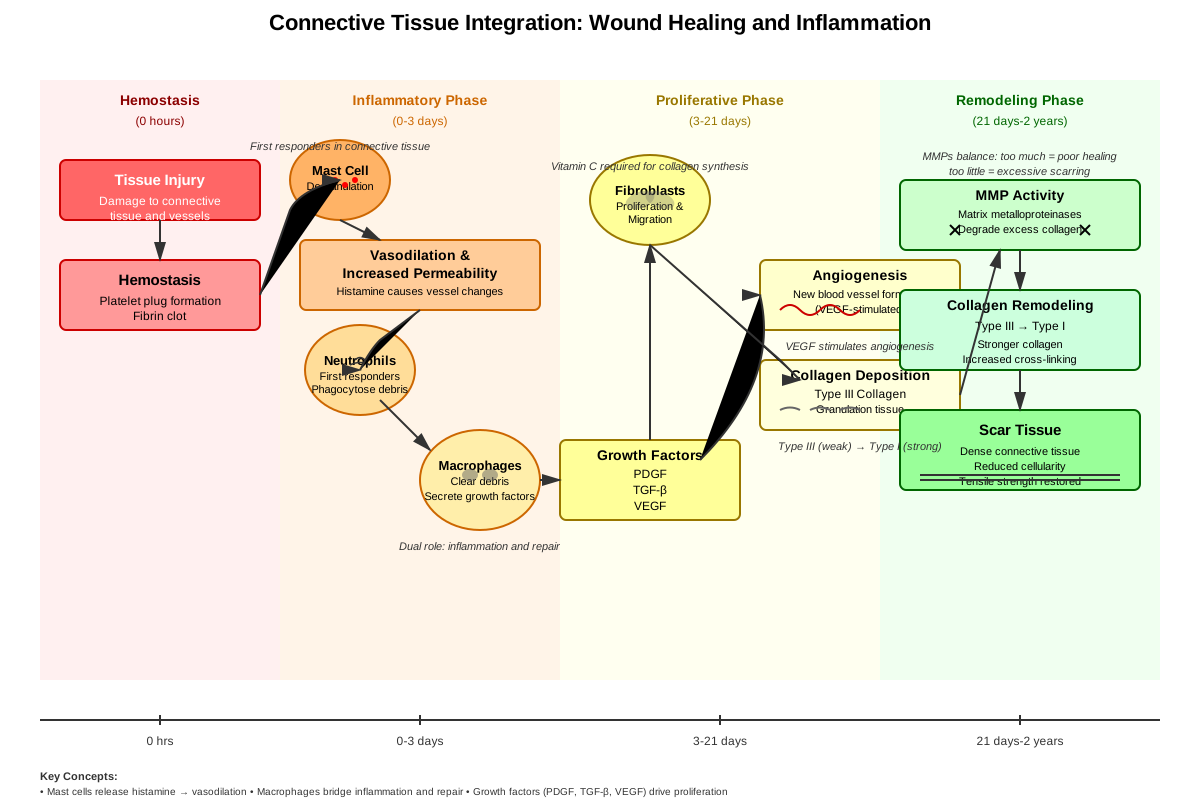
| Mast cells | Release histamine and heparin during allergic/inflammatory responses | Near blood vessels in loose connective tissue |
| Plasma cells | Secrete antibodies; derived from activated B lymphocytes | Loose connective tissue, especially in areas of chronic inflammation |
| Chondrocytes | Maintain cartilage matrix | Cartilage lacunae |
| Osteoblasts/Osteocytes | Synthesize bone matrix / maintain bone tissue | Bone surfaces / bone lacunae |
Functions of Connective Tissue
Connective tissue performs multiple essential functions:
- Structural support: Bone provides rigid framework; cartilage supports soft tissues; dense connective tissue in tendons and ligaments connects musculoskeletal components
- Protection: Bone protects vital organs; adipose tissue cushions organs; skull and vertebrae protect brain and spinal cord
- Binding and packaging: Loose connective tissue holds organs in position and binds epithelial tissue to underlying structures
- Transport: Blood transports oxygen, nutrients, wastes, and signaling molecules
- Energy storage: Adipose tissue stores triglycerides for long-term energy reserves
- Immune defense: Loose connective tissue contains macrophages, mast cells, and other immune cells; blood transports leukocytes
- Tissue repair: Fibroblasts proliferate and synthesize matrix during wound healing
Concept Relationships
The various connective tissue types represent specializations of a common organizational theme: cells within an extracellular matrix. Fibroblasts in connective tissue proper → synthesize → collagen and ground substance → which determine → mechanical properties of the tissue. The ratio of collagen to ground substance distinguishes loose connective tissue (more ground substance, fewer fibers) from dense connective tissue (predominantly collagen fibers).
Collagen structure (triple helix requiring hydroxyproline) → depends on → vitamin C (cofactor for prolyl hydroxylase) → explaining why → scurvy causes connective tissue defects. Similarly, genetic mutations affecting collagen or fibrillin genes → produce → connective tissue disorders (Ehlers-Danlos, Marfan, osteogenesis imperfecta) → demonstrating → structure-function relationships.
Specialized connective tissues (cartilage, bone, blood) → evolved from → connective tissue proper → through → cellular specialization and matrix modification. Chondrocytes produce cartilage-specific Type II collagen and abundant aggrecan; osteoblasts produce Type I collagen and mineralize the matrix with hydroxyapatite; blood cells develop in bone marrow and circulate in liquid plasma matrix.
Connective tissue → supports → epithelial tissue by forming the underlying basement membrane and providing vascular supply. Loose connective tissue → facilitates → immune responses by providing a highway for immune cell migration and containing resident immune cells. Adipose tissue → functions as → endocrine organ by secreting leptin (regulating appetite) and adiponectin (regulating glucose metabolism).
The inflammatory response → involves → mast cells releasing histamine → causing → vasodilation and increased permeability → allowing → immune cells to enter connective tissue from blood → leading to → tissue repair by fibroblast proliferation and collagen deposition.
Quick check — test yourself on Connective tissue so far.
Try Flashcards →High-Yield Facts
⭐ Collagen is the most abundant protein in the human body and requires vitamin C for proper synthesis (hydroxylation of proline residues)
⭐ Connective tissue is distinguished from other tissue types by having cells dispersed in abundant extracellular matrix composed of protein fibers and ground substance
⭐ Fibroblasts are the primary cells in connective tissue proper and synthesize collagen, elastic fibers, and ground substance components
⭐ Glycosaminoglycans (GAGs) are negatively charged polysaccharides that attract water, enabling ground substance to resist compression
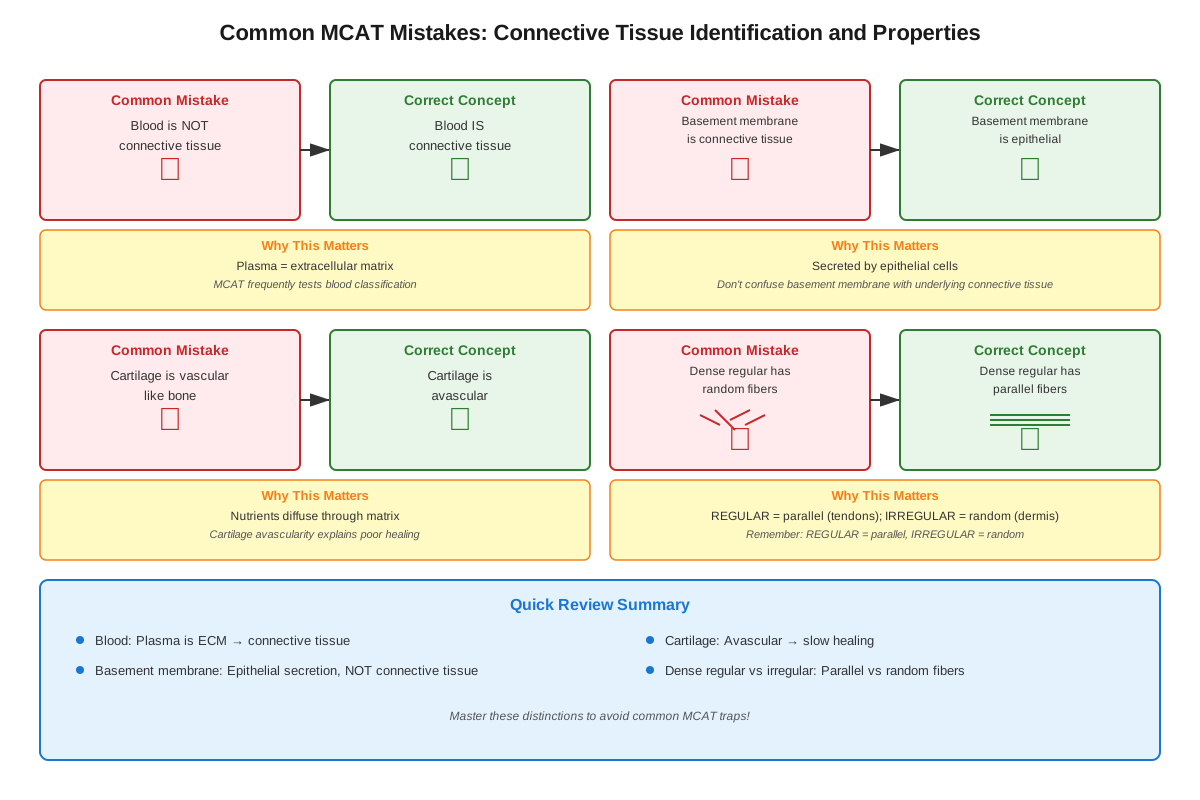
⭐ Dense regular connective tissue (tendons, ligaments) has parallel collagen fibers aligned along tension direction, while dense irregular connective tissue (dermis) has randomly oriented fibers
- Cartilage is avascular and receives nutrients by diffusion, limiting its repair capacity after injury
- Mast cells release histamine during allergic and inflammatory responses, increasing vascular permeability
- Type I collagen predominates in bone, tendons, and skin; Type II in cartilage; Type III in reticular fibers; Type IV in basement membranes
- Elastic fibers contain elastin cross-linked by fibrillin; fibrillin defects cause Marfan syndrome
- Blood is classified as connective tissue because it has cells suspended in extracellular matrix (plasma), though the matrix is not produced by blood cells themselves
Common Misconceptions
Misconception: All connective tissue is solid and structural.
Correction: Blood is a fluid connective tissue with cells suspended in liquid plasma matrix. Connective tissue includes both solid (bone, cartilage, dense connective tissue) and fluid (blood, lymph) forms.
Misconception: The extracellular matrix is inert filler material with no biological activity.
Correction: The ECM actively regulates cell behavior through integrin-mediated signaling, sequesters growth factors, provides mechanical cues affecting cell differentiation, and dynamically remodels in response to tissue needs.
Misconception: Cartilage heals quickly like other tissues.
Correction: Cartilage is avascular (lacks blood vessels), so it receives nutrients only by slow diffusion from surrounding tissues. This severely limits cartilage's ability to repair after injury, which is why cartilage damage often becomes permanent.
Misconception: Collagen and elastin are the same type of protein fiber.
Correction: Collagen fibers provide tensile strength and resist stretching, while elastic fibers provide elasticity and allow tissue to recoil after stretching. They have different molecular structures, functions, and distributions in the body.
Misconception: Dense connective tissue contains more cells than loose connective tissue.
Correction: Dense connective tissue contains densely packed collagen fibers but fewer cells and less ground substance than loose connective tissue. "Dense" refers to fiber density, not cell density.
Misconception: Fibroblasts only function during wound healing.
Correction: Fibroblasts continuously maintain connective tissue by synthesizing and remodeling matrix components throughout life, not just during injury repair. They regulate the balance between matrix synthesis and degradation.
Misconception: All connective tissue disorders are genetic.
Correction: While many connective tissue disorders have genetic causes (Ehlers-Danlos, Marfan, osteogenesis imperfecta), others result from nutritional deficiencies (scurvy from vitamin C deficiency), autoimmune processes (lupus, rheumatoid arthritis), or environmental factors.
Worked Examples
Example 1: Genetic Collagen Disorder
Clinical Vignette: A 25-year-old patient presents with hyperextensible joints, skin that stretches excessively and bruises easily, and a history of joint dislocations. Genetic testing reveals a mutation affecting Type I collagen synthesis. Which connective tissue types are most likely affected, and why does this mutation produce these specific symptoms?
Analysis:
Step 1: Identify where Type I collagen is found. Type I collagen is the predominant collagen in skin dermis, tendons, ligaments, and bone. It provides tensile strength to these tissues.
Step 2: Connect the mutation to structural consequences. A mutation affecting Type I collagen synthesis would produce defective collagen molecules that cannot properly form triple helices or cross-link into strong fibrils. This weakens tissues that depend on Type I collagen for mechanical strength.
Step 3: Predict clinical manifestations based on affected tissues:
- Skin hyperextensibility and easy bruising: The dermis (dense irregular connective tissue) contains abundant Type I collagen. Defective collagen reduces skin's tensile strength, allowing excessive stretching. Weakened blood vessel walls (also containing Type I collagen) rupture easily, causing bruising.
- Joint hyperextensibility and dislocations: Ligaments (dense regular connective tissue) connecting bones contain Type I collagen aligned along tension direction. Defective collagen reduces ligament strength, allowing excessive joint mobility and increasing dislocation risk.
- Potential bone fragility: Although not mentioned in this case, Type I collagen defects can also affect bone matrix, potentially causing fractures (as seen in osteogenesis imperfecta).
Step 4: Identify the likely diagnosis. These symptoms are characteristic of Ehlers-Danlos syndrome, a group of genetic disorders affecting collagen synthesis or processing.
Connection to Learning Objectives: This example demonstrates applying connective tissue knowledge to clinical scenarios, connecting collagen structure to tissue function, and predicting consequences of connective tissue disorders.
Example 2: Experimental Passage Analysis
Passage Summary: Researchers investigate wound healing by creating standardized skin wounds in experimental animals. They measure collagen deposition, fibroblast proliferation, and wound tensile strength over time. One group receives normal diet while another receives a diet deficient in vitamin C.
Question: Based on connective tissue biology, predict the wound healing outcomes in the vitamin C-deficient group compared to controls, and explain the mechanism.
Analysis:
Step 1: Recall vitamin C's role in collagen synthesis. Vitamin C (ascorbic acid) serves as a cofactor for prolyl hydroxylase and lysyl hydroxylase, enzymes that hydroxylate proline and lysine residues in collagen's alpha chains. Hydroxyproline is essential for collagen triple helix stability, while hydroxylysine is necessary for cross-linking between collagen molecules.
Step 2: Predict consequences of vitamin C deficiency on collagen structure. Without adequate vitamin C, collagen molecules will have insufficient hydroxyproline, producing unstable triple helices that denature at body temperature. Reduced hydroxylysine will impair cross-linking between collagen molecules, preventing formation of strong collagen fibrils.
Step 3: Connect defective collagen to wound healing outcomes:
- Reduced collagen deposition: Although fibroblasts may proliferate normally and attempt to synthesize collagen, the defective collagen will be unstable and degraded rather than deposited in the wound matrix.
- Decreased wound tensile strength: Even if some collagen is deposited, inadequate cross-linking will prevent formation of strong collagen fibers. The wound will have reduced mechanical strength and be prone to dehiscence (reopening).
- Delayed healing: The wound healing process depends on collagen matrix deposition to provide structural support for tissue remodeling. Defective collagen will delay or prevent normal healing progression.
Step 4: Recognize the clinical condition. These findings model scurvy, the vitamin C deficiency disease characterized by poor wound healing, bleeding gums, and connective tissue breakdown.
Expected Results: The vitamin C-deficient group would show significantly reduced wound tensile strength, decreased stable collagen deposition (though collagen synthesis attempts may be normal), and delayed or impaired wound closure compared to controls.
Connection to Learning Objectives: This example integrates biochemistry (vitamin C as enzyme cofactor) with connective tissue biology (collagen structure and function), demonstrates structure-function relationships, and applies knowledge to experimental scenarios typical of MCAT passages.
Exam Strategy
Approaching Connective Tissue Questions:
- Identify the tissue type first: When presented with a description or image, quickly classify the connective tissue based on key features: cell-to-matrix ratio, fiber arrangement, presence of specialized cells, or location. This narrows answer choices immediately.
- Use the structure-function principle: MCAT questions frequently test whether students can predict function from structure or vice versa. Dense regular connective tissue with parallel fibers → resists tension in one direction → found in tendons/ligaments. Abundant ground substance with loose fibers → allows cell migration and diffusion → found in areas needing flexibility and immune access.
- Watch for trigger words:
- "Avascular" → cartilage
- "Mineralized matrix" → bone
- "Parallel collagen fibers" → dense regular connective tissue (tendons/ligaments)
- "Signet ring appearance" → white adipocytes
- "Triple helix" → collagen
- "Hydroxyproline" → collagen requiring vitamin C
- "Histamine release" → mast cells
- Process of elimination for cell identification: If a question asks which cell type performs a specific function:
- Matrix synthesis → fibroblasts (or specialized versions: chondroblasts, osteoblasts)
- Phagocytosis → macrophages
- Antibody secretion → plasma cells
- Inflammatory mediator release → mast cells
- Fat storage → adipocytes
- Connect to other systems: Connective tissue questions often integrate with other topics. A passage about inflammation will involve mast cells and macrophages; a musculoskeletal passage will involve tendons, ligaments, and bone; an immunology passage may discuss blood or lymphoid tissue. Recognize these connections to activate relevant knowledge.
- Time allocation: Connective tissue questions are typically medium difficulty. Spend 60-90 seconds on discrete questions, ensuring you carefully read all answer choices. For passage-based questions, invest time understanding the experimental setup or clinical scenario, as this context is essential for applying connective tissue principles correctly.
Exam Tip: When a question describes a genetic disorder affecting connective tissue, immediately consider which collagen type or matrix component is affected, then systematically think through which tissues contain that component and what symptoms would result from its dysfunction.
Memory Techniques
Mnemonic for Connective Tissue Functions: "SBTPEI" → Support, Binding, Transport, Protection, Energy storage, Immune defense
Mnemonic for Collagen Types: "Bone Cartilage Reticular Basement" → Type I (Bone, skin, tendon), Type II (Cartilage), Type III (Reticular fibers), Type IV (Basement membrane)
Visualization for Dense vs. Loose Connective Tissue: Picture dense connective tissue as a tightly woven rope (dense regular) or felt fabric (dense irregular) with few cells visible between fibers. Picture loose connective tissue as a loose fishing net with many cells swimming in the spaces between widely separated fibers.
Acronym for Major GAGs: "HCHK" → Hyaluronic acid, Chondroitin sulfate, Heparan sulfate, Keratan sulfate
Memory aid for Vitamin C and Collagen: "C for Collagen" – Vitamin C is required for Collagen synthesis through hydroxylation of proline. Without vitamin C, you get sCurvy with defective Collagen.
Visualization for Cartilage Avascularity: Picture cartilage as an island surrounded by water (surrounding tissues) with no bridges (blood vessels). Nutrients must swim across (diffuse) to reach the island, making delivery slow and limiting repair capacity.
Mnemonic for Fibroblast Products: "CEG" → Collagen, Elastic fibers, Ground substance – Fibroblasts make the three main ECM components.
Summary
Connective tissue represents a diverse tissue category unified by a common organizational principle: specialized cells dispersed within abundant extracellular matrix composed of protein fibers (collagen, elastic, reticular) and ground substance (glycosaminoglycans, proteoglycans). This architecture enables connective tissue to perform essential functions including structural support, protection, binding, transport, energy storage, and immune defense. Connective tissue proper includes loose (areolar), dense regular, dense irregular, adipose, and reticular subtypes, while specialized connective tissues include cartilage, bone, and blood. Fibroblasts synthesize and maintain matrix components in connective tissue proper, while specialized cells (chondrocytes, osteoblasts, adipocytes) perform analogous functions in specialized tissues. Collagen, the most abundant protein in the body, requires vitamin C for proper synthesis; deficiency causes scurvy. The structure-function relationship is paramount: dense regular tissue with parallel collagen fibers resists unidirectional tension (tendons), while loose tissue with abundant ground substance facilitates diffusion and cell migration. Understanding connective tissue classification, matrix composition, cellular components, and structure-function relationships enables students to analyze MCAT passages involving wound healing, genetic disorders, inflammation, and tissue engineering while connecting to broader concepts in cell biology, biochemistry, and physiology.
Key Takeaways
- Connective tissue is defined by cells dispersed in abundant extracellular matrix containing protein fibers and ground substance, distinguishing it from epithelial, muscle, and nervous tissue
- Collagen (especially Type I) provides tensile strength and requires vitamin C for hydroxylation of proline residues; deficiency causes scurvy with defective collagen
- Fibroblasts are the primary cells in connective tissue proper, synthesizing collagen, elastic fibers, and ground substance components
- Dense regular connective tissue (tendons, ligaments) has parallel collagen fibers for unidirectional strength, while dense irregular (dermis) has random fiber orientation for multidirectional strength
- Specialized connective tissues include cartilage (avascular, slow healing), bone (mineralized with hydroxyapatite), and blood (fluid matrix)
- Glycosaminoglycans are negatively charged polysaccharides that attract water, enabling ground substance to resist compression
- Structure-function relationships are critical: matrix composition and organization determine each connective tissue type's mechanical properties and physiological roles
Related Topics
Epithelial Tissue: Understanding epithelial tissue structure and function provides contrast with connective tissue organization and highlights how connective tissue supports epithelial layers through basement membranes and vascular supply.
Bone Physiology and Remodeling: Deep dive into osteoblast, osteoclast, and osteocyte function, calcium homeostasis, and hormonal regulation of bone remodeling builds on the foundational connective tissue concepts.
Inflammation and Wound Healing: Explores how connective tissue cells (mast cells, macrophages, fibroblasts) orchestrate inflammatory responses and tissue repair, integrating immunology with connective tissue biology.
Collagen Synthesis and Post-Translational Modifications: Detailed biochemistry of collagen production, including the role of vitamin C, prolyl hydroxylase, and cross-linking, connects protein biochemistry to tissue structure.
Extracellular Matrix and Cell Signaling: Advanced topic examining how matrix components interact with cell surface receptors (integrins) to regulate cell behavior, differentiation, and gene expression.
Mastering connective tissue provides the foundation for understanding how tissues organize into organs, how mechanical forces influence tissue structure, and how genetic or nutritional defects produce disease—all high-yield concepts for MCAT success.
Practice CTA
Now that you've mastered the core concepts of connective tissue, it's time to reinforce your understanding through active practice. Attempt the practice questions and flashcards associated with this topic to test your ability to classify connective tissue types, predict structure-function relationships, and apply these concepts to MCAT-style clinical vignettes and experimental passages. Remember: understanding connective tissue isn't just about memorizing tissue types—it's about recognizing patterns, making connections, and thinking critically about how structure determines function throughout the body. Your investment in mastering this foundational topic will pay dividends across multiple organ systems and question types on test day. You've got this!
Sign up free to keep reading
Create a free AnvayaPrep account to finish this MCAT guide on Connective tissue — plus flashcards and practice questions.