Overview
The pancreas endocrine function represents one of the most clinically relevant and frequently tested topics within Physiology and Organ Systems on the MCAT. Unlike the exocrine pancreas, which secretes digestive enzymes into the duodenum, the endocrine pancreas produces hormones that regulate glucose homeostasis and metabolism throughout the body. These hormones—primarily insulin, glucagon, somatostatin, and pancreatic polypeptide—are secreted directly into the bloodstream by specialized cell clusters called the islets of Langerhans. Understanding how these hormones maintain blood glucose within a narrow physiological range is essential for comprehending broader metabolic pathways, hormonal regulation, and the pathophysiology of diabetes mellitus.
For the MCAT, pancreas endocrine function serves as a critical integration point connecting multiple high-yield topics in Biology. Questions frequently require students to synthesize knowledge of hormone signaling mechanisms, negative feedback loops, carbohydrate metabolism, and the autonomic nervous system's role in metabolic regulation. The pancreas exemplifies how organ systems coordinate to maintain homeostasis, a fundamental principle tested across biological sciences passages. Additionally, pancreatic dysfunction underlies diabetes mellitus, one of the most common disease states referenced in MCAT passages, making this topic both conceptually important and clinically relevant.
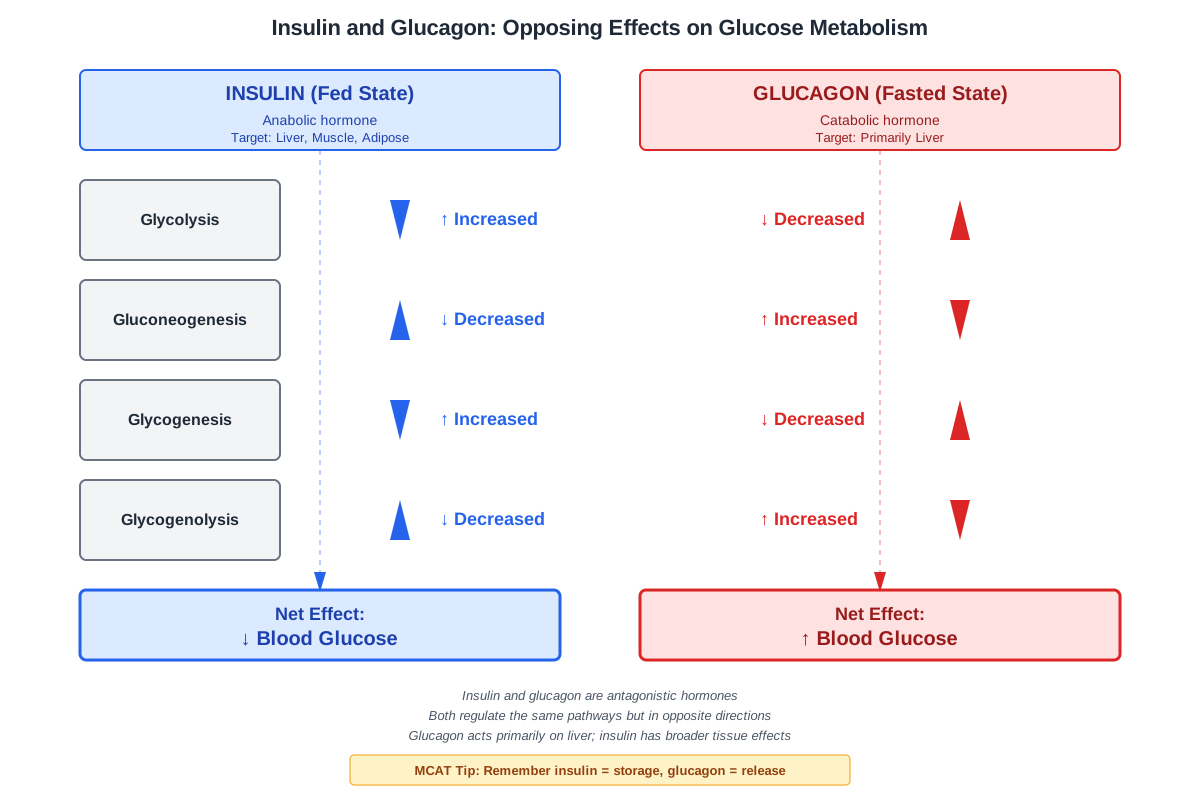
The endocrine pancreas also connects to broader themes in cellular communication, signal transduction, and metabolic biochemistry. Insulin and glucagon function as antagonistic hormones that regulate glycolysis, gluconeogenesis, glycogenesis, and glycogenolysis—pathways that students must understand mechanistically for both the Biological and Biochemical Foundations sections. Furthermore, the pancreas demonstrates principles of cell specialization, paracrine signaling, and the integration of neural and hormonal control systems, making it an ideal topic for interdisciplinary MCAT questions.
Learning Objectives
- [ ] Define pancreas endocrine function using accurate Biology terminology
- [ ] Explain why pancreas endocrine function matters for the MCAT
- [ ] Apply pancreas endocrine function to exam-style questions
- [ ] Identify common mistakes related to pancreas endocrine function
- [ ] Connect pancreas endocrine function to related Biology concepts
- [ ] Describe the cellular composition of pancreatic islets and the specific hormones produced by each cell type
- [ ] Analyze the mechanisms by which insulin and glucagon regulate blood glucose levels through opposing metabolic effects
- [ ] Predict the physiological consequences of pancreatic endocrine dysfunction in various metabolic states
Prerequisites
- Basic hormone classification: Understanding the distinction between peptide, steroid, and amino acid-derived hormones is essential because pancreatic hormones are peptides with specific signaling mechanisms
- Glucose metabolism pathways: Familiarity with glycolysis, gluconeogenesis, glycogenesis, and glycogenolysis enables comprehension of how pancreatic hormones regulate these processes
- Cell signaling mechanisms: Knowledge of receptor types (particularly G-protein coupled receptors and receptor tyrosine kinases) is necessary to understand how insulin and glucagon exert their effects
- Negative feedback loops: Understanding homeostatic regulation principles provides the framework for comprehending blood glucose regulation
- Autonomic nervous system: Basic knowledge of sympathetic and parasympathetic divisions helps explain neural regulation of hormone secretion
Why This Topic Matters
Clinical and Real-World Significance
Pancreatic endocrine dysfunction represents one of the most prevalent and costly health conditions worldwide. Diabetes mellitus, characterized by inadequate insulin production (Type 1) or insulin resistance (Type 2), affects hundreds of millions of people globally and serves as a leading cause of cardiovascular disease, kidney failure, and blindness. Understanding normal pancreatic endocrine function provides the foundation for comprehending these disease states, their complications, and therapeutic interventions. Additionally, conditions like insulinomas (insulin-secreting tumors) and glucagonomas demonstrate the profound metabolic consequences when hormonal regulation becomes dysregulated.
MCAT Exam Statistics and Question Types
Pancreas endocrine function appears in approximately 3-5% of Biological and Biochemical Foundations questions, with particular emphasis on passages involving metabolic disorders, hormonal regulation, and homeostasis. Questions typically fall into three categories: (1) direct recall of hormone functions and cell types, (2) application questions requiring students to predict metabolic outcomes given specific hormonal states, and (3) experimental passages analyzing glucose regulation mechanisms or diabetes treatments. The topic frequently appears in interdisciplinary passages that combine physiology, biochemistry, and sometimes psychology (stress hormones affecting glucose).
Common Exam Passage Contexts
MCAT passages featuring pancreatic endocrine function often present experimental scenarios investigating glucose homeostasis, such as glucose tolerance tests, insulin sensitivity measurements, or novel diabetes therapeutics. Clinical vignettes may describe patients with metabolic disorders and ask students to identify the underlying hormonal dysfunction. Research passages might explore the molecular mechanisms of insulin signaling or the development of pancreatic beta cells. Additionally, this topic frequently appears in questions about the stress response, exercise physiology, and the fed versus fasted metabolic states.
Core Concepts
Anatomy of the Endocrine Pancreas
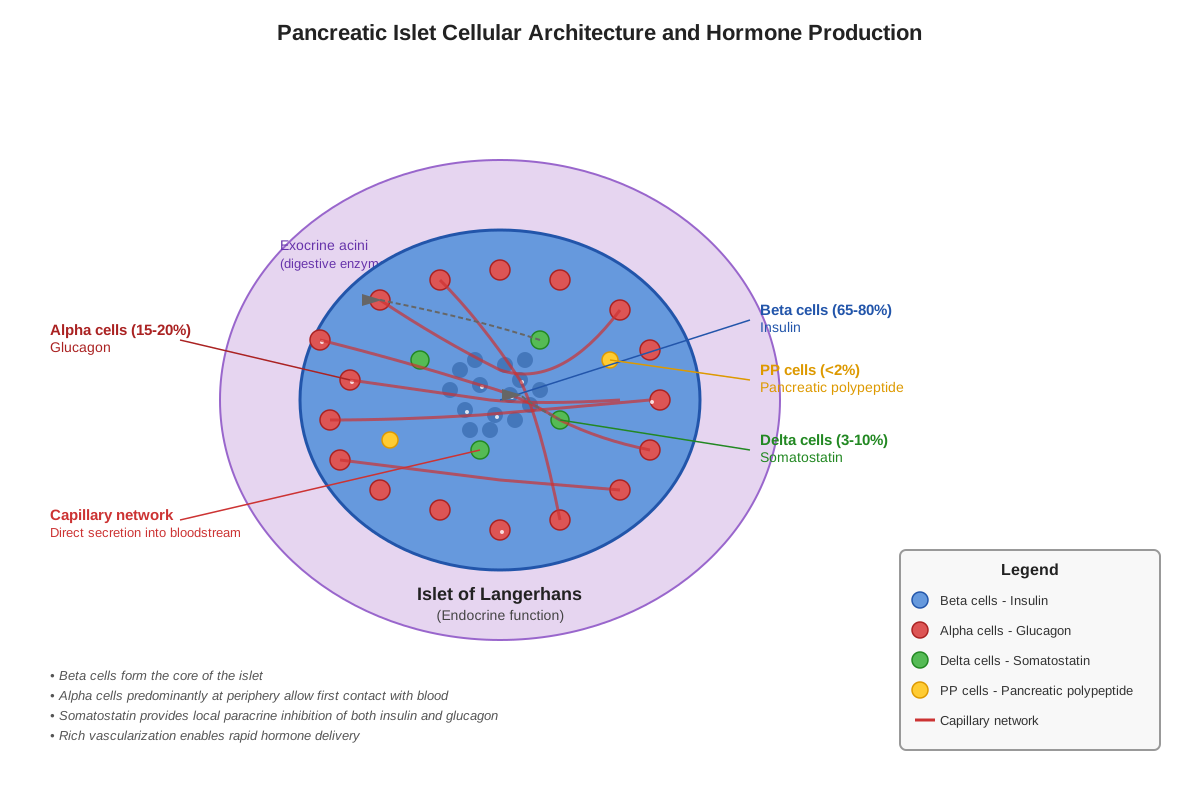
The pancreas is a dual-function organ located in the upper abdomen, posterior to the stomach. While approximately 98% of pancreatic tissue consists of exocrine acinar cells that produce digestive enzymes, the remaining 2% comprises the islets of Langerhans—microscopic clusters of endocrine cells scattered throughout the pancreatic tissue. Each islet contains approximately 1,000-3,000 cells organized into distinct populations based on the hormones they secrete. The islets are highly vascularized, receiving 10-15% of pancreatic blood flow despite representing only 2% of pancreatic mass, reflecting their critical role in systemic hormone delivery.
The islets contain four primary cell types, each producing specific hormones:
| Cell Type | Percentage of Islet | Hormone Produced | Primary Function |
|---|---|---|---|
| Beta (β) cells | 65-80% | Insulin | Decreases blood glucose; promotes anabolism |
| Alpha (α) cells | 15-20% | Glucagon | Increases blood glucose; promotes catabolism |
| Delta (δ) cells | 3-10% | Somatostatin | Inhibits insulin and glucagon secretion |
| PP cells | <1% | Pancreatic polypeptide | Regulates pancreatic secretions |
The spatial organization of islet cells is functionally significant. Beta cells typically occupy the islet core, while alpha cells predominate at the periphery. This arrangement facilitates paracrine signaling, where insulin secreted by beta cells can directly inhibit glucagon release from adjacent alpha cells, providing an additional layer of glucose regulation beyond systemic feedback.
Insulin: Structure, Secretion, and Function
Insulin is a 51-amino acid peptide hormone consisting of two polypeptide chains (A and B) connected by disulfide bonds. It is synthesized as preproinsulin in beta cell rough endoplasmic reticulum, then processed to proinsulin in the Golgi apparatus, and finally cleaved to produce mature insulin and C-peptide (connecting peptide). C-peptide levels serve as a clinical marker of endogenous insulin production because it is secreted in equimolar amounts with insulin but has a longer half-life.
Insulin Secretion Mechanism:
- Glucose enters beta cells through GLUT2 transporters (insulin-independent, high Km glucose transporters)
- Intracellular glucose undergoes glycolysis and oxidative phosphorylation, increasing the ATP/ADP ratio
- Elevated ATP closes ATP-sensitive potassium channels (K-ATP channels) in the beta cell membrane
- Potassium accumulation depolarizes the cell membrane
- Voltage-gated calcium channels open, allowing calcium influx
- Increased intracellular calcium triggers exocytosis of insulin-containing vesicles
This glucose-sensing mechanism makes beta cells exquisitely sensitive to blood glucose concentrations. Insulin secretion exhibits a biphasic pattern: an immediate spike from pre-formed insulin release (first phase) followed by sustained secretion from newly synthesized insulin (second phase). Loss of first-phase insulin response is an early indicator of beta cell dysfunction in Type 2 diabetes.
Insulin's Metabolic Effects:
Insulin is the primary anabolic hormone, promoting nutrient storage and utilization. Its effects occur within minutes to hours and include:
- Glucose metabolism: Increases glucose uptake in muscle and adipose tissue via GLUT4 translocation; stimulates glycolysis and glycogenesis; inhibits gluconeogenesis and glycogenolysis
- Lipid metabolism: Promotes lipogenesis (fat synthesis) and inhibits lipolysis (fat breakdown); activates lipoprotein lipase to facilitate triglyceride storage
- Protein metabolism: Stimulates amino acid uptake and protein synthesis; inhibits protein degradation
- Cellular effects: Promotes cell growth and DNA synthesis through activation of mitogen-activated protein kinase (MAPK) pathways
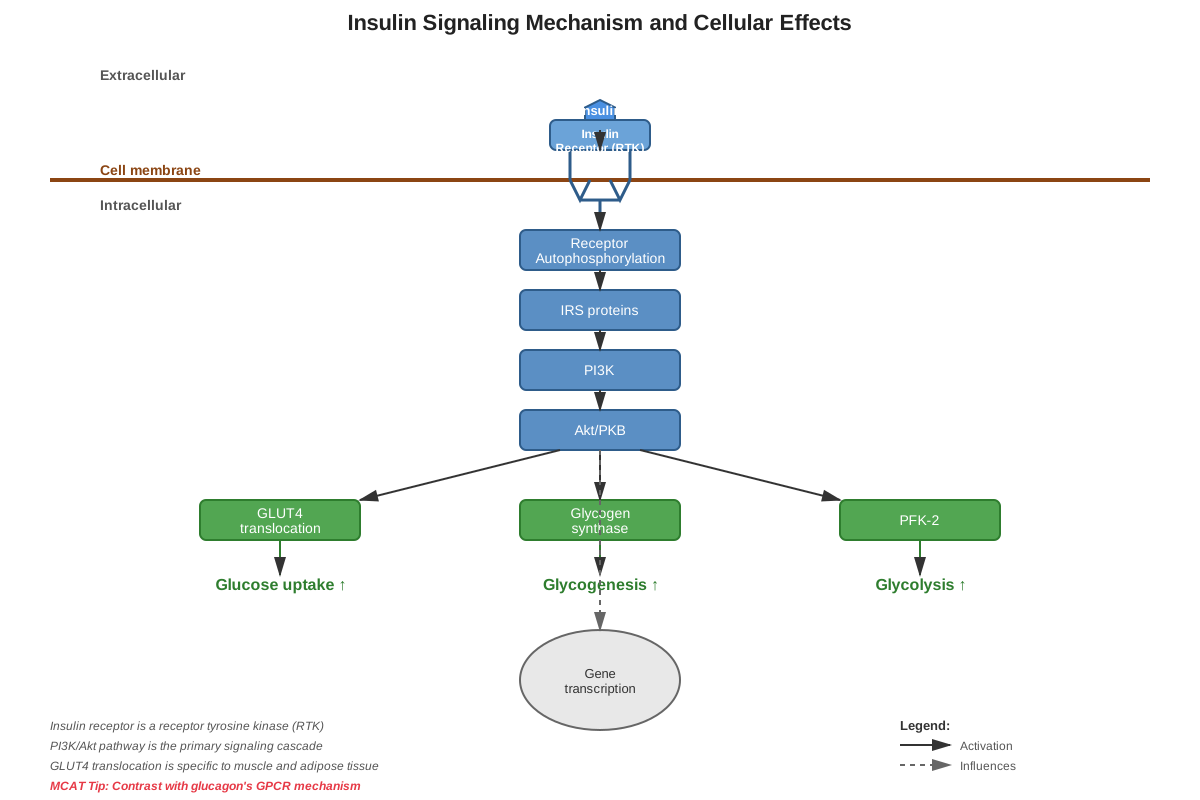
Insulin binds to receptor tyrosine kinases on target cells, initiating a phosphorylation cascade involving insulin receptor substrate (IRS) proteins, phosphatidylinositol 3-kinase (PI3K), and protein kinase B (Akt). This signaling pathway ultimately leads to GLUT4 translocation in muscle and adipose tissue, enzyme activation/deactivation through phosphorylation, and altered gene transcription.
Glucagon: Structure, Secretion, and Function
Glucagon is a 29-amino acid peptide hormone produced by alpha cells that functions as insulin's metabolic antagonist. While insulin dominates in the fed state, glucagon predominates during fasting, maintaining blood glucose through catabolic processes. The insulin-to-glucagon ratio, rather than absolute hormone levels, determines the overall metabolic state.
Glucagon Secretion Triggers:
- Hypoglycemia: Low blood glucose directly stimulates alpha cells
- Amino acids: Particularly arginine and alanine, preventing hypoglycemia after protein-rich meals
- Sympathetic stimulation: Epinephrine and norepinephrine enhance glucagon release during stress
- Inhibited by: Insulin (paracrine effect), somatostatin, and elevated blood glucose
Glucagon's Metabolic Effects:
Glucagon promotes catabolism and glucose mobilization exclusively in the liver (its primary target organ):
- Glucose metabolism: Stimulates glycogenolysis and gluconeogenesis; inhibits glycolysis and glycogenesis
- Lipid metabolism: Promotes lipolysis and ketogenesis (producing ketone bodies from fatty acids)
- Protein metabolism: Increases amino acid catabolism to provide gluconeogenic substrates
Glucagon binds to G-protein coupled receptors on hepatocytes, activating adenylyl cyclase and increasing cyclic AMP (cAMP) levels. Elevated cAMP activates protein kinase A (PKA), which phosphorylates key metabolic enzymes. For example, PKA activates phosphorylase kinase (promoting glycogen breakdown) and inactivates glycogen synthase (inhibiting glycogen synthesis), ensuring coordinated metabolic responses.
Somatostatin and Pancreatic Polypeptide
Somatostatin, produced by delta cells, functions as a paracrine regulator within the islets and throughout the gastrointestinal system. It inhibits both insulin and glucagon secretion, effectively dampening hormonal responses and preventing excessive fluctuations in blood glucose. Somatostatin also inhibits gastric acid secretion, gastrointestinal motility, and nutrient absorption, coordinating digestion with metabolic capacity. Its secretion increases in response to elevated glucose, amino acids, and fatty acids, providing negative feedback when nutrients are abundant.
Pancreatic polypeptide (PP), secreted by PP cells, regulates pancreatic exocrine secretions and gastrointestinal motility. Its secretion increases after meals, particularly protein-rich meals, and is stimulated by vagal (parasympathetic) input. PP inhibits pancreatic enzyme secretion and gallbladder contraction, potentially conserving digestive enzymes and coordinating digestion with nutrient availability. While less clinically significant than insulin and glucagon, PP levels can serve as markers of pancreatic function.
Blood Glucose Regulation and Homeostasis
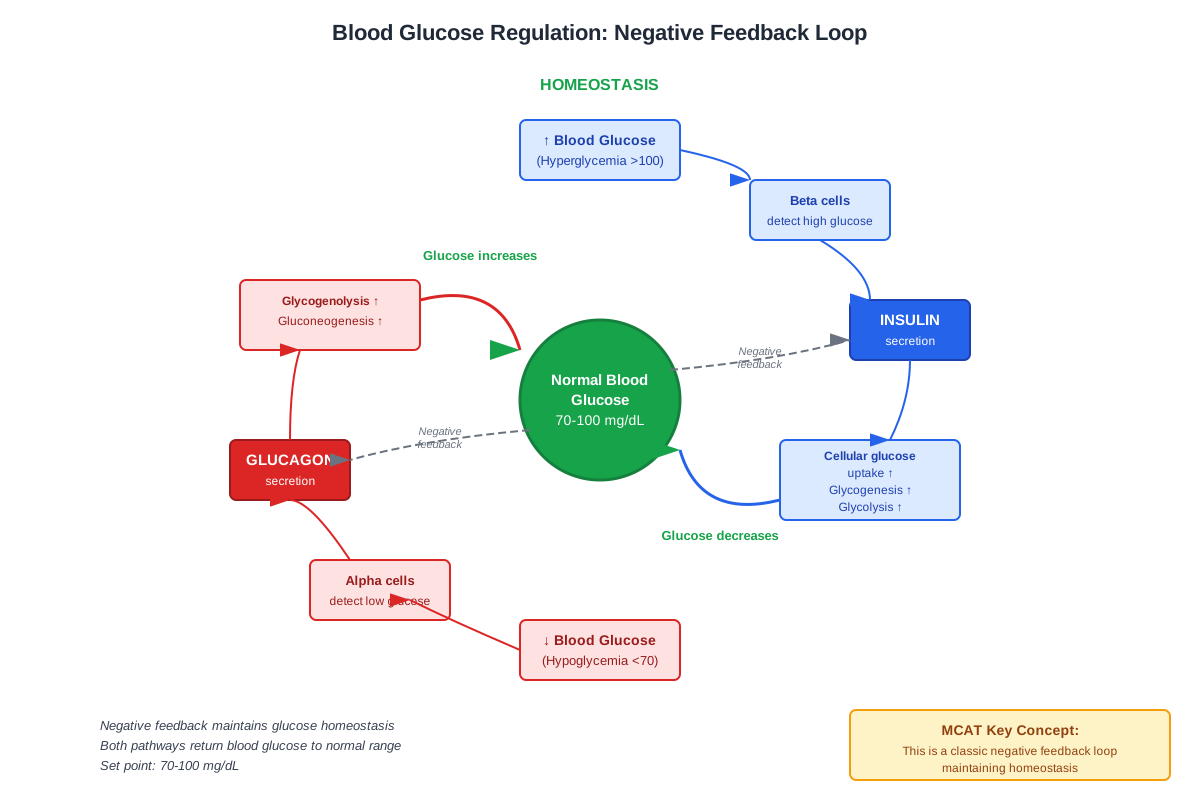
Normal blood glucose ranges from 70-100 mg/dL (fasting) to less than 140 mg/dL (postprandial). This narrow range is maintained through coordinated hormonal responses to feeding and fasting states.
Fed State (Absorptive Phase):
- Elevated blood glucose stimulates insulin secretion and suppresses glucagon release
- Insulin promotes glucose uptake, glycogenesis, lipogenesis, and protein synthesis
- Excess glucose is stored as glycogen (liver and muscle) or converted to fat (adipose tissue)
- The insulin-to-glucagon ratio is high, favoring anabolic processes
Fasted State (Post-Absorptive Phase):
- Declining blood glucose suppresses insulin and stimulates glucagon secretion
- Glucagon promotes hepatic glycogenolysis and gluconeogenesis
- Adipose tissue releases fatty acids through lipolysis
- The insulin-to-glucagon ratio is low, favoring catabolic processes
- After 12-18 hours of fasting, glycogen stores deplete and gluconeogenesis becomes the primary glucose source
Prolonged Fasting/Starvation:
- Continued glucagon secretion promotes ketogenesis in the liver
- Ketone bodies (acetoacetate, β-hydroxybutyrate) provide alternative fuel for the brain
- Protein catabolism increases to provide amino acids for gluconeogenesis
- Metabolic rate decreases to conserve energy
Integration with Other Regulatory Systems
Pancreatic endocrine function does not operate in isolation but integrates with neural, hormonal, and metabolic signals:
Autonomic Nervous System:
- Parasympathetic (vagal) stimulation increases insulin secretion in anticipation of meals (cephalic phase)
- Sympathetic stimulation and epinephrine inhibit insulin and stimulate glucagon during stress, preparing for "fight or flight"
Counter-Regulatory Hormones:
Multiple hormones oppose insulin's effects, collectively termed counter-regulatory hormones:
- Glucagon: Primary counter-regulatory hormone
- Epinephrine: Stimulates glycogenolysis and gluconeogenesis; inhibits insulin secretion
- Cortisol: Promotes gluconeogenesis and insulin resistance during chronic stress
- Growth hormone: Reduces glucose uptake and promotes lipolysis
This redundancy ensures blood glucose maintenance even if one regulatory mechanism fails, reflecting glucose's critical importance for brain function.
Concept Relationships
The concepts within pancreatic endocrine function form an integrated regulatory network. Islet cell anatomy determines the hormones produced, which in turn dictate metabolic effects on target tissues. Insulin and glucagon function as antagonistic hormones, with their opposing actions on glucose metabolism pathways (glycolysis, gluconeogenesis, glycogenesis, glycogenolysis) maintaining blood glucose homeostasis. Somatostatin provides negative feedback on both insulin and glucagon, preventing excessive hormonal responses.
The relationship map flows as follows:
Blood glucose changes → Detected by islet cells → Hormone secretion (insulin or glucagon) → Receptor binding on target tissues → Signal transduction cascades → Metabolic enzyme activation/inhibition → Altered metabolic pathways → Blood glucose normalization → Negative feedback to islets
Connections to prerequisite topics include:
- Cell signaling mechanisms: Insulin uses receptor tyrosine kinase pathways, while glucagon uses G-protein coupled receptor/cAMP pathways
- Glucose metabolism pathways: Pancreatic hormones regulate the enzymes controlling glycolysis, gluconeogenesis, and glycogen metabolism
- Autonomic nervous system: Parasympathetic and sympathetic inputs modulate hormone secretion
- Negative feedback loops: Blood glucose levels provide feedback to regulate hormone secretion
Connections to related topics include:
- Diabetes mellitus: Results from insulin deficiency or resistance
- Stress response: Cortisol and epinephrine interact with pancreatic hormones
- Liver metabolism: The primary target organ for glucagon and a major insulin target
- Adipose tissue function: Insulin regulates fat storage and mobilization
- Renal physiology: Kidneys contribute to gluconeogenesis and glucose reabsorption
Quick check — test yourself on Pancreas endocrine function so far.
Try Flashcards →High-Yield Facts
⭐ Beta cells comprise 65-80% of islet cells and secrete insulin in response to elevated blood glucose through a mechanism involving GLUT2 glucose sensing, ATP production, K-ATP channel closure, membrane depolarization, calcium influx, and vesicle exocytosis.
⭐ Insulin is the only hormone that lowers blood glucose; it promotes glucose uptake (via GLUT4 translocation in muscle and adipose tissue), glycogenesis, lipogenesis, and protein synthesis while inhibiting gluconeogenesis, glycogenolysis, and lipolysis.
⭐ Glucagon is secreted by alpha cells in response to hypoglycemia and acts exclusively on the liver to increase blood glucose through glycogenolysis and gluconeogenesis while promoting ketogenesis during prolonged fasting.
⭐ The insulin-to-glucagon ratio determines metabolic state: high ratio (fed state) favors anabolism and storage, while low ratio (fasted state) favors catabolism and glucose mobilization.
⭐ Insulin signaling occurs through receptor tyrosine kinases and the PI3K/Akt pathway, while glucagon signaling uses G-protein coupled receptors and the cAMP/PKA pathway, representing the two major hormone signaling mechanisms tested on the MCAT.
- Somatostatin from delta cells inhibits both insulin and glucagon secretion, providing paracrine regulation within islets and preventing excessive hormonal fluctuations.
- GLUT2 transporters in beta cells have high Km values, making them effective glucose sensors that only transport significant glucose when blood levels are elevated.
- C-peptide is secreted in equimolar amounts with insulin and serves as a clinical marker of endogenous insulin production because it has a longer half-life than insulin.
- The first-phase insulin response (immediate release of pre-formed insulin) is lost early in Type 2 diabetes development, serving as an early marker of beta cell dysfunction.
- Counter-regulatory hormones (glucagon, epinephrine, cortisol, growth hormone) all oppose insulin's effects, ensuring blood glucose maintenance through redundant mechanisms.
- Pancreatic islets receive 10-15% of pancreatic blood flow despite comprising only 2% of pancreatic mass, reflecting their critical systemic importance.
- Sympathetic stimulation during stress inhibits insulin and stimulates glucagon secretion, prioritizing glucose availability for fight-or-flight responses over storage.
Common Misconceptions
Misconception: Insulin directly enters cells to facilitate glucose transport.
Correction: Insulin remains outside cells, binding to cell surface receptors (receptor tyrosine kinases) that trigger intracellular signaling cascades. These cascades cause GLUT4 transporter translocation to the cell membrane in muscle and adipose tissue, enabling glucose entry. Insulin itself never enters target cells.
Misconception: All tissues require insulin for glucose uptake.
Correction: The brain, liver, kidneys, and red blood cells use insulin-independent glucose transporters (GLUT1, GLUT2, GLUT3) and can take up glucose regardless of insulin levels. Only muscle and adipose tissue require insulin for glucose uptake via GLUT4 translocation. This explains why the brain continues functioning during insulin deficiency but muscles cannot effectively use glucose.
Misconception: Glucagon affects all body tissues like insulin does.
Correction: Glucagon's metabolic effects occur almost exclusively in the liver, which expresses high levels of glucagon receptors. While glucagon receptors exist in adipose tissue and contribute to lipolysis, the liver remains the primary target organ. This tissue specificity contrasts with insulin, which affects muscle, adipose tissue, and liver.
Misconception: Type 1 and Type 2 diabetes have the same underlying cause.
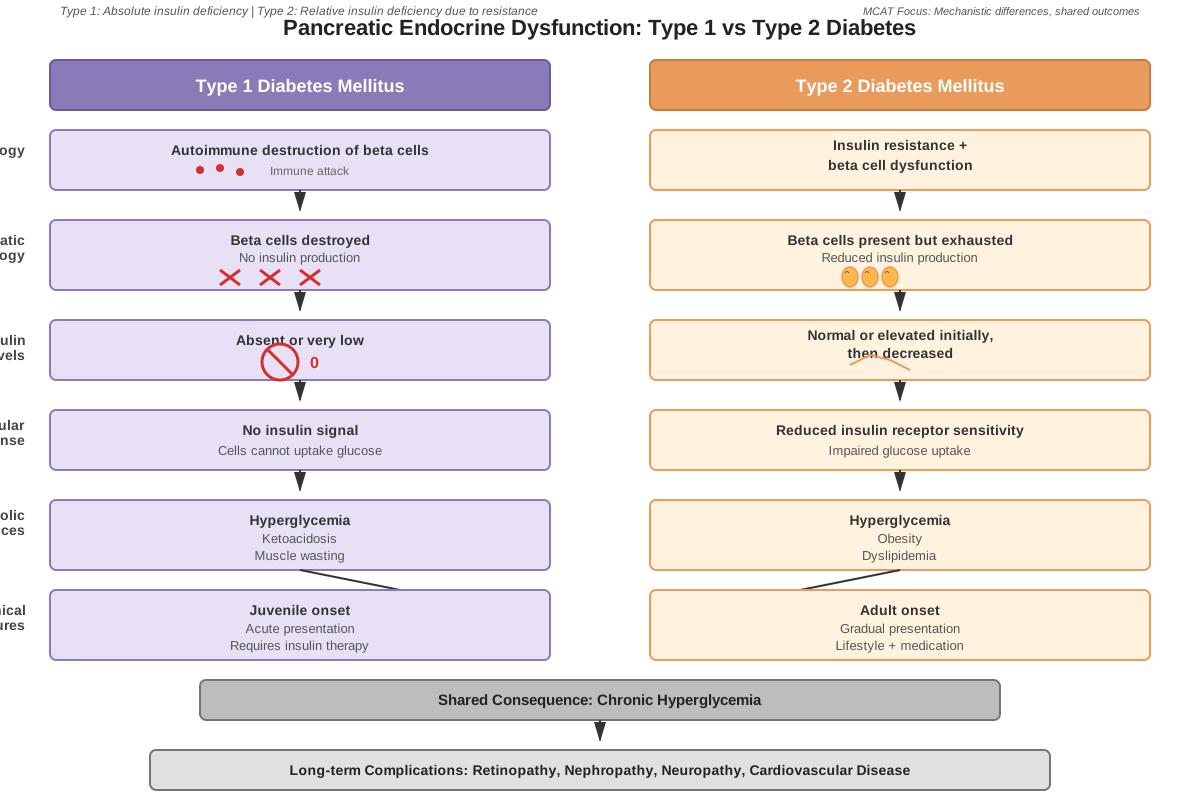
Correction: Type 1 diabetes results from autoimmune destruction of pancreatic beta cells, causing absolute insulin deficiency. Type 2 diabetes involves insulin resistance (target tissues respond poorly to insulin) combined with relative insulin deficiency (beta cells cannot produce enough insulin to overcome resistance). The pathophysiology, onset patterns, and treatments differ substantially.
Misconception: Blood glucose regulation involves only insulin and glucagon.
Correction: While insulin and glucagon are the primary regulators, multiple counter-regulatory hormones (epinephrine, cortisol, growth hormone), the autonomic nervous system, and paracrine factors (somatostatin) contribute to glucose homeostasis. This redundancy ensures glucose availability for the brain even when one regulatory mechanism fails.
Misconception: Insulin secretion occurs only in response to glucose.
Correction: While glucose is the primary stimulus, amino acids (especially arginine and leucine), fatty acids, parasympathetic stimulation, and incretin hormones (GLP-1, GIP) from the intestine also stimulate insulin secretion. This multi-signal integration ensures appropriate insulin responses to mixed meals containing carbohydrates, proteins, and fats.
Misconception: The pancreas is purely an endocrine organ.
Correction: The pancreas is a dual-function organ with both exocrine (98% of tissue, producing digestive enzymes) and endocrine (2% of tissue, producing hormones) components. Confusing these functions or their anatomical organization is a common error. The islets of Langerhans represent the endocrine portion, while acinar cells constitute the exocrine portion.
Worked Examples
Example 1: Metabolic State Analysis
Question: A patient has not eaten for 18 hours. Blood tests reveal low insulin levels, elevated glucagon levels, and blood glucose of 75 mg/dL (normal fasting range). Which metabolic processes are most active in the liver?
Step 1 - Identify the metabolic state: The patient is in a prolonged fasted state (18 hours without food). The low insulin-to-glucagon ratio confirms this is a catabolic state where glucose mobilization is prioritized.
Step 2 - Recall glucagon's primary target and effects: Glucagon acts primarily on the liver to increase blood glucose. Its main mechanisms are glycogenolysis (glycogen breakdown) and gluconeogenesis (glucose synthesis from non-carbohydrate sources).
Step 3 - Consider the timing: After 18 hours of fasting, liver glycogen stores are substantially depleted (typically exhausted after 12-18 hours). Therefore, gluconeogenesis becomes increasingly important relative to glycogenolysis.
Step 4 - Identify additional processes: With low insulin and high glucagon, the liver also performs ketogenesis, converting fatty acids (released from adipose tissue lipolysis) into ketone bodies that provide alternative fuel for the brain.
Answer: The most active hepatic processes are gluconeogenesis (primary glucose source after glycogen depletion), residual glycogenolysis (diminishing as stores deplete), and ketogenesis (providing alternative fuel). Glycolysis and glycogenesis are inhibited due to low insulin and high glucagon.
Connection to learning objectives: This example demonstrates application of pancreatic endocrine function to predict metabolic outcomes based on hormonal states, integrating knowledge of hormone effects, target tissues, and metabolic pathways.
Example 2: Insulin Secretion Mechanism
Question: A researcher develops a drug that opens K-ATP channels in pancreatic beta cells. Predict the effect on insulin secretion and explain the mechanism.
Step 1 - Recall normal insulin secretion mechanism:
- Glucose enters beta cells via GLUT2
- Glucose metabolism increases ATP/ADP ratio
- ATP closes K-ATP channels
- Membrane depolarization occurs
- Voltage-gated Ca²⁺ channels open
- Ca²⁺ influx triggers insulin exocytosis
Step 2 - Identify where the drug intervenes: The drug opens K-ATP channels, which normally close in response to elevated ATP. This intervention occurs at step 3 of the normal mechanism.
Step 3 - Predict downstream effects: If K-ATP channels remain open despite elevated ATP:
- Potassium continues flowing out of the cell
- The membrane cannot depolarize (remains at resting potential)
- Voltage-gated calcium channels do not open
- Calcium influx does not occur
- Insulin vesicles are not released
Step 4 - State the overall effect: The drug would inhibit or prevent insulin secretion, even in the presence of elevated blood glucose. This would cause hyperglycemia.
Clinical connection: This mechanism explains how sulfonylurea drugs (used to treat Type 2 diabetes) work—they close K-ATP channels, promoting insulin secretion even when glucose levels are not elevated. Conversely, diazoxide (a K-ATP channel opener) is used to treat hyperinsulinemia.
Answer: The drug would inhibit insulin secretion by preventing membrane depolarization, blocking the calcium influx necessary for insulin vesicle exocytosis. This would result in hyperglycemia despite adequate glucose availability.
Connection to learning objectives: This example requires understanding the cellular mechanism of insulin secretion, applying that knowledge to predict experimental outcomes, and connecting pancreatic endocrine function to cell signaling principles.
Exam Strategy
Approaching MCAT Questions on Pancreatic Endocrine Function:
- Identify the metabolic state first: Determine whether the scenario describes fed, fasted, or stressed conditions. This immediately indicates which hormone (insulin or glucagon) predominates and predicts metabolic pathway activity.
- Focus on the insulin-to-glucagon ratio: Rather than considering hormones in isolation, evaluate their relative levels. A high ratio indicates anabolic/storage processes; a low ratio indicates catabolic/mobilization processes.
- Remember tissue specificity: Insulin affects muscle, adipose tissue, and liver; glucagon affects primarily the liver. Questions often test whether students incorrectly assume glucagon has widespread effects like insulin.
- Distinguish signaling mechanisms: Insulin uses receptor tyrosine kinase pathways (PI3K/Akt), while glucagon uses GPCR/cAMP/PKA pathways. Questions may ask about downstream signaling or drug effects on these pathways.
Trigger Words and Phrases:
- "After an overnight fast" → Low insulin, elevated glucagon, gluconeogenesis active
- "Immediately after a meal" → High insulin, low glucagon, glycogenesis and lipogenesis active
- "During exercise" → Initially insulin-independent glucose uptake, then counter-regulatory hormone release
- "Stress response" → Sympathetic activation, epinephrine release, insulin inhibition, glucagon stimulation
- "Islets of Langerhans" → Endocrine pancreas, hormone secretion
- "GLUT4 translocation" → Insulin-dependent glucose uptake in muscle and adipose tissue
- "Ketone bodies" or "ketogenesis" → Prolonged fasting, high glucagon, hepatic fatty acid metabolism
Process-of-Elimination Tips:
- Eliminate answers suggesting insulin increases blood glucose or glucagon decreases blood glucose—these are fundamentally incorrect
- Eliminate answers suggesting glucagon affects muscle glucose uptake—glucagon primarily targets the liver
- Eliminate answers confusing exocrine and endocrine pancreatic functions
- For mechanism questions, eliminate answers that place insulin or glucagon inside cells rather than binding surface receptors
- For diabetes questions, eliminate answers that don't distinguish between Type 1 (absolute insulin deficiency) and Type 2 (insulin resistance plus relative deficiency)
Time Allocation Advice:
Pancreatic endocrine function questions typically require 60-90 seconds. Spend 20-30 seconds identifying the metabolic state and hormone levels, 20-30 seconds recalling relevant metabolic pathways, and 20-30 seconds evaluating answer choices. If a passage describes an experimental manipulation of insulin or glucagon signaling, spend extra time understanding the intervention before attempting questions.
Memory Techniques
Mnemonic for Insulin's Effects - "Insulin Stores Everything":
- Stimulates glucose uptake (GLUT4)
- Triggers glycogenesis (glycogen synthesis)
- Orders lipogenesis (fat storage)
- Reduces gluconeogenesis
- Enhances protein synthesis
- Suppresses glycogenolysis
Mnemonic for Islet Cell Types - "ABCD":
- Alpha cells → glucAgon (both start with 'A')
- Beta cells → insulin (B for "Blood sugar down")
- C (delta) cells → somatostatin (C for "Calms down" both hormones)
- Delta cells → somatostatin (D for "Dampens" hormone release)
Mnemonic for Counter-Regulatory Hormones - "GECk":
- Glucagon
- Epinephrine
- Cortisol
- k (Growth hormone, using 'k' from "kinase" since GH uses JAK/STAT signaling)
Visualization Strategy for Insulin Secretion:
Picture a beta cell as a factory:
- Glucose trucks (GLUT2) deliver fuel
- Power plant (mitochondria) produces ATP
- ATP closes the potassium exit doors (K-ATP channels)
- Workers (potassium ions) accumulate inside, creating pressure (depolarization)
- Pressure opens calcium entrance doors (voltage-gated channels)
- Calcium supervisors trigger insulin package shipment (exocytosis)
Acronym for Metabolic States - "FAB":
- Fed state → Anabolic, high insulin
- Absorptive phase → Same as fed state
- Between meals (fasted) → Catabolic, high glucagon
Memory Aid for Tissue Specificity:
"Glucagon is Liver-Loyal" - Glucagon primarily affects the liver, unlike insulin which has widespread effects. This simple phrase prevents the common error of assuming glucagon affects all tissues.
Summary
Pancreatic endocrine function centers on the islets of Langerhans, specialized cell clusters that secrete hormones regulating glucose homeostasis and metabolism. Beta cells produce insulin in response to elevated blood glucose through a mechanism involving glucose sensing, ATP production, K-ATP channel closure, membrane depolarization, and calcium-triggered exocytosis. Insulin promotes anabolic processes—glucose uptake (via GLUT4 translocation in muscle and adipose tissue), glycogenesis, lipogenesis, and protein synthesis—while inhibiting catabolic processes. Alpha cells secrete glucagon during hypoglycemia, acting primarily on the liver to increase blood glucose through glycogenolysis and gluconeogenesis while promoting ketogenesis during prolonged fasting. The insulin-to-glucagon ratio determines overall metabolic state: high ratios favor storage and anabolism (fed state), while low ratios favor mobilization and catabolism (fasted state). Delta cells produce somatostatin, which provides paracrine inhibition of both insulin and glucagon, preventing excessive hormonal fluctuations. This integrated system maintains blood glucose within a narrow physiological range essential for brain function, with additional regulation from the autonomic nervous system and counter-regulatory hormones (epinephrine, cortisol, growth hormone). Understanding these mechanisms is essential for comprehending diabetes mellitus, metabolic disorders, and the integration of hormonal and metabolic systems frequently tested on the MCAT.
Key Takeaways
- Beta cells secrete insulin in response to elevated glucose through ATP-dependent K-ATP channel closure, membrane depolarization, and calcium-triggered exocytosis; insulin is the only hormone that lowers blood glucose
- Insulin promotes anabolic processes (glucose uptake via GLUT4, glycogenesis, lipogenesis, protein synthesis) through receptor tyrosine kinase signaling, affecting primarily muscle, adipose tissue, and liver
- Glucagon from alpha cells increases blood glucose exclusively in the liver through glycogenolysis and gluconeogenesis via GPCR/cAMP/PKA signaling, with secretion triggered by hypoglycemia
- The insulin-to-glucagon ratio determines metabolic state: high ratio (fed/anabolic) versus low ratio (fasted/catabolic), making this ratio more important than absolute hormone levels
- Somatostatin provides paracrine inhibition of both insulin and glucagon within islets, while multiple counter-regulatory hormones (glucagon, epinephrine, cortisol, growth hormone) ensure glucose availability through redundant mechanisms
- Tissue specificity is critical: insulin affects muscle, adipose, and liver; glucagon affects primarily liver; brain uses insulin-independent glucose uptake
- Pancreatic endocrine dysfunction underlies diabetes mellitus (Type 1: absolute insulin deficiency; Type 2: insulin resistance plus relative deficiency), one of the most commonly referenced disease states in MCAT passages
Related Topics
Diabetes Mellitus and Metabolic Disorders: Understanding normal pancreatic endocrine function provides the foundation for comprehending Type 1 diabetes (autoimmune beta cell destruction), Type 2 diabetes (insulin resistance and relative insulin deficiency), and their complications including diabetic ketoacidosis and hyperosmolar hyperglycemic state.
Hepatic Metabolism: The liver serves as the primary target for glucagon and a major insulin target, making hepatic glucose metabolism (glycolysis, gluconeogenesis, glycogenesis, glycogenolysis) and lipid metabolism (lipogenesis, ketogenesis) essential related topics.
Cellular Signaling Mechanisms: Insulin's receptor tyrosine kinase pathway (PI3K/Akt) and glucagon's GPCR/cAMP/PKA pathway exemplify the two major hormone signaling mechanisms, connecting to broader cell communication principles.
Stress Response and Counter-Regulatory Hormones: The hypothalamic-pituitary-adrenal axis, sympathetic nervous system activation, and the effects of cortisol, epinephrine, and growth hormone on metabolism integrate with pancreatic endocrine function.
Gastrointestinal Hormones: Incretin hormones (GLP-1, GIP) secreted by the intestine enhance insulin secretion in response to oral glucose, representing the "entero-insular axis" that coordinates digestion with metabolic regulation.
Practice CTA
Now that you've mastered the core concepts of pancreatic endocrine function, it's time to solidify your understanding through active practice. Challenge yourself with MCAT-style practice questions that require you to apply these concepts to novel scenarios, analyze experimental data, and integrate pancreatic endocrine function with other physiological systems. Use flashcards to reinforce high-yield facts, particularly the mechanisms of insulin secretion, the opposing effects of insulin and glucagon, and the tissue-specific responses to these hormones. Remember that understanding pancreatic endocrine function provides the foundation for comprehending metabolic disorders, hormonal regulation, and homeostasis—concepts that appear throughout the MCAT. Your investment in mastering this topic will pay dividends across multiple question types and passages. You've got this!
Sign up free to keep reading
Create a free AnvayaPrep account to finish this MCAT guide on Pancreas endocrine function — plus flashcards and practice questions.