Overview
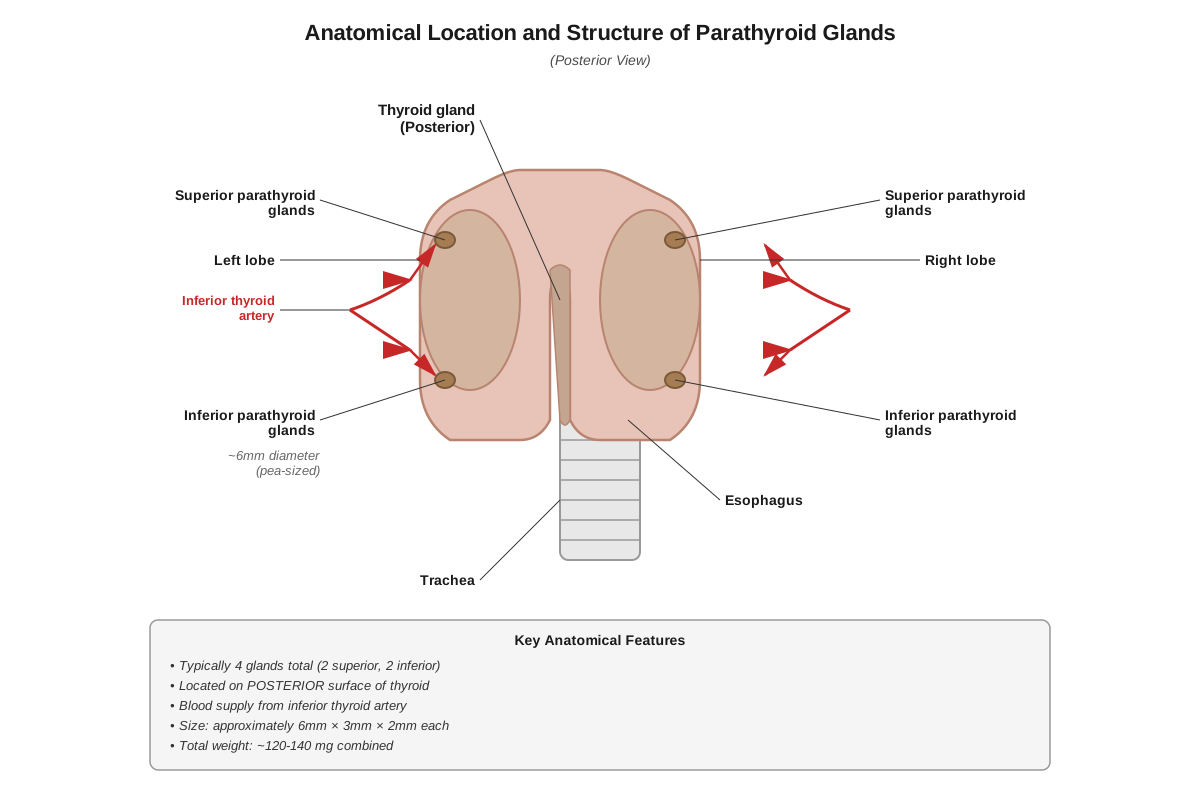
The parathyroid glands are four small endocrine glands located on the posterior surface of the thyroid gland that play a critical role in calcium homeostasis. These pea-sized structures secrete parathyroid hormone (PTH), the principal regulator of serum calcium and phosphate levels in the body. Understanding parathyroid gland function is essential for MCAT success because calcium regulation integrates multiple organ systems—skeletal, renal, digestive, and endocrine—making it a favorite topic for interdisciplinary test questions. The parathyroid glands exemplify negative feedback mechanisms, a fundamental concept in physiology and organ systems that appears repeatedly throughout the MCAT Biology section.
For the MCAT, the parathyroid glands represent a high-yield intersection of endocrinology, bone physiology, renal function, and homeostatic regulation. Test-makers frequently use parathyroid dysfunction scenarios to assess understanding of calcium metabolism, vitamin D activation, and the interplay between multiple hormones. Questions may present clinical vignettes involving hypercalcemia or hypocalcemia, requiring students to trace the physiological cascade from stimulus to hormonal response to target organ effects. The parathyroid gland MCAT content extends beyond simple memorization to application-level understanding of how PTH coordinates responses across bone, kidney, and intestine.
The parathyroid glands also serve as an excellent model for understanding endocrine principles more broadly. Their regulation demonstrates classic negative feedback loops, receptor-mediated hormone action, and the concept of set points in homeostasis. Mastery of parathyroid function provides a framework for understanding other endocrine axes and prepares students for questions that require integration of multiple physiological systems—a hallmark of MCAT passages in the Physiology and Organ Systems content category.
Learning Objectives
- [ ] Define parathyroid gland using accurate Biology terminology
- [ ] Explain why parathyroid gland matters for the MCAT
- [ ] Apply parathyroid gland concepts to exam-style questions
- [ ] Identify common mistakes related to parathyroid gland physiology
- [ ] Connect parathyroid gland function to related Biology concepts
- [ ] Describe the complete mechanism of PTH action on bone, kidney, and intestine
- [ ] Analyze the negative feedback loop regulating PTH secretion
- [ ] Compare and contrast the effects of PTH and calcitonin on calcium homeostasis
- [ ] Predict physiological consequences of parathyroid gland dysfunction
Prerequisites
- Basic endocrine system organization: Understanding hormone classification (peptide vs. steroid), secretion mechanisms, and receptor types is essential for comprehending PTH signaling pathways
- Bone structure and remodeling: Knowledge of osteoblasts, osteoclasts, and bone matrix composition provides context for PTH effects on skeletal calcium mobilization
- Kidney anatomy and function: Familiarity with nephron structure and renal reabsorption mechanisms is necessary to understand PTH's effects on calcium and phosphate handling
- Negative feedback loops: This fundamental homeostatic mechanism governs PTH secretion and appears throughout endocrinology
- Vitamin D metabolism: Basic understanding of vitamin D as a hormone precursor connects to PTH's role in activating vitamin D
Why This Topic Matters
Clinical Significance
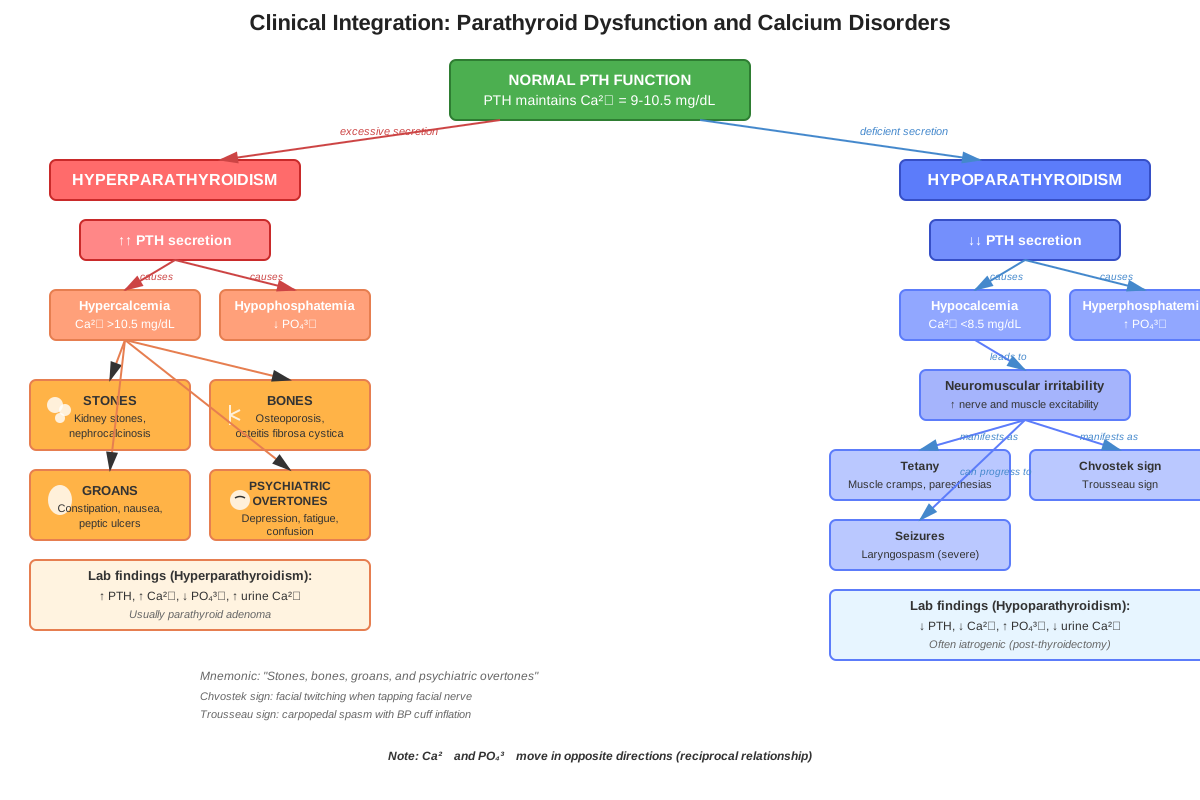
Parathyroid disorders affect millions of patients worldwide and produce dramatic clinical presentations that make excellent MCAT vignettes. Hyperparathyroidism causes hypercalcemia with symptoms including kidney stones, bone pain, abdominal pain, and psychiatric disturbances (remembered as "stones, bones, abdominal groans, and psychiatric overtones"). Hypoparathyroidism produces hypocalcemia with neuromuscular irritability, tetany, and potentially life-threatening cardiac arrhythmias. These conditions illustrate how disruption of a single small gland can cascade into multi-system dysfunction, demonstrating the interconnectedness that MCAT passages frequently test.
MCAT Exam Statistics
Parathyroid gland questions appear in approximately 3-5% of MCAT Biology passages, often integrated into broader endocrine or homeostasis scenarios. The topic most commonly appears in:
- Standalone questions testing direct knowledge of PTH effects
- Passage-based questions presenting research on calcium metabolism or bone physiology
- Clinical vignettes describing patients with calcium imbalances requiring diagnostic reasoning
- Experimental passages analyzing hormone signaling pathways or receptor mechanisms
Common Exam Presentations
MCAT questions on parathyroid function typically present in several formats: experimental passages describing PTH receptor mutations or signaling cascade interruptions; clinical scenarios requiring students to predict lab values (calcium, phosphate, PTH levels) given a disease state; comparative physiology questions contrasting PTH with calcitonin or vitamin D; and mechanism-based questions asking students to trace the pathway from low serum calcium to increased intestinal calcium absorption. The interdisciplinary nature of calcium homeostasis makes it ideal for testing multiple content areas simultaneously.
Core Concepts
Parathyroid Gland Anatomy and Histology
The parathyroid glands consist of four small endocrine organs, each approximately 6mm in length and weighing 30-40mg, embedded in the posterior surface of the thyroid gland. Typically arranged as two superior and two inferior glands, their location can vary considerably among individuals. Histologically, the parathyroid glands contain two cell types: chief cells (principal cells) that synthesize and secrete PTH, and oxyphil cells whose function remains unclear but increase in number with age. The chief cells contain abundant rough endoplasmic reticulum and Golgi apparatus, reflecting their role in peptide hormone synthesis.
The parathyroid glands receive rich vascular supply from the inferior thyroid arteries, ensuring rapid hormone delivery to circulation. This anatomical arrangement has clinical significance—thyroid surgery risks inadvertent parathyroid removal or damage to their blood supply, potentially causing iatrogenic hypoparathyroidism. For the MCAT, understanding this anatomical relationship helps answer questions about surgical complications and explains why thyroid and parathyroid disorders may present together.
Parathyroid Hormone Structure and Synthesis
Parathyroid hormone (PTH) is an 84-amino acid peptide hormone synthesized as a larger precursor molecule. The synthesis pathway proceeds: pre-pro-PTH (115 amino acids) → pro-PTH (90 amino acids) → PTH (84 amino acids). This processing occurs in the rough endoplasmic reticulum and Golgi apparatus of chief cells. The biologically active portion resides in the N-terminal region (amino acids 1-34), which binds to PTH receptors on target cells. Understanding PTH as a peptide hormone is crucial for MCAT questions about hormone characteristics—it cannot cross cell membranes, requires cell surface receptors, acts via second messenger systems, and has rapid onset but short duration of action.
PTH secretion occurs continuously at low basal rates, with secretion increasing or decreasing in response to serum calcium levels within minutes. The hormone has a short half-life (approximately 4 minutes), allowing rapid adjustments to calcium homeostasis. This contrasts with steroid hormones that have longer half-lives and slower onset of action—a comparison frequently tested on the MCAT.
Calcium Sensing and PTH Regulation
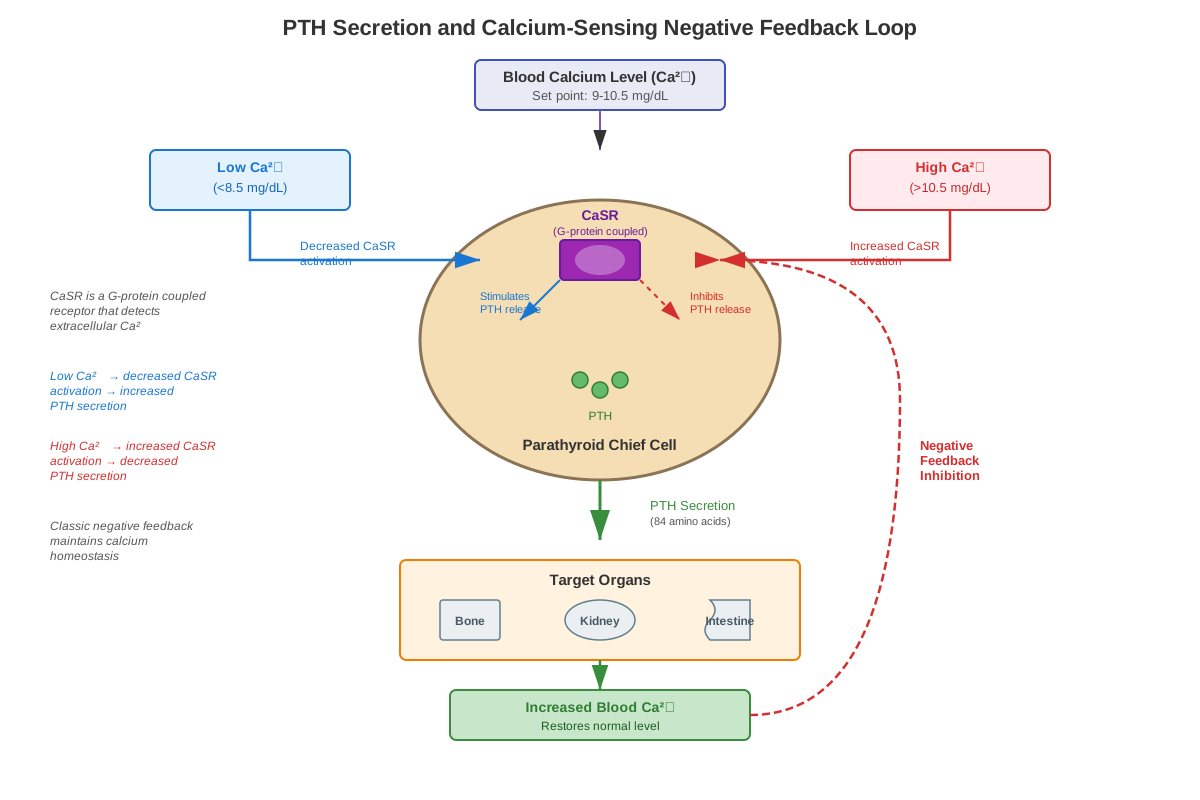
The regulation of PTH secretion exemplifies negative feedback control. Calcium-sensing receptors (CaSR) on chief cell membranes detect extracellular calcium concentrations. These G-protein coupled receptors respond to ionized calcium (Ca²⁺), the physiologically active form. When serum calcium is high, calcium binds to CaSR, activating intracellular signaling pathways that inhibit PTH secretion. Conversely, when serum calcium is low, reduced CaSR activation leads to increased PTH secretion.
This represents an inverse relationship: ↓ serum Ca²⁺ → ↓ CaSR activation → ↑ PTH secretion → actions to ↑ serum Ca²⁺. The set point for this system maintains serum calcium at approximately 8.5-10.5 mg/dL. Magnesium also influences PTH secretion—severe hypomagnesemia paradoxically decreases PTH release, a clinically relevant fact that occasionally appears in MCAT vignettes. Understanding this regulatory mechanism is essential for predicting hormone levels in various disease states.
PTH Effects on Bone
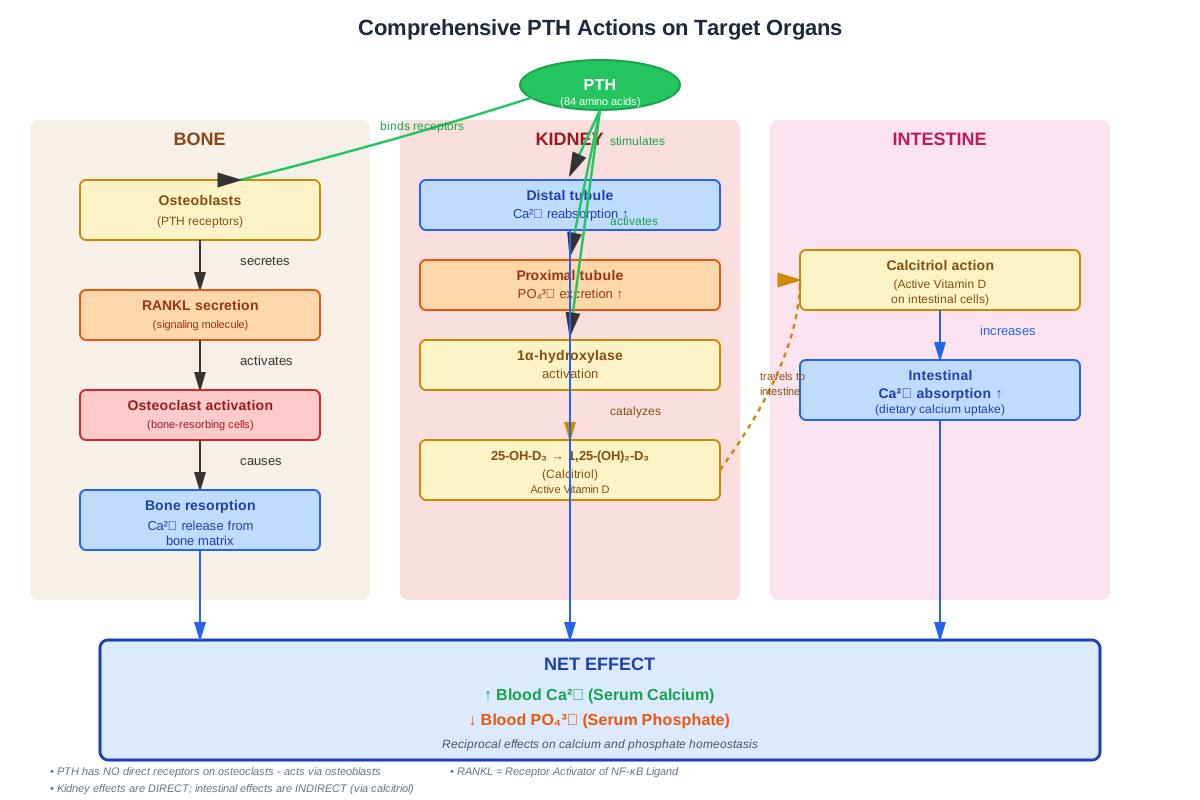
PTH exerts complex effects on bone tissue that vary with exposure duration. In bone, PTH primarily acts on osteoblasts (bone-forming cells), which possess PTH receptors. Paradoxically, although osteoblasts build bone, PTH stimulation causes them to secrete factors that activate osteoclasts (bone-resorbing cells). Specifically, PTH increases osteoblast production of RANKL (Receptor Activator of Nuclear Factor Kappa-B Ligand), which binds to RANK receptors on osteoclast precursors, promoting their differentiation and activation.
The net effect depends on PTH exposure pattern:
- Intermittent PTH exposure (pulsatile): Stimulates osteoblast activity and bone formation—this principle underlies PTH use as an osteoporosis treatment
- Continuous PTH elevation (chronic): Promotes net bone resorption, releasing calcium and phosphate into blood
For MCAT purposes, focus on the chronic elevation scenario: PTH → osteoblast stimulation → RANKL secretion → osteoclast activation → bone resorption → ↑ serum Ca²⁺ and ↑ serum phosphate. This process mobilizes calcium from the body's largest calcium reservoir (99% of body calcium resides in bone).
PTH Effects on Kidney
The kidney represents PTH's most rapid and significant site of action. PTH affects renal handling of both calcium and phosphate through distinct mechanisms in different nephron segments:
Calcium reabsorption: PTH increases calcium reabsorption in the distal convoluted tubule and collecting duct. Normally, approximately 99% of filtered calcium is reabsorbed, but PTH enhances this further, reducing urinary calcium loss. This effect occurs within minutes through insertion of calcium channels into the apical membrane of tubular cells.
Phosphate excretion: PTH decreases phosphate reabsorption in the proximal convoluted tubule by reducing expression of sodium-phosphate cotransporters. This increases urinary phosphate excretion (phosphaturia), lowering serum phosphate levels. This effect is crucial because bone resorption releases both calcium and phosphate; without increased phosphate excretion, the calcium-phosphate product would rise excessively, potentially causing pathological calcification.
Vitamin D activation: PTH stimulates 1α-hydroxylase enzyme in proximal tubule cells, converting 25-hydroxyvitamin D (calcidiol) to 1,25-dihydroxyvitamin D (calcitriol), the active form. Calcitriol then increases intestinal calcium absorption, providing an indirect mechanism for PTH to raise serum calcium.
| PTH Effect | Nephron Location | Mechanism | Result |
|---|---|---|---|
| ↑ Ca²⁺ reabsorption | Distal tubule | ↑ Calcium channels | ↓ Urinary Ca²⁺ |
| ↓ PO₄³⁻ reabsorption | Proximal tubule | ↓ Na-PO₄ cotransporters | ↑ Urinary PO₄³⁻ |
| ↑ Vitamin D activation | Proximal tubule | ↑ 1α-hydroxylase | ↑ Calcitriol |
PTH Effects on Intestine (Indirect)
PTH does not directly affect the intestine; instead, it increases intestinal calcium absorption indirectly through vitamin D activation. The pathway proceeds: PTH → kidney 1α-hydroxylase activation → calcitriol production → calcitriol binds to vitamin D receptors in intestinal epithelial cells → increased expression of calcium-binding proteins and calcium channels → enhanced calcium absorption from the intestinal lumen.
This indirect mechanism takes hours to days to manifest, contrasting with the rapid effects on bone and kidney. For MCAT questions, recognizing that PTH's intestinal effects are mediated by vitamin D helps distinguish it from other calcium-regulating hormones and explains why vitamin D deficiency can cause secondary hyperparathyroidism.
Integrated PTH Actions and Calcium Homeostasis
PTH's coordinated actions across multiple organs restore serum calcium through complementary mechanisms:
- Rapid response (minutes): Kidney increases calcium reabsorption, decreases phosphate reabsorption
- Intermediate response (hours): Bone resorption releases calcium and phosphate
- Slow response (days): Vitamin D activation increases intestinal calcium absorption
The phosphate-lowering effect in the kidney is physiologically important because it prevents the calcium-phosphate product from exceeding the solubility threshold, which would cause ectopic calcification. This integrated response demonstrates how a single hormone coordinates multiple organ systems to maintain homeostasis—a concept central to MCAT physiology and organ systems questions.
Calcitonin: The Opposing Hormone
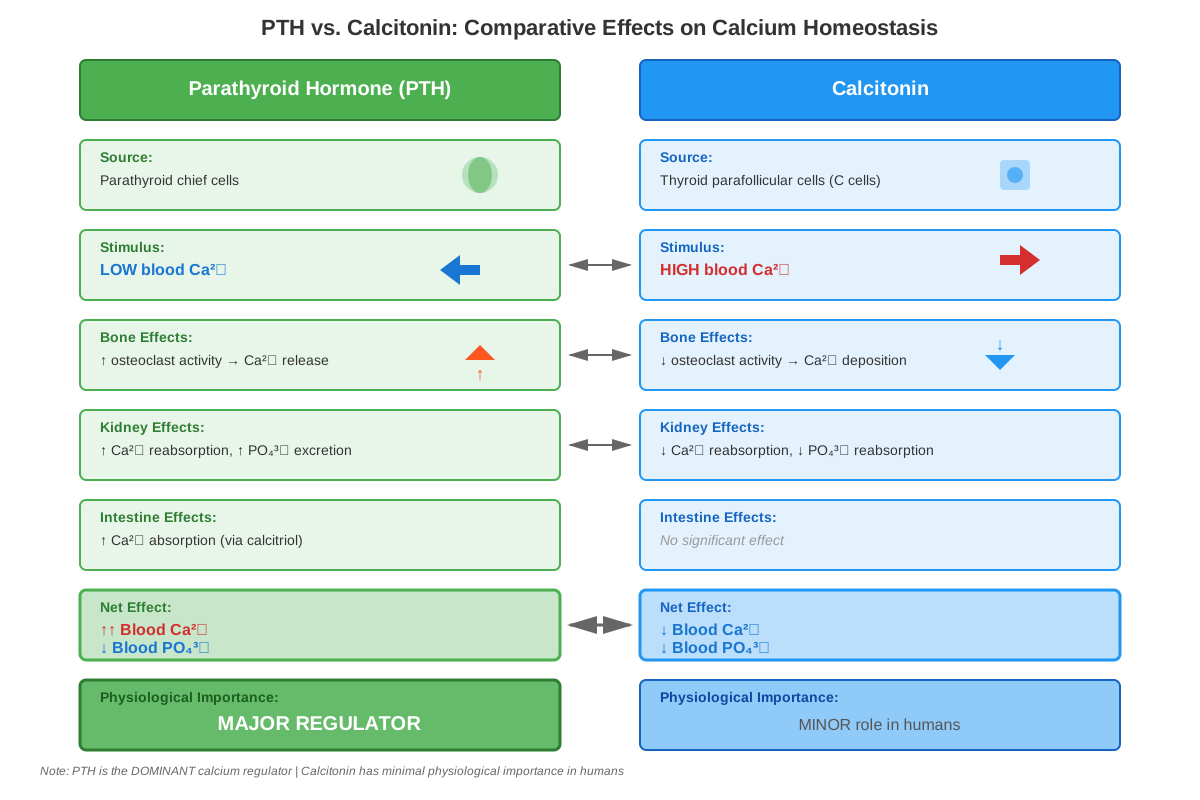
Calcitonin, secreted by thyroid parafollicular cells (C cells), opposes PTH actions. When serum calcium is high, calcitonin secretion increases, promoting:
- Decreased bone resorption (inhibits osteoclasts)
- Increased renal calcium excretion
- Net effect: lowers serum calcium
However, calcitonin plays a minor role in human calcium homeostasis compared to PTH. For the MCAT, understanding the PTH-calcitonin opposition helps answer comparative questions, but PTH is far more clinically and physiologically significant. The relative unimportance of calcitonin in humans is evidenced by the fact that thyroidectomy (removing the calcitonin source) causes minimal calcium disturbance, whereas parathyroidectomy causes severe hypocalcemia.
Parathyroid Disorders
Primary hyperparathyroidism results from autonomous PTH oversecretion (usually from a parathyroid adenoma). Lab findings include:
- ↑ PTH
- ↑ Serum calcium
- ↓ Serum phosphate
- ↑ Urinary calcium (despite increased renal reabsorption, the filtered load is so high that urinary calcium increases)
Secondary hyperparathyroidism occurs when the parathyroid glands appropriately increase PTH secretion in response to chronic hypocalcemia (often from chronic kidney disease or vitamin D deficiency). Lab findings include:
- ↑ PTH
- ↓ or normal serum calcium
- ↑ Serum phosphate (in renal failure)
Hypoparathyroidism results from insufficient PTH (often iatrogenic after thyroid surgery). Lab findings include:
- ↓ PTH
- ↓ Serum calcium
- ↑ Serum phosphate
These patterns frequently appear in MCAT questions requiring students to interpret lab values and diagnose the underlying condition.
Quick check — test yourself on Parathyroid gland so far.
Try Flashcards →Concept Relationships
The parathyroid glands function as the central regulator in a complex homeostatic network. The primary relationship flows: low serum calcium → decreased CaSR activation → increased PTH secretion → coordinated responses in bone, kidney, and intestine → restored serum calcium → negative feedback inhibits further PTH secretion. This negative feedback loop exemplifies homeostatic regulation principles that apply throughout endocrinology.
Within the topic, PTH's three target organs demonstrate functional integration: bone provides the calcium source, kidney conserves calcium while eliminating phosphate and activating vitamin D, and intestine (via vitamin D) increases calcium input. These actions are complementary rather than redundant, each contributing to the overall goal of calcium restoration with different time courses and magnitudes.
The parathyroid system connects to broader Biology concepts including: cell signaling (G-protein coupled receptors, second messengers), bone physiology (osteoblast-osteoclast coupling, RANKL pathway), renal physiology (tubular reabsorption, hormone effects on transporters), endocrinology (peptide hormone synthesis, negative feedback), and biochemistry (vitamin D metabolism, calcium-phosphate chemistry). Understanding these connections enables students to answer interdisciplinary MCAT questions that integrate multiple content areas.
The relationship to vitamin D deserves emphasis: PTH and vitamin D form a cooperative system where PTH activates vitamin D, and vitamin D enhances PTH's ability to raise serum calcium. However, vitamin D also provides negative feedback by increasing intestinal calcium absorption, which raises serum calcium and suppresses PTH secretion. This bidirectional relationship frequently appears in MCAT passages exploring endocrine regulation complexity.
High-Yield Facts
⭐ PTH increases serum calcium through three mechanisms: increased bone resorption, increased renal calcium reabsorption, and increased intestinal calcium absorption (via vitamin D activation)
⭐ PTH decreases serum phosphate by reducing renal phosphate reabsorption in the proximal tubule, causing phosphaturia
⭐ Calcium-sensing receptors (CaSR) on parathyroid chief cells detect serum calcium levels; low calcium stimulates PTH secretion through decreased CaSR activation (inverse relationship)
⭐ PTH is a peptide hormone (84 amino acids) that acts via cell surface receptors and second messenger systems, with rapid onset and short half-life
⭐ PTH acts directly on bone and kidney but affects the intestine only indirectly through vitamin D activation
- PTH stimulates osteoblasts to secrete RANKL, which activates osteoclasts to resorb bone
- The four parathyroid glands are located on the posterior surface of the thyroid gland
- Calcitonin opposes PTH by lowering serum calcium, but plays a minor role in human calcium homeostasis
- Primary hyperparathyroidism shows elevated PTH with elevated calcium and decreased phosphate
- Hypoparathyroidism causes hypocalcemia with hyperphosphatemia and neuromuscular irritability (tetany)
- PTH increases renal 1α-hydroxylase activity, converting 25-hydroxyvitamin D to active 1,25-dihydroxyvitamin D (calcitriol)
- Chronic PTH elevation causes net bone loss, while intermittent PTH exposure can stimulate bone formation
- Severe hypomagnesemia paradoxically decreases PTH secretion despite hypocalcemia
- The biologically active portion of PTH resides in the N-terminal region (amino acids 1-34)
- Secondary hyperparathyroidism represents an appropriate compensatory response to chronic hypocalcemia, unlike primary hyperparathyroidism which is autonomous
Common Misconceptions
Misconception: PTH directly stimulates osteoclasts to resorb bone.
Correction: PTH receptors are located on osteoblasts, not osteoclasts. PTH stimulates osteoblasts to secrete RANKL, which then activates osteoclasts. This indirect mechanism is important for understanding bone remodeling coupling.
Misconception: PTH and calcitonin are equally important in calcium homeostasis.
Correction: PTH is the dominant regulator of calcium homeostasis in humans. Calcitonin plays a minor role, as evidenced by minimal calcium disturbance after thyroidectomy. MCAT questions focus primarily on PTH.
Misconception: PTH increases both serum calcium and serum phosphate because bone resorption releases both minerals.
Correction: Although bone resorption releases both calcium and phosphate, PTH simultaneously increases renal phosphate excretion, resulting in net phosphate decrease. The final effect is increased calcium with decreased phosphate.
Misconception: High serum calcium directly inhibits parathyroid chief cells.
Correction: High serum calcium binds to calcium-sensing receptors (CaSR) on chief cells, which then trigger intracellular signaling cascades that inhibit PTH secretion. The mechanism is receptor-mediated, not a direct inhibitory effect.
Misconception: PTH directly increases intestinal calcium absorption.
Correction: PTH's effect on the intestine is entirely indirect, mediated by vitamin D activation in the kidney. PTH stimulates 1α-hydroxylase, producing calcitriol, which then increases intestinal calcium absorption. This takes hours to days, unlike PTH's rapid effects on bone and kidney.
Misconception: In hyperparathyroidism, urinary calcium is always decreased because PTH increases renal calcium reabsorption.
Correction: Despite increased renal calcium reabsorption, the filtered calcium load is so elevated in hyperparathyroidism that urinary calcium typically increases, leading to kidney stone formation. The reabsorption mechanism is overwhelmed by the high serum calcium.
Misconception: All four parathyroid glands must be removed to cause hypoparathyroidism.
Correction: Even partial parathyroid tissue loss can cause hypoparathyroidism if insufficient functional tissue remains. Additionally, damage to parathyroid blood supply during thyroid surgery can cause ischemic parathyroid dysfunction without physical removal.
Worked Examples
Example 1: Clinical Vignette Analysis
Question: A 55-year-old woman presents with fatigue, constipation, and kidney stones. Laboratory studies reveal: serum calcium 12.5 mg/dL (normal 8.5-10.5), serum phosphate 2.0 mg/dL (normal 2.5-4.5), serum PTH 95 pg/mL (normal 10-65), and increased urinary calcium. What is the most likely diagnosis, and what explains the laboratory findings?
Analysis:
Step 1: Identify the pattern of abnormalities
- Hypercalcemia (↑ calcium)
- Hypophosphatemia (↓ phosphate)
- Elevated PTH
- Hypercalciuria (↑ urinary calcium)
Step 2: Determine if PTH elevation is appropriate
The elevated PTH in the setting of hypercalcemia is inappropriate. Normal negative feedback should suppress PTH when calcium is high. This indicates autonomous PTH secretion.
Step 3: Diagnosis
Primary hyperparathyroidism (likely parathyroid adenoma)
Step 4: Explain each finding
- Elevated calcium: PTH increases bone resorption and renal calcium reabsorption
- Decreased phosphate: PTH decreases renal phosphate reabsorption, causing phosphaturia
- Elevated PTH: Autonomous secretion from adenoma, unresponsive to negative feedback
- Elevated urinary calcium: Despite increased renal reabsorption, the filtered calcium load exceeds reabsorptive capacity
Step 5: Connect to symptoms
- Fatigue and constipation: hypercalcemia effects on neuromuscular and GI function
- Kidney stones: chronic hypercalciuria causes calcium stone formation
Key Learning Point: In primary hyperparathyroidism, PTH is elevated despite high calcium (inappropriate), distinguishing it from secondary hyperparathyroidism where PTH is elevated with low or normal calcium (appropriate response).
Example 2: Experimental Passage Application
Question: Researchers develop a drug that blocks calcium-sensing receptors (CaSR) on parathyroid chief cells. Predict the effects of this drug on: (A) PTH secretion, (B) serum calcium, (C) serum phosphate, and (D) bone density with chronic use.
Analysis:
Step 1: Understand normal CaSR function
- CaSR detects serum calcium
- When calcium is high → CaSR activated → PTH secretion inhibited
- When calcium is low → CaSR less activated → PTH secretion increased
Step 2: Predict effect of CaSR blockade
Blocking CaSR prevents the receptor from detecting calcium, mimicking a low-calcium state regardless of actual serum calcium levels.
Step 3: Trace the cascade
CaSR blocked → parathyroid chief cells "perceive" low calcium → increased PTH secretion → PTH effects on target organs
Step 4: Predict specific outcomes
(A) PTH secretion: Increased
The blocked CaSR cannot inhibit PTH release, so secretion increases inappropriately.
(B) Serum calcium: Increased
Elevated PTH increases bone resorption, renal calcium reabsorption, and (via vitamin D) intestinal calcium absorption, all raising serum calcium.
(C) Serum phosphate: Decreased
PTH increases renal phosphate excretion, lowering serum phosphate despite phosphate release from bone.
(D) Bone density with chronic use: Decreased
Chronic PTH elevation promotes net bone resorption through continuous osteoclast activation, reducing bone density over time.
Key Learning Point: This scenario mimics primary hyperparathyroidism—the parathyroid glands cannot sense calcium properly, leading to inappropriate PTH secretion. Understanding the normal negative feedback loop allows prediction of consequences when that loop is disrupted.
Exam Strategy
Approaching Parathyroid Questions
When encountering MCAT questions on parathyroid function, follow this systematic approach:
- Identify the calcium status first: Determine if the scenario involves hypercalcemia, hypocalcemia, or normal calcium. This immediately narrows the differential diagnosis.
- Check PTH appropriateness: Ask whether PTH levels are appropriate for the calcium status. High PTH with high calcium = primary hyperparathyroidism. High PTH with low calcium = secondary hyperparathyroidism. Low PTH with low calcium = hypoparathyroidism.
- Remember the phosphate inverse relationship: PTH and phosphate move in opposite directions. If PTH is high, phosphate should be low (and vice versa). If this pattern is violated, consider renal failure or other complicating factors.
- Trace the mechanism stepwise: For mechanism questions, trace PTH's effects organ by organ (bone → kidney → intestine via vitamin D), noting the time course of each effect.
Trigger Words and Phrases
Watch for these high-yield terms that signal parathyroid-related content:
- "Calcium homeostasis" or "calcium regulation": Almost always involves PTH
- "Kidney stones" with "bone pain": Classic hyperparathyroidism presentation
- "Tetany", "muscle spasms", or "Chvostek sign": Indicates hypocalcemia, likely from hypoparathyroidism
- "Post-thyroidectomy": Suggests iatrogenic hypoparathyroidism
- "Vitamin D deficiency" with "elevated PTH": Secondary hyperparathyroidism
- "Osteoclast activation" or "bone resorption": PTH effects on bone
- "Phosphaturia" or "decreased phosphate reabsorption": PTH renal effects
Process of Elimination Tips
When evaluating answer choices:
- Eliminate options that violate the calcium-phosphate inverse relationship under PTH influence
- Eliminate answers suggesting PTH directly affects intestine (it's always indirect via vitamin D)
- Eliminate options confusing PTH with calcitonin (calcitonin lowers calcium, PTH raises it)
- Eliminate answers suggesting PTH acts directly on osteoclasts (PTH receptors are on osteoblasts)
- For lab value questions, eliminate patterns inconsistent with the diagnosis (e.g., low PTH with high calcium doesn't fit any parathyroid disorder)
Time Allocation
Parathyroid questions typically require 60-90 seconds for standalone questions and 90-120 seconds for passage-based questions. The key to efficiency is recognizing patterns quickly:
- Lab value interpretation: 30 seconds to identify the pattern
- Mechanism tracing: 45 seconds to work through the pathway
- Clinical vignette: 60 seconds to connect symptoms to underlying physiology
Don't spend excessive time on questions asking about calcitonin's role—it's minor in humans, and the answer usually emphasizes PTH dominance.
Memory Techniques
Mnemonics
PTH effects on serum levels - "PTH: Calcium UP, Phosphate DOWN"
- Simple but effective reminder of the inverse relationship
Hyperparathyroidism symptoms - "Stones, Bones, Abdominal Groans, Psychiatric Overtones"
- Stones: Kidney stones from hypercalciuria
- Bones: Bone pain from excessive resorption
- Abdominal groans: Constipation, nausea from hypercalcemia
- Psychiatric overtones: Depression, confusion from hypercalcemia
PTH target organs - "BKI" (Bone, Kidney, Intestine)
- Remember PTH acts on three organs, with intestine being indirect
CaSR function - "High Calcium Hits the Brakes"
- High calcium activates CaSR, which inhibits (brakes) PTH secretion
Visualization Strategy
Visualize the parathyroid-calcium system as a thermostat:
- Set point: Normal serum calcium (8.5-10.5 mg/dL)
- Sensor: Calcium-sensing receptor (CaSR) on parathyroid chief cells
- Control center: Parathyroid glands
- Effectors: Bone, kidney, intestine
- Response: PTH secretion increases or decreases to restore calcium to set point
When calcium drops below the set point, imagine the "thermostat" turning on the "heating system" (PTH secretion), which activates three "heaters" (bone resorption, renal reabsorption, intestinal absorption) to warm things back up (raise calcium).
Acronym for PTH Renal Effects
"CAP" for PTH's kidney actions:
- Calcium reabsorption increased
- Activates vitamin D (1α-hydroxylase)
- Phosphate excretion increased
Summary
The parathyroid glands are four small endocrine organs located posterior to the thyroid that serve as the master regulators of calcium homeostasis through secretion of parathyroid hormone (PTH). PTH, an 84-amino acid peptide hormone, responds to low serum calcium detected by calcium-sensing receptors on chief cells. Through coordinated actions on bone (increased resorption via osteoblast-mediated osteoclast activation), kidney (increased calcium reabsorption, decreased phosphate reabsorption, and vitamin D activation), and intestine (indirect increase in calcium absorption via calcitriol), PTH restores serum calcium while simultaneously lowering serum phosphate. This system exemplifies negative feedback regulation and demonstrates integration across multiple organ systems. For MCAT success, students must understand the mechanism of PTH action at each target organ, recognize lab value patterns in parathyroid disorders (primary hyperparathyroidism, secondary hyperparathyroidism, and hypoparathyroidism), and trace the complete pathway from calcium sensing to physiological response. The parathyroid system connects endocrinology, bone physiology, renal function, and homeostatic regulation, making it a high-yield topic for interdisciplinary MCAT questions.
Key Takeaways
- PTH is the principal regulator of calcium homeostasis, increasing serum calcium through bone resorption, renal calcium reabsorption, and vitamin D-mediated intestinal absorption
- Calcium-sensing receptors (CaSR) provide negative feedback: high calcium inhibits PTH secretion, low calcium stimulates PTH secretion
- PTH decreases serum phosphate by reducing renal phosphate reabsorption, preventing excessive calcium-phosphate product despite bone resorption
- PTH acts directly on bone and kidney but indirectly on intestine through vitamin D activation (1α-hydroxylase stimulation)
- Lab value patterns distinguish parathyroid disorders: primary hyperparathyroidism (↑PTH, ↑Ca, ↓PO₄), secondary hyperparathyroidism (↑PTH, ↓Ca), hypoparathyroidism (↓PTH, ↓Ca, ↑PO₄)
- PTH stimulates osteoblasts, which then activate osteoclasts via RANKL secretion—PTH does not directly act on osteoclasts
- Calcitonin opposes PTH but plays a minor role in human calcium homeostasis compared to PTH's dominant regulatory function
Related Topics
Vitamin D Metabolism and Function: Understanding vitamin D synthesis, activation (particularly the role of 1α-hydroxylase), and its effects on calcium absorption provides essential context for PTH's indirect intestinal effects. Mastery of parathyroid function enables deeper understanding of vitamin D's role as both hormone and PTH effector.
Bone Remodeling and Mineral Homeostasis: The RANKL-RANK-OPG pathway, osteoblast-osteoclast coupling, and bone as a calcium reservoir connect directly to PTH's skeletal effects. Understanding parathyroid function provides the endocrine framework for bone physiology.
Renal Tubular Function: Detailed study of nephron segment-specific transport mechanisms, particularly calcium and phosphate handling in different tubular regions, builds on the foundation of PTH's renal effects.
Endocrine Feedback Loops: The parathyroid system exemplifies negative feedback regulation, preparing students for understanding other endocrine axes (hypothalamic-pituitary-thyroid, hypothalamic-pituitary-adrenal) that use similar regulatory principles.
Calcium Signaling in Cells: Beyond systemic calcium homeostasis, understanding calcium as a second messenger in cellular signaling pathways extends parathyroid concepts to cell biology and biochemistry.
Practice CTA
Now that you've mastered the core concepts of parathyroid gland function and calcium homeostasis, it's time to reinforce your understanding through active practice. Work through the practice questions and flashcards to test your ability to apply these concepts to MCAT-style scenarios. Focus particularly on interpreting lab values, tracing PTH's mechanism of action, and distinguishing between different parathyroid disorders. Remember, understanding the "why" behind PTH's effects—not just memorizing facts—will enable you to tackle novel questions confidently. The integration of endocrine, renal, and skeletal physiology in parathyroid function makes it an excellent topic for developing the systems-level thinking the MCAT rewards. You've got this!
Sign up free to keep reading
Create a free AnvayaPrep account to finish this MCAT guide on Parathyroid gland — plus flashcards and practice questions.