Overview
The peripheral nervous system (PNS) represents one of the two major divisions of the nervous system, encompassing all neural structures outside the brain and spinal cord. This extensive network serves as the critical communication highway between the central nervous system (CNS) and the rest of the body, transmitting sensory information inward and motor commands outward. Understanding the peripheral nervous system is fundamental to mastering physiology and organ systems for the MCAT, as it integrates concepts from neuroanatomy, cell signaling, muscle physiology, and homeostatic regulation.
For MCAT preparation, the peripheral nervous system appears frequently in both passage-based and discrete questions within the Biology section. Questions often test the functional divisions of the PNS (somatic versus autonomic), the anatomical components (cranial and spinal nerves), and the physiological mechanisms underlying reflex arcs, neurotransmission, and autonomic regulation. The PNS serves as a bridge topic connecting cellular neuroscience to organ-level physiology, making it essential for understanding how the body coordinates responses to internal and external stimuli.
The peripheral nervous system's organization reflects elegant functional specialization. The somatic division controls voluntary movements and processes conscious sensory input, while the autonomic division regulates involuntary functions through its sympathetic and parasympathetic branches. This structural and functional organization provides the foundation for understanding stress responses, homeostatic mechanisms, and the pharmacological targets of numerous medications—all high-yield topics for the MCAT. Mastery of peripheral nervous system Biology enables students to tackle complex scenarios involving neural pathways, reflex integration, and autonomic dysfunction that appear regularly on the exam.
Learning Objectives
- [ ] Define peripheral nervous system using accurate Biology terminology
- [ ] Explain why peripheral nervous system matters for the MCAT
- [ ] Apply peripheral nervous system concepts to exam-style questions
- [ ] Identify common mistakes related to peripheral nervous system
- [ ] Connect peripheral nervous system to related Biology concepts
- [ ] Differentiate between the structural and functional divisions of the PNS
- [ ] Analyze the complementary roles of sympathetic and parasympathetic nervous systems in maintaining homeostasis
- [ ] Predict physiological outcomes when specific PNS pathways are activated or inhibited
Prerequisites
- Basic neuroanatomy: Understanding neurons, axons, dendrites, and synapses is essential for comprehending how the PNS transmits information
- Action potential physiology: Knowledge of membrane potentials and signal propagation underlies all PNS function
- Neurotransmitter basics: Familiarity with acetylcholine, norepinephrine, and receptor types is necessary for understanding autonomic signaling
- Muscle contraction mechanisms: The somatic nervous system's primary function involves skeletal muscle activation
- Central nervous system organization: Distinguishing CNS from PNS requires understanding what structures constitute the brain and spinal cord
Why This Topic Matters
The peripheral nervous system represents a cornerstone of integrative physiology, appearing in approximately 8-12% of MCAT Biology questions according to AAMC content analysis. This topic bridges multiple disciplines: it connects cellular neuroscience to organ system physiology, links anatomical structures to functional outcomes, and provides the mechanistic basis for understanding pharmacology and pathophysiology. Clinical scenarios involving autonomic dysfunction, peripheral neuropathy, reflex abnormalities, and drug effects on the PNS appear regularly in passage-based questions.
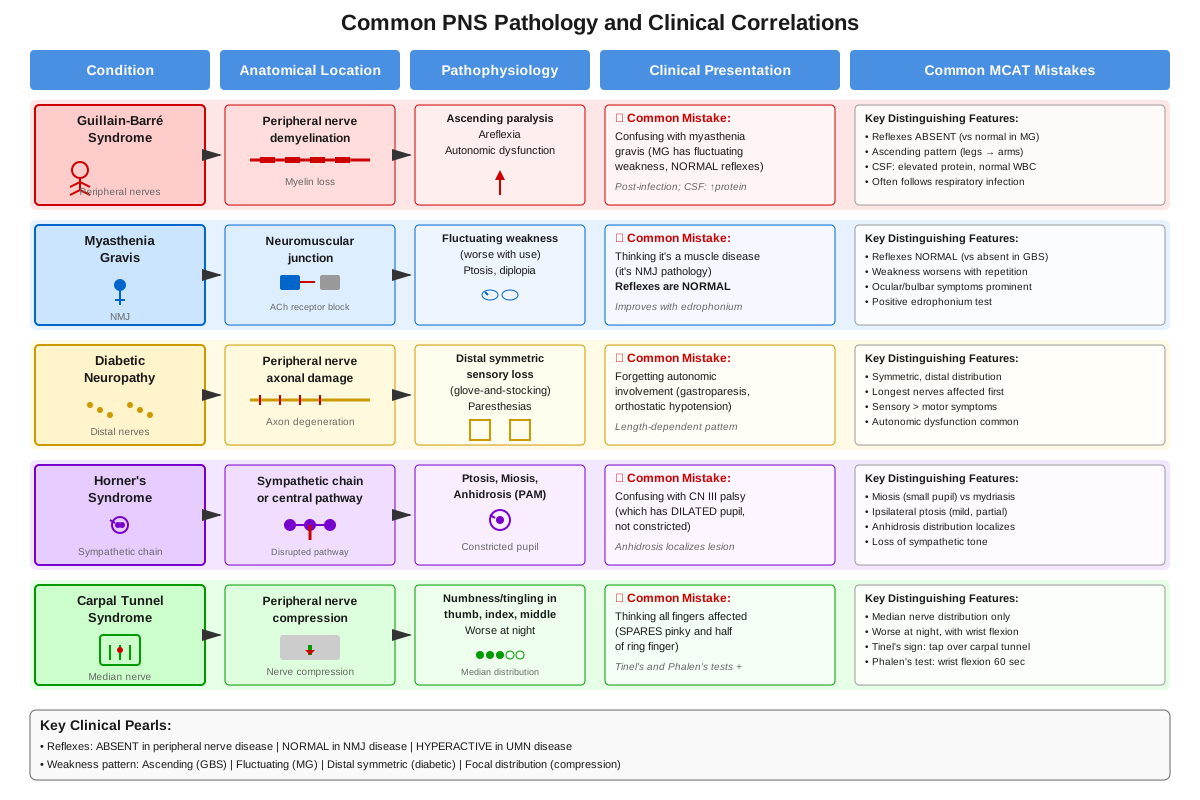
From a clinical perspective, PNS disorders affect millions of patients. Diabetic neuropathy, Guillain-Barré syndrome, myasthenia gravis, and autonomic dysregulation represent just a few conditions rooted in peripheral nervous system dysfunction. The MCAT frequently presents passages describing patients with these conditions, requiring students to apply their understanding of PNS anatomy and physiology to interpret symptoms, predict outcomes, or evaluate treatment mechanisms.
On the exam, peripheral nervous system MCAT questions typically appear in three formats: (1) discrete questions testing anatomical knowledge or functional divisions, (2) passage-based questions requiring application of PNS principles to experimental or clinical scenarios, and (3) integrated questions connecting PNS function to endocrine, cardiovascular, or respiratory physiology. The autonomic nervous system, particularly the sympathetic-parasympathetic balance, appears with especially high frequency in passages involving stress responses, cardiovascular regulation, and drug mechanisms.
Core Concepts
Definition and Structural Organization
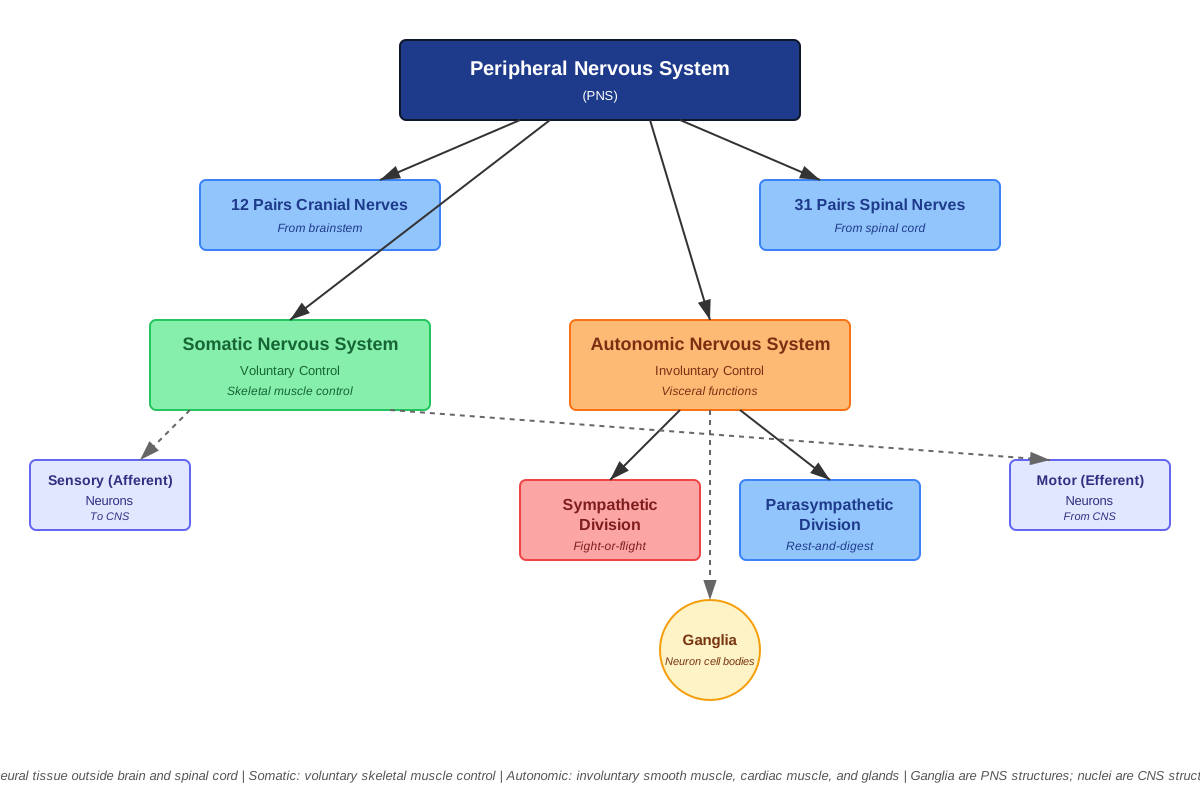
The peripheral nervous system comprises all nervous tissue located outside the bony encasements of the skull and vertebral column. This includes 12 pairs of cranial nerves, 31 pairs of spinal nerves, and all associated ganglia and sensory receptors. The PNS serves as the bidirectional communication network between the CNS and peripheral tissues, conducting sensory (afferent) information toward the CNS and motor (efferent) commands away from the CNS.
Structurally, peripheral nerves consist of bundles of axons wrapped in protective connective tissue layers. The endoneurium surrounds individual axons, the perineurium bundles axons into fascicles, and the epineurium encases the entire nerve. This organization provides mechanical protection and maintains the microenvironment necessary for proper nerve function. Unlike CNS neurons, many PNS axons retain regenerative capacity due to the presence of Schwann cells that can guide axonal regrowth following injury.
Functional Divisions: Somatic and Autonomic
The PNS divides functionally into somatic and autonomic nervous systems, each serving distinct physiological roles:
| Feature | Somatic Nervous System | Autonomic Nervous System |
|---|---|---|
| Control | Voluntary (conscious) | Involuntary (unconscious) |
| Effector organs | Skeletal muscle | Smooth muscle, cardiac muscle, glands |
| Neurotransmitter at target | Acetylcholine (ACh) | ACh or norepinephrine (NE) |
| Pathway structure | Single motor neuron from CNS to muscle | Two-neuron chain (preganglionic + postganglionic) |
| Effect on target | Always excitatory | Can be excitatory or inhibitory |
| Example functions | Voluntary movement, conscious sensation | Heart rate, digestion, pupil diameter |
The somatic nervous system controls voluntary movements through motor neurons that directly innervate skeletal muscle fibers. Each motor neuron releases acetylcholine at the neuromuscular junction, producing excitatory postsynaptic potentials that trigger muscle contraction. The somatic system also processes conscious sensory information from skin, muscles, and joints through sensory (afferent) neurons that transmit touch, temperature, pain, and proprioceptive signals to the CNS.
Autonomic Nervous System: Sympathetic Division
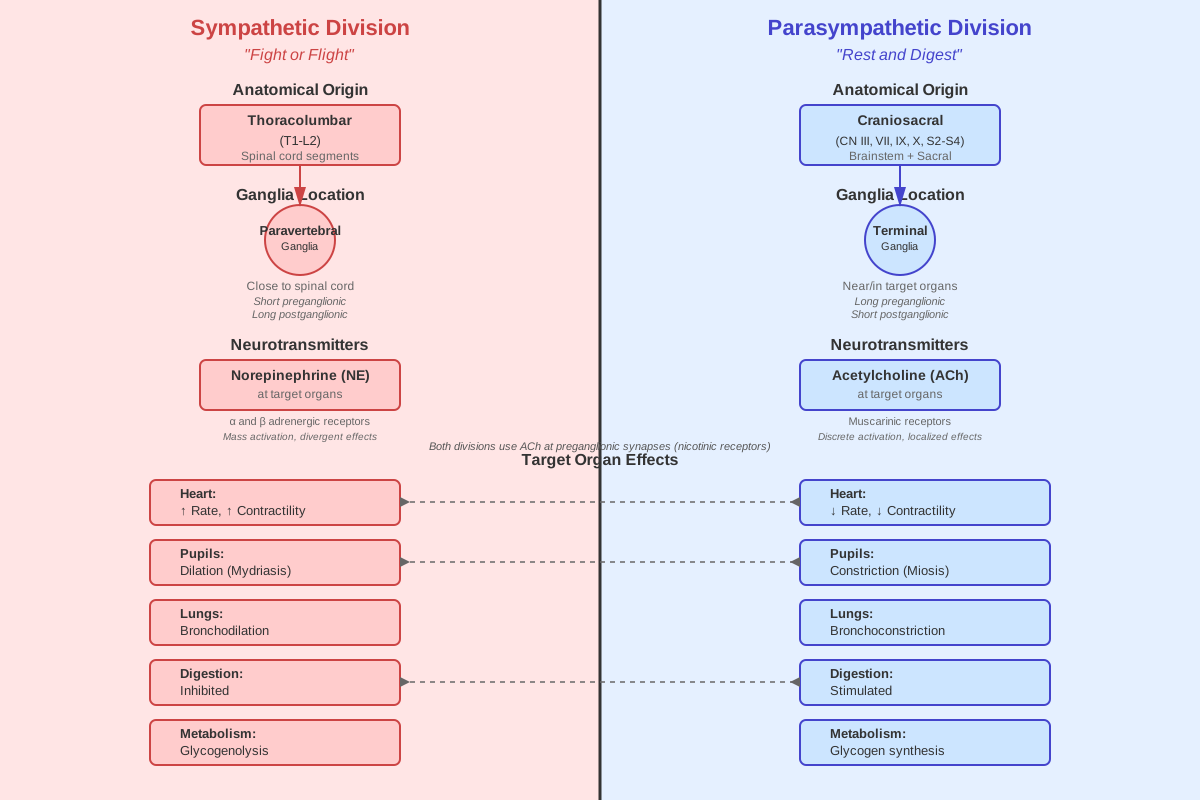
The autonomic nervous system regulates involuntary functions through two complementary divisions. The sympathetic nervous system prepares the body for "fight-or-flight" responses during stress, exercise, or emergency situations. Sympathetic preganglionic neurons originate from the thoracolumbar region (T1-L2) of the spinal cord, earning it the designation "thoracolumbar division."
Sympathetic pathways follow a characteristic two-neuron pattern:
- Preganglionic neurons have cell bodies in the lateral horn of the spinal cord
- Short preganglionic axons exit via ventral roots and synapse in paravertebral or prevertebral ganglia
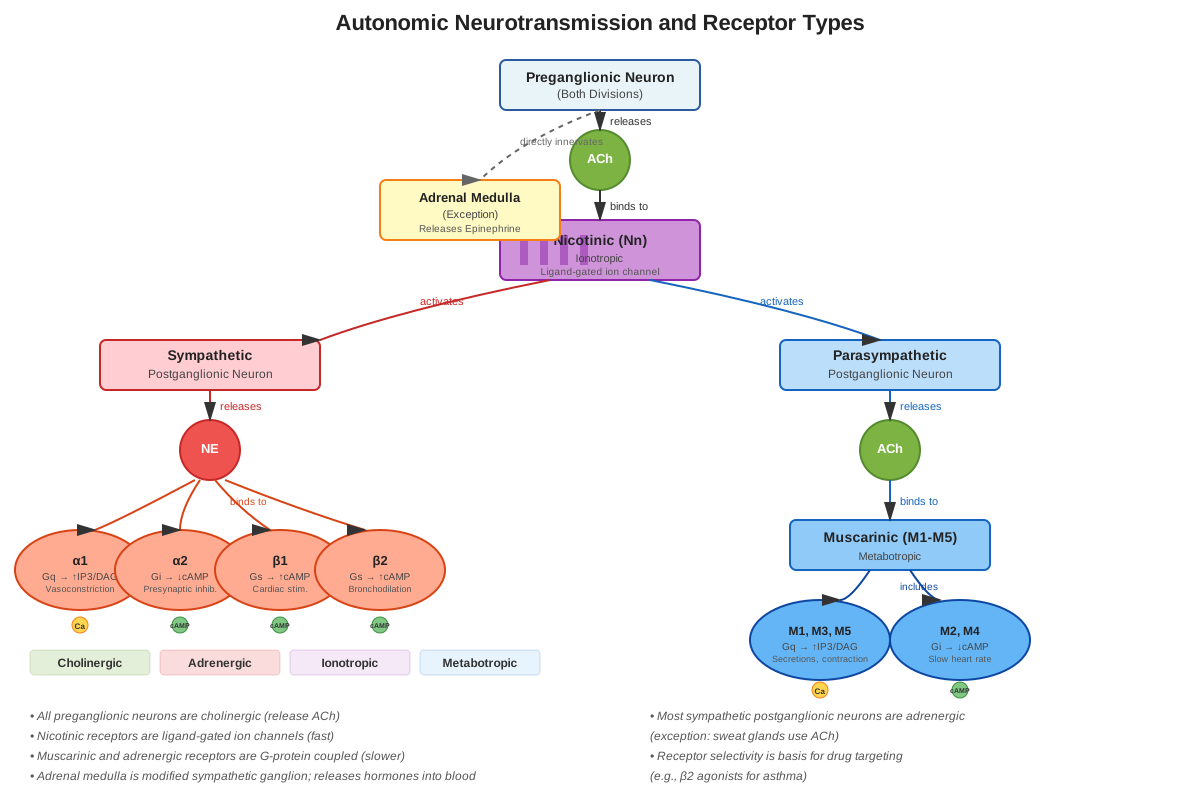
- Preganglionic neurons release acetylcholine onto nicotinic receptors of postganglionic neurons
- Long postganglionic neurons extend to target organs
- Most postganglionic neurons release norepinephrine onto adrenergic receptors (α or β)
Notable exceptions include sympathetic innervation of sweat glands (which use ACh on muscarinic receptors) and the adrenal medulla (which receives direct preganglionic innervation and releases epinephrine into the bloodstream).
Sympathetic activation produces coordinated physiological changes:
- Increased heart rate and contractility (β1 receptors)
- Bronchodilation (β2 receptors)
- Pupil dilation via iris radial muscle contraction (α1 receptors)
- Decreased digestive activity and reduced blood flow to GI tract (α1 receptors)
- Increased blood flow to skeletal muscles (β2 receptors)
- Glycogenolysis and lipolysis for energy mobilization (β receptors)
- Decreased urinary output through bladder sphincter contraction (α1 receptors)
Autonomic Nervous System: Parasympathetic Division
The parasympathetic nervous system promotes "rest-and-digest" functions, conserving energy and maintaining homeostasis during non-stressful conditions. Parasympathetic preganglionic neurons originate from the brainstem (cranial nerves III, VII, IX, X) and sacral spinal cord (S2-S4), designating it the "craniosacral division."
Parasympathetic pathways differ structurally from sympathetic:
- Preganglionic neurons have cell bodies in brainstem nuclei or sacral spinal cord
- Long preganglionic axons travel via cranial or pelvic nerves
- Preganglionic neurons release acetylcholine onto nicotinic receptors in ganglia located near or within target organs
- Short postganglionic neurons extend to nearby target tissues
- Postganglionic neurons release acetylcholine onto muscarinic receptors (M1-M5 subtypes)
The vagus nerve (cranial nerve X) carries approximately 75% of all parasympathetic outflow, innervating thoracic and abdominal organs including the heart, lungs, and digestive tract down to the splenic flexure of the colon. The remaining parasympathetic innervation comes from other cranial nerves (controlling pupil constriction, salivation, and lacrimation) and sacral outflow (controlling pelvic organs).
Parasympathetic activation produces effects generally opposite to sympathetic:
- Decreased heart rate and contractility (M2 receptors)
- Bronchoconstriction (M3 receptors)
- Pupil constriction via iris circular muscle contraction (M3 receptors)
- Enhanced digestive secretions and motility (M3 receptors)
- Increased blood flow to digestive organs
- Bladder contraction and sphincter relaxation for urination (M3 receptors)
- Promotion of anabolic processes and energy storage
Dual Innervation and Autonomic Tone
Most visceral organs receive dual innervation from both sympathetic and parasympathetic divisions, allowing precise regulation through reciprocal control. The heart exemplifies this principle: sympathetic stimulation increases heart rate while parasympathetic stimulation decreases it. The balance between these opposing influences determines the actual heart rate at any moment, a concept called autonomic tone.
Some organs receive predominantly or exclusively one type of innervation:
- Sympathetic only: Most blood vessels, sweat glands, adrenal medulla, piloerector muscles
- Parasympathetic dominant: Salivary glands (though they receive some sympathetic input)
The concept of autonomic tone explains why blocking one division can produce effects even at rest. For example, administering atropine (a muscarinic antagonist) increases heart rate by removing parasympathetic tone, revealing the underlying sympathetic influence.
Cranial and Spinal Nerves
The PNS includes 12 pairs of cranial nerves that emerge directly from the brain and 31 pairs of spinal nerves that emerge from the spinal cord. Cranial nerves may contain sensory fibers, motor fibers, or both (mixed nerves). Several cranial nerves carry parasympathetic fibers:
- CN III (Oculomotor): Pupil constriction, lens accommodation
- CN VII (Facial): Salivation (submandibular and sublingual glands), lacrimation
- CN IX (Glossopharyngeal): Salivation (parotid gland)
- CN X (Vagus): Thoracic and abdominal viscera
Spinal nerves form from the union of dorsal (sensory) and ventral (motor) roots, making all spinal nerves mixed nerves. Each spinal nerve divides into dorsal and ventral rami that innervate specific body regions. The ventral rami of certain spinal segments interconnect to form nerve plexuses (cervical, brachial, lumbar, sacral) that give rise to major peripheral nerves like the phrenic, radial, median, ulnar, femoral, and sciatic nerves.
Reflex Arcs
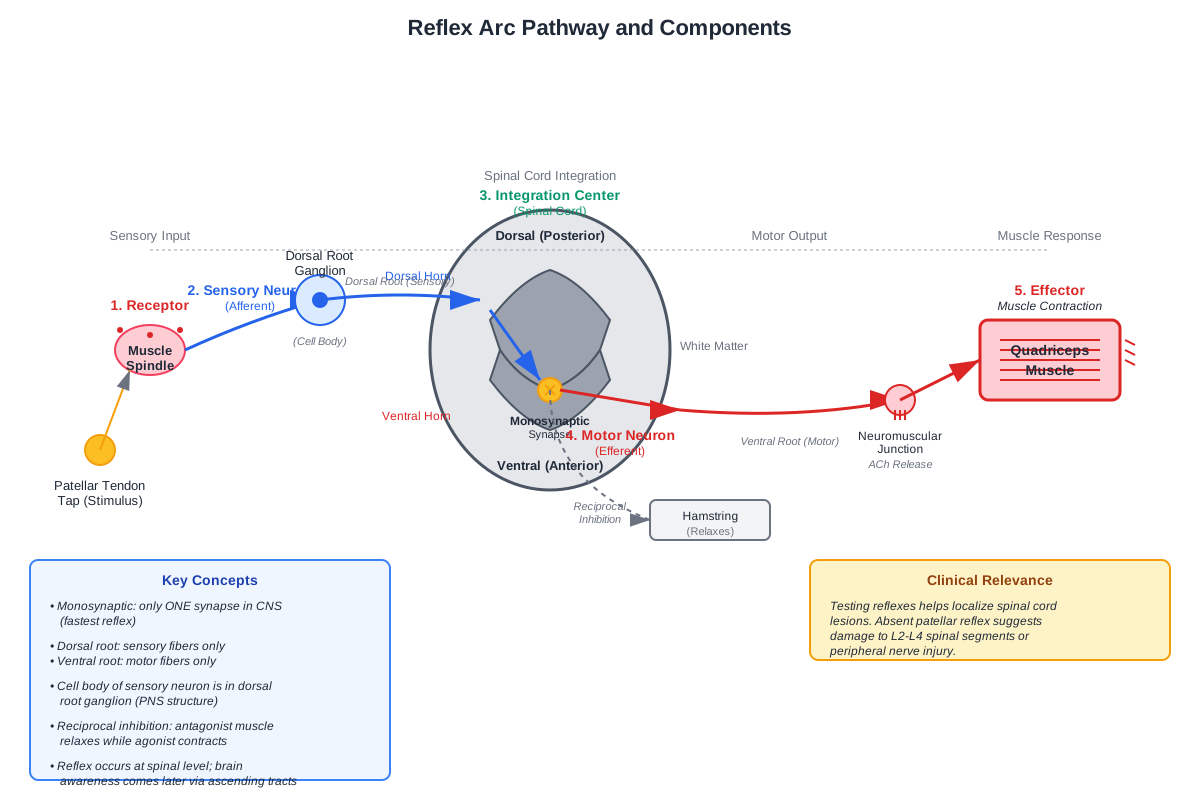
Reflex arcs represent the simplest functional units of the nervous system, producing rapid, stereotyped responses to specific stimuli without requiring conscious processing. A complete reflex arc contains five components:
- Receptor: Detects the stimulus (e.g., muscle spindle, pain receptor)
- Sensory (afferent) neuron: Transmits signal to CNS
- Integration center: Processes information (usually in spinal cord)
- Motor (efferent) neuron: Carries command to effector
- Effector: Produces response (muscle or gland)
The stretch reflex (e.g., patellar reflex) represents a monosynaptic reflex with only one synapse between sensory and motor neurons in the spinal cord. Stretching a muscle activates muscle spindles, which send signals via sensory neurons that directly synapse onto motor neurons innervating the same muscle, causing contraction. This reflex maintains posture and muscle tone.
The withdrawal reflex exemplifies a polysynaptic reflex involving interneurons. Painful stimulation activates nociceptors, which signal sensory neurons that synapse onto interneurons in the spinal cord. These interneurons activate motor neurons to flexor muscles (causing withdrawal) while simultaneously inhibiting motor neurons to extensor muscles through reciprocal inhibition. This coordinated response occurs before conscious pain perception.
Sensory Receptors and Afferent Pathways
The PNS contains diverse sensory receptors that transduce environmental stimuli into neural signals:
- Mechanoreceptors: Detect mechanical deformation (touch, pressure, vibration, stretch, sound)
- Thermoreceptors: Detect temperature changes
- Nociceptors: Detect tissue damage and pain
- Chemoreceptors: Detect chemical stimuli (taste, smell, blood chemistry)
- Photoreceptors: Detect light (rods and cones in retina)
Sensory information travels through afferent pathways to the CNS, where it undergoes processing and integration. Different sensory modalities follow distinct pathways, but all involve peripheral receptors, sensory neurons with cell bodies in dorsal root ganglia or cranial nerve ganglia, and central projections to specific brain regions.
Concept Relationships
The peripheral nervous system serves as the anatomical and functional bridge between the CNS and peripheral tissues, making it central to understanding integrated physiology. The somatic nervous system connects directly to concepts of muscle physiology, particularly the neuromuscular junction and excitation-contraction coupling. Understanding how motor neurons release acetylcholine to activate nicotinic receptors on muscle fibers provides the foundation for comprehending neuromuscular blocking agents and disorders like myasthenia gravis.
The autonomic nervous system links extensively to cardiovascular, respiratory, digestive, and endocrine physiology. Sympathetic activation → increased cardiac output → enhanced oxygen delivery to tissues represents a critical pathway for understanding exercise physiology and stress responses. Similarly, parasympathetic activation → increased digestive secretions and motility → enhanced nutrient absorption illustrates the ANS role in energy homeostasis.
Within the autonomic system, the complementary relationship between sympathetic and parasympathetic divisions exemplifies the concept of antagonistic control in maintaining homeostasis. This principle extends to understanding drug mechanisms: muscarinic antagonists (like atropine) → block parasympathetic effects → reveal sympathetic tone → produce tachycardia, mydriasis, and decreased GI motility.
The concept of dual innervation connects to receptor pharmacology, as different receptor subtypes (α1, α2, β1, β2, M1-M5) mediate distinct physiological effects. This relationship enables prediction of drug effects: β1-selective antagonists → decreased heart rate and contractility without significant bronchoconstriction (which would occur with non-selective β-blockade affecting β2 receptors in airways).
Reflex arcs integrate sensory and motor functions of the PNS, connecting to concepts of neural integration and spinal cord organization. Understanding reflexes provides insight into clinical assessment of nervous system function and explains why certain responses occur without conscious awareness.
Quick check — test yourself on Peripheral nervous system so far.
Try Flashcards →High-Yield Facts
⭐ The peripheral nervous system includes all neural tissue outside the brain and spinal cord, comprising cranial nerves, spinal nerves, and associated ganglia.
⭐ The somatic nervous system controls voluntary skeletal muscle contraction using single motor neurons that release acetylcholine onto nicotinic receptors.
⭐ The autonomic nervous system uses two-neuron pathways: preganglionic neurons synapse in ganglia, then postganglionic neurons innervate target organs.
⭐ Sympathetic preganglionic neurons originate from T1-L2 (thoracolumbar), use short preganglionic and long postganglionic fibers, and most postganglionic neurons release norepinephrine.
⭐ Parasympathetic preganglionic neurons originate from brainstem and S2-S4 (craniosacral), use long preganglionic and short postganglionic fibers, and all neurons release acetylcholine.
- All preganglionic neurons (both sympathetic and parasympathetic) release acetylcholine onto nicotinic receptors in ganglia.
- Most postganglionic sympathetic neurons release norepinephrine onto adrenergic receptors (α or β), except sweat glands which receive cholinergic sympathetic innervation.
- All postganglionic parasympathetic neurons release acetylcholine onto muscarinic receptors (M1-M5 subtypes).
- The vagus nerve (CN X) carries approximately 75% of parasympathetic outflow, innervating thoracic and abdominal organs.
- Sympathetic activation produces fight-or-flight responses: increased heart rate, bronchodilation, pupil dilation, decreased digestion, and energy mobilization.
- Parasympathetic activation produces rest-and-digest responses: decreased heart rate, bronchoconstriction, pupil constriction, increased digestion, and energy conservation.
- Most visceral organs receive dual innervation from both sympathetic and parasympathetic divisions, allowing precise reciprocal control.
- The adrenal medulla receives direct preganglionic sympathetic innervation and releases epinephrine (80%) and norepinephrine (20%) into the bloodstream as hormones.
- Reflex arcs contain five components: receptor, sensory neuron, integration center, motor neuron, and effector.
- Spinal nerves are all mixed nerves (containing both sensory and motor fibers) formed by union of dorsal (sensory) and ventral (motor) roots.
Common Misconceptions
Misconception: The peripheral nervous system only includes nerves, not ganglia or receptors.
Correction: The PNS encompasses all neural structures outside the CNS, including peripheral nerves, sensory receptors, autonomic ganglia (both sympathetic and parasympathetic), and dorsal root ganglia containing sensory neuron cell bodies.
Misconception: All sympathetic neurons release norepinephrine.
Correction: All preganglionic sympathetic neurons release acetylcholine onto nicotinic receptors in ganglia. Most postganglionic sympathetic neurons release norepinephrine, but important exceptions include sympathetic innervation of sweat glands (which release ACh onto muscarinic receptors) and the adrenal medulla (which receives preganglionic innervation and releases epinephrine into blood).
Misconception: Parasympathetic and sympathetic effects always oppose each other.
Correction: While many organs show reciprocal effects (e.g., heart rate), this is not universal. Some structures receive only sympathetic innervation (most blood vessels, sweat glands), and some functions involve complementary rather than opposing actions (e.g., male sexual function requires parasympathetic activation for erection and sympathetic activation for ejaculation).
Misconception: The autonomic nervous system only affects smooth muscle.
Correction: The ANS regulates smooth muscle, cardiac muscle, and glands. It controls diverse functions including heart rate and contractility (cardiac muscle), digestive secretions (glands), pupil diameter (smooth muscle in iris), and metabolic processes in various tissues.
Misconception: Longer preganglionic fibers mean stronger effects.
Correction: Fiber length relates to anatomical organization, not effect strength. Parasympathetic preganglionic fibers are long because ganglia are located near or within target organs, while sympathetic preganglionic fibers are short because ganglia are located near the spinal cord. Effect strength depends on neurotransmitter release, receptor density, and signal amplification, not fiber length.
Misconception: All reflexes are processed in the spinal cord.
Correction: While many reflexes involve spinal integration (stretch reflex, withdrawal reflex), some reflexes are processed in the brainstem (pupillary light reflex, gag reflex, cough reflex) or even at the level of autonomic ganglia (some enteric reflexes in the gut).
Misconception: Cutting a peripheral nerve causes permanent loss of function.
Correction: Unlike CNS neurons, peripheral axons can regenerate if the cell body remains intact. Schwann cells in the PNS provide guidance channels for axonal regrowth, potentially allowing functional recovery after peripheral nerve injury, though regeneration is slow (approximately 1 mm per day) and may be incomplete.
Worked Examples
Example 1: Autonomic Drug Effects
Question: A patient receives an intravenous injection of a drug that selectively blocks all muscarinic receptors. Predict the physiological effects on heart rate, pupil diameter, bronchiole diameter, and digestive activity. Explain the mechanism for each effect.
Solution:
Step 1: Identify what muscarinic receptors do.
Muscarinic receptors are the target of postganglionic parasympathetic neurons. All postganglionic parasympathetic neurons release acetylcholine onto muscarinic receptors (M1-M5 subtypes) on target organs.
Step 2: Determine the effect of blocking muscarinic receptors.
Blocking muscarinic receptors prevents parasympathetic effects, essentially removing parasympathetic tone and allowing sympathetic tone to predominate.
Step 3: Analyze each organ system.
Heart rate:
- Parasympathetic (vagal) stimulation normally decreases heart rate via M2 receptors on SA node
- Blocking M2 receptors removes parasympathetic brake
- Sympathetic tone (β1 receptors) now predominates
- Result: Tachycardia (increased heart rate)
Pupil diameter:
- Parasympathetic stimulation normally constricts pupils via M3 receptors on iris circular muscle
- Blocking M3 receptors prevents pupil constriction
- Sympathetic tone (α1 receptors on iris radial muscle) causes dilation
- Result: Mydriasis (pupil dilation)
Bronchiole diameter:
- Parasympathetic stimulation normally causes bronchoconstriction via M3 receptors on bronchial smooth muscle
- Blocking M3 receptors prevents bronchoconstriction
- Sympathetic tone (β2 receptors) causes bronchodilation
- Result: Bronchodilation (increased airway diameter)
Digestive activity:
- Parasympathetic stimulation normally increases digestive secretions and motility via M3 receptors
- Blocking M3 receptors prevents these effects
- Sympathetic tone decreases digestive activity
- Result: Decreased salivation, gastric secretion, and intestinal motility
Clinical correlation: This describes the effects of atropine, a muscarinic antagonist used clinically to increase heart rate in bradycardia, dilate pupils for eye exams, and reduce secretions before surgery. Side effects include dry mouth, constipation, and urinary retention.
Example 2: Reflex Arc Analysis
Question: A physician tests a patient's patellar reflex by tapping the patellar tendon with a reflex hammer. The patient's quadriceps muscle contracts, extending the leg. However, when the physician asks the patient to voluntarily contract the quadriceps, there is no movement. The patient can feel the hammer tap. What is the most likely location of the neurological lesion? Explain your reasoning using knowledge of reflex arc components and neural pathways.
Solution:
Step 1: Analyze what functions are intact.
- Sensory function is intact (patient feels the tap)
- Reflex arc is intact (patellar reflex works)
- The patellar reflex is a monosynaptic stretch reflex involving sensory neurons from muscle spindles and motor neurons to the quadriceps
Step 2: Analyze what function is impaired.
- Voluntary motor control is lost (cannot voluntarily contract quadriceps)
- Voluntary motor commands originate in the motor cortex and travel down the corticospinal tract through the spinal cord to synapse on motor neurons
Step 3: Determine the lesion location.
The reflex arc pathway is: muscle spindle → sensory neuron → spinal cord → motor neuron → quadriceps muscle. This pathway is intact.
The voluntary motor pathway is: motor cortex → corticospinal tract → spinal cord → motor neuron → quadriceps muscle.
Since the reflex works but voluntary control doesn't, the problem must be in the pathway between the motor cortex and the motor neurons in the spinal cord. The motor neurons themselves are functional (proven by the working reflex), and the muscle is functional (it contracts during the reflex).
Conclusion: The lesion is most likely in the corticospinal tract (upper motor neuron pathway) in the spinal cord, above the level of the motor neurons that innervate the quadriceps (L2-L4). This could be due to spinal cord injury, multiple sclerosis, or other conditions affecting descending motor pathways.
Key insight: This example demonstrates how reflexes can remain intact even when voluntary motor control is lost, because reflex arcs are processed at the spinal level and don't require input from higher brain centers. This principle is used clinically to distinguish between upper motor neuron lesions (affecting descending pathways, reflexes intact or hyperactive) and lower motor neuron lesions (affecting motor neurons or peripheral nerves, reflexes absent).
Exam Strategy
When approaching peripheral nervous system MCAT questions, first identify whether the question focuses on anatomical organization, functional divisions, or physiological mechanisms. Questions about the PNS often require integration of multiple concepts, so mapping out the relevant pathways can prevent errors.
Trigger words and phrases to recognize:
- "Voluntary control" or "skeletal muscle" → somatic nervous system
- "Involuntary," "smooth muscle," "cardiac muscle," or "glands" → autonomic nervous system
- "Fight-or-flight" or "stress response" → sympathetic division
- "Rest-and-digest" or "energy conservation" → parasympathetic division
- "Thoracolumbar" → sympathetic origin
- "Craniosacral" → parasympathetic origin
- "Dual innervation" → both sympathetic and parasympathetic effects
- "Reflex" → spinal or brainstem integration, rapid response
Process-of-elimination strategies:
- For neurotransmitter questions: Remember that ALL preganglionic neurons (both sympathetic and parasympathetic) release acetylcholine. If an answer choice suggests preganglionic neurons release norepinephrine, eliminate it immediately.
- For receptor questions: Nicotinic receptors appear at ganglia and neuromuscular junctions; muscarinic receptors appear at parasympathetic targets; adrenergic receptors (α and β) appear at most sympathetic targets. If a question describes a ganglionic synapse and offers muscarinic receptors as an answer, eliminate it.
- For anatomical questions: If a question asks about structures in the PNS and includes "spinal cord" or "brain" as options, eliminate those immediately—they're part of the CNS.
- For functional questions: When predicting drug effects, first identify which receptors the drug affects, then determine whether blocking or activating those receptors removes or enhances the associated division's effects. Work through each organ system systematically.
Time allocation: Discrete PNS questions typically require 30-45 seconds if you know the content well. Passage-based questions may require 60-90 seconds, as they often involve applying PNS principles to experimental data or clinical scenarios. Don't spend excessive time trying to recall minor details; focus on the major functional divisions and their characteristic effects.
Common question formats:
- Comparing sympathetic versus parasympathetic effects on specific organs
- Predicting physiological outcomes of autonomic drugs
- Analyzing reflex pathways and identifying components
- Interpreting clinical scenarios involving autonomic dysfunction
- Connecting PNS function to cardiovascular, respiratory, or digestive physiology
Memory Techniques
Mnemonic for parasympathetic cranial nerves: "3, 7, 9, 10—Parasympathetic Heaven"
- CN III (Oculomotor), VII (Facial), IX (Glossopharyngeal), X (Vagus) carry parasympathetic fibers
Mnemonic for sympathetic effects: "SLUDGE" describes what sympathetic activation STOPS:
- Salivation (decreased)
- Lacrimation (decreased)
- Urination (decreased)
- Defecation (decreased)
- GI motility (decreased)
- Emesis (decreased)
Mnemonic for parasympathetic effects: The same "SLUDGE" describes what parasympathetic activation CAUSES:
- Salivation (increased)
- Lacrimation (increased)
- Urination (increased)
- Defecation (increased)
- GI motility (increased)
- Emesis (can be increased)
Visualization for autonomic divisions: Picture a lion chasing you (sympathetic—fight or flight):
- Heart pounds (increased HR)
- Eyes wide open (dilated pupils)
- Breathing hard (bronchodilation)
- Not thinking about food (decreased digestion)
- Energy mobilized (glycogenolysis, lipolysis)
Then picture relaxing after a big meal (parasympathetic—rest and digest):
- Heart rate slows
- Eyes relax (constricted pupils in dim light)
- Breathing slows (bronchoconstriction)
- Digestion active (increased secretions and motility)
- Energy storage (anabolic processes)
Acronym for reflex arc components: "R-SIM-E"
- Receptor
- Sensory neuron
- Integration center
- Motor neuron
- Effector
Memory aid for fiber lengths: "Parasympathetic Preganglionic Pathways are Pretty Long" (because ganglia are near target organs). Conversely, sympathetic preganglionic fibers are short (ganglia near spinal cord).
Receptor memory trick:
- Nicotinic receptors at Neuromuscular junctions and gaNglia
- Muscarinic receptors at Most parasympathetic targets (smooth Muscle, cardiac Muscle, glands)
Summary
The peripheral nervous system encompasses all neural structures outside the CNS, serving as the essential communication network between the brain/spinal cord and peripheral tissues. The PNS divides functionally into somatic and autonomic systems: the somatic system controls voluntary skeletal muscle contraction and processes conscious sensation, while the autonomic system regulates involuntary functions through sympathetic and parasympathetic divisions. The sympathetic division (thoracolumbar origin) prepares the body for stress through fight-or-flight responses, using short preganglionic and long postganglionic neurons that typically release norepinephrine at targets. The parasympathetic division (craniosacral origin) promotes rest-and-digest functions, using long preganglionic and short postganglionic neurons that release acetylcholine at all synapses. Most organs receive dual innervation, allowing precise reciprocal control through autonomic tone. Understanding PNS organization, neurotransmitter systems, receptor types, and reflex pathways provides the foundation for predicting physiological responses, interpreting drug effects, and analyzing clinical scenarios—all essential skills for MCAT success.
Key Takeaways
- The peripheral nervous system includes all neural tissue outside the brain and spinal cord: cranial nerves, spinal nerves, ganglia, and sensory receptors
- The somatic nervous system controls voluntary movement using single motor neurons that release acetylcholine onto nicotinic receptors at neuromuscular junctions
- The autonomic nervous system uses two-neuron pathways (preganglionic and postganglionic) to regulate involuntary functions in smooth muscle, cardiac muscle, and glands
- Sympathetic (thoracolumbar) division produces fight-or-flight responses; most postganglionic neurons release norepinephrine onto adrenergic receptors
- Parasympathetic (craniosacral) division produces rest-and-digest responses; all neurons release acetylcholine (preganglionic onto nicotinic, postganglionic onto muscarinic receptors)
- Dual innervation of most organs allows precise control through reciprocal sympathetic-parasympathetic balance (autonomic tone)
- Reflex arcs represent rapid, stereotyped responses processed at spinal or brainstem levels without requiring conscious input
Related Topics
Neuromuscular junction and muscle contraction: Understanding how somatic motor neurons activate skeletal muscle through acetylcholine release and nicotinic receptor activation connects directly to PNS function and provides the basis for understanding neuromuscular disorders and blocking agents.
Cardiovascular physiology: The autonomic nervous system's regulation of heart rate, contractility, and vascular tone is essential for understanding blood pressure control, exercise responses, and cardiovascular pharmacology.
Endocrine system: The sympathetic innervation of the adrenal medulla links the PNS to hormonal stress responses, while autonomic regulation of pancreatic islets affects insulin and glucagon secretion.
Pharmacology of autonomic drugs: Cholinergic and adrenergic agonists/antagonists produce their effects by modulating PNS neurotransmission, making PNS knowledge essential for predicting drug mechanisms and side effects.
Sensory systems: Understanding how peripheral sensory receptors transduce stimuli and transmit information through afferent pathways connects PNS anatomy to perception and sensory processing.
Practice CTA
Now that you've mastered the core concepts of the peripheral nervous system, it's time to reinforce your understanding through active practice. Work through the practice questions to apply these principles to MCAT-style scenarios, and use the flashcards to solidify your knowledge of key terms, neurotransmitters, and functional relationships. Remember that the PNS appears frequently on the MCAT in both discrete and passage-based formats, so thorough mastery of this topic will serve you well across multiple question types. Your understanding of autonomic divisions, neurotransmitter systems, and reflex pathways provides the foundation for tackling complex integrative physiology questions—keep building on this strong foundation!
Sign up free to keep reading
Create a free AnvayaPrep account to finish this MCAT guide on Peripheral nervous system — plus flashcards and practice questions.