Overview
The respiratory system overview is a foundational topic in Biology that appears consistently on the MCAT, particularly within the Physiology and Organ Systems unit. Understanding the respiratory system requires mastery of both anatomical structures and physiological processes that enable gas exchange—the fundamental mechanism by which organisms obtain oxygen and eliminate carbon dioxide. This system represents one of the most clinically relevant organ systems, as respiratory dysfunction underlies numerous pathologies ranging from asthma to chronic obstructive pulmonary disease (COPD), making it a frequent subject of MCAT passages that integrate biological sciences with clinical reasoning.
The respiratory system serves as an excellent model for understanding how structure relates to function, a recurring theme throughout MCAT Biology. The system's architecture—from the branching airways to the thin alveolar-capillary interface—demonstrates evolutionary optimization for efficient gas exchange. Students must appreciate both the macroscopic organization (upper and lower respiratory tracts) and microscopic details (alveolar structure, surfactant function) to answer questions that span multiple difficulty levels. The respiratory system also provides a framework for understanding partial pressures, diffusion gradients, and the relationship between ventilation and perfusion—concepts that bridge biology, chemistry, and physics.
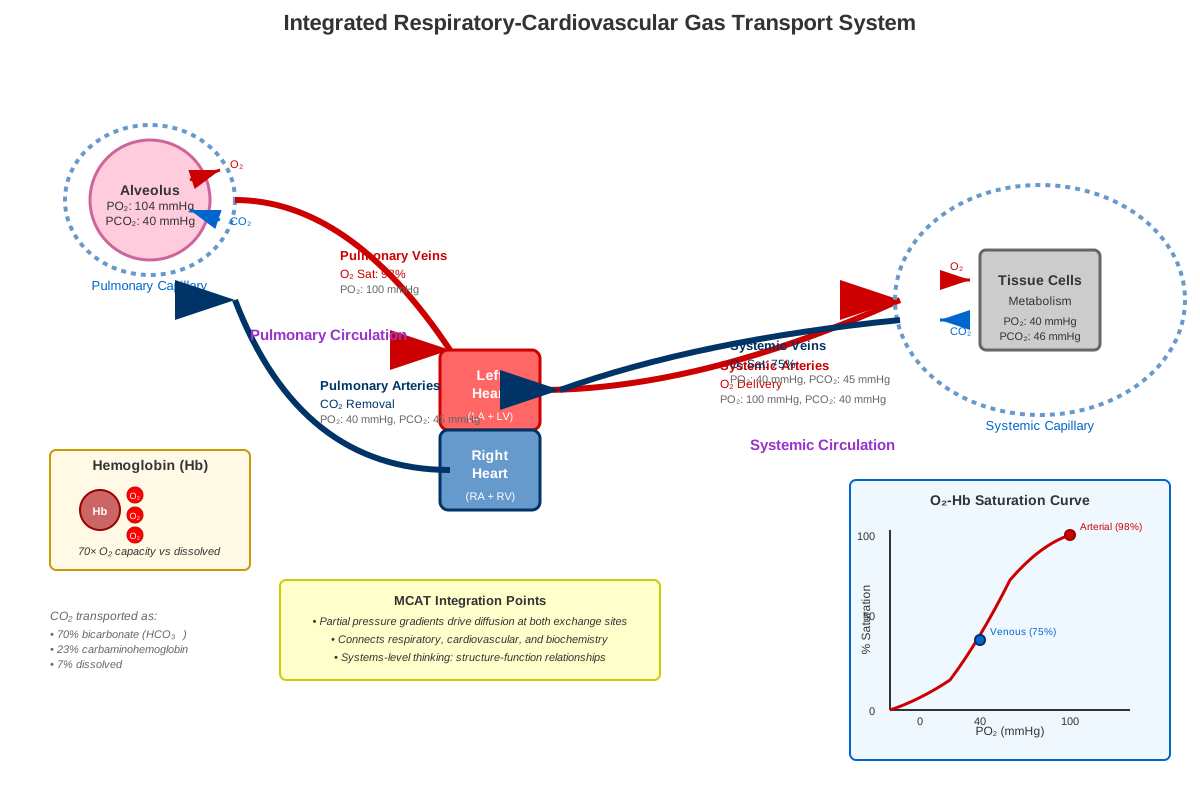
For the MCAT, the respiratory system connects intimately with the cardiovascular system (oxygen transport via hemoglobin), the nervous system (respiratory control centers), acid-base chemistry (CO₂ and blood pH regulation), and even behavioral sciences (smoking, environmental exposures). Questions frequently present clinical vignettes requiring students to apply physiological principles to predict outcomes, interpret data, or identify pathological mechanisms. Mastering this overview establishes the foundation for more advanced respiratory physiology topics and enables efficient problem-solving across interdisciplinary passages.
Learning Objectives
- [ ] Define respiratory system overview using accurate Biology terminology
- [ ] Explain why respiratory system overview matters for the MCAT
- [ ] Apply respiratory system overview to exam-style questions
- [ ] Identify common mistakes related to respiratory system overview
- [ ] Connect respiratory system overview to related Biology concepts
- [ ] Describe the anatomical pathway of air from the external environment to the alveoli
- [ ] Explain the structural adaptations that optimize gas exchange efficiency
- [ ] Analyze how respiratory system dysfunction manifests in clinical scenarios
Prerequisites
- Basic cell biology and membrane transport: Understanding diffusion and concentration gradients is essential for comprehending gas exchange across the alveolar-capillary membrane
- Cardiovascular system fundamentals: The respiratory and circulatory systems work in tandem; oxygen delivery requires both gas exchange and blood transport
- Basic chemistry concepts: Partial pressures, gas laws, and acid-base chemistry underpin respiratory physiology
- Anatomical terminology: Directional terms (superior/inferior, proximal/distal) and tissue types (epithelium, smooth muscle) facilitate understanding of respiratory structures
Why This Topic Matters
The respiratory system appears in approximately 8-12% of MCAT Biology questions, making it a medium-yield topic that students cannot afford to neglect. Questions typically fall into three categories: (1) anatomy-based questions requiring identification of structures and their functions, (2) physiology questions testing understanding of gas exchange mechanisms and respiratory mechanics, and (3) integrated passages combining respiratory concepts with cardiovascular physiology, acid-base balance, or pathology.
Clinically, respiratory diseases represent some of the most prevalent health conditions worldwide. Asthma affects over 25 million Americans, COPD is the third leading cause of death in the United States, and respiratory infections remain a major global health burden. The MCAT frequently presents passages describing patients with dyspnea (shortness of breath), abnormal blood gases, or compromised lung function, requiring students to apply physiological principles to clinical scenarios. Understanding normal respiratory function provides the foundation for recognizing pathological deviations.
The respiratory system also serves as a vehicle for testing interdisciplinary reasoning. A single passage might require students to interpret spirometry data (data analysis), understand hemoglobin-oxygen binding curves (biochemistry), calculate alveolar ventilation rates (physics and math), and predict the effects of altitude on respiration (physiology). This integrative nature makes respiratory system questions excellent discriminators between high-scoring and average-performing students. Moreover, the respiratory system's role in maintaining acid-base homeostasis connects to renal physiology and metabolic processes, creating opportunities for complex, multi-step reasoning questions that reward comprehensive understanding.
Core Concepts
Anatomical Organization of the Respiratory System
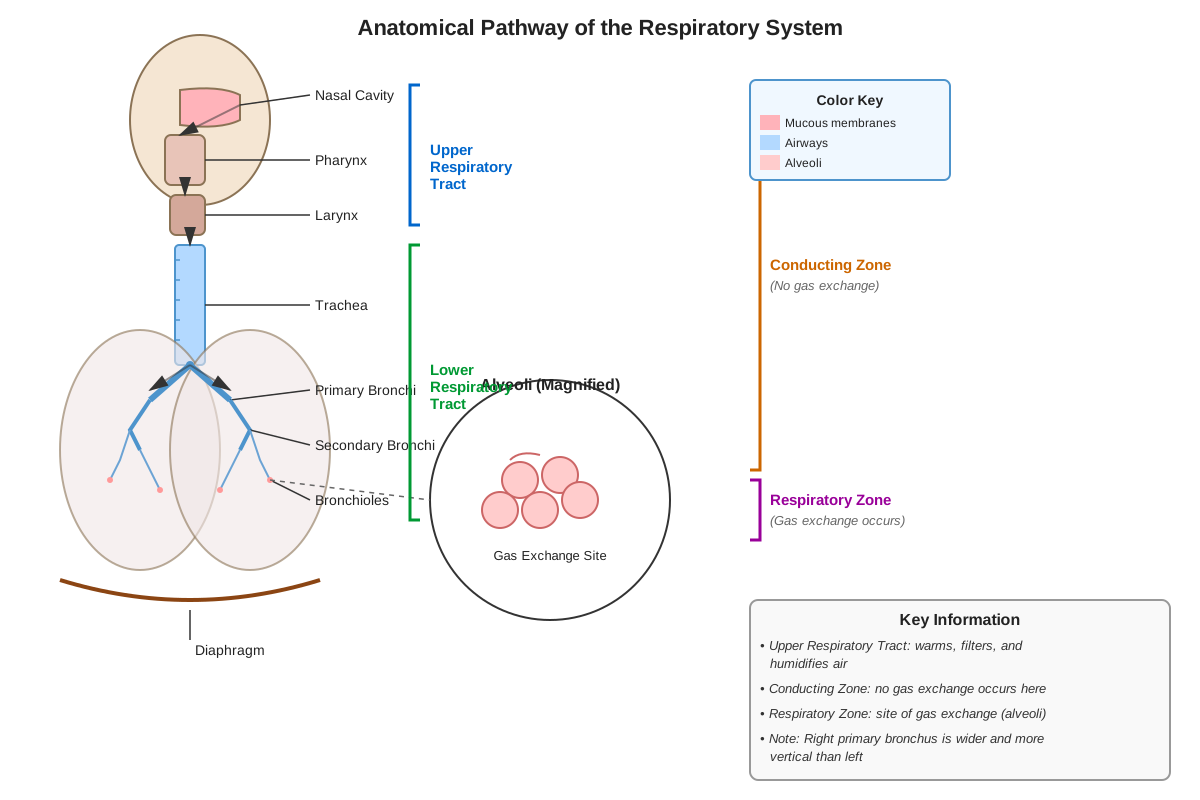
The respiratory system divides into two major regions: the upper respiratory tract and the lower respiratory tract. The upper respiratory tract includes the nasal cavity, pharynx, and larynx, while the lower respiratory tract comprises the trachea, bronchi, bronchioles, and alveoli. This anatomical division reflects both functional specialization and embryological origins.
The nasal cavity serves multiple functions beyond simple air conduction. Nasal turbinates (conchae) increase surface area, warming and humidifying inspired air to protect delicate lung tissue. The nasal mucosa contains mucus-secreting goblet cells and ciliated epithelium that trap particulates and pathogens, representing the first line of respiratory defense. The pharynx serves as a shared pathway for both air and food, with the epiglottis preventing aspiration during swallowing by covering the laryngeal opening.
The larynx contains the vocal cords and serves as the gateway to the lower respiratory tract. Below the larynx, the trachea is a rigid tube reinforced by C-shaped cartilaginous rings that prevent collapse during inspiration. The trachea bifurcates at the carina (approximately at the level of the fifth thoracic vertebra) into the right and left primary bronchi. The right bronchus is wider, shorter, and more vertical than the left, making it the more common site for aspirated foreign bodies—a high-yield clinical correlation.
Bronchial Tree and Conducting Zone
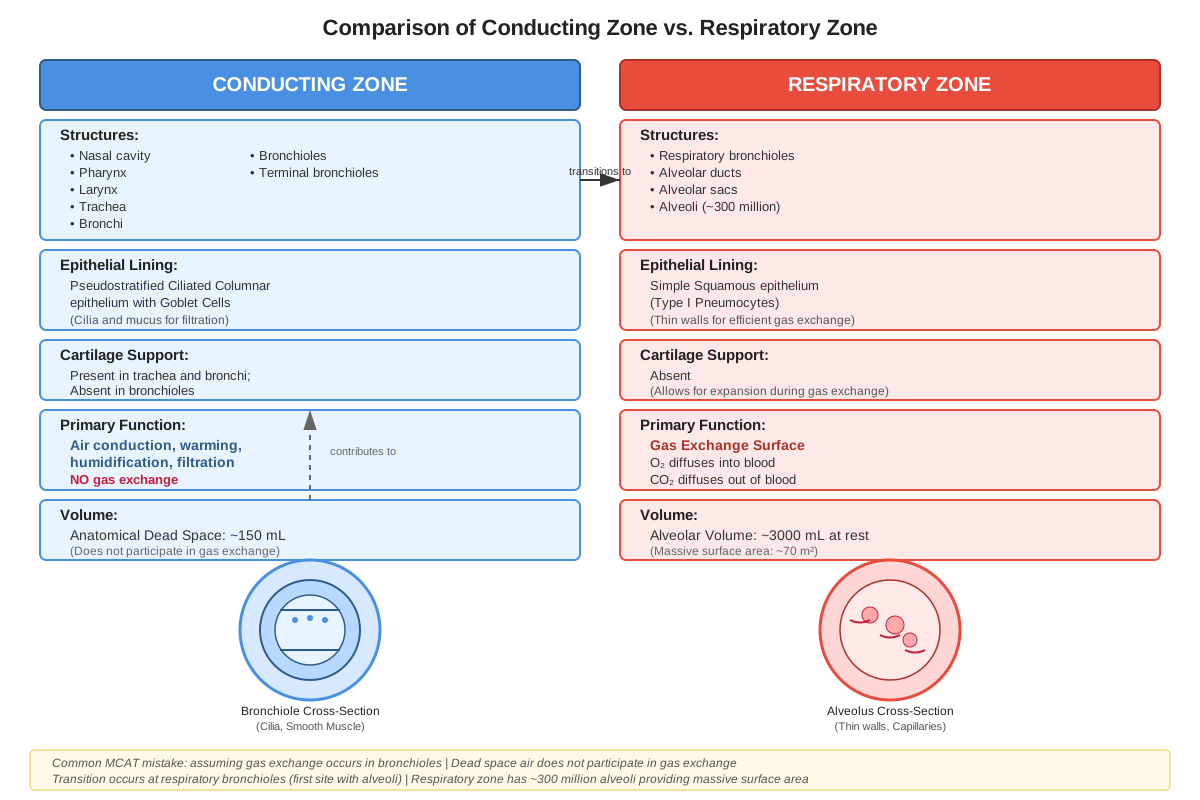
The airways undergo approximately 23 generations of branching, creating a tree-like structure that dramatically increases surface area. The first 16 generations constitute the conducting zone, which transports air but does not participate in gas exchange. This anatomical dead space has a volume of approximately 150 mL in adults.
As airways branch, their structure changes systematically:
| Airway Level | Cartilage | Smooth Muscle | Epithelium | Primary Function |
|---|---|---|---|---|
| Trachea/Bronchi | C-rings or plates | Minimal | Pseudostratified ciliated columnar | Air conduction, particle filtration |
| Bronchioles | Absent | Prominent | Simple columnar to cuboidal | Air conduction, airway resistance regulation |
| Terminal bronchioles | Absent | Present | Simple cuboidal | Final conducting structures |
| Respiratory bronchioles | Absent | Minimal | Simple cuboidal with scattered alveoli | Transition to gas exchange |
The progressive loss of cartilage and increase in smooth muscle has important physiological implications. Bronchioles lack cartilaginous support, making them susceptible to collapse and highly responsive to autonomic nervous system control. Parasympathetic stimulation (via acetylcholine acting on muscarinic receptors) causes bronchoconstriction, while sympathetic stimulation (via epinephrine acting on β₂-adrenergic receptors) causes bronchodilation. This autonomic control allows rapid adjustment of airway resistance in response to metabolic demands or environmental challenges.
Respiratory Zone and Gas Exchange Surfaces
The final seven generations (generations 17-23) constitute the respiratory zone, where gas exchange occurs. This zone includes respiratory bronchioles, alveolar ducts, alveolar sacs, and approximately 300 million alveoli. The alveoli provide an enormous surface area (approximately 70 m²—roughly the size of a tennis court) optimized for diffusion.
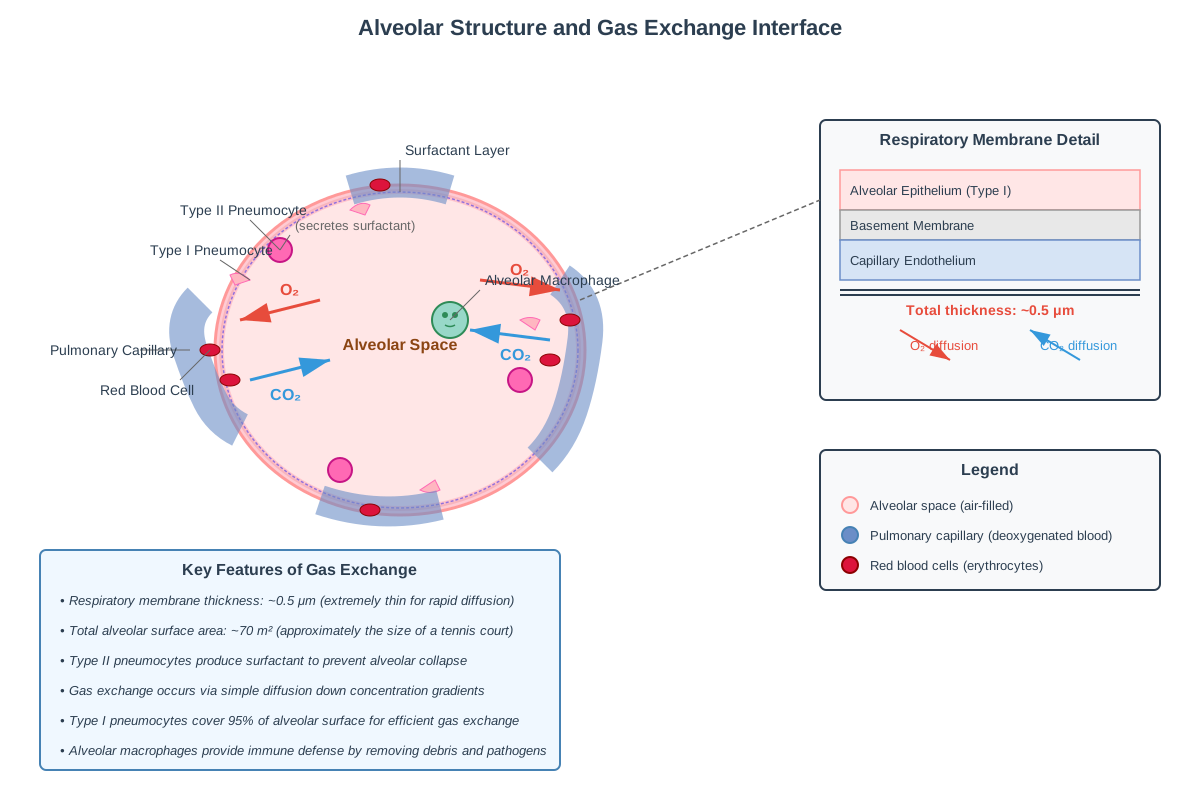
The alveolar-capillary membrane represents the critical interface for gas exchange. This barrier consists of three layers:
- Alveolar epithelium: Composed primarily of thin type I pneumocytes (95% of surface area) and cuboidal type II pneumocytes (5% of surface area)
- Fused basement membranes: The alveolar and capillary basement membranes merge to minimize diffusion distance
- Capillary endothelium: Thin endothelial cells forming the blood-gas barrier
The total thickness of this membrane is only 0.5 micrometers, facilitating rapid diffusion according to Fick's law. Type I pneumocytes are extremely thin squamous cells specialized for gas exchange. Type II pneumocytes serve two critical functions: (1) they produce surfactant, a phospholipid-protein complex that reduces surface tension and prevents alveolar collapse, and (2) they serve as progenitor cells that can differentiate into type I pneumocytes following injury.
Pulmonary Circulation and Ventilation-Perfusion Matching
The lungs receive blood from two sources: the pulmonary circulation (deoxygenated blood from the right ventricle for gas exchange) and the bronchial circulation (oxygenated blood from the aorta supplying the airways themselves). The pulmonary circulation is a high-flow, low-pressure system (mean pulmonary artery pressure ~15 mmHg versus ~95 mmHg in systemic circulation), which minimizes fluid filtration into alveoli.
Ventilation-perfusion (V/Q) matching is crucial for efficient gas exchange. Ideally, well-ventilated alveoli should receive proportionate blood flow. The normal V/Q ratio is approximately 0.8 (4 L/min ventilation ÷ 5 L/min cardiac output). Regional variations exist due to gravity: in upright individuals, both ventilation and perfusion are greater at lung bases than apices, but perfusion is affected more dramatically, creating V/Q heterogeneity.
The lungs possess intrinsic mechanisms to optimize V/Q matching:
- Hypoxic pulmonary vasoconstriction: Low alveolar oxygen causes local vasoconstriction, diverting blood away from poorly ventilated regions
- Bronchoconstriction in response to low CO₂: Poorly perfused regions receive less CO₂, triggering local bronchoconstriction to redirect airflow
Respiratory Mechanics and Pressure Gradients
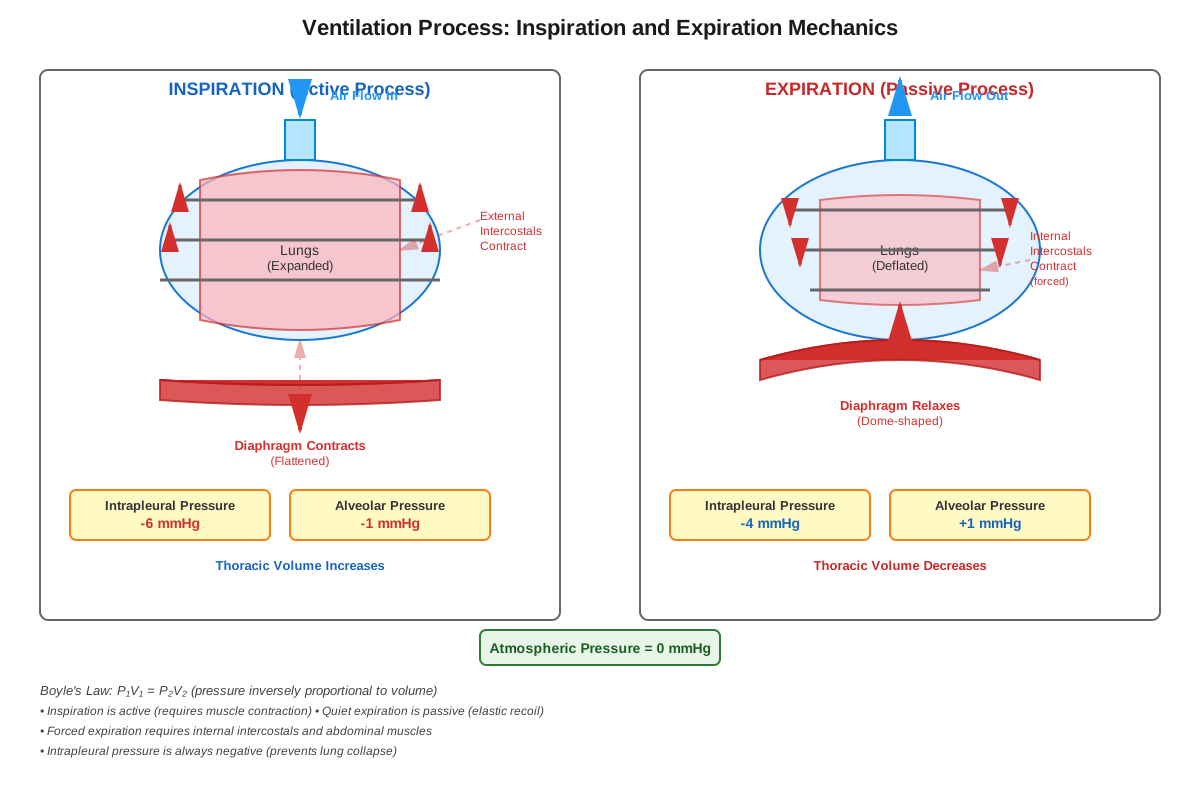
Breathing results from pressure gradients created by changes in thoracic volume. Inspiration is an active process requiring contraction of the diaphragm (primary inspiratory muscle) and external intercostal muscles (accessory muscles). Diaphragmatic contraction increases the vertical dimension of the thoracic cavity, while external intercostal contraction elevates the ribs, increasing the anteroposterior and lateral dimensions.
As thoracic volume increases, intrapleural pressure (pressure in the pleural space between the visceral and parietal pleura) becomes more negative (from approximately -5 cm H₂O to -8 cm H₂O during quiet inspiration). This negative pressure is transmitted to the alveoli, causing alveolar pressure to fall below atmospheric pressure, driving air inflow. Expiration during quiet breathing is passive, resulting from elastic recoil of the lungs and chest wall.
The pleural space normally contains only a thin layer of fluid that allows the visceral and parietal pleura to slide smoothly during breathing while maintaining surface tension that couples lung and chest wall movements. The negative intrapleural pressure prevents lung collapse and is maintained by the opposing elastic recoils of the lung (which tends to collapse inward) and chest wall (which tends to expand outward).
Control of Respiration
Breathing is controlled by respiratory centers in the medulla oblongata and pons. The dorsal respiratory group (DRG) in the medulla controls the basic rhythm of inspiration, while the ventral respiratory group (VRG) is recruited during forced breathing. The pneumotaxic center in the pons modulates respiratory rate by limiting inspiration duration.
Respiratory control integrates multiple inputs:
- Central chemoreceptors (in the medulla): Respond primarily to changes in cerebrospinal fluid pH, which reflects blood CO₂ levels (CO₂ crosses the blood-brain barrier readily, forming carbonic acid)
- Peripheral chemoreceptors (carotid and aortic bodies): Respond to decreased arterial PO₂, increased PCO₂, and decreased pH
- Mechanoreceptors: Stretch receptors in airways prevent overinflation (Hering-Breuer reflex)
- Voluntary control: Cortical input allows conscious modification of breathing patterns
Under normal conditions, CO₂ is the primary driver of ventilation. Even small increases in arterial PCO₂ (hypercapnia) trigger increased ventilation. Hypoxemia (low blood oxygen) becomes a significant ventilatory stimulus only when PO₂ falls below approximately 60 mmHg, at which point peripheral chemoreceptors are strongly activated.
Concept Relationships
The respiratory system concepts form an integrated hierarchy: anatomical structures → determine functional capabilities → enable gas exchange → support cellular respiration. The conducting zone's branching architecture creates the anatomical dead space, which affects alveolar ventilation calculations. The transition from conducting to respiratory zones marks the shift from air transport to gas exchange, with structural modifications (loss of cartilage, appearance of alveoli) reflecting functional specialization.
The alveolar structure directly enables efficient gas exchange through three key features: enormous surface area (maximizing diffusion), minimal membrane thickness (minimizing diffusion distance), and extensive capillary networks (maximizing blood-gas contact time). Surfactant production by type II pneumocytes prevents alveolar collapse, maintaining this surface area. Without surfactant, surface tension would cause small alveoli to collapse into larger ones (LaPlace's law), dramatically reducing gas exchange efficiency.
Respiratory mechanics connect to cardiovascular function through the thoracic pump mechanism: negative intrathoracic pressure during inspiration enhances venous return to the heart. The control of respiration integrates with acid-base balance: increased CO₂ production (from metabolism) → increased blood PCO₂ → decreased blood pH → stimulation of central chemoreceptors → increased ventilation → restoration of normal PCO₂ and pH. This represents a classic negative feedback loop.
The relationship between ventilation and perfusion demonstrates the principle of physiological optimization. V/Q matching mechanisms (hypoxic vasoconstriction, CO₂-mediated bronchodilation) represent local regulatory systems that operate independently of central control, exemplifying the concept of autoregulation seen throughout physiology. These concepts connect forward to more advanced topics like oxygen-hemoglobin dissociation curves, acid-base disorders, and respiratory pathophysiology.
Quick check — test yourself on Respiratory system overview so far.
Try Flashcards →High-Yield Facts
⭐ The right primary bronchus is wider, shorter, and more vertical than the left, making it the preferential site for aspirated foreign bodies
⭐ Type II pneumocytes produce surfactant, which reduces surface tension and prevents alveolar collapse; surfactant deficiency causes neonatal respiratory distress syndrome
⭐ The conducting zone (first 16 airway generations) constitutes anatomical dead space (~150 mL) and does not participate in gas exchange
⭐ CO₂ is the primary driver of ventilation under normal conditions; central chemoreceptors in the medulla respond to CSF pH changes reflecting blood CO₂ levels
⭐ The alveolar-capillary membrane is only 0.5 micrometers thick, optimizing gas diffusion according to Fick's law
- The diaphragm is the primary muscle of inspiration; its contraction increases thoracic volume and creates negative intrapleural pressure
- Parasympathetic stimulation causes bronchoconstriction (via acetylcholine and muscarinic receptors), while sympathetic stimulation causes bronchodilation (via epinephrine and β₂-adrenergic receptors)
- Normal V/Q ratio is approximately 0.8; V/Q mismatch impairs gas exchange efficiency
- Hypoxic pulmonary vasoconstriction diverts blood away from poorly ventilated lung regions, optimizing V/Q matching
- The pleural space maintains negative pressure (-5 cm H₂O at rest) that prevents lung collapse and couples lung-chest wall movements
- Cartilage progressively decreases in airways from trachea to bronchioles, while smooth muscle becomes more prominent
- Peripheral chemoreceptors (carotid and aortic bodies) respond to hypoxemia, but only when PO₂ falls below ~60 mmHg
Common Misconceptions
Misconception: The lungs actively expand during inspiration by contracting their own muscles.
Correction: The lungs are passive structures that expand due to negative intrapleural pressure created by diaphragm and intercostal muscle contraction. The lungs themselves contain no skeletal muscle and cannot actively contract or expand.
Misconception: All airways participate in gas exchange.
Correction: Only the respiratory zone (respiratory bronchioles, alveolar ducts, and alveoli) participates in gas exchange. The conducting zone (nasal cavity through terminal bronchioles) serves only to transport and condition air, representing anatomical dead space.
Misconception: Oxygen levels are the primary stimulus for breathing under normal conditions.
Correction: CO₂ levels (detected as pH changes by central chemoreceptors) are the primary ventilatory stimulus under normal conditions. Hypoxemia becomes a significant driver only when PO₂ drops below approximately 60 mmHg, which occurs in pathological states or at high altitude.
Misconception: The pleural space is an empty cavity between the lungs and chest wall.
Correction: The pleural space is a potential space containing only a thin layer of fluid (approximately 10-20 mL). It maintains negative pressure through surface tension and the opposing elastic recoils of the lung and chest wall. Accumulation of air (pneumothorax) or fluid (pleural effusion) in this space is pathological.
Misconception: Surfactant helps oxygen dissolve in the alveolar fluid layer.
Correction: Surfactant reduces surface tension at the air-liquid interface in alveoli, preventing collapse (especially of small alveoli) and reducing the work of breathing. While this indirectly facilitates gas exchange by maintaining alveolar surface area, surfactant does not directly affect oxygen solubility or diffusion.
Misconception: Bronchioles contain cartilage like larger airways.
Correction: Bronchioles lack cartilaginous support, which makes them susceptible to collapse and highly responsive to smooth muscle tone. This structural difference explains why bronchiolar constriction (as in asthma) can dramatically increase airway resistance and why bronchioles can collapse in emphysema when elastic recoil is lost.
Misconception: Type I and Type II pneumocytes are present in equal proportions in alveoli.
Correction: Type I pneumocytes cover approximately 95% of alveolar surface area despite being fewer in number, as they are extremely thin and spread out. Type II pneumocytes are more numerous but cover only ~5% of surface area because they are cuboidal and compact. Their roles are complementary: Type I cells optimize gas exchange, while Type II cells produce surfactant and serve as progenitor cells.
Worked Examples
Example 1: Aspiration Foreign Body
Clinical Vignette: A 3-year-old child is brought to the emergency department with sudden onset of coughing and wheezing after eating peanuts. A chest X-ray reveals a radiopaque foreign body in the right lower lobe. Why is the foreign body more likely to be found in the right bronchus than the left?
Step 1 - Identify the relevant anatomy: The question asks about the anatomical pathway of aspirated material, which relates to bronchial structure.
Step 2 - Recall bronchial anatomy: The trachea bifurcates at the carina into right and left primary bronchi. The right primary bronchus is wider, shorter, and more vertically oriented than the left bronchus.
Step 3 - Apply anatomical knowledge: When foreign material is aspirated, gravity and airflow dynamics favor entry into the right bronchus due to its more vertical orientation and larger diameter. The left bronchus angles more laterally to accommodate the heart's position.
Step 4 - Consider additional factors: In upright or semi-upright positions, the right lower lobe bronchus is particularly susceptible because it branches off in a relatively straight path from the right main bronchus.
Answer: The foreign body is more likely in the right bronchus because it is wider, shorter, and more vertically oriented than the left bronchus, creating a more direct pathway for aspirated material. This anatomical difference is a high-yield fact for the MCAT and explains the clinical observation that right-sided aspiration is more common than left-sided aspiration.
Connection to Learning Objectives: This example demonstrates application of respiratory system anatomy to clinical scenarios, a common MCAT question format. It requires precise anatomical knowledge and the ability to predict physiological/pathological outcomes based on structural features.
Example 2: Neonatal Respiratory Distress
Clinical Vignette: A premature infant born at 28 weeks gestation develops rapid, labored breathing shortly after birth. Chest X-ray shows diffuse atelectasis (collapsed alveoli). Blood gas analysis reveals hypoxemia. The neonatologist diagnoses neonatal respiratory distress syndrome (NRDS). What is the underlying pathophysiology, and which cell type is deficient?
Step 1 - Identify the key clinical features: Premature birth, atelectasis (alveolar collapse), and respiratory distress suggest a problem with maintaining alveolar patency.
Step 2 - Recall alveolar cell types and functions: Type I pneumocytes (95% of surface area) are thin cells optimized for gas exchange. Type II pneumocytes (5% of surface area) produce surfactant and serve as progenitor cells.
Step 3 - Connect surfactant to alveolar mechanics: Surfactant is a phospholipid-protein complex that reduces surface tension at the air-liquid interface in alveoli. According to LaPlace's law (P = 2T/r, where P is pressure, T is surface tension, and r is radius), small alveoli would require higher pressure to remain open than large alveoli if surface tension were constant. Without surfactant, small alveoli would collapse into larger ones, reducing total surface area.
Step 4 - Apply developmental biology: Surfactant production by type II pneumocytes begins around 24-28 weeks gestation but doesn't reach adequate levels until approximately 35 weeks. Premature infants lack sufficient surfactant.
Step 5 - Predict consequences: Without adequate surfactant, alveoli collapse (atelectasis), dramatically reducing surface area for gas exchange. This causes hypoxemia and increases the work of breathing (each breath must re-expand collapsed alveoli).
Answer: The underlying pathophysiology is surfactant deficiency due to immature type II pneumocytes. Without surfactant to reduce surface tension, alveoli collapse, reducing gas exchange surface area and causing hypoxemia. Treatment involves exogenous surfactant administration and respiratory support.
Connection to Learning Objectives: This example integrates respiratory anatomy (alveolar structure), cell biology (type II pneumocyte function), physics (LaPlace's law, surface tension), and clinical medicine. It demonstrates how structural deficiencies lead to functional impairment, a common MCAT reasoning pattern.
Exam Strategy
When approaching MCAT questions on the respiratory system, first identify whether the question focuses on anatomy (structure identification, pathway tracing), physiology (mechanisms, pressure gradients, gas exchange), or integration (connecting respiratory function to other systems or clinical scenarios). Anatomy questions typically require straightforward recall, while physiology and integration questions demand application and reasoning.
Trigger words to watch for include:
- "Aspiration" or "foreign body" → think right bronchus anatomy
- "Premature infant" or "respiratory distress" → consider surfactant deficiency
- "Increased work of breathing" → analyze respiratory mechanics, airway resistance, or compliance
- "Hypoxemia" or "hypercapnia" → consider gas exchange efficiency, V/Q mismatch, or ventilatory control
- "Bronchoconstriction" or "bronchodilation" → recall autonomic control (parasympathetic vs. sympathetic)
For process-of-elimination, use these strategies:
- Eliminate options that violate basic anatomical relationships (e.g., claiming bronchioles contain cartilage)
- Eliminate options that reverse cause-and-effect relationships (e.g., claiming lungs actively expand rather than passively following chest wall)
- Eliminate options that confuse conducting zone with respiratory zone functions
- Watch for options that incorrectly identify oxygen as the primary ventilatory stimulus under normal conditions
Time allocation: Straightforward anatomy questions should take 30-45 seconds. Physiology questions requiring calculation or multi-step reasoning may take 60-90 seconds. For passage-based questions, spend 30-40 seconds per question after thoroughly reading the passage. If a question requires complex integration of multiple concepts, flag it and return if time permits—don't let one difficult question consume excessive time.
When passages present experimental data or clinical scenarios, immediately identify: (1) What aspect of respiratory function is being tested? (2) What is the independent variable? (3) What is the dependent variable? (4) How do the results relate to normal physiology? This systematic approach prevents misinterpretation and helps connect passage content to foundational knowledge.
Memory Techniques
Mnemonic for right bronchus characteristics: "RIGHT is RIGHT" - The Right bronchus is Relatively vertical, Increased diameter, Gets foreign bodies, Has shorter length, Takes aspirated material.
Mnemonic for type II pneumocyte functions: "Type II = 2 functions" - (1) Surfactant production, (2) Stem cells (progenitors). Both start with "S" for easy recall.
Visualization for conducting vs. respiratory zones: Picture a tree where the trunk and branches (conducting zone) transport water but don't perform photosynthesis, while the leaves (respiratory zone) are where gas exchange actually occurs. This analogy helps remember that conducting airways transport but don't exchange gases.
Mnemonic for respiratory control: "CO₂ is the COmmander" - Under normal conditions, CO₂ (not O₂) is the primary driver of ventilation. Central chemoreceptors respond to CO₂-induced pH changes.
Acronym for factors optimizing gas exchange: "FAST" diffusion requires:
- Farge surface area (300 million alveoli, 70 m²)
- Alveolar-capillary membrane thinness (0.5 μm)
- Surfactant (maintains surface area by preventing collapse)
- Time (adequate capillary transit time, ~0.75 seconds)
Visualization for pleural pressure: Imagine two magnets (lung and chest wall) with opposite poles facing each other, creating an attractive force (negative pressure) that keeps them together but allows sliding. This represents the pleural space maintaining negative pressure while allowing smooth movement during breathing.
Summary
The respiratory system is a hierarchically organized organ system optimized for efficient gas exchange between the atmosphere and blood. Anatomically, it divides into conducting zones (nasal cavity through terminal bronchioles) that transport and condition air, and respiratory zones (respiratory bronchioles through alveoli) where gas exchange occurs. Key structural features include the branching bronchial tree that maximizes surface area, the right bronchus anatomy that predisposes to aspiration, and the thin alveolar-capillary membrane that minimizes diffusion distance. Type II pneumocytes produce surfactant, which reduces surface tension and prevents alveolar collapse. Respiratory mechanics depend on pressure gradients created by diaphragm and intercostal muscle contraction, with negative intrapleural pressure coupling lung and chest wall movements. Ventilation is primarily controlled by CO₂ levels detected by central chemoreceptors, with hypoxemia becoming significant only below 60 mmHg PO₂. V/Q matching mechanisms optimize gas exchange efficiency through local regulatory systems. For the MCAT, students must integrate anatomical knowledge with physiological principles to analyze clinical scenarios, interpret experimental data, and predict outcomes of respiratory dysfunction.
Key Takeaways
- The respiratory system divides into conducting zones (air transport, anatomical dead space) and respiratory zones (gas exchange), with progressive structural modifications reflecting functional specialization
- The right primary bronchus is wider, shorter, and more vertical than the left, making it the preferential site for aspirated foreign bodies—a high-yield clinical correlation
- Type II pneumocytes produce surfactant that reduces surface tension and prevents alveolar collapse; deficiency causes neonatal respiratory distress syndrome in premature infants
- The alveolar-capillary membrane is only 0.5 micrometers thick with 70 m² surface area, optimizing gas diffusion according to Fick's law
- CO₂ (not O₂) is the primary driver of ventilation under normal conditions, detected as pH changes by central chemoreceptors in the medulla
- Negative intrapleural pressure (-5 cm H₂O at rest) prevents lung collapse and couples lung-chest wall movements during breathing
- V/Q matching mechanisms (hypoxic pulmonary vasoconstriction, CO₂-mediated bronchodilation) optimize gas exchange efficiency through local autoregulation
Related Topics
Gas Exchange and Transport: Building on respiratory system anatomy, this topic covers oxygen and carbon dioxide transport in blood, hemoglobin-oxygen dissociation curves, and the Bohr and Haldane effects. Mastering respiratory system overview provides the foundation for understanding how gases move from alveoli into blood and are delivered to tissues.
Acid-Base Balance: The respiratory system plays a crucial role in pH regulation through CO₂ elimination. Understanding respiratory control mechanisms enables comprehension of respiratory acidosis/alkalosis and compensatory responses to metabolic acid-base disorders.
Cardiovascular-Respiratory Integration: The pulmonary circulation, V/Q matching, and the relationship between ventilation and cardiac output represent critical integration points. This topic explores how cardiovascular and respiratory systems coordinate to meet metabolic demands.
Respiratory Pathophysiology: Conditions like asthma, COPD, pneumonia, and pulmonary embolism are frequently tested on the MCAT. Understanding normal respiratory anatomy and physiology is essential for recognizing pathological deviations and predicting clinical manifestations.
Practice CTA
Now that you've mastered the respiratory system overview, test your understanding with practice questions and flashcards. Focus on applying anatomical knowledge to clinical scenarios, predicting physiological outcomes, and integrating respiratory concepts with other organ systems. Remember: the MCAT rewards not just memorization, but the ability to reason through novel situations using foundational principles. Challenge yourself with timed practice to build both accuracy and speed. You've built a strong foundation—now reinforce it through active application!
Sign up free to keep reading
Create a free AnvayaPrep account to finish this MCAT guide on Respiratory system overview — plus flashcards and practice questions.