Overview
The somatic nervous system (SNS) represents one of the two major divisions of the peripheral nervous system, serving as the critical interface between the central nervous system and the external environment. This system governs voluntary motor control and conscious sensory perception, enabling organisms to interact purposefully with their surroundings through skeletal muscle contraction and sensory feedback. Understanding the somatic nervous system is fundamental to comprehending how the body coordinates movement, processes external stimuli, and maintains awareness of the physical world.
For MCAT preparation, the somatic nervous system appears frequently in both Biology passages and interdisciplinary questions that bridge physiology, neuroscience, and behavioral science. Test-makers favor this topic because it integrates multiple levels of biological organization—from molecular neurotransmitter release to organ-level muscle contraction—and connects directly to clinical scenarios involving motor disorders, sensory deficits, and reflex pathways. The Physiology and Organ Systems unit relies heavily on somatic nervous system concepts to explain how the body maintains homeostasis and responds to environmental challenges.
The somatic nervous system's relationship to other biological concepts extends across multiple domains. It contrasts with the autonomic nervous system in structure and function, interfaces with the musculoskeletal system to produce movement, and depends on fundamental neuroscience principles including action potential propagation and synaptic transmission. Mastering this topic provides the foundation for understanding more complex neurological processes, motor control hierarchies, and the integration of sensory information that guides behavior—all high-yield areas for MCAT success.
Learning Objectives
- [ ] Define Somatic nervous system using accurate Biology terminology
- [ ] Explain why Somatic nervous system matters for the MCAT
- [ ] Apply Somatic nervous system to exam-style questions
- [ ] Identify common mistakes related to Somatic nervous system
- [ ] Connect Somatic nervous system to related Biology concepts
- [ ] Distinguish between somatic and autonomic nervous system components based on structural and functional characteristics
- [ ] Trace the pathway of a somatic motor neuron from the central nervous system to the effector organ
- [ ] Analyze reflex arcs and predict outcomes when specific components are damaged or stimulated
Prerequisites
- Basic neuron structure and function: Understanding dendrites, cell bodies, axons, and synapses is essential for comprehending how somatic neurons transmit signals
- Action potential physiology: Knowledge of depolarization, repolarization, and propagation mechanisms underlies all somatic nervous system signaling
- Neurotransmitter release and reception: Familiarity with synaptic transmission, particularly acetylcholine function, is necessary for understanding neuromuscular junctions
- Skeletal muscle anatomy: Basic knowledge of muscle fiber structure enables understanding of how somatic motor neurons trigger contraction
- Central nervous system organization: Recognizing the roles of the brain and spinal cord provides context for where somatic pathways originate and terminate
Why This Topic Matters
The somatic nervous system holds significant clinical relevance across numerous medical specialties. Neurological disorders such as amyotrophic lateral sclerosis (ALS), myasthenia gravis, and peripheral neuropathies directly affect somatic motor neurons or neuromuscular junctions, producing characteristic patterns of muscle weakness and sensory loss. Physical examination of reflexes—a direct assessment of somatic pathways—remains a cornerstone of neurological diagnosis. Understanding somatic function also explains the mechanisms behind local anesthetics, neuromuscular blocking agents used in surgery, and rehabilitation strategies for stroke or spinal cord injury patients.
On the MCAT, somatic nervous system content appears in approximately 3-5% of Biology questions, with particular emphasis in passages involving experimental physiology, neurological case studies, and comparative anatomy. Questions typically test the ability to distinguish somatic from autonomic functions, trace neural pathways through reflex arcs, predict consequences of nerve damage, and apply knowledge of neurotransmission to novel scenarios. The topic frequently appears in passages that present experimental data about motor control, sensory processing, or pharmacological interventions affecting neuromuscular transmission.
Common MCAT passage contexts include: research studies measuring reaction times and motor responses, clinical vignettes describing patients with motor or sensory deficits, comparative physiology passages contrasting vertebrate nervous systems, and biochemistry passages exploring acetylcholine synthesis or degradation. Discrete questions often test the structural differences between somatic and autonomic pathways, the components of reflex arcs, or the specific neurotransmitters involved in somatic signaling. The interdisciplinary nature of this topic means it can appear in psychology/sociology passages discussing voluntary behavior or in biochemistry contexts involving neurotransmitter metabolism.
Core Concepts
Definition and Organization of the Somatic Nervous System
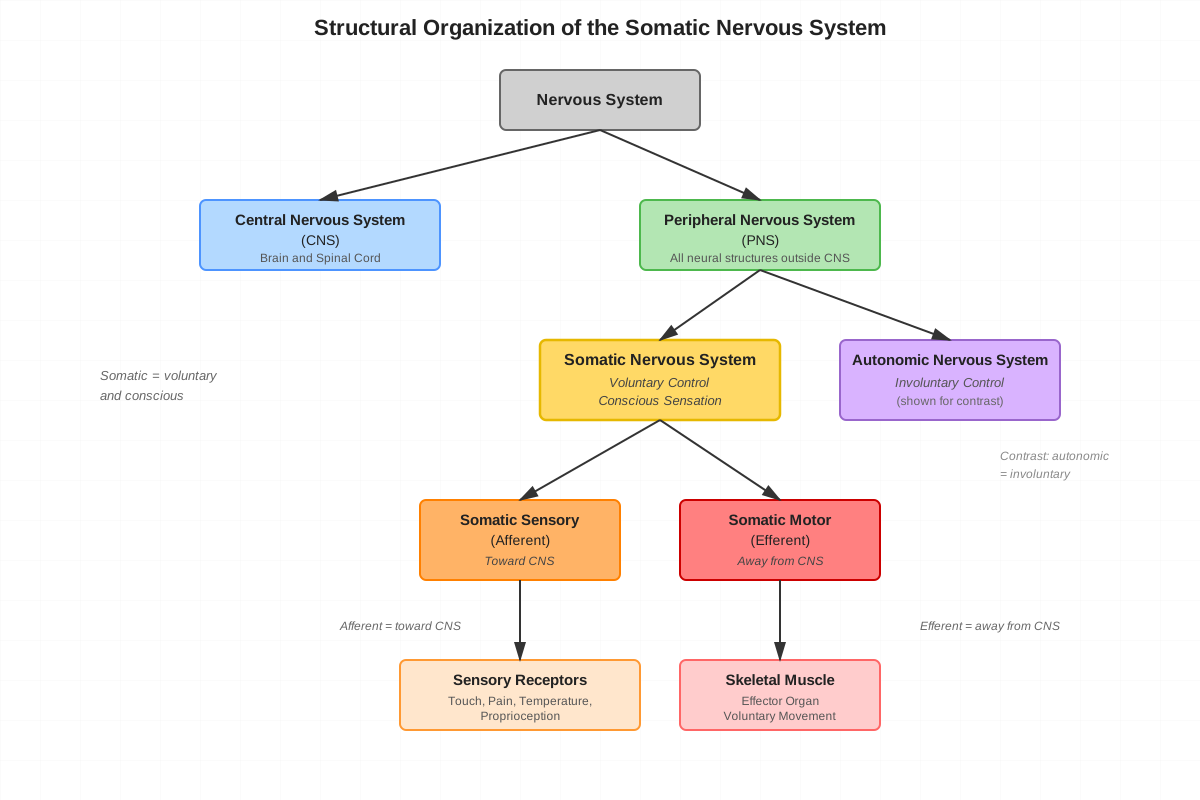
The somatic nervous system comprises all neural structures that control voluntary skeletal muscle movement and transmit sensory information from the body surface and special senses to the central nervous system. Unlike the autonomic nervous system, which operates largely below conscious awareness, the somatic nervous system mediates conscious, intentional interactions with the environment. This system consists of two primary components: somatic motor neurons (efferent pathways) that carry commands from the CNS to skeletal muscles, and somatic sensory neurons (afferent pathways) that convey information about touch, pain, temperature, and proprioception from peripheral receptors to the CNS.
The organizational principle of the somatic nervous system reflects its functional demands. Motor neurons originate in the ventral horn of the spinal cord or in cranial nerve motor nuclei within the brainstem. These neurons extend without interruption from the CNS directly to their target muscles—a key structural distinction from autonomic pathways, which involve a two-neuron chain with a synapse in a peripheral ganglion. Sensory neurons have their cell bodies located in dorsal root ganglia (for spinal nerves) or sensory ganglia (for cranial nerves), with one process extending to peripheral receptors and another projecting into the CNS.
Somatic Motor Pathways
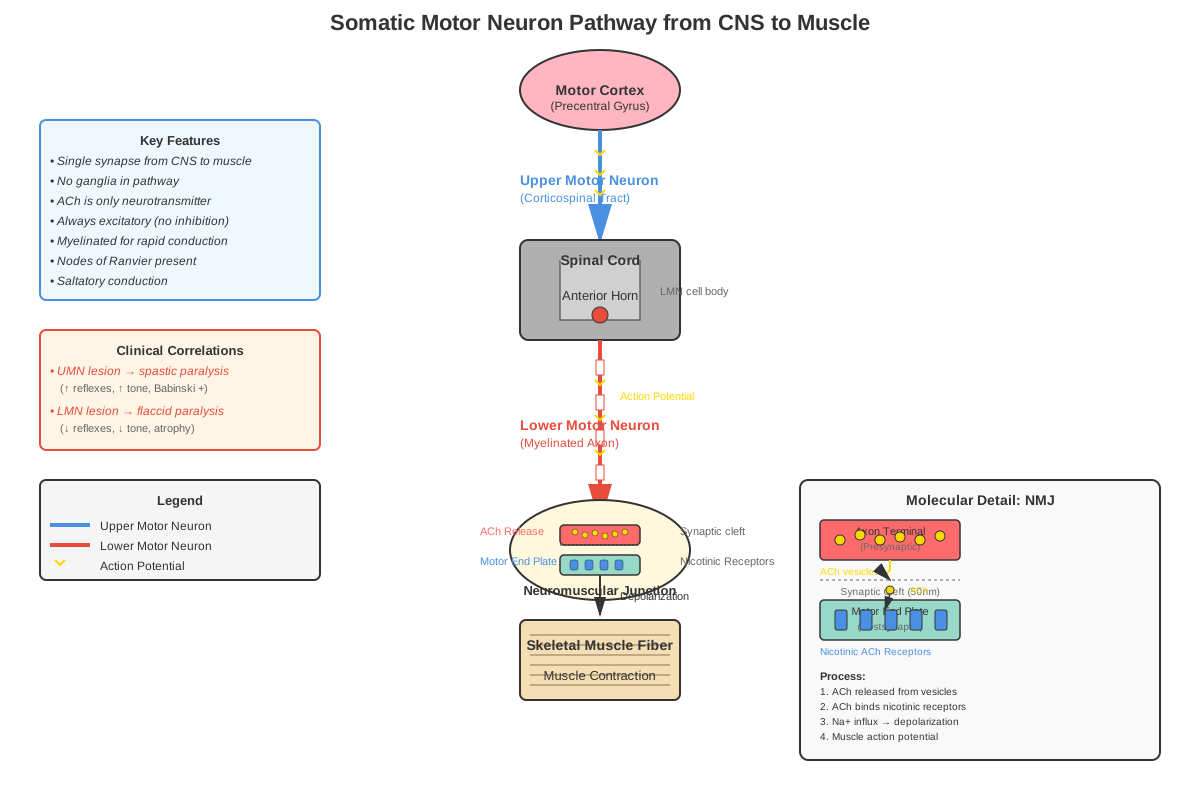
Somatic motor neurons, also called lower motor neurons, represent the final common pathway for all voluntary movement. Each motor neuron's cell body resides in the ventral horn of the spinal cord gray matter or in cranial nerve nuclei. The axon exits through the ventral root (spinal nerves) or cranial nerve and travels without synapsing until it reaches skeletal muscle fibers. This direct, single-neuron pathway enables rapid, precise motor control essential for coordinated movement.
The connection between a motor neuron and muscle fiber occurs at the neuromuscular junction (NMJ), a specialized synapse optimized for reliable transmission. When an action potential reaches the axon terminal, voltage-gated calcium channels open, triggering fusion of synaptic vesicles containing acetylcholine (ACh). This neurotransmitter diffuses across the synaptic cleft and binds to nicotinic acetylcholine receptors on the motor end plate—a specialized region of the muscle fiber membrane. These receptors are ligand-gated ion channels that, when activated, permit sodium influx and potassium efflux, generating an end-plate potential that triggers muscle fiber depolarization and contraction.
The enzyme acetylcholinesterase rapidly degrades acetylcholine in the synaptic cleft, terminating the signal and allowing the muscle to relax. This enzymatic breakdown is crucial for preventing sustained, uncontrolled muscle contraction. Disruption of this process—whether through acetylcholinesterase inhibitors, autoimmune attack on receptors, or toxins blocking neurotransmitter release—produces characteristic motor dysfunction patterns frequently tested on the MCAT.
Somatic Sensory Pathways
Somatic sensory neurons transmit information from peripheral receptors to the CNS, enabling conscious perception of the external environment and body position. These afferent neurons are classified as pseudounipolar neurons, with a single process that bifurcates into peripheral and central branches. The peripheral branch extends to sensory receptors in skin, muscles, tendons, and joints, while the central branch enters the spinal cord through the dorsal root or enters the brainstem via cranial nerves.
Sensory receptors transduce various stimulus modalities into electrical signals:
- Mechanoreceptors detect touch, pressure, vibration, and stretch
- Thermoreceptors respond to temperature changes
- Nociceptors signal tissue damage and pain
- Proprioceptors monitor body position and movement
Once sensory information enters the CNS, it ascends through specific pathways to reach the thalamus and ultimately the primary sensory cortex, where conscious perception occurs. The organization of these pathways maintains somatotopic mapping, meaning adjacent body regions are represented in adjacent neural areas, creating an orderly representation of the body surface in the brain.
Reflex Arcs and Spinal Reflexes
A reflex arc represents the simplest functional unit of the somatic nervous system, producing rapid, stereotyped motor responses to specific sensory stimuli without requiring conscious processing. The basic components of a reflex arc include:
- Sensory receptor: Detects the stimulus
- Sensory (afferent) neuron: Transmits signal to CNS
- Integration center: Processes information (typically in spinal cord)
- Motor (efferent) neuron: Carries command to effector
- Effector: Muscle or gland that produces the response
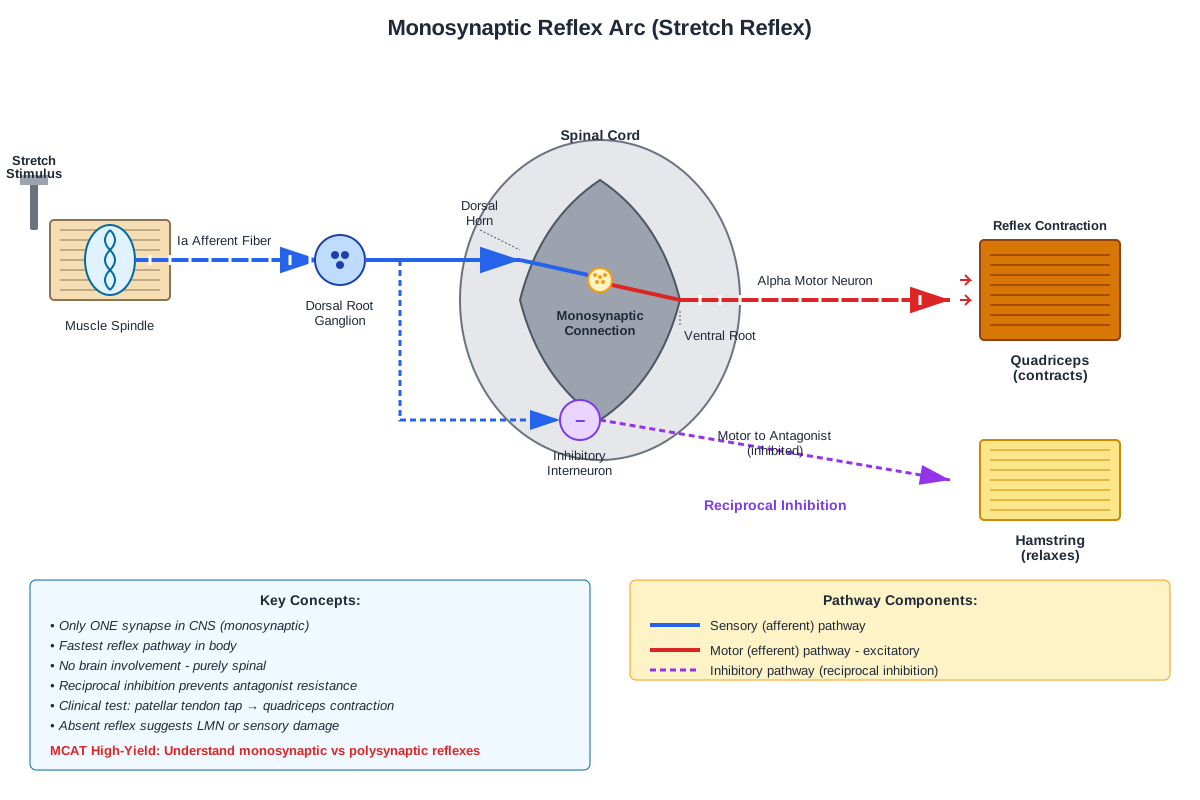
The stretch reflex (myotatic reflex) exemplifies a monosynaptic reflex arc, the simplest type involving only one synapse between sensory and motor neurons. When a muscle is stretched, muscle spindles (specialized proprioceptors) detect the length change and activate sensory neurons. These neurons synapse directly onto motor neurons innervating the same muscle, causing contraction that opposes the stretch. The knee-jerk reflex tested during physical examinations demonstrates this pathway. Simultaneously, reciprocal inhibition occurs: interneurons inhibit motor neurons to antagonist muscles, preventing them from opposing the reflex contraction.
The withdrawal reflex illustrates a polysynaptic reflex arc involving multiple interneurons. When nociceptors detect a painful stimulus (such as touching a hot surface), sensory neurons activate spinal interneurons that stimulate flexor motor neurons while inhibiting extensor motor neurons in the affected limb. This produces rapid limb withdrawal from the harmful stimulus. Concurrently, crossed extensor reflex pathways activate extensors in the opposite limb to maintain balance—demonstrating the sophisticated coordination possible even at the spinal level.
Comparison: Somatic vs. Autonomic Nervous Systems
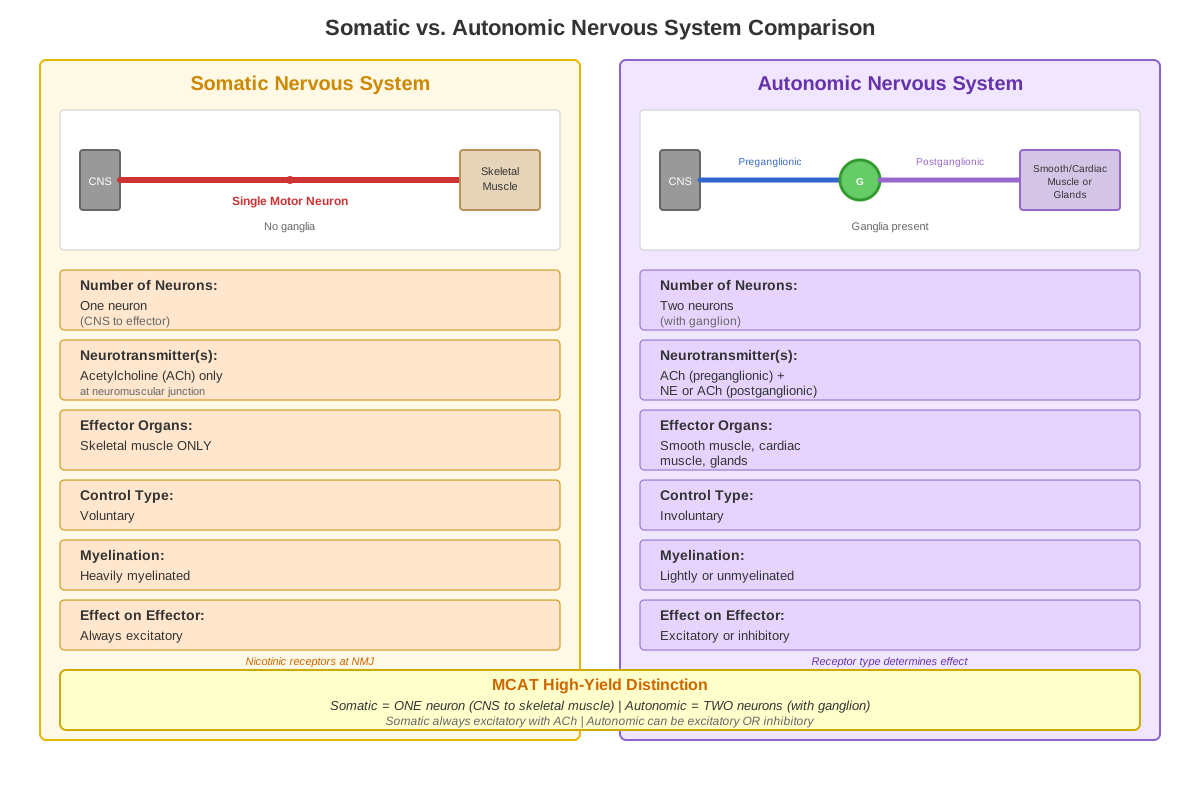
Understanding the distinctions between somatic and autonomic divisions is essential for MCAT success, as test questions frequently require differentiation between these systems.
| Feature | Somatic Nervous System | Autonomic Nervous System |
|---|---|---|
| Control | Voluntary (conscious) | Involuntary (unconscious) |
| Effector organs | Skeletal muscle | Smooth muscle, cardiac muscle, glands |
| Pathway structure | Single neuron from CNS to effector | Two-neuron chain with ganglion synapse |
| Neurotransmitter at effector | Acetylcholine (nicotinic receptors) | ACh (muscarinic) or norepinephrine |
| Effect on target | Always excitatory | Can be excitatory or inhibitory |
| Neuron myelination | Heavily myelinated | Preganglionic myelinated; postganglionic unmyelinated |
| Response speed | Rapid | Generally slower |
| Anatomical origin | Ventral horn/cranial motor nuclei | Brainstem, spinal cord (specific regions) |
This table highlights that the somatic nervous system provides rapid, conscious control over skeletal muscles using a direct neural pathway, while the autonomic system regulates internal organ function through more complex, two-neuron pathways that operate below conscious awareness.
Neurotransmission in the Somatic Nervous System
Acetylcholine serves as the exclusive neurotransmitter at somatic neuromuscular junctions, binding to nicotinic cholinergic receptors on muscle fibers. These receptors differ fundamentally from the muscarinic receptors found in autonomic targets. Nicotinic receptors are ionotropic receptors—ligand-gated ion channels that produce rapid, direct effects by allowing ion flow when acetylcholine binds. In contrast, muscarinic receptors are metabotropic receptors coupled to G-proteins that trigger slower, indirect signaling cascades.
The synthesis of acetylcholine occurs in motor neuron terminals through the enzyme choline acetyltransferase, which combines choline (transported into the neuron) with acetyl-CoA (derived from mitochondrial metabolism). Acetylcholine is then packaged into synaptic vesicles by vesicular acetylcholine transporters. After release and receptor binding, acetylcholinesterase hydrolyzes acetylcholine into choline and acetate. The choline is recycled back into the presynaptic terminal via high-affinity choline transporters, maintaining the neurotransmitter supply for continued signaling.
Pharmacological agents targeting this system have significant clinical applications and frequently appear in MCAT passages. Acetylcholinesterase inhibitors (such as neostigmine) prolong acetylcholine presence in the synaptic cleft, enhancing neuromuscular transmission—useful in treating myasthenia gravis. Neuromuscular blocking agents like curare competitively inhibit nicotinic receptors, preventing muscle contraction and enabling surgical paralysis. Botulinum toxin prevents acetylcholine release by cleaving SNARE proteins required for vesicle fusion, producing prolonged muscle paralysis.
Concept Relationships
The somatic nervous system integrates multiple biological concepts into a functional whole. At the cellular level, neuron structure and action potential physiology provide the foundation for understanding how somatic neurons transmit signals rapidly over long distances. The neuromuscular junction represents a specialized application of synaptic transmission principles, demonstrating how chemical signaling converts electrical signals in neurons into mechanical force in muscles.
Reflex arcs connect sensory and motor components of the somatic system, illustrating how the nervous system can produce coordinated responses through relatively simple circuits. These reflexes depend on spinal cord organization, with sensory information entering through dorsal roots and motor commands exiting through ventral roots—a principle known as the Bell-Magendie law.
The relationship between somatic and autonomic nervous systems demonstrates functional specialization within the peripheral nervous system. Both systems share fundamental neuroscience principles but differ in pathway organization, neurotransmitter systems, and effector organs. Understanding these differences enables prediction of how various drugs, toxins, or disease processes will affect different body systems.
Conceptual flow: Sensory stimulus → Receptor activation → Sensory neuron transmission → CNS integration → Motor neuron activation → Neuromuscular junction transmission → Muscle contraction → Behavioral response. This pathway can be modulated at multiple points, creating opportunities for both physiological regulation and pharmacological intervention—concepts frequently tested through experimental passages on the MCAT.
Quick check — test yourself on Somatic nervous system so far.
Try Flashcards →High-Yield Facts
⭐ The somatic nervous system uses a single-neuron pathway from CNS to skeletal muscle, while the autonomic system uses a two-neuron chain with a ganglion synapse.
⭐ Acetylcholine is the only neurotransmitter used at somatic neuromuscular junctions, where it binds to nicotinic (not muscarinic) receptors.
⭐ Somatic motor neuron cell bodies are located in the ventral horn of the spinal cord gray matter or in cranial nerve motor nuclei.
⭐ The stretch reflex is monosynaptic (one synapse between sensory and motor neurons), while the withdrawal reflex is polysynaptic (involves interneurons).
⭐ Acetylcholinesterase rapidly degrades acetylcholine in the neuromuscular junction, preventing sustained muscle contraction.
- Somatic sensory neuron cell bodies are located in dorsal root ganglia (spinal nerves) or sensory ganglia (cranial nerves), not within the CNS itself.
- All somatic motor effects are excitatory, causing muscle contraction; there is no inhibitory somatic motor output to skeletal muscles.
- Reciprocal inhibition during the stretch reflex ensures that antagonist muscles relax when agonist muscles contract, preventing opposing forces.
- The neuromuscular junction has a high safety factor—the end-plate potential normally exceeds the threshold needed to trigger muscle action potentials by a large margin.
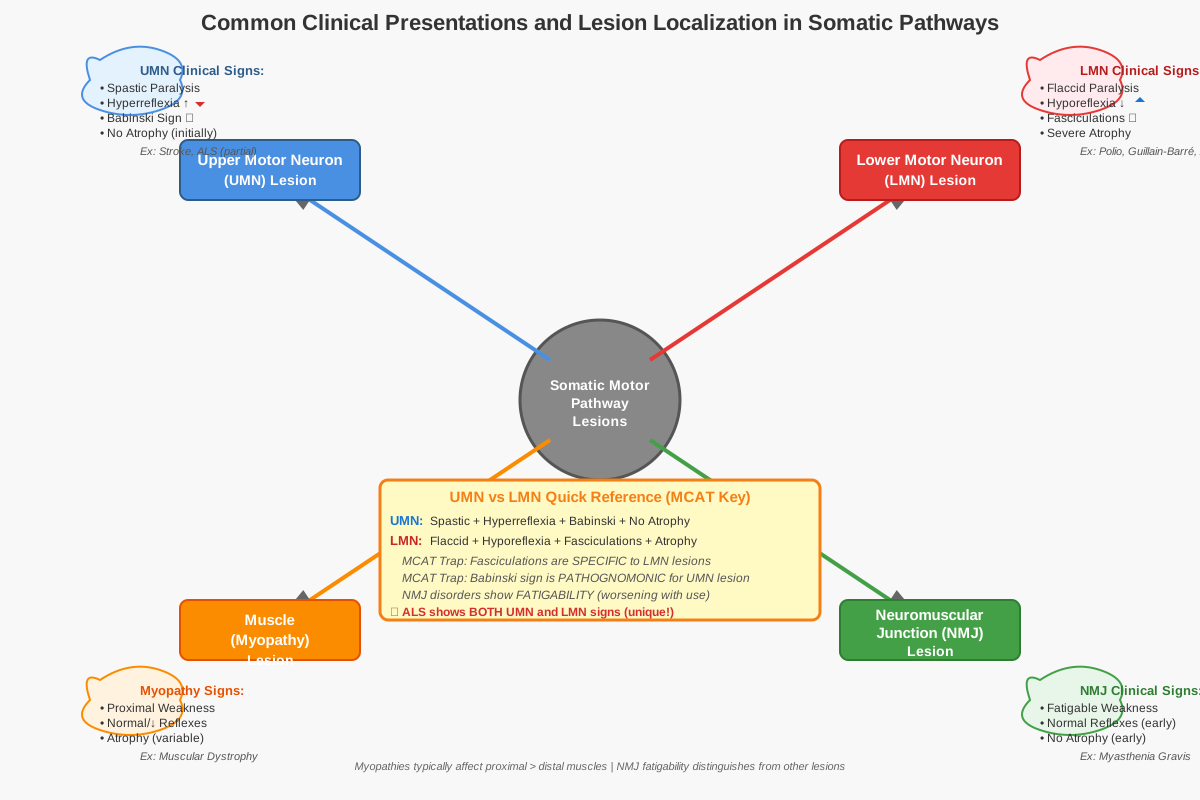
- Damage to lower motor neurons (somatic motor neurons) produces flaccid paralysis with muscle atrophy, absent reflexes, and fasciculations, distinct from upper motor neuron damage.
- Botulinum toxin prevents acetylcholine release by cleaving SNARE proteins, while tetanus toxin blocks inhibitory neurotransmitter release in the CNS, producing opposite clinical effects.
- Myasthenia gravis involves autoantibodies against nicotinic acetylcholine receptors at the neuromuscular junction, causing muscle weakness that worsens with repeated use.
Common Misconceptions
Misconception: The somatic nervous system only includes motor neurons that control skeletal muscles.
Correction: The somatic nervous system includes both motor (efferent) pathways to skeletal muscles AND sensory (afferent) pathways that transmit information about touch, pain, temperature, and proprioception from the body surface to the CNS. Both components are essential for coordinated voluntary movement and conscious sensory perception.
Misconception: Reflexes are part of the autonomic nervous system because they occur without conscious control.
Correction: Many reflexes, including the stretch reflex and withdrawal reflex, are somatic nervous system functions involving skeletal muscle contraction. The key distinction is the effector organ (skeletal muscle = somatic; smooth muscle, cardiac muscle, or glands = autonomic), not whether the response is conscious or unconscious. Autonomic reflexes do exist (such as the baroreceptor reflex), but spinal reflexes involving skeletal muscles are somatic.
Misconception: Acetylcholine is only used in the somatic nervous system.
Correction: Acetylcholine is used at somatic neuromuscular junctions, but it is also the neurotransmitter at all autonomic preganglionic synapses (both sympathetic and parasympathetic) and at parasympathetic postganglionic synapses. The critical difference is the receptor type: nicotinic receptors at somatic neuromuscular junctions and autonomic ganglia, but muscarinic receptors at parasympathetic target organs.
Misconception: Somatic motor neurons synapse in ganglia before reaching their target muscles.
Correction: Somatic motor neurons extend directly from the CNS to skeletal muscles without any intervening synapses in ganglia. This single-neuron pathway distinguishes somatic motor pathways from autonomic pathways, which always involve a two-neuron chain with a synapse in a peripheral ganglion (sympathetic or parasympathetic).
Misconception: All neurons in peripheral nerves are part of the somatic nervous system.
Correction: Peripheral nerves typically contain a mixture of somatic and autonomic nerve fibers. For example, spinal nerves contain somatic motor neurons to skeletal muscles, somatic sensory neurons from skin and proprioceptors, sympathetic postganglionic neurons to blood vessels and sweat glands, and sometimes parasympathetic fibers. The classification depends on the specific neuron's function and target, not simply its anatomical location in a peripheral nerve.
Misconception: Damage to a somatic motor neuron causes spastic paralysis with increased reflexes.
Correction: Damage to somatic motor neurons (lower motor neurons) causes flaccid paralysis with decreased or absent reflexes, muscle atrophy, and fasciculations. Spastic paralysis with hyperreflexia results from damage to upper motor neurons (descending pathways from the brain), which normally modulate lower motor neuron activity. This distinction is clinically important and frequently tested on the MCAT.
Worked Examples
Example 1: Analyzing a Reflex Arc Disruption
Clinical Vignette: A patient presents with absent knee-jerk reflexes bilaterally but retains the ability to voluntarily contract the quadriceps muscles when asked. Sensation in the legs is diminished. Which component of the reflex arc is most likely damaged?
Analysis:
First, identify the components of the stretch reflex (knee-jerk):
- Muscle spindles in quadriceps detect stretch
- Sensory neurons transmit signal to spinal cord
- Monosynaptic connection to motor neurons
- Motor neurons activate quadriceps contraction
The patient can voluntarily contract the quadriceps, indicating that:
- Motor neurons are intact (can carry signals from CNS to muscle)
- Neuromuscular junctions are functional (muscle can contract)
- Muscle fibers themselves are healthy
The patient has diminished sensation, suggesting:
- Sensory pathways are compromised
The absent reflex combined with diminished sensation but preserved voluntary motor function indicates damage to the sensory (afferent) limb of the reflex arc. The sensory neurons from muscle spindles and skin receptors are not transmitting information to the spinal cord effectively.
Answer: The sensory neurons (afferent limb) are most likely damaged. This pattern is consistent with peripheral neuropathy affecting sensory fibers, which can occur in diabetes, vitamin B12 deficiency, or other conditions affecting peripheral nerves. The preservation of voluntary motor function demonstrates that descending motor pathways and lower motor neurons remain intact.
MCAT Connection: This question type tests the ability to apply knowledge of reflex arc components to predict clinical presentations. Understanding that reflexes require intact sensory input, spinal integration, and motor output—but that voluntary movement only requires descending pathways and motor neurons—enables differentiation between various neurological lesion locations.
Example 2: Pharmacological Effects at the Neuromuscular Junction
Experimental Scenario: Researchers are studying neuromuscular transmission in isolated muscle preparations. They apply four different drugs and measure muscle contraction in response to motor nerve stimulation:
- Drug A: Prevents muscle contraction; effect is reversed by washing out the drug
- Drug B: Prevents muscle contraction; effect persists after washing
- Drug C: Causes sustained muscle contraction without nerve stimulation
- Drug D: Enhances muscle contraction in response to nerve stimulation
Identify the most likely mechanism of action for each drug.
Analysis:
Drug A prevents contraction reversibly, suggesting competitive inhibition of acetylcholine receptors. The drug competes with ACh for binding sites on nicotinic receptors but doesn't activate them. When washed away, normal ACh binding resumes. This mechanism matches competitive neuromuscular blocking agents like curare or tubocurarine.
Drug B prevents contraction irreversibly, indicating a mechanism that cannot be simply reversed by removing the drug. This suggests either:
- Irreversible receptor blockade
- Prevention of ACh release
- Destruction of a critical component
The most likely mechanism is prevention of acetylcholine release, as seen with botulinum toxin, which cleaves SNARE proteins required for vesicle fusion. Even after the toxin is removed, the cleaved proteins cannot spontaneously repair, requiring new protein synthesis.
Drug C causes contraction without nerve stimulation, indicating direct activation of muscle contraction machinery or sustained receptor activation. Since the effect is sustained (not just a brief twitch), this suggests inhibition of acetylcholinesterase, allowing endogenous ACh to accumulate and continuously stimulate receptors. Examples include neostigmine or organophosphate compounds.
Drug D enhances contraction in response to stimulation, suggesting potentiation of normal neurotransmission. This could result from:
- Increased ACh release
- Decreased ACh breakdown
- Enhanced receptor sensitivity
The most common mechanism is acetylcholinesterase inhibition at lower doses (before sustained contraction occurs), which increases the amount and duration of ACh in the synaptic cleft, enhancing the response to each nerve stimulus.
MCAT Connection: This example demonstrates how understanding the molecular mechanisms of neuromuscular transmission enables prediction of drug effects. MCAT passages frequently present experimental data about pharmacological agents and require students to deduce mechanisms based on observed effects. Recognizing that neuromuscular transmission can be disrupted at multiple points—ACh synthesis, release, receptor binding, or degradation—provides a framework for analyzing novel scenarios.
Exam Strategy
When approaching MCAT questions about the somatic nervous system, begin by identifying whether the question focuses on structural organization, functional pathways, or comparison with the autonomic system. Questions asking about "voluntary control," "skeletal muscle," or "conscious sensation" are signaling somatic nervous system content.
Trigger words and phrases to recognize:
- "Voluntary movement" or "conscious control" → somatic motor function
- "Skeletal muscle" → somatic effector (not autonomic)
- "Stretch reflex" or "withdrawal reflex" → somatic reflex arcs
- "Neuromuscular junction" → somatic motor endpoint
- "Nicotinic receptors" in the context of muscle → somatic (not autonomic ganglia)
- "Single neuron from CNS to effector" → somatic motor pathway
- "Dorsal root ganglion" → somatic sensory neuron cell bodies
Process-of-elimination strategies:
When distinguishing somatic from autonomic:
- Eliminate options mentioning smooth muscle, cardiac muscle, or glands (autonomic effectors)
- Eliminate options describing two-neuron pathways with ganglia for motor function (autonomic structure)
- Eliminate options mentioning involuntary or unconscious control when the question specifies voluntary action
When analyzing reflex arcs:
- Eliminate options that skip essential components (receptor, sensory neuron, integration center, motor neuron, effector)
- Eliminate options placing sensory neuron cell bodies in the spinal cord (they're in dorsal root ganglia)
- Eliminate options suggesting reflexes require cortical processing (spinal reflexes occur at spinal level)
When evaluating neuromuscular junction questions:
- Eliminate options mentioning neurotransmitters other than acetylcholine
- Eliminate options confusing nicotinic and muscarinic receptors
- Eliminate options suggesting inhibitory effects at the neuromuscular junction (always excitatory)
Time allocation: Somatic nervous system questions typically require 60-90 seconds. Straightforward definitional questions (identifying components, distinguishing from autonomic) should take 60 seconds or less. Questions requiring pathway tracing or analysis of experimental data may need the full 90 seconds. If a question requires more time, flag it and return after completing faster questions.
Exam Tip: When a passage presents a patient with motor or sensory deficits, quickly sketch the relevant pathway (receptor → sensory neuron → CNS → motor neuron → muscle) and mark where the lesion must be based on which functions are preserved versus lost. This visual approach prevents confusion and speeds up question answering.
Memory Techniques
Mnemonic for reflex arc components (in order): "Some Silly Integration Makes Effects"
- Sensory receptor
- Sensory (afferent) neuron
- Integration center
- Motor (efferent) neuron
- Effector
Mnemonic for somatic vs. autonomic motor pathways: "Somatic is SIMPLE"
- Single neuron from CNS to effector
- Intentional (voluntary) control
- Muscle (skeletal only)
- Peripheral nerve directly to target
- Lacks ganglia in pathway
- Excitatory effects only
Visualization for neuromuscular junction: Picture a "key and lock" mechanism where acetylcholine (key) must fit into nicotinic receptors (lock) to open ion channels (door). Acetylcholinesterase acts as a "key destroyer" that breaks the key after use, preventing the door from staying open. Competitive blockers are "fake keys" that fit the lock but don't open the door, while acetylcholinesterase inhibitors "disable the key destroyer," allowing keys to accumulate.
Acronym for neuromuscular junction sequence: "CARD"
- Calcium enters presynaptic terminal
- Acetylcholine released
- Receptors (nicotinic) activated
- Depolarization of muscle fiber
Memory aid for lower vs. upper motor neuron damage: "Lower is Loose, Upper is Uptight"
- Lower motor neuron damage → Loose (flaccid) paralysis, decreased reflexes
- Upper motor neuron damage → Uptight (spastic) paralysis, increased reflexes
Summary
The somatic nervous system constitutes the division of the peripheral nervous system responsible for voluntary motor control and conscious sensory perception, utilizing direct single-neuron pathways from the CNS to skeletal muscles and sensory pathways from peripheral receptors to the CNS. This system employs acetylcholine as its exclusive neurotransmitter at neuromuscular junctions, where it binds to nicotinic receptors to produce rapid, reliable muscle contraction. Somatic motor neurons originate in the ventral horn of the spinal cord, while sensory neuron cell bodies reside in dorsal root ganglia. Reflex arcs represent the functional integration of sensory and motor components, producing rapid stereotyped responses without requiring conscious processing. Understanding the structural and functional distinctions between somatic and autonomic nervous systems—particularly pathway organization, effector organs, and neurotransmitter systems—is essential for MCAT success, as these concepts appear frequently in both passage-based and discrete questions testing neurophysiology, pharmacology, and clinical reasoning.
Key Takeaways
- The somatic nervous system uses a single-neuron motor pathway from CNS directly to skeletal muscle, distinguishing it from the two-neuron autonomic pathway with ganglionic synapses
- Acetylcholine acting on nicotinic receptors is the exclusive neurotransmitter at somatic neuromuscular junctions, producing only excitatory effects
- Somatic motor neuron cell bodies are located in the ventral horn of the spinal cord, while sensory neuron cell bodies are in dorsal root ganglia
- Reflex arcs integrate sensory input and motor output at the spinal level, with the stretch reflex being monosynaptic and the withdrawal reflex being polysynaptic
- Acetylcholinesterase rapidly terminates neuromuscular transmission by degrading acetylcholine, preventing sustained muscle contraction
- Lower motor neuron (somatic motor neuron) damage produces flaccid paralysis with decreased reflexes, distinct from upper motor neuron damage causing spastic paralysis
- The somatic nervous system mediates voluntary, conscious control of skeletal muscles and conscious perception of external sensory stimuli
Related Topics
Autonomic Nervous System: Understanding the sympathetic and parasympathetic divisions provides essential contrast to somatic organization, highlighting differences in pathway structure, neurotransmitters, and effector organs. Mastering somatic concepts enables clearer comprehension of autonomic specializations.
Muscle Physiology: The somatic nervous system's primary function is activating skeletal muscle contraction. Deep knowledge of excitation-contraction coupling, sliding filament theory, and muscle fiber types builds directly on neuromuscular junction concepts.
Central Motor Control: Upper motor neurons in the motor cortex and descending pathways modulate lower motor neuron activity. Understanding somatic motor neurons provides the foundation for learning how the brain controls voluntary movement.
Sensory Systems: Somatic sensory pathways connect to broader sensory processing systems, including the dorsal column-medial lemniscal pathway and spinothalamic tract, which relay information to the cortex for conscious perception.
Neuropharmacology: Many clinically important drugs target the neuromuscular junction or affect acetylcholine metabolism. Somatic nervous system knowledge enables prediction of drug effects and understanding of therapeutic applications.
Practice CTA
Now that you've mastered the core concepts of the somatic nervous system, reinforce your understanding by attempting practice questions and reviewing flashcards focused on this topic. Test your ability to distinguish somatic from autonomic pathways, trace reflex arcs through their components, and predict the effects of neuromuscular junction disruptions. Active retrieval through practice questions is one of the most effective ways to solidify your knowledge and prepare for MCAT success. Remember: understanding the somatic nervous system provides the foundation for more advanced neurophysiology topics and frequently appears in interdisciplinary passages. Your investment in mastering this material will pay dividends across multiple sections of the exam!
Sign up free to keep reading
Create a free AnvayaPrep account to finish this MCAT guide on Somatic nervous system — plus flashcards and practice questions.