Overview
Taste is a fundamental sensory modality that allows organisms to detect and discriminate chemical compounds in food and beverages, playing a critical role in nutrition, survival, and quality of life. Within the context of Biology and specifically Physiology and Organ Systems, taste represents a specialized chemosensory system involving receptor cells, neural pathways, and central processing mechanisms that transform chemical stimuli into conscious perception. The taste system operates through specialized epithelial cells organized into taste buds, which contain taste receptor cells that respond to five primary taste qualities: sweet, sour, salty, bitter, and umami. Understanding the molecular mechanisms of taste transduction, the anatomy of gustatory pathways, and the integration of taste with other sensory systems is essential for comprehensive mastery of sensory physiology.
For the MCAT, taste represents a medium-yield topic that frequently appears in passages related to sensory systems, neural signaling, cell biology, and behavioral responses to environmental stimuli. Questions may test knowledge of receptor types (G-protein coupled receptors versus ion channels), signal transduction cascades, cranial nerve pathways, or the integration of taste with olfaction to produce flavor perception. The topic bridges multiple disciplines tested on the MCAT, including molecular biology (receptor structure and function), biochemistry (second messenger systems), neuroscience (sensory pathways and brain regions), and even psychology (perception and behavior). A solid understanding of taste physiology provides the foundation for analyzing experimental passages involving sensory research, pharmaceutical interventions affecting taste, or clinical scenarios involving taste disorders.
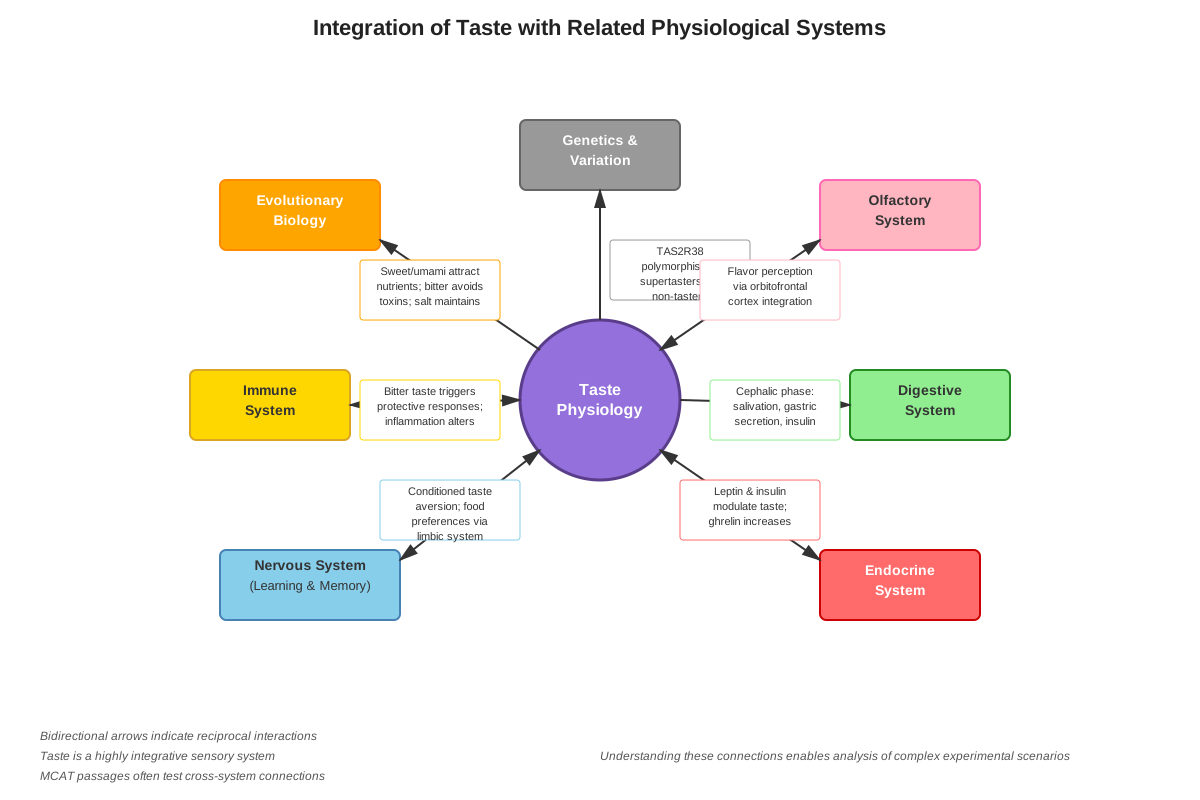
The study of taste connects intimately with broader concepts in sensory physiology, including the general principles of sensory transduction (stimulus detection, signal amplification, and neural encoding), the organization of sensory pathways from periphery to cortex, and the phenomenon of sensory adaptation. Additionally, taste physiology relates to endocrine regulation (hormones affecting appetite and taste sensitivity), digestive physiology (cephalic phase of digestion), and evolutionary biology (adaptive significance of taste preferences). Mastering this topic enables students to approach MCAT questions with confidence, recognizing the interconnected nature of physiological systems and applying fundamental principles to novel scenarios.
Learning Objectives
- [ ] Define Taste using accurate Biology terminology
- [ ] Explain why Taste matters for the MCAT
- [ ] Apply Taste to exam-style questions
- [ ] Identify common mistakes related to Taste
- [ ] Connect Taste to related Biology concepts
- [ ] Describe the five primary taste qualities and their transduction mechanisms
- [ ] Trace the neural pathway from taste receptor cells to the gustatory cortex
- [ ] Compare and contrast the molecular mechanisms underlying different taste modalities
- [ ] Analyze experimental data related to taste receptor function and genetic variation
Prerequisites
- Cell membrane structure and function: Understanding lipid bilayers, membrane proteins, and ion gradients is essential for comprehending taste receptor mechanisms and ion channel function
- Signal transduction pathways: Knowledge of G-protein coupled receptors (GPCRs), second messengers (cAMP, IP₃, DAG), and protein kinases provides the foundation for understanding sweet, bitter, and umami taste transduction
- Action potentials and synaptic transmission: Familiarity with neuronal signaling enables understanding of how taste receptor cells communicate with sensory neurons
- Basic neuroanatomy: Knowledge of cranial nerves, brainstem structures, and cortical organization supports comprehension of gustatory pathways
- Receptor types and sensory transduction: General principles of how receptors convert environmental stimuli into electrical signals apply directly to taste physiology
Why This Topic Matters
Taste has significant clinical and real-world relevance that extends beyond basic sensory perception. Taste disorders (dysgeusia, ageusia, hypogeusia) affect millions of people and can result from medications, chemotherapy, viral infections (including COVID-19), nutritional deficiencies, or neurological conditions. Understanding taste physiology is crucial for addressing malnutrition in elderly populations, developing pharmaceutical compounds with acceptable taste profiles, and creating artificial sweeteners or flavor enhancers. The taste system also serves as a protective mechanism, with bitter taste receptors evolved to detect potentially toxic compounds, while sweet and umami receptors identify energy-rich nutrients and proteins.
On the MCAT, taste-related content appears in approximately 2-4% of Biological and Biochemical Foundations questions, typically integrated into passages about sensory systems, neural pathways, or molecular biology. Questions may present experimental scenarios involving knockout mice lacking specific taste receptors, pharmacological studies of taste modulation, genetic variations affecting taste perception (such as PTC tasting), or clinical vignettes describing patients with taste abnormalities. The topic frequently appears in passages requiring students to interpret data from behavioral studies, electrophysiological recordings from taste cells, or molecular biology experiments examining receptor expression patterns.
Common question formats include: (1) discrete questions testing knowledge of taste receptor types or neural pathways; (2) passage-based questions requiring interpretation of experimental manipulations affecting taste transduction; (3) questions connecting taste to related systems like olfaction, digestion, or endocrine regulation; and (4) questions involving genetic or pharmacological interventions that alter taste perception. Understanding taste physiology also provides a framework for approaching questions about other sensory systems, as many principles (receptor specificity, signal amplification, adaptation) apply broadly across sensory modalities.
Core Concepts
Definition and Organization of the Taste System
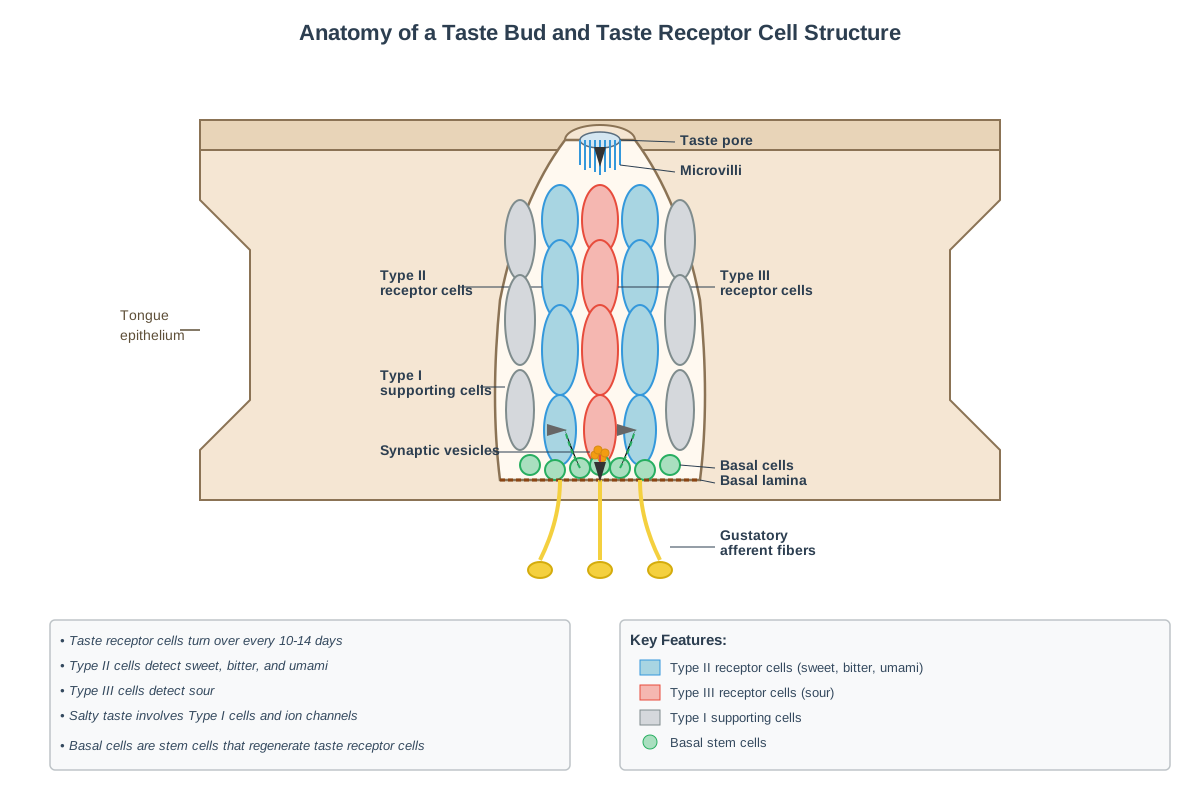
Taste (gustation) is the sensory system responsible for detecting dissolved chemical compounds that contact specialized receptor cells in the oral cavity. The functional unit of the taste system is the taste bud, an onion-shaped structure containing 50-100 cells, including taste receptor cells (the primary sensory cells), supporting cells, and basal cells (stem cells that regenerate taste receptor cells approximately every 10-14 days). Taste buds are located primarily on the tongue within specialized epithelial structures called papillae, but also exist on the soft palate, pharynx, and epiglottis.
Four types of papillae exist on the tongue: fungiform papillae (mushroom-shaped, located on the anterior two-thirds of the tongue, each containing 3-5 taste buds), circumvallate papillae (large, arranged in a V-shape at the posterior tongue, each containing hundreds of taste buds), foliate papillae (ridge-like structures on the lateral posterior tongue), and filiform papillae (most numerous but contain no taste buds, providing texture sensation). This anatomical organization is important for understanding that taste perception involves the entire oral cavity, not just the tongue, and that the commonly taught "tongue map" showing discrete regions for different tastes is a misconception.
The Five Primary Taste Qualities
The taste system recognizes five primary taste qualities, each serving distinct physiological functions:
- Sweet: Detects sugars and other energy-rich compounds (carbohydrates, some amino acids, artificial sweeteners)
- Sour: Responds to acids (hydrogen ions, H⁺), indicating potentially spoiled food or unripe fruit
- Salty: Detects sodium chloride and other salts, important for electrolyte balance
- Bitter: Identifies potentially toxic alkaloids and other harmful compounds (defensive function)
- Umami: Recognizes amino acids, particularly glutamate and aspartate, indicating protein-rich foods
Each taste quality is detected by specific molecular mechanisms within taste receptor cells, and individual taste receptor cells typically respond preferentially to one taste quality, though some degree of overlap exists.
Molecular Mechanisms of Taste Transduction
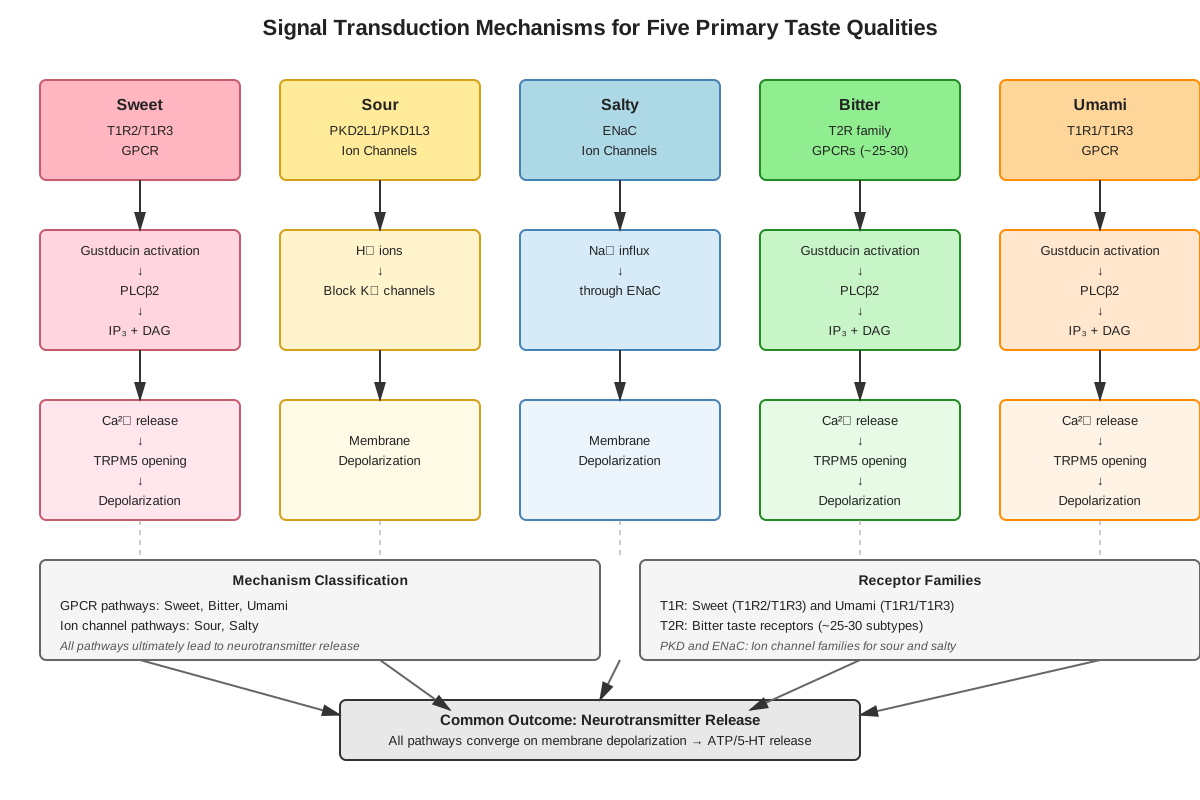
Taste transduction mechanisms divide into two major categories based on receptor type:
Ion Channel-Mediated Transduction (Salty and Sour)
Salty taste transduction occurs through direct entry of sodium ions (Na⁺) through epithelial sodium channels (ENaC) located on the apical membrane of taste receptor cells. The influx of Na⁺ depolarizes the cell membrane, opening voltage-gated calcium channels, leading to calcium influx and neurotransmitter release. This mechanism is relatively simple and direct, without requiring second messenger systems.
Sour taste transduction involves detection of hydrogen ions (H⁺) through multiple mechanisms. H⁺ can directly enter taste receptor cells through ion channels, block potassium channels (reducing K⁺ efflux and causing depolarization), or interact with specialized acid-sensing channels. The primary mechanism involves H⁺ blocking potassium channels, which prevents repolarization and leads to membrane depolarization, calcium influx, and neurotransmitter release.
G-Protein Coupled Receptor-Mediated Transduction (Sweet, Bitter, and Umami)
Sweet, bitter, and umami tastes are detected by G-protein coupled receptors (GPCRs) that activate intracellular signaling cascades. These taste receptor cells express specific GPCR families:
- Sweet receptors: Heterodimeric receptors composed of T1R2 and T1R3 subunits
- Umami receptors: Heterodimeric receptors composed of T1R1 and T1R3 subunits
- Bitter receptors: A family of approximately 25-30 different T2R receptors, providing broad sensitivity to diverse bitter compounds
When a tastant binds to these GPCRs, the following transduction cascade occurs:
- Receptor activation triggers the associated G-protein (gustducin, a taste-specific G-protein similar to transducin in vision)
- Activated G-protein stimulates phospholipase C (PLC)
- PLC cleaves PIP₂ into IP₃ and DAG
- IP₃ binds to IP₃ receptors on intracellular calcium stores (endoplasmic reticulum)
- Calcium is released from internal stores, increasing intracellular [Ca²⁺]
- Elevated calcium activates TRPM5 (transient receptor potential cation channel M5)
- TRPM5 opening allows Na⁺ influx, depolarizing the cell
- Depolarization opens voltage-gated calcium channels
- Calcium influx triggers release of ATP (the primary neurotransmitter in taste receptor cells)
- ATP activates purinergic receptors on sensory nerve fibers
This elaborate cascade provides significant signal amplification, allowing detection of very low concentrations of tastants.
Neural Pathways of Taste
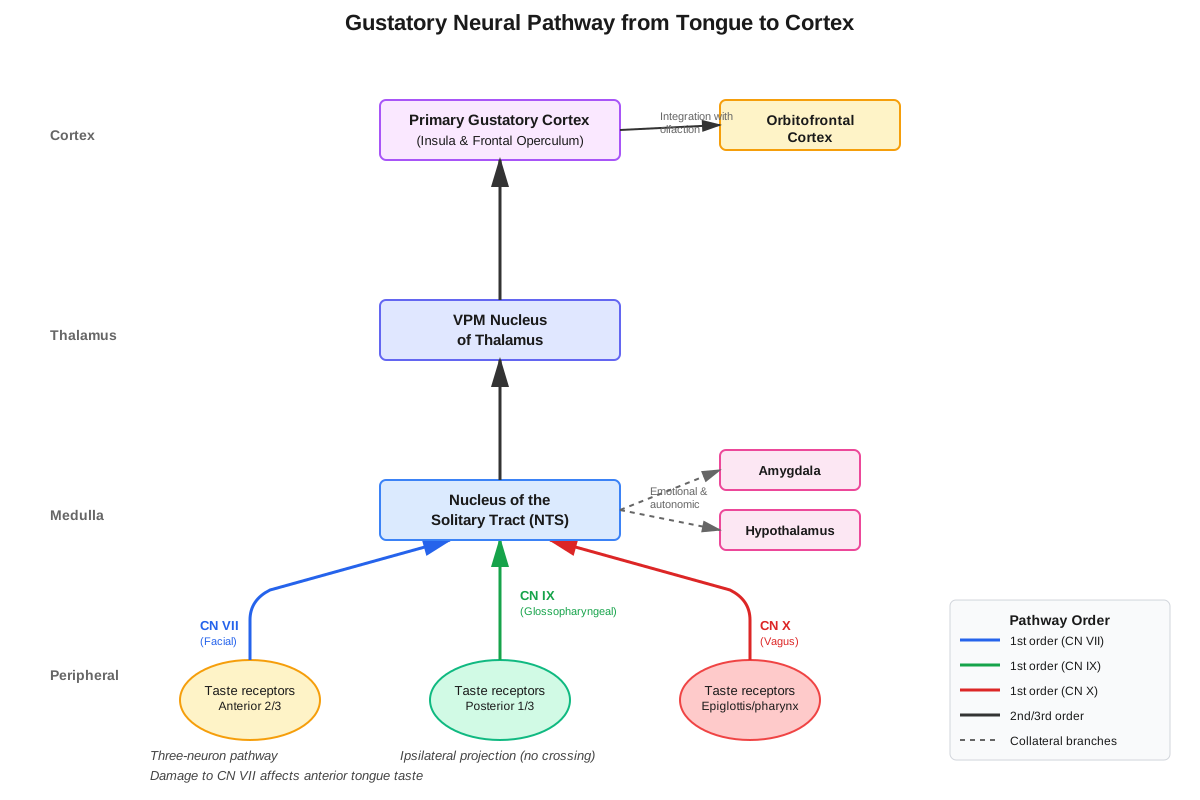
Taste receptor cells are specialized epithelial cells, not neurons, and therefore do not generate action potentials themselves. Instead, they release neurotransmitters (primarily ATP) that activate sensory neurons whose cell bodies reside in cranial nerve ganglia. The gustatory pathway involves three cranial nerves:
| Cranial Nerve | Innervation Region | Ganglion |
|---|---|---|
| Facial nerve (CN VII) - chorda tympani branch | Anterior 2/3 of tongue (fungiform papillae) | Geniculate ganglion |
| Facial nerve (CN VII) - greater petrosal branch | Soft palate | Geniculate ganglion |
| Glossopharyngeal nerve (CN IX) | Posterior 1/3 of tongue (circumvallate and foliate papillae) | Petrosal ganglion |
| Vagus nerve (CN X) | Epiglottis and pharynx | Nodose ganglion |
These sensory neurons project to the nucleus of the solitary tract (NST) in the medulla of the brainstem, which serves as the first central relay station for taste information. From the NST, gustatory information follows two major pathways:
- Conscious taste perception pathway: NST → ventral posteromedial (VPM) nucleus of the thalamus → primary gustatory cortex (anterior insula and frontal operculum) → secondary taste areas (orbitofrontal cortex)
- Reflexive pathway: NST → reticular formation and other brainstem nuclei → controls salivation, swallowing, and digestive reflexes (cephalic phase responses)
The integration of taste information in the orbitofrontal cortex with olfactory, somatosensory (texture, temperature), and visual information creates the complex perception of flavor, which is distinct from taste alone.
Taste Receptor Cell Types and Neurotransmitter Release
Taste receptor cells are classified into three types based on morphology and function:
- Type I cells: Supporting cells with glial-like functions, expressing enzymes that degrade neurotransmitters
- Type II cells: Receptor cells expressing GPCRs for sweet, bitter, and umami tastes; release ATP as the primary neurotransmitter
- Type III cells: Receptor cells that detect sour taste; release serotonin and form conventional synapses with sensory neurons
This cellular organization demonstrates the complexity of taste buds as sensory organs, with different cell types specialized for different transduction mechanisms and neurotransmitter systems.
Adaptation and Modulation of Taste
Taste adaptation refers to the decreased sensitivity to a taste stimulus with prolonged exposure. This phenomenon occurs through multiple mechanisms, including receptor desensitization (phosphorylation of GPCRs), depletion of second messengers, and changes in ion channel availability. Adaptation is generally less pronounced for taste compared to other sensory systems like olfaction, though cross-adaptation (where exposure to one tastant affects sensitivity to another) can occur between similar compounds.
Taste sensitivity is modulated by numerous factors including genetics (polymorphisms in taste receptor genes), age (taste bud number decreases with aging), hormonal status (pregnancy and hormonal cycles affect taste perception), medications (many drugs cause taste alterations), and disease states (diabetes, kidney disease, and neurological disorders can impair taste function).
Concept Relationships
The concepts within taste physiology form an integrated system where molecular mechanisms drive cellular responses that ultimately generate neural signals and conscious perception. The relationship flows as follows:
Chemical tastants → bind to specific receptors (ion channels for salty/sour; GPCRs for sweet/bitter/umami) → activate transduction mechanisms (direct depolarization or second messenger cascades) → cause taste receptor cell depolarization → trigger neurotransmitter release (ATP or serotonin) → activate sensory neurons in cranial nerves VII, IX, and X → transmit signals to nucleus of the solitary tract → relay through thalamus (VPM) → reach primary gustatory cortex → integrate in orbitofrontal cortex with other sensory inputs → produce flavor perception and behavioral responses.
This topic connects to prerequisite knowledge of cell signaling (GPCR mechanisms learned in biochemistry apply directly to sweet/bitter/umami transduction), neurophysiology (action potential generation and synaptic transmission explain how taste signals propagate), and sensory systems (general principles of sensory coding, receptive fields, and adaptation apply to taste). The relationship between taste and olfaction is particularly important, as approximately 80% of what is commonly called "taste" actually derives from olfactory input, explaining why food seems tasteless during nasal congestion.
Taste physiology also connects forward to topics in behavioral neuroscience (food preferences, conditioned taste aversion), endocrinology (hormones like leptin and ghrelin modulate taste sensitivity), and digestive physiology (taste receptors in the gut influence nutrient absorption and hormone secretion). Understanding that taste receptors exist not only in the oral cavity but throughout the gastrointestinal tract and other organs reveals the broader role of chemosensory signaling in physiological regulation.
Quick check — test yourself on Taste so far.
Try Flashcards →High-Yield Facts
⭐ Five primary taste qualities: sweet, sour, salty, bitter, and umami, each detected by distinct molecular mechanisms
⭐ Taste receptor cells are epithelial cells, not neurons, and have a lifespan of approximately 10-14 days before being replaced by basal stem cells
⭐ Sweet, bitter, and umami tastes use GPCR-mediated transduction involving gustducin, PLC, IP₃, calcium release, and TRPM5 channels
⭐ Salty taste primarily involves direct Na⁺ entry through ENaC channels, while sour taste involves H⁺ blocking potassium channels
⭐ Three cranial nerves carry taste information: facial nerve (CN VII) from anterior 2/3 of tongue, glossopharyngeal nerve (CN IX) from posterior 1/3, and vagus nerve (CN X) from epiglottis/pharynx
- Taste buds contain 50-100 cells including Type I (supporting), Type II (sweet/bitter/umami receptor cells), and Type III (sour receptor cells)
- The nucleus of the solitary tract (NST) in the medulla is the first central relay station for all taste information
- Bitter taste receptors (T2R family) include approximately 25-30 different receptor types, providing broad sensitivity to potentially toxic compounds
- ATP is the primary neurotransmitter released by Type II taste receptor cells (sweet, bitter, umami), while Type III cells (sour) release serotonin
- The primary gustatory cortex is located in the anterior insula and frontal operculum, with secondary processing in the orbitofrontal cortex where taste integrates with other sensory modalities to create flavor perception
Common Misconceptions
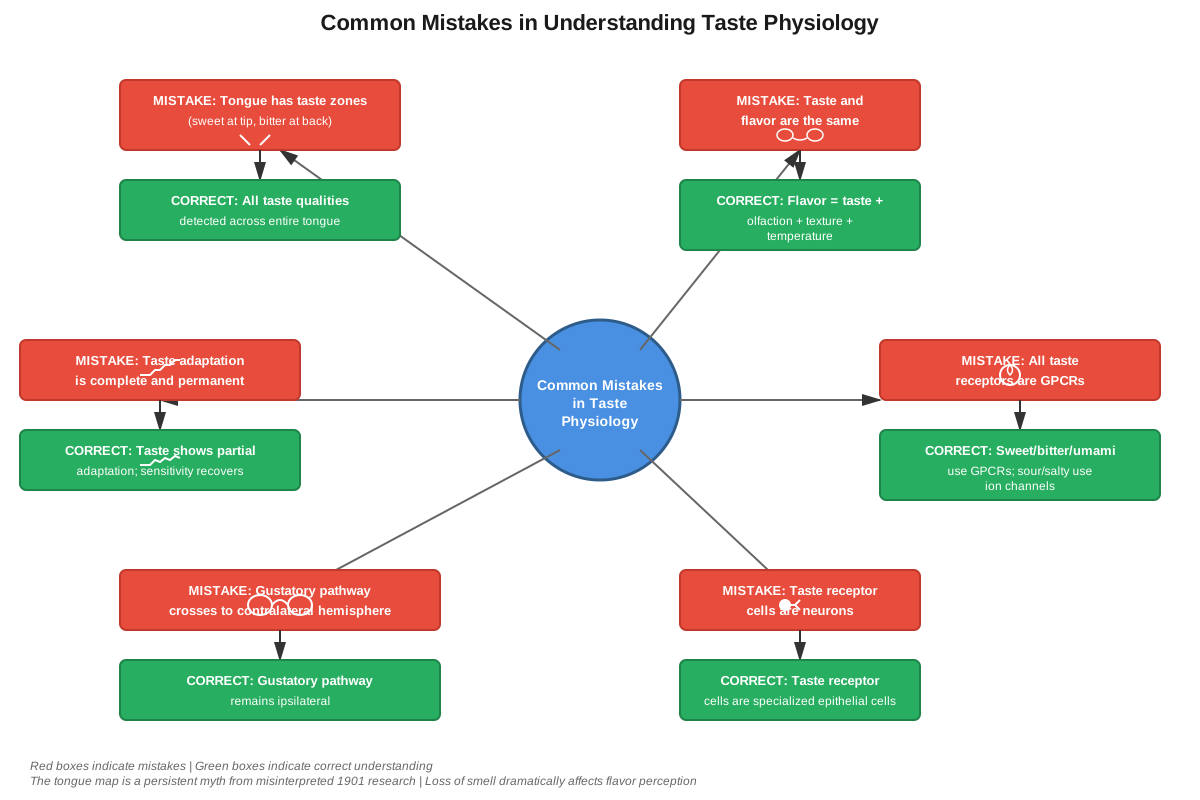
Misconception: Different regions of the tongue are exclusively responsible for detecting different tastes (the "tongue map").
Correction: All taste qualities can be detected across the entire tongue surface. While there may be slight regional variations in sensitivity, taste receptor cells for all five taste qualities are distributed throughout the tongue. The tongue map myth originated from a misinterpretation of early research and has been thoroughly debunked.
Misconception: Taste receptor cells are neurons that generate and transmit action potentials.
Correction: Taste receptor cells are specialized epithelial cells, not neurons. They do not generate action potentials themselves but instead release neurotransmitters (ATP or serotonin) that activate sensory neurons whose cell bodies are located in cranial nerve ganglia. These sensory neurons then generate action potentials that travel to the brain.
Misconception: All taste transduction mechanisms involve G-protein coupled receptors and second messenger systems.
Correction: Only sweet, bitter, and umami tastes use GPCR-mediated transduction. Salty taste primarily involves direct ion entry through ENaC channels, and sour taste involves H⁺ ions blocking potassium channels or entering through acid-sensing channels. These latter mechanisms are more direct and do not require elaborate second messenger cascades.
Misconception: Taste and flavor are synonymous terms.
Correction: Taste refers specifically to the five primary qualities detected by taste receptor cells (sweet, sour, salty, bitter, umami). Flavor is the integrated perception that combines taste with olfaction (smell), somatosensation (texture, temperature, pain/spiciness), and visual input. Most of what people call "taste" is actually flavor, which is why food seems bland when nasal passages are congested.
Misconception: The T1R3 subunit is specific to either sweet or umami taste.
Correction: The T1R3 subunit is shared between both sweet and umami receptors. Sweet receptors are heterodimers of T1R2+T1R3, while umami receptors are heterodimers of T1R1+T1R3. This shared subunit explains some of the molecular overlap between these taste qualities and represents an efficient evolutionary solution for detecting different nutrients.
Misconception: Taste adaptation occurs as rapidly and completely as olfactory adaptation.
Correction: Taste adaptation is generally slower and less complete than olfactory adaptation. While some reduction in sensitivity occurs with prolonged exposure to a tastant, taste receptors maintain significant responsiveness even after extended stimulation. This difference reflects the importance of continuous monitoring of oral contents for nutritional and safety purposes.
Worked Examples
Example 1: Genetic Variation in Bitter Taste Perception
Scenario: A research study examines the ability of subjects to taste phenylthiocarbamide (PTC), a bitter compound. The study finds that approximately 70% of subjects can taste PTC ("tasters"), while 30% cannot ("non-tasters"). Genetic analysis reveals that tasting ability correlates with polymorphisms in the TAS2R38 gene, which encodes a bitter taste receptor. Subjects homozygous for the PAV allele are tasters, those homozygous for the AVI allele are non-tasters, and heterozygotes show intermediate sensitivity.
Question: Which of the following best explains why some individuals cannot taste PTC?
A) They lack taste buds on the anterior tongue
B) Their bitter taste receptor cells do not express functional T2R38 receptors
C) They have defective gustducin G-proteins in all taste receptor cells
D) Their facial nerve (CN VII) does not properly innervate the tongue
Analysis:
This question tests understanding of the molecular basis of taste perception and genetic variation in taste receptor function.
Option A is incorrect because the inability to taste PTC is specific to one bitter compound and does not indicate absence of taste buds. Non-tasters can still detect other bitter compounds and other taste qualities.
Option B is correct. The AVI allele of TAS2R38 produces a receptor protein with altered amino acid sequence that cannot effectively bind PTC or trigger the transduction cascade. Individuals homozygous for this allele lack functional T2R38 receptors capable of detecting PTC, though they retain other bitter receptors (the T2R family includes ~25-30 different receptors) and can taste other bitter compounds.
Option C is incorrect because if gustducin were defective in all taste receptor cells, individuals would be unable to detect any sweet, bitter, or umami tastes, not just PTC. The specificity of the deficit to PTC indicates a receptor-level problem, not a general signaling defect.
Option D is incorrect because cranial nerve damage would affect all taste qualities from the innervated region, not just one specific bitter compound. Additionally, bitter taste from the posterior tongue is carried by CN IX, not CN VII.
Key Concept: This example illustrates that taste perception has a genetic basis, with specific receptor genes determining sensitivity to particular tastants. The existence of multiple bitter receptors provides redundancy and broad sensitivity to diverse potentially toxic compounds.
Example 2: Experimental Manipulation of Taste Transduction
Scenario: Researchers conduct an experiment on isolated taste receptor cells to investigate sweet taste transduction. They expose cells to glucose and measure intracellular calcium levels using fluorescent indicators. In control conditions, glucose application causes a rapid increase in intracellular calcium. The researchers then repeat the experiment under different conditions:
- Condition 1: Cells pre-treated with a drug that blocks phospholipase C (PLC)
- Condition 2: Cells bathed in calcium-free external solution
- Condition 3: Cells pre-treated with a drug that depletes intracellular calcium stores
Results:
- Condition 1: No calcium increase in response to glucose
- Condition 2: Calcium increase still occurs (though slightly reduced)
- Condition 3: No calcium increase in response to glucose
Question: What do these results reveal about the mechanism of sweet taste transduction?
Analysis:
This experimental scenario requires understanding the complete sweet taste transduction pathway and the ability to interpret pharmacological manipulations.
Condition 1 results demonstrate that PLC is essential for sweet taste transduction. When PLC is blocked, glucose cannot trigger calcium increases, confirming that the pathway requires PLC to cleave PIP₂ into IP₃ and DAG. This rules out any direct mechanism and confirms GPCR-mediated transduction.
Condition 2 results are particularly informative. The fact that calcium increases still occur (though reduced) when extracellular calcium is absent indicates that the primary source of calcium is intracellular stores, not influx from outside the cell. This is consistent with the IP₃-mediated calcium release from the endoplasmic reticulum. The slight reduction suggests that some calcium influx through voltage-gated channels may contribute secondarily, but the initial calcium signal comes from internal stores.
Condition 3 results confirm that intracellular calcium stores are absolutely required. When these stores are depleted, glucose cannot produce a calcium signal, even though the receptor, G-protein, and PLC are presumably functional. This demonstrates that IP₃-mediated calcium release from the ER is the critical step in sweet taste transduction.
Complete pathway confirmed by these experiments:
Glucose → T1R2/T1R3 receptor → gustducin activation → PLC activation → IP₃ production → IP₃ receptor activation on ER → calcium release from intracellular stores → TRPM5 activation → depolarization → (secondary) voltage-gated calcium channel opening → neurotransmitter release
Key Concept: This example demonstrates how experimental manipulations can dissect signaling pathways and reveals that sweet taste transduction primarily relies on calcium release from intracellular stores rather than extracellular calcium influx, distinguishing it from ion channel-mediated transduction mechanisms.
Exam Strategy
When approaching MCAT questions about taste, first identify which aspect of the system is being tested: molecular mechanisms (receptor types and transduction), anatomy (papillae, taste buds, cranial nerves), neural pathways (brainstem to cortex), or integration with other systems (olfaction, digestion, behavior).
Trigger words and phrases to recognize:
- "Sweet, bitter, or umami" → think GPCR-mediated transduction, gustducin, PLC, IP₃, calcium release, TRPM5
- "Salty" → think ENaC channels, direct sodium entry, simple depolarization
- "Sour" → think H⁺ ions, potassium channel blockade, acid detection
- "Anterior 2/3 of tongue" → think facial nerve (CN VII), chorda tympani branch
- "Posterior 1/3 of tongue" → think glossopharyngeal nerve (CN IX)
- "Taste bud" → think 50-100 cells, multiple cell types, located in papillae
- "Flavor perception" → think integration of taste + olfaction + somatosensation
Process-of-elimination strategies:
- If a question asks about transduction mechanisms, eliminate options that confuse ion channel mechanisms (salty/sour) with GPCR mechanisms (sweet/bitter/umami)
- For neuroanatomy questions, eliminate options that place taste pathways in locations used by other sensory systems (e.g., taste does not go through the medial lemniscus or dorsal column system)
- When evaluating experimental scenarios, eliminate options that would affect all taste qualities if the question describes a specific taste deficit
- For questions about taste disorders, eliminate options suggesting complete loss of all sensation if the scenario describes selective impairment
Time allocation: Discrete taste questions should take 60-90 seconds. For passage-based questions, spend 1-2 minutes understanding the experimental setup or clinical scenario, then 60-90 seconds per question. If a question requires detailed pathway tracing, quickly sketch the pathway (receptor → transduction → neuron → brainstem → thalamus → cortex) to organize your thinking.
Common question patterns:
- Comparing transduction mechanisms across different taste qualities
- Predicting effects of genetic mutations or pharmacological interventions
- Tracing neural pathways and predicting deficits from lesions
- Interpreting experimental data about receptor function
- Explaining why certain clinical conditions affect taste perception
Memory Techniques
Mnemonic for the five primary tastes: "Sweet Sally Bit Ugly Sam"
- Sweet
- Salty
- Bitter
- Umami
- Sour
Mnemonic for cranial nerves carrying taste: "7, 9, 10 - taste again"
- CN VII (facial) - anterior 2/3 tongue
- CN IX (glossopharyngeal) - posterior 1/3 tongue
- CN X (vagus) - epiglottis/pharynx
Mnemonic for GPCR-mediated tastes: "SBU uses GPCRs"
- Sweet
- Bitter
- Umami
All use G-Protein Coupled Receptors
Visualization strategy for sweet taste transduction:
Imagine a cascade waterfall with each level representing a step:
- Top: Sugar molecule lands on receptor (T1R2/T1R3)
- Second level: G-protein (gustducin) activates and flows down
- Third level: PLC enzyme gets activated
- Fourth level: IP₃ is produced and flows to calcium stores
- Fifth level: Calcium floods out from storage (ER)
- Sixth level: TRPM5 channel opens like a gate
- Bottom: Depolarization wave and ATP release
Acronym for taste receptor cell types: "SRS"
- Supporting cells (Type I)
- Receptor cells for sweet/bitter/umami (Type II)
- Sour receptor cells (Type III)
Memory aid for T1R receptor combinations:
- T1R2 + T1R3 = Sweet (think "2+3=5, sweet like a 5-year-old")
- T1R1 + T1R3 = Umami (think "1+3=4, umami has 4 letters")
- T1R3 is the common subunit (appears in both)
Summary
Taste is a chemosensory system that detects five primary qualities—sweet, sour, salty, bitter, and umami—through specialized taste receptor cells organized into taste buds located primarily on the tongue within papillae. The molecular mechanisms divide into two categories: ion channel-mediated transduction for salty (ENaC channels) and sour (H⁺ blocking K⁺ channels) tastes, and GPCR-mediated transduction for sweet, bitter, and umami tastes involving gustducin, phospholipase C, IP₃, calcium release from intracellular stores, and TRPM5 channel activation. Taste receptor cells are epithelial cells that release neurotransmitters (ATP or serotonin) to activate sensory neurons in three cranial nerves (VII, IX, X), which project to the nucleus of the solitary tract in the medulla, then through the thalamus to the primary gustatory cortex in the insula and frontal operculum. Integration with olfactory and somatosensory information in the orbitofrontal cortex creates flavor perception. For the MCAT, students must understand the distinct transduction mechanisms for different taste qualities, trace the neural pathway from receptor to cortex, recognize the difference between taste and flavor, and apply these concepts to experimental and clinical scenarios involving genetic variations, pharmacological manipulations, or neurological lesions affecting taste function.
Key Takeaways
- Five primary taste qualities (sweet, sour, salty, bitter, umami) are detected by distinct molecular mechanisms in specialized taste receptor cells within taste buds
- Transduction mechanisms divide into two types: direct ion channel mechanisms for salty (ENaC) and sour (H⁺/K⁺ channels), and GPCR-mediated cascades for sweet, bitter, and umami involving gustducin, PLC, IP₃, and calcium signaling
- Taste receptor cells are epithelial cells, not neurons, with a 10-14 day lifespan, and they release neurotransmitters (ATP or serotonin) to activate sensory neurons
- Three cranial nerves carry taste information: CN VII (anterior 2/3 tongue), CN IX (posterior 1/3 tongue), and CN X (epiglottis/pharynx), all converging on the nucleus of the solitary tract
- The gustatory pathway proceeds from taste receptor cells → cranial nerve sensory neurons → nucleus of the solitary tract → VPM thalamus → primary gustatory cortex (insula/frontal operculum) → orbitofrontal cortex for flavor integration
- Taste differs from flavor: taste refers only to the five primary qualities detected by taste receptors, while flavor integrates taste with olfaction, somatosensation, and visual input
- Genetic variation in taste receptors (particularly bitter receptors like T2R38) explains individual differences in taste perception and has evolutionary significance for detecting toxins and selecting nutritious foods
Related Topics
Olfaction (Smell): Understanding olfactory transduction mechanisms, which also use GPCRs but with different downstream signaling, and learning how olfaction integrates with taste to create flavor perception builds on taste physiology principles.
Other Sensory Systems: Mastering taste provides a framework for understanding vision, hearing, and somatosensation, as all sensory systems share common principles of transduction, adaptation, and neural coding.
Cranial Nerves: Detailed study of all twelve cranial nerves, including their functions, pathways, and clinical testing, extends knowledge of the three cranial nerves involved in taste.
Autonomic Nervous System and Digestive Reflexes: The cephalic phase of digestion, triggered by taste and smell, involves parasympathetic activation and prepares the digestive system for food, connecting taste to broader physiological regulation.
Behavioral Neuroscience: Topics like conditioned taste aversion, food preferences, and the neural basis of reward and motivation build on understanding of how taste information influences behavior.
Endocrine Regulation of Appetite: Hormones like leptin, ghrelin, and insulin modulate taste sensitivity and food intake, connecting taste physiology to metabolic regulation and homeostasis.
Practice CTA
Now that you have thoroughly reviewed the physiology of taste, including molecular mechanisms, neural pathways, and clinical relevance, it's time to reinforce your understanding through active practice. Attempt the practice questions and flashcards associated with this topic to test your ability to apply these concepts to MCAT-style scenarios. Focus particularly on distinguishing between different transduction mechanisms, tracing neural pathways, and interpreting experimental manipulations. Remember that mastery comes not just from reading but from actively retrieving and applying information. Each practice question you work through strengthens your neural pathways for this content, making it more accessible during the actual exam. You've built a strong foundation—now solidify it through deliberate practice!
Sign up free to keep reading
Create a free AnvayaPrep account to finish this MCAT guide on Taste — plus flashcards and practice questions.