Overview
Peptide chemistry is a cornerstone of Organic Chemistry and represents a critical intersection between pure organic mechanisms and Biologically Relevant Organic Chemistry. Peptides are short chains of amino acids linked by peptide bonds (amide linkages), and understanding their formation, structure, properties, and reactions is essential for success on the MCAT. This topic bridges fundamental organic reaction mechanisms—particularly nucleophilic acyl substitution—with the biochemistry of proteins, enzymes, and biological signaling molecules. Mastery of peptide chemistry enables students to predict reactivity patterns, understand protein structure and function, and tackle complex passage-based questions that integrate organic chemistry with biochemistry and physiology.
The MCAT frequently tests peptide chemistry through discrete questions about peptide bond formation and hydrolysis, as well as through passage-based questions involving protein purification, sequencing, and structural analysis. Questions may ask students to identify products of peptide synthesis, predict the behavior of peptides under various pH conditions, or interpret experimental data from techniques like Edman degradation or mass spectrometry. Understanding peptide chemistry also provides the foundation for comprehending enzyme mechanisms, post-translational modifications, and drug design—all high-yield topics for the Chemical and Physical Foundations of Biological Systems section.
Within the broader context of Organic Chemistry, peptide chemistry exemplifies how carbonyl chemistry, acid-base behavior, and stereochemistry converge in biological systems. The peptide bond itself is an amide functional group, connecting this topic to carboxylic acid derivatives and their characteristic reactions. Additionally, the acid-base properties of amino acid side chains and terminal groups make peptide chemistry an excellent application of concepts like pKa, isoelectric point, and electrophoresis—topics that appear regularly on the MCAT in both organic chemistry and biochemistry contexts.
Learning Objectives
- [ ] Define Peptide chemistry using accurate Organic Chemistry terminology
- [ ] Explain why Peptide chemistry matters for the MCAT
- [ ] Apply Peptide chemistry to exam-style questions
- [ ] Identify common mistakes related to Peptide chemistry
- [ ] Connect Peptide chemistry to related Organic Chemistry concepts
- [ ] Predict the products of peptide bond formation and hydrolysis reactions under various conditions
- [ ] Analyze the structural features of peptides including primary sequence, stereochemistry, and conformational constraints
- [ ] Interpret experimental data from peptide sequencing and characterization techniques
Prerequisites
- Amino acid structure and properties: Essential for understanding the building blocks of peptides and predicting their behavior based on side chain characteristics
- Carboxylic acid and amine reactivity: Peptide bonds form through condensation reactions between these functional groups, requiring knowledge of nucleophilic acyl substitution mechanisms
- Acid-base chemistry and pKa: Critical for predicting the ionization state of peptides at different pH values and understanding electrophoretic separation
- Stereochemistry: All naturally occurring amino acids (except glycine) are chiral, and peptide stereochemistry affects biological activity
- Amide functional group properties: The peptide bond is an amide linkage with unique resonance stabilization and geometric constraints
Why This Topic Matters
Peptide chemistry has profound clinical and pharmaceutical significance. Many hormones (insulin, glucagon, oxytocin), neurotransmitters (enkephalins, substance P), and antibiotics (penicillin, vancomycin) are peptides or peptide derivatives. Understanding peptide synthesis and degradation is crucial for drug design, as peptide-based therapeutics represent a rapidly growing pharmaceutical sector. Additionally, diseases like sickle cell anemia result from single amino acid substitutions in peptide chains, demonstrating how peptide primary structure directly impacts health.
On the MCAT, peptide chemistry appears in approximately 3-5 questions per exam, distributed across both discrete questions and passage-based items. The Chemical and Physical Foundations of Biological Systems section frequently includes passages describing protein purification experiments, peptide synthesis protocols, or enzyme kinetics studies where understanding peptide bond formation and cleavage is essential. The Biological and Biochemical Foundations of Living Systems section may present passages on hormone signaling, protein structure determination, or genetic mutations affecting protein function—all requiring solid peptide chemistry knowledge.
Common MCAT question formats include: identifying the product of coupling two specific amino acids; predicting peptide behavior during electrophoresis based on net charge; interpreting mass spectrometry data to determine peptide sequence; analyzing the effects of pH on peptide solubility; and evaluating the specificity of proteolytic enzymes. Passages often integrate peptide chemistry with experimental techniques like chromatography, spectroscopy, or electrophoresis, requiring students to apply organic chemistry principles to interpret biological data.
Core Concepts
Peptide Bond Formation
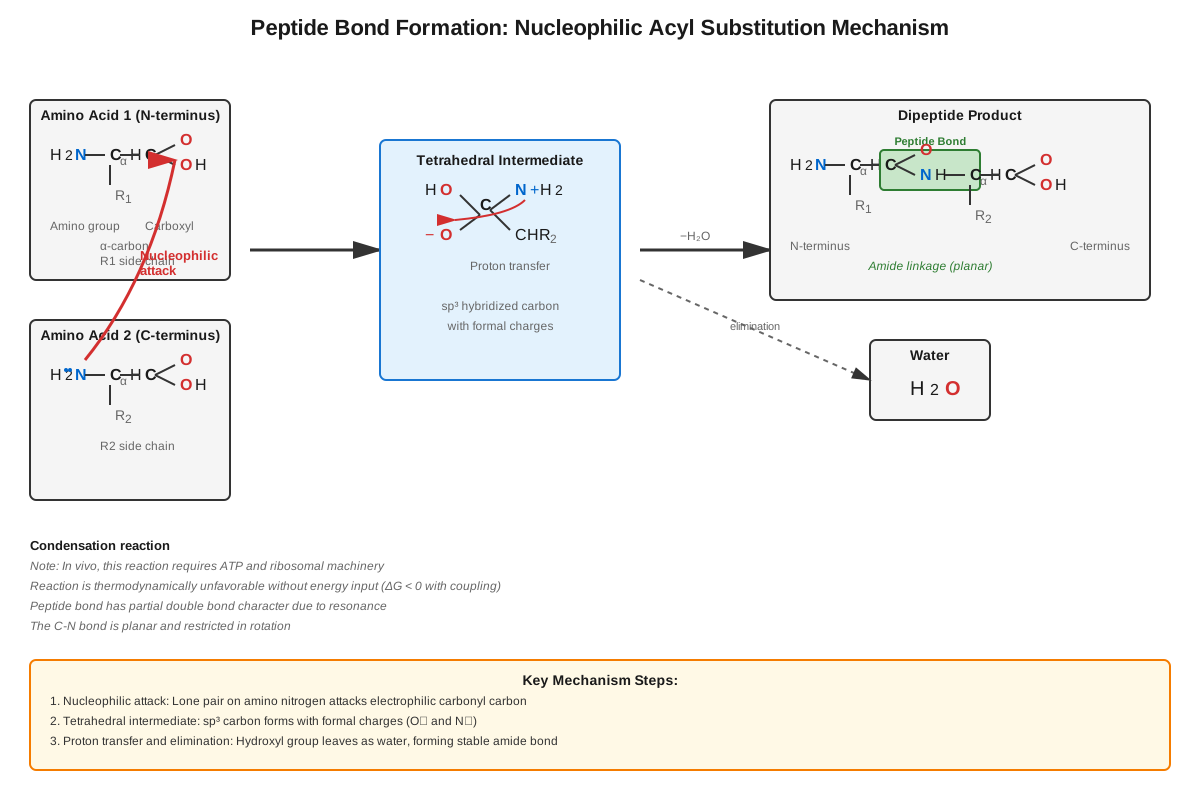
The peptide bond is an amide linkage formed between the carboxyl group of one amino acid and the amino group of another through a condensation reaction (also called dehydration synthesis). This reaction eliminates one molecule of water and creates a covalent C-N bond. In biological systems, this process is catalyzed by ribosomes and requires energy input (from ATP and GTP), but the fundamental organic chemistry mechanism involves nucleophilic acyl substitution.
The mechanism proceeds as follows:
- The amino group (nucleophile) of one amino acid attacks the carbonyl carbon of another amino acid's carboxyl group
- A tetrahedral intermediate forms
- Water is eliminated as a leaving group
- The peptide bond (amide) is formed
The resulting peptide bond has partial double-bond character due to resonance between the nitrogen lone pair and the carbonyl π system. This resonance stabilization has critical structural consequences: the C-N bond is shorter than typical single bonds, and rotation around this bond is restricted, keeping the six atoms of the peptide unit (Cα-C-O-N-H-Cα) in a planar configuration.
Peptide Nomenclature and Structure
Peptides are named from the N-terminus (amino terminus, with a free amino group) to the C-terminus (carboxyl terminus, with a free carboxyl group). By convention, peptide sequences are written left to right from N-terminus to C-terminus. Individual amino acids within a peptide are called residues, and when incorporated into a peptide, their names change (e.g., glycine becomes glycyl, alanine becomes alanyl) except for the C-terminal residue, which retains its original name.
For example, a tripeptide composed of glycine, alanine, and serine (in that order) would be named glycylalanylserine or abbreviated Gly-Ala-Ser or G-A-S. The peptide contains two peptide bonds and three amino acid residues.
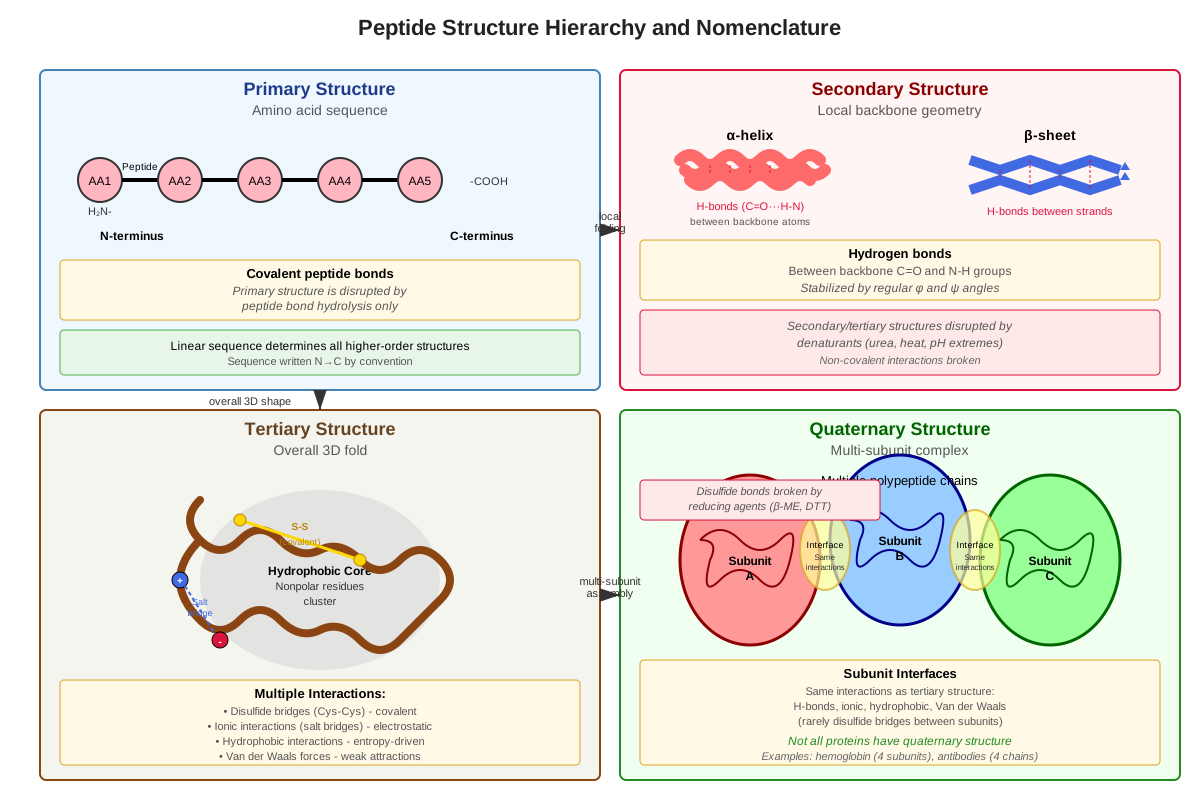
Primary structure refers to the linear sequence of amino acids in a peptide or protein. This sequence determines all higher-order structure and function. Even a single amino acid change can dramatically alter biological activity, as seen in sickle cell disease where glutamic acid is replaced by valine at position 6 of the β-globin chain.
Peptide Bond Characteristics
The peptide bond exhibits several unique properties critical for MCAT questions:
| Property | Description | MCAT Relevance |
|---|---|---|
| Planarity | Six atoms lie in the same plane due to resonance | Restricts conformational flexibility; important for protein folding |
| Partial double-bond character | C-N bond length ~1.33 Å (between single and double) | Explains restricted rotation and trans configuration preference |
| Trans configuration | >99% of peptide bonds adopt trans geometry | Cis configuration causes steric clashes except before proline |
| Resonance stabilization | ~40% double-bond character | Makes peptide bonds relatively stable and resistant to hydrolysis |
| Dipole moment | Carbonyl oxygen is δ- and amide nitrogen is δ+ | Important for hydrogen bonding in secondary structures |
The trans configuration is strongly preferred because it minimizes steric interactions between adjacent Cα substituents. The only common exception occurs at proline residues, where the cyclic structure of proline's side chain creates unique geometric constraints that make cis peptide bonds more favorable (~10% of X-Pro bonds are cis).
Peptide Hydrolysis
Peptide bonds can be cleaved through hydrolysis, the reverse of peptide bond formation. This reaction breaks the C-N amide bond by adding water, regenerating the carboxyl and amino groups of the constituent amino acids. Hydrolysis can occur under three conditions:
Acid-catalyzed hydrolysis: Strong acids (6 M HCl) at elevated temperatures (110°C) for extended periods (24 hours) completely hydrolyze peptides to free amino acids. This method is used for amino acid analysis but destroys some amino acids (tryptophan) and converts others (asparagine and glutamine to aspartic acid and glutamic acid).
Base-catalyzed hydrolysis: Strong bases can also hydrolyze peptide bonds, but this method is less commonly used because it causes racemization of amino acids and destroys some residues (serine, threonine, cysteine).
Enzymatic hydrolysis: Proteases (peptidases) are enzymes that catalyze peptide bond hydrolysis under physiological conditions. These are classified as:
- Exopeptidases: cleave amino acids from peptide termini (aminopeptidases from N-terminus, carboxypeptidases from C-terminus)
- Endopeptidases: cleave internal peptide bonds with varying specificity (trypsin cleaves after basic residues; chymotrypsin cleaves after large hydrophobic residues; pepsin cleaves between hydrophobic residues)
Peptide Synthesis
Chemical peptide synthesis requires protecting group strategies because amino acids are bifunctional molecules. Without protection, amino acids would polymerize randomly rather than forming a specific sequence. The general strategy involves:
- Protecting the amino group of one amino acid (typically with t-Boc or Fmoc groups)
- Activating the carboxyl group of that same amino acid (converting it to a better electrophile)
- Coupling the activated carboxyl to the free amino group of another amino acid
- Deprotecting the amino group of the newly formed dipeptide
- Repeating the cycle to add subsequent amino acids
The Merrifield solid-phase peptide synthesis revolutionized peptide chemistry by attaching the growing peptide chain to an insoluble polymer bead, allowing excess reagents to be washed away after each step. This automated approach enables rapid synthesis of peptides up to ~50 residues.
Acid-Base Properties of Peptides
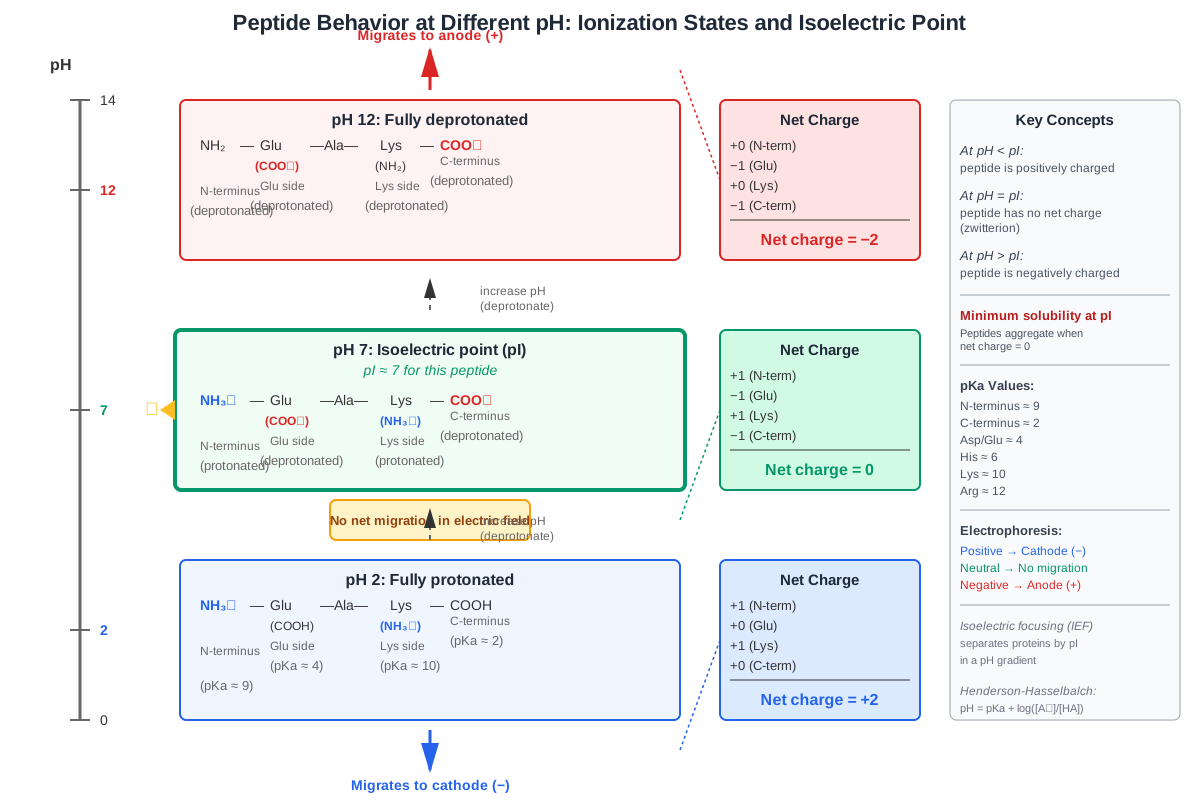
Peptides are amphoteric molecules—they can act as both acids and bases because they contain ionizable groups. At minimum, every peptide has an N-terminal amino group (pKa ~9) and a C-terminal carboxyl group (pKa ~2-3). Additionally, ionizable side chains (Asp, Glu, His, Lys, Arg, Cys, Tyr) contribute to the peptide's acid-base behavior.
The isoelectric point (pI) is the pH at which a peptide has no net charge. At pH < pI, the peptide is positively charged; at pH > pI, it is negatively charged. For simple peptides without ionizable side chains, pI ≈ (pKa of α-COOH + pKa of α-NH3+)/2. For peptides with ionizable side chains, the calculation is more complex and depends on which groups are ionized at the isoelectric point.
Understanding peptide charge at different pH values is crucial for predicting behavior in electrophoresis and chromatography. In electrophoresis, peptides migrate toward the electrode of opposite charge, with migration rate depending on charge-to-mass ratio.
Peptide Sequencing Methods
Determining the amino acid sequence of an unknown peptide is a common MCAT passage theme. Key methods include:
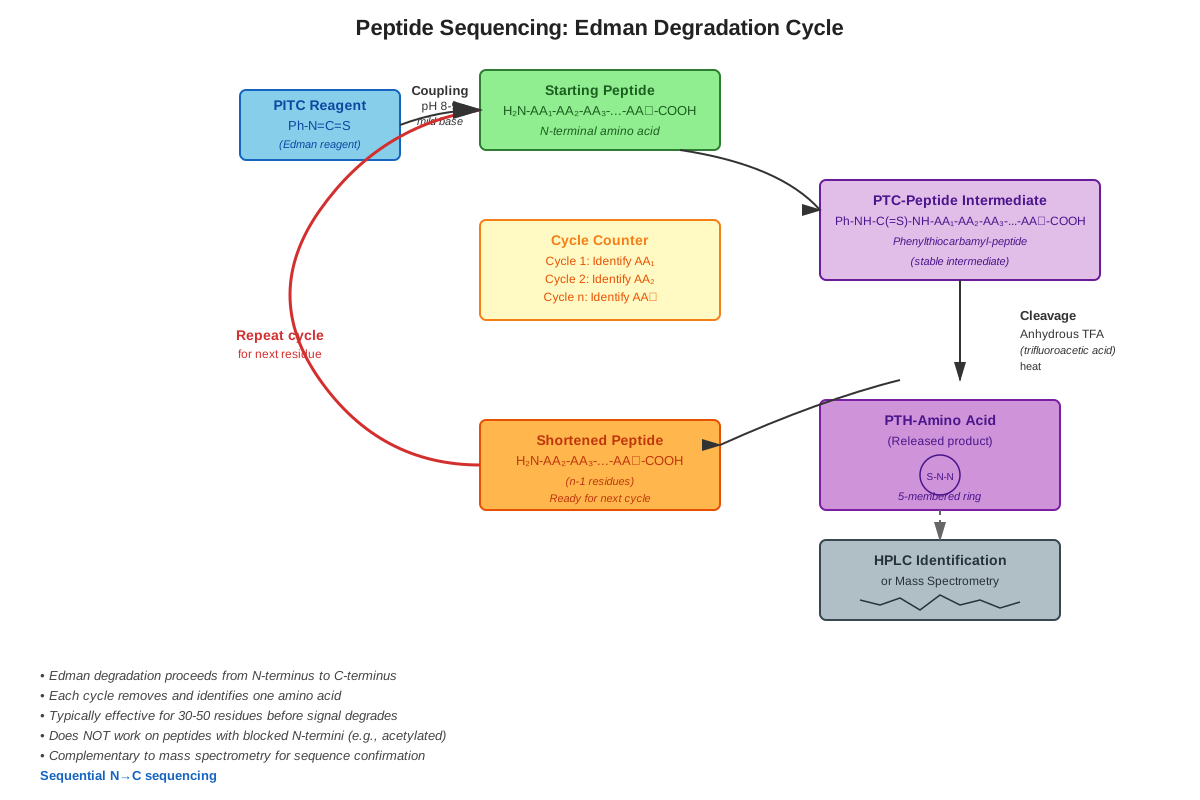
Edman degradation: A sequential method that removes and identifies one amino acid at a time from the N-terminus. The reagent phenylisothiocyanate (PITC) reacts with the N-terminal amino group, and under mildly acidic conditions, the N-terminal residue is cleaved as a phenylthiohydantoin (PTH) derivative that can be identified by chromatography. This process can be repeated for ~50 cycles before efficiency decreases.
Mass spectrometry: Modern techniques like MALDI-TOF and ESI-MS can determine peptide molecular weight with high precision and, through tandem MS (MS/MS), can fragment peptides and determine sequence from fragment masses.
Selective cleavage: Breaking a long peptide into smaller fragments using specific proteases or chemical reagents (e.g., cyanogen bromide cleaves after methionine) generates overlapping fragments whose sequences can be determined separately and then aligned to deduce the original sequence.
Concept Relationships
Peptide chemistry integrates multiple organic chemistry concepts into a unified framework. Amino acid structure provides the building blocks, with each residue's side chain determining local properties like hydrophobicity, charge, and hydrogen bonding capacity. The peptide bond formation mechanism exemplifies nucleophilic acyl substitution, connecting peptide chemistry to the broader topic of carboxylic acid derivatives (esters, amides, anhydrides, acid chlorides).
The acid-base properties of peptides link directly to general acid-base chemistry, requiring application of Henderson-Hasselbalch equations and pKa concepts to predict ionization states. This connects to electrophoresis and chromatography, separation techniques that exploit charge and polarity differences arising from peptide acid-base behavior.
Resonance stabilization of the peptide bond connects to fundamental concepts of electron delocalization and molecular orbital theory, explaining both the bond's planarity and its resistance to hydrolysis. This stability contrasts with the lability of other carboxylic acid derivatives, illustrating how resonance affects reactivity.
The relationship map flows as follows:
Amino acids → Condensation reaction → Peptide bond (amide) → Primary structure → Acid-base properties → Charge state at given pH → Separation behavior (electrophoresis/chromatography) → Sequencing methods → Structure determination
Additionally, peptide chemistry serves as the foundation for protein structure (secondary, tertiary, quaternary), enzyme mechanisms (where peptide bonds in the active site participate in catalysis), and biochemical signaling (peptide hormones and neurotransmitters). Understanding peptide chemistry at the organic level enables deeper comprehension of these biochemical topics.
Quick check — test yourself on Peptide chemistry so far.
Try Flashcards →High-Yield Facts
⭐ The peptide bond has partial double-bond character (~40%) due to resonance, restricting rotation and enforcing planarity of the C-N bond.
⭐ Peptide sequences are written N-terminus to C-terminus by convention, and this directionality is critical for correct interpretation.
⭐ At pH < pI, peptides are positively charged and migrate toward the cathode (negative electrode) in electrophoresis; at pH > pI, they are negatively charged and migrate toward the anode.
⭐ Trypsin cleaves peptide bonds on the C-terminal side of basic amino acids (Lys, Arg), while chymotrypsin cleaves after large hydrophobic residues (Phe, Trp, Tyr).
⭐ Edman degradation sequentially removes amino acids from the N-terminus without breaking other peptide bonds, allowing determination of peptide sequence.
- The trans configuration is strongly preferred for peptide bonds (>99%) except before proline residues where cis bonds are more common.
- Peptide bond formation is thermodynamically unfavorable (ΔG > 0) and requires energy input in biological systems, typically from ATP/GTP hydrolysis.
- Complete acid hydrolysis (6 M HCl, 110°C, 24 hours) breaks all peptide bonds but destroys tryptophan and converts Asn/Gln to Asp/Glu.
- The isoelectric point (pI) of a peptide depends on all ionizable groups: N-terminus, C-terminus, and ionizable side chains.
- Disulfide bonds (between cysteine residues) are not peptide bonds but are covalent cross-links that stabilize peptide/protein structure.
- Proline is unique because its side chain cyclizes back to the backbone nitrogen, creating conformational rigidity and disrupting regular secondary structures.
- The peptide backbone contains repeating units of -N-Cα-C-, with the Cα bearing the variable side chain that distinguishes amino acids.
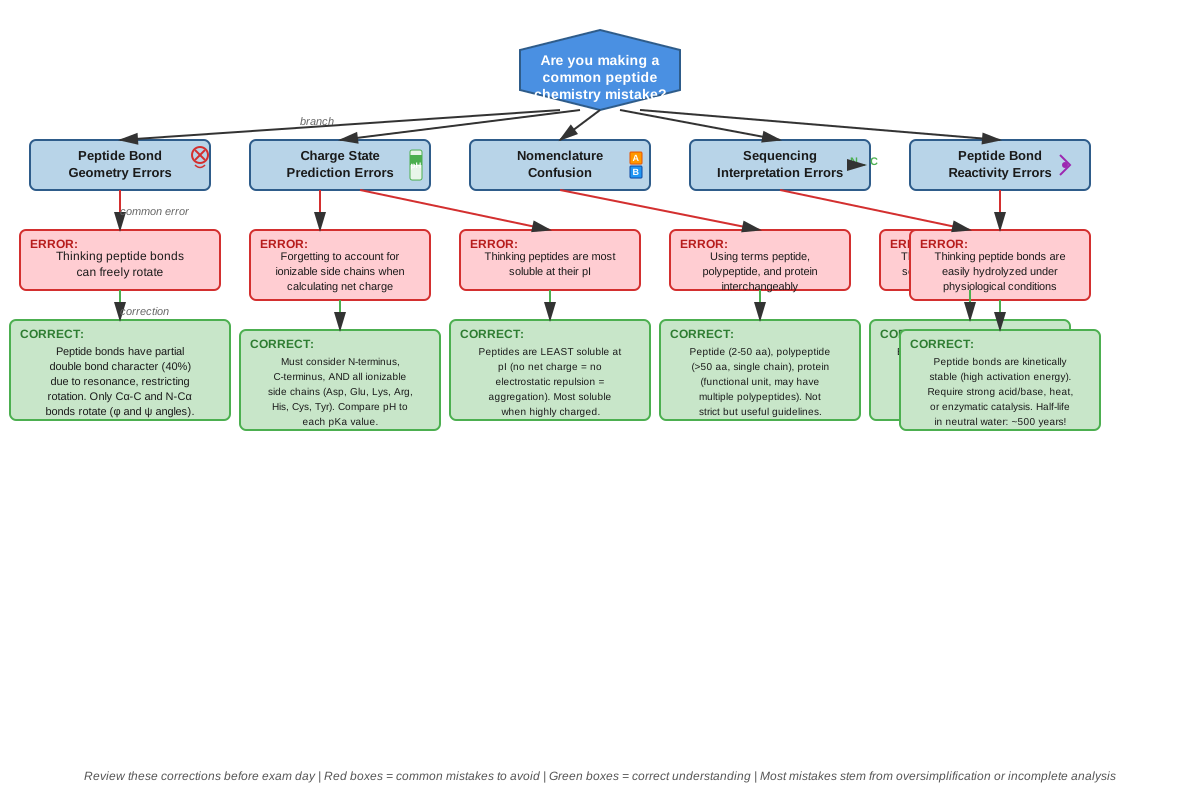
Common Misconceptions
Misconception: Peptide bonds and disulfide bonds are the same thing.
Correction: Peptide bonds are amide linkages between the carboxyl group of one amino acid and the amino group of another, forming the backbone of peptides. Disulfide bonds are covalent S-S linkages between the sulfur atoms of two cysteine residues, which stabilize protein structure but are not part of the primary sequence backbone.
Misconception: The peptide bond can freely rotate like a typical C-N single bond.
Correction: The peptide bond has significant double-bond character (~40%) due to resonance between the nitrogen lone pair and the carbonyl π system. This restricts rotation and keeps the six atoms of the peptide unit (Cα-C-O-N-H-Cα) in a planar configuration. Only the bonds to Cα (phi and psi angles) can rotate freely.
Misconception: Peptides are always positively charged because they contain amino groups.
Correction: Peptides are amphoteric and their net charge depends on pH. At low pH, both amino and carboxyl groups are protonated, giving a net positive charge. At high pH, both are deprotonated, giving a net negative charge. At the isoelectric point (pI), the peptide has no net charge. The actual charge at any pH depends on the pKa values of all ionizable groups.
Misconception: Edman degradation can sequence a peptide from either terminus.
Correction: Edman degradation specifically removes and identifies amino acids sequentially from the N-terminus only. To sequence from the C-terminus, different methods (like carboxypeptidase digestion or mass spectrometry) must be used. This directionality is crucial for interpreting sequencing data.
Misconception: All peptide bonds in proteins are in the trans configuration.
Correction: While >99% of peptide bonds adopt the trans configuration to minimize steric clashes, approximately 10% of peptide bonds preceding proline (X-Pro bonds) adopt the cis configuration. Proline's unique cyclic structure reduces the energetic penalty for cis bonds, making both configurations accessible.
Misconception: Peptide synthesis in the lab occurs spontaneously when amino acids are mixed.
Correction: Peptide bond formation is thermodynamically unfavorable under standard conditions. Chemical synthesis requires protecting groups to prevent random polymerization, activating groups to make the carboxyl carbon more electrophilic, and coupling reagents to drive the reaction forward. Without these strategies, amino acids will not spontaneously form specific peptide sequences.
Worked Examples
Example 1: Predicting Peptide Charge and Electrophoretic Behavior
Question: A tripeptide with the sequence Lys-Asp-Ala is subjected to electrophoresis at pH 7.0. In which direction will this peptide migrate, and why?
Solution:
Step 1: Identify all ionizable groups and their pKa values.
- N-terminal amino group: pKa ≈ 9.0
- Lysine side chain amino group: pKa ≈ 10.5
- Aspartic acid side chain carboxyl group: pKa ≈ 3.9
- C-terminal carboxyl group: pKa ≈ 2.3
- Alanine has no ionizable side chain
Step 2: Determine the ionization state of each group at pH 7.0.
Using the principle that groups are protonated when pH < pKa and deprotonated when pH > pKa:
- N-terminal amino group (pKa 9.0): pH 7.0 < 9.0, so this group is protonated (NH3+), charge = +1
- Lysine side chain (pKa 10.5): pH 7.0 < 10.5, so this group is protonated (NH3+), charge = +1
- Aspartic acid side chain (pKa 3.9): pH 7.0 > 3.9, so this group is deprotonated (COO-), charge = -1
- C-terminal carboxyl (pKa 2.3): pH 7.0 > 2.3, so this group is deprotonated (COO-), charge = -1
Step 3: Calculate net charge.
Net charge = (+1) + (+1) + (-1) + (-1) = 0
Step 4: Interpret the result.
At pH 7.0, this tripeptide has a net charge of zero, meaning pH 7.0 is approximately the isoelectric point. The peptide will not migrate significantly in either direction during electrophoresis—it will remain near the origin.
Key takeaway: Always account for all ionizable groups (both termini and side chains) when predicting peptide charge. The pH relative to each pKa determines ionization state.
Example 2: Interpreting Peptide Sequencing Data
Question: An unknown pentapeptide is subjected to the following analyses:
- Complete acid hydrolysis yields: 2 Gly, 1 Ala, 1 Val, 1 Phe (equimolar amounts)
- Edman degradation identifies Gly as the N-terminal residue
- Treatment with carboxypeptidase (which removes C-terminal residues) releases Ala first
- Trypsin digestion produces no fragments (peptide remains intact)
- Chymotrypsin digestion produces two fragments: a tripeptide and a dipeptide
What is the sequence of this pentapeptide?
Solution:
Step 1: Establish what we know definitively.
- N-terminus: Gly (from Edman degradation)
- C-terminus: Ala (from carboxypeptidase)
- Composition: Gly-Gly-Val-Phe-Ala (in some order)
Step 2: Interpret the trypsin result.
Trypsin cleaves after basic residues (Lys, Arg). Since trypsin produces no fragments, the peptide contains no Lys or Arg residues. This is consistent with the amino acid composition.
Step 3: Interpret the chymotrypsin result.
Chymotrypsin cleaves after large hydrophobic residues (Phe, Trp, Tyr). The peptide contains one Phe, so chymotrypsin will cleave once, after Phe, producing two fragments: a tripeptide and a dipeptide.
Since we know the sequence starts with Gly and ends with Ala, and Phe must be positioned such that cleavage after it produces a tripeptide and dipeptide:
- If Phe is at position 3: Gly-?-Phe | ?-Ala (tripeptide | dipeptide) ✓
- If Phe is at position 2: Gly-Phe | ?-?-Ala (dipeptide | tripeptide) ✗ (contradicts fragment sizes if we assume the first fragment is called the tripeptide)
Step 4: Determine the positions of Gly and Val.
We have two Gly residues. One is at position 1 (N-terminus). The remaining residues to place are: Gly, Val.
If Phe is at position 3, the sequence is: Gly-?-Phe-?-Ala
The two unknown positions (2 and 4) must be filled with Gly and Val. Without additional information distinguishing between these positions, we need to reconsider the chymotrypsin data. If chymotrypsin produces a tripeptide and a dipeptide, and cleavage occurs after Phe:
- Tripeptide: Gly-X-Phe
- Dipeptide: Y-Ala
Where X and Y are Gly and Val in some order. Since we have two Gly total and one is at position 1, the other Gly could be at position 2 or 4.
Most likely sequence: Gly-Gly-Phe-Val-Ala or Gly-Val-Phe-Gly-Ala
Without additional data (like the specific masses or further enzymatic digestion), both sequences are possible. However, if the problem states chymotrypsin produces "a tripeptide and a dipeptide" (implying the first fragment is the tripeptide), then: Gly-Gly-Phe-Val-Ala or Gly-Val-Phe-Gly-Ala.
Key takeaway: Peptide sequencing requires integrating multiple pieces of data. Protease specificity (trypsin after basic residues, chymotrypsin after large hydrophobic residues) provides crucial information about sequence. Always work systematically from known termini and use cleavage patterns to deduce internal sequence.
Exam Strategy
When approaching MCAT questions on peptide chemistry, follow this systematic approach:
1. Identify the question type: Is it asking about peptide bond formation/hydrolysis, peptide properties (charge, solubility), sequencing methods, or protease specificity? This determines which concepts to apply.
2. Watch for trigger words:
- "N-terminus" or "amino terminus" → start of peptide sequence, site of Edman degradation
- "C-terminus" or "carboxyl terminus" → end of peptide sequence, site of carboxypeptidase action
- "Isoelectric point" or "pI" → pH where net charge is zero
- "Electrophoresis" → separation based on charge-to-mass ratio
- "Trypsin" → cleaves after Lys/Arg
- "Chymotrypsin" → cleaves after Phe/Trp/Tyr
- "Edman degradation" → sequential N-terminal sequencing
- "Resonance" → explains peptide bond planarity and restricted rotation
3. For charge/pI questions:
- List all ionizable groups (N-terminus, C-terminus, side chains)
- Compare pH to each pKa (protonated if pH < pKa, deprotonated if pH > pKa)
- Sum charges to get net charge
- Remember: positive charges migrate to cathode (negative electrode), negative charges to anode (positive electrode)
4. For sequencing questions:
- Start with definitive information (Edman gives N-terminus, carboxypeptidase gives C-terminus)
- Use protease specificity to determine internal sequence
- Look for overlapping fragments to resolve ambiguities
5. Process of elimination tips:
- Eliminate answers that violate peptide bond planarity (suggesting free rotation)
- Eliminate answers that show incorrect charge at given pH
- Eliminate answers that show wrong protease specificity
- Eliminate answers that confuse peptide bonds with disulfide bonds
6. Time allocation: Discrete peptide chemistry questions should take 60-90 seconds. Passage-based questions involving peptide sequencing or experimental analysis may require 90-120 seconds. Don't get bogged down in complex calculations—estimate when possible and use answer choice differences to guide precision needed.
Exam Tip: If a passage describes a peptide sequencing experiment, immediately note the N-terminus (from Edman or aminopeptidase) and C-terminus (from carboxypeptidase) in the margin. This anchors your analysis and prevents errors from working in the wrong direction.
Memory Techniques
Mnemonic for protease specificity:
- "Try Basic" → Trypsin cleaves after Basic residues (Lys, Arg)
- "Chymotrypsin Finds Phat Tryptophan" → Chymotrypsin cleaves after F-Phe, W-Trp, Y-Tyr (large hydrophobic residues)
Mnemonic for peptide bond characteristics:
- "PRRT" → Planar, Resonance stabilized, Restricted rotation, Trans configuration preferred
Visualization for peptide charge:
Picture a peptide as a string with positive beads (protonated groups) and negative beads (deprotonated groups) at different positions. At low pH, most beads are positive (protonated); at high pH, most are negative (deprotonated). At pI, positive and negative beads balance exactly.
Acronym for peptide synthesis steps:
- "PACD" → Protect amino group, Activate carboxyl group, Couple amino acids, Deprotect for next cycle
Memory aid for Edman degradation:
"Edman Eats from the N-end" → Edman degradation removes amino acids from the N-terminus sequentially
Visualization for peptide bond resonance:
Draw the two resonance structures side by side:
- C=O with N-H (carbonyl form)
- C-O⁻ with N⁺=C (resonance form with positive nitrogen)
The actual structure is a hybrid, with partial double-bond character in the C-N bond, explaining planarity and restricted rotation.
Summary
Peptide chemistry represents the organic foundation of protein structure and function, integrating concepts of nucleophilic acyl substitution, acid-base chemistry, and stereochemistry into biologically relevant contexts. The peptide bond—an amide linkage with partial double-bond character due to resonance—connects amino acids into linear sequences that determine all higher-order structure. Understanding peptide bond formation (condensation), hydrolysis (acid, base, or enzymatic), and the structural constraints imposed by resonance stabilization is essential for predicting peptide behavior. Peptides are amphoteric molecules whose charge depends on pH relative to the pKa values of all ionizable groups (termini and side chains), determining behavior in separation techniques like electrophoresis. Sequencing methods including Edman degradation and protease digestion with specific enzymes (trypsin after basic residues, chymotrypsin after large hydrophobic residues) allow determination of primary structure. For MCAT success, students must be able to predict peptide charge at any pH, interpret sequencing data, understand protease specificity, and recognize the unique properties of the peptide bond that distinguish it from other amide linkages.
Key Takeaways
- The peptide bond is an amide linkage with ~40% double-bond character due to resonance, enforcing planarity and restricting rotation around the C-N bond
- Peptide sequences are written N-terminus to C-terminus, and this directionality is critical for all sequencing and synthesis operations
- Peptide charge at any pH depends on all ionizable groups (both termini and side chains); at pH < pI the peptide is positive, at pH > pI it is negative
- Trypsin cleaves after basic residues (Lys, Arg) while chymotrypsin cleaves after large hydrophobic residues (Phe, Trp, Tyr)—protease specificity is high-yield for sequencing questions
- Edman degradation sequentially removes and identifies amino acids from the N-terminus without breaking other peptide bonds
- Peptide bond formation requires energy input and protecting group strategies in chemical synthesis; biological synthesis uses ribosomal machinery and ATP/GTP
- The trans configuration is strongly preferred (>99%) except before proline where cis bonds are more common due to proline's cyclic structure
Related Topics
Amino Acid Structure and Properties: Mastery of the 20 standard amino acids, their side chain characteristics, and acid-base properties is essential for predicting peptide behavior. Understanding which amino acids are acidic, basic, polar, or hydrophobic enables prediction of peptide solubility, charge, and reactivity.
Protein Structure: Peptide chemistry provides the foundation for understanding secondary structure (α-helices and β-sheets stabilized by hydrogen bonding between peptide backbone atoms), tertiary structure (three-dimensional folding driven by side chain interactions), and quaternary structure (multi-subunit assembly).
Enzyme Mechanisms: Many enzymes use amino acid side chains in their active sites to catalyze reactions. Understanding peptide chemistry enables comprehension of how serine proteases (chymotrypsin, trypsin) use a catalytic triad to hydrolyze peptide bonds, and how other enzymes use acid-base catalysis.
Chromatography and Electrophoresis: These separation techniques exploit differences in peptide charge, polarity, and size. Understanding peptide acid-base properties and how charge varies with pH is essential for predicting separation behavior.
Spectroscopy: Peptides absorb UV light (due to aromatic side chains and peptide bonds) and can be analyzed by mass spectrometry. Understanding peptide structure enables interpretation of spectroscopic data for structure determination.
Practice CTA
Now that you've mastered the core concepts of peptide chemistry, it's time to reinforce your understanding through active practice. Attempt the practice questions and flashcards associated with this topic to test your ability to apply these concepts under exam conditions. Focus especially on questions involving peptide charge calculations, protease specificity, and sequencing data interpretation—these are high-yield question types that appear frequently on the MCAT. Remember, understanding the "why" behind each answer choice is more valuable than simply memorizing facts. Each practice question is an opportunity to strengthen your conceptual framework and build the pattern recognition skills that lead to rapid, accurate performance on test day. You've got this!
Sign up free to keep reading
Create a free AnvayaPrep account to finish this MCAT guide on Peptide chemistry — plus flashcards and practice questions.