Overview
IQ testing represents one of the most widely used and debated methods for measuring human cognitive abilities. In the context of Psychology and the MCAT, understanding IQ testing extends beyond simply knowing what the acronym stands for—it requires comprehension of the theoretical foundations, historical development, psychometric properties, cultural considerations, and practical applications of intelligence measurement. IQ tests attempt to quantify cognitive abilities through standardized assessments that produce numerical scores, typically with a mean of 100 and a standard deviation of 15. These instruments have profound implications for educational placement, clinical diagnosis, research on cognitive development, and debates about the nature of intelligence itself.
For MCAT preparation, IQ testing sits at the intersection of multiple high-yield domains within Cognition and Consciousness. Questions may ask students to interpret test scores, evaluate the validity of different testing approaches, consider cultural bias in assessment, or apply knowledge of intelligence theories to clinical scenarios. The topic connects directly to broader discussions of cognitive development, learning disabilities, neuropsychological assessment, and the ongoing nature versus nurture debate. Understanding IQ testing also requires familiarity with basic statistical concepts like normal distribution, standard deviation, and percentile ranks—mathematical reasoning skills that appear throughout the MCAT's Psychological, Social, and Biological Foundations of Behavior section.
The MCAT frequently tests IQ-related concepts through passage-based questions that present research studies on cognitive abilities, clinical vignettes involving developmental assessments, or sociological passages examining educational disparities. Students must be prepared to critically evaluate claims about intelligence, recognize the limitations of standardized testing, and apply their understanding to novel scenarios that may involve children with learning disabilities, cross-cultural comparisons, or debates about the malleability of cognitive abilities.
Learning Objectives
- [ ] Define IQ testing using accurate Psychology terminology
- [ ] Explain why IQ testing matters for the MCAT
- [ ] Apply IQ testing to exam-style questions
- [ ] Identify common mistakes related to IQ testing
- [ ] Connect IQ testing to related Psychology concepts
- [ ] Compare and contrast major IQ tests (Stanford-Binet, WAIS, WISC) and their appropriate applications
- [ ] Calculate and interpret IQ scores using standard deviation and percentile ranks
- [ ] Evaluate the reliability, validity, and cultural fairness of intelligence assessments
- [ ] Analyze the relationship between IQ scores and real-world outcomes (academic achievement, occupational success)
Prerequisites
- Normal distribution and standard deviation: Essential for understanding how IQ scores are distributed in populations and what specific scores mean statistically
- Reliability and validity: Foundational psychometric concepts necessary for evaluating the quality and appropriateness of any psychological test
- Developmental stages: Understanding cognitive development across the lifespan provides context for age-appropriate testing and interpretation
- Nature versus nurture debate: Background in this fundamental psychological question helps frame discussions about the origins and malleability of intelligence
- Standardization in psychological testing: Knowledge of how tests are normed and administered ensures comprehension of what makes IQ tests scientifically rigorous
Why This Topic Matters
Clinical and Real-World Significance: IQ testing plays a crucial role in diagnosing intellectual disabilities, identifying gifted students, assessing cognitive decline in neurological conditions, and determining eligibility for special education services. Clinicians use IQ tests to establish baseline cognitive functioning, track changes over time, and make recommendations for interventions. In educational settings, these assessments inform placement decisions and help identify students who may benefit from accelerated or remedial programs. The scores can have life-altering consequences, making it essential that healthcare providers understand both the utility and limitations of these instruments.
MCAT Exam Statistics: IQ testing appears in approximately 3-5% of Psychology/Sociology section questions, typically integrated into passages about cognitive development, educational psychology, or social stratification. Questions may be discrete (asking about specific test properties) or passage-based (requiring application of IQ concepts to research scenarios). The topic frequently appears alongside discussions of standardized testing bias, socioeconomic factors in education, or theories of intelligence. Students should expect both straightforward definitional questions and more complex items requiring critical evaluation of testing practices.
Common Exam Appearances: MCAT passages often present research comparing IQ scores across different demographic groups, requiring students to identify confounding variables and evaluate claims about group differences. Clinical vignettes may describe a child undergoing psychological evaluation, asking students to interpret scores or recommend appropriate assessments. Sociological passages might examine the relationship between IQ scores and life outcomes, testing students' ability to distinguish correlation from causation and recognize the influence of environmental factors.
Core Concepts
Definition and Purpose of IQ Testing
Intelligence Quotient (IQ) represents a standardized score derived from psychological tests designed to measure cognitive abilities. The term "quotient" originates from early testing methods that divided mental age by chronological age and multiplied by 100. Modern IQ tests no longer use this formula but retain the scoring system where 100 represents the population mean. IQ testing serves multiple purposes: identifying cognitive strengths and weaknesses, diagnosing intellectual disabilities or giftedness, predicting academic performance, and contributing to research on human cognition.
Contemporary IQ tests measure various cognitive domains including verbal comprehension, perceptual reasoning, working memory, and processing speed. Rather than capturing a single, monolithic "intelligence," modern assessments recognize that cognitive abilities are multifaceted. The deviation IQ used today compares an individual's performance to age-matched peers, with scores distributed normally around a mean of 100 and standard deviation of 15 (for most tests).
Major IQ Tests
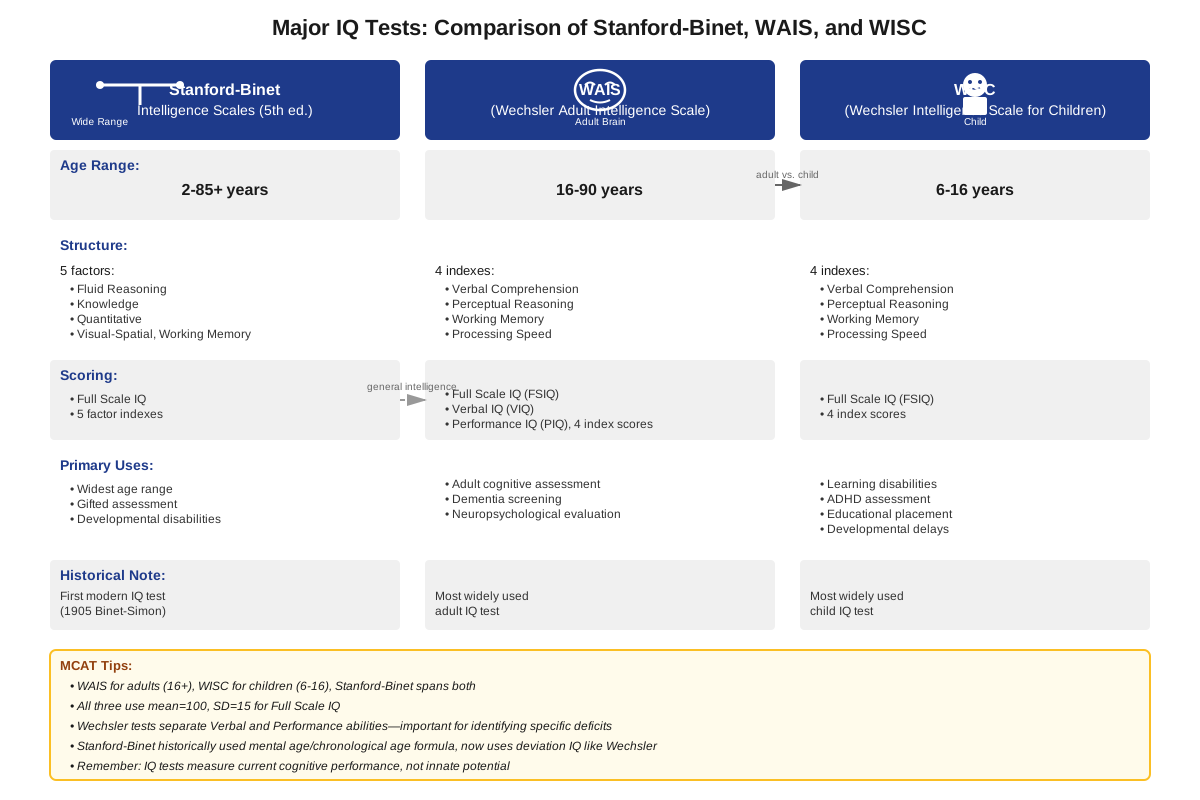
| Test Name | Age Range | Key Features | Primary Use |
|---|---|---|---|
| Stanford-Binet Intelligence Scales | 2 years to adult | Five factor scores; extended low and high ranges | Identifying intellectual disabilities and giftedness |
| Wechsler Adult Intelligence Scale (WAIS) | 16+ years | Four index scores; most widely used adult test | Clinical assessment, neuropsychological evaluation |
| Wechsler Intelligence Scale for Children (WISC) | 6-16 years | Four index scores; school-age focus | Educational placement, learning disability diagnosis |
| Wechsler Preschool and Primary Scale of Intelligence (WPPSI) | 2.5-7 years | Developmentally appropriate tasks | Early intervention identification |
The Stanford-Binet test, first developed by Alfred Binet and Theodore Simon in 1905 and later adapted by Lewis Terman at Stanford University, represents the oldest continuously used intelligence test. Originally designed to identify French schoolchildren needing additional support, it has evolved through multiple revisions. The current fifth edition assesses five factors: fluid reasoning, knowledge, quantitative reasoning, visual-spatial processing, and working memory.
The Wechsler scales, developed by David Wechsler beginning in 1939, are the most commonly administered IQ tests worldwide. These tests yield a Full Scale IQ (FSIQ) along with index scores for specific cognitive domains. The separation of verbal and performance components allows clinicians to identify discrepancies that may indicate learning disabilities or neurological conditions.
Psychometric Properties
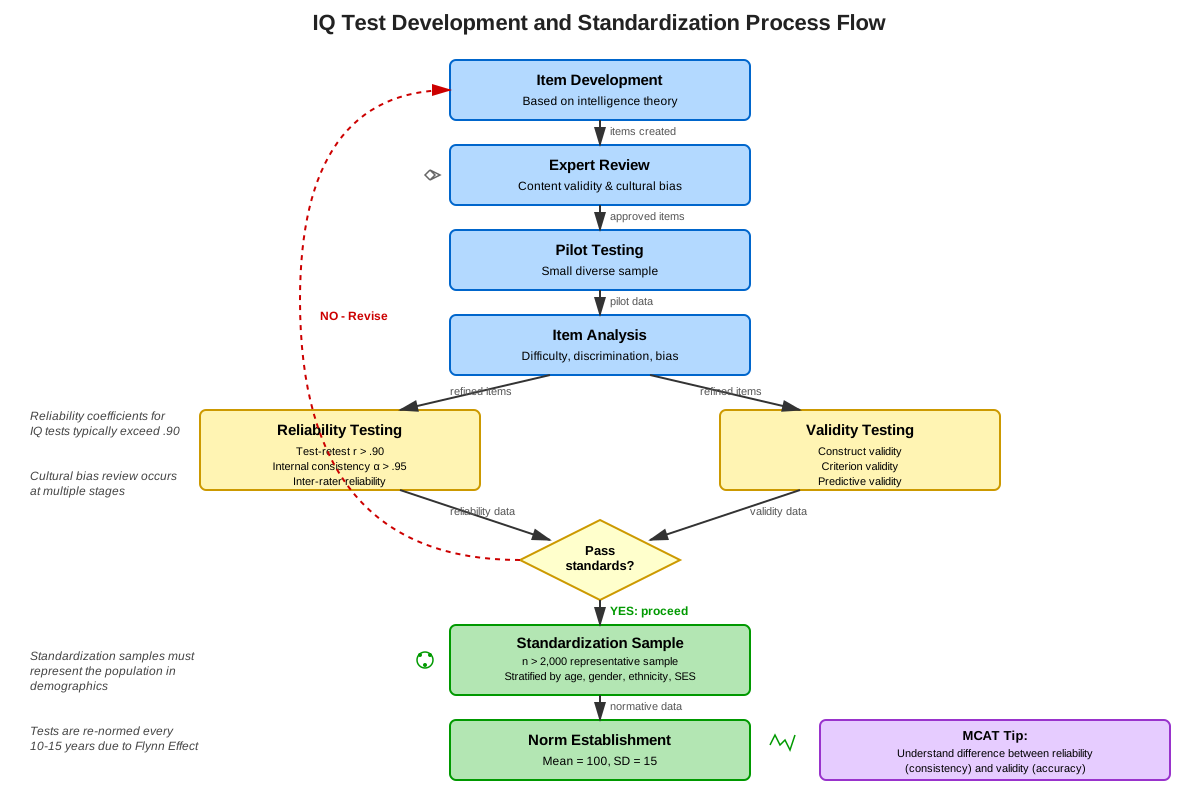
Reliability refers to the consistency of test scores across time and conditions. IQ tests demonstrate high test-retest reliability (typically r = 0.90 or higher), meaning individuals receive similar scores when tested multiple times. Internal consistency (measured by Cronbach's alpha) indicates that items within each subtest measure related constructs. Inter-rater reliability is less relevant for IQ tests since most are objectively scored, though some verbal subtests require examiner judgment.
Validity addresses whether tests measure what they claim to measure. Construct validity examines whether IQ tests actually assess intelligence as theoretically defined. Criterion validity evaluates how well IQ scores predict relevant outcomes. IQ tests show moderate correlations with academic achievement (r = 0.50-0.70) and occupational success (r = 0.30-0.50), supporting their predictive validity. Content validity ensures test items appropriately sample the domain of cognitive abilities.
Standardization involves administering tests to large, representative samples to establish norms. Test developers ensure that the normative sample matches the general population in terms of age, gender, ethnicity, socioeconomic status, and geographic region. This process allows individual scores to be meaningfully compared to population averages. Tests require periodic re-standardization (typically every 10-15 years) to account for the Flynn effect—the observation that average IQ scores increase approximately 3 points per decade in developed nations.
Score Interpretation
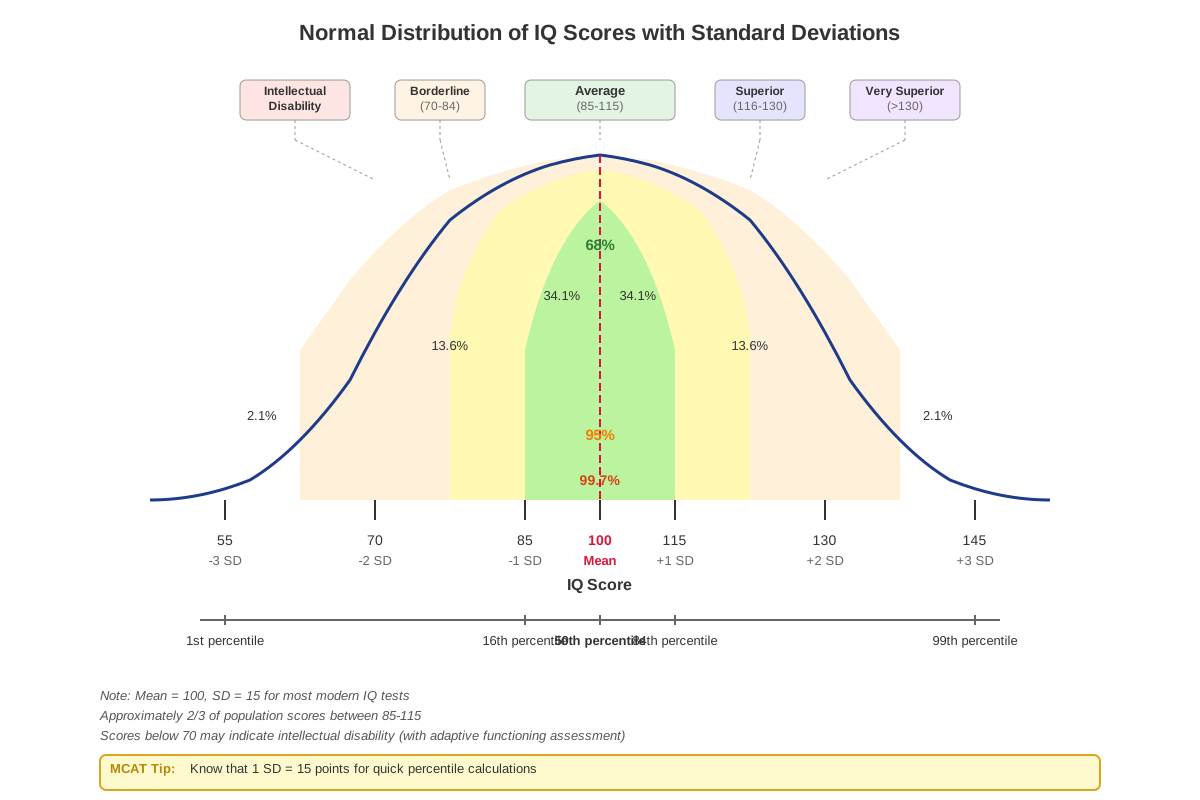
IQ scores follow a normal distribution (bell curve) with specific properties:
Mean (μ) = 100
Standard Deviation (σ) = 15 (for most tests)
Understanding standard deviations allows precise interpretation:
- 68% of scores fall between 85-115 (within 1 SD)
- 95% of scores fall between 70-130 (within 2 SD)
- 99.7% of scores fall between 55-145 (within 3 SD)
Classification categories based on IQ scores:
- 130+: Very Superior (approximately 2.2% of population)
- 120-129: Superior (6.7%)
- 110-119: High Average (16.1%)
- 90-109: Average (50%)
- 80-89: Low Average (16.1%)
- 70-79: Borderline (6.7%)
- Below 70: Intellectual Disability (2.2%)
Percentile ranks indicate the percentage of people scoring at or below a given score. An IQ of 115 corresponds to the 84th percentile, meaning the individual scored higher than 84% of the normative sample. Converting between IQ scores and percentiles requires understanding the normal distribution.
Cultural Considerations and Test Bias
Test bias occurs when assessments systematically disadvantage certain groups. Cultural bias in IQ testing has generated substantial controversy, as early tests reflected the knowledge and values of white, middle-class Americans. Items requiring specific cultural knowledge (e.g., "What is a sonnet?") may disadvantage individuals from different backgrounds regardless of their cognitive abilities.
Culture-fair tests attempt to minimize cultural and linguistic influences by using nonverbal tasks, abstract reasoning problems, and universal symbols. Examples include Raven's Progressive Matrices and the Cattell Culture Fair Intelligence Test. However, no test is completely culture-free, as even abstract reasoning reflects culturally-influenced cognitive styles and test-taking familiarity.
Stereotype threat—the phenomenon where awareness of negative stereotypes impairs performance—can affect IQ test scores. Research demonstrates that African American students score lower when tests are framed as measuring intelligence compared to when the same items are presented as problem-solving exercises. This finding highlights how testing context influences outcomes independent of actual ability.
Socioeconomic factors significantly impact IQ scores. Children from lower-income families average 10-15 points lower than affluent peers, likely reflecting differences in nutrition, healthcare, educational resources, environmental toxins, and chronic stress rather than innate ability. These environmental influences demonstrate that IQ scores reflect both genetic potential and environmental opportunity.
Theories of Intelligence and Testing Approaches
Different theoretical perspectives on intelligence inform test construction:
Spearman's g (general intelligence): Charles Spearman proposed that a single general factor underlies all cognitive abilities. Tests emphasizing g focus on tasks that correlate highly with overall performance across diverse cognitive domains.
Cattell-Horn-Carroll (CHC) Theory: This hierarchical model identifies g at the apex, with broad abilities (fluid intelligence, crystallized intelligence, processing speed, etc.) at the second level and narrow abilities at the third level. Modern tests like the Stanford-Binet 5 explicitly align with CHC theory.
Gardner's Multiple Intelligences: Howard Gardner proposed eight distinct intelligences (linguistic, logical-mathematical, spatial, musical, bodily-kinesthetic, interpersonal, intrapersonal, naturalistic). Traditional IQ tests primarily assess linguistic and logical-mathematical intelligences, potentially overlooking other important abilities.
Sternberg's Triarchic Theory: Robert Sternberg identified analytical intelligence (measured by traditional IQ tests), creative intelligence (novel problem-solving), and practical intelligence (real-world adaptation). He argues that conventional tests overemphasize analytical abilities while neglecting creativity and practical skills.
Stability and Malleability of IQ
IQ scores show increasing stability with age. Infant assessments poorly predict adult IQ (r = 0.20-0.30), while scores after age 7 correlate strongly with adult scores (r = 0.70-0.80). This pattern reflects both the maturation of cognitive abilities and the cumulative effects of environmental influences.
Heritability estimates suggest genetics account for 50-80% of IQ variance in adults, though this figure varies by age and environment. Heritability represents population-level statistics and does not determine individual potential. Importantly, high heritability does not mean immutability—even highly heritable traits can be modified through environmental interventions.
Environmental interventions can increase IQ scores. High-quality early childhood education programs produce gains of 5-15 points, though effects sometimes fade without continued support. Improved nutrition, reduced lead exposure, and cognitive training also demonstrate positive effects. The Flynn effect provides compelling evidence that environmental factors substantially influence population-level intelligence.
Concept Relationships
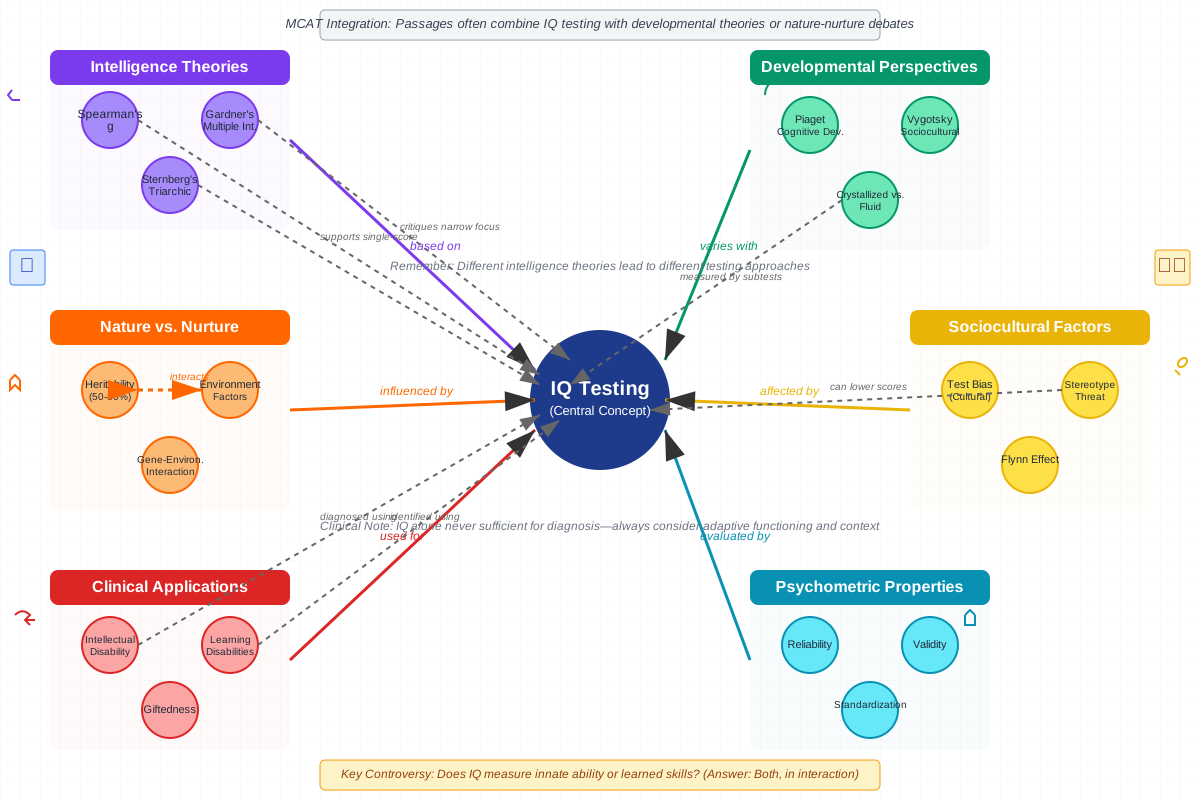
IQ testing connects to multiple domains within Cognition and Consciousness and broader Psychology. The relationship map flows as follows:
Theories of Intelligence → inform → Test Construction → produces → Standardized Assessments → yield → IQ Scores → require → Statistical Interpretation → enables → Clinical and Educational Applications
Within this framework, psychometric properties (reliability and validity) ensure test quality, while cultural considerations influence both test construction and score interpretation. The nature versus nurture debate contextualizes discussions about what IQ scores represent and their malleability.
IQ testing relates to developmental psychology through age-appropriate assessment and understanding of cognitive maturation. Connections to social psychology emerge when examining stereotype threat and group differences. Links to biological psychology include genetic contributions to intelligence and neurological correlates of cognitive abilities. Clinical psychology applications involve diagnosing intellectual disabilities and assessing cognitive decline.
The topic also connects to educational psychology (predicting academic achievement, identifying learning disabilities), industrial-organizational psychology (personnel selection, job performance prediction), and research methods (understanding standardization, sampling, and statistical analysis).
Quick check — test yourself on IQ testing so far.
Try Flashcards →High-Yield Facts
⭐ IQ scores follow a normal distribution with mean = 100 and standard deviation = 15 for most tests
⭐ The Wechsler scales (WAIS, WISC, WPPSI) are the most widely used IQ tests across different age groups
⭐ IQ tests demonstrate high reliability (r > 0.90) but only moderate correlation with real-world outcomes like job performance (r = 0.30-0.50)
⭐ An IQ score below 70, combined with adaptive functioning deficits, is required for intellectual disability diagnosis
⭐ The Flynn effect describes the observation that average IQ scores increase approximately 3 points per decade
- The Stanford-Binet test was originally developed in 1905 to identify French schoolchildren needing additional educational support
- Modern IQ tests use deviation IQ (comparing individuals to age-matched peers) rather than the original mental age ÷ chronological age × 100 formula
- Approximately 68% of the population scores between 85-115 (within one standard deviation of the mean)
- Culture-fair tests attempt to minimize cultural bias but cannot eliminate all environmental influences on test performance
- IQ scores become increasingly stable with age, with scores after age 7 strongly predicting adult IQ (r = 0.70-0.80)
- Socioeconomic factors account for 10-15 point differences in average IQ scores between income groups
- Stereotype threat can temporarily depress test performance when individuals are aware of negative stereotypes about their group
- The Cattell-Horn-Carroll (CHC) theory provides the theoretical foundation for many modern intelligence tests
- Heritability of IQ increases from approximately 40% in childhood to 60-80% in adulthood
- High-quality early intervention programs can produce IQ gains of 5-15 points, demonstrating environmental malleability
Common Misconceptions
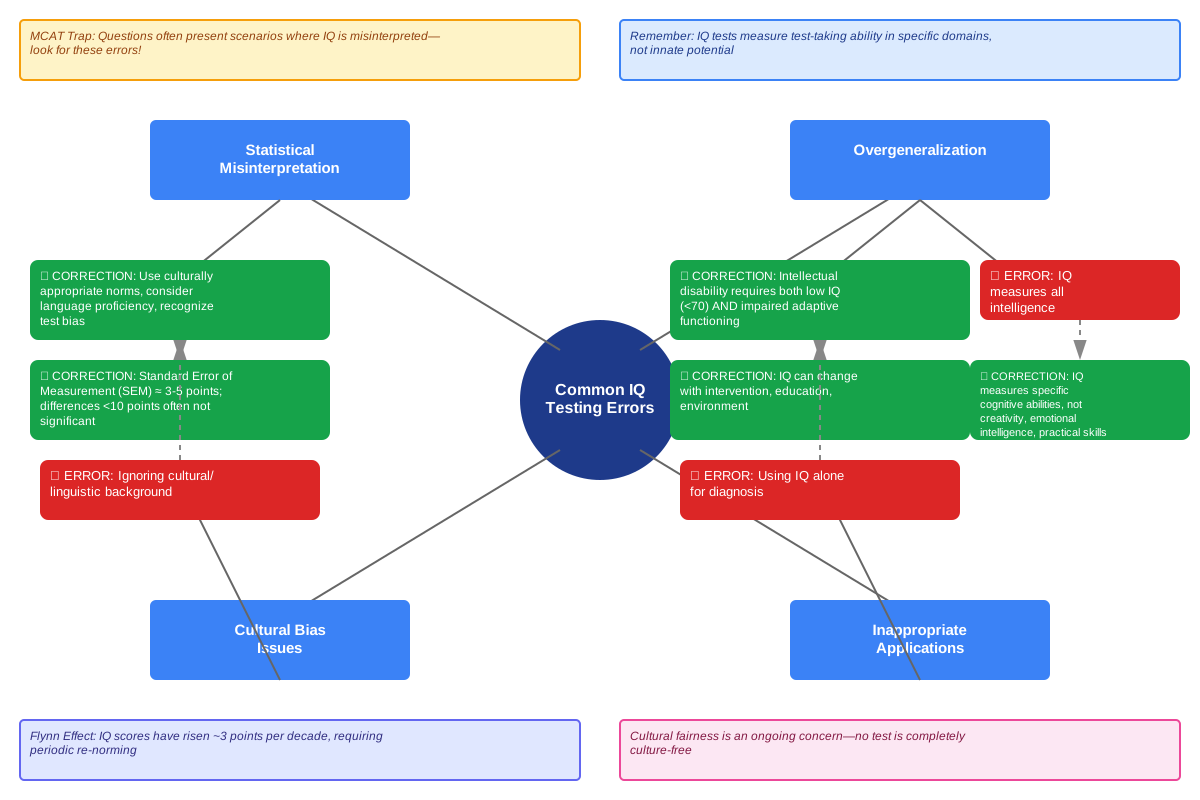
Misconception: IQ tests measure innate, fixed intelligence that cannot be changed.
Correction: IQ scores reflect both genetic and environmental factors and can be modified through interventions like quality education, improved nutrition, and cognitive training. The Flynn effect demonstrates substantial population-level increases over time.
Misconception: A single IQ score captures all aspects of human intelligence.
Correction: Modern IQ tests recognize multiple cognitive domains (verbal, perceptual, memory, processing speed) and provide index scores for different abilities. Theories like Gardner's multiple intelligences and Sternberg's triarchic theory highlight cognitive dimensions not captured by traditional IQ tests.
Misconception: IQ tests are completely objective and free from cultural bias.
Correction: Despite efforts to create culture-fair tests, all assessments reflect cultural values, educational experiences, and test-taking familiarity. Socioeconomic factors, stereotype threat, and cultural knowledge significantly influence scores independent of cognitive ability.
Misconception: The original IQ formula (mental age ÷ chronological age × 100) is still used today.
Correction: Modern tests use deviation IQ, which compares an individual's performance to age-matched peers using standard deviations from the mean. This approach avoids problems with the original formula, such as the inability to meaningfully calculate mental age for adults.
Misconception: An IQ score of 100 means average intelligence, so scores below 100 indicate below-average ability.
Correction: While 100 is the population mean, the average range extends from 90-109, encompassing 50% of the population. Only scores below 90 fall into the low average range, and intellectual disability requires scores below 70 plus adaptive functioning deficits.
Misconception: High IQ guarantees success in life, while low IQ predicts failure.
Correction: IQ correlates moderately with academic and occupational outcomes but explains only 25-50% of variance. Factors like motivation, emotional intelligence, creativity, practical skills, and socioeconomic resources substantially influence life outcomes independent of IQ.
Misconception: Group differences in average IQ scores reflect genetic differences in intelligence.
Correction: Observed group differences are largely attributable to environmental factors including socioeconomic status, educational quality, healthcare access, nutrition, and stereotype threat. Within-group variation far exceeds between-group variation, and environmental interventions can eliminate or reverse group differences.
Worked Examples
Example 1: Interpreting IQ Scores
Scenario: A 10-year-old child receives a WISC score with Full Scale IQ = 122, Verbal Comprehension Index = 130, Perceptual Reasoning Index = 118, Working Memory Index = 115, and Processing Speed Index = 110. The parents ask what these scores mean.
Step 1 - Interpret the Full Scale IQ: A score of 122 falls in the Superior range (120-129), placing the child at approximately the 93rd percentile. This means the child scored higher than 93% of same-age peers.
Step 2 - Analyze index score pattern: The Verbal Comprehension Index of 130 (Very Superior range, 98th percentile) represents a significant strength. The 20-point difference between highest (VCI = 130) and lowest (PSI = 110) indices indicates meaningful variability in cognitive abilities.
Step 3 - Consider clinical implications: The pattern suggests strong verbal reasoning and language abilities with relatively weaker (though still average to high average) processing speed. This profile is common and does not necessarily indicate pathology, but the discrepancy might affect academic performance in timed tasks.
Step 4 - Provide recommendations: The child would likely benefit from advanced verbal instruction and may need additional time on tests requiring rapid processing. The overall Superior IQ suggests potential for gifted programming, though the processing speed should be considered when determining appropriate placement.
Connection to learning objectives: This example demonstrates score interpretation using standard deviations and percentiles, applies knowledge to a clinical scenario, and illustrates how index scores provide more nuanced information than a single Full Scale IQ.
Example 2: Evaluating Research on IQ and Outcomes
Scenario: A research passage describes a longitudinal study finding that childhood IQ at age 10 correlates r = 0.45 with income at age 40. The authors conclude that intelligence determines economic success.
Step 1 - Evaluate the correlation coefficient: An r = 0.45 represents a moderate positive correlation, meaning IQ explains approximately 20% of variance in income (r² = 0.20). This leaves 80% of variance unexplained by IQ.
Step 2 - Identify the logical error: The authors commit the correlation-causation fallacy. While IQ and income are related, this does not prove that IQ causes income differences. Multiple confounding variables could explain the relationship.
Step 3 - Consider alternative explanations: Socioeconomic status affects both childhood IQ (through educational resources, nutrition, stress) and adult income (through educational opportunities, social networks, inherited wealth). The correlation might reflect shared environmental influences rather than IQ directly causing income.
Step 4 - Recognize bidirectional influences: Educational and occupational experiences can also influence cognitive abilities, suggesting potential bidirectional causation rather than simple unidirectional effects.
Step 5 - Formulate appropriate conclusion: Childhood IQ moderately predicts adult income, but this relationship likely reflects complex interactions between cognitive abilities, educational opportunities, socioeconomic factors, and other variables. IQ is one of many factors influencing economic outcomes.
Connection to learning objectives: This example requires applying IQ knowledge to research interpretation, identifying common mistakes (correlation-causation confusion), and connecting IQ testing to broader psychological concepts like socioeconomic influences on development.
Exam Strategy
Approaching MCAT Questions on IQ Testing:
- Identify the question type: Determine whether the question asks for factual recall (test names, score ranges), statistical interpretation (calculating percentiles, understanding standard deviations), or critical evaluation (assessing validity, identifying bias).
- Watch for trigger words: "Standardized," "norm-referenced," "deviation IQ," "Flynn effect," "culture-fair," "heritability," "stereotype threat," and "adaptive functioning" signal IQ-related content. "Correlation" often appears in questions about IQ's relationship to outcomes.
- Apply statistical reasoning: Many IQ questions require understanding normal distributions. Remember that 68% of scores fall within one standard deviation (85-115), 95% within two standard deviations (70-130). If a question provides a score, quickly calculate how many standard deviations from the mean it falls.
- Consider context and limitations: MCAT questions often test critical thinking about IQ testing rather than just factual knowledge. Be prepared to identify limitations, sources of bias, or alternative explanations for findings. Questions may present scenarios where IQ tests are inappropriately used or misinterpreted.
- Process of elimination strategies:
- Eliminate options suggesting IQ is purely genetic or completely fixed
- Reject answers claiming IQ tests are completely objective or culture-free
- Eliminate choices confusing correlation with causation
- Remove options that ignore environmental influences on test performance
- Time allocation: Discrete IQ questions should take 60-90 seconds. For passage-based questions, spend 2-3 minutes reading the passage, noting key details about test types, sample characteristics, and research findings. Allocate 60-90 seconds per question, returning to the passage as needed.
Exam Tip: When passages present group differences in IQ scores, the correct answer almost always acknowledges environmental factors and avoids genetic determinism. The MCAT emphasizes social and cultural influences on psychological phenomena.
Memory Techniques
Mnemonic for Wechsler Index Scores - "Very Perceptive Workers Process":
- Verbal Comprehension Index
- Perceptual Reasoning Index
- Working Memory Index
- Processing Speed Index
Mnemonic for IQ Score Ranges - "Very Smart High Achievers Always Bring Interesting Ideas":
- Very Superior (130+)
- Superior (120-129)
- High Average (110-119)
- Average (90-109)
- Low Average (80-89) [note: "Always" modified]
- Borderline (70-79)
- Intellectual Disability (<70) [note: "Interesting Ideas" modified]
Visualization for Normal Distribution: Picture a bell curve with the peak at 100. Mark off sections at 85 and 115 (one SD from mean), then 70 and 130 (two SD from mean). Visualize that the middle section (85-115) contains about two-thirds of all people—this helps quickly estimate percentiles.
Acronym for Psychometric Properties - "RVS":
- Reliability (consistency)
- Validity (accuracy)
- Standardization (norms)
Memory aid for Flynn Effect: "Flynn = Flowing upward" - IQ scores flow upward over time, approximately 3 points per decade.
Conceptual anchor for cultural bias: Remember that asking "What is a sonnet?" favors those with specific literary education, while asking someone to navigate an unfamiliar subway system would favor urban dwellers. This concrete example helps recall that all tests reflect cultural experiences.
Summary
IQ testing represents a standardized approach to measuring cognitive abilities, producing scores that follow a normal distribution with mean of 100 and standard deviation of 15. Major tests include the Stanford-Binet and Wechsler scales (WAIS, WISC, WPPSI), each appropriate for different age groups and purposes. These assessments demonstrate high reliability and moderate validity for predicting academic and occupational outcomes. Modern tests recognize multiple cognitive domains rather than a single intelligence factor, yielding index scores for verbal comprehension, perceptual reasoning, working memory, and processing speed. Critical considerations include cultural bias, socioeconomic influences, stereotype threat, and the distinction between correlation and causation when interpreting relationships between IQ and life outcomes. While IQ scores show substantial heritability, they are not fixed—environmental interventions can produce meaningful gains, and the Flynn effect demonstrates population-level increases over time. For the MCAT, students must understand score interpretation using standard deviations and percentiles, recognize the limitations of IQ testing, and apply knowledge to clinical scenarios and research evaluation.
Key Takeaways
- IQ scores follow a normal distribution (mean = 100, SD = 15), with approximately 68% of scores falling between 85-115 and 95% between 70-130
- The Wechsler scales (WAIS for adults, WISC for children) are the most commonly used IQ tests and provide both a Full Scale IQ and index scores for specific cognitive domains
- IQ tests demonstrate high reliability but only moderate correlations with real-world outcomes; they measure cognitive abilities influenced by both genetic and environmental factors
- Cultural bias, socioeconomic factors, and stereotype threat significantly affect IQ test performance, meaning scores reflect opportunity and experience as well as ability
- Modern deviation IQ compares individuals to age-matched peers rather than using the outdated mental age ÷ chronological age formula
- The Flynn effect (3-point increase per decade) and success of intervention programs demonstrate that IQ is malleable, not fixed
- For MCAT questions, focus on statistical interpretation, recognize limitations of testing, avoid correlation-causation errors, and emphasize environmental influences on cognitive development
Related Topics
Learning Disabilities and Cognitive Assessment: Understanding how IQ testing contributes to diagnosing specific learning disabilities like dyslexia, dyscalculia, and ADHD. Mastering IQ testing provides foundation for recognizing discrepancies between cognitive ability and academic achievement.
Theories of Intelligence: Deeper exploration of Spearman's g, Cattell-Horn-Carroll theory, Gardner's multiple intelligences, and Sternberg's triarchic theory. IQ testing knowledge enables critical evaluation of how different theoretical perspectives inform assessment approaches.
Developmental Psychology: Examining cognitive development from infancy through adulthood, including Piaget's stages and information processing approaches. IQ testing connects to understanding age-appropriate assessment and developmental trajectories.
Neuropsychological Assessment: Exploring how brain injuries, neurological conditions, and cognitive decline are assessed using IQ tests and other neuropsychological instruments. This builds on IQ testing knowledge to address clinical applications.
Social Stratification and Educational Inequality: Analyzing how IQ testing intersects with broader sociological issues of educational access, tracking, and social mobility. Understanding IQ testing enables critical examination of how assessment practices perpetuate or challenge inequality.
Practice CTA
Now that you have mastered the core concepts of IQ testing, challenge yourself with practice questions and flashcards to solidify your understanding. Focus on applying statistical reasoning to score interpretation, critically evaluating research claims, and recognizing the interplay between genetic and environmental influences on cognitive abilities. The more you practice identifying trigger words and applying process-of-elimination strategies, the more confident you will become in tackling IQ-related questions on test day. Remember: understanding IQ testing is not just about memorizing facts—it is about developing the critical thinking skills to evaluate psychological assessments and their implications. You have got this!
Sign up free to keep reading
Create a free AnvayaPrep account to finish this MCAT guide on IQ testing — plus flashcards and practice questions.