Overview
Emotion regulation is a critical psychological process that involves the strategies and mechanisms individuals use to influence which emotions they experience, when they experience them, and how they express and experience these emotions. This topic sits at the intersection of cognitive psychology, social psychology, and neuroscience, making it a high-yield area for the MCAT's Psychology section. Understanding emotion regulation requires integrating knowledge about emotional processes, cognitive control, stress responses, and adaptive versus maladaptive coping strategies—all of which are frequently tested concepts within the broader domain of Emotion Motivation and Stress.
For the MCAT, emotion regulation is particularly important because it appears across multiple question formats: discrete questions testing definitional knowledge, passage-based questions requiring application to experimental scenarios, and clinical vignettes exploring mental health contexts. The MCAT frequently presents research studies examining how different emotion regulation strategies affect physiological responses, cognitive performance, or social outcomes. Students must be able to identify specific regulation strategies, distinguish between adaptive and maladaptive approaches, and understand the neurobiological substrates underlying emotional control.
This topic connects intimately with stress management, coping mechanisms, psychological disorders (particularly anxiety and mood disorders), social cognition, and executive function. Mastering emotion regulation Psychology provides a framework for understanding how individuals maintain psychological well-being, navigate social situations, and respond to challenging circumstances—themes that permeate MCAT passages in both the Psychological, Social, and Biological Foundations of Behavior section and the Biological and Biochemical Foundations of Living Systems section when discussing stress physiology.
Learning Objectives
- [ ] Define emotion regulation using accurate Psychology terminology
- [ ] Explain why emotion regulation matters for the MCAT
- [ ] Apply emotion regulation to exam-style questions
- [ ] Identify common mistakes related to emotion regulation
- [ ] Connect emotion regulation to related Psychology concepts
- [ ] Distinguish between antecedent-focused and response-focused emotion regulation strategies
- [ ] Analyze the effectiveness of different emotion regulation strategies in various contexts
- [ ] Evaluate the neurobiological mechanisms underlying emotion regulation processes
Prerequisites
- Basic emotion theory: Understanding primary and secondary emotions provides the foundation for comprehending what is being regulated
- Stress and coping: Knowledge of stress responses helps contextualize why emotion regulation is necessary for adaptation
- Cognitive processes: Familiarity with attention, appraisal, and executive function explains the mechanisms through which regulation occurs
- Brain structure and function: Basic neuroanatomy (prefrontal cortex, amygdala, limbic system) is essential for understanding the biological basis of regulation
- Psychological disorders: Awareness of anxiety and mood disorders illustrates the consequences of dysregulated emotion
Why This Topic Matters
Emotion regulation has profound clinical significance across virtually all areas of mental health. Deficits in emotion regulation characterize numerous psychological disorders, including borderline personality disorder, depression, anxiety disorders, substance use disorders, and eating disorders. Therapeutic interventions such as Dialectical Behavior Therapy (DBT) and Cognitive Behavioral Therapy (CBT) explicitly target emotion regulation skills. In medical practice, physicians must recognize when patients struggle with emotional control and understand how this impacts treatment adherence, health behaviors, and patient-provider communication.
From an MCAT perspective, emotion regulation appears in approximately 3-5% of Psychology/Sociology section questions, with particular emphasis on distinguishing between different regulation strategies and their outcomes. Questions typically present experimental studies comparing regulation strategies, clinical vignettes requiring identification of specific techniques, or theoretical scenarios asking students to predict outcomes based on regulation approach. The topic frequently appears in passages discussing stress management, mental health interventions, social psychology experiments, or developmental psychology contexts.
Common MCAT presentations include: research comparing suppression versus reappraisal in laboratory settings; studies examining emotion regulation development across the lifespan; investigations of cultural differences in emotion expression and regulation; neuroimaging studies showing brain activation during emotion regulation tasks; and clinical trials testing interventions to improve emotion regulation in specific populations. Understanding this topic enables students to approach these diverse question types with a unified conceptual framework.
Core Concepts
Definition and Scope of Emotion Regulation
Emotion regulation refers to the processes by which individuals influence which emotions they have, when they have them, how they experience them, and how they express them. This definition, primarily developed by psychologist James Gross, emphasizes that regulation involves modulating emotional responses across multiple dimensions: the type of emotion (quality), the intensity of emotion (magnitude), the duration of emotion (temporal dynamics), and the behavioral expression of emotion (observable manifestations).
Emotion regulation encompasses both automatic (unconscious, effortless) and controlled (conscious, effortful) processes. Automatic regulation includes habitual responses developed through repeated practice, while controlled regulation requires deliberate cognitive effort and executive function resources. The MCAT frequently tests the distinction between these two types, particularly in questions about cognitive load or dual-task paradigms.
The Process Model of Emotion Regulation
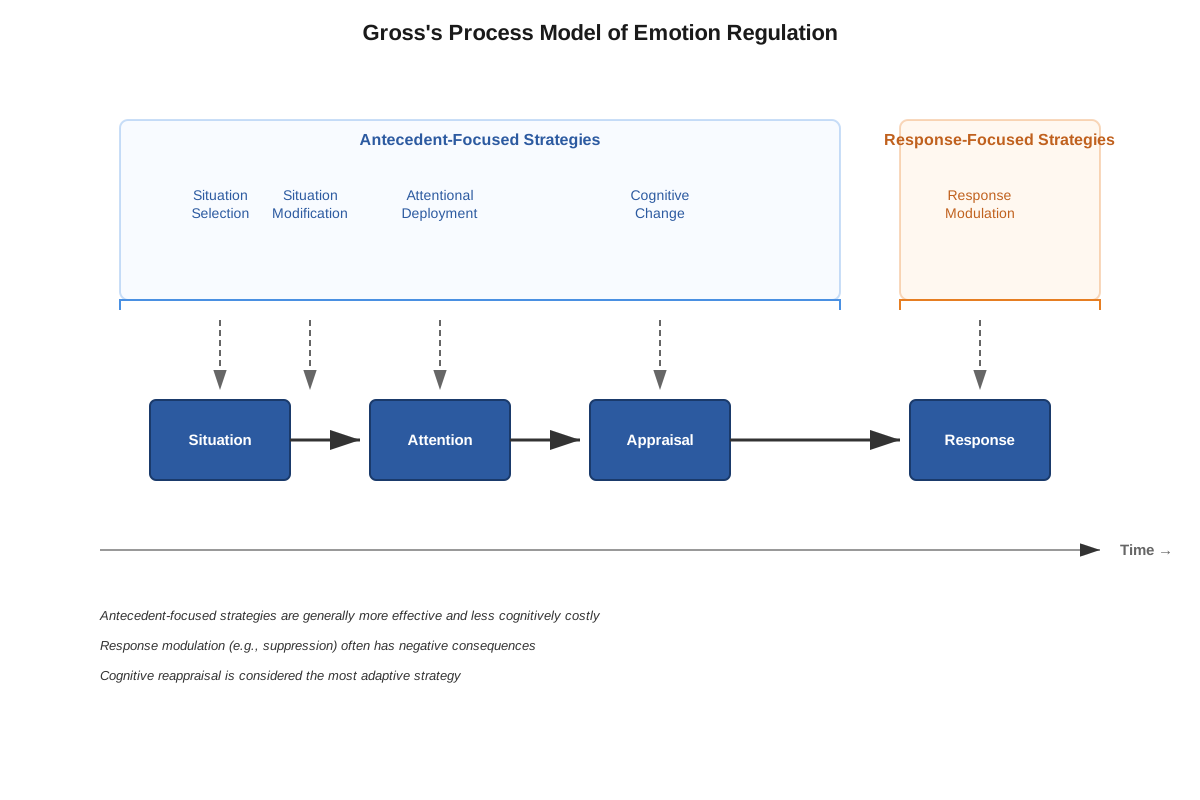
Gross's Process Model organizes emotion regulation strategies according to when they occur in the emotion-generation sequence. This model identifies five key points of intervention:
- Situation selection: Choosing to approach or avoid certain situations based on their likely emotional impact
- Situation modification: Altering the external environment to change its emotional impact
- Attentional deployment: Directing attention toward or away from emotional aspects of a situation
- Cognitive change: Reinterpreting the meaning of a situation to alter its emotional significance
- Response modulation: Influencing emotional responses after they have been generated
These five families of strategies divide into two major categories: antecedent-focused strategies (situation selection, situation modification, attentional deployment, and cognitive change) occur before the emotion response is fully generated, while response-focused strategies (response modulation) occur after the emotion is already underway.
Antecedent-Focused Strategies
Cognitive reappraisal is the most extensively studied antecedent-focused strategy and involves reinterpreting an emotion-eliciting situation to change its emotional impact. For example, viewing a stressful medical school interview as an exciting opportunity rather than a threatening evaluation represents reappraisal. Research consistently demonstrates that reappraisal is associated with decreased negative emotion, maintained social functioning, and lower physiological stress responses. Neuroimaging studies show that reappraisal involves increased prefrontal cortex activation (particularly dorsolateral and ventromedial regions) and decreased amygdala activation.
Attentional deployment includes strategies like distraction (directing attention away from emotional stimuli) and concentration (directing attention toward emotional stimuli). Distraction can be effective for managing acute emotional distress but may prevent emotional processing necessary for long-term adaptation. The MCAT often presents scenarios where students must evaluate when distraction is adaptive versus maladaptive.
Situation selection and situation modification represent proactive approaches to emotion regulation. Situation selection involves choosing environments or activities based on anticipated emotional consequences—for example, avoiding social gatherings when feeling overwhelmed. Situation modification involves changing aspects of the situation itself, such as requesting deadline extensions to reduce stress.
Response-Focused Strategies
Expressive suppression is the primary response-focused strategy and involves inhibiting ongoing emotion-expressive behavior. When individuals suppress, they attempt to hide outward signs of emotion (facial expressions, vocal tone, gestures) while the internal emotional experience continues. Research demonstrates that suppression has significant costs: it increases sympathetic nervous system activation (elevated blood pressure, increased cortisol), impairs memory for social information, decreases positive emotion without effectively reducing negative emotion, and impairs social functioning by creating distance in relationships.
The MCAT frequently contrasts suppression with reappraisal, testing students' understanding that while both may reduce emotional expression, they have vastly different physiological, cognitive, and social consequences. Suppression is generally considered maladaptive when used habitually, though it may be situationally appropriate in certain cultural or professional contexts.
Adaptive versus Maladaptive Regulation
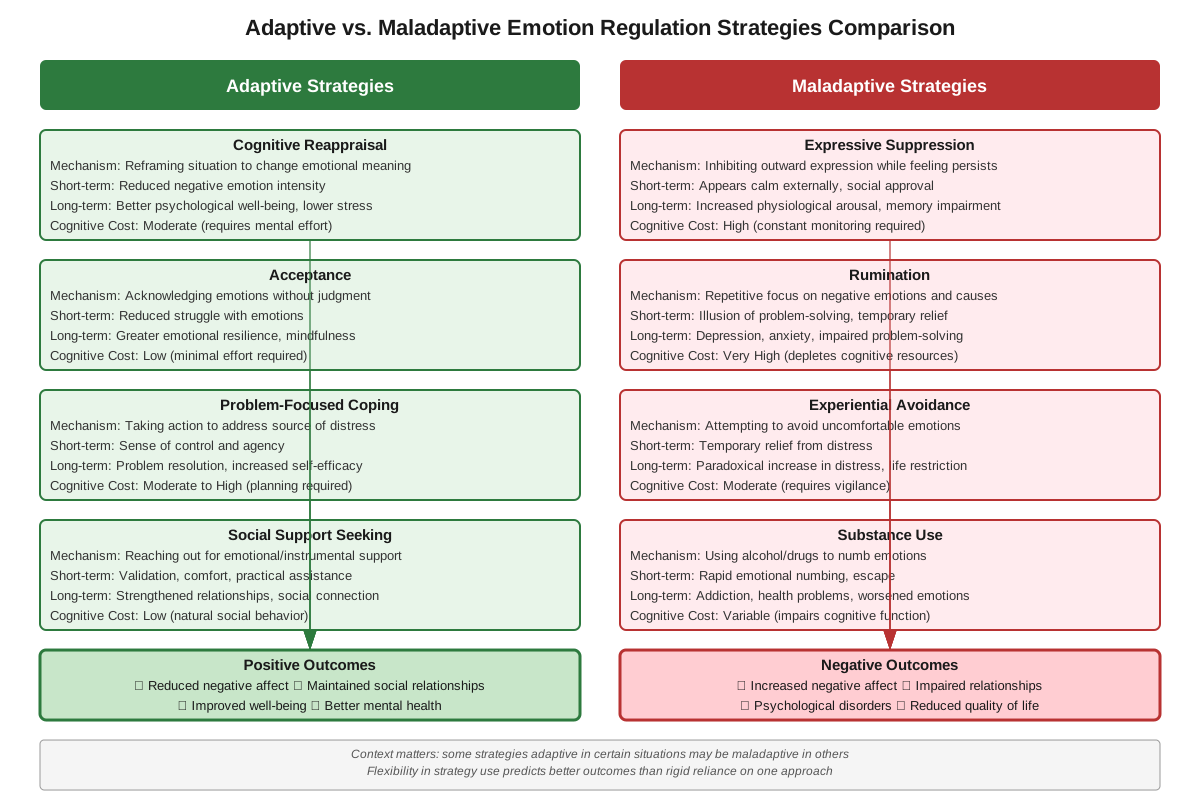
Not all emotion regulation is beneficial. Adaptive regulation involves flexible use of strategies appropriate to context, leading to improved well-being, social functioning, and goal achievement. Maladaptive regulation involves rigid, context-inappropriate strategies that may provide short-term relief but create long-term problems.
| Strategy Type | Examples | Typical Outcomes | MCAT Context |
|---|---|---|---|
| Adaptive | Reappraisal, acceptance, problem-solving | Reduced negative affect, maintained social bonds, lower physiological stress | Associated with resilience, mental health |
| Maladaptive | Chronic suppression, rumination, avoidance | Increased anxiety/depression, social impairment, elevated stress hormones | Associated with psychopathology |
Rumination—repetitive focus on negative emotions and their causes—represents a particularly maladaptive strategy strongly associated with depression and anxiety. Unlike productive reflection, rumination is passive and does not lead to problem-solving or emotional resolution.
Neurobiological Mechanisms
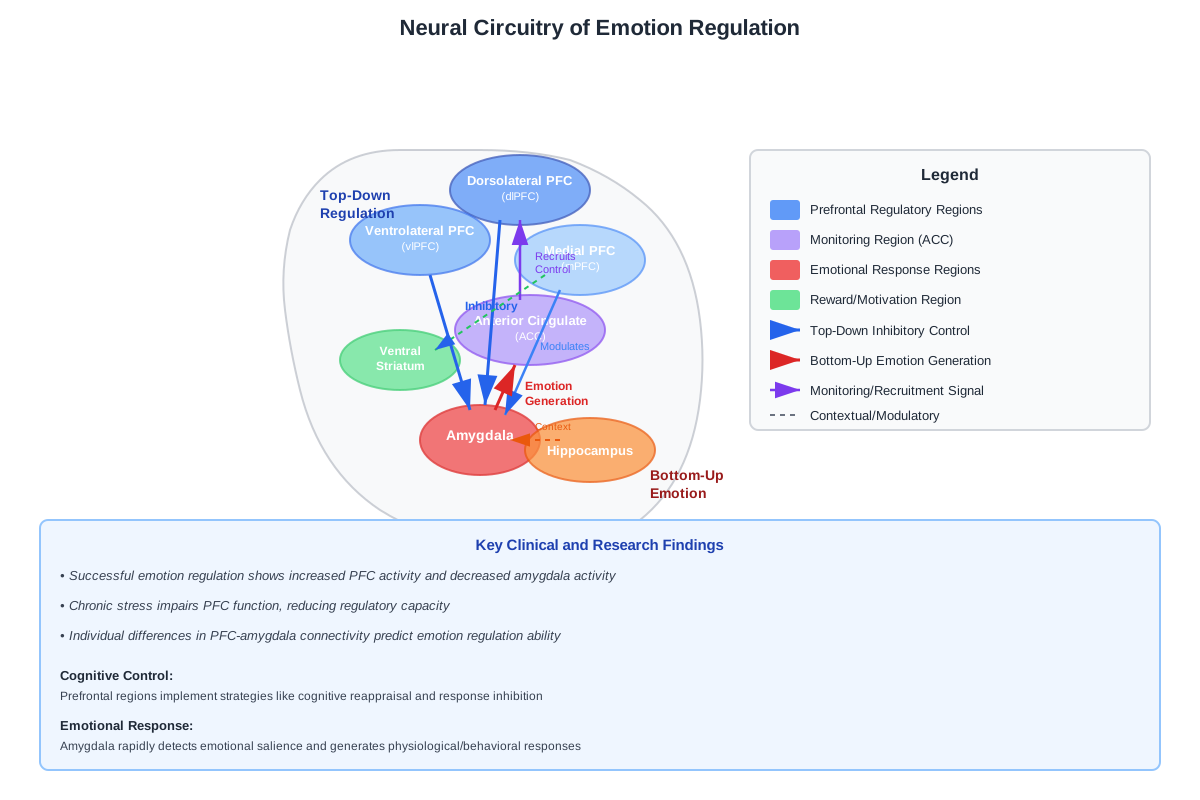
Emotion regulation relies on interactions between limbic system structures (particularly the amygdala) and prefrontal cortex regions. The amygdala generates emotional responses, particularly to threatening or emotionally salient stimuli. The prefrontal cortex, especially the dorsolateral prefrontal cortex (DLPFC) and ventromedial prefrontal cortex (VMPFC), exerts top-down control over limbic structures.
During successful reappraisal, neuroimaging studies show increased prefrontal activation coupled with decreased amygdala activation. The anterior cingulate cortex (ACC) plays a monitoring role, detecting emotional conflict and signaling the need for regulatory control. These neural mechanisms explain why emotion regulation requires cognitive resources and why regulation capacity decreases under conditions of cognitive load, stress, or fatigue.
Individual and Cultural Differences
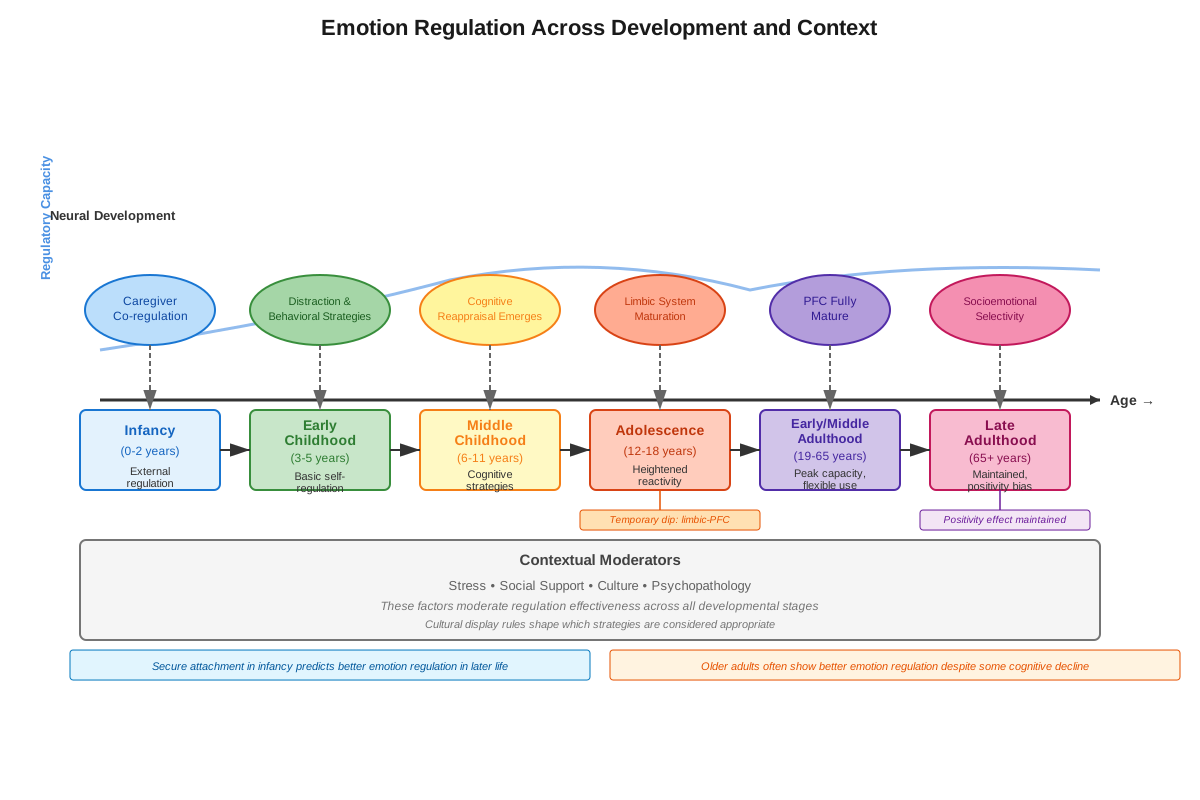
Emotion regulation capacity varies across individuals and develops throughout the lifespan. Executive function abilities, particularly working memory and cognitive flexibility, predict emotion regulation success. Individuals with stronger executive function can more effectively implement strategies like reappraisal that require holding and manipulating information.
Cultural context profoundly influences which emotions are regulated and which strategies are preferred. Individualistic cultures (e.g., United States, Western Europe) tend to value emotional expression and personal emotional experience, while collectivistic cultures (e.g., East Asia) may prioritize emotional restraint and interpersonal harmony. Suppression, generally considered maladaptive in Western contexts, may be more adaptive and less physiologically costly in cultural contexts where it is normative and socially valued.
Emotion Regulation and Psychopathology
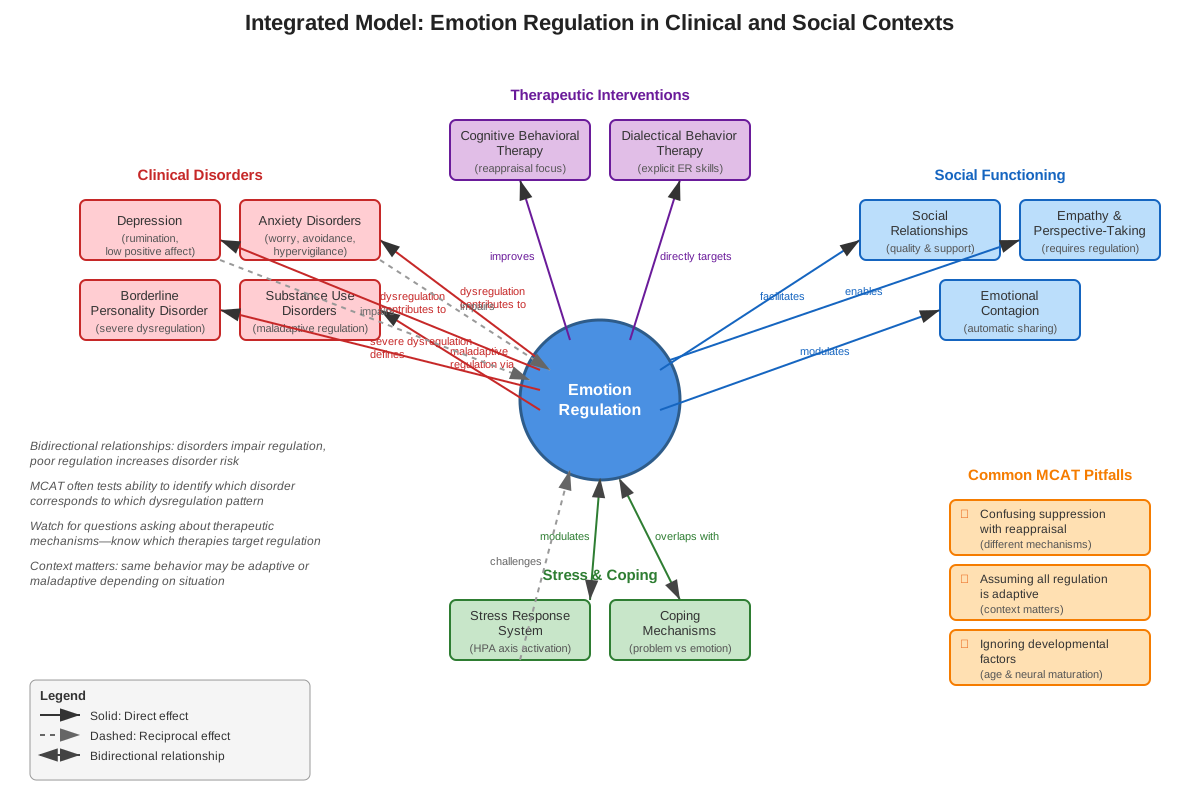
Deficits in emotion regulation represent a transdiagnostic feature across multiple psychological disorders. Depression is associated with reduced use of reappraisal and increased rumination. Anxiety disorders involve excessive worry (a form of maladaptive regulation) and avoidance. Borderline personality disorder is characterized by severe emotion dysregulation, including intense emotional reactivity and limited access to effective regulation strategies.
Therapeutic interventions target emotion regulation through various mechanisms. Cognitive Behavioral Therapy (CBT) teaches cognitive reappraisal skills. Dialectical Behavior Therapy (DBT) explicitly trains emotion regulation skills including mindfulness, distress tolerance, and emotion modulation. Mindfulness-Based Stress Reduction (MBSR) cultivates acceptance and present-moment awareness as regulation strategies.
Concept Relationships
The concepts within emotion regulation form an interconnected system. The Process Model provides the organizational framework, with antecedent-focused and response-focused strategies representing the primary division. Within antecedent-focused approaches, cognitive reappraisal emerges as the most adaptive strategy, contrasting with expressive suppression as the primary response-focused approach with documented costs.
Neurobiological mechanisms (prefrontal-limbic interactions) underlie all regulation strategies, explaining why individual differences in executive function predict regulation success. Cultural context moderates which strategies are adaptive, influencing the relationship between specific strategies and outcomes.
The relationship map flows as follows:
Emotion generation → Regulation need identified → Strategy selection (influenced by individual differences, cultural context, cognitive resources) → Antecedent-focused strategies (situation selection → situation modification → attentional deployment → cognitive reappraisal) OR Response-focused strategies (expressive suppression) → Outcomes (physiological, cognitive, social, emotional) → Adaptive (flexibility, context-appropriate) OR Maladaptive (rigidity, context-inappropriate) → Long-term consequences (mental health, social functioning, physical health)
This topic connects to prerequisite knowledge: stress and coping (emotion regulation represents a specific type of coping), cognitive processes (executive function enables regulation), brain structure (prefrontal-limbic circuits), and psychological disorders (dysregulation as a transdiagnostic feature). It extends to related topics including social cognition (regulation affects social interactions), motivation (emotions motivate behavior; regulation modulates this), and health psychology (regulation impacts stress-related disease).
Quick check — test yourself on Emotion regulation so far.
Try Flashcards →High-Yield Facts
⭐ Cognitive reappraisal (antecedent-focused) is generally more adaptive than expressive suppression (response-focused), with better emotional, cognitive, social, and physiological outcomes.
⭐ Expressive suppression decreases emotional expression but does not reduce negative emotional experience and increases sympathetic nervous system activation.
⭐ The Process Model divides regulation strategies into five families: situation selection, situation modification, attentional deployment, cognitive change, and response modulation.
⭐ Antecedent-focused strategies occur before the emotion is fully generated; response-focused strategies occur after the emotion response has begun.
⭐ Successful emotion regulation involves increased prefrontal cortex activation and decreased amygdala activation, representing top-down cognitive control over emotional responses.
- Rumination (repetitive focus on negative emotions) is a maladaptive regulation strategy strongly associated with depression and anxiety.
- Emotion regulation requires cognitive resources; regulation capacity decreases under cognitive load, stress, or fatigue.
- Cultural context influences which regulation strategies are adaptive; suppression may be less costly in collectivistic cultures where it is normative.
- Executive function abilities, particularly working memory and cognitive flexibility, predict emotion regulation success.
- Emotion regulation deficits represent a transdiagnostic feature across multiple psychological disorders, including depression, anxiety, and personality disorders.
- Acceptance (allowing emotions to occur without attempting to change them) can be adaptive, particularly for emotions that are appropriate to context.
- Distraction provides short-term relief but may prevent necessary emotional processing for long-term adaptation.
Common Misconceptions
Misconception: All emotion regulation is healthy and adaptive.
Correction: Emotion regulation can be maladaptive when strategies are used rigidly, inappropriately to context, or when they prevent necessary emotional processing. Chronic suppression, excessive avoidance, and rumination are all forms of regulation that typically worsen outcomes.
Misconception: Suppression and reappraisal both reduce emotional expression, so they are functionally equivalent.
Correction: While both may reduce visible emotional expression, they differ fundamentally in timing, mechanism, and consequences. Reappraisal changes the emotional experience itself by reinterpreting the situation before the emotion fully develops, leading to genuine reduction in negative emotion. Suppression only hides the outward expression while the internal experience continues, leading to increased physiological stress and cognitive impairment.
Misconception: Emotion regulation means eliminating or avoiding negative emotions.
Correction: Effective emotion regulation involves modulating emotions appropriately to context, not eliminating them. Negative emotions serve important adaptive functions (fear promotes safety, sadness signals loss and elicits support). Optimal regulation involves experiencing emotions appropriate to the situation while preventing emotions from becoming overwhelming or prolonged beyond their usefulness.
Misconception: Distraction is always an ineffective or avoidant strategy.
Correction: Distraction can be adaptive in specific contexts, particularly for managing acute, intense emotions or when immediate problem-solving is not possible. However, chronic use of distraction to avoid processing important emotional information is maladaptive. The key is flexible, context-appropriate use.
Misconception: Emotion regulation is entirely conscious and deliberate.
Correction: Emotion regulation includes both automatic (unconscious, habitual) and controlled (conscious, effortful) processes. With practice, initially effortful strategies like reappraisal can become more automatic. Additionally, some regulation occurs outside awareness through processes like attentional biases and implicit appraisals.
Misconception: The same emotion regulation strategies are equally effective across all cultures.
Correction: Cultural context profoundly influences which strategies are adaptive. Suppression, generally considered maladaptive in individualistic Western cultures, may be more adaptive and less physiologically costly in collectivistic cultures where emotional restraint is valued and normative. Effectiveness depends on fit between strategy and cultural context.
Worked Examples
Example 1: Distinguishing Regulation Strategies
Vignette: A medical student receives critical feedback from an attending physician during rounds. Consider four possible responses:
A) The student thinks, "This feedback will help me become a better doctor; the attending is investing time in my education."
B) The student maintains a neutral facial expression while feeling upset inside.
C) The student decides to avoid working with this attending in the future.
D) The student repeatedly thinks about the criticism for days, analyzing what it means about their competence.
Question: Identify each emotion regulation strategy and predict the likely outcomes.
Analysis:
Response A represents cognitive reappraisal—the student is reinterpreting the meaning of the situation (critical feedback) to change its emotional impact (from threatening to beneficial). This is an antecedent-focused strategy occurring at the cognitive change stage of the Process Model. Predicted outcomes: reduced negative emotion, maintained working relationship with attending, learning from feedback. This is the most adaptive response.
Response B represents expressive suppression—the student is inhibiting the outward expression of emotion while the internal experience continues. This is a response-focused strategy. Predicted outcomes: continued internal distress, increased physiological stress (elevated cortisol, blood pressure), potential memory impairment for the feedback content, possible social distance from the attending who may perceive the student as disengaged. This is generally maladaptive.
Response C represents situation selection—the student is choosing to avoid future situations likely to generate negative emotions. This is an antecedent-focused strategy. Predicted outcomes: short-term reduction in anxiety, but long-term costs including missed learning opportunities, limited clinical exposure, and failure to develop resilience. This represents maladaptive avoidance.
Response D represents rumination—repetitive, passive focus on negative emotions and their implications. This is a maladaptive regulation strategy. Predicted outcomes: prolonged negative affect, increased risk for depression and anxiety, impaired problem-solving, no resolution of the emotional experience. This is highly maladaptive.
Key Takeaway: The MCAT expects students to identify specific strategies and predict outcomes based on the antecedent/response distinction and research on strategy effectiveness.
Example 2: Neurobiological Mechanisms
Vignette: Researchers use fMRI to examine brain activation while participants view disturbing images under two conditions: (1) naturally responding to the images, and (2) using reappraisal to reduce emotional responses. Results show that during reappraisal, participants exhibit increased activation in the dorsolateral prefrontal cortex (DLPFC) and decreased activation in the amygdala compared to natural responding.
Question: Explain these findings in terms of emotion regulation mechanisms and predict what would happen if participants had impaired prefrontal function.
Analysis:
The increased DLPFC activation during reappraisal reflects the engagement of executive control processes necessary for cognitive reinterpretation. The DLPFC is involved in working memory, cognitive flexibility, and top-down control—all required for holding alternative interpretations in mind and selecting appropriate reappraisals. This represents the effortful, controlled aspect of emotion regulation.
The decreased amygdala activation during reappraisal indicates reduced emotional response generation. The amygdala is central to processing emotionally salient stimuli, particularly threatening information. The reduction in amygdala activity demonstrates that reappraisal successfully modulates the emotional response at its source, rather than merely suppressing its expression.
The pattern of increased prefrontal and decreased limbic activation represents the neural signature of successful top-down emotion regulation. The prefrontal cortex exerts inhibitory control over limbic structures, modulating emotional responses through cognitive mechanisms.
Prediction for impaired prefrontal function: Individuals with prefrontal damage or dysfunction (from injury, disease, or developmental factors) would show reduced capacity for effortful emotion regulation strategies like reappraisal. They would likely exhibit:
- Difficulty generating and maintaining alternative interpretations
- Reduced ability to inhibit amygdala responses
- Greater reliance on automatic or response-focused strategies
- More intense and prolonged emotional responses
- Potential increase in emotional lability and dysregulation
This explains why emotion regulation deficits appear in conditions affecting prefrontal function, including traumatic brain injury, schizophrenia, ADHD, and normal aging.
Key Takeaway: Understanding the neural mechanisms of emotion regulation allows prediction of how brain dysfunction affects regulatory capacity and explains individual differences in regulation ability.
Exam Strategy
When approaching emotion regulation MCAT questions, first identify whether the question asks about strategy classification, outcomes/effectiveness, mechanisms, or application to specific contexts. Look for these trigger words:
Strategy identification triggers: "reappraisal," "suppression," "distraction," "avoidance," "rumination," "acceptance," "situation selection," "cognitive change"
Timing/classification triggers: "antecedent-focused," "response-focused," "before the emotion," "after the emotion is generated"
Outcome triggers: "physiological response," "social functioning," "memory," "emotional experience," "adaptive," "maladaptive"
Mechanism triggers: "prefrontal cortex," "amygdala," "executive function," "cognitive resources," "top-down control"
Process of elimination strategy: When comparing regulation strategies, remember that reappraisal almost always produces better outcomes than suppression across emotional, cognitive, social, and physiological domains. If a question asks which strategy is most adaptive, reappraisal is typically correct unless cultural context specifically suggests otherwise.
For passage-based questions presenting research studies, identify:
- Which regulation strategy is being manipulated (independent variable)
- What outcomes are being measured (dependent variables)
- Whether results align with established patterns (reappraisal > suppression)
- Any moderating factors (culture, individual differences, context)
Time allocation: Discrete questions on emotion regulation should take 60-90 seconds. Passage-based questions may require 90-120 seconds to integrate passage information with conceptual knowledge. Don't overthink—the MCAT typically tests straightforward application of core principles rather than obscure exceptions.
Common question formats:
- Comparing two regulation strategies and predicting outcomes
- Identifying which strategy a character in a vignette is using
- Explaining neural mechanisms underlying regulation
- Applying regulation concepts to clinical or therapeutic contexts
- Analyzing research designs testing regulation effectiveness
Memory Techniques
SCAM-R for the five families of emotion regulation strategies in temporal order:
- Situation selection
- Change the situation (situation modification)
- Attention deployment
- Modify cognition (cognitive change/reappraisal)
- Response modulation
"REAP the benefits" for remembering that REAppraisal is Preferable to suppression across multiple domains (emotional, physiological, social, cognitive).
"Suppression = Stress" (both start with S) to remember that suppression increases physiological stress responses despite reducing emotional expression.
"PFC over Amy" to remember that successful regulation involves PreFrontal Cortex control over the Amygdala (limbic system).
Visualization strategy: Picture emotion regulation as a timeline with a rising emotional wave. Antecedent-focused strategies (reappraisal) catch the wave early and reduce its height before it peaks. Response-focused strategies (suppression) try to hide the wave after it has already crashed, requiring constant effort to hold back the water while the wave continues underneath.
"AARRR" for Antecedent-focused strategies (like a pirate):
- Attention
- Appraisal (cognitive change)
- Rearrange situation (modification)
- Remove yourself (situation selection)
- Response modulation is NOT antecedent (the exception)
Summary
Emotion regulation encompasses the processes by which individuals influence their emotional experiences and expressions. The Process Model organizes regulation strategies into five families occurring at different points in emotion generation: situation selection, situation modification, attentional deployment, cognitive change, and response modulation. These divide into antecedent-focused strategies (occurring before the emotion fully develops) and response-focused strategies (occurring after emotion generation). Cognitive reappraisal, an antecedent-focused strategy involving reinterpretation of emotional situations, consistently demonstrates superior outcomes compared to expressive suppression, a response-focused strategy involving inhibition of emotional expression. Successful regulation relies on prefrontal cortex control over limbic structures, particularly the amygdala, and requires cognitive resources including executive function. Individual differences, cultural context, and situational factors influence which strategies are adaptive. Emotion regulation deficits characterize multiple psychological disorders, making this a transdiagnostic treatment target. For the MCAT, students must distinguish between regulation strategies, predict their outcomes, understand neural mechanisms, and apply concepts to diverse contexts including clinical, social, and experimental scenarios.
Key Takeaways
- Emotion regulation involves modulating which emotions occur, when, how intensely, and how they are expressed, through both automatic and controlled processes
- Antecedent-focused strategies (especially cognitive reappraisal) are generally more adaptive than response-focused strategies (especially expressive suppression)
- Cognitive reappraisal reduces negative emotion genuinely by reinterpreting situations, while suppression only hides expression and increases physiological stress
- The Process Model organizes strategies temporally: situation selection → situation modification → attentional deployment → cognitive change → response modulation
- Successful regulation involves prefrontal cortex (especially DLPFC) exerting top-down control over amygdala and limbic structures
- Cultural context moderates strategy effectiveness; suppression may be more adaptive in collectivistic cultures where emotional restraint is valued
- Emotion regulation deficits represent a transdiagnostic feature across psychological disorders and are primary targets of therapeutic interventions like CBT and DBT
Related Topics
Stress and Coping: Emotion regulation represents a specific mechanism through which individuals cope with stressors; understanding regulation deepens comprehension of adaptive versus maladaptive coping strategies and stress-related health outcomes.
Executive Function and Cognitive Control: The cognitive processes underlying emotion regulation (working memory, inhibitory control, cognitive flexibility) connect directly to broader executive function concepts and explain individual differences in regulatory capacity.
Psychological Disorders: Emotion dysregulation features prominently in depression, anxiety disorders, borderline personality disorder, and substance use disorders; mastering regulation concepts enables deeper understanding of psychopathology and treatment mechanisms.
Social Psychology and Interpersonal Functioning: Emotion regulation strategies profoundly affect social interactions, relationship quality, and social perception; this connects to topics including impression management, empathy, and social cognition.
Neuroscience of Emotion: The neural circuits underlying emotion regulation (prefrontal-limbic interactions) extend to broader understanding of emotional processing, fear conditioning, and the neurobiology of psychological disorders.
Practice CTA
Now that you have mastered the core concepts of emotion regulation, challenge yourself with practice questions that require distinguishing between regulation strategies, predicting outcomes, and applying concepts to novel scenarios. Focus particularly on questions comparing reappraisal and suppression, identifying strategies from vignettes, and explaining neural mechanisms. Use flashcards to reinforce the five families of regulation strategies, key distinctions between antecedent and response-focused approaches, and high-yield facts about outcomes and mechanisms. Remember: emotion regulation is not just about memorizing definitions—it is about understanding processes, predicting consequences, and applying principles flexibly across contexts. Your ability to think dynamically about these concepts will directly translate to MCAT success. You have the knowledge; now build the application skills through deliberate practice!
Sign up free to keep reading
Create a free AnvayaPrep account to finish this MCAT guide on Emotion regulation — plus flashcards and practice questions.