Overview
Anxiety disorders represent a category of mental health conditions characterized by excessive fear, worry, and related behavioral disturbances that significantly impair daily functioning. These disorders are among the most prevalent psychiatric conditions worldwide, affecting approximately 30% of adults at some point in their lives. For the MCAT, understanding anxiety disorders is critical because they appear frequently in Psychology passages, particularly within the Psychological Disorders and Treatment unit, and serve as a foundation for understanding the broader spectrum of psychopathology.
The study of anxiety disorders bridges multiple domains tested on the MCAT, including biological bases of behavior (neurotransmitter systems, brain structures), cognitive processes (threat perception, attention biases), and social factors (environmental stressors, learned behaviors). Questions may present clinical vignettes requiring diagnostic differentiation, ask about neurobiological mechanisms, or test understanding of treatment approaches. Mastery of this topic enables students to tackle questions about the stress response, emotion regulation, and the biopsychosocial model of mental illness.
Anxiety disorders MCAT content typically integrates with topics such as stress and coping, neurotransmitter systems (particularly GABA and serotonin), classical and operant conditioning, cognitive biases, and psychopharmacology. Understanding these disorders provides a framework for comprehending how biological vulnerabilities interact with environmental factors to produce psychological symptoms, a recurring theme throughout the Psychology section of the exam.
Learning Objectives
- [ ] Define anxiety disorders using accurate Psychology terminology
- [ ] Explain why anxiety disorders matters for the MCAT
- [ ] Apply anxiety disorders to exam-style questions
- [ ] Identify common mistakes related to anxiety disorders
- [ ] Connect anxiety disorders to related Psychology concepts
- [ ] Differentiate between specific types of anxiety disorders based on diagnostic criteria
- [ ] Analyze the neurobiological mechanisms underlying anxiety disorders
- [ ] Evaluate treatment approaches for anxiety disorders using evidence-based principles
Prerequisites
- Basic neurotransmitter function: Understanding how neurotransmitters like GABA, serotonin, and norepinephrine modulate neural activity is essential for comprehending the biological basis of anxiety
- Stress response and HPA axis: Knowledge of the hypothalamic-pituitary-adrenal axis provides context for understanding chronic anxiety as dysregulated stress
- Classical and operant conditioning: These learning principles explain how phobias develop and are maintained through avoidance behaviors
- Brain structure and function: Familiarity with the amygdala, prefrontal cortex, and hippocampus is necessary for understanding the neural circuitry of fear and anxiety
- Diagnostic criteria basics: General understanding of how mental disorders are classified helps contextualize specific anxiety disorder diagnoses
Why This Topic Matters
Clinical and Real-World Significance
Anxiety disorders represent the most common class of mental health conditions, affecting millions of individuals and contributing substantially to disability worldwide. These disorders often emerge in childhood or adolescence and, if untreated, can persist throughout life, increasing risk for depression, substance abuse, and cardiovascular disease. Understanding anxiety disorders is essential for future healthcare professionals who will encounter these conditions across all medical specialties, from primary care to emergency medicine.
MCAT Exam Statistics
Anxiety disorders appear in approximately 15-20% of Psychological Disorders and Treatment questions on the MCAT. The exam frequently tests this topic through:
- Clinical vignettes requiring differential diagnosis between anxiety disorder subtypes
- Research study passages examining treatment efficacy or neurobiological mechanisms
- Discrete questions about diagnostic criteria, neurotransmitter systems, or therapeutic approaches
- Integrated questions connecting anxiety to stress, memory, or social factors
Common Exam Presentations
The MCAT typically presents anxiety disorders through case scenarios describing symptom patterns, asking students to identify the most likely diagnosis. Passages may describe neuroimaging studies showing amygdala hyperactivity, pharmacological interventions targeting specific neurotransmitter systems, or behavioral experiments testing exposure therapy effectiveness. Questions often require distinguishing between similar disorders (panic disorder vs. generalized anxiety disorder) or identifying which symptoms are essential for diagnosis.
Core Concepts
Definition and General Features
Anxiety disorders constitute a group of psychiatric conditions characterized by excessive and persistent fear or worry that is disproportionate to the actual threat and causes significant distress or functional impairment. Unlike normal anxiety, which is adaptive and time-limited, pathological anxiety in these disorders is chronic, intense, and interferes with daily activities, relationships, and occupational functioning.
The key distinguishing features include:
- Excessive worry or fear: Out of proportion to the actual danger
- Persistence: Symptoms lasting weeks to months (specific duration varies by disorder)
- Functional impairment: Interference with work, school, relationships, or daily activities
- Distress: Subjective suffering beyond normal discomfort
- Avoidance behaviors: Active efforts to escape or prevent anxiety-provoking situations
Major Types of Anxiety Disorders
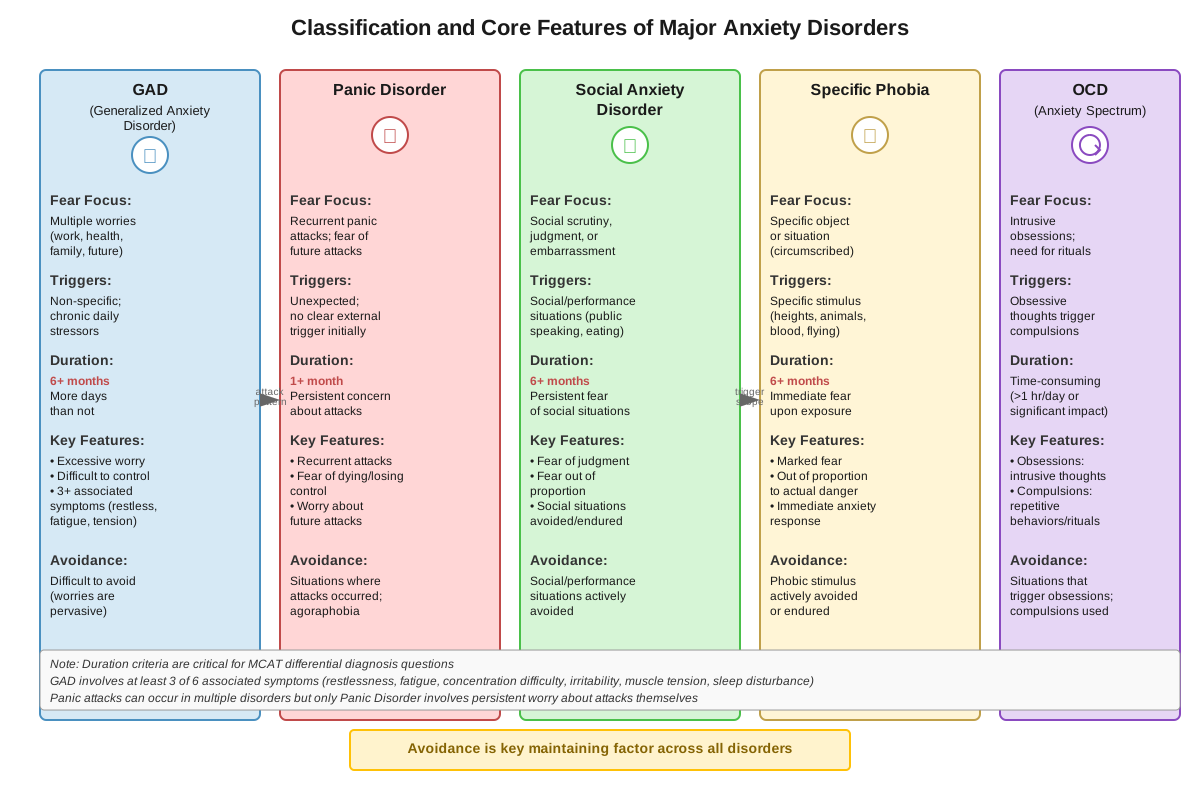
Generalized Anxiety Disorder (GAD)
Generalized Anxiety Disorder involves excessive, uncontrollable worry about multiple domains (work, health, finances, relationships) occurring more days than not for at least six months. Patients experience difficulty controlling the worry and exhibit at least three of the following symptoms: restlessness, fatigue, difficulty concentrating, irritability, muscle tension, and sleep disturbance.
The worry in GAD is free-floating, meaning it shifts between different concerns rather than focusing on a single specific threat. This distinguishes it from other anxiety disorders where anxiety centers on particular situations or objects. GAD typically has a chronic course with fluctuating severity and often co-occurs with major depressive disorder.
Panic Disorder
Panic disorder is characterized by recurrent, unexpected panic attacks—discrete episodes of intense fear or discomfort that peak within minutes and include at least four of thirteen symptoms: palpitations, sweating, trembling, shortness of breath, choking sensation, chest pain, nausea, dizziness, chills or heat sensations, paresthesias, derealization or depersonalization, fear of losing control, and fear of dying.
The critical diagnostic feature is not just experiencing panic attacks (which can occur in other anxiety disorders) but having recurrent unexpected attacks followed by at least one month of persistent concern about additional attacks, worry about attack implications, or significant maladaptive behavioral changes (such as avoidance). Many patients develop agoraphobia—fear and avoidance of situations where escape might be difficult or help unavailable during a panic attack.
Specific Phobia
Specific phobia involves marked, persistent fear (lasting six months or more) of a specific object or situation that is out of proportion to actual danger. The phobic stimulus almost always provokes immediate anxiety, leading to active avoidance or endurance with intense distress. Common categories include:
- Animal type: Spiders, insects, dogs, snakes
- Natural environment type: Heights, storms, water
- Blood-injection-injury type: Needles, medical procedures, blood
- Situational type: Airplanes, elevators, enclosed spaces
- Other type: Choking, vomiting, loud sounds
The blood-injection-injury subtype is unique because it often produces a vasovagal response (initial heart rate increase followed by sudden drop in blood pressure and heart rate), potentially leading to fainting, unlike other phobias that produce sustained sympathetic activation.
Social Anxiety Disorder (Social Phobia)
Social anxiety disorder involves marked fear or anxiety about social situations where the individual might be scrutinized by others. The person fears acting in ways that will be negatively evaluated, leading to humiliation or embarrassment. Social situations almost always provoke anxiety and are avoided or endured with intense distress. The fear must persist for at least six months and be out of proportion to the actual threat.
This disorder differs from normal shyness in its severity, persistence, and functional impairment. Individuals may fear specific performance situations (public speaking, eating in front of others) or have more generalized social anxiety affecting most interpersonal interactions. The disorder often begins in adolescence and can severely limit educational and career opportunities.
Agoraphobia
Agoraphobia involves marked fear or anxiety about at least two of five situations: using public transportation, being in open spaces, being in enclosed spaces, standing in line or being in crowds, or being outside the home alone. The individual fears these situations because escape might be difficult or help unavailable if panic-like symptoms or other incapacitating symptoms develop. These situations almost always provoke anxiety, are actively avoided, require a companion, or are endured with intense distress.
While agoraphobia commonly co-occurs with panic disorder, it can exist independently. The core fear is not of the situations themselves but of being trapped or unable to escape if symptoms occur.
Separation Anxiety Disorder
Separation anxiety disorder involves developmentally inappropriate and excessive fear or anxiety concerning separation from attachment figures. While most common in children, it can occur in adults. The individual experiences at least three symptoms such as distress when separation occurs or is anticipated, worry about losing attachment figures, reluctance to be alone, nightmares about separation, or physical symptoms when separation occurs or is anticipated. Symptoms must persist for at least four weeks in children (six months in adults).
Neurobiological Mechanisms
The neurobiology of anxiety disorders involves dysregulation across multiple brain systems:
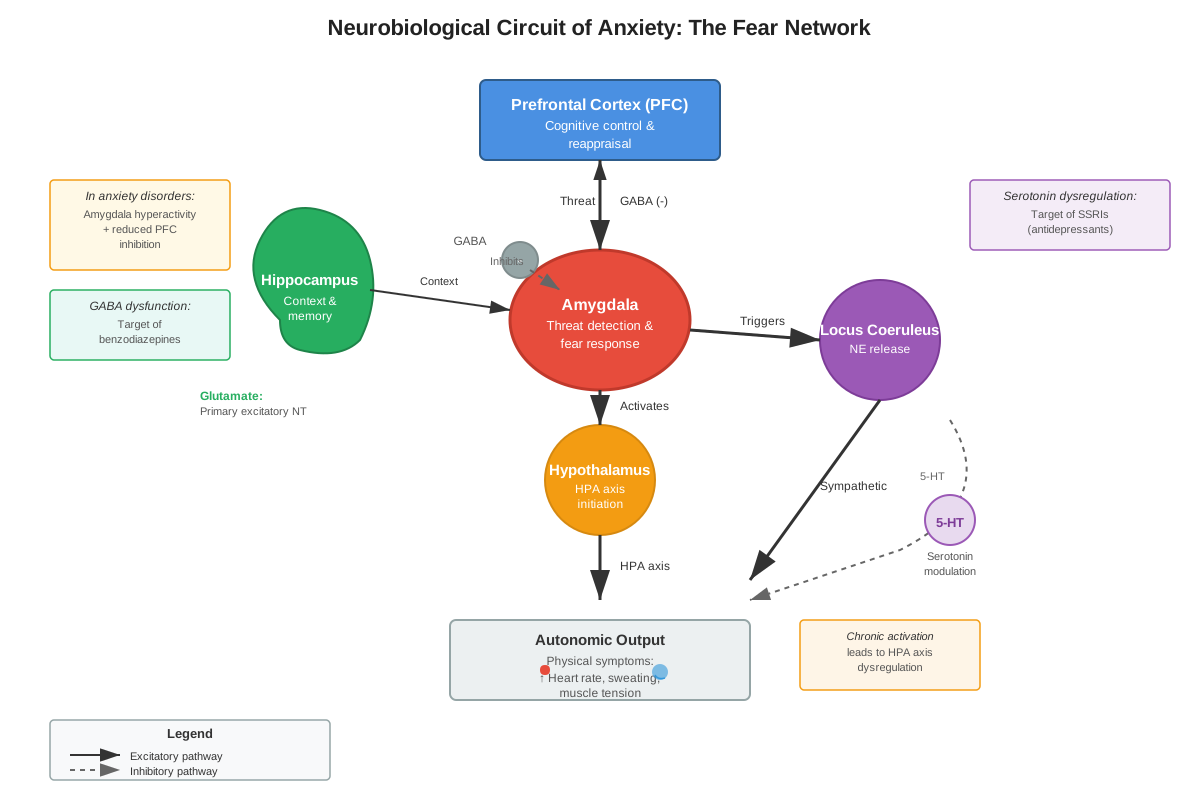
Amygdala hyperactivity: The amygdala serves as the brain's threat detection center, and neuroimaging studies consistently show heightened activation in anxiety disorders. This hyperresponsivity leads to exaggerated fear responses to neutral or mildly threatening stimuli.
Prefrontal cortex dysfunction: The prefrontal cortex (particularly the ventromedial and dorsolateral regions) normally inhibits amygdala activity and regulates emotional responses. In anxiety disorders, reduced prefrontal activation and impaired connectivity with the amygdala result in diminished top-down control over fear responses.
Hippocampus alterations: The hippocampus provides contextual information about threats and plays a role in fear extinction. Structural and functional abnormalities in this region may contribute to difficulty distinguishing safe from dangerous contexts and impaired extinction learning.
Neurotransmitter systems: Multiple neurotransmitter systems are implicated:
| Neurotransmitter | Role in Anxiety | Therapeutic Implications |
|---|---|---|
| GABA | Primary inhibitory neurotransmitter; reduced GABAergic activity associated with increased anxiety | Benzodiazepines enhance GABA activity |
| Serotonin | Modulates mood and anxiety; dysregulation linked to multiple anxiety disorders | SSRIs increase serotonin availability |
| Norepinephrine | Mediates arousal and stress response; elevated levels associated with anxiety symptoms | Beta-blockers reduce physical anxiety symptoms |
| Glutamate | Primary excitatory neurotransmitter; excessive glutamatergic activity may contribute to anxiety | Emerging treatments target glutamate receptors |
Psychological Mechanisms
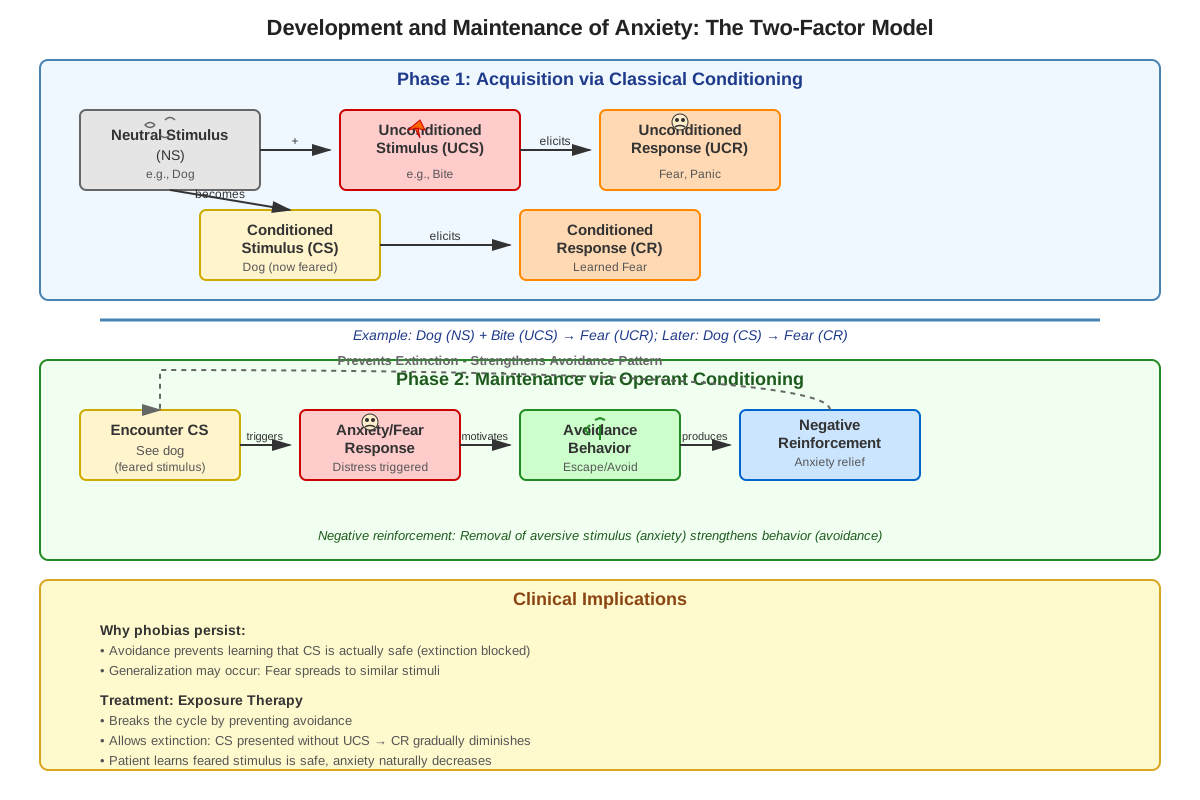
Classical conditioning explains phobia acquisition: a neutral stimulus (elevator) becomes associated with an aversive experience (panic attack), creating a conditioned fear response. Operant conditioning maintains anxiety through negative reinforcement—avoidance behaviors reduce anxiety in the short term, reinforcing the avoidance pattern despite long-term consequences.
Cognitive factors play a central role. Individuals with anxiety disorders exhibit characteristic cognitive biases:
- Attention bias: Preferentially attending to threatening stimuli
- Interpretation bias: Ambiguous situations interpreted as threatening
- Memory bias: Enhanced recall of threatening information
- Probability overestimation: Overestimating likelihood of feared outcomes
- Catastrophic thinking: Expecting worst-case scenarios
These biases create a self-perpetuating cycle where anxiety generates threat-focused cognition, which in turn maintains anxiety.
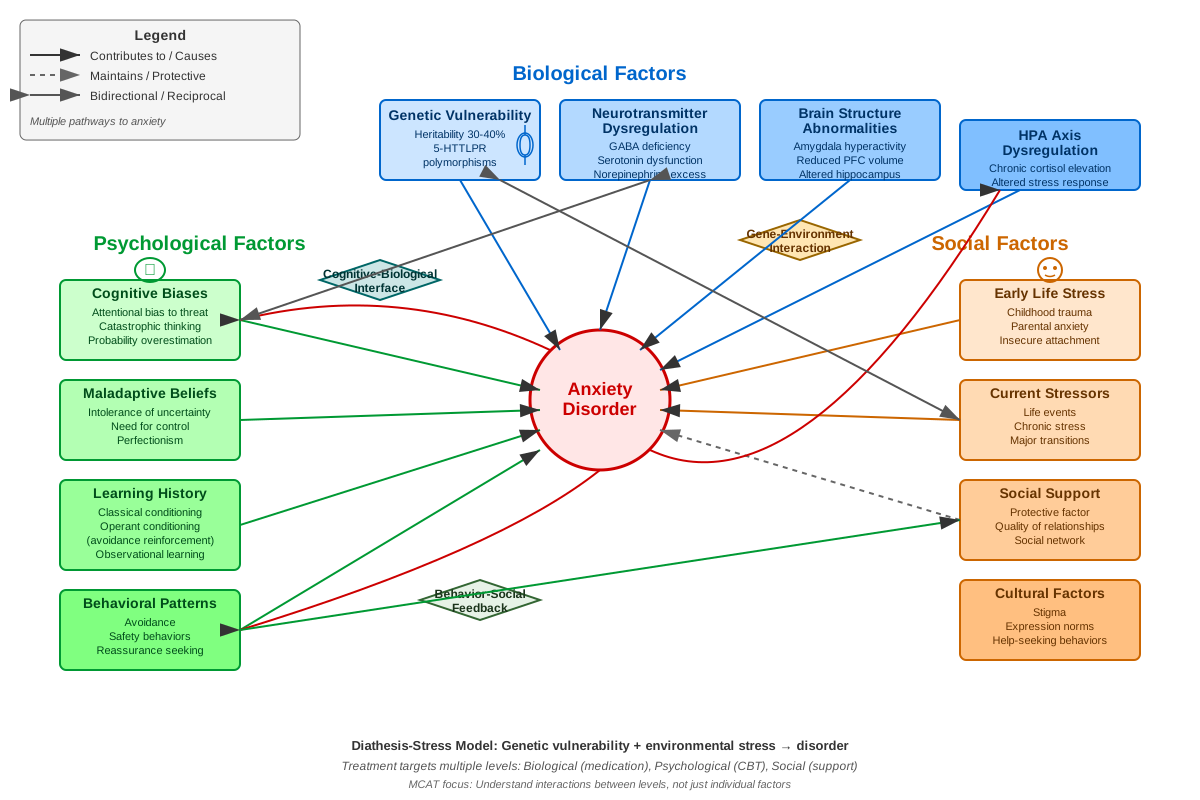
Biopsychosocial Model
Anxiety disorders result from interactions between biological vulnerabilities, psychological factors, and social/environmental influences:
Biological factors: Genetic heritability (30-50% for most anxiety disorders), temperamental traits (behavioral inhibition), neurobiological abnormalities
Psychological factors: Cognitive biases, maladaptive coping strategies, learned helplessness, perfectionism
Social factors: Childhood adversity, parental modeling of anxious behavior, stressful life events, cultural factors influencing symptom expression
Treatment Approaches
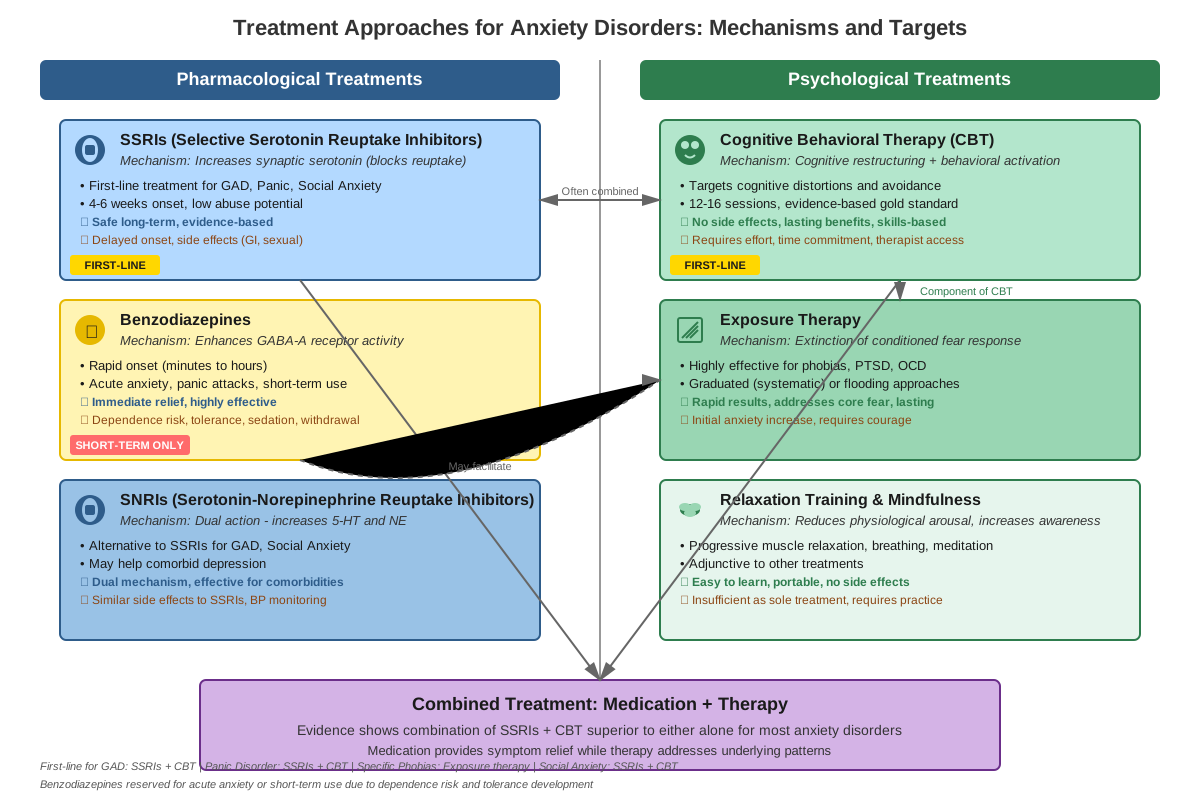
Pharmacological interventions:
- Selective Serotonin Reuptake Inhibitors (SSRIs): First-line medication treatment for most anxiety disorders
- Benzodiazepines: Rapid anxiety reduction but risk of dependence; typically used short-term
- Serotonin-Norepinephrine Reuptake Inhibitors (SNRIs): Alternative first-line option
- Beta-blockers: For performance anxiety (reduce physical symptoms)
Psychotherapeutic interventions:
- Cognitive-Behavioral Therapy (CBT): Gold-standard psychotherapy; addresses maladaptive thoughts and avoidance behaviors
- Exposure therapy: Systematic confrontation with feared stimuli to achieve habituation and extinction
- Cognitive restructuring: Identifying and challenging distorted threat-related cognitions
- Relaxation training: Diaphragmatic breathing, progressive muscle relaxation, mindfulness
Concept Relationships
The various anxiety disorders share common underlying mechanisms while differing in specific symptom presentations. All involve dysregulated fear responses mediated by the amygdala-prefrontal cortex circuit, with variations in which stimuli trigger anxiety (specific objects in phobias, social evaluation in social anxiety disorder, multiple domains in GAD).
Classical conditioning → Phobia acquisition → Avoidance behavior (maintained by operant conditioning through negative reinforcement) → Functional impairment
The relationship to prerequisite topics:
- Stress response provides the physiological foundation; chronic anxiety represents sustained activation of stress systems
- Neurotransmitter systems (GABA, serotonin) mediate anxiety symptoms and serve as treatment targets
- Brain structures (amygdala, prefrontal cortex, hippocampus) form the neural circuitry of fear and anxiety
- Learning principles explain both disorder development and treatment mechanisms (exposure therapy uses extinction)
Connections to related topics:
- Depression: High comorbidity; shared neurobiological features (serotonin dysregulation)
- Obsessive-Compulsive Disorder: Previously classified with anxiety disorders; shares features of excessive worry and avoidance
- Trauma and Stressor-Related Disorders: PTSD involves anxiety symptoms but has distinct etiology
- Substance Use Disorders: Often develop as maladaptive coping strategies for anxiety
Quick check — test yourself on Anxiety disorders so far.
Try Flashcards →High-Yield Facts
⭐ Generalized Anxiety Disorder requires excessive worry occurring more days than not for at least six months about multiple domains with at least three associated symptoms (restlessness, fatigue, concentration difficulty, irritability, muscle tension, sleep disturbance)
⭐ Panic attacks peak within minutes and include at least four of thirteen symptoms; panic disorder requires recurrent unexpected attacks plus one month of concern/behavioral change
⭐ The amygdala shows hyperactivity in anxiety disorders, while the prefrontal cortex shows reduced activity and impaired inhibitory control over fear responses
⭐ SSRIs are first-line pharmacological treatment for most anxiety disorders; benzodiazepines provide rapid relief but carry dependence risk
⭐ Cognitive-Behavioral Therapy (CBT) with exposure is the gold-standard psychotherapy for anxiety disorders, targeting both maladaptive cognitions and avoidance behaviors
- Specific phobias must cause marked fear for at least six months and lead to avoidance or endurance with intense distress
- Blood-injection-injury phobia uniquely produces a vasovagal response (potential fainting) unlike other phobias that cause sustained sympathetic activation
- Social anxiety disorder involves fear of negative evaluation in social situations lasting at least six months, distinguished from normal shyness by severity and impairment
- Agoraphobia can occur with or without panic disorder and involves fear of at least two of five situation types where escape might be difficult
- Anxiety disorders show 30-50% heritability and often begin in childhood or adolescence with chronic course if untreated
- Negative reinforcement through avoidance maintains anxiety disorders by providing short-term relief while preventing extinction learning
- The biopsychosocial model explains anxiety disorders as resulting from interactions between genetic vulnerabilities, cognitive biases, and environmental stressors
Common Misconceptions
Misconception: Panic disorder is diagnosed whenever someone experiences panic attacks.
Correction: Panic attacks can occur in many anxiety disorders and even in healthy individuals. Panic disorder specifically requires recurrent unexpected panic attacks followed by at least one month of persistent concern about additional attacks or maladaptive behavioral changes. The unexpectedness and the persistent worry/avoidance are diagnostic essentials.
Misconception: Agoraphobia is simply fear of open spaces or leaving home.
Correction: Agoraphobia involves fear of situations where escape might be difficult or help unavailable if panic-like symptoms occur. It requires fear/avoidance of at least two of five situation types (public transportation, open spaces, enclosed spaces, crowds/lines, being outside home alone). The core fear is being trapped or unable to escape, not the spaces themselves.
Misconception: All anxiety disorders respond to the same treatment approach.
Correction: While SSRIs and CBT are broadly effective, specific disorders benefit from tailored approaches. Specific phobias respond best to exposure therapy and may not require medication. Social anxiety disorder may benefit from beta-blockers for performance situations. Blood-injection-injury phobia requires applied tension techniques to prevent vasovagal fainting, unlike other phobias.
Misconception: Benzodiazepines are appropriate long-term treatments for anxiety disorders.
Correction: Benzodiazepines provide rapid symptom relief but carry significant risks including tolerance, dependence, cognitive impairment, and rebound anxiety upon discontinuation. They are appropriate for short-term use or acute situations but are not first-line for chronic treatment. SSRIs/SNRIs are preferred for long-term management despite slower onset.
Misconception: Avoidance is an effective coping strategy that reduces anxiety.
Correction: While avoidance provides immediate anxiety reduction (negative reinforcement), it maintains and worsens anxiety disorders long-term by preventing extinction learning—the process by which feared stimuli lose their threat value through safe exposure. Avoidance also expands over time, progressively limiting functioning. Effective treatment requires confronting rather than avoiding feared stimuli.
Misconception: Anxiety disorders are simply exaggerated versions of normal worry and can be overcome through willpower.
Correction: Anxiety disorders involve neurobiological dysregulation including amygdala hyperactivity, prefrontal cortex dysfunction, and neurotransmitter imbalances. They are legitimate medical conditions, not character weaknesses. The excessive worry is experienced as uncontrollable despite insight that it's excessive, distinguishing pathological from normal anxiety.
Misconception: The amygdala is the only brain structure involved in anxiety disorders.
Correction: Anxiety disorders involve dysregulation across multiple interconnected brain regions. The amygdala detects threats, but the prefrontal cortex (impaired in anxiety disorders) normally inhibits excessive amygdala activity. The hippocampus provides contextual information and is involved in extinction learning. The anterior cingulate cortex monitors for conflict and errors. Understanding this circuitry is essential for comprehending both pathophysiology and treatment mechanisms.
Worked Examples
Example 1: Differential Diagnosis
Vignette: A 28-year-old woman presents to her physician reporting six months of persistent worry about her job performance, her children's health, and her finances. She reports difficulty sleeping, frequent muscle tension, and trouble concentrating at work. She states the worry is present "almost every day" and she "can't seem to turn it off" despite recognizing it's excessive. She denies discrete episodes of intense fear or avoidance of specific situations.
Question: Which anxiety disorder best fits this presentation?
Analysis:
- Identify key features: Excessive worry about multiple domains (job, children, finances), duration of six months, difficulty controlling worry, associated symptoms (sleep disturbance, muscle tension, concentration difficulty)
- Consider diagnostic criteria:
- GAD: Requires excessive worry more days than not for ≥6 months about multiple domains, difficulty controlling worry, and ≥3 associated symptoms (restlessness, fatigue, concentration difficulty, irritability, muscle tension, sleep disturbance)
- Panic disorder: Requires recurrent unexpected panic attacks—not present here
- Social anxiety disorder: Focuses on fear of social evaluation—not the primary concern
- Specific phobia: Involves fear of specific objects/situations—not described
- Match symptoms to criteria: This patient meets GAD criteria with worry about multiple domains (✓), duration >6 months (✓), difficulty controlling worry (✓), and three associated symptoms: sleep disturbance, muscle tension, concentration difficulty (✓)
- Rule out alternatives: No discrete panic attacks (rules out panic disorder), no specific feared situations (rules out phobias), worry not limited to social situations (rules out social anxiety disorder)
Answer: Generalized Anxiety Disorder (GAD)
Key learning point: GAD is characterized by free-floating anxiety across multiple life domains, distinguishing it from other anxiety disorders where anxiety focuses on specific triggers. The duration criterion (six months) and requirement for multiple associated symptoms are essential diagnostic features.
Example 2: Neurobiological Mechanism
Vignette: Researchers conduct a neuroimaging study comparing individuals with social anxiety disorder to healthy controls. Participants view photographs of faces displaying various emotional expressions while undergoing functional MRI. Results show that individuals with social anxiety disorder exhibit significantly greater activation in one brain region when viewing faces with negative expressions compared to controls.
Question: Which brain region most likely showed increased activation in the social anxiety disorder group?
Analysis:
- Identify the task: Viewing emotional faces, particularly negative expressions, which represent potential social threats for individuals with social anxiety
- Consider relevant brain structures:
- Amygdala: Threat detection center; processes emotional stimuli, especially fear-related
- Prefrontal cortex: Regulates emotional responses; typically shows reduced activation in anxiety disorders
- Hippocampus: Contextual memory; less directly involved in immediate threat processing
- Striatum: Reward processing; not primary in threat detection
- Apply knowledge of anxiety disorder neurobiology: Anxiety disorders consistently show amygdala hyperactivity in response to threat-related stimuli. For individuals with social anxiety disorder, faces (especially negative expressions) represent social evaluation threats
- Predict the finding: The amygdala should show greater activation in the social anxiety group when processing negative facial expressions, reflecting heightened threat sensitivity
Answer: Amygdala
Key learning point: The amygdala is hyperresponsive in anxiety disorders, showing exaggerated activation to threat-related stimuli. This neurobiological finding explains the excessive fear response characteristic of these disorders. Understanding this mechanism connects to treatment approaches—both SSRIs and CBT can reduce amygdala hyperactivity over time.
Exam Strategy
Question Approach Framework
When encountering anxiety disorder questions on the MCAT:
- Identify the question type:
- Diagnostic (which disorder fits the presentation?)
- Mechanistic (what explains the symptoms?)
- Treatment (what intervention is appropriate?)
- Extract key diagnostic features from vignettes:
- Duration of symptoms (6 months for GAD, specific phobia, social anxiety)
- Focus of anxiety (multiple domains vs. specific triggers)
- Pattern (persistent worry vs. discrete attacks)
- Behavioral response (avoidance, safety behaviors)
- Use systematic elimination:
- Rule out disorders that don't match duration criteria
- Eliminate based on symptom focus (specific vs. generalized)
- Consider age of onset and course when relevant
Trigger Words and Phrases
Watch for these high-yield phrases that signal specific disorders:
- "Excessive worry about multiple areas" → GAD
- "Unexpected episodes of intense fear" → Panic disorder
- "Fear of negative evaluation" → Social anxiety disorder
- "Marked fear of specific object/situation" → Specific phobia
- "Fear of being trapped or unable to escape" → Agoraphobia
- "Difficulty controlling the worry" → GAD (diagnostic criterion)
- "Peaks within minutes" → Panic attack
- "Avoidance or endurance with intense distress" → Any anxiety disorder (behavioral component)
Process of Elimination Tips
For diagnostic questions:
- If the vignette describes worry about one specific thing, eliminate GAD (requires multiple domains)
- If there are no discrete episodes of intense fear, eliminate panic disorder
- If symptoms are shorter than six months, eliminate GAD, specific phobia, and social anxiety disorder (but not panic disorder, which requires only one month of concern/behavioral change after attacks)
- If the fear is not about social evaluation, eliminate social anxiety disorder
For mechanism questions:
- Amygdala = threat detection/hyperactivity
- Prefrontal cortex = reduced inhibitory control
- GABA = inhibitory (reduced in anxiety)
- Serotonin = mood/anxiety regulation (targeted by SSRIs)
For treatment questions:
- First-line medication = SSRIs (not benzodiazepines)
- Gold-standard psychotherapy = CBT with exposure
- Rapid relief but dependence risk = benzodiazepines
- Performance anxiety = beta-blockers
Time Allocation
Anxiety disorder questions typically require 60-90 seconds:
- 15-20 seconds: Read and identify question type
- 30-40 seconds: Extract key features from vignette
- 15-20 seconds: Match to diagnostic criteria or mechanism
- 10-15 seconds: Eliminate wrong answers and confirm choice
For longer passages with multiple questions, spend 2-3 minutes on initial passage reading, focusing on the study design, key findings, and any patient presentations.
Memory Techniques
Mnemonic for GAD Associated Symptoms
"WATCHERS" (need 3 of 6):
- Wound up (restless, keyed up, on edge)
- Awful sleep (sleep disturbance)
- Tense muscles (muscle tension)
- Concentration difficulty
- Haggard (easily fatigued)
- Edgy (irritable)
- Restless (overlaps with first, but reinforces)
- Sleep problems (reinforcement)
(Note: Use the first 6 unique symptoms)
Mnemonic for Panic Attack Symptoms
"STUDENTS PANIC" (need 4 of 13):
- Sweating
- Trembling
- Unsteady (dizziness, lightheadedness)
- Depersonalization/derealization
- Elevated heart rate (palpitations)
- Nausea
- Tingling (paresthesias)
- Shortness of breath
- Pain in chest
- Afraid of dying
- Numbness
- Intense fear of losing control
- Chills or heat sensations
Visualization Strategy for Brain Structures
Imagine the anxiety circuit as a seesaw:
- Amygdala (threat detector) is on one end, pushing UP (hyperactive)
- Prefrontal cortex (regulator) is on the other end, pushing DOWN (hypoactive)
- In anxiety disorders, the seesaw is tilted toward the amygdala (excessive threat detection, insufficient regulation)
- Treatment (medication or therapy) aims to rebalance the seesaw
Duration Criteria Quick Reference
"Six Months for Most, One Month for Panic":
- 6 months: GAD, specific phobia, social anxiety disorder, separation anxiety (adults)
- 1 month: Panic disorder (concern/behavioral change after attacks)
- 4 weeks: Separation anxiety disorder (children)
Treatment Hierarchy
"SSRI First, Benzo Burst, CBT is Best":
- SSRI First: First-line medication for chronic treatment
- Benzo Burst: Benzodiazepines only for short-term/acute use
- CBT is Best: Cognitive-behavioral therapy is gold standard, especially with exposure
Summary
Anxiety disorders represent a diverse group of conditions unified by excessive fear or worry that causes significant distress and functional impairment. The major types—Generalized Anxiety Disorder, Panic Disorder, Specific Phobia, Social Anxiety Disorder, and Agoraphobia—differ in the focus and pattern of anxiety but share common neurobiological underpinnings. All involve dysregulation of the amygdala-prefrontal cortex circuit, with amygdala hyperactivity producing exaggerated threat responses and prefrontal hypoactivity resulting in impaired emotional regulation. Neurotransmitter systems, particularly GABA and serotonin, play critical roles in symptom generation and treatment response. Psychological mechanisms including classical conditioning (phobia acquisition), operant conditioning (avoidance maintenance), and cognitive biases (threat-focused processing) interact with biological vulnerabilities and environmental stressors in a biopsychosocial framework. Treatment approaches include SSRIs as first-line pharmacotherapy and cognitive-behavioral therapy with exposure as the gold-standard psychotherapy. For the MCAT, students must be able to differentiate disorders based on diagnostic criteria (particularly duration and symptom focus), understand neurobiological mechanisms, and apply knowledge to clinical vignettes and research scenarios.
Key Takeaways
- Anxiety disorders involve excessive, persistent fear or worry causing significant distress and functional impairment, distinguished from normal anxiety by severity, duration, and interference with daily life
- GAD requires excessive worry about multiple domains for ≥6 months with ≥3 associated symptoms; panic disorder requires recurrent unexpected panic attacks plus ≥1 month of concern/behavioral change
- The amygdala shows hyperactivity (excessive threat detection) while the prefrontal cortex shows hypoactivity (impaired regulation) in anxiety disorders, forming the core neural circuit dysfunction
- SSRIs are first-line medication treatment; benzodiazepines provide rapid relief but carry dependence risk and are appropriate only for short-term use
- Cognitive-Behavioral Therapy with exposure is the gold-standard psychotherapy, targeting maladaptive cognitions and avoidance behaviors while promoting extinction learning
- Avoidance behaviors are maintained by negative reinforcement (short-term anxiety reduction) but perpetuate anxiety long-term by preventing extinction and progressively limiting functioning
- The biopsychosocial model explains anxiety disorders as resulting from interactions between genetic/neurobiological vulnerabilities, cognitive biases, and environmental stressors
Related Topics
Obsessive-Compulsive and Related Disorders: Previously classified with anxiety disorders, OCD shares features of excessive worry and avoidance but has distinct symptom patterns (intrusive thoughts, compulsive rituals). Understanding anxiety disorders provides foundation for differentiating OCD.
Trauma and Stressor-Related Disorders: PTSD involves anxiety symptoms but has specific trauma etiology and additional symptom clusters (intrusive memories, negative mood alterations). Mastery of anxiety disorders enables comparison with trauma-related conditions.
Depressive Disorders: High comorbidity with anxiety disorders; shared neurobiological features (serotonin dysregulation, prefrontal cortex dysfunction). Understanding anxiety provides context for comprehending anxiety-depression overlap.
Psychopharmacology: Detailed study of SSRIs, benzodiazepines, and other anxiolytic medications builds on the neurotransmitter mechanisms introduced in anxiety disorders.
Behavioral and Cognitive Therapies: In-depth exploration of CBT techniques, exposure therapy protocols, and cognitive restructuring methods extends the treatment concepts introduced here.
Neuroscience of Emotion: Advanced study of limbic system structures, fear conditioning circuits, and emotion regulation networks deepens understanding of anxiety disorder neurobiology.
Practice CTA
Now that you've mastered the core concepts of anxiety disorders, it's time to solidify your knowledge through active practice. Complete the accompanying practice questions to test your ability to differentiate between disorder subtypes, apply neurobiological mechanisms to clinical scenarios, and select appropriate treatments. Use the flashcards to reinforce high-yield facts, diagnostic criteria, and treatment approaches. Remember: understanding anxiety disorders provides a foundation for comprehending the broader spectrum of psychopathology and prepares you for integrated questions connecting biological, psychological, and social factors. Your investment in mastering this medium-yield topic will pay dividends across multiple Psychology passages on test day. You've got this!
Sign up free to keep reading
Create a free AnvayaPrep account to finish this MCAT guide on Anxiety disorders — plus flashcards and practice questions.