Overview
Depressive disorders represent a critical category within the broader domain of psychological disorders and treatment, forming an essential component of the MCAT Psychology section. These disorders are characterized by persistent feelings of sadness, emptiness, or irritability, accompanied by somatic and cognitive changes that significantly affect an individual's capacity to function. Understanding depressive disorders requires mastery of diagnostic criteria, neurobiological underpinnings, and the biopsychosocial model that explains their etiology and maintenance.
For the MCAT, depressive disorders appear frequently in both discrete questions and passage-based items, often integrated with concepts from neuroscience, social psychology, and research methodology. Test-makers favor questions that require students to differentiate between various depressive presentations, identify appropriate treatment modalities, and apply theoretical frameworks to clinical scenarios. The topic bridges multiple disciplines—connecting biological factors (neurotransmitter systems, brain structures), psychological processes (cognitive distortions, learned helplessness), and social influences (life stressors, cultural factors)—making it a high-yield area for integrated reasoning questions.
Mastery of depressive disorders provides foundational knowledge for understanding the broader spectrum of mood disorders, the stress-diathesis model, and psychopharmacological interventions. This topic connects intimately with neurotransmitter function (particularly serotonin, norepinephrine, and dopamine), brain anatomy (prefrontal cortex, hippocampus, amygdala), cognitive theories of psychopathology, and various therapeutic approaches including cognitive-behavioral therapy and pharmacotherapy. Students who thoroughly understand depressive disorders will be better equipped to tackle questions involving comorbidity, differential diagnosis, and the interaction between biological vulnerabilities and environmental stressors.
Learning Objectives
- [ ] Define depressive disorders using accurate Psychology terminology
- [ ] Explain why depressive disorders matters for the MCAT
- [ ] Apply depressive disorders to exam-style questions
- [ ] Identify common mistakes related to depressive disorders
- [ ] Connect depressive disorders to related Psychology concepts
- [ ] Differentiate between major depressive disorder, persistent depressive disorder, and other depressive presentations based on DSM-5 criteria
- [ ] Analyze the neurobiological, cognitive, and social factors contributing to depressive disorders using the biopsychosocial model
- [ ] Evaluate treatment approaches for depressive disorders and predict their mechanisms of action
Prerequisites
- Basic neurotransmitter function: Understanding how serotonin, norepinephrine, and dopamine operate at synapses is essential for comprehending the biological basis of depression and antidepressant mechanisms
- Brain anatomy: Knowledge of limbic system structures (amygdala, hippocampus) and prefrontal cortex function provides context for understanding the neural circuits disrupted in depression
- Stress response: Familiarity with the HPA axis and cortisol's role in stress helps explain the relationship between chronic stress and depression
- Basic psychological theories: Understanding behavioral, cognitive, and psychodynamic perspectives provides frameworks for conceptualizing depression's psychological components
- Research methodology: Knowledge of correlation versus causation and study designs aids in interpreting research on depression risk factors
Why This Topic Matters
Depressive disorders represent one of the most prevalent mental health conditions globally, affecting approximately 280 million people worldwide. Clinically, major depressive disorder is a leading cause of disability and significantly increases risk for suicide, cardiovascular disease, and other medical complications. Understanding these disorders is crucial for future physicians across all specialties, as depression frequently presents in primary care settings and complicates the management of chronic medical conditions. The biopsychosocial complexity of depression makes it an ideal vehicle for testing integrated scientific reasoning—a core MCAT competency.
On the MCAT, depressive disorders appear in approximately 3-5% of Psychology/Sociology section questions, making it a medium-to-high yield topic. Questions typically appear in three formats: (1) discrete items testing diagnostic criteria or treatment mechanisms, (2) research passage questions requiring interpretation of depression studies, and (3) clinical vignettes demanding application of diagnostic reasoning. The AAMC frequently integrates depression with topics like stress, social support, health disparities, and neuroscience, creating multidisciplinary questions that assess higher-order thinking.
Common exam presentations include passages describing research on depression risk factors (requiring students to identify confounding variables or interpret correlational data), clinical scenarios requiring differential diagnosis between depressive disorders and other conditions (bipolar disorder, adjustment disorder, grief), and questions about treatment mechanisms (how SSRIs work, cognitive-behavioral therapy principles). The topic also appears in questions about health disparities, as depression prevalence and treatment access vary significantly across demographic groups. Understanding depressive disorders enables students to tackle questions spanning multiple MCAT content categories, making it a strategic area for focused study.
Core Concepts
Definition and Classification of Depressive Disorders
Depressive disorders constitute a category of mood disorders characterized by the presence of sad, empty, or irritable mood, accompanied by somatic and cognitive changes that significantly impair functioning. The Diagnostic and Statistical Manual of Mental Disorders, Fifth Edition (DSM-5) classifies several distinct depressive presentations, each with specific diagnostic criteria and clinical features.
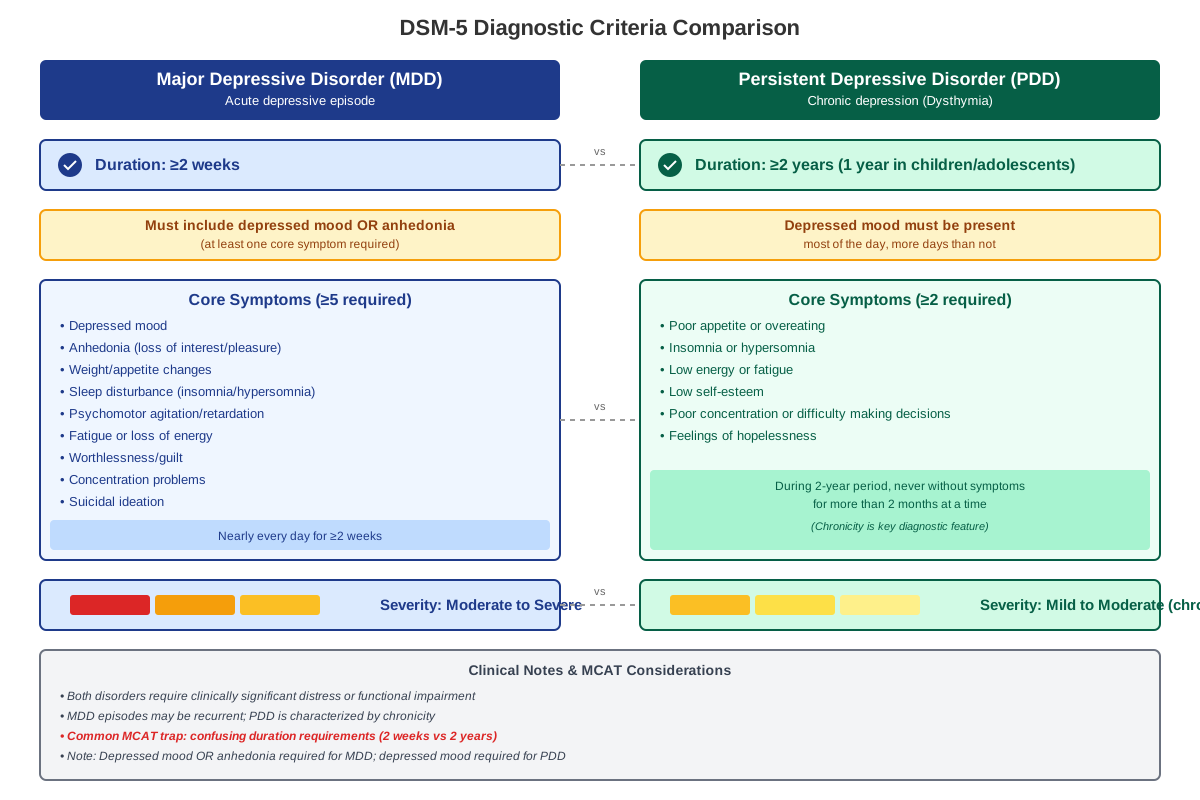
Major Depressive Disorder (MDD) represents the classic presentation, requiring at least five symptoms present during the same two-week period, with at least one symptom being either depressed mood or loss of interest/pleasure (anhedonia). The nine potential symptoms include: (1) depressed mood most of the day, (2) markedly diminished interest or pleasure in activities, (3) significant weight change or appetite disturbance, (4) insomnia or hypersomnia, (5) psychomotor agitation or retardation, (6) fatigue or energy loss, (7) feelings of worthlessness or excessive guilt, (8) diminished concentration or indecisiveness, and (9) recurrent thoughts of death or suicidal ideation. These symptoms must cause clinically significant distress or functional impairment and cannot be attributable to substances or other medical conditions.
Persistent Depressive Disorder (Dysthymia) involves chronic depressive symptoms lasting at least two years in adults (one year in children/adolescents). While symptoms may be less severe than MDD, their chronicity significantly impacts quality of life. Patients must experience depressed mood for most of the day, more days than not, plus at least two additional symptoms: poor appetite or overeating, insomnia or hypersomnia, low energy, low self-esteem, poor concentration, or feelings of hopelessness.
Neurobiological Basis
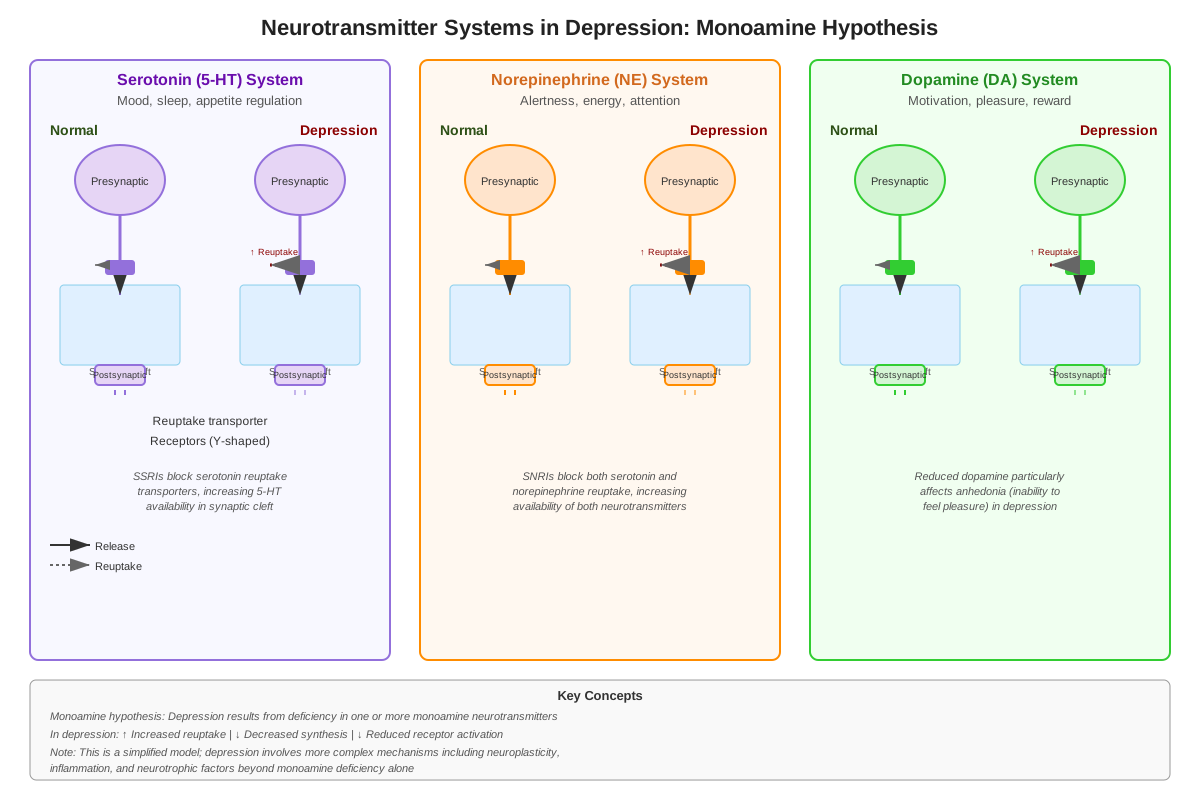
The monoamine hypothesis has historically dominated biological explanations of depression, proposing that depressive symptoms result from deficiencies in monoamine neurotransmitters—particularly serotonin, norepinephrine, and dopamine. Serotonin regulates mood, sleep, appetite, and impulse control; its depletion correlates with depressed mood, anxiety, and sleep disturbances. Norepinephrine influences alertness, energy, and attention; reduced levels contribute to fatigue, psychomotor retardation, and concentration difficulties. Dopamine mediates reward, motivation, and pleasure; diminished dopaminergic activity underlies anhedonia and reduced motivation.
However, contemporary neuroscience recognizes that depression involves more complex neurobiological alterations beyond simple neurotransmitter deficiencies. Neuroplasticity changes—including reduced hippocampal volume, decreased neurogenesis, and altered synaptic connectivity—play crucial roles. Chronic stress elevates cortisol through hypothalamic-pituitary-adrenal (HPA) axis hyperactivity, which damages hippocampal neurons and impairs neurogenesis. The prefrontal cortex shows reduced activity in depression, contributing to executive dysfunction, negative rumination, and impaired emotional regulation. Meanwhile, amygdala hyperactivity increases negative emotional processing and stress reactivity.
Brain-derived neurotrophic factor (BDNF), a protein supporting neuronal survival and growth, is reduced in depression. This reduction impairs synaptic plasticity and contributes to structural brain changes. Antidepressants increase BDNF levels, potentially explaining their therapeutic effects beyond immediate neurotransmitter changes.
Psychological Theories
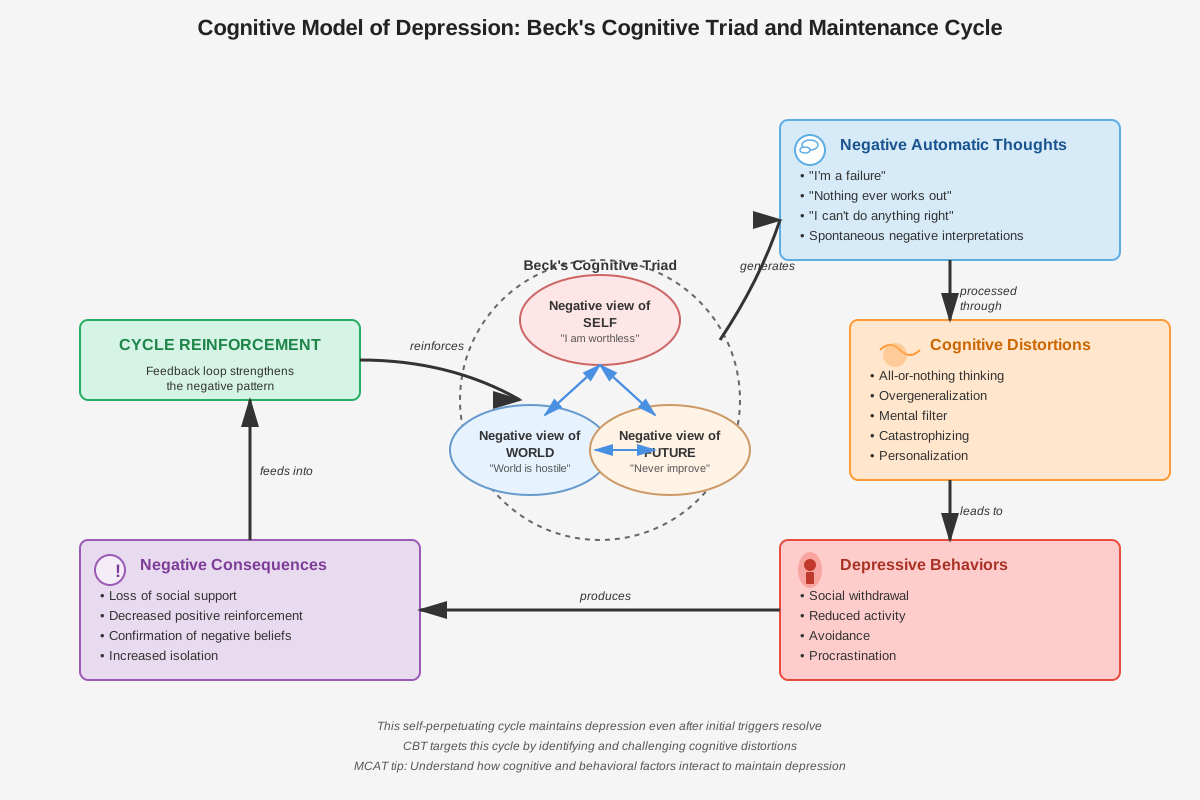
Cognitive theories emphasize how distorted thinking patterns maintain depression. Aaron Beck's cognitive triad describes three forms of negative thinking: negative views of oneself (worthlessness), the world (hopelessness), and the future (pessimism). Cognitive distortions—systematic errors in thinking—include all-or-nothing thinking, overgeneralization, mental filtering (focusing exclusively on negatives), and personalization (assuming responsibility for negative events). These distortions create and maintain depressive symptoms by biasing information processing toward negative interpretations.
Learned helplessness, developed by Martin Seligman, proposes that depression results from perceived lack of control over aversive outcomes. When individuals repeatedly experience uncontrollable negative events, they develop expectations of helplessness that generalize to new situations, producing motivational, cognitive, and emotional deficits characteristic of depression. This theory evolved into the attributional reformulation, which emphasizes how people explain negative events. Depressed individuals make internal (blaming themselves), stable (believing causes are permanent), and global (believing causes affect all life domains) attributions for negative events, while making external, unstable, and specific attributions for positive events.
Behavioral theories focus on environmental reinforcement patterns. Depression may result from reduced positive reinforcement (fewer rewarding activities or relationships) or increased punishment/negative experiences. Social withdrawal—a common depressive symptom—further reduces opportunities for positive reinforcement, creating a self-perpetuating cycle.
Biopsychosocial Model
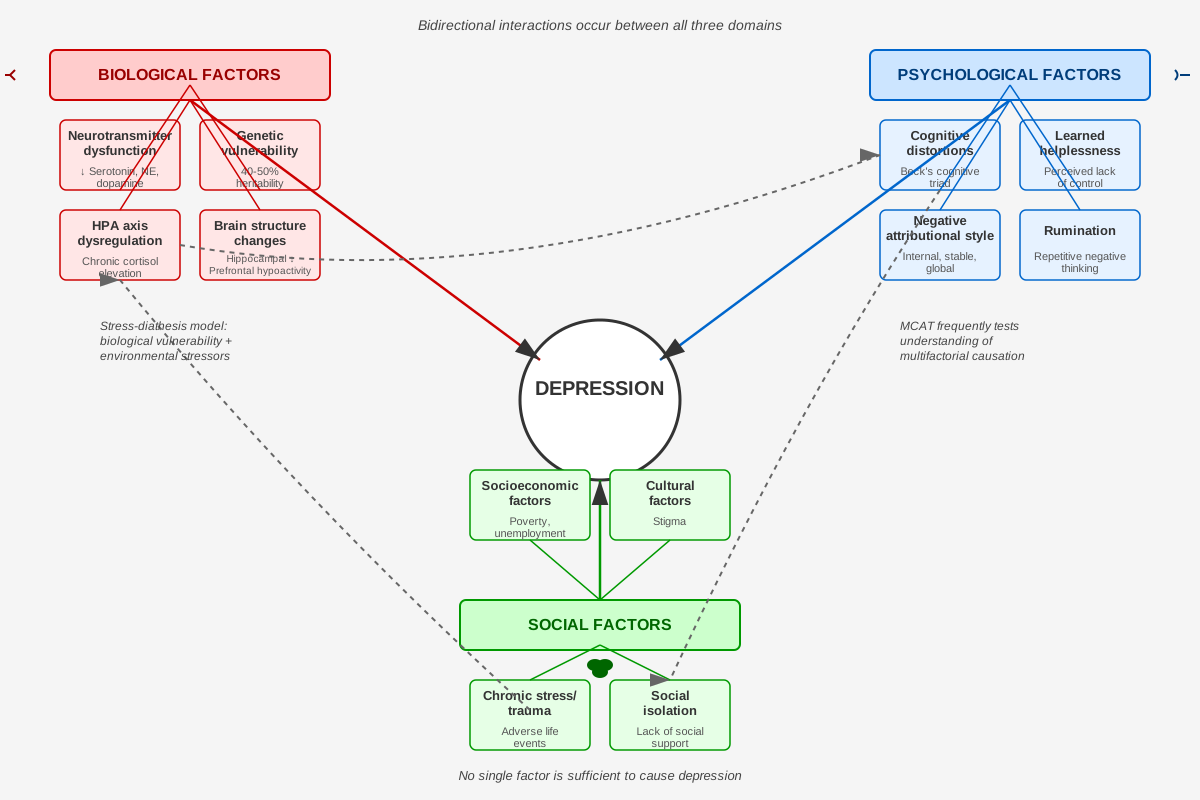
The biopsychosocial model integrates biological vulnerabilities, psychological factors, and social influences to explain depression's etiology and maintenance. Biological factors include genetic predisposition (heritability estimates around 40%), neurotransmitter dysregulation, HPA axis dysfunction, and medical conditions (hypothyroidism, chronic pain, neurological disorders). Psychological factors encompass cognitive vulnerabilities (negative schemas, rumination), personality traits (neuroticism, perfectionism), and coping styles (avoidance, emotion-focused coping). Social factors include stressful life events (loss, trauma, chronic stress), lack of social support, socioeconomic disadvantage, and cultural factors influencing symptom expression and help-seeking.
The stress-diathesis model specifically explains how biological or psychological vulnerabilities (diathesis) interact with environmental stressors to trigger depression. Individuals with greater vulnerability require less stress to develop depression, while those with fewer vulnerabilities may remain resilient despite significant stress.
Epidemiology and Risk Factors
Depression shows clear demographic patterns relevant for MCAT questions. Women experience depression at approximately twice the rate of men, potentially due to hormonal influences, differential stress exposure, and socialization factors. Prevalence peaks in young adulthood (ages 18-29) and again in middle age. Socioeconomic status inversely correlates with depression risk—poverty, unemployment, and low education increase vulnerability through chronic stress, reduced resources, and limited access to care.
Major risk factors include: family history of depression (genetic vulnerability), previous depressive episodes (strongest predictor of recurrence), chronic medical illness, substance use disorders, childhood adversity (abuse, neglect, parental loss), recent stressful life events (especially loss events), and lack of social support. Protective factors include strong social connections, effective coping skills, regular physical activity, and sense of purpose or meaning.
Treatment Approaches
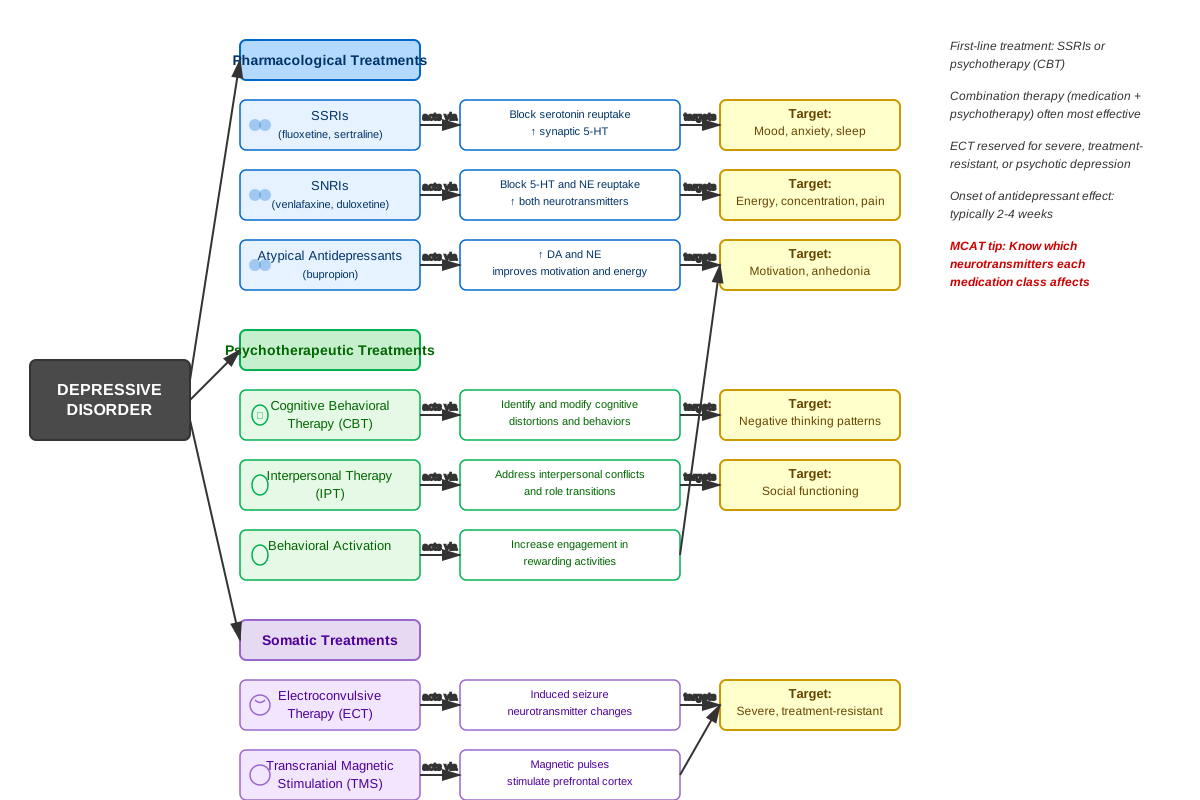
Pharmacotherapy primarily involves antidepressants targeting monoamine neurotransmitters. Selective serotonin reuptake inhibitors (SSRIs) block serotonin reuptake, increasing synaptic serotonin availability; they represent first-line treatment due to efficacy and tolerability. Serotonin-norepinephrine reuptake inhibitors (SNRIs) block reuptake of both serotonin and norepinephrine. Other classes include tricyclic antidepressants (TCAs), monoamine oxidase inhibitors (MAOIs), and atypical antidepressants. Antidepressants typically require 2-4 weeks for therapeutic effects, as neuroplastic changes (increased BDNF, neurogenesis) develop gradually despite immediate neurotransmitter effects.
Cognitive-behavioral therapy (CBT) combines cognitive restructuring (identifying and challenging distorted thoughts) with behavioral activation (increasing engagement in rewarding activities). CBT demonstrates efficacy comparable to antidepressants for mild-to-moderate depression and may reduce relapse risk by teaching lasting skills.
Interpersonal therapy (IPT) focuses on improving interpersonal relationships and social functioning, addressing role transitions, interpersonal disputes, grief, or social isolation. Other evidence-based approaches include behavioral activation, mindfulness-based cognitive therapy, and psychodynamic therapy.
For severe or treatment-resistant depression, electroconvulsive therapy (ECT) induces controlled seizures under anesthesia, producing rapid symptom improvement through mechanisms involving neurotransmitter release and neuroplastic changes. Transcranial magnetic stimulation (TMS) uses magnetic fields to stimulate specific brain regions non-invasively.
Comparison Table
| Feature | Major Depressive Disorder | Persistent Depressive Disorder | Bipolar Depression |
|---|---|---|---|
| Duration | ≥2 weeks | ≥2 years (adults) | Variable episodes |
| Severity | Moderate to severe | Mild to moderate (chronic) | Can be severe |
| Key Feature | Episodic with clear onset | Chronic, fluctuating course | History of mania/hypomania |
| Anhedonia | Prominent | May be present | Present during episodes |
| Treatment | Antidepressants, psychotherapy | Antidepressants, psychotherapy | Mood stabilizers + antidepressants |
| Functional Impairment | Significant during episodes | Persistent but may be less severe | Significant during episodes |
Concept Relationships
The concepts within depressive disorders form an interconnected network reflecting the biopsychosocial nature of these conditions. Neurobiological factors (neurotransmitter deficiencies, HPA axis dysfunction, reduced neuroplasticity) create biological vulnerabilities that interact with psychological factors (cognitive distortions, learned helplessness, negative schemas) to produce and maintain depressive symptoms. These biological and psychological vulnerabilities are activated by social and environmental stressors (loss events, chronic stress, lack of social support), illustrating the stress-diathesis model.
The relationship flows bidirectionally: depression causes neurobiological changes (reduced hippocampal volume, altered prefrontal cortex activity) → these changes impair cognitive function and emotional regulation → cognitive impairments generate negative thinking patterns → negative thinking maintains depressed mood and reduces motivation → behavioral withdrawal reduces positive reinforcement → reduced positive experiences worsen depression → creating a self-perpetuating cycle.
Treatment approaches target different points in this cycle: antidepressants address neurobiological factors by increasing neurotransmitter availability and promoting neuroplasticity → CBT interrupts cognitive and behavioral maintenance factors by restructuring thoughts and increasing behavioral activation → IPT addresses social factors by improving relationships and social support → these interventions work synergistically, explaining why combined treatment often exceeds individual approaches.
Depressive disorders connect to prerequisite topics through multiple pathways: neurotransmitter function explains antidepressant mechanisms and biological symptoms → brain anatomy (limbic system, prefrontal cortex) localizes depression-related neural dysfunction → stress response (HPA axis, cortisol) links chronic stress to depression onset → learning theories explain behavioral symptoms and learned helplessness → social psychology concepts (social support, attribution theory) illuminate social risk and protective factors.
Related topics build upon depression knowledge: understanding depressive disorders enables differentiation from bipolar disorder (which includes depressive episodes but also mania/hypomania) → connects to anxiety disorders (high comorbidity, shared neurobiological features) → relates to suicide risk assessment (depression is primary risk factor) → informs understanding of health disparities (differential depression prevalence and treatment access across groups).
Quick check — test yourself on Depressive disorders so far.
Try Flashcards →High-Yield Facts
⭐ Major Depressive Disorder requires at least five symptoms present for at least two weeks, with at least one symptom being depressed mood or anhedonia (loss of interest/pleasure)
⭐ The monoamine hypothesis proposes that depression results from deficiencies in serotonin, norepinephrine, and dopamine neurotransmitters
⭐ SSRIs (selective serotonin reuptake inhibitors) are first-line pharmacological treatment, working by blocking serotonin reuptake to increase synaptic availability
⭐ Cognitive-behavioral therapy (CBT) treats depression by identifying and restructuring cognitive distortions while increasing behavioral activation
⭐ Women experience depression at approximately twice the rate of men, with prevalence peaking in young adulthood
- Persistent Depressive Disorder (dysthymia) requires depressed mood for at least two years in adults with at least two additional symptoms
- Beck's cognitive triad describes negative views of self, world, and future as central to depression
- Learned helplessness theory proposes that perceived lack of control over negative events produces depressive symptoms
- Antidepressants typically require 2-4 weeks for therapeutic effects due to gradual neuroplastic changes despite immediate neurotransmitter effects
- The stress-diathesis model explains depression as resulting from interaction between biological/psychological vulnerabilities and environmental stressors
- Chronic stress elevates cortisol through HPA axis hyperactivity, damaging hippocampal neurons and impairing neurogenesis
- Electroconvulsive therapy (ECT) is highly effective for severe or treatment-resistant depression, working through controlled seizure induction
- Social support serves as a protective factor against depression by buffering stress effects and providing resources
- Depression shows high comorbidity with anxiety disorders, substance use disorders, and chronic medical conditions
- Attributional style in depression involves internal, stable, and global attributions for negative events
Common Misconceptions
Misconception: Depression is simply prolonged sadness that people can overcome through willpower or positive thinking.
Correction: Depression is a complex medical condition involving neurobiological changes (neurotransmitter dysregulation, altered brain structure and function), psychological factors, and social influences. It requires professional treatment—either psychotherapy, medication, or both—and cannot be resolved through willpower alone. The biological changes in depression are as real as those in diabetes or hypertension.
Misconception: Antidepressants work immediately by increasing neurotransmitter levels, so if someone doesn't feel better within days, the medication isn't working.
Correction: While antidepressants increase synaptic neurotransmitter availability within hours, therapeutic effects typically require 2-4 weeks. This delay reflects the time needed for downstream neuroplastic changes—increased BDNF, enhanced neurogenesis, synaptic remodeling—that ultimately produce symptom improvement. Patients should continue medication for at least 4-6 weeks before concluding it's ineffective.
Misconception: Major Depressive Disorder and Persistent Depressive Disorder are the same condition, just with different severity levels.
Correction: These are distinct diagnoses with different temporal patterns. MDD involves discrete episodes of at least two weeks with more severe symptoms, while Persistent Depressive Disorder involves chronic symptoms lasting at least two years that may be less severe but are more persistent. A person can have both diagnoses simultaneously (MDD superimposed on Persistent Depressive Disorder), termed "double depression."
Misconception: The monoamine hypothesis fully explains depression's biological basis, so depression is simply a "chemical imbalance."
Correction: While monoamine neurotransmitters play important roles, contemporary understanding recognizes depression involves complex neurobiological changes including altered neuroplasticity, structural brain changes (reduced hippocampal volume), HPA axis dysfunction, inflammation, and disrupted neural circuits. The oversimplified "chemical imbalance" model fails to capture this complexity and may lead to unrealistic treatment expectations.
Misconception: Cognitive distortions cause depression, so correcting these thoughts will always cure depression.
Correction: Cognitive distortions are both a cause and consequence of depression, creating bidirectional relationships. While CBT effectively treats many cases by addressing cognitive factors, some individuals require medication to address neurobiological factors before cognitive interventions become effective. The biopsychosocial model emphasizes that multiple factors contribute to depression, requiring individualized treatment approaches.
Misconception: Grief and depression are the same thing; anyone experiencing loss has depression.
Correction: Grief is a normal response to loss characterized by waves of sadness triggered by reminders of the deceased, with preserved self-esteem and capacity for positive emotions. Major Depression involves persistent depressed mood, pervasive anhedonia, worthlessness, and functional impairment not limited to loss-related triggers. While grief can trigger depression in vulnerable individuals, most bereaved people experience normal grief without developing MDD.
Misconception: If someone with depression appears to function normally at work or school, their depression isn't severe or doesn't require treatment.
Correction: Many individuals with depression maintain external functioning through significant effort while experiencing severe internal distress. "High-functioning depression" describes people who meet diagnostic criteria but continue working, attending school, or fulfilling responsibilities. This presentation doesn't indicate less severe illness—these individuals still experience significant suffering and benefit from treatment. Functional impairment is one criterion but not the only indicator of severity.
Worked Examples
Example 1: Diagnostic Differentiation
Clinical Vignette: A 28-year-old woman presents to her physician reporting persistent low mood, difficulty sleeping, decreased appetite with 10-pound weight loss, fatigue, difficulty concentrating at work, and thoughts that she's a failure. She states these symptoms began approximately three weeks ago after her supervisor criticized her performance. She reports feeling this way "most of the time" and has stopped attending her weekly book club, which she previously enjoyed. She denies any history of unusually elevated mood, excessive energy, or decreased need for sleep. She has no significant medical history and takes no medications.
Question: Based on DSM-5 criteria, what is the most appropriate diagnosis?
Step 1 - Identify symptoms present:
- Depressed mood (low mood)
- Anhedonia (stopped enjoying book club)
- Sleep disturbance (difficulty sleeping)
- Appetite/weight change (decreased appetite, 10-pound loss)
- Fatigue
- Diminished concentration
- Feelings of worthlessness (thoughts of being a failure)
Count: 7 symptoms present
Step 2 - Assess duration: Symptoms present for approximately three weeks (exceeds the two-week minimum for MDD)
Step 3 - Verify required symptoms: At least one of depressed mood or anhedonia must be present. This patient has both.
Step 4 - Assess functional impairment: Difficulty concentrating at work and withdrawal from social activities indicate functional impairment.
Step 5 - Rule out other conditions:
- No history of manic/hypomanic episodes → rules out Bipolar Disorder
- Duration less than two years → rules out Persistent Depressive Disorder as primary diagnosis
- Clear functional impairment and multiple symptoms → rules out normal grief or adjustment disorder
- No medical conditions or substances mentioned → rules out depression due to medical condition or substance
Answer: Major Depressive Disorder, single episode. The patient meets criteria with seven symptoms (exceeding the five-symptom minimum), including both required symptoms (depressed mood and anhedonia), lasting more than two weeks, with clear functional impairment and no evidence of other conditions.
MCAT Connection: This example demonstrates application of diagnostic criteria—a common MCAT task. Test-takers must systematically evaluate symptoms against DSM criteria, count qualifying symptoms, verify duration requirements, and rule out alternative diagnoses. The vignette includes a potential distractor (work criticism) that might suggest adjustment disorder, but the symptom severity and number clearly indicate MDD.
Example 2: Treatment Mechanism Analysis
Research Scenario: A study investigates why SSRIs require several weeks to produce therapeutic effects despite increasing synaptic serotonin within hours. Researchers measure brain-derived neurotrophic factor (BDNF) levels, hippocampal neurogenesis, and depressive symptoms in patients starting SSRI treatment. They find that BDNF levels and neurogenesis increase gradually over 2-4 weeks, correlating with symptom improvement, while synaptic serotonin increases immediately.
Question: Which explanation best accounts for the delayed therapeutic effect of SSRIs?
Step 1 - Identify immediate vs. delayed effects:
- Immediate: Increased synaptic serotonin (within hours)
- Delayed: Increased BDNF, increased neurogenesis, symptom improvement (2-4 weeks)
Step 2 - Analyze temporal correlation: The delayed effects (BDNF, neurogenesis, symptom improvement) occur on the same timeline, suggesting causal relationship.
Step 3 - Apply neuroplasticity concepts: BDNF promotes neuronal survival, growth, and synaptic plasticity. Neurogenesis (new neuron formation) requires time for cell division, migration, and integration into neural circuits. These processes cannot occur immediately.
Step 4 - Connect to depression neurobiology: Depression involves not just neurotransmitter deficiencies but also reduced neuroplasticity, decreased hippocampal volume, and impaired synaptic connectivity. Reversing these structural and functional changes requires time.
Step 5 - Synthesize explanation: SSRIs immediately increase serotonin, which triggers downstream signaling cascades that gradually increase BDNF expression. Elevated BDNF promotes neurogenesis and synaptic remodeling over weeks. These neuroplastic changes—not just increased serotonin—produce therapeutic effects.
Answer: The delayed therapeutic effect results from the time required for neuroplastic changes (increased BDNF, enhanced neurogenesis, synaptic remodeling) that are triggered by increased serotonin but develop gradually. Immediate neurotransmitter changes are necessary but insufficient for symptom improvement; structural and functional brain changes must occur.
MCAT Connection: This example illustrates research interpretation and mechanistic reasoning—high-yield MCAT skills. Students must distinguish correlation from causation, understand temporal relationships, and apply biological concepts (neuroplasticity, cell biology) to explain clinical phenomena. The scenario requires integrating multiple levels of analysis (molecular, cellular, systems) to explain a clinical observation.
Exam Strategy
When approaching MCAT questions on depressive disorders, begin by identifying the question type: diagnostic (applying DSM criteria), mechanistic (explaining biological or psychological processes), or treatment-related (predicting intervention effects). For diagnostic questions, systematically count symptoms, verify duration requirements, and rule out alternative diagnoses. Create a mental checklist: depressed mood or anhedonia present? Five total symptoms? Two-week duration? Functional impairment? No better explanation?
Trigger words signal specific concepts: "loss of interest" or "no longer enjoys" indicates anhedonia (required MDD symptom); "persistent" or "chronic" suggests Persistent Depressive Disorder; "episodes of elevated mood" or "decreased need for sleep" indicates bipolar disorder (rule out MDD); "chemical imbalance" or "neurotransmitter" points toward monoamine hypothesis; "negative thoughts about self, world, future" signals Beck's cognitive triad; "lack of control" suggests learned helplessness; "two to four weeks" relates to antidepressant onset delay.
For process-of-elimination, recognize common distractors: (1) options confusing MDD with normal grief (grief preserves self-esteem, has wave-like pattern); (2) options suggesting immediate antidepressant effects (remember the 2-4 week delay); (3) options attributing depression solely to neurotransmitter deficiency (contemporary models emphasize neuroplasticity); (4) options confusing depression with adjustment disorder (adjustment disorder has identifiable stressor and less severe symptoms); (5) options suggesting willpower or positive thinking as sufficient treatment (depression requires professional intervention).
When passages describe research studies, identify the study design (correlational vs. experimental), recognize confounding variables (socioeconomic status, comorbid conditions), and distinguish correlation from causation. Depression research often involves correlational designs due to ethical constraints, so avoid inferring causation from correlational data. Watch for questions asking about limitations or alternative explanations.
Time allocation: Spend 60-70 seconds on discrete questions, using 15-20 seconds to identify the question type and key concepts, 30-40 seconds to evaluate options, and 10-15 seconds to verify your answer. For passage-based questions, allocate 90 seconds, spending extra time connecting passage information to the question. If a question requires counting symptoms for diagnosis, quickly list symptoms mentally rather than re-reading the entire vignette.
Exam Tip: When differentiating between depressive disorders, duration is often the key distinguishing feature. MDD = 2 weeks minimum; Persistent Depressive Disorder = 2 years minimum. If a vignette mentions "chronic" or "years," immediately consider Persistent Depressive Disorder.
Memory Techniques
SIG E CAPS mnemonic for Major Depressive Disorder symptoms (plus depressed mood or anhedonia):
- Sleep disturbance (insomnia or hypersomnia)
- Interest loss (anhedonia)
- Guilt or worthlessness
- Energy loss (fatigue)
- Concentration difficulties
- Appetite/weight change
- Psychomotor agitation or retardation
- Suicidal ideation
Remember: Need 5 symptoms for 2 weeks, with at least one being depressed mood or anhedonia.
"The Three Monoamines" visualization: Picture three colored streams (serotonin = blue for mood/sleep, norepinephrine = red for energy/alertness, dopamine = yellow for pleasure/reward) flowing into a pool representing mood. In depression, these streams slow to trickles, draining the pool. SSRIs dam the blue stream (block serotonin reuptake), raising the pool level.
Beck's Cognitive Triad Triangle: Visualize a downward-pointing triangle with three corners labeled "SELF" (top left), "WORLD" (top right), and "FUTURE" (bottom). All three arrows point downward (negative), creating a depressive cognitive pattern. This visual reinforces that depression involves negative views across all three domains.
"2-4-2" Rule for temporal features:
- 2 weeks minimum for Major Depressive Disorder
- 2-4 weeks for antidepressant therapeutic effects
- 2 years minimum for Persistent Depressive Disorder
SSRI Mechanism Chain: "Block → Build → Boost → Better"
- Block serotonin reuptake (immediate)
- Build BDNF levels (gradual)
- Boost neurogenesis and plasticity (weeks)
- Better mood and function (therapeutic effect)
This chain explains the delayed onset while providing a memorable sequence.
Learned Helplessness Story: Imagine a dog in a cage receiving shocks it cannot escape (Seligman's original experiment). Later, when escape becomes possible, the dog doesn't try—it has "learned" helplessness. This vivid image helps recall the theory and its application to depression: perceived lack of control → expectation of helplessness → motivational, cognitive, and emotional deficits.
Summary
Depressive disorders represent a critical MCAT topic integrating biological, psychological, and social factors to explain a prevalent and disabling category of mental illness. Major Depressive Disorder requires at least five symptoms (including depressed mood or anhedonia) present for at least two weeks with functional impairment, while Persistent Depressive Disorder involves chronic symptoms lasting at least two years. The neurobiological basis involves monoamine neurotransmitter deficiencies (serotonin, norepinephrine, dopamine), HPA axis dysfunction, reduced neuroplasticity, and structural brain changes affecting the hippocampus, prefrontal cortex, and amygdala. Psychological theories emphasize cognitive distortions (Beck's cognitive triad), learned helplessness, and reduced behavioral reinforcement. The biopsychosocial model integrates these factors, explaining how biological vulnerabilities interact with psychological factors and social stressors through the stress-diathesis framework. Treatment includes SSRIs and other antidepressants (requiring 2-4 weeks for therapeutic effects through neuroplastic changes) and evidence-based psychotherapies like CBT. Understanding diagnostic criteria, differentiating between depressive presentations, explaining treatment mechanisms, and applying the biopsychosocial model are essential skills for MCAT success on this medium-yield, frequently-tested topic.
Key Takeaways
- Major Depressive Disorder requires ≥5 symptoms for ≥2 weeks, including depressed mood or anhedonia, with functional impairment
- The monoamine hypothesis proposes depression results from serotonin, norepinephrine, and dopamine deficiencies, though contemporary models emphasize neuroplasticity and structural brain changes
- SSRIs treat depression by blocking serotonin reuptake; therapeutic effects require 2-4 weeks due to gradual neuroplastic changes (increased BDNF, neurogenesis) despite immediate neurotransmitter effects
- Beck's cognitive triad describes negative views of self, world, and future as central cognitive features; learned helplessness explains how perceived lack of control produces depressive symptoms
- The biopsychosocial model and stress-diathesis framework explain depression as resulting from interactions between biological vulnerabilities, psychological factors, and environmental stressors
- Persistent Depressive Disorder differs from MDD in chronicity (≥2 years) rather than just severity, though symptoms may be less intense
- Women experience depression at twice the rate of men; prevalence peaks in young adulthood; socioeconomic disadvantage increases risk through chronic stress and reduced resources
Related Topics
Bipolar Disorder: Understanding depressive disorders provides foundation for differentiating unipolar depression from bipolar depression, which includes manic or hypomanic episodes requiring different treatment approaches (mood stabilizers rather than antidepressants alone).
Anxiety Disorders: Depression and anxiety show high comorbidity and share neurobiological features (amygdala hyperactivity, serotonergic dysfunction), making differential diagnosis and understanding their relationship clinically important.
Suicide Risk Assessment: Depression represents the primary risk factor for suicide; mastering depressive disorders enables understanding of suicide epidemiology, risk factors, and prevention strategies.
Psychopharmacology: Depression treatment provides context for understanding broader psychopharmacological principles including neurotransmitter systems, receptor mechanisms, side effects, and drug interactions.
Cognitive-Behavioral Therapy: Depression treatment illustrates CBT principles applicable across multiple disorders, including cognitive restructuring, behavioral activation, and the relationship between thoughts, feelings, and behaviors.
Health Disparities: Depression prevalence, symptom presentation, and treatment access vary across demographic groups, connecting to broader MCAT topics about social determinants of health and healthcare inequality.
Practice CTA
Now that you've mastered the core concepts of depressive disorders, reinforce your learning by attempting practice questions and reviewing flashcards focused on this topic. Challenge yourself with diagnostic vignettes requiring symptom counting and differential diagnosis, mechanism questions testing your understanding of neurobiology and treatment, and research interpretation passages. Active retrieval through practice questions significantly enhances retention and prepares you for the integrated, application-focused questions you'll encounter on test day. Your thorough understanding of depressive disorders will serve as a foundation for related topics and contribute to your success across the Psychology/Sociology section. Keep building on this knowledge—you're developing the clinical reasoning and scientific thinking skills that will serve you throughout medical school and beyond!
Sign up free to keep reading
Create a free AnvayaPrep account to finish this MCAT guide on Depressive disorders — plus flashcards and practice questions.