Overview
Substance use disorders represent a critical category within the broader domain of psychological disorders that the MCAT frequently tests in the Psychological, Social, and Biological Foundations of Behavior section. These disorders are characterized by a problematic pattern of substance use leading to clinically significant impairment or distress, encompassing both physiological and psychological dimensions. Understanding substance use disorders requires integration of multiple psychological frameworks, including behavioral conditioning, neurobiological reward pathways, cognitive processes, and social influences—making this topic a high-yield area for demonstrating interdisciplinary thinking on the exam.
The MCAT approaches substance use disorders from both a clinical psychology perspective and a biological psychology lens, requiring students to understand diagnostic criteria, neurochemical mechanisms, treatment modalities, and the biopsychosocial model of addiction. Questions may present clinical vignettes requiring differential diagnosis, ask about neurotransmitter systems involved in addiction, or test understanding of behavioral interventions and their theoretical foundations. This topic frequently appears in passages discussing dopaminergic pathways, operant conditioning, social determinants of health, or psychiatric comorbidities.
Mastery of substance use disorders connects directly to broader concepts in Psychological Disorders and Treatment, including mood disorders (which often co-occur with substance use), anxiety disorders, and personality disorders. Additionally, this topic bridges to neuroscience (reward pathways, neurotransmitter systems), behavioral psychology (classical and operant conditioning), social psychology (peer influence, stigma), and health psychology (health behavior change models). The biopsychosocial framework is particularly essential here, as substance use disorders cannot be fully understood through a single lens—biological vulnerability, psychological factors, and social context all contribute to development, maintenance, and recovery.
Learning Objectives
- [ ] Define Substance use disorders using accurate Psychology terminology
- [ ] Explain why Substance use disorders matters for the MCAT
- [ ] Apply Substance use disorders to exam-style questions
- [ ] Identify common mistakes related to Substance use disorders
- [ ] Connect Substance use disorders to related Psychology concepts
- [ ] Distinguish between substance use disorder, substance intoxication, and substance withdrawal using DSM-5 criteria
- [ ] Explain the neurobiological mechanisms underlying addiction, including the role of dopamine and the mesolimbic reward pathway
- [ ] Compare and contrast different treatment approaches for substance use disorders, including their theoretical foundations
Prerequisites
- Basic neurotransmitter function: Understanding dopamine, serotonin, GABA, and glutamate is essential for comprehending the neurobiological basis of addiction and withdrawal
- Classical and operant conditioning: These learning theories explain how environmental cues become associated with substance use and how reinforcement maintains addictive behaviors
- DSM-5 diagnostic framework: Familiarity with how psychiatric disorders are classified and diagnosed provides context for understanding substance use disorder criteria
- Brain anatomy: Knowledge of limbic system structures (nucleus accumbens, ventral tegmental area, prefrontal cortex) is necessary for understanding reward pathways
- Biopsychosocial model: This integrative framework is fundamental to understanding the multifactorial nature of substance use disorders
Why This Topic Matters
Substance use disorders affect approximately 20 million Americans annually and represent one of the most significant public health challenges, making them clinically relevant and frequently encountered in medical practice. For future physicians, understanding the biological, psychological, and social dimensions of addiction is essential for providing compassionate, evidence-based care and recognizing substance use disorders across diverse patient populations. The stigma surrounding addiction often prevents individuals from seeking treatment, and medical professionals must understand addiction as a chronic brain disease rather than a moral failing.
On the MCAT, substance use disorders appear in approximately 3-5% of Psychology and Sociology questions, with particular emphasis on the Psychological Disorders and Treatment content category. Questions typically test understanding of diagnostic criteria, neurobiological mechanisms, treatment approaches, and the interaction between biological vulnerability and environmental factors. The MCAT frequently presents clinical vignettes requiring students to identify symptoms consistent with substance use disorder, distinguish between intoxication and withdrawal, or apply learning theory to explain relapse patterns.
This topic commonly appears in passages discussing dopaminergic reward pathways, behavioral interventions, health disparities, or psychiatric comorbidities. Discrete questions may ask about specific neurotransmitter systems affected by different substance classes, the theoretical basis for cognitive-behavioral therapy in treating addiction, or how social determinants influence substance use patterns. The interdisciplinary nature of substance use disorders makes them ideal for testing integration of biological, psychological, and social concepts—a core competency the MCAT assesses.
Core Concepts
Definition and Diagnostic Criteria
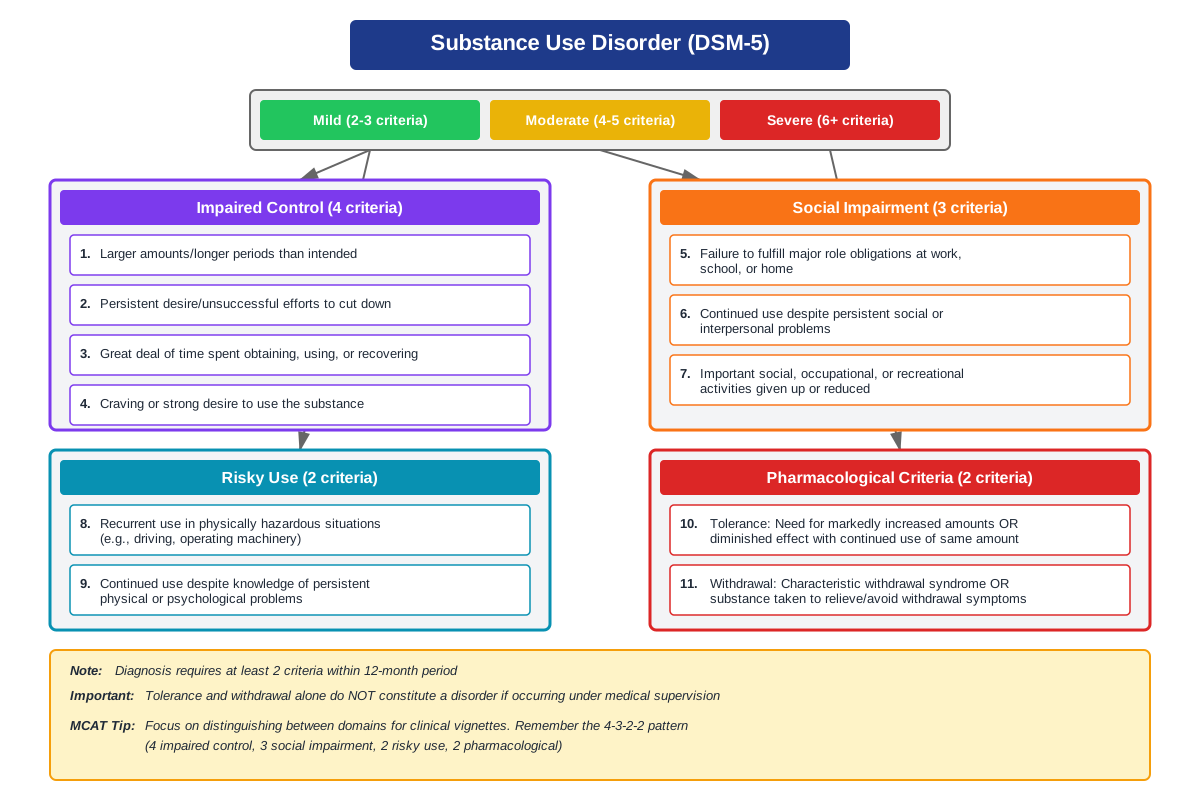
Substance use disorders are defined in the DSM-5 as a problematic pattern of substance use leading to clinically significant impairment or distress, manifested by at least two of eleven criteria occurring within a 12-month period. This represents a shift from the DSM-IV, which separated substance abuse and substance dependence into distinct diagnoses. The current framework recognizes substance use disorders exist on a continuum of severity: mild (2-3 criteria), moderate (4-5 criteria), or severe (6 or more criteria).
The eleven diagnostic criteria cluster into four categories:
- Impaired control: Taking larger amounts or for longer than intended; persistent desire or unsuccessful efforts to cut down; spending excessive time obtaining, using, or recovering from the substance; experiencing cravings or strong urges to use
- Social impairment: Failure to fulfill major role obligations; continued use despite social or interpersonal problems; giving up important activities because of substance use
- Risky use: Using in physically hazardous situations; continued use despite knowledge of physical or psychological problems caused or exacerbated by the substance
- Pharmacological criteria: Tolerance (need for increased amounts to achieve desired effect or diminished effect with continued use of the same amount); withdrawal (characteristic withdrawal syndrome or substance taken to relieve withdrawal symptoms)
Neurobiological Mechanisms
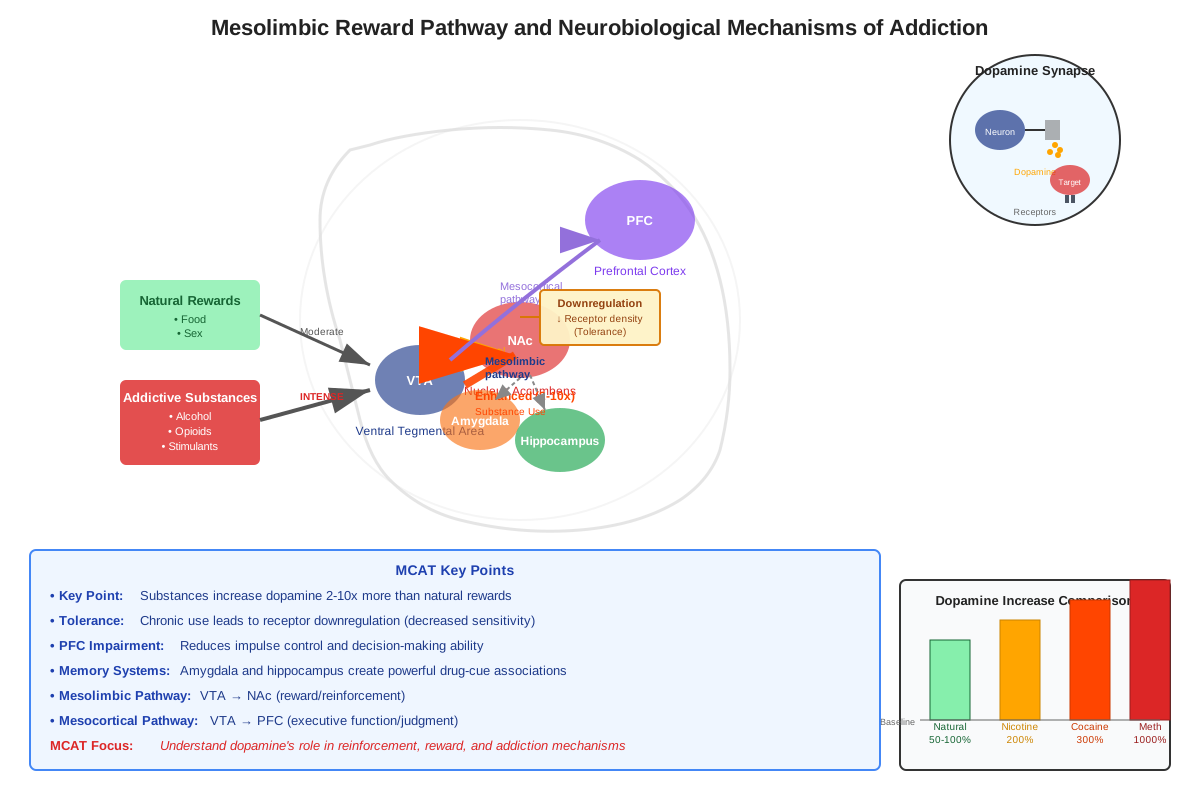
The mesolimbic dopamine pathway, often called the brain's reward circuit, plays a central role in substance use disorders. This pathway originates in the ventral tegmental area (VTA) and projects to the nucleus accumbens, with additional connections to the prefrontal cortex, amygdala, and hippocampus. Substances of abuse hijack this natural reward system, producing dopamine surges that far exceed those from natural rewards like food or social interaction.
Different substance classes affect neurotransmitter systems through distinct mechanisms:
| Substance Class | Primary Mechanism | Neurotransmitter Effects |
|---|---|---|
| Stimulants (cocaine, amphetamines) | Block reuptake or increase release | Elevated dopamine, norepinephrine, serotonin |
| Opioids | Bind to mu, delta, kappa receptors | Increased dopamine (indirect), decreased GABA |
| Alcohol | Multiple mechanisms | Enhanced GABA, inhibited glutamate, increased dopamine |
| Cannabis | CB1 receptor agonist | Increased dopamine (indirect), altered GABA and glutamate |
| Benzodiazepines | GABA-A receptor positive allosteric modulator | Enhanced GABA activity |
With repeated substance use, neuroadaptation occurs—the brain adjusts to chronic elevated dopamine by downregulating dopamine receptors and reducing natural dopamine production. This creates tolerance, requiring increasing amounts of the substance to achieve the same effect, and contributes to withdrawal symptoms when substance use stops, as the brain temporarily lacks adequate dopamine signaling.
Psychological and Behavioral Factors
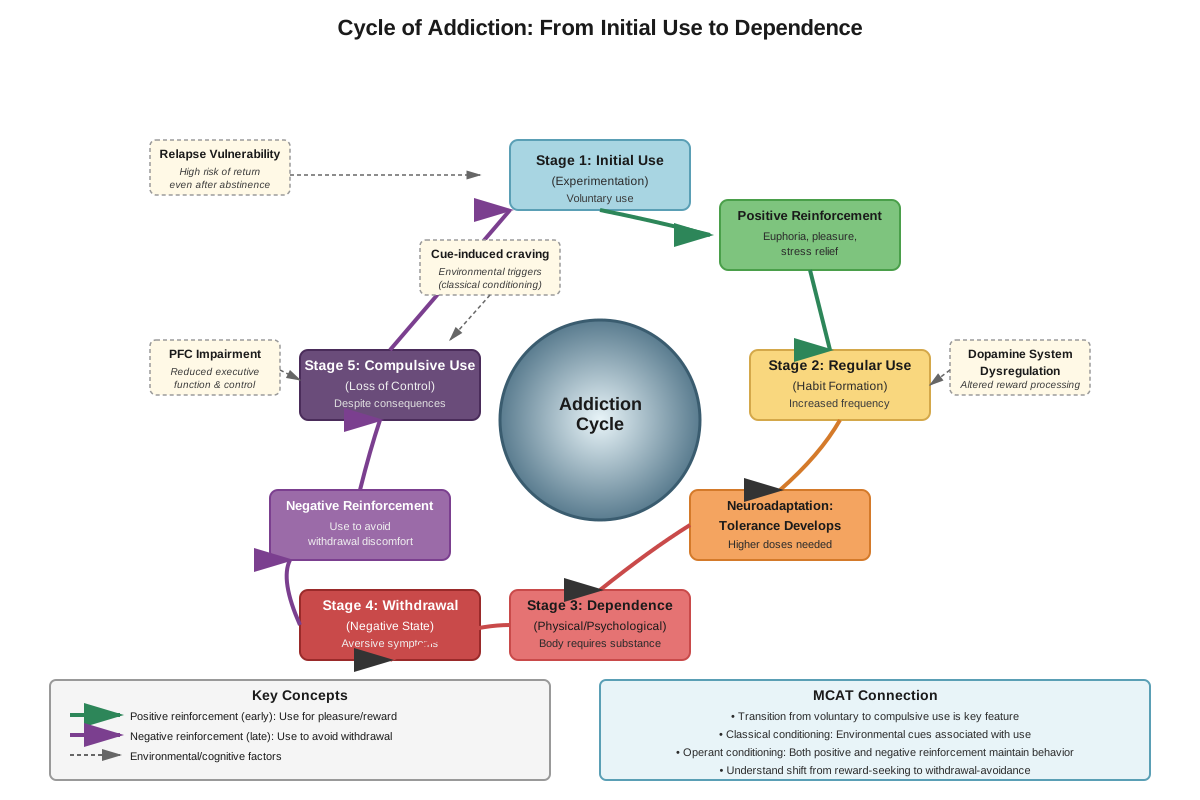
Classical conditioning explains how environmental cues become associated with substance use. Through repeated pairing, previously neutral stimuli (specific locations, people, paraphernalia, times of day) become conditioned stimuli that trigger cravings and physiological responses even in the absence of the substance. This phenomenon, called cue-induced craving, contributes significantly to relapse risk.
Operant conditioning maintains substance use through reinforcement mechanisms. Positive reinforcement occurs when substance use produces pleasurable effects (euphoria, relaxation, increased confidence), increasing the likelihood of future use. Negative reinforcement occurs when substance use removes aversive states (anxiety, withdrawal symptoms, emotional pain), also strengthening the behavior. The immediate reinforcement from substance use is particularly powerful compared to the delayed negative consequences, making addiction difficult to overcome through willpower alone.
Cognitive factors include expectancies (beliefs about substance effects), self-efficacy (confidence in ability to resist use), and decision-making processes. The incentive-sensitization theory proposes that with repeated use, the brain's "wanting" system becomes hypersensitive to drug-related cues, while the "liking" or pleasure from the drug may actually decrease—explaining why individuals continue using substances even when they no longer derive significant pleasure.
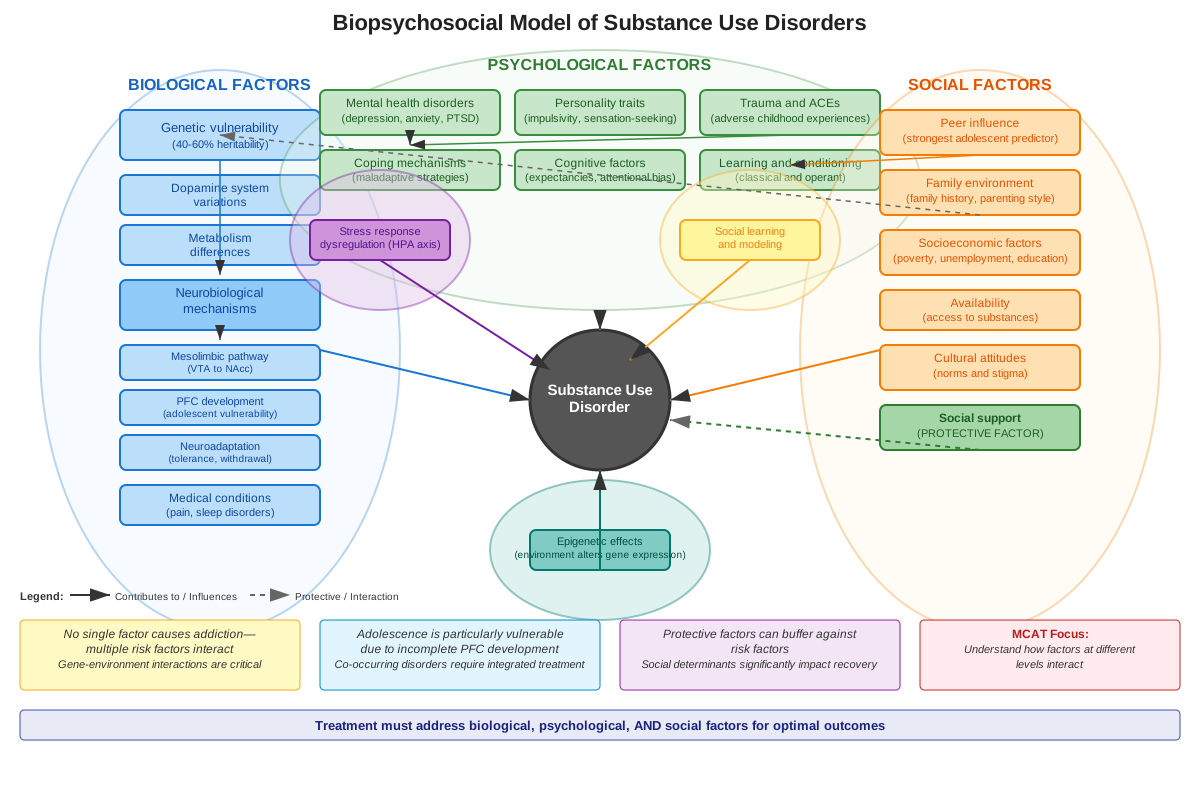
Biopsychosocial Model of Addiction
The biopsychosocial model provides a comprehensive framework for understanding substance use disorders by integrating multiple levels of analysis:
Biological factors include genetic vulnerability (heritability estimates range from 40-60% for most substances), neurobiological differences in reward sensitivity, metabolic variations affecting substance processing, and co-occurring mental health conditions. Twin and adoption studies demonstrate substantial genetic contribution, though no single "addiction gene" exists—rather, multiple genes influence risk through various pathways.
Psychological factors encompass personality traits (impulsivity, sensation-seeking, negative emotionality), coping strategies, trauma history, cognitive patterns, and psychiatric comorbidities. Approximately 50% of individuals with substance use disorders have co-occurring mental health disorders, particularly mood disorders, anxiety disorders, PTSD, and personality disorders.
Social factors include peer influence, family dynamics, socioeconomic status, cultural norms, availability and accessibility of substances, adverse childhood experiences, and social support systems. The social learning theory emphasizes that substance use behaviors are learned through observation and modeling, particularly during adolescence when peer influence peaks.
Treatment Approaches
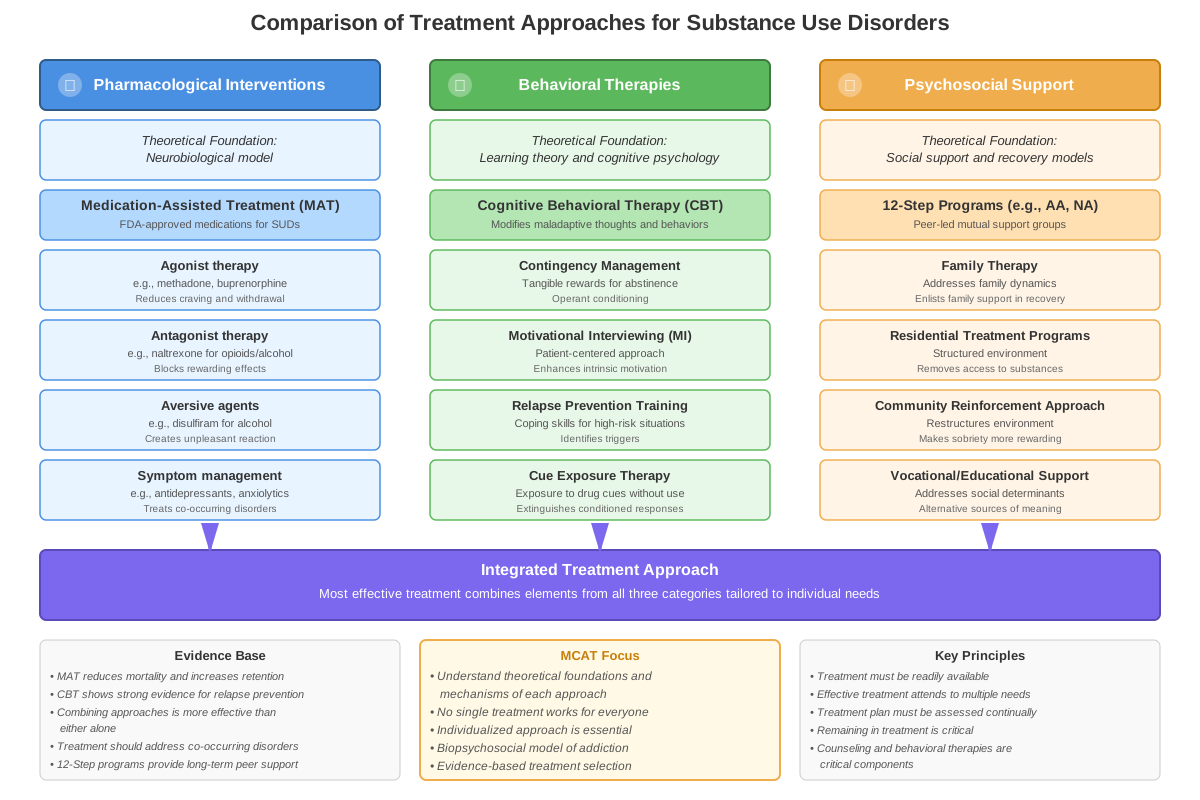
Pharmacological interventions target neurobiological mechanisms:
- Agonist therapy (methadone, buprenorphine for opioid use disorder) activates the same receptors as the substance of abuse but with more controlled, less euphoric effects
- Antagonist therapy (naltrexone for opioid or alcohol use disorder) blocks receptors, preventing reinforcing effects
- Aversive agents (disulfiram for alcohol use disorder) create unpleasant reactions when the substance is consumed
- Medications targeting withdrawal symptoms or cravings (acamprosate for alcohol, varenicline for nicotine)
Psychosocial interventions address behavioral and cognitive factors:
Cognitive-behavioral therapy (CBT) helps individuals identify triggers, develop coping strategies, challenge maladaptive thoughts, and build skills for managing cravings and preventing relapse. Functional analysis examines the antecedents and consequences maintaining substance use.
Motivational interviewing uses a client-centered, directive approach to enhance intrinsic motivation for change by exploring and resolving ambivalence. This approach aligns with the stages of change model (precontemplation, contemplation, preparation, action, maintenance).
Contingency management applies operant conditioning principles by providing tangible rewards for verified abstinence, demonstrating the power of immediate positive reinforcement for competing behaviors.
12-step programs (Alcoholics Anonymous, Narcotics Anonymous) provide peer support, structure, and a framework for recovery emphasizing acceptance, accountability, and spiritual growth. While not evidence-based in the traditional sense, these programs offer accessible, long-term support that many find beneficial.
Harm reduction approaches prioritize reducing negative consequences of substance use rather than requiring complete abstinence, recognizing that behavior change occurs along a continuum. Examples include needle exchange programs, supervised consumption sites, and medication-assisted treatment.
Withdrawal and Intoxication
Substance intoxication refers to a reversible syndrome of behavioral or psychological changes due to recent substance use, with specific symptoms varying by substance class. Substance withdrawal occurs when blood or tissue concentrations of a substance decline after prolonged heavy use, producing characteristic symptoms that are often opposite to the substance's acute effects.
Understanding withdrawal syndromes is clinically critical because some (alcohol, benzodiazepines) can be life-threatening, requiring medical management:
- Alcohol withdrawal: Anxiety, tremor, insomnia, autonomic hyperactivity; severe cases may progress to delirium tremens (confusion, hallucinations, seizures)
- Opioid withdrawal: Dysphoria, nausea, muscle aches, lacrimation, pupillary dilation, piloerection; extremely uncomfortable but not typically life-threatening
- Stimulant withdrawal: Fatigue, increased appetite, psychomotor retardation, depression, vivid dreams
- Cannabis withdrawal: Irritability, anxiety, sleep difficulty, decreased appetite, restlessness (recognized in DSM-5)
Concept Relationships
The core concepts within substance use disorders are deeply interconnected. Neurobiological mechanisms (dopamine pathway dysfunction) create the foundation for tolerance and withdrawal (pharmacological criteria), which in turn drive continued use through negative reinforcement (psychological factors). Classical conditioning links environmental cues to neurobiological craving responses, while operant conditioning maintains use through reinforcement patterns that exploit the hijacked reward system.
The biopsychosocial model serves as an integrative framework connecting all other concepts—biological vulnerability interacts with psychological factors (trauma, coping skills) and social context (peer influence, availability) to determine individual risk and trajectory. Treatment approaches directly target different components: pharmacological interventions address neurobiological dysregulation, CBT modifies learned associations and cognitive patterns, and social support addresses environmental factors.
This topic connects to prerequisite knowledge through multiple pathways: Understanding neurotransmitter function is essential for comprehending how substances affect brain chemistry → which explains tolerance and withdrawal → which connects to learning theory (reinforcement maintaining use despite negative consequences) → which relates to brain anatomy (structures involved in reward, decision-making, and habit formation) → all understood through the biopsychosocial framework.
Substance use disorders connect forward to related topics including mood disorders (high comorbidity, shared neurobiological pathways), anxiety disorders (self-medication hypothesis, shared risk factors), health psychology (behavior change models, adherence), and social psychology (stigma, attribution theory, group dynamics in recovery). The relationship map: Genetic vulnerability + Environmental stress → Altered reward pathway function → Initial substance use → Positive/negative reinforcement → Repeated use → Neuroadaptation → Tolerance/withdrawal → Compulsive use despite consequences → Substance use disorder → Treatment targeting biological, psychological, and social factors → Recovery or relapse influenced by same multifactorial processes.
Quick check — test yourself on Substance use disorders so far.
Try Flashcards →High-Yield Facts
⭐ Substance use disorders are diagnosed when at least 2 of 11 criteria are met within a 12-month period, with severity classified as mild (2-3), moderate (4-5), or severe (6+)
⭐ The mesolimbic dopamine pathway (VTA to nucleus accumbens) is the primary reward circuit hijacked by all substances of abuse, regardless of their specific mechanism
⭐ Tolerance requires increasing amounts to achieve the same effect, while withdrawal produces characteristic symptoms when substance use stops—both result from neuroadaptation
⭐ Approximately 40-60% of addiction risk is attributable to genetic factors, though environment and gene-environment interactions are also critical
⭐ Classical conditioning explains cue-induced cravings, while operant conditioning (positive and negative reinforcement) maintains substance use behavior
- Alcohol and benzodiazepine withdrawal can be life-threatening due to risk of seizures and delirium tremens, requiring medical management
- The DSM-5 combined substance abuse and dependence into a single diagnosis of substance use disorder on a severity continuum
- Comorbidity between substance use disorders and other mental health conditions occurs in approximately 50% of cases, with shared neurobiological vulnerabilities
- Harm reduction approaches prioritize reducing negative consequences rather than requiring complete abstinence, recognizing behavior change as a continuum
- Motivational interviewing is particularly effective for individuals in precontemplation or contemplation stages who are ambivalent about change
Common Misconceptions
Misconception: Substance use disorders are primarily a matter of willpower or moral weakness → Correction: Substance use disorders are chronic brain diseases involving neurobiological changes in reward, motivation, and decision-making circuits. While choice plays a role in initial use, repeated exposure causes neuroadaptation that makes cessation extremely difficult without treatment. The disease model is supported by neuroimaging studies showing structural and functional brain changes, genetic studies demonstrating heritability, and the chronic relapsing nature similar to other medical conditions.
Misconception: Tolerance and withdrawal are required for a substance use disorder diagnosis → Correction: While tolerance and withdrawal are two of the eleven diagnostic criteria, they are neither necessary nor sufficient for diagnosis. A person can meet criteria for substance use disorder based solely on behavioral and social impairment criteria without developing physiological dependence. Conversely, tolerance and withdrawal can develop with prescribed medication use (like opioids for chronic pain) without constituting a disorder if other criteria aren't met.
Misconception: All substances of abuse work through the same neurochemical mechanism → Correction: While all substances of abuse ultimately increase dopamine in the nucleus accumbens, they do so through different mechanisms. Stimulants block dopamine reuptake, opioids disinhibit dopamine neurons by suppressing GABA, alcohol enhances GABA and inhibits glutamate, and cannabis activates CB1 receptors. These distinct mechanisms produce different subjective effects, withdrawal syndromes, and treatment approaches.
Misconception: Addiction is a permanent condition and relapse means treatment failure → Correction: Substance use disorders are chronic conditions with relapse rates similar to other chronic diseases like hypertension or diabetes (40-60%). Relapse is often part of the recovery process and provides information about triggers and needed support. Each treatment episode can build skills and motivation, and many individuals achieve long-term recovery after multiple attempts. The chronic disease model emphasizes ongoing management rather than expecting a single cure.
Misconception: Detoxification alone is sufficient treatment for substance use disorders → Correction: Detoxification addresses acute withdrawal and medical stabilization but does not treat the underlying disorder. Without ongoing psychosocial treatment, medication management, and support, relapse rates after detoxification alone exceed 90%. Effective treatment requires addressing the biological, psychological, and social factors maintaining the disorder through comprehensive, often long-term interventions.
Misconception: People with substance use disorders must "hit rock bottom" before they can recover → Correction: This harmful myth delays treatment and increases harm. Early intervention is associated with better outcomes, and motivational interviewing techniques can enhance readiness for change at any stage. The "rock bottom" concept may reflect older confrontational treatment approaches that have been largely replaced by more effective, compassionate methods that meet individuals where they are in their readiness for change.
Worked Examples
Example 1: Diagnostic Application
Clinical Vignette: A 35-year-old patient reports drinking 6-8 beers daily for the past three years. He has tried to cut back multiple times without success and experiences hand tremors and anxiety when he doesn't drink for several hours. He missed several important work deadlines due to hangovers and his spouse has threatened to leave due to his drinking. He continues drinking despite knowing he has developed liver enzyme elevations. He spends most evenings drinking alone and has stopped attending his children's activities.
Question: How many DSM-5 criteria for substance use disorder does this patient meet, and what is the severity?
Analysis:
Let's systematically evaluate each criterion category:
Impaired control:
- ✓ Larger amounts/longer than intended (implied by inability to cut back)
- ✓ Persistent desire or unsuccessful efforts to cut down (tried multiple times)
- ✓ Great deal of time spent obtaining, using, or recovering (daily drinking, hangovers)
- ✓ Craving (not explicitly stated, but tremors/anxiety suggest physiological dependence)
Social impairment:
- ✓ Failure to fulfill major role obligations (missed work deadlines)
- ✓ Continued use despite social/interpersonal problems (spouse threatening to leave)
- ✓ Giving up important activities (stopped attending children's activities)
Risky use:
- Not clearly indicated (no mention of hazardous situations)
- ✓ Continued use despite physical/psychological problems (liver enzyme elevations)
Pharmacological:
- ✓ Tolerance (drinking 6-8 beers daily suggests increased amounts needed)
- ✓ Withdrawal (tremors and anxiety when not drinking)
Count: At least 9 criteria are clearly met (possibly 10 if craving is confirmed)
Severity: With 9 criteria, this represents severe alcohol use disorder (6+ criteria = severe)
Key teaching points: This example demonstrates how substance use disorders involve multiple domains of functioning. The presence of withdrawal symptoms (tremors, anxiety) indicates physiological dependence requiring medical management for safe detoxification. The patient would benefit from comprehensive treatment including medical detoxification, medication (naltrexone or acamprosate), psychosocial interventions (CBT, motivational interviewing), and family therapy to address relationship impacts.
Example 2: Neurobiological Mechanism and Treatment
Scenario: A researcher is studying why individuals with cocaine use disorder experience intense cravings when they encounter drug-related paraphernalia, even after months of abstinence. Brain imaging shows heightened activation in the nucleus accumbens and prefrontal cortex when viewing cocaine-related images.
Question: Explain the neurobiological and learning theory mechanisms underlying this phenomenon, and describe an evidence-based treatment approach targeting these mechanisms.
Analysis:
Neurobiological mechanism: Cocaine blocks the dopamine transporter, preventing reuptake and causing dopamine accumulation in the synaptic cleft, particularly in the mesolimbic pathway (VTA to nucleus accumbens). With repeated use, the brain downregulates dopamine receptors and reduces baseline dopamine production (neuroadaptation). The nucleus accumbens becomes hypersensitive to drug-related cues while hyposensitive to natural rewards—this is the incentive-sensitization phenomenon. The prefrontal cortex, involved in executive function and impulse control, shows altered activity that impairs decision-making and increases susceptibility to cravings.
Learning theory mechanism: Through classical conditioning, cocaine use (unconditioned stimulus producing euphoria as unconditioned response) becomes paired with environmental cues—paraphernalia, locations, people, times of day (conditioned stimuli). After repeated pairings, these conditioned stimuli alone trigger physiological arousal, dopamine release, and subjective craving (conditioned response). This explains why cravings persist long after physical withdrawal has resolved—the learned associations remain encoded in neural circuits.
Evidence-based treatment approach: Cognitive-behavioral therapy with exposure and response prevention would be ideal for targeting these mechanisms:
- Functional analysis: Identify specific triggers (paraphernalia, locations, emotional states) that elicit cravings
- Cue exposure therapy: Systematically expose the patient to drug-related cues in a controlled setting without allowing drug use, promoting extinction of the conditioned response
- Cognitive restructuring: Challenge thoughts like "I can't handle this craving" or "One use won't hurt," replacing them with adaptive cognitions
- Skills training: Develop concrete strategies for managing cravings (urge surfing, distraction, seeking support)
- Contingency management: Provide tangible rewards for verified abstinence, creating competing positive reinforcement for drug-free behavior
This approach directly addresses both the conditioned associations (through extinction) and provides alternative coping mechanisms, while contingency management leverages the same reward pathways that were hijacked by cocaine to reinforce recovery behaviors.
Exam Strategy
When approaching substance use disorders questions on the MCAT, first identify whether the question is asking about diagnostic criteria, neurobiological mechanisms, treatment approaches, or application of learning theory. Questions often integrate multiple concepts, so look for opportunities to apply the biopsychosocial framework.
Trigger words and phrases to watch for:
- "Problematic pattern" or "clinically significant impairment" → signals substance use disorder diagnosis
- "Tolerance," "withdrawal," "larger amounts," "unsuccessful efforts to cut down" → specific DSM-5 criteria
- "Mesolimbic pathway," "nucleus accumbens," "dopamine" → neurobiological mechanism questions
- "Cue-induced," "environmental triggers," "conditioned response" → classical conditioning application
- "Reinforcement," "consequences maintaining behavior" → operant conditioning application
- "Stages of change," "ambivalence," "readiness" → motivational interviewing context
Process-of-elimination strategies:
- Eliminate answers that attribute substance use disorders solely to moral weakness or lack of willpower—the MCAT expects understanding of the disease model
- Be cautious of answers suggesting single-factor causation; the biopsychosocial model emphasizes multiple interacting factors
- For treatment questions, eliminate approaches that are purely punitive or confrontational; evidence-based treatments are collaborative and address multiple domains
- When distinguishing between substance classes, eliminate answers that describe mechanisms inconsistent with the substance's pharmacology (e.g., GABA enhancement for stimulants)
Time allocation: For passage-based questions, spend 1-2 minutes identifying the main concept being tested (diagnosis, mechanism, treatment) and how the passage information relates to core principles. For discrete questions, 30-45 seconds should suffice if you have solid conceptual understanding. If a question requires distinguishing between similar concepts (tolerance vs. withdrawal, intoxication vs. use disorder), create a quick mental comparison before selecting.
Common question formats:
- Clinical vignettes requiring diagnosis based on presented symptoms
- Mechanism questions asking which neurotransmitter system is affected by a specific substance
- Application of learning theory to explain relapse or maintenance of substance use
- Treatment selection based on theoretical approach or stage of change
- Interpretation of research findings about genetic, neurobiological, or social factors
Memory Techniques
Mnemonic for DSM-5 Substance Use Disorder Criteria - "CROW HITS":
- Craving (strong urges to use)
- Role obligations not met
- Obligations given up (activities abandoned)
- Withdrawal symptoms
- Hazardous use
- Interpersonal problems
- Tolerance
- Self-control issues (larger amounts, longer periods, unsuccessful attempts to cut down, time spent)
Note: "S" represents multiple criteria clustered together for easier recall
Visualization for Mesolimbic Pathway: Picture a "reward highway" starting at a Very Tall Apartment building (VTA) with dopamine "cars" traveling to the nucleus accumbens (imagine a nucleus/core that accumulates rewards). Substances of abuse create a "traffic jam" of dopamine cars, flooding the nucleus accumbens. Over time, the highway develops "potholes" (downregulated receptors), requiring more cars (higher doses) to achieve the same effect.
Acronym for Withdrawal Requiring Medical Management - "BAD":
- Benzodiazepines
- Alcohol
- Depressants (barbiturates)
These are the substance classes where withdrawal can be life-threatening due to seizure risk and autonomic instability.
Memory aid for Classical vs. Operant Conditioning in Addiction:
- Classical: Cues Cause Cravings (environmental stimuli trigger physiological responses)
- Operant: Outcomes Of use (consequences following behavior) determine whether use continues
Biopsychosocial Mnemonic - "BPS = Brain, Person, Society":
- Brain: Genetics, neurobiology, neurotransmitters
- Person: Cognitions, emotions, coping skills, trauma
- Society: Peers, family, culture, availability, socioeconomic factors
Summary
Substance use disorders represent chronic, relapsing conditions characterized by problematic patterns of substance use leading to significant impairment, diagnosed when at least two of eleven DSM-5 criteria are met within 12 months. The neurobiological foundation involves hijacking of the mesolimbic dopamine pathway, with repeated substance use causing neuroadaptation that produces tolerance and withdrawal. Classical conditioning explains how environmental cues become associated with substance use and trigger cravings, while operant conditioning maintains use through positive and negative reinforcement. The biopsychosocial model integrates biological vulnerability (genetics, neurobiology), psychological factors (trauma, coping, comorbidities), and social influences (peers, availability, culture) to explain individual differences in risk and trajectory. Effective treatment requires comprehensive approaches addressing multiple domains: pharmacological interventions target neurobiological dysregulation, psychosocial treatments (CBT, motivational interviewing, contingency management) modify learned patterns and build skills, and social support facilitates long-term recovery. Understanding substance use disorders as chronic brain diseases rather than moral failings is essential for both clinical practice and MCAT success.
Key Takeaways
- Substance use disorders are diagnosed using eleven DSM-5 criteria across four domains (impaired control, social impairment, risky use, pharmacological), with severity based on number of criteria met (2-3 mild, 4-5 moderate, 6+ severe)
- All substances of abuse increase dopamine in the mesolimbic pathway (VTA to nucleus accumbens), though through different mechanisms, causing neuroadaptation that produces tolerance and withdrawal
- Classical conditioning creates associations between environmental cues and substance use, explaining cue-induced cravings that persist long after physical withdrawal resolves
- The biopsychosocial model is essential for understanding substance use disorders, integrating genetic vulnerability, neurobiological changes, psychological factors, and social influences
- Effective treatment requires comprehensive approaches: pharmacological interventions (agonist, antagonist, or aversive agents), psychosocial treatments (CBT, motivational interviewing, contingency management), and social support
- Approximately 40-60% of addiction risk is genetic, and 50% of individuals with substance use disorders have co-occurring mental health conditions
- Alcohol and benzodiazepine withdrawal can be life-threatening and require medical management, while other substance withdrawals are uncomfortable but not typically dangerous
Related Topics
Mood Disorders: Substance use disorders frequently co-occur with major depressive disorder and bipolar disorder, sharing neurobiological vulnerabilities (dopamine and serotonin dysregulation) and often complicating diagnosis and treatment. Understanding this comorbidity is essential for comprehensive case conceptualization.
Anxiety Disorders: The self-medication hypothesis proposes that individuals use substances to manage anxiety symptoms, creating a cycle where substance use temporarily reduces anxiety but ultimately worsens it. This relationship demonstrates how psychological factors maintain substance use.
Neurotransmitter Systems: Deep understanding of dopamine, serotonin, GABA, and glutamate function provides the foundation for comprehending how different substance classes affect brain chemistry and produce their characteristic effects and withdrawal syndromes.
Behavioral Psychology: Learning theories (classical conditioning, operant conditioning, social learning theory) explain acquisition, maintenance, and extinction of substance use behaviors, forming the theoretical basis for many evidence-based treatments.
Health Psychology: Behavior change models (stages of change, health belief model) and concepts like self-efficacy and motivation apply directly to understanding treatment engagement and recovery processes in substance use disorders.
Practice CTA
Now that you've mastered the core concepts of substance use disorders, it's time to solidify your understanding through active retrieval. Challenge yourself with practice questions that require you to apply diagnostic criteria to clinical vignettes, explain neurobiological mechanisms, and select appropriate treatments based on theoretical frameworks. Use flashcards to memorize the eleven DSM-5 criteria, neurotransmitter systems affected by different substance classes, and key treatment approaches. Remember: understanding substance use disorders through the biopsychosocial lens demonstrates the integrative thinking the MCAT rewards. You've built a strong foundation—now practice applying it to achieve mastery and confidence on test day!
Sign up free to keep reading
Create a free AnvayaPrep account to finish this MCAT guide on Substance use disorders — plus flashcards and practice questions.