Overview
Sulfur containing amino acids represent a critical subset of the 20 standard amino acids that play unique structural and functional roles in protein biochemistry. Among the proteinogenic amino acids, only two contain sulfur: cysteine and methionine. These amino acids are distinguished by their sulfur-containing side chains, which confer special chemical properties that are essential for protein structure, enzyme catalysis, and cellular redox regulation. Cysteine's thiol group (-SH) enables the formation of disulfide bonds, which are crucial for protein stability and tertiary structure, while methionine serves as the universal translation initiation amino acid and participates in methylation reactions through its derivative S-adenosylmethionine (SAM).
Understanding sulfur containing amino acids Biochemistry is fundamental for MCAT success because these amino acids appear frequently in both discrete questions and passage-based scenarios. The MCAT tests not only the structural features of these amino acids but also their roles in protein folding, post-translational modifications, enzyme mechanisms, and metabolic pathways. Questions may involve identifying disulfide bond formation under oxidizing conditions, predicting protein stability changes when cysteines are mutated, or recognizing methionine's role in one-carbon metabolism. The unique chemistry of sulfur allows these amino acids to participate in reactions that oxygen and nitrogen analogs cannot, making them indispensable for certain biological processes.
Within the broader context of Amino Acids and Proteins and Biochemistry, sulfur-containing amino acids serve as a bridge between basic amino acid structure and advanced topics including protein folding thermodynamics, enzyme catalytic mechanisms, and metabolic regulation. Mastery of this topic enables students to understand how subtle changes in amino acid composition can dramatically affect protein function, a concept that appears throughout MCAT passages involving genetic mutations, drug design, and disease mechanisms. The sulfur containing amino acids MCAT content integrates chemistry principles (redox reactions, nucleophilicity), biology concepts (protein structure, gene expression), and biochemistry applications (enzyme kinetics, metabolic pathways), making it a high-yield interdisciplinary topic.
Learning Objectives
- [ ] Define sulfur containing amino acids using accurate Biochemistry terminology
- [ ] Explain why sulfur containing amino acids matters for the MCAT
- [ ] Apply sulfur containing amino acids to exam-style questions
- [ ] Identify common mistakes related to sulfur containing amino acids
- [ ] Connect sulfur containing amino acids to related Biochemistry concepts
- [ ] Predict the effects of oxidizing and reducing conditions on cysteine residues in proteins
- [ ] Distinguish between the biochemical roles of cysteine and methionine in cellular metabolism
- [ ] Analyze how disulfide bond formation affects protein stability and function in different cellular compartments
Prerequisites
- Basic amino acid structure: Understanding of the general amino acid structure (amino group, carboxyl group, α-carbon, side chain) is essential for recognizing how sulfur-containing side chains modify chemical properties
- Acid-base chemistry: Knowledge of pKa values and protonation states enables prediction of thiol group reactivity under different pH conditions
- Oxidation-reduction reactions: Familiarity with redox chemistry is necessary to understand disulfide bond formation and breaking
- Protein structure levels: Understanding primary, secondary, tertiary, and quaternary structure provides context for how disulfide bonds stabilize protein architecture
- Basic organic functional groups: Recognition of thiols, thioethers, and sulfides allows identification of reactive sites in sulfur-containing amino acids
Why This Topic Matters
Clinical and Real-World Significance
Sulfur-containing amino acids are central to numerous physiological processes and disease states. Cysteine residues in proteins are frequent targets of oxidative stress, and their modification can lead to protein dysfunction in conditions such as Alzheimer's disease, cardiovascular disease, and aging. The antioxidant glutathione, a tripeptide containing cysteine, protects cells from oxidative damage and is essential for detoxification pathways. Methionine metabolism is critical for producing SAM, the primary methyl donor in the body, which is involved in DNA methylation, neurotransmitter synthesis, and epigenetic regulation. Deficiencies in enzymes that metabolize methionine lead to homocystinuria, a genetic disorder associated with intellectual disability, skeletal abnormalities, and thrombosis.
In pharmaceutical applications, disulfide bonds are engineered into therapeutic proteins and antibodies to enhance stability and shelf-life. Many protein-based drugs, including insulin and monoclonal antibodies, rely on correctly formed disulfide bonds for their biological activity. Understanding how these bonds form and can be disrupted is essential for drug design and formulation.
MCAT Exam Statistics and Question Types
Sulfur-containing amino acids appear in approximately 15-20% of MCAT biochemistry questions, either as the primary focus or as part of broader protein structure and function passages. Common question formats include:
- Discrete questions asking students to identify which amino acids can form disulfide bonds or to predict the effect of reducing agents on protein structure
- Passage-based questions involving experimental manipulations of proteins (e.g., treatment with β-mercaptoethanol or dithiothreitol) and interpretation of results
- Data interpretation questions showing protein electrophoresis results under reducing versus non-reducing conditions
- Mechanism questions requiring understanding of how cysteine residues participate in enzyme catalysis (e.g., cysteine proteases)
- Metabolic pathway questions involving methionine, SAM, and one-carbon metabolism
The topic frequently appears in passages about protein purification, enzyme kinetics, genetic mutations affecting protein stability, and cellular redox regulation. Questions often integrate multiple concepts, requiring students to connect amino acid properties to protein behavior under experimental conditions.
Core Concepts
Structure and Properties of Cysteine
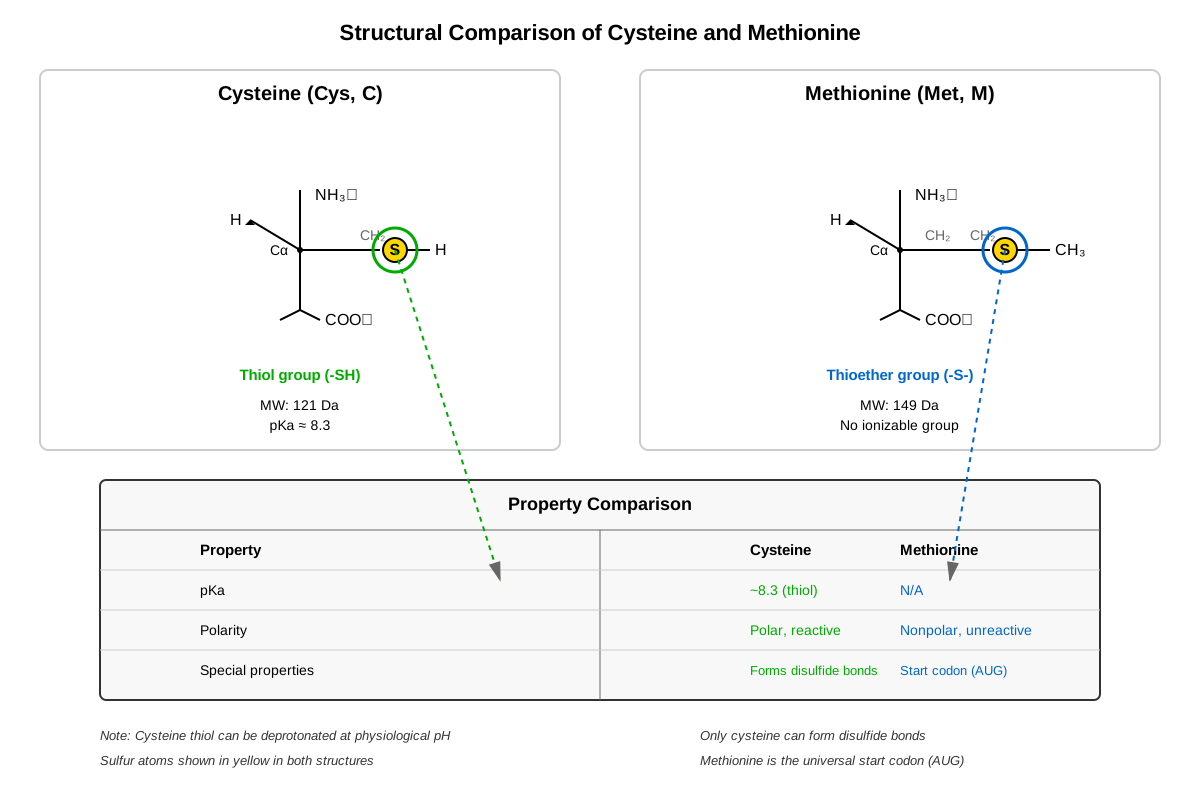
Cysteine (Cys, C) is a nonpolar, uncharged amino acid at physiological pH, though it is sometimes classified as polar due to its reactive thiol group. The side chain consists of a thiol group (-SH, also called a sulfhydryl group) attached to a methylene group (-CH₂-SH). The thiol group has a pKa of approximately 8.3, meaning that at physiological pH (7.4), most cysteine residues exist in the protonated thiol form (-SH) rather than the deprotonated thiolate form (-S⁻). However, the thiolate anion is significantly more nucleophilic and reactive than the protonated form, making cysteine residues in proteins that are stabilized in the thiolate form particularly important for catalysis.
The unique chemistry of cysteine's thiol group enables several critical functions:
- Disulfide bond formation: Two cysteine residues can undergo oxidation to form a disulfide bond (also called a disulfide bridge or cystine linkage), creating a covalent cross-link between different parts of a polypeptide chain or between separate chains
- Nucleophilic catalysis: The thiolate form can act as a nucleophile in enzyme active sites (e.g., cysteine proteases, protein tyrosine phosphatases)
- Metal coordination: Cysteine residues can coordinate metal ions such as zinc and iron in metalloproteins and metal-binding domains
- Redox regulation: Reversible oxidation of cysteine residues serves as a regulatory mechanism for protein activity
Disulfide Bond Formation and Stability
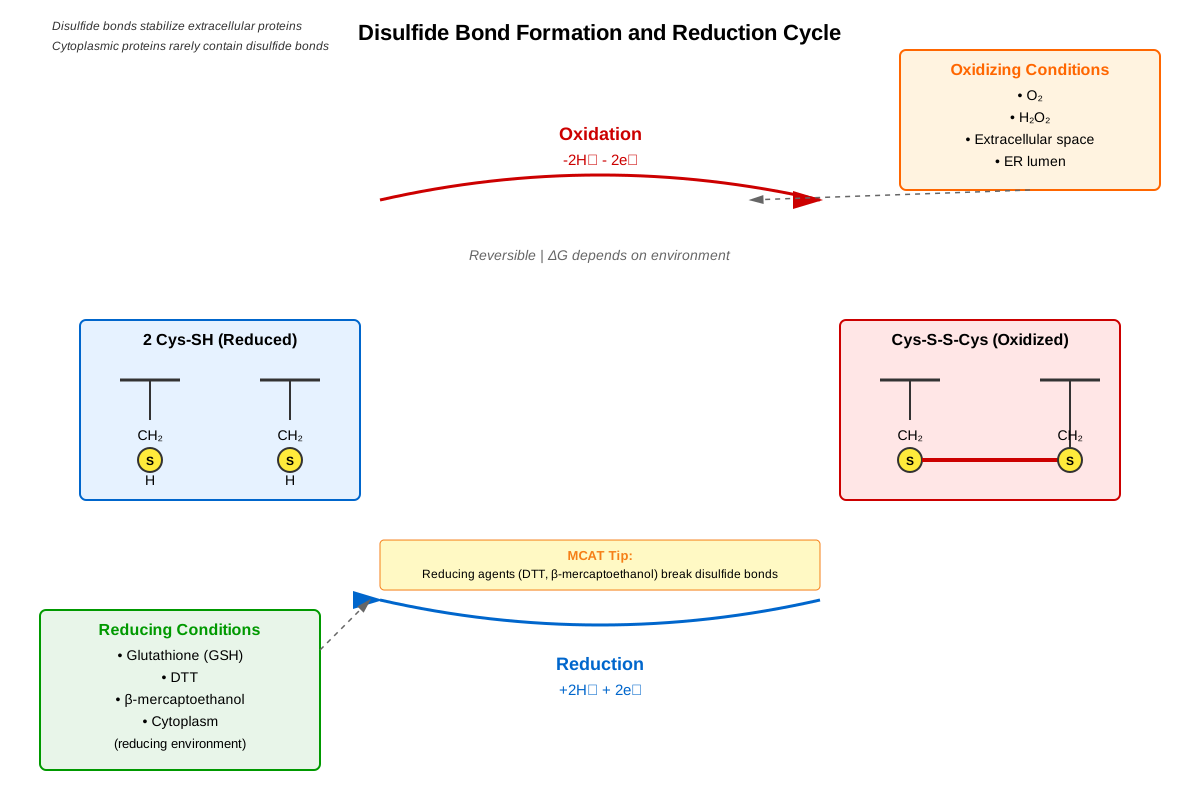
Disulfide bonds form through an oxidation reaction between two cysteine residues, releasing two electrons and two protons:
2 Cys-SH → Cys-S-S-Cys + 2H⁺ + 2e⁻This reaction is thermodynamically favorable under oxidizing conditions but can be reversed under reducing conditions. The formation of disulfide bonds is a post-translational modification that typically occurs in the endoplasmic reticulum (ER) for secreted and membrane proteins, where the environment is oxidizing. In contrast, the cytoplasm maintains a reducing environment due to high concentrations of reduced glutathione, which prevents disulfide bond formation in cytoplasmic proteins.
Key factors affecting disulfide bond stability:
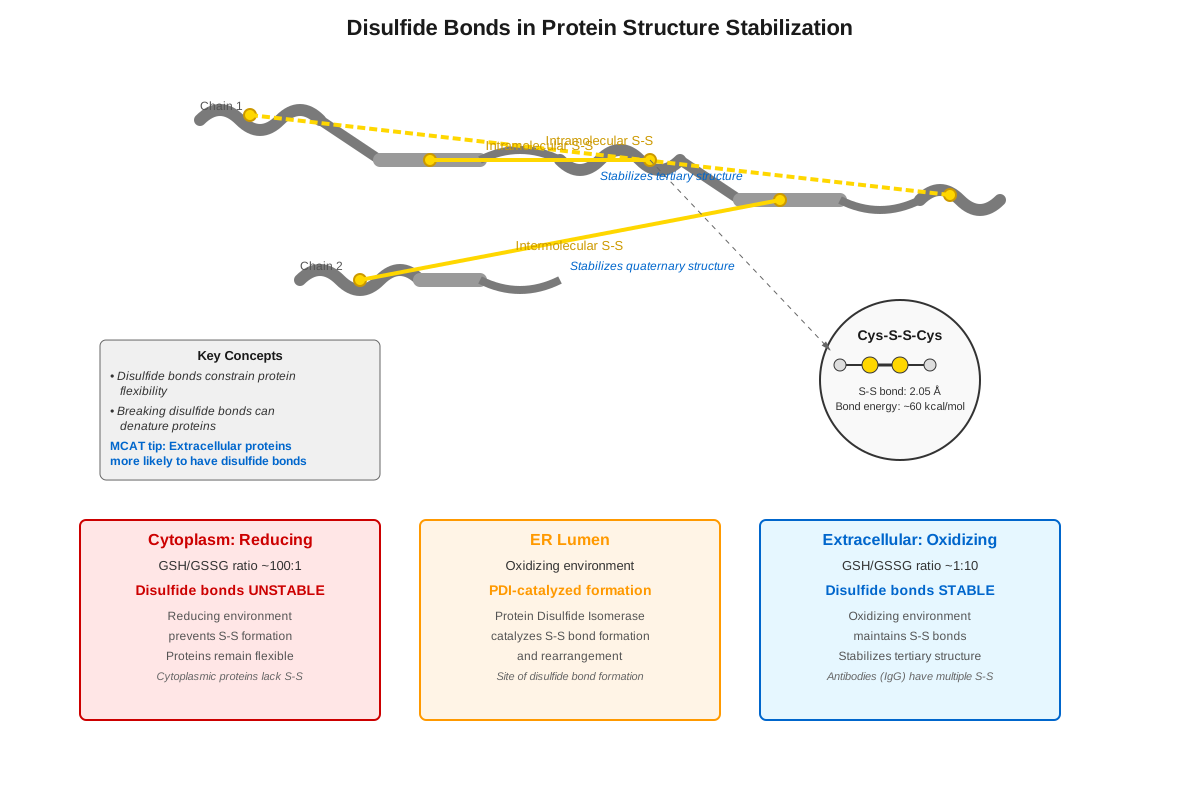
- Cellular location: Extracellular proteins and proteins in the ER lumen commonly contain disulfide bonds; cytoplasmic proteins rarely do
- Redox environment: Oxidizing conditions favor formation; reducing agents (β-mercaptoethanol, dithiothreitol, glutathione) break disulfide bonds
- Geometric constraints: Cysteines must be positioned appropriately in three-dimensional space to form stable disulfide bonds
- Protein stability: Disulfide bonds can stabilize protein tertiary and quaternary structure by constraining conformational flexibility
Disulfide bonds contribute significantly to protein stability, particularly in harsh extracellular environments. Proteins secreted into the digestive tract, for example, often contain multiple disulfide bonds to resist denaturation by extreme pH and proteolytic enzymes.
Structure and Properties of Methionine
Methionine (Met, M) is a nonpolar, hydrophobic amino acid with a side chain containing a thioether group (-S-CH₃). Unlike cysteine's thiol, the sulfur in methionine is bonded to two carbon atoms, making it much less reactive and unable to form disulfide bonds. The side chain structure is -(CH₂)₂-S-CH₃, consisting of a two-carbon chain terminating in a methylthioether group.
Methionine serves several essential biological functions:
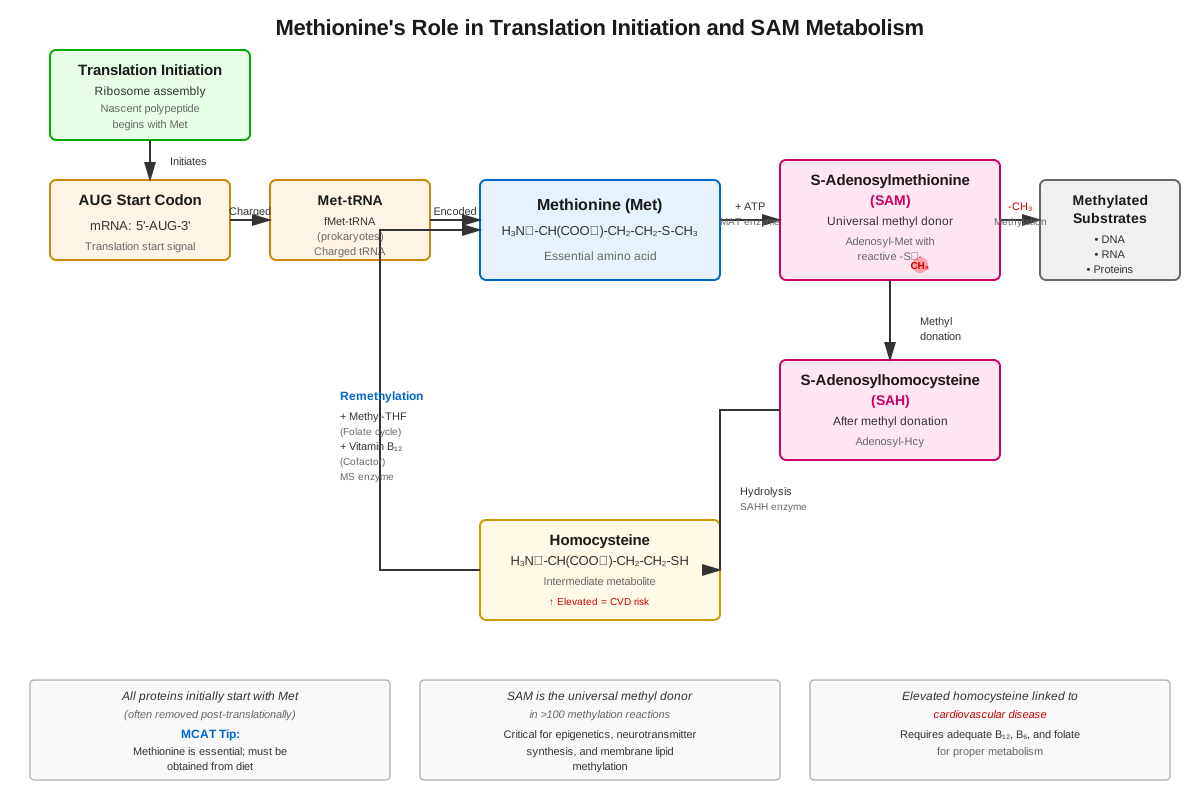
- Translation initiation: Methionine is the universal start codon (AUG) in protein synthesis, with N-formylmethionine used in prokaryotes and methionine in eukaryotes
- SAM synthesis: Methionine is the precursor for S-adenosylmethionine (SAM), the primary methyl group donor in cellular methylation reactions
- Hydrophobic interactions: The nonpolar side chain contributes to hydrophobic core formation in proteins
- Antioxidant function: Methionine residues can be oxidized to methionine sulfoxide, protecting other amino acids from oxidative damage
Methionine Metabolism and SAM
Methionine participates in a critical metabolic cycle involving one-carbon metabolism. The pathway proceeds as follows:
- Methionine + ATP → S-adenosylmethionine (SAM) (catalyzed by methionine adenosyltransferase)
- SAM donates its methyl group to various acceptors → S-adenosylhomocysteine (SAH)
- SAH → homocysteine + adenosine (catalyzed by SAH hydrolase)
- Homocysteine can be remethylated to methionine (requiring folate and vitamin B₁₂) or converted to cysteine via the transsulfuration pathway (requiring vitamin B₆)
This cycle is essential for:
- DNA and histone methylation (epigenetic regulation)
- Neurotransmitter synthesis (e.g., converting norepinephrine to epinephrine)
- Phospholipid synthesis (phosphatidylcholine production)
- Creatine synthesis
Disruptions in methionine metabolism can lead to elevated homocysteine levels (hyperhomocysteinemia), which is associated with increased cardiovascular disease risk and neural tube defects.
Comparison of Cysteine and Methionine
| Property | Cysteine | Methionine |
|---|---|---|
| Three-letter code | Cys | Met |
| One-letter code | C | M |
| Side chain structure | -CH₂-SH | -(CH₂)₂-S-CH₃ |
| Functional group | Thiol (sulfhydryl) | Thioether |
| Polarity | Polar/nonpolar (borderline) | Nonpolar |
| Can form disulfide bonds | Yes | No |
| pKa of sulfur group | ~8.3 | N/A (not ionizable) |
| Reactivity | High (nucleophilic) | Low |
| Role in translation | Standard incorporation | Start codon (AUG) |
| Metabolic significance | Glutathione synthesis | SAM precursor |
| Typical location in proteins | Active sites, structural bridges | Hydrophobic core, N-terminus |
Cysteine in Enzyme Catalysis
Cysteine residues play crucial roles in the catalytic mechanisms of several enzyme families:
Cysteine proteases (e.g., papain, cathepsins, caspases) use a catalytic cysteine-histidine dyad or triad. The mechanism involves:
- Histidine activates the cysteine thiol by abstracting its proton, forming the reactive thiolate
- The thiolate nucleophilically attacks the carbonyl carbon of the peptide bond
- A tetrahedral intermediate forms and collapses, breaking the peptide bond
- The acyl-enzyme intermediate is hydrolyzed to release the product
Protein tyrosine phosphatases use a cysteine residue to attack the phosphorus atom of phosphotyrosine, forming a cysteinyl-phosphate intermediate that is subsequently hydrolyzed.
Thioredoxins and glutaredoxins use cysteine residues to reduce disulfide bonds in target proteins through thiol-disulfide exchange reactions, playing essential roles in redox regulation.
Redox Regulation and Oxidative Modifications
Cysteine residues are susceptible to various oxidative modifications that can regulate protein function:
- Disulfide bond formation (reversible): Cys-SH + Cys-SH → Cys-S-S-Cys
- S-nitrosylation (reversible): Addition of NO group to form Cys-SNO
- Sulfenic acid formation (reversible): Cys-SH + H₂O₂ → Cys-SOH
- Sulfinic acid formation (mostly irreversible): Cys-SOH + oxidant → Cys-SO₂H
- Sulfonic acid formation (irreversible): Cys-SO₂H + oxidant → Cys-SO₃H
These modifications can serve as regulatory switches, altering protein activity, localization, or stability in response to cellular redox state. For example, oxidation of cysteine residues in transcription factors can modulate their DNA-binding activity.
Concept Relationships
The chemistry of sulfur-containing amino acids connects multiple levels of biological organization. At the molecular level, the thiol group of cysteine enables disulfide bond formation, which directly influences protein tertiary and quaternary structure. This structural role connects to protein stability and folding thermodynamics, as disulfide bonds constrain conformational entropy and stabilize the native state.
The relationship flows as follows:
Cysteine structure → thiol reactivity → disulfide bond formation → protein stabilization → functional protein in extracellular environment
Simultaneously, cysteine's nucleophilicity connects to enzyme catalysis:
Thiolate formation → nucleophilic attack → catalytic mechanism → enzyme function (e.g., proteolysis, dephosphorylation)
For methionine, the connections extend into metabolism:
Methionine → SAM synthesis → methylation reactions → epigenetic regulation, neurotransmitter synthesis, lipid metabolism
The transsulfuration pathway creates a direct metabolic link between methionine and cysteine:
Methionine → homocysteine → cysteine → glutathione synthesis → antioxidant defense
This pathway connects amino acid metabolism to redox homeostasis, which circles back to cysteine's role in oxidative stress response and redox regulation of protein function.
The cellular compartmentalization of disulfide bond formation connects to protein trafficking and secretion:
ER oxidizing environment → disulfide bond formation → protein folding quality control → secretion or membrane insertion
Understanding these relationships enables prediction of how perturbations (mutations, oxidative stress, metabolic deficiencies) propagate through biological systems, a key skill for MCAT passage analysis.
Quick check — test yourself on Sulfur containing amino acids so far.
Try Flashcards →High-Yield Facts
⭐ Only two amino acids contain sulfur: cysteine and methionine
⭐ Cysteine can form disulfide bonds; methionine cannot (thiol vs. thioether)
⭐ Disulfide bonds form under oxidizing conditions and are broken by reducing agents (β-mercaptoethanol, DTT)
⭐ The ER and extracellular space are oxidizing environments that favor disulfide bond formation; the cytoplasm is reducing and prevents disulfide bonds
⭐ Methionine (AUG) is the universal start codon for translation
- The pKa of cysteine's thiol group is approximately 8.3
- Disulfide bonds can form between cysteines in the same chain (intramolecular) or different chains (intermolecular)
- S-adenosylmethionine (SAM) is synthesized from methionine and ATP and serves as the primary methyl donor
- Cysteine is a precursor for glutathione (γ-glutamyl-cysteinyl-glycine), the major cellular antioxidant
- Homocysteine, derived from methionine metabolism, can be remethylated to methionine or converted to cysteine via transsulfuration
- Cysteine proteases use a catalytic cysteine-histidine pair for peptide bond hydrolysis
- Insulin contains three disulfide bonds: two intramolecular (within chains) and one intermolecular (between A and B chains)
- Keratin, the structural protein in hair and nails, is stabilized by extensive disulfide cross-linking
- Oxidative stress can lead to aberrant disulfide bond formation and protein aggregation
- Vitamin B₆, B₁₂, and folate are required for proper methionine metabolism and homocysteine clearance
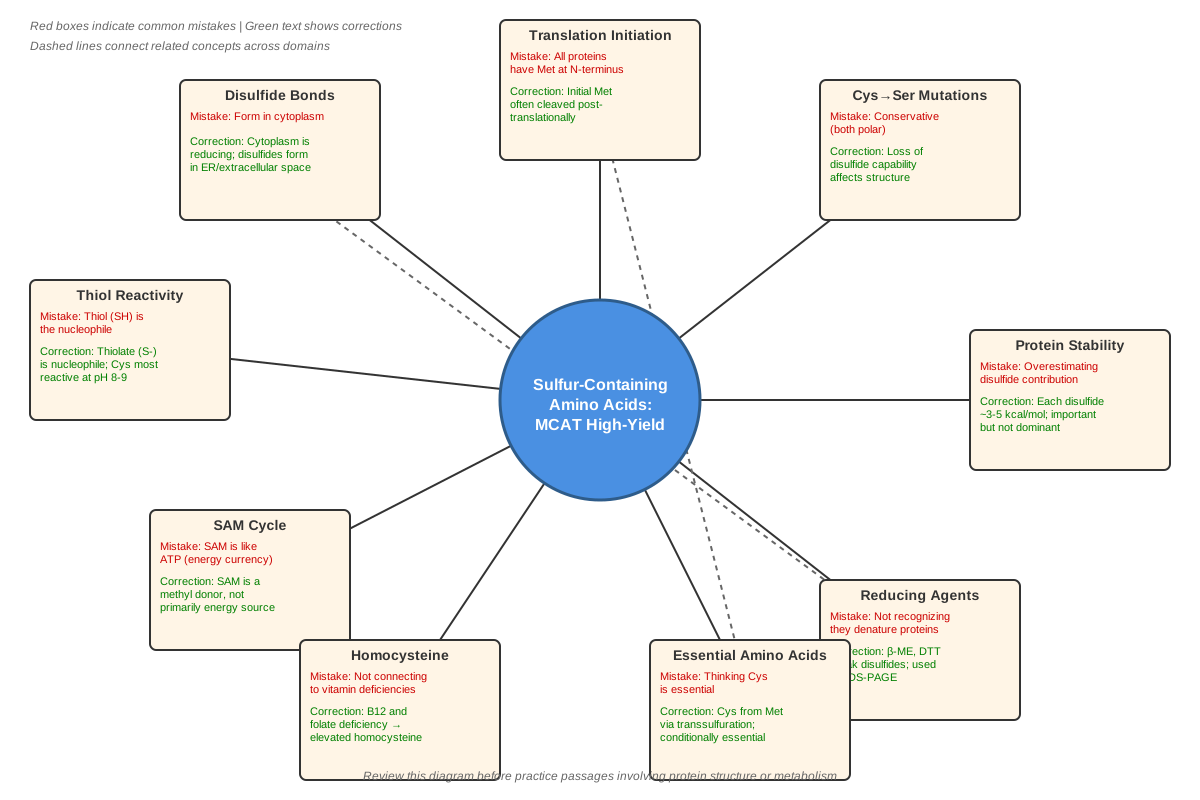
Common Misconceptions
Misconception: All sulfur-containing amino acids can form disulfide bonds.
Correction: Only cysteine can form disulfide bonds because it contains a reactive thiol group (-SH). Methionine contains a thioether group (-S-CH₃) where the sulfur is bonded to two carbons and cannot participate in disulfide bond formation.
Misconception: Disulfide bonds are the same as hydrogen bonds and can form anywhere in a protein.
Correction: Disulfide bonds are covalent bonds formed through oxidation of two cysteine residues, making them much stronger than hydrogen bonds. They primarily form in oxidizing environments (ER, extracellular space) and are rare in cytoplasmic proteins due to the reducing environment maintained by glutathione.
Misconception: Cysteine is always classified as a polar amino acid.
Correction: Cysteine is borderline between polar and nonpolar. While the thiol group can form hydrogen bonds (making it somewhat polar), the side chain is relatively small and hydrophobic. Classification depends on context; in hydrophobic environments, cysteine often behaves as nonpolar.
Misconception: Breaking disulfide bonds will always denature a protein completely.
Correction: While reducing disulfide bonds can destabilize proteins, complete denaturation typically requires both reduction of disulfide bonds AND disruption of other stabilizing forces (hydrogen bonds, hydrophobic interactions) through heat or denaturants like urea. Some proteins retain significant structure even after disulfide bond reduction.
Misconception: Methionine is only important as the start codon and has no other special functions.
Correction: Beyond translation initiation, methionine is the precursor for SAM, one of the most important molecules in metabolism. SAM participates in methylation reactions affecting DNA, RNA, proteins, and lipids. Methionine metabolism is also connected to homocysteine levels and cardiovascular health.
Misconception: All cysteines in a protein will form disulfide bonds with each other.
Correction: Disulfide bond formation depends on spatial proximity in the folded protein structure, the local redox environment, and whether cysteines are accessible. Not all cysteines form disulfide bonds; some remain as free thiols and may serve catalytic or regulatory functions.
Misconception: Oxidizing conditions always improve protein stability.
Correction: While oxidizing conditions promote disulfide bond formation in proteins designed to have them, inappropriate oxidation can damage proteins. Oxidation of cysteine residues not meant to form disulfide bonds can lead to protein misfolding, aggregation, and loss of function.
Worked Examples
Example 1: Protein Electrophoresis Analysis
Question: A researcher performs SDS-PAGE on a purified antibody under two conditions: Lane 1 with β-mercaptoethanol (reducing) and Lane 2 without β-mercaptoethanol (non-reducing). In Lane 1, two bands appear at 50 kDa and 25 kDa. In Lane 2, a single band appears at 150 kDa. Explain these results in terms of antibody structure and disulfide bonds.
Solution:
Step 1: Recall antibody structure. Antibodies (IgG) consist of two heavy chains (~50 kDa each) and two light chains (~25 kDa each) held together by disulfide bonds.
Step 2: Analyze Lane 2 (non-reducing conditions). The single 150 kDa band represents the intact antibody with all disulfide bonds intact. The molecular weight is approximately 2(50) + 2(25) = 150 kDa, consistent with the complete antibody structure held together by intermolecular disulfide bonds.
Step 3: Analyze Lane 1 (reducing conditions). β-mercaptoethanol is a reducing agent that breaks disulfide bonds. When disulfide bonds are reduced, the antibody dissociates into its component chains. The 50 kDa band represents the heavy chains, and the 25 kDa band represents the light chains. The presence of two bands instead of one indicates that the chains are no longer covalently linked.
Step 4: Connect to cysteine chemistry. The disulfide bonds between heavy and light chains, and between the two heavy chains, are formed by cysteine residues. Under reducing conditions, these cysteine-cysteine disulfide bonds are converted back to free cysteine thiols (Cys-S-S-Cys + 2e⁻ → 2 Cys-SH), allowing the chains to separate.
Key takeaway: This example demonstrates how reducing agents affect protein quaternary structure by breaking intermolecular disulfide bonds, a common experimental technique for analyzing protein composition.
Example 2: Enzyme Mechanism Prediction
Question: A novel protease is discovered that contains a highly conserved cysteine residue in its active site. The enzyme shows optimal activity at pH 7.5 but is inactive at pH 5.0. Additionally, treatment with iodoacetamide (an alkylating agent that irreversibly modifies free thiols) completely abolishes enzyme activity. Explain the likely catalytic mechanism and why pH affects activity.
Solution:
Step 1: Identify the enzyme class. The presence of a conserved active site cysteine and protease activity suggests this is a cysteine protease, similar to papain or cathepssin.
Step 2: Explain the role of cysteine. In cysteine proteases, the thiol group of cysteine acts as a nucleophile to attack the carbonyl carbon of the peptide bond being cleaved. For maximum nucleophilicity, the cysteine must be in its deprotonated thiolate form (Cys-S⁻).
Step 3: Analyze pH dependence. The pKa of cysteine's thiol group is approximately 8.3. At pH 7.5, a significant fraction of the cysteine exists as the thiolate anion, enabling catalysis. At pH 5.0 (well below the pKa), the thiol is predominantly protonated (Cys-SH), which is much less nucleophilic, explaining the loss of activity at acidic pH.
Step 4: Explain iodoacetamide effect. Iodoacetamide alkylates free thiol groups, forming a stable thioether (Cys-S-CH₂-CONH₂). This irreversible modification prevents the cysteine from acting as a nucleophile, completely abolishing catalytic activity. This confirms that the free thiol is essential for enzyme function.
Step 5: Propose mechanism. The catalytic mechanism likely involves:
- A nearby histidine residue abstracts the proton from cysteine, forming the reactive thiolate
- The thiolate nucleophilically attacks the peptide bond carbonyl
- A tetrahedral intermediate forms and collapses, breaking the peptide bond
- The acyl-enzyme intermediate is hydrolyzed to release products
Key takeaway: This example integrates cysteine chemistry (thiol pKa, nucleophilicity), enzyme mechanisms, and experimental evidence to predict catalytic function, a common MCAT passage scenario.
Exam Strategy
Approaching MCAT Questions on Sulfur-Containing Amino Acids
When encountering questions about sulfur-containing amino acids, follow this systematic approach:
- Identify the amino acid: Determine whether the question involves cysteine, methionine, or both. Look for keywords like "disulfide," "thiol," "reducing agent," "start codon," or "SAM."
- Assess the environment: Note whether the protein is cytoplasmic, membrane-bound, or secreted. This immediately tells you whether disulfide bonds are likely (secreted/ER = yes, cytoplasmic = no).
- Consider the experimental conditions: Pay attention to whether reducing agents (β-mercaptoethanol, DTT, glutathione) or oxidizing agents are present, as these directly affect disulfide bond status.
- Connect structure to function: Think about how disulfide bonds or cysteine reactivity affects the specific protein function described in the passage.
Trigger Words and Phrases
Watch for these high-yield terms that signal sulfur-containing amino acid content:
- "Reducing conditions" or "β-mercaptoethanol": Indicates disulfide bonds will be broken
- "Oxidizing environment" or "endoplasmic reticulum": Suggests disulfide bond formation
- "Start codon" or "translation initiation": Points to methionine
- "Methylation" or "methyl donor": Indicates SAM and methionine metabolism
- "Thiol" or "sulfhydryl": Refers to cysteine's reactive group
- "Catalytic triad" or "nucleophilic attack": May involve cysteine in enzyme mechanism
- "Protein stability" in context of mutations: Consider whether cysteines are affected
- "Homocysteine" or "one-carbon metabolism": Connects to methionine pathway
Process-of-Elimination Tips
When evaluating answer choices:
- Eliminate options that confuse cysteine and methionine properties: If an answer says methionine forms disulfide bonds, it's wrong
- Rule out answers that ignore cellular compartmentalization: Cytoplasmic proteins with disulfide bonds should raise suspicion
- Reject answers that misstate redox chemistry: Reducing agents break disulfide bonds, not form them
- Eliminate options that overlook pKa considerations: At physiological pH, most cysteine thiols are protonated, not deprotonated
- Be skeptical of answers that claim all cysteines form disulfide bonds: Many cysteines remain as free thiols
Time Allocation Advice
For discrete questions on sulfur-containing amino acids, aim for 60-90 seconds. These are typically straightforward if you know the core properties.
For passage-based questions:
- Spend 30-45 seconds identifying which sulfur-containing amino acids are relevant to the passage
- Note any experimental manipulations involving redox conditions
- Budget 90-120 seconds per question, as these often require integrating passage information with content knowledge
- If a question involves interpreting gel electrophoresis or other experimental data, take time to understand what each condition tests
Memory Techniques
Mnemonics
"Cysteine Creates Connections": Reminds you that cysteine (not methionine) creates disulfide bond connections between protein regions.
"Met Starts, SAM Methylates": Methionine starts translation (start codon) and makes SAM, which methylates.
"Reducing Breaks, Oxidizing Makes": Reducing conditions break disulfide bonds; oxidizing conditions make them.
"ER = Exterior Ready": The ER (endoplasmic reticulum) prepares proteins for the exterior (extracellular space), both of which are oxidizing environments where disulfide bonds form.
Visualization Strategies
Disulfide Bond Formation: Visualize two cysteine residues as two hands reaching toward each other. When they "shake hands" (form a disulfide bond), they create a bridge. A reducing agent is like someone pulling the hands apart.
Cellular Compartments: Picture the cytoplasm as a "reducing room" (dark, protected) where disulfide bonds can't form, and the ER/extracellular space as an "oxidizing outdoor area" (exposed to air/oxygen) where disulfide bonds stabilize proteins against harsh conditions.
Methionine Pathway: Visualize methionine as a "methyl donor factory" that produces SAM, which then distributes methyl groups like packages to various cellular destinations (DNA, proteins, lipids).
Acronyms
CYST: Cysteine Yields Stable Tertiary structure (through disulfide bonds)
MET-SAM: Methionine Enables Transmethylation via S-AdenosylMethionine
Summary
Sulfur-containing amino acids—cysteine and methionine—are essential components of protein biochemistry with unique chemical properties derived from their sulfur-containing side chains. Cysteine's thiol group enables disulfide bond formation, which stabilizes protein structure particularly in extracellular environments, and provides nucleophilic reactivity for enzyme catalysis and redox regulation. Disulfide bonds form under oxidizing conditions (ER, extracellular space) and are broken by reducing agents, making them dynamic structural elements that respond to cellular redox state. Methionine, containing a thioether group, cannot form disulfide bonds but serves as the universal translation start codon and the precursor for SAM, the primary cellular methyl donor. The transsulfuration pathway connects methionine metabolism to cysteine synthesis and glutathione production, linking amino acid metabolism to antioxidant defense. For MCAT success, students must recognize how cellular compartmentalization affects disulfide bond formation, predict the effects of redox conditions on protein structure, understand cysteine's role in enzyme mechanisms, and connect methionine to one-carbon metabolism and methylation reactions.
Key Takeaways
- Only cysteine and methionine contain sulfur; cysteine has a reactive thiol (-SH), while methionine has an unreactive thioether (-S-CH₃)
- Disulfide bonds form between cysteine residues under oxidizing conditions and stabilize protein tertiary and quaternary structure, particularly in secreted proteins
- The ER and extracellular space are oxidizing environments that favor disulfide bonds; the cytoplasm is reducing and prevents them
- Reducing agents (β-mercaptoethanol, DTT) break disulfide bonds, a key experimental tool for analyzing protein structure
- Methionine serves as the translation start codon (AUG) and is the precursor for SAM, the universal methyl donor
- Cysteine's thiol group participates in enzyme catalysis (cysteine proteases), metal coordination, and redox regulation
- The transsulfuration pathway connects methionine to cysteine synthesis, linking amino acid metabolism to glutathione production and antioxidant defense
Related Topics
Protein Folding and Stability: Understanding how disulfide bonds contribute to protein thermodynamics and folding pathways builds on sulfur-containing amino acid chemistry and connects to chaperone function and protein quality control.
Enzyme Kinetics and Mechanisms: Cysteine's role in catalytic mechanisms provides a foundation for understanding how amino acid side chains participate in enzyme function, leading to broader study of catalytic strategies.
Redox Biology and Oxidative Stress: The reversible oxidation of cysteine residues introduces concepts of cellular redox regulation, antioxidant systems, and oxidative damage that appear throughout biochemistry and cell biology.
One-Carbon Metabolism: Methionine's role in SAM synthesis connects to folate metabolism, nucleotide synthesis, and epigenetic regulation, forming a critical metabolic network tested on the MCAT.
Post-Translational Modifications: Disulfide bond formation is one of many post-translational modifications; mastering this concept enables understanding of phosphorylation, glycosylation, and other protein modifications.
Protein Purification and Analysis: Techniques involving reducing and non-reducing conditions (SDS-PAGE, Western blotting) rely on understanding disulfide bond chemistry and are frequently tested in experimental passages.
Practice CTA
Now that you've mastered the core concepts of sulfur-containing amino acids, it's time to reinforce your knowledge through active practice. Work through the practice questions and flashcards to test your ability to apply these concepts under exam conditions. Focus particularly on questions involving experimental manipulations of disulfide bonds and metabolic pathways involving methionine—these are high-yield scenarios that appear frequently on the MCAT. Remember, understanding the chemistry of cysteine and methionine provides a foundation for countless biochemistry questions, so invest the time to achieve true mastery. Your ability to quickly recognize and apply these concepts will directly translate to points on test day!
Sign up free to keep reading
Create a free AnvayaPrep account to finish this MCAT guide on Sulfur containing amino acids — plus flashcards and practice questions.