Overview
Western blotting is a fundamental laboratory technique in Biochemistry that allows researchers and clinicians to detect and quantify specific proteins within a complex mixture of proteins extracted from cells or tissues. This immunological method combines gel electrophoresis to separate proteins by molecular weight with antibody-based detection to identify target proteins with high specificity. The technique is named after its inventor, W. Neal Burnette, who developed it as an analogy to Southern blotting (for DNA) and Northern blotting (for RNA), with "Western" being a playful geographic reference rather than a directional indicator.
For the MCAT, Western blotting represents a critical intersection of multiple high-yield concepts within Biochemistry and molecular biology. The technique requires understanding protein structure, particularly how amino acids and proteins maintain their three-dimensional conformations and how denaturation affects protein mobility. MCAT passages frequently present Western blot data as experimental evidence for protein expression, post-translational modifications, or disease states, requiring students to interpret band patterns, molecular weight markers, and control lanes. The ability to analyze Western blot results is essential for success on passages involving protein biochemistry, cell signaling, gene expression, and disease mechanisms.
Western blotting connects to broader themes in Biochemistry including protein structure and function, antibody-antigen interactions, electrophoresis principles, and experimental design. The technique builds upon fundamental concepts of protein chemistry while serving as a gateway to understanding how scientists validate hypotheses about protein expression and regulation. Mastery of Western blotting enables students to critically evaluate experimental data presented in MCAT passages and demonstrates the practical application of theoretical biochemistry knowledge.
Learning Objectives
- [ ] Define Western blotting using accurate Biochemistry terminology
- [ ] Explain why Western blotting matters for the MCAT
- [ ] Apply Western blotting to exam-style questions
- [ ] Identify common mistakes related to Western blotting
- [ ] Connect Western blotting to related Biochemistry concepts
- [ ] Interpret Western blot results including band intensity, molecular weight, and control comparisons
- [ ] Distinguish between Western blotting and other blotting techniques (Southern, Northern)
- [ ] Analyze experimental variables that affect Western blot quality and interpretation
Prerequisites
- Protein structure (primary, secondary, tertiary, quaternary): Western blotting relies on protein denaturation and the relationship between amino acid sequence and molecular weight
- Amino acid properties: Understanding charged, polar, and hydrophobic residues explains protein migration through polyacrylamide gels
- Antibody structure and function: The detection mechanism depends on antibody-antigen specificity and the structure of immunoglobulins
- Electrophoresis principles: Proteins separate based on charge-to-mass ratio in an electric field
- Protein denaturation: SDS treatment and reducing agents disrupt protein structure, which is fundamental to the separation step
- Basic molecular biology techniques: Familiarity with gel-based separation methods provides context for the overall procedure
Why This Topic Matters
Western blotting holds immense clinical and research significance as one of the most widely used techniques for protein analysis in biomedical science. Clinically, Western blotting serves as a confirmatory test for HIV infection, detecting antibodies against specific viral proteins with high specificity. The technique is essential for diagnosing prion diseases like Creutzfeldt-Jakob disease, confirming Lyme disease, and detecting biomarkers for various cancers. In research settings, Western blotting validates gene expression studies, confirms protein purification, detects post-translational modifications, and investigates signal transduction pathways.
On the MCAT, Western blotting appears with high frequency in Biochemistry and Biological Sciences passages, typically 2-4 times per exam. Questions may present Western blot images requiring interpretation of band patterns, comparison of experimental and control conditions, or analysis of molecular weight markers. The technique commonly appears in passages about cancer biology (detecting oncoproteins or tumor suppressors), neuroscience (analyzing neurotransmitter receptors), immunology (antibody production), and cell signaling (phosphorylation states). Students must be prepared to interpret both qualitative data (presence/absence of bands) and semi-quantitative data (relative band intensities).
MCAT passages typically integrate Western blotting with other experimental techniques, requiring students to synthesize information from multiple data sources. A passage might present Western blot results alongside PCR data, cell viability assays, or microscopy images. Questions often test whether students can identify appropriate controls, recognize artifacts, distinguish between protein expression levels and protein activity, and understand the limitations of the technique. The ability to quickly interpret Western blot figures and extract relevant information is a high-yield skill that directly impacts MCAT performance.
Core Concepts
Principle of Western Blotting
Western blotting (also called immunoblotting) is an analytical technique that detects specific proteins in a sample by combining three fundamental processes: protein separation by size, transfer to a solid support membrane, and immunological detection using antibodies. The technique exploits the specificity of antibody-antigen interactions to identify target proteins among thousands of other proteins in a complex biological sample. Unlike techniques that measure total protein content, Western blotting provides both qualitative information (is the protein present?) and semi-quantitative information (how much protein is present relative to controls?).
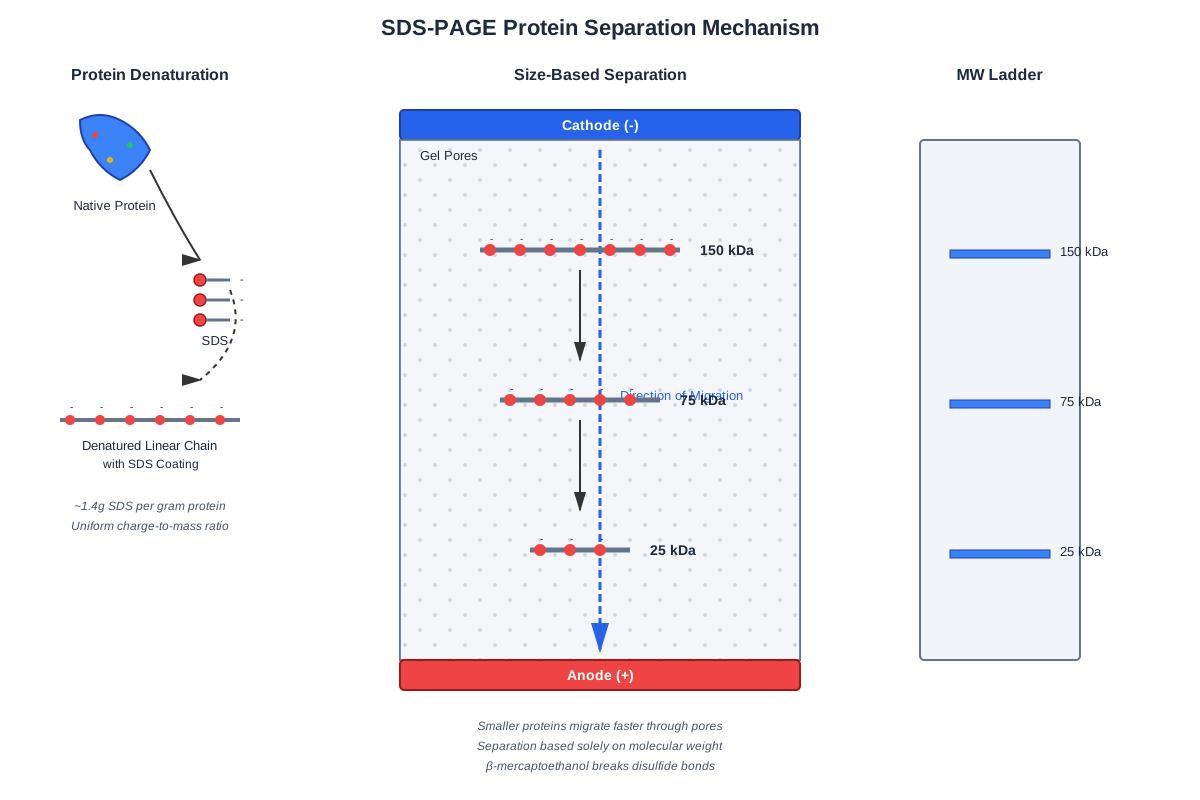
The fundamental principle relies on sodium dodecyl sulfate-polyacrylamide gel electrophoresis (SDS-PAGE), which denatures proteins and coats them with negatively charged SDS molecules. This treatment gives proteins a uniform negative charge proportional to their mass, allowing separation based primarily on molecular weight rather than intrinsic charge. The separated proteins are then transferred to a membrane where they become accessible to antibody probes that recognize specific epitopes on the target protein.
Step-by-Step Western Blotting Procedure
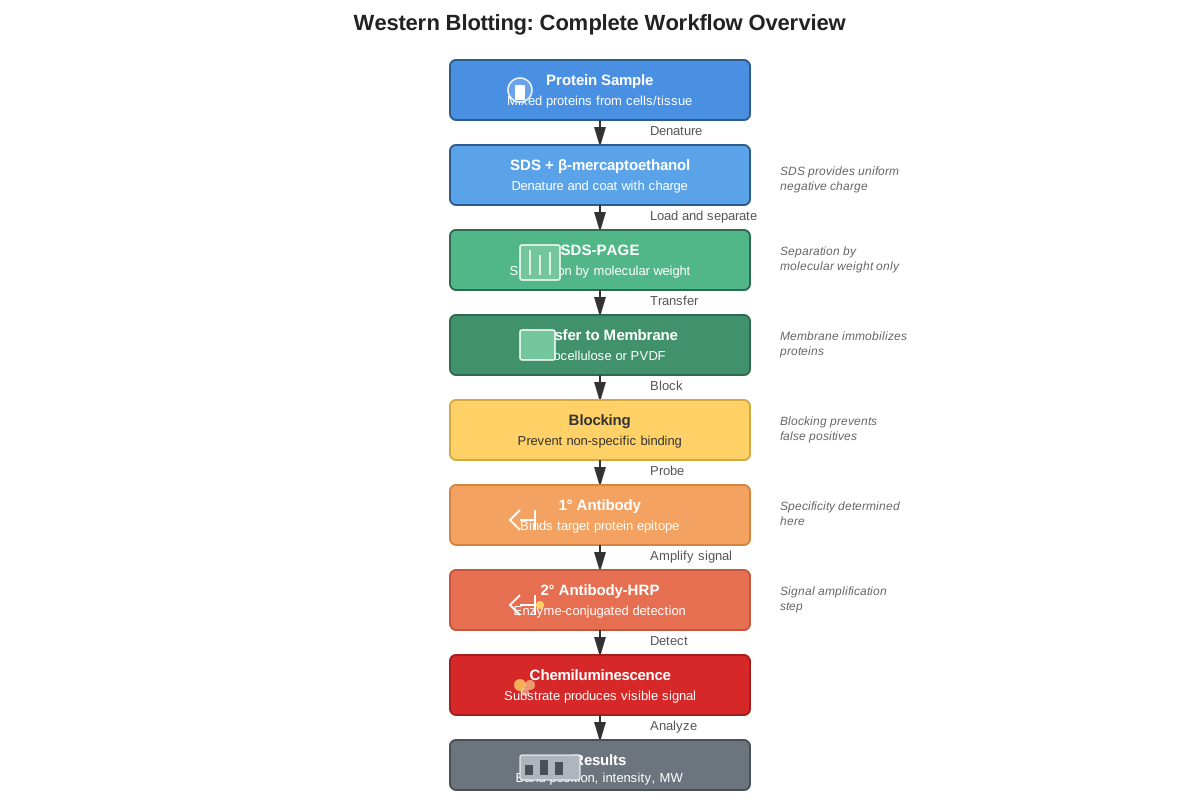
1. Sample Preparation and Protein Extraction
Cells or tissues are lysed using detergent-containing buffers that disrupt membranes and release proteins. Protease inhibitors are added to prevent protein degradation. The lysate is clarified by centrifugation to remove cellular debris, and protein concentration is measured using assays like Bradford or BCA. Samples are mixed with loading buffer containing SDS (an anionic detergent), glycerol (for density), bromophenol blue (tracking dye), and β-mercaptoethanol or dithiothreitol (DTT) as reducing agents that break disulfide bonds. Samples are heated to 95-100°C for 5-10 minutes to complete denaturation.
2. SDS-PAGE Electrophoresis
Denatured protein samples are loaded into wells of a polyacrylamide gel. The gel consists of two layers: a stacking gel (lower acrylamide concentration, pH 6.8) that concentrates proteins into tight bands, and a resolving gel (higher acrylamide concentration, pH 8.8) that separates proteins by molecular weight. When electric current is applied, negatively charged protein-SDS complexes migrate toward the positive electrode (anode). Smaller proteins navigate through the gel matrix more easily and migrate farther than larger proteins. A protein ladder (molecular weight markers) is run alongside samples to allow size determination.
The separation depends on the gel percentage: higher acrylamide concentrations (12-15%) better resolve small proteins (10-50 kDa), while lower concentrations (6-8%) are optimal for large proteins (>100 kDa). Gradient gels (e.g., 4-20%) provide good resolution across a wide molecular weight range.
3. Transfer to Membrane
After electrophoresis, proteins are transferred from the gel to a solid support membrane, typically nitrocellulose or polyvinylidene difluoride (PVDF). The transfer occurs by applying an electric field perpendicular to the gel, causing proteins to migrate out of the gel and bind to the membrane surface. PVDF membranes have higher protein-binding capacity and mechanical strength but must be pre-activated with methanol. Nitrocellulose membranes are easier to use but more fragile. The transfer preserves the spatial arrangement of proteins established during electrophoresis, creating a replica of the gel pattern on the membrane.
4. Blocking
The membrane is incubated with a blocking solution containing proteins (typically 5% non-fat dry milk or bovine serum albumin in buffer) that occupy all remaining protein-binding sites on the membrane. This critical step prevents antibodies from binding non-specifically to the membrane itself, which would create high background signal and obscure specific bands. Blocking typically requires 1 hour at room temperature or overnight at 4°C.
5. Primary Antibody Incubation
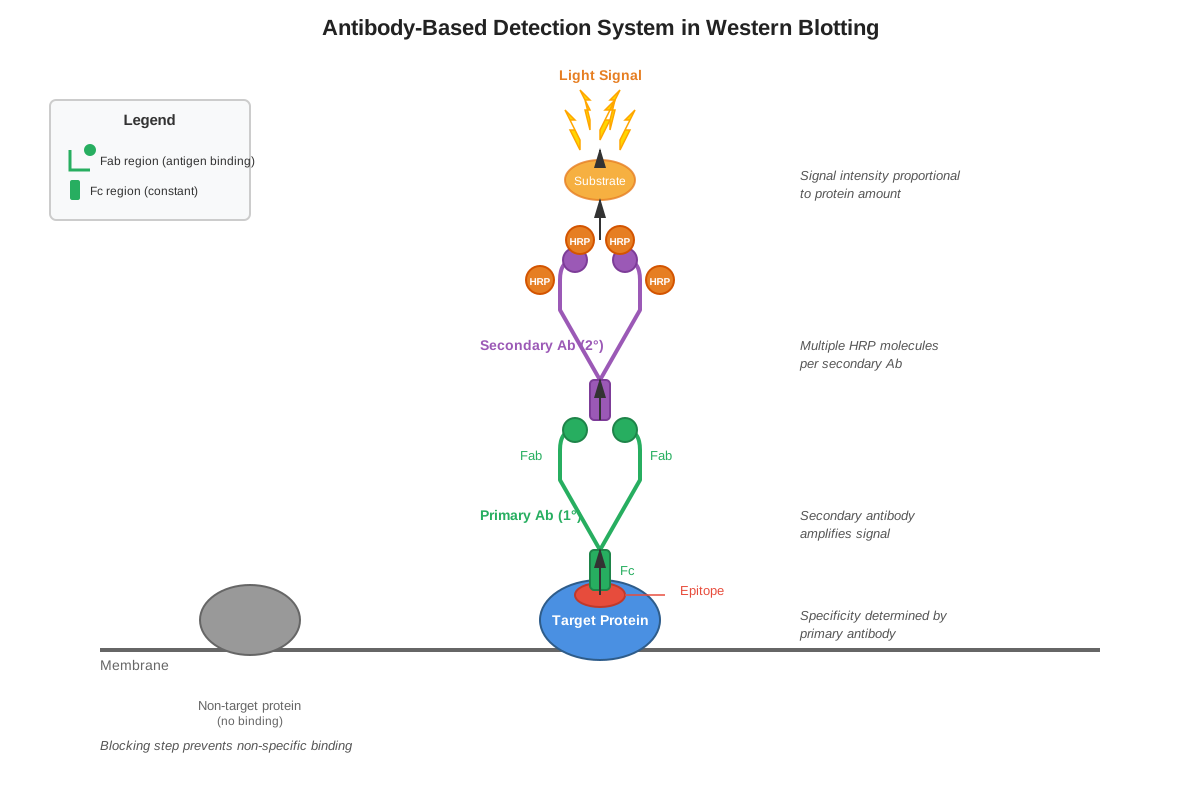
The membrane is incubated with a primary antibody that specifically recognizes the target protein. Primary antibodies are typically produced by immunizing animals (rabbits, mice, goats) with purified antigen. The antibody binds to specific epitopes on the target protein through complementary antigen-binding sites. Incubation occurs for 1-2 hours at room temperature or overnight at 4°C in antibody dilution buffer. The membrane is then washed multiple times to remove unbound antibody.
6. Secondary Antibody Incubation
A secondary antibody conjugated to a detection enzyme (horseradish peroxidase, HRP) or fluorophore is applied. The secondary antibody recognizes and binds to the constant region (Fc portion) of the primary antibody. This amplification step increases signal intensity because multiple secondary antibodies can bind to each primary antibody. Common secondary antibodies include anti-mouse IgG, anti-rabbit IgG, or anti-goat IgG, depending on the species in which the primary antibody was raised. After incubation (typically 1 hour), the membrane is washed extensively.
7. Detection and Visualization
For HRP-conjugated secondary antibodies, a chemiluminescent substrate is added that produces light when cleaved by the enzyme. The membrane is exposed to X-ray film or a digital imaging system that captures the light emission. The resulting image shows dark bands where the target protein is present. Band intensity correlates with protein abundance. For fluorescent secondary antibodies, the membrane is scanned with appropriate excitation wavelengths, and emission is captured digitally.
Interpreting Western Blot Results
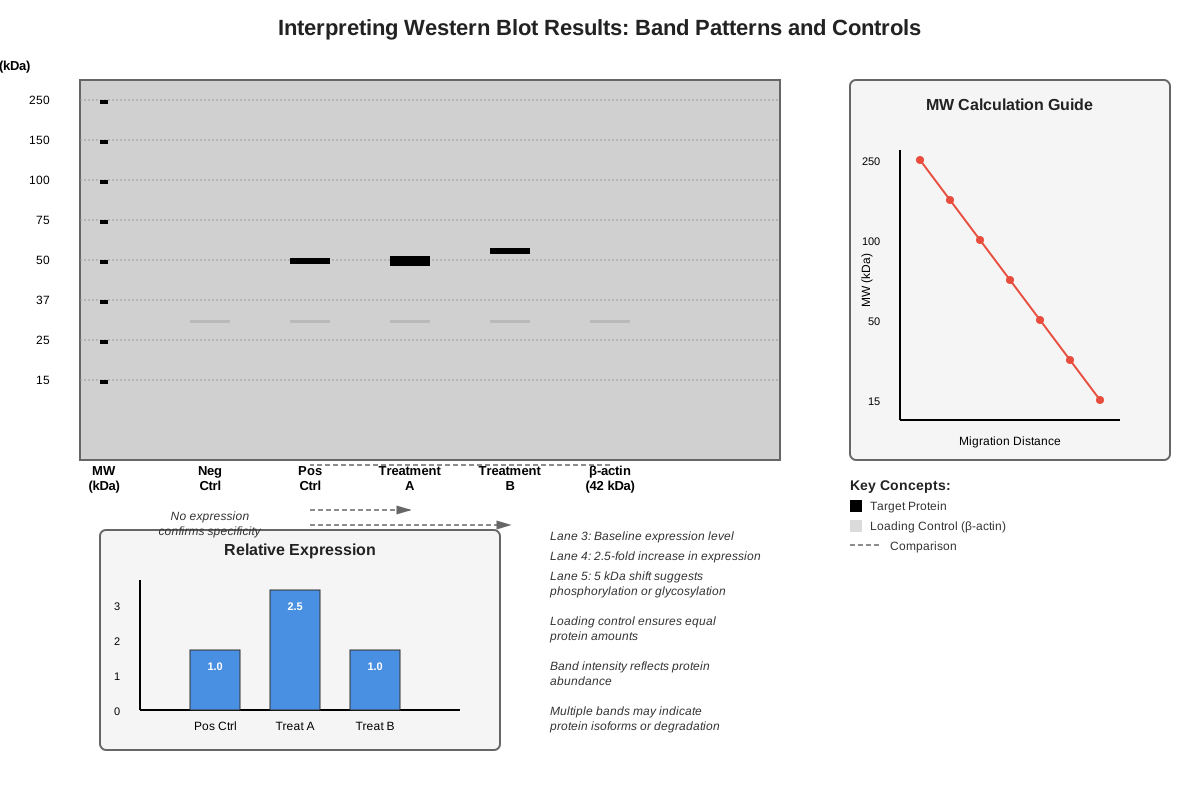
| Feature | Interpretation | Clinical/Research Significance |
|---|---|---|
| Single band at expected MW | Target protein present at predicted size | Confirms protein expression and identity |
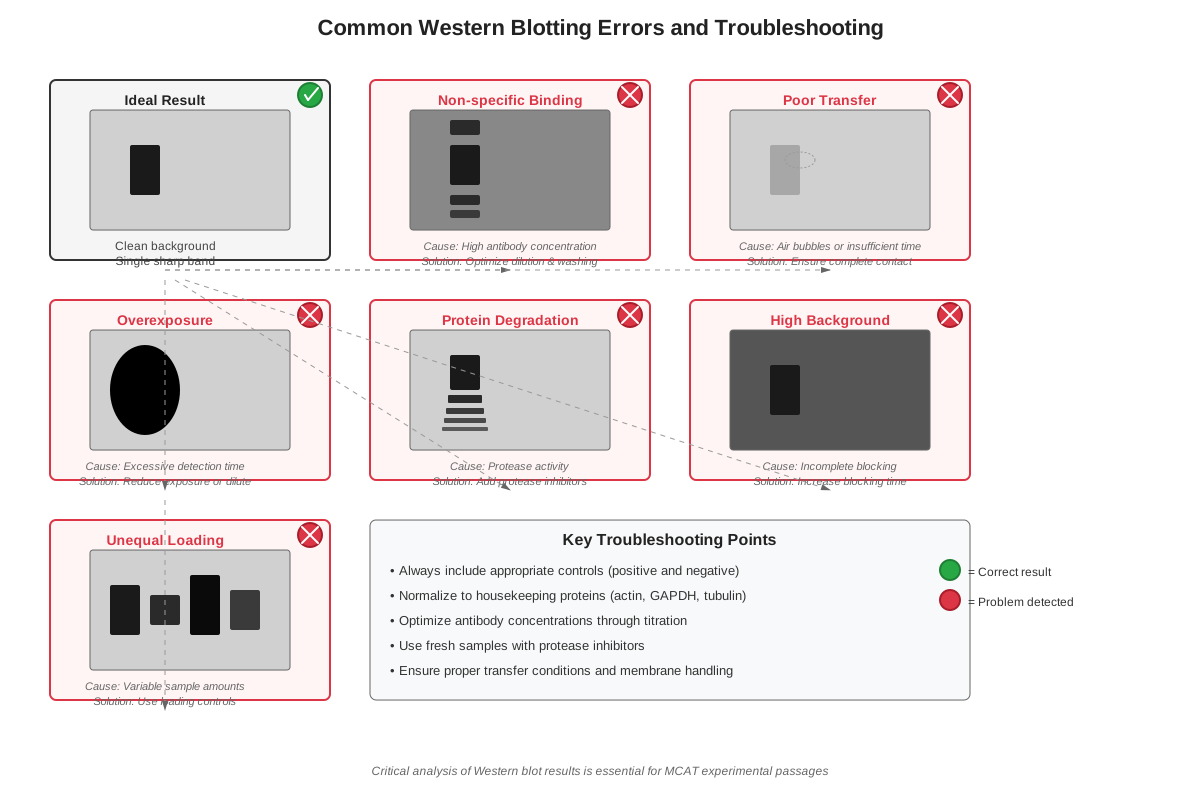
| Multiple bands | Protein isoforms, degradation, or post-translational modifications | May indicate splice variants or proteolytic processing |
| Band intensity | Relative protein abundance | Semi-quantitative measure of expression level |
| No band | Protein absent or below detection limit | May indicate gene knockout, downregulation, or technical failure |
| Shifted band (higher MW) | Phosphorylation, glycosylation, or other modifications | Indicates post-translational modification state |
| Shifted band (lower MW) | Proteolytic cleavage | May indicate protein activation or degradation |
Controls in Western Blotting
Proper experimental design requires multiple controls to validate results:
- Loading control: A constitutively expressed protein (β-actin, GAPDH, tubulin) detected on the same membrane to confirm equal protein loading across lanes
- Positive control: Sample known to contain the target protein, confirming antibody functionality
- Negative control: Sample lacking the target protein (knockout cells, untreated cells) to confirm specificity
- Molecular weight markers: Pre-stained protein ladder to determine band size
- Secondary antibody-only control: Membrane incubated without primary antibody to detect non-specific secondary antibody binding
Quantification and Normalization
While Western blotting is primarily qualitative, densitometry allows semi-quantitative analysis by measuring band intensity. Software analyzes pixel density within each band, generating numerical values proportional to protein amount. Results are normalized to loading controls to account for variations in protein loading. The ratio of target protein intensity to loading control intensity provides a normalized value for comparison across samples. However, Western blotting has a limited linear range and is less quantitative than techniques like ELISA or mass spectrometry.
Comparison with Related Techniques
| Technique | Target Molecule | Separation Method | Detection Method | Primary Use |
|---|---|---|---|---|
| Southern blot | DNA | Agarose gel electrophoresis | Labeled DNA probe | Detect specific DNA sequences |
| Northern blot | RNA | Agarose gel electrophoresis | Labeled RNA/DNA probe | Measure mRNA expression |
| Western blot | Protein | SDS-PAGE | Antibody | Detect and quantify specific proteins |
| ELISA | Protein | No separation | Antibody | Quantify protein concentration |
| Immunoprecipitation | Protein | Antibody-bead binding | Various | Isolate protein complexes |
Concept Relationships
Western blotting integrates multiple fundamental biochemistry concepts into a cohesive analytical technique. The procedure begins with protein structure principles: understanding that proteins have defined molecular weights based on their amino acid sequences allows prediction of band positions. Protein denaturation through heat and SDS treatment disrupts secondary, tertiary, and quaternary structures, reducing proteins to linear polypeptides. Reducing agents (β-mercaptoethanol, DTT) break disulfide bonds between cysteine residues, ensuring complete denaturation and preventing aberrant migration patterns.
The separation phase relies on electrophoresis principles where charged molecules migrate through a matrix under electric field influence. SDS coating provides uniform negative charge, making migration dependent on molecular weight rather than intrinsic charge properties. This connects to amino acid chemistry: while individual amino acids have varying charges, SDS overwhelms these differences, creating predictable separation patterns.
The detection phase exemplifies immunology concepts, particularly antibody-antigen interactions. Primary antibodies demonstrate the specificity of adaptive immunity, with variable regions recognizing unique epitopes on target proteins. Secondary antibodies illustrate the conserved structure of immunoglobulins, binding to constant regions regardless of antigen specificity. This amplification strategy connects to enzyme kinetics: HRP-conjugated secondary antibodies catalyze substrate conversion, with each enzyme molecule generating multiple product molecules, amplifying the signal.
The relationship map flows as: Protein extraction → Denaturation → SDS-PAGE separation (by molecular weight) → Transfer to membrane → Blocking (prevents non-specific binding) → Primary antibody binding (specific recognition) → Secondary antibody binding (amplification) → Detection (visualization) → Interpretation (biological conclusions).
Western blotting connects to broader experimental contexts: results often complement PCR data (mRNA levels vs. protein levels), immunofluorescence (protein localization), and functional assays (protein activity). Understanding that mRNA expression doesn't always correlate with protein levels highlights the importance of post-transcriptional regulation, protein stability, and translational control—key concepts in molecular biology.
High-Yield Facts
⭐ Western blotting detects specific proteins using antibodies after SDS-PAGE separation and membrane transfer
⭐ SDS denatures proteins and provides uniform negative charge, allowing separation by molecular weight alone
⭐ Smaller proteins migrate farther through polyacrylamide gels than larger proteins
⭐ Primary antibodies bind specific target proteins; secondary antibodies bind primary antibodies and carry detection enzymes
⭐ Loading controls (β-actin, GAPDH, tubulin) normalize for protein loading differences between samples
- Reducing agents (β-mercaptoethanol, DTT) break disulfide bonds to ensure complete protein denaturation
- PVDF membranes have higher binding capacity than nitrocellulose but require methanol activation
- Blocking with milk or BSA prevents non-specific antibody binding to the membrane
- Multiple bands may indicate protein isoforms, degradation products, or post-translational modifications
- Band intensity correlates with relative protein abundance but has limited quantitative range
- Higher molecular weight shifts suggest phosphorylation, glycosylation, or other post-translational modifications
- Western blotting is the confirmatory test for HIV, detecting antibodies against specific viral proteins
- The technique cannot distinguish between active and inactive protein forms unless using phospho-specific antibodies
- Proper controls include positive controls (known protein presence), negative controls (known absence), and loading controls
- Densitometry software quantifies band intensity for semi-quantitative protein comparisons
Quick check — test yourself on Western blotting so far.
Try Flashcards →Common Misconceptions
Misconception: Western blotting measures protein activity or function.
Correction: Western blotting only detects protein presence and relative abundance. It cannot determine whether a protein is functionally active unless using modification-specific antibodies (e.g., phospho-specific antibodies that detect activated forms). Functional assays are required to assess protein activity.
Misconception: Darker/more intense bands always mean more protein is present.
Correction: While band intensity generally correlates with protein amount, this relationship is only valid within the linear detection range. Very high protein concentrations can saturate the detection system, and very low concentrations may fall below the detection threshold. Additionally, differences in antibody affinity, transfer efficiency, or exposure time can affect band intensity independent of actual protein levels.
Misconception: The absence of a band definitively proves the protein is not present in the sample.
Correction: A missing band could result from technical issues including insufficient protein loading, poor transfer efficiency, inadequate antibody concentration, or protein levels below the detection limit. Negative results should be confirmed with positive controls and potentially more sensitive detection methods.
Misconception: Western blotting and ELISA are interchangeable techniques for protein detection.
Correction: While both use antibodies, Western blotting separates proteins by size first, allowing molecular weight determination and detection of multiple protein forms. ELISA does not separate proteins and is better suited for precise quantification of total protein concentration. Western blotting provides information about protein size and modifications that ELISA cannot.
Misconception: All proteins with the same molecular weight will appear as a single band.
Correction: While proteins of similar molecular weight migrate to similar positions, Western blotting's specificity comes from antibody recognition, not just size separation. The antibody will only bind its specific target protein, so even if multiple proteins of similar size are present, only the target protein will be visualized. However, if the antibody cross-reacts with multiple proteins, multiple bands may appear.
Misconception: Loading controls are optional and only needed for publication-quality data.
Correction: Loading controls are essential for any meaningful interpretation of Western blot results. Without normalization to a loading control, it's impossible to determine whether differences in band intensity reflect true changes in target protein expression or simply unequal protein loading. This is critical for both research and MCAT passage interpretation.
Worked Examples
Example 1: Interpreting Western Blot Results in Cancer Research
Scenario: Researchers investigate p53 tumor suppressor protein expression in normal cells versus cancer cells. They perform Western blotting on protein lysates from normal colon tissue, early-stage colon cancer, and late-stage colon cancer. The Western blot shows:
- Lane 1 (molecular weight markers): Bands at 75, 50, 37, 25 kDa
- Lane 2 (normal tissue): Strong band at 53 kDa
- Lane 3 (early-stage cancer): Weak band at 53 kDa
- Lane 4 (late-stage cancer): No band at 53 kDa
- All lanes show equal intensity bands at 42 kDa (β-actin loading control)
Question: What conclusions can be drawn about p53 expression during cancer progression?
Solution:
Step 1: Identify the target protein and its expected molecular weight.
The target is p53 tumor suppressor protein, which has a molecular weight of 53 kDa (matching its name). The band at 53 kDa represents p53 protein.
Step 2: Evaluate the loading control.
All lanes show equal β-actin (42 kDa) intensity, confirming that equal amounts of total protein were loaded in each lane. This validates that differences in p53 band intensity reflect true differences in p53 expression, not loading artifacts.
Step 3: Compare band intensities across conditions.
- Normal tissue: Strong p53 expression (dark band)
- Early-stage cancer: Reduced p53 expression (weak band)
- Late-stage cancer: Absent or undetectable p53 expression (no band)
Step 4: Draw biological conclusions.
The data demonstrate progressive loss of p53 expression during cancer development. Normal cells maintain high p53 levels for tumor suppression. Early-stage cancer shows partial loss of p53 (possibly through mutation or reduced transcription), while late-stage cancer shows complete loss of p53 expression. This supports p53's role as a tumor suppressor whose loss contributes to cancer progression.
Step 5: Consider alternative explanations.
The absence of p53 in late-stage cancer could result from: (1) deletion of the p53 gene, (2) nonsense mutations creating truncated protein not recognized by the antibody, (3) post-translational modifications affecting antibody recognition, or (4) increased protein degradation. Additional experiments (PCR for mRNA, DNA sequencing) would distinguish these possibilities.
MCAT Connection: This example illustrates how Western blotting provides evidence for the molecular basis of cancer, a high-yield MCAT topic. Questions might ask students to interpret similar data, identify appropriate controls, or explain why p53 loss promotes tumorigenesis.
Example 2: Analyzing Post-Translational Modifications
Scenario: A research team studies insulin receptor signaling. They treat cells with insulin or leave them untreated, then perform Western blotting using two different antibodies:
- Antibody A: Recognizes total insulin receptor protein (any form)
- Antibody B: Recognizes only phosphorylated insulin receptor (activated form)
Results:
- Antibody A (total receptor): Both untreated and insulin-treated cells show equal intensity bands at 95 kDa
- Antibody B (phosphorylated receptor): Untreated cells show no band; insulin-treated cells show strong band at 95 kDa
- β-actin loading control: Equal intensity in both conditions
Question: What do these results reveal about insulin receptor activation?
Solution:
Step 1: Interpret the total receptor results (Antibody A).
Both conditions show equal band intensity at 95 kDa, indicating that total insulin receptor protein levels remain constant regardless of insulin treatment. Insulin does not change receptor expression or degradation within this experimental timeframe.
Step 2: Interpret the phosphorylation-specific results (Antibody B).
The phospho-specific antibody detects a band only in insulin-treated cells, demonstrating that insulin treatment induces receptor phosphorylation. The absence of signal in untreated cells indicates the receptor exists in an unphosphorylated (inactive) state basally.
Step 3: Integrate both antibody results.
The same molecular weight (95 kDa) for both antibodies confirms they detect the same protein. The phosphorylated form doesn't show increased molecular weight because phosphate groups add minimal mass (~80 Da per phosphate). The key finding is that insulin converts existing receptors from unphosphorylated to phosphorylated forms without changing total receptor levels.
Step 4: Explain the biological mechanism.
Insulin binding to its receptor triggers autophosphorylation of tyrosine residues on the receptor's intracellular domain. This phosphorylation activates the receptor's kinase activity, initiating downstream signaling cascades (PI3K/Akt pathway, MAPK pathway). The Western blot demonstrates this activation occurs through post-translational modification, not increased protein synthesis.
Step 5: Consider experimental design principles.
Using two antibodies (total vs. phospho-specific) is a powerful approach to distinguish between changes in protein expression and changes in protein modification state. This design controls for the possibility that insulin might simply increase receptor expression rather than activating existing receptors.
MCAT Connection: This example demonstrates how Western blotting reveals post-translational modifications, a key concept in cell signaling. MCAT passages often present data using modification-specific antibodies to test understanding of signal transduction, enzyme regulation, and experimental design. Students should recognize that phosphorylation typically doesn't cause visible molecular weight shifts on Western blots unless multiple phosphorylation sites are modified.
Exam Strategy
When approaching Western blotting questions on the MCAT, begin by identifying the experimental question being addressed. Determine what protein is being investigated and what biological process or condition is being compared. Quickly scan for the loading control—its presence and equal intensity across lanes validates the experiment and allows meaningful comparison of target protein bands.
Trigger words and phrases that signal Western blotting questions include: "immunoblot," "protein expression levels," "antibody detection," "band intensity," "molecular weight markers," "SDS-PAGE," "protein transfer," and "densitometry analysis." Phrases like "to determine whether protein X is present" or "to compare protein levels between conditions" often indicate Western blotting is the appropriate technique.
For interpretation questions, follow this systematic approach:
- Identify the molecular weight of bands using the protein ladder
- Check loading controls for equal protein loading
- Compare band intensities between experimental conditions
- Consider what biological process explains the observed pattern
- Evaluate whether controls support the conclusions
Process-of-elimination strategies specific to Western blotting:
- Eliminate answers suggesting Western blotting measures enzyme activity (it measures presence/abundance only)
- Eliminate answers confusing Western blotting with Southern (DNA) or Northern (RNA) blotting
- Eliminate answers claiming Western blotting provides precise quantification (it's semi-quantitative at best)
- Eliminate answers suggesting band position indicates protein function rather than size
- Eliminate answers that ignore loading controls when interpreting band intensity differences
Common question types include:
- Data interpretation: "What conclusion is supported by the Western blot results?"
- Experimental design: "Which control would best validate these findings?"
- Technique comparison: "Why was Western blotting chosen instead of ELISA?"
- Troubleshooting: "What could explain the absence of bands in the experimental lanes?"
Time allocation: Western blot interpretation questions typically require 60-90 seconds. Spend 20-30 seconds analyzing the figure (identifying lanes, controls, and band patterns), 20-30 seconds connecting the data to the biological question, and 20-30 seconds evaluating answer choices. Don't get bogged down trying to memorize exact molecular weights—focus on relative sizes and patterns.
Red flags that should trigger careful evaluation:
- Missing loading controls (suggests poor experimental design or incomplete data)
- Unequal loading control intensities (invalidates direct comparison of target protein bands)
- Bands at unexpected molecular weights (may indicate protein modifications, degradation, or antibody cross-reactivity)
- Conclusions about protein activity based solely on Western blot data (requires functional assays)
Exam Tip: When a passage presents Western blot data alongside other experimental results (PCR, cell assays, microscopy), the Western blot typically addresses protein expression levels while other techniques address mRNA levels, protein localization, or functional outcomes. Questions often test whether students can integrate these complementary data types.
Memory Techniques
Mnemonic for Western Blotting Steps - "STEP BAD":
- Sample preparation
- Transfer to membrane
- Electrophoresis (SDS-PAGE)
- Primary antibody
- Blocking
- Antibody (secondary)
- Detection
(Note: The order is intentionally scrambled to create a memorable acronym; remember the actual sequence is Sample → Electrophoresis → Transfer → Blocking → Primary → Secondary → Detection)
Mnemonic for Blotting Techniques - "DNA-RNA-Protein = South-North-West":
- Southern blot = DNA (both have "o" and "u" sounds)
- Northern blot = RNA (alphabetically, N comes before W, and RNA comes before protein in the central dogma)
- Western blot = Protein (the only one left)
Visualization Strategy for SDS-PAGE:
Picture proteins as people of different heights trying to run through a dense forest (the polyacrylamide gel). SDS gives everyone the same negative charge (imagine everyone wearing the same negatively charged vest). When the electric field is applied (imagine a magnet pulling everyone forward), smaller people (proteins) can weave through the trees more easily and travel farther, while larger people (proteins) get stuck closer to the start. This creates separation by size.
Acronym for Loading Controls - "BAT-G":
- Beta-actin
- Alpha-tubulin
- Tubulin
- GAPDH
These are the most common loading controls you'll see on the MCAT.
Memory Hook for Antibody Order:
"Primary school comes before secondary school" → Primary antibodies are applied before secondary antibodies. Primary antibodies are specific (like primary education is foundational), while secondary antibodies are general (recognizing any primary antibody from a given species).
Visualization for Transfer Direction:
Remember "GET proteins OUT of the gel and ONTO the membrane." The electric field pulls negatively charged proteins out of the gel and deposits them onto the membrane surface, creating a replica of the gel pattern.
Summary
Western blotting is an essential immunological technique that combines protein separation by SDS-PAGE with antibody-based detection to identify and semi-quantify specific proteins in complex biological samples. The procedure involves denaturing proteins with SDS and reducing agents, separating them by molecular weight through polyacrylamide gel electrophoresis, transferring the separated proteins to a solid membrane, blocking non-specific binding sites, probing with primary antibodies specific to the target protein, amplifying signal with enzyme-conjugated secondary antibodies, and visualizing results through chemiluminescence or fluorescence. Proper interpretation requires evaluating loading controls to ensure equal protein loading, comparing band intensities between experimental conditions, and considering molecular weight information from protein ladders. Western blotting provides critical information about protein expression levels, post-translational modifications, and molecular weight but cannot directly measure protein activity or function. For MCAT success, students must be able to interpret Western blot data presented in passages, identify appropriate experimental controls, distinguish Western blotting from related techniques, and connect results to broader biological concepts including gene expression, signal transduction, and disease mechanisms.
Key Takeaways
- Western blotting detects specific proteins using SDS-PAGE separation followed by antibody-based detection on a membrane
- SDS provides uniform negative charge allowing protein separation by molecular weight; smaller proteins migrate farther than larger proteins
- Primary antibodies recognize target proteins specifically; secondary antibodies bind primary antibodies and carry detection enzymes for signal amplification
- Loading controls (β-actin, GAPDH, tubulin) are essential for normalizing protein levels and validating comparisons between samples
- Band intensity indicates relative protein abundance (semi-quantitative), while band position indicates molecular weight
- Western blotting reveals protein presence and modifications but cannot measure protein activity without modification-specific antibodies
- Proper controls include loading controls, positive controls (known protein presence), and negative controls (known absence) to validate results
Related Topics
- Enzyme-Linked Immunosorbent Assay (ELISA): A complementary antibody-based technique for precise protein quantification without size separation; understanding both techniques allows comparison of their relative advantages
- Immunoprecipitation: Uses antibodies to isolate specific proteins or protein complexes from lysates; often combined with Western blotting to study protein-protein interactions
- SDS-PAGE and Gel Electrophoresis: The foundational separation technique underlying Western blotting; deeper understanding improves interpretation of migration patterns and molecular weight determination
- Antibody Structure and Function: Detailed knowledge of immunoglobulin structure explains antibody specificity, cross-reactivity, and the primary-secondary antibody system
- Post-Translational Modifications: Phosphorylation, glycosylation, ubiquitination, and other modifications affect protein function and can be detected using modification-specific antibodies in Western blotting
- Gene Expression and Regulation: Western blotting provides protein-level data that complements mRNA analysis (Northern blotting, RT-PCR) to understand gene regulation comprehensively
- Signal Transduction Pathways: Western blotting is frequently used to study activation of signaling proteins through phosphorylation, making it essential for understanding cellular communication
Mastering Western blotting provides the foundation for understanding how researchers validate protein expression hypotheses and enables critical evaluation of experimental data in MCAT passages. This knowledge integrates protein biochemistry, immunology, and experimental design—all high-yield MCAT topics.
Practice CTA
Now that you've mastered the core concepts of Western blotting, it's time to reinforce your understanding through active practice. Complete the associated practice questions to test your ability to interpret Western blot data, identify appropriate controls, and apply this technique to experimental scenarios. Work through the flashcards to solidify high-yield facts and ensure rapid recall during the exam. Remember, Western blotting appears frequently in MCAT passages, and your ability to quickly and accurately interpret these results will directly impact your score. The time you invest in practice now will pay dividends on test day—you've got this!
Sign up free to keep reading
Create a free AnvayaPrep account to finish this MCAT guide on Western blotting — plus flashcards and practice questions.