Overview
Zymogens (also called proenzymes or inactive enzyme precursors) represent a critical regulatory mechanism in Biochemistry whereby enzymes are synthesized and stored in an inactive form, then activated only when and where needed. This elegant biological control system prevents potentially destructive enzymes from damaging the cells that produce them while maintaining the capacity for rapid enzymatic response when physiological conditions demand it. The zymogen activation process typically involves proteolytic cleavage—the cutting of specific peptide bonds—that induces conformational changes exposing or forming the enzyme's active site.
For the MCAT, understanding zymogens is essential because this topic bridges multiple high-yield areas: enzyme kinetics and regulation, digestive physiology, blood coagulation cascades, and apoptotic pathways. The MCAT frequently tests zymogens through passage-based questions involving digestive enzyme activation, clotting factor cascades, or experimental scenarios requiring students to predict the consequences of premature activation or failed regulation. Questions may present clinical vignettes about pancreatitis (premature trypsinogen activation), hemophilia (clotting factor deficiencies), or ask students to interpret experimental data about enzyme activation mechanisms.
The zymogen concept exemplifies several fundamental biochemical principles: compartmentalization of function, cascade amplification, irreversible covalent modification as a regulatory strategy, and the relationship between protein structure and function. Mastering zymogens provides the foundation for understanding how cells coordinate complex, potentially dangerous enzymatic processes while maintaining precise spatial and temporal control—a theme that appears throughout metabolism, signal transduction, and cellular regulation tested on the MCAT Biochemistry section.
Learning Objectives
- [ ] Define zymogens using accurate Biochemistry terminology
- [ ] Explain why zymogens matter for the MCAT
- [ ] Apply zymogens to exam-style questions
- [ ] Identify common mistakes related to zymogens
- [ ] Connect zymogens to related Biochemistry concepts
- [ ] Describe the molecular mechanisms of zymogen activation, including conformational changes
- [ ] Compare and contrast different physiological systems that utilize zymogens
- [ ] Predict the consequences of dysregulated zymogen activation in clinical scenarios
- [ ] Analyze experimental data involving zymogen activation kinetics
Prerequisites
- Protein structure (primary, secondary, tertiary, quaternary): Zymogen activation involves conformational changes that require understanding how peptide bond cleavage affects three-dimensional structure
- Enzyme kinetics and active sites: Recognizing how zymogens lack functional active sites until activation requires knowledge of enzyme catalytic mechanisms
- Proteolytic cleavage: The primary activation mechanism involves hydrolysis of peptide bonds by proteases
- Basic digestive anatomy: Many classic zymogen examples involve digestive enzymes secreted by the pancreas and stomach
- Covalent modification of proteins: Zymogen activation represents irreversible covalent modification as a regulatory strategy
Why This Topic Matters
Clinical Significance
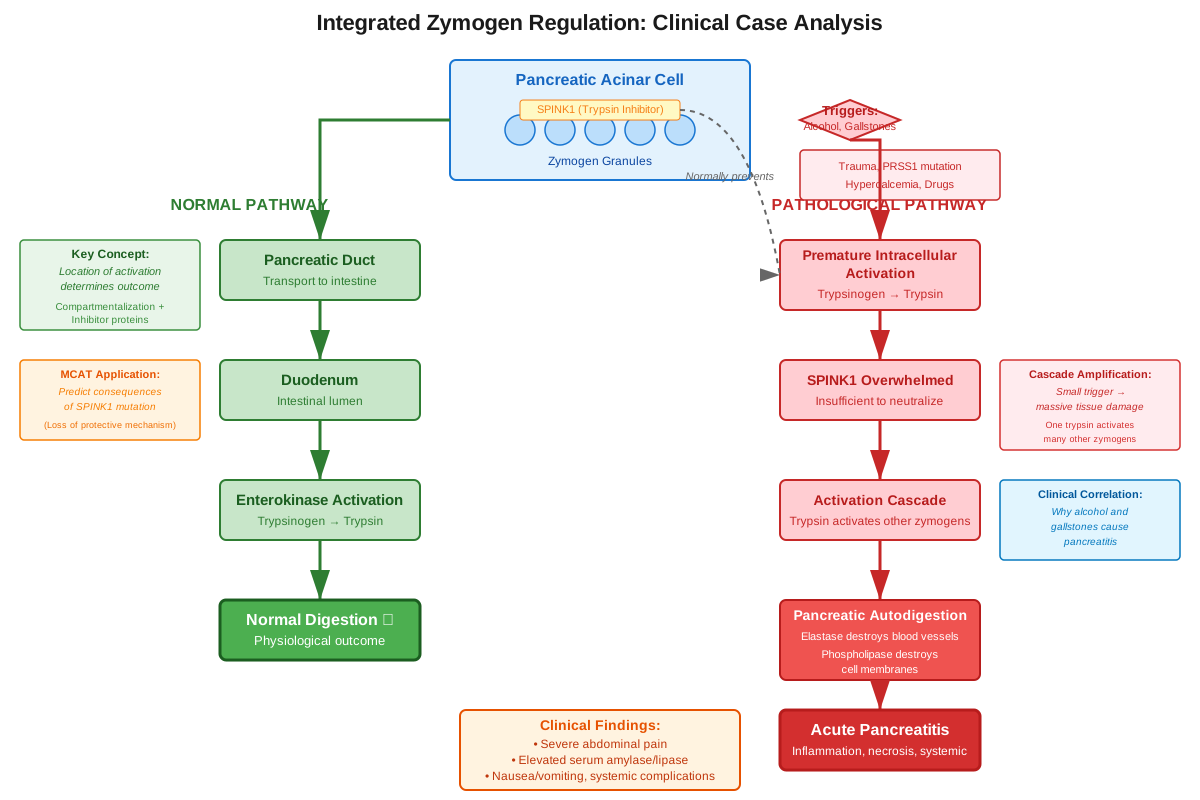
Zymogen dysregulation underlies numerous clinically important conditions. Acute pancreatitis occurs when pancreatic zymogens (trypsinogen, chymotrypsinogen, proelastase, prophospholipase) activate prematurely within pancreatic acinar cells, causing autodigestion of pancreatic tissue—a potentially fatal condition. Hemophilia results from deficiencies in clotting factor zymogens, preventing proper coagulation cascade activation. Understanding zymogens also explains why certain snake venoms are lethal (they contain enzymes that inappropriately activate clotting or digestive zymogens) and how some therapeutic drugs work (direct thrombin inhibitors prevent clotting cascade progression).
MCAT Exam Statistics
Zymogens appear in approximately 15-20% of MCAT Biochemistry passages, most commonly in contexts involving:
- Digestive physiology passages (40% of zymogen questions): Testing understanding of trypsinogen activation and the cascade it initiates
- Blood coagulation scenarios (30%): Requiring knowledge of the clotting cascade as a zymogen amplification system
- Experimental enzyme studies (20%): Presenting data about activation mechanisms, kinetics, or regulation
- Apoptosis and cell death pathways (10%): Testing knowledge of caspase activation cascades
Common Exam Presentations
MCAT questions typically present zymogens through:
- Passage descriptions of digestive enzyme secretion with questions about activation sequences
- Experimental data showing enzyme activity before and after treatment with activating proteases
- Clinical vignettes requiring students to identify consequences of premature or failed activation
- Graph interpretation showing sigmoidal activation curves or cascade amplification
- Comparative questions asking students to distinguish between constitutive enzyme expression and zymogen activation
Core Concepts
Definition and Fundamental Properties
A zymogen (or proenzyme) is an inactive precursor form of an enzyme that requires a biochemical change—most commonly proteolytic cleavage—to become catalytically active. The term derives from Greek roots: "zymo" (ferment/enzyme) and "gen" (producing). Zymogens possess the complete amino acid sequence necessary for enzymatic function but maintain an inactive conformation that prevents substrate binding or catalysis.
Key structural features of zymogens include:
- Intact polypeptide chain with additional amino acid sequences (often N-terminal or internal peptides) that block or distort the active site
- Inactive conformation where catalytic residues are improperly positioned or inaccessible
- Activation peptide (or propeptide) that must be removed to trigger conformational change
- Cleavage recognition sites where specific proteases can cut peptide bonds
The inactive state is thermodynamically stable; activation represents an irreversible transition to a lower-energy, catalytically competent conformation. This irreversibility distinguishes zymogen activation from reversible regulatory mechanisms like allosteric modulation or phosphorylation.
Molecular Mechanisms of Activation
Zymogen activation proceeds through several molecular events:
- Recognition and binding: An activating protease recognizes specific amino acid sequences flanking the cleavage site
- Proteolytic cleavage: Hydrolysis of one or more peptide bonds, often releasing a small activation peptide
- Conformational change: The cleaved protein undergoes structural rearrangement, typically involving:
- Exposure of previously buried active site residues
- Proper alignment of catalytic triads or dyads
- Formation of substrate-binding pockets
- Stabilization through new salt bridges or hydrogen bonds
- Active enzyme formation: The mature enzyme achieves its catalytically competent structure
The classic example is trypsinogen activation to trypsin. Trypsinogen contains 229 amino acids with an N-terminal hexapeptide that blocks the active site. When enterokinase (enteropeptidase) cleaves the Lys15-Ile16 bond, the hexapeptide is released, allowing the remaining structure to rearrange. The newly formed N-terminus of Ile16 forms a salt bridge with Asp194, stabilizing the active conformation and properly positioning the catalytic triad (Ser195, His57, Asp102).
Physiological Systems Utilizing Zymogens
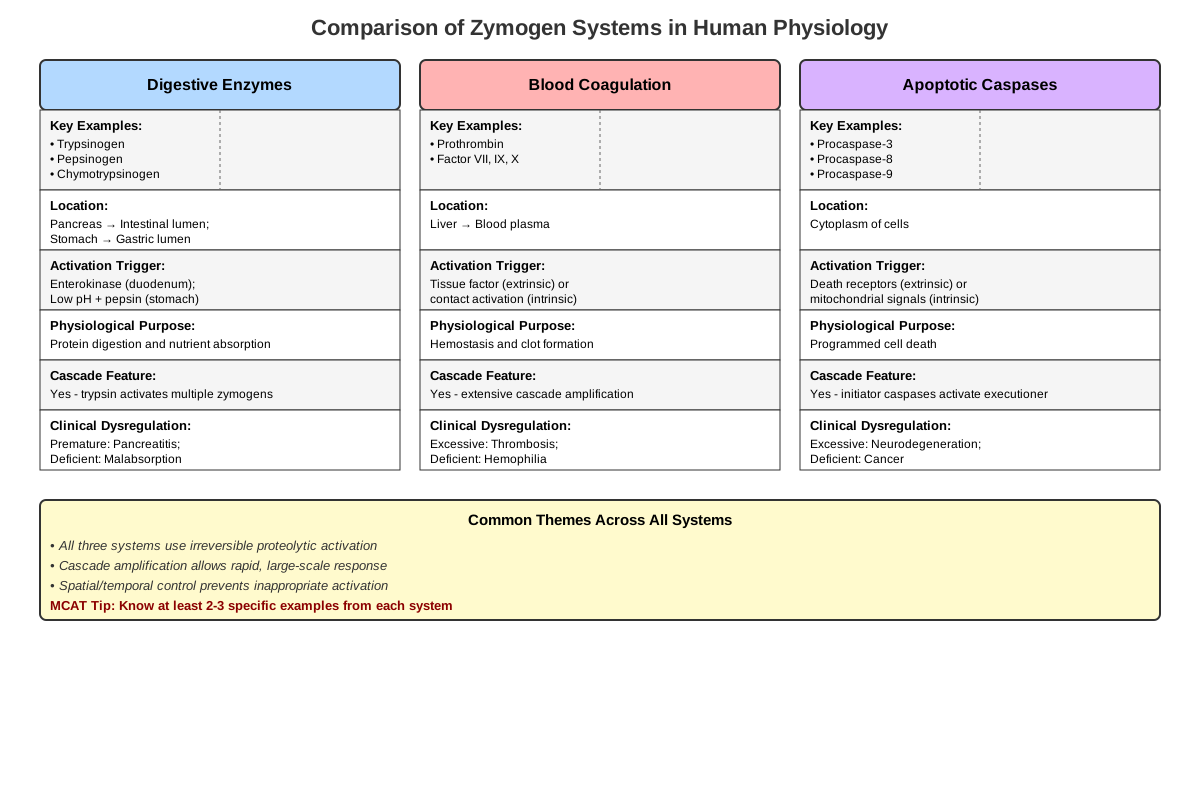
| System | Zymogens | Activation Location | Activating Agent | Physiological Purpose |
|---|---|---|---|---|
| Digestive | Pepsinogen, trypsinogen, chymotrypsinogen, proelastase, procarboxypeptidase | Stomach lumen, small intestine | HCl (pepsinogen), enterokinase (trypsinogen), trypsin (others) | Protein digestion without damaging secretory cells |
| Blood Coagulation | Prothrombin, Factor VII, IX, X, XI, XII | Bloodstream at injury site | Tissue factor, activated factors in cascade | Rapid clot formation only at injury sites |
| Complement | C1, C2, C3, C4, C5 | Plasma and tissue fluid | Antigen-antibody complexes, C3 convertase | Targeted pathogen destruction |
| Apoptosis | Procaspases (procaspase-3, -8, -9) | Cytoplasm | Initiator caspases, cytochrome c/Apaf-1 | Controlled cell death without inflammation |
| Fibrinolysis | Plasminogen | Blood clots | Tissue plasminogen activator (tPA) | Clot dissolution after healing |
The Digestive Zymogen Cascade
The digestive system provides the most extensively studied zymogen cascade, demonstrating both sequential activation and amplification:
Gastric Phase:
- Pepsinogen (chief cells) → Pepsin (activated by HCl from parietal cells)
- Pepsin can autocatalytically activate more pepsinogen (positive feedback)
- Pepsin functions optimally at pH 2, becomes irreversibly denatured at pH > 6
Pancreatic Phase:
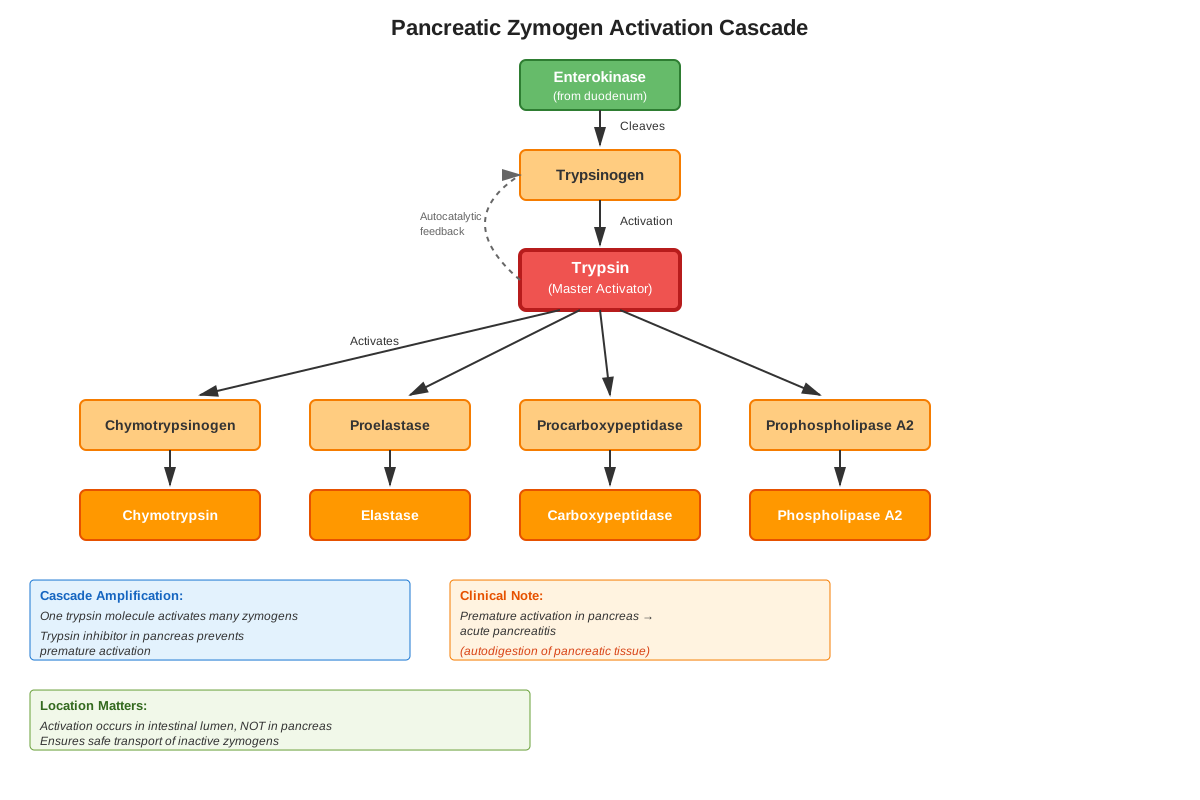
- Trypsinogen (pancreatic acinar cells) → Trypsin (activated by enterokinase in duodenum)
- Trypsin then activates:
- More trypsinogen (amplification through positive feedback)
- Chymotrypsinogen → Chymotrypsin
- Proelastase → Elastase
- Procarboxypeptidase → Carboxypeptidase
- Prophospholipase A2 → Phospholipase A2
This cascade architecture means a small amount of enterokinase can rapidly generate large quantities of active digestive enzymes. Trypsin serves as the "master activator," making its regulation critical. The pancreas produces pancreatic trypsin inhibitor (PTI) to immediately inactivate any trypsin that accidentally activates within pancreatic cells, providing a fail-safe mechanism.
Blood Coagulation Cascade
The clotting cascade represents perhaps the most complex zymogen system, involving both intrinsic and extrinsic pathways that converge on a common pathway:
Extrinsic Pathway (tissue damage):
- Tissue factor (TF) + Factor VII → Factor VIIa
- Factor VIIa activates Factor X → Factor Xa
Intrinsic Pathway (contact activation):
- Factor XII → Factor XIIa (activated by contact with collagen)
- Factor XIIa activates Factor XI → Factor XIa
- Factor XIa activates Factor IX → Factor IXa
- Factor IXa (with Factor VIIIa as cofactor) activates Factor X → Factor Xa
Common Pathway:
- Factor Xa (with Factor Va as cofactor) converts Prothrombin → Thrombin
- Thrombin converts Fibrinogen → Fibrin (forms clot mesh)
- Thrombin also activates Factor XIII → Factor XIIIa (cross-links fibrin)
Each step amplifies the signal: one molecule of Factor Xa can generate hundreds of thrombin molecules, each of which can cleave thousands of fibrinogen molecules. This cascade amplification allows rapid clot formation from minimal initial signals while maintaining tight regulation through multiple checkpoints.
Regulation and Control Mechanisms
Zymogen systems incorporate multiple regulatory layers:
Spatial Compartmentalization:
- Synthesis in one location, activation in another (e.g., pancreatic enzymes synthesized in acinar cells, activated in intestinal lumen)
- Physical separation prevents premature activation
Specific Activators:
- Activation requires specific proteases present only in appropriate locations
- Enterokinase exists only in duodenal brush border
- Tissue factor exposed only at injury sites
Inhibitors:
- Pancreatic trypsin inhibitor (PTI): Binds and inactivates trypsin in pancreas
- α1-antitrypsin: Plasma protein that inhibits elastase and other proteases
- Antithrombin III: Inhibits thrombin and other clotting factors
- Protein C and Protein S: Inactivate Factors Va and VIIIa
pH Dependence:
- Pepsinogen activation requires acidic pH (stomach)
- Pancreatic zymogens activate at neutral/slightly alkaline pH (duodenum)
Cofactor Requirements:
- Many clotting factors require calcium ions and phospholipid surfaces
- Factor VIII and Factor V serve as cofactors for other zymogens
Structural Basis of Activation
The conformational changes during zymogen activation follow predictable patterns:
Induced Fit Model:
After cleavage, the newly formed N-terminus (or exposed internal sequence) acts as an "internal ligand" that binds to specific sites on the enzyme, inducing the active conformation. This explains why simply removing the activation peptide isn't sufficient—the remaining structure must undergo specific rearrangements.
Oxyanion Hole Formation:
Many serine proteases (trypsin, chymotrypsin, elastase) form an "oxyanion hole" upon activation—a pocket that stabilizes the tetrahedral intermediate during peptide bond hydrolysis. In the zymogen form, this pocket is incomplete or misaligned.
Substrate Specificity Pocket:
Activation often involves formation or exposure of the S1 pocket that determines substrate specificity:
- Trypsin: Negatively charged Asp189 at bottom of S1 pocket (cleaves after Arg/Lys)
- Chymotrypsin: Hydrophobic S1 pocket (cleaves after Phe/Trp/Tyr)
- Elastase: Small S1 pocket (cleaves after small, uncharged residues)
Concept Relationships
The zymogen concept integrates multiple biochemical principles into a coherent regulatory strategy:
Protein Structure → Zymogen Inactive State: The primary sequence contains all necessary catalytic residues, but tertiary structure maintains them in non-functional arrangement. This demonstrates how structure determines function.
Proteolytic Cleavage → Conformational Change → Active Site Formation: Irreversible covalent modification (breaking peptide bonds) triggers structural rearrangement that creates or exposes the catalytic machinery. This represents post-translational modification as regulation.
Single Activation Event → Cascade Amplification: One activated enzyme (like trypsin or thrombin) activates multiple downstream zymogens, each of which activates more targets. This cascade architecture provides signal amplification, connecting to cell signaling concepts.
Compartmentalization → Spatial Control: Synthesis in one cellular compartment with activation in another prevents damage to producing cells, illustrating how cells use physical separation as regulation.
Zymogen Systems → Homeostasis: The balance between activation and inhibition maintains physiological equilibrium. Dysregulation leads to pathology (pancreatitis, excessive bleeding or clotting), connecting to disease mechanisms.
Zymogens → Enzyme Kinetics: Activation can be studied kinetically, with activation rates depending on activator concentration, pH, temperature, and cofactors. This connects to Michaelis-Menten kinetics and enzyme assays.
Digestive Zymogens → Nutrient Absorption: The cascade ensures proteins are digested in the intestinal lumen, not in pancreatic or gastric cells, enabling nutrition while preventing self-digestion.
Clotting Zymogens → Hemostasis: The coagulation cascade rapidly forms clots at injury sites while preventing inappropriate clotting in intact vessels, maintaining blood fluidity and vascular integrity.
High-Yield Facts
⭐ Trypsinogen is activated by enterokinase (enteropeptidase) in the duodenum, and trypsin then activates other pancreatic zymogens, making it the master activator of digestive enzymes.
⭐ Pepsinogen is activated by HCl in the stomach and can autocatalytically activate more pepsinogen; pepsin is irreversibly denatured at pH > 6.
⭐ Acute pancreatitis results from premature activation of trypsinogen within pancreatic acinar cells, leading to autodigestion of pancreatic tissue.
⭐ The blood coagulation cascade involves sequential activation of zymogen clotting factors, with each step amplifying the signal, culminating in thrombin converting fibrinogen to fibrin.
⭐ Zymogen activation is typically irreversible because it involves proteolytic cleavage of peptide bonds, distinguishing it from reversible modifications like phosphorylation.
- Pancreatic trypsin inhibitor (PTI) provides a fail-safe mechanism by immediately inactivating any trypsin that accidentally activates within the pancreas.
- Prothrombin is converted to thrombin by Factor Xa (with Factor Va as cofactor) in the presence of calcium ions and phospholipid surfaces.
- Caspases exist as procaspases and are activated during apoptosis to execute programmed cell death without triggering inflammation.
- α1-antitrypsin deficiency leads to unopposed elastase activity in lungs, causing emphysema, and in liver, causing cirrhosis.
- Plasminogen is converted to plasmin by tissue plasminogen activator (tPA), which then dissolves fibrin clots during fibrinolysis.
- Chymotrypsinogen, proelastase, and procarboxypeptidase are all activated by trypsin in the small intestine.
- The complement system uses zymogen cascades (C1-C5) to create membrane attack complexes that lyse pathogens.
- Vitamin K is required for post-translational modification of several clotting factor zymogens (II, VII, IX, X), adding carboxyl groups that enable calcium binding.
- Enterokinase is anchored to the duodenal brush border, ensuring trypsinogen activation occurs only in the intestinal lumen, not in pancreatic ducts.
- Hemophilia A results from Factor VIII deficiency, while Hemophilia B results from Factor IX deficiency, both disrupting the intrinsic clotting pathway.
Quick check — test yourself on Zymogens so far.
Try Flashcards →Common Misconceptions
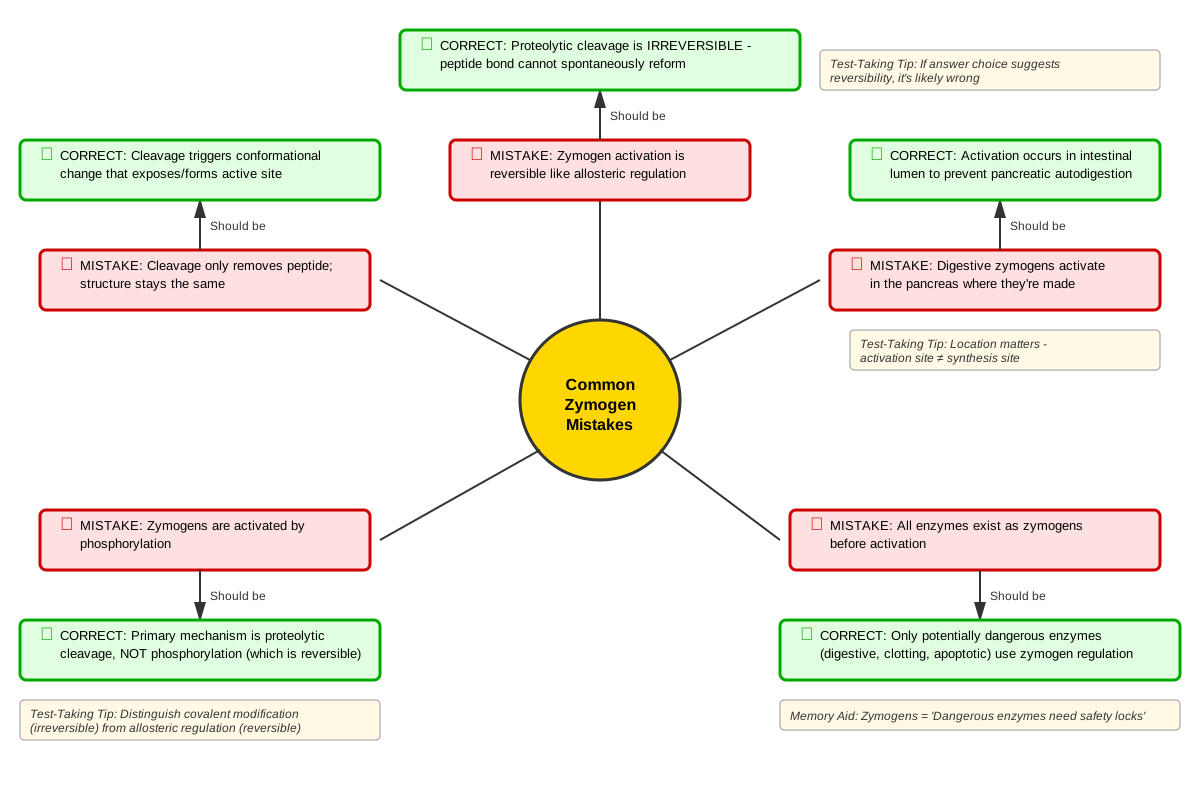
Misconception: Zymogens are simply inactive enzymes that need to bind a cofactor to become active.
Correction: Zymogens require irreversible covalent modification (usually proteolytic cleavage) to become active, not reversible cofactor binding. The cleavage triggers permanent conformational changes that expose or form the active site. This distinguishes zymogens from apoenzymes, which do require cofactor binding.
Misconception: All zymogens are activated by removing an N-terminal peptide.
Correction: While many zymogens (trypsinogen, chymotrypsinogen) are activated by N-terminal cleavage, others require internal cleavage or removal of C-terminal sequences. Prothrombin, for example, undergoes cleavage at two internal sites. The key is conformational change, not specifically N-terminal removal.
Misconception: Once activated, enzymes derived from zymogens remain active indefinitely.
Correction: Activated enzymes are subject to multiple inactivation mechanisms including specific inhibitors (antithrombin III for thrombin, α1-antitrypsin for elastase), pH denaturation (pepsin at neutral pH), and proteolytic degradation. Regulation continues after activation.
Misconception: Zymogen activation is a slow process because it requires protein synthesis.
Correction: Zymogen activation is extremely rapid (seconds to minutes) because the zymogens are already synthesized and stored. Activation requires only proteolytic cleavage and conformational change, not new protein synthesis. This speed is precisely why cells use zymogens—for rapid response without transcription/translation delays.
Misconception: The pancreas secretes trypsin directly into the duodenum.
Correction: The pancreas secretes trypsinogen (inactive), which is activated to trypsin only after reaching the duodenal lumen through the action of enterokinase. Secreting the active enzyme would cause pancreatic autodigestion. This spatial separation is fundamental to zymogen biology.
Misconception: All digestive enzymes are zymogens.
Correction: While many digestive proteases are zymogens (pepsinogen, trypsinogen, chymotrypsinogen), other digestive enzymes like pancreatic amylase and lipase are secreted in active form. Zymogens are primarily used for potentially destructive proteases that could damage secretory cells.
Misconception: Zymogen activation always involves a cascade where one enzyme activates another.
Correction: While cascades are common (digestive enzymes, clotting factors), some zymogens are activated by non-enzymatic mechanisms. Pepsinogen is activated by HCl (acid-catalyzed), and some zymogens undergo autocatalytic activation. Cascades provide amplification but aren't universal.
Worked Examples
Example 1: Digestive Enzyme Activation Sequence
Question: A researcher studies pancreatic enzyme secretion in an isolated duodenal preparation. She adds pancreatic juice containing trypsinogen, chymotrypsinogen, and procarboxypeptidase to the duodenal lumen. She observes that without duodenal tissue present, no proteolytic activity develops even after 60 minutes. When she adds duodenal brush border membrane preparations, rapid proteolytic activity appears within 5 minutes. She then adds a specific trypsin inhibitor and observes that chymotrypsin and carboxypeptidase activity cease to increase, though trypsin activity continues briefly before stopping. Explain these observations using your knowledge of zymogen activation.
Solution:
Step 1 - Identify the key observation: Without duodenal tissue, no activation occurs despite presence of all zymogens. This indicates the zymogens cannot self-activate and require a duodenal factor.
Step 2 - Identify the activating factor: The duodenal brush border contains enterokinase (enteropeptidase), which specifically cleaves trypsinogen to trypsin. This is the only enzyme that can initiate the activation cascade. Without enterokinase, trypsinogen remains inactive indefinitely.
Step 3 - Explain the cascade: Once enterokinase activates some trypsinogen to trypsin, that trypsin performs two functions:
- Autocatalytically activates more trypsinogen (positive feedback amplification)
- Activates chymotrypsinogen → chymotrypsin
- Activates procarboxypeptidase → carboxypeptidase
This explains the rapid appearance of multiple proteolytic activities—one initial activation triggers a cascade.
Step 4 - Explain the inhibitor effect: When trypsin inhibitor is added:
- Trypsin activity continues briefly because some trypsin was already active before inhibitor addition (it takes time for inhibitor to bind all trypsin molecules)
- Chymotrypsin and carboxypeptidase activity cease increasing because their activation requires trypsin, which is now inhibited
- Any chymotrypsin/carboxypeptidase already activated remains active (the inhibitor is specific for trypsin)
Key Concept: This demonstrates that trypsin is the "master activator" of pancreatic zymogens, and enterokinase is the "master initiator." The cascade provides amplification: small amounts of enterokinase generate large amounts of trypsin, which generates even larger amounts of multiple digestive enzymes.
Example 2: Clotting Cascade Clinical Application
Question: A patient presents with excessive bleeding after minor trauma. Laboratory tests reveal:
- Normal platelet count and function
- Normal prothrombin time (PT) - measures extrinsic pathway
- Prolonged activated partial thromboplastin time (aPTT) - measures intrinsic pathway
- Normal fibrinogen levels
- Factor VIII activity: 5% of normal (normal: 50-150%)
The patient's brother has a similar bleeding history. Explain the molecular basis of this condition and why the PT is normal while aPTT is prolonged.
Solution:
Step 1 - Diagnose the condition: The patient has Hemophilia A, an X-linked recessive disorder caused by Factor VIII deficiency. The family history (affected brother) and Factor VIII level (5% vs. normal 50-150%) confirm this.
Step 2 - Explain Factor VIII's role: Factor VIII is not itself a zymogen but serves as a cofactor for Factor IXa in the intrinsic pathway. The Factor IXa-Factor VIIIa complex (with calcium and phospholipids) activates Factor X → Factor Xa. Without adequate Factor VIII, this step is severely impaired.
Step 3 - Explain the normal PT: The prothrombin time tests the extrinsic pathway:
- Tissue factor + Factor VII → Factor VIIa
- Factor VIIa activates Factor X → Factor Xa
- Factor Xa converts prothrombin → thrombin
This pathway bypasses Factor VIII entirely, so PT remains normal. The extrinsic pathway can still generate some Factor Xa, but not enough for adequate hemostasis.
Step 4 - Explain the prolonged aPTT: The activated partial thromboplastin time tests the intrinsic pathway:
- Factor XII → Factor XIIa
- Factor XIIa activates Factor XI → Factor XIa
- Factor XIa activates Factor IX → Factor IXa
- Factor IXa (requiring Factor VIIIa) activates Factor X → Factor Xa
The Factor IX → Factor X step is severely impaired without Factor VIII, prolonging aPTT. While Factor IXa can activate Factor X without Factor VIII, the rate is ~200,000-fold slower—clinically inadequate.
Step 5 - Explain the bleeding: Although the extrinsic pathway can initiate clotting, the intrinsic pathway provides amplification necessary for stable clot formation. Factor VIII deficiency prevents this amplification, resulting in inadequate thrombin generation and unstable clots that break down prematurely.
Key Concept: This demonstrates how zymogen cascades use amplification at multiple steps. Deficiency at any step can cause bleeding disorders, and laboratory tests can localize the defect to specific pathways. Understanding which zymogens participate in which pathways allows prediction of test results and clinical manifestations.
Exam Strategy
Approaching Zymogen Questions
Step 1 - Identify the system: Determine whether the question involves digestive enzymes, clotting factors, complement, or apoptosis. Each system has distinct activation mechanisms and regulatory features.
Step 2 - Map the cascade: For cascade questions, quickly sketch the activation sequence. Identify:
- The initiating factor (enterokinase, tissue factor, HCl)
- The master activator (trypsin, thrombin)
- Downstream targets
- Amplification points
Step 3 - Consider location: Where does activation occur? Zymogens are synthesized in one location and activated in another. Questions often test understanding of this spatial separation.
Step 4 - Identify regulatory mechanisms: Look for:
- Specific inhibitors mentioned
- pH conditions
- Cofactor requirements
- Compartmentalization
Trigger Words and Phrases
Watch for these high-yield terms that signal zymogen content:
- "Inactive precursor," "proenzyme," "pro-" prefix: Direct zymogen indicators
- "Proteolytic cleavage," "peptide bond hydrolysis": Activation mechanism
- "Autocatalytic," "positive feedback": Amplification mechanisms
- "Premature activation," "autodigestion": Pathological scenarios
- "Cascade," "sequential activation": Multi-step zymogen systems
- "Enterokinase," "enteropeptidase": Trypsinogen activation
- "Tissue factor," "Factor Xa," "thrombin": Clotting cascade
- "Pancreatic trypsin inhibitor," "antithrombin": Regulatory inhibitors
Process of Elimination Tips
For activation mechanism questions:
- Eliminate answers suggesting reversible modifications (phosphorylation, allosteric regulation) unless the question specifically indicates reversibility
- Eliminate answers placing activation in the wrong compartment (e.g., trypsin activation in pancreas rather than duodenum)
- Favor answers involving proteolytic cleavage over other mechanisms
For clinical vignette questions:
- Bleeding disorders with prolonged aPTT but normal PT suggest intrinsic pathway defects (Factors VIII, IX, XI, XII)
- Bleeding with both prolonged PT and aPTT suggest common pathway defects (Factors X, V, II, fibrinogen)
- Abdominal pain with elevated pancreatic enzymes in blood suggests pancreatitis (premature zymogen activation)
For experimental questions:
- If adding a substance causes immediate enzyme activity, it's likely an activating protease
- If activity develops slowly over time, consider autocatalytic activation
- If activity requires specific pH, consider pepsinogen (acidic) or pancreatic zymogens (neutral/alkaline)
Time Allocation
For discrete questions on zymogens: 60-90 seconds
- Quickly identify the system and activation mechanism
- Apply memorized facts about specific zymogens
- Eliminate obviously incorrect answers
For passage-based questions: 8-10 minutes per passage (typically 5-7 questions)
- Spend 3-4 minutes reading and annotating the passage
- Identify the zymogen system being studied
- Note any experimental manipulations (inhibitors, pH changes, mutations)
- Reference the passage for specific details rather than relying solely on memory
Exam Tip: If a question asks about consequences of a mutation or drug, systematically work through the cascade. A block at any step prevents all downstream activations. This logical approach often reveals the answer even if you don't immediately recall specific details.
Memory Techniques
Mnemonic for Pancreatic Zymogens
"Try Chewing Every Carrot Properly, Please"
- Try = Trypsinogen
- Chewing = Chymotrypsinogen
- Every = (Pro)Elastase
- Carrot = (Pro)Carboxypeptidase
- Properly = ProPhospholipase A2
- Please = (Pro)Colipase
Remember: Trypsin activates all the others (it's first for a reason!)
Mnemonic for Intrinsic Clotting Pathway
"Playful Turtles Eat Nachos"
- Playful = XII (Hageman factor) - "Play" starts the intrinsic pathway
- Turtles = XI (Plasma thromboplastin antecedent)
- Eat = IX (Christmas factor)
- Nachos = X (Stuart-Prower factor)
Then remember: X → II (prothrombin → thrombin) → I (fibrinogen → fibrin)
Visualization Strategy for Zymogen Activation
The "Locked Box" Mental Model:
Visualize a zymogen as a locked box containing the active enzyme. The activation peptide is the lock. The activating protease is the key that removes the lock. Once unlocked, the box springs open (conformational change), revealing the active site inside. This irreversible opening explains why zymogen activation cannot be reversed—you can't put the lock back on once removed.
Acronym for Zymogen Regulation
SPICE - The five regulatory mechanisms:
- Spatial compartmentalization (synthesis ≠ activation location)
- Proteolytic specificity (specific activating proteases)
- Inhibitors (PTI, antithrombin, α1-antitrypsin)
- Cofactors (calcium, Factor V, Factor VIII)
- Environmental conditions (pH, temperature)
Memory Aid for Hemophilia Types
"A comes before B, and VIII comes before IX"
- Hemophilia A = Factor VIII deficiency (most common, 80%)
- Hemophilia B = Factor IX deficiency (Christmas disease, 20%)
Both affect intrinsic pathway → prolonged aPTT, normal PT
Summary
Zymogens represent a sophisticated biochemical regulatory strategy whereby potentially destructive enzymes are synthesized as inactive precursors and activated only when and where needed through irreversible proteolytic cleavage. This mechanism is fundamental to digestive physiology (pepsinogen, trypsinogen, chymotrypsinogen), blood coagulation (prothrombin and clotting factors), complement-mediated immunity, and apoptosis (procaspases). The activation process typically involves specific proteolytic cleavage that triggers conformational changes, exposing or forming the active site. Many zymogen systems employ cascade architecture, where one activated enzyme activates multiple downstream zymogens, providing signal amplification—a small initial stimulus generates a large enzymatic response. Regulation occurs through multiple mechanisms: spatial compartmentalization (synthesis in one location, activation in another), specific activating proteases, endogenous inhibitors (pancreatic trypsin inhibitor, antithrombin III), cofactor requirements, and environmental conditions (pH, calcium). Dysregulation causes significant pathology: premature activation leads to pancreatitis or inappropriate clotting, while deficient activation causes bleeding disorders (hemophilia) or immunodeficiency. For the MCAT, students must understand activation mechanisms, recognize cascade sequences, predict consequences of dysregulation, and apply this knowledge to clinical vignettes and experimental scenarios.
Key Takeaways
- Zymogens are inactive enzyme precursors activated by irreversible proteolytic cleavage, distinguishing them from enzymes regulated by reversible modifications like phosphorylation or allosteric modulation
- Trypsinogen activation by enterokinase initiates the digestive enzyme cascade, with trypsin then activating chymotrypsinogen, proelastase, procarboxypeptidase, and more trypsinogen (amplification)
- The blood coagulation cascade involves sequential zymogen activation culminating in thrombin converting fibrinogen to fibrin, with each step providing signal amplification
- Spatial compartmentalization prevents premature activation: digestive zymogens are synthesized in pancreatic acinar cells but activated in the duodenal lumen, protecting the pancreas from autodigestion
- Acute pancreatitis results from premature trypsinogen activation within pancreatic cells, causing tissue autodigestion—a life-threatening condition demonstrating the importance of zymogen regulation
- Hemophilia A (Factor VIII deficiency) and Hemophilia B (Factor IX deficiency) disrupt the intrinsic clotting pathway, causing prolonged aPTT with normal PT and excessive bleeding
- Multiple regulatory mechanisms control zymogen systems: specific activating proteases, endogenous inhibitors (PTI, antithrombin III, α1-antitrypsin), cofactor requirements (calcium, phospholipids), and pH dependence ensure activation occurs only under appropriate conditions
Related Topics
Enzyme Kinetics and Regulation: Understanding Michaelis-Menten kinetics, competitive/noncompetitive inhibition, and allosteric regulation provides context for how activated enzymes function and how their activity is modulated. Zymogen activation represents one regulatory strategy among many.
Protein Structure and Function: The relationship between primary sequence, three-dimensional structure, and enzymatic activity underlies zymogen biology. Studying protein folding, domains, and conformational changes deepens understanding of activation mechanisms.
Post-Translational Modifications: Zymogen activation is one type of post-translational modification. Comparing it with phosphorylation, glycosylation, ubiquitination, and other modifications reveals different regulatory strategies cells employ.
Digestive System Physiology: The complete digestive process involves not only zymogen activation but also acid secretion, bile release, intestinal motility, and nutrient absorption. Understanding the integrated system shows how zymogen regulation fits into overall digestive function.
Hemostasis and Coagulation Disorders: Beyond zymogen activation, hemostasis involves platelet function, vascular responses, and fibrinolysis. Studying complete hemostasis mechanisms and various bleeding/clotting disorders provides clinical context.
Cell Death Mechanisms: Apoptosis involves procaspase activation cascades, while necrosis and other cell death pathways use different mechanisms. Comparing these pathways illustrates how cells control potentially destructive processes.
Signal Transduction Cascades: Many signaling pathways (MAPK, cAMP, calcium signaling) use cascade amplification similar to zymogen systems. Understanding these parallels reveals common principles in biological regulation.
Practice CTA
Now that you've mastered the core concepts of zymogens, it's time to test your understanding and reinforce your learning. Complete the practice questions and flashcards associated with this topic to solidify your knowledge and identify any remaining gaps. Focus particularly on questions involving cascade sequences, clinical vignettes about pancreatitis or hemophilia, and experimental scenarios requiring you to predict activation outcomes. Remember, the MCAT rewards not just memorization but the ability to apply concepts to novel situations—practice questions develop this critical skill. Your investment in thorough practice now will pay dividends on test day when you confidently navigate zymogen-related passages and questions. You've got this!
Sign up free to keep reading
Create a free AnvayaPrep account to finish this MCAT guide on Zymogens — plus flashcards and practice questions.