Overview
Hemostasis is the physiological process by which the body prevents and stops bleeding following vascular injury. This complex, tightly regulated mechanism involves coordinated interactions between blood vessels, platelets, coagulation factors, and fibrinolytic proteins to maintain blood in a fluid state within vessels while rapidly forming clots at sites of injury. Understanding hemostasis is fundamental to Biology and specifically to the study of Physiology and Organ Systems, as it represents a critical homeostatic mechanism that integrates vascular biology, cellular signaling, and biochemical cascades.
For the MCAT, hemostasis represents a high-yield topic that bridges multiple biological disciplines. Questions may test understanding of the sequential steps in clot formation, the role of specific coagulation factors, the distinction between intrinsic and extrinsic pathways, or the regulation of clot dissolution. Hemostasis Biology encompasses cellular biology (platelet activation and aggregation), biochemistry (enzymatic cascades and calcium-dependent reactions), and physiology (vascular responses and feedback mechanisms). The topic frequently appears in passage-based questions that present clinical scenarios involving bleeding disorders, anticoagulant medications, or laboratory coagulation tests.
The study of hemostasis MCAT content connects directly to cardiovascular physiology, hematology, and pharmacology. It provides essential context for understanding conditions like hemophilia, von Willebrand disease, and thrombotic disorders. Additionally, hemostasis illustrates fundamental biological principles including positive feedback mechanisms, enzymatic amplification cascades, and the balance between opposing physiological processes. Mastery of this topic enables students to approach complex clinical vignettes with confidence and demonstrates understanding of how the body maintains internal equilibrium in response to injury.
Learning Objectives
- [ ] Define Hemostasis using accurate Biology terminology
- [ ] Explain why Hemostasis matters for the MCAT
- [ ] Apply Hemostasis to exam-style questions
- [ ] Identify common mistakes related to Hemostasis
- [ ] Connect Hemostasis to related Biology concepts
- [ ] Distinguish between the three phases of hemostasis and their temporal sequence
- [ ] Explain the intrinsic and extrinsic coagulation pathways and their convergence at the common pathway
- [ ] Describe the role of calcium ions and vitamin K in the coagulation cascade
- [ ] Analyze how anticoagulant mechanisms prevent inappropriate clot formation
Prerequisites
- Basic cardiovascular anatomy and physiology: Understanding blood vessel structure (endothelium, smooth muscle) is essential for comprehending vascular responses during hemostasis
- Cell membrane structure and receptor function: Platelet activation involves membrane receptors and signal transduction pathways
- Enzyme kinetics and cascade amplification: The coagulation cascade relies on sequential activation of proteolytic enzymes
- Protein structure and function: Coagulation factors are proteins whose structure determines their enzymatic activity
- Positive and negative feedback mechanisms: Hemostasis involves both amplification (positive feedback) and regulation (negative feedback)
- Calcium ion signaling: Ca²⁺ serves as a critical cofactor in multiple steps of the coagulation cascade
Why This Topic Matters
Clinical Significance
Hemostasis represents one of the body's most critical protective mechanisms. Defects in hemostasis lead to either excessive bleeding (hemorrhagic disorders like hemophilia) or inappropriate clotting (thrombotic disorders like deep vein thrombosis). Understanding hemostasis is essential for interpreting common clinical scenarios involving surgical bleeding, medication effects (aspirin, warfarin, heparin), and genetic bleeding disorders. The balance between clot formation and clot dissolution determines outcomes in conditions ranging from minor cuts to life-threatening hemorrhages and strokes.
MCAT Relevance
Hemostasis appears on the MCAT with moderate frequency, typically in 1-3 questions per exam. Questions may appear as discrete items testing specific pathway knowledge or, more commonly, as part of passage-based questions that integrate hemostasis with pharmacology, genetics, or disease pathophysiology. The topic is particularly high-yield because it can be tested across multiple contexts: biochemistry passages about enzymatic cascades, physiology passages about cardiovascular function, or genetics passages about inherited bleeding disorders.
Common Exam Presentations
MCAT passages frequently present hemostasis through:
- Clinical vignettes describing patients with bleeding or clotting disorders
- Research passages investigating novel anticoagulant drugs or their mechanisms
- Laboratory data showing coagulation test results (PT, PTT, bleeding time)
- Genetic scenarios involving mutations in coagulation factor genes
- Comparative physiology examining hemostasis across different organisms
- Pharmacological passages about drugs affecting platelet function or coagulation cascades
Core Concepts
Definition and Overview of Hemostasis
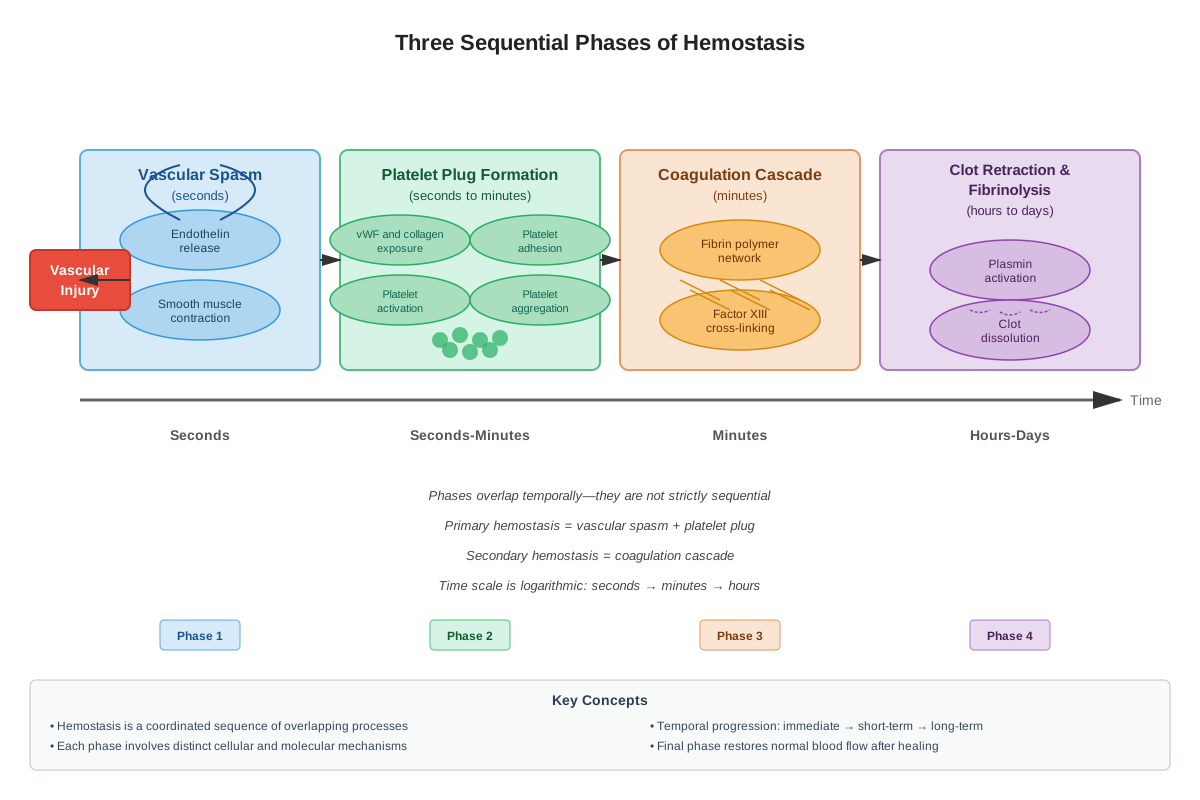
Hemostasis is the physiological process that stops bleeding at the site of vascular injury while maintaining blood flow through uninjured vessels. The term derives from Greek roots meaning "standing blood." This process must be precisely regulated—insufficient hemostasis leads to hemorrhage, while excessive hemostasis causes pathological thrombosis. Hemostasis involves three overlapping phases: vascular spasm, platelet plug formation, and coagulation (blood clotting). These phases work sequentially but with temporal overlap to rapidly seal vascular injuries.
Phase 1: Vascular Spasm
Immediately following vessel injury, damaged smooth muscle in the vessel wall undergoes vasoconstriction, reducing blood flow to the injured area. This vascular spasm results from:
- Direct smooth muscle contraction in response to injury
- Release of endothelin from damaged endothelial cells
- Reflexive nervous system responses
- Local myogenic responses to vessel wall damage
Vascular spasm is most effective in smaller vessels and provides immediate, though temporary, reduction in blood loss. This phase typically lasts several minutes and provides time for subsequent hemostatic mechanisms to activate.
Phase 2: Platelet Plug Formation (Primary Hemostasis)
Primary hemostasis involves platelet activation, adhesion, and aggregation to form a temporary platelet plug. This process occurs through several sequential steps:
Platelet Adhesion
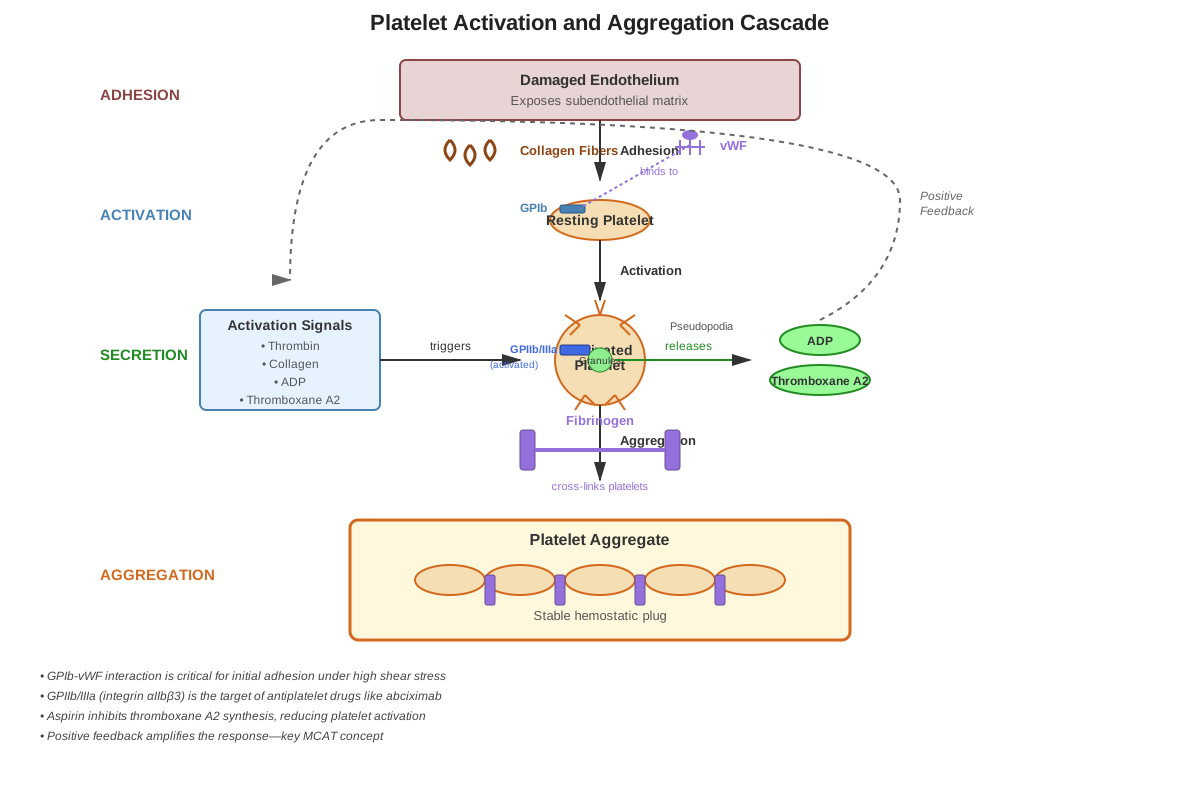
When the endothelium is damaged, subendothelial collagen and von Willebrand factor (vWF) become exposed. Platelets possess surface receptors (glycoprotein Ib, or GPIb) that bind to vWF, which acts as a bridge between platelets and exposed collagen. This initial adhesion is crucial—deficiency in vWF causes von Willebrand disease, the most common inherited bleeding disorder.
Platelet Activation
Once adhered, platelets undergo dramatic morphological and biochemical changes:
- Shape change from smooth discs to spiny spheres with extended pseudopodia
- Release of granule contents including ADP, serotonin, and thromboxane A₂ (TXA₂)
- Expression of activated GPIIb/IIIa receptors on the platelet surface
- Exposure of negatively charged phospholipids on the platelet membrane surface
The release of ADP and TXA₂ creates a positive feedback loop, recruiting and activating additional platelets. This amplification is essential for rapid plug formation but must be carefully regulated to prevent excessive clotting.
Platelet Aggregation
Activated platelets aggregate through fibrinogen bridges that connect GPIIb/IIIa receptors on adjacent platelets. This forms a loose platelet plug that temporarily seals small breaks in vessels. The platelet plug alone can stop bleeding from minor injuries but requires reinforcement by fibrin for larger injuries.
Phase 3: Coagulation (Secondary Hemostasis)
Coagulation is the process by which soluble plasma protein fibrinogen is converted to insoluble fibrin threads that stabilize the platelet plug. This involves a complex cascade of proteolytic enzymes called coagulation factors, most of which are synthesized in the liver and circulate as inactive zymogens.
The Coagulation Cascade
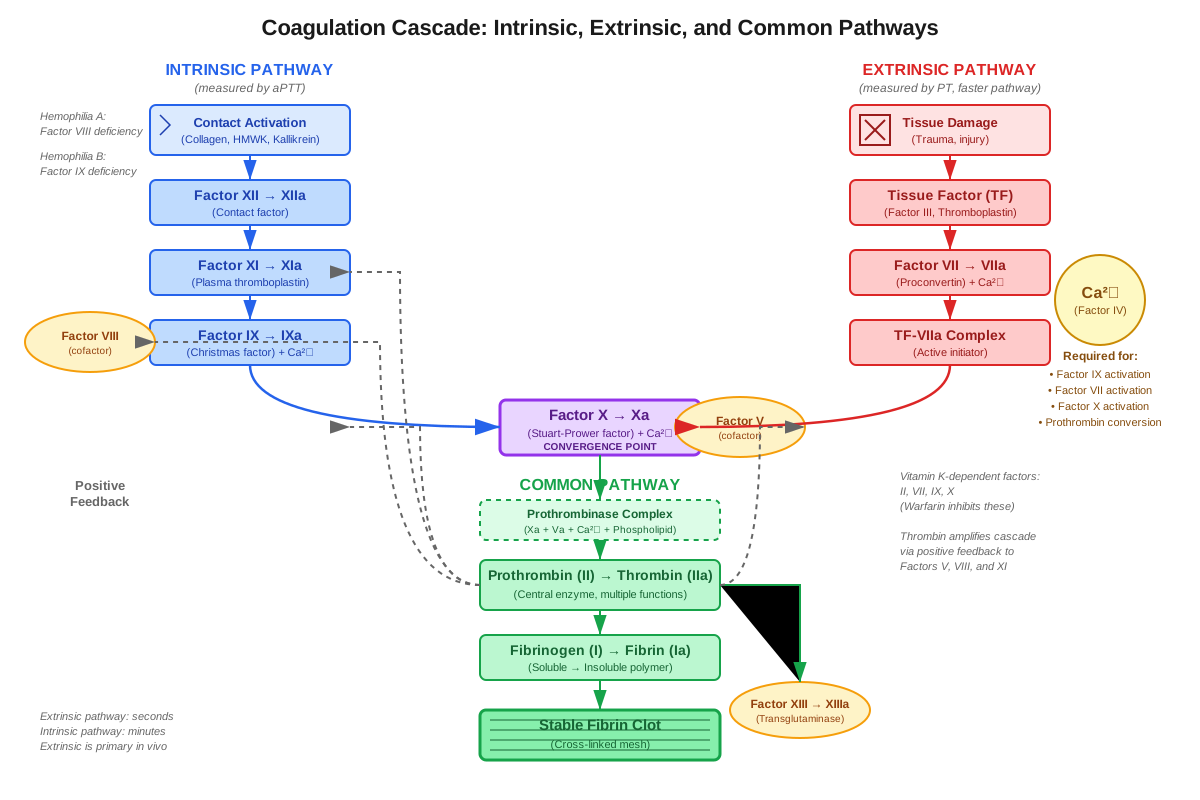
The coagulation cascade consists of three pathways that converge:
Intrinsic Pathway (Contact Activation Pathway)
- Initiated by contact with negatively charged surfaces (damaged vessel wall, activated platelets)
- Involves factors XII, XI, IX, and VIII
- Measured clinically by activated partial thromboplastin time (aPTT)
- Sequence: XII → XIIa → XI → XIa → IX → IXa (with VIIIa as cofactor) → X
Extrinsic Pathway (Tissue Factor Pathway)
- Initiated by tissue factor (TF or Factor III) released from damaged tissue
- Involves Factor VII
- Measured clinically by prothrombin time (PT)
- Sequence: TF + VIIa → X
- This pathway is faster and considered the primary initiator of coagulation in vivo
Common Pathway
- Both intrinsic and extrinsic pathways converge at Factor X
- Sequence: Xa (with Va as cofactor) → prothrombin (II) → thrombin (IIa) → fibrinogen (I) → fibrin (Ia)
- Thrombin is the key enzyme that converts fibrinogen to fibrin
- Factor XIII (activated by thrombin) cross-links fibrin strands, creating a stable clot
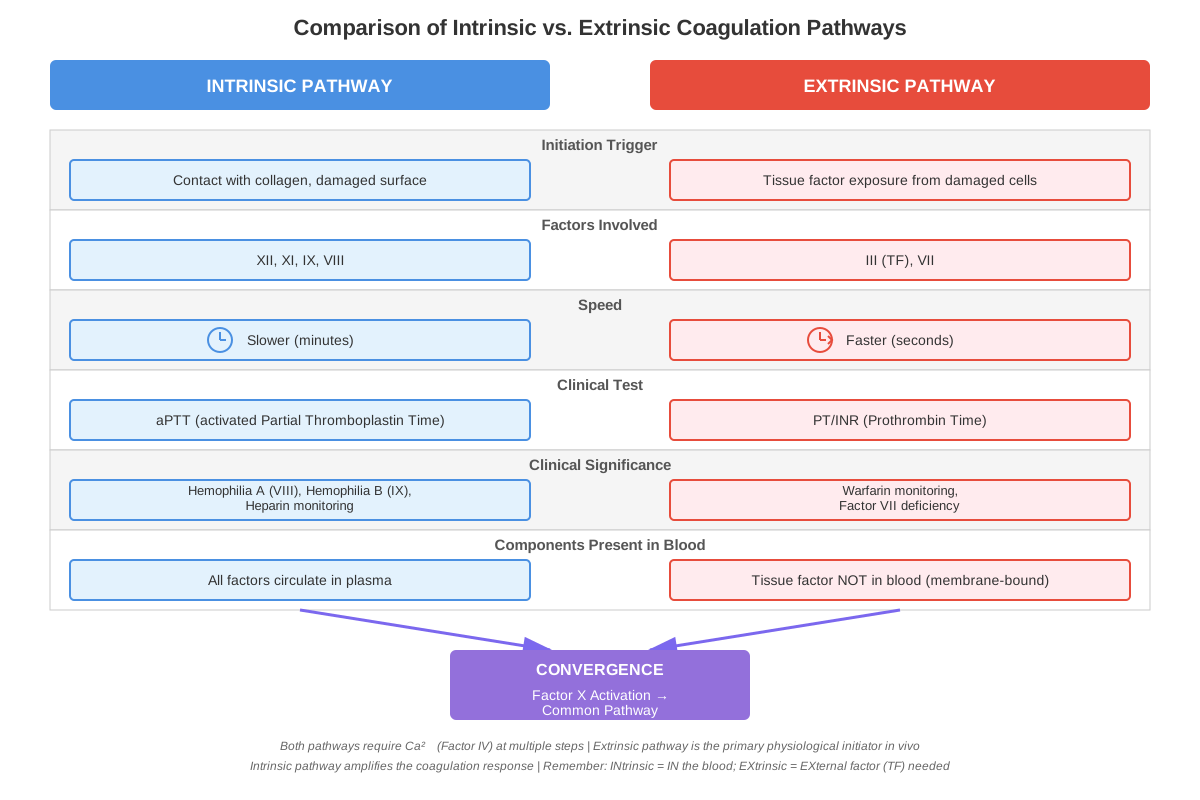
| Pathway | Initiating Event | Key Factors | Clinical Test | Speed |
|---|---|---|---|---|
| Intrinsic | Contact with damaged surface | XII, XI, IX, VIII | aPTT | Slower |
| Extrinsic | Tissue factor release | VII, Tissue Factor | PT | Faster |
| Common | Factor X activation | X, V, II, I, XIII | Both PT and aPTT | N/A |
Role of Calcium and Vitamin K
Calcium ions (Ca²⁺) serve as essential cofactors in multiple steps of the coagulation cascade. Most coagulation factors contain gamma-carboxyglutamic acid (Gla) residues that bind calcium, enabling these factors to attach to phospholipid surfaces on activated platelets. This localization concentrates coagulation reactions at the site of injury.
Vitamin K is required for the post-translational modification of factors II, VII, IX, and X (plus proteins C and S). The liver enzyme gamma-glutamyl carboxylase uses vitamin K to add carboxyl groups to glutamic acid residues, creating Gla residues. Warfarin, a common anticoagulant, inhibits vitamin K epoxide reductase, preventing recycling of vitamin K and thus impairing synthesis of functional coagulation factors.
Thrombin's Central Role
Thrombin (Factor IIa) is the most important enzyme in coagulation, with multiple functions:
- Converts fibrinogen to fibrin monomers
- Activates Factor XIII to cross-link fibrin
- Activates factors V, VIII, and XI (positive feedback amplification)
- Activates platelets (further positive feedback)
- Activates protein C (negative feedback regulation)
This multifunctional role makes thrombin the target of several anticoagulant medications, including direct thrombin inhibitors like dabigatran.
Clot Retraction and Fibrinolysis
After clot formation, two additional processes occur:
Clot Retraction: Platelets contain actin and myosin that contract, pulling the edges of the wound together and squeezing serum from the clot. This consolidates the clot and reduces its volume.
Fibrinolysis: The process of clot dissolution involves plasmin, a proteolytic enzyme that degrades fibrin. Plasminogen (inactive precursor) is converted to plasmin by tissue plasminogen activator (tPA) released from endothelial cells. Fibrinolysis produces fibrin degradation products (FDPs) including D-dimers, which are clinically measured to detect recent clot formation or dissolution.
Regulation of Hemostasis
Multiple mechanisms prevent inappropriate clot formation:
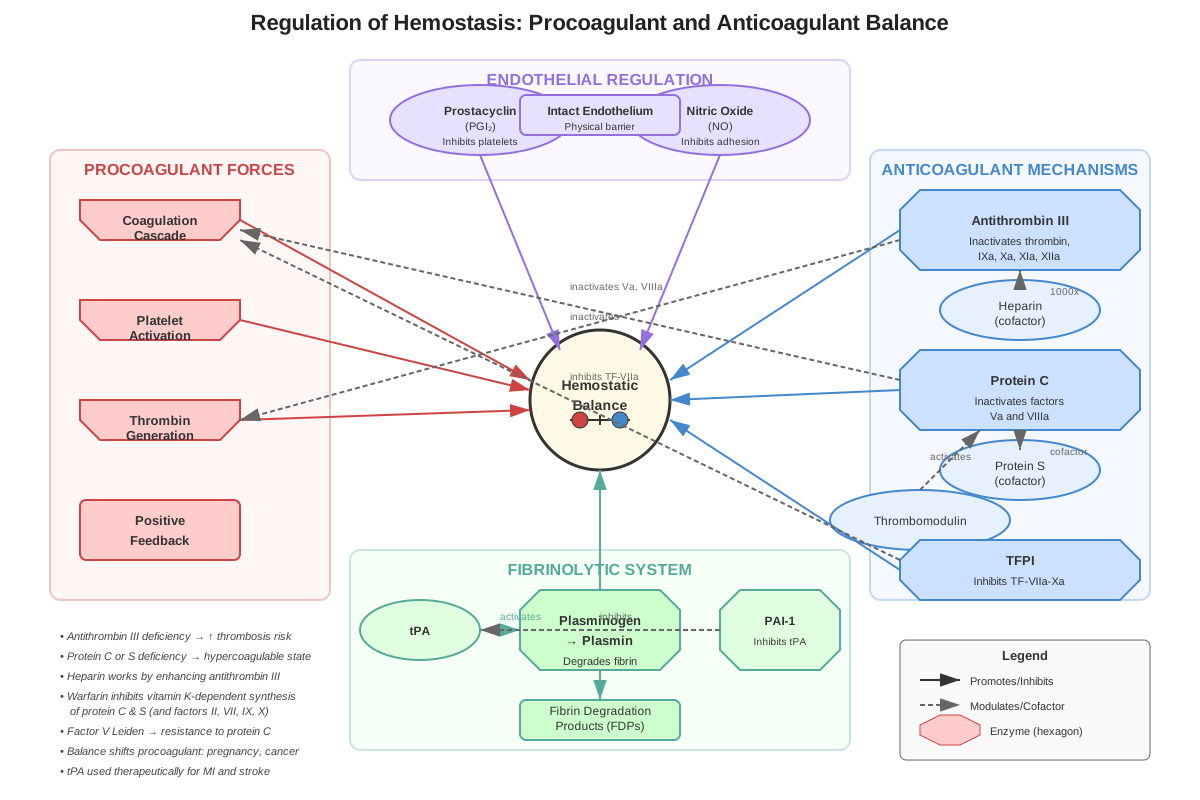
Antithrombin III: A plasma protein that inhibits thrombin and factors IXa, Xa, XIa, and XIIa. Heparin enhances antithrombin III activity by 1000-fold, forming the basis for heparin's anticoagulant effect.
Protein C and Protein S: Vitamin K-dependent proteins that inactivate factors Va and VIIIa. Thrombin activates protein C when bound to thrombomodulin on intact endothelium, creating a negative feedback loop.
Tissue Factor Pathway Inhibitor (TFPI): Inhibits the extrinsic pathway by binding to Factor Xa and the TF-VIIa complex.
Prostacyclin (PGI₂): Released by intact endothelium, inhibits platelet activation and causes vasodilation, opposing TXA₂ effects.
Concept Relationships
The three phases of hemostasis form a temporal and functional sequence: vascular spasm → platelet plug formation → coagulation → clot retraction and fibrinolysis. Each phase overlaps with and reinforces the others through positive feedback mechanisms.
Within coagulation, the relationship follows: intrinsic pathway ← contact activation and extrinsic pathway ← tissue factor release, both converging at Factor X activation → common pathway → thrombin generation → fibrin formation. Thrombin serves as the central hub, receiving input from both pathways and generating multiple outputs through positive feedback (activating factors V, VIII, XI, and platelets) and negative feedback (activating protein C).
Platelet function connects to coagulation through provision of phospholipid surfaces for coagulation factor assembly and through release of factors that amplify both platelet activation and coagulation. The relationship can be mapped as: platelet activation → phospholipid exposure → coagulation factor binding → accelerated thrombin generation → further platelet activation (positive feedback loop).
Regulation connects through: intact endothelium → prostacyclin and nitric oxide release → platelet inhibition and thrombomodulin expression → protein C activation → factor Va/VIIIa inactivation → coagulation suppression. Additionally, antithrombin III → thrombin inhibition → reduced fibrin formation, with heparin amplifying this relationship.
The prerequisite concepts of enzyme cascades and positive feedback directly enable understanding of coagulation amplification, while knowledge of calcium signaling explains the cofactor role of Ca²⁺ in multiple coagulation steps. Understanding cell membrane receptors is essential for comprehending platelet adhesion (GPIb-vWF interaction) and aggregation (GPIIb/IIIa-fibrinogen binding).
Quick check — test yourself on Hemostasis so far.
Try Flashcards →High-Yield Facts
⭐ Hemostasis consists of three sequential, overlapping phases: vascular spasm, platelet plug formation (primary hemostasis), and coagulation (secondary hemostasis)
⭐ The intrinsic pathway is measured by aPTT; the extrinsic pathway is measured by PT; both pathways converge at Factor X activation
⭐ Thrombin converts fibrinogen to fibrin and activates factors V, VIII, XI, and XIII, plus platelets, creating positive feedback amplification
⭐ Vitamin K is required for synthesis of factors II, VII, IX, and X (plus proteins C and S); warfarin inhibits vitamin K recycling
⭐ Von Willebrand factor bridges platelets to exposed collagen; deficiency causes the most common inherited bleeding disorder
- Calcium ions (Ca²⁺) are essential cofactors in multiple coagulation steps, enabling factors to bind phospholipid surfaces
- Aspirin irreversibly inhibits cyclooxygenase (COX), preventing thromboxane A₂ synthesis and impairing platelet aggregation
- Heparin enhances antithrombin III activity by 1000-fold, inhibiting thrombin and factors IXa, Xa, XIa, and XIIa
- Tissue plasminogen activator (tPA) converts plasminogen to plasmin, which degrades fibrin during fibrinolysis
- Factor XIII cross-links fibrin strands, stabilizing the clot; Factor XIII is activated by thrombin
- Protein C (activated by thrombin-thrombomodulin complex) inactivates factors Va and VIIIa, providing negative feedback
- The extrinsic pathway (tissue factor pathway) is the primary initiator of coagulation in vivo and is faster than the intrinsic pathway
- Platelets undergo shape change, granule release, and GPIIb/IIIa receptor activation during the activation phase
- D-dimers are fibrin degradation products used clinically to detect recent clot formation or dissolution
Common Misconceptions
Misconception: The intrinsic and extrinsic pathways function independently in vivo.
Correction: While traditionally taught as separate pathways, in vivo coagulation is primarily initiated by the extrinsic pathway (tissue factor), with the intrinsic pathway serving an amplification role. The pathways are interconnected—Factor VIIa/TF complex can activate Factor IX, linking extrinsic to intrinsic pathways.
Misconception: Hemostasis and thrombosis are the same process.
Correction: Hemostasis is the normal, regulated process of clot formation at sites of vascular injury. Thrombosis is pathological clot formation within intact blood vessels, often due to dysregulation of hemostatic mechanisms. Thrombosis can lead to vessel occlusion and tissue ischemia.
Misconception: Platelets contain nuclei and can synthesize new proteins in response to activation.
Correction: Platelets are anucleate cell fragments derived from megakaryocytes. They cannot synthesize new proteins but contain pre-formed proteins in granules that are released upon activation. This is why antiplatelet effects of aspirin last for the platelet's entire lifespan (7-10 days).
Misconception: Vitamin K directly participates in the coagulation cascade as a cofactor.
Correction: Vitamin K does not directly participate in coagulation reactions. Instead, it is required for post-translational gamma-carboxylation of glutamic acid residues on factors II, VII, IX, and X. Without this modification, these factors cannot bind calcium or phospholipid surfaces, rendering them non-functional.
Misconception: The platelet plug formed during primary hemostasis is permanent and sufficient to stop all bleeding.
Correction: The initial platelet plug is temporary and loose, sufficient only for minor injuries. It must be reinforced by fibrin deposition during secondary hemostasis (coagulation) to create a stable, permanent clot capable of withstanding blood pressure and vessel movement.
Misconception: Heparin and warfarin work through the same mechanism.
Correction: Heparin enhances antithrombin III activity, immediately inhibiting multiple coagulation factors (especially thrombin and Factor Xa). Warfarin inhibits vitamin K epoxide reductase, preventing synthesis of new functional coagulation factors; its effect is delayed (days) because existing functional factors must be depleted first.
Misconception: Fibrinolysis begins only after the clot is fully formed.
Correction: Fibrinolysis begins shortly after clot formation starts, with tPA being released from endothelial cells. The balance between coagulation and fibrinolysis is dynamic and continuous, preventing excessive clot formation while allowing adequate hemostasis.
Worked Examples
Example 1: Interpreting Coagulation Test Results
Clinical Vignette: A 45-year-old patient presents with easy bruising and prolonged bleeding after minor cuts. Laboratory tests show: PT = 12 seconds (normal: 11-13 seconds), aPTT = 58 seconds (normal: 25-35 seconds), platelet count = 250,000/μL (normal: 150,000-400,000/μL), bleeding time = 5 minutes (normal: 2-7 minutes). Which component of hemostasis is most likely defective?
Analysis:
- Identify what each test measures:
- PT measures extrinsic and common pathways (factors VII, X, V, II, I)
- aPTT measures intrinsic and common pathways (factors XII, XI, IX, VIII, X, V, II, I)
- Platelet count assesses platelet quantity
- Bleeding time assesses platelet function and vascular integrity
- Interpret the results:
- PT is normal → extrinsic pathway is functioning
- aPTT is prolonged → defect in intrinsic pathway
- Normal platelet count and bleeding time → platelets are adequate in number and function
- Narrow down the defect:
- Since PT is normal but aPTT is prolonged, the defect must be in factors unique to the intrinsic pathway: XII, XI, IX, or VIII
- Common pathway factors (X, V, II, I) would affect both PT and aPTT
- Most likely diagnoses: hemophilia A (Factor VIII deficiency) or hemophilia B (Factor IX deficiency)
- Connect to learning objectives:
- This demonstrates application of hemostasis knowledge to clinical scenarios
- Shows understanding of pathway organization and how laboratory tests distinguish between pathways
- Illustrates the importance of systematic analysis of coagulation test patterns
Answer: The patient most likely has a deficiency in the intrinsic pathway, specifically Factor VIII (hemophilia A) or Factor IX (hemophilia B), as evidenced by isolated aPTT prolongation with normal PT, platelet count, and bleeding time.
Example 2: Mechanism of Anticoagulant Action
Question: A researcher is developing a novel anticoagulant that prevents Factor X from binding to phospholipid surfaces on activated platelets. Predict the effects on PT, aPTT, and the overall coagulation process. Explain the mechanism.
Analysis:
- Identify Factor X's role:
- Factor X is part of the common pathway
- Both intrinsic and extrinsic pathways converge at Factor X activation
- Factor Xa (with cofactor Va) converts prothrombin to thrombin
- Understand the mechanism of the drug:
- Factor X requires calcium binding to Gla residues to attach to phospholipid surfaces
- Phospholipid surfaces (on activated platelets) concentrate coagulation factors, accelerating reactions
- Preventing Factor X binding would slow but not completely block coagulation
- Predict laboratory effects:
- PT would be prolonged (extrinsic pathway requires Factor X)
- aPTT would be prolonged (intrinsic pathway requires Factor X)
- Both tests would be affected because Factor X is in the common pathway
- Predict clinical effects:
- Reduced thrombin generation → less fibrin formation
- Anticoagulant effect, increasing bleeding risk
- Effect might be less severe than complete Factor X deficiency because some Factor X could still function in solution (not surface-bound)
- Connect to broader concepts:
- This illustrates the importance of calcium and phospholipid surfaces in coagulation
- Demonstrates how targeting common pathway factors affects multiple coagulation pathways
- Shows understanding of how localization of reactions on platelet surfaces accelerates coagulation
Answer: The drug would prolong both PT and aPTT because Factor X is in the common pathway, which both tests measure. By preventing Factor X from binding phospholipid surfaces on platelets, the drug would significantly slow thrombin generation and fibrin formation, producing an anticoagulant effect. This mechanism is similar to how calcium chelators (like citrate in blood collection tubes) prevent coagulation by blocking calcium-dependent binding of coagulation factors to phospholipid surfaces.
Exam Strategy
Question Recognition
MCAT questions on hemostasis typically contain trigger words and phrases:
- "Bleeding disorder," "prolonged bleeding," "easy bruising" → think about specific factor deficiencies
- "PT," "aPTT," "bleeding time" → analyze which pathway is affected
- "Warfarin," "heparin," "aspirin" → consider mechanism of action and which hemostatic component is targeted
- "Vitamin K," "calcium" → think about cofactor roles in coagulation
- "Platelet aggregation," "platelet adhesion" → distinguish between different phases of platelet plug formation
- "Fibrinolysis," "plasmin," "tPA" → focus on clot dissolution rather than formation
Approach Strategy
- Identify the phase of hemostasis: Determine whether the question focuses on vascular response, primary hemostasis (platelets), secondary hemostasis (coagulation), or fibrinolysis
- For pathway questions: Draw a quick mental map of intrinsic, extrinsic, and common pathways. Identify where the defect or intervention occurs
- For laboratory test questions: Remember the simple rule:
- Prolonged PT only → extrinsic pathway (Factor VII)
- Prolonged aPTT only → intrinsic pathway (XII, XI, IX, VIII)
- Both prolonged → common pathway (X, V, II, I) or combined deficiency
- For drug mechanism questions: Categorize by target:
- Platelet function: aspirin, clopidogrel
- Coagulation factors: warfarin, heparin, direct thrombin inhibitors
- Fibrinolysis: tPA, streptokinase
Process of Elimination
- Eliminate answers that confuse primary and secondary hemostasis
- Eliminate answers that place factors in the wrong pathway
- For clinical vignettes, eliminate diagnoses inconsistent with the laboratory test pattern
- Watch for answers that confuse procoagulant factors with anticoagulant proteins (e.g., protein C, protein S, antithrombin III)
- Eliminate answers suggesting platelets can synthesize new proteins (they cannot—they're anucleate)
Time Allocation
For discrete questions on hemostasis, spend 60-90 seconds. For passage-based questions, allocate 1.5-2 minutes per question, using the passage to provide clinical context but relying on foundational knowledge of hemostatic mechanisms. If a question requires detailed pathway tracing, quickly sketch the cascade rather than trying to visualize it mentally—this reduces errors and saves time.
Exam Tip: When faced with a complex coagulation question, start at the common pathway and work backward. Since both PT and aPTT measure the common pathway, defects there affect both tests. This approach quickly narrows possibilities.
Memory Techniques
Mnemonic for Vitamin K-Dependent Factors
"1972" represents the vitamin K-dependent coagulation factors:
- Factor II (2)
- Factor VII (7)
- Factor IX (9)
- Factor X (10, represented by 2 in the year)
Also remember: Proteins C and S are vitamin K-dependent anticoagulants
Mnemonic for Intrinsic Pathway Sequence
"Play Time: Twelve Eleven, Nine Eight" for the intrinsic pathway:
- XII → XI → IX (with VIII as cofactor) → X
Visualization for Coagulation Cascade
Visualize the coagulation cascade as a river system:
- Two tributaries (intrinsic and extrinsic pathways) flow into a main river (common pathway)
- The extrinsic tributary is shorter and faster (tissue factor pathway)
- The intrinsic tributary is longer and slower (contact activation)
- Both converge at Factor X (the confluence)
- The main river flows to thrombin (the delta) where fibrin is deposited
Acronym for Thrombin's Functions
"FACT-P" for thrombin's multiple roles:
- Fibrinogen → Fibrin conversion
- Activates Factor XIII
- Cofactor activation (V and VIII)
- Thrombin generation amplification (activates Factor XI)
- Platelet activation
Memory Aid for Anticoagulant Mechanisms
"HAW" for major anticoagulant categories:
- Heparin → enhances antithrombin III
- Aspirin → inhibits platelet COX
- Warfarin → inhibits vitamin K recycling
Platelet Activation Sequence
"A-A-A" for platelet plug formation:
- Adhesion (to collagen via vWF)
- Activation (shape change, granule release)
- Aggregation (via fibrinogen bridges)
Summary
Hemostasis is the coordinated physiological process that prevents blood loss following vascular injury through three sequential phases: vascular spasm, platelet plug formation, and coagulation. The process begins with immediate vasoconstriction, followed by platelet adhesion to exposed collagen via von Willebrand factor, platelet activation with granule release, and platelet aggregation through fibrinogen bridges. Secondary hemostasis involves the coagulation cascade, where intrinsic and extrinsic pathways converge at Factor X activation, leading to thrombin generation and fibrin formation. Thrombin serves as the central enzyme, converting fibrinogen to fibrin while amplifying coagulation through positive feedback. Calcium and vitamin K play essential cofactor roles, with vitamin K required for synthesis of factors II, VII, IX, and X. Regulation occurs through antithrombin III, proteins C and S, and prostacyclin from intact endothelium. Understanding the distinction between pathways (measured by PT and aPTT), the mechanisms of anticoagulant drugs, and the sequential steps in clot formation and dissolution is essential for MCAT success and clinical reasoning.
Key Takeaways
- Hemostasis proceeds through three overlapping phases: vascular spasm, platelet plug formation (primary hemostasis), and coagulation (secondary hemostasis), followed by clot retraction and fibrinolysis
- The coagulation cascade consists of intrinsic (measured by aPTT), extrinsic (measured by PT), and common pathways, all converging at Factor X to generate thrombin and ultimately fibrin
- Thrombin is the central enzyme in coagulation, converting fibrinogen to fibrin while activating factors V, VIII, XI, and XIII, plus platelets, creating powerful positive feedback amplification
- Vitamin K is essential for post-translational modification of factors II, VII, IX, and X; warfarin inhibits vitamin K recycling, while heparin enhances antithrombin III activity through different mechanisms
- Von Willebrand factor bridges platelets to exposed collagen during adhesion; deficiency causes the most common inherited bleeding disorder, while platelet aggregation requires GPIIb/IIIa receptors and fibrinogen
- Calcium ions serve as critical cofactors enabling coagulation factors to bind phospholipid surfaces on activated platelets, concentrating and accelerating coagulation reactions
- Regulation of hemostasis involves antithrombin III, proteins C and S, tissue factor pathway inhibitor, and prostacyclin, preventing inappropriate clot formation in intact vessels
Related Topics
Cardiovascular Physiology: Understanding blood pressure, vessel structure, and endothelial function provides context for how hemostasis maintains vascular integrity while preserving blood flow. Mastering hemostasis enables deeper understanding of thrombotic cardiovascular diseases.
Hematology and Blood Components: Knowledge of blood cell formation, including megakaryocyte differentiation into platelets, connects to hemostasis. Understanding plasma protein synthesis in the liver relates to coagulation factor production.
Pharmacology of Anticoagulants and Antiplatelets: Detailed study of drugs affecting hemostasis (warfarin, heparin, aspirin, clopidogrel, direct oral anticoagulants) builds directly on hemostatic mechanisms and represents high-yield MCAT content.
Genetic Disorders of Hemostasis: Hemophilia A and B, von Willebrand disease, and Factor V Leiden mutation illustrate genetic principles while reinforcing understanding of specific coagulation factors' roles.
Liver Function and Disease: Since the liver synthesizes most coagulation factors, liver disease affects hemostasis. This connection appears frequently in integrated MCAT passages.
Inflammation and Wound Healing: Hemostasis represents the initial phase of wound healing, with platelet-derived growth factors and cytokines linking clot formation to tissue repair and inflammation.
Practice CTA
Now that you've mastered the core concepts of hemostasis, it's time to reinforce your understanding through active practice. Challenge yourself with MCAT-style practice questions that test your ability to apply these concepts in clinical vignettes and experimental scenarios. Use flashcards to memorize the sequence of coagulation factors, the distinctions between pathways, and the mechanisms of anticoagulant drugs. Focus particularly on interpreting laboratory test results (PT, aPTT patterns) and tracing the effects of specific factor deficiencies through the cascade. Remember: understanding hemostasis requires not just memorization but the ability to trace cause-and-effect relationships through complex, interconnected pathways. Your investment in mastering this topic will pay dividends across multiple MCAT question types and clinical reasoning scenarios. You've got this!
Sign up free to keep reading
Create a free AnvayaPrep account to finish this MCAT guide on Hemostasis — plus flashcards and practice questions.