Overview
Lipoproteins are complex macromolecular assemblies that serve as the primary transport vehicles for lipids in the bloodstream. Because lipids are hydrophobic and blood is an aqueous medium, the body requires specialized structures to solubilize and transport cholesterol, triglycerides, and fat-soluble vitamins throughout the circulatory system. Lipoproteins accomplish this by organizing lipids into spherical particles with a hydrophobic core containing triglycerides and cholesteryl esters, surrounded by a hydrophilic shell composed of phospholipids, free cholesterol, and specialized proteins called apolipoproteins. Understanding Lipoproteins Biochemistry is fundamental to comprehending lipid metabolism, cardiovascular physiology, and numerous disease states that appear frequently on the MCAT.
For the MCAT, Lipoproteins MCAT content bridges multiple disciplines including biochemistry, physiology, and pathology. Questions may present clinical vignettes involving atherosclerosis, familial hypercholesterolemia, or metabolic syndrome, requiring students to apply their knowledge of lipoprotein structure, function, and metabolism. The topic integrates seamlessly with broader concepts in Lipids and Membranes, including membrane structure, lipid digestion and absorption, cholesterol biosynthesis, and fatty acid metabolism. Students must understand not only the structural features of different lipoprotein classes but also their metabolic interconversions and physiological roles.
The clinical relevance of lipoproteins cannot be overstated, as dysregulation of lipoprotein metabolism underlies cardiovascular disease—the leading cause of mortality in developed nations. The MCAT frequently tests the relationship between lipoprotein levels and disease risk, the mechanisms of lipid-lowering medications, and the biochemical basis of diagnostic lipid panels. Mastery of this topic provides essential context for understanding how the body manages energy storage and distribution, connects dietary intake to cellular metabolism, and maintains lipid homeostasis across diverse physiological states.
Learning Objectives
- [ ] Define Lipoproteins using accurate Biochemistry terminology
- [ ] Explain why Lipoproteins matters for the MCAT
- [ ] Apply Lipoproteins to exam-style questions
- [ ] Identify common mistakes related to Lipoproteins
- [ ] Connect Lipoproteins to related Biochemistry concepts
- [ ] Compare and contrast the five major classes of lipoproteins based on density, composition, and function
- [ ] Trace the metabolic pathways of lipoproteins from dietary lipid absorption through endogenous lipid transport
- [ ] Predict the physiological consequences of apolipoprotein deficiencies or mutations
- [ ] Analyze lipid panel results to assess cardiovascular disease risk
Prerequisites
- Lipid structure and properties: Understanding of triglycerides, phospholipids, cholesterol, and cholesteryl esters is essential for comprehending lipoprotein composition and the need for specialized transport mechanisms
- Membrane structure: Knowledge of amphipathic molecules and lipid bilayer organization provides the foundation for understanding how lipoproteins organize their hydrophobic and hydrophilic components
- Protein structure: Familiarity with protein folding, domains, and protein-lipid interactions helps explain apolipoprotein function and receptor binding
- Enzyme kinetics and regulation: Understanding of enzyme mechanisms is necessary for comprehending lipoprotein-modifying enzymes like lipoprotein lipase and LCAT
- Digestion and absorption: Knowledge of lipid digestion in the small intestine provides context for chylomicron formation and the exogenous lipid pathway
Why This Topic Matters
Lipoproteins represent a high-yield topic for the MCAT because they integrate multiple biochemical concepts while having direct clinical applications. Cardiovascular disease questions appear regularly on the exam, and understanding lipoprotein metabolism is essential for interpreting these scenarios. The MCAT frequently presents passages describing patients with abnormal lipid profiles, genetic mutations affecting apolipoprotein function, or pharmaceutical interventions targeting lipoprotein metabolism. Students must be prepared to analyze these clinical vignettes and apply their biochemical knowledge to predict outcomes, explain mechanisms, or identify appropriate interventions.
From a clinical perspective, lipoprotein disorders affect millions of people worldwide. Elevated low-density lipoprotein (LDL) cholesterol is a major risk factor for atherosclerosis, myocardial infarction, and stroke. Conversely, high-density lipoprotein (HDL) cholesterol is protective against cardiovascular disease through its role in reverse cholesterol transport. Familial hypercholesterolemia, caused by mutations in the LDL receptor, demonstrates the critical importance of receptor-mediated endocytosis in maintaining cholesterol homeostasis. These real-world connections make lipoprotein questions particularly suitable for the MCAT's emphasis on applying basic science knowledge to clinical scenarios.
Exam statistics indicate that lipoproteins appear in approximately 2-4% of MCAT biochemistry questions, often integrated into passages covering metabolism, cardiovascular physiology, or pharmacology. Questions may ask students to identify which lipoprotein class transports dietary lipids, explain why LDL is considered "bad cholesterol," predict the effect of a lipoprotein lipase deficiency, or interpret the mechanism of statin drugs. The topic also appears in discrete questions testing straightforward recall of lipoprotein properties or apolipoprotein functions. Understanding lipoproteins provides essential context for related topics including fatty acid oxidation, ketone body metabolism, cholesterol synthesis, and bile acid formation.
Core Concepts
Structure and Composition of Lipoproteins
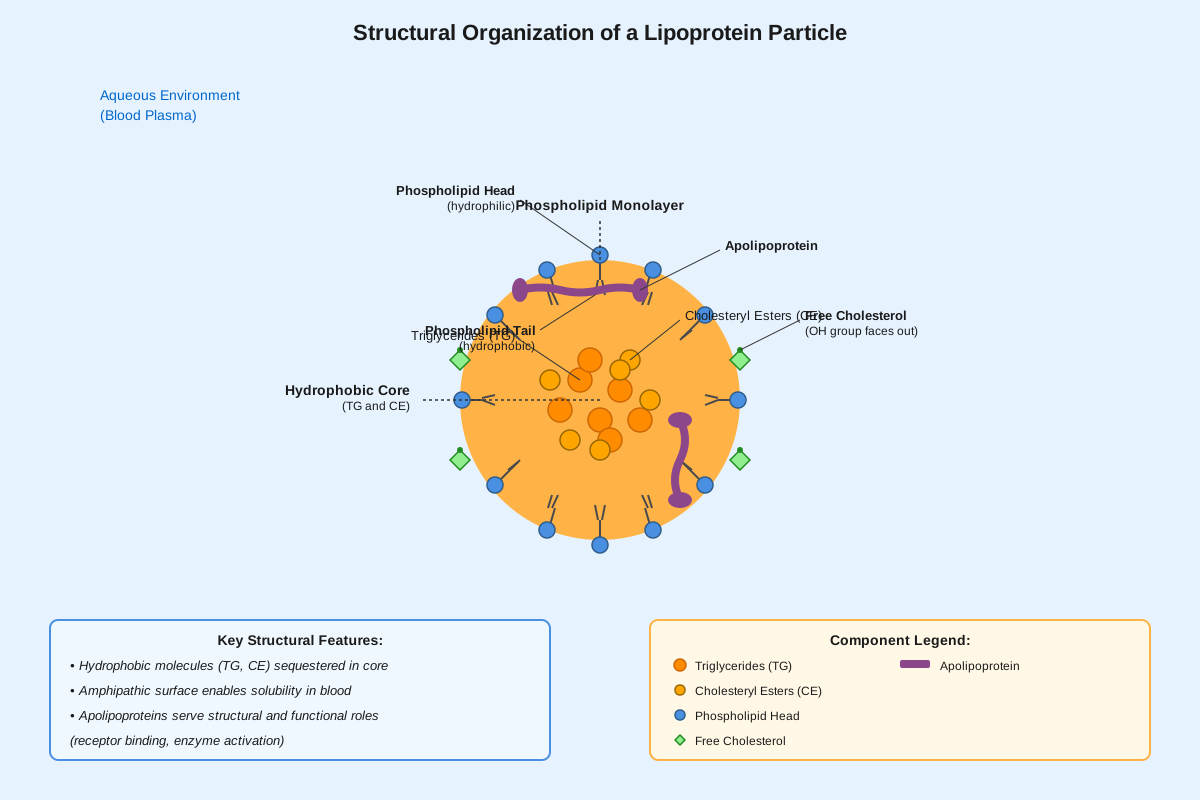
Lipoproteins are spherical particles consisting of a hydrophobic core surrounded by a hydrophilic surface monolayer. The core contains primarily triglycerides and cholesteryl esters—the most hydrophobic lipids that must be sequestered from the aqueous blood environment. The surface monolayer consists of phospholipids (primarily phosphatidylcholine), free cholesterol, and apolipoproteins. This organization allows lipoproteins to solubilize large quantities of hydrophobic lipids for transport through the bloodstream.
The phospholipids in the surface layer orient with their polar head groups facing outward toward the aqueous environment and their fatty acid tails facing inward toward the hydrophobic core. Free cholesterol molecules intercalate into this monolayer with their hydroxyl groups at the surface and their steroid rings oriented toward the core. This arrangement is distinct from the lipid bilayer structure of cell membranes, representing instead a monolayer surrounding a lipid droplet.
Apolipoproteins are specialized proteins that serve multiple critical functions: they provide structural stability to the lipoprotein particle, act as ligands for cell-surface receptors, and serve as cofactors for enzymes that modify lipoproteins. Different apolipoproteins characterize different lipoprotein classes and determine their metabolic fate. For example, apolipoprotein B-48 (apoB-48) is found exclusively on chylomicrons, while apolipoprotein B-100 (apoB-100) is the primary structural protein of LDL and serves as the ligand for the LDL receptor.
Classification of Lipoproteins
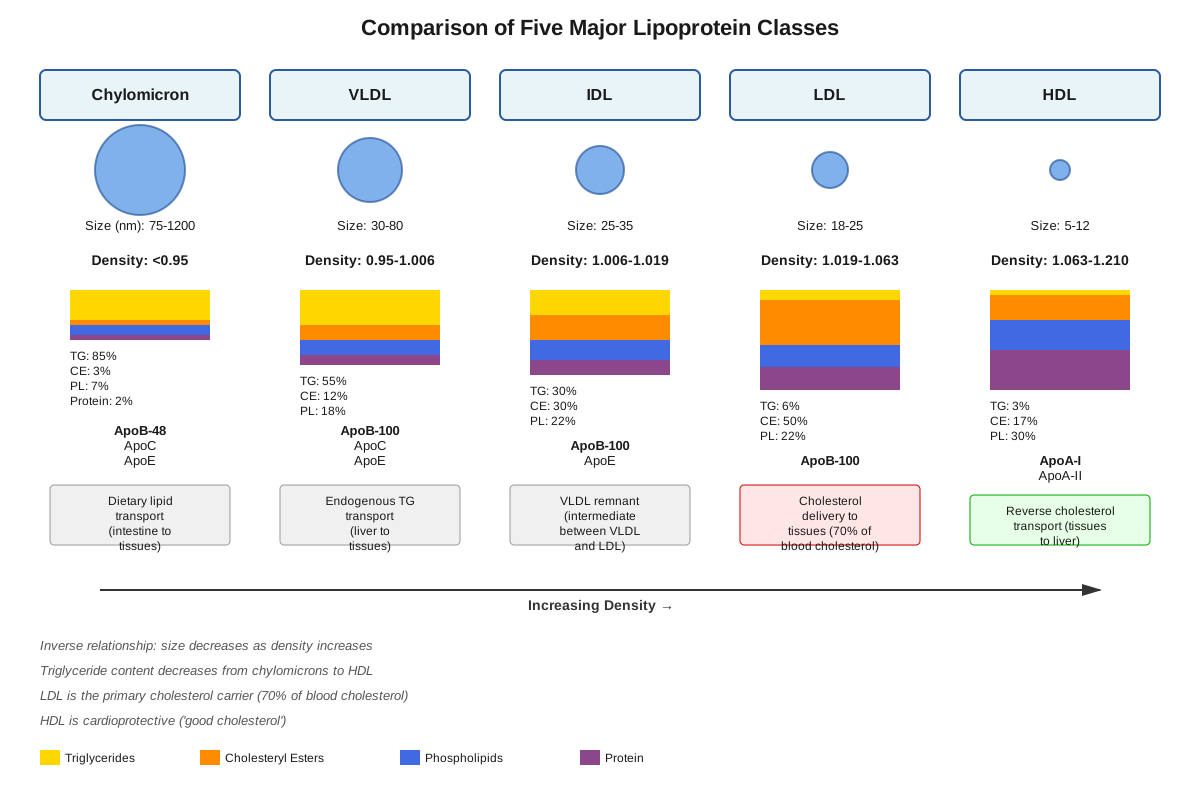
Lipoproteins are classified based on their density, which inversely correlates with their lipid content. The five major classes, from lowest to highest density, are:
| Lipoprotein Class | Density (g/mL) | Size (nm) | Primary Lipid | Major Apolipoproteins | Primary Function |
|---|---|---|---|---|---|
| Chylomicrons | <0.95 | 75-1200 | Dietary triglycerides | B-48, C-II, E | Transport dietary lipids from intestine to tissues |
| VLDL (Very Low-Density Lipoprotein) | 0.95-1.006 | 30-80 | Endogenous triglycerides | B-100, C-II, E | Transport endogenous triglycerides from liver to tissues |
| IDL (Intermediate-Density Lipoprotein) | 1.006-1.019 | 25-35 | Cholesteryl esters, triglycerides | B-100, E | Intermediate in VLDL to LDL conversion |
| LDL (Low-Density Lipoprotein) | 1.019-1.063 | 18-25 | Cholesteryl esters | B-100 | Deliver cholesterol to peripheral tissues |
| HDL (High-Density Lipoprotein) | 1.063-1.210 | 5-12 | Cholesteryl esters, phospholipids | A-I, A-II | Reverse cholesterol transport from tissues to liver |
The density differences arise from varying proportions of protein (dense) to lipid (less dense). Chylomicrons contain the highest proportion of triglycerides and the lowest proportion of protein, making them the least dense and largest particles. HDL contains the highest proportion of protein relative to lipid, making it the densest and smallest lipoprotein class.
Exogenous Lipid Pathway: Chylomicrons
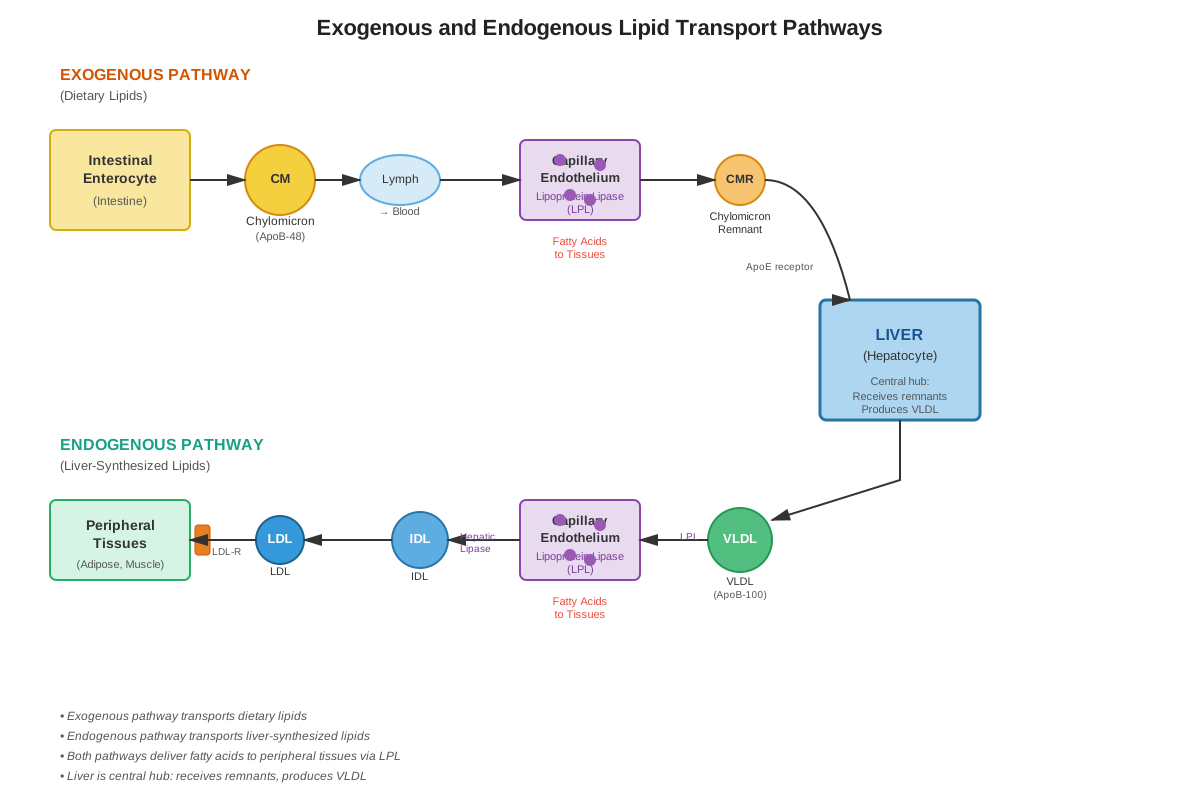
The exogenous pathway describes the transport of dietary lipids from the intestine to peripheral tissues and the liver. After lipid digestion and absorption in the small intestine, enterocytes resynthesize triglycerides and package them with cholesteryl esters, phospholipids, and apoB-48 to form chylomicrons. These nascent chylomicrons are secreted into intestinal lacteals (lymphatic vessels) rather than directly into the bloodstream, eventually entering the circulation via the thoracic duct.
In the bloodstream, nascent chylomicrons acquire apolipoprotein C-II (apoC-II) and apolipoprotein E (apoE) from circulating HDL particles. ApoC-II is crucial because it serves as a cofactor for lipoprotein lipase (LPL), an enzyme anchored to the endothelial surface of capillaries in adipose tissue, cardiac muscle, and skeletal muscle. LPL hydrolyzes triglycerides in the chylomicron core, releasing free fatty acids that are taken up by adjacent tissues for energy production or storage. This process converts chylomicrons into progressively smaller chylomicron remnants, which are enriched in cholesteryl esters and depleted of triglycerides.
Chylomicron remnants return apoC-II to HDL but retain apoE, which serves as a ligand for hepatic receptors (the remnant receptor and LDL receptor-related protein). The liver takes up chylomicron remnants via receptor-mediated endocytosis, completing the exogenous pathway. This process delivers dietary cholesterol to the liver, where it can be used for bile acid synthesis, incorporated into cell membranes, packaged into VLDL, or excreted in bile.
Endogenous Lipid Pathway: VLDL, IDL, and LDL
The endogenous pathway transports lipids synthesized in the liver to peripheral tissues. Hepatocytes package endogenously synthesized triglycerides with cholesteryl esters, phospholipids, and apoB-100 to form VLDL particles. Unlike apoB-48, apoB-100 is a full-length protein that remains with the particle throughout its metabolic cascade and serves as the ligand for the LDL receptor.
VLDL particles are secreted into the bloodstream and, like chylomicrons, acquire apoC-II and apoE from HDL. ApoC-II activates lipoprotein lipase in peripheral tissues, causing hydrolysis of VLDL triglycerides and release of free fatty acids. As VLDL loses triglycerides, it becomes progressively smaller and denser, transitioning through IDL (intermediate-density lipoprotein) to LDL. During this conversion, the particle returns apoC-II and some apoE to HDL, but retains apoB-100.
IDL represents a short-lived intermediate that can follow one of two fates: approximately half of IDL particles are taken up by the liver via apoE-mediated receptor binding, while the remainder undergo further triglyceride hydrolysis by hepatic lipase to form LDL. LDL particles are enriched in cholesteryl esters and contain apoB-100 as their sole apolipoprotein. LDL delivers cholesterol to peripheral tissues via the LDL receptor, a cell-surface receptor that recognizes apoB-100 and mediates receptor-mediated endocytosis.
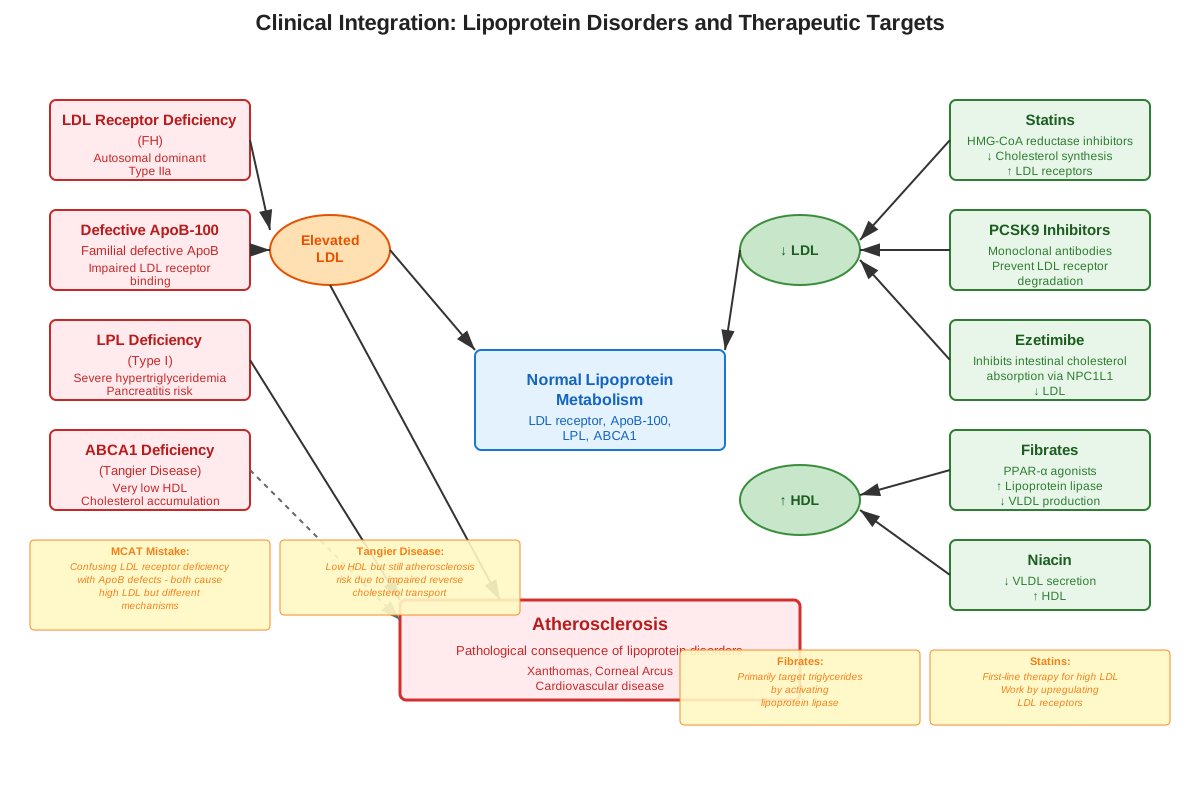
The LDL receptor pathway is subject to feedback regulation: when cellular cholesterol levels are high, cells decrease LDL receptor expression, reducing cholesterol uptake. Conversely, when cholesterol is needed, cells upregulate LDL receptor expression. This regulatory mechanism is the target of statin drugs, which inhibit HMG-CoA reductase (the rate-limiting enzyme in cholesterol synthesis), thereby depleting cellular cholesterol and upregulating LDL receptors, which increases LDL clearance from the blood.
Reverse Cholesterol Transport: HDL
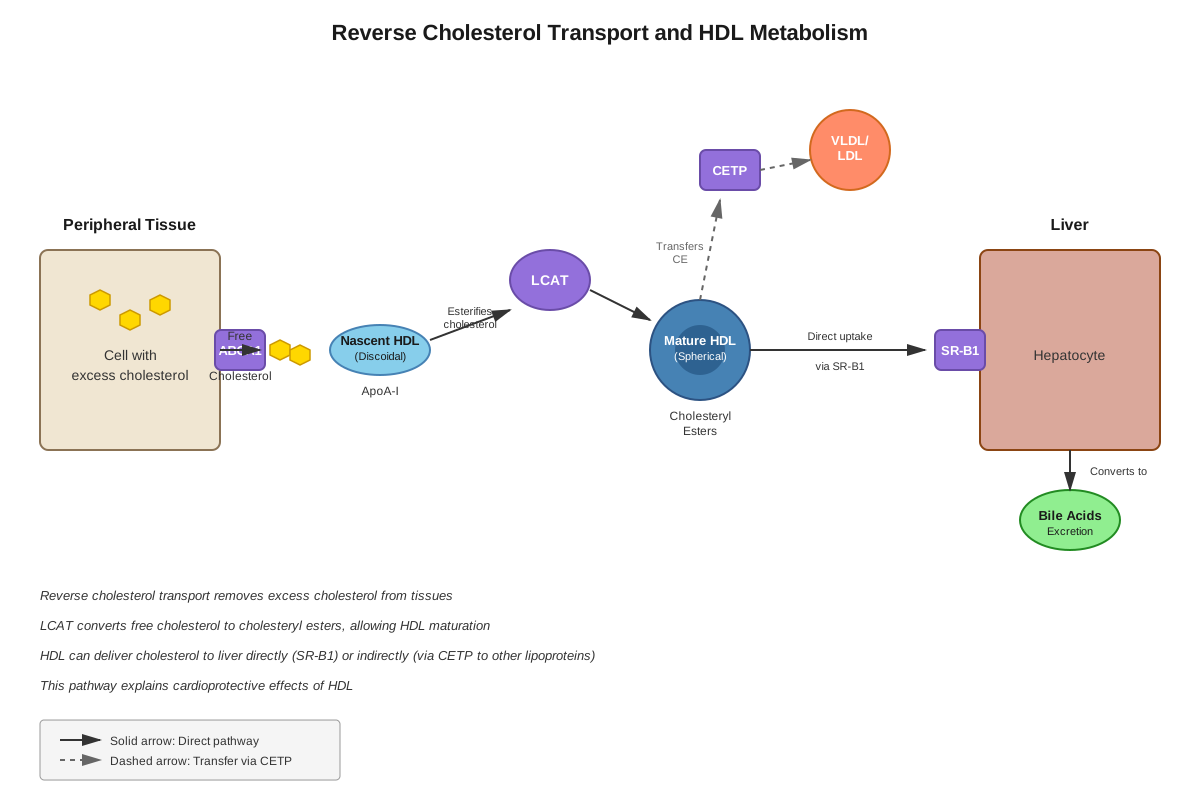
HDL (high-density lipoprotein) mediates reverse cholesterol transport, the process by which excess cholesterol is removed from peripheral tissues and returned to the liver for excretion. This pathway is atheroprotective, explaining why HDL is often called "good cholesterol." HDL particles are synthesized in both the liver and intestine as small, disc-shaped nascent HDL containing primarily phospholipids and apolipoprotein A-I (apoA-I).
Nascent HDL acquires free cholesterol from peripheral tissues via the ABCA1 transporter (ATP-binding cassette transporter A1), a membrane protein that facilitates cholesterol efflux from cells. The enzyme lecithin-cholesterol acyltransferase (LCAT), which is activated by apoA-I, then esterifies this free cholesterol to form cholesteryl esters. Because cholesteryl esters are more hydrophobic than free cholesterol, they move into the core of the HDL particle, allowing the particle to accept additional free cholesterol. This process converts disc-shaped nascent HDL into spherical mature HDL.
Mature HDL can deliver cholesterol to the liver via two mechanisms. First, HDL can bind to the SR-B1 receptor (scavenger receptor class B type 1) on hepatocytes, which selectively takes up cholesteryl esters without internalizing the entire HDL particle. Second, HDL can transfer cholesteryl esters to VLDL and LDL via cholesteryl ester transfer protein (CETP), and these particles subsequently deliver cholesterol to the liver. The liver then converts cholesterol into bile acids or excretes it directly into bile, completing reverse cholesterol transport.
Key Apolipoproteins and Their Functions
Understanding individual apolipoproteins is essential for predicting the metabolic fate of lipoproteins:
- ApoB-48: Found exclusively on chylomicrons; synthesized in the intestine; the "48" indicates it is 48% the length of apoB-100 due to RNA editing
- ApoB-100: Found on VLDL, IDL, and LDL; synthesized in the liver; serves as the ligand for the LDL receptor; each LDL particle contains exactly one apoB-100 molecule
- ApoC-II: Cofactor for lipoprotein lipase; activates LPL to hydrolyze triglycerides in chylomicrons and VLDL; deficiency causes severe hypertriglyceridemia
- ApoE: Ligand for hepatic remnant receptors; mediates uptake of chylomicron remnants and IDL by the liver; the E4 allele is associated with increased Alzheimer's disease risk
- ApoA-I: Major structural protein of HDL; activates LCAT; promotes cholesterol efflux from peripheral tissues; serves as a marker of HDL levels
Lipoprotein Metabolism Enzymes
Several enzymes play critical roles in lipoprotein metabolism:
- Lipoprotein lipase (LPL): Anchored to capillary endothelium in adipose tissue, cardiac muscle, and skeletal muscle; hydrolyzes triglycerides in chylomicrons and VLDL; requires apoC-II as a cofactor; deficiency causes type I hyperlipoproteinemia with severe hypertriglyceridemia
- Hepatic lipase: Located on hepatic sinusoidal endothelium; hydrolyzes triglycerides and phospholipids in IDL and HDL; facilitates conversion of IDL to LDL
- Lecithin-cholesterol acyltransferase (LCAT): Circulates in plasma associated with HDL; esterifies free cholesterol to cholesteryl esters; activated by apoA-I; deficiency causes accumulation of free cholesterol in tissues
- Cholesteryl ester transfer protein (CETP): Facilitates transfer of cholesteryl esters from HDL to VLDL and LDL in exchange for triglycerides; modulates HDL levels; CETP inhibitors have been investigated as potential therapies to raise HDL
Quick check — test yourself on Lipoproteins so far.
Try Flashcards →Concept Relationships
The lipoprotein system represents an integrated network of metabolic pathways that maintain lipid homeostasis. The exogenous pathway (chylomicrons) and endogenous pathway (VLDL→IDL→LDL) operate in parallel, both delivering triglycerides to peripheral tissues via lipoprotein lipase-mediated hydrolysis. These pathways converge at the level of LDL receptor-mediated cholesterol delivery to cells. The reverse cholesterol transport pathway (HDL) operates in the opposite direction, removing excess cholesterol from tissues and returning it to the liver.
The metabolic interconversions between lipoprotein classes create a dynamic system: chylomicrons become chylomicron remnants, VLDL becomes IDL and then LDL, and nascent HDL matures into spherical HDL. These transformations are driven by enzymatic modifications (primarily triglyceride hydrolysis by lipases and cholesterol esterification by LCAT) and apolipoprotein exchange between particles. HDL serves as a reservoir of apolipoproteins, donating apoC-II and apoE to triglyceride-rich lipoproteins and receiving them back as these particles are metabolized.
Lipoprotein metabolism connects to broader biochemical pathways: fatty acid oxidation uses the fatty acids released by lipoprotein lipase; cholesterol biosynthesis is regulated by cellular cholesterol levels influenced by LDL uptake; bile acid synthesis uses cholesterol delivered to the liver by remnant particles and HDL; ketone body metabolism is influenced by the availability of fatty acids from lipoprotein-derived triglycerides. Understanding these connections allows students to integrate lipoprotein metabolism into the larger context of whole-body energy metabolism and lipid homeostasis.
High-Yield Facts
⭐ Chylomicrons transport dietary lipids from the intestine to peripheral tissues and contain apoB-48, while VLDL transports endogenous lipids from the liver and contains apoB-100
⭐ LDL is considered "bad cholesterol" because elevated LDL levels promote atherosclerosis through cholesterol deposition in arterial walls
⭐ HDL is considered "good cholesterol" because it mediates reverse cholesterol transport, removing excess cholesterol from peripheral tissues
⭐ ApoC-II is an essential cofactor for lipoprotein lipase; deficiency causes severe hypertriglyceridemia
⭐ ApoB-100 serves as the ligand for the LDL receptor; each LDL particle contains exactly one apoB-100 molecule
- Lipoproteins are classified by density, which inversely correlates with lipid content: chylomicrons < VLDL < IDL < LDL < HDL
- Lipoprotein lipase is located on capillary endothelium in adipose tissue and muscle, while hepatic lipase is located on hepatic sinusoidal endothelium
- LCAT (lecithin-cholesterol acyltransferase) esterifies free cholesterol on HDL particles, allowing HDL to accept more cholesterol from peripheral tissues
- Chylomicrons enter the circulation via the lymphatic system (thoracic duct), not directly from the intestine into the portal blood
- Familial hypercholesterolemia results from LDL receptor mutations, causing severely elevated LDL cholesterol and premature atherosclerosis
- The ABCA1 transporter mediates cholesterol efflux from peripheral cells to nascent HDL, initiating reverse cholesterol transport
- Statin drugs inhibit HMG-CoA reductase, depleting cellular cholesterol and upregulating LDL receptors, thereby lowering blood LDL levels
Common Misconceptions
Misconception: All cholesterol is bad and should be eliminated from the diet.
Correction: Cholesterol is essential for cell membrane structure, steroid hormone synthesis, bile acid production, and vitamin D synthesis. The body tightly regulates cholesterol levels, and dietary cholesterol has a modest effect on blood cholesterol in most people. The focus should be on maintaining appropriate LDL and HDL levels rather than eliminating cholesterol entirely.
Misconception: Chylomicrons and VLDL are the same because they both transport triglycerides.
Correction: While both transport triglycerides, chylomicrons carry dietary (exogenous) lipids from the intestine and contain apoB-48, whereas VLDL carries endogenous lipids synthesized in the liver and contains apoB-100. They originate from different tissues and have different apolipoproteins, though they share similar metabolic fates via lipoprotein lipase action.
Misconception: HDL directly removes cholesterol from atherosclerotic plaques.
Correction: While HDL mediates reverse cholesterol transport from peripheral tissues, its ability to remove cholesterol from established atherosclerotic plaques is limited. HDL primarily prevents plaque formation by removing excess cholesterol from arterial wall macrophages before they become foam cells. Once advanced plaques form, HDL's therapeutic benefit is reduced.
Misconception: LDL receptors are only found in the liver.
Correction: LDL receptors are expressed on virtually all nucleated cells because all cells require cholesterol for membrane synthesis and other functions. However, the liver expresses the highest density of LDL receptors and clears approximately 70% of circulating LDL. Peripheral tissues also take up LDL to meet their cholesterol needs.
Misconception: Lipoprotein lipase and hepatic lipase are the same enzyme.
Correction: These are distinct enzymes with different locations and functions. Lipoprotein lipase is found on capillary endothelium in adipose tissue and muscle, requires apoC-II as a cofactor, and primarily hydrolyzes triglycerides in chylomicrons and VLDL. Hepatic lipase is located on hepatic sinusoidal endothelium, does not require apoC-II, and acts on IDL and HDL to facilitate their metabolism.
Misconception: Higher density lipoproteins contain more lipid.
Correction: The opposite is true—density inversely correlates with lipid content. Higher density lipoproteins (like HDL) contain more protein relative to lipid, making them denser. Lower density lipoproteins (like chylomicrons and VLDL) contain more lipid relative to protein, making them less dense. This is why HDL is the smallest and densest lipoprotein class.
Worked Examples
Example 1: Lipoprotein Lipase Deficiency
Clinical Vignette: A 25-year-old patient presents with recurrent pancreatitis and is found to have a serum triglyceride level of 2,500 mg/dL (normal <150 mg/dL). Genetic testing reveals a homozygous mutation in the gene encoding lipoprotein lipase. Which lipoprotein classes would be most elevated in this patient's blood?
Analysis:
- Identify the enzyme defect: Lipoprotein lipase (LPL) is responsible for hydrolyzing triglycerides in chylomicrons and VLDL at the capillary endothelium of adipose tissue and muscle.
- Determine which lipoproteins are LPL substrates: Both chylomicrons (carrying dietary triglycerides) and VLDL (carrying endogenous triglycerides) require LPL for triglyceride hydrolysis and conversion to remnant particles.
- Predict the metabolic consequence: Without functional LPL, chylomicrons cannot be converted to chylomicron remnants, and VLDL cannot be converted to IDL and LDL. Both triglyceride-rich lipoproteins will accumulate in the bloodstream.
- Consider the clinical presentation: Extremely elevated triglycerides (>1,000 mg/dL) cause chylomicronemia syndrome, which increases pancreatitis risk due to triglyceride-induced pancreatic inflammation. The milky appearance of blood (lipemia) is characteristic.
Answer: Both chylomicrons and VLDL would be markedly elevated. This condition is called type I hyperlipoproteinemia or familial chylomicronemia syndrome. Treatment involves severe dietary fat restriction (<15 g/day) to minimize chylomicron formation, since the endogenous VLDL pathway cannot be easily modified.
Connection to Learning Objectives: This example demonstrates application of lipoprotein metabolism to clinical scenarios, identification of enzyme functions, and prediction of metabolic consequences from genetic defects—all key MCAT skills.
Example 2: Familial Hypercholesterolemia
Clinical Vignette: A 35-year-old man with a family history of early myocardial infarction has a total cholesterol of 350 mg/dL and LDL cholesterol of 280 mg/dL (normal <100 mg/dL). Physical examination reveals xanthomas (cholesterol deposits) on his Achilles tendons. Genetic testing shows a heterozygous mutation in the LDL receptor gene. Explain the biochemical basis for his elevated LDL cholesterol and why statin therapy would be beneficial.
Analysis:
- Understand normal LDL metabolism: LDL particles deliver cholesterol to cells via the LDL receptor, which recognizes apoB-100. After receptor-mediated endocytosis, LDL is degraded in lysosomes, releasing free cholesterol. High intracellular cholesterol suppresses LDL receptor expression (negative feedback).
- Identify the defect: Heterozygous familial hypercholesterolemia means the patient has one functional and one non-functional LDL receptor allele, reducing LDL receptor expression by approximately 50%. This impairs LDL clearance from the bloodstream.
- Explain the elevated LDL: With fewer functional LDL receptors, hepatocytes and peripheral cells cannot efficiently remove LDL from circulation. LDL particles remain in the bloodstream longer, increasing plasma LDL concentration. The prolonged circulation time also increases the likelihood of LDL oxidation and uptake by arterial wall macrophages, promoting atherosclerosis.
- Explain statin mechanism: Statins inhibit HMG-CoA reductase, the rate-limiting enzyme in cholesterol biosynthesis. This depletes intracellular cholesterol, which triggers compensatory upregulation of LDL receptor expression. Even though the patient has only 50% normal receptor function, increasing the expression of functional receptors enhances LDL clearance and lowers plasma LDL levels.
- Consider additional therapies: The patient might also benefit from ezetimibe (inhibits intestinal cholesterol absorption) or PCSK9 inhibitors (prevent LDL receptor degradation, increasing receptor availability). Homozygous familial hypercholesterolemia (both alleles defective) is much more severe and may require LDL apheresis.
Answer: The LDL receptor mutation reduces LDL clearance from the bloodstream, causing LDL accumulation. Statin therapy lowers intracellular cholesterol, upregulating the remaining functional LDL receptors and enhancing LDL removal from circulation. This demonstrates how understanding receptor-mediated endocytosis and feedback regulation enables prediction of therapeutic responses.
Connection to Learning Objectives: This example integrates lipoprotein structure (apoB-100 as receptor ligand), receptor-mediated endocytosis, feedback regulation of cholesterol metabolism, and pharmacological intervention—all testable MCAT concepts.
Exam Strategy
When approaching MCAT questions on lipoproteins, first identify which lipoprotein class is being discussed by looking for key descriptors: dietary lipids suggest chylomicrons; liver-synthesized triglycerides suggest VLDL; cholesterol delivery to tissues suggests LDL; cholesterol removal from tissues suggests HDL. Pay attention to apolipoprotein mentions, as these often provide definitive identification (apoB-48 = chylomicrons; apoB-100 = VLDL/LDL; apoA-I = HDL).
Trigger words and phrases to watch for include:
- "Dietary fat absorption" or "postprandial lipemia" → chylomicrons
- "Endogenous lipid synthesis" or "hepatic triglyceride secretion" → VLDL
- "Atherosclerosis" or "cholesterol deposition in arteries" → LDL
- "Reverse cholesterol transport" or "atheroprotective" → HDL
- "Lipoprotein lipase" → chylomicrons and VLDL (triglyceride-rich lipoproteins)
- "Familial hypercholesterolemia" → LDL receptor defect
- "Xanthomas" or "corneal arcus" → cholesterol accumulation disorders
For process-of-elimination strategies, remember that density inversely correlates with size and lipid content. If a question asks about the largest lipoprotein, eliminate HDL and LDL immediately. If asked about the most protein-rich lipoprotein, eliminate chylomicrons and VLDL. When evaluating answer choices about apolipoprotein functions, remember that apoB-100 is the LDL receptor ligand, apoC-II activates lipoprotein lipase, apoE is the remnant receptor ligand, and apoA-I activates LCAT.
Time allocation advice: Straightforward lipoprotein classification questions should take 30-45 seconds. Clinical vignettes requiring integration of multiple concepts (e.g., predicting the effect of an enzyme deficiency on multiple lipoprotein classes) may require 90-120 seconds. Don't get bogged down trying to recall minor details about rare lipoprotein disorders—focus on the major classes and their primary functions. If a passage provides a lipid panel with cholesterol and triglyceride values, quickly assess whether LDL is high (atherosclerosis risk) or HDL is low (reduced atheroprotection) before reading the questions.
Exam Tip: When a question presents a genetic mutation affecting lipoprotein metabolism, systematically trace the metabolic pathway: What is the normal function of the affected protein? Which lipoproteins depend on this function? What would accumulate if this function is lost? What would be depleted? This structured approach prevents errors and ensures complete analysis.
Memory Techniques
Mnemonic for lipoprotein density order (least to most dense):
"Can't Very Imagine Losing HDL"
- Chylomicrons
- VLDL
- IDL
- LDL
- HDL
Mnemonic for apolipoprotein functions:
"C-II Activates, E Eliminates, B-100 Binds"
- C-II activates lipoprotein lipase
- E eliminates remnants (ligand for hepatic uptake)
- B-100 binds LDL receptor
Visualization strategy for lipoprotein structure: Picture a spherical oil droplet (triglycerides and cholesteryl esters) surrounded by a soap bubble (phospholipid monolayer with proteins embedded). The soap bubble analogy helps remember that the hydrophilic heads face outward while hydrophobic tails face inward—similar to how soap solubilizes grease.
Acronym for HDL function: "HDL = Healthy Delivery to Liver" emphasizes reverse cholesterol transport from peripheral tissues back to the liver for excretion.
Memory aid for LDL vs. HDL:
- LDL = Lousy cholesterol (promotes atherosclerosis)
- HDL = Healthy cholesterol (atheroprotective)
Sequence memory for VLDL metabolism: Think of VLDL as "Very Large" → IDL as "Intermediate" → LDL as "Little" to remember the size progression as triglycerides are removed.
Summary
Lipoproteins are essential macromolecular complexes that solubilize and transport hydrophobic lipids through the aqueous bloodstream. The five major classes—chylomicrons, VLDL, IDL, LDL, and HDL—differ in density, size, composition, and function, with density inversely correlating with lipid content. Chylomicrons transport dietary lipids via the exogenous pathway, while VLDL, IDL, and LDL participate in the endogenous pathway that delivers liver-synthesized lipids to peripheral tissues. HDL mediates reverse cholesterol transport, removing excess cholesterol from tissues and returning it to the liver. Apolipoproteins serve as structural components, receptor ligands, and enzyme cofactors that determine lipoprotein metabolism. Key enzymes including lipoprotein lipase, hepatic lipase, and LCAT modify lipoproteins during their metabolic transformations. Understanding lipoprotein structure, classification, and metabolism is essential for interpreting clinical scenarios involving cardiovascular disease, genetic lipid disorders, and lipid-lowering therapies—all high-yield topics for the MCAT.
Key Takeaways
- Lipoproteins consist of a hydrophobic core (triglycerides and cholesteryl esters) surrounded by a hydrophilic surface (phospholipids, free cholesterol, and apolipoproteins)
- The five major classes in order of increasing density are: chylomicrons < VLDL < IDL < LDL < HDL, with density inversely correlating with lipid content
- Chylomicrons (containing apoB-48) transport dietary lipids, while VLDL (containing apoB-100) transports endogenous lipids; both are metabolized by lipoprotein lipase
- LDL delivers cholesterol to peripheral tissues via the LDL receptor and is atherogenic when elevated; HDL removes cholesterol from tissues via reverse cholesterol transport and is atheroprotective
- ApoC-II activates lipoprotein lipase, apoE mediates hepatic remnant uptake, apoB-100 binds the LDL receptor, and apoA-I activates LCAT
- Familial hypercholesterolemia results from LDL receptor mutations and causes severely elevated LDL cholesterol and premature atherosclerosis
- Statin drugs lower LDL by inhibiting cholesterol synthesis, which upregulates LDL receptor expression and enhances LDL clearance from the bloodstream
Related Topics
Cholesterol Biosynthesis: Understanding the HMG-CoA reductase pathway and its regulation provides context for how cells obtain cholesterol when LDL uptake is insufficient and explains the mechanism of statin drugs. Mastering lipoproteins enables deeper comprehension of cholesterol homeostasis.
Fatty Acid Metabolism: The fatty acids released by lipoprotein lipase action on chylomicrons and VLDL enter β-oxidation pathways for energy production or are re-esterified for storage. Lipoprotein metabolism directly feeds into cellular energy metabolism.
Bile Acid Synthesis: Cholesterol delivered to the liver by chylomicron remnants and HDL serves as the substrate for bile acid synthesis. Understanding this connection explains how the body eliminates excess cholesterol and links lipoprotein metabolism to digestive physiology.
Atherosclerosis and Cardiovascular Disease: The pathophysiology of atherosclerosis centers on LDL oxidation, foam cell formation, and plaque development. Lipoprotein knowledge is essential for understanding cardiovascular disease mechanisms tested on the MCAT.
Receptor-Mediated Endocytosis: The LDL receptor pathway exemplifies receptor-mediated endocytosis and provides a model for understanding how cells selectively internalize specific macromolecules. This cell biology concept frequently appears alongside lipoprotein questions.
Practice CTA
Now that you've mastered the core concepts of lipoprotein structure, classification, and metabolism, it's time to reinforce your understanding through active practice. Work through the practice questions to apply your knowledge to MCAT-style scenarios, and use the flashcards to solidify high-yield facts and relationships. Remember, understanding lipoproteins provides essential context for cardiovascular physiology, metabolic disorders, and pharmacology—topics that integrate across multiple MCAT sections. Your investment in mastering this material will pay dividends not only on test day but also in your future medical education. Stay focused, practice deliberately, and trust in your growing expertise!
Sign up free to keep reading
Create a free AnvayaPrep account to finish this MCAT guide on Lipoproteins — plus flashcards and practice questions.