Overview
Endocytosis is a fundamental cellular process by which cells internalize materials from their external environment by engulfing them within membrane-bound vesicles. This active transport mechanism is essential for nutrient uptake, receptor regulation, immune surveillance, and cellular communication. In the context of Cell Biology, endocytosis represents one of the primary methods cells use to interact with and sample their surroundings, complementing the passive and active transport mechanisms that move individual molecules across membranes. Understanding endocytosis requires integrating knowledge of membrane structure, energy metabolism, and protein function—making it a high-yield topic that bridges multiple domains of Biology.
For the MCAT, endocytosis appears regularly in both passage-based and discrete questions, particularly in sections testing biological and biochemical foundations of living systems. The exam frequently presents scenarios involving receptor-mediated endocytosis in drug delivery, viral entry mechanisms, cholesterol regulation, and immune cell function. Questions may ask students to predict the effects of mutations in endocytic proteins, interpret experimental data about vesicle formation, or apply knowledge of endocytosis to novel clinical scenarios. The topic integrates seamlessly with membrane biology, signal transduction, and cellular energetics—all high-yield MCAT domains.
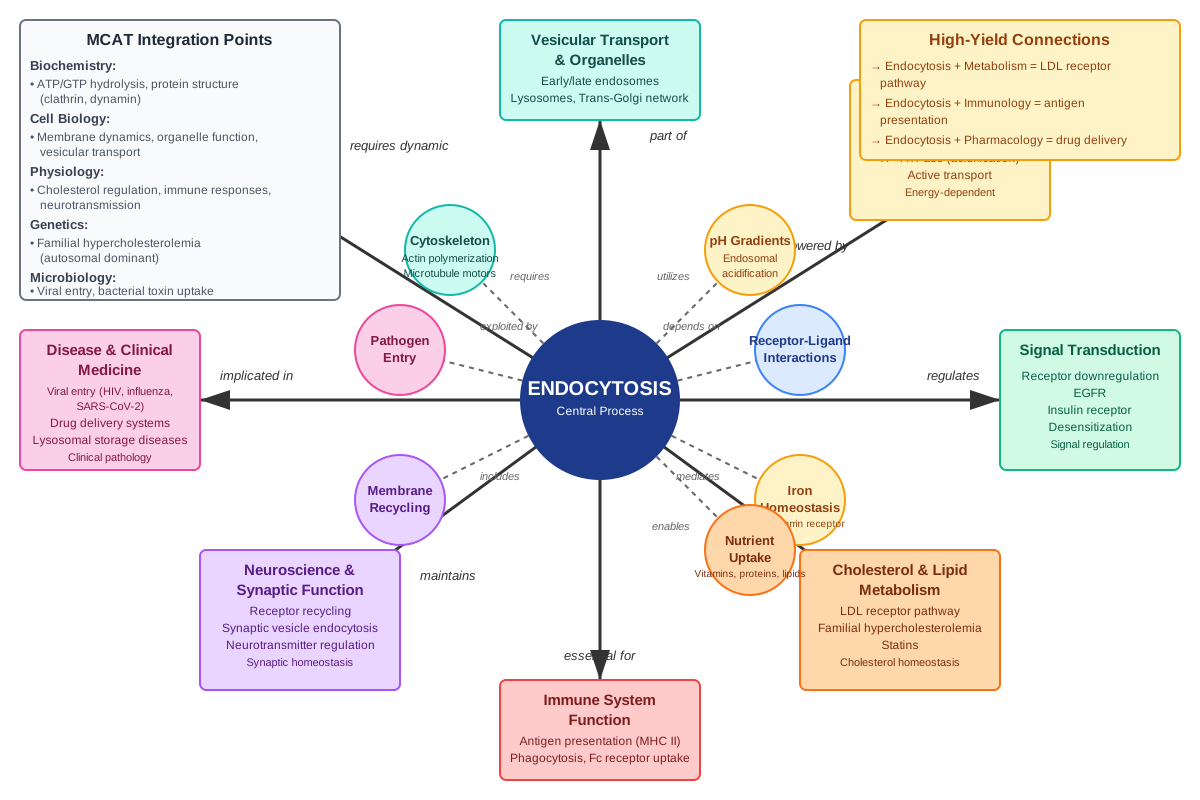
The big-picture relationship of Endocytosis Biology to other concepts is extensive. Endocytosis connects directly to membrane structure and fluidity, as the process requires dynamic membrane remodeling. It relates to cellular energetics because vesicle formation and transport require ATP. The process links to signal transduction through receptor internalization and downregulation. Additionally, endocytosis connects to immune function (antigen presentation), metabolism (LDL uptake), and even neuroscience (neurotransmitter receptor recycling). Mastering endocytosis provides a foundation for understanding how cells maintain homeostasis while responding dynamically to environmental changes.
Learning Objectives
- [ ] Define Endocytosis using accurate Biology terminology
- [ ] Explain why Endocytosis matters for the MCAT
- [ ] Apply Endocytosis to exam-style questions
- [ ] Identify common mistakes related to Endocytosis
- [ ] Connect Endocytosis to related Biology concepts
- [ ] Distinguish between the three major types of endocytosis and their specific functions
- [ ] Describe the molecular machinery involved in clathrin-mediated endocytosis
- [ ] Predict the physiological consequences of defective endocytic pathways
- [ ] Analyze experimental scenarios involving endocytosis to draw valid conclusions
Prerequisites
- Plasma membrane structure: Understanding phospholipid bilayer composition and fluidity is essential because endocytosis involves membrane invagination and vesicle formation
- Active transport and ATP: Endocytosis requires energy input, so familiarity with ATP hydrolysis and cellular energetics is necessary
- Protein structure and function: Many endocytic processes depend on specific proteins (receptors, coat proteins) whose structure determines function
- Vesicular transport: Basic knowledge of how membrane-bound compartments move within cells provides context for endocytic vesicle trafficking
- Receptor-ligand interactions: Understanding binding specificity and affinity is crucial for receptor-mediated endocytosis
Why This Topic Matters
Endocytosis has profound clinical and physiological significance. Familial hypercholesterolemia, a genetic disorder affecting LDL receptor-mediated endocytosis, leads to dangerously elevated cholesterol levels and early cardiovascular disease. Many pathogens, including influenza virus, HIV, and SARS-CoV-2, exploit endocytic pathways to enter host cells. Pharmaceutical companies design drugs and nanoparticles that hijack endocytic mechanisms for targeted drug delivery. Neurons rely on endocytosis to recycle synaptic vesicle components and regulate neurotransmitter receptor density at synapses. Immune cells use endocytosis to sample their environment, internalize pathogens, and present antigens to T cells—a process fundamental to adaptive immunity.
On the MCAT, endocytosis appears in approximately 3-5% of Biological and Biochemical Foundations questions. The topic most commonly appears in passage-based questions that present experimental data about cellular uptake mechanisms, drug delivery systems, or viral entry. Discrete questions often test the distinction between endocytosis types or ask about the energy requirements and directionality of the process. The MCAT particularly favors questions that require students to apply endocytosis concepts to novel scenarios rather than simply recall definitions.
Common exam presentations include: passages describing experiments tracking fluorescently labeled molecules entering cells; clinical vignettes about genetic disorders affecting receptor function; research scenarios investigating how cells internalize nanoparticles or therapeutic antibodies; and questions comparing endocytosis to exocytosis or other transport mechanisms. The exam may present graphs showing time-dependent uptake of substances or ask students to interpret the effects of temperature, ATP depletion, or protein mutations on endocytic rates.
Core Concepts
Definition and Overview of Endocytosis
Endocytosis is an energy-dependent process by which cells internalize extracellular material by forming membrane-bound vesicles that bud inward from the plasma membrane. Unlike channel-mediated or carrier-mediated transport, which move individual molecules or ions, endocytosis can internalize large particles, macromolecules, and even entire microorganisms. The process is fundamentally active transport because it requires ATP, either directly for vesicle formation or indirectly for maintaining ion gradients that drive the process.
The general mechanism involves: (1) recognition or binding of material to be internalized, (2) invagination of the plasma membrane to form a pocket, (3) pinching off of the membrane to create an intracellular vesicle, and (4) trafficking of the vesicle to appropriate cellular destinations. The internalized vesicle, called an endosome, typically fuses with other membrane compartments such as lysosomes for degradation or recycling compartments for membrane and receptor return to the cell surface.
Three Major Types of Endocytosis
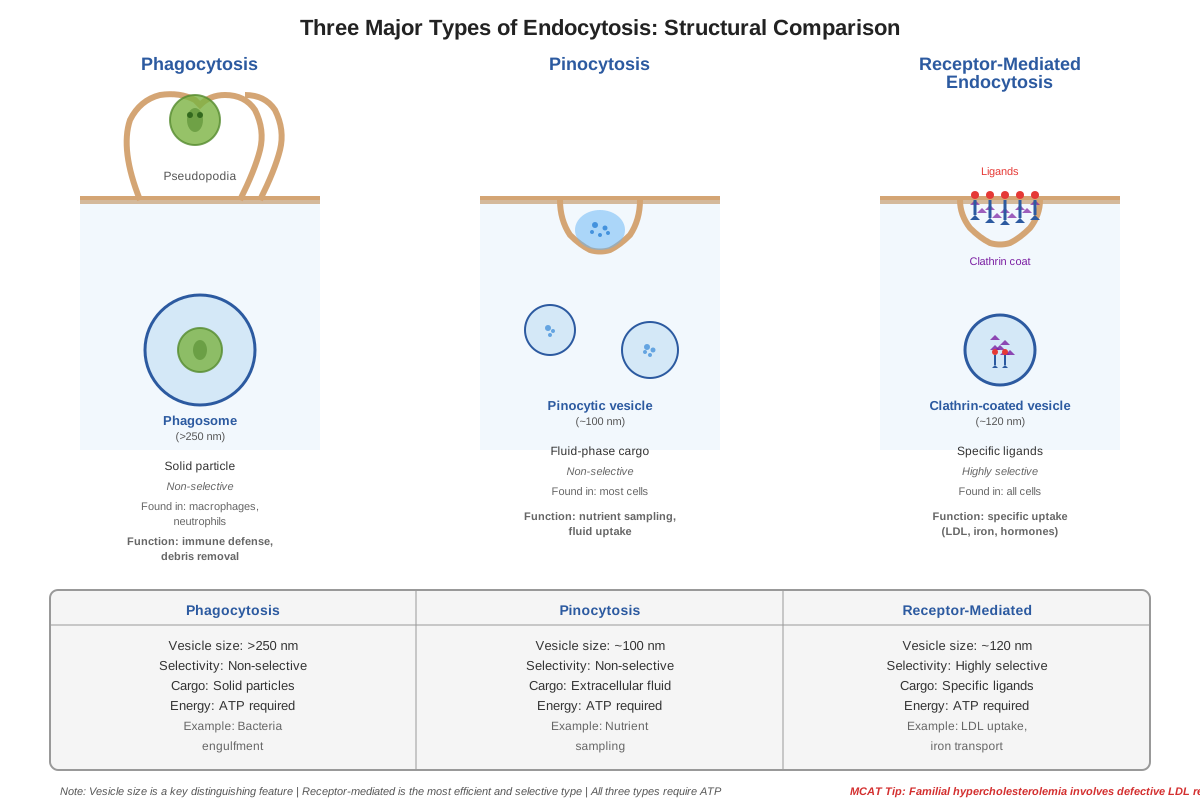
Endocytosis encompasses three distinct mechanisms, each with specific functions and molecular machinery:
| Type | Size of Material | Specificity | Key Proteins | Primary Functions |
|---|---|---|---|---|
| Phagocytosis | Large particles (>0.5 μm) | Specific (receptor-mediated) | Actin, myosin, Fc receptors | Immune defense, debris removal |
| Pinocytosis | Fluid and small solutes | Non-specific | Various | Nutrient sampling, fluid balance |
| Receptor-Mediated Endocytosis | Specific macromolecules | Highly specific | Clathrin, adaptins, specific receptors | Nutrient uptake, signal regulation |
Phagocytosis: "Cell Eating"
Phagocytosis (literally "cell eating") is the process by which cells engulf large particles, including bacteria, dead cells, and debris. This mechanism is primarily employed by specialized immune cells called phagocytes, including macrophages, neutrophils, and dendritic cells. The process begins when receptors on the phagocyte surface recognize and bind to the target particle. Common recognition mechanisms include binding to antibodies coating the particle (opsonization), complement proteins, or pathogen-associated molecular patterns.
Upon binding, the plasma membrane extends pseudopodia (arm-like projections) around the particle, driven by actin polymerization and myosin motor proteins. The pseudopodia eventually fuse, completely enclosing the particle in a large vesicle called a phagosome. The phagosome then fuses with lysosomes to form a phagolysosome, where acidic pH and hydrolytic enzymes degrade the internalized material. This process is crucial for innate immunity and tissue remodeling.
Pinocytosis: "Cell Drinking"
Pinocytosis (literally "cell drinking") is the non-specific uptake of extracellular fluid and dissolved solutes. This constitutive process occurs continuously in most cells, allowing them to sample their environment and maintain fluid balance. Unlike phagocytosis, pinocytosis forms much smaller vesicles (typically 0.1 μm or less) and does not require specific recognition of cargo.
Pinocytosis can occur through several mechanisms, including clathrin-independent endocytosis and macropinocytosis. Macropinocytosis involves the formation of large, irregular membrane ruffles that collapse back onto the cell surface, trapping extracellular fluid in large vesicles. This process is particularly important in antigen-presenting cells and cancer cells. While pinocytosis is often described as non-specific, cells can regulate the rate of pinocytosis in response to growth factors and other signals.
Receptor-Mediated Endocytosis: Selective Uptake
Receptor-mediated endocytosis (RME) is the most selective and efficient form of endocytosis, allowing cells to concentrate and internalize specific macromolecules from the extracellular environment. This process depends on specific receptors in the plasma membrane that bind target molecules (ligands) with high affinity. The most well-characterized form of RME is clathrin-mediated endocytosis.
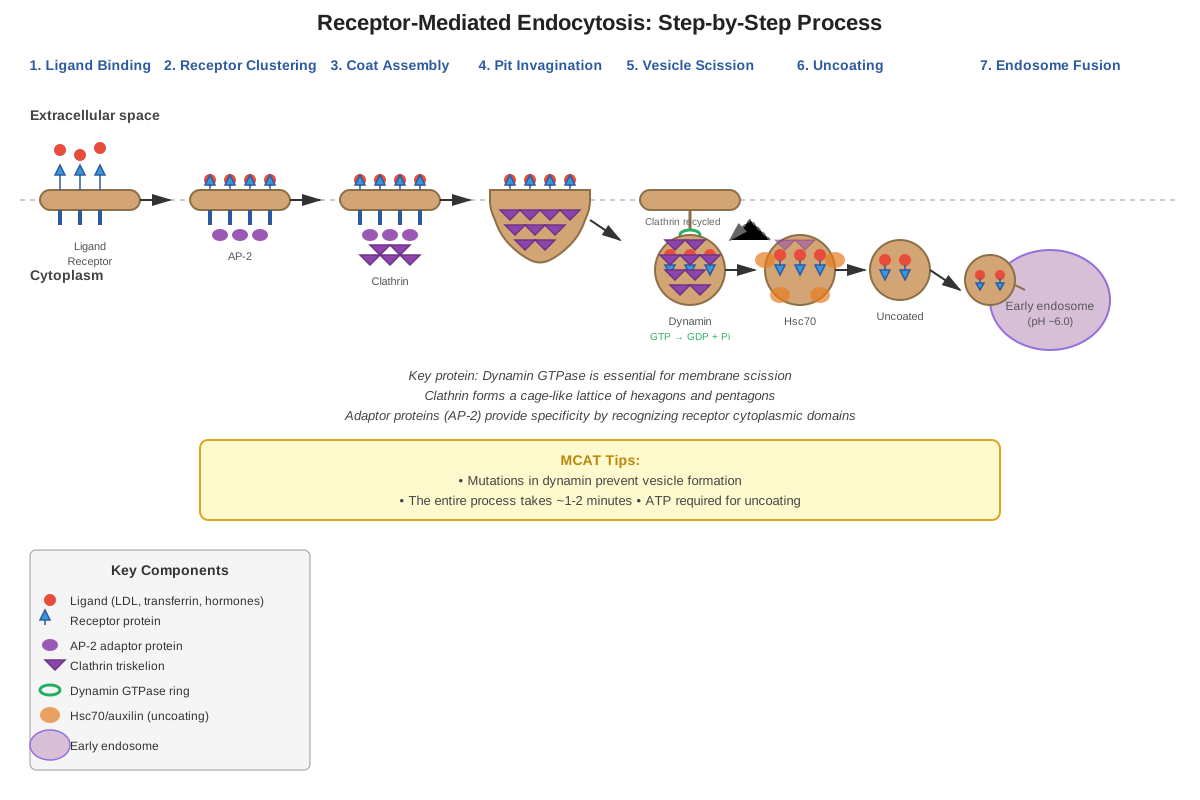
The process occurs in distinct steps:
- Cargo recognition and receptor clustering: Specific ligands bind to their receptors on the cell surface. These receptor-ligand complexes then cluster in specialized regions of the membrane called coated pits.
- Coat assembly: The cytoplasmic tails of receptors interact with adaptor proteins (such as AP-2), which in turn recruit clathrin molecules. Clathrin assembles into a lattice-like coat on the cytoplasmic side of the membrane, forming a characteristic basket structure composed of three-legged units called triskelions.
- Membrane invagination: As more clathrin assembles, the membrane progressively invaginates, forming a deeply curved pit. This process requires energy and involves additional proteins that help bend the membrane.
- Vesicle scission: The GTPase dynamin assembles around the neck of the invaginated pit and, upon GTP hydrolysis, constricts and severs the vesicle from the plasma membrane.
- Uncoating: Shortly after formation, the clathrin coat is removed by uncoating ATPases (such as Hsc70), allowing the vesicle to fuse with early endosomes.
- Sorting and recycling: Within endosomes, receptors and ligands are sorted. Many receptors are recycled back to the plasma membrane, while ligands are typically directed to lysosomes for degradation.
The LDL Receptor Pathway: A Classic Example
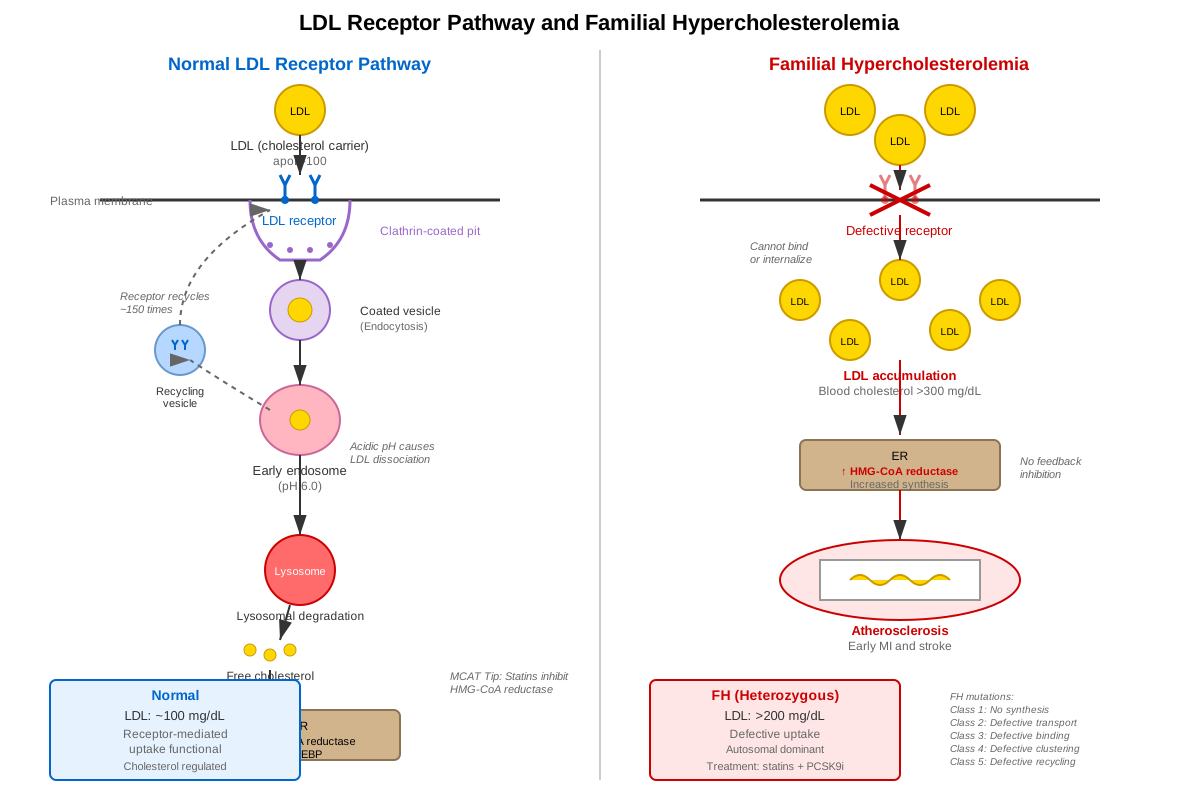
The low-density lipoprotein (LDL) receptor pathway is the paradigmatic example of receptor-mediated endocytosis and is clinically significant. LDL particles carry cholesterol in the bloodstream. Cells requiring cholesterol express LDL receptors that bind LDL particles with high affinity. The LDL-receptor complexes cluster in clathrin-coated pits and are internalized via the mechanism described above.
Once inside the cell, the acidic environment of the endosome causes LDL to dissociate from its receptor. The receptor is recycled back to the cell surface (with a half-life of about 20 minutes), while the LDL particle is delivered to lysosomes. There, lysosomal enzymes break down the LDL, releasing free cholesterol for cellular use. This cholesterol regulates cellular cholesterol synthesis through feedback inhibition of HMG-CoA reductase and reduces further LDL receptor expression.
Familial hypercholesterolemia results from mutations in the LDL receptor gene, preventing normal receptor-mediated endocytosis of LDL. Patients with this condition have severely elevated blood cholesterol levels, leading to premature atherosclerosis and heart disease.
Energy Requirements and Directionality
All forms of endocytosis are energy-dependent processes. The energy requirement comes from multiple sources:
- ATP hydrolysis directly powers proteins like dynamin (for vesicle scission) and Hsc70 (for clathrin uncoating)
- GTP hydrolysis by small GTPases regulates vesicle formation and trafficking
- Actin polymerization in phagocytosis and macropinocytosis requires ATP
- Maintenance of ion gradients (particularly H+ gradients in endosomes) requires ATP-dependent pumps
Endocytosis moves material from outside to inside the cell, opposite to exocytosis. This directionality is crucial for understanding cellular homeostasis and the balance between membrane addition (exocytosis) and removal (endocytosis).
Regulation of Endocytosis
Cells tightly regulate endocytosis in response to physiological needs. Regulation occurs at multiple levels:
- Receptor expression: Cells upregulate or downregulate receptor synthesis based on need
- Receptor modification: Phosphorylation and ubiquitination can trigger receptor internalization
- Coat protein availability: The abundance of clathrin and adaptor proteins can limit endocytic capacity
- Signaling pathways: Growth factors, hormones, and other signals modulate endocytic rates
- Membrane composition: Lipid composition, particularly cholesterol content, affects membrane curvature and vesicle formation
Concept Relationships
The concepts within endocytosis are hierarchically organized. The overarching process of endocytosis branches into three major types (phagocytosis, pinocytosis, and receptor-mediated endocytosis), each with distinct mechanisms and functions. Receptor-mediated endocytosis further subdivides into clathrin-dependent and clathrin-independent pathways. All types share common features: energy dependence, membrane invagination, vesicle formation, and intracellular trafficking.
The relationship map flows as follows: Membrane recognition/binding → Membrane invagination → Coat protein assembly (in RME) → Vesicle scission (dynamin-mediated) → Uncoating → Endosome fusion → Sorting (recycling vs. degradation) → Lysosomal degradation or receptor recycling.
Endocytosis connects to prerequisite topics through multiple pathways. The process depends fundamentally on membrane structure—the fluidity and composition of the phospholipid bilayer enable the membrane deformation required for vesicle formation. Active transport concepts apply because endocytosis requires ATP and moves materials against concentration gradients. Protein structure determines receptor specificity, coat protein assembly, and enzyme function in lysosomes.
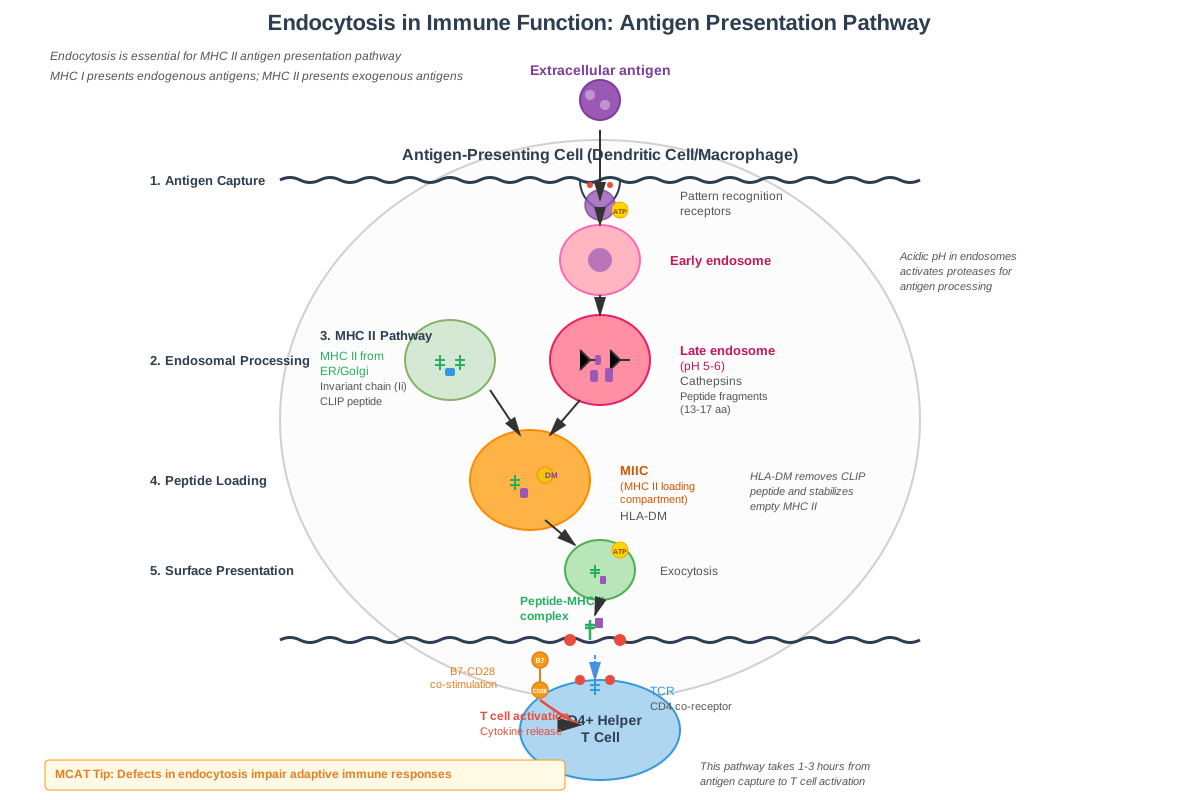
Endocytosis also connects forward to advanced topics. It links to signal transduction because receptor internalization is a key mechanism for signal termination and receptor downregulation. The process connects to immune function through phagocytosis of pathogens and antigen presentation. It relates to metabolism through nutrient uptake (LDL, transferrin-bound iron) and to neuroscience through synaptic vesicle recycling. Understanding endocytosis is essential for comprehending viral pathogenesis, as many viruses exploit endocytic pathways for cell entry.
Quick check — test yourself on Endocytosis so far.
Try Flashcards →High-Yield Facts
⭐ Endocytosis is an active, energy-dependent process that requires ATP for vesicle formation, scission, and trafficking.
⭐ Receptor-mediated endocytosis is highly specific and involves clathrin-coated pits, adaptor proteins, and dynamin for vesicle scission.
⭐ Phagocytosis is performed primarily by specialized immune cells (macrophages, neutrophils) and involves actin-driven pseudopodia formation.
⭐ The LDL receptor pathway is the classic example of receptor-mediated endocytosis; defects cause familial hypercholesterolemia.
⭐ Dynamin is a GTPase that constricts around the neck of budding vesicles to sever them from the plasma membrane.
- Pinocytosis is constitutive and non-specific, allowing cells to sample extracellular fluid continuously.
- Clathrin forms a lattice-like coat composed of triskelions (three-legged structures) on the cytoplasmic side of the membrane.
- Endosomes have an acidic pH (approximately 5.5-6.0) maintained by ATP-dependent proton pumps.
- Receptor recycling allows cells to reuse receptors multiple times, with LDL receptors cycling every 10-20 minutes.
- Many viruses (influenza, HIV) and bacterial toxins (diphtheria toxin) exploit endocytic pathways to enter cells.
- Ubiquitination of receptors often signals their internalization and targeting for lysosomal degradation rather than recycling.
- Cholesterol-rich membrane microdomains called lipid rafts can serve as platforms for certain types of endocytosis.
Common Misconceptions
Misconception: Endocytosis is a passive process that occurs spontaneously when molecules bind to receptors.
Correction: Endocytosis is an active, energy-dependent process requiring ATP for multiple steps including vesicle formation, scission (via dynamin), coat protein assembly and disassembly, and vesicle trafficking. Cells depleted of ATP cannot perform endocytosis.
Misconception: All endocytosis is receptor-mediated and specific.
Correction: While receptor-mediated endocytosis is highly specific, pinocytosis is non-specific and continuously internalizes extracellular fluid and dissolved solutes without requiring specific receptors. Phagocytosis can be either specific (when mediated by receptors recognizing opsonized particles) or relatively non-specific.
Misconception: Endocytosed material always ends up degraded in lysosomes.
Correction: The fate of endocytosed material varies. While many ligands are directed to lysosomes for degradation, receptors are frequently recycled back to the plasma membrane. Some materials undergo transcytosis (transport across the cell). The sorting decision occurs in endosomes based on pH, receptor modifications, and sorting signals.
Misconception: Clathrin directly binds to receptors in the plasma membrane.
Correction: Clathrin does not bind directly to receptors. Instead, adaptor proteins (such as AP-2) serve as intermediaries, binding to both the cytoplasmic tails of receptors and to clathrin. This adaptor-mediated linkage allows for selective cargo recruitment into clathrin-coated pits.
Misconception: Phagocytosis and pinocytosis are just different names for the same process.
Correction: Phagocytosis and pinocytosis are mechanistically and functionally distinct. Phagocytosis involves large particles (>0.5 μm), requires actin-driven pseudopodia, is typically receptor-mediated, and is performed mainly by specialized immune cells. Pinocytosis involves small vesicles, internalizes fluid and solutes, occurs constitutively in most cells, and does not require pseudopodia formation.
Misconception: Endocytosis only moves material into the cell; it doesn't affect the plasma membrane itself.
Correction: Endocytosis removes membrane from the cell surface, reducing surface area. Cells must balance endocytosis with exocytosis to maintain membrane homeostasis. The membrane components themselves (lipids and proteins) are often recycled, and this membrane trafficking is essential for maintaining cell size and surface protein composition.
Worked Examples
Example 1: LDL Receptor Mutation Analysis
Question: A patient presents with extremely high serum cholesterol levels (>600 mg/dL). Genetic analysis reveals a mutation in the LDL receptor gene that prevents the receptor from clustering in clathrin-coated pits, though the receptor still binds LDL normally at the cell surface. Which of the following best explains the patient's hypercholesterolemia?
A) LDL cannot bind to the mutant receptor
B) LDL-receptor complexes cannot be internalized
C) Lysosomes cannot degrade LDL
D) Cholesterol cannot be released from LDL in endosomes
Worked Solution:
Step 1: Identify what the mutation affects. The question states the receptor binds LDL normally but cannot cluster in coated pits. This means the binding function is intact, but the internalization signal is defective.
Step 2: Recall the steps of receptor-mediated endocytosis. After ligand binding, receptors must cluster in clathrin-coated pits, which requires interaction between the receptor's cytoplasmic tail and adaptor proteins. The coated pit then invaginates and pinches off to form a vesicle.
Step 3: Determine the consequence of the mutation. If receptors cannot cluster in coated pits, they cannot be internalized even though they bind LDL. The LDL-receptor complexes remain at the cell surface and cannot deliver cholesterol to the cell interior.
Step 4: Connect to the clinical presentation. Without LDL internalization, cells cannot obtain cholesterol from blood LDL. This leads to: (1) continued high expression of LDL receptors (no feedback inhibition), (2) continued cellular cholesterol synthesis, and (3) persistently elevated blood LDL levels because LDL is not being cleared from circulation.
Step 5: Evaluate answer choices:
- A is incorrect—the question states binding is normal
- B is correct—this directly describes the consequence of the mutation
- C is incorrect—the problem occurs before lysosomal delivery
- D is incorrect—the problem occurs before endosome formation
Answer: B
Key Learning Points: This question tests understanding of the sequential steps in receptor-mediated endocytosis and the ability to predict consequences of specific molecular defects. It also connects to the clinical significance of the LDL pathway and familial hypercholesterolemia.
Example 2: Experimental Analysis of Endocytosis
Question: Researchers are studying cellular uptake of a fluorescently labeled protein. They observe that uptake is temperature-dependent (no uptake at 4°C, normal uptake at 37°C), requires ATP, and is blocked by drugs that prevent dynamin function. Additionally, electron microscopy shows the protein concentrated in membrane invaginations coated with a lattice-like protein structure. Which type of endocytosis is most likely responsible for this uptake?
Worked Solution:
Step 1: Analyze the experimental observations systematically.
- Temperature dependence: Suggests an active process requiring membrane fluidity and protein function
- ATP requirement: Confirms active transport, rules out passive diffusion
- Dynamin dependence: Dynamin is specifically required for vesicle scission in certain endocytic pathways
- Lattice-like coat: Strongly suggests clathrin, which forms characteristic lattice structures
Step 2: Consider the three major types of endocytosis:
- Phagocytosis: Involves large particles, actin-driven pseudopodia, typically not described as having lattice coats
- Pinocytosis: Can be clathrin-independent, generally non-specific
- Receptor-mediated endocytosis: Specifically involves clathrin-coated pits, requires dynamin, is highly regulated
Step 3: Match observations to mechanisms. The combination of clathrin coating (lattice structure), dynamin requirement, and energy dependence is characteristic of clathrin-mediated receptor-mediated endocytosis.
Step 4: Consider why temperature matters. At 4°C, membrane fluidity is greatly reduced, protein conformational changes are inhibited, and ATP-dependent processes are blocked. This explains why endocytosis stops at low temperature.
Step 5: Integrate the findings. The protein is likely binding to specific receptors, which cluster in clathrin-coated pits. The coated pit invaginates, and dynamin severs the vesicle. All these steps require energy and proper temperature.
Answer: Receptor-mediated endocytosis (specifically clathrin-mediated endocytosis)
Key Learning Points: This question requires integrating multiple experimental observations to identify the endocytic mechanism. It tests understanding of the molecular machinery (clathrin, dynamin), energy requirements, and experimental approaches to studying endocytosis. The ability to interpret electron microscopy findings and drug effects is also assessed.
Exam Strategy
When approaching MCAT questions on endocytosis, first identify what type of endocytosis is being described or asked about. Look for key trigger words: "large particles" or "bacteria" suggests phagocytosis; "specific receptor" or "clathrin" indicates receptor-mediated endocytosis; "fluid uptake" or "non-specific" points to pinocytosis.
For passage-based questions, carefully track experimental manipulations. If a passage describes blocking ATP, lowering temperature, or inhibiting specific proteins (dynamin, clathrin), predict the consequences based on your mechanistic understanding. Questions often present novel scenarios but test fundamental principles—apply your knowledge of energy requirements, directionality, and molecular machinery to new contexts.
Watch for questions comparing endocytosis to exocytosis or other transport mechanisms. Remember that endocytosis is active (requires energy), moves material inward, and can transport large particles or volumes—distinguishing it from channel or carrier proteins. When questions ask about directionality, remember that endocytosis removes membrane from the surface while exocytosis adds membrane.
Process-of-elimination strategies: If an answer choice suggests endocytosis is passive or doesn't require energy, eliminate it immediately. If a choice confuses the types of endocytosis (e.g., suggesting phagocytosis is non-specific or that pinocytosis requires clathrin), eliminate it. Be wary of choices that reverse cause and effect (e.g., suggesting receptor binding occurs after vesicle formation).
Time allocation: Discrete questions on endocytosis typically require 60-90 seconds—enough time to recall the mechanism and apply it to the question. Passage-based questions may require 90-120 seconds, as you'll need to integrate passage information with your background knowledge. Don't get bogged down trying to recall every molecular detail; focus on the fundamental mechanism and energy requirements.
Memory Techniques
Mnemonic for the three types: "PPR" - Phagocytosis (cell eating, large particles), Pinocytosis (cell drinking, fluid), Receptor-mediated (specific uptake).
Mnemonic for receptor-mediated endocytosis steps: "Can Cats Invade Small Sunny Rooms?"
- Cargo recognition
- Coat assembly (clathrin)
- Invagination
- Scission (dynamin)
- Sorting in endosomes
- Recycling or degradation
Visualization strategy: Picture a cell as a house. Phagocytosis is like opening the door to bring in large furniture (big particles). Pinocytosis is like leaving windows open to let in air and moisture (non-specific fluid). Receptor-mediated endocytosis is like a mail slot that only accepts letters with the correct address (specific receptors for specific ligands).
Acronym for clathrin-mediated endocytosis machinery: "CAD" - Clathrin (coat protein), Adaptors (AP-2, linking receptors to clathrin), Dynamin (scissors that cut the vesicle).
Memory aid for LDL pathway: Think "Low Density Lipoproteins Love Lysosomes" to remember that LDL is internalized via receptor-mediated endocytosis and delivered to lysosomes for cholesterol release.
Summary
Endocytosis is an active, energy-dependent process by which cells internalize extracellular material through membrane invagination and vesicle formation. The three major types—phagocytosis, pinocytosis, and receptor-mediated endocytosis—differ in specificity, size of internalized material, and molecular machinery. Receptor-mediated endocytosis, particularly the clathrin-mediated pathway, is the most selective mechanism, involving specific receptors, adaptor proteins, clathrin coat assembly, and dynamin-mediated vesicle scission. The LDL receptor pathway exemplifies this process and has significant clinical relevance in familial hypercholesterolemia. All forms of endocytosis require ATP, either directly for protein function or indirectly for maintaining necessary ion gradients. Internalized material is delivered to endosomes, where sorting decisions determine whether receptors are recycled or degraded and whether cargo proceeds to lysosomes. Understanding endocytosis requires integrating knowledge of membrane biology, protein function, cellular energetics, and vesicular trafficking—making it a high-yield topic that connects multiple domains of cell biology tested on the MCAT.
Key Takeaways
- Endocytosis is active transport requiring ATP; it moves material from outside to inside the cell via membrane-bound vesicles
- The three types are phagocytosis (large particles, immune cells), pinocytosis (fluid, non-specific), and receptor-mediated endocytosis (specific macromolecules)
- Clathrin-mediated endocytosis involves receptor clustering in coated pits, clathrin lattice formation, and dynamin-mediated vesicle scission
- The LDL receptor pathway is the classic example; defects cause familial hypercholesterolemia with severely elevated cholesterol
- Receptors are often recycled back to the plasma membrane while ligands are degraded in lysosomes
- Endocytosis connects to membrane structure, signal transduction, immune function, and metabolism—making it a high-yield integrative topic
- Many pathogens and toxins exploit endocytic pathways for cell entry, giving the topic clinical and research significance
Related Topics
Exocytosis: The reverse process of endocytosis, where cells release material by fusing intracellular vesicles with the plasma membrane. Understanding endocytosis provides the foundation for comprehending how cells balance membrane addition and removal.
Lysosomal storage diseases: Genetic disorders affecting lysosomal enzymes that degrade endocytosed material. Mastering endocytosis enables understanding of how defective degradation leads to accumulation of specific substrates.
Signal transduction and receptor regulation: Endocytosis is a key mechanism for terminating signals and downregulating receptors. This topic builds directly on endocytosis concepts.
Viral pathogenesis: Many viruses exploit endocytic pathways for cell entry, including receptor-mediated endocytosis and macropinocytosis. Understanding endocytosis is essential for comprehending viral infection mechanisms.
Membrane trafficking and the endomembrane system: Endocytosis is one component of the larger system of vesicular transport connecting organelles. This advanced topic integrates endocytosis with ER, Golgi, and lysosomal function.
Practice CTA
Now that you've mastered the core concepts of endocytosis, it's time to solidify your understanding through active practice. Challenge yourself with MCAT-style practice questions that require you to apply these concepts to novel scenarios, interpret experimental data, and make predictions about cellular behavior. Use flashcards to reinforce high-yield facts, particularly the distinctions between endocytosis types and the molecular machinery involved in each. Remember, the MCAT rewards deep understanding and application ability, not just memorization—so focus on practicing problems that require you to think critically about endocytic mechanisms. You've built a strong foundation; now strengthen it through deliberate practice!
Sign up free to keep reading
Create a free AnvayaPrep account to finish this MCAT guide on Endocytosis — plus flashcards and practice questions.