Overview
Micelles are spherical aggregates of amphipathic molecules that form spontaneously in aqueous solutions when the concentration of these molecules exceeds a critical threshold. These structures represent one of the most fundamental concepts in Biochemistry, particularly within the study of Lipids and Membranes. Understanding micelles is essential for comprehending how biological systems solubilize, transport, and process hydrophobic molecules in aqueous environments—a challenge that cells face constantly in maintaining homeostasis and executing metabolic functions.
For the MCAT, micelles appear frequently in both the Biological and Biochemical Foundations of Living Systems section and the Chemical and Physical Foundations of Biological Systems section. Questions may test understanding of micelle formation, structure, function in digestion, or their role in drug delivery systems. The topic bridges multiple disciplines: organic chemistry (amphipathic molecule structure), general chemistry (thermodynamics of self-assembly), biochemistry (lipid digestion and absorption), and physiology (nutrient processing). Approximately 2-4 questions per MCAT administration directly or indirectly assess knowledge of micelles, making this a medium-yield but consistently tested topic.
The broader significance of Micelles Biochemistry extends to understanding biological membranes, lipoprotein particles, detergent action, and pharmaceutical formulations. Micelles serve as a conceptual bridge between simple molecular properties (hydrophobicity and hydrophilicity) and complex biological processes (fat digestion, vitamin absorption, and cellular signaling). Mastering this topic provides the foundation for understanding more complex lipid structures such as liposomes, bilayers, and lipoproteins—all of which appear on the MCAT with regularity.
Learning Objectives
- [ ] Define Micelles using accurate Biochemistry terminology
- [ ] Explain why Micelles matters for the MCAT
- [ ] Apply Micelles to exam-style questions
- [ ] Identify common mistakes related to Micelles
- [ ] Connect Micelles to related Biochemistry concepts
- [ ] Calculate and interpret the critical micelle concentration (CMC) from experimental data
- [ ] Compare and contrast micelles with other lipid aggregates (bilayers, liposomes, reverse micelles)
- [ ] Predict micelle formation based on molecular structure and environmental conditions
Prerequisites
- Amphipathic molecules: Understanding that molecules possess both hydrophobic and hydrophilic regions is essential for predicting micelle formation and structure
- Intermolecular forces: Knowledge of hydrogen bonding, van der Waals forces, and hydrophobic interactions explains the thermodynamic driving forces behind micelle assembly
- Thermodynamics basics: Concepts of entropy, enthalpy, and Gibbs free energy are necessary to understand why micelles form spontaneously
- Lipid structure: Familiarity with fatty acids, phospholipids, and cholesterol provides context for which biological molecules form micelles
- Acid-base chemistry: pH effects on ionizable groups influence micelle formation, particularly for fatty acids and bile salts
Why This Topic Matters
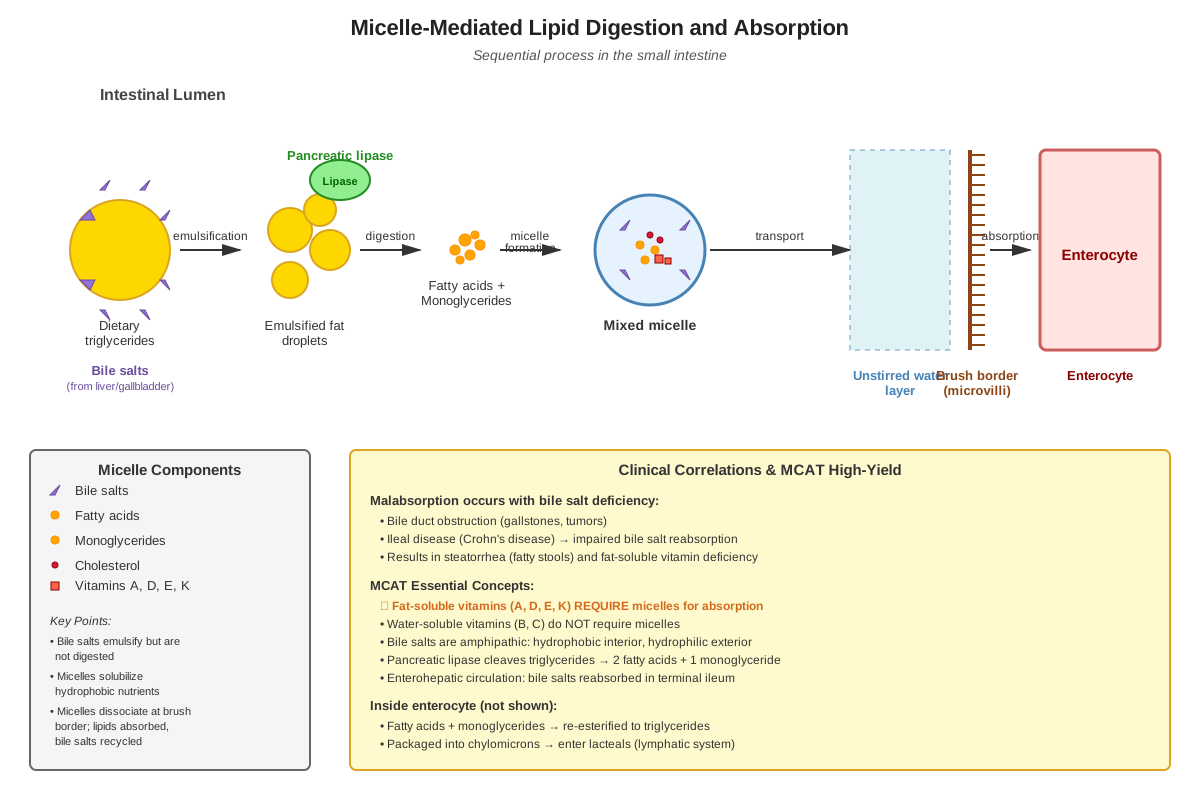
Micelles MCAT questions frequently appear in passages about digestive physiology, particularly fat digestion and absorption in the small intestine. The MCAT tests understanding of how bile salts emulsify dietary fats and form mixed micelles that transport lipophilic nutrients (fatty acids, monoglycerides, fat-soluble vitamins A, D, E, and K, and cholesterol) to intestinal epithelial cells. This physiological process represents one of the most clinically relevant applications of micelle chemistry.
Clinically, micelle dysfunction contributes to malabsorption syndromes. Patients with bile salt deficiency (due to liver disease, bile duct obstruction, or ileal resection) cannot form adequate micelles, leading to steatorrhea (fatty stools) and deficiencies in fat-soluble vitamins. Understanding micelles is also crucial for pharmaceutical sciences—many poorly water-soluble drugs are formulated in micellar delivery systems to enhance bioavailability.
On the MCAT, micelle-related questions appear in approximately 3-5% of biochemistry passages, often integrated with:
- Digestive system physiology passages
- Lipid metabolism and transport questions
- Experimental passages involving detergents or surfactants
- Physical chemistry passages on colligative properties or phase behavior
- Organic chemistry passages on soap formation and amphipathic molecule synthesis
Common question formats include: identifying which molecules can form micelles, predicting the effect of pH or salt concentration on micelle stability, interpreting graphs of surface tension versus surfactant concentration, and applying knowledge of micelles to explain experimental observations in passage-based questions.
Core Concepts
Definition and Basic Structure
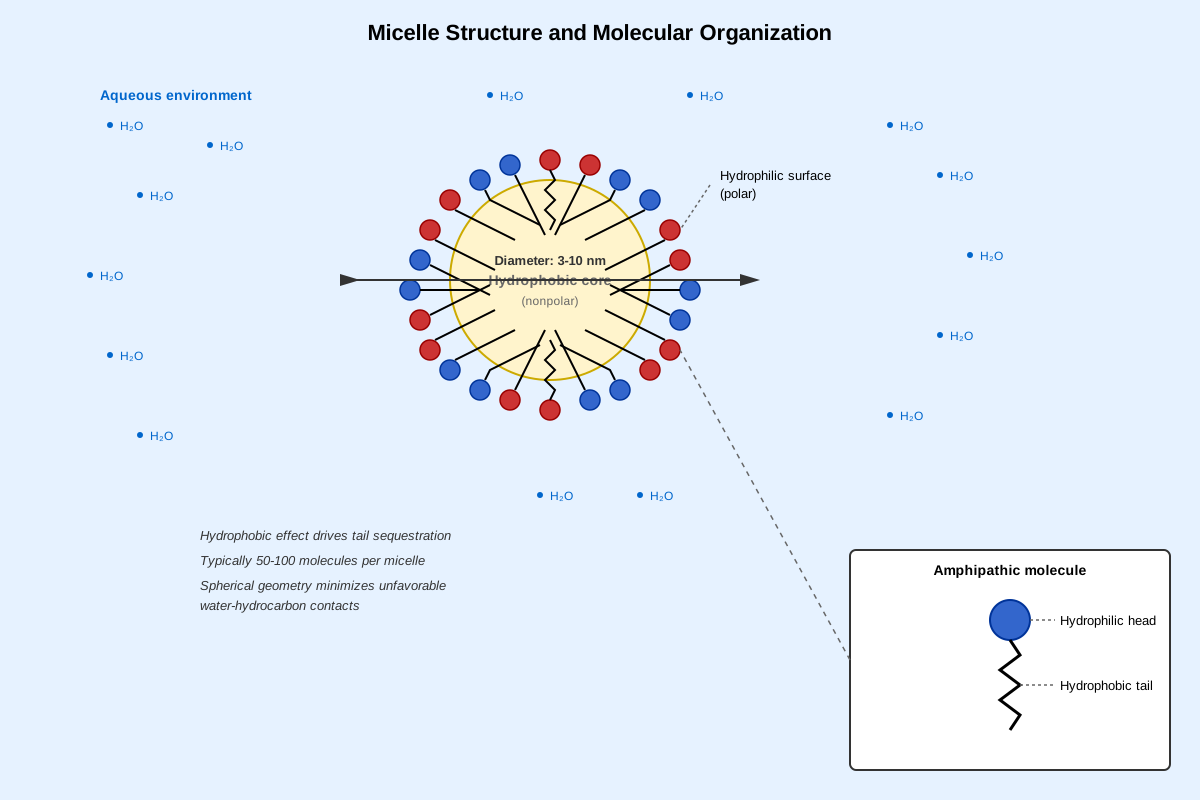
A micelle is a colloidal aggregate of surfactant molecules (typically 50-100 molecules) that forms in aqueous solution above a specific concentration threshold. The defining characteristic of micelles is their organization: hydrophobic "tails" cluster together in the interior, shielded from water, while hydrophilic "heads" face outward, interacting with the aqueous environment. This arrangement minimizes unfavorable interactions between nonpolar groups and water while maximizing favorable interactions between polar groups and water.
The formation of micelles is driven by the hydrophobic effect—the thermodynamically favorable process by which nonpolar molecules aggregate in aqueous solution to minimize the disruption of water's hydrogen bonding network. When amphipathic molecules are dispersed individually in water, they force water molecules to form ordered "cages" around hydrophobic regions, decreasing entropy. When these molecules aggregate into micelles, water molecules are released from these ordered structures, dramatically increasing entropy and making the process spontaneous (negative ΔG).
Critical Micelle Concentration (CMC)
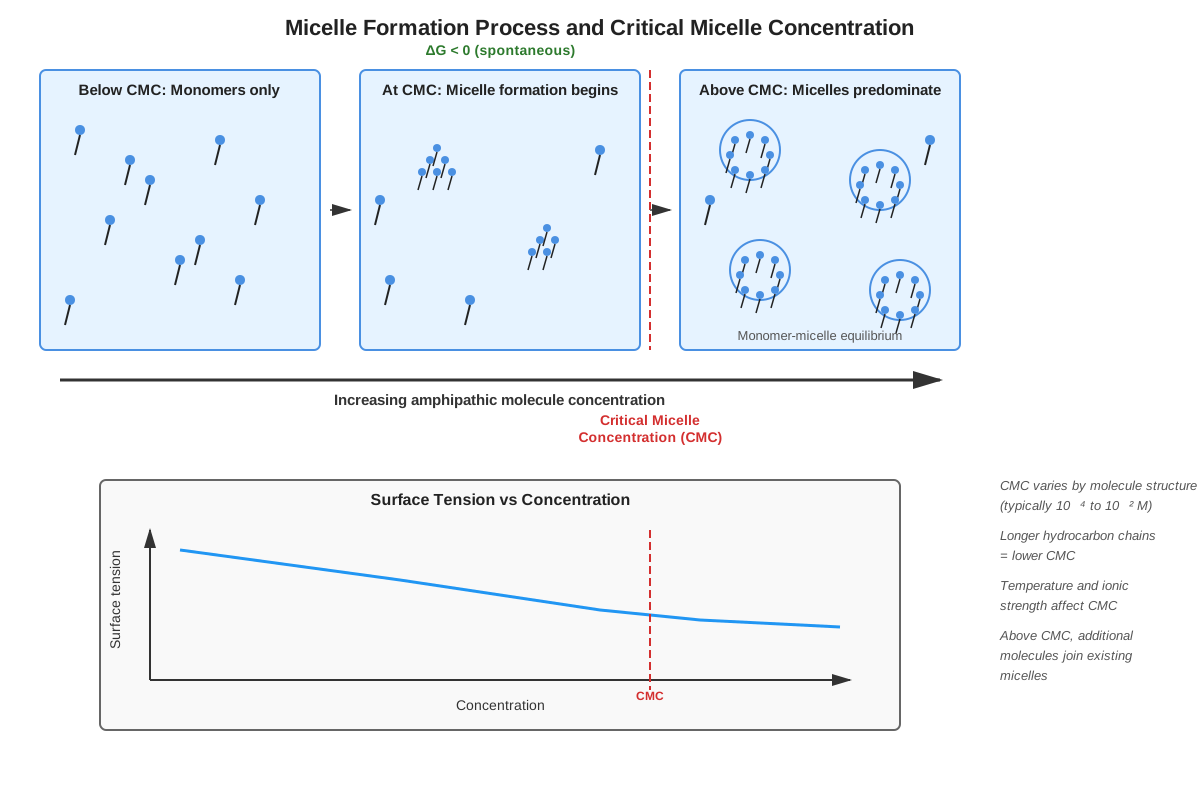
The critical micelle concentration (CMC) is the narrow concentration range at which micelles begin to form spontaneously. Below the CMC, amphipathic molecules exist primarily as monomers dispersed in solution. Above the CMC, any additional surfactant molecules added to the solution preferentially join existing micelles rather than remaining as monomers. The CMC is a characteristic property of each surfactant and depends on:
- Hydrocarbon chain length: Longer chains have lower CMC values because increased hydrophobic interactions favor aggregation
- Head group charge: Ionic surfactants have higher CMC values than nonionic surfactants due to electrostatic repulsion between charged head groups
- Temperature: Generally, CMC increases with temperature for ionic surfactants but may decrease for nonionic surfactants
- Ionic strength: Added salt decreases CMC for ionic surfactants by screening electrostatic repulsions
- pH: For ionizable surfactants (like fatty acids), pH affects the degree of ionization and thus the CMC
The CMC can be determined experimentally by measuring properties that change abruptly at this concentration, such as surface tension, electrical conductivity, or light scattering intensity.
Micelle Formation Thermodynamics
Micelle formation is an example of self-assembly—a spontaneous process driven by thermodynamics rather than covalent bond formation. The Gibbs free energy change for micellization (ΔG°mic) is negative, indicating spontaneity:
ΔG°mic = ΔH°mic - TΔS°mic < 0The enthalpy change (ΔH°mic) is typically small and can be positive or negative depending on the surfactant. The entropy change (ΔS°mic) is positive and large, primarily due to:
- Release of ordered water molecules from around hydrophobic tails (major favorable contribution)
- Loss of translational freedom of surfactant molecules (unfavorable contribution)
- Increased conformational freedom of hydrocarbon chains in the micelle interior (favorable contribution)
The net result is that entropy drives micelle formation, making it an entropy-driven process—a key concept for MCAT questions.
Biological Micelles: Bile Salts and Mixed Micelles
In human physiology, bile salts (such as cholate, deoxycholate, and chenodeoxycholate) are the primary micelle-forming molecules. Bile salts are synthesized from cholesterol in the liver and secreted into the small intestine. Unlike typical surfactants with linear hydrocarbon tails, bile salts have a rigid steroid structure with hydroxyl groups and a charged side chain, making them facial amphiphiles (one face hydrophobic, the other hydrophilic).
Bile salts form primary micelles at relatively high concentrations (10-20 mM) due to their unusual structure. More importantly, they form mixed micelles with the products of lipid digestion:
- Fatty acids (from triglyceride hydrolysis by pancreatic lipase)
- 2-Monoglycerides (from triglyceride hydrolysis)
- Cholesterol
- Lysophospholipids (from phospholipid hydrolysis by phospholipase A2)
- Fat-soluble vitamins (A, D, E, K)
Mixed micelles have a lower CMC than pure bile salt micelles and can solubilize much larger quantities of hydrophobic molecules. The interior of mixed micelles contains the most hydrophobic components (fatty acid chains, cholesterol), while bile salts and monoglycerides form the surface with their polar groups facing the aqueous environment.
Micelles vs. Other Lipid Aggregates
Understanding the distinctions between different lipid structures is crucial for MCAT success:
| Structure | Geometry | Lipid Type | Environment | Size | Key Feature |
|---|---|---|---|---|---|
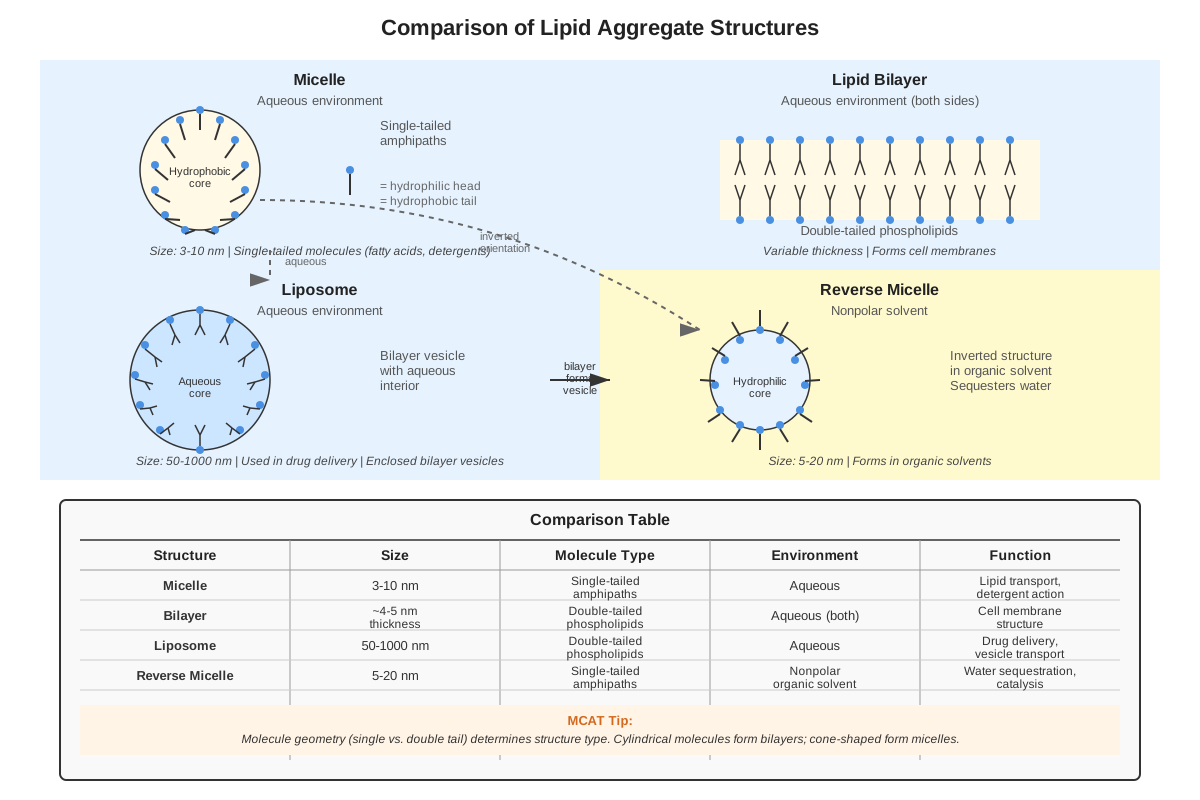
| Micelle | Spherical, monolayer | Single-chain amphiphiles | Aqueous | 3-10 nm | Hydrophobic core, hydrophilic surface |
| Bilayer/Vesicle | Sheet or spherical, double layer | Double-chain phospholipids | Aqueous | 50+ nm | Hydrophobic interior between two hydrophilic surfaces |
| Reverse Micelle | Spherical, monolayer | Amphiphiles | Nonpolar solvent | 3-10 nm | Hydrophilic core, hydrophobic surface |
| Liposome | Spherical vesicle | Phospholipids | Aqueous | 50-1000+ nm | Aqueous core enclosed by bilayer |
The critical packing parameter (CPP) predicts which structure forms:
CPP = v / (l × a)Where:
- v = volume of hydrophobic tail
- l = length of hydrophobic tail
- a = area of hydrophilic head group
- CPP < 0.5: Spherical micelles form
- CPP ≈ 0.5-1: Cylindrical micelles or bilayers form
- CPP > 1: Reverse micelles form
Single-chain surfactants (like fatty acids or detergents) typically have CPP < 0.5 and form micelles. Double-chain phospholipids have CPP ≈ 1 and form bilayers.
Factors Affecting Micelle Stability
Several environmental factors influence micelle formation and stability:
pH Effects: For fatty acids with ionizable carboxyl groups, pH determines the degree of ionization. At low pH (below pKa ≈ 4.8), fatty acids are protonated and uncharged, forming micelles more readily. At high pH, they are ionized (carboxylate anions), and electrostatic repulsion increases the CMC.
Salt Concentration: Added electrolytes screen electrostatic repulsions between charged head groups in ionic surfactants, decreasing the CMC and stabilizing micelles. This is why soap works better in hard water after adding water softeners.
Temperature: The effect varies by surfactant type. For ionic surfactants, increased temperature generally increases CMC due to enhanced thermal motion overcoming attractive forces. For nonionic surfactants with polyoxyethylene head groups, increased temperature can decrease hydration of head groups, lowering CMC.
Surfactant Structure: Longer hydrocarbon chains provide more hydrophobic interactions, lowering CMC. Branched chains increase CMC compared to linear chains. Larger or more charged head groups increase CMC due to greater repulsion or steric hindrance.
Concept Relationships
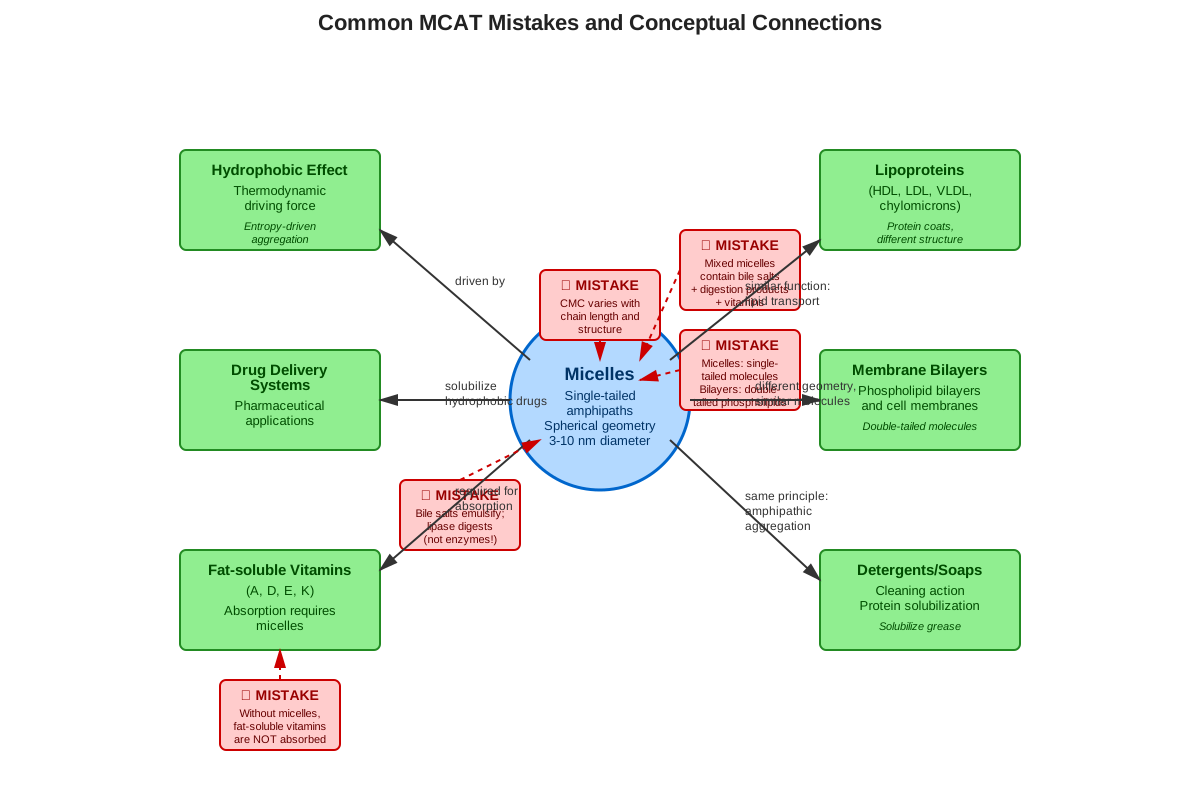
The study of micelles integrates multiple biochemistry concepts in a hierarchical relationship. At the foundation, amphipathic molecule structure (with distinct hydrophobic and hydrophilic regions) determines the capacity to form micelles. This structural property leads to self-assembly behavior when these molecules reach the critical micelle concentration in aqueous solution.
The hydrophobic effect → drives → micelle formation → which enables → lipid solubilization in aqueous environments. This solubilization is essential for lipid digestion and absorption, where bile salts form mixed micelles that transport fatty acids and fat-soluble vitamins to intestinal epithelial cells. Once absorbed, these lipids are repackaged into lipoproteins (chylomicrons, VLDL, LDL, HDL), which are structurally related to micelles but larger and more complex.
Micelles also connect to membrane biochemistry: while phospholipids form bilayers (not micelles) due to their double-chain structure, understanding why this difference exists requires knowledge of the critical packing parameter and thermodynamic principles that govern both micelles and bilayers. The concept of detergent solubilization of membrane proteins relies on detergent micelles disrupting lipid bilayers and forming protein-detergent complexes—a technique frequently mentioned in MCAT experimental passages.
Furthermore, micelles relate to organic chemistry through soap formation (saponification of triglycerides produces fatty acid salts that form micelles) and to physical chemistry through colligative properties and phase behavior. The relationship map: Amphipathic structure → Hydrophobic effect → Self-assembly → Micelle formation → Biological functions (digestion, transport) → Clinical applications (malabsorption, drug delivery).
Quick check — test yourself on Micelles so far.
Try Flashcards →High-Yield Facts
⭐ Micelles form spontaneously above the critical micelle concentration (CMC), with hydrophobic tails in the interior and hydrophilic heads facing the aqueous environment
⭐ Bile salts form mixed micelles with fatty acids, monoglycerides, cholesterol, and fat-soluble vitamins (A, D, E, K) to enable their absorption in the small intestine
⭐ Micelle formation is entropy-driven, primarily due to the release of ordered water molecules from around hydrophobic groups (hydrophobic effect)
⭐ Single-chain amphiphiles (fatty acids, detergents, bile salts) form micelles, while double-chain phospholipids form bilayers due to different critical packing parameters
⭐ The CMC decreases with increasing hydrocarbon chain length and decreases with added salt for ionic surfactants
- Micelles are dynamic structures with rapid exchange of monomers (microsecond timescale), unlike bilayers which are more stable
- Reverse micelles form in nonpolar solvents with hydrophilic cores and hydrophobic exteriors
- Bile salt deficiency leads to fat malabsorption (steatorrhea) and deficiencies in fat-soluble vitamins
- Surface tension decreases sharply as surfactant concentration increases, then plateaus at the CMC
- Micelles typically contain 50-100 surfactant molecules and have diameters of 3-10 nm
- The Krafft temperature is the minimum temperature at which micelles form for ionic surfactants
- Nonionic surfactants generally have lower CMC values than ionic surfactants of similar chain length
Common Misconceptions
Misconception: Micelles and lipid bilayers are the same structure.
Correction: Micelles are spherical monolayer aggregates formed by single-chain amphiphiles with hydrophobic cores, while bilayers are double-layer sheets formed by double-chain phospholipids with hydrophobic interiors between two hydrophilic surfaces. The critical packing parameter determines which structure forms based on molecular geometry.
Misconception: Micelle formation requires energy input (is endergonic).
Correction: Micelle formation is spontaneous and exergonic (ΔG < 0) above the CMC. While it may seem counterintuitive that molecules aggregate spontaneously, the large positive entropy change from releasing ordered water molecules more than compensates for any unfavorable enthalpy changes, making the process thermodynamically favorable.
Misconception: All amphipathic molecules form micelles at any concentration.
Correction: Micelles only form above the critical micelle concentration (CMC). Below this concentration, amphipathic molecules exist primarily as monomers in solution. The CMC is a specific threshold characteristic of each surfactant, typically in the millimolar range.
Misconception: The hydrophobic core of a micelle contains water molecules.
Correction: The hydrophobic core of a micelle is essentially water-free, containing only the nonpolar hydrocarbon chains of the surfactant molecules. This exclusion of water from the core is the primary driving force for micelle formation. Any water in the core would be thermodynamically unfavorable.
Misconception: Bile salts directly break down (chemically digest) fats.
Correction: Bile salts do not chemically digest fats—they emulsify them and form micelles. Chemical digestion of triglycerides is performed by pancreatic lipase, which hydrolyzes ester bonds. Bile salts increase the surface area of lipid droplets and solubilize the products of digestion (fatty acids and monoglycerides) in mixed micelles for absorption.
Misconception: Increasing temperature always stabilizes micelles.
Correction: Temperature effects on micelle stability vary by surfactant type. For ionic surfactants, increasing temperature typically increases the CMC (destabilizes micelles) due to enhanced thermal motion. For nonionic surfactants, temperature effects are more complex and can involve cloud points where micelles aggregate or phase separate.
Misconception: Micelles can transport proteins across membranes.
Correction: Micelles transport small hydrophobic molecules (fatty acids, cholesterol, fat-soluble vitamins), not proteins. Proteins are too large and have complex structures that cannot be accommodated in the small hydrophobic core of a micelle. Protein transport across membranes requires specific protein channels, carriers, or vesicular transport mechanisms.
Worked Examples
Example 1: Predicting Micelle Formation and CMC
Question: A researcher studies three surfactants: Surfactant A (8-carbon chain, anionic head), Surfactant B (12-carbon chain, anionic head), and Surfactant C (12-carbon chain, nonionic head). Rank these surfactants from lowest to highest CMC and explain your reasoning.
Solution:
Step 1: Identify the factors affecting CMC. The two variables here are chain length and head group charge.
Step 2: Apply the principle that longer hydrocarbon chains lower CMC because they provide more hydrophobic interactions, making aggregation more favorable. Therefore, Surfactant A (8 carbons) will have a higher CMC than Surfactants B and C (12 carbons).
Step 3: Apply the principle that ionic head groups increase CMC compared to nonionic head groups due to electrostatic repulsion between charged heads. Therefore, Surfactant C (nonionic) will have a lower CMC than Surfactant B (anionic).
Step 4: Rank from lowest to highest CMC:
Surfactant C < Surfactant B < Surfactant A
Reasoning: Surfactant C has the longest chain (favorable for micelle formation) and no charge repulsion (favorable for aggregation), giving it the lowest CMC. Surfactant B has the same chain length but charged head groups that repel each other, increasing CMC. Surfactant A has the shortest chain, providing the least hydrophobic driving force, resulting in the highest CMC.
MCAT Connection: This question type tests understanding of structure-property relationships and the ability to predict behavior based on molecular features—a common MCAT skill. Watch for questions that ask you to rank molecules or predict relative values of physical properties.
Example 2: Bile Salt Micelles and Fat Absorption
Question: A patient presents with chronic diarrhea and steatorrhea (fatty stools). Laboratory tests reveal normal pancreatic lipase activity but severely reduced bile salt concentration in the small intestine due to liver disease. Explain at the molecular level why this patient cannot absorb dietary fats properly, and predict which specific nutrients will be deficient.
Solution:
Step 1: Identify the normal process. Dietary triglycerides are emulsified by bile salts, then hydrolyzed by pancreatic lipase into fatty acids and 2-monoglycerides. These products, along with cholesterol and fat-soluble vitamins, are incorporated into mixed micelles formed by bile salts.
Step 2: Analyze the defect. This patient has normal lipase (chemical digestion occurs normally) but insufficient bile salts. Without adequate bile salts, mixed micelles cannot form properly.
Step 3: Explain the molecular consequence. Fatty acids, monoglycerides, cholesterol, and fat-soluble vitamins are hydrophobic and cannot dissolve in the aqueous environment of the intestinal lumen. Without micelles to solubilize them, these molecules cannot be transported to the intestinal epithelial cells for absorption. They remain in the intestinal lumen and are excreted in feces (steatorrhea).
Step 4: Predict deficiencies. The patient will develop deficiencies in:
- Fat-soluble vitamins A, D, E, and K (leading to night blindness, osteomalacia, neurological problems, and bleeding disorders, respectively)
- Essential fatty acids (linoleic and linolenic acid)
- The patient will also experience weight loss due to inability to absorb dietary fat calories
MCAT Connection: This clinical vignette integrates biochemistry (micelle function), physiology (digestion and absorption), and pathology (malabsorption syndrome). MCAT passages frequently present clinical scenarios requiring application of basic science knowledge to explain disease mechanisms. Key trigger words: "steatorrhea," "bile salt deficiency," "fat-soluble vitamin deficiency."
Exam Strategy
When approaching Micelles MCAT questions, use this systematic strategy:
1. Identify the Question Type:
- Structure/definition questions: "What is the arrangement of molecules in a micelle?"
- Mechanism questions: "Why do micelles form spontaneously?"
- Application questions: "How do bile salts facilitate fat absorption?"
- Prediction questions: "Which molecule will have the lowest CMC?"
- Experimental interpretation: "The graph shows surface tension vs. surfactant concentration. What does the inflection point represent?"
2. Watch for Trigger Words and Phrases:
- "Amphipathic," "surfactant," "detergent" → Think micelle formation
- "Critical micelle concentration," "CMC" → Think threshold for self-assembly
- "Bile salts," "fat absorption," "steatorrhea" → Think mixed micelles in digestion
- "Hydrophobic effect," "entropy-driven" → Think thermodynamics of micelle formation
- "Single-chain" vs. "double-chain" → Think micelles vs. bilayers
- "Emulsification" → Think increasing surface area, not chemical digestion
3. Process of Elimination Tips:
- Eliminate answers that confuse micelles with bilayers (micelles are monolayers, smaller, formed by single-chain amphiphiles)
- Eliminate answers that suggest micelles require energy input (they form spontaneously)
- Eliminate answers that attribute chemical digestion to bile salts (they emulsify and solubilize, not hydrolyze)
- Eliminate answers that place hydrophilic groups in the micelle core or hydrophobic groups on the surface
- For CMC ranking questions, eliminate answers that don't follow the rules: longer chains → lower CMC, ionic heads → higher CMC
4. Time Allocation:
- Straightforward definition/structure questions: 30-45 seconds
- Application questions requiring integration: 60-90 seconds
- Passage-based questions with data interpretation: 90-120 seconds
- If a question requires detailed calculation of thermodynamic values, flag it and return if time permits (these are rare and time-consuming)
5. Common Question Formats:
- "Which of the following best describes the structure of a micelle?" → Focus on monolayer, hydrophobic core, hydrophilic surface
- "A patient with bile duct obstruction would most likely experience..." → Think fat malabsorption and fat-soluble vitamin deficiencies
- "The graph shows [property] vs. surfactant concentration. The inflection point represents..." → CMC
- "Which surfactant will have the lowest CMC?" → Apply chain length and head group rules
Exam Tip: If a passage discusses lipid digestion but doesn't explicitly mention micelles, they're likely testing whether you can recognize that micelles are essential for the process described. Don't wait for the passage to spell everything out—apply your knowledge proactively.
Memory Techniques
Mnemonic for Micelle Structure: "HIDE"
- Hydrophobic tails Inside
- Dynamic structure
- Exterior hydrophilic
Mnemonic for Fat-Soluble Vitamins in Micelles: "ADEK" (pronounced "a deck")
- Vitamins A, D, E, K require micelles for absorption
Mnemonic for CMC Factors: "LICHES"
- Length (longer chains → lower CMC)
- Ionic strength (more salt → lower CMC for ionic surfactants)
- Charge (charged heads → higher CMC)
- Head size (larger heads → higher CMC)
- Environment (temperature, pH affect CMC)
- Structure (branched chains → higher CMC)
Visualization Strategy for Micelle vs. Bilayer:
Imagine a micelle as a "ball of yarn" with all the loose ends (hydrophilic heads) sticking out and the yarn itself (hydrophobic tails) hidden inside. A bilayer is like a "sandwich" with two slices of bread (hydrophilic surfaces) and filling (hydrophobic interior) between them. This visual distinction helps remember that micelles are spherical monolayers while bilayers are planar double layers.
Acronym for Bile Salt Functions: "MEDS"
- Micelle formation
- Emulsification of fats
- Delivery of lipids to enterocytes
- Solubilization of hydrophobic nutrients
Memory Hook for Entropy-Driven Process:
"Micelles form because water molecules are freed from their ordered cages around hydrophobic tails—think of it as releasing prisoners (water) from jail (ordered structures), which increases freedom (entropy)."
Summary
Micelles are spherical aggregates of amphipathic molecules that form spontaneously in aqueous solution above the critical micelle concentration (CMC). These structures organize with hydrophobic tails sequestered in the interior and hydrophilic heads facing the aqueous environment, driven primarily by the entropy increase associated with the hydrophobic effect. Single-chain amphiphiles like fatty acids, detergents, and bile salts form micelles, while double-chain phospholipids form bilayers due to differences in molecular geometry quantified by the critical packing parameter. In human physiology, bile salts form mixed micelles with the products of lipid digestion—fatty acids, monoglycerides, cholesterol, and fat-soluble vitamins—enabling their transport across the aqueous environment of the intestinal lumen to epithelial cells for absorption. The CMC is influenced by hydrocarbon chain length, head group properties, temperature, pH, and ionic strength. Understanding micelles is essential for MCAT success because questions frequently test micelle structure, formation thermodynamics, physiological roles in digestion, and clinical consequences of bile salt deficiency. Mastery requires distinguishing micelles from other lipid aggregates, predicting formation based on molecular structure, and applying knowledge to clinical scenarios involving fat malabsorption.
Key Takeaways
- Micelles are spherical monolayer aggregates with hydrophobic cores and hydrophilic surfaces, formed spontaneously by single-chain amphiphiles above the CMC
- Micelle formation is entropy-driven due to the hydrophobic effect (release of ordered water molecules), making it thermodynamically favorable (ΔG < 0)
- Bile salts form mixed micelles with fatty acids, monoglycerides, cholesterol, and fat-soluble vitamins (A, D, E, K) to enable lipid absorption in the small intestine
- The CMC decreases with longer hydrocarbon chains and increases with charged or bulky head groups; added salt decreases CMC for ionic surfactants
- Micelles differ from bilayers in structure (monolayer vs. double layer), size (smaller), and the molecules that form them (single-chain vs. double-chain amphiphiles)
- Bile salt deficiency causes steatorrhea and fat-soluble vitamin deficiencies due to impaired micelle formation and lipid absorption
- The critical packing parameter (CPP) predicts whether molecules form micelles (CPP < 0.5), bilayers (CPP ≈ 1), or reverse micelles (CPP > 1)
Related Topics
Lipid Bilayers and Membrane Structure: Understanding micelles provides the foundation for studying phospholipid bilayers, which form the basis of all biological membranes. The same thermodynamic principles apply, but different molecular geometries lead to different structures.
Lipoproteins (Chylomicrons, VLDL, LDL, HDL): These particles transport lipids in the bloodstream and share structural similarities with micelles but are larger and more complex, containing proteins (apolipoproteins) that stabilize the structure and direct metabolism.
Lipid Digestion and Absorption: Micelles are central to understanding the complete process of dietary fat processing, from emulsification through absorption and repackaging into chylomicrons.
Detergents and Membrane Protein Solubilization: Detergents form micelles that can disrupt lipid bilayers and solubilize membrane proteins, a technique frequently mentioned in MCAT experimental passages about protein purification.
Thermodynamics of Self-Assembly: The principles governing micelle formation apply broadly to other self-assembling biological systems, including protein folding, nucleic acid hybridization, and macromolecular complex formation.
Practice CTA
Now that you've mastered the core concepts of micelles, it's time to solidify your understanding through active practice. Challenge yourself with MCAT-style practice questions that test your ability to apply these concepts in novel contexts—exactly as you'll encounter on test day. Work through the flashcards to reinforce high-yield facts and commit the key distinctions between micelles and other lipid structures to memory. Remember, understanding micelles isn't just about memorizing definitions; it's about developing the ability to predict behavior, explain mechanisms, and solve problems. The more you practice applying this knowledge, the more confident and efficient you'll become on exam day. You've got this!
Sign up free to keep reading
Create a free AnvayaPrep account to finish this MCAT guide on Micelles — plus flashcards and practice questions.