Overview
Steroids represent a critical class of lipids characterized by a distinctive four-ring carbon structure that serves as the molecular backbone for numerous biologically essential compounds. Within the context of Biochemistry and the MCAT, steroids occupy a unique position at the intersection of molecular structure, cellular signaling, and physiological regulation. Unlike other lipid classes such as triglycerides or phospholipids that primarily serve structural or energy storage functions, steroids demonstrate remarkable functional diversity—ranging from membrane stabilization (cholesterol) to hormonal signaling (sex hormones, corticosteroids) to digestive emulsification (bile acids).
Understanding Steroids Biochemistry is fundamental for MCAT success because this topic bridges multiple testable domains. Questions may assess structural recognition and nomenclature, require application of organic chemistry principles to predict steroid reactivity, or demand integration of endocrine physiology with biochemical pathways. The MCAT frequently presents steroids within passage-based questions that explore cholesterol metabolism, hormone signaling cascades, or pharmaceutical interventions targeting steroid pathways. Mastery of steroid structure-function relationships enables students to tackle questions spanning biochemistry, organic chemistry, and biological systems.
Within the broader framework of Lipids and Membranes, steroids represent the most structurally rigid and functionally specialized lipid category. While fatty acid-based lipids derive their properties from long hydrocarbon chains, steroids achieve their biological roles through the conformational constraints imposed by their fused ring system. This structural rigidity allows steroids to modulate membrane fluidity, serve as high-affinity receptor ligands, and participate in precise regulatory mechanisms. The Steroids MCAT content connects directly to membrane biology, signal transduction, metabolic regulation, and organic chemistry reaction mechanisms—making it an integrative topic that rewards comprehensive understanding.
Learning Objectives
- [ ] Define Steroids using accurate Biochemistry terminology
- [ ] Explain why Steroids matters for the MCAT
- [ ] Apply Steroids to exam-style questions
- [ ] Identify common mistakes related to Steroids
- [ ] Connect Steroids to related Biochemistry concepts
- [ ] Distinguish between different classes of steroids based on structural modifications and functional groups
- [ ] Predict the physical and chemical properties of steroids based on their molecular structure
- [ ] Trace the biosynthetic pathway from cholesterol to major steroid hormones
- [ ] Analyze the role of steroids in membrane structure and cellular signaling mechanisms
Prerequisites
- Basic organic chemistry functional groups: Recognition of hydroxyl, carbonyl, and carboxyl groups is essential for identifying steroid modifications and predicting reactivity
- Lipid classification: Understanding the four major lipid classes (fatty acids, triglycerides, phospholipids, steroids) provides context for steroid uniqueness
- Cell membrane structure: Knowledge of the phospholipid bilayer framework is necessary to appreciate cholesterol's membrane-modulating effects
- Basic endocrinology: Familiarity with hormone concepts (signaling molecules, receptors, feedback loops) enables understanding of steroid hormone function
- Isomerism: Understanding stereochemistry and geometric isomers is crucial for recognizing steroid structural variations
Why This Topic Matters
Clinical and Real-World Significance
Steroids represent some of the most clinically relevant biomolecules in medicine. Cholesterol dysregulation underlies cardiovascular disease, the leading cause of mortality worldwide. Pharmaceutical manipulation of steroid pathways forms the basis for contraceptives (synthetic estrogens and progestins), anti-inflammatory medications (corticosteroids), and hormone replacement therapies. Anabolic steroid abuse represents a significant public health concern, particularly in athletic populations. Understanding steroid biochemistry enables comprehension of conditions ranging from Cushing's syndrome to congenital adrenal hyperplasia to vitamin D deficiency disorders.
MCAT Examination Statistics
Steroid-related content appears in approximately 3-5% of MCAT Biochemistry questions, with additional representation in Biological and Biochemical Foundations passages. Questions typically assess: (1) structural recognition and classification, (2) cholesterol's role in membranes, (3) steroid hormone synthesis pathways, (4) mechanism of steroid hormone action, and (5) integration with metabolic regulation. The MCAT favors questions requiring application rather than pure memorization—students must interpret novel steroid structures, predict properties based on functional groups, or analyze experimental data involving steroid pathways.
Common Exam Presentation Formats
Steroids appear most frequently in passage-based questions featuring: experimental investigations of cholesterol transport or metabolism; clinical vignettes describing endocrine disorders; pharmaceutical research on steroid receptor agonists or antagonists; or biochemical studies of membrane composition. Discrete questions often test structural recognition (identifying a molecule as a steroid) or functional classification (determining whether a steroid is a hormone, bile acid, or membrane component). The MCAT particularly emphasizes cholesterol as both a membrane component and precursor to other steroids, making this dual role a high-yield concept.
Core Concepts
Fundamental Steroid Structure
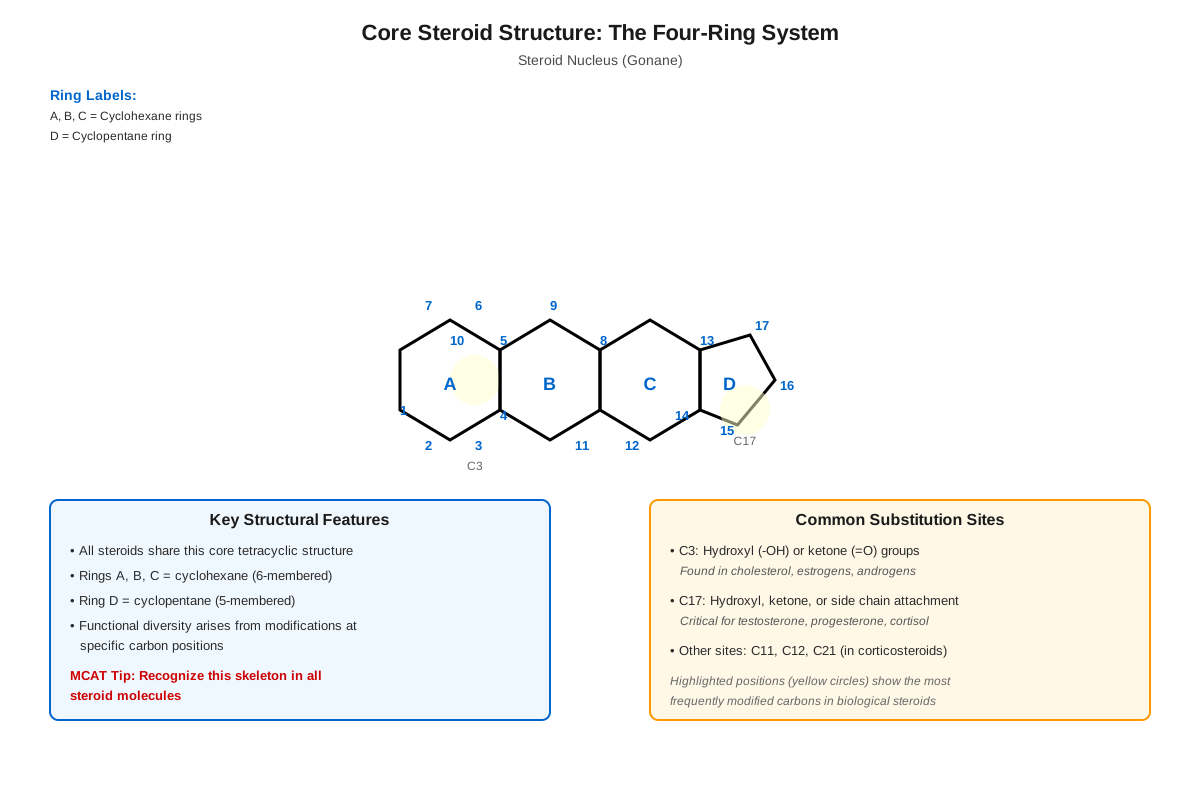
Steroids are defined as lipids containing a characteristic steroid nucleus (or steroid backbone) composed of four fused hydrocarbon rings: three six-membered cyclohexane rings (designated A, B, and C) and one five-membered cyclopentane ring (designated D). This tetracyclic structure, also called the cyclopentanoperhydrophenanthrene ring system, creates a rigid, relatively planar molecular architecture that distinguishes steroids from all other lipid classes.
The steroid ring system exhibits several critical structural features:
- Ring fusion: Adjacent rings share two carbon atoms, creating a fused system with limited conformational flexibility
- Stereochemistry: Multiple chiral centers exist at ring junctions, creating specific three-dimensional configurations
- Numbering system: Carbon atoms are numbered 1-17 in the ring system, with additional carbons in side chains numbered sequentially
- Angular methyl groups: Most steroids possess methyl groups at positions C-10 and C-13, projecting above the ring plane
The rigid steroid framework serves as a scaffold for functional group attachments that determine specific biological activities. Hydroxyl groups, carbonyl groups, double bonds, and side chain modifications create the structural diversity underlying steroid functional specialization.
Cholesterol: The Prototypical Steroid
Cholesterol represents the most abundant steroid in animal tissues and serves as the biosynthetic precursor for all other steroid compounds. Its structure includes:
- The complete four-ring steroid nucleus
- A hydroxyl group at C-3 (making it an alcohol, specifically a sterol)
- A double bond between C-5 and C-6 in the B ring
- An eight-carbon branched hydrocarbon side chain at C-17
- Methyl groups at C-10 and C-13
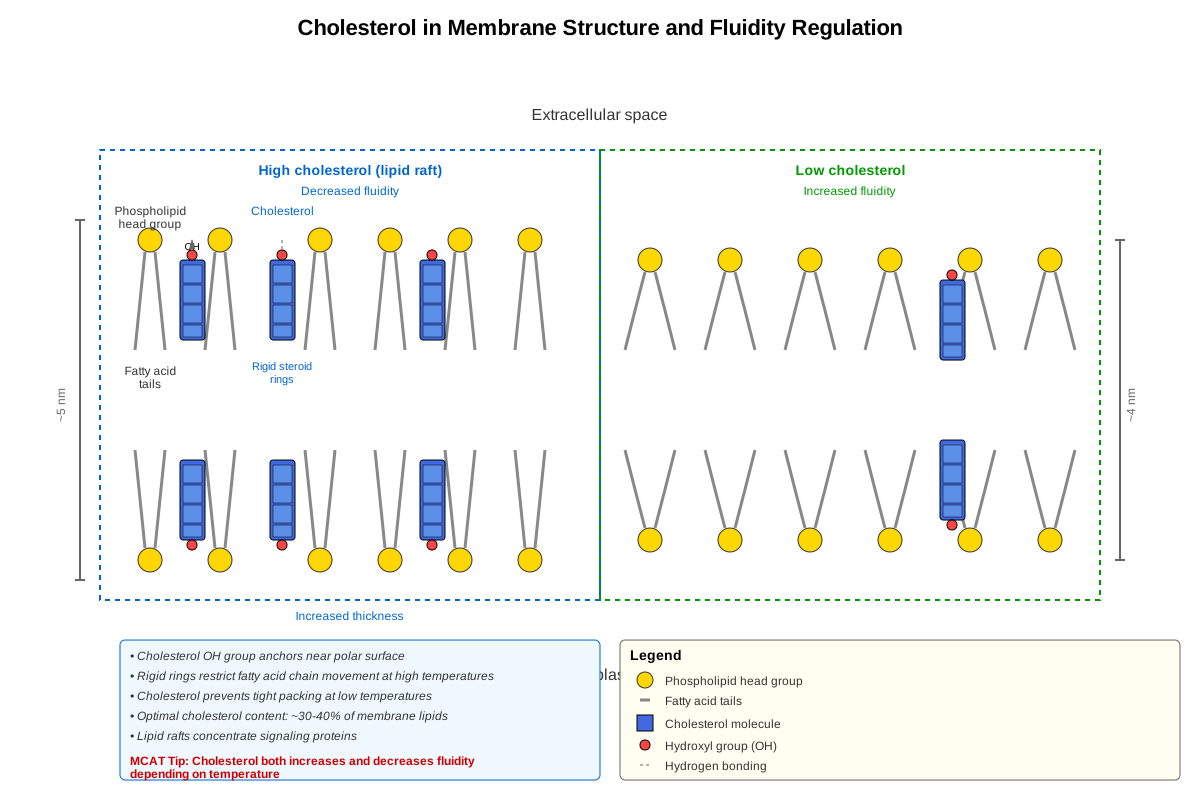
Cholesterol's amphipathic nature—possessing both a polar hydroxyl head and an extensive nonpolar hydrocarbon body—enables its critical membrane function. In phospholipid bilayers, cholesterol molecules insert with their hydroxyl groups oriented toward the aqueous interface and their ring systems interacting with fatty acid chains. This positioning produces two essential effects:
- Membrane fluidity modulation: At physiological temperatures, cholesterol decreases membrane fluidity by restricting phospholipid movement; at low temperatures, it prevents excessive rigidity by disrupting tight packing
- Membrane stability: The rigid steroid rings reduce membrane permeability to small polar molecules and ions
Cholesterol comprises approximately 20-25% of membrane lipids in animal cells, with particularly high concentrations in myelin sheaths and plasma membranes. Plant cells contain related compounds called phytosterols (such as sitosterol) but not cholesterol itself—a distinction occasionally tested on the MCAT.
Major Classes of Steroid Derivatives
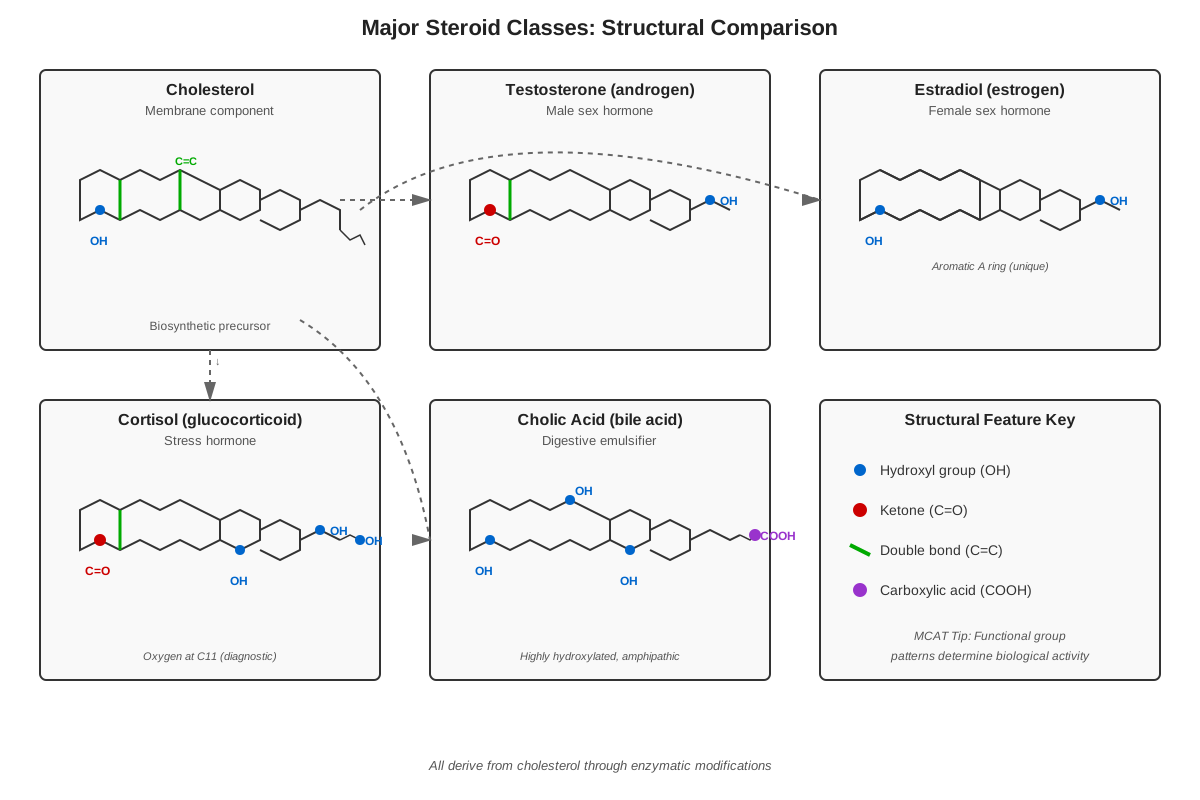
Cholesterol serves as the precursor for five major classes of steroid derivatives, each characterized by specific structural modifications:
| Steroid Class | Key Structural Features | Primary Functions | Representative Examples |
|---|---|---|---|
| Bile acids | Hydroxyl groups at multiple positions; carboxylic acid side chain | Emulsification of dietary lipids | Cholic acid, chenodeoxycholic acid |
| Progestogens | 21 carbons; ketone at C-3; two-carbon side chain at C-17 | Pregnancy maintenance; precursor to other hormones | Progesterone |
| Glucocorticoids | 21 carbons; hydroxyl at C-11; ketone at C-3 | Glucose metabolism; anti-inflammatory effects | Cortisol |
| Mineralocorticoids | 21 carbons; aldehyde or hydroxyl at C-18 | Electrolyte and water balance | Aldosterone |
| Androgens | 19 carbons; no side chain at C-17 | Male sex characteristics | Testosterone, androstenedione |
| Estrogens | 18 carbons; aromatic A ring | Female sex characteristics | Estradiol, estrone |
Steroid Hormone Biosynthesis
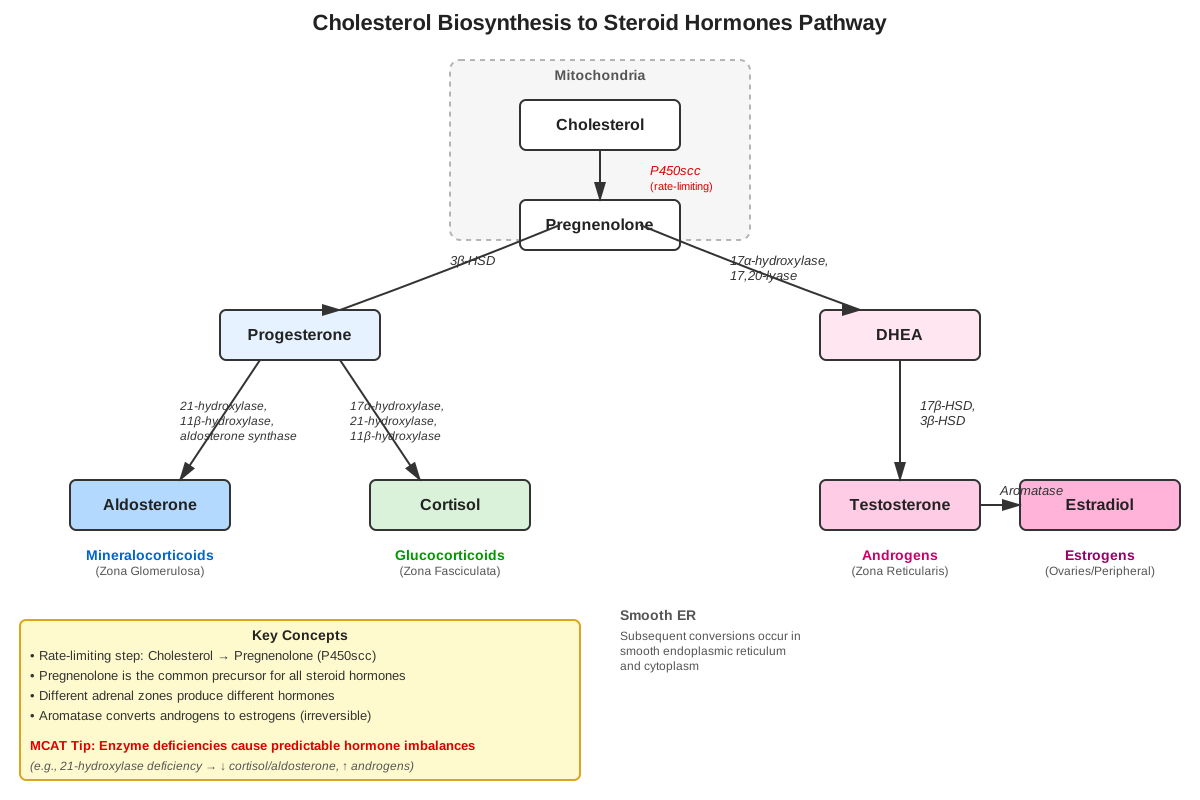
The conversion of cholesterol to steroid hormones occurs primarily in steroidogenic tissues: adrenal cortex, gonads (testes and ovaries), and placenta. The biosynthetic pathway follows a branching sequence:
- Cholesterol → Pregnenolone: The rate-limiting step catalyzed by cholesterol desmolase (CYP11A1) in mitochondria, cleaving the side chain
- Pregnenolone → Progesterone: Oxidation and isomerization reactions
- Branching pathways:
- Mineralocorticoid pathway: Progesterone → 11-deoxycorticosterone → corticosterone → aldosterone
- Glucocorticoid pathway: Progesterone → 17-hydroxyprogesterone → 11-deoxycortisol → cortisol
- Androgen pathway: Progesterone → androstenedione → testosterone
- Estrogen pathway: Testosterone → estradiol (via aromatase enzyme)
Key enzymatic steps involve cytochrome P450 enzymes that catalyze hydroxylation reactions. The specific complement of enzymes present in a tissue determines which steroid hormones it can synthesize. For example, only the adrenal cortex possesses the enzymes necessary for cortisol synthesis, while only ovarian granulosa cells and adipose tissue express aromatase for estrogen production.
Mechanism of Steroid Hormone Action
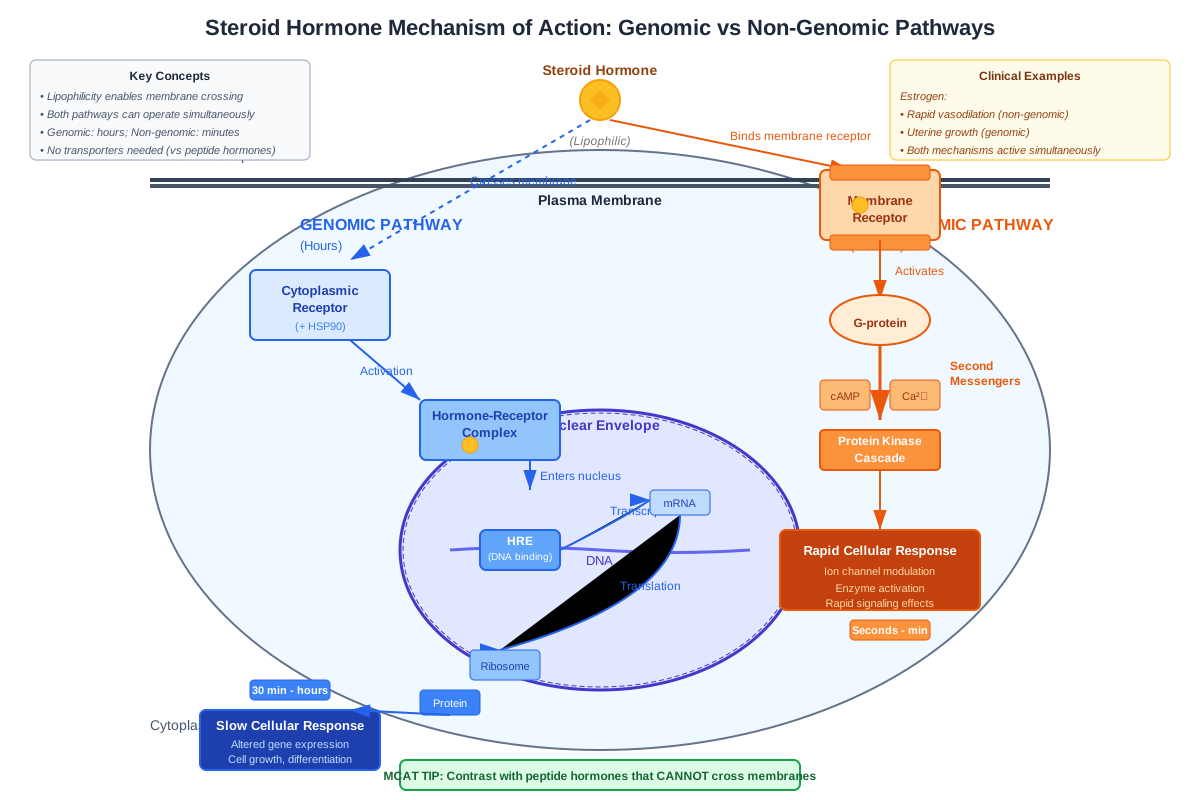
Unlike peptide hormones that bind cell-surface receptors, steroid hormones are lipophilic molecules that diffuse across plasma membranes to interact with intracellular receptors. This mechanism involves:
- Membrane permeation: The steroid's hydrophobic character enables passive diffusion through the phospholipid bilayer
- Receptor binding: Cytoplasmic or nuclear receptors (members of the nuclear receptor superfamily) bind the steroid with high specificity
- Receptor activation: Hormone binding induces conformational changes, causing dissociation of inhibitory proteins (heat shock proteins)
- Nuclear translocation: The hormone-receptor complex translocates to the nucleus (if not already present)
- DNA binding: The complex binds specific DNA sequences called hormone response elements (HREs)
- Transcriptional regulation: Recruitment of coactivators or corepressors modulates transcription of target genes
- Protein synthesis: New mRNA is translated, producing proteins that mediate the hormone's physiological effects
This genomic mechanism explains the characteristic delayed onset (minutes to hours) and prolonged duration (hours to days) of steroid hormone effects, contrasting with the rapid but transient effects of peptide hormones acting through second messenger systems.
Bile Acids and Lipid Digestion
Bile acids represent oxidized cholesterol derivatives synthesized in hepatocytes and secreted into bile. The two primary bile acids—cholic acid and chenodeoxycholic acid—contain multiple hydroxyl groups and a carboxylic acid side chain, making them more amphipathic than cholesterol. In the intestinal lumen, bile acids perform critical digestive functions:
- Emulsification: Bile acids disperse large lipid droplets into smaller micelles, increasing surface area for lipase action
- Micelle formation: Bile acids form mixed micelles with digestion products (fatty acids, monoglycerides, fat-soluble vitamins), facilitating absorption
- Enterohepatic circulation: Approximately 95% of bile acids are reabsorbed in the terminal ileum and returned to the liver via portal blood
Bacterial enzymes in the colon convert primary bile acids to secondary bile acids (deoxycholic acid, lithocholic acid) through dehydroxylation reactions. This enterohepatic circulation represents an efficient recycling system, with the total bile acid pool cycling 6-8 times daily.
Vitamin D: A Steroid Hormone
Vitamin D (calciferol) represents a modified steroid that functions as a hormone regulating calcium homeostasis. The biosynthetic pathway involves:
- Skin synthesis: UV radiation converts 7-dehydrocholesterol (a cholesterol precursor) to cholecalciferol (vitamin D₃)
- Hepatic hydroxylation: 25-hydroxylase adds a hydroxyl group, forming 25-hydroxyvitamin D [25(OH)D]
- Renal activation: 1α-hydroxylase produces the active hormone 1,25-dihydroxyvitamin D [1,25(OH)₂D or calcitriol]
Calcitriol acts through nuclear vitamin D receptors to increase intestinal calcium absorption, promote bone mineralization, and regulate parathyroid hormone secretion. Vitamin D deficiency causes rickets in children and osteomalacia in adults, conditions characterized by inadequate bone mineralization.
Concept Relationships
The steroid concepts form an integrated network centered on cholesterol as the structural prototype and biosynthetic precursor. Cholesterol structure → defines the fundamental steroid architecture → which determines physical properties (rigidity, amphipathic character) → enabling membrane function (fluidity modulation, stability). Simultaneously, cholesterol → serves as substrate for steroid hormone biosynthesis → producing functionally diverse derivatives → that act through intracellular receptor mechanisms → regulating gene transcription and physiological processes.
The branching biosynthetic pathways connect through shared intermediates: cholesterol → pregnenolone (common precursor) → branches to progesterone → which further branches to mineralocorticoids, glucocorticoids, and androgens → with androgens serving as precursors to estrogens. This sequential relationship explains why enzyme deficiencies cause predictable patterns of hormone excess and deficiency (e.g., 21-hydroxylase deficiency blocks cortisol synthesis while shunting precursors toward androgen production).
Steroids connect to broader biochemical concepts through multiple pathways. Lipid metabolism provides cholesterol through dietary absorption and de novo synthesis (mevalonate pathway). Membrane biology depends on cholesterol for proper bilayer function. Signal transduction utilizes steroid hormones as lipophilic signaling molecules. Metabolic regulation involves glucocorticoid and mineralocorticoid effects on glucose, protein, and electrolyte metabolism. Organic chemistry principles explain steroid reactivity, including hydroxylation, oxidation-reduction, and aromatization reactions.
Quick check — test yourself on Steroids so far.
Try Flashcards →High-Yield Facts
⭐ Steroids are defined by a four-ring structure: three cyclohexane rings (A, B, C) and one cyclopentane ring (D) fused together
⭐ Cholesterol is the precursor for all steroid hormones, bile acids, and vitamin D in animals
⭐ Cholesterol modulates membrane fluidity: decreases fluidity at high temperatures, prevents excessive rigidity at low temperatures
⭐ Steroid hormones act through intracellular receptors that function as transcription factors, producing delayed but prolonged effects
⭐ The rate-limiting step in steroid hormone synthesis is conversion of cholesterol to pregnenolone by cholesterol desmolase
- Bile acids are synthesized from cholesterol in the liver and undergo enterohepatic circulation, with ~95% reabsorbed in the terminal ileum
- Testosterone can be converted to estradiol by aromatase enzyme, which converts the A ring to an aromatic structure
- Cortisol (a glucocorticoid) has a hydroxyl group at C-11, distinguishing it from other steroid hormones
- Aldosterone (a mineralocorticoid) regulates sodium retention and potassium excretion in the kidney
- Vitamin D₃ is synthesized in skin from 7-dehydrocholesterol upon UV exposure, then activated by sequential hydroxylations in liver and kidney
- All steroid hormones are lipophilic and require carrier proteins (like sex hormone-binding globulin or corticosteroid-binding globulin) for transport in blood
- The aromatase enzyme that converts androgens to estrogens is found in ovarian granulosa cells, adipose tissue, and placenta
- Anabolic steroids are synthetic testosterone derivatives designed to maximize muscle-building effects while minimizing androgenic effects
- Cholesterol is absent from prokaryotic membranes and plant cell membranes (which contain phytosterols instead)
Common Misconceptions
Misconception: All steroids are hormones.
Correction: While many steroids function as hormones (testosterone, estradiol, cortisol), others serve different roles. Cholesterol primarily functions as a membrane component, bile acids facilitate lipid digestion, and vitamin D regulates calcium metabolism. The steroid structure is a chemical classification, not a functional one.
Misconception: Steroids are hydrophilic because some contain multiple hydroxyl groups.
Correction: Despite containing polar functional groups, steroids remain predominantly hydrophobic due to their extensive hydrocarbon ring system. They are amphipathic (containing both polar and nonpolar regions) but are sufficiently lipophilic to cross membranes passively. The degree of hydrophilicity varies—bile acids are more amphipathic than cholesterol, but all steroids are fundamentally lipid-soluble.
Misconception: Steroid hormones work through the same mechanism as peptide hormones.
Correction: Steroid hormones and peptide hormones employ fundamentally different mechanisms. Peptide hormones bind cell-surface receptors and activate second messenger cascades (cAMP, IP₃, calcium), producing rapid effects. Steroid hormones cross membranes, bind intracellular receptors, and regulate gene transcription, producing slower but longer-lasting effects through altered protein synthesis.
Misconception: Cholesterol is always harmful and should be eliminated from the diet.
Correction: Cholesterol is essential for life, serving as a membrane component, steroid hormone precursor, bile acid precursor, and vitamin D precursor. The body synthesizes most cholesterol endogenously (~80%), with dietary sources contributing ~20%. Excessive LDL cholesterol contributes to atherosclerosis, but cholesterol itself is a necessary biomolecule. The goal is maintaining appropriate cholesterol levels and lipoprotein profiles, not elimination.
Misconception: All steroid hormones are synthesized from progesterone.
Correction: While progesterone is an important intermediate in many steroid hormone pathways, it is not the universal precursor. Pregnenolone is the immediate product of cholesterol side-chain cleavage and serves as the common precursor. Some pathways proceed through pregnenolone derivatives without passing through progesterone (the Δ5 pathway), while others convert pregnenolone to progesterone first (the Δ4 pathway).
Misconception: The steroid ring system is flexible and can adopt multiple conformations.
Correction: The fused ring structure of steroids creates a rigid, relatively planar molecular framework with limited conformational flexibility. This rigidity is functionally important—it enables cholesterol to restrict phospholipid movement in membranes and allows steroid hormones to fit precisely into receptor binding pockets. The constrained geometry distinguishes steroids from other lipids with flexible hydrocarbon chains.
Worked Examples
Example 1: Structural Analysis and Classification
Question: A researcher isolates a compound with the following properties: molecular formula C₂₇H₄₆O, contains a four-ring structure with a hydroxyl group at one position and a branched hydrocarbon side chain. The compound is abundant in animal cell membranes but absent from bacterial membranes. Identify this compound and explain two specific functions it performs in animal cells.
Solution:
Step 1: Identify the compound class
The four-ring structure immediately identifies this as a steroid. The molecular formula C₂₇H₄₆O with one oxygen (in a hydroxyl group) and 27 carbons matches cholesterol.
Step 2: Confirm identification
Key identifying features of cholesterol:
- Four-ring steroid nucleus (characteristic of all steroids)
- Single hydroxyl group at C-3 (making it a sterol)
- Eight-carbon branched side chain at C-17 (total 27 carbons)
- Abundant in animal membranes but absent from bacteria (which lack steroids)
Step 3: Explain membrane function
Function 1 - Membrane fluidity modulation: Cholesterol inserts into phospholipid bilayers with its hydroxyl group near the polar head groups and its rigid ring system interacting with fatty acid chains. This positioning restricts phospholipid movement at physiological temperatures, decreasing membrane fluidity. At low temperatures, cholesterol prevents tight packing of phospholipids, maintaining adequate fluidity. This bidirectional regulation maintains optimal membrane fluidity across temperature ranges.
Function 2 - Membrane permeability barrier: The rigid steroid rings fill spaces between phospholipid molecules, reducing membrane permeability to small polar molecules, ions, and water. This strengthens the membrane's barrier function, essential for maintaining electrochemical gradients and cellular compartmentalization.
Step 4: Connect to broader concepts
Cholesterol also serves as the precursor for steroid hormone synthesis, bile acid production, and vitamin D formation—demonstrating how a single molecule can have both structural (membrane) and metabolic (precursor) roles.
Key takeaway: Structural features (four rings, hydroxyl group, side chain) enable identification of cholesterol, while understanding its amphipathic nature and rigid structure explains its membrane functions.
Example 2: Steroid Hormone Mechanism and Pathway Analysis
Question: A patient presents with symptoms of Cushing's syndrome (excess cortisol). A pharmaceutical intervention using ketoconazole, which inhibits several cytochrome P450 enzymes involved in steroid synthesis, is proposed. Explain: (a) the normal mechanism by which cortisol exerts its effects on target cells, (b) why inhibiting steroid synthesis would reduce symptoms, and (c) what other steroid hormones might be affected by this non-specific enzyme inhibition.
Solution:
Part A: Cortisol mechanism of action
Cortisol, a glucocorticoid steroid hormone, acts through the following mechanism:
- Membrane crossing: Cortisol's lipophilic nature allows passive diffusion across the plasma membrane into target cells
- Receptor binding: Cytoplasmic glucocorticoid receptors (GR) bind cortisol with high affinity and specificity
- Receptor activation: Hormone binding causes conformational changes and dissociation of heat shock proteins that normally keep the receptor inactive
- Nuclear translocation: The cortisol-GR complex translocates to the nucleus
- DNA binding: The complex binds glucocorticoid response elements (GREs) in promoter regions of target genes
- Transcriptional regulation: The complex recruits coactivators or corepressors, modulating transcription of genes involved in glucose metabolism, immune function, and stress responses
- Protein synthesis: New proteins mediate cortisol's physiological effects (increased gluconeogenesis, immunosuppression, anti-inflammatory actions)
This genomic mechanism explains why cortisol effects develop over hours and persist for extended periods—new protein synthesis is required.
Part B: Therapeutic rationale
Ketoconazole inhibits cytochrome P450 enzymes, particularly those involved in steroid hydroxylation reactions. In cortisol synthesis, the pathway proceeds:
- Cholesterol → Pregnenolone → Progesterone → 17-hydroxyprogesterone → 11-deoxycortisol → Cortisol
The final step (11-deoxycortisol → cortisol) requires 11β-hydroxylase (CYP11B1), a P450 enzyme. By inhibiting this and other steroidogenic enzymes, ketoconazole reduces cortisol production, alleviating hypercortisolism symptoms (weight gain, hyperglycemia, immunosuppression, muscle wasting).
Part C: Off-target effects
Because ketoconazole non-specifically inhibits multiple P450 enzymes, other steroid pathways are affected:
- Aldosterone synthesis: Inhibition of 11β-hydroxylase and aldosterone synthase (CYP11B2) reduces aldosterone production, potentially causing hyperkalemia and hypotension
- Sex hormone synthesis: Inhibition of 17α-hydroxylase and 17,20-lyase reduces androgen production, potentially causing decreased libido and erectile dysfunction in males
- Estrogen synthesis: Reduced androgen precursors limit estrogen production in females
This explains why ketoconazole is used cautiously and why more specific inhibitors are preferred when available.
Key takeaway: Understanding steroid hormone mechanisms (intracellular receptors, transcriptional regulation) and biosynthetic pathways (shared enzymes, branching pathways) enables prediction of both therapeutic effects and side effects of interventions targeting steroid synthesis.
Exam Strategy
Question Recognition and Approach
When encountering steroid-related MCAT questions, first identify the question type:
Structural recognition questions: Look for the four-ring system. Count rings (three six-membered, one five-membered), identify functional groups, and note any side chains. Trigger phrases include "cyclic structure," "fused rings," or "lipid-soluble hormone."
Mechanism questions: Steroid hormone questions often ask about mechanism of action. Key trigger: "How does this hormone exert its effects?" Immediately think: intracellular receptor → transcription factor → gene regulation → protein synthesis → delayed effects.
Pathway questions: These present enzyme deficiencies or inhibitors. Draw a quick pathway diagram showing cholesterol → pregnenolone → branching pathways. Identify where the block occurs and predict which hormones will decrease (downstream) and which precursors will accumulate (upstream).
Membrane function questions: When cholesterol appears in membrane contexts, focus on fluidity modulation and permeability barrier functions. Trigger phrases: "membrane composition," "fluidity," "temperature effects."
Process of Elimination Strategies
For steroid identification questions, eliminate options systematically:
- Does it have four fused rings? If no, eliminate (not a steroid)
- Does it have the correct number of carbons? (C₂₇ for cholesterol, C₂₁ for corticosteroids, C₁₉ for androgens, C₁₈ for estrogens)
- Are functional groups in appropriate positions?
For mechanism questions, eliminate based on hormone class:
- If the hormone is lipophilic (steroid, thyroid hormone), eliminate options involving cell-surface receptors and second messengers
- If the hormone is hydrophilic (peptide, catecholamine), eliminate options involving intracellular receptors and transcription
For pathway questions, use logic:
- Enzyme inhibition blocks downstream products (eliminate options suggesting increased downstream hormones)
- Precursors accumulate upstream of blocks (eliminate options suggesting decreased precursors)
- Alternative pathways may be enhanced (consider shunting to other branches)
Time Management
Steroid questions typically require 60-90 seconds:
- Discrete questions (30-45 seconds): Quick structural recognition or single-concept recall
- Passage-based questions (60-90 seconds): Integrate passage information with steroid knowledge, often requiring pathway analysis or mechanism application
If a question requires drawing a complete biosynthetic pathway, invest the time—it often enables answering multiple related questions efficiently. However, if you cannot recall a specific enzyme name, focus on the logic of the pathway (oxidation, hydroxylation, side chain cleavage) rather than memorizing every enzyme.
Memory Techniques
Structural Mnemonics
"Three Sixes and a Five": Remember the steroid ring system as three six-membered rings (A, B, C) and one five-membered ring (D).
"Cholesterol is a 27-Carbon Sterol": The "27" reminds you of carbon count, and "sterol" indicates the hydroxyl group (alcohol) that defines this class.
Pathway Mnemonics
"Cholesterol Produces Pretty Good Minerals And Estrogens":
- Cholesterol → Pregnenolone → Progesterone → Glucocorticoids / Mineralocorticoids / Androgens → Estrogens
This captures the main biosynthetic sequence and branching pattern.
"The Three Zones of the Adrenal Cortex" (from outside to inside):
- Glomerulosa makes Mineralocorticoids (aldosterone) - "Give Me salt"
- Fasciculata makes Glucocorticoids (cortisol) - "Feed Glucose"
- Reticularis makes Androgens - "Really Androgenic"
Mnemonic: "GFR" (like glomerular filtration rate) for the zones, "MGA" for the products.
Functional Group Visualization
Hydroxyl = Hydrophilic: More -OH groups make steroids more water-soluble. Visualize bile acids as "decorated" cholesterol with multiple -OH groups, making them better emulsifiers.
Aromatic A-ring = Estrogen: The aromatase enzyme converts the A ring to an aromatic structure (benzene-like), creating estrogens. Visualize the A ring "flattening" into an aromatic ring as testosterone becomes estradiol.
Mechanism Memory Aid
"Steroids Sneak Inside": Unlike peptide hormones that stay outside and signal through the membrane, steroid hormones "sneak inside" the cell to directly affect the nucleus. This captures their lipophilic nature and intracellular mechanism.
"Slow but Steady": Steroid effects are Slow (hours to develop) but Steady (long-lasting), contrasting with peptide hormones' rapid but transient effects. This reflects the time required for transcription and translation.
Summary
Steroids represent a structurally unique class of lipids defined by their characteristic four-ring cyclopentanoperhydrophenanthrene nucleus—three cyclohexane rings and one cyclopentane ring fused together. This rigid molecular framework distinguishes steroids from other lipid classes and underlies their diverse biological functions. Cholesterol, the prototypical steroid, serves dual roles as a critical membrane component that modulates fluidity and permeability, and as the biosynthetic precursor for all other steroid derivatives including bile acids, steroid hormones, and vitamin D. The major steroid hormone classes—progestogens, glucocorticoids, mineralocorticoids, androgens, and estrogens—arise through branching biosynthetic pathways involving cytochrome P450-catalyzed hydroxylation and other modifications. Unlike peptide hormones, steroid hormones exert their effects through intracellular receptors that function as ligand-activated transcription factors, producing delayed but prolonged physiological responses through altered gene expression. For MCAT success, students must recognize steroid structures, understand cholesterol's membrane functions, trace biosynthetic pathways, explain the intracellular receptor mechanism, and integrate steroid biochemistry with broader concepts in metabolism, signaling, and physiology.
Key Takeaways
- Steroids are defined by a four-ring structure (three cyclohexane, one cyclopentane) that creates a rigid, relatively planar molecular framework
- Cholesterol functions both as a membrane component (modulating fluidity and permeability) and as the universal precursor for all steroid hormones, bile acids, and vitamin D
- Steroid hormone biosynthesis proceeds through branching pathways from cholesterol → pregnenolone → various hormone classes, with tissue-specific enzyme expression determining which hormones are produced
- Steroid hormones act through intracellular receptors that regulate gene transcription, producing delayed onset but prolonged duration effects
- Structural modifications (hydroxyl groups, carbonyl groups, side chains, ring aromatization) determine steroid functional classification and biological activity
- Bile acids represent oxidized cholesterol derivatives that emulsify dietary lipids and undergo enterohepatic circulation
- Understanding steroid structure-function relationships enables prediction of physical properties, biological activities, and responses to pharmaceutical interventions
Related Topics
Lipid Metabolism and Cholesterol Synthesis: The mevalonate pathway produces cholesterol de novo from acetyl-CoA, connecting carbohydrate metabolism to steroid biochemistry. Understanding cholesterol synthesis enables comprehension of statin mechanisms and metabolic regulation.
Lipoprotein Transport: Cholesterol and other lipids are transported in blood via lipoproteins (chylomicrons, VLDL, LDL, HDL). This topic connects steroid biochemistry to cardiovascular disease and atherosclerosis mechanisms.
Endocrine System Integration: Steroid hormones participate in complex regulatory networks involving the hypothalamic-pituitary-adrenal axis, hypothalamic-pituitary-gonadal axis, and feedback regulation. Mastering steroid biochemistry enables understanding of endocrine disorders.
Signal Transduction Mechanisms: Comparing steroid hormone signaling (intracellular receptors, transcriptional regulation) with peptide hormone signaling (cell-surface receptors, second messengers) reveals fundamental principles of cellular communication.
Membrane Structure and Function: Cholesterol's role in membranes connects to broader topics including membrane protein function, lipid rafts, membrane trafficking, and cellular compartmentalization.
Practice CTA
Now that you have mastered the core concepts of steroid biochemistry, challenge yourself with practice questions that require application of these principles to novel scenarios. Focus on questions involving structural recognition, pathway analysis, and mechanism-based reasoning—these represent the highest-yield question types on the MCAT. Use flashcards to reinforce high-yield facts, particularly steroid hormone classes, biosynthetic pathways, and mechanism of action. Remember: understanding the logic behind steroid structure-function relationships will serve you better than memorizing isolated facts. Your investment in mastering this integrative topic will pay dividends across multiple MCAT sections. You've got this!
Sign up free to keep reading
Create a free AnvayaPrep account to finish this MCAT guide on Steroids — plus flashcards and practice questions.