Overview
Triacylglycerols (also known as triglycerides) represent the most abundant form of stored energy in the human body and constitute a critical topic within the Biochemistry section of the MCAT. These neutral lipids consist of three fatty acid chains esterified to a glycerol backbone, forming the primary component of adipose tissue and dietary fats. Understanding triacylglycerols is essential not only for mastering Lipids and Membranes but also for comprehending broader metabolic pathways, energy homeostasis, and the physiological responses to feeding and fasting states.
The MCAT frequently tests triacylglycerols within the context of lipid metabolism, energy storage efficiency, and hormonal regulation of metabolism. Questions may appear as discrete items testing structural knowledge or embedded within passages discussing metabolic disorders, nutritional biochemistry, or comparative energy storage systems. The topic bridges multiple disciplines tested on the MCAT, including biochemistry, physiology, and organic chemistry, making it a high-yield area for integrated understanding.
Mastery of Triacylglycerols Biochemistry provides the foundation for understanding lipolysis, fatty acid oxidation, ketone body formation, and the metabolic adaptations during exercise and starvation. This topic connects directly to glycerophospholipids, sphingolipids, and membrane structure, while also linking to carbohydrate metabolism through the glycerol-3-phosphate shuttle and lipogenesis. The Triacylglycerols MCAT content emphasizes both structural characteristics and metabolic significance, requiring students to integrate knowledge across multiple biochemical pathways.
Learning Objectives
- [ ] Define Triacylglycerols using accurate Biochemistry terminology
- [ ] Explain why Triacylglycerols matters for the MCAT
- [ ] Apply Triacylglycerols to exam-style questions
- [ ] Identify common mistakes related to Triacylglycerols
- [ ] Connect Triacylglycerols to related Biochemistry concepts
- [ ] Compare and contrast the energy storage efficiency of triacylglycerols versus carbohydrates
- [ ] Describe the synthesis and breakdown pathways of triacylglycerols, including key enzymes and regulatory mechanisms
- [ ] Analyze the structural features that make triacylglycerols hydrophobic and their implications for storage and transport
Prerequisites
- Organic chemistry functional groups: Understanding ester bonds is essential for recognizing the linkages between glycerol and fatty acids in triacylglycerol structure
- Fatty acid structure: Knowledge of saturated and unsaturated fatty acids provides the foundation for understanding triacylglycerol diversity and properties
- Basic enzyme kinetics: Familiarity with enzyme regulation helps in understanding lipase activity and hormonal control of triacylglycerol metabolism
- Glycerol structure: Recognition of this three-carbon alcohol is necessary for understanding the backbone of triacylglycerols
- Energy metabolism basics: Understanding ATP production and caloric values enables comparison of triacylglycerols with other energy storage molecules
Why This Topic Matters
Clinical Significance
Triacylglycerols play central roles in numerous clinical conditions frequently referenced on the MCAT. Elevated serum triacylglycerol levels (hypertriglyceridemia) associate with increased cardiovascular disease risk, metabolic syndrome, and pancreatitis. Disorders of triacylglycerol metabolism, including familial lipoprotein lipase deficiency and adipose tissue dysfunction, illustrate the importance of proper lipid handling. Understanding triacylglycerol metabolism is crucial for comprehending obesity, diabetes, and the metabolic consequences of insulin resistance—all high-yield topics for MCAT passages.
MCAT Exam Statistics
Triacylglycerols appear in approximately 3-5% of Biochemistry questions on the MCAT, with particular emphasis in passages discussing metabolic regulation, nutritional biochemistry, and comparative physiology. Questions typically test structural recognition, energy calculations, metabolic pathway integration, and hormonal regulation. The topic frequently appears alongside questions about lipoproteins, fatty acid oxidation, and metabolic adaptations to different physiological states.
Common Exam Contexts
MCAT passages commonly present triacylglycerols in several contexts: comparative energy storage (why animals store fat rather than glycogen), lipoprotein transport mechanisms, hormonal regulation during fed versus fasted states, and metabolic disorders. Experimental passages may describe research on adipocyte biology, dietary fat absorption, or novel treatments for metabolic diseases. Discrete questions often test structural features, energy yield calculations, or the enzymatic steps in synthesis and breakdown.
Core Concepts
Structure and Chemical Properties
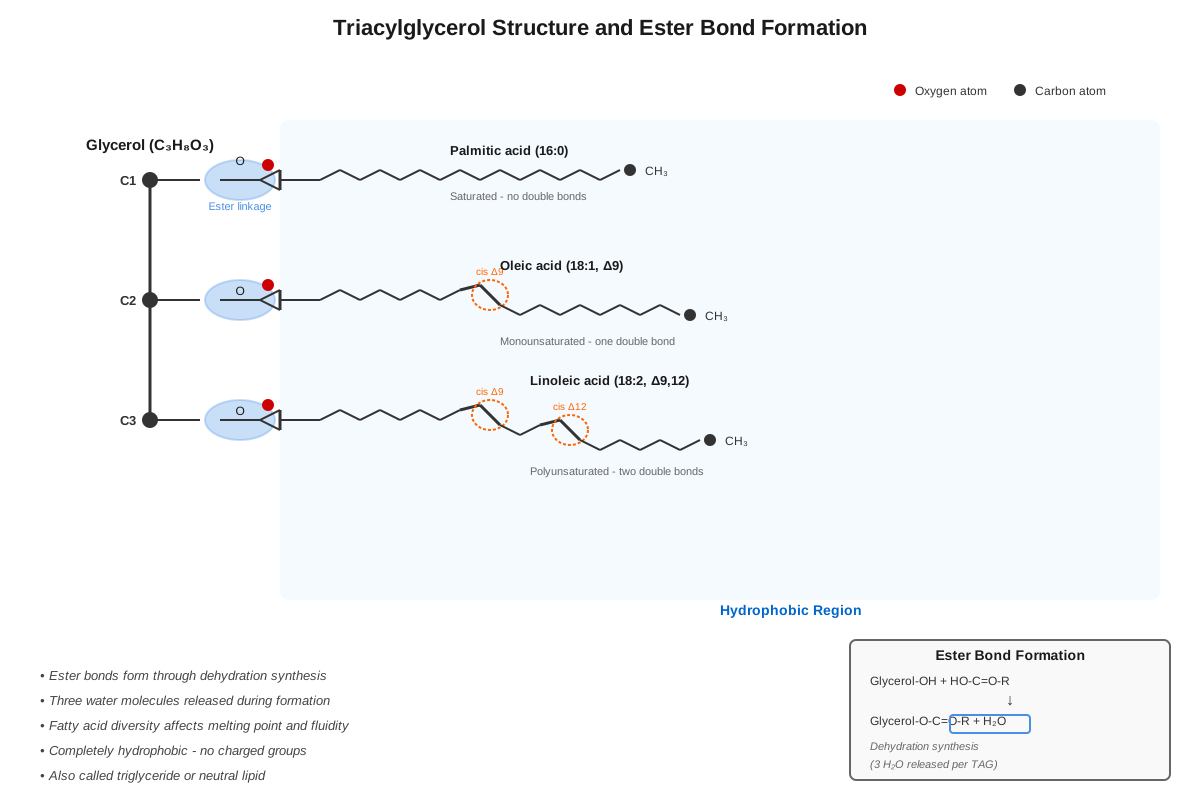
Triacylglycerols (TAGs) consist of a glycerol backbone (a three-carbon alcohol with hydroxyl groups at positions 1, 2, and 3) esterified to three fatty acid chains through ester linkages. The general structure features three ester bonds formed through dehydration reactions between the carboxyl groups of fatty acids and the hydroxyl groups of glycerol. This makes triacylglycerols neutral lipids—they carry no charge at physiological pH, distinguishing them from phospholipids and other polar lipids.
The fatty acid composition of triacylglycerols varies considerably, affecting their physical properties. Saturated fatty acids (containing no carbon-carbon double bonds) allow tight packing, resulting in solid fats at room temperature (like butter or lard). Unsaturated fatty acids (containing one or more double bonds, typically in cis configuration) introduce kinks that prevent tight packing, producing liquid oils at room temperature (like olive or fish oil). Most naturally occurring triacylglycerols are mixed triacylglycerols, containing different fatty acids at the three positions.
The extreme hydrophobicity of triacylglycerols results from the long hydrocarbon chains of fatty acids and the absence of charged or polar groups. This property necessitates special transport mechanisms in aqueous environments (lipoproteins in blood) and allows efficient storage in anhydrous form within adipocytes, maximizing energy density.
Energy Storage Efficiency
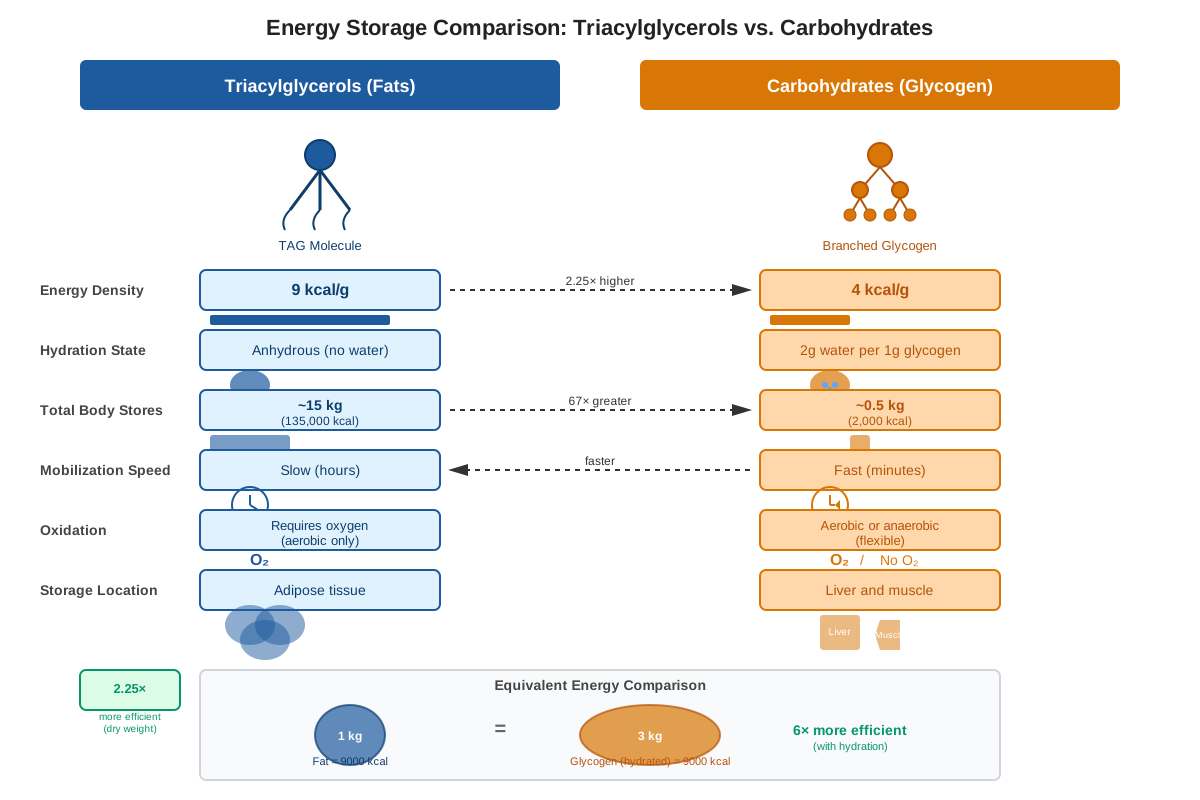
Triacylglycerols represent the most energy-dense biological storage molecule, yielding approximately 9 kcal/gram compared to 4 kcal/gram for carbohydrates and proteins. This remarkable efficiency stems from the highly reduced state of fatty acid carbons and the anhydrous storage of triacylglycerols. Unlike glycogen, which binds approximately 2 grams of water per gram of glycogen, triacylglycerols require no water of hydration, dramatically reducing storage mass.
Energy comparison:
- Triacylglycerols: ~9 kcal/g (anhydrous)
- Glycogen: ~4 kcal/g (plus ~2g H₂O per g glycogen)
- Effective glycogen: ~1.3 kcal/g (hydrated)
- Energy density ratio: TAG/Glycogen ≈ 7:1
A 70-kg human typically stores approximately 15 kg of triacylglycerols (135,000 kcal) but only 200-300 g of glycogen (800-1,200 kcal). If the same energy were stored as glycogen, an additional 40+ kg of body mass would be required—a significant evolutionary disadvantage for mobile organisms.
Triacylglycerol Synthesis (Lipogenesis)
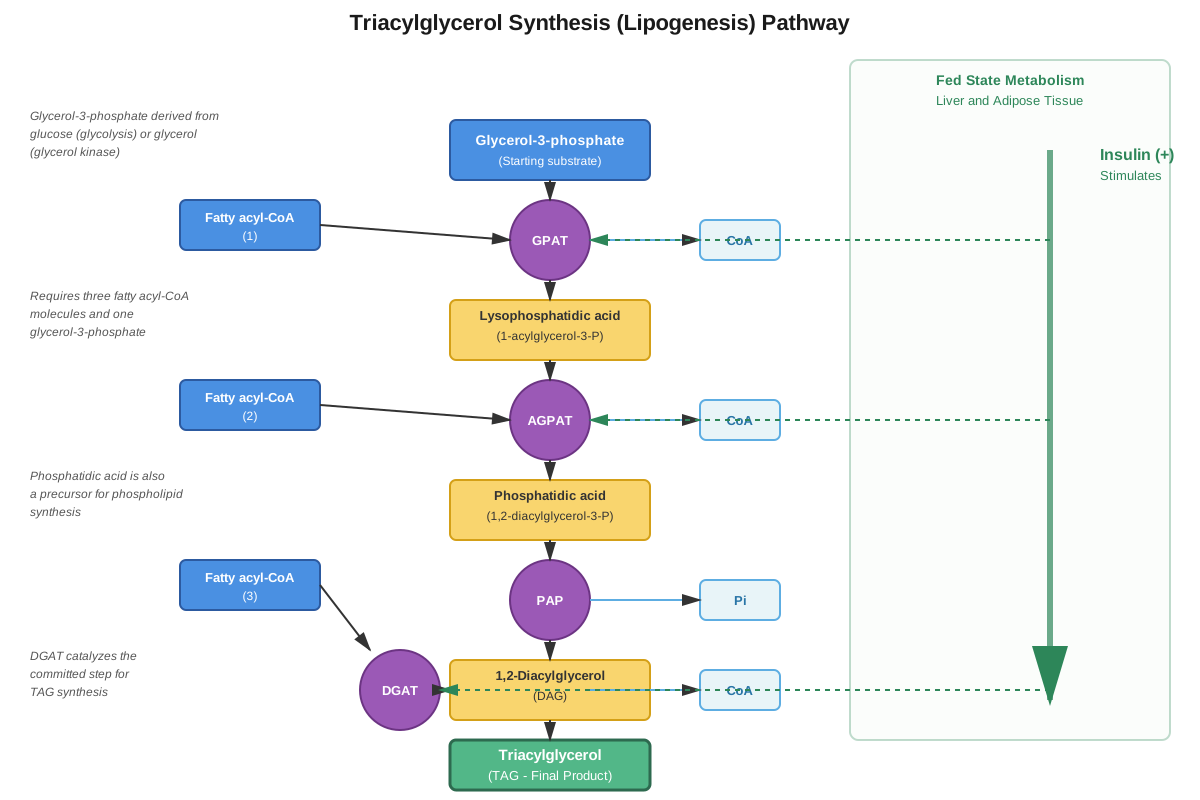
Triacylglycerol synthesis occurs primarily in the liver, adipose tissue, and small intestine through a series of enzymatic reactions. The pathway begins with glycerol-3-phosphate, which can be derived from glucose (via dihydroxyacetone phosphate reduction) or directly from glycerol (via glycerol kinase, present in liver but not adipose tissue).
The synthesis pathway proceeds through these key steps:
- Acylation of glycerol-3-phosphate: The enzyme glycerol-3-phosphate acyltransferase (GPAT) catalyzes the addition of a fatty acyl-CoA to the sn-1 position, forming lysophosphatidic acid
- Second acylation: Acylglycerol-3-phosphate acyltransferase (AGPAT) adds a second fatty acyl-CoA to the sn-2 position, producing phosphatidic acid
- Dephosphorylation: Phosphatidic acid phosphatase (PAP) removes the phosphate group, yielding diacylglycerol (DAG)
- Final acylation: Diacylglycerol acyltransferase (DGAT) adds the third fatty acyl-CoA to the sn-3 position, completing triacylglycerol synthesis
This pathway is highly regulated by nutritional status and hormones. Insulin stimulates triacylglycerol synthesis by promoting glucose uptake (providing glycerol-3-phosphate), activating acetyl-CoA carboxylase (increasing fatty acid synthesis), and inducing lipogenic enzymes. The fed state favors triacylglycerol accumulation in adipose tissue.
Triacylglycerol Breakdown (Lipolysis)
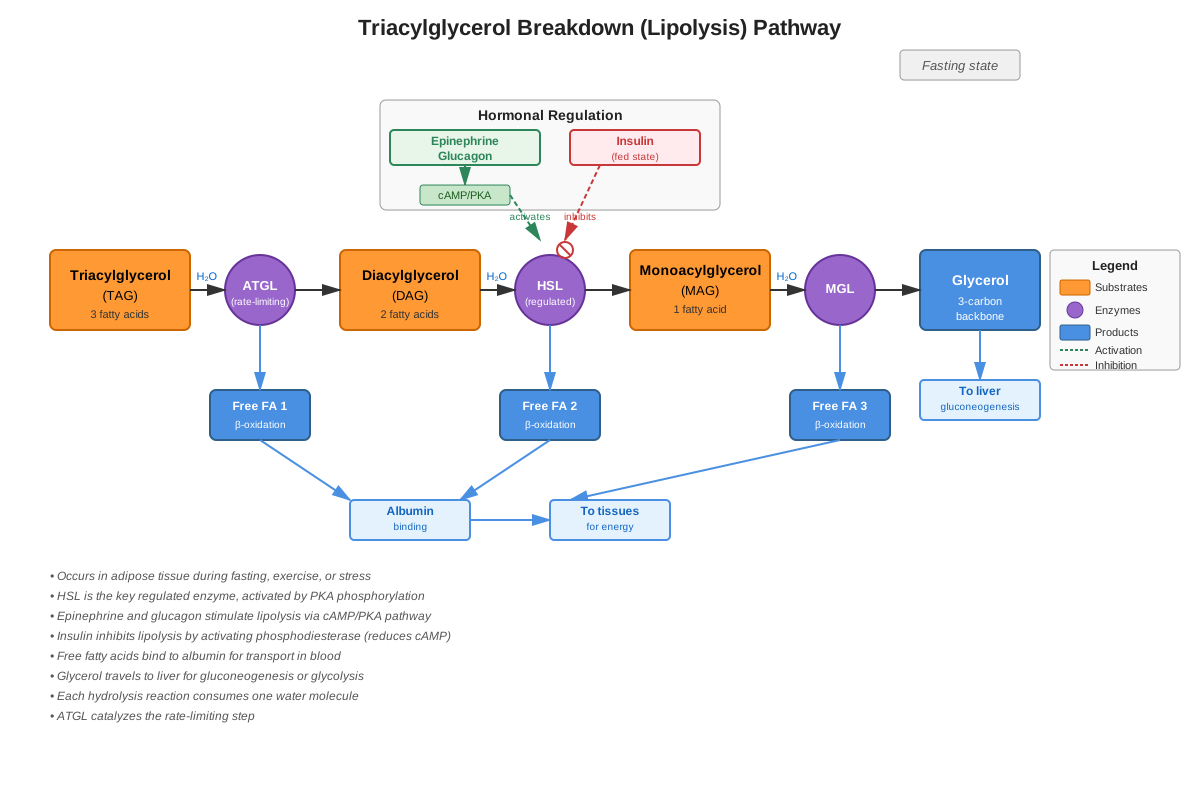
Lipolysis is the hydrolytic breakdown of triacylglycerols into glycerol and free fatty acids, occurring primarily in adipose tissue during fasting, exercise, or stress. The process involves three sequential lipase enzymes:
- Adipose triglyceride lipase (ATGL): Catalyzes the rate-limiting first step, removing one fatty acid from triacylglycerol to produce diacylglycerol
- Hormone-sensitive lipase (HSL): Removes the second fatty acid from diacylglycerol, yielding monoacylglycerol; this enzyme is the primary regulatory point
- Monoacylglycerol lipase (MGL): Removes the final fatty acid, releasing glycerol
Hormone-sensitive lipase is regulated by reversible phosphorylation. Epinephrine and glucagon activate adenylyl cyclase, increasing cAMP levels, which activates protein kinase A (PKA). PKA phosphorylates and activates HSL while also phosphorylating perilipin (a protein coating lipid droplets), allowing lipase access to stored triacylglycerols. Conversely, insulin activates phosphodiesterase, decreasing cAMP and promoting HSL dephosphorylation (inactivation), thereby inhibiting lipolysis.
The released fatty acids bind to serum albumin for transport to tissues (muscle, liver, heart) for β-oxidation, while glycerol travels to the liver for gluconeogenesis or re-entry into glycolysis.
Dietary Triacylglycerol Processing
Dietary triacylglycerols undergo extensive processing before absorption. In the small intestine, pancreatic lipase (activated by colipase in the presence of bile salts) hydrolyzes triacylglycerols at the sn-1 and sn-3 positions, producing 2-monoacylglycerol and two free fatty acids. These products, along with bile salts, form micelles that facilitate absorption across the intestinal epithelium.
Within enterocytes, triacylglycerols are resynthesized and packaged with cholesterol, cholesterol esters, and apolipoproteins (primarily apoB-48) into chylomicrons—large lipoprotein particles that enter the lymphatic system via lacteals before reaching the bloodstream. Lipoprotein lipase (LPL), anchored to capillary endothelium in muscle and adipose tissue, hydrolyzes chylomicron triacylglycerols, releasing fatty acids for tissue uptake. The resulting chylomicron remnants are taken up by the liver via receptor-mediated endocytosis.
Metabolic Regulation and Integration
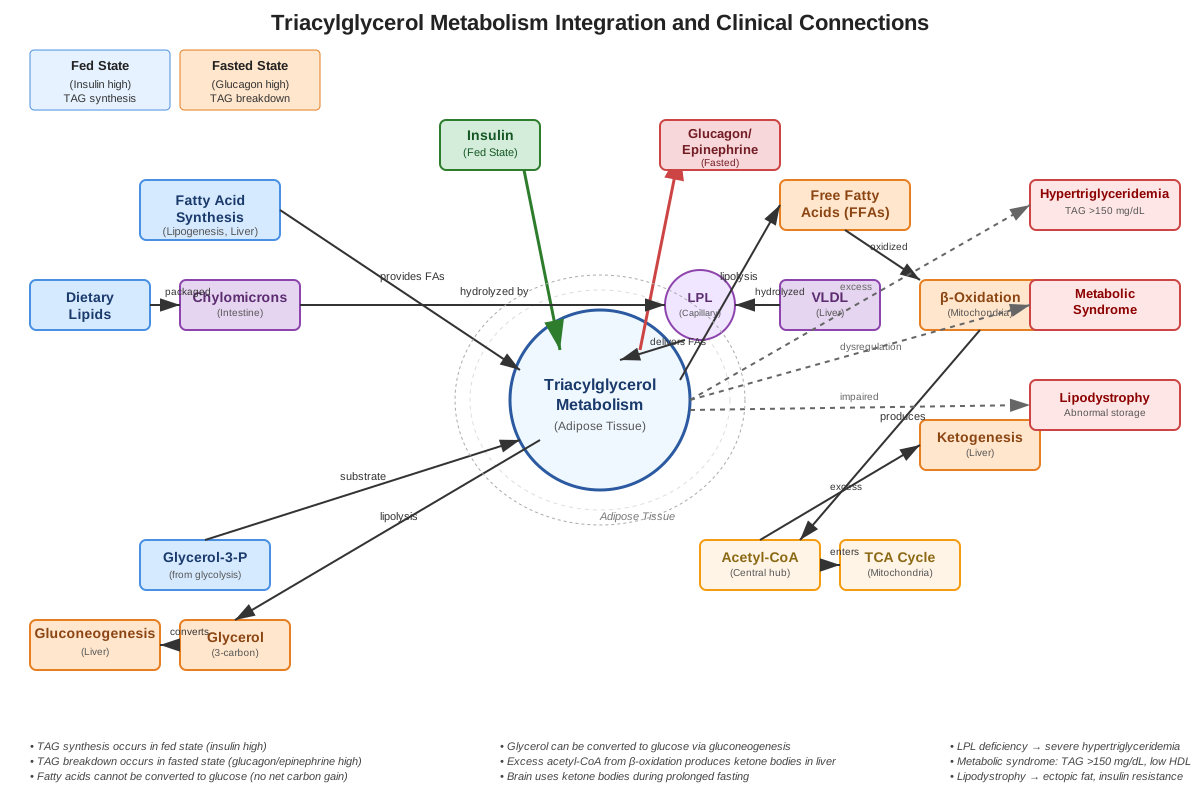
Triacylglycerol metabolism integrates with carbohydrate and protein metabolism through multiple control points. The fed state (high insulin, low glucagon) promotes triacylglycerol synthesis: glucose provides glycerol-3-phosphate and acetyl-CoA for fatty acid synthesis, insulin activates lipogenic enzymes, and lipolysis is suppressed. The fasted state (low insulin, high glucagon/epinephrine) promotes lipolysis: HSL is activated, releasing fatty acids for oxidation and glycerol for gluconeogenesis.
The respiratory quotient (RQ) reflects fuel utilization: pure carbohydrate oxidation yields RQ = 1.0, while pure fat oxidation yields RQ = 0.7. During prolonged fasting or exercise, RQ decreases as the body shifts from glucose to fatty acid oxidation, sparing glucose for the brain and red blood cells.
| Metabolic State | Insulin | Glucagon/Epi | Dominant Process | Triacylglycerol Fate |
|---|---|---|---|---|
| Fed | High | Low | Lipogenesis | Synthesis and storage |
| Post-absorptive | Moderate | Moderate | Transition | Minimal change |
| Fasted | Low | High | Lipolysis | Breakdown for energy |
| Exercise | Low | High | Lipolysis | Breakdown for energy |
| Stress | Low | Very High | Lipolysis | Rapid mobilization |
Concept Relationships
Triacylglycerol metabolism connects intimately with multiple biochemical pathways. Glycolysis provides dihydroxyacetone phosphate, which is reduced to glycerol-3-phosphate for triacylglycerol synthesis, creating a direct link between carbohydrate and lipid metabolism. Fatty acid synthesis supplies the acyl-CoA substrates for triacylglycerol formation, with both processes coordinately regulated by insulin and nutritional status.
The breakdown products of lipolysis feed into distinct pathways: fatty acids undergo β-oxidation in mitochondria, generating acetyl-CoA for the citric acid cycle or ketone body synthesis, while glycerol enters gluconeogenesis in the liver, contributing to blood glucose maintenance during fasting. This creates a metabolic flow: Triacylglycerols → Lipolysis → Fatty acids + Glycerol → β-oxidation + Gluconeogenesis → ATP + Glucose.
Triacylglycerols also connect to lipoprotein metabolism: chylomicrons transport dietary triacylglycerols, while VLDL (very-low-density lipoproteins) transport endogenously synthesized triacylglycerols from liver to peripheral tissues. The enzyme lipoprotein lipase serves as a critical control point, determining fatty acid delivery to tissues. Understanding triacylglycerols is impossible without grasping their relationship to membrane lipids—both share the glycerol backbone, but phospholipids substitute one fatty acid with a phosphate-containing head group, creating amphipathic molecules suitable for membrane structure rather than energy storage.
Quick check — test yourself on Triacylglycerols so far.
Try Flashcards →High-Yield Facts
⭐ Triacylglycerols yield approximately 9 kcal/g, more than twice the energy density of carbohydrates (4 kcal/g), making them the most efficient energy storage molecule
⭐ Hormone-sensitive lipase (HSL) is the rate-limiting enzyme in lipolysis and is activated by phosphorylation via PKA (stimulated by epinephrine and glucagon) and inhibited by insulin
⭐ Adipose tissue lacks glycerol kinase, so it cannot directly phosphorylate glycerol; it must use glucose-derived dihydroxyacetone phosphate to generate glycerol-3-phosphate for triacylglycerol synthesis
⭐ Pancreatic lipase hydrolyzes dietary triacylglycerols at the sn-1 and sn-3 positions, producing 2-monoacylglycerol and two free fatty acids for absorption
⭐ Triacylglycerols are stored anhydrously (without water), whereas glycogen binds approximately 2g of water per gram, making triacylglycerol storage approximately 7 times more mass-efficient
- Lipoprotein lipase (LPL) is located on capillary endothelium and hydrolyzes triacylglycerols in chylomicrons and VLDL, releasing fatty acids for tissue uptake
- Perilipin proteins coat lipid droplets in adipocytes and must be phosphorylated by PKA to allow lipase access during lipolysis
- The three fatty acids in a triacylglycerol molecule can be identical (simple triacylglycerol) or different (mixed triacylglycerol), with mixed forms being more common in nature
- Triacylglycerols are completely hydrophobic and carry no net charge at physiological pH, distinguishing them from phospholipids and other polar lipids
- During prolonged fasting, the liver converts fatty acids from lipolysis into ketone bodies, which can serve as alternative fuel for the brain when glucose is scarce
- The respiratory quotient (RQ) for pure fat oxidation is 0.7, compared to 1.0 for carbohydrate oxidation, reflecting the more reduced state of fatty acids
- Insulin promotes triacylglycerol synthesis by increasing glucose uptake, activating acetyl-CoA carboxylase, and inducing lipogenic enzyme expression
Common Misconceptions
Misconception: Triacylglycerols are components of cell membranes like phospholipids.
Correction: Triacylglycerols are completely hydrophobic storage molecules that cannot form membrane bilayers. Phospholipids, which have a polar head group, are the primary membrane structural lipids. Triacylglycerols are stored in specialized lipid droplets within cells, not incorporated into membrane structure.
Misconception: The glycerol released during lipolysis can be used by adipose tissue to resynthesize triacylglycerols.
Correction: Adipose tissue lacks glycerol kinase and cannot phosphorylate free glycerol to glycerol-3-phosphate. Adipocytes must obtain glycerol-3-phosphate from glucose metabolism (reduction of dihydroxyacetone phosphate). The liver possesses glycerol kinase and can utilize free glycerol.
Misconception: All three ester bonds in triacylglycerols are hydrolyzed by the same enzyme during digestion.
Correction: Pancreatic lipase specifically hydrolyzes the sn-1 and sn-3 positions, producing 2-monoacylglycerol (with the fatty acid still attached at the sn-2 position) and two free fatty acids. Complete hydrolysis to glycerol and three fatty acids does not typically occur during digestion.
Misconception: Insulin directly activates hormone-sensitive lipase to promote fat storage.
Correction: Insulin inhibits lipolysis by activating phosphodiesterase, which decreases cAMP levels, leading to reduced PKA activity and dephosphorylation (inactivation) of hormone-sensitive lipase. Insulin does not activate HSL; it prevents its activation, thereby reducing triacylglycerol breakdown.
Misconception: Triacylglycerols and triglycerides are different molecules.
Correction: These terms are synonymous and refer to the same molecule—three fatty acids esterified to glycerol. "Triacylglycerol" is the more chemically precise term preferred in biochemistry, while "triglyceride" is commonly used in clinical settings. The MCAT may use either term interchangeably.
Misconception: The energy advantage of triacylglycerols over glycogen is solely due to the higher caloric value per gram (9 vs 4 kcal/g).
Correction: While triacylglycerols do yield more energy per gram when oxidized, the storage efficiency advantage is even greater because triacylglycerols are stored anhydrously while glycogen requires approximately 2g of water per gram of glycogen. The effective energy density difference is approximately 7-fold, not just 2-fold.
Worked Examples
Example 1: Energy Storage Calculation
Question: A 70-kg individual has 15 kg of stored triacylglycerols and 300 g of glycogen. If this person were to store the same amount of energy as hydrated glycogen instead of triacylglycerols, what would be the approximate increase in body mass?
Solution:
Step 1: Calculate energy stored in triacylglycerols
- 15 kg TAG × 9 kcal/g = 15,000 g × 9 kcal/g = 135,000 kcal
Step 2: Determine glycogen needed to store equivalent energy
- Glycogen yields 4 kcal/g when oxidized
- Mass of glycogen needed = 135,000 kcal ÷ 4 kcal/g = 33,750 g = 33.75 kg
Step 3: Account for water of hydration
- Glycogen binds approximately 2g water per gram glycogen
- Total mass = glycogen + water = 33.75 kg + (2 × 33.75 kg) = 33.75 kg + 67.5 kg = 101.25 kg
Step 4: Calculate mass increase
- Current TAG mass = 15 kg
- Hydrated glycogen mass = 101.25 kg
- Increase = 101.25 kg - 15 kg = 86.25 kg
Answer: The individual would need to carry approximately 86 kg of additional mass, more than doubling body weight. This calculation demonstrates why triacylglycerols evolved as the preferred long-term energy storage molecule—the mass efficiency is critical for mobile organisms.
Connection to Learning Objectives: This problem applies triacylglycerol concepts to quantitative reasoning, a common MCAT question type, and illustrates the evolutionary advantage of lipid storage over carbohydrate storage.
Example 2: Hormonal Regulation Passage Analysis
Passage Context: Researchers investigate the effects of a novel compound, Drug X, on adipocyte metabolism. They find that Drug X increases intracellular cAMP levels in adipocytes. When adipocytes are treated with Drug X in the presence of insulin, lipolysis rates increase compared to insulin treatment alone, though not to the levels seen with epinephrine treatment.
Question: Based on the passage, which of the following best explains the mechanism by which Drug X affects triacylglycerol metabolism?
A) Drug X inhibits phosphodiesterase, preventing cAMP degradation and maintaining PKA activity
B) Drug X directly phosphorylates hormone-sensitive lipase, bypassing the need for PKA
C) Drug X activates glycerol kinase, allowing adipocytes to resynthesize triacylglycerols
D) Drug X inhibits lipoprotein lipase, preventing fatty acid uptake into adipocytes
Solution:
Step 1: Identify the key information
- Drug X increases intracellular cAMP
- Drug X increases lipolysis even in the presence of insulin
- Effect is less than epinephrine
Step 2: Recall the lipolysis pathway
- Epinephrine → adenylyl cyclase activation → increased cAMP → PKA activation → HSL phosphorylation → lipolysis
- Insulin → phosphodiesterase activation → decreased cAMP → reduced PKA activity → HSL dephosphorylation → inhibited lipolysis
Step 3: Analyze each option
- Option A: If Drug X inhibits phosphodiesterase, cAMP would remain elevated despite insulin's attempt to activate phosphodiesterase. This matches the observation that lipolysis increases even with insulin present. This is consistent with the data.
- Option B: Direct HSL phosphorylation would bypass cAMP entirely, but the passage states cAMP increases, suggesting the normal pathway is involved. This doesn't explain the cAMP increase.
- Option C: Adipocytes lack glycerol kinase (high-yield fact), making this physiologically impossible. This is incorrect.
- Option D: LPL affects fatty acid uptake, not lipolysis of stored triacylglycerols. This doesn't explain increased lipolysis or cAMP changes.
Step 4: Consider why the effect is less than epinephrine
- Epinephrine both increases cAMP production (via adenylyl cyclase) and the passage suggests Drug X only prevents cAMP breakdown
- Insulin may still partially suppress adenylyl cyclase activity, limiting cAMP production even if degradation is blocked
Answer: A is correct. Drug X inhibits phosphodiesterase, maintaining elevated cAMP levels that drive lipolysis through PKA activation of hormone-sensitive lipase, even in the presence of insulin.
Connection to Learning Objectives: This example demonstrates how to apply triacylglycerol metabolism knowledge to passage-based questions, identify regulatory mechanisms, and integrate hormonal control concepts—all critical MCAT skills.
Exam Strategy
Question Recognition and Approach
When encountering triacylglycerol questions on the MCAT, first identify whether the question tests structure, metabolism, regulation, or comparative biochemistry. Structure questions often include molecular diagrams or ask about chemical properties. Metabolism questions focus on synthesis or breakdown pathways and enzyme names. Regulation questions emphasize hormonal control and fed/fasted states. Comparative questions contrast triacylglycerols with other storage molecules or fuel sources.
Trigger Words and Phrases
Watch for these high-yield trigger phrases:
- "Energy storage efficiency" or "mass-efficient storage" → Think about the 9 kcal/g value and anhydrous storage
- "Fed state" or "after a meal" → Insulin dominant, lipogenesis active, lipolysis suppressed
- "Fasting" or "between meals" → Glucagon/epinephrine active, lipolysis proceeding, HSL phosphorylated
- "Adipose tissue" → Remember the lack of glycerol kinase
- "Dietary fat absorption" → Focus on pancreatic lipase, 2-monoacylglycerol, micelles, and chylomicrons
- "Hormone-sensitive" → Refers to HSL, the rate-limiting enzyme in lipolysis
- "cAMP" or "PKA" → Signals lipolysis activation pathway
Process of Elimination Tips
For questions about hormonal regulation, eliminate options that suggest insulin activates lipolysis or that glucagon/epinephrine inhibit it—these are backwards. For energy calculation questions, eliminate answers that don't account for water of hydration when comparing to glycogen storage. For structural questions, eliminate options suggesting triacylglycerols have charged groups or can form membrane bilayers. For enzyme questions, remember the sequence: ATGL → HSL → MGL for lipolysis, and that pancreatic lipase acts at sn-1 and sn-3 positions, not sn-2.
Time Management
Triacylglycerol questions typically require 60-90 seconds for discrete items and 90-120 seconds for passage-based questions. If a question involves calculations (energy storage, RQ values), quickly estimate rather than calculating precisely—MCAT answers are usually separated by enough margin that approximation suffices. For passage-based questions, identify the relevant metabolic state (fed vs. fasted) first, as this immediately narrows answer choices for regulation questions.
Memory Techniques
Mnemonics
"GLAD" for the triacylglycerol synthesis pathway:
- Glycerol-3-phosphate acyltransferase (GPAT) - first acylation
- Lysophosphatidic acid formed
- Acylglycerol-3-phosphate acyltransferase (AGPAT) - second acylation
- Diacylglycerol acyltransferase (DGAT) - final acylation
"HSL Hates Insulin" - Hormone-Sensitive Lipase is inhibited by insulin (remember that insulin promotes storage, not breakdown)
"A-H-M" for the lipolysis enzyme sequence:
- Adipose triglyceride lipase (ATGL) - first
- Hormone-sensitive lipase (HSL) - second (and rate-limiting)
- Monoacylglycerol lipase (MGL) - third
"TAG = 9, Carbs = 4, Water = 2" - Energy values and glycogen hydration ratio
Visualization Strategy
Visualize an adipocyte as a storage warehouse: in the fed state (insulin present), trucks (glucose) arrive and are converted into boxes (triacylglycerols) that are stacked in the warehouse. The warehouse doors are locked (HSL is dephosphorylated/inactive). In the fasted state (glucagon/epinephrine present), the locks are removed (HSL is phosphorylated/active), boxes are opened (lipolysis), and contents are shipped out (fatty acids to tissues, glycerol to liver).
For the digestion process, picture pancreatic lipase as scissors that can only cut the top and bottom straps (sn-1 and sn-3 positions) of a three-strapped package, leaving the middle strap (sn-2 position) attached—this produces 2-monoacylglycerol.
Summary
Triacylglycerols represent the primary energy storage molecules in humans, consisting of three fatty acids esterified to a glycerol backbone through ester linkages. Their complete hydrophobicity and anhydrous storage make them approximately seven times more mass-efficient than hydrated glycogen, yielding 9 kcal/g compared to carbohydrates' 4 kcal/g. Synthesis (lipogenesis) occurs primarily in liver and adipose tissue through sequential acylation of glycerol-3-phosphate, regulated by insulin in the fed state. Breakdown (lipolysis) is catalyzed by three lipases—ATGL, HSL, and MGL—with hormone-sensitive lipase serving as the rate-limiting, regulated step activated by PKA-mediated phosphorylation in response to glucagon and epinephrine. Dietary triacylglycerols are hydrolyzed by pancreatic lipase to 2-monoacylglycerol and free fatty acids, absorbed by enterocytes, resynthesized, and packaged into chylomicrons for transport. Understanding triacylglycerol metabolism requires integrating knowledge of hormonal regulation, energy calculations, and connections to fatty acid oxidation, gluconeogenesis, and lipoprotein transport—all high-yield topics for MCAT success.
Key Takeaways
- Triacylglycerols are the most energy-dense storage molecules (9 kcal/g) and are stored anhydrously, making them approximately 7 times more mass-efficient than hydrated glycogen
- Hormone-sensitive lipase (HSL) is the rate-limiting enzyme in lipolysis, activated by PKA-mediated phosphorylation (stimulated by epinephrine/glucagon) and inhibited by insulin-induced dephosphorylation
- Adipose tissue lacks glycerol kinase and must derive glycerol-3-phosphate from glucose metabolism, creating a critical link between carbohydrate availability and triacylglycerol synthesis
- Pancreatic lipase hydrolyzes dietary triacylglycerols at sn-1 and sn-3 positions, producing 2-monoacylglycerol and two free fatty acids for intestinal absorption
- Triacylglycerol metabolism integrates with carbohydrate metabolism through glycerol-3-phosphate (from DHAP) and with fatty acid metabolism through β-oxidation of released fatty acids
- The fed state (high insulin) promotes lipogenesis and inhibits lipolysis, while the fasted state (high glucagon/epinephrine) promotes lipolysis and inhibits lipogenesis
- Triacylglycerols are completely hydrophobic neutral lipids that cannot form membrane structures, distinguishing them from amphipathic phospholipids
Related Topics
- Fatty Acid Oxidation (β-oxidation): The fatty acids released from triacylglycerol lipolysis undergo β-oxidation in mitochondria to generate acetyl-CoA and ATP; mastering triacylglycerols provides the foundation for understanding where fatty acid substrates originate
- Ketone Body Metabolism: During prolonged fasting, excessive fatty acid oxidation in the liver produces ketone bodies from acetyl-CoA; understanding triacylglycerol breakdown explains the source of fatty acids driving ketogenesis
- Lipoprotein Metabolism: Chylomicrons and VLDL transport triacylglycerols through the bloodstream; comprehending triacylglycerol structure and metabolism is essential for understanding lipoprotein function and disorders
- Glycerophospholipids: These membrane lipids share the glycerol backbone with triacylglycerols but substitute a phosphate-containing head group for one fatty acid; comparing these structures clarifies the distinction between storage and structural lipids
- Fatty Acid Synthesis: The fatty acyl-CoA molecules used in triacylglycerol synthesis are produced through this pathway; understanding both processes reveals the complete picture of lipid anabolism
- Gluconeogenesis: The glycerol released during lipolysis enters this pathway in the liver, contributing to blood glucose maintenance during fasting; this connection integrates lipid and carbohydrate metabolism
Practice CTA
Now that you've mastered the core concepts of triacylglycerols, it's time to reinforce your understanding through active practice. Complete the associated practice questions to test your ability to apply these concepts in MCAT-style scenarios, and use the flashcards to solidify high-yield facts and regulatory mechanisms. Remember, the MCAT rewards not just knowledge but the ability to integrate concepts across biochemical pathways—triacylglycerols connect to metabolism, hormonal regulation, and energy homeostasis, making them a cornerstone topic for exam success. Your investment in understanding this material will pay dividends across multiple question types and passages. Keep pushing forward!
Sign up free to keep reading
Create a free AnvayaPrep account to finish this MCAT guide on Triacylglycerols — plus flashcards and practice questions.