Overview
Fatty acid synthesis is a fundamental anabolic pathway in Metabolism that constructs long-chain fatty acids from acetyl-CoA building blocks. This process occurs primarily in the cytoplasm of liver and adipose tissue cells and represents the body's primary mechanism for converting excess dietary carbohydrates and proteins into stored energy. Understanding fatty acid synthesis Biochemistry requires mastery of the enzymatic machinery, regulatory mechanisms, and energetic requirements that distinguish this pathway from its catabolic counterpart, β-oxidation.
For the MCAT, fatty acid synthesis MCAT questions frequently test the integration of metabolic pathways, particularly how fed-state hormonal signals coordinate anabolic processes. The exam emphasizes the reciprocal regulation between fatty acid synthesis and degradation, the subcellular compartmentalization of these processes, and the role of key regulatory enzymes like acetyl-CoA carboxylase. Students must understand not only the biochemical steps but also the physiological context—why the body synthesizes fatty acids after a carbohydrate-rich meal and how insulin promotes this process while glucagon and epinephrine inhibit it.
Within the broader landscape of Biochemistry, fatty acid synthesis connects carbohydrate metabolism (via acetyl-CoA from glycolysis and the citric acid cycle) to lipid metabolism and energy storage. This topic bridges multiple MCAT content areas: it requires understanding of enzyme kinetics, allosteric regulation, hormonal signaling, and the thermodynamics of biosynthetic reactions. The pathway's requirement for NADPH links it to the pentose phosphate pathway, while its regulation by citrate connects it to mitochondrial metabolism. Mastering fatty acid synthesis provides essential context for understanding metabolic disease states, including obesity, diabetes, and fatty liver disease—all topics that appear in MCAT passages.
Learning Objectives
- [ ] Define fatty acid synthesis using accurate Biochemistry terminology
- [ ] Explain why fatty acid synthesis matters for the MCAT
- [ ] Apply fatty acid synthesis to exam-style questions
- [ ] Identify common mistakes related to fatty acid synthesis
- [ ] Connect fatty acid synthesis to related Biochemistry concepts
- [ ] Diagram the complete pathway from acetyl-CoA to palmitate, including all intermediates and cofactors
- [ ] Compare and contrast the regulation of fatty acid synthesis versus β-oxidation
- [ ] Calculate the ATP and NADPH requirements for synthesizing a 16-carbon fatty acid
- [ ] Predict the metabolic consequences of enzyme deficiencies or regulatory disruptions in the pathway
Prerequisites
- Glycolysis and the citric acid cycle: These pathways generate the acetyl-CoA substrate for fatty acid synthesis and provide the metabolic context for when synthesis occurs
- Basic enzyme kinetics and regulation: Understanding allosteric regulation, covalent modification, and feedback inhibition is essential for grasping how acetyl-CoA carboxylase controls the pathway
- Mitochondrial structure and transport: Acetyl-CoA must be transported from mitochondria to cytoplasm via the citrate-malate shuttle
- Redox reactions and electron carriers: NADPH serves as the reducing agent, requiring understanding of oxidation-reduction chemistry
- Hormonal signaling basics: Insulin, glucagon, and epinephrine regulate fatty acid synthesis through signal transduction cascades
Why This Topic Matters
Clinical and Real-World Significance
Fatty acid synthesis plays a central role in metabolic health and disease. Excessive fatty acid synthesis contributes to non-alcoholic fatty liver disease (NAFLD), the most common liver disorder in developed countries. When dietary carbohydrate intake exceeds immediate energy needs, the liver converts excess glucose to fatty acids through de novo lipogenesis. Understanding this pathway explains why high-carbohydrate diets can lead to elevated blood triglycerides even in the absence of dietary fat. Pharmaceutical interventions targeting acetyl-CoA carboxylase are under development for treating metabolic syndrome and obesity.
MCAT Exam Statistics and Question Types
Fatty acid synthesis appears in approximately 8-12% of MCAT Biochemistry questions, either as the primary focus or as part of integrated metabolism passages. The exam most commonly tests this topic through:
- Passage-based questions presenting experimental data on metabolic regulation, requiring students to interpret how hormones or drugs affect fatty acid synthesis rates
- Discrete questions comparing fatty acid synthesis to β-oxidation, testing understanding of compartmentalization, cofactor requirements, and directional differences
- Pseudo-discrete questions embedded in clinical vignettes about diabetes, obesity, or metabolic disorders
The MCAT particularly favors questions that integrate fatty acid synthesis with carbohydrate metabolism, asking students to trace carbon atoms from glucose through glycolysis, the citric acid cycle, and into fatty acids. Questions frequently test the regulatory mechanisms, especially the role of citrate as both a substrate carrier and allosteric activator, and the opposing effects of insulin versus glucagon.
Common Passage Contexts
MCAT passages featuring fatty acid synthesis typically present:
- Research studies on metabolic regulation in fed versus fasted states
- Clinical cases of patients with diabetes or metabolic syndrome
- Experimental manipulations of enzyme activity or gene expression
- Pharmaceutical interventions targeting metabolic pathways
Core Concepts
Overview of Fatty Acid Synthesis
Fatty acid synthesis is the anabolic process that builds long-chain fatty acids from two-carbon acetyl-CoA units. The pathway occurs in the cytoplasm of cells, primarily in liver, adipose tissue, and lactating mammary glands. The primary product is palmitate (16:0), a saturated 16-carbon fatty acid. The overall reaction requires acetyl-CoA, ATP, and NADPH, with the key regulatory enzyme acetyl-CoA carboxylase (ACC) catalyzing the committed step.
The fundamental distinction from β-oxidation is critical: while β-oxidation occurs in mitochondria and uses NAD+ and FAD as electron acceptors, fatty acid synthesis occurs in the cytoplasm and uses NADPH as the reducing agent. This compartmentalization allows independent regulation of synthesis and degradation.
The Citrate-Malate Shuttle
Since acetyl-CoA cannot directly cross the mitochondrial membrane, cells employ the citrate-malate shuttle to transport acetyl units to the cytoplasm. In the mitochondrial matrix, acetyl-CoA condenses with oxaloacetate to form citrate via citrate synthase (the first step of the citric acid cycle). When cellular energy status is high (elevated ATP and NADH), citrate accumulates and exits the mitochondria through the tricarboxylate transporter.
In the cytoplasm, ATP citrate lyase cleaves citrate back into acetyl-CoA and oxaloacetate, consuming one ATP:
Citrate + ATP + CoA → Acetyl-CoA + Oxaloacetate + ADP + PiThe oxaloacetate is reduced to malate by malate dehydrogenase, then oxidatively decarboxylated to pyruvate by malic enzyme, generating NADPH:
Malate + NADP+ → Pyruvate + CO2 + NADPHThis shuttle accomplishes two goals: delivering acetyl-CoA to the cytoplasm and generating NADPH for reductive biosynthesis. The pyruvate returns to mitochondria to regenerate oxaloacetate.
Acetyl-CoA Carboxylase: The Committed Step
Acetyl-CoA carboxylase (ACC) catalyzes the rate-limiting, committed step of fatty acid synthesis, converting acetyl-CoA to malonyl-CoA:
Acetyl-CoA + CO2 + ATP → Malonyl-CoA + ADP + PiACC is a biotin-dependent enzyme that requires the vitamin biotin as a prosthetic group. The reaction occurs in two steps: biotin carboxylase activity carboxylates biotin using bicarbonate and ATP, then carboxyltransferase activity transfers the carboxyl group to acetyl-CoA.
ACC exists in two isoforms: ACC1 (cytoplasmic, for fatty acid synthesis) and ACC2 (mitochondrial outer membrane, where malonyl-CoA inhibits carnitine palmitoyltransferase I to prevent simultaneous β-oxidation).
Regulation of Acetyl-CoA Carboxylase
ACC is the primary control point for fatty acid synthesis, regulated through multiple mechanisms:
| Regulatory Mechanism | Effect | Physiological Context |
|---|---|---|
| Citrate (allosteric activator) | Promotes polymerization into active filaments | Fed state; excess citrate signals abundant acetyl-CoA |
| Palmitoyl-CoA (feedback inhibitor) | Inhibits enzyme activity | Product inhibition prevents overproduction |
| Phosphorylation by AMPK | Inactivates enzyme | Energy-depleted state; AMPK activated by low ATP |
| Dephosphorylation by phosphatase | Activates enzyme | Fed state; insulin activates phosphatase |
| Transcriptional regulation | Increases enzyme expression | Chronic high-carbohydrate diet; insulin and SREBP-1c |
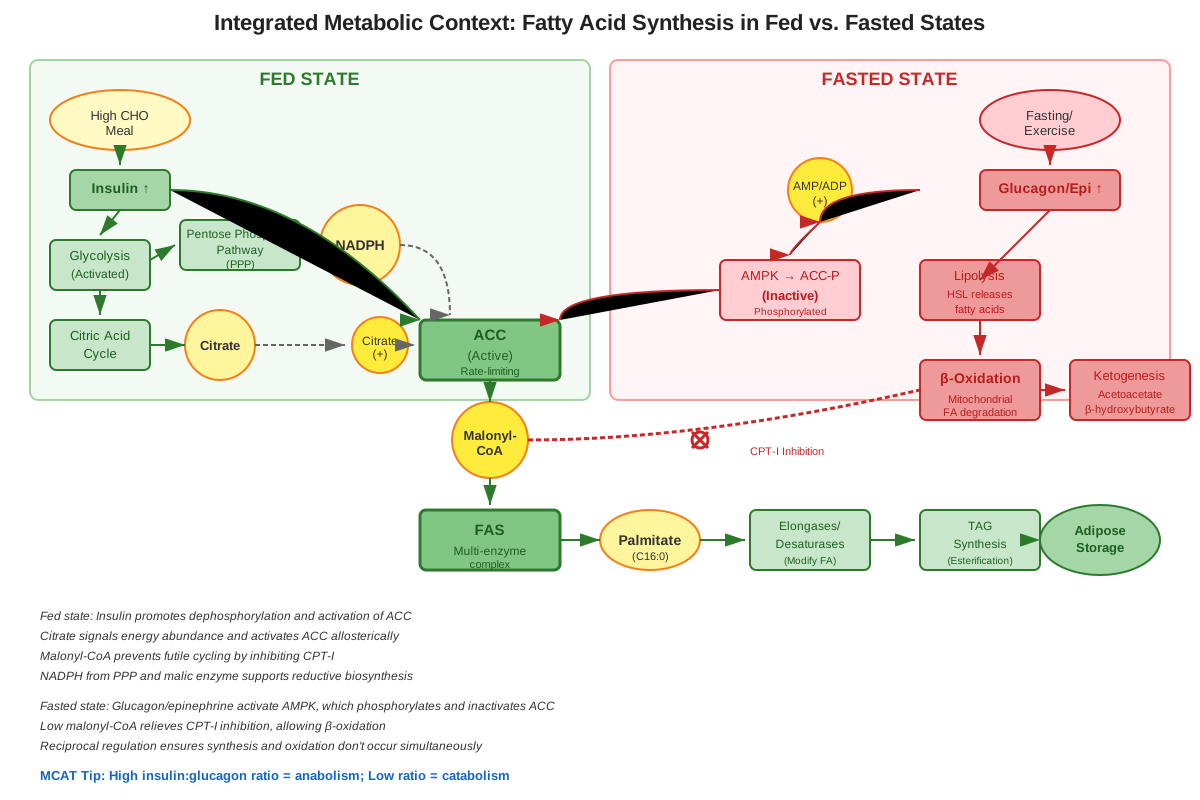
The fed state (high insulin, high glucose) promotes ACC activity through dephosphorylation and citrate activation. The fasted state (high glucagon, high epinephrine) promotes ACC phosphorylation by AMP-activated protein kinase (AMPK), inactivating the enzyme and halting fatty acid synthesis.
Fatty Acid Synthase Complex
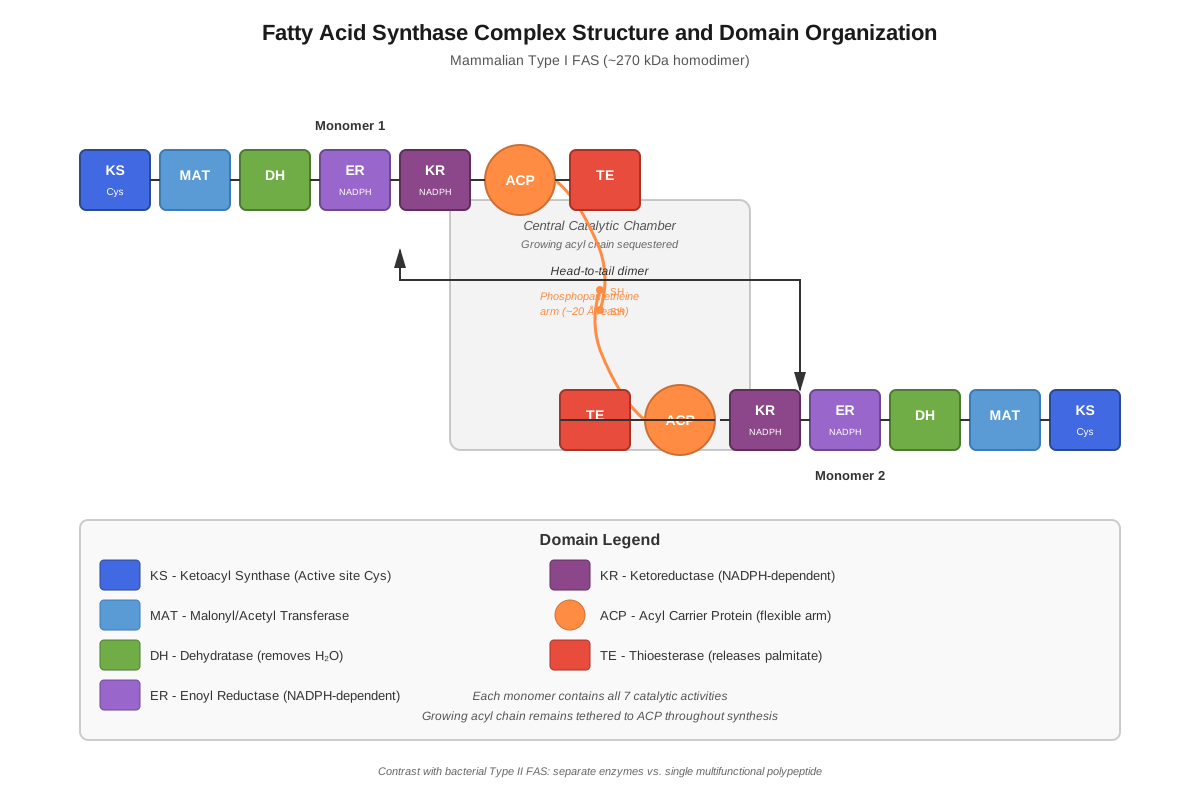
Fatty acid synthase (FAS) is a large, multifunctional enzyme complex that catalyzes the remaining steps of fatty acid synthesis. In mammals, FAS is a homodimer, with each monomer containing seven enzymatic activities and an acyl carrier protein (ACP) domain. The ACP contains a phosphopantetheine prosthetic group (derived from pantothenic acid/vitamin B5) that carries growing fatty acid chains as thioesters.
The Fatty Acid Synthesis Cycle
Fatty acid synthesis proceeds through iterative cycles, each adding two carbons to the growing chain. Each cycle consists of four reactions: condensation, reduction, dehydration, and reduction.
Cycle Steps (Detailed)
- Loading: The acetyl group from acetyl-CoA is transferred to ACP, forming acetyl-ACP. A malonyl group from malonyl-CoA is also loaded onto ACP.
- Condensation (catalyzed by β-ketoacyl-ACP synthase): The acetyl group is transferred to the synthase active site, then the malonyl group attacks, releasing CO2 and forming β-ketoacyl-ACP (a 4-carbon unit). The CO2 released is the same CO2 added by ACC—it serves to activate the methyl carbon for nucleophilic attack.
Acetyl-ACP + Malonyl-ACP → Acetoacetyl-ACP + CO2 + ACP- First Reduction (catalyzed by β-ketoacyl-ACP reductase): The β-keto group is reduced to a β-hydroxyl group using NADPH:
Acetoacetyl-ACP + NADPH + H+ → β-Hydroxybutyryl-ACP + NADP+- Dehydration (catalyzed by β-hydroxyacyl-ACP dehydratase): Water is removed, creating a trans-double bond:
β-Hydroxybutyryl-ACP → Crotonyl-ACP + H2O- Second Reduction (catalyzed by enoyl-ACP reductase): The double bond is reduced using NADPH:
Crotonyl-ACP + NADPH + H+ → Butyryl-ACP + NADP+The cycle repeats with the 4-carbon butyryl-ACP serving as the "acetyl" group for the next round. After seven complete cycles, the product is palmitoyl-ACP (16 carbons). Thioesterase cleaves the thioester bond, releasing free palmitate (palmitic acid).
Stoichiometry and Energy Requirements
To synthesize one molecule of palmitate (16:0) from acetyl-CoA:
Inputs:
- 8 Acetyl-CoA (one serves as the primer, seven are carboxylated to malonyl-CoA)
- 7 ATP (for carboxylation by ACC)
- 14 NADPH (two per cycle × seven cycles)
Overall equation:
8 Acetyl-CoA + 7 ATP + 14 NADPH + 14 H+ → Palmitate + 8 CoA + 7 ADP + 7 Pi + 14 NADP+ + 6 H2OThe NADPH primarily comes from the pentose phosphate pathway (oxidative phase) and the malic enzyme reaction in the citrate-malate shuttle. This high NADPH requirement links fatty acid synthesis to glucose metabolism, as glucose-6-phosphate feeds the pentose phosphate pathway.
Elongation and Desaturation
Palmitate (16:0) can be modified by elongase enzymes (in the endoplasmic reticulum) to create longer fatty acids, and by desaturase enzymes to introduce double bonds. Δ9-desaturase (stearoyl-CoA desaturase) introduces the first double bond between carbons 9 and 10, converting stearate (18:0) to oleate (18:1).
Humans lack desaturases beyond Δ9, making linoleate (18:2) and α-linolenate (18:3) essential fatty acids that must be obtained from the diet. These serve as precursors for longer, more unsaturated fatty acids like arachidonate (20:4), which is the precursor for eicosanoids (prostaglandins, thromboxanes, leukotrienes).
Hormonal Regulation Summary
| Hormone | Metabolic State | Effect on Fatty Acid Synthesis | Mechanism |
|---|---|---|---|
| Insulin | Fed state | ↑ Activates | Activates phosphatase → dephosphorylates ACC; increases gene expression |
| Glucagon | Fasted state | ↓ Inhibits | Activates PKA → phosphorylates ACC (inactive) |
| Epinephrine | Stress/exercise | ↓ Inhibits | Activates PKA → phosphorylates ACC (inactive) |
| AMP/ADP | Low energy | ↓ Inhibits | Activates AMPK → phosphorylates ACC (inactive) |
Concept Relationships
The concepts within fatty acid synthesis form an integrated regulatory network. Acetyl-CoA availability depends on the citrate-malate shuttle, which itself depends on citric acid cycle activity and mitochondrial energy status. High ATP and NADH levels cause citrate accumulation, promoting citrate export and fatty acid synthesis. The committed step (ACC) integrates multiple signals: citrate (substrate availability), palmitoyl-CoA (product inhibition), and phosphorylation status (hormonal and energy signals). The FAS complex then executes the repetitive cycle, with NADPH availability (from pentose phosphate pathway and malic enzyme) determining synthetic capacity.
Connections to prerequisite topics:
- Glycolysis → provides pyruvate → enters mitochondria → forms acetyl-CoA (via pyruvate dehydrogenase) → substrate for fatty acid synthesis
- Citric acid cycle → generates citrate → exported to cytoplasm → cleaved to acetyl-CoA
- Pentose phosphate pathway → generates NADPH → reducing power for fatty acid synthesis
Connections to related topics:
- β-oxidation (reciprocally regulated; malonyl-CoA from ACC inhibits CPT-I, preventing simultaneous synthesis and degradation)
- Triglyceride synthesis (fatty acids are esterified to glycerol-3-phosphate)
- Ketogenesis (when fatty acid synthesis is inhibited, acetyl-CoA is diverted to ketone bodies)
- Cholesterol synthesis (also uses acetyl-CoA and NADPH; shares regulatory features)
Relationship map:
Glucose → Glycolysis → Pyruvate → Acetyl-CoA (mitochondria)
                                        ↓
                                  Citric Acid Cycle
                                        ↓
                                    Citrate
                                        ↓
                            Citrate-Malate Shuttle
                                        ↓
                            Acetyl-CoA (cytoplasm) + NADPH
                                        ↓
                                      ACC
                                        ↓
                                  Malonyl-CoA
                                        ↓
                                      FAS
                                        ↓
                                   Palmitate → Elongation/Desaturation → Complex fatty acids
                                        ↓
                              Triglyceride synthesis
Quick check — test yourself on Fatty acid synthesis so far.
Try Flashcards →High-Yield Facts
⭐ Fatty acid synthesis occurs in the cytoplasm, while β-oxidation occurs in mitochondria—this compartmentalization allows independent regulation.
⭐ Acetyl-CoA carboxylase (ACC) is the rate-limiting enzyme, catalyzing the committed step that produces malonyl-CoA.
⭐ Malonyl-CoA serves two functions: substrate for fatty acid synthase and inhibitor of carnitine palmitoyltransferase I (CPT-I), preventing simultaneous synthesis and degradation.
⭐ Fatty acid synthesis requires NADPH (not NADH), primarily from the pentose phosphate pathway and malic enzyme.
⭐ Citrate is both a substrate carrier (transporting acetyl units from mitochondria) and an allosteric activator of ACC.
- Palmitate (16:0) is the primary product of fatty acid synthase; longer and unsaturated fatty acids require additional enzymes.
- Insulin activates fatty acid synthesis by promoting ACC dephosphorylation; glucagon and epinephrine inhibit it by promoting phosphorylation via PKA.
- AMPK phosphorylates and inactivates ACC during energy depletion, linking cellular energy status to fatty acid synthesis.
- Biotin is an essential cofactor for ACC; biotin deficiency impairs fatty acid synthesis.
- Each cycle of fatty acid synthesis adds two carbons and requires two NADPH molecules.
- Seven cycles are needed to produce palmitate (16 carbons) from one acetyl-CoA primer and seven malonyl-CoA molecules.
- The CO2 added by ACC is released during the condensation reaction—it activates the methyl carbon but doesn't appear in the final product.
- Humans cannot synthesize linoleate and α-linolenate—these essential fatty acids must come from the diet.
- Fatty acid synthase is a multifunctional enzyme complex with seven catalytic activities on a single polypeptide (in mammals).
Common Misconceptions
Misconception: Fatty acid synthesis is simply the reverse of β-oxidation.
Correction: While both pathways involve similar chemical transformations, they differ fundamentally in location (cytoplasm vs. mitochondria), enzymes, cofactors (NADPH vs. NAD+/FAD), and regulation. Synthesis uses malonyl-CoA and releases CO2; β-oxidation uses free CoA and produces acetyl-CoA directly.
Misconception: The CO2 added by acetyl-CoA carboxylase becomes part of the fatty acid structure.
Correction: The CO2 is released during the condensation reaction catalyzed by fatty acid synthase. It serves to activate the methyl carbon of malonyl-CoA for nucleophilic attack but does not appear in the final fatty acid product. This is why seven malonyl-CoA molecules (14 carbons) plus one acetyl-CoA (2 carbons) yield a 16-carbon palmitate.
Misconception: NADH can substitute for NADPH in fatty acid synthesis.
Correction: Fatty acid synthase specifically requires NADPH, not NADH. The cell maintains separate NADPH and NADH pools for anabolic and catabolic processes, respectively. NADPH is generated by the pentose phosphate pathway and malic enzyme, linking fatty acid synthesis to glucose metabolism.
Misconception: Malonyl-CoA only serves as a substrate for fatty acid synthesis.
Correction: Malonyl-CoA has a critical regulatory function: it inhibits carnitine palmitoyltransferase I (CPT-I), the enzyme that transports fatty acids into mitochondria for β-oxidation. This ensures that when the cell is synthesizing fatty acids, it doesn't simultaneously degrade them—a futile cycle that would waste ATP.
Misconception: Fatty acid synthesis is always active after eating.
Correction: While the fed state generally promotes fatty acid synthesis, the pathway is only active when energy intake exceeds immediate needs. If dietary carbohydrates are used for immediate energy or glycogen synthesis, fatty acid synthesis may not be significantly upregulated. The pathway is most active during chronic caloric excess, particularly with high-carbohydrate diets.
Misconception: All fatty acids can be synthesized by humans.
Correction: Humans can only synthesize saturated fatty acids and monounsaturated fatty acids (via Δ9-desaturase). We lack the enzymes to introduce double bonds beyond carbon 9, making linoleic acid (omega-6) and α-linolenic acid (omega-3) essential fatty acids that must be obtained from the diet.
Misconception: Acetyl-CoA carboxylase is only regulated by phosphorylation.
Correction: ACC is regulated by multiple mechanisms: allosteric activation by citrate, allosteric inhibition by palmitoyl-CoA, covalent modification (phosphorylation/dephosphorylation), and transcriptional regulation. This multi-level control allows fine-tuning in response to substrate availability, product accumulation, hormonal signals, and energy status.
Worked Examples
Example 1: Calculating Energy Requirements
Question: A cell synthesizes one molecule of palmitate (16:0) from acetyl-CoA. Calculate the total number of ATP equivalents consumed in this process, considering both the ATP directly used and the ATP equivalents represented by NADPH (assume each NADPH is worth 2.5 ATP equivalents).
Solution:
Step 1: Identify the stoichiometry.
To synthesize palmitate requires:
- 7 ATP (for ACC to produce 7 malonyl-CoA)
- 14 NADPH (2 per cycle × 7 cycles)
Step 2: Calculate direct ATP consumption.
Direct ATP used = 7 ATP
Step 3: Calculate ATP equivalents from NADPH.
NADPH ATP equivalents = 14 NADPH × 2.5 ATP/NADPH = 35 ATP equivalents
Step 4: Calculate total ATP equivalents.
Total = 7 ATP + 35 ATP equivalents = 42 ATP equivalents
Step 5: Consider ATP production from citrate-malate shuttle.
The citrate-malate shuttle consumes 1 ATP per acetyl-CoA transported (via ATP citrate lyase). For 8 acetyl-CoA units, this adds 8 ATP consumed.
Revised total = 7 (ACC) + 8 (citrate lyase) + 35 (NADPH equivalents) = 50 ATP equivalents
Key insight: Fatty acid synthesis is energetically expensive, reflecting its role as long-term energy storage. This high cost explains why the pathway is tightly regulated and only active during caloric excess.
Example 2: Passage-Based Reasoning
Passage excerpt: "Researchers investigated the effects of compound X on hepatocyte metabolism. Cells were incubated with radiolabeled glucose (¹⁴C-glucose) in the presence or absence of compound X. After 4 hours, the incorporation of ¹⁴C into fatty acids was measured. In control cells, significant radioactivity was detected in the fatty acid fraction. In cells treated with compound X, fatty acid radioactivity was reduced by 85%, while radioactivity in the citrate fraction increased 3-fold."
Question: Based on the passage, compound X most likely inhibits which enzyme?
A) Citrate synthase
B) ATP citrate lyase
C) Acetyl-CoA carboxylase
D) Fatty acid synthase
Solution:
Step 1: Trace the path of ¹⁴C from glucose to fatty acids.
Glucose → Glycolysis → Pyruvate → Acetyl-CoA → Citrate (in mitochondria) → Citrate (exported to cytoplasm) → Acetyl-CoA (via ATP citrate lyase) → Malonyl-CoA (via ACC) → Fatty acids (via FAS)
Step 2: Analyze the experimental results.
- Fatty acid synthesis is dramatically reduced (85% decrease)
- Citrate accumulates (3-fold increase)
Step 3: Identify the bottleneck.
The accumulation of citrate with reduced fatty acid synthesis indicates that citrate is being produced but not efficiently converted to acetyl-CoA in the cytoplasm. This points to inhibition of ATP citrate lyase, which cleaves citrate to acetyl-CoA and oxaloacetate.
Step 4: Eliminate other options.
- A) Citrate synthase inhibition would decrease citrate levels, not increase them
- C) ACC inhibition would reduce fatty acid synthesis but wouldn't cause citrate accumulation (acetyl-CoA would accumulate instead)
- D) FAS inhibition would reduce fatty acid synthesis but wouldn't affect citrate levels
Answer: B) ATP citrate lyase
Key insight: When interpreting metabolic experiments, track substrate accumulation patterns. Accumulation upstream of a block with depletion downstream indicates the site of inhibition.
Exam Strategy
Approaching MCAT Questions on Fatty Acid Synthesis
1. Identify the metabolic state first: Determine whether the question describes fed, fasted, or exercise conditions. This immediately tells you whether fatty acid synthesis should be active (fed) or inactive (fasted/exercise).
2. Watch for compartmentalization clues: If a question mentions mitochondria, it's likely discussing β-oxidation or the citrate-malate shuttle, not the core synthesis reactions. Cytoplasm = synthesis; mitochondria = oxidation.
3. Track cofactors carefully: NADPH (not NADH) is required for synthesis. If a question asks about cofactor requirements or reducing equivalents, this distinction is often the key.
4. Recognize regulatory trigger words:
- "High insulin" or "after a meal" → synthesis active
- "Fasting" or "glucagon" → synthesis inactive
- "AMPK activation" or "low ATP" → synthesis inactive
- "Citrate accumulation" → synthesis likely to be activated
5. Use reciprocal regulation logic: Fatty acid synthesis and β-oxidation are reciprocally regulated. If one is active, the other is inhibited. Malonyl-CoA is the key molecule linking them (inhibits CPT-I).
Process-of-Elimination Tips
- Eliminate answers that confuse synthesis with oxidation: If an answer choice describes NAD+ or FAD as cofactors, or places the pathway in mitochondria, eliminate it.
- Eliminate answers that violate stoichiometry: For calculation questions, remember that 7 cycles produce 16 carbons, requiring 14 NADPH and 7 ATP (for ACC).
- Eliminate answers with incorrect regulatory directions: If a question asks about insulin's effect and an answer says "inhibits fatty acid synthesis," eliminate it immediately.
- Watch for essential fatty acid traps: If a question asks whether humans can synthesize a particular polyunsaturated fatty acid, remember that we cannot make linoleate or α-linolenate.
Time Allocation Advice
- Discrete questions (30-45 seconds): Quickly identify the key concept being tested (usually regulation, compartmentalization, or cofactors) and select the answer.
- Passage-based questions (60-90 seconds): Spend time understanding the experimental setup or clinical scenario in the passage. Draw a quick pathway diagram if needed to track substrates and products. Use the passage data to identify where in the pathway the manipulation occurs.
- Calculation questions (90-120 seconds): Write out the stoichiometry clearly. Double-check that you've counted cycles correctly (7 cycles for palmitate, not 8).
Memory Techniques
Mnemonics
"Citrate Activates Carboxylase, Palmitate Prevents" - Remember that citrate activates ACC while palmitoyl-CoA inhibits it (allosteric regulation).
"Synthesis Needs NADPH, Oxidation Needs NAD+" - The "PH" in NADPH stands for "Phosphate" but think of it as "Producing/Polymerizing" (anabolic), while NAD+ is for "Degrading" (catabolic).
"CREED" - The four reactions in each cycle of fatty acid synthesis:
- Condensation (forms β-keto group)
- Reduction (β-keto → β-hydroxy)
- Elimination/Dehydration (removes water)
- Enoyl reduction (saturates the double bond)
- Done (ready for next cycle)
"Seven Cycles, Sixteen Carbons" - Remember that it takes 7 cycles (not 8) to make palmitate because the first acetyl-CoA serves as the primer.
Visualization Strategies
Picture a factory assembly line: Visualize fatty acid synthase as a molecular assembly line where the growing fatty acid chain is passed from one enzymatic "station" to another. The ACP is like a conveyor belt carrying the product through each station. This helps remember the sequential nature of the reactions.
Color-code compartments: When drawing pathways, use one color for mitochondrial processes (citric acid cycle, β-oxidation) and another for cytoplasmic processes (fatty acid synthesis, glycolysis). This reinforces compartmentalization.
Visualize the citrate-malate shuttle as a ferry: Imagine citrate as a "ferry boat" carrying acetyl groups across the mitochondrial membrane. The ferry can't carry acetyl-CoA directly (too large/charged), so it packages it as citrate, then unpacks it on the other side.
Acronyms
"AMPK Kills Anabolism" - Remember that AMPK (activated during low energy) phosphorylates and inactivates ACC, shutting down fatty acid synthesis (and other anabolic pathways).
"FAS Makes Palmitate" - Fatty Acid Synthase's primary product is Palmitate (16:0).
Summary
Fatty acid synthesis is the cytoplasmic anabolic pathway that constructs palmitate from acetyl-CoA building blocks, requiring ATP and NADPH. The process begins with the citrate-malate shuttle transporting acetyl units from mitochondria to cytoplasm, where ATP citrate lyase regenerates acetyl-CoA. Acetyl-CoA carboxylase (ACC), the rate-limiting enzyme, carboxylates acetyl-CoA to malonyl-CoA in a biotin-dependent reaction. ACC is regulated by allosteric effectors (citrate activates, palmitoyl-CoA inhibits), covalent modification (phosphorylation inactivates), and hormonal signals (insulin activates, glucagon/epinephrine inhibit). The fatty acid synthase complex then catalyzes seven iterative cycles, each adding two carbons through condensation, two reductions (using NADPH), and dehydration. The final product, palmitate, can be elongated and desaturated, though humans cannot synthesize essential fatty acids (linoleate and α-linolenate). The pathway is reciprocally regulated with β-oxidation through malonyl-CoA's inhibition of CPT-I, ensuring metabolic efficiency. For the MCAT, understanding the compartmentalization, cofactor requirements, regulatory mechanisms, and integration with carbohydrate metabolism is essential for answering both discrete and passage-based questions.
Key Takeaways
- Fatty acid synthesis occurs in the cytoplasm and requires NADPH, distinguishing it from mitochondrial β-oxidation that uses NAD+ and FAD
- Acetyl-CoA carboxylase (ACC) is the rate-limiting, committed step, producing malonyl-CoA and serving as the primary regulatory point
- Malonyl-CoA has dual functions: substrate for fatty acid synthase and inhibitor of CPT-I, preventing futile cycling
- The citrate-malate shuttle transports acetyl units from mitochondria to cytoplasm while generating NADPH via malic enzyme
- Seven cycles of fatty acid synthase produce palmitate (16:0), requiring 7 ATP and 14 NADPH
- Insulin activates synthesis (fed state) while glucagon and epinephrine inhibit it (fasted state) through phosphorylation/dephosphorylation of ACC
- Reciprocal regulation with β-oxidation ensures metabolic efficiency, with high malonyl-CoA levels blocking fatty acid entry into mitochondria
Related Topics
β-Oxidation of Fatty Acids: The catabolic counterpart to fatty acid synthesis, occurring in mitochondria and generating acetyl-CoA, NADH, and FADH₂. Understanding the contrasts between synthesis and oxidation is essential for integrated metabolism questions.
Ketogenesis: When fatty acid synthesis is inhibited (fasting state), acetyl-CoA is diverted to ketone body production. Mastering fatty acid synthesis provides context for understanding when and why ketogenesis occurs.
Pentose Phosphate Pathway: The primary source of NADPH for fatty acid synthesis. Understanding this pathway explains how glucose metabolism supports lipid biosynthesis.
Triglyceride Metabolism: Fatty acids synthesized de novo are esterified to glycerol-3-phosphate to form triglycerides for storage. This topic extends fatty acid synthesis into lipid storage and mobilization.
Cholesterol Synthesis: Another major biosynthetic pathway using acetyl-CoA and NADPH, sharing regulatory features with fatty acid synthesis. Both pathways are coordinated by SREBP transcription factors.
Metabolic Integration: Fatty acid synthesis is a key component of understanding how the body coordinates carbohydrate, lipid, and protein metabolism in fed versus fasted states—a high-yield MCAT topic.
Practice CTA
Now that you've mastered the core concepts of fatty acid synthesis, it's time to reinforce your understanding through active practice. Work through the practice questions to test your ability to apply these concepts to MCAT-style scenarios, and use the flashcards to drill the high-yield facts until they become automatic. Remember, understanding the "why" behind each regulatory mechanism and the connections between pathways will serve you far better than rote memorization. You've built a strong foundation—now solidify it through deliberate practice. Your ability to integrate fatty acid synthesis with broader metabolic concepts will distinguish you on test day!
Sign up free to keep reading
Create a free AnvayaPrep account to finish this MCAT guide on Fatty acid synthesis — plus flashcards and practice questions.