Overview
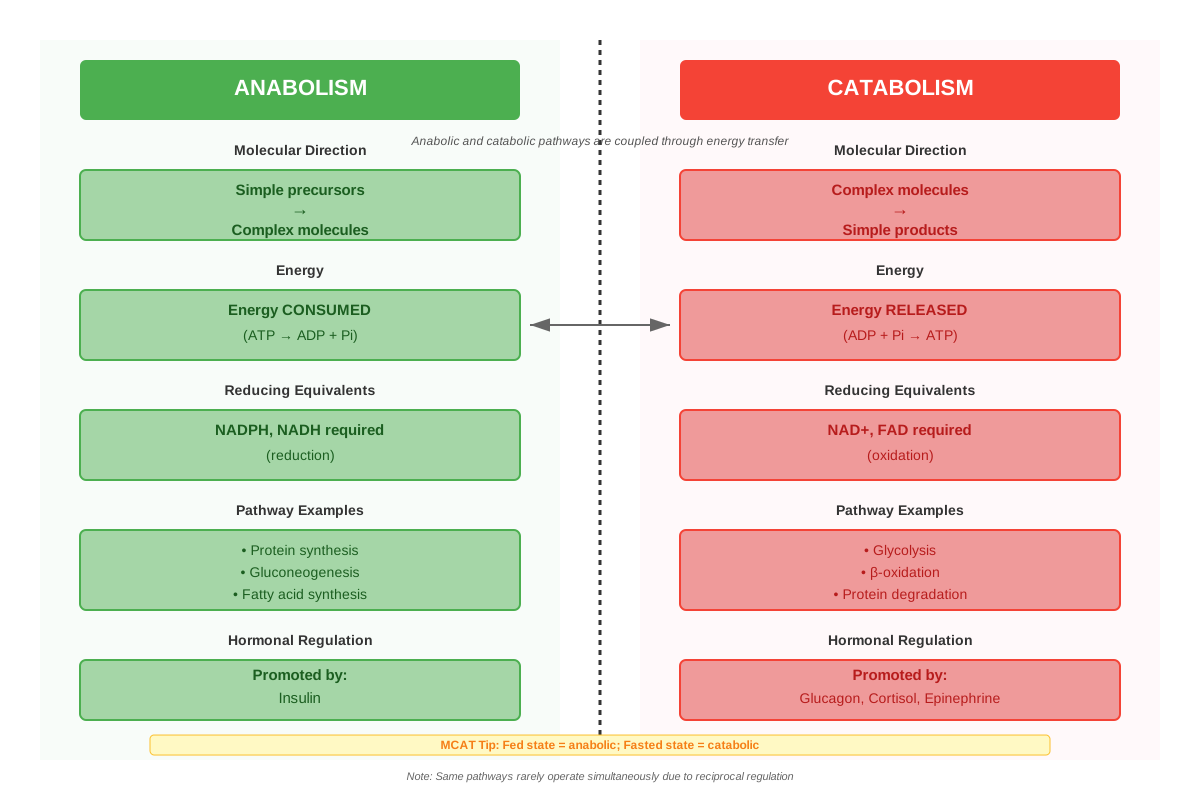
Anabolism represents one of the two fundamental branches of metabolism, encompassing all biosynthetic pathways that construct complex molecules from simpler precursors. While catabolism breaks down nutrients to release energy, anabolism uses that energy to build the macromolecules essential for cellular structure, function, and growth. These energy-requiring processes synthesize proteins from amino acids, nucleic acids from nucleotides, polysaccharides from monosaccharides, and lipids from fatty acids and glycerol. Understanding anabolism is crucial for comprehending how organisms grow, repair tissues, store energy, and maintain homeostasis.
For the MCAT, anabolism biochemistry appears frequently in passages examining metabolic regulation, hormonal control, and energy balance. Test-makers favor questions that require students to distinguish between anabolic and catabolic states, identify rate-limiting enzymes in biosynthetic pathways, and predict metabolic responses to hormonal signals or nutritional states. The anabolism MCAT content integrates with endocrinology, cell biology, and physiology, making it a high-yield topic that connects multiple testable domains.
The relationship between anabolism and other biochemistry concepts is foundational. Anabolic pathways consume ATP and reducing equivalents (NADPH, NADH) generated by catabolic processes, creating an interdependent metabolic network. Hormones like insulin promote anabolism while glucagon and cortisol favor catabolism, establishing the regulatory framework that maintains metabolic homeostasis. Mastering anabolism enables students to predict how cells respond to fed versus fasted states, understand disease states like diabetes, and analyze experimental data in MCAT passages.
Learning Objectives
- [ ] Define Anabolism using accurate Biochemistry terminology
- [ ] Explain why Anabolism matters for the MCAT
- [ ] Apply Anabolism to exam-style questions
- [ ] Identify common mistakes related to Anabolism
- [ ] Connect Anabolism to related Biochemistry concepts
- [ ] Compare and contrast anabolic and catabolic pathways in terms of energy requirements and regulation
- [ ] Predict the metabolic state (anabolic vs. catabolic) based on hormonal signals and nutritional status
- [ ] Analyze the role of key anabolic pathways in maintaining cellular homeostasis and supporting growth
Prerequisites
- Basic enzyme kinetics and regulation: Understanding allosteric regulation, feedback inhibition, and enzyme activation is essential for comprehending how anabolic pathways are controlled
- ATP structure and function: Anabolic reactions require energy input, primarily from ATP hydrolysis, making knowledge of high-energy phosphate bonds fundamental
- Redox reactions and electron carriers: NADPH and NADH serve as reducing agents in biosynthetic reactions, requiring familiarity with oxidation-reduction chemistry
- Macromolecule structure: Recognizing the building blocks and bonds in proteins, lipids, carbohydrates, and nucleic acids provides context for biosynthetic pathways
- Cellular compartmentalization: Many anabolic pathways occur in specific organelles (cytoplasm, mitochondria, endoplasmic reticulum), necessitating understanding of cellular organization
Why This Topic Matters
Clinical and Real-World Significance
Anabolic processes are central to human health and disease. Growth during childhood, muscle hypertrophy from exercise, wound healing, and pregnancy all depend on robust anabolic activity. Conversely, anabolic dysfunction contributes to numerous pathological conditions. Cancer cells exhibit dysregulated anabolism, synthesizing nucleotides and proteins at abnormal rates to support rapid proliferation. Diabetes mellitus impairs insulin-mediated anabolism, leading to hyperglycemia and muscle wasting. Anabolic steroid abuse artificially enhances protein synthesis, causing serious cardiovascular and endocrine complications. Understanding anabolism provides the foundation for comprehending pharmacological interventions, nutritional therapy, and disease mechanisms.
MCAT Exam Statistics and Question Types
Anabolism appears in approximately 15-20% of biochemistry passages on the MCAT, often integrated with endocrinology and physiology content. Questions typically present experimental data showing metabolic responses to hormones, nutritional states, or genetic mutations affecting biosynthetic enzymes. Common question formats include:
- Passage-based questions analyzing glucose uptake, glycogen synthesis, or lipogenesis in response to insulin
- Discrete questions testing knowledge of rate-limiting enzymes in anabolic pathways
- Data interpretation requiring students to distinguish anabolic from catabolic states based on metabolite concentrations or enzyme activities
- Experimental design questions asking students to predict outcomes of interventions affecting biosynthetic pathways
Common Exam Appearances
MCAT passages frequently embed anabolism within broader metabolic contexts. A typical passage might describe a patient with metabolic syndrome, requiring students to identify impaired insulin signaling and reduced anabolic activity. Another common scenario presents research on cancer metabolism, where students must recognize enhanced nucleotide synthesis and lipogenesis supporting tumor growth. Questions often require integrating knowledge of hormonal regulation, enzyme kinetics, and cellular energetics to analyze complex metabolic scenarios.
Core Concepts
Definition and Fundamental Characteristics
Anabolism comprises all metabolic pathways that synthesize complex molecules from simpler precursors, requiring energy input and reducing power. These biosynthetic reactions are endergonic (ΔG > 0), meaning they consume free energy rather than releasing it. To drive these thermodynamically unfavorable reactions forward, cells couple them to the hydrolysis of ATP or other high-energy molecules, making the overall process exergonic (ΔG < 0).
Key characteristics distinguishing anabolic pathways include:
- Energy consumption: Anabolic reactions require ATP, GTP, or other nucleoside triphosphates
- Reduction reactions: Many biosynthetic pathways use NADPH or NADH as reducing agents to add electrons and hydrogen atoms
- Convergence: Multiple simple precursors converge into fewer complex products
- Compartmentalization: Anabolic pathways often occur in specific cellular locations (e.g., fatty acid synthesis in cytoplasm, steroid synthesis in smooth ER)
- Hormonal regulation: Insulin primarily promotes anabolism, while glucagon, cortisol, and epinephrine favor catabolism
Major Anabolic Pathways
Gluconeogenesis
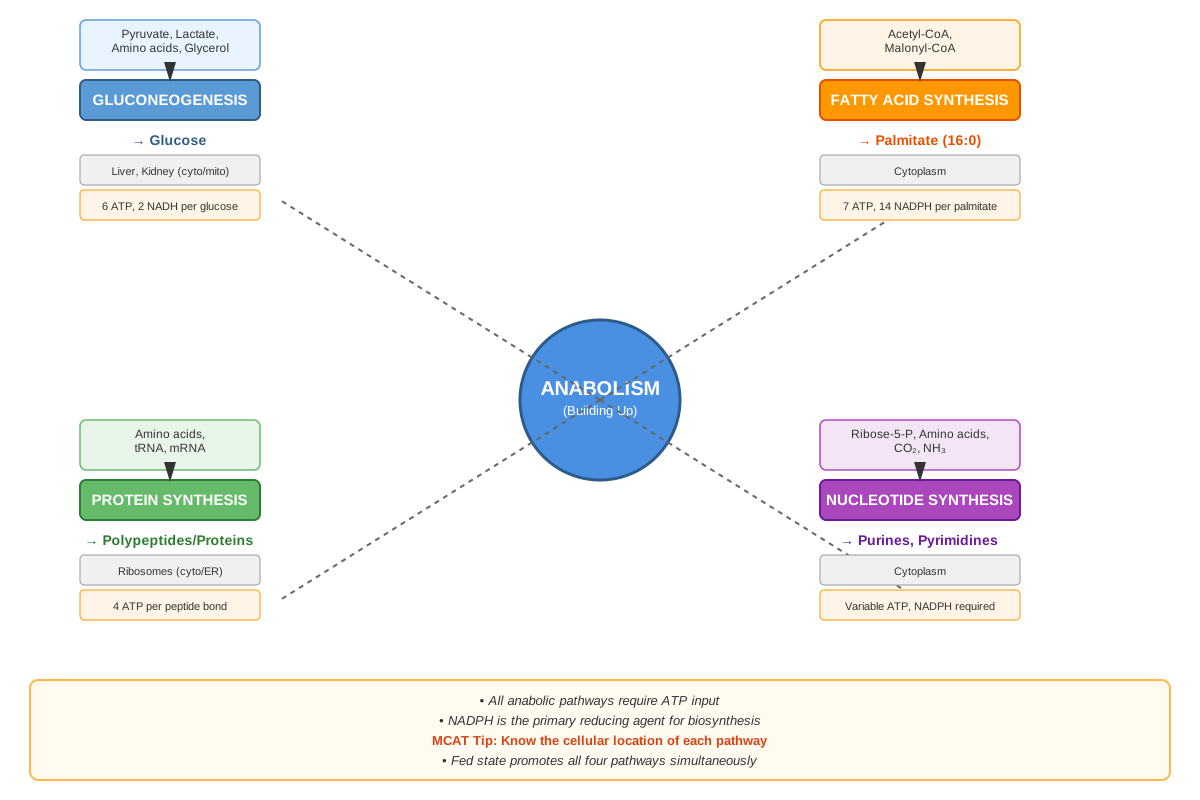
Gluconeogenesis synthesizes glucose from non-carbohydrate precursors including lactate, glycerol, and glucogenic amino acids. This pathway occurs primarily in liver and kidney cortex, maintaining blood glucose during fasting. Gluconeogenesis essentially reverses glycolysis but bypasses three irreversible steps using different enzymes:
- Pyruvate → Phosphoenolpyruvate: Requires pyruvate carboxylase (mitochondrial) and PEPCK (cytoplasmic), consuming 1 ATP and 1 GTP
- Fructose-1,6-bisphosphate → Fructose-6-phosphate: Catalyzed by fructose-1,6-bisphosphatase
- Glucose-6-phosphate → Glucose: Catalyzed by glucose-6-phosphatase (liver and kidney only)
The complete synthesis of one glucose molecule from two pyruvate molecules requires 4 ATP, 2 GTP, and 2 NADH, demonstrating the substantial energy investment characteristic of anabolism.
Glycogenesis
Glycogenesis builds glycogen from glucose-1-phosphate units, storing glucose for future energy needs. This pathway predominates in liver and skeletal muscle during the fed state when insulin levels are elevated. Key steps include:
- Glucose-6-phosphate → Glucose-1-phosphate (phosphoglucomutase)
- Glucose-1-phosphate + UTP → UDP-glucose + PPi (UDP-glucose pyrophosphorylase)
- UDP-glucose → Glycogen (glycogen synthase adds α-1,4-glycosidic bonds)
- Branching enzyme creates α-1,6-glycosidic bonds every 8-12 residues
Glycogen synthase represents the rate-limiting enzyme, activated by insulin-stimulated dephosphorylation and inhibited by glucagon/epinephrine-stimulated phosphorylation.
Fatty Acid Synthesis (Lipogenesis)
Fatty acid synthesis constructs palmitate (16:0) from acetyl-CoA and malonyl-CoA in the cytoplasm, primarily in liver, adipose tissue, and lactating mammary glands. The pathway requires:
- Acetyl-CoA carboxylase (ACC): Rate-limiting enzyme converting acetyl-CoA to malonyl-CoA, requiring biotin and consuming 1 ATP per cycle
- Fatty acid synthase (FAS): Multifunctional enzyme complex catalyzing seven sequential reactions
The complete synthesis of one palmitate molecule requires:
- 8 Acetyl-CoA molecules
- 7 ATP (for malonyl-CoA formation)
- 14 NADPH (providing reducing power)
Insulin activates ACC through dephosphorylation, while glucagon and epinephrine inhibit it through phosphorylation. Citrate allosterically activates ACC, while palmitoyl-CoA (the end product) provides feedback inhibition.
Protein Synthesis
Protein synthesis (translation) assembles amino acids into polypeptide chains according to mRNA templates. This anabolic process occurs on ribosomes and requires substantial energy:
- Amino acid activation: Each amino acid is attached to its cognate tRNA, consuming 1 ATP (hydrolyzed to AMP + PPi, equivalent to 2 ATP)
- Initiation: Formation of the 80S ribosome complex requires 1 GTP
- Elongation: Each peptide bond formation consumes 2 GTP (one for aminoacyl-tRNA delivery, one for translocation)
- Termination: Release factor binding requires 1 GTP
Synthesizing a 100-amino acid protein requires approximately 400 ATP equivalents, illustrating the enormous energy investment in anabolism.
Nucleotide Synthesis
Nucleotide biosynthesis creates purine and pyrimidine nucleotides for DNA and RNA synthesis. These pathways are essential for cell division and growth:
Purine synthesis builds the purine ring on ribose-5-phosphate through a 10-step pathway requiring:
- 5 ATP molecules
- 2 glutamine molecules
- 1 glycine molecule
- Tetrahydrofolate derivatives
Pyrimidine synthesis first constructs the pyrimidine ring, then attaches it to ribose-5-phosphate. The rate-limiting enzyme, carbamoyl phosphate synthetase II, is activated by ATP and PRPP, inhibited by UTP (feedback inhibition).
Energy Requirements and Coupling
Anabolic pathways overcome thermodynamic barriers through energy coupling—linking endergonic biosynthetic reactions to exergonic ATP hydrolysis. The standard free energy of ATP hydrolysis (ΔG°' ≈ -30.5 kJ/mol) provides sufficient energy to drive most biosynthetic reactions forward when coupled appropriately.
Additionally, many anabolic pathways use NADPH as the reducing agent rather than NADH. This distinction is functionally significant:
| Feature | NADPH | NADH |
|---|---|---|
| Primary role | Reductive biosynthesis | Energy production (oxidative phosphorylation) |
| Main sources | Pentose phosphate pathway, malic enzyme | Glycolysis, TCA cycle, β-oxidation |
| Cellular ratio | High NADPH/NADP+ | High NAD+/NADH |
| Key pathways | Fatty acid synthesis, cholesterol synthesis, nucleotide synthesis | Electron transport chain |
Hormonal Regulation of Anabolism
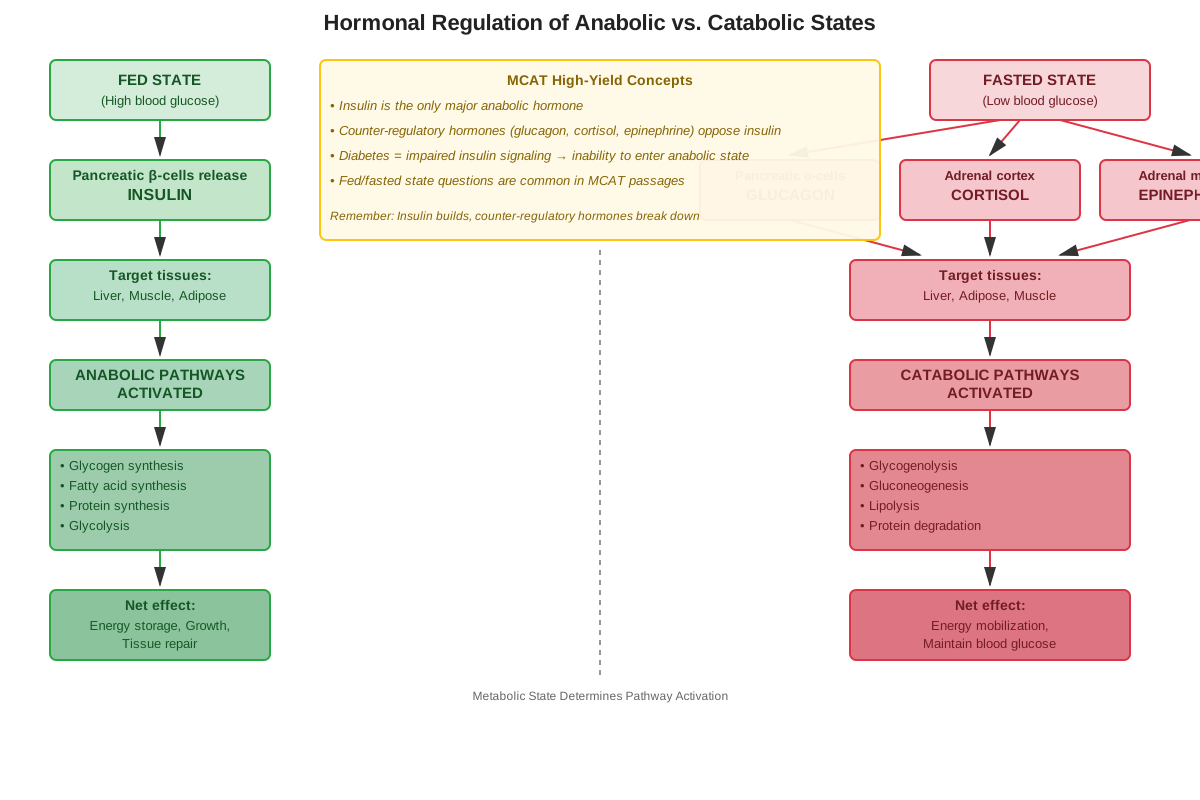
Insulin serves as the primary anabolic hormone, promoting biosynthetic pathways and inhibiting catabolic ones. Insulin signaling activates:
- Glycogen synthase: Stimulates glycogenesis
- Acetyl-CoA carboxylase: Stimulates fatty acid synthesis
- Phosphofructokinase-2: Increases fructose-2,6-bisphosphate, activating glycolysis
- Protein synthesis: Activates mTOR pathway
Conversely, glucagon, epinephrine, and cortisol promote catabolism and inhibit anabolism through:
- Phosphorylation of glycogen synthase (inactivation)
- Phosphorylation of acetyl-CoA carboxylase (inactivation)
- Activation of hormone-sensitive lipase (lipolysis)
- Decreased protein synthesis
Reciprocal Regulation
Anabolic and catabolic pathways are reciprocally regulated to prevent futile cycles—simultaneous operation of opposing pathways that would waste ATP. Key regulatory mechanisms include:
- Allosteric regulation: High ATP and citrate favor anabolism; high AMP favors catabolism
- Covalent modification: Insulin-stimulated dephosphorylation activates anabolic enzymes; glucagon-stimulated phosphorylation activates catabolic enzymes
- Transcriptional control: Insulin increases expression of lipogenic enzymes; glucagon increases expression of gluconeogenic enzymes
- Substrate availability: Fed state provides glucose and amino acids for anabolism; fasted state mobilizes stored fuels for catabolism
Concept Relationships
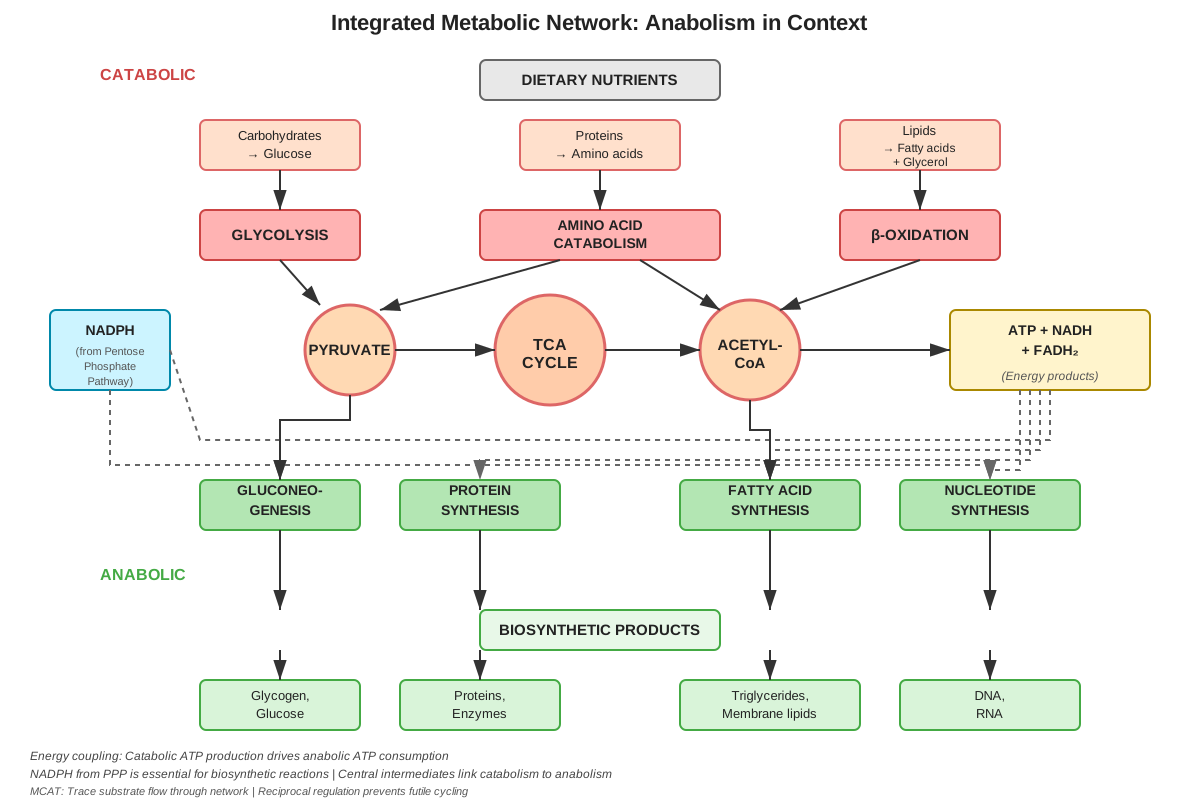
Anabolism connects intimately with multiple biochemical concepts, forming an integrated metabolic network. Catabolism provides the ATP and reducing equivalents (NADPH, NADH) that anabolism requires, creating a fundamental interdependence. The pentose phosphate pathway generates NADPH specifically for biosynthetic reactions, linking carbohydrate metabolism to lipid and nucleotide synthesis.
Hormonal regulation serves as the master control system coordinating anabolic and catabolic states. Insulin → activates anabolic pathways → promotes storage of glucose (glycogenesis), fatty acids (lipogenesis), and amino acids (protein synthesis). Conversely, glucagon and epinephrine → activate catabolic pathways → mobilize stored fuels through glycogenolysis, lipolysis, and proteolysis.
Cellular energetics (ATP/ADP ratio, NADPH/NADP+ ratio) provides real-time feedback about metabolic state. High energy charge (high ATP/ADP) → activates anabolic enzymes → promotes biosynthesis and storage. Low energy charge (high AMP/ATP) → activates AMPK → inhibits anabolism and stimulates catabolism.
The relationship map flows as follows:
Fed State → Insulin release → Dephosphorylation of metabolic enzymes → Activation of glycogen synthase, acetyl-CoA carboxylase, and protein synthesis machinery → Anabolism (storage and growth)
Fasted State → Glucagon/epinephrine release → Phosphorylation of metabolic enzymes → Inhibition of anabolic enzymes and activation of catabolic enzymes → Catabolism (fuel mobilization)
Pentose Phosphate Pathway → NADPH generation → Fatty acid synthesis, cholesterol synthesis, nucleotide synthesis → Cell growth and proliferation
TCA Cycle → Citrate production → Citrate export to cytoplasm → Acetyl-CoA for fatty acid synthesis → Lipogenesis
Quick check — test yourself on Anabolism so far.
Try Flashcards →High-Yield Facts
⭐ Anabolism requires energy input (ATP, GTP) and reducing power (NADPH, NADH), making these pathways endergonic and dependent on energy coupling
⭐ Insulin is the primary anabolic hormone, activating glycogen synthase, acetyl-CoA carboxylase, and protein synthesis while inhibiting catabolic pathways
⭐ Acetyl-CoA carboxylase is the rate-limiting enzyme of fatty acid synthesis, activated by insulin and citrate, inhibited by glucagon and palmitoyl-CoA
⭐ Gluconeogenesis bypasses three irreversible glycolytic steps using pyruvate carboxylase, PEPCK, fructose-1,6-bisphosphatase, and glucose-6-phosphatase
⭐ NADPH (not NADH) serves as the primary reducing agent for biosynthetic reactions, generated mainly by the pentose phosphate pathway
- Glycogen synthase is the rate-limiting enzyme of glycogenesis, regulated by phosphorylation (inactive) and dephosphorylation (active)
- Fatty acid synthesis occurs in the cytoplasm, while fatty acid oxidation occurs in mitochondria, allowing spatial separation and independent regulation
- Reciprocal regulation prevents futile cycles by ensuring anabolic and catabolic pathways do not operate simultaneously at high rates
- Malonyl-CoA, the product of acetyl-CoA carboxylase, inhibits carnitine palmitoyltransferase I (CPT-I), preventing simultaneous fatty acid synthesis and oxidation
- Protein synthesis requires approximately 4 ATP equivalents per peptide bond formed (2 for amino acid activation, 2 for elongation)
- The pentose phosphate pathway provides ribose-5-phosphate for nucleotide synthesis and NADPH for reductive biosynthesis
- Anabolic pathways exhibit convergence (many simple precursors → few complex products), while catabolic pathways exhibit divergence
- Growth hormone and IGF-1 promote anabolism by increasing amino acid uptake and protein synthesis, particularly in muscle and bone
- Cancer cells exhibit enhanced anabolism (Warburg effect), increasing glucose uptake, glycolysis, and biosynthesis to support rapid proliferation
- Cortisol promotes catabolism in muscle (proteolysis) but anabolism in liver (gluconeogenesis), demonstrating tissue-specific metabolic regulation
Common Misconceptions
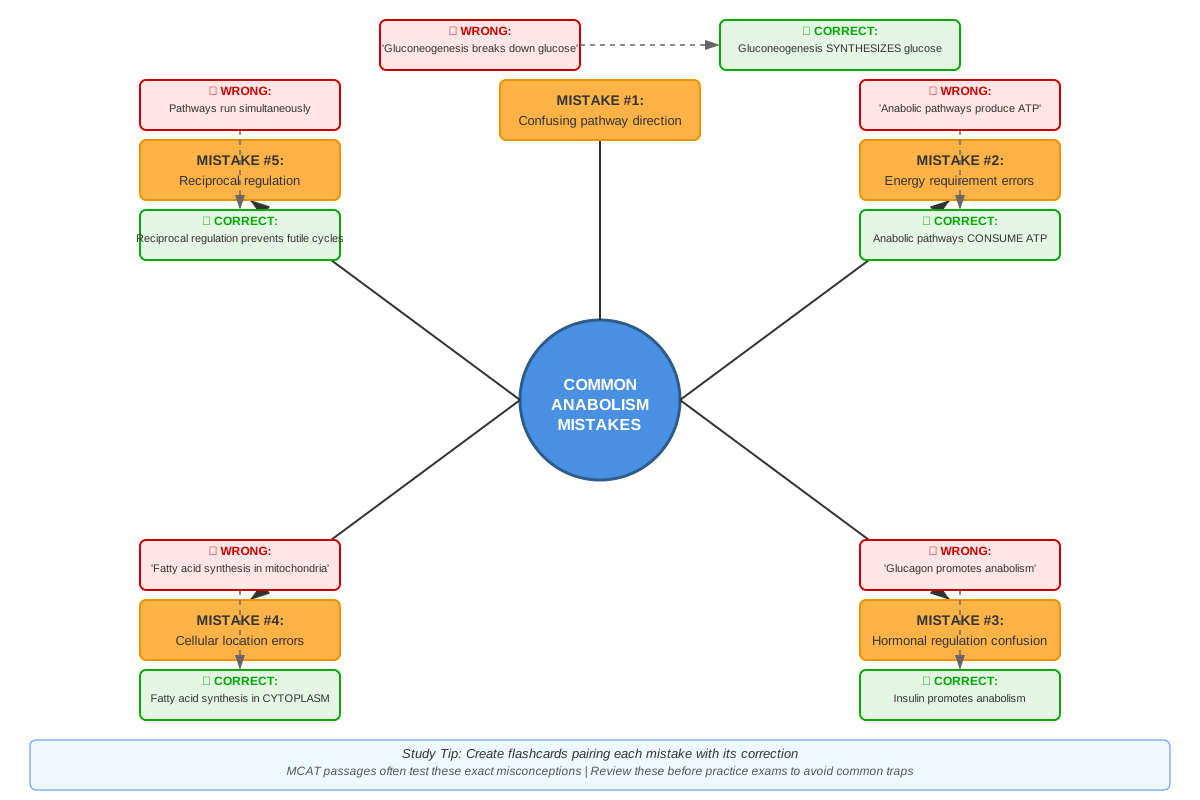
Misconception: Anabolism and catabolism are completely separate, independent processes.
Correction: Anabolism and catabolism are intimately connected and interdependent. Catabolic pathways generate the ATP and NADPH that anabolic pathways require. Additionally, intermediates from catabolic pathways serve as precursors for biosynthesis (e.g., acetyl-CoA from β-oxidation can be used for ketogenesis or, in fed state, fatty acid synthesis).
Misconception: NADH and NADPH are interchangeable reducing agents.
Correction: NADH primarily functions in energy production through oxidative phosphorylation, while NADPH serves as the reducing agent for biosynthetic reactions. Cells maintain these pools separately through distinct metabolic pathways, with NADPH generated mainly by the pentose phosphate pathway and malic enzyme.
Misconception: Gluconeogenesis is simply the reverse of glycolysis using the same enzymes.
Correction: While gluconeogenesis reverses the overall direction of glycolysis, it uses different enzymes to bypass three irreversible steps. Pyruvate carboxylase and PEPCK replace pyruvate kinase, fructose-1,6-bisphosphatase replaces phosphofructokinase-1, and glucose-6-phosphatase replaces hexokinase/glucokinase.
Misconception: Insulin only affects glucose metabolism.
Correction: Insulin is a global anabolic hormone affecting carbohydrate, lipid, and protein metabolism. It promotes glycogenesis, lipogenesis, and protein synthesis while inhibiting glycogenolysis, lipolysis, and proteolysis. Insulin also affects gene transcription, increasing expression of enzymes involved in biosynthetic pathways.
Misconception: Anabolic pathways always occur in the same cellular location as their corresponding catabolic pathways.
Correction: Many anabolic and catabolic pathways are spatially separated to allow independent regulation. Fatty acid synthesis occurs in the cytoplasm while β-oxidation occurs in mitochondria. This compartmentalization prevents futile cycles and enables distinct regulatory mechanisms.
Misconception: All tissues can perform gluconeogenesis to maintain blood glucose.
Correction: Only liver and kidney cortex possess glucose-6-phosphatase, the enzyme required for the final step of gluconeogenesis (releasing free glucose into blood). Muscle can convert lactate to glucose-6-phosphate but cannot release free glucose, so muscle glycogen serves only local energy needs.
Misconception: Anabolic steroids directly provide energy for muscle growth.
Correction: Anabolic steroids (synthetic testosterone derivatives) do not provide energy. Instead, they bind androgen receptors, increasing protein synthesis and nitrogen retention. The energy and amino acids for muscle growth must still come from dietary intake and normal metabolic processes.
Worked Examples
Example 1: Metabolic State Analysis
Question: A patient presents after a 24-hour fast. Blood tests reveal elevated glucagon, decreased insulin, low blood glucose, and elevated free fatty acids. Which of the following enzyme activities would be INCREASED in this patient's liver?
A) Glycogen synthase
B) Acetyl-CoA carboxylase
C) Phosphofructokinase-1
D) Glucose-6-phosphatase
Solution:
Step 1: Identify the metabolic state. The patient is fasting with elevated glucagon and decreased insulin, indicating a catabolic state where the body mobilizes stored fuels and produces glucose.
Step 2: Analyze each enzyme's role and regulation.
- Glycogen synthase (Option A): This anabolic enzyme synthesizes glycogen. Glucagon stimulates its phosphorylation, which inactivates it. In fasting state, glycogen synthase activity is LOW. ❌
- Acetyl-CoA carboxylase (Option B): This rate-limiting enzyme of fatty acid synthesis is anabolic. Glucagon stimulates its phosphorylation, which inactivates it. Additionally, low insulin and high glucagon favor lipolysis over lipogenesis. Activity is LOW. ❌
- Phosphofructokinase-1 (Option C): This glycolytic enzyme is inhibited during fasting when gluconeogenesis predominates. Glucagon decreases fructose-2,6-bisphosphate levels, which reduces PFK-1 activity. Activity is LOW. ❌
- Glucose-6-phosphatase (Option D): This enzyme catalyzes the final step of gluconeogenesis, releasing free glucose into blood. During fasting, glucagon stimulates gluconeogenesis to maintain blood glucose. This enzyme's activity is HIGH. ✓
Step 3: Connect to learning objectives. This question requires understanding that fasting represents a catabolic state where anabolic enzymes (glycogen synthase, acetyl-CoA carboxylase) are inhibited while catabolic/gluconeogenic enzymes (glucose-6-phosphatase) are activated.
Answer: D) Glucose-6-phosphatase
Example 2: Pathway Energy Requirements
Question: A researcher is studying fatty acid synthesis in hepatocytes. To synthesize one molecule of palmitate (16:0) from acetyl-CoA, how many molecules of NADPH are required, and what is the primary source of this NADPH?
Solution:
Step 1: Recall the fatty acid synthesis pathway. Palmitate synthesis requires:
- 8 acetyl-CoA molecules (1 primer + 7 malonyl-CoA units)
- Each of 7 elongation cycles requires 2 NADPH molecules
- Total NADPH required: 7 cycles × 2 NADPH/cycle = 14 NADPH
Step 2: Identify NADPH sources. The primary sources of NADPH for biosynthesis are:
- Pentose phosphate pathway (oxidative phase): Generates 2 NADPH per glucose-6-phosphate
- Malic enzyme: Converts malate to pyruvate, generating 1 NADPH
- Isocitrate dehydrogenase (cytoplasmic): Converts isocitrate to α-ketoglutarate, generating 1 NADPH
Step 3: Determine the primary source. The pentose phosphate pathway provides the majority of NADPH for biosynthetic reactions, particularly in liver and adipose tissue where fatty acid synthesis is most active. This pathway is specifically upregulated during the fed state when insulin promotes anabolism.
Step 4: Connect to broader concepts. This example illustrates the integration of carbohydrate metabolism (pentose phosphate pathway) with lipid metabolism (fatty acid synthesis). It also demonstrates why anabolic pathways require specific reducing equivalents (NADPH) distinct from those used in energy production (NADH).
Answer: 14 NADPH molecules are required, primarily generated by the pentose phosphate pathway.
Key Insight: The pentose phosphate pathway serves dual anabolic functions—providing NADPH for reductive biosynthesis and ribose-5-phosphate for nucleotide synthesis. This makes it essential for rapidly dividing cells and tissues with high biosynthetic activity.
Exam Strategy
Approaching MCAT Questions on Anabolism
1. Identify the metabolic state first: Determine whether the scenario describes a fed (anabolic) or fasted (catabolic) state by looking for:
- Fed state indicators: High insulin, recent meal, elevated blood glucose, active growth
- Fasted state indicators: High glucagon/cortisol/epinephrine, low blood glucose, prolonged exercise, starvation
2. Apply reciprocal regulation principles: Remember that anabolic and catabolic pathways are reciprocally regulated. If one pathway is active, its opposing pathway is typically inhibited.
3. Focus on rate-limiting enzymes: MCAT questions frequently test knowledge of rate-limiting steps and their regulation:
- Glycogenesis: glycogen synthase
- Fatty acid synthesis: acetyl-CoA carboxylase
- Gluconeogenesis: pyruvate carboxylase, PEPCK, fructose-1,6-bisphosphatase
- Cholesterol synthesis: HMG-CoA reductase
4. Track energy currency: Note whether the question involves ATP consumption (anabolism) or ATP production (catabolism). Anabolic pathways always require energy input.
Trigger Words and Phrases
Watch for these terms that signal anabolic processes:
- "Biosynthesis," "synthesis," "building," "construction"
- "Fed state," "postprandial," "after eating"
- "Insulin," "growth hormone," "IGF-1"
- "Storage," "glycogen formation," "fat deposition"
- "Growth," "proliferation," "tissue repair"
- "NADPH," "reducing power," "reductive biosynthesis"
Phrases indicating questions about anabolism vs. catabolism:
- "Energy-requiring process"
- "Consumes ATP"
- "Promoted by insulin"
- "Inhibited during fasting"
Process-of-Elimination Tips
Eliminate options that:
- Describe catabolic processes when the question asks about anabolism
- Suggest anabolic activity during fasting/starvation states (unless specifically about gluconeogenesis)
- Confuse NADH with NADPH in biosynthetic contexts
- Place pathways in incorrect cellular compartments (e.g., fatty acid synthesis in mitochondria)
- Violate reciprocal regulation (e.g., simultaneous high activity of glycogen synthase and glycogen phosphorylase)
Keep options that:
- Correctly match hormones with their metabolic effects (insulin → anabolism)
- Recognize energy requirements (ATP, GTP, NADPH consumption)
- Identify proper regulatory mechanisms (phosphorylation states, allosteric effectors)
- Demonstrate understanding of pathway integration
Time Allocation Advice
For discrete questions on anabolism (1-2 minutes):
- Quickly identify whether the question asks about anabolic or catabolic processes
- Recall the key regulatory enzyme and its control mechanisms
- Eliminate obviously incorrect options
- Select the answer that correctly applies regulatory principles
For passage-based questions (8-10 minutes for passage + 6-7 questions):
- Spend 3-4 minutes reading and annotating the passage
- Identify the metabolic context (fed/fasted, hormonal state, tissue type)
- Note any experimental manipulations affecting anabolic pathways
- For each question, refer back to passage data while applying core biochemistry principles
- Budget 60-90 seconds per question, moving quickly through straightforward questions to allow more time for complex data interpretation
Memory Techniques
Mnemonics for Anabolic Pathways
"ANABOLIC" for key characteristics:
- ATP required
- NADH/NADPH needed
- Activated by insulin
- Building complex molecules
- Opposite of catabolism
- Low energy state inhibits
- Integrated regulation
- Convergent pathways
"FIGS" for fatty acid synthesis requirements:
- Fatty acid synthase (enzyme complex)
- Insulin (hormonal activator)
- GTP/ATP (energy source)
- Source of NADPH (pentose phosphate pathway)
"PACE" for gluconeogenesis bypass enzymes:
- Pyruvate carboxylase
- PEPK (phosphoenolpyruvate carboxykinase)
- Fructose-1,6-bisphosphatase (F for "ace")
- Glucose-6-phosphatase (G for "ace")
Visualization Strategies
The Anabolic/Catabolic Balance Scale:
Visualize a balance scale with anabolism on one side and catabolism on the other. Insulin tips the scale toward anabolism (building, storage), while glucagon/epinephrine tip it toward catabolism (breakdown, mobilization). This mental image helps predict metabolic responses to hormonal changes.
The Cellular Factory:
Picture the cell as a factory where:
- Raw materials (glucose, amino acids, fatty acids) enter during fed state
- Assembly lines (anabolic pathways) build complex products
- Energy plants (mitochondria) provide ATP and NADPH
- Storage warehouses (glycogen granules, lipid droplets) hold reserves
- Insulin acts as the factory manager activating assembly lines
- Glucagon acts as the emergency coordinator shutting down assembly and mobilizing reserves
Compartmentalization Map:
Visualize the cell with distinct zones:
- Cytoplasm: Fatty acid synthesis, glycolysis, pentose phosphate pathway
- Mitochondria: TCA cycle, β-oxidation, ketogenesis
- Endoplasmic reticulum: Protein synthesis, lipid synthesis
- Nucleus: DNA and RNA synthesis
This spatial organization helps remember where pathways occur and why compartmentalization matters for regulation.
Acronyms
"PIGS" for insulin's anabolic effects:
- Protein synthesis ↑
- Inhibits catabolism
- Glycogen synthesis ↑
- Synthesis of fatty acids ↑
"GLAD" for glucagon's catabolic effects (opposite of anabolic):
- Glycogenolysis ↑
- Lipolysis ↑
- Anabolism ↓
- Degradation of proteins ↑
Summary
Anabolism encompasses all biosynthetic pathways that construct complex molecules from simpler precursors, requiring energy input (ATP, GTP) and reducing power (NADPH, NADH). These endergonic processes include gluconeogenesis, glycogenesis, fatty acid synthesis, protein synthesis, and nucleotide synthesis. Insulin serves as the master anabolic hormone, activating biosynthetic enzymes through dephosphorylation and transcriptional regulation while simultaneously inhibiting catabolic pathways. Reciprocal regulation prevents futile cycles by ensuring anabolic and catabolic pathways do not operate simultaneously at high rates. Key regulatory enzymes include glycogen synthase (glycogenesis), acetyl-CoA carboxylase (fatty acid synthesis), and the gluconeogenic bypass enzymes. NADPH, generated primarily by the pentose phosphate pathway, provides reducing equivalents specifically for biosynthetic reactions, distinguishing it from NADH used in energy production. Understanding anabolism is essential for predicting metabolic responses to nutritional states, hormonal signals, and pathological conditions, making it a high-yield topic for MCAT success.
Key Takeaways
- Anabolism requires energy input (ATP/GTP) and reducing power (NADPH), making these pathways endergonic and dependent on coupling to exergonic reactions
- Insulin is the primary anabolic hormone, activating glycogen synthase, acetyl-CoA carboxylase, and protein synthesis while inhibiting catabolic pathways through dephosphorylation and transcriptional control
- Reciprocal regulation ensures anabolic and catabolic pathways do not operate simultaneously at high rates, preventing wasteful futile cycles
- NADPH (not NADH) serves as the primary reducing agent for biosynthesis, generated mainly by the pentose phosphate pathway
- Rate-limiting enzymes of major anabolic pathways (glycogen synthase, acetyl-CoA carboxylase, HMG-CoA reductase) are key regulatory points controlled by hormones, allosteric effectors, and covalent modification
- Spatial compartmentalization separates opposing pathways (e.g., fatty acid synthesis in cytoplasm vs. β-oxidation in mitochondria), enabling independent regulation
- Fed state promotes anabolism (storage and growth), while fasted state promotes catabolism (fuel mobilization), with hormonal signals coordinating this metabolic switch
Related Topics
Catabolism: The complementary branch of metabolism involving breakdown of complex molecules to release energy. Mastering anabolism enables understanding of how catabolic and anabolic pathways are reciprocally regulated and metabolically integrated.
Hormonal Regulation of Metabolism: Detailed study of how insulin, glucagon, epinephrine, cortisol, and growth hormone coordinate metabolic pathways. Understanding anabolism provides the foundation for comprehending hormonal control mechanisms.
Pentose Phosphate Pathway: Generates NADPH for biosynthetic reactions and ribose-5-phosphate for nucleotide synthesis. This pathway directly supports multiple anabolic processes.
Metabolic Integration: Examines how different tissues coordinate metabolism to maintain whole-body homeostasis. Anabolism in liver, muscle, and adipose tissue must be understood in this integrated context.
Cancer Metabolism: Cancer cells exhibit dysregulated anabolism with enhanced glucose uptake, glycolysis, and biosynthesis (Warburg effect). Understanding normal anabolic regulation is essential for comprehending cancer metabolism.
Diabetes Mellitus: Characterized by impaired insulin signaling leading to reduced anabolism and enhanced catabolism. Mastering anabolic pathways enables understanding of diabetic pathophysiology.
Practice CTA
Now that you have mastered the core concepts of anabolism, it's time to reinforce your understanding through active practice. Complete the associated practice questions to test your ability to apply anabolic principles to MCAT-style scenarios. Use the flashcards to drill high-yield facts and regulatory mechanisms until they become automatic. Remember, understanding metabolism requires integrating multiple concepts—anabolism, catabolism, hormonal regulation, and energy balance. Each practice question you complete strengthens these connections and builds the pattern recognition essential for MCAT success. You've built a strong foundation; now solidify it through deliberate practice!
Sign up free to keep reading
Create a free AnvayaPrep account to finish this MCAT guide on Anabolism — plus flashcards and practice questions.