Overview
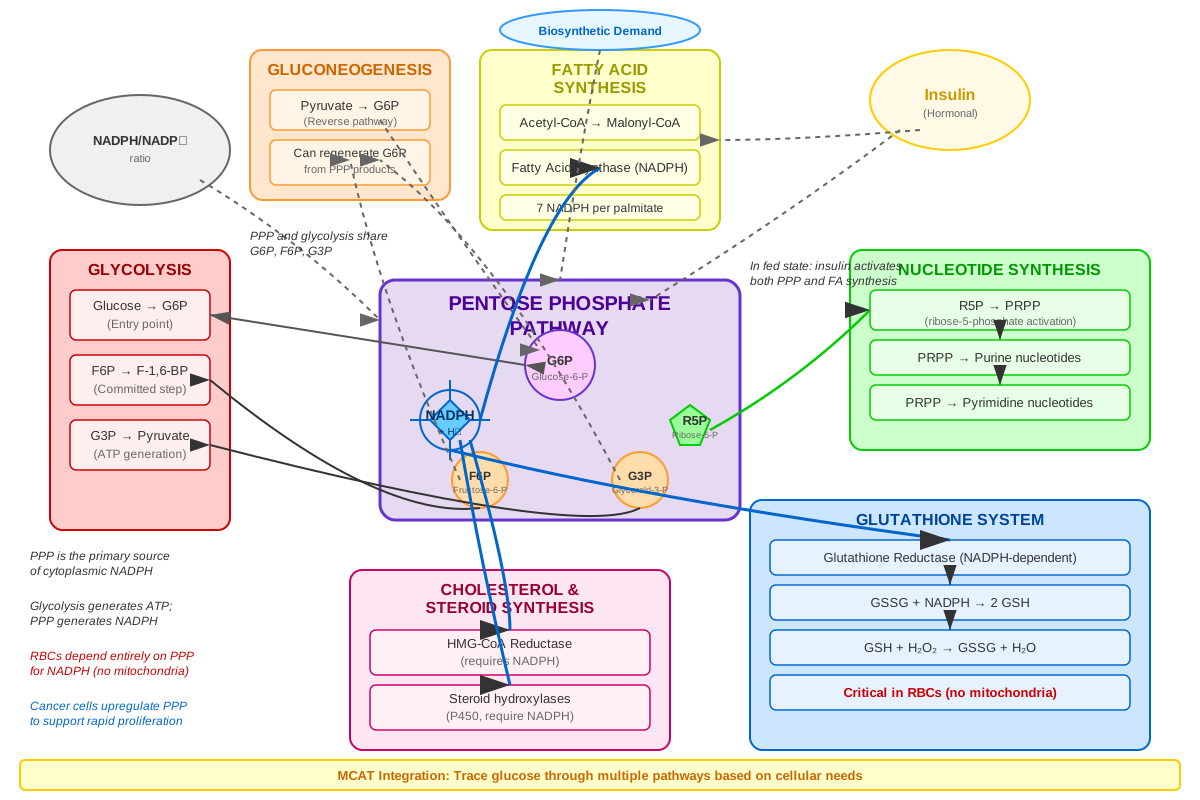
The pentose phosphate pathway (PPP), also known as the hexose monophosphate shunt or phosphogluconate pathway, represents a critical alternative route for glucose metabolism that operates parallel to glycolysis. Unlike glycolysis, which primarily generates ATP, the pentose phosphate pathway serves two essential biosynthetic functions: producing NADPH for reductive biosynthesis and generating ribose-5-phosphate for nucleotide synthesis. This pathway occurs in the cytoplasm and is particularly active in tissues with high biosynthetic demands, including the liver, adipose tissue, adrenal cortex, red blood cells, and lactating mammary glands.
For the MCAT, understanding the pentose phosphate pathway is essential because it integrates multiple biochemical concepts including carbohydrate metabolism, oxidation-reduction reactions, and cellular defense mechanisms against oxidative stress. The pathway demonstrates how cells can divert metabolic intermediates to meet specific biosynthetic needs rather than simply producing energy. Questions frequently test the relationship between the PPP and other metabolic pathways, particularly glycolysis, as well as clinical scenarios involving oxidative stress and genetic enzyme deficiencies.
The pentose phosphate pathway connects intimately with central Biochemistry concepts including glycolysis (sharing glucose-6-phosphate as a common substrate), fatty acid synthesis (which requires NADPH), nucleotide metabolism (requiring ribose-5-phosphate), and cellular redox balance (maintaining reduced glutathione). This pathway exemplifies metabolic flexibility and the principle that glucose can serve purposes beyond ATP generation, making it a high-yield topic for understanding integrated metabolism on the MCAT.
Learning Objectives
- [ ] Define pentose phosphate pathway using accurate Biochemistry terminology
- [ ] Explain why pentose phosphate pathway matters for the MCAT
- [ ] Apply pentose phosphate pathway to exam-style questions
- [ ] Identify common mistakes related to pentose phosphate pathway
- [ ] Connect pentose phosphate pathway to related Biochemistry concepts
- [ ] Distinguish between the oxidative and non-oxidative phases of the pathway and their respective products
- [ ] Analyze the metabolic consequences of glucose-6-phosphate dehydrogenase deficiency
- [ ] Predict which tissues would have the highest pentose phosphate pathway activity based on metabolic demands
- [ ] Evaluate how the pentose phosphate pathway responds to different cellular needs (NADPH vs. ribose-5-phosphate)
Prerequisites
- Glycolysis: The pentose phosphate pathway branches from glucose-6-phosphate, the first intermediate of glycolysis, and shares several carbon skeleton intermediates
- Oxidation-reduction reactions: Understanding NADP+/NADPH as an electron carrier is essential for comprehending the oxidative phase
- Enzyme kinetics and regulation: The pathway's regulation through product inhibition and substrate availability requires basic enzyme knowledge
- Nucleotide structure: Recognizing why ribose-5-phosphate is essential for DNA and RNA synthesis provides context for pathway function
- Cellular respiration basics: Distinguishing between ATP-generating pathways and biosynthetic pathways helps clarify the PPP's unique role
Why This Topic Matters
Clinical Significance
The pentose phosphate pathway has profound clinical relevance, particularly regarding glucose-6-phosphate dehydrogenase (G6PD) deficiency, the most common enzyme deficiency worldwide, affecting over 400 million people. This X-linked genetic condition impairs NADPH production in red blood cells, compromising their ability to neutralize reactive oxygen species through the glutathione system. Patients with G6PD deficiency experience hemolytic anemia when exposed to oxidative stressors such as fava beans, antimalarial drugs (primaquine), sulfonamides, or infections. Understanding this pathway is also crucial for comprehending how rapidly dividing cells (cancer cells) and cells engaged in biosynthesis (hepatocytes synthesizing fatty acids) meet their metabolic demands.
MCAT Relevance
On the MCAT, the pentose phosphate pathway appears in approximately 3-5% of Biochemistry questions, typically integrated with other metabolic pathways or presented in clinical vignettes. Questions commonly test: (1) the distinction between oxidative and non-oxidative phases, (2) the products and their cellular functions, (3) tissue-specific activity patterns, (4) G6PD deficiency and oxidative stress, and (5) metabolic integration with glycolysis and biosynthetic pathways. The topic frequently appears in passage-based questions that require students to analyze experimental data about enzyme activity, interpret metabolic flux studies, or evaluate clinical presentations of enzyme deficiencies.
Common Exam Presentations
MCAT passages often present the pentose phosphate pathway through: research studies measuring NADPH production in different tissues, clinical cases of hemolytic anemia following drug exposure, experiments tracking radiolabeled glucose through metabolic pathways, questions about cancer cell metabolism and rapid proliferation, or scenarios involving fatty acid synthesis and the source of reducing equivalents. Discrete questions may test the rate-limiting enzyme, the distinction between NADH and NADPH, or the carbon accounting through the pathway phases.
Core Concepts
Pathway Overview and Location
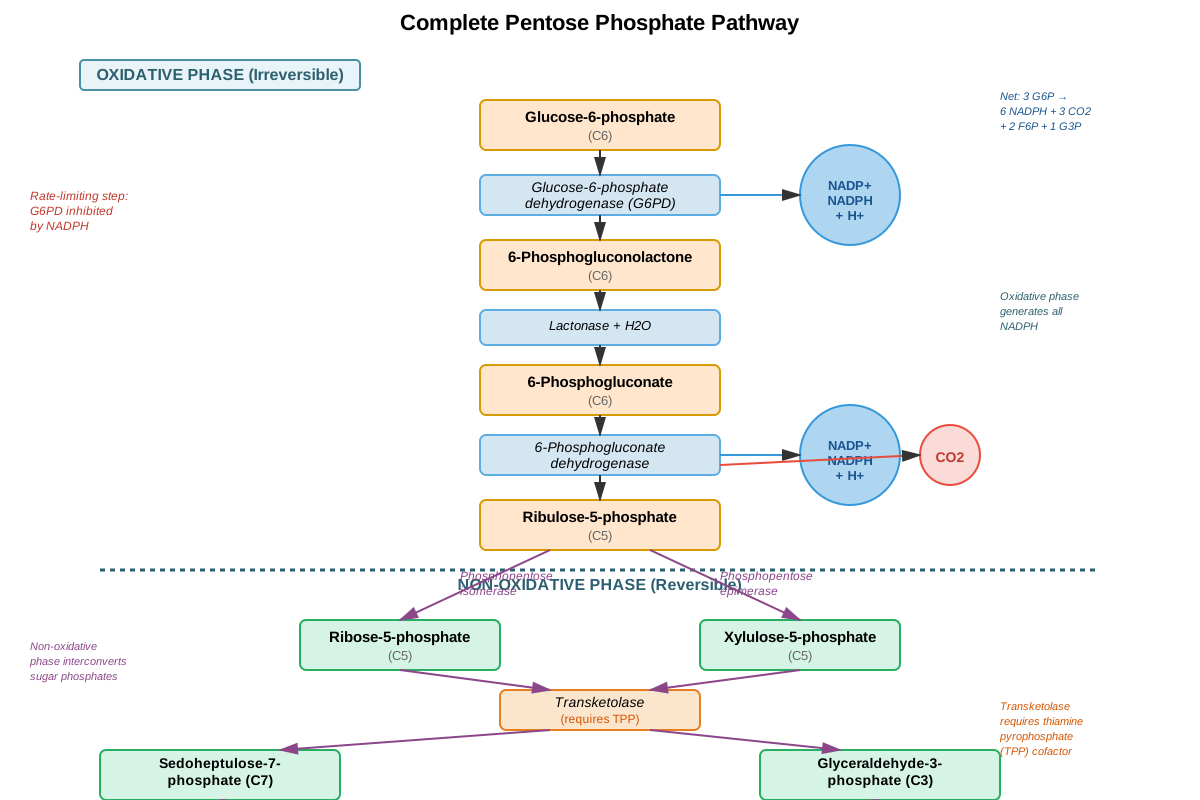
The pentose phosphate pathway represents an alternative route for glucose-6-phosphate metabolism that occurs entirely in the cytoplasm, parallel to glycolysis. Unlike glycolysis, the PPP does not produce ATP directly; instead, it generates two critical products: NADPH (reduced nicotinamide adenine dinucleotide phosphate) for reductive biosynthesis and ribose-5-phosphate for nucleotide synthesis. The pathway consists of two distinct phases: the irreversible oxidative phase and the reversible non-oxidative phase. Approximately 5-30% of glucose metabolism in most tissues proceeds through the pentose phosphate pathway, with the percentage varying dramatically based on tissue type and metabolic state.
The Oxidative Phase
The oxidative phase comprises three irreversible reactions that convert glucose-6-phosphate to ribulose-5-phosphate while generating two molecules of NADPH. This phase is called "oxidative" because it involves oxidation reactions that reduce NADP+ to NADPH.
Step 1: Glucose-6-phosphate dehydrogenase (G6PD)
The rate-limiting and committed step of the pathway, catalyzed by glucose-6-phosphate dehydrogenase, oxidizes glucose-6-phosphate to 6-phosphogluconolactone while reducing NADP+ to NADPH. This enzyme is strongly inhibited by NADPH (product inhibition) and by fatty acyl-CoA molecules, providing feedback regulation. G6PD activity is highest in tissues requiring substantial NADPH: liver (fatty acid synthesis), adipose tissue (fatty acid synthesis), adrenal cortex (steroid hormone synthesis), testes and ovaries (steroid synthesis), and red blood cells (maintaining reduced glutathione).
Step 2: Lactonase
The enzyme 6-phosphogluconolactonase hydrolyzes the lactone ring of 6-phosphogluconolactone to form 6-phosphogluconate. This reaction is a simple hydrolysis and does not produce NADPH.
Step 3: 6-phosphogluconate dehydrogenase
This enzyme catalyzes an oxidative decarboxylation, converting 6-phosphogluconate to ribulose-5-phosphate while producing CO₂ and a second molecule of NADPH. The decarboxylation reduces the carbon count from six to five, creating the pentose sugar that gives the pathway its name.
Net result of oxidative phase:
- Glucose-6-phosphate + 2 NADP+ + H₂O → Ribulose-5-phosphate + 2 NADPH + 2 H+ + CO₂
The Non-Oxidative Phase
The non-oxidative phase consists of reversible reactions that interconvert various sugar phosphates (3, 4, 5, 6, and 7 carbons) through a series of carbon-shuffling reactions. This phase does not produce or consume NADPH; instead, it provides metabolic flexibility by connecting the pentose phosphate pathway with glycolysis.
Key enzymes and reactions:
- Phosphopentose isomerase: Converts ribulose-5-phosphate to ribose-5-phosphate (the precursor for nucleotide synthesis)
- Phosphopentose epimerase: Converts ribulose-5-phosphate to xylulose-5-phosphate
- Transketolase: Transfers two-carbon units between sugar phosphates; requires thiamine pyrophosphate (TPP) as a cofactor (derived from vitamin B₁). Transketolase catalyzes two reactions in the pathway:
- Xylulose-5-P + Ribose-5-P → Sedoheptulose-7-P + Glyceraldehyde-3-P
- Xylulose-5-P + Erythrose-4-P → Fructose-6-P + Glyceraldehyde-3-P
- Transaldolase: Transfers three-carbon units between sugar phosphates:
- Sedoheptulose-7-P + Glyceraldehyde-3-P → Erythrose-4-P + Fructose-6-P
The non-oxidative phase ultimately converts three molecules of ribulose-5-phosphate into two molecules of fructose-6-phosphate and one molecule of glyceraldehyde-3-phosphate—both glycolytic intermediates that can either continue through glycolysis or be converted back to glucose-6-phosphate via gluconeogenesis.
NADPH Functions and Significance
NADPH serves as the primary reducing agent for anabolic (biosynthetic) reactions, distinguishing it from NADH, which primarily functions in catabolic (energy-producing) pathways. The cell maintains separate pools of NADPH and NADH with different ratios: NADPH/NADP+ ratio is kept high (approximately 100:1) to drive reductive biosynthesis, while NADH/NAD+ ratio is kept low (approximately 1:1000) to favor oxidative catabolism.
Major NADPH-requiring processes:
| Process | Location | Significance |
|---|---|---|
| Fatty acid synthesis | Cytoplasm | Each acetyl-CoA incorporation requires 2 NADPH |
| Cholesterol synthesis | Cytoplasm/ER | Multiple reduction steps require NADPH |
| Steroid hormone synthesis | Adrenal cortex, gonads | Hydroxylation reactions via P450 enzymes |
| Neurotransmitter synthesis | Neurons | Reduction reactions in catecholamine synthesis |
| Glutathione reduction | All cells, especially RBCs | Maintains reduced glutathione (GSH) for antioxidant defense |
| Superoxide detoxification | Phagocytes | NADPH oxidase produces superoxide in respiratory burst |
| Cytochrome P450 reactions | Liver | Drug metabolism and detoxification |
Ribose-5-Phosphate and Nucleotide Synthesis
Ribose-5-phosphate serves as the essential five-carbon sugar backbone for nucleotide synthesis, required for both DNA and RNA production. Rapidly dividing cells (bone marrow, intestinal epithelium, cancer cells) have particularly high demands for ribose-5-phosphate. The cell can adjust the relative flux through oxidative versus non-oxidative phases depending on whether it needs more NADPH, more ribose-5-phosphate, or both.
Metabolic Flexibility and Pathway Modes
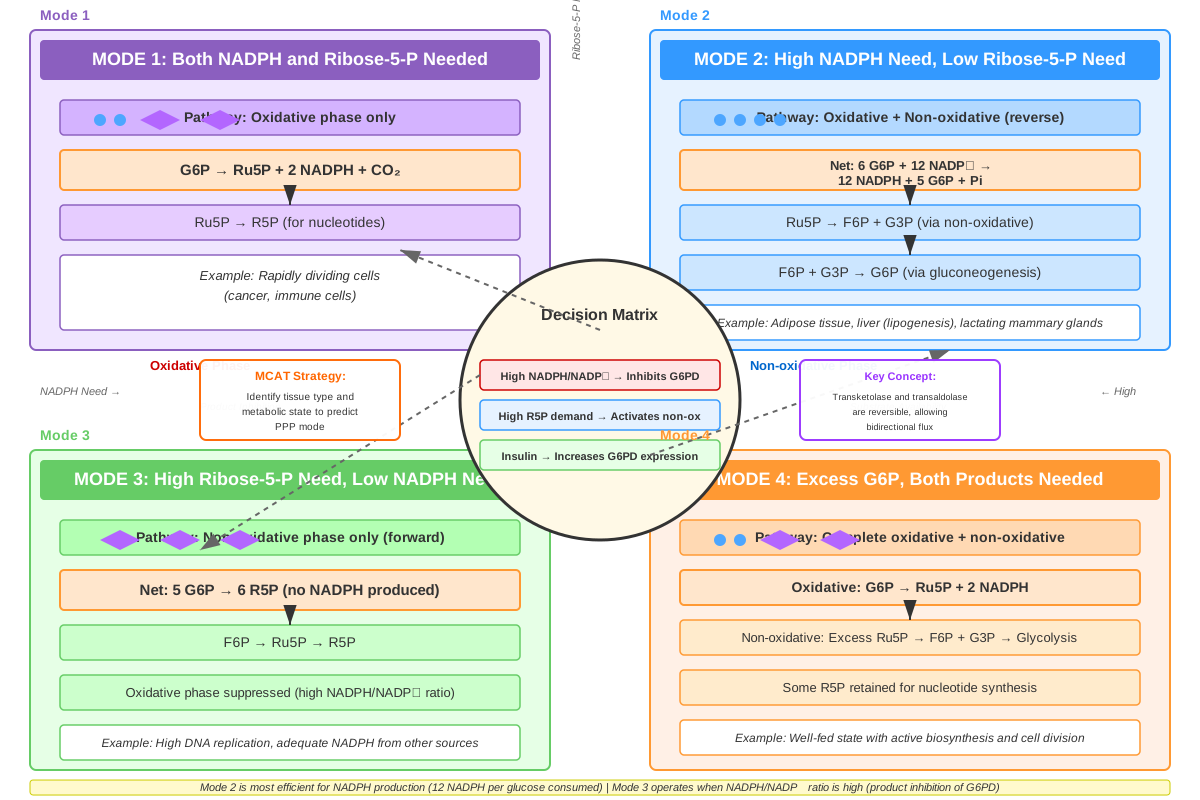
The pentose phosphate pathway demonstrates remarkable metabolic flexibility, operating in different modes depending on cellular needs:
Mode 1: High NADPH and ribose-5-phosphate demand (rapidly dividing cells)
- Both oxidative and non-oxidative phases operate
- Glucose-6-P → Ribose-5-P + 2 NADPH (oxidative phase)
- Ribose-5-P is used directly for nucleotide synthesis
Mode 2: High NADPH demand, low ribose-5-phosphate demand (lipogenic tissues like liver and adipose)
- Oxidative phase operates fully
- Non-oxidative phase runs in reverse
- Glucose-6-P → 2 NADPH + CO₂, with ribose-5-P converted back to glycolytic intermediates
- Net: 6 Glucose-6-P + 12 NADP+ → 12 NADPH + 5 Glucose-6-P + 6 CO₂ + Pi
Mode 3: High ribose-5-phosphate demand, low NADPH demand (cells with adequate NADPH but requiring nucleotides)
- Only non-oxidative phase operates
- Glycolytic intermediates (fructose-6-P and glyceraldehyde-3-P) are converted to ribose-5-P
- No NADPH is produced
Mode 4: High ATP and NADPH demand
- Both glycolysis and oxidative phase of PPP operate
- Glucose-6-P is split between both pathways
Tissue-Specific Activity Patterns
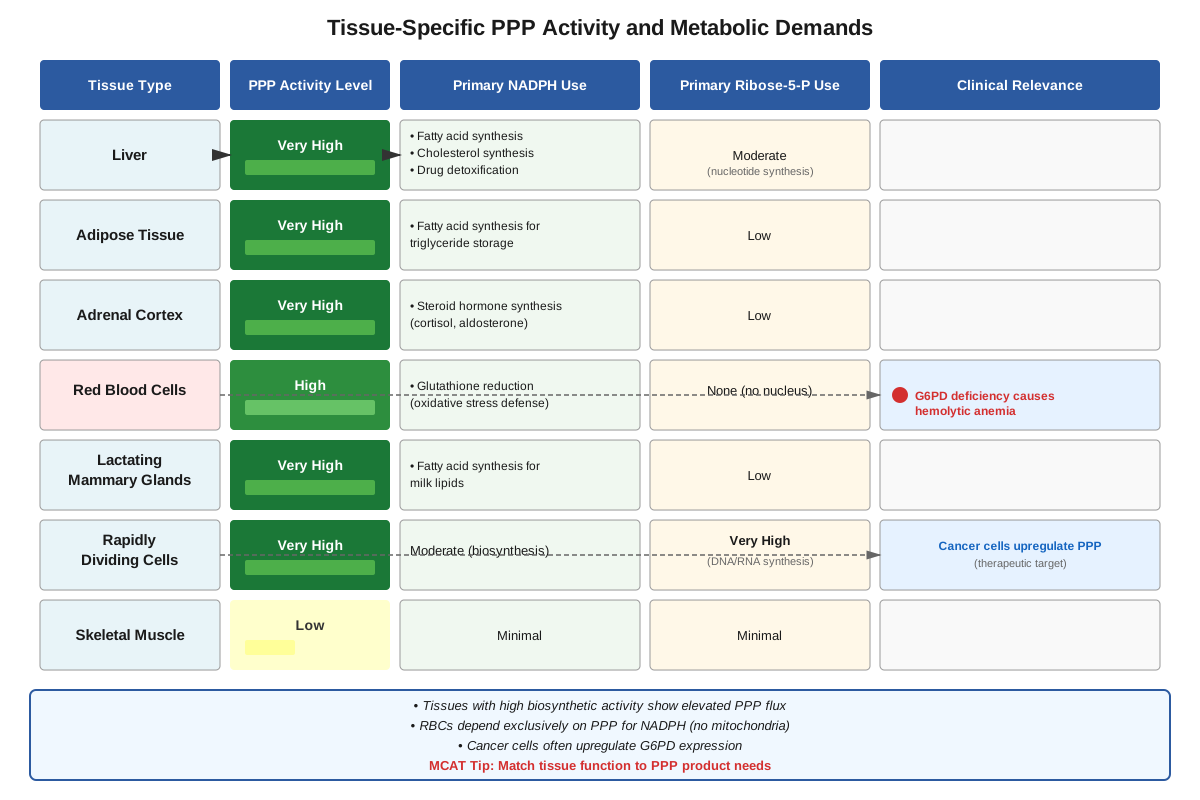
Different tissues exhibit varying levels of pentose phosphate pathway activity based on their metabolic functions:
High PPP activity:
- Liver: Fatty acid and cholesterol synthesis require massive NADPH
- Adipose tissue: Fatty acid synthesis during fed state
- Adrenal cortex: Steroid hormone synthesis
- Lactating mammary glands: Fatty acid synthesis for milk production
- Red blood cells: Maintaining reduced glutathione despite lacking mitochondria
- Testes/ovaries: Sex hormone synthesis
Moderate PPP activity:
- Bone marrow: Nucleotide synthesis for hematopoiesis
- Intestinal epithelium: Rapid cell turnover requires nucleotides
- Skin: Lipid synthesis for barrier function
Low PPP activity:
- Muscle: Primarily uses glycolysis and oxidative phosphorylation for ATP
- Brain: Primarily uses glycolysis and TCA cycle for energy
Glucose-6-Phosphate Dehydrogenase Deficiency
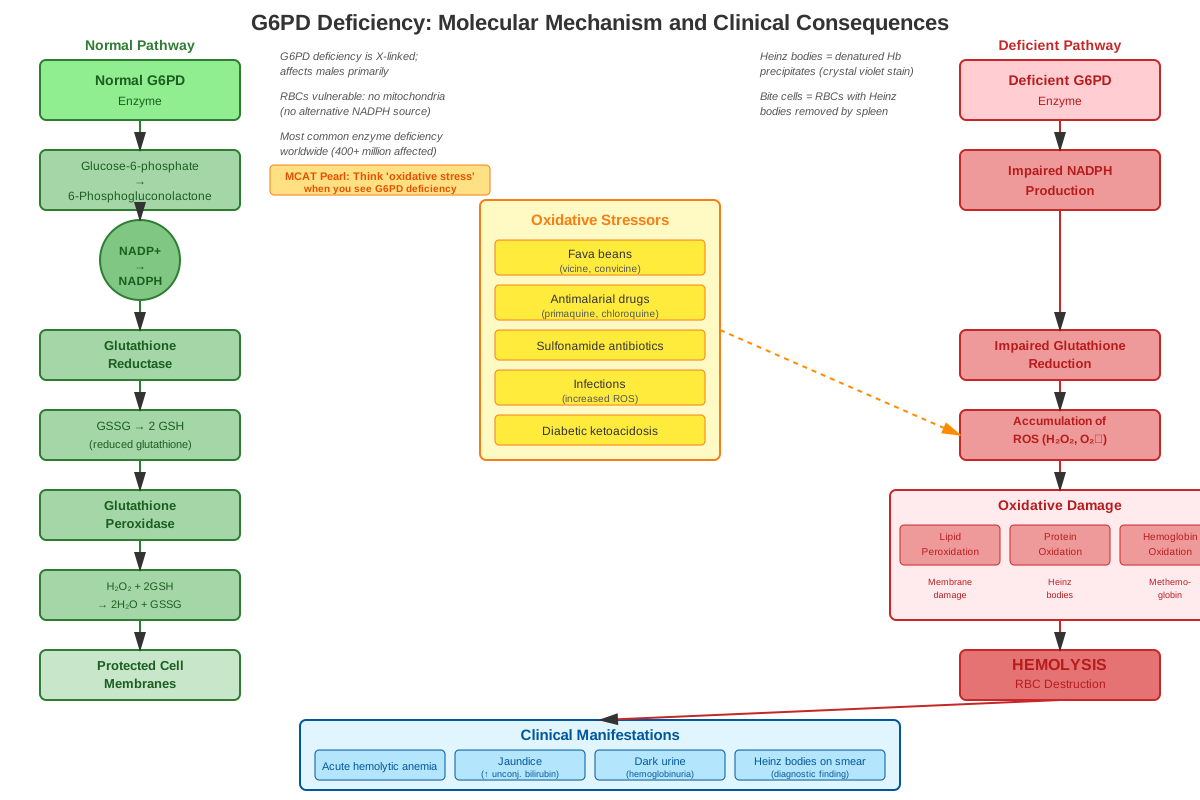
G6PD deficiency represents the most clinically significant disorder of the pentose phosphate pathway. This X-linked recessive condition affects primarily males, with highest prevalence in Mediterranean, African, and Southeast Asian populations (providing historical protection against malaria). The deficiency impairs NADPH production, which particularly affects red blood cells that lack mitochondria and depend entirely on the PPP for NADPH.
Pathophysiology: Without adequate NADPH, red blood cells cannot maintain reduced glutathione (GSH), which normally protects against oxidative damage by neutralizing hydrogen peroxide and other reactive oxygen species. When exposed to oxidative stress, hemoglobin becomes oxidized and precipitates as Heinz bodies, which damage the RBC membrane, leading to hemolysis.
Clinical triggers:
- Infections (oxidative stress from immune response)
- Fava beans (contain oxidants vicine and convicine)
- Antimalarial drugs (primaquine, chloroquine)
- Sulfonamide antibiotics
- Aspirin (high doses)
- Naphthalene (mothballs)
Clinical presentation: Episodic hemolytic anemia with jaundice, dark urine (hemoglobinuria), fatigue, and potentially splenomegaly. Between episodes, patients are typically asymptomatic.
Regulation of the Pentose Phosphate Pathway
The primary regulatory point is glucose-6-phosphate dehydrogenase, controlled through:
- Product inhibition: NADPH strongly inhibits G6PD (competitive with NADP+), providing immediate feedback regulation
- Substrate availability: Glucose-6-phosphate concentration affects flux
- Hormonal regulation: Insulin increases G6PD expression in liver and adipose tissue (promoting lipogenesis in fed state)
- Fatty acyl-CoA inhibition: High fatty acid levels inhibit G6PD, preventing unnecessary NADPH production when fatty acids are abundant
- Transcriptional regulation: Sterol regulatory element-binding protein (SREBP) increases G6PD expression during lipogenesis
The pathway has no allosteric activators, and regulation is primarily through the NADPH/NADP+ ratio, making it highly responsive to the cell's reductive biosynthetic needs.
Concept Relationships
The pentose phosphate pathway integrates with multiple metabolic pathways, creating a complex network of biochemical relationships. Glycolysis provides the substrate (glucose-6-phosphate) for the PPP, and the non-oxidative phase returns intermediates (fructose-6-phosphate and glyceraldehyde-3-phosphate) back to glycolysis, creating a bidirectional relationship. This connection allows cells to adjust the relative flux through each pathway based on whether ATP or NADPH is more urgently needed.
Fatty acid synthesis depends critically on the pentose phosphate pathway as the primary source of cytoplasmic NADPH. Each two-carbon addition during fatty acid elongation requires two NADPH molecules, meaning synthesis of palmitate (16 carbons) requires 14 NADPH. This creates a direct relationship: PPP activity → NADPH production → fatty acid synthesis. Similarly, cholesterol synthesis requires NADPH for multiple reduction steps, linking the PPP to steroid hormone production and membrane synthesis.
The pathway connects to nucleotide metabolism through ribose-5-phosphate production, which serves as the backbone for purine and pyrimidine synthesis. This relationship is particularly important in rapidly dividing cells, where both DNA replication and RNA transcription demand substantial ribose-5-phosphate. The connection flows: PPP (oxidative phase) → ribulose-5-phosphate → ribose-5-phosphate → nucleotide synthesis → DNA/RNA.
Oxidative stress response links the PPP to cellular defense mechanisms through the glutathione system. The relationship follows: PPP → NADPH → glutathione reductase → reduced glutathione (GSH) → glutathione peroxidase → neutralization of H₂O₂ and lipid peroxides. This connection explains why G6PD deficiency causes oxidative damage specifically in red blood cells.
The pathway also connects to vitamin metabolism, particularly thiamine (vitamin B₁), which provides the cofactor thiamine pyrophosphate (TPP) for transketolase. Thiamine deficiency impairs the non-oxidative phase, though this is rarely clinically significant compared to thiamine's role in other pathways (pyruvate dehydrogenase, α-ketoglutarate dehydrogenase).
Quick check — test yourself on Pentose phosphate pathway so far.
Try Flashcards →High-Yield Facts
⭐ The pentose phosphate pathway produces NADPH for reductive biosynthesis and ribose-5-phosphate for nucleotide synthesis, but does NOT produce ATP.
⭐ Glucose-6-phosphate dehydrogenase (G6PD) is the rate-limiting enzyme and is inhibited by NADPH through product inhibition.
⭐ The oxidative phase is irreversible and produces 2 NADPH per glucose-6-phosphate, while the non-oxidative phase is reversible and produces no NADPH.
⭐ G6PD deficiency causes hemolytic anemia when patients are exposed to oxidative stressors (fava beans, antimalarial drugs, infections) because red blood cells cannot maintain reduced glutathione.
⭐ The pathway is most active in liver, adipose tissue, adrenal cortex, lactating mammary glands, and red blood cells—tissues with high biosynthetic or antioxidant demands.
- The pentose phosphate pathway occurs entirely in the cytoplasm, parallel to glycolysis
- Transketolase requires thiamine pyrophosphate (TPP, from vitamin B₁) as a cofactor and transfers 2-carbon units
- Transaldolase transfers 3-carbon units and does not require a cofactor
- The oxidative phase produces CO₂ at the 6-phosphogluconate dehydrogenase step (the only CO₂-producing step outside mitochondria in carbohydrate metabolism)
- NADPH and NADH are kept in different ratios: NADPH/NADP+ is high (~100:1) for biosynthesis, while NADH/NAD+ is low (~1:1000) for catabolism
- Three molecules of glucose-6-phosphate through the oxidative phase yield 6 NADPH, 3 CO₂, and (via non-oxidative phase) can regenerate 2.5 glucose-6-phosphate molecules
- Insulin increases G6PD expression in liver and adipose tissue, coordinating the pathway with the fed state and lipogenesis
- The pentose phosphate pathway provides about 50% of the NADPH needed for fatty acid synthesis; the other 50% comes from malic enzyme
- Heinz bodies (precipitated oxidized hemoglobin) and bite cells (RBCs with portions removed by splenic macrophages) are characteristic findings in G6PD deficiency
- Cancer cells often have elevated pentose phosphate pathway activity to support rapid proliferation (nucleotide synthesis) and manage oxidative stress
Common Misconceptions
Misconception: The pentose phosphate pathway produces ATP like glycolysis.
Correction: The PPP does not produce ATP directly. Its primary products are NADPH (for biosynthesis and antioxidant defense) and ribose-5-phosphate (for nucleotide synthesis). While the glycolytic intermediates produced by the non-oxidative phase can eventually generate ATP through glycolysis, this is indirect and not the pathway's primary function.
Misconception: NADPH and NADH are interchangeable and serve the same cellular functions.
Correction: NADPH and NADH are structurally similar but functionally distinct. NADPH serves as a reducing agent for biosynthetic (anabolic) reactions and antioxidant defense, maintained at a high NADPH/NADP+ ratio. NADH functions primarily in catabolic energy-producing reactions and feeds electrons into the electron transport chain, maintained at a low NADH/NAD+ ratio. The cell maintains separate pools and cannot efficiently convert one to the other.
Misconception: G6PD deficiency causes constant hemolytic anemia.
Correction: G6PD deficiency typically causes episodic hemolytic anemia triggered by oxidative stress (infections, certain drugs, fava beans). Between episodes, patients are usually asymptomatic because baseline oxidative stress is manageable with reduced NADPH production. The deficiency only becomes clinically apparent when oxidative stress exceeds the impaired antioxidant capacity.
Misconception: All tissues use the pentose phosphate pathway equally.
Correction: PPP activity varies dramatically by tissue based on metabolic needs. Tissues engaged in fatty acid synthesis (liver, adipose), steroid synthesis (adrenal cortex, gonads), or requiring antioxidant defense without mitochondria (RBCs) have high activity. Muscle tissue, which primarily needs ATP rather than biosynthetic precursors, has relatively low PPP activity.
Misconception: The pentose phosphate pathway always runs completely through both phases.
Correction: The pathway demonstrates metabolic flexibility and can operate in different modes. Cells needing only NADPH can run the oxidative phase and convert ribose-5-phosphate back to glycolytic intermediates. Cells needing only ribose-5-phosphate can run the non-oxidative phase in reverse, using glycolytic intermediates without producing NADPH. The pathway adapts to cellular needs.
Misconception: The non-oxidative phase produces NADPH.
Correction: Only the oxidative phase produces NADPH (2 molecules per glucose-6-phosphate). The non-oxidative phase consists of reversible isomerization and carbon-shuffling reactions that interconvert sugar phosphates but do not involve oxidation-reduction reactions or NADPH production.
Misconception: Transketolase and transaldolase perform the same function.
Correction: While both enzymes transfer carbon units between sugar phosphates, transketolase transfers 2-carbon units and requires thiamine pyrophosphate (TPP) as a cofactor, while transaldolase transfers 3-carbon units and requires no cofactor. They catalyze different reactions in the non-oxidative phase.
Worked Examples
Example 1: Clinical Vignette - G6PD Deficiency
Question: A 25-year-old male of Mediterranean descent presents to the emergency department with fatigue, jaundice, and dark urine that began 2 days after starting primaquine for malaria prophylaxis before traveling. Laboratory studies show hemoglobin 8.5 g/dL (normal 13.5-17.5), elevated indirect bilirubin, and elevated lactate dehydrogenase. Peripheral blood smear shows bite cells and Heinz bodies. Which of the following best explains this patient's condition?
A) Impaired ATP production in red blood cells
B) Defective hemoglobin structure causing sickling
C) Inability to maintain reduced glutathione in red blood cells
D) Deficiency in pyruvate kinase causing energy depletion
Worked Solution:
Step 1: Identify the key clinical features:
- Mediterranean descent (high prevalence of G6PD deficiency)
- Hemolytic anemia (low hemoglobin, elevated indirect bilirubin, elevated LDH)
- Triggered by primaquine (known oxidative stressor)
- Heinz bodies and bite cells (characteristic of oxidative damage to hemoglobin)
Step 2: Connect to biochemical pathway:
The pentose phosphate pathway, specifically glucose-6-phosphate dehydrogenase (G6PD), produces NADPH. In red blood cells, NADPH is essential for maintaining reduced glutathione (GSH) through glutathione reductase:
NADPH + GSSG (oxidized glutathione) → NADP+ + 2 GSH (reduced glutathione)
Step 3: Understand the pathophysiology:
Reduced glutathione protects against oxidative damage by neutralizing hydrogen peroxide and other reactive oxygen species through glutathione peroxidase:
2 GSH + H₂O₂ → GSSG + 2 H₂O
Without adequate NADPH from G6PD, glutathione remains oxidized (GSSG), and RBCs cannot neutralize oxidative stress. Hemoglobin becomes oxidized and precipitates as Heinz bodies, damaging the membrane and causing hemolysis.
Step 4: Eliminate incorrect answers:
- A is incorrect: The pentose phosphate pathway does not produce ATP; glycolysis does
- B is incorrect: This describes sickle cell disease, not G6PD deficiency
- D is incorrect: Pyruvate kinase deficiency causes chronic hemolytic anemia, not episodic anemia triggered by oxidative stress
Answer: C - The inability to maintain reduced glutathione due to impaired NADPH production from G6PD deficiency explains the oxidative damage and hemolysis triggered by primaquine.
Key Learning Point: G6PD deficiency impairs the oxidative phase of the pentose phosphate pathway, reducing NADPH production. This specifically affects red blood cells because they lack mitochondria and depend entirely on the PPP for NADPH to maintain antioxidant defenses through the glutathione system.
Example 2: Metabolic Integration Problem
Question: A researcher is studying hepatocytes in the fed state, when insulin levels are high and the liver is actively synthesizing fatty acids. To synthesize one molecule of palmitate (16-carbon fatty acid) from acetyl-CoA, the cell requires 14 NADPH molecules. If the pentose phosphate pathway provides 60% of the required NADPH (with malic enzyme providing the remainder), how many glucose-6-phosphate molecules must enter the oxidative phase of the pentose phosphate pathway to support synthesis of one palmitate molecule? Assume the non-oxidative phase converts all ribose-5-phosphate back to glycolytic intermediates.
Worked Solution:
Step 1: Calculate total NADPH needed:
- Palmitate synthesis requires 14 NADPH per molecule
- PPP provides 60% of this: 0.60 × 14 = 8.4 NADPH molecules
Step 2: Determine NADPH yield from oxidative phase:
- Each glucose-6-phosphate through the oxidative phase produces 2 NADPH
- This occurs at two steps: G6PD (1 NADPH) and 6-phosphogluconate dehydrogenase (1 NADPH)
Step 3: Calculate glucose-6-phosphate required:
- NADPH needed from PPP: 8.4
- NADPH per glucose-6-phosphate: 2
- Glucose-6-phosphate required: 8.4 ÷ 2 = 4.2 molecules
Step 4: Interpret the biological significance:
Since we cannot have fractional molecules, the cell would need to process at least 5 glucose-6-phosphate molecules through the oxidative phase to generate sufficient NADPH (10 NADPH total, providing excess). This demonstrates the quantitative relationship between carbohydrate metabolism and lipid biosynthesis in the fed state.
Answer: 4.2 glucose-6-phosphate molecules (or 5 in practice, accounting for whole molecules)
Key Learning Points:
- The oxidative phase produces exactly 2 NADPH per glucose-6-phosphate
- Fatty acid synthesis creates massive NADPH demand, linking the PPP to lipogenesis
- The pentose phosphate pathway is not the sole source of cytoplasmic NADPH; malic enzyme also contributes
- In the fed state, hepatocytes coordinate glucose metabolism through both glycolysis (for acetyl-CoA) and PPP (for NADPH) to support fatty acid synthesis
Exam Strategy
Question Recognition
MCAT questions on the pentose phosphate pathway typically include trigger words and phrases that signal the topic:
- "NADPH production" or "reducing equivalents for biosynthesis"
- "Ribose-5-phosphate" or "nucleotide synthesis"
- "Glucose-6-phosphate dehydrogenase" or "G6PD"
- "Oxidative stress" in the context of red blood cells
- "Fatty acid synthesis" or "lipogenesis" (requiring NADPH)
- "Hemolytic anemia" triggered by drugs or fava beans
- "Heinz bodies" or "bite cells"
- "Glutathione" or "antioxidant defense"
- Tissue-specific scenarios: liver, adipose tissue, adrenal cortex, RBCs
Approach Strategy
For mechanism questions:
- Identify which phase (oxidative vs. non-oxidative) is relevant
- Remember: oxidative = NADPH production, non-oxidative = carbon shuffling
- Count carbons and NADPH molecules carefully
- Distinguish between NADPH (biosynthesis) and NADH (energy production)
For clinical vignettes:
- Look for G6PD deficiency triggers: Mediterranean/African/Asian descent, drug exposure, infection
- Connect oxidative stress → inadequate NADPH → oxidized glutathione → hemoglobin damage → hemolysis
- Remember that G6PD deficiency is X-linked (affects males primarily)
- Distinguish from other hemolytic anemias by the episodic nature and specific triggers
For metabolic integration questions:
- Identify what the cell needs: ATP (glycolysis), NADPH (PPP), or both
- Trace glucose-6-phosphate to its fate based on cellular demands
- Remember tissue-specific patterns: liver/adipose = high PPP for lipogenesis, muscle = low PPP
- Consider hormonal state: fed state (insulin) increases PPP in lipogenic tissues
Process of Elimination Tips
When answers include ATP production: Eliminate if the question asks about the pentose phosphate pathway specifically—the PPP does not directly produce ATP.
When distinguishing NADH from NADPH:
- NADH → catabolic pathways, electron transport chain, energy production
- NADPH → anabolic pathways, biosynthesis, antioxidant defense
- If the question involves biosynthesis or oxidative stress, choose NADPH
When evaluating enzyme deficiencies:
- G6PD deficiency → episodic hemolysis with oxidative triggers, Heinz bodies
- Pyruvate kinase deficiency → chronic hemolytic anemia, no specific triggers
- Sickle cell disease → sickling with hypoxia/dehydration, not drug-triggered
For tissue-specific questions:
- High PPP activity: liver, adipose, adrenal cortex, RBCs, lactating mammary glands
- Low PPP activity: muscle, brain (primarily use glycolysis/oxidative phosphorylation)
Time Management
The pentose phosphate pathway questions typically require 60-90 seconds for discrete questions and 90-120 seconds for passage-based questions. Allocate time to:
- Identify the specific phase or product being tested (15-20 seconds)
- Connect to the relevant biochemical principle (30-40 seconds)
- Eliminate clearly incorrect answers (20-30 seconds)
- Verify the correct answer matches the question stem (10-20 seconds)
Exam Tip: If a question mentions both ATP and NADPH production, be cautious. The PPP produces NADPH but not ATP directly. The glycolytic intermediates from the non-oxidative phase can eventually produce ATP through glycolysis, but this is indirect.
Memory Techniques
Mnemonics
"PPP Produces Pretty Nucleotides And Reduces"
- Pentose Phosphate Pathway
- Produces
- Pentoses (5-carbon sugars)
- Nucleotides (from ribose-5-phosphate)
- And
- Reduces (produces NADPH for reductive biosynthesis)
"Old Gorillas Love Bananas" for oxidative phase enzymes:
- Old: Oxidative phase
- Gorillas: Glucose-6-phosphate dehydrogenase (G6PD)
- Love: Lactonase
- Bananas: 6-phosphogluconate dehydrogenase (Bananas are bent like the decarboxylation)
"Two Tickets, Three Transfers" for non-oxidative phase:
- Transketolase transfers Two carbons (and requires Thiamine/TPP)
- Transaldolase transfers Three carbons
"FLASH" for tissues with high PPP activity:
- Fat tissue (adipose)
- Liver
- Adrenal cortex
- Sex organs (testes/ovaries)
- Hemoglobin-containing cells (RBCs)
Visualization Strategy
Picture a factory with two production lines:
- Oxidative line (one-way conveyor belt): Takes in glucose-6-phosphate, produces NADPH (imagine purple coins) and ribose-5-phosphate (imagine red pentagons). This line has three stations (G6PD, lactonase, 6-PG dehydrogenase) and releases CO₂ smoke at the third station.
- Non-oxidative line (reversible conveyor belt): Shuffles different-sized sugar boxes (3, 4, 5, 6, 7 carbons) back and forth. Two workers: one transfers 2-item packages (transketolase with a TPP toolbox), another transfers 3-item packages (transaldolase with bare hands).
For G6PD deficiency: Picture red blood cells as balloons. NADPH is the protective coating that keeps them from popping when exposed to sharp objects (oxidative stress). Without G6PD, the coating is thin, and oxidative stressors (fava beans, drugs) pop the balloons, causing hemolysis.
Acronym for NADPH Uses
"FRESH SCONES":
- Fatty acid synthesis
- Reactive oxygen species neutralization
- Eicosanoid synthesis
- Steroid hormone synthesis
- Hydroxylation reactions (P450)
- Superoxide production (respiratory burst)
- Cholesterol synthesis
- Oxidative stress defense
- Neurotransmitter synthesis
- Elongation of fatty acids
- Sphingolipid synthesis
Summary
The pentose phosphate pathway represents a critical alternative route for glucose-6-phosphate metabolism that prioritizes biosynthesis over energy production. Operating entirely in the cytoplasm parallel to glycolysis, the pathway consists of two distinct phases: the irreversible oxidative phase, which produces 2 NADPH and converts glucose-6-phosphate to ribulose-5-phosphate while releasing CO₂, and the reversible non-oxidative phase, which interconverts various sugar phosphates through transketolase and transaldolase reactions. The pathway's primary products—NADPH for reductive biosynthesis and antioxidant defense, and ribose-5-phosphate for nucleotide synthesis—make it essential for rapidly dividing cells, lipogenic tissues, steroid-producing organs, and red blood cells. Glucose-6-phosphate dehydrogenase, the rate-limiting enzyme, is regulated primarily through product inhibition by NADPH, allowing the pathway to respond to cellular biosynthetic demands. G6PD deficiency, the most common enzyme deficiency worldwide, impairs NADPH production in red blood cells, compromising their ability to maintain reduced glutathione and leading to episodic hemolytic anemia when patients encounter oxidative stressors. Understanding the pentose phosphate pathway requires recognizing its metabolic flexibility, tissue-specific activity patterns, and integration with glycolysis, fatty acid synthesis, nucleotide metabolism, and cellular antioxidant systems.
Key Takeaways
- The pentose phosphate pathway produces NADPH for biosynthesis and ribose-5-phosphate for nucleotides, but does not directly produce ATP
- The oxidative phase (irreversible) generates 2 NADPH per glucose-6-phosphate through G6PD and 6-phosphogluconate dehydrogenase; the non-oxidative phase (reversible) shuffles carbon skeletons without producing NADPH
- G6PD is the rate-limiting enzyme, regulated by NADPH product inhibition, and its deficiency causes episodic hemolytic anemia triggered by oxidative stressors
- NADPH and NADH serve distinct functions: NADPH for anabolic reactions (maintained at high NADPH/NADP+ ratio), NADH for catabolic reactions (maintained at low NADH/NAD+ ratio)
- The pathway exhibits high activity in tissues requiring biosynthesis or antioxidant defense: liver, adipose tissue, adrenal cortex, red blood cells, and lactating mammary glands
- Transketolase (requires TPP from vitamin B₁) transfers 2-carbon units; transaldolase transfers 3-carbon units in the non-oxidative phase
- The pathway demonstrates metabolic flexibility, operating in different modes depending on whether cells need NADPH, ribose-5-phosphate, or both
Related Topics
Glycolysis: Understanding how glucose-6-phosphate is partitioned between glycolysis and the pentose phosphate pathway based on cellular energy versus biosynthetic needs provides insight into metabolic regulation and integration.
Fatty Acid Synthesis: The pentose phosphate pathway provides approximately 50% of the NADPH required for fatty acid synthesis, making the connection between carbohydrate metabolism and lipogenesis essential for understanding the fed state.
Nucleotide Metabolism: Ribose-5-phosphate from the PPP serves as the backbone for purine and pyrimidine synthesis, connecting carbohydrate metabolism to DNA replication and RNA transcription.
Glutathione Metabolism: The relationship between NADPH production and glutathione reduction explains cellular antioxidant defense mechanisms and the pathophysiology of G6PD deficiency.
Electron Transport Chain: Contrasting NADH's role in the ETC with NADPH's role in biosynthesis clarifies the distinct functions of these similar cofactors and their separate cellular pools.
Steroid Hormone Synthesis: The adrenal cortex and gonads require substantial NADPH for hydroxylation reactions in steroid synthesis, demonstrating the PPP's importance beyond basic metabolism.
Practice CTA
Now that you've mastered the pentose phosphate pathway, test your understanding with practice questions and flashcards. Focus on distinguishing between the oxidative and non-oxidative phases, recognizing G6PD deficiency presentations, and integrating the pathway with other metabolic processes. Challenge yourself with passage-based questions that require you to analyze experimental data or clinical vignettes. The more you practice applying these concepts to MCAT-style questions, the more confident you'll become in recognizing how this pathway appears on test day. Remember: understanding the "why" behind the pathway—why cells need NADPH, why certain tissues have high activity, why G6PD deficiency causes specific symptoms—will serve you better than memorizing isolated facts. You've got this!
Sign up free to keep reading
Create a free AnvayaPrep account to finish this MCAT guide on Pentose phosphate pathway — plus flashcards and practice questions.