Overview
Catabolism represents one of the two fundamental branches of metabolism, the other being anabolism. In biochemistry, catabolism encompasses all metabolic pathways that break down complex molecules into simpler ones, releasing energy in the process. This energy is captured primarily in the form of ATP (adenosine triphosphate) and reducing equivalents like NADH and FADH₂. Understanding catabolism is essential for comprehending how organisms extract energy from nutrients—carbohydrates, lipids, and proteins—and how this energy fuels cellular processes ranging from muscle contraction to biosynthesis.
For the MCAT, catabolism is a medium-yield topic that appears regularly in both passage-based and discrete questions within the Biological and Biochemical Foundations of Living Systems section. The exam frequently tests students' ability to trace the flow of carbon atoms through catabolic pathways, predict the energetic outcomes of metabolic processes, and understand how hormonal and allosteric regulation coordinates catabolism with the body's energy needs. Questions may present clinical scenarios involving metabolic disorders, fasting states, or exercise physiology, requiring students to apply their knowledge of catabolic pathways to novel contexts.
Catabolism MCAT questions often integrate multiple concepts, connecting glycolysis to the citric acid cycle, linking fatty acid oxidation to ketone body formation, or exploring how amino acid catabolism contributes to gluconeogenesis during starvation. This topic serves as a cornerstone for understanding energy metabolism and provides the foundation for appreciating how cells maintain energy homeostasis under varying physiological conditions. Mastery of catabolism enables students to tackle complex passages involving metabolic regulation, enzyme kinetics in metabolic pathways, and the biochemical basis of disease states.
Learning Objectives
- [ ] Define catabolism using accurate biochemistry terminology
- [ ] Explain why catabolism matters for the MCAT
- [ ] Apply catabolism to exam-style questions
- [ ] Identify common mistakes related to catabolism
- [ ] Connect catabolism to related biochemistry concepts
- [ ] Compare and contrast the three major catabolic pathways (carbohydrate, lipid, and protein catabolism)
- [ ] Calculate the net ATP yield from complete oxidation of glucose and fatty acids
- [ ] Predict how hormonal signals (insulin, glucagon, epinephrine) regulate catabolic pathway activity
Prerequisites
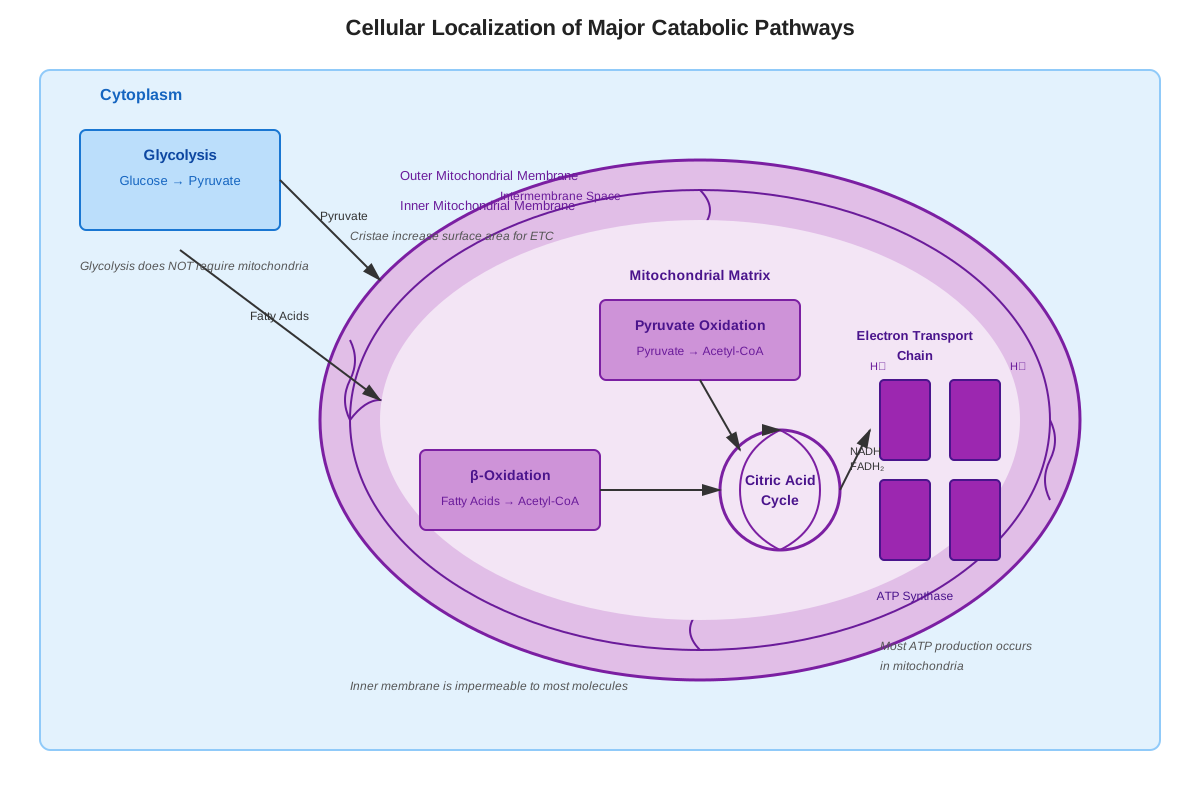
- Basic cellular structure: Understanding mitochondrial compartmentalization is essential because most catabolic pathways occur in specific cellular locations (cytoplasm vs. mitochondrial matrix)
- Enzyme function and regulation: Catabolic pathways are controlled by allosteric enzymes and covalent modification, requiring knowledge of enzyme kinetics and regulation mechanisms
- Oxidation-reduction reactions: Catabolism involves electron transfer to NAD⁺ and FAD, necessitating familiarity with redox chemistry
- ATP structure and function: Since ATP is the primary energy currency produced during catabolism, understanding its high-energy phosphate bonds is fundamental
- Basic organic chemistry: Recognizing functional groups and understanding reaction types (oxidation, hydrolysis, decarboxylation) helps in following catabolic transformations
Why This Topic Matters
Clinical and Real-World Significance
Catabolism is central to understanding numerous clinical conditions. Diabetes mellitus involves dysregulated glucose catabolism, leading to hyperglycemia and inappropriate fat catabolism that produces dangerous levels of ketone bodies. Inherited metabolic disorders like phenylketonuria (PKU) result from defects in amino acid catabolism. During starvation or prolonged exercise, the body shifts from primarily carbohydrate catabolism to increased reliance on fat and protein catabolism, demonstrating the adaptive nature of metabolism. Understanding these catabolic shifts is essential for physicians managing patients with metabolic diseases, nutritional deficiencies, or critical illnesses.
MCAT Exam Statistics
Catabolism appears in approximately 15-20% of biochemistry questions on the MCAT. Questions typically fall into three categories: (1) pathway-tracing questions that ask students to follow carbon atoms or identify intermediates, (2) energetics questions requiring ATP yield calculations or understanding of coupled reactions, and (3) regulation questions testing knowledge of how hormones and allosteric effectors control catabolic flux. The topic frequently appears in passage-based questions where experimental data about enzyme activity, metabolite concentrations, or genetic mutations must be interpreted in the context of catabolic pathways.
Common Exam Presentations
The MCAT presents catabolism through various question formats. Passages may describe research on metabolic enzyme inhibitors, present clinical vignettes of patients with metabolic disorders, or provide data from experiments measuring oxygen consumption or ATP production. Discrete questions often test specific details like the location of pathways, the number of ATP molecules produced, or the regulatory mechanisms controlling key enzymes. Understanding catabolism enables students to approach these questions systematically, using their knowledge of pathway logic and energy conservation principles.
Core Concepts
Definition and Fundamental Principles
Catabolism is defined as the set of metabolic pathways that degrade complex macromolecules (polysaccharides, lipids, and proteins) into simpler molecules (monosaccharides, fatty acids, and amino acids), ultimately converting them to common intermediates that enter central oxidative pathways. These pathways are exergonic, meaning they release free energy, which cells capture in the form of ATP and reduced coenzymes (NADH and FADH₂). The fundamental principle underlying catabolism is the stepwise oxidation of carbon-containing molecules, with electrons being transferred to electron carriers and ultimately to oxygen in aerobic organisms.
Catabolic pathways share several common features: they are typically oxidative, they converge on a few common intermediates (particularly acetyl-CoA), and they are regulated at irreversible steps by allosteric enzymes and hormonal signals. The energy released during catabolism is not released all at once but rather in controlled steps, allowing efficient energy capture and preventing wasteful heat generation.
The Three Stages of Catabolism
Catabolism can be conceptualized in three stages:
- Stage 1 - Hydrolysis: Large macromolecules are broken down into their building blocks (polysaccharides → monosaccharides, proteins → amino acids, lipids → fatty acids and glycerol). This stage occurs primarily in the digestive tract and produces little ATP.
- Stage 2 - Conversion to Acetyl-CoA: The building blocks are further degraded to common intermediates, particularly acetyl-CoA. Glucose is converted through glycolysis to pyruvate, then to acetyl-CoA. Fatty acids undergo β-oxidation to produce acetyl-CoA. Amino acids are deaminated and their carbon skeletons converted to acetyl-CoA or other citric acid cycle intermediates.
- Stage 3 - Final Oxidation: Acetyl-CoA enters the citric acid cycle (Krebs cycle, TCA cycle), where it is completely oxidized to CO₂. The reduced coenzymes (NADH and FADH₂) produced in stages 2 and 3 donate electrons to the electron transport chain, driving oxidative phosphorylation and producing the majority of ATP.
Carbohydrate Catabolism
Glycolysis is the central pathway of glucose catabolism, occurring in the cytoplasm and converting one glucose molecule (6 carbons) into two pyruvate molecules (3 carbons each). The pathway consists of ten enzyme-catalyzed steps divided into two phases:
- Energy investment phase (steps 1-5): Glucose is phosphorylated twice, consuming 2 ATP, and cleaved into two 3-carbon molecules
- Energy payoff phase (steps 6-10): Each 3-carbon molecule is oxidized and converted to pyruvate, producing 2 NADH and 4 ATP (net gain of 2 ATP per glucose)
Key regulatory enzymes in glycolysis include hexokinase (step 1), phosphofructokinase-1 (PFK-1, step 3), and pyruvate kinase (step 10). PFK-1 is the rate-limiting enzyme and is allosterically inhibited by ATP and citrate (signals of energy abundance) and activated by AMP and fructose-2,6-bisphosphate (signals of energy need).
Under aerobic conditions, pyruvate enters mitochondria and is converted to acetyl-CoA by the pyruvate dehydrogenase complex, a large multi-enzyme complex that catalyzes an irreversible oxidative decarboxylation. This reaction produces NADH and CO₂ and is inhibited by its products (acetyl-CoA and NADH) and by ATP, while being activated by pyruvate, CoA, and NAD⁺.
Lipid Catabolism
β-oxidation is the primary pathway for fatty acid catabolism, occurring in the mitochondrial matrix. Fatty acids must first be activated to fatty acyl-CoA in the cytoplasm (consuming 2 ATP equivalents), then transported into mitochondria via the carnitine shuttle. Once inside, β-oxidation proceeds in four repeating steps:
- Oxidation by acyl-CoA dehydrogenase (produces FADH₂)
- Hydration by enoyl-CoA hydratase
- Oxidation by 3-hydroxyacyl-CoA dehydrogenase (produces NADH)
- Thiolysis by thiolase (releases acetyl-CoA)
Each cycle shortens the fatty acid by two carbons, producing one acetyl-CoA, one NADH, and one FADH₂. For a saturated fatty acid with n carbons, β-oxidation produces (n/2 - 1) FADH₂, (n/2 - 1) NADH, and (n/2) acetyl-CoA molecules.
The acetyl-CoA produced enters the citric acid cycle for complete oxidation. During prolonged fasting or uncontrolled diabetes, excessive acetyl-CoA from β-oxidation exceeds the citric acid cycle's capacity, leading to ketone body formation (acetoacetate, β-hydroxybutyrate, and acetone) in the liver. These ketone bodies serve as alternative fuel sources for the brain and other tissues during glucose scarcity.
Protein Catabolism
Amino acid catabolism is more complex than carbohydrate or lipid catabolism because each of the 20 amino acids has a unique degradation pathway. However, all pathways share a common first step: removal of the amino group through transamination or oxidative deamination.
Transamination transfers the amino group to α-ketoglutarate, forming glutamate and a corresponding α-keto acid. This reaction is catalyzed by aminotransferases (transaminases) and requires pyridoxal phosphate (vitamin B₆) as a cofactor. Oxidative deamination of glutamate by glutamate dehydrogenase releases ammonia (NH₃), which is toxic and must be converted to urea in the liver through the urea cycle.
The carbon skeletons remaining after deamination are classified as:
- Glucogenic: Can be converted to glucose via gluconeogenesis (most amino acids)
- Ketogenic: Converted to acetyl-CoA or acetoacetate (leucine and lysine exclusively)
- Both glucogenic and ketogenic: Can form both glucose and ketone bodies (isoleucine, phenylalanine, tryptophan, tyrosine, threonine)
The Citric Acid Cycle
The citric acid cycle (also called the Krebs cycle or TCA cycle) is the final common pathway for oxidation of acetyl-CoA derived from all three macronutrient sources. This eight-step cyclic pathway occurs in the mitochondrial matrix and serves multiple functions: complete oxidation of acetyl-CoA to CO₂, production of reduced coenzymes (3 NADH and 1 FADH₂ per cycle), and generation of biosynthetic precursors.
Key features of the citric acid cycle:
- Acetyl-CoA (2 carbons) combines with oxaloacetate (4 carbons) to form citrate (6 carbons)
- Two decarboxylation steps release CO₂
- Four oxidation steps produce 3 NADH and 1 FADH₂
- One substrate-level phosphorylation produces GTP (equivalent to ATP)
- Oxaloacetate is regenerated, allowing the cycle to continue
The cycle is regulated primarily at three irreversible steps: citrate synthase, isocitrate dehydrogenase, and α-ketoglutarate dehydrogenase. These enzymes are inhibited by ATP, NADH, and succinyl-CoA (products indicating energy abundance) and activated by ADP, NAD⁺, and Ca²⁺ (signals of energy demand).
Oxidative Phosphorylation and ATP Yield
The NADH and FADH₂ produced during catabolism donate electrons to the electron transport chain (ETC) in the inner mitochondrial membrane. As electrons pass through complexes I, III, and IV, protons are pumped from the matrix to the intermembrane space, creating an electrochemical gradient. This gradient drives ATP synthesis by ATP synthase through chemiosmotic coupling.
Theoretical ATP yields (using P/O ratios of 2.5 for NADH and 1.5 for FADH₂):
- Glucose complete oxidation: ~30-32 ATP (glycolysis: 2 ATP + 2 NADH; pyruvate → acetyl-CoA: 2 NADH; citric acid cycle: 2 GTP + 6 NADH + 2 FADH₂)
- Palmitate (16-carbon fatty acid): ~106 ATP (7 FADH₂ + 7 NADH from β-oxidation + 8 acetyl-CoA × 10 ATP each, minus 2 ATP for activation)
Metabolic Regulation and Integration
Catabolic pathways are regulated at multiple levels:
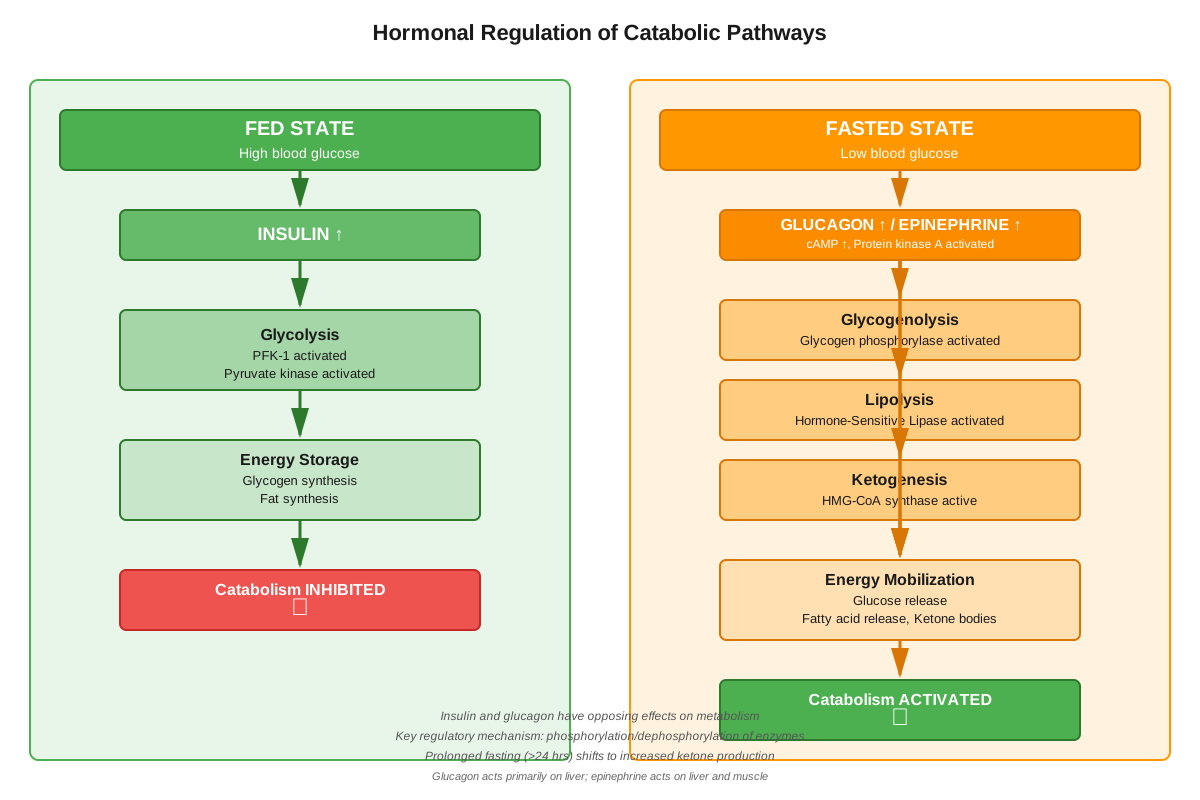
Hormonal regulation:
- Insulin (fed state) inhibits catabolism and promotes anabolism
- Glucagon (fasted state) stimulates catabolism, especially glycogenolysis and gluconeogenesis
- Epinephrine (stress/exercise) rapidly activates glycogenolysis and lipolysis
Allosteric regulation: Key enzymes respond to energy charge (ATP/ADP ratio) and metabolite concentrations, providing rapid feedback control
Covalent modification: Phosphorylation/dephosphorylation by kinases and phosphatases provides intermediate-speed regulation
| Metabolic State | Primary Fuel | Active Pathways | Hormonal Signal |
|---|---|---|---|
| Fed (absorptive) | Glucose | Glycolysis, lipogenesis | Insulin ↑ |
| Fasted (postabsorptive) | Glucose → fatty acids | Glycogenolysis, gluconeogenesis, β-oxidation | Glucagon ↑ |
| Prolonged fasting | Fatty acids, ketones | β-oxidation, ketogenesis, protein catabolism | Glucagon ↑↑, cortisol ↑ |
| Exercise | Glucose + fatty acids | Glycolysis, glycogenolysis, β-oxidation | Epinephrine ↑ |
Concept Relationships
Catabolism is fundamentally interconnected with anabolism, forming the complete picture of metabolism. The ATP and NADH produced through catabolic pathways provide the energy and reducing power required for anabolic processes like protein synthesis, DNA replication, and biosynthesis of complex lipids. This relationship illustrates the principle of energy coupling: exergonic catabolic reactions drive endergonic anabolic reactions.
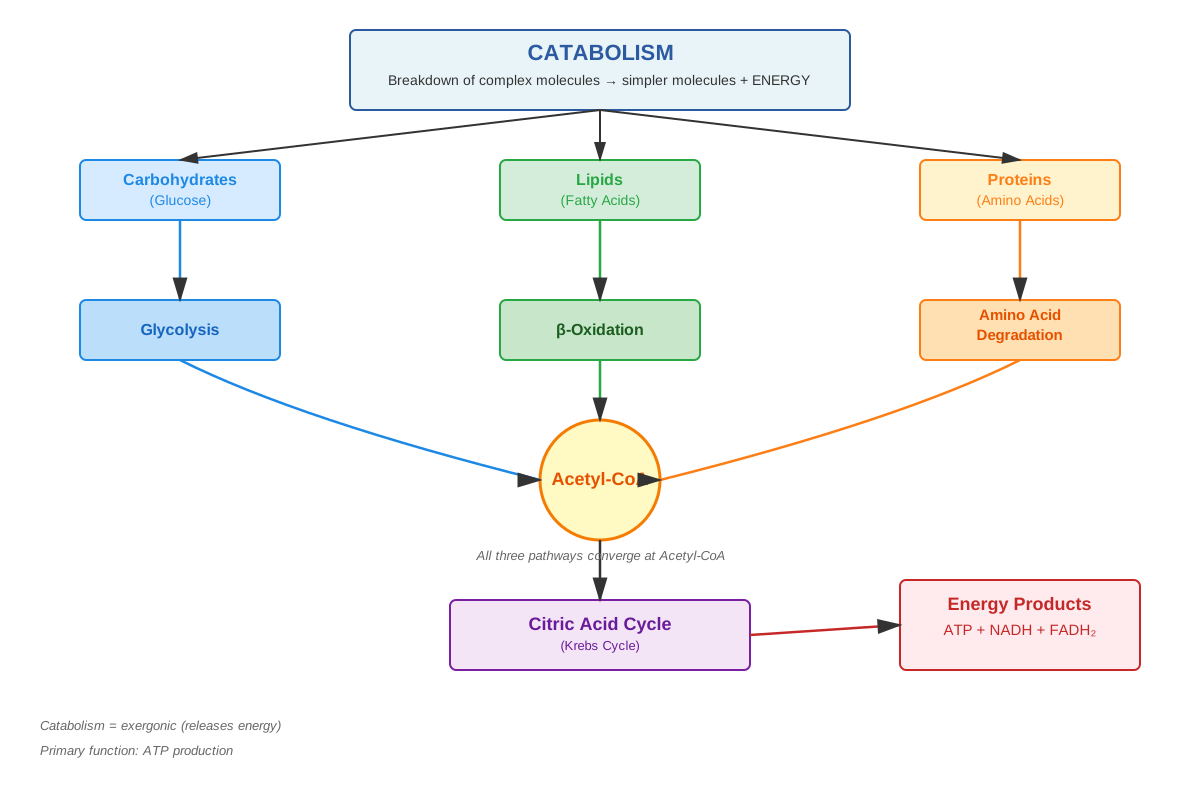
Within catabolism itself, the three major pathways (carbohydrate, lipid, and protein catabolism) converge on common intermediates, particularly acetyl-CoA and citric acid cycle intermediates. This convergence can be mapped as:
Glucose → Glycolysis → Pyruvate → Acetyl-CoA → Citric Acid Cycle → CO₂ + NADH/FADH₂ → Electron Transport Chain → ATP
Fatty acids → β-oxidation → Acetyl-CoA (joins the pathway above)
Amino acids → Deamination → Carbon skeletons → Citric acid cycle intermediates or Acetyl-CoA (joins the pathway above)
The electron transport chain and oxidative phosphorylation represent the final common pathway where the reduced coenzymes from all catabolic processes are reoxidized, with their energy captured as ATP. This integration demonstrates metabolic efficiency: regardless of the starting macronutrient, cells use the same machinery to extract maximum energy.
Catabolism connects to prerequisite knowledge of enzyme regulation through the multiple control points in each pathway. Understanding allosteric regulation and feedback inhibition is essential for predicting how metabolic flux changes in response to cellular energy status. The redox chemistry learned in general chemistry becomes concrete when following electron transfers from glucose or fatty acids to NAD⁺ and FAD, then through the electron transport chain to oxygen.
Catabolism also connects forward to topics like metabolic disorders (where specific catabolic enzymes are deficient), exercise physiology (where fuel selection shifts based on intensity and duration), and endocrinology (where hormones coordinate catabolic and anabolic processes across tissues).
Quick check — test yourself on Catabolism so far.
Try Flashcards →High-Yield Facts
⭐ Catabolism is the degradative phase of metabolism that breaks down complex molecules into simpler ones, releasing energy captured as ATP and reduced coenzymes (NADH, FADH₂)
⭐ Glycolysis produces a net yield of 2 ATP and 2 NADH per glucose molecule and occurs in the cytoplasm under both aerobic and anaerobic conditions
⭐ The citric acid cycle produces 3 NADH, 1 FADH₂, and 1 GTP per acetyl-CoA and is the final common pathway for oxidation of all macronutrients
⭐ β-oxidation of fatty acids occurs in the mitochondrial matrix and produces acetyl-CoA, NADH, and FADH₂; each cycle removes two carbons from the fatty acid chain
⭐ Complete oxidation of glucose yields approximately 30-32 ATP, while oxidation of palmitate (16-carbon fatty acid) yields approximately 106 ATP, demonstrating that lipids are more energy-dense than carbohydrates
- The carnitine shuttle is required to transport fatty acyl-CoA from the cytoplasm into mitochondria for β-oxidation
- Pyruvate dehydrogenase complex catalyzes the irreversible conversion of pyruvate to acetyl-CoA and is inhibited by acetyl-CoA, NADH, and ATP
- Phosphofructokinase-1 (PFK-1) is the rate-limiting enzyme of glycolysis and is allosterically activated by AMP and fructose-2,6-bisphosphate
- Amino acid catabolism requires removal of the amino group through transamination or oxidative deamination, with the nitrogen ultimately converted to urea in the liver
- Ketone bodies (acetoacetate, β-hydroxybutyrate, acetone) are produced in the liver from excess acetyl-CoA during prolonged fasting or uncontrolled diabetes and serve as alternative fuel for the brain
- Glucagon and epinephrine stimulate catabolic pathways through cAMP-mediated phosphorylation cascades, while insulin inhibits catabolism and promotes anabolism
- The electron transport chain couples the oxidation of NADH and FADH₂ to ATP synthesis through the proton-motive force across the inner mitochondrial membrane
Common Misconceptions
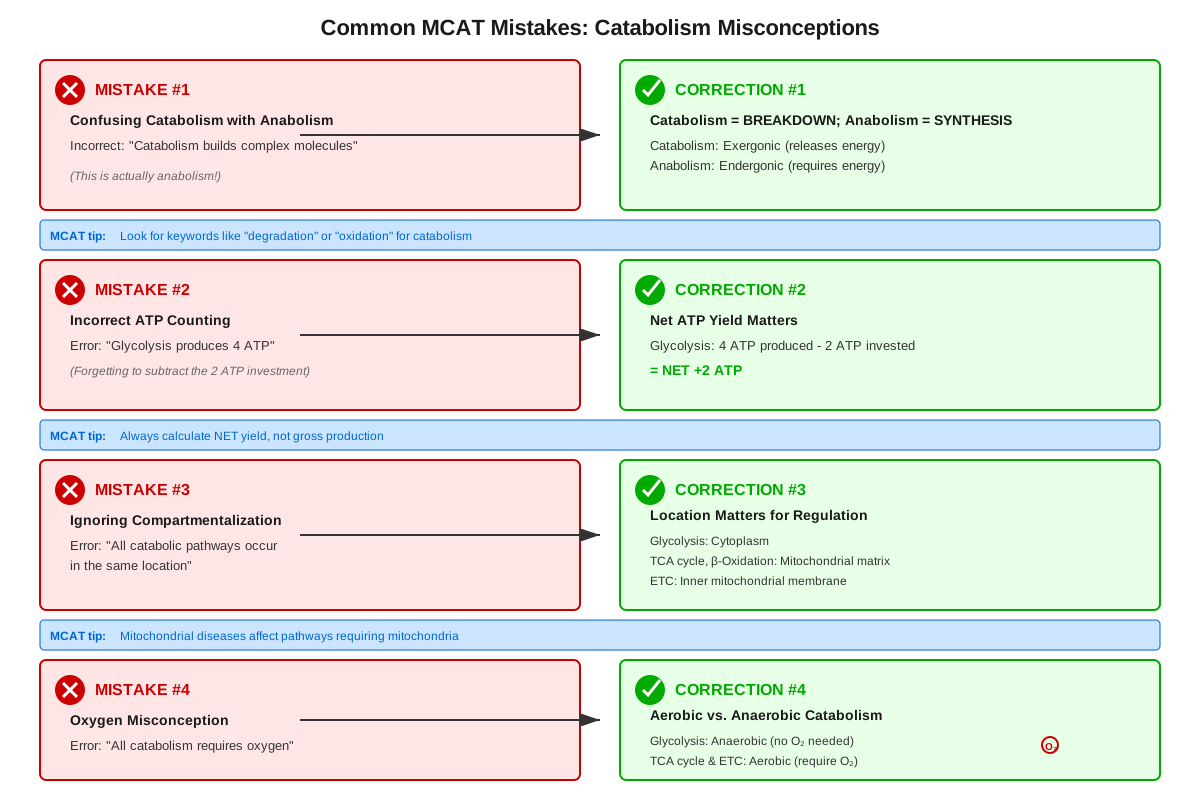
Misconception: Catabolism and anabolism occur in completely separate cellular compartments and never interact.
Correction: While some spatial separation exists (e.g., fatty acid synthesis in cytoplasm vs. β-oxidation in mitochondria), catabolic and anabolic pathways are highly integrated. They share common intermediates, and the ATP and NADH from catabolism directly fuel anabolic processes. Reciprocal regulation ensures that opposing pathways are not simultaneously active.
Misconception: Glycolysis only occurs when oxygen is absent (anaerobic conditions).
Correction: Glycolysis occurs under both aerobic and anaerobic conditions. Under aerobic conditions, pyruvate enters mitochondria for complete oxidation. Under anaerobic conditions, pyruvate is reduced to lactate to regenerate NAD⁺, allowing glycolysis to continue. Glycolysis itself does not require oxygen.
Misconception: All amino acids are converted to glucose during catabolism.
Correction: Only glucogenic amino acids can be converted to glucose via gluconeogenesis. Ketogenic amino acids (leucine and lysine) are converted exclusively to acetyl-CoA or ketone bodies and cannot contribute to net glucose synthesis. Some amino acids are both glucogenic and ketogenic.
Misconception: The ATP yield from glucose oxidation is exactly 38 ATP.
Correction: The theoretical maximum is approximately 30-32 ATP per glucose under optimal conditions, not 38. This accounts for the energy cost of transporting NADH from glycolysis into mitochondria and the fact that P/O ratios are approximately 2.5 for NADH and 1.5 for FADH₂, not the older estimates of 3 and 2.
Misconception: Fatty acids can be converted to glucose in humans.
Correction: Fatty acids with even numbers of carbons cannot undergo net conversion to glucose because they are completely oxidized to acetyl-CoA, which cannot be converted to glucose (the two carbons entering the citric acid cycle as acetyl-CoA are released as CO₂). Only the glycerol backbone from triglycerides can be used for gluconeogenesis. Odd-chain fatty acids (rare) produce one propionyl-CoA that can form succinyl-CoA, a gluconeogenic precursor.
Misconception: Ketone bodies are toxic waste products that must be eliminated.
Correction: Ketone bodies are normal metabolic fuels produced during fasting or low-carbohydrate states. They are efficiently used by the brain, heart, and skeletal muscle. Only when produced in excessive amounts (ketoacidosis in uncontrolled diabetes) do they become problematic due to the associated acidosis, not because they are inherently toxic.
Misconception: The citric acid cycle directly produces large amounts of ATP.
Correction: The citric acid cycle produces only 1 GTP (equivalent to 1 ATP) per cycle through substrate-level phosphorylation. The majority of ATP comes from oxidative phosphorylation when the NADH and FADH₂ produced by the cycle donate electrons to the electron transport chain.
Worked Examples
Example 1: ATP Yield Calculation
Question: Calculate the net ATP yield from the complete aerobic oxidation of one molecule of myristic acid, a 14-carbon saturated fatty acid. Assume P/O ratios of 2.5 for NADH and 1.5 for FADH₂.
Solution:
Step 1: Determine the products of β-oxidation.
- A 14-carbon fatty acid undergoes (14/2 - 1) = 6 cycles of β-oxidation
- Each cycle produces: 1 FADH₂, 1 NADH, and 1 acetyl-CoA
- Total from β-oxidation: 6 FADH₂, 6 NADH, and 7 acetyl-CoA
Step 2: Calculate ATP from β-oxidation products.
- 6 FADH₂ × 1.5 ATP = 9 ATP
- 6 NADH × 2.5 ATP = 15 ATP
- Subtotal: 24 ATP
Step 3: Calculate ATP from acetyl-CoA oxidation in the citric acid cycle.
- Each acetyl-CoA yields: 3 NADH, 1 FADH₂, and 1 GTP
- 7 acetyl-CoA × (3 NADH × 2.5 + 1 FADH₂ × 1.5 + 1 GTP) = 7 × (7.5 + 1.5 + 1) = 7 × 10 = 70 ATP
Step 4: Account for activation cost.
- Fatty acid activation consumes 2 ATP equivalents (ATP → AMP + 2Pi)
- Net ATP = 24 + 70 - 2 = 92 ATP
Key takeaway: This problem demonstrates the high energy yield from fatty acid oxidation and requires systematic accounting of all products from β-oxidation and the citric acid cycle, minus the activation cost.
Example 2: Clinical Vignette Analysis
Question: A patient presents with severe muscle weakness and exercise intolerance. Laboratory tests reveal elevated blood levels of long-chain fatty acids and low ketone bodies despite prolonged fasting. Muscle biopsy shows lipid accumulation. Which of the following enzyme deficiencies is most likely?
A) Hexokinase
B) Carnitine palmitoyltransferase I (CPT I)
C) Pyruvate dehydrogenase
D) Glucose-6-phosphatase
Solution:
Step 1: Analyze the clinical presentation.
- Muscle weakness and exercise intolerance suggest impaired energy production
- Elevated long-chain fatty acids indicate they are not being oxidized
- Low ketone bodies despite fasting suggests impaired fatty acid oxidation in the liver
- Lipid accumulation in muscle confirms fatty acids cannot be metabolized
Step 2: Consider the pathway involved.
- The problem involves fatty acid catabolism, specifically the inability to oxidize long-chain fatty acids
- For β-oxidation to occur, fatty acids must enter mitochondria
Step 3: Evaluate each option.
- A) Hexokinase: Involved in glucose phosphorylation, not fatty acid metabolism
- B) CPT I: Required for transporting long-chain fatty acyl-CoA into mitochondria via the carnitine shuttle; deficiency would prevent β-oxidation
- C) Pyruvate dehydrogenase: Converts pyruvate to acetyl-CoA; deficiency would affect glucose metabolism, not fatty acid transport
- D) Glucose-6-phosphatase: Involved in gluconeogenesis, not fatty acid oxidation
Step 4: Select the answer.
Answer: B) Carnitine palmitoyltransferase I (CPT I)
Explanation: CPT I deficiency prevents long-chain fatty acids from entering mitochondria for β-oxidation. This leads to accumulation of fatty acids in blood and tissues, inability to produce ketone bodies during fasting (since ketogenesis requires β-oxidation products), and impaired energy production in muscle during exercise when fatty acid oxidation normally increases. This example illustrates how understanding the compartmentalization of catabolic pathways and the requirement for transport systems is essential for clinical reasoning.
Exam Strategy
Approaching MCAT Questions on Catabolism
When encountering catabolism questions, first identify which pathway is being tested (glycolysis, β-oxidation, citric acid cycle, or amino acid catabolism). Look for clues in the question stem about the substrate (glucose, fatty acid, amino acid) and the cellular location mentioned (cytoplasm vs. mitochondria).
For passage-based questions, pay attention to:
- Experimental manipulations of enzyme activity or metabolite concentrations
- Clinical presentations suggesting metabolic disorders
- Data showing oxygen consumption, ATP production, or metabolite accumulation
- Graphs depicting changes in metabolic flux under different conditions
Trigger Words and Phrases
Watch for these high-yield terms that signal specific concepts:
- "Energy investment" or "priming phase" → early steps of glycolysis
- "Oxidative decarboxylation" → pyruvate dehydrogenase or α-ketoglutarate dehydrogenase
- "Carnitine shuttle" → fatty acid transport into mitochondria
- "Ketone bodies" → prolonged fasting, diabetes, or excessive β-oxidation
- "Substrate-level phosphorylation" → direct ATP production (not via ETC)
- "Transamination" → amino acid catabolism, requires vitamin B₆
- "Glucogenic" vs. "ketogenic" → amino acid classification
- "Rate-limiting enzyme" → key regulatory step (e.g., PFK-1 in glycolysis)
Process of Elimination Tips
For questions about ATP yield:
- Eliminate answers that don't account for the activation cost of fatty acids (2 ATP)
- Remember that FADH₂ yields less ATP than NADH (1.5 vs. 2.5)
- Be suspicious of answers using outdated P/O ratios (3 for NADH, 2 for FADH₂)
For questions about pathway regulation:
- Eliminate options suggesting that ATP activates catabolic enzymes (ATP inhibits catabolism)
- Remember that products typically inhibit their own production (feedback inhibition)
- Insulin inhibits catabolism; glucagon and epinephrine stimulate it
For questions about pathway location:
- Glycolysis and fatty acid synthesis occur in cytoplasm
- β-oxidation, citric acid cycle, and oxidative phosphorylation occur in mitochondria
- Eliminate answers that place pathways in incorrect compartments
Time Allocation Advice
For discrete questions on catabolism (typically 60-90 seconds):
- Quickly identify the pathway and concept being tested
- Use memorized facts for straightforward recall questions
- For calculation questions, set up the problem systematically but don't get bogged down in arithmetic
For passage-based questions (8-10 minutes for passage + 6 questions):
- Spend 3-4 minutes reading and annotating the passage
- Identify the main experimental approach and key findings
- For each question, refer back to relevant passage information
- Use passage data to eliminate incorrect answers even if you're unsure of the correct answer
Memory Techniques
Mnemonics for Glycolysis
"Goodness Gracious, Father Franklin Did Go By Picking Pumpkins (to) Prepare Pies"
- Glucose
- Glucose-6-phosphate
- Fructose-6-phosphate
- Fructose-1,6-bisphosphate
- Dihydroxyacetone phosphate (DHAP) / Glyceraldehyde-3-phosphate (G3P)
- Bisphosphoglycerate (1,3-BPG)
- Phosphoglycerate (3-PG)
- Phosphoglycerate (2-PG)
- Phosphoenolpyruvate (PEP)
- Pyruvate
Mnemonic for Citric Acid Cycle
"Can I Keep Selling Seashells For Money, Officer?"
- Citrate
- Isocitrate
- α-Ketoglutarate (α-KG)
- Succinyl-CoA
- Succinate
- Fumarate
- Malate
- Oxaloacetate
Mnemonic for β-Oxidation Steps
"Oh How Fast Tissues Consume"
- Oxidation (by acyl-CoA dehydrogenase → FADH₂)
- Hydration (by enoyl-CoA hydratase)
- Further oxidation (by 3-hydroxyacyl-CoA dehydrogenase → NADH)
- Thiolysis (by thiolase → releases acetyl-CoA)
- Continue (cycle repeats)
Visualization Strategy for Energy Yield
Create a mental image of a "metabolic funnel":
- Wide top: Multiple substrates (glucose, fatty acids, amino acids)
- Narrowing middle: Converging to acetyl-CoA
- Narrow bottom: Citric acid cycle
- Base: Electron transport chain producing ATP
This visualization helps remember that all catabolic pathways converge and that the majority of ATP comes from the final common pathway (oxidative phosphorylation).
Acronym for Regulatory Signals
"AANG" for what activates catabolism:
- AMP (low energy signal)
- ADP (low energy signal)
- NAD⁺ (oxidized coenzyme, ready to accept electrons)
- Glucagon (fasting hormone)
"ACTIN" for what inhibits catabolism:
- ATP (high energy signal)
- Citrate (abundant biosynthetic precursor)
- Too much NADH (reduced coenzyme)
- Insulin (fed state hormone)
- No need for more energy
Summary
Catabolism encompasses the metabolic pathways that degrade macromolecules into simpler compounds while capturing energy as ATP and reduced coenzymes. The three major catabolic pathways—carbohydrate catabolism (glycolysis and pyruvate oxidation), lipid catabolism (β-oxidation), and protein catabolism (amino acid degradation)—all converge on acetyl-CoA, which enters the citric acid cycle for complete oxidation to CO₂. The NADH and FADH₂ produced throughout these pathways donate electrons to the electron transport chain, driving oxidative phosphorylation and producing the majority of cellular ATP. Understanding the compartmentalization of these pathways (cytoplasm vs. mitochondria), their regulation by allosteric effectors and hormones, and their energetic yields is essential for MCAT success. Students must be able to trace carbon atoms through pathways, calculate ATP yields, predict metabolic responses to different physiological states, and apply this knowledge to clinical scenarios involving metabolic disorders. Mastery of catabolism provides the foundation for understanding energy homeostasis and metabolic integration.
Key Takeaways
- Catabolism is the energy-releasing degradation of complex molecules to simpler ones, producing ATP, NADH, and FADH₂
- All three macronutrient catabolic pathways converge on acetyl-CoA, which is completely oxidized in the citric acid cycle
- Glycolysis occurs in the cytoplasm and produces 2 ATP and 2 NADH per glucose; β-oxidation and the citric acid cycle occur in mitochondria
- Fatty acids yield more ATP per carbon than glucose due to their higher degree of reduction
- Catabolic pathways are regulated by energy charge (ATP/ADP ratio), allosteric effectors, and hormones (insulin inhibits, glucagon and epinephrine stimulate)
- The electron transport chain and oxidative phosphorylation represent the final common pathway where most ATP is produced
- Understanding pathway compartmentalization, regulation, and energetics is essential for predicting metabolic responses and solving MCAT problems
Related Topics
Anabolism and Biosynthesis: Understanding catabolism provides the foundation for studying anabolic pathways like gluconeogenesis, fatty acid synthesis, and amino acid biosynthesis. These pathways often use similar intermediates but run in opposite directions with different enzymes at irreversible steps.
Metabolic Regulation and Integration: Building on catabolism knowledge, this topic explores how hormones coordinate metabolism across tissues, how the fed and fasted states differ metabolically, and how exercise and stress alter fuel utilization.
Electron Transport Chain and Oxidative Phosphorylation: This topic provides detailed coverage of how the reduced coenzymes from catabolism are reoxidized and how the proton-motive force drives ATP synthesis, completing the picture of energy extraction.
Metabolic Disorders: Clinical conditions like diabetes mellitus, glycogen storage diseases, fatty acid oxidation disorders, and amino acid metabolism defects become comprehensible with a solid foundation in normal catabolic pathways.
Enzyme Kinetics and Regulation: Deeper study of how catabolic enzymes are regulated through allosteric mechanisms, covalent modification, and transcriptional control builds on the regulatory principles introduced in catabolism.
Practice CTA
Now that you've mastered the core concepts of catabolism, it's time to solidify your understanding through active practice. Work through the practice questions to test your ability to apply these concepts to MCAT-style scenarios. Use the flashcards to reinforce high-yield facts and ensure rapid recall of key details. Remember, understanding catabolism is not just about memorizing pathways—it's about developing the ability to reason through metabolic problems, predict outcomes, and connect biochemical principles to physiological and clinical contexts. Your investment in mastering this foundational topic will pay dividends across multiple sections of the MCAT. Keep pushing forward—you're building the knowledge base that will help you achieve your target score!
Sign up free to keep reading
Create a free AnvayaPrep account to finish this MCAT guide on Catabolism — plus flashcards and practice questions.