Overview
Chemiosmosis represents one of the most elegant and fundamental mechanisms in cellular metabolism, serving as the final common pathway for ATP synthesis in both cellular respiration and photosynthesis. This process, first proposed by Peter Mitchell in 1961, describes how cells harness the potential energy stored in an electrochemical gradient—specifically a proton (H⁺) gradient across a membrane—to drive the synthesis of ATP through ATP synthase. Understanding chemiosmosis is essential for comprehending how the energy extracted from nutrients during glycolysis, the citric acid cycle, and the electron transport chain is ultimately converted into the usable energy currency of the cell.
For the MCAT, chemiosmosis Biochemistry concepts appear frequently in both passage-based and discrete questions, particularly within the context of cellular respiration, mitochondrial function, and bioenergetics. The MCAT tests not only the mechanistic understanding of how proton gradients generate ATP but also the ability to apply this knowledge to experimental scenarios, metabolic disorders, and pharmacological interventions that disrupt or enhance this process. Questions often require students to integrate knowledge of membrane structure, thermodynamics, and enzyme kinetics with the specific details of the electron transport chain and oxidative phosphorylation.
The significance of chemiosmosis MCAT content extends beyond isolated memorization; it connects multiple domains of Biochemistry including thermodynamics (free energy and entropy), membrane biology (selective permeability and transport), enzyme function (ATP synthase mechanism), and metabolic integration (how different pathways converge on ATP production). Mastery of chemiosmosis enables students to understand not only normal cellular energetics but also pathological states such as mitochondrial diseases, the mechanism of action of certain toxins and drugs, and the evolutionary conservation of energy-transducing mechanisms across all domains of life.
Learning Objectives
- [ ] Define Chemiosmosis using accurate Biochemistry terminology
- [ ] Explain why Chemiosmosis matters for the MCAT
- [ ] Apply Chemiosmosis to exam-style questions
- [ ] Identify common mistakes related to Chemiosmosis
- [ ] Connect Chemiosmosis to related Biochemistry concepts
- [ ] Quantitatively analyze the relationship between proton-motive force, membrane potential, and ATP synthesis
- [ ] Predict the effects of uncoupling agents, ionophores, and ATP synthase inhibitors on chemiosmotic ATP production
- [ ] Compare and contrast chemiosmosis in mitochondria versus chloroplasts, identifying similarities and differences in mechanism and directionality
Prerequisites
- Electron Transport Chain (ETC): Understanding how electrons flow through protein complexes (I, II, III, IV) is essential because the ETC creates the proton gradient that drives chemiosmosis
- Mitochondrial Structure: Knowledge of the inner and outer mitochondrial membranes, intermembrane space, and matrix is necessary to understand where protons accumulate and how gradients form
- Basic Thermodynamics: Familiarity with concepts like free energy (ΔG), entropy, and spontaneous vs. non-spontaneous reactions helps explain why protons flow through ATP synthase and how this drives ATP synthesis
- Membrane Transport: Understanding passive diffusion, facilitated diffusion, and the impermeability of lipid bilayers to charged particles explains why protons cannot freely cross membranes
- ATP Structure and Function: Knowing that ATP is the primary energy currency and understanding the energy required to form phosphoanhydride bonds contextualizes why such an elaborate mechanism exists
Why This Topic Matters
Chemiosmosis represents a cornerstone concept in cellular bioenergetics with profound clinical and real-world significance. Mitochondrial dysfunction affecting chemiosmosis underlies numerous human diseases, including mitochondrial myopathies, Leigh syndrome, and MELAS (Mitochondrial Encephalomyopathy, Lactic Acidosis, and Stroke-like episodes). Understanding chemiosmosis also explains the mechanism of action of various toxins—cyanide blocks the ETC preventing proton pumping, oligomycin inhibits ATP synthase, and 2,4-dinitrophenol (DNP) acts as an uncoupler causing dangerous hyperthermia. Even the mechanism of action of aspirin at high doses involves partial uncoupling of oxidative phosphorylation.
From an MCAT perspective, chemiosmosis appears in approximately 15-20% of Biochemistry questions, either directly or as part of broader metabolism passages. The exam frequently tests this concept through:
- Experimental passages describing novel compounds that affect mitochondrial function, requiring students to predict effects on oxygen consumption, ATP production, and heat generation
- Data interpretation questions showing graphs of membrane potential, pH gradients, or ATP synthesis rates under various conditions
- Mechanism questions asking students to trace the path of energy from NADH oxidation through to ATP formation
- Comparative biology passages examining chemiosmosis in bacteria, mitochondria, or chloroplasts
The MCAT particularly favors questions that integrate chemiosmosis with other topics: coupling to the citric acid cycle, relationship to metabolic rate and thermogenesis, and the effects of hypoxia or metabolic poisons. Students must not only recall facts but also apply principles to novel scenarios, making deep conceptual understanding essential rather than mere memorization.
Core Concepts
Definition and Fundamental Mechanism
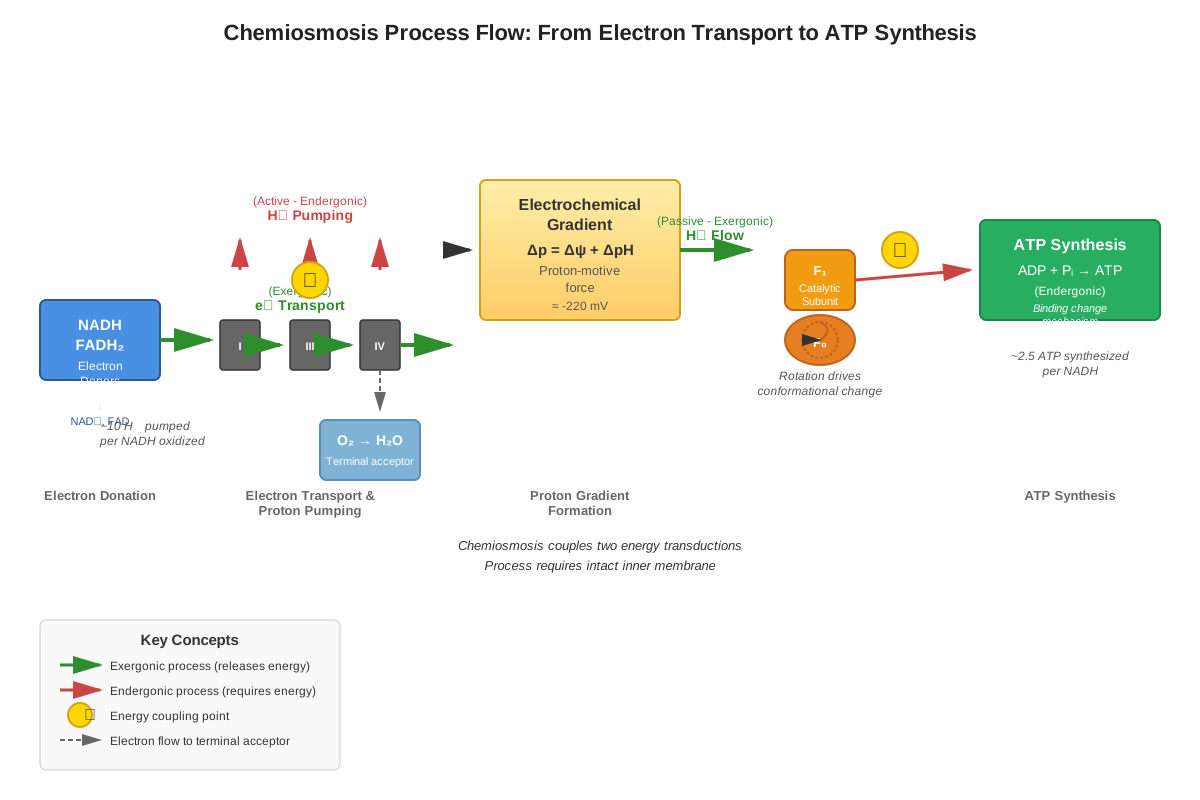
Chemiosmosis is the process by which the energy stored in an electrochemical gradient of protons (H⁺ ions) across a biological membrane is used to drive ATP synthesis. The term combines "chemi-" (referring to the chemical potential energy) and "osmosis" (referring to movement across a membrane). This process couples the exergonic flow of protons down their electrochemical gradient to the endergonic synthesis of ATP from ADP and inorganic phosphate (Pi).
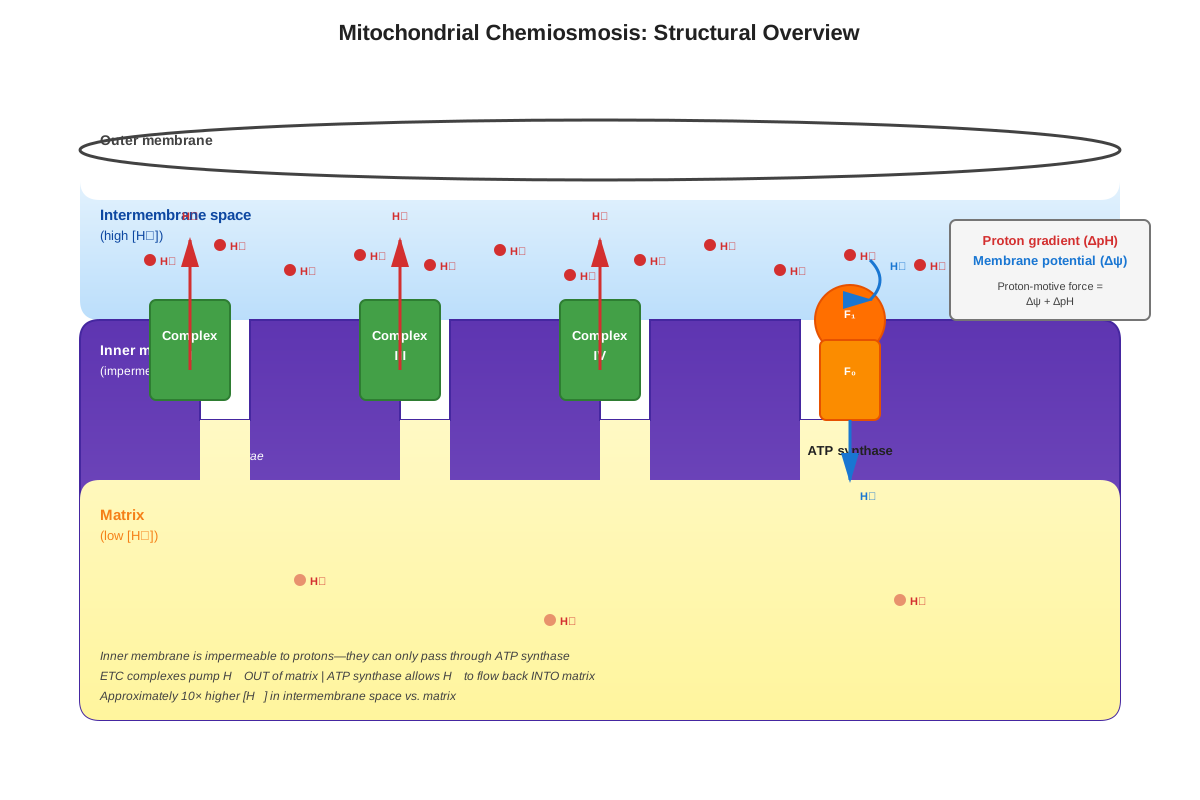
The fundamental principle underlying chemiosmosis is that the electron transport chain uses energy from electron transfer reactions to pump protons from the mitochondrial matrix into the intermembrane space, creating both a concentration gradient (more H⁺ in the intermembrane space) and an electrical gradient (the intermembrane space becomes more positive). Together, these gradients constitute the proton-motive force (PMF), which represents stored potential energy that can perform work.
The Proton-Motive Force
The proton-motive force consists of two components:
- Chemical gradient (ΔpH): The difference in proton concentration across the inner mitochondrial membrane, typically about 1.4 pH units (matrix pH ≈ 7.8, intermembrane space pH ≈ 6.4)
- Electrical gradient (ΔΨ): The membrane potential resulting from charge separation, with the matrix being negative relative to the intermembrane space (approximately -180 mV)
The total proton-motive force can be calculated using the equation:
PMF = ΔΨ - (2.303RT/F)ΔpHWhere R is the gas constant, T is temperature in Kelvin, and F is Faraday's constant. At physiological conditions (37°C), this simplifies to approximately:
PMF = ΔΨ - 60(ΔpH) mVFor typical mitochondria, the PMF is approximately 220 mV, with about 80% contributed by the electrical component and 20% by the chemical (pH) component. This stored energy is sufficient to drive ATP synthesis, which requires approximately 50-60 kJ/mol under cellular conditions.
ATP Synthase Structure and Function
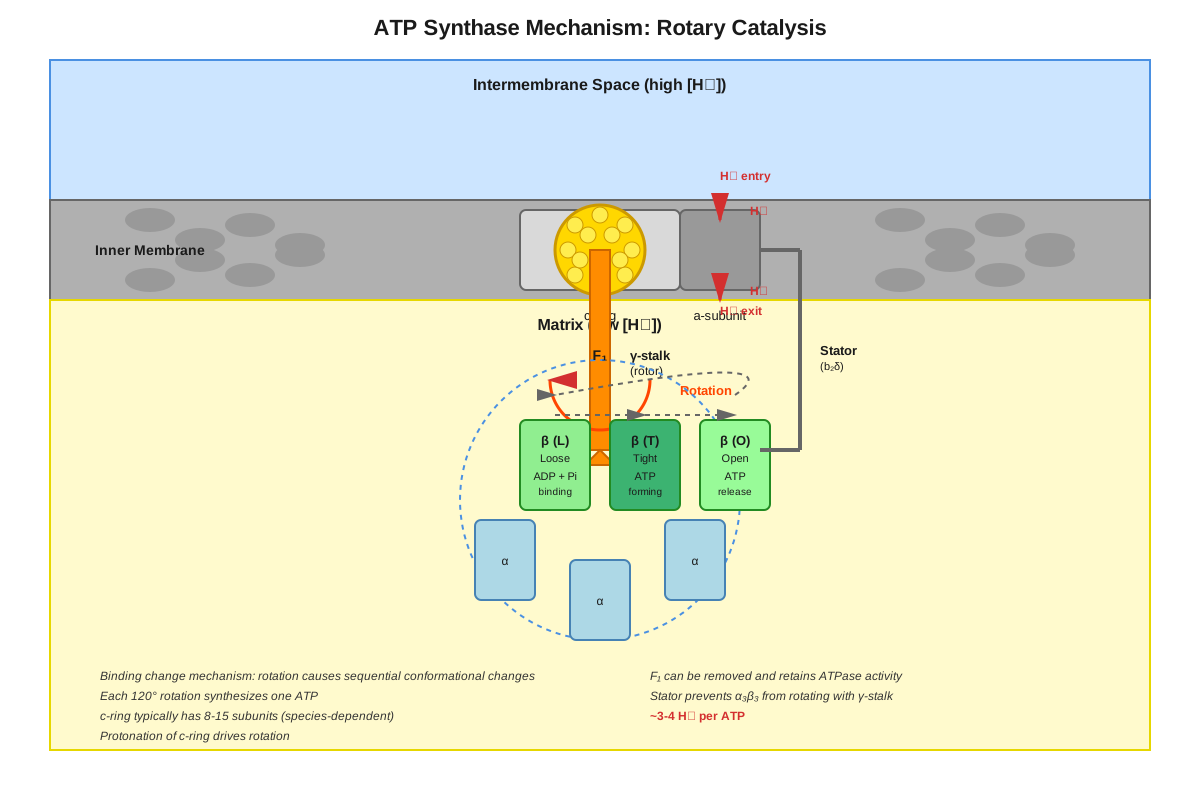
ATP synthase (also called Complex V or F₀F₁-ATPase) is the molecular machine that harnesses the proton-motive force to synthesize ATP. This remarkable enzyme consists of two major components:
F₀ portion (membrane-embedded):
- Contains a ring of c-subunits (typically 8-15 subunits forming a rotor)
- Includes the a-subunit with two half-channels that allow protons to enter and exit
- Acts as a proton channel and rotary motor
F₁ portion (extends into the matrix):
- Consists of α₃β₃ hexamer arranged alternately in a ring
- Contains three catalytic sites located at the interfaces between α and β subunits
- Includes the γ subunit (central stalk) that rotates within the α₃β₃ hexamer
- Features the δ and ε subunits that help connect F₁ to F₀
The mechanism of ATP synthesis follows the binding change mechanism proposed by Paul Boyer:
- Proton flow: Protons flow through the a-subunit half-channels and bind to specific sites on the c-ring
- Rotation: Proton binding causes the c-ring to rotate (approximately 120° per ATP synthesized)
- Conformational changes: The rotating γ subunit induces conformational changes in the β subunits, cycling each through three states:
- Open (O): Low affinity for substrates; releases ATP
- Loose (L): Binds ADP and Pi loosely
- Tight (T): Binds substrates tightly and catalyzes ATP formation
- ATP synthesis: The conformational energy from rotation drives the formation of the phosphoanhydride bond, and subsequent rotation releases the ATP
The stoichiometry varies depending on the number of c-subunits in the ring, but typically 3-4 protons are required per ATP synthesized. In mammalian mitochondria with 8 c-subunits, approximately 2.7 H⁺ per ATP is the theoretical minimum.
Chemiosmosis in the Context of Oxidative Phosphorylation
Chemiosmosis represents the final stage of oxidative phosphorylation, the process that couples electron transport to ATP synthesis. The complete process involves:
- NADH and FADH₂ oxidation: Electrons enter the ETC from these reduced coenzymes
- Electron transport: Electrons pass through Complexes I, III, and IV (or II, III, and IV for FADH₂)
- Proton pumping: Complexes I, III, and IV use energy from electron transfer to pump protons from the matrix to the intermembrane space
- Gradient formation: Approximately 10 protons are pumped per NADH oxidized (6 from Complex I, 4 from Complex III, 2 from Complex IV)
- Chemiosmotic ATP synthesis: Protons flow back through ATP synthase, driving ATP production
The theoretical yield is approximately 2.5 ATP per NADH and 1.5 ATP per FADH₂, though actual yields may be slightly lower due to proton leak and use of the gradient for other purposes (such as transporting metabolites across the inner membrane).
Coupling and Uncoupling
The efficiency of chemiosmosis depends on the coupling between electron transport and ATP synthesis. In tightly coupled mitochondria, protons can only return to the matrix through ATP synthase, ensuring maximum ATP production.
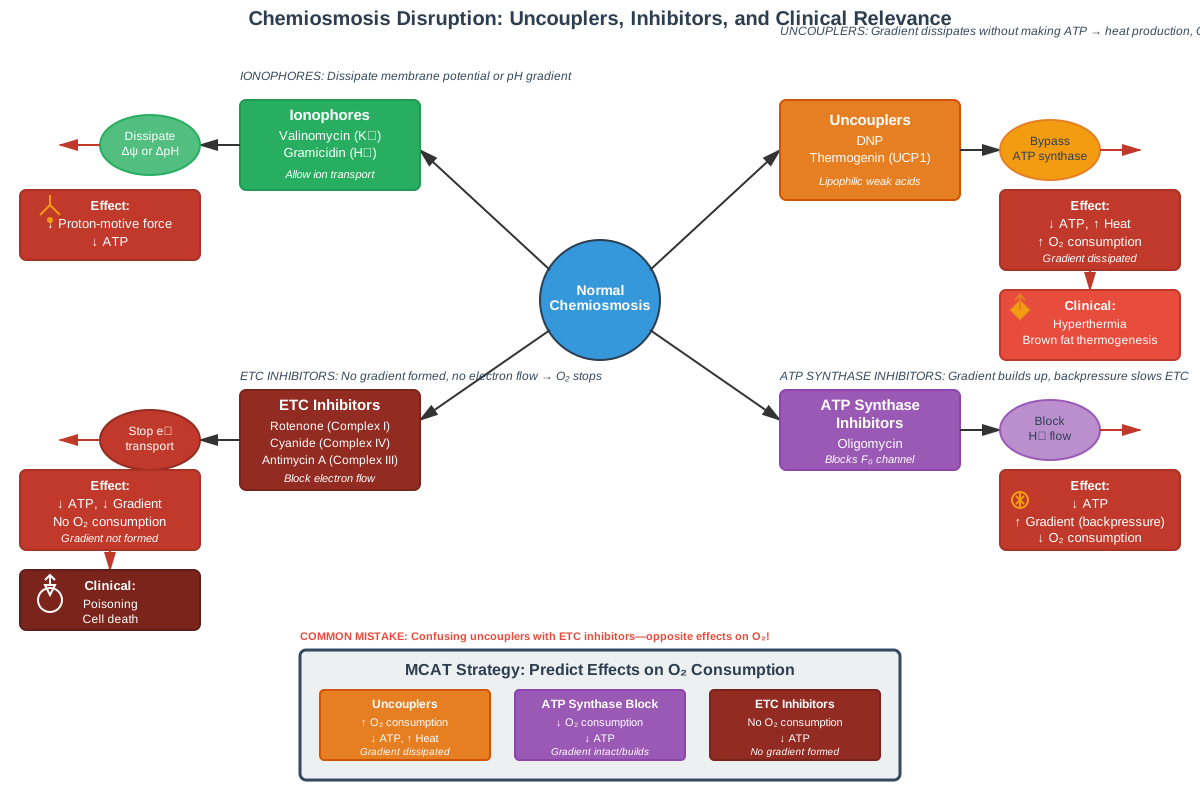
Uncoupling occurs when protons can cross the inner mitochondrial membrane without passing through ATP synthase. This can happen through:
- Uncoupling proteins (UCPs): Natural proteins, particularly UCP1 in brown adipose tissue, that allow controlled proton leak for thermogenesis
- Chemical uncouplers: Lipophilic weak acids like 2,4-dinitrophenol (DNP) that can carry protons across the membrane
- Ionophores: Compounds that make membranes permeable to specific ions
When uncoupling occurs, electron transport continues (or even accelerates) but ATP synthesis decreases. The energy that would have been captured in ATP is instead released as heat. This principle is exploited physiologically in brown fat for thermogenesis but can be dangerous when caused by toxins or drugs.
Regulation of Chemiosmosis
Several factors regulate the rate of chemiosmosis:
| Regulatory Factor | Effect on Chemiosmosis | Mechanism |
|---|---|---|
| ADP availability | Increases rate when high | ADP is a substrate for ATP synthase; high ADP stimulates proton flow |
| Oxygen availability | Required for continuation | O₂ is the final electron acceptor; without it, ETC stops and gradient dissipates |
| NADH/NAD⁺ ratio | High ratio increases rate | More NADH provides more electrons to pump protons |
| Proton-motive force | High PMF increases rate | Greater gradient provides more driving force for ATP synthase |
| Inhibitors | Decrease or stop process | Block specific steps (oligomycin blocks ATP synthase) |
| Thyroid hormone | Increases basal rate | Upregulates expression of ETC components and UCPs |
The phenomenon of respiratory control describes how ATP synthesis rate controls the rate of electron transport and oxygen consumption. When ATP demand is high (low ATP/ADP ratio), ATP synthase operates rapidly, dissipating the proton gradient and stimulating the ETC to pump more protons, increasing oxygen consumption. Conversely, when ATP demand is low, the gradient builds up, creating back-pressure that slows electron transport.
Concept Relationships
Chemiosmosis serves as the integrative endpoint of multiple metabolic pathways and connects numerous biochemical concepts. The relationship map flows as follows:
Glycolysis → Pyruvate → Acetyl-CoA → Citric Acid Cycle → NADH/FADH₂ → Electron Transport Chain → Proton Gradient → Chemiosmosis → ATP
More specifically, chemiosmosis depends on the electron transport chain creating the proton gradient, which in turn depends on the supply of NADH and FADH₂ from catabolic pathways. The citric acid cycle produces the majority of these reduced coenzymes (3 NADH and 1 FADH₂ per acetyl-CoA), while glycolysis and fatty acid β-oxidation also contribute. This creates a direct link between nutrient oxidation and ATP production.
The concept also connects to membrane biology: the impermeability of the inner mitochondrial membrane to protons is essential for maintaining the gradient. The lipid bilayer structure, with its hydrophobic core, prevents charged H⁺ ions from crossing freely, making ATP synthase the only significant route for proton return to the matrix.
Thermodynamically, chemiosmosis illustrates the coupling of exergonic and endergonic reactions. The exergonic flow of protons down their electrochemical gradient (ΔG < 0) is coupled to the endergonic synthesis of ATP (ΔG > 0 under cellular conditions). The overall coupled process has a negative ΔG, making it spontaneous and thermodynamically favorable.
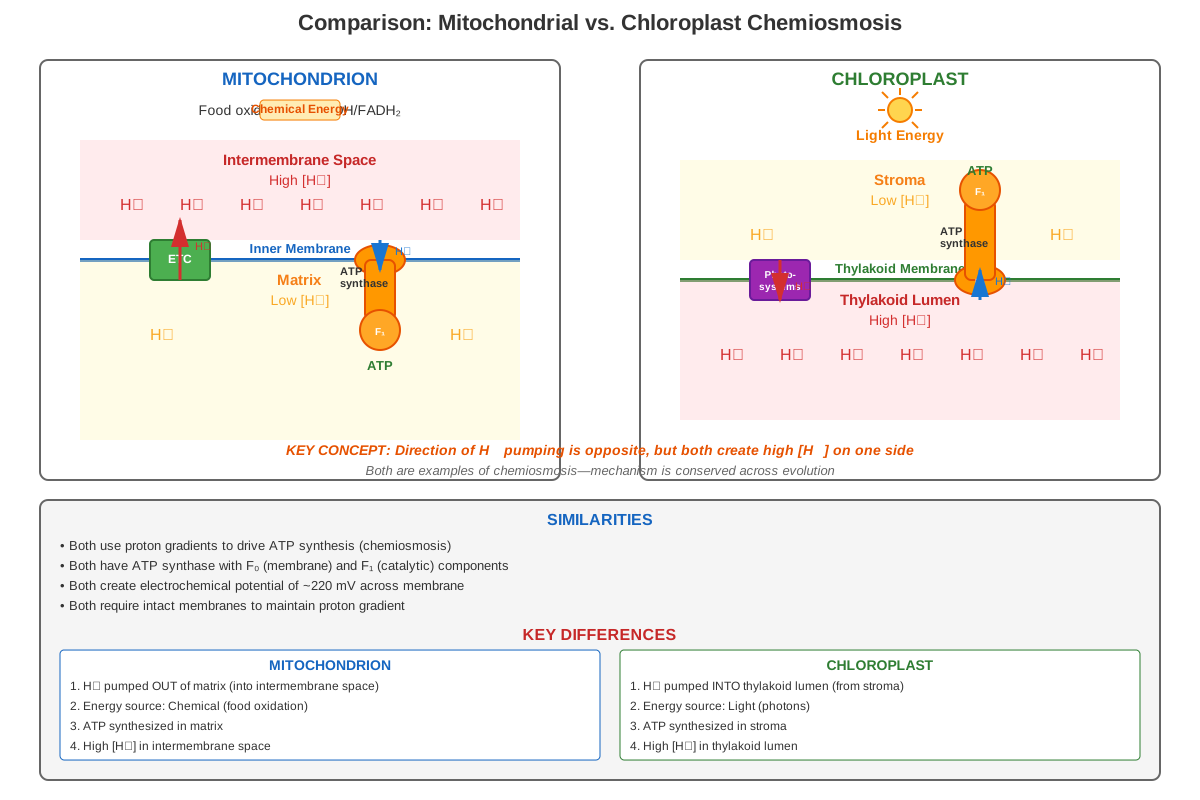
Chemiosmosis also relates to comparative biochemistry: the same fundamental mechanism operates in bacterial plasma membranes (where the periplasmic space is analogous to the intermembrane space) and in chloroplast thylakoids (where protons accumulate in the thylakoid lumen). This evolutionary conservation underscores the efficiency and importance of this mechanism.
Finally, chemiosmosis connects to clinical medicine through mitochondrial diseases, toxicology (cyanide, carbon monoxide, DNP poisoning), and pharmacology (metformin affects Complex I, affecting the proton gradient). Understanding the mechanism allows prediction of clinical manifestations when chemiosmosis is disrupted.
High-Yield Facts
⭐ Chemiosmosis couples the proton-motive force (consisting of both a pH gradient and membrane potential) to ATP synthesis through ATP synthase
⭐ The inner mitochondrial membrane is impermeable to protons, making ATP synthase the primary route for protons to return to the matrix
⭐ ATP synthase operates via the binding change mechanism, where proton flow causes rotation of the c-ring and γ subunit, inducing conformational changes that drive ATP synthesis
⭐ Approximately 2.5 ATP are produced per NADH and 1.5 ATP per FADH₂ through chemiosmosis, accounting for the majority of ATP produced during cellular respiration
⭐ Uncoupling agents like DNP allow protons to cross the inner membrane without passing through ATP synthase, dissipating the gradient as heat rather than producing ATP
- The proton-motive force in mitochondria is approximately 220 mV, with about 80% from the electrical component (ΔΨ) and 20% from the chemical component (ΔpH)
- Oligomycin inhibits ATP synthase by blocking the proton channel in the F₀ portion, preventing ATP synthesis and causing the proton gradient to build up until it inhibits the electron transport chain
- Respiratory control describes how the rate of ATP synthesis regulates the rate of electron transport and oxygen consumption
- Brown adipose tissue uses uncoupling protein 1 (UCP1) to generate heat through controlled uncoupling of oxidative phosphorylation, important for thermogenesis in newborns and cold adaptation
- The P/O ratio (ATP produced per oxygen atom reduced) is approximately 2.5 for NADH and 1.5 for FADH₂, reflecting the number of protons pumped and the proton cost of ATP synthesis
- Chemiosmosis occurs in mitochondria, chloroplasts, and bacterial plasma membranes, demonstrating evolutionary conservation of this energy-transduction mechanism
- The direction of proton pumping differs between mitochondria (matrix → intermembrane space) and chloroplasts (stroma → thylakoid lumen), but both create gradients that drive ATP synthesis
Quick check — test yourself on Chemiosmosis so far.
Try Flashcards →Common Misconceptions
Misconception: ATP synthase uses energy to pump protons across the membrane to create the gradient.
Correction: ATP synthase does NOT pump protons; it allows protons to flow down their existing gradient (created by the electron transport chain) and uses that energy to synthesize ATP. ATP synthase can run in reverse (hydrolyzing ATP to pump protons) under certain conditions, but this is not its normal physiological function in mitochondria.
Misconception: The electron transport chain directly synthesizes ATP.
Correction: The electron transport chain does not directly make ATP. Instead, it uses energy from electron transfer to pump protons, creating a gradient. ATP synthesis is performed by ATP synthase using the energy stored in this gradient. This is why the process is called "oxidative phosphorylation"—oxidation (in the ETC) is coupled to phosphorylation (by ATP synthase) through the intermediate step of chemiosmosis.
Misconception: Uncoupling agents stop ATP production by blocking ATP synthase.
Correction: Uncoupling agents like DNP do not block ATP synthase; they provide an alternative route for protons to cross the membrane, bypassing ATP synthase. ATP synthase remains functional but has fewer protons available to drive synthesis. The electron transport chain actually speeds up because the gradient doesn't build up to inhibit it, but the energy is released as heat instead of being captured in ATP.
Misconception: The pH gradient alone drives ATP synthesis.
Correction: The proton-motive force consists of both a chemical gradient (ΔpH) and an electrical gradient (membrane potential, ΔΨ). In mitochondria, the electrical component contributes approximately 80% of the total driving force. Both components are necessary for efficient ATP synthesis, and the total PMF determines the maximum amount of ATP that can be synthesized.
Misconception: Each NADH produces exactly 3 ATP and each FADH₂ produces exactly 2 ATP.
Correction: The older textbook values of 3 ATP/NADH and 2 ATP/FADH₂ were based on integer stoichiometry assumptions. Modern understanding recognizes that the actual yields are approximately 2.5 ATP/NADH and 1.5 ATP/FADH₂, reflecting the true proton stoichiometry of the complexes and ATP synthase. The MCAT may use either value, but understanding that yields are not necessarily integers is important for interpreting experimental data.
Misconception: Oxygen is required for chemiosmosis itself.
Correction: Oxygen is not directly involved in chemiosmosis or ATP synthase function. However, oxygen is the final electron acceptor in the electron transport chain, and without it, the ETC stops, proton pumping ceases, and the gradient dissipates. So while oxygen is not required for the chemiosmotic mechanism itself, it is required to maintain the proton gradient that drives it.
Misconception: All protons pumped by the ETC pass through ATP synthase.
Correction: Some protons leak back across the inner mitochondrial membrane through routes other than ATP synthase, including natural proton leak through the lipid bilayer and through uncoupling proteins. This "proton leak" reduces the efficiency of ATP synthesis but serves important physiological functions, including thermogenesis and regulation of reactive oxygen species production.
Worked Examples
Example 1: Predicting Effects of Metabolic Inhibitors
Question: A researcher adds oligomycin to isolated, actively respiring mitochondria. Predict the effects on: (A) proton gradient, (B) oxygen consumption, (C) ATP synthesis, and (D) NADH/NAD⁺ ratio. Explain your reasoning.
Solution:
Step 1: Identify what oligomycin does.
Oligomycin inhibits ATP synthase by blocking the proton channel in the F₀ portion. This prevents protons from flowing through ATP synthase back into the matrix.
Step 2: Analyze effect on proton gradient (A).
With ATP synthase blocked, protons cannot return to the matrix through their normal route. The electron transport chain continues pumping protons initially, so the gradient increases dramatically. Eventually, the gradient becomes so large that it creates back-pressure, making it thermodynamically unfavorable for the ETC to pump more protons, and pumping slows or stops.
Answer (A): Proton gradient initially increases, then stabilizes at a high level.
Step 3: Analyze effect on oxygen consumption (B).
Oxygen consumption is coupled to electron transport through the ETC. When the proton gradient builds up due to oligomycin, it creates back-pressure that inhibits the ETC. Without electron flow, oxygen consumption decreases dramatically.
Answer (B): Oxygen consumption decreases significantly (respiratory control).
Step 4: Analyze effect on ATP synthesis (C).
With ATP synthase directly blocked, ATP synthesis stops almost completely. Any residual ATP production would come from substrate-level phosphorylation in glycolysis or the citric acid cycle, not from oxidative phosphorylation.
Answer (C): ATP synthesis by oxidative phosphorylation stops.
Step 5: Analyze effect on NADH/NAD⁺ ratio (D).
With the ETC inhibited by back-pressure from the gradient, NADH cannot be oxidized to NAD⁺. NADH accumulates while NAD⁺ is depleted.
Answer (D): NADH/NAD⁺ ratio increases (more reduced state).
Key Concept: This example illustrates the tight coupling between the ETC, chemiosmosis, and ATP synthesis. Blocking any component affects the entire system due to respiratory control.
Example 2: Analyzing an Uncoupler Experiment
Question: Researchers measure oxygen consumption and ATP production in mitochondria under three conditions: (1) normal respiration, (2) after adding ADP (stimulating ATP synthesis), and (3) after adding DNP (an uncoupler). The data shows:
- Condition 1: O₂ consumption = 10 units, ATP production = 25 units
- Condition 2: O₂ consumption = 20 units, ATP production = 50 units
- Condition 3: O₂ consumption = 30 units, ATP production = 5 units
Explain these results in terms of chemiosmosis and calculate the P/O ratio for conditions 1 and 2.
Solution:
Step 1: Analyze Condition 1 (normal respiration).
Mitochondria are respiring at a basal rate, limited by available ADP. The P/O ratio = ATP produced / O atoms reduced = 25/10 = 2.5, which matches the expected value for NADH oxidation.
Step 2: Analyze Condition 2 (ADP added).
Adding ADP stimulates ATP synthase activity. As ATP synthase operates faster, it dissipates the proton gradient more quickly, relieving back-pressure on the ETC. This allows the ETC to operate faster, increasing oxygen consumption. Both oxygen consumption and ATP production double, maintaining the same P/O ratio: 50/20 = 2.5.
Interpretation: This demonstrates respiratory control—ATP synthesis rate controls respiration rate.
Step 3: Analyze Condition 3 (DNP added).
DNP is a lipophilic weak acid that shuttles protons across the inner membrane, bypassing ATP synthase. This uncouples electron transport from ATP synthesis.
Effects observed:
- Oxygen consumption increases (30 units, highest of all conditions): The ETC operates at maximum rate because there's no back-pressure from proton gradient buildup. DNP continuously dissipates the gradient, so the ETC keeps pumping protons.
- ATP production decreases dramatically (5 units, lowest of all conditions): Most protons bypass ATP synthase through DNP, so little ATP is made. The small amount produced might be from substrate-level phosphorylation or the few protons that still pass through ATP synthase.
- P/O ratio: 5/30 = 0.17, much lower than normal, confirming uncoupling.
Step 4: Energy accounting.
In Condition 3, the energy from NADH oxidation is still being released (evidenced by high O₂ consumption), but instead of being captured in ATP, it's being released as heat. This explains why DNP causes dangerous hyperthermia—the body's metabolic energy is converted to heat rather than stored in ATP.
Key Concept: This example illustrates how chemiosmosis couples electron transport to ATP synthesis, and how uncouplers disrupt this coupling. It also demonstrates that the ETC can operate independently of ATP synthesis when the proton gradient is dissipated.
Exam Strategy
When approaching MCAT questions on chemiosmosis, use this systematic strategy:
1. Identify the question type:
- Mechanism questions: Focus on the sequence of events and the role of each component
- Inhibitor/drug questions: Determine what is blocked and trace the downstream effects
- Experimental data interpretation: Look for relationships between oxygen consumption, ATP production, and gradient magnitude
- Comparative questions: Identify similarities and differences between mitochondria, chloroplasts, or bacteria
2. Watch for trigger words and phrases:
- "Proton-motive force" or "electrochemical gradient" → Think about both ΔpH and ΔΨ components
- "Uncoupler" or "ionophore" → Expect decreased ATP, increased O₂ consumption, heat production
- "ATP synthase inhibitor" (oligomycin) → Expect decreased ATP, decreased O₂ consumption, increased gradient
- "Respiratory control" → Link ATP demand to respiration rate
- "P/O ratio" → Calculate ATP produced per oxygen atom reduced
- "Membrane potential" → Focus on the electrical component of PMF
3. Process-of-elimination tips:
- Eliminate answers that confuse ATP synthase with ETC complexes (ATP synthase doesn't pump protons in mitochondria)
- Eliminate answers that suggest uncouplers block ATP synthase (they bypass it, not block it)
- Eliminate answers that ignore respiratory control (ETC rate and ATP synthesis rate are coupled)
- Be suspicious of answers with absolute terms like "completely stops" unless dealing with severe inhibitors
4. Common question patterns:
- "What happens if...": Trace the effect through the system (ETC → gradient → ATP synthase → ATP)
- Graph interpretation: Look for inverse relationships (high gradient = low ATP synthase activity) or direct relationships (high ADP = high respiration)
- Passage-based questions: Often describe novel compounds; classify them as ETC inhibitors, ATP synthase inhibitors, or uncouplers based on their effects
5. Time allocation:
- Discrete questions on chemiosmosis: 60-90 seconds (straightforward recall or simple application)
- Passage-based questions: 90-120 seconds (require data interpretation and integration)
- If a question requires complex calculations, ensure you're not overthinking—MCAT rarely requires extensive math for chemiosmosis
6. Red flags that you might be on the wrong track:
- Your answer suggests ATP is made without a proton gradient
- Your answer has the ETC running without oxygen for extended periods
- Your answer suggests uncouplers increase ATP production
- Your answer ignores the impermeability of the membrane to protons
Memory Techniques
Mnemonic for ATP Synthase Structure: "F-Zero Flows, F-One Forms"
- F₀ (F-zero) is in the membrane and allows proton flow
- F₁ (F-one) extends into the matrix and forms ATP
Mnemonic for Proton-Motive Force Components: "Chemical pH, Electrical Ψ"
- The chemical component is the pH gradient
- The electrical component is the membrane potential (Ψ, psi)
Visualization for Binding Change Mechanism: "The Three Doors"
- Imagine three doors (the three β subunits) that rotate through three positions:
- Open door: ATP leaves (product release)
- Loose door: ADP and Pi enter (substrate binding)
- Tight door: Door closes and squeezes substrates together (catalysis)
- The rotating γ subunit is like a person pushing the doors through these positions
Acronym for Uncoupler Effects: "HOT"
- High oxygen consumption
- Output of ATP decreased
- Temperature increased (heat production)
Memory aid for P/O ratios: "2.5 and 1.5, NADH is better"
- NADH → 2.5 ATP (enters at Complex I)
- FADH₂ → 1.5 ATP (enters at Complex II, bypasses Complex I)
- NADH produces more because it allows more protons to be pumped
Conceptual visualization: "The Dam and Turbine"
- The ETC is like pumps that fill a reservoir behind a dam (creating the proton gradient)
- The inner mitochondrial membrane is the dam (holds back the water/protons)
- ATP synthase is the turbine (water/protons flow through it, generating power/ATP)
- Uncouplers are like cracks in the dam (water/protons leak through, bypassing the turbine)
- Oligomycin is like blocking the turbine (water/protons can't flow, reservoir fills up, pumps stop)
Summary
Chemiosmosis is the fundamental mechanism by which cells convert the potential energy stored in an electrochemical proton gradient into ATP, the universal energy currency of life. The process begins with the electron transport chain pumping protons from the mitochondrial matrix into the intermembrane space, creating a proton-motive force consisting of both a pH gradient and a membrane potential. This gradient represents stored energy that drives ATP synthesis when protons flow back through ATP synthase, a rotary molecular machine that couples proton flow to conformational changes that catalyze ATP formation from ADP and inorganic phosphate. The tight coupling between electron transport, proton pumping, gradient formation, and ATP synthesis ensures efficient energy transduction, with approximately 2.5 ATP produced per NADH and 1.5 per FADH₂. Disruptions to chemiosmosis—whether through inhibitors like oligomycin that block ATP synthase, uncouplers like DNP that allow protons to bypass ATP synthase, or lack of oxygen that stops the ETC—have predictable effects on respiration rate, ATP production, and heat generation. Understanding chemiosmosis requires integrating knowledge of membrane structure, thermodynamics, enzyme mechanisms, and metabolic regulation, making it a high-yield topic that connects multiple domains of biochemistry tested on the MCAT.
Key Takeaways
- Chemiosmosis couples the exergonic flow of protons down their electrochemical gradient to the endergonic synthesis of ATP through ATP synthase
- The proton-motive force consists of both a chemical component (ΔpH) and an electrical component (membrane potential), with the electrical component contributing approximately 80% in mitochondria
- ATP synthase operates via a rotary mechanism where proton flow causes rotation of the c-ring and γ subunit, inducing conformational changes in the catalytic β subunits that drive ATP synthesis
- Respiratory control links ATP demand to respiration rate: high ATP demand → rapid ATP synthase activity → dissipated gradient → stimulated ETC → increased oxygen consumption
- Uncoupling agents dissipate the proton gradient without producing ATP, causing increased oxygen consumption, decreased ATP production, and increased heat generation
- Inhibitors of ATP synthase (oligomycin) cause the gradient to build up, creating back-pressure that slows the ETC and decreases oxygen consumption
- The impermeability of the inner mitochondrial membrane to protons is essential for maintaining the gradient and ensuring that ATP synthase is the primary route for proton return to the matrix
Related Topics
Electron Transport Chain: Mastering chemiosmosis enables deeper understanding of how the ETC complexes use redox energy to pump protons and how the two processes are coupled through the proton gradient.
Oxidative Phosphorylation Regulation: Building on chemiosmosis knowledge allows exploration of how cells regulate ATP production through respiratory control, allosteric regulation, and hormonal control.
Mitochondrial Diseases: Understanding chemiosmosis provides the foundation for learning about genetic defects in ETC complexes or ATP synthase that cause mitochondrial myopathies and other disorders.
Photosynthesis: The same chemiosmotic principles apply to chloroplasts, where light energy drives proton pumping into the thylakoid lumen, and ATP synthase uses this gradient to produce ATP for the Calvin cycle.
Bacterial Bioenergetics: Chemiosmosis in bacterial plasma membranes illustrates evolutionary conservation and enables understanding of how bacteria generate ATP and how antibiotics targeting bacterial ATP synthesis work.
Thermogenesis and Brown Fat: Advanced understanding of uncoupling proteins and their role in adaptive thermogenesis builds directly on chemiosmosis principles.
Practice CTA
Now that you've mastered the core concepts of chemiosmosis, it's time to reinforce your understanding through active practice. Work through the practice questions to test your ability to apply these concepts to MCAT-style scenarios, and use the flashcards to ensure rapid recall of high-yield facts. Remember, understanding chemiosmosis isn't just about memorizing facts—it's about being able to predict outcomes, analyze experimental data, and integrate this knowledge with other metabolic pathways. The more you practice applying these concepts to novel situations, the more confident and prepared you'll be on test day. You've got this!
Sign up free to keep reading
Create a free AnvayaPrep account to finish this MCAT guide on Chemiosmosis — plus flashcards and practice questions.