Overview
The electron transport chain (ETC) represents one of the most critical and high-yield topics within Biochemistry and Metabolism for the MCAT. This sophisticated series of protein complexes embedded in the inner mitochondrial membrane serves as the final common pathway for energy extraction from nutrients, converting the chemical energy stored in NADH and FADH₂ into ATP through oxidative phosphorylation. Understanding the electron transport chain requires integrating knowledge of redox chemistry, membrane biology, thermodynamics, and cellular energetics—making it a favorite topic for MCAT test writers who seek to assess students' ability to synthesize multiple biochemical concepts simultaneously.
The electron transport chain MCAT questions frequently appear in both passage-based and discrete formats, testing not only memorization of the four complexes and their functions but also deeper understanding of chemiosmotic coupling, inhibitor mechanisms, and metabolic integration. The ETC produces approximately 90% of cellular ATP under aerobic conditions, making it essential for understanding normal physiology, disease states, and pharmacological interventions. Students must grasp how electrons flow through progressively more electronegative carriers, how this exergonic process drives proton pumping, and how the resulting electrochemical gradient powers ATP synthesis.
Within the broader context of Biochemistry, the electron transport chain represents the culmination of catabolic pathways including glycolysis, the citric acid cycle, and fatty acid oxidation. These pathways funnel electrons onto NAD⁺ and FAD, creating the reduced coenzymes that feed the ETC. The topic connects forward to concepts of metabolic regulation, oxygen sensing, reactive oxygen species generation, and mitochondrial diseases—all testable material on the MCAT. Mastery of the electron transport chain provides the foundation for understanding how cells balance energy production with oxygen availability and how metabolic dysfunction leads to disease.
Learning Objectives
- [ ] Define electron transport chain using accurate Biochemistry terminology
- [ ] Explain why electron transport chain matters for the MCAT
- [ ] Apply electron transport chain to exam-style questions
- [ ] Identify common mistakes related to electron transport chain
- [ ] Connect electron transport chain to related Biochemistry concepts
- [ ] Diagram the flow of electrons through all four complexes and calculate the proton gradient generated
- [ ] Predict the metabolic consequences of specific ETC inhibitors at different complexes
- [ ] Quantify ATP yield from NADH and FADH₂ oxidation and explain the mechanistic basis for the difference
Prerequisites
- Redox chemistry and oxidation states: Essential for understanding electron transfer between carriers and calculating reduction potentials that drive the ETC
- Mitochondrial structure: Required to understand the spatial organization of complexes in the inner membrane and the importance of the intermembrane space
- Glycolysis and citric acid cycle: These pathways produce the NADH and FADH₂ that serve as electron donors to the ETC
- Basic thermodynamics: Necessary to comprehend how free energy from electron transfer couples to proton pumping and ATP synthesis
- Protein structure: Helps understand how prosthetic groups (heme, iron-sulfur clusters) facilitate electron transfer within and between complexes
Why This Topic Matters
The electron transport chain appears in approximately 8-12% of MCAT Biochemistry questions, making it a medium-to-high yield topic that students cannot afford to neglect. Questions typically assess understanding of the sequence of electron carriers, the stoichiometry of proton pumping, the effects of inhibitors and uncouplers, and the integration of the ETC with other metabolic pathways. The MCAT frequently presents experimental passages describing mitochondrial function assays, oxygen consumption measurements, or novel compounds affecting oxidative phosphorylation, requiring students to apply mechanistic knowledge rather than simply recall facts.
Clinically, ETC dysfunction underlies numerous pathologies including mitochondrial myopathies, Leigh syndrome, and aspects of neurodegenerative diseases. Many toxins (cyanide, carbon monoxide, rotenone) and therapeutic drugs (metformin, certain antibiotics) target the ETC, making this knowledge relevant for understanding pharmacology and toxicology. The ETC also generates reactive oxygen species (ROS) as byproducts, connecting to aging theories, oxidative stress, and cellular damage—topics that appear in both Biochemistry and Biology passages.
MCAT passages commonly present the electron transport chain in contexts such as: experimental manipulations measuring oxygen consumption rates; genetic mutations affecting specific complexes; comparative biochemistry across species with different metabolic demands; exercise physiology and muscle energetics; or pharmaceutical development targeting mitochondrial function. Students must be prepared to interpret graphs showing membrane potential changes, calculate P/O ratios (ATP produced per oxygen atom reduced), and predict how perturbations at one step cascade through the entire system.
Core Concepts
Structure and Organization of the Electron Transport Chain
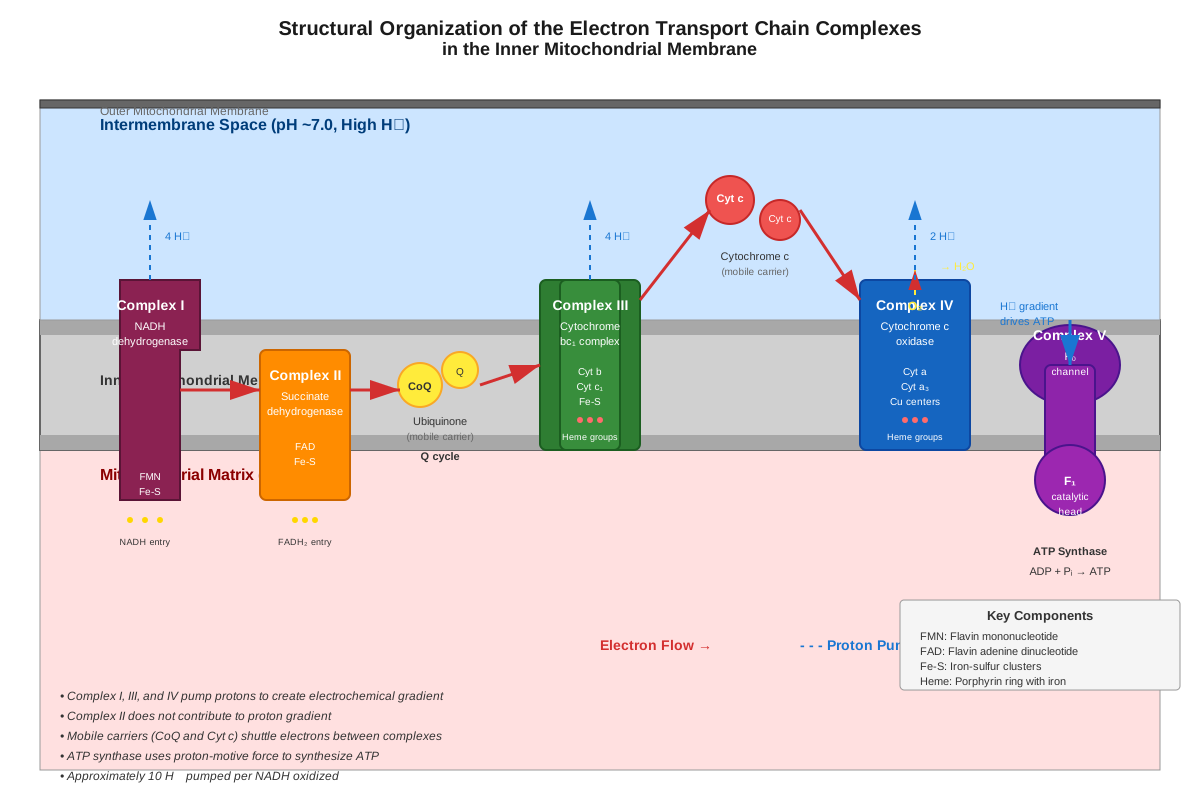
The electron transport chain consists of four large, multi-subunit protein complexes (Complexes I-IV) plus two mobile electron carriers (coenzyme Q and cytochrome c) embedded in or associated with the inner mitochondrial membrane. This membrane's impermeability to protons is crucial for establishing the electrochemical gradient that drives ATP synthesis. The complexes are organized asymmetrically, with specific portions extending into the mitochondrial matrix and others protruding into the intermembrane space, enabling vectorial proton pumping.
Complex I (NADH dehydrogenase or NADH-CoQ reductase) is the largest complex, containing approximately 45 subunits and serving as the entry point for electrons from NADH. It contains flavin mononucleotide (FMN) and multiple iron-sulfur (Fe-S) clusters that facilitate electron transfer. Complex II (succinate dehydrogenase) represents the only membrane-bound enzyme of the citric acid cycle and serves as the entry point for electrons from FADH₂. Unlike the other complexes, Complex II does not pump protons. Complex III (cytochrome bc₁ complex or CoQ-cytochrome c reductase) contains cytochromes b and c₁ plus an Fe-S cluster, employing the Q cycle mechanism to pump protons. Complex IV (cytochrome c oxidase) contains cytochromes a and a₃ plus copper centers, serving as the terminal oxidase that reduces molecular oxygen to water.
Electron Flow and Reduction Potentials
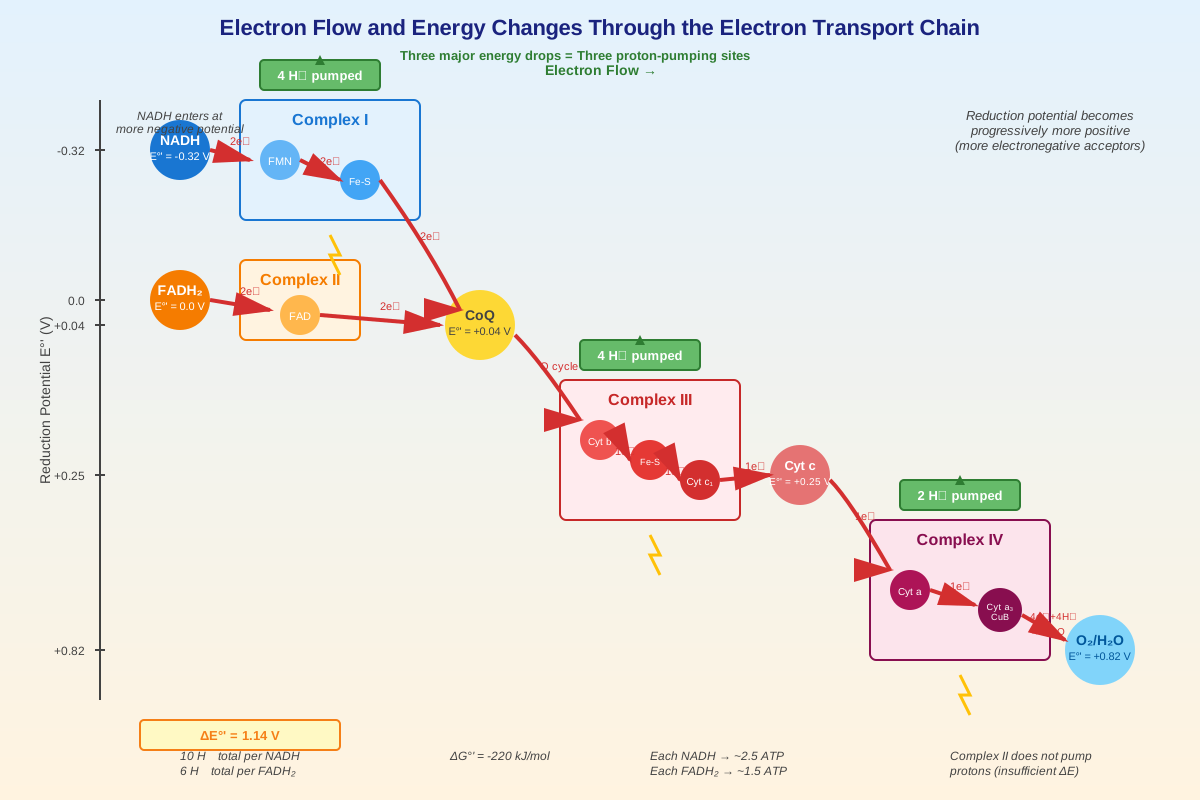
Electrons flow through the ETC from carriers with more negative (less positive) reduction potentials to those with more positive reduction potentials, releasing free energy in the process. The sequence follows increasing electronegativity:
- NADH (E₀' = -0.32 V) → Complex I → Coenzyme Q (E₀' = +0.04 V)
- FADH₂ (E₀' = -0.22 V) → Complex II → Coenzyme Q
- Coenzyme Q → Complex III → Cytochrome c (E₀' = +0.25 V)
- Cytochrome c → Complex IV → O₂ (E₀' = +0.82 V)
The large difference in reduction potential between NADH and oxygen (ΔE₀' = 1.14 V) corresponds to a large negative ΔG, providing ample energy to drive proton pumping and ATP synthesis. The free energy is released in discrete steps rather than all at once, allowing the cell to capture energy efficiently at three coupling sites (Complexes I, III, and IV).
Coenzyme Q (ubiquinone) is a lipid-soluble benzoquinone with a long isoprenoid tail that allows it to diffuse freely within the inner membrane, shuttling electrons from Complexes I and II to Complex III. Cytochrome c is a small, water-soluble heme protein that diffuses along the outer surface of the inner membrane, transferring electrons from Complex III to Complex IV.
Proton Pumping and the Chemiosmotic Theory
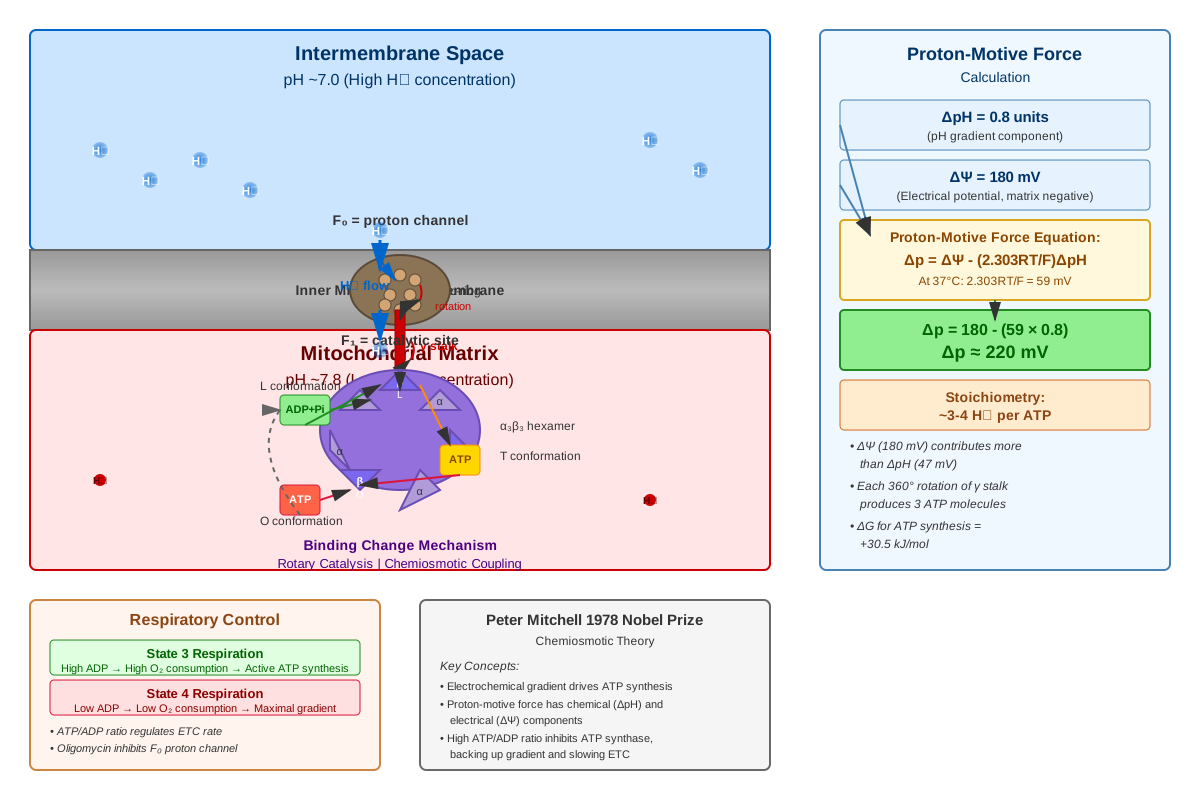
The chemiosmotic theory, proposed by Peter Mitchell, explains how electron transport couples to ATP synthesis through an electrochemical proton gradient. As electrons flow through Complexes I, III, and IV, the free energy released drives the active transport of protons from the mitochondrial matrix to the intermembrane space, creating both a concentration gradient (ΔpH, with the matrix more alkaline) and an electrical gradient (ΔΨ, with the matrix more negative). Together, these components constitute the proton-motive force (PMF).
The stoichiometry of proton pumping varies by complex:
- Complex I: pumps 4 H⁺ per 2 electrons
- Complex III: pumps 4 H⁺ per 2 electrons (via the Q cycle)
- Complex IV: pumps 2 H⁺ per 2 electrons
Therefore, NADH oxidation (entering at Complex I) results in approximately 10 H⁺ pumped into the intermembrane space, while FADH₂ oxidation (entering at Complex II, which doesn't pump protons) results in approximately 6 H⁺ pumped. This difference in proton pumping explains why NADH generates more ATP than FADH₂.
ATP Synthesis via ATP Synthase
ATP synthase (Complex V) is a remarkable molecular motor consisting of two functional domains: F₀ (membrane-embedded proton channel) and F₁ (catalytic domain extending into the matrix). The flow of protons down their electrochemical gradient through F₀ drives rotation of the c-ring and γ-subunit, causing conformational changes in the β-subunits of F₁ that catalyze ATP synthesis from ADP and inorganic phosphate.
The binding change mechanism describes how each of the three β-subunits cycles through three conformational states: loose (L, binds ADP + Pᵢ), tight (T, catalyzes ATP formation), and open (O, releases ATP). Approximately 3-4 protons must flow through ATP synthase to synthesize one ATP molecule, though the exact stoichiometry remains debated. Using the traditional estimate of 2.5 ATP per NADH and 1.5 ATP per FADH₂ (accounting for proton leak and transport costs), complete glucose oxidation yields approximately 30-32 ATP molecules.
Inhibitors and Uncouplers
Understanding ETC inhibitors is crucial for MCAT success, as these compounds frequently appear in experimental passages:
| Inhibitor | Target | Mechanism | Effect |
|---|---|---|---|
| Rotenone | Complex I | Blocks electron transfer from Fe-S clusters to CoQ | Prevents NADH oxidation; decreases ATP |
| Amytal | Complex I | Similar to rotenone | Prevents NADH oxidation; decreases ATP |
| Antimycin A | Complex III | Blocks electron transfer from cytochrome b to CoQ | Prevents both NADH and FADH₂ oxidation downstream |
| Cyanide (CN⁻) | Complex IV | Binds to Fe³⁺ in cytochrome a₃ | Completely blocks ETC; rapidly fatal |
| Carbon monoxide | Complex IV | Competes with O₂ for binding | Reduces ETC efficiency; toxic at high levels |
| Oligomycin | ATP synthase | Blocks F₀ proton channel | Prevents ATP synthesis; backs up ETC |
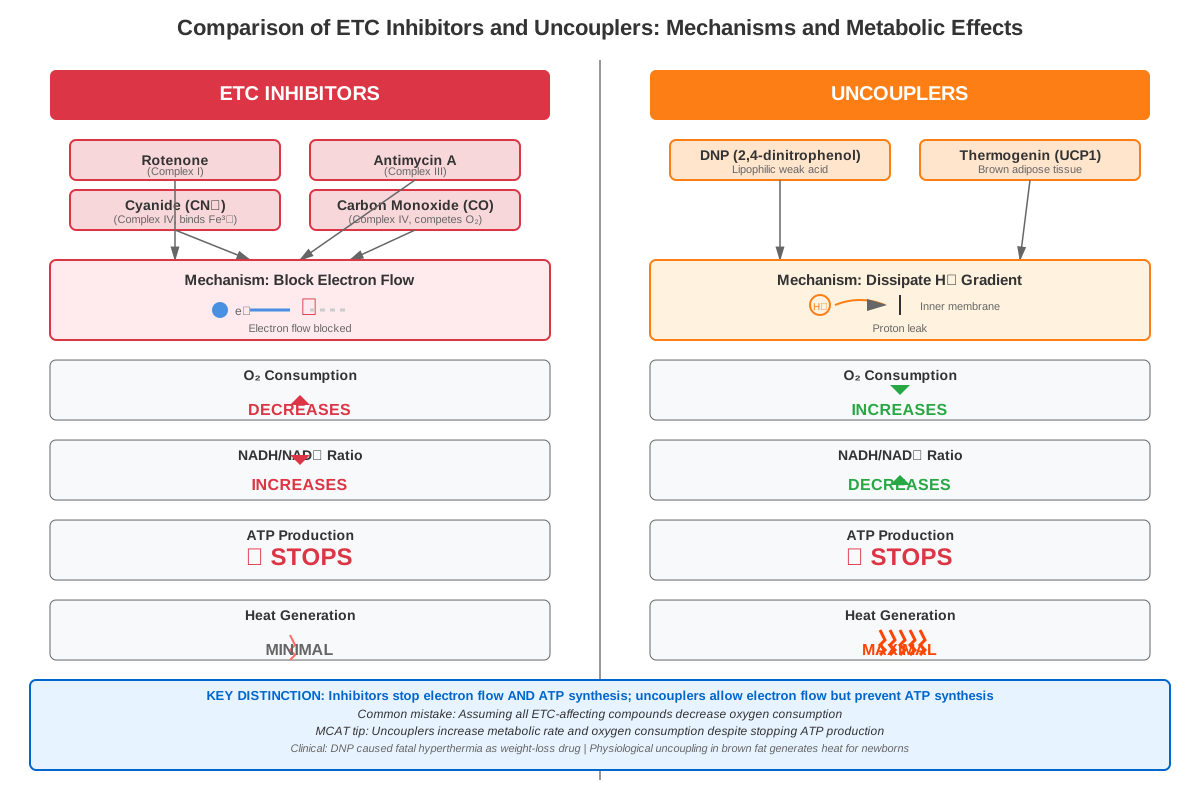
Uncouplers like 2,4-dinitrophenol (DNP) and thermogenin (UCP1) dissipate the proton gradient without producing ATP, allowing electron transport to continue but converting the energy to heat instead. DNP is a lipophilic weak acid that shuttles protons across the inner membrane, bypassing ATP synthase. This property made DNP a dangerous weight-loss drug in the 1930s, as it increases metabolic rate but can cause fatal hyperthermia.
Regulation of the Electron Transport Chain
The ETC is primarily regulated by substrate availability and energy demand. High concentrations of NADH and FADH₂ drive electron transport forward, while ATP accumulation (indicating low energy demand) slows the process through respiratory control. When ATP levels are high, ATP synthase activity decreases, causing the proton gradient to build up. This increased PMF creates back-pressure that inhibits further proton pumping by the ETC complexes, slowing electron transport and oxygen consumption.
The respiratory control ratio (RCR) measures how tightly coupled electron transport is to ATP synthesis:
RCR = (O₂ consumption rate with ADP) / (O₂ consumption rate without ADP)A high RCR (typically 5-10 in healthy mitochondria) indicates tight coupling, while a low RCR suggests uncoupling or mitochondrial damage. The P/O ratio (ATP molecules synthesized per oxygen atom reduced) provides another measure of coupling efficiency, with theoretical maxima of 2.5 for NADH and 1.5 for FADH₂.
Concept Relationships
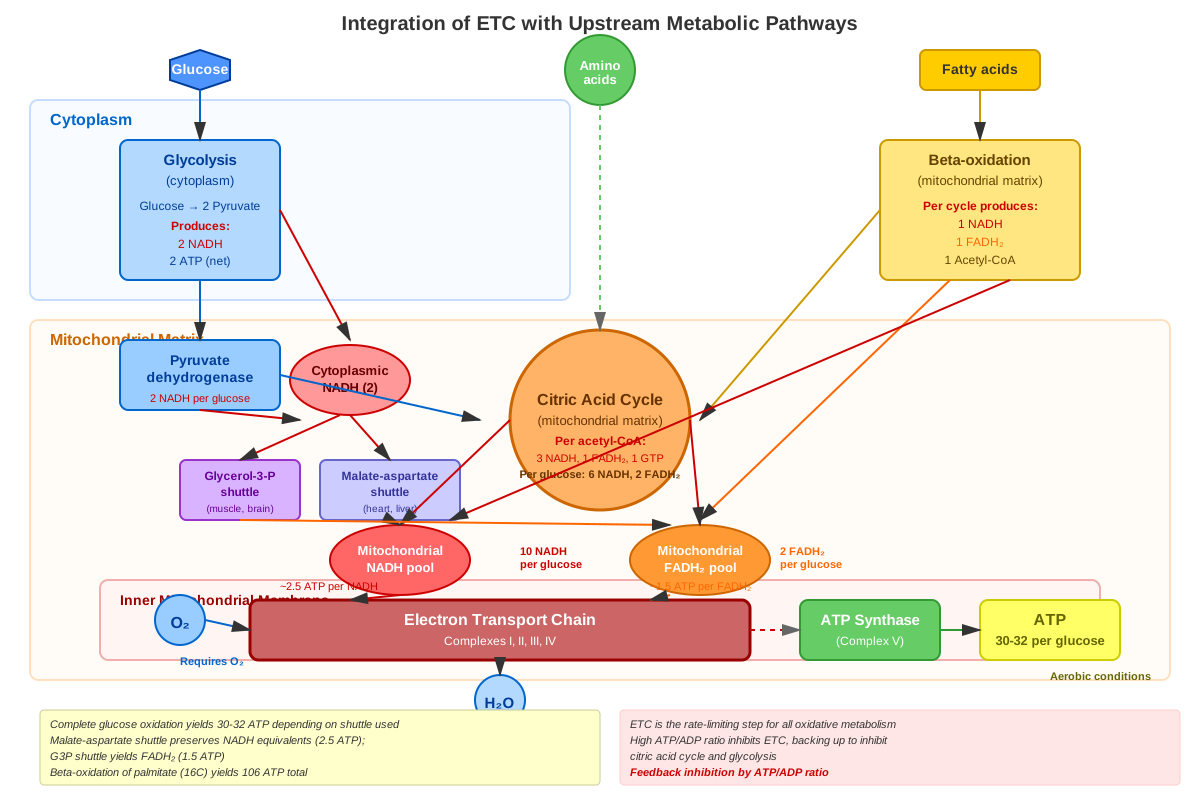
The electron transport chain serves as the integrative hub of cellular Metabolism, receiving inputs from all major catabolic pathways. Glycolysis produces cytoplasmic NADH that must be shuttled into mitochondria via the malate-aspartate shuttle (yielding mitochondrial NADH) or the glycerol-3-phosphate shuttle (yielding FADH₂). The citric acid cycle generates 3 NADH and 1 FADH₂ per acetyl-CoA oxidized, directly feeding the ETC. Beta-oxidation of fatty acids produces multiple NADH and FADH₂ molecules that similarly enter the ETC. This convergence makes the ETC the final common pathway for energy extraction.
The relationship flows: Nutrient catabolism → Reduced coenzymes (NADH, FADH₂) → Electron transport chain → Proton gradient → ATP synthase → ATP. Disruption at any step affects all downstream processes. For example, ETC inhibition causes NADH accumulation, which feedback-inhibits the citric acid cycle (specifically isocitrate dehydrogenase and α-ketoglutarate dehydrogenase), glycolysis (via decreased NAD⁺), and fatty acid oxidation. This metabolic gridlock illustrates the tight coupling between the ETC and upstream pathways.
The ETC also connects to oxygen sensing and hypoxia responses. Under low oxygen conditions, Complex IV cannot function efficiently, causing NADH accumulation and activation of hypoxia-inducible factor (HIF). HIF upregulates glycolysis and angiogenesis while downregulating oxidative metabolism—a metabolic shift relevant to both normal physiology (high altitude adaptation) and pathology (cancer metabolism). Additionally, electron leak from Complexes I and III generates superoxide radicals (O₂⁻), connecting the ETC to oxidative stress, antioxidant systems (superoxide dismutase, glutathione), and cellular damage pathways.
Quick check — test yourself on Electron transport chain so far.
Try Flashcards →High-Yield Facts
⭐ Complex I, III, and IV pump protons; Complex II does not, explaining why NADH (entering at Complex I) generates more ATP than FADH₂ (entering at Complex II)
⭐ Cyanide and carbon monoxide inhibit Complex IV, blocking the entire electron transport chain and preventing oxygen reduction—this is why these are rapidly fatal poisons
⭐ The theoretical ATP yield is approximately 2.5 ATP per NADH and 1.5 ATP per FADH₂, accounting for proton leak and transport costs (older estimates of 3 and 2 ATP are no longer considered accurate)
⭐ Uncouplers like DNP dissipate the proton gradient as heat without producing ATP, allowing electron transport to continue but eliminating respiratory control
⭐ Oxygen serves as the final electron acceptor, being reduced to water at Complex IV; without oxygen, the entire ETC backs up and stops
- Coenzyme Q (ubiquinone) is lipid-soluble and mobile within the membrane, while cytochrome c is water-soluble and mobile along the membrane surface
- The Q cycle at Complex III pumps 4 protons per 2 electrons through a complex mechanism involving both the matrix and intermembrane space sides of the membrane
- Oligomycin inhibits ATP synthase, which indirectly inhibits the ETC by allowing the proton gradient to build up and create back-pressure
- The mitochondrial inner membrane is impermeable to protons, making it essential for maintaining the electrochemical gradient
- Reactive oxygen species (ROS) are generated primarily at Complexes I and III when electrons leak to oxygen prematurely, forming superoxide radicals
- Brown adipose tissue uses thermogenin (UCP1) as a natural uncoupler to generate heat for thermoregulation in infants and hibernating animals
- The electron transport chain is located in the inner mitochondrial membrane, with cristae providing increased surface area for more ETC complexes
Common Misconceptions
Misconception: The electron transport chain directly produces ATP through substrate-level phosphorylation.
Correction: The ETC does not directly synthesize ATP. Instead, it creates a proton gradient that indirectly drives ATP synthesis through ATP synthase via chemiosmotic coupling. Only glycolysis and the citric acid cycle perform substrate-level phosphorylation.
Misconception: All four complexes pump protons across the inner mitochondrial membrane.
Correction: Only Complexes I, III, and IV pump protons. Complex II (succinate dehydrogenase) transfers electrons from FADH₂ to coenzyme Q but does not contribute to the proton gradient, which is why FADH₂ generates less ATP than NADH.
Misconception: Inhibiting ATP synthase with oligomycin increases ATP production by preventing ATP breakdown.
Correction: Oligomycin decreases ATP production by blocking the proton channel in ATP synthase. This causes the proton gradient to build up, creating back-pressure that inhibits the ETC complexes and stops electron transport. Without electron flow, no new proton gradient can be generated.
Misconception: Uncouplers like DNP stop the electron transport chain.
Correction: Uncouplers actually increase electron transport chain activity by dissipating the proton gradient, which removes the back-pressure (respiratory control) that normally slows the ETC when ATP demand is low. However, this increased activity generates heat instead of ATP, making uncouplers dangerous.
Misconception: NADH from glycolysis directly enters the mitochondrial matrix to feed Complex I.
Correction: The inner mitochondrial membrane is impermeable to NADH. Cytoplasmic NADH must transfer its electrons via shuttle systems: the malate-aspartate shuttle (which regenerates NADH in the matrix) or the glycerol-3-phosphate shuttle (which generates FADH₂ in the matrix). The shuttle used affects the ATP yield from glycolytic NADH.
Misconception: The electron transport chain can function anaerobically using alternative electron acceptors.
Correction: In mammalian cells, the ETC absolutely requires oxygen as the final electron acceptor at Complex IV. Without oxygen, electrons cannot be removed from the chain, causing it to become fully reduced and non-functional. Some bacteria can use alternative electron acceptors (nitrate, sulfate), but this is not relevant for MCAT human physiology.
Worked Examples
Example 1: Calculating ATP Yield and Predicting Inhibitor Effects
Question: A researcher adds rotenone to isolated mitochondria that are actively oxidizing pyruvate. The mitochondria are provided with excess ADP, phosphate, and oxygen. What will happen to: (A) NADH levels, (B) oxygen consumption, (C) ATP production, and (D) succinate oxidation?
Solution:
First, identify what rotenone does: it inhibits Complex I, blocking electron transfer from NADH to coenzyme Q.
(A) NADH levels will increase (accumulate). With Complex I blocked, NADH cannot be oxidized to NAD⁺. The citric acid cycle will continue briefly but will slow as NAD⁺ becomes depleted, since three cycle enzymes require NAD⁺ as a substrate. NADH will accumulate in the matrix.
(B) Oxygen consumption will decrease significantly but not completely stop. Complex I is blocked, but Complex II (succinate dehydrogenase) remains functional. Succinate from the citric acid cycle can still donate electrons via FADH₂ to Complex II, allowing some electron flow to oxygen. However, since most electrons normally enter via Complex I, oxygen consumption will be substantially reduced.
(C) ATP production will decrease substantially. With Complex I blocked, the 4 protons it normally pumps per NADH are lost. Only electrons entering via Complex II can proceed through Complexes III and IV, generating fewer protons and thus less ATP. Additionally, as the citric acid cycle slows due to NADH accumulation, less FADH₂ will be produced, further reducing ATP synthesis.
(D) Succinate oxidation will initially continue or even increase slightly. Complex II is not affected by rotenone, so succinate can still be oxidized to fumarate, with electrons flowing to coenzyme Q and beyond. In fact, succinate oxidation might temporarily increase as the cell attempts to compensate for the loss of Complex I activity. However, as the citric acid cycle slows due to NADH accumulation and NAD⁺ depletion, succinate production will eventually decrease.
Key concept: This example demonstrates how ETC inhibitors affect not just the direct target but cascade through the entire metabolic network due to substrate accumulation and product depletion.
Example 2: Analyzing an Uncoupler Experiment
Question: Researchers measure oxygen consumption in isolated mitochondria under four conditions:
- Condition 1: Mitochondria + pyruvate (State 2: substrate present, no ADP)
- Condition 2: Mitochondria + pyruvate + ADP (State 3: active phosphorylation)
- Condition 3: Mitochondria + pyruvate + oligomycin (ATP synthase inhibitor)
- Condition 4: Mitochondria + pyruvate + DNP (uncoupler)
Rank these conditions from lowest to highest oxygen consumption and explain the ranking.
Solution:
Understanding requires knowing how respiratory control works and how inhibitors/uncouplers affect it.
Condition 3 (oligomycin) < Condition 1 (no ADP) < Condition 2 (with ADP) < Condition 4 (DNP)
Condition 3 (lowest oxygen consumption): Oligomycin blocks ATP synthase, preventing protons from flowing back through F₀. The proton gradient builds up to maximum, creating strong back-pressure that inhibits Complexes I, III, and IV. With the ETC essentially stalled, very little oxygen is consumed. This represents State 4 (inhibited).
Condition 1 (low oxygen consumption): Without ADP, ATP synthase cannot function (no substrate for phosphorylation). The proton gradient builds up, creating back-pressure that slows the ETC through respiratory control. Some oxygen is consumed as the gradient is established and maintained against proton leak, but the rate is low. This is State 2.
Condition 2 (moderate-high oxygen consumption): With ADP present, ATP synthase actively converts ADP to ATP, allowing protons to flow back through F₀. This dissipates the gradient, removing back-pressure on the ETC. Complexes I, III, and IV can pump protons maximally, requiring rapid electron flow and high oxygen consumption. This is State 3 (active phosphorylation), the physiologically normal condition.
Condition 4 (highest oxygen consumption): DNP is a lipophilic weak acid that shuttles protons across the inner membrane, completely bypassing ATP synthase. This dissipates the proton gradient even more effectively than ATP synthase, eliminating all back-pressure on the ETC. The complexes can pump protons at maximum rate, but since DNP immediately dissipates the gradient, no ATP is made. The energy is released as heat. Oxygen consumption is maximal because there is no respiratory control.
Key concept: This example illustrates the principle of respiratory control—the ETC is regulated by the proton gradient, which in turn depends on ATP synthase activity and energy demand. Uncouplers eliminate this control, allowing maximal electron transport but no ATP synthesis.
Exam Strategy
When approaching electron transport chain MCAT questions, first identify the question type: mechanism-based (how does the ETC work?), inhibitor/uncoupler effects (what happens when you perturb the system?), or quantitative (calculating ATP yields or P/O ratios). Mechanism questions require understanding the sequence of complexes and the chemiosmotic theory. Inhibitor questions demand knowing which complex each inhibitor targets and predicting upstream and downstream effects. Quantitative questions need careful accounting of NADH and FADH₂ sources and their respective ATP yields.
Trigger words and phrases to watch for:
- "Proton gradient" or "electrochemical gradient" → think chemiosmotic coupling, ATP synthase
- "Oxygen consumption" → directly reflects ETC activity; decreases with inhibitors, increases with uncouplers
- "Membrane potential" or "ΔΨ" → the electrical component of the proton-motive force
- "Respiratory control" → the regulation of ETC by ATP/ADP ratio and proton gradient
- "Uncoupler" or "dissipate gradient" → increases O₂ consumption, decreases ATP, generates heat
- "Complex I inhibitor" → affects NADH oxidation but not FADH₂ oxidation
- "Cyanide" or "carbon monoxide" → Complex IV inhibition, complete ETC shutdown
Process-of-elimination strategies:
- If a question asks about ATP production and mentions an inhibitor, eliminate any answer suggesting ATP increases
- If oxygen consumption is mentioned with an uncoupler, eliminate answers suggesting decreased O₂ consumption
- For questions about NADH vs. FADH₂, remember FADH₂ always generates less ATP (1.5 vs. 2.5)
- If a passage describes decreased Complex I activity, eliminate answers that require NADH oxidation to proceed normally
- For questions about proton pumping, remember Complex II never pumps protons
Time allocation: Spend 30-45 seconds identifying what the question is really asking (mechanism, effect of perturbation, or calculation), then 45-60 seconds working through the logic or calculation. Don't get bogged down trying to remember exact proton stoichiometries unless the question specifically requires them—often, knowing the relative relationships (Complex I pumps more than Complex IV; NADH generates more ATP than FADH₂) is sufficient.
Memory Techniques
Mnemonic for Complex Functions:
"Nancy Sells Candy Canes Outside"
- NADH → Complex I
- Succinate → Complex II
- Coenzyme Q → Complex III (via Cytochrome bc₁)
- Cytochrome c → Complex IV (Cytochrome oxidase)
- Oxygen → final acceptor
Mnemonic for Proton-Pumping Complexes:
"I III IV pump" (Complexes 1, 3, and 4 pump protons; Complex 2 does not)
Or remember: "Two doesn't do" (Complex II doesn't pump)
Mnemonic for Inhibitors:
"Rats Ate All Candy Canes"
- Rotenone → Complex I
- Amytal → Complex I
- Antimycin A → Complex III
- Cyanide → Complex IV
- Carbon monoxide → Complex IV
Visualization Strategy:
Picture the inner mitochondrial membrane as a dam holding back water (protons). The ETC complexes are pumps that move water uphill (from matrix to intermembrane space), creating potential energy. ATP synthase is a turbine at the bottom of the dam—water flowing through it (protons flowing back) generates electricity (ATP). Inhibitors are like throwing wrenches into specific pumps. Uncouplers are like drilling holes in the dam—water still flows, but it bypasses the turbine, so no electricity is generated (just heat from friction).
Acronym for ATP Yield:
"2.5 for Nice, 1.5 for Fair" (NADH yields 2.5 ATP, FADH₂ yields 1.5 ATP)
Summary
The electron transport chain represents the culminating pathway of cellular respiration, converting the chemical energy stored in NADH and FADH₂ into ATP through a sophisticated process of electron transfer coupled to proton pumping. Four protein complexes (I-IV) embedded in the inner mitochondrial membrane facilitate sequential electron transfer from reduced coenzymes to molecular oxygen, with Complexes I, III, and IV using the released free energy to pump protons from the matrix to the intermembrane space. This creates an electrochemical proton gradient (proton-motive force) that drives ATP synthesis when protons flow back through ATP synthase. The ETC is tightly regulated by respiratory control—the balance between ATP demand and proton gradient back-pressure. Inhibitors block specific complexes, causing upstream substrate accumulation and downstream product depletion, while uncouplers dissipate the gradient as heat without producing ATP. Understanding the ETC requires integrating knowledge of redox chemistry, membrane biology, thermodynamics, and metabolic regulation, making it a high-yield topic for MCAT success that connects to broader themes in biochemistry, physiology, and medicine.
Key Takeaways
- The electron transport chain consists of four complexes plus mobile carriers (coenzyme Q and cytochrome c), with only Complexes I, III, and IV pumping protons to create the electrochemical gradient
- NADH enters at Complex I and generates approximately 2.5 ATP, while FADH₂ enters at Complex II and generates approximately 1.5 ATP due to bypassing Complex I's proton pumping
- The chemiosmotic theory explains how electron transport couples to ATP synthesis through the proton-motive force, which drives ATP synthase rotation and catalysis
- Inhibitors (rotenone, antimycin A, cyanide) block specific complexes and stop the entire chain downstream, while uncouplers (DNP) dissipate the gradient as heat, increasing oxygen consumption but eliminating ATP production
- Oxygen serves as the essential final electron acceptor at Complex IV; without it, the entire ETC backs up and cellular respiration stops
- The ETC integrates all catabolic pathways (glycolysis, citric acid cycle, fatty acid oxidation) and is regulated by energy demand through respiratory control
- Understanding ETC inhibitors and their effects is crucial for MCAT success, as experimental passages frequently test the ability to predict metabolic consequences of perturbations
Related Topics
Oxidative Phosphorylation and ATP Synthase: Deep dive into the structure and mechanism of Complex V, including the binding change mechanism and rotary catalysis—builds directly on ETC knowledge to complete the picture of aerobic ATP production.
Mitochondrial Shuttle Systems: Detailed examination of the malate-aspartate and glycerol-3-phosphate shuttles that transport cytoplasmic NADH equivalents into mitochondria—essential for calculating accurate ATP yields from glucose oxidation.
Reactive Oxygen Species and Oxidative Stress: Exploration of how electron leak from the ETC generates superoxide radicals, the antioxidant systems that neutralize them, and the role of oxidative damage in aging and disease.
Metabolic Integration and Regulation: Comprehensive view of how the ETC coordinates with glycolysis, citric acid cycle, and fatty acid metabolism through substrate availability, allosteric regulation, and hormonal control.
Mitochondrial Diseases: Clinical applications including MELAS, Leigh syndrome, and other disorders caused by ETC complex deficiencies—demonstrates real-world relevance of ETC biochemistry.
Practice CTA
Now that you've mastered the core concepts of the electron transport chain, it's time to solidify your understanding through active practice. Work through the practice questions to test your ability to apply these concepts to MCAT-style scenarios, and use the flashcards to reinforce high-yield facts and relationships. Remember, the MCAT rewards not just memorization but deep mechanistic understanding—practice predicting the consequences of perturbations, calculating ATP yields, and integrating the ETC with other metabolic pathways. Your investment in mastering this topic will pay dividends across multiple biochemistry questions on test day. You've got this!
Sign up free to keep reading
Create a free AnvayaPrep account to finish this MCAT guide on Electron transport chain — plus flashcards and practice questions.