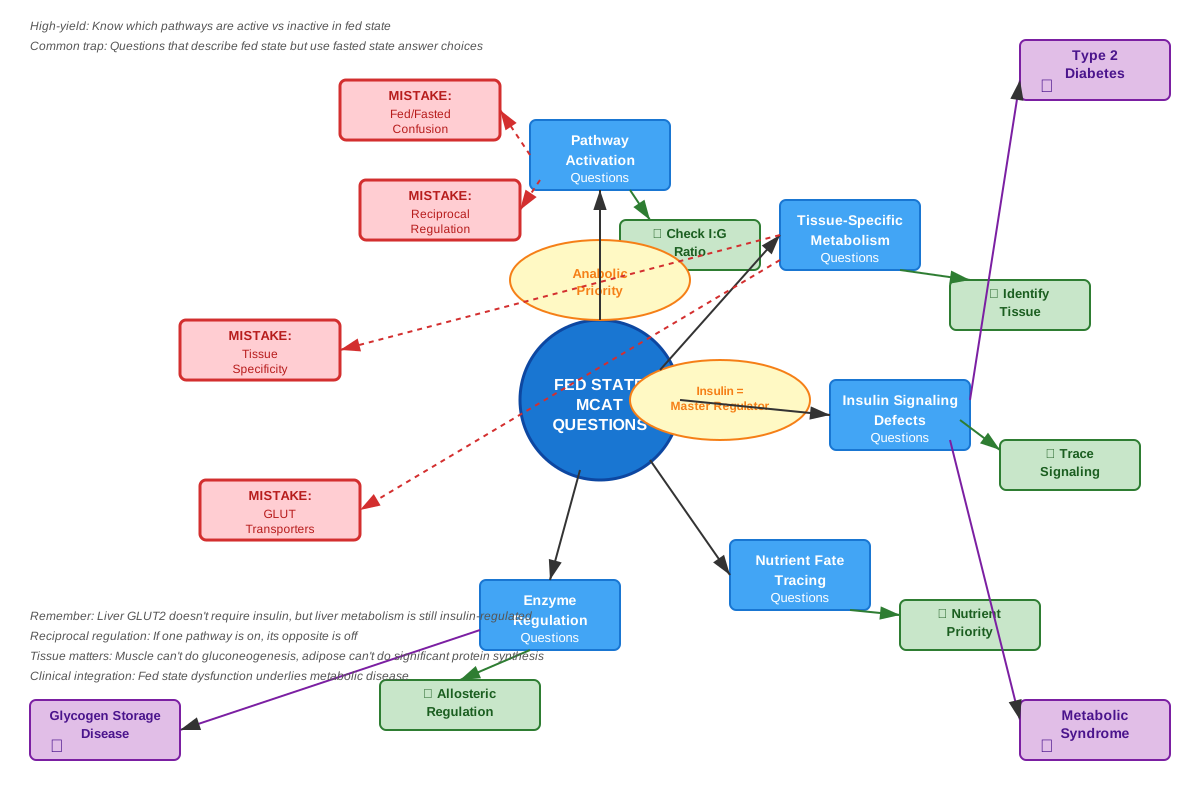
Overview
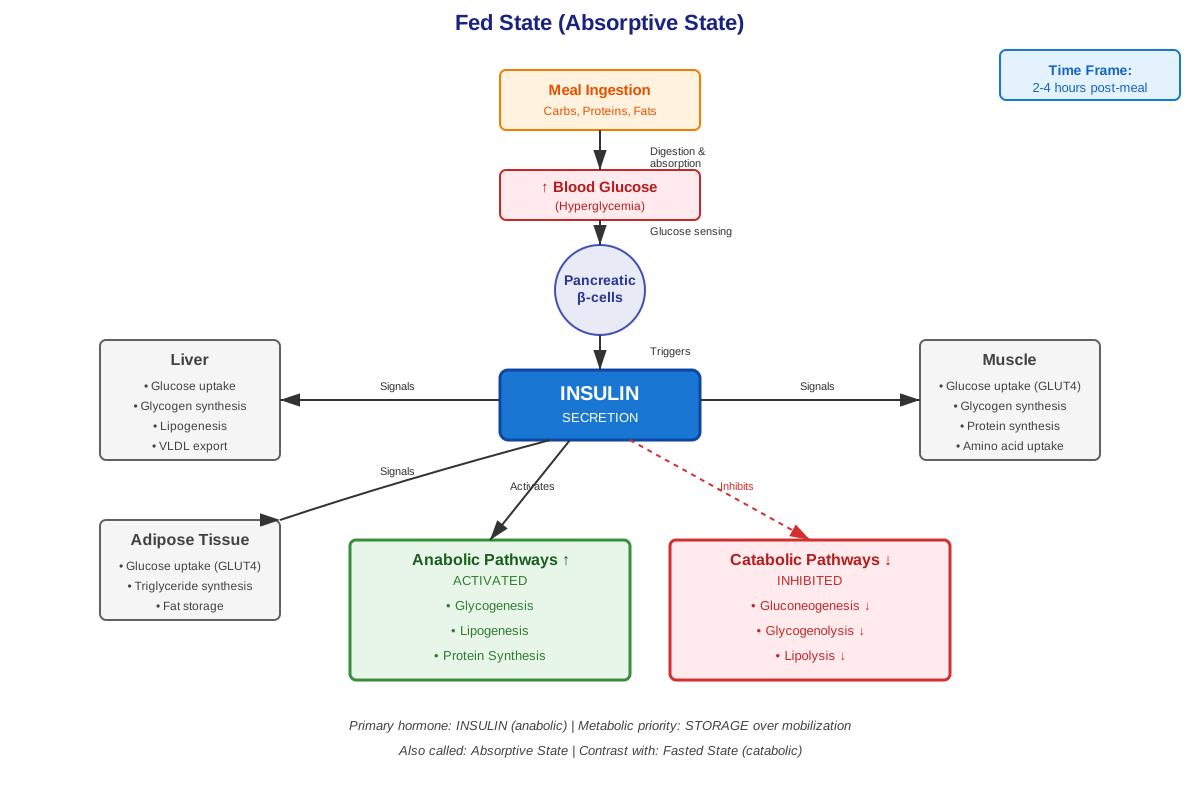
The fed state, also known as the absorptive state, represents the metabolic condition that occurs during and immediately following a meal, typically lasting 2-4 hours after eating. During this critical period, the body shifts from energy mobilization to energy storage, with nutrients from digestion flooding the bloodstream and triggering coordinated hormonal and enzymatic responses. Understanding the fed state is fundamental to mastering metabolism in Biochemistry, as it represents one half of the body's metabolic oscillation between nutrient abundance and scarcity.
For the MCAT, the fed state serves as a cornerstone concept that integrates carbohydrate, lipid, and protein metabolism with endocrine signaling, particularly insulin action. This topic appears frequently in both discrete questions and passage-based scenarios, often testing students' ability to predict metabolic pathway activation, trace nutrient fate through different tissues, and understand the coordinated regulation that maintains metabolic homeostasis. The fed state Biochemistry encompasses not just what happens to glucose, but the comprehensive metabolic reprogramming that occurs in liver, muscle, adipose tissue, and brain in response to nutrient availability.
The fed state MCAT questions typically require integration of multiple metabolic pathways and organ systems. Students must understand how insulin signaling cascades activate anabolic pathways while simultaneously inhibiting catabolic ones, creating the metabolic environment necessary for growth, repair, and energy storage. This topic connects directly to diabetes pathophysiology, obesity, metabolic syndrome, and numerous other clinically relevant conditions, making it both high-yield for exam performance and essential for future medical practice.
Learning Objectives
- [ ] Define fed state using accurate Biochemistry terminology
- [ ] Explain why fed state matters for the MCAT
- [ ] Apply fed state to exam-style questions
- [ ] Identify common mistakes related to fed state
- [ ] Connect fed state to related Biochemistry concepts
- [ ] Predict the activation status of major metabolic pathways during the fed state
- [ ] Trace the metabolic fate of glucose, amino acids, and fatty acids in different tissues during the fed state
- [ ] Explain the molecular mechanisms by which insulin coordinates fed state metabolism
- [ ] Compare and contrast metabolic priorities across liver, muscle, adipose, and brain tissue during nutrient abundance
Prerequisites
- Glycolysis and gluconeogenesis: Understanding these opposing pathways is essential because the fed state involves activating glycolysis while suppressing gluconeogenesis
- Insulin signaling basics: Knowledge of insulin receptor activation and downstream signaling cascades provides the mechanistic foundation for fed state regulation
- Basic lipid metabolism: Familiarity with fatty acid synthesis and storage enables comprehension of how dietary lipids and excess carbohydrates are stored as triglycerides
- Protein synthesis fundamentals: Understanding translation and amino acid metabolism helps explain how dietary proteins support growth and repair during the fed state
- Enzyme regulation mechanisms: Knowledge of allosteric regulation, covalent modification, and transcriptional control explains how metabolic pathways are coordinated
Why This Topic Matters
The fed state represents a clinically significant metabolic condition that directly relates to prevalent diseases including type 2 diabetes, metabolic syndrome, obesity, and cardiovascular disease. When fed state metabolism becomes dysregulated—particularly through insulin resistance—the normal anabolic processes fail to activate appropriately, leading to persistent hyperglycemia, dyslipidemia, and systemic inflammation. Understanding normal fed state physiology provides the foundation for comprehending these pathological states.
On the MCAT, fed state questions appear with moderate-to-high frequency, particularly in Biochemistry passages that integrate metabolism with endocrinology. According to AAMC data, metabolism questions constitute approximately 15-20% of the Biological and Biochemical Foundations section, with fed state concepts appearing in roughly 30-40% of metabolism questions. These questions typically present as:
- Passage-based scenarios describing patients with metabolic disorders and asking students to predict pathway activity
- Discrete questions testing knowledge of insulin's effects on specific enzymes or pathways
- Data interpretation questions showing graphs of blood glucose, insulin, or metabolic intermediates over time
- Experimental passages describing research on metabolic regulation, requiring students to predict outcomes based on fed state principles
The topic frequently appears integrated with other high-yield concepts including enzyme kinetics, hormonal regulation, and cellular signaling, making it a nexus point for demonstrating comprehensive biochemical understanding.
Core Concepts
Definition and Timing of the Fed State
The fed state is defined as the metabolic period beginning with food consumption and extending approximately 2-4 hours postprandially, during which absorbed nutrients are abundant in the bloodstream and anabolic metabolism predominates. This state is characterized by elevated blood glucose (typically 120-140 mg/dL immediately postprandial, returning toward 100 mg/dL), increased insulin secretion from pancreatic β-cells, and suppressed glucagon release from pancreatic α-cells. The insulin-to-glucagon ratio becomes high (>3:1), serving as the primary hormonal signal that coordinates the metabolic shift toward storage and biosynthesis.
During the fed state, the body's metabolic priority shifts from maintaining blood glucose through endogenous production to storing excess nutrients for future use. This involves activating pathways that convert dietary nutrients into storage forms: glucose into glycogen (glycogenesis) and fat (lipogenesis), amino acids into proteins, and dietary fats into stored triglycerides. Simultaneously, catabolic pathways that break down stored nutrients—including gluconeogenesis, glycogenolysis, lipolysis, and ketogenesis—are actively suppressed.
Hormonal Regulation: Insulin as the Master Coordinator
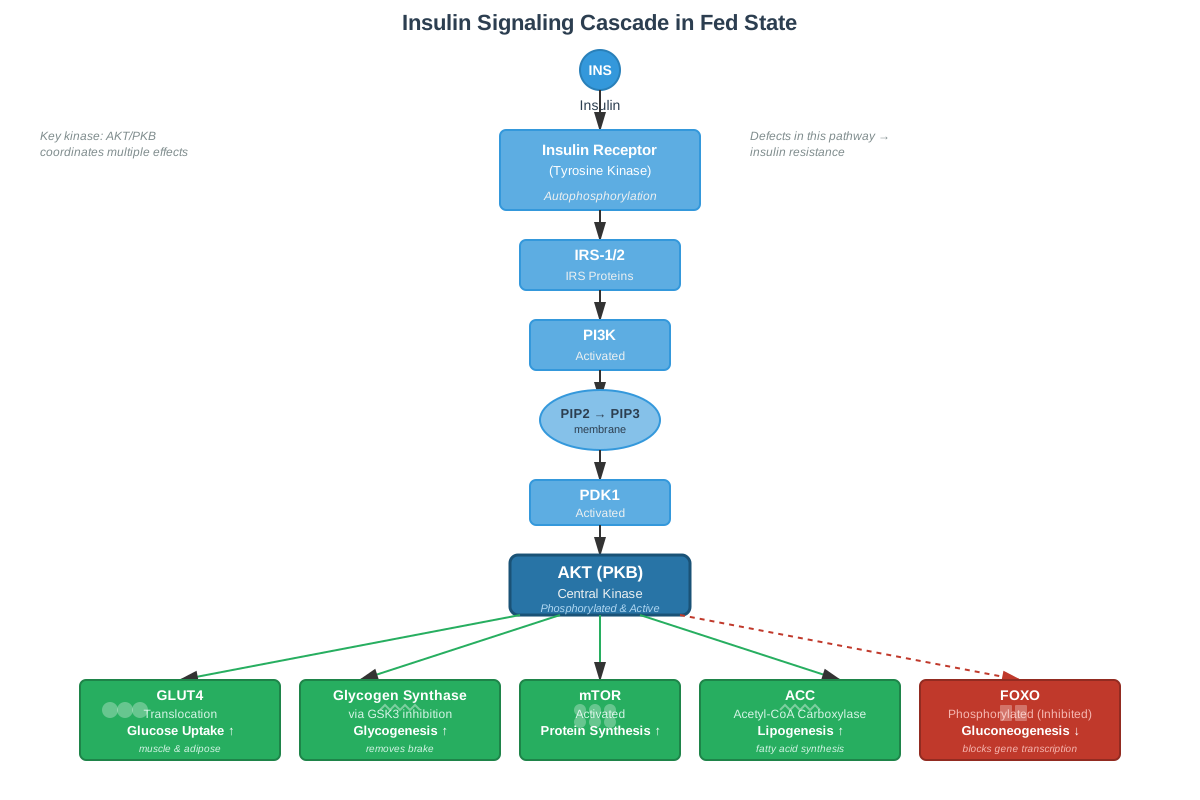
Insulin serves as the primary hormonal regulator of fed state metabolism, secreted by pancreatic β-cells in response to elevated blood glucose and amino acids (particularly leucine and arginine). Insulin binds to tyrosine kinase receptors on target tissues, initiating a signaling cascade through the insulin receptor substrate (IRS) proteins, phosphatidylinositol 3-kinase (PI3K), and protein kinase B (Akt/PKB). This cascade produces multiple coordinated effects:
Immediate effects (seconds to minutes):
- Translocation of GLUT4 glucose transporters to the plasma membrane in muscle and adipose tissue
- Activation of glycogen synthase through dephosphorylation
- Inhibition of hormone-sensitive lipase, blocking lipolysis
- Activation of phosphofructokinase-2 (PFK-2), increasing fructose-2,6-bisphosphate levels
Intermediate effects (minutes to hours):
- Dephosphorylation and activation of acetyl-CoA carboxylase (ACC), the rate-limiting enzyme of fatty acid synthesis
- Dephosphorylation and inactivation of glycogen phosphorylase
- Activation of protein phosphatase-1, which dephosphorylates multiple metabolic enzymes
Long-term effects (hours):
- Increased transcription of lipogenic enzymes (fatty acid synthase, ACC, malic enzyme)
- Increased transcription of glycolytic enzymes (glucokinase, pyruvate kinase)
- Decreased transcription of gluconeogenic enzymes (PEPCK, glucose-6-phosphatase)
Carbohydrate Metabolism in the Fed State
Dietary carbohydrates are digested to monosaccharides (primarily glucose) and absorbed in the small intestine. Glucose enters the hepatic portal circulation and reaches the liver first, where approximately 60% is extracted during the first pass. The liver's unique expression of glucokinase (hexokinase IV) enables it to phosphorylate glucose proportionally to blood glucose concentration, as glucokinase has a high Km (~10 mM) and is not inhibited by its product, glucose-6-phosphate.
In hepatocytes during the fed state, glucose-6-phosphate follows multiple fates:
- Glycogen synthesis (glycogenesis): Glucose-6-phosphate → glucose-1-phosphate → UDP-glucose → glycogen via glycogen synthase (activated by insulin-mediated dephosphorylation)
- Glycolysis: Glucose-6-phosphate proceeds through glycolysis to pyruvate, generating ATP and NADH. The key regulatory enzyme phosphofructokinase-1 (PFK-1) is activated by high fructose-2,6-bisphosphate levels (produced by the kinase activity of PFK-2, which is active when dephosphorylated in the fed state)
- Pentose phosphate pathway: Some glucose-6-phosphate enters this pathway to generate NADPH (required for fatty acid synthesis) and ribose-5-phosphate (for nucleotide synthesis)
- Lipogenesis: Excess glucose is converted to acetyl-CoA (via pyruvate), which is then used for fatty acid synthesis when carbohydrate intake exceeds immediate energy needs and glycogen storage capacity
In muscle tissue, glucose uptake increases dramatically due to insulin-stimulated GLUT4 translocation. Muscle glucose is used primarily for glycogen synthesis (muscle glycogen serves as a local energy reserve) and glycolysis to meet the tissue's energy demands. Unlike liver, muscle lacks glucose-6-phosphatase and cannot release free glucose into the bloodstream.
Lipid Metabolism in the Fed State
The fed state is characterized by active lipogenesis (fatty acid synthesis) and triglyceride storage, with simultaneous suppression of lipolysis and fatty acid oxidation. This metabolic shift ensures that dietary lipids and excess carbohydrates are efficiently stored in adipose tissue for future energy needs.
Hepatic lipogenesis occurs when carbohydrate intake exceeds immediate energy requirements and glycogen storage capacity (approximately 100-120 g in liver). The process involves:
- Pyruvate (from glycolysis) enters mitochondria and is converted to acetyl-CoA by pyruvate dehydrogenase
- Acetyl-CoA is converted to citrate via citrate synthase (first step of TCA cycle)
- Citrate exits mitochondria via the tricarboxylate transporter
- Cytoplasmic ATP citrate lyase cleaves citrate back to acetyl-CoA and oxaloacetate
- Acetyl-CoA carboxylase (ACC) converts acetyl-CoA to malonyl-CoA (rate-limiting step, activated by insulin-mediated dephosphorylation)
- Fatty acid synthase uses malonyl-CoA units to build palmitate (16:0)
- Palmitate is elongated and desaturated to produce other fatty acids
Malonyl-CoA serves a dual role: it is both the substrate for fatty acid synthesis and an allosteric inhibitor of carnitine palmitoyltransferase I (CPT-I), the enzyme required for fatty acid entry into mitochondria for β-oxidation. This ensures that fatty acid synthesis and oxidation do not occur simultaneously.
Synthesized fatty acids are esterified with glycerol-3-phosphate (derived from glycolysis) to form triglycerides, which are packaged into very-low-density lipoproteins (VLDL) and secreted into the bloodstream. In adipose tissue, lipoprotein lipase (LPL)—activated by insulin—hydrolyzes VLDL triglycerides, releasing fatty acids that are taken up by adipocytes and re-esterified for storage.
Dietary lipids absorbed as chylomicrons are similarly processed by LPL in adipose tissue capillaries, with the released fatty acids stored as triglycerides. Insulin simultaneously inhibits hormone-sensitive lipase (HSL) in adipocytes through phosphorylation by protein kinase B, preventing lipolysis and ensuring net triglyceride accumulation.
Amino Acid and Protein Metabolism in the Fed State
Dietary proteins are digested to amino acids and absorbed in the small intestine. During the fed state, amino acids serve multiple purposes:
- Protein synthesis: Insulin stimulates protein synthesis through activation of mTOR (mechanistic target of rapamycin) signaling, promoting translation initiation and ribosomal protein production. This is particularly important in muscle tissue for growth and repair.
- Gluconeogenesis substrate: In the liver, some amino acids (particularly alanine from muscle) are deaminated, with the carbon skeletons entering gluconeogenesis. However, this pathway is suppressed during the fed state due to insulin's inhibition of PEPCK and glucose-6-phosphatase expression.
- Energy production: Amino acids can be oxidized for energy, though this is not the primary fate during the fed state when glucose is abundant.
- Biosynthetic precursors: Amino acids serve as precursors for neurotransmitters, hormones, nucleotides, and other nitrogen-containing compounds.
The liver plays a central role in amino acid metabolism, removing excess amino acids from the portal circulation and preventing hyperaminoacidemia. Branched-chain amino acids (leucine, isoleucine, valine) are unique in that they largely bypass hepatic metabolism and are taken up directly by muscle, where they stimulate protein synthesis and can be oxidized for energy.
Tissue-Specific Metabolic Priorities
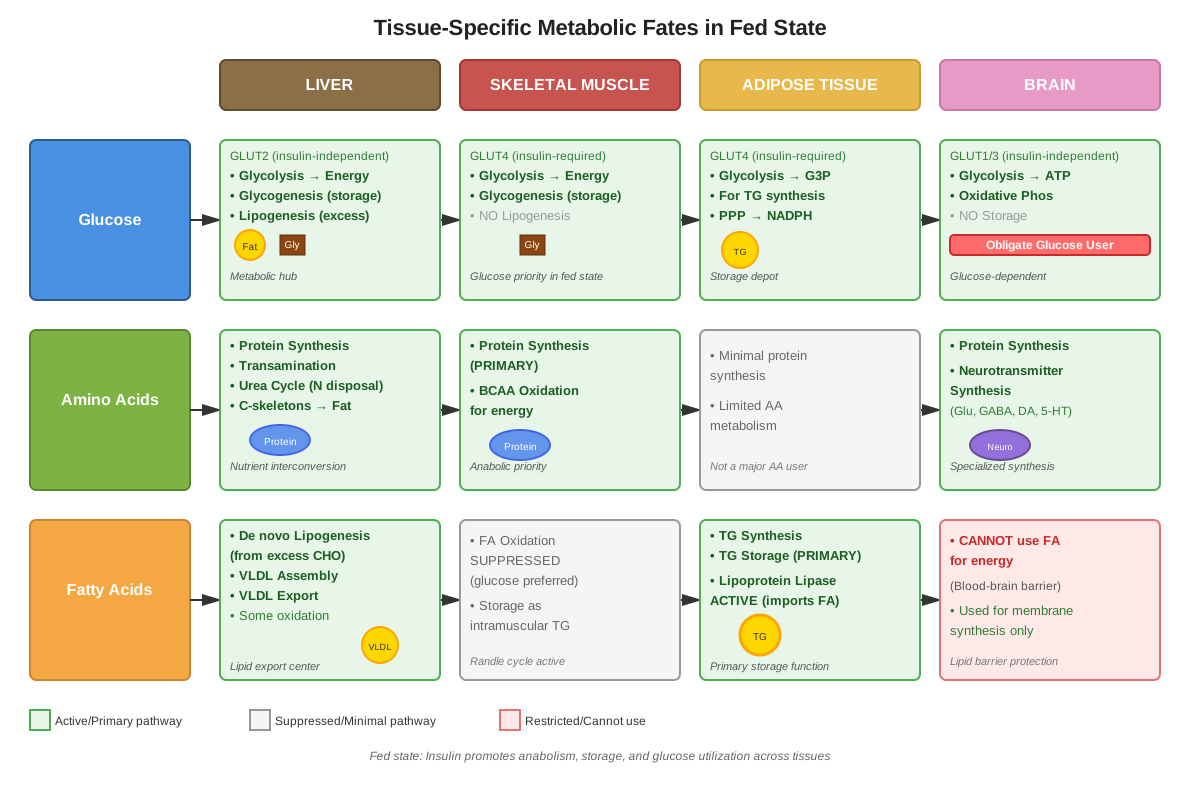
| Tissue | Primary Fed State Activities | Key Enzymes/Transporters | Metabolic Products |
|---|---|---|---|
| Liver | Glycogen synthesis, lipogenesis, protein synthesis, glucose uptake | Glucokinase, glycogen synthase, ACC, fatty acid synthase | Glycogen, VLDL, plasma proteins |
| Muscle | Glycogen synthesis, protein synthesis, glucose oxidation | GLUT4, glycogen synthase, mTOR pathway | Glycogen, muscle proteins, CO₂ |
| Adipose | Triglyceride synthesis and storage, glucose uptake | GLUT4, LPL, glycerol-3-phosphate acyltransferase | Stored triglycerides |
| Brain | Glucose oxidation (continues unchanged) | GLUT1, GLUT3 (insulin-independent) | CO₂, ATP, neurotransmitters |
| Pancreas (β-cells) | Insulin secretion | GLUT2, glucokinase, ATP-sensitive K⁺ channels | Insulin |
The brain is unique in that its metabolism remains relatively constant regardless of fed or fasted state, continuously consuming approximately 120 g of glucose daily (about 20% of total body glucose consumption). Brain glucose uptake occurs via insulin-independent GLUT1 and GLUT3 transporters, ensuring constant fuel supply regardless of insulin levels.
Metabolic Pathway Integration and Regulation
The fed state exemplifies coordinated metabolic regulation through multiple mechanisms:
Allosteric regulation provides immediate response:
- Fructose-2,6-bisphosphate activates PFK-1 (glycolysis) and inhibits fructose-1,6-bisphosphatase (gluconeogenesis)
- Malonyl-CoA inhibits CPT-I, preventing fatty acid oxidation during synthesis
- Citrate activates ACC (lipogenesis) and inhibits PFK-1 (when energy is abundant)
Covalent modification (phosphorylation/dephosphorylation) provides intermediate-term control:
- Insulin-activated protein phosphatase-1 dephosphorylates and activates glycogen synthase, ACC, and pyruvate dehydrogenase
- Insulin-activated protein phosphatase-1 dephosphorylates and inactivates glycogen phosphorylase and HSL
Transcriptional regulation provides long-term adaptation:
- Insulin increases expression of SREBP-1c (sterol regulatory element-binding protein), which upregulates lipogenic enzyme genes
- Insulin increases expression of ChREBP (carbohydrate response element-binding protein), which also promotes lipogenic gene expression
- Insulin decreases expression of PEPCK and glucose-6-phosphatase genes through FOXO1 inhibition
Concept Relationships
The fed state represents the integration point for multiple metabolic pathways and regulatory systems. Insulin secretion (triggered by elevated blood glucose and amino acids) → activates insulin receptor signaling cascades → promotes GLUT4 translocation → increases cellular glucose uptake → activates glycolysis and glycogen synthesis while simultaneously inhibiting gluconeogenesis and glycogenolysis.
Excess glucose beyond immediate energy needs and glycogen storage capacity → enters lipogenesis → produces malonyl-CoA → inhibits CPT-I → prevents fatty acid oxidation, creating metabolic coherence. The pentose phosphate pathway branches from glucose-6-phosphate → generates NADPH → supports fatty acid synthesis, demonstrating pathway interdependence.
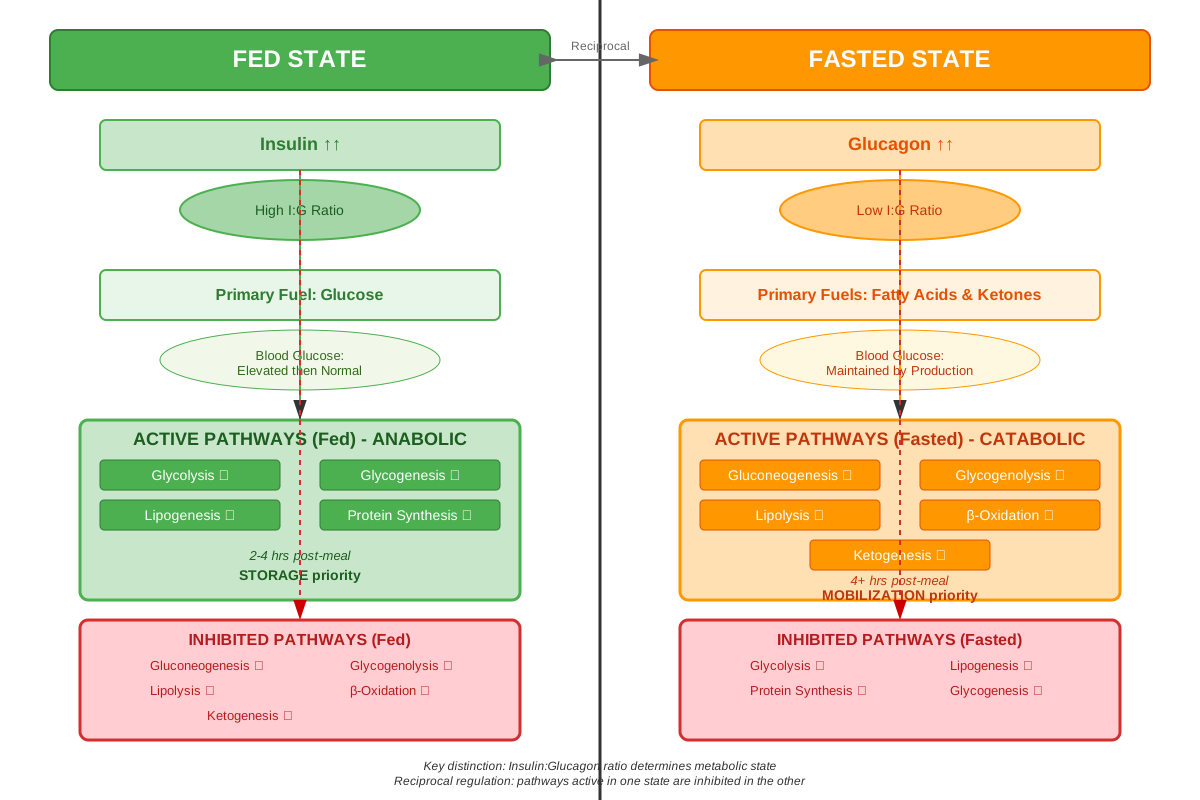
The fed state connects to prerequisite knowledge of glycolysis (activated during fed state) and gluconeogenesis (suppressed during fed state), illustrating reciprocal regulation. Understanding insulin signaling mechanisms explains how a single hormone coordinates multiple pathways across different tissues. The concept extends to related topics including the fasted state (metabolic opposite), diabetes mellitus (fed state dysregulation), and metabolic syndrome (chronic fed state characteristics).
The relationship between carbohydrate and lipid metabolism becomes evident: excess dietary carbohydrates → converted to acetyl-CoA → used for fatty acid synthesis → stored as triglycerides, explaining how high-carbohydrate diets can increase body fat. This connects to clinical concepts of de novo lipogenesis and its role in non-alcoholic fatty liver disease.
Quick check — test yourself on Fed state so far.
Try Flashcards →High-Yield Facts
⭐ The fed state is characterized by a high insulin-to-glucagon ratio (>3:1), which coordinates the shift from catabolic to anabolic metabolism across all tissues.
⭐ Insulin activates glycogen synthase and inhibits glycogen phosphorylase through dephosphorylation, promoting glycogen storage while preventing glycogen breakdown.
⭐ Malonyl-CoA serves dual roles: substrate for fatty acid synthesis and inhibitor of CPT-I, ensuring fatty acid synthesis and oxidation do not occur simultaneously.
⭐ The liver uses glucokinase (high Km ~10 mM) for glucose phosphorylation, allowing hepatic glucose uptake to be proportional to blood glucose concentration.
⭐ GLUT4 translocation to the plasma membrane in muscle and adipose tissue is insulin-dependent, while brain glucose uptake via GLUT1/GLUT3 is insulin-independent.
- Fructose-2,6-bisphosphate levels increase during the fed state due to PFK-2 kinase activity (active when dephosphorylated), activating glycolysis and inhibiting gluconeogenesis.
- Acetyl-CoA carboxylase (ACC) is the rate-limiting enzyme of fatty acid synthesis and is activated by insulin-mediated dephosphorylation and citrate, while inhibited by palmitoyl-CoA (product inhibition).
- The fed state typically lasts 2-4 hours postprandially, after which the body transitions through the postabsorptive state toward the fasted state as insulin levels decline.
- Approximately 60% of ingested glucose is extracted by the liver during first-pass metabolism, with the remainder distributed to peripheral tissues.
- Branched-chain amino acids (leucine, isoleucine, valine) bypass hepatic metabolism and directly stimulate muscle protein synthesis through mTOR activation, making them particularly important during the fed state.
Common Misconceptions
Misconception: All tissues increase glucose uptake during the fed state.
Correction: Only insulin-sensitive tissues (muscle, adipose) increase glucose uptake via GLUT4 translocation. Brain glucose uptake remains constant via insulin-independent GLUT1/GLUT3 transporters, and liver uses GLUT2 (also insulin-independent) but increases glucose phosphorylation via glucokinase activation.
Misconception: Insulin directly activates enzymes by phosphorylating them.
Correction: Insulin activates protein phosphatase-1, which dephosphorylates target enzymes. Glycogen synthase and acetyl-CoA carboxylase are activated by dephosphorylation, not phosphorylation. This is opposite to the action of glucagon and epinephrine, which activate protein kinase A to phosphorylate these same enzymes, inactivating them.
Misconception: The fed state only involves glucose metabolism.
Correction: The fed state encompasses coordinated regulation of carbohydrate, lipid, and protein metabolism. Lipogenesis, triglyceride storage, and protein synthesis are equally important fed state processes, and excess carbohydrates can be converted to fat through de novo lipogenesis.
Misconception: Gluconeogenesis completely stops during the fed state.
Correction: While gluconeogenesis is strongly suppressed during the fed state through decreased PEPCK and glucose-6-phosphatase expression, it does not completely cease. Some gluconeogenesis continues at a low rate, particularly from amino acids, but net hepatic glucose output becomes negative as glucose uptake exceeds glucose production.
Misconception: Muscle can release glucose into the bloodstream during the fed state to help other tissues.
Correction: Muscle lacks glucose-6-phosphatase and cannot produce free glucose. Muscle glycogen serves exclusively as a local energy reserve for that muscle tissue. Only liver (and kidney to a lesser extent) can release free glucose into the bloodstream.
Misconception: Fatty acid oxidation and synthesis can occur simultaneously in the same cell.
Correction: These processes are reciprocally regulated and cannot occur simultaneously in the same cellular compartment. During the fed state, elevated malonyl-CoA (produced during fatty acid synthesis) inhibits CPT-I, preventing fatty acid entry into mitochondria for β-oxidation. This ensures metabolic efficiency and prevents futile cycling.
Worked Examples
Example 1: Tracing Glucose Fate in the Fed State
Question: A healthy individual consumes a meal containing 100 g of carbohydrates. Describe the metabolic fate of the absorbed glucose in the liver during the first 2 hours postprandially, including the pathways activated, key regulatory enzymes, and the hormonal signals coordinating these processes.
Solution:
Step 1 - Hormonal Response: The absorbed glucose enters the hepatic portal circulation, causing blood glucose to rise to approximately 130-140 mg/dL. Pancreatic β-cells detect this elevation via GLUT2 and glucokinase, leading to ATP production, closure of ATP-sensitive K⁺ channels, membrane depolarization, Ca²⁺ influx, and insulin secretion. Simultaneously, α-cell glucagon secretion is suppressed. The insulin-to-glucagon ratio increases to >3:1, signaling the fed state.
Step 2 - Hepatic Glucose Uptake: Glucose enters hepatocytes via GLUT2 (insulin-independent, high Km transporter). Glucokinase phosphorylates glucose to glucose-6-phosphate. Unlike other hexokinases, glucokinase has a high Km (~10 mM) and is not inhibited by its product, allowing hepatic glucose phosphorylation to increase proportionally with blood glucose concentration.
Step 3 - Glycogen Synthesis: Insulin signaling activates protein phosphatase-1, which dephosphorylates glycogen synthase (activating it) and glycogen phosphorylase (inactivating it). Glucose-6-phosphate is converted to glucose-1-phosphate by phosphoglucomutase, then to UDP-glucose by UDP-glucose pyrophosphorylase. Glycogen synthase adds glucose units to growing glycogen chains. Approximately 30-40 g of the ingested glucose is stored as hepatic glycogen (assuming glycogen stores were partially depleted).
Step 4 - Glycolysis: Glucose-6-phosphate enters glycolysis. Insulin-mediated dephosphorylation of PFK-2 activates its kinase activity, producing fructose-2,6-bisphosphate, which strongly activates PFK-1 (the rate-limiting enzyme of glycolysis). Glucose is oxidized to pyruvate, generating ATP and NADH. Approximately 20-30 g of glucose is oxidized for immediate energy needs.
Step 5 - Lipogenesis: Once glycogen storage capacity is reached and immediate energy needs are met, excess glucose (approximately 30-40 g) enters lipogenesis. Pyruvate enters mitochondria and is converted to acetyl-CoA by pyruvate dehydrogenase (activated by insulin-mediated dephosphorylation). Acetyl-CoA condenses with oxaloacetate to form citrate, which exits mitochondria and is cleaved back to acetyl-CoA by ATP citrate lyase. Acetyl-CoA carboxylase (activated by insulin-mediated dephosphorylation and allosterically by citrate) converts acetyl-CoA to malonyl-CoA. Fatty acid synthase uses malonyl-CoA to synthesize palmitate. The elevated malonyl-CoA also inhibits CPT-I, preventing fatty acid oxidation.
Step 6 - VLDL Synthesis and Secretion: Synthesized fatty acids are esterified with glycerol-3-phosphate to form triglycerides, which are packaged with apoB-100 into VLDL particles and secreted into the bloodstream for delivery to peripheral tissues.
Key Concept: This example demonstrates the coordinated, hierarchical use of glucose: immediate energy needs first, then glycogen storage, and finally conversion to fat when other pathways are saturated.
Example 2: Comparing Muscle and Adipose Tissue Responses
Question: An MCAT passage describes an experiment measuring glucose uptake in isolated muscle and adipose tissue samples exposed to varying insulin concentrations. At physiological fed-state insulin levels (100 μU/mL), both tissues show increased glucose uptake compared to basal conditions. However, when treated with a PI3K inhibitor, glucose uptake returns to basal levels despite continued insulin presence. Explain the molecular mechanism underlying these observations and predict what would happen to glycogen synthesis in muscle and triglyceride synthesis in adipose tissue under these conditions.
Solution:
Step 1 - Normal Insulin Signaling: Insulin binds to tyrosine kinase receptors on muscle and adipose cell membranes, causing receptor autophosphorylation. The phosphorylated receptor recruits and phosphorylates insulin receptor substrate (IRS) proteins. Phosphorylated IRS proteins activate phosphatidylinositol 3-kinase (PI3K), which converts PIP₂ to PIP₃. PIP₃ recruits and activates PDK1, which phosphorylates and activates protein kinase B (Akt/PKB).
Step 2 - GLUT4 Translocation: Activated Akt phosphorylates AS160 (Akt substrate of 160 kDa), relieving its inhibition of Rab GTPases. Active Rab proteins promote fusion of GLUT4-containing vesicles with the plasma membrane, increasing cell surface GLUT4 by 10-40 fold. This dramatically increases glucose uptake capacity in both muscle and adipose tissue.
Step 3 - Effect of PI3K Inhibition: When PI3K is inhibited, the signaling cascade is interrupted at an early step. PIP₃ is not produced, Akt is not activated, AS160 remains active (inhibiting Rab proteins), and GLUT4 vesicles do not translocate to the membrane. Despite insulin presence, glucose uptake returns to basal levels because the primary mechanism for insulin-stimulated glucose uptake is blocked.
Step 4 - Impact on Glycogen Synthesis in Muscle: Without increased glucose uptake, intracellular glucose-6-phosphate levels remain low. Even though insulin signaling through other pathways might partially activate glycogen synthase (via protein phosphatase-1), the lack of substrate (glucose-6-phosphate) severely limits glycogen synthesis. Additionally, glucose-6-phosphate is an allosteric activator of glycogen synthase, so its absence further impairs the enzyme's activity. Result: Glycogen synthesis is dramatically reduced.
Step 5 - Impact on Triglyceride Synthesis in Adipose: Similarly, without increased glucose uptake, adipocytes lack substrate for glycerol-3-phosphate production (from glycolysis). Glycerol-3-phosphate is essential for esterifying fatty acids into triglycerides. Even if fatty acids are available (from lipoprotein lipase activity on circulating lipoproteins), their storage as triglycerides is impaired without adequate glycerol-3-phosphate. Result: Triglyceride synthesis and storage are significantly reduced.
Clinical Connection: This mechanism explains insulin resistance at the molecular level. When PI3K signaling is impaired (through various mechanisms including inflammatory cytokines, lipid metabolites, or genetic factors), tissues cannot respond appropriately to insulin, leading to decreased glucose uptake and impaired nutrient storage—hallmarks of type 2 diabetes.
Exam Strategy
When approaching fed state MCAT questions, use this systematic strategy:
1. Identify the metabolic state: Look for trigger words indicating the fed state: "after a meal," "postprandial," "high insulin," "elevated blood glucose," "absorptive state," or "recently eaten." These phrases signal that anabolic pathways should be active and catabolic pathways suppressed.
2. Determine the tissue: Fed state metabolism varies by tissue. Quickly categorize:
- Liver: glycogen synthesis, lipogenesis, glucose uptake
- Muscle: glycogen synthesis, protein synthesis, glucose uptake (insulin-dependent)
- Adipose: triglyceride storage, glucose uptake (insulin-dependent)
- Brain: unchanged glucose oxidation (insulin-independent)
3. Apply the insulin rule: If insulin is elevated (fed state), predict:
- Activated: glycogen synthase, acetyl-CoA carboxylase, PFK-2 (kinase activity), protein synthesis
- Inhibited: glycogen phosphorylase, hormone-sensitive lipase, PEPCK/G6Pase expression
- Remember: insulin activates by causing dephosphorylation of key enzymes
4. Check for reciprocal regulation: The MCAT loves testing whether students understand that opposing pathways cannot be simultaneously active. If glycolysis is active, gluconeogenesis is suppressed. If fatty acid synthesis is occurring, β-oxidation is blocked (via malonyl-CoA inhibition of CPT-I).
5. Process of elimination tips:
- Eliminate choices suggesting gluconeogenesis, glycogenolysis, lipolysis, or ketogenesis during the fed state
- Eliminate choices suggesting brain metabolism changes with insulin
- Eliminate choices suggesting muscle releases glucose
- Eliminate choices showing simultaneous activation of opposing pathways
6. Time allocation: Fed state questions are typically straightforward if you know the core principles. Allocate 60-90 seconds for discrete questions, 90-120 seconds for passage-based questions. If a question seems complex, identify the tissue and insulin status first—this usually reveals the answer quickly.
7. Watch for experimental passages: These often describe manipulations of fed state metabolism (enzyme inhibitors, hormone analogs, genetic modifications). Always predict the normal fed state response first, then consider how the experimental manipulation would alter that response.
Exam Tip: If you see a question about glucose uptake and insulin, immediately think "GLUT4 in muscle and adipose, but not in brain or liver." This distinction appears frequently and eliminates wrong answers quickly.
Memory Techniques
Mnemonic for Fed State Activated Pathways - "GLPPS":
- Glycogenesis (glycogen synthesis)
- Lipogenesis (fatty acid synthesis)
- Protein synthesis
- Pentose phosphate pathway
- Storage (general anabolic processes)
Mnemonic for Insulin's Dephosphorylation Targets - "GAP":
- Glycogen synthase (activated when dephosphorylated)
- Acetyl-CoA carboxylase (activated when dephosphorylated)
- Pyruvate dehydrogenase (activated when dephosphorylated)
Visualization Strategy: Picture the fed state as a "storage warehouse" where delivery trucks (nutrients) are arriving constantly. Insulin is the warehouse manager directing workers to:
- Stack boxes on shelves (glycogen synthesis)
- Fill storage tanks (triglyceride synthesis)
- Build new structures (protein synthesis)
- Lock the exit doors (prevent breakdown pathways)
Acronym for Fed State Suppressed Pathways - "GLKL":
- Gluconeogenesis
- Lipolysis
- Ketogenesis
- Lysis of glycogen (glycogenolysis)
Memory Hook for Malonyl-CoA: "Malonyl-CoA is the 'construction site barrier'—when you're building fatty acids (construction), you block the entrance to the demolition site (β-oxidation via CPT-I inhibition)."
Reciprocal Regulation Reminder: "FED = Build, FAST = Break" - In the fed state, you build (synthesize) everything; in the fasted state, you break (degrade) everything.
Summary
The fed state represents the 2-4 hour postprandial period characterized by nutrient abundance, elevated insulin secretion, and predominance of anabolic metabolism. Insulin, secreted in response to elevated blood glucose and amino acids, coordinates metabolic responses across tissues through receptor tyrosine kinase signaling, protein phosphatase-1 activation, and transcriptional regulation. In liver, glucose is stored as glycogen, oxidized for energy, or converted to fatty acids when storage capacity is exceeded. Muscle and adipose tissue increase glucose uptake via insulin-stimulated GLUT4 translocation, using glucose for glycogen synthesis and triglyceride formation, respectively. Key regulatory mechanisms include dephosphorylation of glycogen synthase and acetyl-CoA carboxylase (activation), elevated fructose-2,6-bisphosphate (glycolysis activation), and malonyl-CoA accumulation (fatty acid oxidation inhibition). The fed state exemplifies coordinated metabolic regulation through allosteric, covalent, and transcriptional mechanisms, ensuring efficient nutrient storage while suppressing catabolic pathways. Understanding fed state biochemistry is essential for MCAT success and provides the foundation for comprehending metabolic diseases including diabetes, obesity, and metabolic syndrome.
Key Takeaways
- The fed state is defined by high insulin-to-glucagon ratio (>3:1), activating anabolic pathways (glycogenesis, lipogenesis, protein synthesis) while suppressing catabolic pathways (gluconeogenesis, lipolysis, ketogenesis)
- Insulin activates key enzymes through dephosphorylation (glycogen synthase, acetyl-CoA carboxylase, pyruvate dehydrogenase) via protein phosphatase-1, opposite to glucagon/epinephrine effects
- GLUT4 translocation in muscle and adipose tissue is insulin-dependent, while brain glucose uptake via GLUT1/GLUT3 is insulin-independent and constant
- Malonyl-CoA serves dual roles as fatty acid synthesis substrate and CPT-I inhibitor, preventing simultaneous fatty acid synthesis and oxidation
- Reciprocal regulation ensures opposing pathways are not simultaneously active: high fructose-2,6-bisphosphate activates glycolysis while inhibiting gluconeogenesis
- Tissue-specific responses reflect different metabolic priorities: liver stores and synthesizes, muscle stores locally and builds protein, adipose stores triglycerides, brain maintains constant glucose oxidation
- Excess dietary carbohydrates beyond glycogen storage capacity are converted to fatty acids through de novo lipogenesis, connecting carbohydrate and lipid metabolism
Related Topics
Fasted State Metabolism: The metabolic opposite of the fed state, characterized by low insulin, high glucagon, and predominance of catabolic pathways. Mastering the fed state provides the foundation for understanding fasted state through reciprocal regulation principles.
Insulin Signaling Pathways: Detailed molecular mechanisms of insulin receptor activation, IRS proteins, PI3K/Akt cascade, and downstream effects. Understanding these pathways explains how a single hormone coordinates multiple metabolic processes.
Diabetes Mellitus: Pathophysiology of type 1 (insulin deficiency) and type 2 (insulin resistance) diabetes represents dysregulated fed state metabolism. Normal fed state knowledge is essential for understanding diabetic metabolic derangements.
Metabolic Syndrome: Chronic metabolic state resembling perpetual fed state with insulin resistance, explaining the connection between diet, obesity, and cardiovascular disease risk.
Glycogen Storage Diseases: Genetic defects in glycogen metabolism enzymes illustrate the importance of normal fed state glycogen synthesis and provide clinical context for biochemical pathways.
Practice CTA
Now that you have mastered the fed state concepts, reinforce your understanding by attempting practice questions and flashcards focused on this topic. Challenge yourself with passage-based questions that integrate fed state metabolism with experimental scenarios or clinical vignettes. The more you apply these principles to MCAT-style questions, the more automatic your recognition of fed state patterns will become. Remember: understanding the fed state is not just about memorizing facts—it's about developing the metabolic intuition that allows you to predict pathway activity, trace nutrient fate, and integrate multiple systems. You've built a strong foundation; now strengthen it through deliberate practice. Your future patients (and your MCAT score) will thank you!
Sign up free to keep reading
Create a free AnvayaPrep account to finish this MCAT guide on Fed state — plus flashcards and practice questions.