Overview
Glycogen is a branched polysaccharide that serves as the primary storage form of glucose in animal cells, particularly in liver and skeletal muscle tissue. As a critical component of carbohydrate metabolism, glycogen represents the body's readily mobilizable energy reserve, capable of being rapidly broken down to release glucose when blood sugar levels drop or when muscles require immediate fuel during exercise. Understanding glycogen structure, synthesis, and degradation is fundamental to mastering biochemistry concepts tested on the MCAT, as these processes integrate hormonal regulation, enzyme kinetics, and metabolic pathway coordination.
For the MCAT, glycogen biochemistry appears frequently in both discrete questions and passage-based scenarios that test integrated understanding of metabolic regulation. Questions may present clinical vignettes involving glycogen storage diseases, exercise physiology experiments, or hormonal signaling cascades that affect glycogen metabolism. The topic bridges multiple high-yield areas including enzyme regulation, signal transduction, and metabolic integration between different organ systems. Students must understand not only the structural features that distinguish glycogen from other polysaccharides but also the reciprocal regulation of glycogenesis (synthesis) and glycogenolysis (breakdown) through hormonal and allosteric mechanisms.
The glycogen MCAT content connects directly to broader themes in carbohydrate metabolism, including gluconeogenesis, glycolysis, and the pentose phosphate pathway. Glycogen metabolism exemplifies key biochemical principles such as covalent modification of enzymes through phosphorylation, amplification cascades in signal transduction, and tissue-specific metabolic specialization. Mastery of this topic provides the foundation for understanding how the body maintains glucose homeostasis during fed and fasted states, responds to stress hormones, and coordinates energy metabolism across different tissues—all concepts that appear regularly on the MCAT.
Learning Objectives
- [ ] Define glycogen using accurate biochemistry terminology, including its chemical structure and glycosidic linkages
- [ ] Explain why glycogen matters for the MCAT, including typical question formats and integration with other topics
- [ ] Apply glycogen concepts to exam-style questions involving metabolic regulation and clinical scenarios
- [ ] Identify common mistakes related to glycogen structure, metabolism, and regulation
- [ ] Connect glycogen to related biochemistry concepts including glucose metabolism, hormonal regulation, and metabolic diseases
- [ ] Analyze the reciprocal regulation of glycogen synthesis and breakdown through hormonal and allosteric mechanisms
- [ ] Compare and contrast glycogen metabolism in liver versus muscle tissue
- [ ] Predict the metabolic consequences of defects in glycogen metabolism enzymes
Prerequisites
- Monosaccharide structure and chemistry: Understanding glucose structure is essential because glycogen is composed entirely of glucose monomers linked through specific glycosidic bonds
- Enzyme kinetics and regulation: Glycogen metabolism involves highly regulated enzymes controlled through phosphorylation, allosteric effectors, and hormonal signals
- Basic cellular energetics and ATP: Glycogen serves as an energy storage molecule, and its metabolism is intimately connected to ATP production and consumption
- Protein phosphorylation: The primary regulatory mechanism for glycogen enzymes involves reversible phosphorylation by kinases and phosphatases
- Hormonal signaling basics: Insulin, glucagon, and epinephrine regulate glycogen metabolism through second messenger systems
Why This Topic Matters
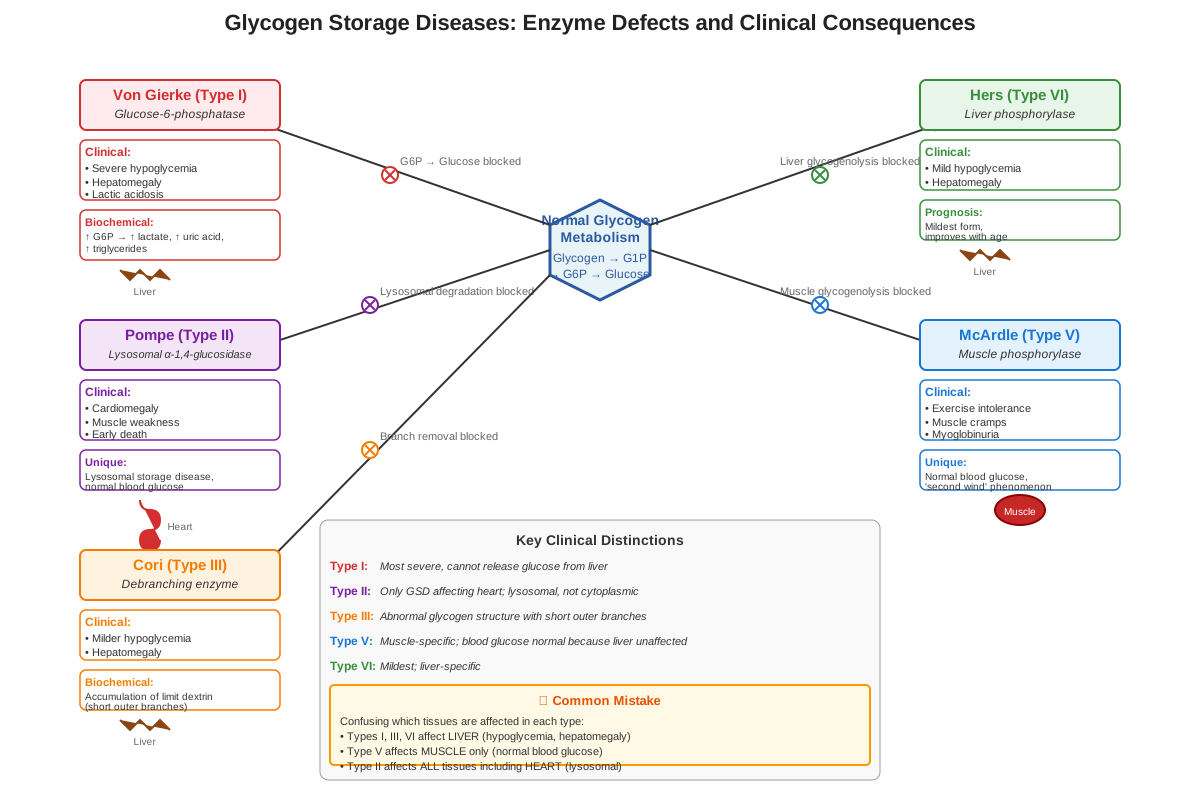
Glycogen metabolism has profound clinical significance in conditions ranging from diabetes mellitus to rare glycogen storage diseases. Type 1 diabetes patients cannot properly store glucose as glycogen due to insulin deficiency, while glycogen storage diseases (GSDs) result from inherited defects in enzymes involved in glycogen synthesis or breakdown. Von Gierke disease (GSD Type I), caused by glucose-6-phosphatase deficiency, prevents the liver from releasing free glucose from glycogen, leading to severe hypoglycemia and hepatomegaly. McArdle disease (GSD Type V) affects muscle glycogen phosphorylase, causing exercise intolerance and muscle cramps. These clinical correlations frequently appear in MCAT passages.
On the MCAT, glycogen-related content appears in approximately 3-5% of biochemistry questions, making it a medium-yield topic that nonetheless requires thorough understanding. Questions typically test glycogen in three formats: (1) discrete questions about structure or enzyme function, (2) passage-based questions integrating hormonal regulation with metabolic outcomes, and (3) experimental passages analyzing glycogen metabolism in different physiological states. The topic frequently appears alongside questions about diabetes, exercise physiology, or fed/fasted metabolic states.
Common MCAT passage scenarios include: research studies examining glycogen depletion during exercise, clinical cases of patients with abnormal glycogen metabolism, experiments investigating hormonal effects on liver or muscle tissue, and comparative physiology passages contrasting metabolic strategies across species. Understanding glycogen enables students to quickly identify the metabolic state being described (fed vs. fasted, resting vs. exercising) and predict the hormonal milieu and enzyme activities that would be present.
Core Concepts
Glycogen Structure and Chemical Properties
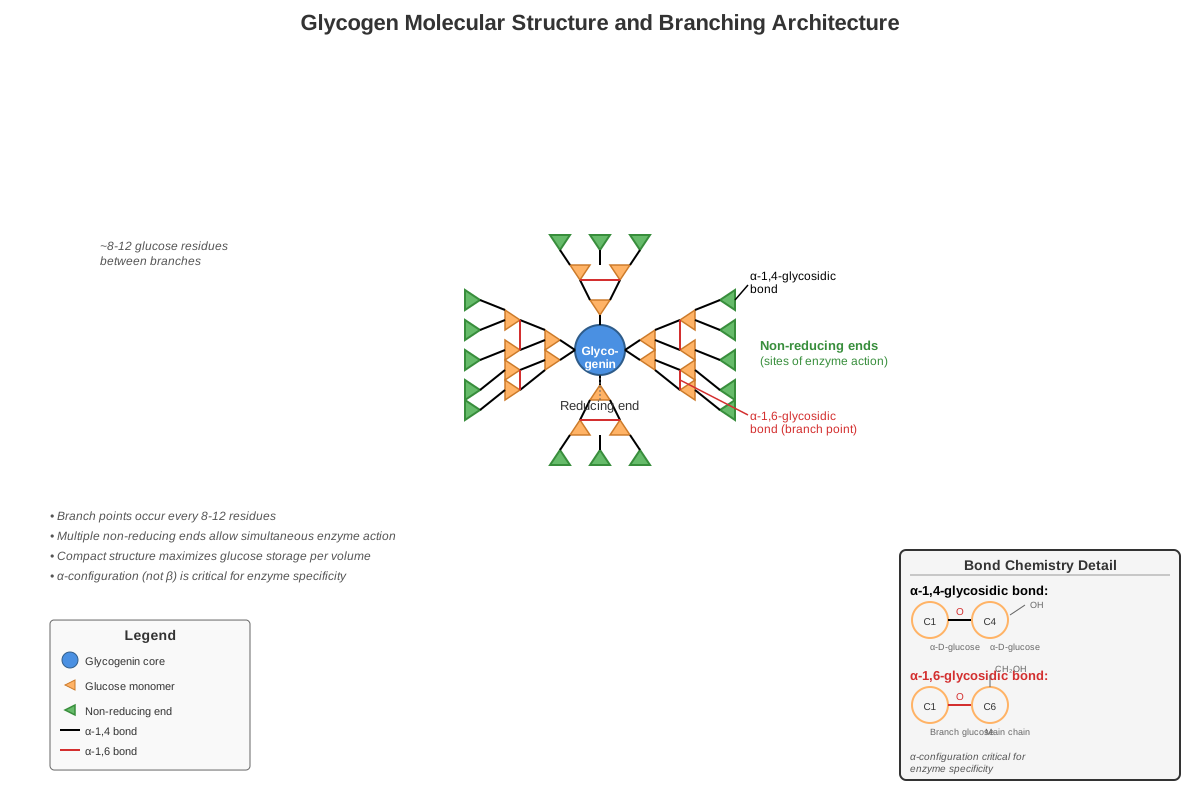
Glycogen is a highly branched polymer of glucose residues connected primarily through α-1,4-glycosidic bonds in linear chains, with α-1,6-glycosidic bonds creating branch points approximately every 8-12 glucose residues. This branched structure is functionally critical because it creates numerous non-reducing ends where enzymes can simultaneously add or remove glucose units, allowing for rapid mobilization or storage of glucose. The branching pattern distinguishes glycogen from amylose (unbranched starch) and amylopectin (less frequently branched starch), making glycogen the most compact and rapidly accessible glucose storage form.
The glycogen molecule forms a spherical granule with a protein core called glycogenin, which serves as the primer for glycogen synthesis. Glycogenin is a self-glucosylating protein that catalyzes the attachment of the first few glucose residues to one of its own tyrosine residues, creating the foundation upon which glycogen synthase extends the polymer. A single glycogen granule can contain up to 55,000 glucose residues and has a molecular weight exceeding 10^7 daltons. The granule also contains the enzymes responsible for glycogen metabolism, creating a functional metabolic unit.
Glycogenesis: Synthesis of Glycogen
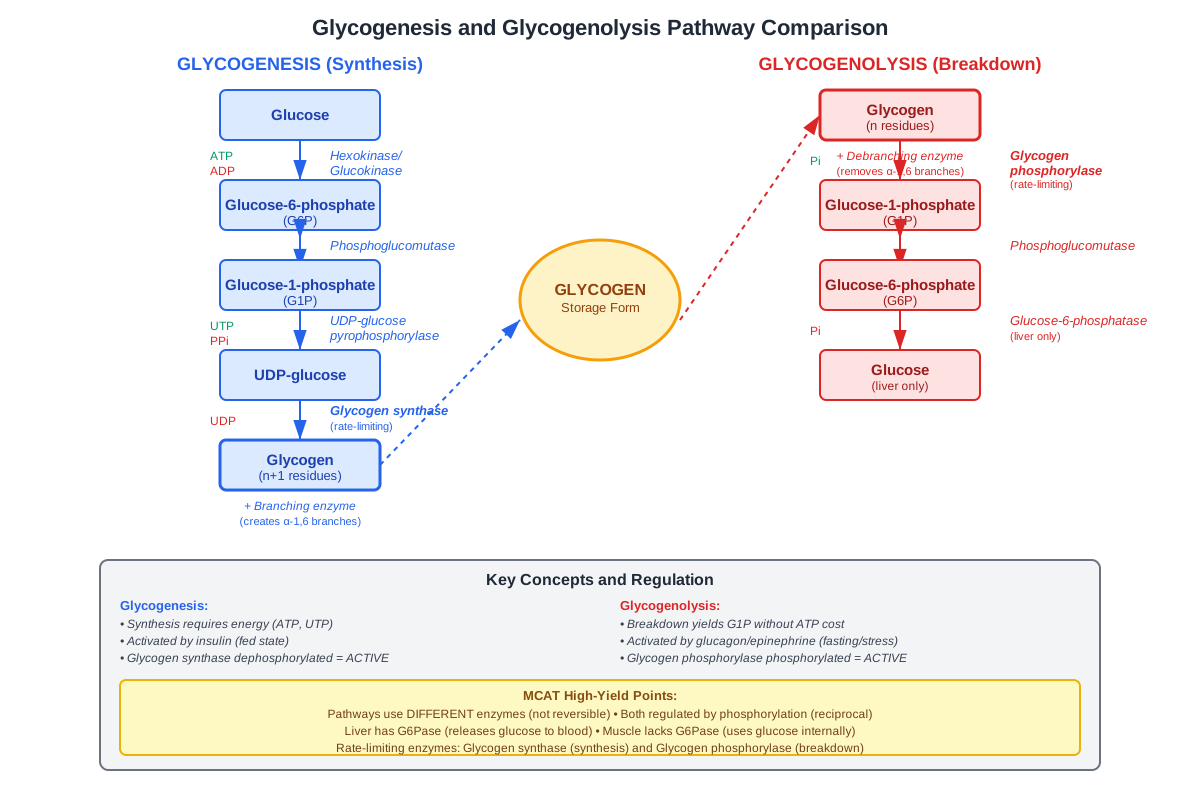
Glycogenesis is the metabolic pathway that converts glucose into glycogen for storage, occurring primarily in liver and muscle tissue during the fed state when blood glucose and insulin levels are elevated. The pathway requires four key enzymatic steps:
- Glucose phosphorylation: Hexokinase (muscle) or glucokinase (liver) phosphorylates glucose to glucose-6-phosphate (G6P), trapping it inside the cell
- Isomerization: Phosphoglucomutase converts G6P to glucose-1-phosphate (G1P)
- Activation: UDP-glucose pyrophosphorylase activates G1P by attaching it to UDP, forming UDP-glucose and releasing pyrophosphate (PPi)
- Polymerization: Glycogen synthase transfers glucose from UDP-glucose to the growing glycogen chain, forming α-1,4-glycosidic bonds
Branching enzyme (also called amylo-α-1,4→1,6-transglucosidase) creates branch points by transferring a block of approximately 7 glucose residues from a linear chain to form an α-1,6-glycosidic bond on the same or neighboring chain. Branching is essential for creating the multiple non-reducing ends that enable rapid glucose mobilization.
MCAT Exam Tip: Glycogen synthase can only extend existing chains; it cannot initiate new chains. This is why glycogenin is required as a primer. Questions may test whether you understand this limitation.
Glycogenolysis: Breakdown of Glycogen
Glycogenolysis is the pathway that breaks down glycogen to release glucose (liver) or glucose-6-phosphate (muscle), occurring during fasting, exercise, or stress when energy demands increase. The process involves three key enzymes:
Glycogen phosphorylase cleaves α-1,4-glycosidic bonds through phosphorolysis (not hydrolysis), releasing glucose-1-phosphate units from the non-reducing ends of glycogen chains. This enzyme can work on linear chains but stops approximately four glucose residues away from a branch point, creating a limit dextrin. Phosphorylase uses pyridoxal phosphate (vitamin B6) as a cofactor, making vitamin B6 deficiency potentially affect glycogen metabolism.
Debranching enzyme has two catalytic activities: (1) transferase activity that moves three glucose residues from the branch to a nearby chain, and (2) α-1,6-glucosidase activity that hydrolyzes the α-1,6-glycosidic bond at the branch point, releasing free glucose. This dual activity is necessary because glycogen phosphorylase cannot cleave branch points.
Phosphoglucomutase converts glucose-1-phosphate to glucose-6-phosphate, which has different fates depending on tissue type. In liver, glucose-6-phosphatase (located in the endoplasmic reticulum) hydrolyzes G6P to free glucose that can be released into the bloodstream to maintain blood glucose levels. Muscle lacks glucose-6-phosphatase, so muscle glycogen breakdown produces G6P that enters glycolysis for local ATP production rather than contributing to blood glucose.
Hormonal and Allosteric Regulation
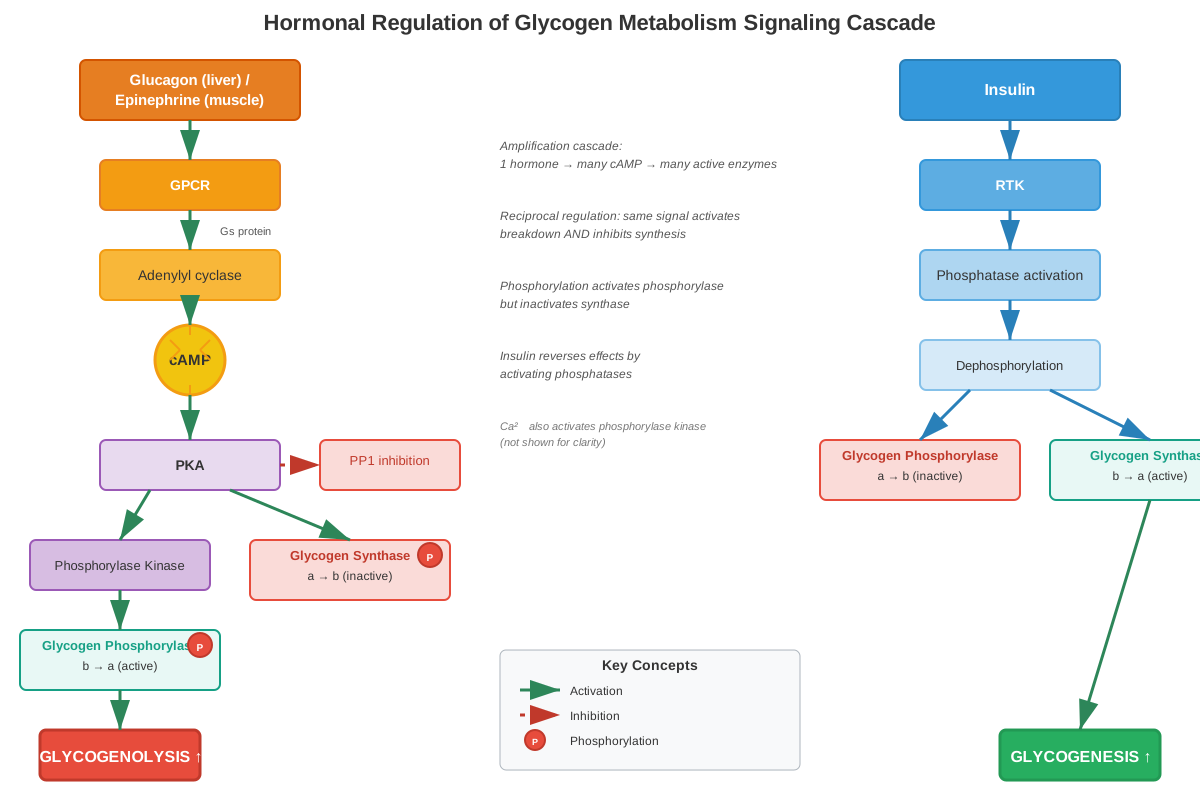
Glycogen metabolism is reciprocally regulated, meaning that when synthesis is active, breakdown is inhibited, and vice versa. This regulation occurs through both covalent modification (phosphorylation) and allosteric regulation:
| Hormone | Tissue | Effect on Glycogen Synthase | Effect on Glycogen Phosphorylase | Mechanism |
|---|---|---|---|---|
| Insulin | Liver, Muscle | Activates (dephosphorylation) | Inactivates (dephosphorylation) | Activates protein phosphatase 1 |
| Glucagon | Liver | Inactivates (phosphorylation) | Activates (phosphorylation) | cAMP → PKA cascade |
| Epinephrine | Liver, Muscle | Inactivates (phosphorylation) | Activates (phosphorylation) | cAMP → PKA cascade (β-receptors) or Ca²⁺ → phosphorylase kinase (α-receptors) |
Glycogen synthase exists in two forms: glycogen synthase a (active, dephosphorylated) and glycogen synthase b (inactive, phosphorylated). Multiple kinases can phosphorylate and inactivate glycogen synthase, including protein kinase A (PKA), phosphorylase kinase, and glycogen synthase kinase-3 (GSK-3). Insulin signaling activates protein phosphatase 1, which dephosphorylates and activates glycogen synthase.
Glycogen phosphorylase also exists in two forms: phosphorylase a (active, phosphorylated) and phosphorylase b (inactive, dephosphorylated). Phosphorylase kinase phosphorylates and activates glycogen phosphorylase. Importantly, phosphorylase b can be allosterically activated by AMP (indicating low energy status) in muscle tissue, providing a rapid response to energy demands independent of hormonal signaling.
Amplification Cascade
The hormonal regulation of glycogen metabolism exemplifies signal amplification, where a small hormonal signal produces a large metabolic response. When glucagon or epinephrine binds to cell surface receptors, the cascade proceeds:
- Hormone-receptor binding activates G-protein
- G-protein activates adenylyl cyclase
- Adenylyl cyclase produces many cAMP molecules from ATP
- cAMP activates protein kinase A (PKA)
- PKA phosphorylates phosphorylase kinase
- Phosphorylase kinase phosphorylates glycogen phosphorylase
- Active glycogen phosphorylase releases many glucose-1-phosphate molecules
Each step amplifies the signal, so one hormone molecule ultimately leads to the release of thousands of glucose molecules. This amplification is a high-yield concept for the MCAT, as it demonstrates how cells achieve rapid, large-scale metabolic responses to hormonal signals.
Tissue-Specific Differences
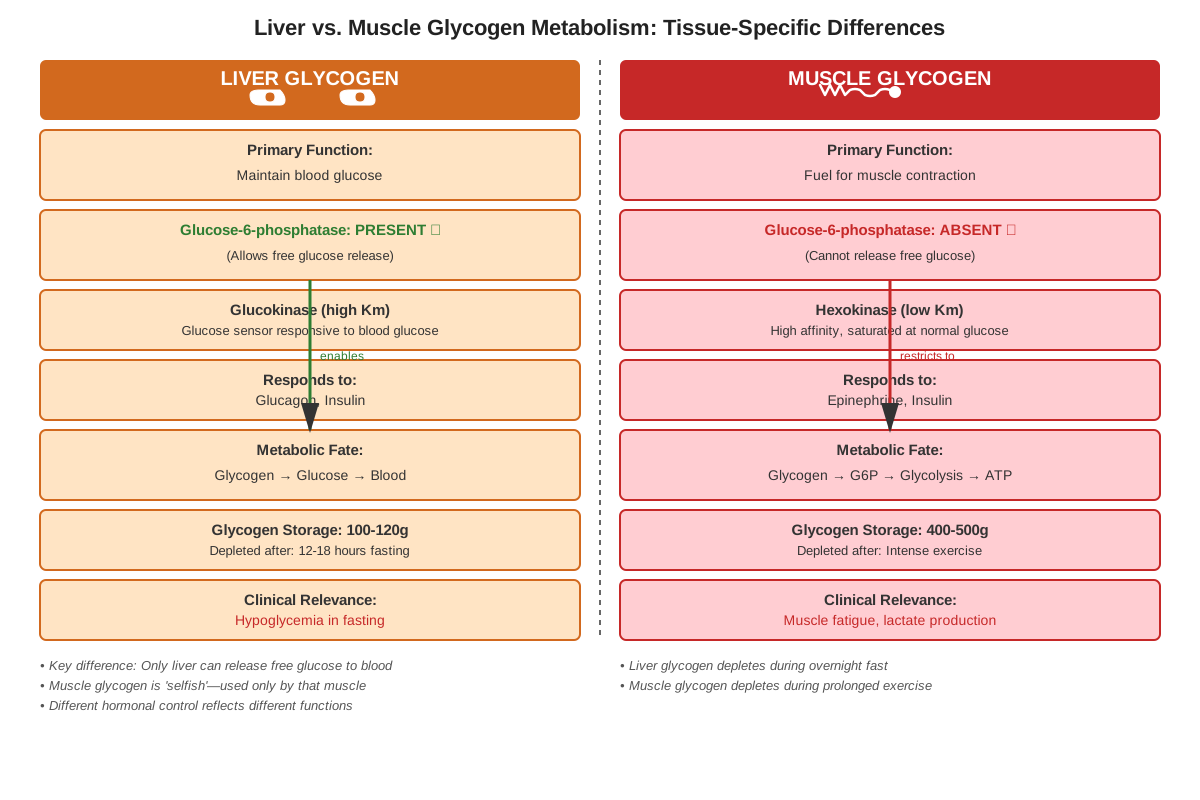
Liver and muscle glycogen serve different physiological purposes, reflected in their regulatory differences:
Liver glycogen functions to maintain blood glucose homeostasis, providing glucose for the entire body during fasting. Liver cells contain glucose-6-phosphatase, enabling them to release free glucose into the bloodstream. Liver glycogen phosphorylase is primarily regulated by glucagon and epinephrine through the cAMP-PKA pathway. The liver can store approximately 100-120 grams of glycogen, representing about 8% of liver mass.
Muscle glycogen serves as a local energy reserve for muscle contraction during exercise. Muscle lacks glucose-6-phosphatase, so glucose-6-phosphate from glycogen breakdown must enter glycolysis for local ATP production. Muscle glycogen phosphorylase responds to epinephrine (during stress) and is allosterically activated by AMP and Ca²⁺ (released during muscle contraction), providing immediate energy without waiting for hormonal signals. Muscle stores approximately 400-500 grams of glycogen total, but this cannot contribute directly to blood glucose.
Concept Relationships
Glycogen metabolism sits at the intersection of multiple metabolic pathways and regulatory systems. Glycogenesis connects directly to glycolysis because glucose-6-phosphate is the branch point between these pathways—when energy is abundant, G6P is directed toward glycogen synthesis rather than glycolytic breakdown. Conversely, glycogenolysis feeds into glycolysis by producing glucose-6-phosphate that can immediately enter the glycolytic pathway for ATP production.
The relationship between glycogen metabolism and gluconeogenesis is reciprocal and tissue-specific. In liver, both pathways are regulated by the same hormonal signals but in opposite directions: glucagon and epinephrine stimulate both glycogenolysis and gluconeogenesis while inhibiting glycogenesis, ensuring maximal glucose output during fasting. The enzyme glucose-6-phosphatase is the final step in both glycogenolysis (in liver) and gluconeogenesis, representing the convergence of these glucose-producing pathways.
Hormonal regulation connects glycogen metabolism to signal transduction pathways, particularly the cAMP-PKA cascade and insulin signaling through PI3K-Akt. These connections are frequently tested on the MCAT in passages that trace a hormonal signal from receptor binding through metabolic outcome. Understanding that insulin activates protein phosphatase 1 (which dephosphorylates enzymes) while glucagon/epinephrine activate PKA (which phosphorylates enzymes) provides a framework for predicting metabolic states.
The concept map flows: Glucose homeostasis → requires → Glycogen storage and mobilization → controlled by → Hormonal signals (insulin, glucagon, epinephrine) → acting through → Signal transduction cascades → resulting in → Enzyme phosphorylation/dephosphorylation → determining → Metabolic flux between glycogenesis and glycogenolysis → ultimately affecting → Blood glucose levels and Cellular ATP production.
Quick check — test yourself on Glycogen so far.
Try Flashcards →High-Yield Facts
⭐ Glycogen contains α-1,4-glycosidic bonds in linear chains and α-1,6-glycosidic bonds at branch points occurring every 8-12 glucose residues
⭐ Glycogen synthase requires a primer (glycogenin) and can only extend existing chains, not initiate new ones
⭐ Glycogen phosphorylase uses phosphorolysis (not hydrolysis) to cleave α-1,4-bonds, producing glucose-1-phosphate
⭐ Liver has glucose-6-phosphatase and can release free glucose; muscle lacks this enzyme and cannot contribute directly to blood glucose
⭐ Insulin activates glycogen synthase and inhibits glycogen phosphorylase through dephosphorylation via protein phosphatase 1
- Glucagon and epinephrine activate glycogen phosphorylase and inhibit glycogen synthase through phosphorylation via the cAMP-PKA pathway
- Debranching enzyme has both transferase and α-1,6-glucosidase activities to remove branch points
- Muscle glycogen phosphorylase is allosterically activated by AMP and Ca²⁺, providing rapid response to energy demands
- Glycogen storage diseases result from defects in enzymes of glycogen metabolism, with Von Gierke disease (glucose-6-phosphatase deficiency) and McArdle disease (muscle phosphorylase deficiency) being most commonly tested
- The branched structure of glycogen creates multiple non-reducing ends, enabling rapid simultaneous glucose release from many sites
- Phosphorylase kinase is activated by both phosphorylation (via PKA) and Ca²⁺ binding, integrating hormonal and neural signals
- UDP-glucose is the activated form of glucose used in glycogen synthesis, with the high-energy bond providing energy for polymerization
Common Misconceptions
Misconception: Glycogen phosphorylase uses hydrolysis to break glycosidic bonds, producing free glucose.
Correction: Glycogen phosphorylase uses phosphorolysis, incorporating inorganic phosphate to cleave α-1,4-glycosidic bonds and produce glucose-1-phosphate, not free glucose. This is energetically favorable because the phosphate ester bond is preserved, and only one ATP equivalent is needed to convert glucose-1-phosphate to glucose-6-phosphate (via phosphoglucomutase) compared to two ATP equivalents if free glucose were produced and then phosphorylated by hexokinase.
Misconception: Muscle glycogen can be broken down to provide glucose for the brain during hypoglycemia.
Correction: Muscle lacks glucose-6-phosphatase, so it cannot produce free glucose from glycogen. Muscle glycogen breakdown produces glucose-6-phosphate that must enter glycolysis for local ATP production. Only liver glycogen can be broken down to free glucose that enters the bloodstream to support brain metabolism and maintain blood glucose levels.
Misconception: Glycogen synthase and glycogen phosphorylase are both active when phosphorylated.
Correction: These enzymes are reciprocally regulated—glycogen synthase is active when dephosphorylated (synthase a) and inactive when phosphorylated (synthase b), while glycogen phosphorylase is active when phosphorylated (phosphorylase a) and inactive when dephosphorylated (phosphorylase b). This reciprocal regulation ensures that synthesis and breakdown do not occur simultaneously, which would be a futile cycle.
Misconception: Branching enzyme creates branches by breaking existing glycosidic bonds and forming new ones at different positions.
Correction: Branching enzyme transfers an oligosaccharide block (approximately 7 glucose residues) from a linear chain and attaches it via an α-1,6-glycosidic bond to create a branch point. It does break an α-1,4-bond to remove the block but then forms a new α-1,6-bond, not another α-1,4-bond. This creates the branch point structure essential for glycogen's function.
Misconception: Insulin directly inhibits glycogen breakdown by binding to glycogen phosphorylase.
Correction: Insulin does not directly bind to glycogen phosphorylase. Instead, insulin signaling activates protein phosphatase 1, which dephosphorylates glycogen phosphorylase (converting it from active phosphorylase a to inactive phosphorylase b) and simultaneously dephosphorylates glycogen synthase (converting it from inactive synthase b to active synthase a). This is an indirect regulatory mechanism through enzyme modification.
Misconception: Glycogen and starch have identical structures since both are glucose polymers.
Correction: While both are glucose polymers with α-1,4-glycosidic bonds, glycogen is much more highly branched (branches every 8-12 residues) than amylopectin (branches every 24-30 residues), and starch also contains unbranched amylose. Glycogen's extensive branching makes it more compact and allows for more rapid glucose mobilization than starch, reflecting the different metabolic demands of animals versus plants.
Worked Examples
Example 1: Hormonal Regulation During Exercise
Clinical Vignette: A researcher measures glycogen content in muscle and liver tissue of rats before and after 60 minutes of treadmill running. Blood samples show elevated epinephrine and decreased insulin levels. Which enzymes would be in their active forms in muscle tissue during exercise, and what would be the phosphorylation state of glycogen synthase?
Step 1 - Identify the metabolic state: Exercise creates high energy demand, triggering epinephrine release and insulin suppression. This signals the body to mobilize stored energy, including glycogen breakdown.
Step 2 - Determine hormonal effects: Epinephrine binds to β-adrenergic receptors on muscle cells, activating the cAMP-PKA cascade. PKA phosphorylates multiple target enzymes. Low insulin means protein phosphatase 1 is not activated, so phosphorylated enzymes remain phosphorylated.
Step 3 - Analyze enzyme states:
- Glycogen phosphorylase: PKA activates phosphorylase kinase, which phosphorylates glycogen phosphorylase to its active form (phosphorylase a). Additionally, muscle contraction releases Ca²⁺, which can activate phosphorylase kinase directly and AMP levels rise during exercise, allosterically activating even the dephosphorylated form (phosphorylase b). Therefore, glycogen phosphorylase is maximally active.
- Glycogen synthase: PKA phosphorylates glycogen synthase, converting it to the inactive b form. With low insulin, protein phosphatase 1 is not activated, so synthase remains phosphorylated and inactive.
Step 4 - Predict outcomes: Active glycogen phosphorylase breaks down muscle glycogen to glucose-1-phosphate, which is converted to glucose-6-phosphate and enters glycolysis to produce ATP for muscle contraction. Inactive glycogen synthase prevents futile cycling where glycogen would be simultaneously synthesized and broken down.
Answer: In muscle during exercise, glycogen phosphorylase would be in its active, phosphorylated form (phosphorylase a), while glycogen synthase would be in its inactive, phosphorylated form (synthase b). This reciprocal regulation ensures efficient glycogen breakdown without simultaneous synthesis.
MCAT Connection: This example integrates hormonal signaling, enzyme regulation through covalent modification, and tissue-specific metabolism—all high-yield topics that frequently appear together in MCAT passages.
Example 2: Glycogen Storage Disease Analysis
Experimental Passage: A 3-year-old patient presents with hepatomegaly (enlarged liver), hypoglycemia between meals, and elevated blood lactate. Liver biopsy shows excessive glycogen accumulation with normal structure. Genetic testing reveals a mutation in the glucose-6-phosphatase gene. Explain the biochemical basis for each clinical finding.
Step 1 - Identify the enzyme defect: Glucose-6-phosphatase catalyzes the final step in both glycogenolysis and gluconeogenesis in the liver, converting glucose-6-phosphate to free glucose. This enzyme is located in the endoplasmic reticulum and is essential for the liver to release glucose into the bloodstream.
Step 2 - Explain hepatomegaly: Without functional glucose-6-phosphatase, the liver can break down glycogen to glucose-6-phosphate but cannot convert it to free glucose for release. Glucose-6-phosphate accumulates and is redirected back into glycogen synthesis, creating a cycle where glycogen accumulates excessively. The liver enlarges due to massive glycogen storage, even though the glycogen structure is normal (ruling out defects in branching or debranching enzymes).
Step 3 - Explain hypoglycemia: The liver cannot release free glucose into the bloodstream because the final step (G6P → glucose) is blocked. Between meals, when glycogenolysis and gluconeogenesis normally maintain blood glucose, this patient cannot mobilize liver glycogen stores effectively. Blood glucose drops, causing hypoglycemia. This is why the condition is called Von Gierke disease (GSD Type I) and is one of the most severe glycogen storage diseases.
Step 4 - Explain elevated lactate: Accumulated glucose-6-phosphate in the liver is shunted into glycolysis, producing pyruvate and then lactate. The liver releases this lactate into the bloodstream, causing lactic acidosis. Additionally, the hypoglycemia triggers compensatory mechanisms that increase glycolysis in other tissues, further elevating blood lactate.
Step 5 - Consider treatment implications: Patients with Von Gierke disease require frequent feeding (including nighttime) to maintain blood glucose, and they may need cornstarch supplementation (which provides slow glucose release) to prevent hypoglycemia. They must avoid fructose and galactose, which are converted to glucose-6-phosphate and worsen the metabolic block.
Answer: The glucose-6-phosphatase deficiency prevents the liver from releasing free glucose, causing glycogen accumulation (hepatomegaly), inability to maintain blood glucose between meals (hypoglycemia), and shunting of G6P into glycolysis (elevated lactate). This is Von Gierke disease (GSD Type I).
MCAT Connection: Glycogen storage diseases are high-yield for the MCAT because they test understanding of normal metabolic pathways by presenting scenarios where specific steps are blocked. Questions often ask students to predict clinical consequences of enzyme deficiencies.
Exam Strategy
When approaching MCAT questions on glycogen metabolism, first identify the metabolic state being described: fed vs. fasted, resting vs. exercising, or presence of specific hormones. This immediately tells you which enzymes should be active or inactive. Look for trigger words like "after a meal" (insulin dominant, glycogenesis active), "during fasting" (glucagon dominant, glycogenolysis active), or "during exercise" (epinephrine, muscle glycogen breakdown).
For questions about enzyme regulation, remember the reciprocal relationship: when one pathway is active, the opposing pathway is inactive. If a question states that glycogen synthase is active, you can immediately conclude that glycogen phosphorylase is inactive, and vice versa. Pay attention to phosphorylation state—phosphorylation activates phosphorylase but inactivates synthase.
Process-of-elimination strategies for glycogen questions:
- Eliminate answer choices that suggest muscle glycogen directly contributes to blood glucose (muscle lacks glucose-6-phosphatase)
- Eliminate choices that confuse the products of phosphorylase (glucose-1-phosphate, not free glucose)
- Eliminate choices that suggest glycogen synthase can initiate new chains without a primer
- Eliminate choices that place glucose-6-phosphatase in muscle tissue
For passage-based questions, quickly scan for information about tissue type (liver vs. muscle), hormonal conditions, and whether the question asks about synthesis or breakdown. Draw a quick diagram if needed showing the enzyme cascade from hormone → receptor → second messenger → kinase → target enzyme → metabolic outcome. This visual representation helps track multi-step regulatory cascades.
Time allocation: Discrete glycogen questions should take 60-90 seconds—they typically test straightforward knowledge of structure, enzyme function, or regulation. Passage-based questions may take 90-120 seconds because they require integrating information from the passage with your background knowledge. Don't spend excessive time on glycogen storage disease questions trying to remember every disease; focus on understanding the biochemical logic of what happens when specific enzymes are deficient.
Memory Techniques
Mnemonic for glycogen synthesis steps: "Girls Prefer Unique Gifts"
- Glucose → Glucose-6-phosphate (hexokinase/glucokinase)
- Phospho-glucomutase → Glucose-1-phosphate
- UDP-glucose pyrophosphorylase → UDP-glucose
- Glycogen synthase → Glycogen
Mnemonic for phosphorylation effects: "Synthase Sleeps when phoSphorylated; Phosphorylase is Perky when Phosphorylated"
- Glycogen Synthase is inactive when phosphorylated
- Glycogen Phosphorylase is active when phosphorylated
Visualization for branching structure: Picture glycogen as a tree with many branches—the trunk is the core (glycogenin), the branches represent α-1,6-linkages, and the leaves at the end of each branch are the non-reducing ends where enzymes work. More branches = more leaves = more sites for simultaneous enzyme action = faster glucose mobilization.
Acronym for hormones that activate glycogenolysis: "GEE, I need glucose!"
- Glucagon (liver)
- Epinephrine (liver and muscle)
- Exercise signals (Ca²⁺, AMP in muscle)
Memory aid for tissue differences: "Liver is Liberal with glucose (has G6Pase, shares with blood); Muscle is Miser with glucose (no G6Pase, keeps for itself)"
Summary
Glycogen is the branched polysaccharide storage form of glucose in animals, composed of glucose units linked by α-1,4-glycosidic bonds in linear chains and α-1,6-glycosidic bonds at branch points. The highly branched structure enables rapid glucose mobilization through simultaneous enzyme action at multiple non-reducing ends. Glycogenesis (synthesis) requires glycogenin as a primer, UDP-glucose as the activated glucose donor, glycogen synthase to extend chains, and branching enzyme to create branch points. Glycogenolysis (breakdown) involves glycogen phosphorylase cleaving α-1,4-bonds through phosphorolysis, debranching enzyme removing branch points, and phosphoglucomutase converting glucose-1-phosphate to glucose-6-phosphate. Liver glycogen maintains blood glucose through glucose-6-phosphatase activity, while muscle glycogen provides local energy without contributing directly to blood glucose. Hormonal regulation is reciprocal: insulin activates synthesis and inhibits breakdown through dephosphorylation, while glucagon and epinephrine activate breakdown and inhibit synthesis through phosphorylation cascades. Understanding glycogen metabolism requires integrating enzyme regulation, signal transduction, tissue-specific differences, and clinical correlations with glycogen storage diseases.
Key Takeaways
- Glycogen's branched structure (α-1,4 and α-1,6 bonds) enables rapid, simultaneous glucose release from multiple non-reducing ends
- Glycogen synthase requires a primer (glycogenin) and is active when dephosphorylated; glycogen phosphorylase is active when phosphorylated—reciprocal regulation prevents futile cycling
- Liver glycogen maintains blood glucose (has glucose-6-phosphatase); muscle glycogen provides local ATP (lacks glucose-6-phosphatase)
- Insulin promotes glycogen storage through protein phosphatase 1 activation; glucagon and epinephrine promote glycogen breakdown through cAMP-PKA cascades
- Glycogen phosphorylase uses phosphorolysis to produce glucose-1-phosphate, not free glucose, making the process energetically efficient
- Debranching enzyme's dual activity (transferase and α-1,6-glucosidase) is essential for complete glycogen breakdown
- Glycogen storage diseases result from enzyme deficiencies, with Von Gierke disease (glucose-6-phosphatase deficiency) being the most clinically severe and commonly tested
Related Topics
Glycolysis and Gluconeogenesis: Glycogen metabolism connects directly to these pathways through glucose-6-phosphate, the branch point between glucose storage, breakdown, and synthesis. Understanding how these pathways are coordinately regulated provides insight into whole-body glucose homeostasis.
Insulin and Glucagon Signaling: The hormonal regulation of glycogen metabolism exemplifies second messenger systems and signal transduction cascades. Mastering glycogen regulation provides a framework for understanding how hormones coordinate metabolism across tissues.
Pentose Phosphate Pathway: Glucose-6-phosphate from glycogen breakdown can enter the pentose phosphate pathway instead of glycolysis, connecting glycogen metabolism to NADPH production and nucleotide synthesis.
Cori Cycle and Metabolic Integration: During exercise, muscle produces lactate from glycogen-derived glucose, which travels to the liver for conversion back to glucose through gluconeogenesis. This cycle demonstrates inter-organ metabolic cooperation.
Enzyme Kinetics and Regulation: Glycogen metabolism enzymes exemplify allosteric regulation, covalent modification, and enzyme cascades—concepts that apply broadly across biochemistry and are frequently tested on the MCAT.
Practice CTA
Now that you've mastered the core concepts of glycogen metabolism, test your understanding with practice questions that simulate MCAT-style scenarios. Focus on questions that integrate hormonal regulation with metabolic outcomes, compare liver and muscle glycogen metabolism, and analyze glycogen storage disease presentations. Use flashcards to reinforce high-yield facts about enzyme regulation, phosphorylation states, and tissue-specific differences. Remember, glycogen metabolism frequently appears in passages alongside other metabolic pathways, so practice integrating this knowledge with glycolysis, gluconeogenesis, and hormonal signaling. Your thorough understanding of glycogen will serve as a foundation for mastering metabolic integration—one of the most heavily tested areas on the MCAT biochemistry section. Keep pushing forward; you're building the comprehensive knowledge base needed for test day success!
Sign up free to keep reading
Create a free AnvayaPrep account to finish this MCAT guide on Glycogen — plus flashcards and practice questions.