Overview
Insulin is a critical peptide hormone that serves as the body's primary anabolic signal, orchestrating the storage of nutrients following a meal. Produced by pancreatic beta cells in the islets of Langerhans, insulin regulates glucose homeostasis by promoting cellular uptake of glucose, amino acids, and fatty acids while simultaneously stimulating the synthesis of glycogen, proteins, and triglycerides. Understanding insulin biochemistry is fundamental to mastering metabolism on the MCAT, as this hormone represents the central switch between fed and fasted metabolic states.
For the MCAT, insulin appears frequently in both discrete questions and passage-based contexts, particularly in Biochemistry sections dealing with metabolic regulation, signal transduction, and disease states like diabetes mellitus. The exam tests not only the direct effects of insulin on target tissues but also its molecular mechanism of action, its relationship to counter-regulatory hormones like glucagon and cortisol, and its role in integrating whole-body metabolism. Questions often present clinical vignettes involving diabetic patients or experimental scenarios manipulating insulin signaling pathways, requiring students to predict metabolic consequences at the cellular and organismal levels.
The study of insulin MCAT content bridges multiple biochemical domains: carbohydrate metabolism (glycolysis, gluconeogenesis, glycogen metabolism), lipid metabolism (fatty acid synthesis and oxidation), protein metabolism, and cell signaling (receptor tyrosine kinases, second messenger systems). Insulin represents a unifying concept that integrates these seemingly disparate pathways into a coherent understanding of how the body coordinates nutrient storage and utilization. Mastery of insulin's mechanisms and effects provides the foundation for understanding metabolic diseases, pharmacological interventions, and the hormonal regulation that maintains metabolic homeostasis.
Learning Objectives
- [ ] Define Insulin using accurate Biochemistry terminology
- [ ] Explain why Insulin matters for the MCAT
- [ ] Apply Insulin to exam-style questions
- [ ] Identify common mistakes related to Insulin
- [ ] Connect Insulin to related Biochemistry concepts
- [ ] Describe the molecular mechanism of insulin receptor signaling and downstream effector pathways
- [ ] Compare and contrast the metabolic effects of insulin in liver, muscle, and adipose tissue
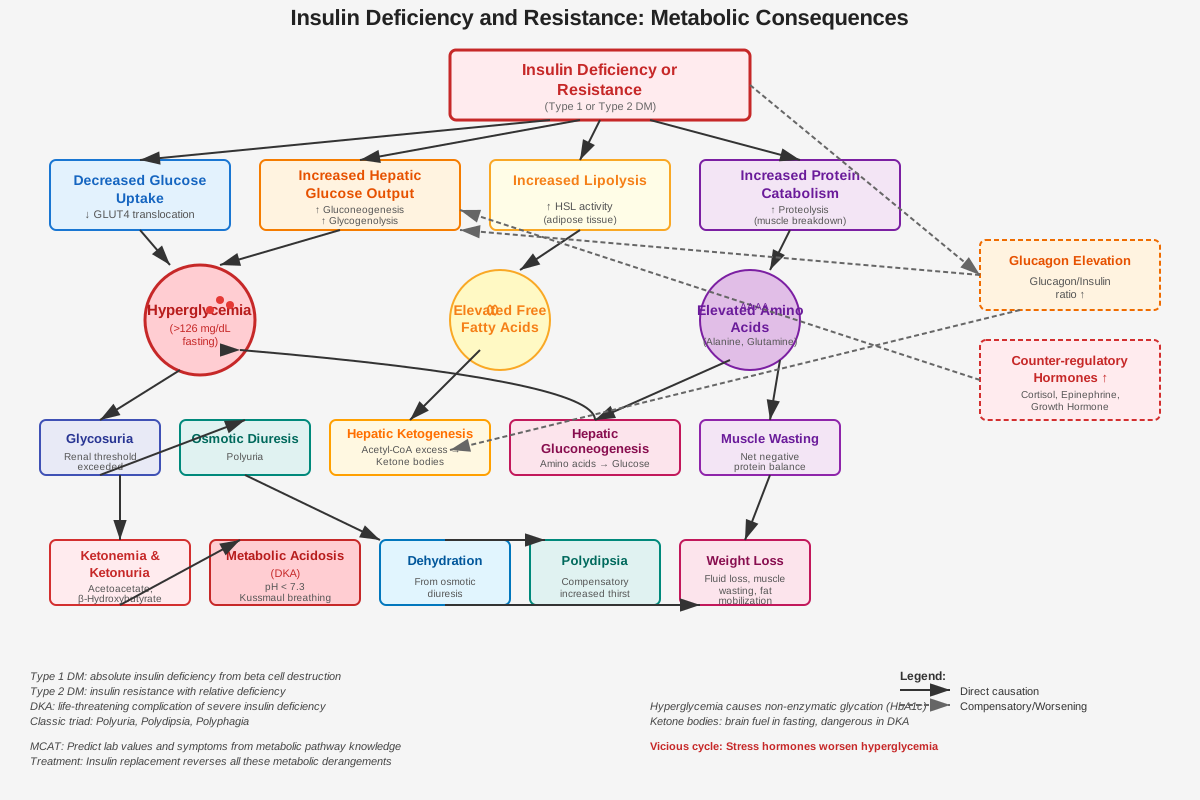
- [ ] Predict the metabolic consequences of insulin deficiency or resistance at the pathway level
Prerequisites
- Protein structure and function: Insulin is a peptide hormone requiring understanding of primary through quaternary structure, disulfide bonds, and post-translational modifications
- Enzyme regulation: Insulin exerts effects through phosphorylation cascades and allosteric regulation of key metabolic enzymes
- Carbohydrate metabolism pathways: Glycolysis, gluconeogenesis, glycogen synthesis and breakdown form the foundation for understanding insulin's glucose-regulating effects
- Lipid metabolism basics: Fatty acid synthesis and beta-oxidation are directly regulated by insulin signaling
- Cell signaling fundamentals: Receptor tyrosine kinases and signal transduction cascades are essential to understanding insulin's mechanism of action
- Basic endocrinology: Hormonal regulation principles and feedback mechanisms provide context for insulin's physiological role
Why This Topic Matters
Clinical Significance
Insulin dysfunction underlies some of the most prevalent diseases in modern medicine. Type 1 diabetes mellitus results from autoimmune destruction of insulin-producing beta cells, while Type 2 diabetes involves insulin resistance and eventual beta cell exhaustion. These conditions affect hundreds of millions of people worldwide and represent major causes of morbidity through complications including cardiovascular disease, nephropathy, retinopathy, and neuropathy. Understanding insulin's normal function is essential for comprehending these pathological states, which frequently appear in MCAT passages as clinical contexts for testing metabolic knowledge.
Beyond diabetes, insulin resistance plays a central role in metabolic syndrome, polycystic ovary syndrome (PCOS), and non-alcoholic fatty liver disease (NAFLD). The hormone's anabolic effects make it relevant to understanding growth, development, and body composition. Clinically, insulin is used therapeutically in various formulations (rapid-acting, long-acting, intermediate) to manage diabetes, and many oral medications target insulin signaling pathways or insulin secretion.
MCAT Exam Relevance
Insulin appears in approximately 15-20% of metabolism-focused passages on the MCAT Biochemistry section. Questions typically fall into several categories: (1) mechanism-based questions testing understanding of insulin receptor signaling and downstream effects, (2) comparative questions contrasting fed versus fasted states or insulin versus glucagon effects, (3) experimental interpretation questions presenting data from insulin manipulation studies, and (4) clinical vignettes requiring application of insulin physiology to disease states.
The topic commonly appears in passages discussing diabetes research, metabolic studies using insulin clamps, genetic mutations affecting insulin signaling, or pharmaceutical development of insulin analogs. Discrete questions often test the direct effects of insulin on specific pathways (activating glycogen synthase, inhibiting hormone-sensitive lipase) or require students to predict metabolic consequences of insulin deficiency. The integration of insulin with other hormonal signals (glucagon, epinephrine, cortisol) is particularly high-yield for comparative questions.
Core Concepts
Insulin Structure and Synthesis
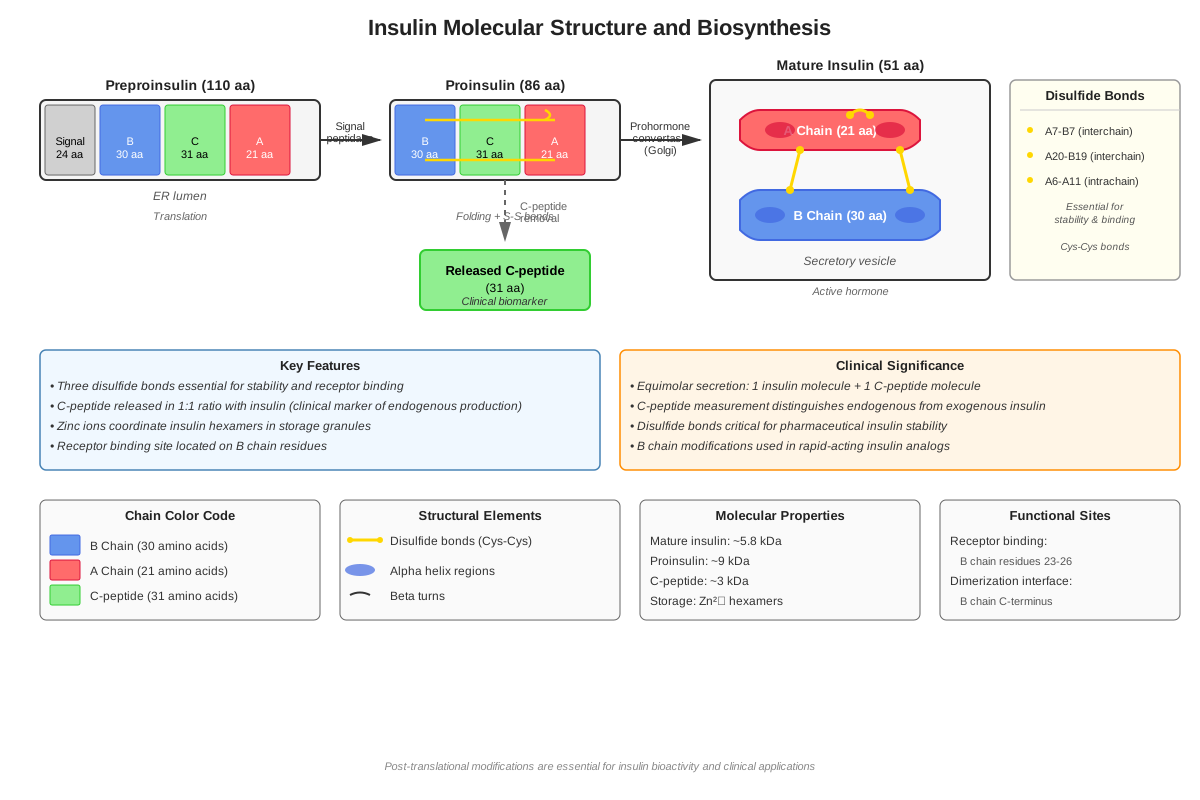
Insulin is a 51-amino acid peptide hormone consisting of two polypeptide chains (A chain with 21 residues, B chain with 30 residues) connected by two disulfide bonds, with an additional intrachain disulfide bond in the A chain. The hormone is initially synthesized as preproinsulin in pancreatic beta cells, containing a signal sequence that directs it to the endoplasmic reticulum. Following signal sequence cleavage, proinsulin forms, consisting of the B chain, C-peptide, and A chain in a single polypeptide. Within the Golgi apparatus, prohormone convertases cleave out the C-peptide, leaving mature insulin with its characteristic two-chain structure held together by disulfide bonds.
The C-peptide, though biologically inactive regarding glucose regulation, serves as a clinical marker for endogenous insulin production since it is secreted in equimolar amounts with insulin. This becomes diagnostically important in distinguishing Type 1 diabetes (low C-peptide) from Type 2 diabetes (normal or elevated C-peptide) and in detecting surreptitious insulin administration. Insulin is stored in secretory granules within beta cells and released via exocytosis in response to elevated blood glucose and other secretagogues.
Insulin Secretion and Regulation
Pancreatic beta cells function as glucose sensors, with insulin secretion tightly coupled to blood glucose concentration. When blood glucose rises above approximately 5 mM (90 mg/dL), glucose enters beta cells through GLUT2 transporters (high Km, not insulin-dependent), ensuring that glucose uptake reflects blood glucose concentration. Intracellular glucose undergoes glycolysis and oxidative phosphorylation, increasing the ATP/ADP ratio. This elevated ATP/ADP ratio closes ATP-sensitive potassium channels (K-ATP channels) in the beta cell membrane, causing membrane depolarization. Depolarization opens voltage-gated calcium channels, and the resulting calcium influx triggers exocytosis of insulin-containing secretory granules.
This glucose-stimulated insulin secretion (GSIS) exhibits a biphasic pattern: an immediate first phase lasting 5-10 minutes releases pre-formed insulin, followed by a sustained second phase involving both release of stored insulin and new insulin synthesis. Several factors potentiate insulin secretion beyond glucose alone:
- Amino acids (particularly arginine and leucine) stimulate insulin release, coordinating protein synthesis with amino acid availability
- Incretins (GLP-1 and GIP) are gut hormones released during meals that amplify glucose-stimulated insulin secretion
- Parasympathetic stimulation (acetylcholine) enhances insulin release in anticipation of meals
- Fatty acids can acutely potentiate insulin secretion, though chronic elevation causes beta cell dysfunction
Conversely, sympathetic stimulation (epinephrine acting on alpha-2 receptors) and somatostatin inhibit insulin secretion, preventing hypoglycemia during stress or fasting.
Insulin Receptor and Signal Transduction
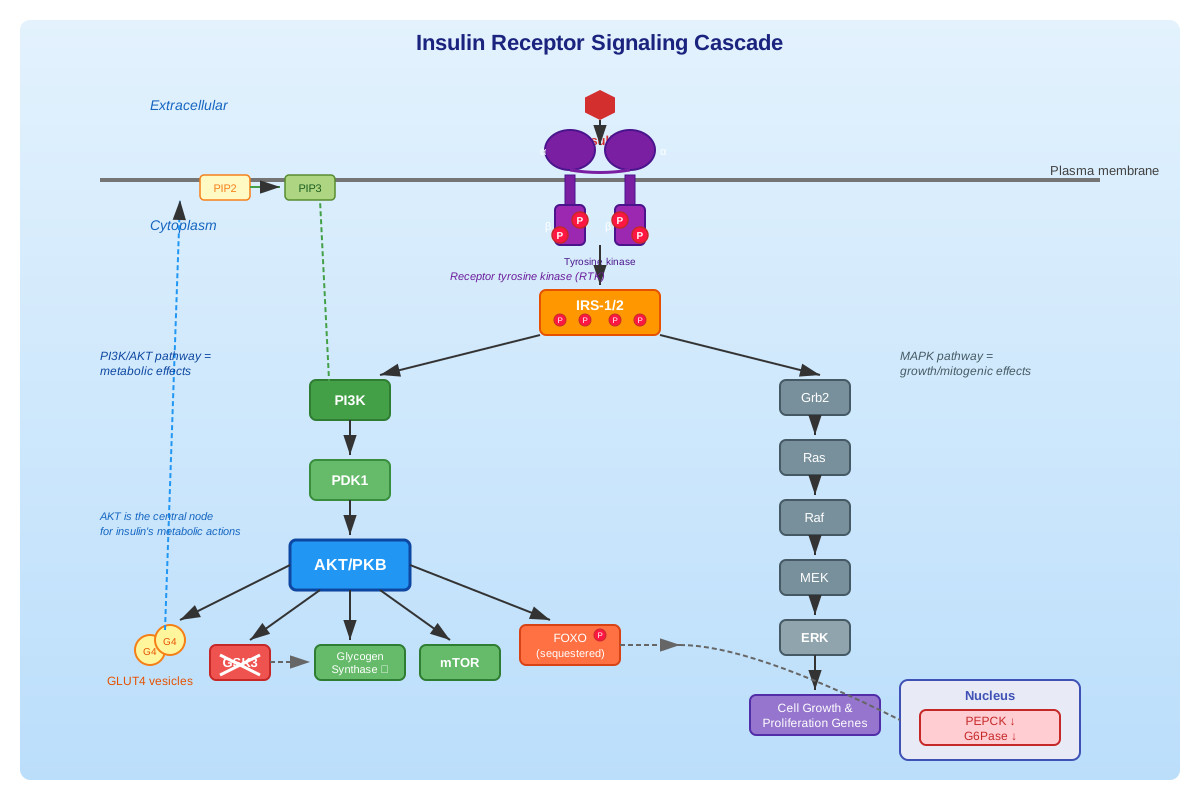
The insulin receptor is a receptor tyrosine kinase (RTK) existing as a disulfide-linked dimer of two alpha-beta heterodimers, forming an alpha-2-beta-2 structure. The extracellular alpha subunits contain the insulin binding sites, while the transmembrane beta subunits possess intrinsic tyrosine kinase activity on their cytoplasmic domains. Insulin binding induces a conformational change that activates the receptor's kinase activity, leading to autophosphorylation of multiple tyrosine residues on the beta subunits.
These phosphorylated tyrosines serve as docking sites for insulin receptor substrate (IRS) proteins, particularly IRS-1 and IRS-2. Once recruited and phosphorylated by the insulin receptor, IRS proteins activate two major downstream pathways:
- PI3K-AKT pathway (metabolic effects): Phosphorylated IRS proteins recruit and activate phosphatidylinositol 3-kinase (PI3K), which phosphorylates PIP2 to generate PIP3. PIP3 recruits PDK1 and AKT (also called protein kinase B) to the membrane, where PDK1 phosphorylates and activates AKT. Activated AKT mediates most of insulin's metabolic effects through multiple mechanisms:
- Promotes GLUT4 translocation to the plasma membrane in muscle and adipose tissue
- Phosphorylates and inactivates GSK-3, relieving its inhibition of glycogen synthase
- Phosphorylates and inactivates FoxO transcription factors, reducing gluconeogenic gene expression
- Activates mTOR, promoting protein synthesis
- Activates phosphodiesterase, reducing cAMP levels and opposing glucagon signaling
- RAS-MAPK pathway (growth and proliferation): IRS proteins can also activate the RAS-RAF-MEK-ERK cascade, mediating insulin's mitogenic effects and contributing to cell growth and gene expression changes.
Metabolic Effects in Target Tissues
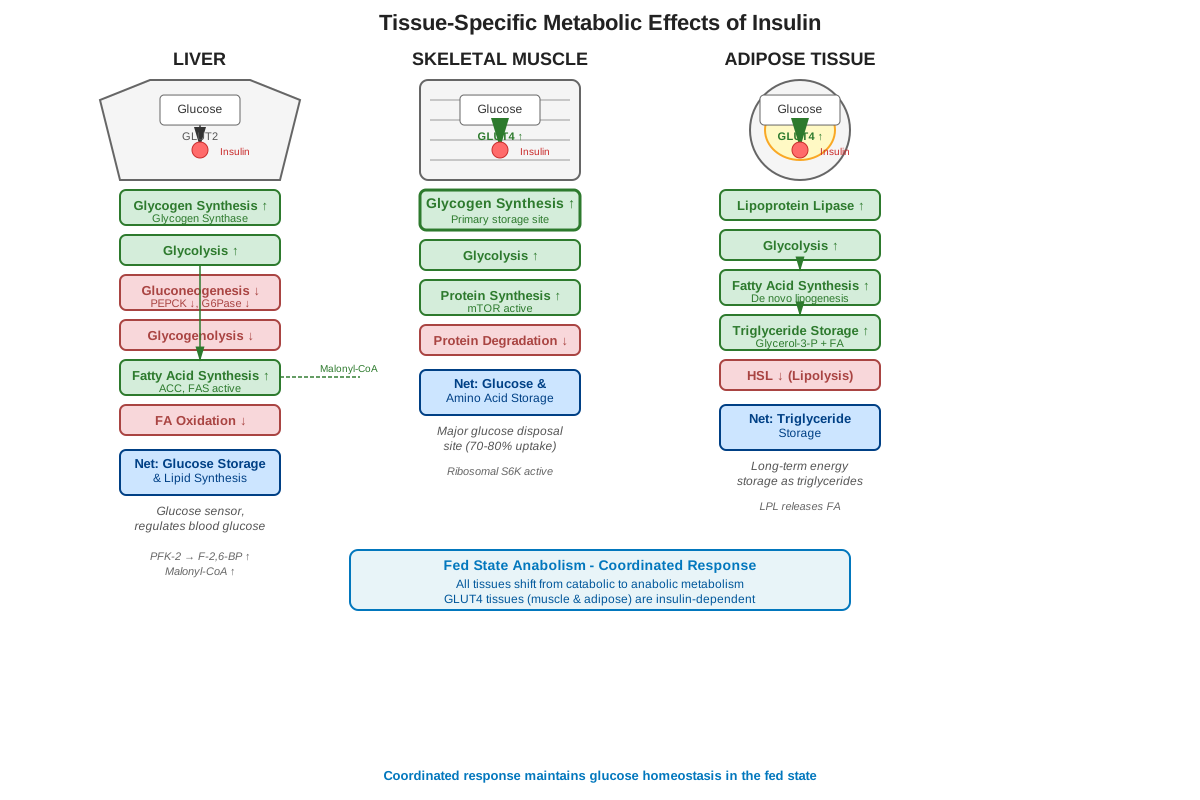
Insulin exerts tissue-specific effects that collectively promote nutrient storage and anabolism. Understanding these effects requires recognizing that insulin signals the fed state, directing the body to store excess nutrients for future use.
Liver
In hepatocytes, insulin promotes glucose uptake (though liver GLUT2 is not insulin-dependent, insulin increases glucokinase expression) and drives several key metabolic shifts:
| Pathway | Insulin Effect | Mechanism |
|---|---|---|
| Glycolysis | ↑ Activated | Induces glucokinase, PFK-2 (producing F-2,6-BP activator) |
| Gluconeogenesis | ↓ Inhibited | Suppresses PEPCK and G6Pase gene expression; inactivates FoxO |
| Glycogen synthesis | ↑ Activated | Activates glycogen synthase (via GSK-3 inhibition); induces glycogen synthase expression |
| Glycogenolysis | ↓ Inhibited | Inactivates glycogen phosphorylase (via phosphatase activation) |
| Fatty acid synthesis | ↑ Activated | Induces ACC and FAS; activates ACC via dephosphorylation |
| Fatty acid oxidation | ↓ Inhibited | Increases malonyl-CoA (ACC product), which inhibits CPT-1 |
| Ketogenesis | ↓ Inhibited | Reduces fatty acid delivery to liver; inhibits HMG-CoA synthase |
The net hepatic effect is glucose uptake and storage as glycogen, conversion of excess glucose to fatty acids for export as VLDL, and suppression of glucose production and ketone body formation.
Skeletal Muscle
Muscle represents the largest insulin-sensitive glucose sink in the body. Insulin's primary effects include:
- GLUT4 translocation: Insulin triggers movement of GLUT4-containing vesicles from intracellular compartments to the plasma membrane, increasing glucose uptake up to 20-fold
- Glycogen synthesis: Activated glycogen synthase stores glucose as muscle glycogen for local energy needs
- Protein synthesis: Insulin activates mTOR, promoting translation and muscle protein accretion while inhibiting protein degradation
- Glucose oxidation: Enhanced glycolysis provides ATP for muscle contraction and recovery
Notably, muscle lacks glucose-6-phosphatase, so glucose taken up by muscle cannot be released back into circulation—it serves only local metabolic needs.
Adipose Tissue
In adipocytes, insulin is the master regulator of fat storage:
- GLUT4 translocation: Like muscle, adipocytes increase glucose uptake via insulin-stimulated GLUT4 translocation
- Lipogenesis: Glucose is converted to glycerol-3-phosphate (for triglyceride backbone) and acetyl-CoA (for fatty acid synthesis via ACC and FAS)
- Lipoprotein lipase (LPL) activation: Insulin induces LPL expression, promoting hydrolysis of VLDL and chylomicron triglycerides to provide fatty acids for storage
- Hormone-sensitive lipase (HSL) inhibition: Insulin suppresses lipolysis by promoting HSL phosphorylation at inhibitory sites and reducing cAMP levels
- Adipokine secretion: Insulin influences secretion of leptin, adiponectin, and other signaling molecules
The combined effect is triglyceride accumulation in adipose tissue, with suppression of fat mobilization.
Integration with Counter-Regulatory Hormones
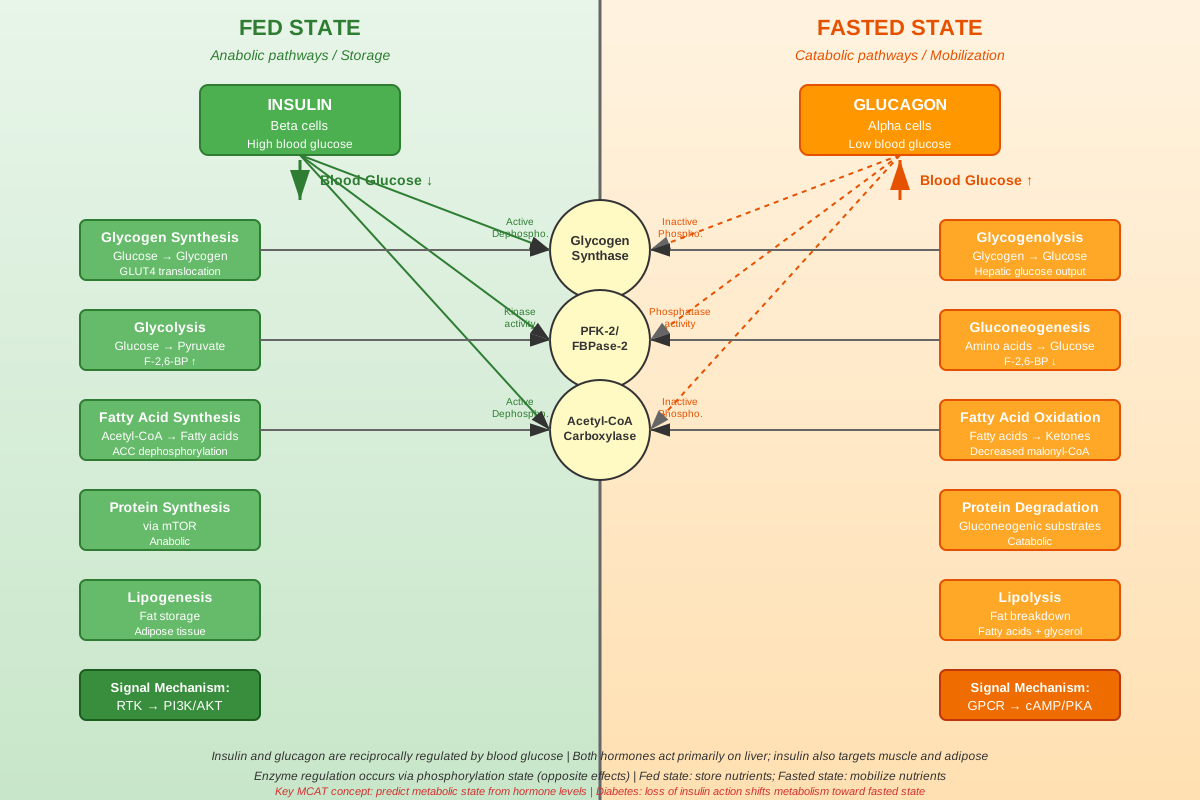
Insulin does not act in isolation but as part of a hormonal network regulating metabolism. Glucagon, secreted by pancreatic alpha cells during fasting, opposes virtually all of insulin's effects: it promotes hepatic glucose production (gluconeogenesis and glycogenolysis), stimulates lipolysis and ketogenesis, and inhibits glycogen and fatty acid synthesis. The insulin/glucagon ratio serves as the primary determinant of metabolic state—high ratios favor anabolism and storage (fed state), while low ratios favor catabolism and mobilization (fasted state).
Epinephrine (from adrenal medulla) and cortisol (from adrenal cortex) also counter insulin's effects during stress, fasting, or exercise. Epinephrine rapidly mobilizes glucose (via glycogenolysis) and fatty acids (via lipolysis), while cortisol promotes gluconeogenesis and insulin resistance over longer timeframes. Growth hormone exhibits both insulin-like effects (promoting protein synthesis) and anti-insulin effects (promoting lipolysis and insulin resistance). This hormonal interplay ensures metabolic flexibility and glucose homeostasis across diverse physiological states.
Insulin Resistance and Pathophysiology
Insulin resistance describes a state where normal insulin concentrations produce subnormal biological responses, requiring higher insulin levels to achieve the same metabolic effects. This condition underlies Type 2 diabetes and metabolic syndrome. Multiple mechanisms contribute to insulin resistance:
- Receptor downregulation: Chronic hyperinsulinemia reduces insulin receptor expression
- Post-receptor defects: Impaired IRS protein function, reduced PI3K activation, or defective AKT signaling
- Lipotoxicity: Accumulation of intracellular lipid metabolites (diacylglycerols, ceramides) interferes with insulin signaling
- Inflammation: Pro-inflammatory cytokines (TNF-α, IL-6) activate kinases (JNK, IKK) that phosphorylate IRS proteins at inhibitory serine residues
- ER stress: Accumulation of misfolded proteins activates stress pathways that impair insulin signaling
- Mitochondrial dysfunction: Reduced oxidative capacity leads to lipid accumulation and insulin resistance
Initially, pancreatic beta cells compensate by secreting more insulin, maintaining normal glucose levels despite insulin resistance (compensated insulin resistance). Eventually, beta cells fail to meet the increased demand, leading to hyperglycemia and overt Type 2 diabetes (decompensated insulin resistance). Understanding this progression is crucial for interpreting MCAT passages on diabetes pathophysiology and therapeutic interventions.
Concept Relationships
The concepts within insulin biology form an integrated network centered on the hormone's role as the primary anabolic signal. Insulin structure and synthesis → determines the hormone's stability, receptor binding affinity, and pharmacokinetic properties, which directly impact insulin secretion and regulation. The secretion mechanism, particularly glucose-stimulated insulin secretion via K-ATP channels, represents the critical link between nutrient sensing and hormonal response.
Insulin secretion → triggers insulin receptor signaling, where the hormone binds its receptor tyrosine kinase, initiating the PI3K-AKT and RAS-MAPK cascades. These signal transduction pathways → produce tissue-specific metabolic effects, with the PI3K-AKT pathway primarily mediating metabolic responses (GLUT4 translocation, enzyme regulation) and the RAS-MAPK pathway contributing to growth effects. The metabolic effects in target tissues (liver, muscle, adipose) collectively achieve the physiological goal of nutrient storage and glucose homeostasis.
These insulin effects exist in dynamic balance with counter-regulatory hormones (glucagon, epinephrine, cortisol), creating a bidirectional regulatory system that maintains metabolic flexibility. Disruption of this balance through insulin resistance → leads to compensatory hyperinsulinemia → eventually causing beta cell failure → resulting in diabetes mellitus. This pathophysiological progression connects normal insulin physiology to disease states frequently tested on the MCAT.
Insulin also connects to prerequisite knowledge: protein structure underlies insulin's disulfide-bonded two-chain structure; enzyme regulation explains how insulin modulates key metabolic enzymes through phosphorylation and gene expression; carbohydrate metabolism provides the pathways (glycolysis, gluconeogenesis, glycogen metabolism) that insulin regulates; lipid metabolism encompasses the fatty acid synthesis and oxidation processes under insulin control; and cell signaling fundamentals explain the receptor tyrosine kinase mechanism and downstream cascades.
Quick check — test yourself on Insulin so far.
Try Flashcards →High-Yield Facts
⭐ Insulin is a 51-amino acid peptide hormone with two chains (A and B) connected by disulfide bonds, synthesized as preproinsulin then processed to proinsulin and finally mature insulin plus C-peptide
⭐ Glucose-stimulated insulin secretion occurs when glucose metabolism increases ATP/ADP ratio, closing K-ATP channels, causing depolarization, opening voltage-gated Ca²⁺ channels, and triggering exocytosis
⭐ The insulin receptor is a receptor tyrosine kinase that activates the PI3K-AKT pathway (metabolic effects) and RAS-MAPK pathway (growth effects) via IRS protein phosphorylation
⭐ Insulin promotes GLUT4 translocation to the plasma membrane in muscle and adipose tissue, increasing glucose uptake up to 20-fold
⭐ In liver, insulin activates glycogen synthase (via GSK-3 inhibition), induces glycolytic and lipogenic enzymes, and suppresses gluconeogenic enzyme expression
- Insulin inhibits hormone-sensitive lipase in adipose tissue, preventing lipolysis and promoting triglyceride storage
- The insulin/glucagon ratio determines metabolic state: high ratio = fed/anabolic state; low ratio = fasted/catabolic state
- C-peptide is secreted in equimolar amounts with insulin and serves as a marker for endogenous insulin production
- Insulin resistance involves post-receptor defects in IRS proteins, PI3K, or AKT, often caused by lipotoxicity, inflammation, or ER stress
- Incretins (GLP-1 and GIP) are gut hormones that potentiate glucose-stimulated insulin secretion, explaining why oral glucose produces greater insulin response than IV glucose
- Insulin activates mTOR, promoting protein synthesis and cell growth while inhibiting autophagy
- GLUT2 transporters in pancreatic beta cells have high Km (~15-20 mM), allowing glucose uptake to reflect blood glucose concentration for proper insulin secretion
- Insulin reduces cAMP levels by activating phosphodiesterase, opposing the effects of glucagon and epinephrine
- Muscle glycogen cannot contribute to blood glucose because muscle lacks glucose-6-phosphatase, unlike liver
- Type 1 diabetes results from autoimmune beta cell destruction (low insulin, low C-peptide), while Type 2 diabetes involves insulin resistance and eventual beta cell dysfunction (initially high insulin, normal/high C-peptide)
Common Misconceptions
Misconception: Insulin directly enters cells to exert its effects inside the cell.
Correction: Insulin is a peptide hormone that cannot cross the plasma membrane. It binds to cell surface insulin receptors, triggering intracellular signaling cascades that produce metabolic effects. The hormone itself remains outside the cell while its signal is transduced inward through the receptor tyrosine kinase mechanism.
Misconception: All tissues require insulin for glucose uptake.
Correction: Only muscle and adipose tissue require insulin for glucose uptake via GLUT4 translocation. Brain, liver, red blood cells, and other tissues use insulin-independent glucose transporters (GLUT1, GLUT2, GLUT3) that allow glucose uptake regardless of insulin levels. This explains why the brain continues receiving glucose during fasting despite low insulin levels.
Misconception: Insulin and glucagon are simply "on/off" switches for metabolism.
Correction: Insulin and glucagon work as a rheostat, not a switch. The insulin/glucagon ratio provides graded control over metabolic pathways, with intermediate ratios producing intermediate metabolic states. Additionally, both hormones can be present simultaneously at varying concentrations, and their effects are modulated by other hormones (epinephrine, cortisol, growth hormone) and local tissue factors.
Misconception: Insulin resistance means cells don't respond to insulin at all.
Correction: Insulin resistance represents a rightward shift in the dose-response curve—cells require higher insulin concentrations to produce the same response, but they still respond. Complete insulin unresponsiveness is extremely rare. This explains why Type 2 diabetics initially maintain normal glucose through compensatory hyperinsulinemia before beta cells eventually fail.
Misconception: Insulin only affects glucose metabolism.
Correction: Insulin is a pleiotropic hormone affecting carbohydrate, lipid, and protein metabolism, as well as cell growth, gene expression, and vascular function. It promotes fatty acid synthesis while inhibiting lipolysis and ketogenesis, stimulates protein synthesis while inhibiting proteolysis, and has mitogenic effects through the RAS-MAPK pathway. Focusing solely on glucose metabolism misses the hormone's broader anabolic role.
Misconception: The liver requires insulin to take up glucose.
Correction: Hepatocytes express GLUT2, an insulin-independent transporter with high Km that allows glucose uptake proportional to blood glucose concentration regardless of insulin. However, insulin profoundly affects what the liver does with glucose—promoting glycogen synthesis and glycolysis while inhibiting gluconeogenesis and glucose release. Insulin regulates hepatic glucose metabolism, not glucose uptake per se.
Misconception: Insulin secretion is solely determined by blood glucose concentration.
Correction: While glucose is the primary stimulus, insulin secretion is modulated by amino acids, fatty acids, incretins (GLP-1, GIP), parasympathetic stimulation, and other factors. This integration allows insulin secretion to match the overall nutrient load and anticipate meals (cephalic phase insulin release). The incretin effect explains why oral glucose produces greater insulin secretion than intravenous glucose at the same blood glucose concentration.
Worked Examples
Example 1: Predicting Metabolic Consequences of Insulin Deficiency
Question: A patient with newly diagnosed Type 1 diabetes presents with hyperglycemia, elevated blood ketones, and muscle wasting. Explain the biochemical basis for each of these findings in terms of specific metabolic pathways affected by insulin deficiency.
Solution:
Step 1: Identify the metabolic state
Type 1 diabetes involves absolute insulin deficiency due to autoimmune destruction of pancreatic beta cells. Without insulin, the body exists in a perpetual fasted/catabolic state regardless of nutrient availability.
Step 2: Analyze hyperglycemia
Multiple mechanisms contribute to elevated blood glucose:
- Increased hepatic glucose production: Without insulin to suppress gluconeogenic enzyme expression (PEPCK, G6Pase) and activate glycogen synthase, the liver maximally produces glucose through gluconeogenesis and glycogenolysis
- Decreased peripheral glucose uptake: Muscle and adipose tissue cannot translocate GLUT4 to the plasma membrane without insulin signaling, drastically reducing glucose uptake in these major glucose sinks
- Continued glucose absorption: Dietary glucose continues entering the bloodstream from the intestine, but without insulin-mediated uptake, it accumulates
Step 3: Analyze ketone elevation (ketoacidosis)
Insulin deficiency promotes ketogenesis through multiple mechanisms:
- Increased lipolysis: Without insulin to inhibit hormone-sensitive lipase, adipose tissue undergoes unrestrained lipolysis, releasing massive amounts of fatty acids into the bloodstream
- Hepatic fatty acid oxidation: The liver takes up these fatty acids and, in the absence of insulin's inhibitory effects on CPT-1 (via reduced malonyl-CoA), oxidizes them to acetyl-CoA
- Ketone body synthesis: Excess acetyl-CoA exceeds the liver's capacity for oxidation and lipogenesis (also inhibited without insulin), driving ketone body formation (acetoacetate, β-hydroxybutyrate, acetone) through HMG-CoA synthase
- Glucagon excess: The low insulin/glucagon ratio further stimulates ketogenesis
Step 4: Analyze muscle wasting
Protein catabolism occurs because:
- Loss of anabolic signaling: Insulin normally activates mTOR to promote protein synthesis; without insulin, protein synthesis decreases
- Increased proteolysis: Insulin normally inhibits protein degradation; its absence allows increased muscle protein breakdown
- Gluconeogenic substrate demand: Amino acids from muscle protein degradation serve as substrates for hepatic gluconeogenesis, further driving muscle wasting
- Negative nitrogen balance: The combination of decreased synthesis and increased breakdown creates net protein loss
Conclusion: The triad of hyperglycemia, ketoacidosis, and muscle wasting in Type 1 diabetes directly results from loss of insulin's coordinated anabolic effects on carbohydrate, lipid, and protein metabolism across multiple tissues.
Example 2: Insulin Receptor Signaling Experiment
Question: Researchers create a cell line with a mutant insulin receptor that can bind insulin normally but has impaired tyrosine kinase activity. When these cells are exposed to insulin, which of the following would you expect?
A) Normal GLUT4 translocation but impaired glycogen synthesis
B) Impaired GLUT4 translocation but normal activation of RAS-MAPK pathway
C) Impaired GLUT4 translocation and reduced glycogen synthesis
D) Normal metabolic responses but impaired growth responses
Solution:
Step 1: Understand the mutation
The mutant receptor binds insulin (intact extracellular domain) but has impaired tyrosine kinase activity (defective intracellular domain). This means insulin can bind but cannot effectively trigger downstream signaling.
Step 2: Trace the signaling cascade
Normal insulin signaling requires:
- Insulin binding → conformational change
- Receptor autophosphorylation (requires tyrosine kinase activity)
- IRS protein recruitment and phosphorylation (requires active kinase)
- PI3K activation → AKT activation (requires phosphorylated IRS)
- Downstream effects (GLUT4 translocation, GSK-3 inhibition, etc.)
Step 3: Predict consequences of impaired kinase activity
Without effective tyrosine kinase activity:
- Receptor autophosphorylation is impaired
- IRS proteins cannot be properly phosphorylated
- Both PI3K-AKT pathway (metabolic effects) and RAS-MAPK pathway (growth effects) are compromised
- All downstream insulin responses are impaired
Step 4: Evaluate each answer choice
- Choice A: Incorrect—both GLUT4 translocation and glycogen synthesis require functional PI3K-AKT signaling, which depends on kinase activity
- Choice B: Incorrect—both GLUT4 translocation and RAS-MAPK activation require IRS phosphorylation by the receptor kinase
- Choice C: Correct—both GLUT4 translocation (requires AKT-mediated vesicle trafficking) and glycogen synthesis (requires AKT-mediated GSK-3 inhibition) depend on functional receptor kinase activity
- Choice D: Incorrect—both metabolic and growth responses require the receptor's kinase activity
Answer: C
Key Insight: This question tests understanding that the insulin receptor's tyrosine kinase activity is absolutely required for all downstream signaling. Insulin binding alone is insufficient—the receptor must phosphorylate itself and IRS proteins to initiate the signaling cascades that produce both metabolic and growth effects. This concept is relevant to understanding certain forms of insulin resistance caused by receptor mutations.
Exam Strategy
Question Recognition
MCAT insulin questions typically present in several recognizable formats:
Trigger phrases for insulin effects:
- "Fed state," "postprandial," "after a meal" → expect insulin-mediated anabolism
- "Glucose uptake in muscle/adipose" → think GLUT4 translocation via PI3K-AKT
- "Glycogen synthesis" → insulin activates glycogen synthase via GSK-3 inhibition
- "Fatty acid synthesis" or "lipogenesis" → insulin induces ACC and FAS
- "Suppression of gluconeogenesis" → insulin inhibits PEPCK and G6Pase expression
Trigger phrases for insulin deficiency/resistance:
- "Type 1 diabetes," "autoimmune destruction of beta cells" → absolute insulin deficiency
- "Type 2 diabetes," "metabolic syndrome," "obesity" → insulin resistance
- "Ketoacidosis," "elevated ketones" → lack of insulin's anti-lipolytic and anti-ketogenic effects
- "Hyperglycemia with weight loss" → suggests insulin deficiency (Type 1)
- "Hyperglycemia with obesity" → suggests insulin resistance (Type 2)
Approach Strategy
- Identify the metabolic state first: Determine whether the question describes fed (high insulin) or fasted (low insulin) conditions, as this immediately narrows possible answers
- Consider tissue specificity: Insulin effects differ by tissue—liver focuses on glucose production/storage and lipogenesis; muscle emphasizes glucose uptake and glycogen storage; adipose prioritizes triglyceride storage
- Think in terms of pathways, not isolated facts: Insulin questions often require predicting consequences across multiple pathways. For example, insulin deficiency affects not just glucose metabolism but also lipid and protein metabolism simultaneously
- Use the insulin/glucagon ratio: When both hormones are mentioned, their ratio matters more than absolute levels. High ratio = anabolic/storage; low ratio = catabolic/mobilization
- Watch for mechanism questions: MCAT loves testing the signaling cascade (receptor → IRS → PI3K → AKT → effects). Be prepared to identify where in this cascade a mutation or drug acts
Process of Elimination Tips
- Eliminate answers that confuse fed and fasted states: If insulin is high, eliminate answers suggesting gluconeogenesis, lipolysis, or ketogenesis (these are suppressed by insulin)
- Eliminate answers that ignore tissue specificity: If the question asks about muscle, eliminate answers mentioning glucose release (muscle lacks G6Pase) or ketogenesis (only liver produces ketones)
- Eliminate answers that reverse cause and effect: Insulin is secreted in response to elevated glucose, not vice versa. Insulin causes GLUT4 translocation; GLUT4 translocation doesn't cause insulin secretion
- For signaling questions, eliminate answers that skip required steps: If a receptor cannot autophosphorylate, downstream effects requiring IRS phosphorylation must also be impaired
Time Management
Insulin questions typically require 60-90 seconds for discrete questions and 90-120 seconds for passage-based questions. Allocate time as follows:
- 15-20 seconds: Read and identify the metabolic state and tissue(s) involved
- 30-45 seconds: Trace the relevant pathway(s) or signaling cascade
- 15-30 seconds: Evaluate answer choices using elimination
- 10-15 seconds: Verify your answer makes physiological sense
Exam Tip: If a passage presents experimental data on insulin signaling, quickly sketch the signaling cascade (Receptor → IRS → PI3K → AKT → effects) and mark where the experiment intervenes. This visual reference helps answer multiple questions efficiently.
Memory Techniques
Insulin Effects Mnemonic: "INSULIN STORES"
Increases glucose uptake (GLUT4 translocation)
Negates gluconeogenesis (suppresses PEPCK, G6Pase)
Stimulates glycogen synthesis (activates glycogen synthase)
Uplifts lipogenesis (induces ACC, FAS)
Lowers lipolysis (inhibits hormone-sensitive lipase)
Inhibits ketogenesis (reduces fatty acid oxidation)
Nourishes protein synthesis (activates mTOR)
Suppresses glycogenolysis (inactivates glycogen phosphorylase)
Turns on anabolism (general anabolic hormone)
Opposes glucagon (counter-regulatory relationship)
Reduces glucose output (hepatic effect)
Enhances growth (via RAS-MAPK pathway)
Signals fed state (primary metabolic signal)
Signaling Cascade Visualization
Picture insulin as a key unlocking the receptor door. The door opening (receptor activation) causes a domino cascade:
- First domino (receptor autophosphorylation) falls
- Second domino (IRS phosphorylation) falls
- Third domino (PI3K activation) falls
- Fourth domino (AKT activation) falls
- Multiple final dominos (GLUT4 translocation, GSK-3 inhibition, FoxO inhibition, mTOR activation) fall simultaneously
This visualization helps remember that each step requires the previous step—if any domino doesn't fall, subsequent dominos remain standing.
Tissue-Specific Effects Table Memory
Remember the acronym "LMA" for the three main insulin-sensitive tissues (Liver, Muscle, Adipose), then associate each with its primary function:
- Liver = Lipogenesis and glucose Liberation control
- Muscle = Movement fuel storage (glycogen for contraction)
- Adipose = Accumulation of triglycerides
Insulin vs. Glucagon Comparison
Use the "IN vs. OUT" framework:
- INsulin = nutrients going IN to storage (anabolic)
- GlucagON = nutrients coming OUT of storage (catabolic)
C-Peptide Clinical Significance
Remember: "C-peptide is the Clinical Clue"
- C-peptide present = Cells still making insulin (Type 2 or early disease)
- C-peptide absent = Cells destroyed (Type 1 diabetes)
- C-peptide elevated with low glucose = Cheating (exogenous insulin abuse, insulinoma)
Summary
Insulin is the body's primary anabolic hormone, secreted by pancreatic beta cells in response to elevated blood glucose and other nutrients. This 51-amino acid peptide hormone, consisting of two disulfide-bonded chains, binds to receptor tyrosine kinases on target cells, initiating signaling cascades—particularly the PI3K-AKT pathway—that coordinate nutrient storage across multiple tissues. In muscle and adipose tissue, insulin promotes GLUT4 translocation for glucose uptake; in liver, it activates glycogen synthesis and lipogenesis while suppressing gluconeogenesis; in adipose tissue, it inhibits lipolysis and promotes triglyceride storage. The hormone's effects extend beyond glucose metabolism to include stimulation of protein synthesis, inhibition of ketogenesis, and promotion of cell growth. Insulin works in dynamic balance with counter-regulatory hormones, particularly glucagon, with the insulin/glucagon ratio determining overall metabolic state. Dysfunction of insulin signaling—whether through absolute deficiency (Type 1 diabetes) or insulin resistance (Type 2 diabetes)—produces profound metabolic derangements including hyperglycemia, dyslipidemia, ketoacidosis, and altered body composition. For the MCAT, understanding insulin requires integrating knowledge of hormone structure, receptor signaling mechanisms, tissue-specific metabolic effects, and pathophysiological consequences of insulin dysfunction.
Key Takeaways
- Insulin is a peptide hormone with a two-chain structure connected by disulfide bonds, synthesized from preproinsulin and secreted by pancreatic beta cells via glucose-stimulated exocytosis mediated by K-ATP channel closure
- The insulin receptor is a receptor tyrosine kinase that activates the PI3K-AKT pathway (metabolic effects) and RAS-MAPK pathway (growth effects) through IRS protein phosphorylation
- Insulin's primary metabolic effects include promoting GLUT4 translocation in muscle and adipose, activating glycogen synthesis, stimulating lipogenesis, inhibiting gluconeogenesis and lipolysis, and enhancing protein synthesis
- The insulin/glucagon ratio determines metabolic state: high ratios favor anabolism and storage (fed state), while low ratios favor catabolism and mobilization (fasted state)
- Insulin resistance involves post-receptor signaling defects that require higher insulin concentrations to achieve normal metabolic responses, eventually leading to beta cell failure and Type 2 diabetes
- Type 1 diabetes results from absolute insulin deficiency (low C-peptide), while Type 2 diabetes involves insulin resistance with eventual beta cell dysfunction (initially normal/high C-peptide)
- Understanding insulin requires integrating its effects across carbohydrate, lipid, and protein metabolism in multiple tissues (liver, muscle, adipose) and recognizing its role in coordinating whole-body nutrient homeostasis
Related Topics
Glucagon and Counter-Regulatory Hormones: Understanding glucagon's opposing effects to insulin, including activation of gluconeogenesis, glycogenolysis, lipolysis, and ketogenesis, provides essential context for metabolic regulation. Mastering insulin enables deeper comprehension of how the insulin/glucagon ratio controls metabolic state.
Glucose Transporters (GLUTs): Different GLUT isoforms (GLUT1-4) have distinct tissue distributions, kinetic properties, and regulatory mechanisms. Understanding GLUT4's insulin-dependent translocation builds directly on insulin signaling knowledge.
Glycogen Metabolism: Insulin's activation of glycogen synthase and inhibition of glycogen phosphorylase represents a key regulatory mechanism. Detailed study of glycogen metabolism reveals how insulin coordinates enzyme regulation through phosphorylation and allosteric mechanisms.
Lipid Metabolism and Ketogenesis: Insulin's suppression of lipolysis and ketogenesis connects to detailed study of fatty acid oxidation, ketone body synthesis, and the metabolic adaptations to fasting. Understanding insulin provides the foundation for comprehending fed-to-fasted metabolic transitions.
Diabetes Mellitus Pathophysiology: Both Type 1 and Type 2 diabetes involve insulin dysfunction, making insulin knowledge prerequisite for understanding diabetic complications, diagnostic criteria, and therapeutic approaches including insulin replacement and insulin sensitizers.
Signal Transduction Mechanisms: Insulin receptor signaling exemplifies receptor tyrosine kinase mechanisms. This topic connects to broader study of cell signaling, including other RTKs (EGF receptor, PDGF receptor) and alternative signaling paradigms (GPCRs, nuclear receptors).
Practice CTA
Now that you've mastered the core concepts of insulin biochemistry and its role in metabolic regulation, it's time to solidify your understanding through active practice. Challenge yourself with MCAT-style practice questions that test your ability to apply insulin concepts to novel scenarios, interpret experimental data, and analyze clinical vignettes. Use flashcards to reinforce high-yield facts, particularly the tissue-specific effects and signaling cascade steps that frequently appear on the exam. Remember, understanding insulin provides the foundation for mastering broader metabolic integration—each practice question you complete strengthens not only your insulin knowledge but your overall command of biochemistry and metabolism. You've built a strong conceptual framework; now transform that knowledge into test-day confidence through deliberate practice!
Sign up free to keep reading
Create a free AnvayaPrep account to finish this MCAT guide on Insulin — plus flashcards and practice questions.