Overview
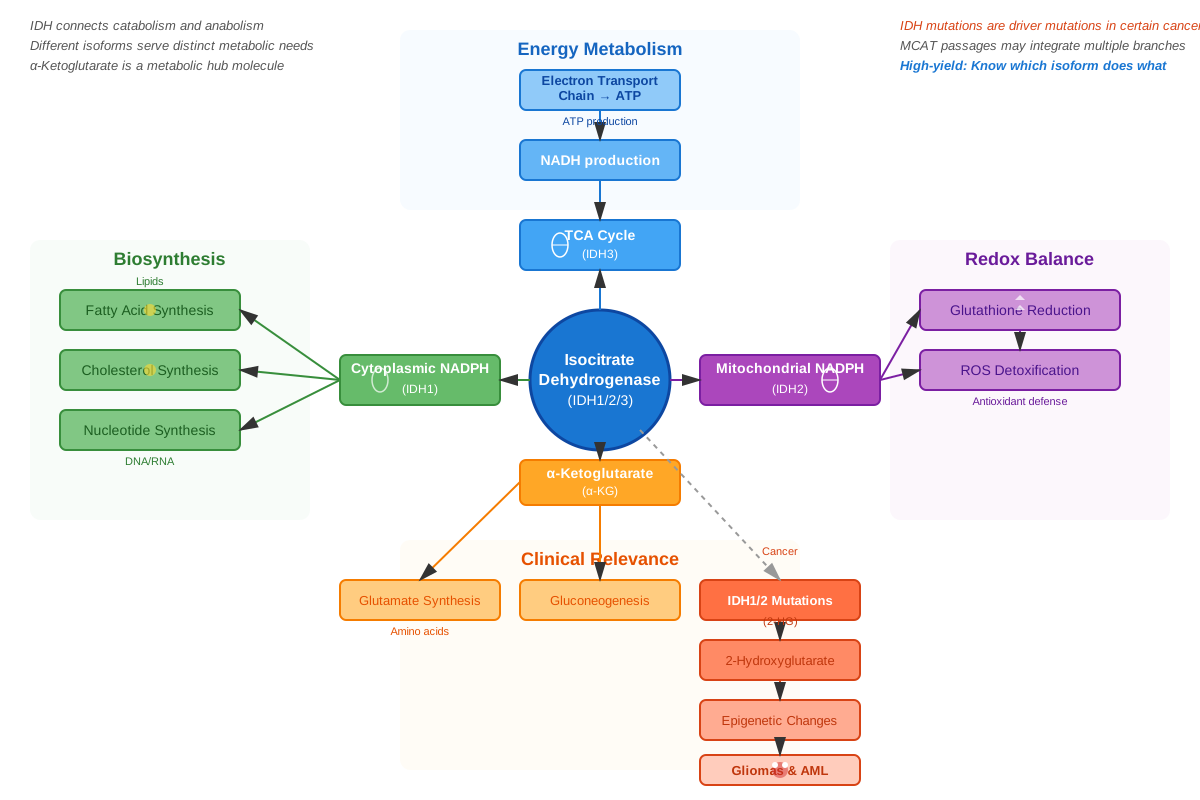
Isocitrate dehydrogenase (IDH) represents one of the most critical regulatory enzymes in cellular metabolism, serving as a key control point in the citric acid cycle (Krebs cycle, TCA cycle). This enzyme catalyzes the oxidative decarboxylation of isocitrate to α-ketoglutarate while simultaneously reducing NAD⁺ (or NADP⁺) to NADH (or NADPH), making it essential for both energy production and biosynthetic processes. Understanding IDH is fundamental to mastering Biochemistry concepts tested on the MCAT, particularly those involving metabolic regulation, enzyme kinetics, and cellular energy homeostasis.
For the MCAT, isocitrate dehydrogenase appears frequently in passages and discrete questions that test metabolic pathway knowledge, enzyme regulation mechanisms, and the integration of catabolic and anabolic processes. The enzyme exists in multiple isoforms with distinct cellular locations and cofactor preferences, adding complexity that the MCAT exploits to assess deeper understanding. Questions often require students to predict metabolic consequences of IDH inhibition, explain allosteric regulation patterns, or connect IDH function to broader physiological states like fed versus fasted conditions.
The significance of isocitrate dehydrogenase extends beyond its immediate catalytic role in the citric acid cycle. This enzyme connects to gluconeogenesis, amino acid metabolism, lipid biosynthesis, and cellular redox balance. Recent medical research has also identified IDH mutations in certain cancers, making this enzyme clinically relevant and a potential topic for MCAT passages that integrate biochemistry with molecular biology and disease pathology. Mastering IDH provides a foundation for understanding metabolic integration, a high-yield concept area that appears across multiple MCAT sections.
Learning Objectives
- [ ] Define isocitrate dehydrogenase using accurate Biochemistry terminology
- [ ] Explain why isocitrate dehydrogenase matters for the MCAT
- [ ] Apply isocitrate dehydrogenase concepts to exam-style questions
- [ ] Identify common mistakes related to isocitrate dehydrogenase
- [ ] Connect isocitrate dehydrogenase to related Biochemistry concepts
- [ ] Distinguish between the three isoforms of IDH and their respective cellular functions
- [ ] Predict the metabolic consequences of IDH regulation under various physiological conditions
- [ ] Analyze the thermodynamic favorability of the IDH reaction and its implications for metabolic flux
Prerequisites
- Citric acid cycle (TCA cycle) overview: Understanding the sequence of reactions and overall purpose of the cycle is essential since IDH catalyzes the rate-limiting step
- Enzyme kinetics and regulation: Knowledge of allosteric regulation, competitive/noncompetitive inhibition, and Michaelis-Menten kinetics enables comprehension of IDH control mechanisms
- Oxidation-reduction reactions: Familiarity with redox chemistry is necessary to understand how IDH reduces NAD⁺/NADP⁺ while oxidizing isocitrate
- Cofactor function (NAD⁺, NADP⁺): Recognizing the distinct metabolic roles of these cofactors clarifies why different IDH isoforms exist
- Basic thermodynamics: Understanding ΔG, equilibrium, and reaction favorability helps explain why the IDH reaction is essentially irreversible
- Cellular compartmentalization: Knowledge of mitochondrial versus cytoplasmic processes is crucial for distinguishing IDH isoform functions
Why This Topic Matters
Clinical and Real-World Significance
Isocitrate dehydrogenase has emerged as a clinically significant enzyme beyond its classical metabolic role. Mutations in IDH1 and IDH2 have been identified in approximately 70-80% of low-grade gliomas and secondary glioblastomas, as well as in acute myeloid leukemia (AML). These mutations cause the enzyme to produce 2-hydroxyglutarate, an oncometabolite that interferes with cellular differentiation and promotes tumorigenesis. This discovery has led to the development of targeted IDH inhibitors as cancer therapeutics, making IDH a bridge between basic biochemistry and precision medicine—a connection the MCAT frequently tests.
Beyond oncology, IDH function is critical for understanding metabolic diseases, oxidative stress responses, and cellular adaptation to nutrient availability. The enzyme's role in generating NADPH (via the cytoplasmic isoform) connects it to antioxidant defense systems and reductive biosynthesis, processes essential for cell survival and proliferation.
MCAT Exam Statistics and Question Types
Isocitrate dehydrogenase appears in approximately 15-20% of MCAT practice exams that include detailed metabolism questions. The topic most commonly appears in:
- Passage-based questions (60%): Typically embedded in passages about metabolic regulation, cancer metabolism, or cellular respiration
- Discrete questions (30%): Testing direct knowledge of the citric acid cycle, enzyme regulation, or cofactor usage
- Pseudo-discrete questions (10%): Requiring integration of IDH knowledge with other biochemical pathways
Questions frequently ask students to predict metabolic outcomes when IDH is inhibited or activated, identify the products of the IDH reaction, explain regulatory mechanisms, or connect IDH function to broader physiological states. The MCAT particularly favors questions that require understanding the distinction between NAD⁺-dependent and NADP⁺-dependent isoforms.
Core Concepts
The Isocitrate Dehydrogenase Reaction
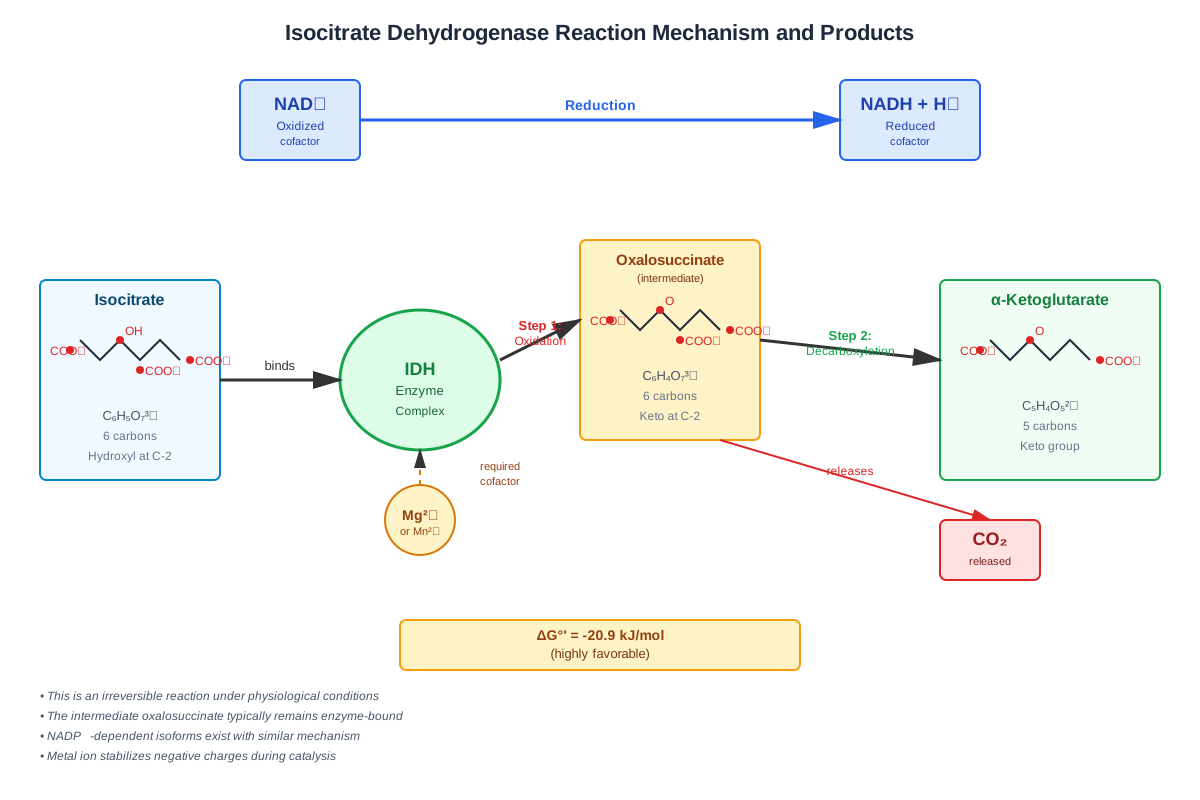
Isocitrate dehydrogenase catalyzes the third step of the citric acid cycle, converting isocitrate to α-ketoglutarate through a two-step mechanism involving oxidation followed by decarboxylation. The complete reaction can be written as:
Isocitrate + NAD⁺ → α-ketoglutarate + NADH + CO₂ + H⁺This reaction proceeds through an intermediate, oxalosuccinate, which remains enzyme-bound and is not released into solution. The mechanism involves:
- Oxidation: The secondary alcohol group on isocitrate (at C-2) is oxidized to a ketone, forming oxalosuccinate while reducing NAD⁺ to NADH
- Decarboxylation: The β-keto acid (oxalosuccinate) undergoes decarboxylation, releasing CO₂ and forming α-ketoglutarate
The reaction is highly exergonic (ΔG°' = -20.9 kJ/mol), making it essentially irreversible under physiological conditions. This thermodynamic favorability contributes to the unidirectional flow through the citric acid cycle and makes IDH a key regulatory point.
IDH Isoforms and Cellular Localization
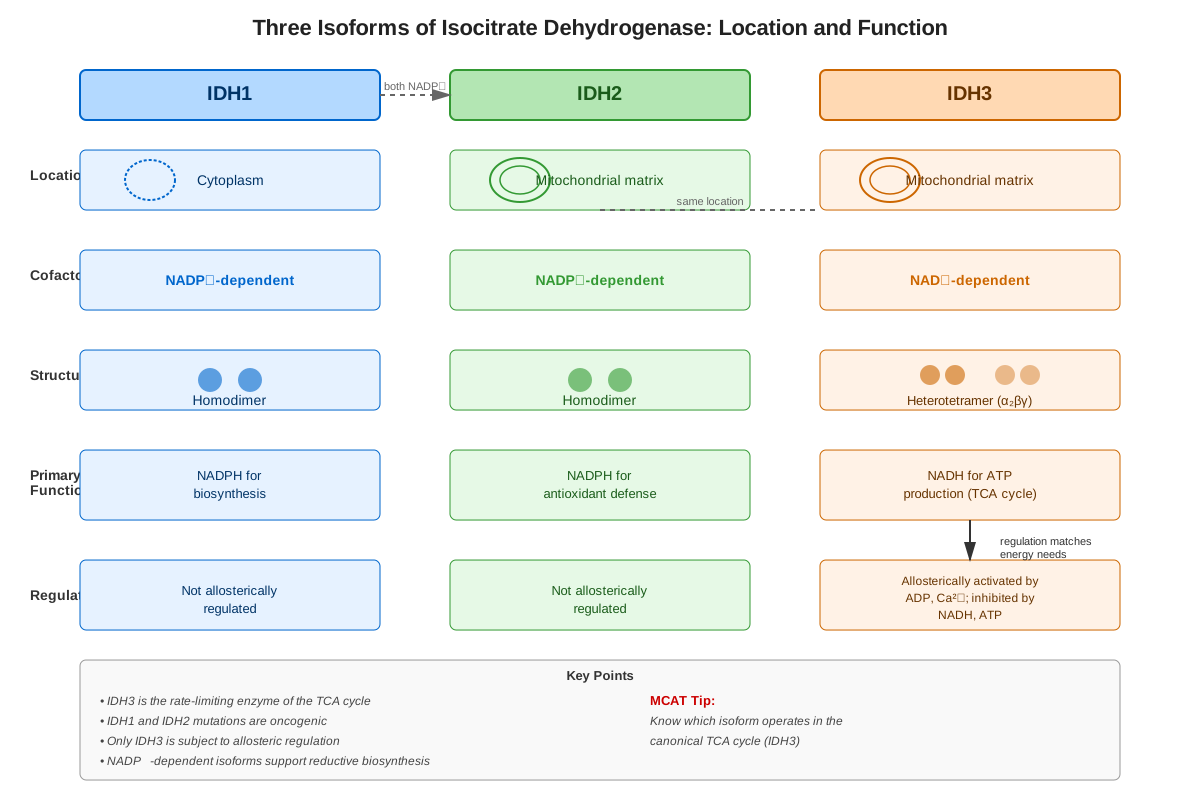
Three distinct isoforms of isocitrate dehydrogenase exist in mammalian cells, each with unique properties, locations, and physiological roles:
| Isoform | Location | Cofactor | Primary Function | Regulation |
|---|---|---|---|---|
| IDH1 | Cytoplasm, peroxisomes | NADP⁺ | NADPH production for biosynthesis and antioxidant defense | Substrate availability |
| IDH2 | Mitochondrial matrix | NADP⁺ | NADPH production for mitochondrial antioxidant systems | Substrate availability |
| IDH3 | Mitochondrial matrix | NAD⁺ | Citric acid cycle progression, energy production | Allosteric regulation (ADP, Ca²⁺) |
IDH3 is the isoform directly involved in the citric acid cycle and is the primary focus for MCAT questions about energy metabolism. This isoform is a heterotetramer composed of two α subunits, one β subunit, and one γ subunit, making it structurally complex compared to the homodimeric IDH1 and IDH2.
The NADP⁺-dependent isoforms (IDH1 and IDH2) serve primarily biosynthetic and protective functions rather than energy production. The NADPH they generate is used for:
- Fatty acid synthesis (requires NADPH as a reducing agent)
- Cholesterol synthesis
- Glutathione reduction (maintaining cellular antioxidant capacity)
- Nucleotide synthesis
Allosteric Regulation of IDH3
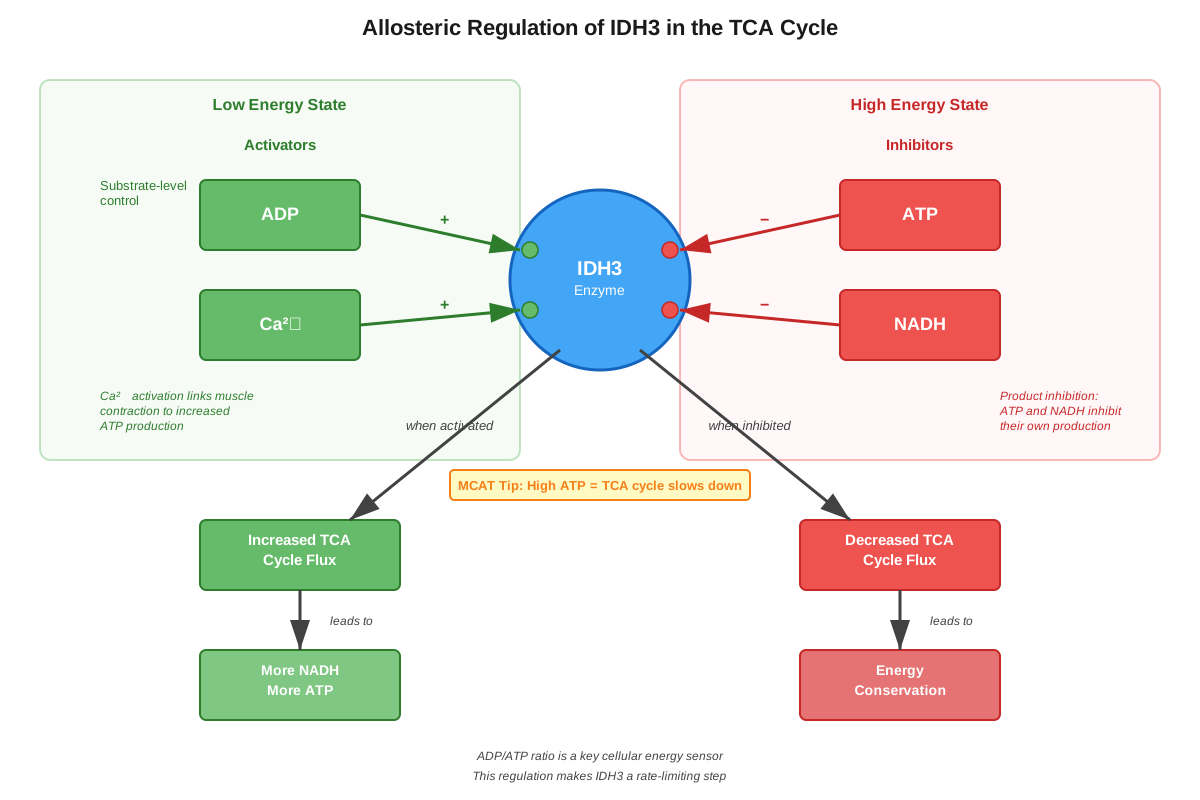
IDH3, the citric acid cycle isoform, is subject to sophisticated allosteric regulation that allows the cell to match citric acid cycle activity to energy demands:
Positive Allosteric Effectors:
- ADP: Signals low energy status, activating IDH3 to increase ATP production
- Ca²⁺: Indicates increased cellular activity (especially in muscle and neurons), stimulating oxidative metabolism
- NAD⁺: High NAD⁺/NADH ratio signals oxidized conditions favorable for continued cycle activity
Negative Allosteric Effectors:
- ATP: High ATP levels signal sufficient energy, inhibiting further cycle activity
- NADH: Accumulation indicates the electron transport chain is saturated or inhibited
- Succinyl-CoA: Product inhibition prevents excessive accumulation of downstream intermediates
This regulatory pattern exemplifies feedback inhibition and feedforward activation, allowing the citric acid cycle to respond dynamically to cellular energy status. The MCAT frequently tests understanding of how these effectors would shift IDH3 activity under different physiological conditions.
Cofactor Specificity and Metabolic Implications
The distinction between NAD⁺-dependent and NADP⁺-dependent isocitrate dehydrogenases reflects a fundamental principle in metabolism: NAD⁺/NADH is primarily used in catabolic, energy-producing pathways, while NADP⁺/NADPH is primarily used in anabolic, biosynthetic pathways.
NAD⁺-dependent IDH3:
- NADH produced enters the electron transport chain
- Each NADH generates approximately 2.5 ATP through oxidative phosphorylation
- Directly contributes to cellular energy production
- Activity is tightly coupled to oxygen availability and mitochondrial function
NADP⁺-dependent IDH1/IDH2:
- NADPH does not enter the electron transport chain
- NADPH serves as a reducing agent for biosynthetic reactions
- Critical for maintaining reduced glutathione (GSH) pools
- Protects against oxidative stress by providing reducing equivalents
This cofactor specificity explains why cells maintain multiple IDH isoforms despite catalyzing the same basic chemical transformation. The MCAT may present scenarios requiring students to predict which isoform would be upregulated under specific metabolic conditions (e.g., rapidly dividing cancer cells would increase IDH1 for biosynthesis).
IDH as a Rate-Limiting Step
Isocitrate dehydrogenase is considered one of the three rate-limiting enzymes of the citric acid cycle, along with citrate synthase and α-ketoglutarate dehydrogenase. Several factors contribute to its rate-limiting nature:
- Large negative ΔG: The highly exergonic reaction is far from equilibrium, making it essentially irreversible and responsive to regulation
- Allosteric regulation: Multiple regulatory inputs allow fine-tuned control of flux through the cycle
- Substrate availability: Isocitrate concentration can limit reaction rate under certain conditions
- Product removal: Rapid consumption of α-ketoglutarate and NADH helps maintain forward flux
Understanding rate-limiting steps is crucial for predicting metabolic responses to perturbations. If IDH is inhibited, upstream intermediates (citrate, isocitrate) accumulate while downstream intermediates (α-ketoglutarate, succinate, etc.) are depleted. This concept frequently appears in MCAT passages about metabolic regulation or drug mechanisms.
Connection to Amino Acid Metabolism
The product of the IDH reaction, α-ketoglutarate, serves as a critical link between the citric acid cycle and amino acid metabolism. α-ketoglutarate can:
- Accept an amino group through transamination to form glutamate
- Be converted to glutamine, a nitrogen carrier and fuel for rapidly dividing cells
- Serve as a precursor for proline and arginine synthesis
- Accept nitrogen through glutamate dehydrogenase for nitrogen disposal
This connection means that IDH activity influences not only energy production but also nitrogen metabolism and amino acid availability. MCAT questions may ask students to trace nitrogen from amino acid catabolism through α-ketoglutarate to urea synthesis, requiring integration of multiple metabolic pathways.
IDH in Cancer Metabolism
Mutations in IDH1 and IDH2 represent a paradigm shift in understanding cancer metabolism. These gain-of-function mutations cause the enzyme to catalyze a neomorphic reaction:
α-ketoglutarate + NADPH → 2-hydroxyglutarate + NADP⁺This reaction consumes α-ketoglutarate (a citric acid cycle intermediate) and produces 2-hydroxyglutarate (2-HG), an oncometabolite that:
- Inhibits α-ketoglutarate-dependent dioxygenases
- Interferes with histone and DNA demethylation
- Blocks cellular differentiation
- Promotes hypermethylation phenotypes
While detailed cancer biochemistry may exceed typical MCAT scope, understanding that enzyme mutations can alter metabolic flux and produce pathological metabolites represents high-yield conceptual knowledge. Passages may present IDH mutations as examples of how metabolic alterations contribute to disease.
Concept Relationships
The concepts within isocitrate dehydrogenase function form an interconnected network that reflects broader principles of metabolic regulation:
IDH reaction mechanism → Thermodynamic favorability → Rate-limiting step designation: The large negative ΔG of the IDH reaction makes it irreversible, which is precisely why it serves as a control point for the entire citric acid cycle.
Allosteric regulation → Energy charge sensing → Metabolic flexibility: The sensitivity of IDH3 to ADP, ATP, and NADH allows the citric acid cycle to respond to cellular energy status, connecting enzyme regulation to whole-cell metabolism.
Cofactor specificity (NAD⁺ vs. NADP⁺) → Isoform function → Metabolic compartmentalization: The different cofactor preferences of IDH isoforms reflect the fundamental division between catabolic (NAD⁺) and anabolic (NADP⁺) processes, demonstrating how enzyme properties determine metabolic roles.
α-ketoglutarate production → Amino acid metabolism → Nitrogen disposal: The IDH product serves as a metabolic hub, connecting the citric acid cycle to transamination reactions, glutamate synthesis, and ultimately the urea cycle.
IDH mutations → Oncometabolite production → Epigenetic alterations: This pathway illustrates how single enzyme changes can have far-reaching consequences through metabolite accumulation and secondary effects on other enzymes.
Connections to prerequisite topics include:
- Citric acid cycle: IDH is the third step, following citrate synthase and aconitase
- Electron transport chain: NADH from IDH3 feeds electrons into Complex I
- Oxidative phosphorylation: Each NADH from IDH3 generates ~2.5 ATP
- Gluconeogenesis: Citrate and α-ketoglutarate can exit mitochondria to support glucose synthesis
- Fatty acid synthesis: Citrate (upstream of IDH) provides acetyl-CoA for lipogenesis; NADPH from IDH1 provides reducing power
Quick check — test yourself on Isocitrate dehydrogenase so far.
Try Flashcards →High-Yield Facts
⭐ Isocitrate dehydrogenase catalyzes the oxidative decarboxylation of isocitrate to α-ketoglutarate, producing NADH (or NADPH) and releasing CO₂.
⭐ IDH3 (NAD⁺-dependent, mitochondrial) is the citric acid cycle isoform, while IDH1 (cytoplasmic) and IDH2 (mitochondrial) are NADP⁺-dependent and serve biosynthetic functions.
⭐ The IDH reaction is highly exergonic (ΔG°' = -20.9 kJ/mol), making it essentially irreversible and a key regulatory point in the citric acid cycle.
⭐ IDH3 is allosterically activated by ADP and Ca²⁺, and inhibited by ATP, NADH, and succinyl-CoA, allowing energy-dependent regulation.
⭐ The product α-ketoglutarate serves as a critical link between the citric acid cycle and amino acid metabolism through transamination reactions.
- The IDH reaction proceeds through an enzyme-bound intermediate, oxalosuccinate, which is not released into solution.
- NADPH produced by IDH1 and IDH2 is essential for reductive biosynthesis (fatty acids, cholesterol) and antioxidant defense (glutathione reduction).
- IDH is one of three rate-limiting enzymes in the citric acid cycle, along with citrate synthase and α-ketoglutarate dehydrogenase.
- Mutations in IDH1 and IDH2 cause production of the oncometabolite 2-hydroxyglutarate, which contributes to tumorigenesis through epigenetic alterations.
- IDH3 is a heterotetramer (α₂βγ structure), while IDH1 and IDH2 are homodimers, reflecting their different regulatory requirements.
- Under hypoxic conditions, IDH activity decreases because NADH cannot be reoxidized efficiently, causing citric acid cycle slowdown.
- The distinction between NAD⁺ and NADP⁺ as cofactors reflects the fundamental metabolic division between catabolism (energy production) and anabolism (biosynthesis).
Common Misconceptions
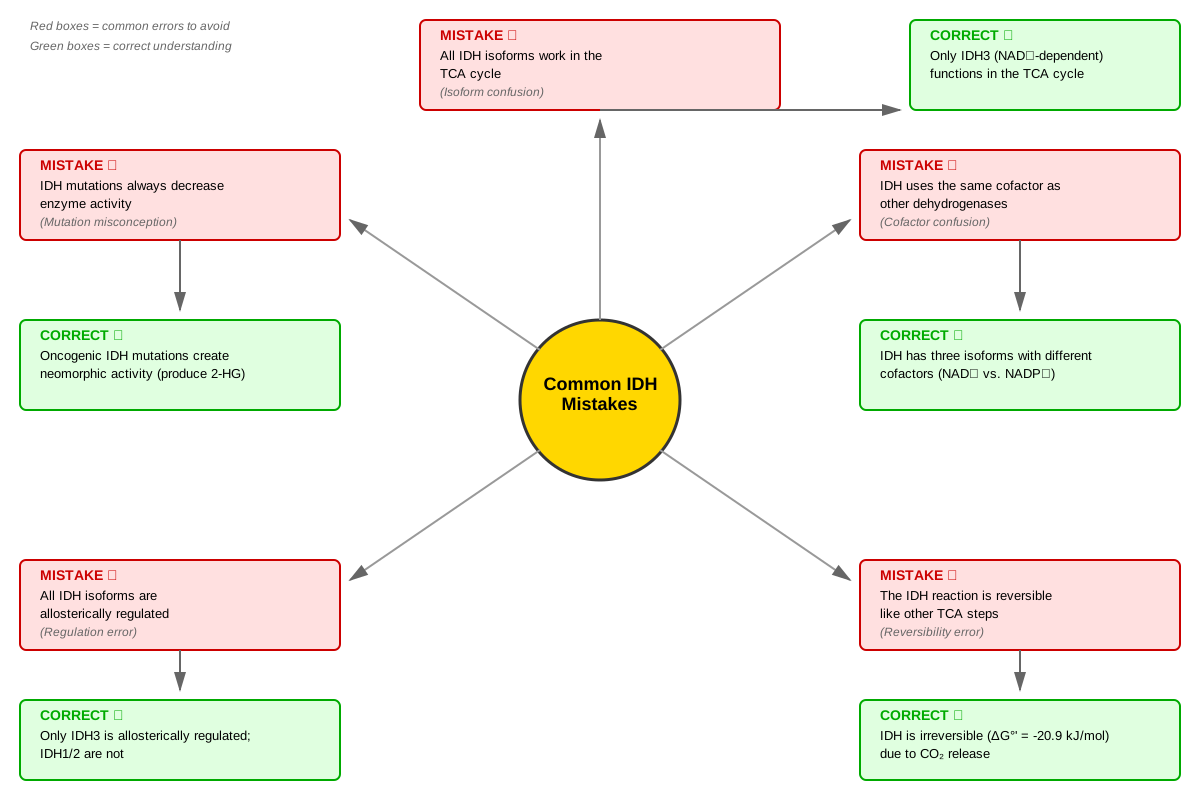
Misconception: All isocitrate dehydrogenase isoforms function in the citric acid cycle.
Correction: Only IDH3 (NAD⁺-dependent, mitochondrial) participates in the citric acid cycle. IDH1 (cytoplasmic) and IDH2 (mitochondrial) use NADP⁺ and serve biosynthetic and antioxidant functions rather than energy production.
Misconception: The IDH reaction is reversible like most other citric acid cycle reactions.
Correction: The IDH reaction is essentially irreversible under physiological conditions due to its large negative ΔG (-20.9 kJ/mol) and the release of CO₂. This irreversibility is precisely why IDH serves as a regulatory control point.
Misconception: NADH and NADPH are interchangeable cofactors that serve the same metabolic functions.
Correction: NADH is primarily used in catabolic pathways and feeds electrons into the electron transport chain for ATP production, while NADPH is used in anabolic pathways for reductive biosynthesis and antioxidant defense. The cell maintains separate NAD⁺/NADH and NADP⁺/NADPH pools with distinct ratios.
Misconception: Inhibiting IDH would stop the citric acid cycle but not affect other metabolic pathways.
Correction: Inhibiting IDH would cause accumulation of upstream intermediates (citrate, isocitrate) and depletion of downstream intermediates (α-ketoglutarate). This would affect amino acid metabolism (reduced glutamate synthesis), fatty acid synthesis (citrate accumulation could increase lipogenesis), and oxidative phosphorylation (reduced NADH production).
Misconception: The primary function of IDH is to produce CO₂.
Correction: While CO₂ is released during the IDH reaction, the primary metabolic functions are to generate reducing equivalents (NADH or NADPH) and to produce α-ketoglutarate, which serves as both a citric acid cycle intermediate and a precursor for amino acid synthesis.
Misconception: Calcium activation of IDH3 is only relevant in muscle cells.
Correction: While Ca²⁺ activation is particularly important in muscle (where Ca²⁺ signals contraction and increased energy demand), it also occurs in neurons (where Ca²⁺ influx accompanies action potentials) and other cell types where Ca²⁺ serves as a second messenger indicating increased metabolic demand.
Misconception: IDH mutations in cancer simply reduce enzyme activity, slowing metabolism.
Correction: IDH mutations in cancer are gain-of-function mutations that cause the enzyme to catalyze a new reaction: converting α-ketoglutarate to 2-hydroxyglutarate. This neomorphic activity produces an oncometabolite that interferes with cellular differentiation rather than simply reducing metabolic flux.
Worked Examples
Example 1: Predicting Metabolic Consequences of IDH Inhibition
Question: A researcher develops a specific inhibitor of mitochondrial NAD⁺-dependent isocitrate dehydrogenase (IDH3) and adds it to isolated, respiring mitochondria. Predict the immediate effects on: (A) citrate levels, (B) NADH/NAD⁺ ratio, (C) oxygen consumption, and (D) ATP production.
Solution:
Step 1: Identify what IDH3 does normally.
IDH3 catalyzes: Isocitrate + NAD⁺ → α-ketoglutarate + NADH + CO₂
Step 2: Determine immediate upstream effects.
If IDH3 is inhibited, isocitrate cannot be converted to α-ketoglutarate, so:
- Isocitrate accumulates
- Citrate accumulates (since the aconitase reaction is reversible: citrate ⇌ isocitrate)
- Answer (A): Citrate levels increase
Step 3: Determine effects on reducing equivalents.
Without IDH3 activity:
- NADH production from this step stops
- The citric acid cycle slows, reducing NADH production from subsequent steps (α-ketoglutarate dehydrogenase, malate dehydrogenase)
- Existing NADH continues to be oxidized by the electron transport chain
- Answer (B): NADH/NAD⁺ ratio decreases
Step 4: Determine effects on oxygen consumption.
- Oxygen is the final electron acceptor in the electron transport chain
- With reduced NADH production, fewer electrons enter the chain
- Answer (C): Oxygen consumption decreases
Step 5: Determine effects on ATP production.
- Reduced NADH means less substrate for Complex I
- Fewer protons are pumped, reducing the proton-motive force
- Less ATP is synthesized by ATP synthase
- Answer (D): ATP production decreases
Key Concept: This example demonstrates how inhibiting a single enzyme in the citric acid cycle affects the entire pathway and downstream processes (electron transport chain, oxidative phosphorylation). The MCAT frequently tests this type of integrated thinking.
Example 2: Distinguishing IDH Isoforms in a Physiological Context
Question: A rapidly dividing cancer cell requires both increased ATP production and increased biosynthesis of fatty acids and nucleotides. Which IDH isoform(s) would likely be upregulated, and why?
Solution:
Step 1: Identify the metabolic requirements.
- Increased ATP production requires more citric acid cycle activity and oxidative phosphorylation
- Fatty acid synthesis requires acetyl-CoA and NADPH
- Nucleotide synthesis requires ribose-5-phosphate (from pentose phosphate pathway) and NADPH
Step 2: Match requirements to IDH isoforms.
For ATP production:
- Need more IDH3 (NAD⁺-dependent, mitochondrial)
- IDH3 produces NADH that feeds into the electron transport chain
- Each NADH generates ~2.5 ATP
For biosynthesis (fatty acids and nucleotides):
- Need more IDH1 (NADP⁺-dependent, cytoplasmic)
- IDH1 produces NADPH required for reductive biosynthesis
- Fatty acid synthase uses NADPH as a reducing agent
- Nucleotide synthesis requires NADPH for ribonucleotide reductase
Step 3: Consider the Warburg effect.
Cancer cells often exhibit aerobic glycolysis (Warburg effect), which may actually reduce reliance on oxidative phosphorylation. However, the citric acid cycle still runs to provide biosynthetic precursors.
Answer: The cancer cell would likely upregulate both IDH1 and IDH3, but particularly IDH1. IDH3 supports continued citric acid cycle activity (even if primarily for biosynthetic intermediates rather than maximal ATP production), while IDH1 is critical for generating the NADPH required for fatty acid and nucleotide synthesis. Many cancer cells show increased expression of NADP⁺-dependent metabolic enzymes to support their biosynthetic demands.
Key Concept: This example illustrates the principle that different IDH isoforms serve distinct metabolic purposes based on their cofactor specificity. Understanding the metabolic demands of different physiological states allows prediction of which enzymes would be upregulated.
Exam Strategy
Approaching MCAT Questions on IDH
Step 1: Identify the isoform
When an MCAT question mentions isocitrate dehydrogenase, immediately determine which isoform is relevant:
- If the question discusses the citric acid cycle, energy production, or mitochondrial metabolism → IDH3 (NAD⁺-dependent)
- If the question discusses biosynthesis, NADPH production, or cytoplasmic processes → IDH1 (or IDH2 if mitochondrial NADPH is specified)
- If the isoform isn't specified but the context is the citric acid cycle → assume IDH3
Step 2: Track the cofactor
The cofactor (NAD⁺ vs. NADP⁺) determines the metabolic fate:
- NAD⁺ → NADH → electron transport chain → ATP production
- NADP⁺ → NADPH → biosynthesis or antioxidant defense
Step 3: Consider regulation
If the question asks about metabolic states (fed/fasted, exercise/rest, hypoxia):
- High energy (high ATP, high NADH) → IDH3 is inhibited
- Low energy (high ADP, high NAD⁺) → IDH3 is activated
- High Ca²⁺ (muscle contraction, neuronal activity) → IDH3 is activated
Trigger Words and Phrases
Watch for these terms that signal IDH-related content:
- "Rate-limiting step of the citric acid cycle" → Think of IDH3 (along with citrate synthase and α-ketoglutarate dehydrogenase)
- "Oxidative decarboxylation" → IDH reaction mechanism
- "α-ketoglutarate production" → IDH is the source
- "NADPH for biosynthesis" → IDH1 or IDH2
- "Allosteric regulation by ADP" → IDH3 activation
- "Oncometabolite" or "2-hydroxyglutarate" → Mutant IDH in cancer
Process of Elimination Tips
When evaluating answer choices:
Eliminate answers that:
- Confuse NAD⁺ and NADP⁺ functions (e.g., claiming NADPH enters the electron transport chain)
- Suggest IDH is reversible under physiological conditions
- State that all IDH isoforms function in the citric acid cycle
- Claim IDH is not regulated (it's highly regulated, especially IDH3)
- Confuse products (the products are α-ketoglutarate, NADH/NADPH, and CO₂—not succinate or other intermediates)
Favor answers that:
- Correctly match isoform to function (IDH3 for energy, IDH1/2 for biosynthesis)
- Recognize IDH as a control point in metabolism
- Connect IDH activity to cellular energy status
- Link α-ketoglutarate to amino acid metabolism
Time Allocation
For discrete questions on IDH: 60-90 seconds
- These typically test direct knowledge (reaction, products, regulation)
- If you know the content, answer quickly and move on
For passage-based questions involving IDH: 90-120 seconds per question
- Passages may present experimental data on IDH inhibitors, metabolic flux studies, or cancer metabolism
- Take time to understand the experimental setup before answering
- Often require integration of IDH knowledge with passage information
Memory Techniques
Mnemonic for IDH3 Activators and Inhibitors
"Active Dogs Chase; Tired Animals Sleep Nightly"
Activators:
- Active → ADP
- Dogs → (placeholder)
- Chase → Ca²⁺
Inhibitors:
- Tired → (energy replete state)
- Animals → ATP
- Sleep → Succinyl-CoA
- Nightly → NADH
Visualization Strategy for the IDH Reaction
Visualize the isocitrate molecule as a "three-story building":
- Top floor (carbon 1): Carboxyl group (COO⁻) that gets removed as CO₂
- Middle floor (carbon 2): Secondary alcohol (CHOH) that gets oxidized to a ketone
- Ground floor (carbons 3-6): The rest of the molecule that becomes α-ketoglutarate
The reaction "demolishes the top floor" (decarboxylation) while "renovating the middle floor" (oxidation), leaving a new five-carbon building (α-ketoglutarate).
Acronym for IDH Isoform Locations
"1 is Cytoplasmic, 2 and 3 are Mitochondrial"
Or remember: "C-M-M" (Cytoplasm, Mitochondria, Mitochondria) for IDH1, IDH2, IDH3
Mnemonic for Cofactor Specificity
"NAD for Energy, NADP for Production"
- NAD⁺ → catabolic, energy-producing pathways → IDH3
- NADP⁺ → anabolic, biosynthetic pathways → IDH1/IDH2
Memory Hook for IDH as Rate-Limiting
Remember the "Three I's of Citric Acid Cycle Control":
- Initiation: Citrate synthase (first step)
- Isocitrate dehydrogenase (third step)
- Immediate precursor to succinyl-CoA: α-ketoglutarate dehydrogenase (fourth step)
These three enzymes are the major regulatory points.
Summary
Isocitrate dehydrogenase represents a critical regulatory enzyme in cellular metabolism, existing in three isoforms with distinct functions. IDH3, the NAD⁺-dependent mitochondrial isoform, catalyzes the third step of the citric acid cycle, converting isocitrate to α-ketoglutarate while producing NADH and releasing CO₂. This highly exergonic, essentially irreversible reaction serves as a key control point, regulated allosterically by energy status indicators (ADP activates; ATP and NADH inhibit) and calcium ions. The NADP⁺-dependent isoforms (IDH1 in cytoplasm, IDH2 in mitochondria) serve biosynthetic functions by generating NADPH for reductive synthesis and antioxidant defense. The product α-ketoglutarate links the citric acid cycle to amino acid metabolism through transamination reactions. Understanding IDH requires integrating concepts of enzyme regulation, cofactor specificity, metabolic compartmentalization, and pathway interconnections. For the MCAT, students must distinguish between isoforms, predict metabolic consequences of IDH regulation, and connect IDH function to broader physiological states and disease processes, including the emerging role of IDH mutations in cancer metabolism.
Key Takeaways
- Isocitrate dehydrogenase catalyzes the oxidative decarboxylation of isocitrate to α-ketoglutarate, producing NADH (or NADPH) and CO₂ in an essentially irreversible reaction
- Three isoforms exist: IDH3 (NAD⁺-dependent, mitochondrial, citric acid cycle) and IDH1/IDH2 (NADP⁺-dependent, biosynthetic functions)
- IDH3 is allosterically activated by ADP and Ca²⁺ (low energy signals) and inhibited by ATP, NADH, and succinyl-CoA (high energy signals)
- The distinction between NAD⁺ and NADP⁺ cofactors reflects the fundamental metabolic division between catabolism (energy production) and anabolism (biosynthesis)
- α-ketoglutarate, the IDH product, serves as a critical link between the citric acid cycle and amino acid metabolism
- IDH is one of three rate-limiting enzymes in the citric acid cycle, making it a key control point for metabolic regulation
- Mutations in IDH1 and IDH2 in cancer produce the oncometabolite 2-hydroxyglutarate, illustrating how metabolic alterations contribute to disease
Related Topics
α-Ketoglutarate Dehydrogenase Complex: The next step in the citric acid cycle after IDH, this multi-enzyme complex catalyzes another oxidative decarboxylation and shares regulatory features with IDH. Mastering IDH provides a foundation for understanding this mechanistically similar enzyme.
Pentose Phosphate Pathway: This cytoplasmic pathway also produces NADPH for biosynthesis, complementing the function of IDH1. Understanding both pathways clarifies how cells maintain NADPH pools for different metabolic needs.
Glutamate Dehydrogenase: This enzyme interconverts α-ketoglutarate and glutamate, directly connecting to IDH function. Studying this enzyme after mastering IDH reveals how the citric acid cycle integrates with nitrogen metabolism.
Metabolic Regulation and Integration: IDH exemplifies principles of allosteric regulation, feedback inhibition, and metabolic control that apply across all major pathways. Mastering IDH regulation provides a model for understanding other regulatory enzymes.
Cancer Metabolism: The role of mutant IDH in producing oncometabolites represents a growing area of biochemistry that connects metabolism to epigenetics and disease. This topic builds on basic IDH knowledge to explore pathological alterations.
Practice CTA
Now that you've mastered the core concepts of isocitrate dehydrogenase, it's time to solidify your understanding through active practice. Challenge yourself with practice questions that test your ability to distinguish between IDH isoforms, predict metabolic consequences of regulation, and integrate IDH function with other biochemical pathways. Work through flashcards to reinforce high-yield facts about IDH regulation, products, and clinical significance. Remember, understanding IDH isn't just about memorizing a reaction—it's about grasping how this enzyme serves as a metabolic control point that responds to cellular energy needs. The more you practice applying these concepts to MCAT-style questions, the more confident and prepared you'll be on test day. You've got this!
Sign up free to keep reading
Create a free AnvayaPrep account to finish this MCAT guide on Isocitrate dehydrogenase — plus flashcards and practice questions.