Overview
Ketone bodies are water-soluble molecules synthesized primarily in the liver mitochondria during periods of low glucose availability. These molecules—acetoacetate, β-hydroxybutyrate, and acetone—serve as critical alternative fuel sources for tissues, particularly the brain, heart, and skeletal muscle, when carbohydrate availability is limited. Understanding ketone bodies Biochemistry is essential for MCAT success because this topic integrates multiple metabolic pathways, including fatty acid oxidation, the citric acid cycle, and cellular respiration, while also connecting to clinical conditions such as diabetic ketoacidosis and starvation physiology.
The MCAT frequently tests ketone body metabolism within the context of Metabolism and Biochemistry, particularly in passages describing fasting states, diabetes, low-carbohydrate diets, or exercise physiology. Questions may require students to trace the biochemical pathway from fatty acids to ketone bodies, predict metabolic consequences of enzyme deficiencies, or interpret experimental data about fuel utilization in different tissues. The topic appears in approximately 3-5% of MCAT biochemistry questions, often integrated with lipid metabolism, gluconeogenesis, and hormonal regulation.
Ketone body metabolism represents a beautiful example of metabolic flexibility and inter-organ cooperation. The liver produces these molecules but cannot use them for energy, instead exporting them to extrahepatic tissues. This metabolic alteration demonstrates how the body adapts to nutritional stress by mobilizing fat stores and converting them into readily transportable fuel molecules. Mastering ketone bodies MCAT concepts requires understanding not just the synthesis pathway, but also the physiological conditions that trigger ketogenesis, the tissues that utilize ketone bodies, and the clinical implications of excessive or deficient ketone body production.
Learning Objectives
- [ ] Define ketone bodies using accurate Biochemistry terminology
- [ ] Explain why ketone bodies matter for the MCAT
- [ ] Apply ketone bodies to exam-style questions
- [ ] Identify common mistakes related to ketone bodies
- [ ] Connect ketone bodies to related Biochemistry concepts
- [ ] Diagram the complete pathway of ketogenesis from acetyl-CoA to all three ketone bodies
- [ ] Compare and contrast ketogenesis and ketolysis, including tissue-specific differences
- [ ] Predict metabolic outcomes under various hormonal and nutritional conditions affecting ketone body metabolism
- [ ] Analyze clinical scenarios involving abnormal ketone body production or utilization
Prerequisites
- Fatty acid oxidation (β-oxidation): Ketogenesis begins with acetyl-CoA produced from fatty acid breakdown; understanding how fatty acids generate acetyl-CoA is essential for tracing the substrate source
- Citric acid cycle basics: Ketogenesis occurs when acetyl-CoA cannot enter the citric acid cycle due to oxaloacetate depletion; recognizing this metabolic bottleneck is crucial
- Basic enzyme kinetics and regulation: Ketogenic enzymes are regulated by substrate availability and hormonal signals; understanding allosteric regulation helps predict when ketogenesis activates
- Mitochondrial structure and function: Ketogenesis occurs in the mitochondrial matrix; knowing compartmentalization explains why certain reactions occur in specific locations
- Hormonal regulation of metabolism (insulin and glucagon): These hormones control the metabolic state that either promotes or inhibits ketogenesis
Why This Topic Matters
Clinical Significance
Ketone body metabolism has profound clinical relevance. Diabetic ketoacidosis (DKA) represents a life-threatening condition in type 1 diabetes where uncontrolled ketogenesis leads to severe metabolic acidosis. The accumulation of acetoacetate and β-hydroxybutyrate lowers blood pH, potentially causing coma or death if untreated. Conversely, therapeutic ketogenic diets have shown efficacy in treating refractory epilepsy, certain cancers, and neurodegenerative diseases. Understanding the biochemical basis of ketone body production and utilization allows healthcare providers to manage these conditions effectively and explains why some tissues preferentially use ketone bodies during metabolic stress.
MCAT Examination Context
On the MCAT, ketone body questions appear in multiple formats. Discrete questions may test pathway knowledge, asking students to identify rate-limiting enzymes or predict the effect of specific inhibitors. Passage-based questions frequently present experimental scenarios involving fasting, diabetes, or dietary interventions, requiring students to interpret graphs showing ketone body concentrations over time or across different tissues. Approximately 60% of ketone body questions appear in passage format, often integrated with lipid metabolism or acid-base balance topics. The remaining 40% appear as discrete questions testing direct pathway knowledge or clinical correlations.
Common Exam Presentations
The MCAT presents ketone body metabolism through several recurring scenarios: prolonged fasting or starvation states requiring students to predict fuel utilization patterns; diabetic patients with altered insulin signaling; athletes following ketogenic diets; and experimental manipulations of enzymes in the ketogenic pathway. Questions may also present data about tissue-specific metabolism, asking why the liver produces but cannot utilize ketone bodies, or why the brain shifts from glucose to ketone body utilization during extended fasting. Understanding these contexts helps students recognize ketone body questions quickly and apply the appropriate conceptual framework.
Core Concepts
Definition and Structure of Ketone Bodies
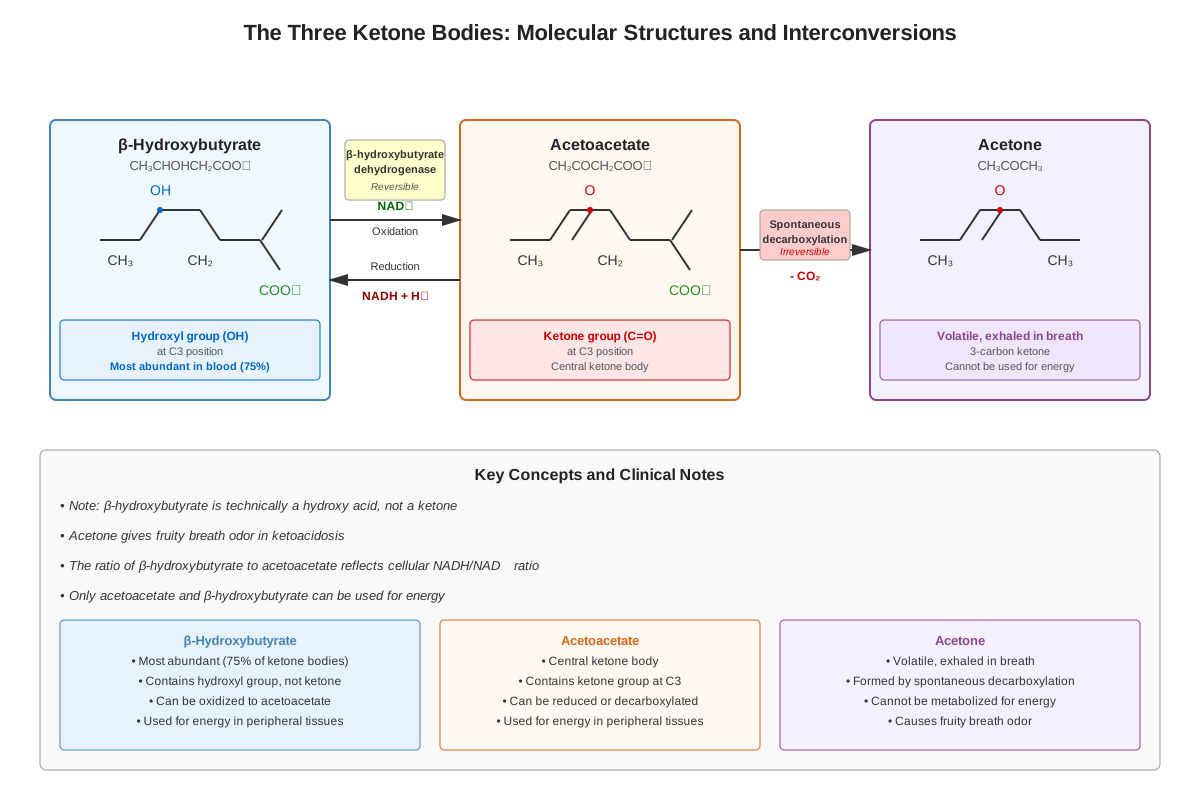
Ketone bodies comprise three related molecules: acetoacetate, β-hydroxybutyrate (also written as 3-hydroxybutyrate), and acetone. Despite the name, β-hydroxybutyrate is technically not a ketone because it contains a hydroxyl group rather than a ketone functional group, but it is classified with ketone bodies due to its metabolic relationship. Acetoacetate contains a ketone functional group and serves as the central molecule from which the other two derive. β-hydroxybutyrate forms through reduction of acetoacetate, while acetone forms through spontaneous decarboxylation of acetoacetate. These small, water-soluble molecules can cross the blood-brain barrier, making them uniquely valuable as brain fuel during glucose scarcity.
The structural formulas reveal important biochemical properties:
- Acetoacetate: CH₃-CO-CH₂-COO⁻ (4-carbon molecule with a ketone group)
- β-hydroxybutyrate: CH₃-CHOH-CH₂-COO⁻ (4-carbon molecule with a hydroxyl group)
- Acetone: CH₃-CO-CH₃ (3-carbon molecule, volatile)
Ketogenesis: The Synthesis Pathway
Ketogenesis occurs exclusively in liver mitochondria and begins when acetyl-CoA accumulates beyond the capacity of the citric acid cycle to oxidize it. This situation arises during fasting, starvation, prolonged exercise, or uncontrolled diabetes when glucose availability is low and fatty acid oxidation is high.
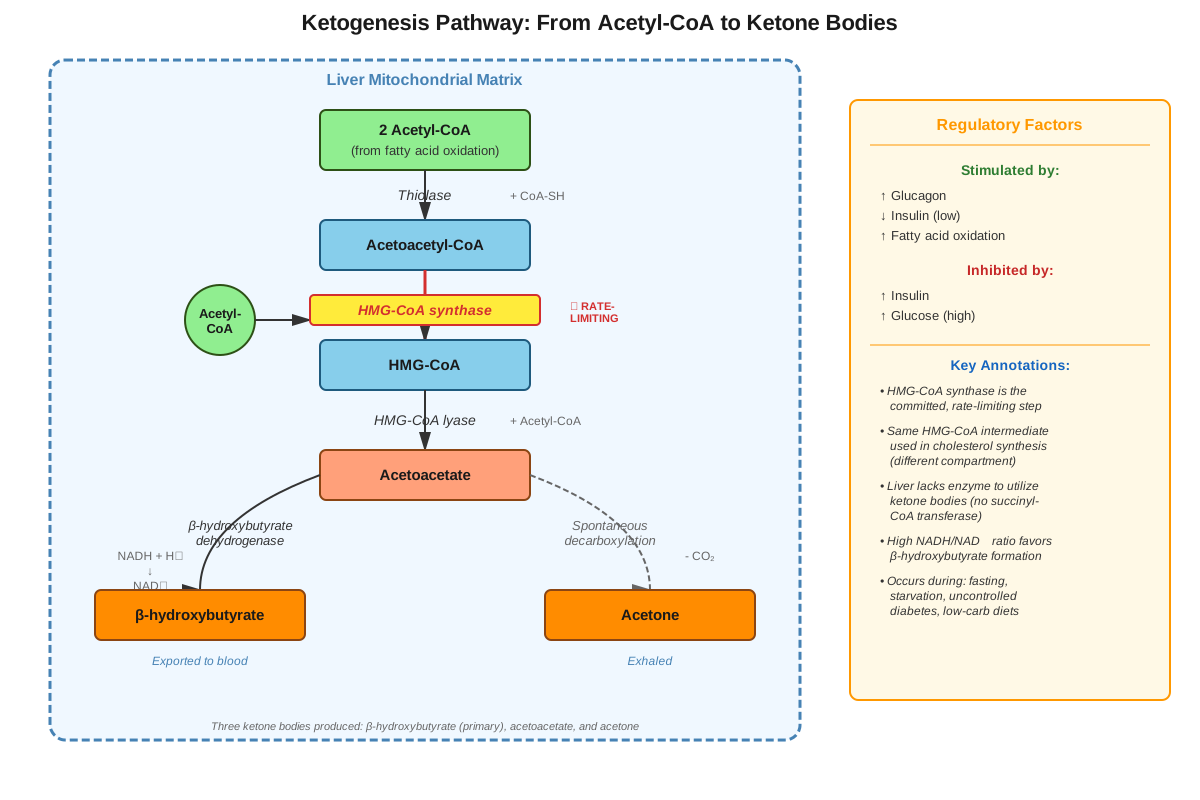
The ketogenesis pathway proceeds through these steps:
- Thiolase reaction: Two acetyl-CoA molecules condense to form acetoacetyl-CoA
- Enzyme: Thiolase (acetyl-CoA acetyltransferase)
- Reaction: 2 Acetyl-CoA → Acetoacetyl-CoA + CoA
- HMG-CoA synthesis: Acetoacetyl-CoA combines with another acetyl-CoA to form 3-hydroxy-3-methylglutaryl-CoA (HMG-CoA)
- Enzyme: HMG-CoA synthase (mitochondrial isoform)
- Reaction: Acetoacetyl-CoA + Acetyl-CoA + H₂O → HMG-CoA + CoA
- This is the committed, rate-limiting step of ketogenesis
- HMG-CoA cleavage: HMG-CoA splits to release acetoacetate and acetyl-CoA
- Enzyme: HMG-CoA lyase
- Reaction: HMG-CoA → Acetoacetate + Acetyl-CoA
- Reduction to β-hydroxybutyrate: Acetoacetate is reduced to β-hydroxybutyrate
- Enzyme: β-hydroxybutyrate dehydrogenase
- Reaction: Acetoacetate + NADH + H⁺ → β-hydroxybutyrate + NAD⁺
- This reaction is reversible and depends on the mitochondrial NADH/NAD⁺ ratio
- Spontaneous decarboxylation: Acetoacetate spontaneously loses CO₂ to form acetone
- This is a non-enzymatic reaction
- Acetone is volatile and exhaled through the lungs (causing "fruity breath" in ketoacidosis)
Exam Tip: The MCAT loves to test the distinction between mitochondrial HMG-CoA synthase (ketogenesis) and cytoplasmic HMG-CoA synthase (cholesterol synthesis). These are different enzymes in different compartments serving different metabolic purposes.
Metabolic Conditions Favoring Ketogenesis
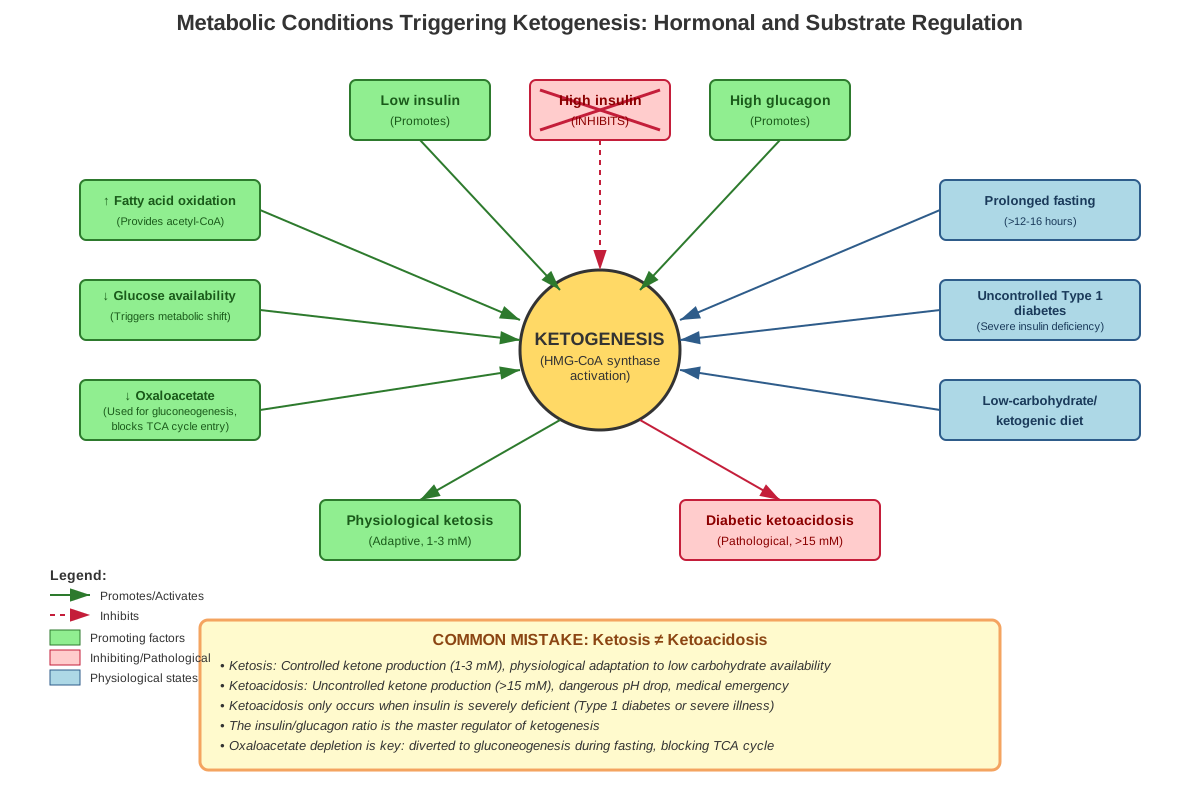
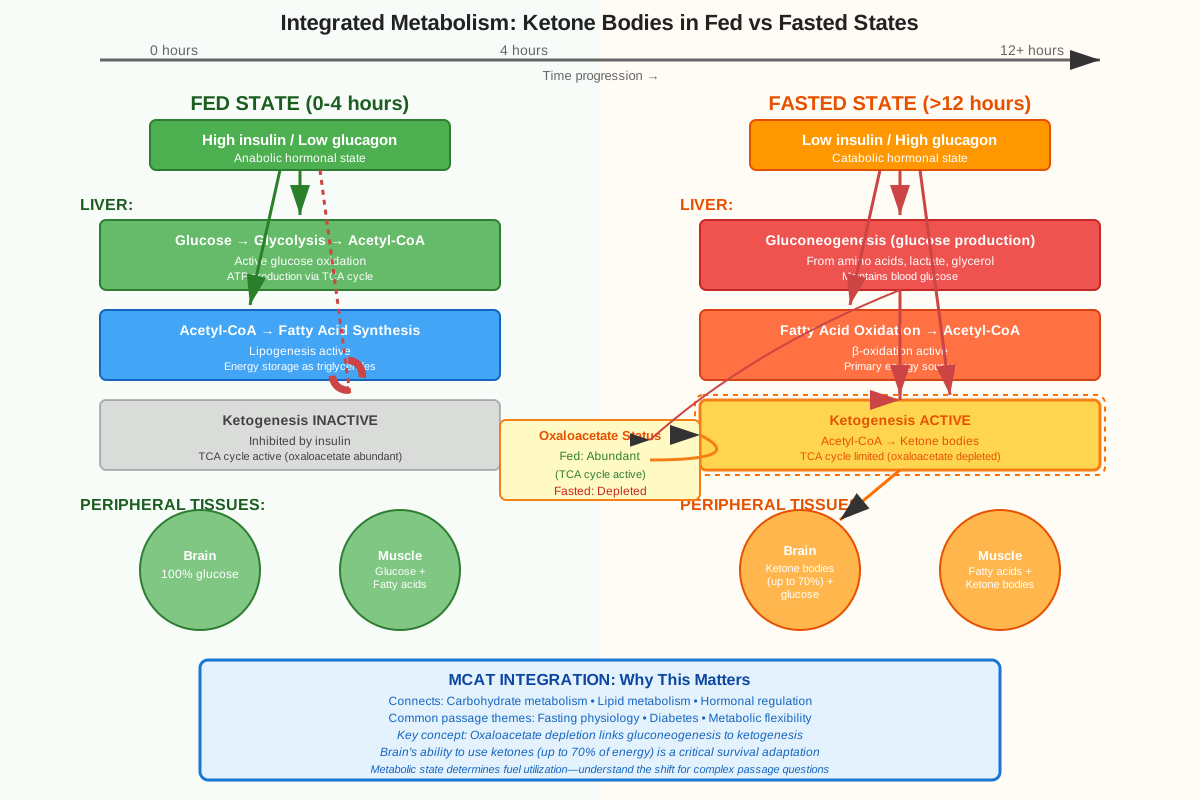
Ketogenesis activates under specific metabolic conditions characterized by low insulin and high glucagon:
Hormonal regulation:
- Low insulin-to-glucagon ratio (fasting, starvation, uncontrolled diabetes)
- Elevated epinephrine during stress or exercise
- These hormones activate hormone-sensitive lipase in adipose tissue, releasing fatty acids
Substrate availability:
- High fatty acid oxidation produces abundant acetyl-CoA
- Low oxaloacetate availability (diverted to gluconeogenesis) prevents acetyl-CoA from entering the citric acid cycle
- Accumulated acetyl-CoA is shunted into ketogenesis
Metabolic state timeline:
- 0-4 hours after eating: Minimal ketogenesis (glucose abundant, insulin high)
- 4-12 hours (overnight fast): Ketogenesis begins as glycogen depletes
- 12-48 hours: Ketogenesis increases significantly
- >48 hours (starvation): Ketone bodies become the primary brain fuel, sparing glucose
Ketolysis: Utilization of Ketone Bodies
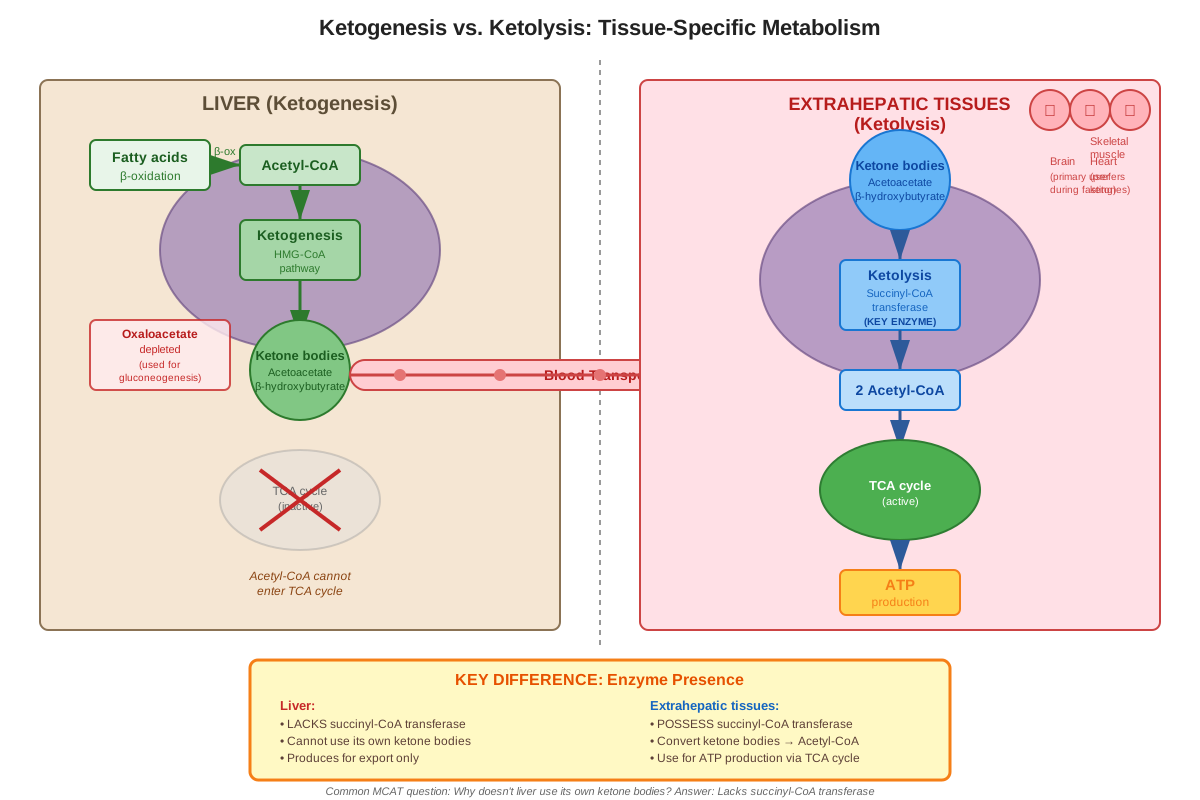
Ketolysis is the process by which extrahepatic tissues oxidize ketone bodies for energy. The liver cannot perform ketolysis because it lacks the enzyme succinyl-CoA:3-ketoacid CoA transferase (also called thiophorase), making the liver a dedicated ketone body producer but not consumer.
The ketolysis pathway in extrahepatic tissues:
- β-hydroxybutyrate oxidation: β-hydroxybutyrate is oxidized back to acetoacetate
- Enzyme: β-hydroxybutyrate dehydrogenase (present in extrahepatic tissues)
- Reaction: β-hydroxybutyrate + NAD⁺ → Acetoacetate + NADH + H⁺
- This generates NADH for the electron transport chain
- Acetoacetate activation: Acetoacetate is converted to acetoacetyl-CoA
- Enzyme: Succinyl-CoA:3-ketoacid CoA transferase (thiophorase)
- Reaction: Acetoacetate + Succinyl-CoA → Acetoacetyl-CoA + Succinate
- The liver lacks this enzyme, explaining why it cannot use ketone bodies
- Thiolase cleavage: Acetoacetyl-CoA splits into two acetyl-CoA molecules
- Enzyme: Thiolase
- Reaction: Acetoacetyl-CoA + CoA → 2 Acetyl-CoA
- Citric acid cycle entry: The two acetyl-CoA molecules enter the citric acid cycle for complete oxidation
Tissue-Specific Metabolism
| Tissue | Ketone Body Metabolism | Explanation |
|---|---|---|
| Liver | Produces only (no utilization) | Lacks thiophorase; dedicated ketone body factory |
| Brain | Major consumer during fasting | Can derive up to 70% of energy from ketone bodies after adaptation |
| Heart | Preferentially uses ketone bodies | Cardiac muscle prefers ketone bodies over glucose when available |
| Skeletal muscle | Uses during prolonged exercise/fasting | Switches to ketone bodies to spare glucose for the brain |
| Red blood cells | Cannot use ketone bodies | Lack mitochondria; depend entirely on glycolysis |
| Adipose tissue | Minimal utilization | Primarily involved in fatty acid release, not ketone body consumption |
Energy Yield from Ketone Bodies
One molecule of β-hydroxybutyrate yields significant ATP through complete oxidation:
- Oxidation to acetoacetate: 1 NADH → ~2.5 ATP
- Two acetyl-CoA through citric acid cycle: 2 × 10 ATP = 20 ATP
- Total: ~22.5 ATP per β-hydroxybutyrate
This makes ketone bodies highly efficient fuel molecules, providing more ATP per carbon than glucose and explaining why the heart preferentially uses them when available.
Clinical Conditions Involving Ketone Bodies
Diabetic ketoacidosis (DKA):
- Occurs in uncontrolled type 1 diabetes (severe insulin deficiency)
- Unrestrained lipolysis and ketogenesis produce excessive ketone bodies
- Acetoacetate and β-hydroxybutyrate are acids (pKa ~3.5), lowering blood pH
- Symptoms: fruity breath (acetone), Kussmaul breathing (compensatory hyperventilation), altered mental status
- Diagnosis: blood glucose >250 mg/dL, blood pH <7.3, positive urine ketones
Starvation ketosis:
- Physiological response to prolonged fasting (>2-3 days)
- Ketone bodies provide up to 70% of brain's energy needs
- Prevents excessive protein breakdown for gluconeogenesis
- Blood ketone levels elevated but pH remains compensated (mild ketosis, not ketoacidosis)
Alcoholic ketoacidosis:
- Occurs in chronic alcoholics with poor nutrition
- Alcohol metabolism increases NADH/NAD⁺ ratio, favoring β-hydroxybutyrate formation
- Combined with starvation and dehydration
- Blood glucose typically normal or low (distinguishes from DKA)
Concept Relationships
Ketone body metabolism integrates multiple biochemical pathways in a coordinated metabolic response. Fatty acid oxidation provides the acetyl-CoA substrate for ketogenesis, establishing the direct connection: increased β-oxidation → increased acetyl-CoA → increased ketogenesis. This relationship explains why conditions promoting lipolysis (low insulin, high glucagon) simultaneously promote ketogenesis.
The relationship between gluconeogenesis and ketogenesis is particularly important for the MCAT. During fasting, oxaloacetate is diverted from the citric acid cycle to gluconeogenesis to maintain blood glucose. This oxaloacetate depletion prevents acetyl-CoA from entering the citric acid cycle (acetyl-CoA + oxaloacetate → citrate), creating a metabolic bottleneck. The accumulated acetyl-CoA is then shunted into ketogenesis: oxaloacetate depletion → citric acid cycle slowdown → acetyl-CoA accumulation → ketogenesis activation.
The connection to acid-base balance emerges because acetoacetate and β-hydroxybutyrate are carboxylic acids. Under normal conditions, ketone body production remains modest and the body's buffering systems maintain pH. However, excessive ketogenesis overwhelms buffering capacity, leading to metabolic acidosis. This connects ketone body metabolism to renal physiology (bicarbonate buffering) and respiratory physiology (compensatory hyperventilation).
Hormonal regulation ties together these metabolic pathways. The insulin-to-glucagon ratio serves as the master switch: low insulin/high glucagon → activates hormone-sensitive lipase → releases fatty acids → increases β-oxidation → produces acetyl-CoA → activates gluconeogenesis (depleting oxaloacetate) → promotes ketogenesis. This cascade demonstrates how a single hormonal signal coordinates multiple metabolic pathways.
The relationship map: Fasting/Low Insulin → Lipolysis → Fatty Acid Release → β-Oxidation → Acetyl-CoA Accumulation → (blocked citric acid cycle due to low oxaloacetate) → Ketogenesis → Ketone Body Export → Extrahepatic Tissue Uptake → Ketolysis → Acetyl-CoA → Citric Acid Cycle → ATP Production
High-Yield Facts
⭐ The three ketone bodies are acetoacetate, β-hydroxybutyrate, and acetone; only acetoacetate and β-hydroxybutyrate can be used for energy
⭐ Ketogenesis occurs exclusively in liver mitochondria; the rate-limiting enzyme is HMG-CoA synthase (mitochondrial isoform)
⭐ The liver produces ketone bodies but cannot use them because it lacks succinyl-CoA:3-ketoacid CoA transferase (thiophorase)
⭐ Ketogenesis is favored when the insulin-to-glucagon ratio is low (fasting, starvation, uncontrolled diabetes)
⭐ The brain can derive up to 70% of its energy from ketone bodies after 2-3 days of fasting, sparing glucose and reducing protein breakdown
- β-hydroxybutyrate is the most abundant ketone body in blood, typically present at 2-3 times the concentration of acetoacetate
- Acetone is produced by spontaneous decarboxylation of acetoacetate and is exhaled through the lungs, causing fruity-smelling breath
- Each β-hydroxybutyrate molecule yields approximately 22.5 ATP when completely oxidized
- Red blood cells cannot use ketone bodies because they lack mitochondria
- The heart and renal cortex preferentially use ketone bodies over glucose when both are available
- Ketone bodies can cross the blood-brain barrier via monocarboxylate transporters (MCT1)
- The mitochondrial NADH/NAD⁺ ratio determines the ratio of β-hydroxybutyrate to acetoacetate
- Diabetic ketoacidosis is characterized by hyperglycemia, ketosis, and metabolic acidosis (pH <7.3)
- Starvation ketosis differs from diabetic ketoacidosis because blood glucose is low and pH remains relatively compensated
- HMG-CoA is an intermediate in both ketogenesis (mitochondria) and cholesterol synthesis (cytoplasm), but these pathways use different enzymes
Quick check — test yourself on Ketone bodies so far.
Try Flashcards →Common Misconceptions
Misconception: All three ketone bodies can be used for energy production.
Correction: Only acetoacetate and β-hydroxybutyrate can be metabolized for energy. Acetone is a volatile waste product that is exhaled through the lungs and cannot be converted back to a usable form. It forms through spontaneous, non-enzymatic decarboxylation of acetoacetate.
Misconception: Ketogenesis occurs in all tissues during fasting.
Correction: Ketogenesis occurs exclusively in liver mitochondria. While other tissues have mitochondria and perform fatty acid oxidation, they lack the specific enzymes (particularly HMG-CoA synthase and HMG-CoA lyase) required for ketone body synthesis. The liver is the sole producer, exporting ketone bodies to other tissues.
Misconception: The liver uses ketone bodies for its own energy needs during fasting.
Correction: The liver cannot use ketone bodies for energy because it lacks the enzyme succinyl-CoA:3-ketoacid CoA transferase (thiophorase), which is essential for converting acetoacetate to acetoacetyl-CoA. This metabolic design ensures that all ketone bodies produced by the liver are exported to extrahepatic tissues, particularly the brain.
Misconception: Ketogenesis and ketolysis are simply reverse processes.
Correction: While these processes involve some similar intermediates, they are not simple reversals. Ketogenesis uses HMG-CoA synthase and HMG-CoA lyase to produce acetoacetate from acetyl-CoA. Ketolysis uses thiophorase (which the liver lacks) to activate acetoacetate. The pathways occur in different tissues and serve different metabolic purposes.
Misconception: High ketone body levels always indicate diabetic ketoacidosis.
Correction: Elevated ketone bodies occur in several physiological and pathological states. Starvation ketosis is a normal adaptive response to prolonged fasting with modest ketone elevation and maintained pH. Diabetic ketoacidosis involves much higher ketone levels combined with hyperglycemia and severe acidosis. The clinical context (blood glucose, pH, patient history) distinguishes these conditions.
Misconception: β-hydroxybutyrate is a ketone because it's called a "ketone body."
Correction: Despite its classification as a ketone body, β-hydroxybutyrate is technically a hydroxy acid, not a ketone, because it contains a hydroxyl group (-OH) rather than a ketone group (C=O). The term "ketone bodies" is a historical classification based on metabolic relationships rather than strict chemical structure. Only acetoacetate and acetone contain actual ketone functional groups.
Misconception: Ketone bodies are toxic waste products that should be avoided.
Correction: Ketone bodies are valuable alternative fuel sources that allow survival during glucose scarcity. They are efficiently metabolized by most tissues and provide more ATP per carbon than glucose. Only when produced in excessive amounts (as in diabetic ketoacidosis) do they become problematic due to their acidic nature overwhelming buffering systems. Physiological ketosis is adaptive, not harmful.
Worked Examples
Example 1: Metabolic State Analysis
Question: A patient has been fasting for 48 hours. Blood tests reveal elevated β-hydroxybutyrate (4 mM), low insulin, high glucagon, and normal blood pH (7.38). Explain the biochemical basis for these findings and predict which tissues are using ketone bodies for energy.
Solution:
Step 1: Analyze the hormonal state
Low insulin and high glucagon indicate a fasting metabolic state. This hormonal profile activates hormone-sensitive lipase in adipose tissue, releasing fatty acids into the bloodstream.
Step 2: Trace the metabolic pathway
Released fatty acids undergo β-oxidation in liver mitochondria, producing abundant acetyl-CoA. Simultaneously, gluconeogenesis is active to maintain blood glucose, diverting oxaloacetate away from the citric acid cycle. With insufficient oxaloacetate, acetyl-CoA cannot efficiently enter the citric acid cycle and accumulates.
Step 3: Explain ketogenesis activation
Accumulated acetyl-CoA is shunted into ketogenesis. The pathway proceeds: 2 Acetyl-CoA → Acetoacetyl-CoA → HMG-CoA → Acetoacetate. The high mitochondrial NADH/NAD⁺ ratio (from active β-oxidation) favors reduction of acetoacetate to β-hydroxybutyrate, explaining why β-hydroxybutyrate is the predominant ketone body measured.
Step 4: Explain normal pH
The blood pH remains normal (7.38) because ketone body production, while elevated, is not excessive. The body's buffering systems (bicarbonate, respiratory compensation) can handle this level of ketone bodies. This represents physiological starvation ketosis, not ketoacidosis.
Step 5: Identify tissues using ketone bodies
After 48 hours of fasting, the brain has adapted to use ketone bodies for approximately 50-70% of its energy needs (it takes 2-3 days for full adaptation). The heart preferentially uses ketone bodies when available. Skeletal muscle also uses ketone bodies, sparing glucose for the brain. Red blood cells cannot use ketone bodies (lack mitochondria) and continue to depend on glucose from gluconeogenesis.
Key Concept Connection: This example demonstrates the integration of hormonal regulation, fatty acid metabolism, ketogenesis, and tissue-specific fuel utilization—all high-yield MCAT concepts.
Example 2: Enzyme Deficiency Prediction
Question: A researcher creates a mouse model with a liver-specific knockout of HMG-CoA lyase. Predict the metabolic consequences during a 24-hour fast, including effects on blood glucose, ketone bodies, and fatty acid levels. Explain your reasoning.
Solution:
Step 1: Identify the enzyme's role
HMG-CoA lyase catalyzes the cleavage of HMG-CoA to acetoacetate and acetyl-CoA. This is the third step of ketogenesis, occurring after HMG-CoA synthesis. Without this enzyme, ketogenesis cannot proceed beyond HMG-CoA formation.
Step 2: Predict ketone body levels
Blood ketone body levels will be severely reduced or absent during fasting. Even though the mouse is fasting and has the appropriate hormonal signals (low insulin, high glucagon), the liver cannot complete ketogenesis. Acetoacetate and β-hydroxybutyrate will not be produced in significant amounts.
Step 3: Predict fatty acid levels
Blood fatty acid levels will be elevated. During fasting, hormone-sensitive lipase releases fatty acids from adipose tissue normally. These fatty acids are taken up by the liver and undergo β-oxidation, producing acetyl-CoA. However, without functional ketogenesis, the acetyl-CoA cannot be converted to exportable ketone bodies. The liver's capacity to oxidize fatty acids via the citric acid cycle is limited (due to oxaloacetate diversion to gluconeogenesis), so fatty acids accumulate in the blood and may cause hepatic steatosis (fatty liver).
Step 4: Predict blood glucose levels
Blood glucose levels may be lower than normal during fasting. Without ketone bodies to provide alternative fuel, extrahepatic tissues (particularly the brain) depend more heavily on glucose. This increases the demand for gluconeogenesis. Additionally, the brain cannot spare glucose by switching to ketone body metabolism, potentially leading to hypoglycemia during prolonged fasting.
Step 5: Predict overall metabolic stress
The mouse would experience significant metabolic stress during fasting. The brain would be at risk for hypoglycemia. Muscle protein breakdown would increase to provide amino acids for gluconeogenesis (since ketone bodies aren't available to spare glucose). The mouse would likely have poor fasting tolerance and might develop hepatic steatosis due to fatty acid accumulation in the liver.
Key Concept Connection: This example requires understanding the sequential steps of ketogenesis, the metabolic purpose of ketone bodies (glucose sparing), and the integration of multiple metabolic pathways during fasting. It demonstrates how enzyme deficiencies create predictable metabolic consequences—a common MCAT question format.
Exam Strategy
Question Recognition
MCAT questions about ketone bodies typically include trigger words and phrases that signal the topic. Watch for: "prolonged fasting," "starvation," "diabetic patient," "fruity breath," "metabolic acidosis," "alternative fuel source," "brain metabolism during fasting," "HMG-CoA," "acetoacetate," or "β-hydroxybutyrate." Passages describing dietary interventions (ketogenic diets), metabolic adaptations to exercise, or diabetes complications frequently test ketone body concepts.
Systematic Approach
When encountering a ketone body question, use this systematic approach:
- Identify the metabolic state: Is the scenario describing fed, fasting, starvation, or diabetic conditions? This determines whether ketogenesis is active.
- Determine the insulin-to-glucagon ratio: Low insulin/high glucagon activates ketogenesis; high insulin/low glucagon suppresses it.
- Trace the substrate flow: Follow acetyl-CoA from fatty acid oxidation through ketogenesis to ketone body production and export.
- Consider tissue-specific metabolism: Remember that the liver produces but cannot use ketone bodies; the brain adapts over 2-3 days; red blood cells cannot use them.
- Check for clinical context: Distinguish between physiological ketosis (normal pH, adaptive) and pathological ketoacidosis (low pH, dangerous).
Process of Elimination Tips
When evaluating answer choices:
- Eliminate options suggesting the liver uses ketone bodies for its own energy: The liver lacks thiophorase and cannot perform ketolysis.
- Eliminate options confusing mitochondrial and cytoplasmic HMG-CoA synthase: These are different enzymes; mitochondrial is for ketogenesis, cytoplasmic is for cholesterol synthesis.
- Eliminate options suggesting ketogenesis occurs in fed states: High insulin suppresses lipolysis and ketogenesis.
- Eliminate options claiming all tissues can use ketone bodies equally: Red blood cells cannot use them; the brain requires adaptation time.
- Eliminate options confusing starvation ketosis with diabetic ketoacidosis: These have different glucose levels and pH values.
Time Management
Ketone body questions typically require 60-90 seconds for discrete questions and 90-120 seconds for passage-based questions. If a question asks about the complete pathway, quickly sketch the main steps (acetyl-CoA → acetoacetyl-CoA → HMG-CoA → acetoacetate → β-hydroxybutyrate) rather than trying to recall from memory. For clinical scenarios, immediately identify whether the situation represents physiological or pathological ketosis, as this distinction guides most answer choices.
Memory Techniques
Ketogenesis Pathway Mnemonic
"Two Acetyl-CoAs Have Arrived" helps remember the ketogenesis sequence:
- Two Acetyl-CoAs: Two acetyl-CoA molecules condense (thiolase)
- Have: HMG-CoA synthase adds another acetyl-CoA
- Arrived: Acetoacetate is released (HMG-CoA lyase)
Three Ketone Bodies Mnemonic
"A Big Apple" for the three ketone bodies:
- A: Acetoacetate (the central molecule)
- Big: β-hydroxybutyrate (the most abundant)
- Apple: Acetone (the volatile one that's exhaled)
Tissue-Specific Utilization
"Liver Loves Making, Brain Becomes Master":
- Liver Loves Making: Liver makes ketone bodies but cannot use them
- Brain Becomes Master: Brain becomes the master consumer after adaptation (up to 70% of energy)
Remember: "RBCs Reject Ketones" (Red Blood Cells cannot use ketone bodies because they lack mitochondria)
Distinguishing Ketosis Types
"STAR" for Starvation ketosis vs. DKA:
- Starvation: Spared glucose (low blood glucose)
- Type 1 diabetes: Terribly high glucose (hyperglycemia)
- Adaptive: Acid-base relatively balanced (pH ~7.3-7.4)
- Really acidotic: Really low pH (<7.3)
Enzyme Location Memory
"Mitochondrial Makes Ketones, Cytoplasmic Creates Cholesterol": Both pathways use HMG-CoA synthase, but different isoforms in different locations for different purposes.
Visualization Strategy
Picture the liver as a "ketone body factory" with a one-way export system. Fatty acids enter as raw materials, the mitochondrial assembly line produces ketone bodies, and they're shipped out to other tissues. The factory cannot use its own products (no thiophorase), ensuring all production goes to customers (brain, heart, muscle). This mental image helps remember that ketogenesis and ketolysis occur in different locations.
Summary
Ketone bodies—acetoacetate, β-hydroxybutyrate, and acetone—represent critical alternative fuel sources synthesized exclusively in liver mitochondria during states of low glucose availability. The ketogenesis pathway converts acetyl-CoA (derived from fatty acid oxidation) through a series of enzymatic reactions, with HMG-CoA synthase catalyzing the rate-limiting step. This process activates when the insulin-to-glucagon ratio is low, promoting lipolysis and diverting oxaloacetate to gluconeogenesis, which prevents acetyl-CoA from entering the citric acid cycle. The liver exports ketone bodies to extrahepatic tissues but cannot use them due to the absence of thiophorase. The brain, heart, and skeletal muscle efficiently metabolize ketone bodies through ketolysis, generating acetyl-CoA for the citric acid cycle. Understanding the distinction between physiological ketosis (adaptive, normal pH) and pathological ketoacidosis (excessive production, metabolic acidosis) is essential for clinical reasoning. Mastery of ketone body metabolism requires integrating knowledge of fatty acid oxidation, hormonal regulation, tissue-specific metabolism, and acid-base balance—making it a high-yield topic that connects multiple biochemical pathways tested on the MCAT.
Key Takeaways
- Ketone bodies (acetoacetate, β-hydroxybutyrate, acetone) are water-soluble alternative fuels produced exclusively in liver mitochondria during low insulin states
- Ketogenesis is activated when acetyl-CoA accumulates due to high fatty acid oxidation and low oxaloacetate availability; HMG-CoA synthase is the rate-limiting enzyme
- The liver produces ketone bodies but cannot use them because it lacks succinyl-CoA:3-ketoacid CoA transferase (thiophorase)
- The brain can derive up to 70% of its energy from ketone bodies after 2-3 days of fasting, sparing glucose and reducing protein breakdown for gluconeogenesis
- Distinguishing physiological ketosis (starvation, low glucose, normal pH) from pathological ketoacidosis (diabetes, high glucose, low pH) is clinically essential
- Ketone body metabolism integrates fatty acid oxidation, gluconeogenesis, hormonal regulation, and tissue-specific fuel utilization—making it a high-yield MCAT topic
- Red blood cells cannot use ketone bodies due to lack of mitochondria; the heart preferentially uses them when available
Related Topics
Fatty Acid Oxidation (β-oxidation): Understanding how fatty acids are broken down to acetyl-CoA is prerequisite knowledge for ketogenesis. Mastering ketone bodies enables deeper understanding of how β-oxidation products are utilized during different metabolic states.
Gluconeogenesis: The relationship between gluconeogenesis and ketogenesis is critical—both pathways activate during fasting, and oxaloacetate diversion to gluconeogenesis is what triggers ketogenesis. Study these topics together for comprehensive understanding of fasting metabolism.
Cholesterol Synthesis: Both ketogenesis and cholesterol synthesis use HMG-CoA as an intermediate, but in different cellular compartments with different enzymes. Understanding this distinction prevents common confusion on the MCAT.
Diabetes Mellitus: Ketone body metabolism is central to understanding diabetic ketoacidosis, a life-threatening complication of type 1 diabetes. This connects biochemistry to clinical medicine and pathophysiology.
Acid-Base Balance: The acidic nature of acetoacetate and β-hydroxybutyrate connects ketone body metabolism to acid-base physiology, including buffering systems and respiratory compensation—topics frequently tested together on the MCAT.
Brain Metabolism: Understanding how the brain shifts from glucose to ketone body utilization during fasting demonstrates metabolic flexibility and connects to neuroscience topics.
Practice CTA
Now that you've mastered the core concepts of ketone body metabolism, it's time to reinforce your understanding through active practice. Challenge yourself with MCAT-style practice questions that test your ability to apply these concepts in clinical scenarios, interpret experimental data, and integrate ketone body metabolism with other biochemical pathways. Use flashcards to drill the ketogenesis pathway steps, enzyme names, and tissue-specific differences until you can recall them instantly. Remember: understanding the "why" behind ketone body metabolism—the metabolic logic of producing alternative fuels during glucose scarcity—will serve you better than memorizing isolated facts. You've built a strong foundation; now solidify it through deliberate practice. Your ability to quickly recognize ketone body questions and systematically work through them will significantly boost your MCAT Biochemistry score!
Sign up free to keep reading
Create a free AnvayaPrep account to finish this MCAT guide on Ketone bodies — plus flashcards and practice questions.