Overview
Lactate metabolism represents a critical metabolic pathway that bridges anaerobic and aerobic energy production in human physiology. This biochemical process involves the interconversion of pyruvate and lactate, primarily through the enzyme lactate dehydrogenase (LDH), and plays essential roles in energy homeostasis during periods of oxygen limitation, intense exercise, and various pathological states. Understanding lactate metabolism requires integration of glycolysis, gluconeogenesis, and cellular respiration concepts, making it a high-yield topic that frequently appears in Biochemistry MCAT passages, particularly those involving exercise physiology, cancer metabolism, and metabolic disorders.
The MCAT tests lactate metabolism within the broader context of Metabolism, emphasizing the Cori cycle, tissue-specific metabolic adaptations, and the relationship between anaerobic glycolysis and lactate production. Students must understand not only the biochemical reactions involved but also the physiological rationale for lactate production, its transport between tissues, and its ultimate metabolic fate. This topic commonly appears in data-based passages presenting experimental scenarios involving exercise, hypoxia, or metabolic diseases, requiring students to interpret graphs showing lactate accumulation, pH changes, or metabolic flux.
Mastery of lactate metabolism provides essential foundation for understanding metabolic integration, tissue cooperation, and the body's adaptive responses to varying energy demands. This topic connects directly to glycolysis, gluconeogenesis, cellular respiration, and acid-base balance—all high-yield areas for the MCAT. The ability to trace metabolic pathways across different tissues and understand the energetic consequences of various metabolic states represents exactly the type of integrative thinking the MCAT rewards.
Learning Objectives
- [ ] Define lactate metabolism using accurate Biochemistry terminology
- [ ] Explain why lactate metabolism matters for the MCAT
- [ ] Apply lactate metabolism to exam-style questions
- [ ] Identify common mistakes related to lactate metabolism
- [ ] Connect lactate metabolism to related Biochemistry concepts
- [ ] Diagram the complete Cori cycle and calculate its net energetic cost
- [ ] Compare and contrast lactate metabolism in different tissue types (muscle, liver, heart, brain)
- [ ] Predict the effects of lactate dehydrogenase deficiency on cellular metabolism
- [ ] Analyze experimental data involving lactate production under various physiological conditions
Prerequisites
- Glycolysis pathway: Lactate is produced from pyruvate, the end product of glycolysis, making understanding of this pathway essential
- NAD+/NADH redox balance: The lactate dehydrogenase reaction regenerates NAD+, which is critical for continued glycolysis
- Gluconeogenesis: Lactate serves as a major gluconeogenic substrate in the liver
- Basic enzyme kinetics: Understanding LDH function and tissue-specific isozymes requires enzyme knowledge
- Cellular respiration: Lactate metabolism relates directly to aerobic versus anaerobic ATP production
- Acid-base chemistry: Lactate production affects blood pH and requires understanding of buffering systems
Why This Topic Matters
Clinical and Real-World Significance
Lactate metabolism has profound clinical implications across multiple medical specialties. Elevated blood lactate (lactic acidosis) serves as a critical diagnostic marker for tissue hypoxia, septic shock, and metabolic emergencies. During intense exercise, lactate accumulation contributes to muscle fatigue and the "burn" sensation athletes experience. Cancer cells exhibit altered lactate metabolism through the Warburg effect, preferentially producing lactate even in oxygen-rich environments—a phenomenon exploited in PET scanning and targeted cancer therapies. Lactate also functions as a signaling molecule and fuel source for the brain and heart, challenging the outdated view of lactate as merely a metabolic waste product.
MCAT Exam Statistics and Question Types
Lactate metabolism appears in approximately 15-20% of MCAT Biochemistry passages, particularly in the Biological and Biochemical Foundations of Living Systems section. Questions typically present experimental scenarios involving:
- Exercise physiology passages with graphs showing lactate accumulation over time
- Metabolic disease vignettes requiring identification of enzyme deficiencies
- Data interpretation questions comparing lactate levels across different tissues or conditions
- Calculation problems involving ATP yield from anaerobic versus aerobic metabolism
- Passage-based questions integrating lactate metabolism with acid-base balance
The MCAT frequently tests lactate metabolism through discrete questions about the Cori cycle, LDH isozymes, or the energetic consequences of anaerobic glycolysis. Passages may present novel experimental contexts, but the underlying biochemical principles remain consistent, making this a highly predictable and high-yield topic for dedicated study.
Common Exam Passage Contexts
Expect to encounter lactate metabolism in passages discussing: athletic performance and training adaptations; tumor metabolism and cancer biology; altitude physiology and hypoxic conditions; metabolic myopathies; liver disease and gluconeogenic capacity; and comparative physiology examining metabolic differences across species or developmental stages.
Core Concepts
The Lactate Dehydrogenase Reaction
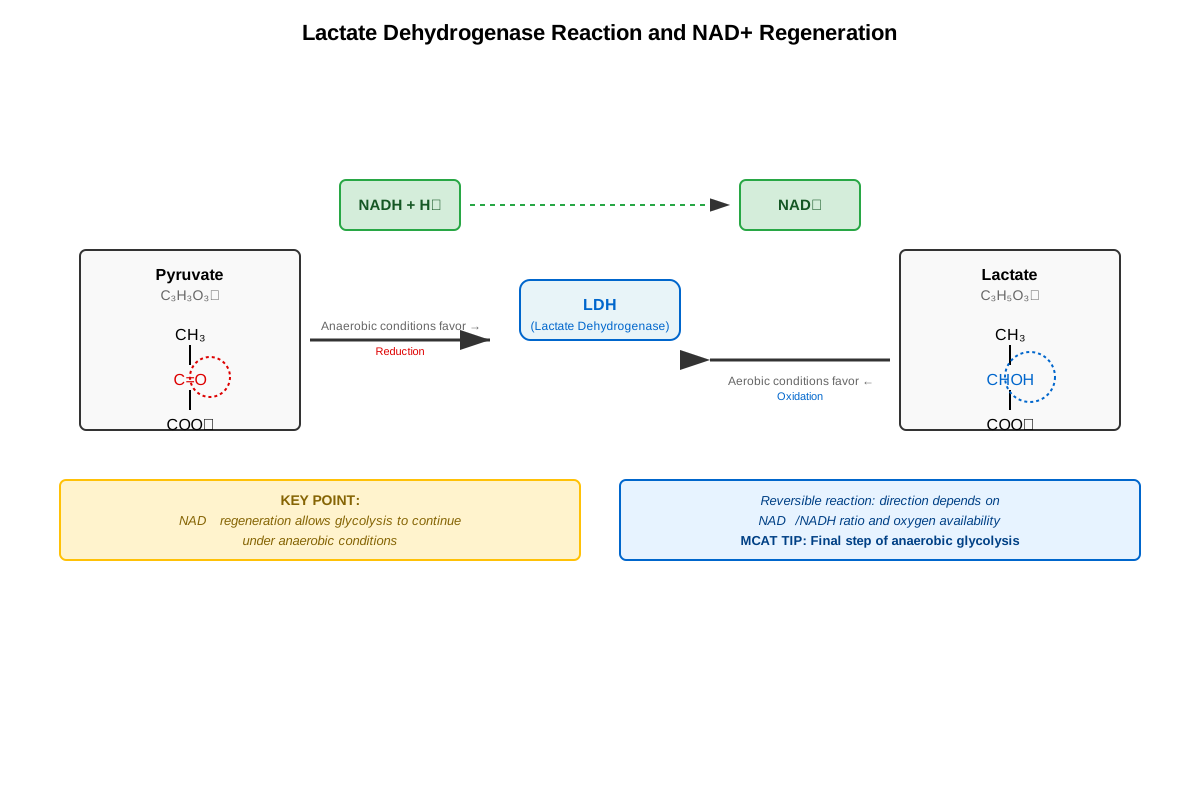
Lactate dehydrogenase (LDH) catalyzes the reversible conversion of pyruvate to lactate, coupled with the interconversion of NADH and NAD+. This reaction represents the terminal step of anaerobic glycolysis:
Pyruvate + NADH + H+ ⇌ Lactate + NAD+The reaction is freely reversible, with the direction determined by substrate concentrations, NAD+/NADH ratio, and tissue-specific LDH isozyme properties. Under anaerobic conditions or when glycolytic flux exceeds mitochondrial oxidative capacity, the reaction proceeds toward lactate formation. This regenerates NAD+, which is absolutely essential for continued glycolysis at the glyceraldehyde-3-phosphate dehydrogenase step. Without NAD+ regeneration, glycolysis would halt, and cells would be unable to produce ATP through this pathway.
The thermodynamics of the LDH reaction favor lactate formation under physiological conditions (ΔG°' ≈ -25 kJ/mol in the direction of lactate production). However, the actual direction in vivo depends on local metabolite concentrations. In muscle during intense exercise, high pyruvate and NADH concentrations drive lactate production. Conversely, in the liver or heart with abundant oxygen, lactate can be oxidized back to pyruvate for gluconeogenesis or oxidative metabolism.
LDH Isozymes and Tissue Specificity
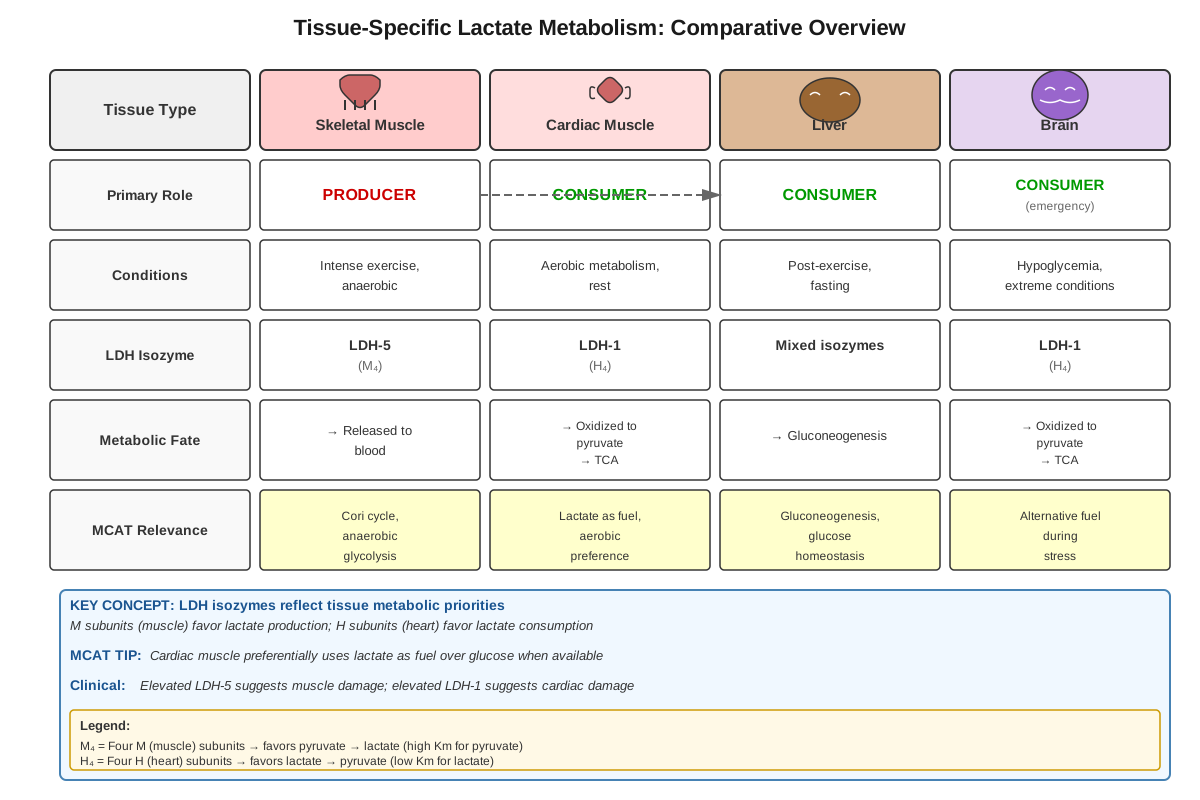
LDH exists as a tetramer composed of two subunit types: M (muscle) and H (heart), encoded by different genes. These subunits combine to form five distinct isozymes:
| Isozyme | Subunit Composition | Primary Tissue | Metabolic Preference |
|---|---|---|---|
| LDH-1 | H₄ | Heart, brain, RBCs | Lactate → Pyruvate (oxidative) |
| LDH-2 | H₃M₁ | Heart, RBCs | Lactate → Pyruvate |
| LDH-3 | H₂M₂ | Lungs, other tissues | Intermediate |
| LDH-4 | H₁M₃ | Skeletal muscle, liver | Pyruvate → Lactate |
| LDH-5 | M₄ | Skeletal muscle, liver | Pyruvate → Lactate (glycolytic) |
The H subunit (heart-type) has higher affinity for lactate and is inhibited by high pyruvate concentrations, making it optimal for oxidizing lactate to pyruvate in aerobic tissues. The M subunit (muscle-type) has higher Vmax for pyruvate reduction and is less inhibited by pyruvate, making it ideal for producing lactate during anaerobic glycolysis. This tissue-specific distribution reflects metabolic specialization: cardiac muscle primarily oxidizes lactate as fuel, while skeletal muscle produces lactate during intense contraction.
Clinical note: Measuring LDH isozyme patterns in blood helps diagnose tissue damage. Elevated LDH-1 suggests myocardial infarction, while elevated LDH-5 indicates liver or skeletal muscle damage.
The Cori Cycle: Metabolic Cooperation Between Muscle and Liver
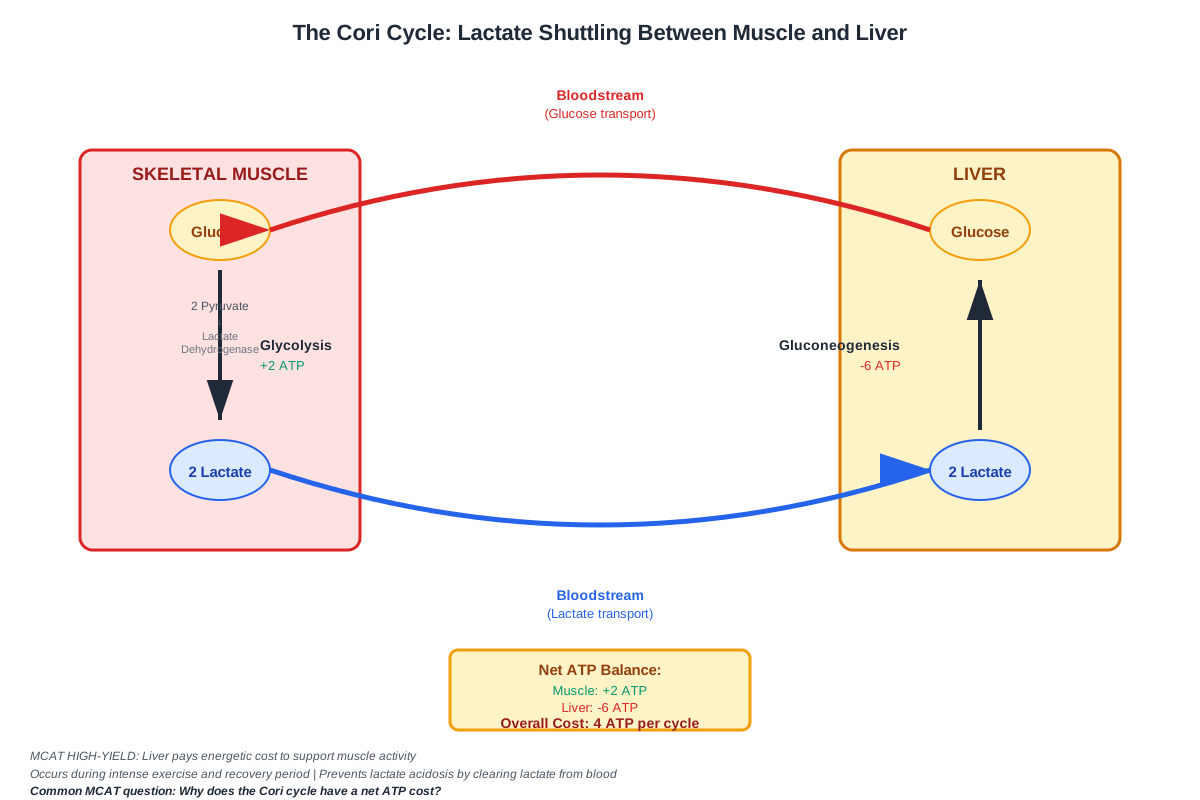
The Cori cycle describes the metabolic partnership between skeletal muscle and liver during anaerobic exercise or oxygen limitation. This cycle allows continued ATP production in muscle while preventing dangerous lactate accumulation:
- Muscle (anaerobic glycolysis): Glucose → 2 Pyruvate → 2 Lactate + 2 ATP (net)
- Transport: Lactate released into bloodstream via monocarboxylate transporters (MCTs)
- Liver (gluconeogenesis): 2 Lactate → 2 Pyruvate → Glucose (costs 6 ATP)
- Transport: Glucose returns to bloodstream, available for muscle uptake
- Cycle repeats: Glucose taken up by muscle for continued glycolysis
The Cori cycle is not energetically favorable for the organism as a whole—it consumes 6 ATP in the liver to regenerate glucose that yields only 2 ATP in muscle. However, it serves critical functions:
- Maintains blood glucose during exercise
- Prevents lactic acidosis by clearing lactate from muscle and blood
- Distributes metabolic burden between tissues
- Allows muscle to continue contracting when oxygen is limiting
The cycle operates continuously at low levels but becomes quantitatively significant during intense exercise, recovery from exercise, or pathological states with impaired oxidative metabolism.
Lactate as a Metabolic Fuel
Modern understanding recognizes lactate not as a metabolic waste product but as a valuable metabolic intermediate and fuel source. Several tissues preferentially oxidize lactate:
Cardiac muscle: The heart extracts lactate from blood and oxidizes it to pyruvate, which enters the citric acid cycle. During exercise, lactate may provide 40-50% of cardiac fuel. The heart's high LDH-1 content facilitates this lactate oxidation.
Brain: Neurons can utilize lactate produced by astrocytes (astrocyte-neuron lactate shuttle). During intense neuronal activity, astrocytes increase glycolysis and export lactate, which neurons oxidize for ATP production. This metabolic coupling is essential for brain energetics.
Oxidative muscle fibers: Type I (slow-twitch) muscle fibers with high oxidative capacity can oxidize lactate produced by Type II (fast-twitch) glycolytic fibers, creating an intramuscular lactate shuttle.
Liver and kidney: These gluconeogenic organs convert lactate to glucose, effectively recycling this metabolite rather than excreting it.
Lactate Production Under Different Conditions
Several physiological and pathological conditions alter lactate production and metabolism:
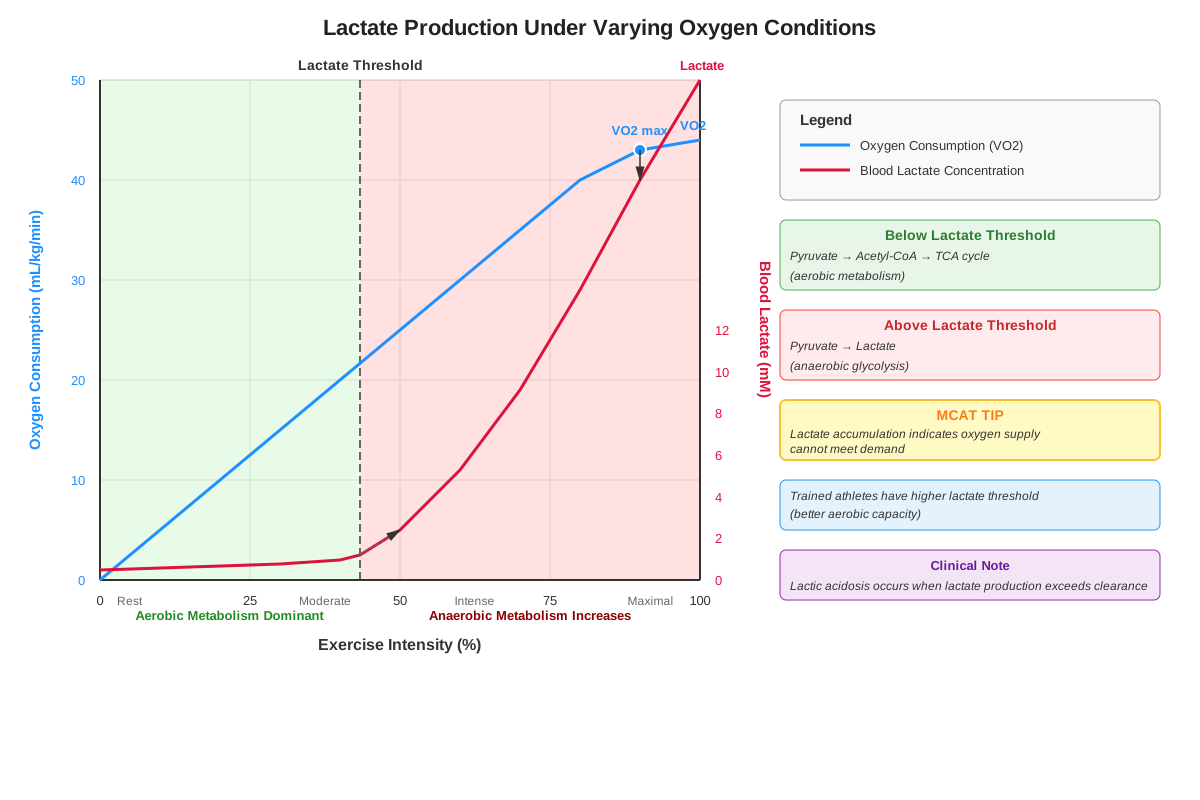
Intense Exercise: When ATP demand exceeds oxygen delivery or mitochondrial capacity, muscle increases glycolytic flux. Pyruvate production exceeds the rate of pyruvate oxidation in mitochondria, leading to lactate accumulation. The lactate threshold (typically 50-80% VO₂max) represents the exercise intensity where lactate production exceeds clearance.
Hypoxia: Reduced oxygen availability impairs oxidative phosphorylation, forcing cells to rely on anaerobic glycolysis. This occurs at altitude, in poorly perfused tissues, or during respiratory failure. The resulting lactate accumulation can cause metabolic acidosis.
Warburg Effect (Cancer): Tumor cells often exhibit high glycolytic rates with lactate production even when oxygen is abundant. This aerobic glycolysis supports rapid cell proliferation by providing biosynthetic intermediates and maintaining redox balance. The acidic tumor microenvironment created by lactate export may promote invasion and metastasis.
Sepsis and Shock: Tissue hypoperfusion and mitochondrial dysfunction in septic shock cause widespread lactate production. Blood lactate levels correlate with mortality and guide resuscitation efforts.
Lactate Transport
Monocarboxylate transporters (MCTs) facilitate lactate movement across cell membranes. These proton-linked transporters co-transport lactate and H⁺, making them critical for both metabolite distribution and pH regulation. Four main MCT isoforms exist:
- MCT1: Widely distributed; imports and exports lactate; important in heart, red blood cells, and oxidative muscle
- MCT2: High affinity for lactate; primarily imports lactate; found in liver and neurons
- MCT4: Lower affinity; primarily exports lactate; abundant in glycolytic muscle and tumors
- MCT3: Retinal pigment epithelium and choroid plexus
The directionality of lactate transport depends on concentration gradients and pH differences across membranes. During exercise, muscle MCT4 exports lactate into blood, while cardiac MCT1 imports it for oxidation.
Energetics and ATP Yield
Understanding the energetic consequences of lactate metabolism is essential for MCAT questions:
Anaerobic glycolysis (glucose → lactate):
- Gross ATP: 4 ATP (substrate-level phosphorylation)
- ATP invested: 2 ATP (hexokinase and phosphofructokinase steps)
- Net ATP yield: 2 ATP per glucose
- No oxygen required
- Fast ATP production rate
Complete glucose oxidation (glucose → CO₂ + H₂O):
- Glycolysis: 2 ATP (net) + 2 NADH
- Pyruvate dehydrogenase: 2 NADH
- Citric acid cycle: 2 ATP + 6 NADH + 2 FADH₂
- Oxidative phosphorylation: ~28-30 ATP from NADH/FADH₂
- Total: ~30-32 ATP per glucose
- Requires oxygen
- Slower ATP production rate but much higher yield
Lactate oxidation (lactate → CO₂ + H₂O):
- Lactate → Pyruvate: 1 NADH
- Pyruvate → Acetyl-CoA: 1 NADH
- Citric acid cycle: 1 ATP + 3 NADH + 1 FADH₂
- Total: ~15-17 ATP per lactate
The trade-off between anaerobic and aerobic metabolism reflects the classic rate-versus-yield dilemma: anaerobic glycolysis produces ATP rapidly but inefficiently, while oxidative metabolism is slower but yields far more ATP per glucose molecule.
Concept Relationships
Lactate metabolism sits at the intersection of multiple metabolic pathways, serving as a critical integration point in cellular energetics. The core relationship begins with glycolysis → pyruvate → lactate, where the LDH reaction provides essential NAD+ regeneration to sustain glycolytic ATP production. This connection makes lactate metabolism inseparable from understanding glycolysis itself.
The Cori cycle creates a tissue-level metabolic loop: muscle glycolysis → lactate production → hepatic gluconeogenesis → glucose release → muscle glucose uptake. This relationship demonstrates metabolic cooperation and connects lactate metabolism to gluconeogenesis, requiring students to understand both pathways and their energetic costs.
Lactate metabolism connects to cellular respiration through the pyruvate node: lactate can be oxidized to pyruvate, which enters mitochondria for complete oxidation via pyruvate dehydrogenase and the citric acid cycle. This relationship explains why aerobic tissues (heart, oxidative muscle) preferentially consume lactate rather than produce it.
The NAD+/NADH ratio serves as a regulatory link connecting lactate metabolism to overall cellular redox state. High NADH (low NAD+/NADH ratio) drives lactate production, while high NAD+ favors pyruvate formation. This connects lactate metabolism to alcohol metabolism (which also affects NAD+/NADH ratio) and explains metabolic consequences of various toxins and drugs.
Acid-base balance connects to lactate metabolism because lactate production is accompanied by H+ generation (from glycolysis, not from the LDH reaction itself). This relationship explains lactic acidosis and connects biochemistry to physiology and renal function.
Textual relationship map:
Glucose → Glycolysis → Pyruvate ⇌ Lactate
                          ↓           ↑
                    Mitochondria   NAD+ regeneration
                          ↓           ↑
                    Citric Acid   Sustains glycolysis
                       Cycle          ↓
                          ↓        ATP production
                    Oxidative         ↓
                  Phosphorylation  Muscle contraction

Muscle Lactate → Blood → Liver Lactate → Gluconeogenesis → Glucose
(Cori Cycle)
Quick check — test yourself on Lactate metabolism so far.
Try Flashcards →High-Yield Facts
⭐ The LDH reaction regenerates NAD+, which is essential for continued glycolysis during anaerobic conditions
⭐ The Cori cycle costs the body 4 net ATP (6 ATP for gluconeogenesis minus 2 ATP from glycolysis)
⭐ LDH-5 (M₄) predominates in skeletal muscle and favors lactate production; LDH-1 (H₄) predominates in heart and favors lactate oxidation
⭐ Lactate production does not directly cause muscle fatigue; the associated H+ accumulation and pH decrease contribute more significantly
⭐ Anaerobic glycolysis produces 2 ATP per glucose, while complete oxidation yields approximately 30-32 ATP per glucose
- Lactate and pyruvate are in equilibrium through the LDH reaction; the direction depends on substrate concentrations and NAD+/NADH ratio
- Monocarboxylate transporters (MCTs) co-transport lactate and H+, linking metabolite transport to pH regulation
- The Warburg effect describes preferential lactate production by cancer cells even in the presence of oxygen
- Cardiac muscle preferentially uses lactate as a fuel source, especially during exercise when blood lactate levels rise
- Blood lactate levels normally remain below 2 mM at rest but can exceed 20 mM during maximal exercise
- Lactate can serve as a gluconeogenic substrate in liver and kidney, contributing to blood glucose maintenance
- The lactate threshold during exercise represents the point where production exceeds clearance, not the point where anaerobic metabolism begins
- Type I (slow-twitch) muscle fibers can oxidize lactate produced by Type II (fast-twitch) fibers, creating an intramuscular lactate shuttle
- Elevated blood lactate (lactic acidosis) can result from either increased production (Type A) or decreased clearance (Type B)
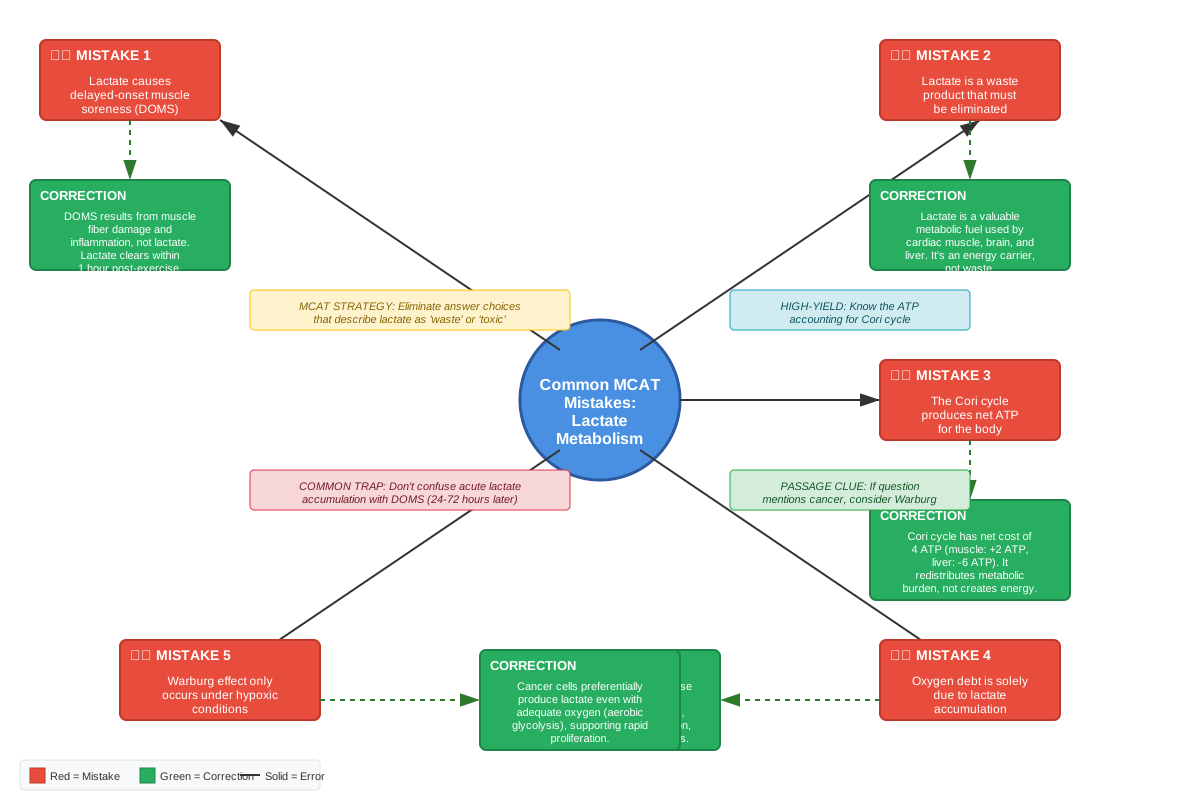
Common Misconceptions
Misconception: Lactate is a metabolic waste product that must be eliminated from the body.
Correction: Lactate is a valuable metabolic intermediate that serves as fuel for heart, brain, and oxidative muscle tissues. It is recycled through gluconeogenesis rather than excreted. Modern understanding recognizes lactate as a key metabolite in energy distribution between tissues.
Misconception: The LDH reaction produces H+ ions, causing acidosis during exercise.
Correction: The LDH reaction itself consumes H+ (pyruvate + NADH + H+ → lactate + NAD+). The acidosis associated with intense exercise results from H+ production during ATP hydrolysis and earlier glycolytic steps, not from lactate formation. Lactate production actually helps buffer against acidosis by consuming H+.
Misconception: Muscles produce lactate only when oxygen is completely absent (true anaerobic conditions).
Correction: Lactate production occurs whenever glycolytic flux exceeds mitochondrial oxidative capacity, which can happen even with adequate oxygen present. During intense exercise, ATP demand may exceed the rate at which mitochondria can oxidize pyruvate, leading to lactate formation despite oxygen availability.
Misconception: The Cori cycle is energetically favorable and helps the body produce more ATP.
Correction: The Cori cycle is energetically costly, consuming 4 net ATP per cycle (6 ATP for hepatic gluconeogenesis minus 2 ATP from muscle glycolysis). Its purpose is not ATP production but rather maintaining blood glucose, preventing lactic acidosis, and allowing continued muscle contraction during oxygen limitation.
Misconception: All tissues produce lactate at the same rate and have identical LDH isozymes.
Correction: Tissues exhibit metabolic specialization with different LDH isozyme compositions. Glycolytic tissues (skeletal muscle, liver) have predominantly LDH-5 (M₄) favoring lactate production, while oxidative tissues (heart, brain) have predominantly LDH-1 (H₄) favoring lactate oxidation. This tissue-specific distribution reflects different metabolic roles.
Misconception: Lactate accumulation directly causes muscle fatigue and the "burn" during exercise.
Correction: While lactate accumulation correlates with fatigue, it is not the direct cause. The associated decrease in pH (from H+ accumulation), phosphate accumulation, and other metabolic changes contribute more significantly to fatigue. Lactate itself may actually help delay fatigue by serving as a fuel source and maintaining glycolytic flux.
Misconception: Once lactate is produced, it cannot be converted back to pyruvate in the same tissue.
Correction: The LDH reaction is freely reversible. When conditions change (e.g., during recovery when oxygen becomes available and NADH is oxidized), lactate can be converted back to pyruvate in the same tissue and then oxidized through the citric acid cycle. This occurs in muscle during recovery from intense exercise.
Worked Examples
Example 1: Energetic Analysis of the Cori Cycle
Question: During a 400-meter sprint, a runner's skeletal muscles produce lactate through anaerobic glycolysis. The lactate is transported to the liver, where it is converted back to glucose through gluconeogenesis. Calculate the net ATP cost to the body for one complete turn of the Cori cycle, and explain why the body uses this energetically unfavorable cycle.
Solution:
Step 1: Analyze ATP production in muscle (anaerobic glycolysis)
- Glucose → 2 Lactate
- Gross ATP produced: 4 ATP (2 from each of two substrate-level phosphorylations)
- ATP invested: 2 ATP (hexokinase and phosphofructokinase steps)
- Net ATP in muscle: 2 ATP
Step 2: Analyze ATP consumption in liver (gluconeogenesis)
- 2 Lactate → 2 Pyruvate (via LDH, no ATP cost)
- 2 Pyruvate → Glucose (via gluconeogenesis)
- ATP equivalents required: 6 ATP
- 2 ATP for pyruvate carboxylase (2 pyruvate → 2 oxaloacetate)
- 2 GTP for PEPCK (2 oxaloacetate → 2 PEP)
- 2 ATP for phosphoglycerate kinase (bypassing the ATP-generating step)
- Total ATP consumed in liver: 6 ATP
Step 3: Calculate net ATP cost
- ATP gained (muscle): +2 ATP
- ATP consumed (liver): -6 ATP
- Net ATP cost to body: -4 ATP per cycle
Step 4: Explain physiological rationale
Despite the energetic cost, the Cori cycle serves essential functions:
- Maintains blood glucose: Prevents hypoglycemia during prolonged exercise
- Prevents lactic acidosis: Clears lactate from muscle and blood, preventing dangerous pH decrease
- Distributes metabolic burden: Liver has greater oxidative capacity and can handle the energetic cost
- Allows continued muscle contraction: By regenerating NAD+, muscle can continue producing ATP through glycolysis when oxygen is limiting
- Temporal separation: Muscle gets immediate ATP during exercise; liver pays the energetic cost during and after exercise when oxygen is more available
Key Concept: The Cori cycle prioritizes immediate muscle function over overall energetic efficiency, demonstrating that metabolic pathways serve physiological needs beyond simple ATP maximization.
Example 2: Interpreting Experimental Data on Tissue-Specific Lactate Metabolism
Question: Researchers measure lactate concentrations in arterial blood entering and venous blood leaving different tissues during moderate exercise. The data shows:
| Tissue | Arterial Lactate (mM) | Venous Lactate (mM) | Net Change |
|---|---|---|---|
| Skeletal muscle (active) | 2.0 | 4.5 | +2.5 |
| Cardiac muscle | 2.0 | 1.2 | -0.8 |
| Liver | 2.0 | 1.5 | -0.5 |
| Brain | 2.0 | 1.8 | -0.2 |
Explain these findings in terms of tissue-specific lactate metabolism, LDH isozymes, and metabolic function.
Solution:
Skeletal muscle (active): Shows net lactate production (+2.5 mM)
- During moderate exercise, working muscle produces lactate through anaerobic glycolysis
- High glycolytic flux exceeds mitochondrial oxidative capacity
- Predominant LDH-5 (M₄) isozyme favors pyruvate → lactate conversion
- Lactate is exported via MCT4 transporters into venous blood
- This allows continued NAD+ regeneration and glycolytic ATP production
Cardiac muscle: Shows net lactate consumption (-0.8 mM)
- Heart preferentially oxidizes lactate as a fuel source
- Predominant LDH-1 (H₄) isozyme favors lactate → pyruvate conversion
- High oxidative capacity allows complete lactate oxidation to CO₂ and H₂O
- MCT1 transporters import lactate from blood
- During exercise, elevated blood lactate provides increased fuel for cardiac work
- This demonstrates metabolic cooperation: muscle produces lactate, heart consumes it
Liver: Shows net lactate consumption (-0.5 mM)
- Liver removes lactate for gluconeogenesis (Cori cycle)
- Lactate → pyruvate → glucose pathway
- MCT2 transporters (high affinity) import lactate
- Newly synthesized glucose is released to maintain blood glucose for working muscle
- Lower lactate extraction compared to heart reflects liver's multiple metabolic roles
Brain: Shows modest lactate consumption (-0.2 mM)
- Brain can utilize lactate as supplementary fuel, especially during exercise
- Neurons oxidize lactate produced by astrocytes (astrocyte-neuron lactate shuttle)
- Lower extraction reflects brain's primary reliance on glucose
- Demonstrates lactate's role as a metabolic fuel beyond just muscle-liver cycling
Integration: This data illustrates metabolic specialization and inter-organ cooperation. Glycolytic tissues produce lactate, which oxidative tissues consume as fuel or convert to glucose. The tissue-specific LDH isozyme distribution supports these different metabolic roles. Blood lactate serves as a mobile fuel source, distributing energy between tissues based on their metabolic needs and capacities.
Exam Strategy
Approaching MCAT Questions on Lactate Metabolism
Step 1: Identify the metabolic context
Determine whether the question involves:
- Exercise physiology (most common)
- Hypoxia or ischemia
- Cancer metabolism (Warburg effect)
- Metabolic disease or enzyme deficiency
- Tissue-specific metabolism
Step 2: Trace the pathway
For mechanism questions, systematically trace:
- Glucose → Pyruvate (glycolysis)
- Pyruvate ⇌ Lactate (LDH reaction)
- Lactate transport between tissues
- Lactate → Glucose (gluconeogenesis in liver)
Step 3: Consider energetics
Many questions test understanding of ATP yield:
- Anaerobic glycolysis: 2 ATP per glucose
- Complete oxidation: ~30-32 ATP per glucose
- Cori cycle: net cost of 4 ATP
Step 4: Apply tissue specificity
Remember which tissues produce versus consume lactate:
- Producers: skeletal muscle (during exercise), tumors, RBCs
- Consumers: heart, liver, brain, oxidative muscle fibers
Trigger Words and Phrases
Watch for these exam triggers that signal lactate metabolism:
- "Anaerobic conditions" or "oxygen limitation" → lactate production
- "Intense exercise" or "sprint" → muscle lactate production, Cori cycle
- "Recovery period" → lactate clearance and oxidation
- "Cardiac muscle" or "heart tissue" → lactate consumption as fuel
- "LDH isozymes" or "tissue-specific enzymes" → compare LDH-1 vs. LDH-5
- "NAD+ regeneration" → essential role of LDH reaction
- "Metabolic cooperation" → Cori cycle between muscle and liver
- "Warburg effect" or "aerobic glycolysis" → cancer cell lactate production
Process-of-Elimination Tips
For questions about lactate production:
- Eliminate answers suggesting lactate production requires complete absence of oxygen (it doesn't)
- Eliminate answers claiming lactate is toxic waste (it's a valuable metabolite)
- Eliminate answers stating LDH reaction produces H+ (it consumes H+)
For energetics questions:
- Eliminate answers suggesting Cori cycle produces net ATP (it costs ATP)
- Eliminate answers giving ATP yields that don't match standard values (2 for anaerobic, ~30-32 for aerobic)
- Eliminate answers ignoring the ATP cost of gluconeogenesis
For tissue-specific questions:
- Eliminate answers suggesting heart produces lactate during normal activity (it consumes lactate)
- Eliminate answers claiming all tissues have identical LDH isozymes (they don't)
- Eliminate answers stating RBCs can oxidize lactate (they lack mitochondria)
Time Allocation Advice
For discrete questions on lactate metabolism: 60-90 seconds
- These typically test straightforward concepts (LDH reaction, Cori cycle, ATP yield)
- If you know the content, answer quickly and move on
For passage-based questions:
- Spend 3-4 minutes reading and annotating the passage
- Identify the experimental setup and key data
- Each question: 60-90 seconds
- Don't get bogged down in complex calculations; estimate when possible
Exam Tip: If a passage presents novel experimental data on lactate, focus on applying core principles (production vs. consumption, energetics, tissue specificity) rather than memorizing the specific experimental details. The MCAT tests your ability to apply knowledge to new contexts.
Memory Techniques
Mnemonics
"Heart Helps, Muscle Makes" - Remember tissue-specific lactate metabolism
- Heart Has LDH-1 (H₄) and Helps by consuming lactate
- Muscle has LDH-5 (M₄) and Makes lactate during exercise
"CORI = Costly Organ Recycling Initiative" - Remember the Cori cycle costs ATP
- Costly: net 4 ATP consumed
- Organ: involves muscle and liver cooperation
- Recycling: lactate → glucose → lactate
- Initiative: maintains blood glucose and prevents acidosis
"NAD+ Needs Lactate" - Remember the essential function of LDH
- NAD+ regeneration
- Anaerobic glycolysis continuation
- Depends on lactate formation
Visualization Strategies
The Metabolic Shuttle Visualization:
Picture a shuttle bus running between two buildings:
- Muscle building (factory): Produces lactate as a byproduct, loads it onto the shuttle
- Liver building (recycling center): Receives lactate, converts it back to glucose
- Shuttle (bloodstream): Carries lactate from muscle to liver, returns with glucose
- Energy cost: The recycling center uses more energy (6 ATP) than the factory gains (2 ATP)
The LDH Isozyme Spectrum:
Visualize a spectrum from glycolytic (left) to oxidative (right):
Glycolytic ←――――――――――――――――――――――――→ Oxidative
LDH-5 (M₄)  LDH-4  LDH-3  LDH-2  LDH-1 (H₄)
Muscle/Liver ←―――――――――――――――→ Heart/Brain
Makes Lactate ←――――――――――――→ Uses Lactate
The NAD+ Regeneration Cycle:
Picture a circular flow:
- Glycolysis uses NAD+ → produces NADH
- NADH accumulates → glycolysis would stop
- LDH converts pyruvate to lactate → regenerates NAD+
- NAD+ returns to glycolysis → cycle continues
Acronyms
LACTATE - Key features of lactate metabolism:
- LDH catalyzes the reaction
- Anaerobic glycolysis produces it
- Cori cycle recycles it
- Tissue-specific isozymes
- ATP yield is low (2 per glucose)
- Transport via MCTs
- Energetically costly to recycle
Summary
Lactate metabolism represents a critical metabolic pathway connecting anaerobic glycolysis, tissue cooperation, and energy homeostasis. The lactate dehydrogenase reaction reversibly converts pyruvate to lactate while regenerating NAD+, which is essential for continued glycolytic ATP production under anaerobic conditions or when ATP demand exceeds oxidative capacity. Tissue-specific LDH isozymes reflect metabolic specialization: LDH-5 (M₄) in skeletal muscle favors lactate production during intense exercise, while LDH-1 (H₄) in cardiac muscle favors lactate oxidation as a preferred fuel source. The Cori cycle demonstrates metabolic cooperation between muscle and liver, allowing continued muscle contraction during oxygen limitation while preventing lactic acidosis, despite costing the body 4 net ATP per cycle. Modern understanding recognizes lactate not as metabolic waste but as a valuable fuel for heart, brain, and oxidative muscle tissues, transported between cells via monocarboxylate transporters. For the MCAT, students must understand the biochemical mechanisms, energetic consequences, tissue-specific adaptations, and physiological contexts of lactate metabolism, particularly in exercise physiology, cancer metabolism, and metabolic diseases.
Key Takeaways
- The LDH reaction (pyruvate + NADH + H+ ⇌ lactate + NAD+) regenerates NAD+ essential for continued glycolysis during anaerobic conditions
- Tissue-specific LDH isozymes reflect metabolic roles: LDH-5 (M₄) in muscle favors lactate production; LDH-1 (H₄) in heart favors lactate oxidation
- The Cori cycle costs 4 net ATP but serves critical functions: maintaining blood glucose, preventing lactic acidosis, and allowing continued muscle contraction
- Lactate is a valuable metabolic fuel consumed by heart, brain, and oxidative muscle tissues, not merely a waste product
- Anaerobic glycolysis yields only 2 ATP per glucose compared to ~30-32 ATP from complete oxidation, representing a rate-versus-yield trade-off
- Lactate production occurs when glycolytic flux exceeds mitochondrial oxidative capacity, not only in complete absence of oxygen
- Monocarboxylate transporters (MCTs) facilitate lactate and H+ co-transport, linking metabolite distribution to pH regulation
Related Topics
Glycolysis: Understanding the complete glycolytic pathway provides essential context for where pyruvate originates and why NAD+ regeneration is critical. Mastering lactate metabolism requires solid glycolysis knowledge.
Gluconeogenesis: The hepatic conversion of lactate to glucose through gluconeogenesis completes the Cori cycle. Understanding the energetic cost and regulation of gluconeogenesis is essential for integrating lactate metabolism.
Cellular Respiration and Oxidative Phosphorylation: Comparing anaerobic glycolysis (with lactate production) to complete aerobic oxidation illustrates the energetic trade-offs in metabolism and explains tissue-specific metabolic preferences.
Enzyme Kinetics and Isozymes: LDH isozymes provide an excellent example of how different enzyme forms with tissue-specific distribution support specialized metabolic functions.
Acid-Base Balance: Lactate metabolism connects to pH regulation, lactic acidosis, and the body's buffering systems, bridging biochemistry and physiology.
Cancer Metabolism: The Warburg effect and altered lactate metabolism in tumors represent an important application of lactate metabolism principles to pathology and medical diagnostics.
Practice CTA
Now that you've mastered the core concepts of lactate metabolism, it's time to solidify your understanding through active practice. Work through the practice questions to test your ability to apply these concepts in MCAT-style scenarios, and use the flashcards to reinforce high-yield facts and relationships. Remember, the MCAT rewards not just knowledge but the ability to apply biochemical principles to novel experimental contexts—exactly what you've prepared for with this comprehensive guide. Your investment in understanding lactate metabolism will pay dividends not only on test day but throughout your medical career, where these concepts underlie exercise physiology, critical care medicine, and metabolic disease management. You've got this!
Sign up free to keep reading
Create a free AnvayaPrep account to finish this MCAT guide on Lactate metabolism — plus flashcards and practice questions.