Overview
Blotting techniques are a cornerstone of molecular biology and represent essential laboratory methods for detecting and analyzing specific biomolecules within complex mixtures. These techniques separate molecules by size using gel electrophoresis, transfer them to a solid membrane, and then use labeled probes to identify target molecules. For the MCAT, understanding blotting techniques is critical because they appear frequently in experimental passages within the Biochemistry and Biological and Biochemical Foundations sections, where students must interpret research methodologies, analyze data, and draw conclusions about molecular identification and quantification.
The three primary blotting techniques—Southern blot (DNA), Northern blot (RNA), and Western blot (protein)—each follow similar procedural logic but target different biomolecules. Mastery of these methods requires understanding not only the technical steps but also the underlying biochemical principles that make separation and detection possible. The MCAT tests conceptual understanding rather than procedural memorization, focusing on why researchers choose specific techniques, how to interpret results, and what conclusions can be drawn from blotting data.
Within the broader context of Nucleic Acids and Biotechnology, blotting techniques connect directly to DNA structure, RNA processing, protein synthesis, and molecular diagnostics. These methods bridge fundamental biochemistry concepts with practical applications in genetic testing, disease diagnosis, and research. Understanding blotting techniques also provides context for related molecular biology tools like PCR, DNA sequencing, and recombinant DNA technology, making this topic a high-yield investment for comprehensive MCAT preparation.
Learning Objectives
- [ ] Define blotting techniques using accurate Biochemistry terminology
- [ ] Explain why blotting techniques matter for the MCAT
- [ ] Apply blotting techniques to exam-style questions
- [ ] Identify common mistakes related to blotting techniques
- [ ] Connect blotting techniques to related Biochemistry concepts
- [ ] Distinguish between Southern, Northern, and Western blotting based on target molecules and detection methods
- [ ] Analyze experimental data from blotting procedures to draw valid conclusions
- [ ] Predict which blotting technique would be most appropriate for specific research questions
Prerequisites
- Gel electrophoresis principles: Blotting techniques begin with electrophoretic separation, requiring understanding of how charged molecules migrate through gel matrices based on size
- DNA and RNA structure: Recognition of nucleic acid properties (charge, base pairing, denaturation) is essential for understanding probe hybridization
- Protein structure and properties: Western blotting requires knowledge of protein denaturation, antibody-antigen interactions, and protein molecular weights
- Central Dogma of molecular biology: Understanding DNA→RNA→protein flow contextualizes why different blotting techniques target different molecules
- Complementary base pairing: Probe design and hybridization depend on Watson-Crick base pairing rules
Why This Topic Matters
Blotting techniques represent one of the most frequently tested laboratory methods on the MCAT, appearing in approximately 15-20% of Biochemistry passages that involve experimental design or data interpretation. These techniques are clinically significant for diagnosing genetic disorders (Southern blot for sickle cell disease), detecting viral infections (Northern blot for viral RNA), and confirming protein expression in diseases like HIV (Western blot as confirmatory test). Understanding blotting methods enables students to interpret research findings, evaluate experimental validity, and connect molecular biology concepts to real-world applications.
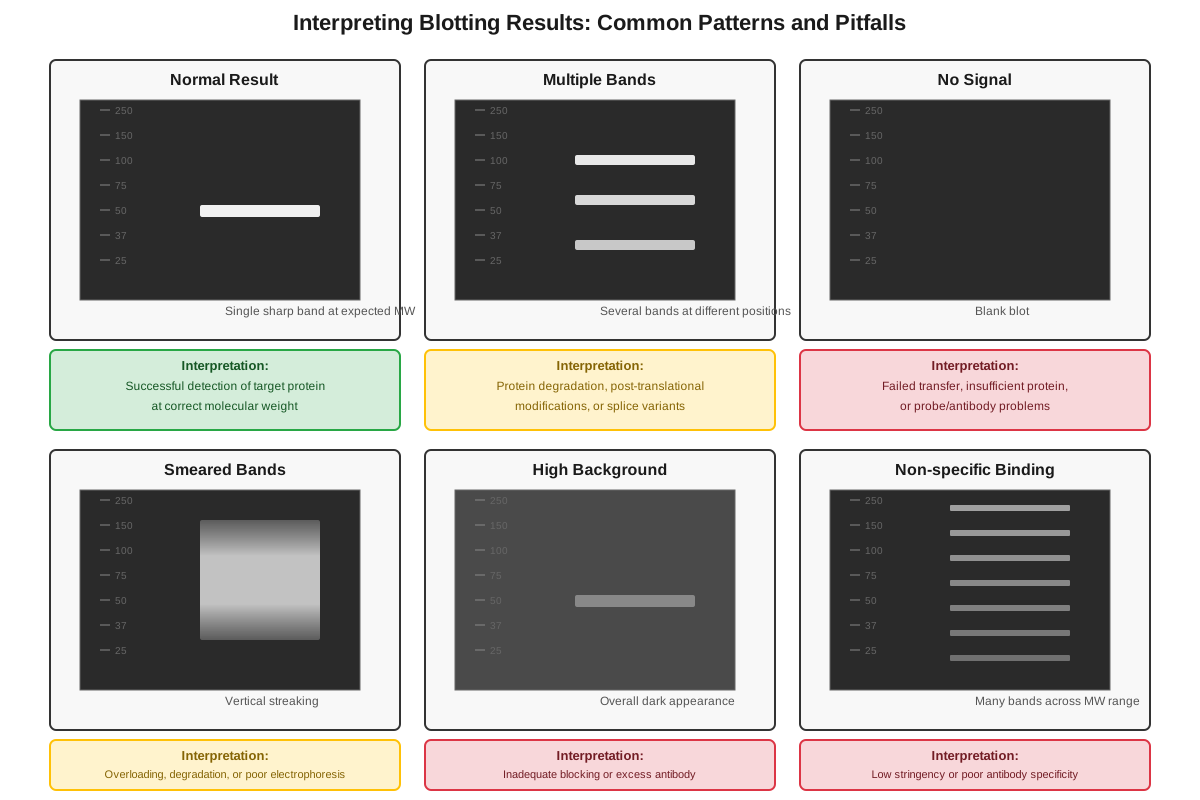
On the MCAT, blotting techniques commonly appear in passage-based questions where students must: (1) identify which technique was used based on experimental descriptions, (2) interpret gel images showing bands at different molecular weights, (3) predict results based on genetic mutations or protein modifications, or (4) evaluate whether the chosen technique appropriately addresses the research question. Discrete questions may test the fundamental differences between blotting types or ask students to select appropriate detection methods for specific biomolecules.
The practical importance extends beyond the exam—these techniques remain standard tools in clinical laboratories, research institutions, and biotechnology companies. Western blots confirm HIV diagnoses after initial ELISA screening, Southern blots detect genetic rearrangements in cancer diagnostics, and Northern blots assess gene expression patterns in developmental biology research. This real-world relevance makes blotting techniques a bridge between theoretical biochemistry knowledge and clinical application, a connection the MCAT explicitly tests.
Core Concepts
Fundamental Principles of Blotting
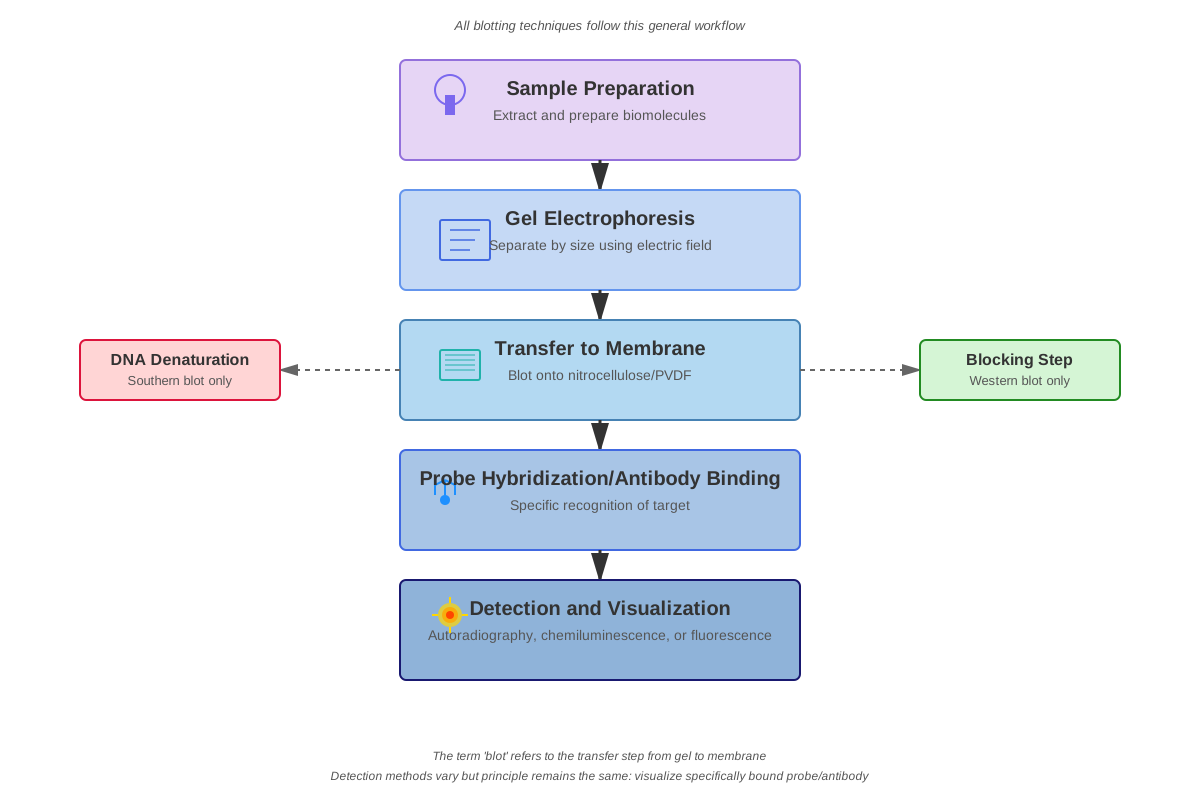
All blotting techniques share a common procedural framework consisting of four essential steps: (1) separation of molecules by gel electrophoresis, (2) transfer of separated molecules from gel to membrane, (3) blocking of non-specific binding sites, and (4) detection using labeled probes. This standardized approach allows researchers to isolate and identify specific biomolecules from complex biological samples containing thousands of different molecules. The term "blotting" refers to the transfer step, where molecules are "blotted" from the gel onto a solid support membrane (typically nitrocellulose or nylon).
The separation step exploits fundamental biochemical properties—nucleic acids migrate toward the positive electrode due to their negatively charged phosphate backbone, while proteins can be given uniform negative charge through SDS treatment. Smaller molecules migrate faster through the gel matrix pores, creating size-based separation. The transfer step preserves this spatial arrangement while moving molecules to a membrane that provides better accessibility for probe binding. Detection specificity comes from molecular recognition: complementary base pairing for nucleic acids or antibody-antigen interactions for proteins.
Southern Blot: DNA Detection
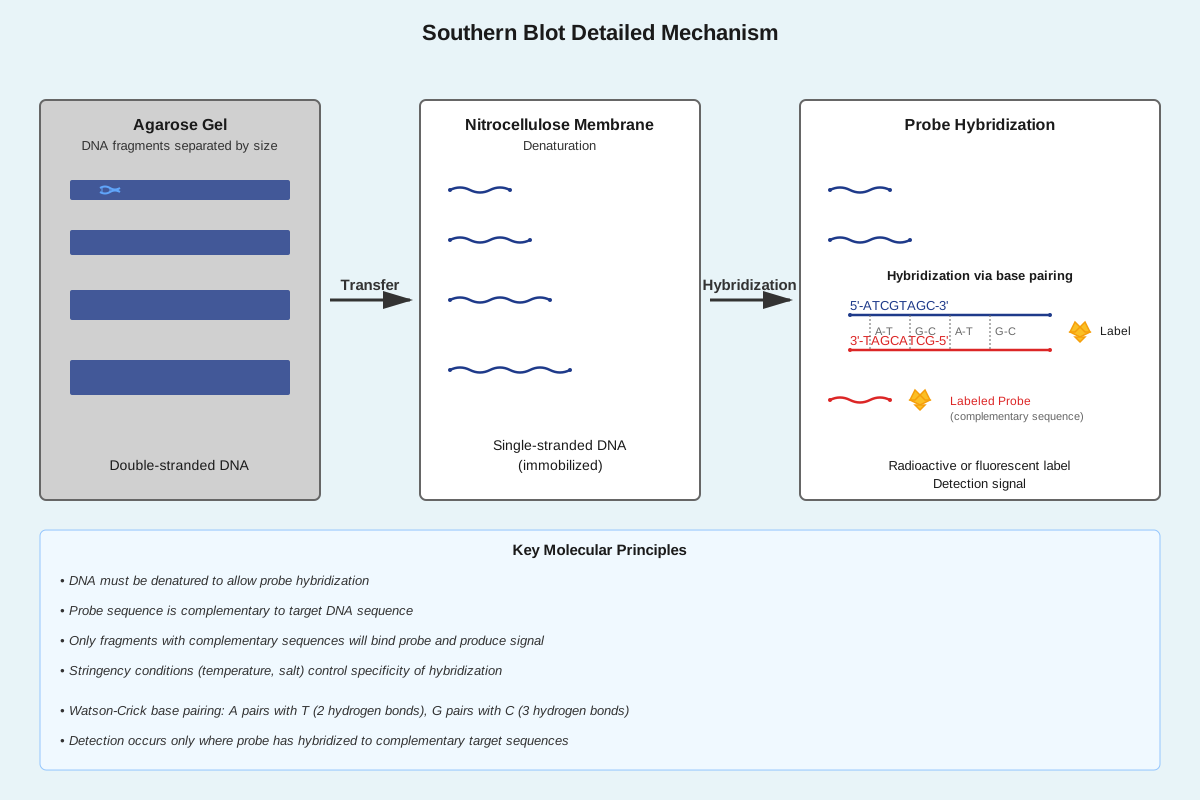
The Southern blot, named after Edwin Southern who developed it in 1975, specifically detects DNA sequences. This technique begins with restriction enzyme digestion of genomic DNA, creating fragments of defined sizes. These fragments undergo electrophoresis through an agarose gel, separating by size. Before transfer, the DNA must be denatured (converted from double-stranded to single-stranded) using alkaline treatment, allowing subsequent probe hybridization. The denatured DNA transfers to a membrane via capillary action, electroblotting, or vacuum transfer.
Detection employs a labeled probe—a single-stranded DNA or RNA sequence complementary to the target sequence. Probes are labeled with radioactive isotopes (³²P), fluorescent dyes, or chemiluminescent markers. The probe hybridizes to complementary sequences on the membrane through Watson-Crick base pairing, and washing steps remove non-specifically bound probe. Visualization reveals bands at positions corresponding to DNA fragments containing the target sequence. Southern blots are particularly valuable for detecting specific genes, analyzing restriction fragment length polymorphisms (RFLPs), confirming gene deletions or insertions, and identifying viral DNA integration into host genomes.
Northern Blot: RNA Detection
The Northern blot (named as a play on "Southern") detects RNA molecules, most commonly mRNA transcripts. This technique assesses gene expression by quantifying specific RNA species. RNA samples undergo electrophoresis through denaturing gels (containing formaldehyde or glyoxal) that prevent secondary structure formation, ensuring separation based solely on length. Unlike DNA, RNA does not require denaturation before transfer since it is already single-stranded, though denaturing conditions during electrophoresis prevent intramolecular base pairing.
Transfer and detection follow similar principles to Southern blotting, but with critical differences. The probe must be complementary to the RNA sequence of interest (often designed from known cDNA sequences). Northern blots provide information about transcript size, abundance, and alternative splicing patterns. Multiple bands for a single gene indicate alternative splicing variants or RNA processing intermediates. Band intensity correlates with expression level, allowing semi-quantitative analysis. Northern blots have been largely supplanted by RT-PCR and RNA-seq in modern research but remain conceptually important for the MCAT and still appear in clinical diagnostics.
Western Blot: Protein Detection
The Western blot (also called immunoblot) detects specific proteins using antibody recognition. This technique differs fundamentally from Southern and Northern blots because it relies on protein-antibody interactions rather than nucleic acid hybridization. Protein samples are first denatured and coated with sodium dodecyl sulfate (SDS), an anionic detergent that unfolds proteins and imparts uniform negative charge proportional to mass. This SDS-PAGE (polyacrylamide gel electrophoresis) separates proteins strictly by molecular weight.
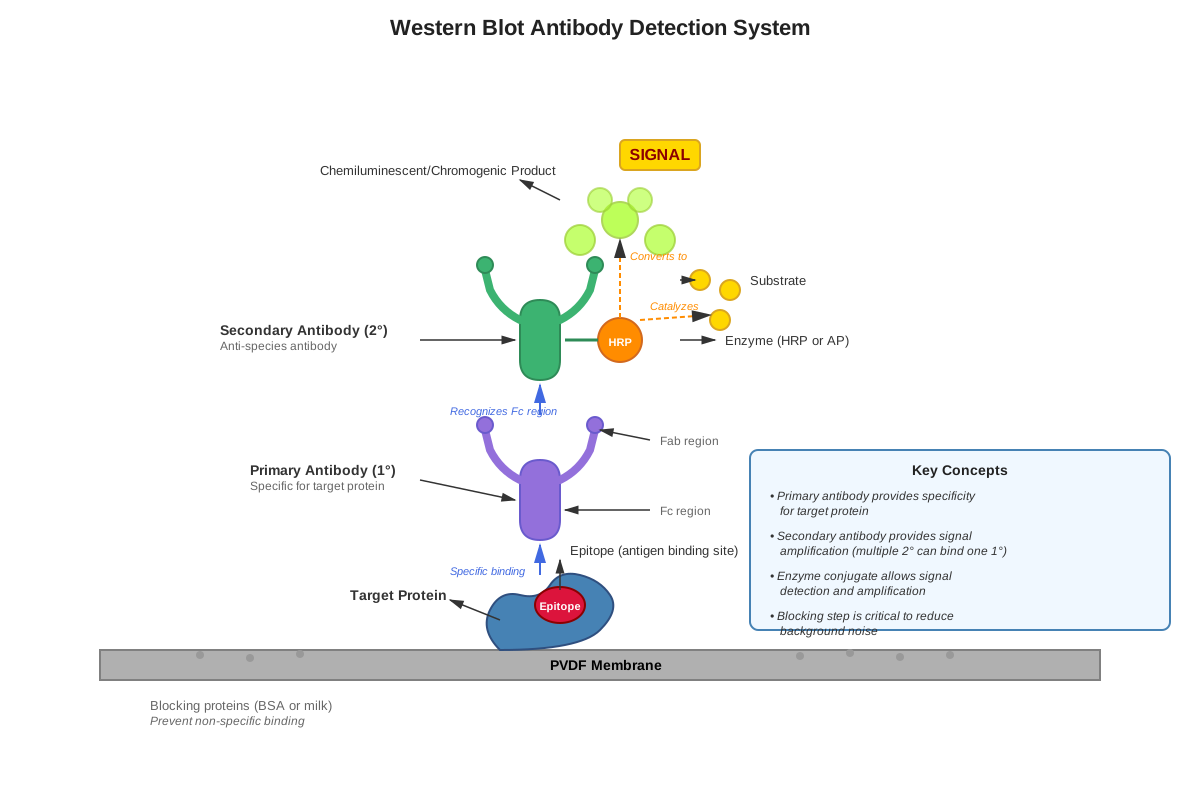
After electrophoretic separation, proteins transfer to a membrane (typically PVDF or nitrocellulose) through electroblotting. The membrane undergoes blocking with proteins like bovine serum albumin (BSA) or non-fat milk to prevent non-specific antibody binding. Detection uses a two-antibody system: the primary antibody specifically recognizes the target protein, and a secondary antibody (conjugated to an enzyme or fluorophore) recognizes the primary antibody. This indirect detection amplifies signal and allows flexibility in detection methods. Common enzyme conjugates include horseradish peroxidase (HRP) or alkaline phosphatase (AP), which produce colorimetric or chemiluminescent signals.
Comparison of Blotting Techniques
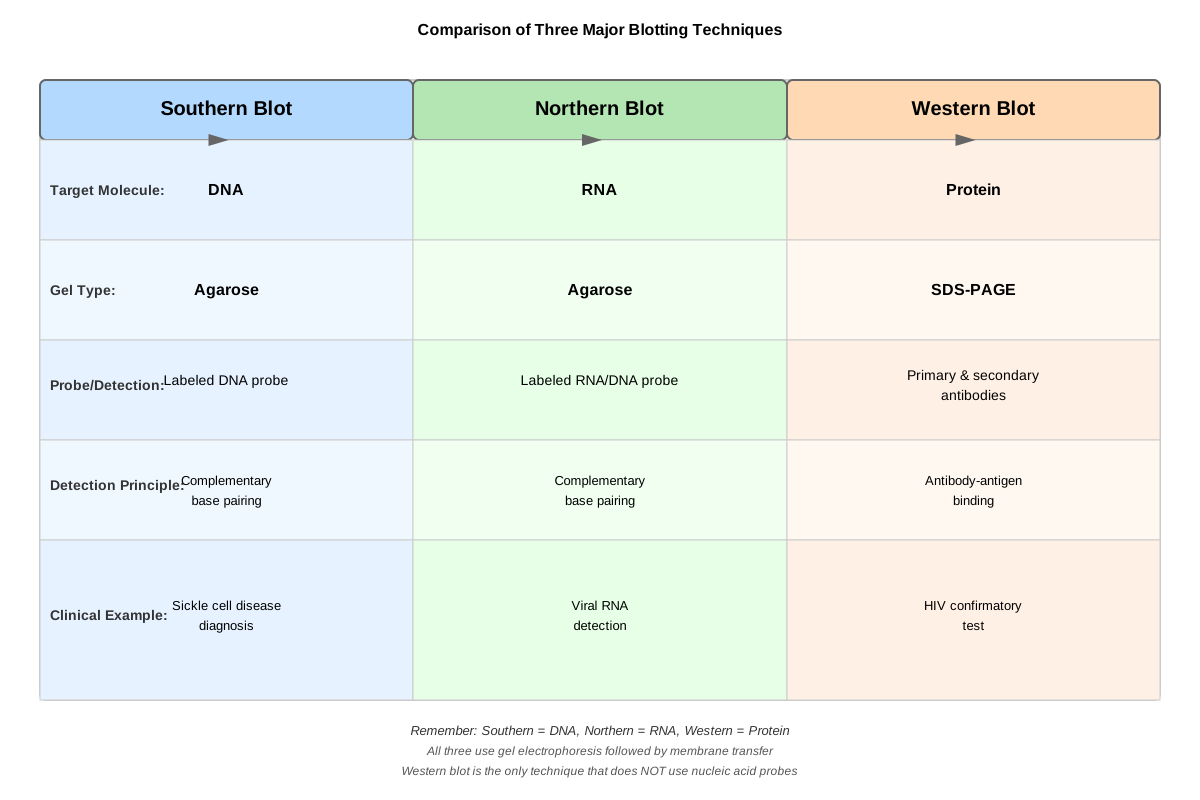
| Feature | Southern Blot | Northern Blot | Western Blot |
|---|---|---|---|
| Target molecule | DNA | RNA | Protein |
| Gel type | Agarose | Agarose (denaturing) | Polyacrylamide (SDS-PAGE) |
| Denaturation needed | Yes (alkaline treatment) | During electrophoresis | Yes (heat + SDS) |
| Probe type | Labeled DNA/RNA | Labeled DNA/RNA | Antibodies |
| Detection basis | Complementary base pairing | Complementary base pairing | Antibody-antigen binding |
| Information obtained | Gene presence, mutations, RFLPs | Gene expression, transcript size | Protein expression, size, modifications |
| Clinical application | Genetic disorders, viral integration | Viral infections, gene expression | HIV confirmation, protein biomarkers |
Detection Methods and Visualization
Detection methods vary based on probe labeling strategy. Radioactive labeling (typically ³²P-labeled nucleotides or ³⁵S-labeled amino acids) provides high sensitivity and quantitative accuracy but requires special handling and disposal. Autoradiography exposes X-ray film to the membrane, creating dark bands where radioactive probe has bound. Chemiluminescent detection uses enzyme-conjugated probes that catalyze light-producing reactions, detected by photographic film or digital imaging systems. This method offers sensitivity comparable to radioactivity without safety concerns.
Fluorescent detection employs fluorophore-conjugated probes excited by specific wavelengths, with emission detected by specialized cameras. This approach enables multiplexing (detecting multiple targets simultaneously using different fluorophores) and provides wide dynamic range for quantification. Colorimetric detection produces colored precipitates at probe binding sites, visible to the naked eye but less sensitive than other methods. The choice of detection method balances sensitivity requirements, equipment availability, safety considerations, and quantification needs.
Controls and Experimental Design
Proper experimental design requires multiple controls to validate results. Positive controls contain known amounts of target molecule, confirming that the detection system functions properly. Negative controls lack the target molecule, establishing baseline signal and identifying non-specific binding. Loading controls (particularly important for Western blots) use antibodies against housekeeping proteins (β-actin, GAPDH, tubulin) to verify equal protein loading across lanes, enabling semi-quantitative comparisons.
Molecular weight markers (ladders) run alongside samples provide size references for identifying bands. For nucleic acid blots, markers contain DNA or RNA fragments of known sizes. For Western blots, pre-stained protein ladders allow visual tracking during electrophoresis and transfer. Proper interpretation requires comparing experimental bands to these standards, calculating molecular weights, and assessing whether observed sizes match predicted values based on sequence information.
Concept Relationships
Blotting techniques build directly upon gel electrophoresis principles, extending separation capabilities with specific detection. The relationship flows: gel electrophoresis separates molecules → transfer preserves spatial arrangement on accessible membrane → specific probes identify target molecules → detection systems visualize results. Each blotting type connects to fundamental biochemistry: Southern blots to DNA structure and replication, Northern blots to transcription and gene expression, Western blots to translation and protein structure.
Within the Nucleic Acids and Biotechnology unit, blotting techniques connect to PCR (both amplify detection of specific sequences), DNA sequencing (both identify specific nucleotide sequences), and recombinant DNA technology (blots confirm successful cloning). The relationship map: DNA structure → restriction enzymes → gel electrophoresis → Southern blot → genetic analysis. Similarly: gene expression → transcription → mRNA → Northern blot → expression profiling. And: protein synthesis → translation → protein folding → Western blot → protein characterization.
Blotting techniques also relate to immunology concepts (antibody specificity, antigen recognition), molecular genetics (mutations, polymorphisms), and clinical diagnostics (disease biomarkers, confirmatory testing). Understanding these connections enables students to see blotting not as isolated techniques but as integrated tools within broader biochemical and medical contexts. This systems-level thinking is exactly what the MCAT rewards in passage-based questions.
Quick check — test yourself on Blotting techniques so far.
Try Flashcards →High-Yield Facts
⭐ Southern blots detect DNA, Northern blots detect RNA, and Western blots detect proteins—this fundamental distinction is the most commonly tested concept
⭐ All blotting techniques require transfer of molecules from gel to membrane before detection—the "blot" refers to this transfer step
⭐ Western blots use two antibodies: primary antibody binds target protein, secondary antibody (with detection label) binds primary antibody—this indirect detection amplifies signal
⭐ DNA must be denatured (made single-stranded) before Southern blot hybridization—double-stranded DNA cannot bind complementary probes
⭐ Band position indicates molecular size; band intensity indicates quantity—smaller molecules migrate farther in gels
- Southern blots can detect restriction fragment length polymorphisms (RFLPs) used in genetic mapping and paternity testing
- Northern blots reveal alternative splicing by showing multiple bands for a single gene
- Western blot is the confirmatory test for HIV after positive ELISA screening
- SDS-PAGE denatures proteins and gives them uniform negative charge proportional to mass, enabling size-based separation
- Loading controls (housekeeping proteins) are essential for quantitative Western blot comparisons
- Probes for nucleic acid blots must be complementary to target sequences and labeled for detection
- Blocking steps prevent non-specific probe binding to membrane, reducing background signal
Common Misconceptions
Misconception: All blotting techniques use the same type of gel and detection method.
Correction: Different blotting techniques use different gel types (agarose for nucleic acids, polyacrylamide for proteins) and detection methods (complementary base pairing for nucleic acids, antibody-antigen interactions for proteins). The target molecule determines the appropriate technique and methodology.
Misconception: The "blot" refers to the gel electrophoresis step.
Correction: "Blotting" specifically refers to the transfer of separated molecules from the gel to a solid membrane. This transfer step is essential because membranes provide better probe accessibility and can be stored, re-probed, and analyzed multiple times.
Misconception: Western blots directly detect DNA or RNA.
Correction: Western blots exclusively detect proteins using antibodies. Southern blots detect DNA, and Northern blots detect RNA. Confusing these is a common MCAT trap—always identify the target molecule first.
Misconception: Band intensity in blots is always directly proportional to molecule quantity.
Correction: While band intensity generally correlates with quantity, the relationship is only linear within a limited range. Saturation effects, transfer efficiency variations, and detection system limitations can affect quantification. Loading controls are essential for semi-quantitative comparisons.
Misconception: RNA doesn't need denaturation for Northern blots because it's already single-stranded.
Correction: Although RNA is single-stranded, it forms extensive secondary structures through intramolecular base pairing. Denaturing conditions during electrophoresis (formaldehyde or glyoxal) prevent these structures, ensuring separation based solely on length rather than shape.
Misconception: A single antibody is sufficient for Western blot detection.
Correction: Standard Western blots use two antibodies: a primary antibody specific for the target protein and a labeled secondary antibody that recognizes the primary antibody. This indirect detection amplifies signal and provides flexibility in detection methods.
Misconception: Smaller molecules appear as bands higher up on the gel image.
Correction: Smaller molecules migrate farther through the gel (toward the positive electrode for nucleic acids), appearing lower in standard gel images. Larger molecules migrate less distance and appear higher. This spatial relationship is preserved during transfer to membrane.
Worked Examples
Example 1: Identifying the Appropriate Blotting Technique
Question: A researcher wants to determine whether a specific gene is transcribed in liver tissue but not in kidney tissue. Which technique should be used, and what results would support the hypothesis?
Solution:
Step 1: Identify what is being measured. The question asks about transcription, which produces RNA (specifically mRNA). This immediately indicates a Northern blot is appropriate, as it detects RNA molecules.
Step 2: Eliminate inappropriate techniques. Southern blot detects DNA, which would be present in both tissues regardless of transcription status (all cells contain the same genomic DNA). Western blot detects proteins, which would indicate translation occurred, but the question specifically asks about transcription. Therefore, Northern blot is the correct choice.
Step 3: Predict expected results. If the gene is transcribed in liver but not kidney:
- Liver tissue lane: Band appears at position corresponding to mRNA size
- Kidney tissue lane: No band appears (or very faint band if low-level transcription occurs)
- Loading control: Equal intensity in both lanes, confirming equal RNA loading
Step 4: Consider controls. The experiment should include:
- Positive control: Probe for housekeeping gene (expressed in all tissues)
- Negative control: Probe for unrelated sequence (no bands expected)
- Molecular weight markers: Confirm band size matches predicted mRNA length
Connection to learning objectives: This example demonstrates application of blotting techniques to experimental design, distinguishing between techniques based on target molecules, and predicting results based on biological principles.
Example 2: Interpreting Western Blot Data
Question: A Western blot analyzing protein samples from normal and cancer cells shows the following results for a tumor suppressor protein (predicted molecular weight: 53 kDa):
- Lane 1 (Normal cells): Single band at 53 kDa, strong intensity
- Lane 2 (Cancer cells): Single band at 53 kDa, very weak intensity
- Lane 3 (Cancer cells): No band visible
- Loading control (β-actin, 42 kDa): Equal intensity in all lanes
What conclusions can be drawn about tumor suppressor protein expression in these cancer cell lines?
Solution:
Step 1: Verify experimental validity. The loading control shows equal intensity across all lanes, confirming equal protein loading. This validates quantitative comparisons between lanes.
Step 2: Analyze Lane 1 (Normal cells). Strong band at expected molecular weight (53 kDa) indicates normal expression and proper protein folding. This serves as the positive control.
Step 3: Analyze Lane 2 (Cancer cells). Band appears at correct molecular weight but with much weaker intensity. This indicates:
- The protein is still produced (gene not completely deleted)
- Expression level is significantly reduced compared to normal cells
- Protein size is unchanged (no major deletions or insertions in coding sequence)
- Possible mechanisms: reduced transcription, decreased translation, or increased protein degradation
Step 4: Analyze Lane 3 (Cancer cells). Complete absence of band indicates:
- Protein is not detected (below detection threshold)
- Possible mechanisms: gene deletion, nonsense mutation causing mRNA degradation, complete transcriptional silencing, or frameshift mutation
- This represents more severe loss of tumor suppressor function than Lane 2
Step 5: Biological interpretation. Tumor suppressor proteins normally inhibit cell division. Reduced or absent expression removes this brake on proliferation, contributing to cancer development. Lane 2 cells retain partial tumor suppressor function; Lane 3 cells have complete loss of function, likely representing more aggressive cancer phenotype.
Connection to learning objectives: This example demonstrates interpretation of Western blot data, connecting band intensity to protein expression levels, using controls appropriately, and relating molecular findings to biological function and disease states.
Exam Strategy
When approaching MCAT questions on blotting techniques, first identify the target molecule (DNA, RNA, or protein) mentioned in the question stem or passage. This immediately narrows the correct technique: DNA→Southern, RNA→Northern, Protein→Western. Watch for trigger phrases like "gene expression" (Northern), "protein levels" (Western), "genetic mutation" (Southern), or "transcript abundance" (Northern).
For passage-based questions, carefully examine any gel images provided. Note the number of lanes, presence of molecular weight markers, band positions, and relative intensities. Compare experimental lanes to controls, looking for differences in band presence, position, or intensity. If bands appear at unexpected molecular weights, consider mutations, alternative splicing, or post-translational modifications. Missing bands suggest absence of target molecule or detection failure (check controls to distinguish).
Process-of-elimination strategies are particularly effective for blotting questions. If an answer choice suggests using Southern blot to detect mRNA, eliminate immediately—Southern detects only DNA. If a choice claims Western blot uses complementary base pairing, eliminate—Western uses antibody-antigen interactions. Watch for answers that confuse the order of steps (detection before transfer is impossible) or misidentify controls.
Time-saving tip: On the MCAT, you rarely need to know detailed procedural steps. Focus on: (1) which technique detects which molecule, (2) how to interpret results, and (3) what conclusions are valid. Memorizing buffer compositions or exact transfer times is low-yield.
For questions asking you to design experiments, work backward from the research question. What molecule needs to be detected? What information is needed (presence/absence, quantity, size)? What controls would validate results? This systematic approach prevents choosing techniques that cannot answer the question asked.
Memory Techniques
SNoW DRoP mnemonic for remembering blotting techniques:
- Southern = Nucleic acid (DNA)
- Northern = other nucleic acid (RNA)
- Western = Protein
Alphabetical memory aid: The techniques were developed in alphabetical order of their target molecules:
- DNA (Southern) comes before RNA (Northern) comes before Protein (Western) alphabetically
- Southern was first (1975), Northern second (1977), Western third (1979)
Geographic mnemonic: Think of molecular information flow as a journey:
- Start in the South (Southern = DNA, the original genetic information)
- Travel North (Northern = RNA, transcribed from DNA)
- End in the West (Western = Protein, translated from RNA)
- This follows the Central Dogma: DNA → RNA → Protein
Antibody visualization: For Western blots, visualize a "sandwich":
- Bottom bread = membrane with target protein
- Filling = primary antibody (specific for target)
- Top bread = secondary antibody (labeled, binds primary)
- The sandwich structure helps remember the two-antibody system
Denaturation memory: "DNA needs to be single to mingle" — DNA must be denatured (made single-stranded) before probe hybridization in Southern blots. Double-stranded DNA cannot bind complementary probes.
Summary
Blotting techniques are essential molecular biology methods that separate biomolecules by size, transfer them to membranes, and detect specific targets using labeled probes. The three primary techniques—Southern (DNA), Northern (RNA), and Western (protein)—share common procedural frameworks but differ in target molecules and detection methods. Southern and Northern blots use complementary base pairing for detection, while Western blots employ antibody-antigen interactions. Understanding which technique detects which molecule is fundamental for MCAT success. All techniques require proper controls (positive, negative, loading) for valid interpretation. Results appear as bands on membranes, with position indicating molecular size and intensity reflecting quantity. These techniques connect directly to central biochemistry concepts including nucleic acid structure, gene expression, protein synthesis, and molecular diagnostics. Clinical applications include genetic disorder diagnosis, viral infection detection, and protein biomarker confirmation. MCAT questions typically test technique selection based on research questions, result interpretation from gel images, and experimental design principles rather than procedural details.
Key Takeaways
- Southern blot detects DNA, Northern blot detects RNA, Western blot detects protein—this is the single most important distinction for the MCAT
- All blotting techniques follow the same general procedure: separation by electrophoresis, transfer to membrane, blocking, probe detection, and visualization
- Nucleic acid blots (Southern and Northern) use complementary base pairing for detection; Western blots use antibody-antigen interactions
- Band position indicates molecular size (smaller molecules migrate farther); band intensity indicates relative quantity
- Proper controls (positive, negative, loading) are essential for valid interpretation and quantitative comparisons
- Western blots use two antibodies: primary (specific for target) and labeled secondary (binds primary) for signal amplification
- Clinical applications include HIV confirmation (Western), genetic disorder diagnosis (Southern), and gene expression analysis (Northern)
Related Topics
Polymerase Chain Reaction (PCR): Like blotting techniques, PCR detects specific nucleic acid sequences but uses amplification rather than separation and transfer. Understanding both techniques allows comparison of when each is most appropriate.
DNA Sequencing: While blotting identifies presence/absence of sequences, sequencing determines exact nucleotide order. These complementary techniques often work together in research applications.
Recombinant DNA Technology: Blotting techniques verify successful cloning, gene insertion, and protein expression in recombinant systems. Mastering blotting enables understanding of how genetic engineering is confirmed.
Immunology and Antibody Structure: Western blotting relies on antibody specificity, making immunology knowledge essential for understanding detection mechanisms and potential cross-reactivity issues.
Gene Expression and Regulation: Northern blots measure transcription levels, directly connecting to gene regulation mechanisms, transcription factors, and expression profiling studies.
Practice CTA
Now that you've mastered the core concepts of blotting techniques, reinforce your understanding by attempting practice questions and flashcards. Focus on distinguishing between the three main techniques, interpreting gel images, and designing appropriate experiments for specific research questions. The more you practice applying these concepts to MCAT-style passages, the more automatic your recognition and analysis will become. Remember: blotting techniques appear frequently on the exam, making this time investment highly valuable for your score. You've built a strong foundation—now strengthen it through active practice and application!
Sign up free to keep reading
Create a free AnvayaPrep account to finish this MCAT guide on Blotting techniques — plus flashcards and practice questions.