Overview
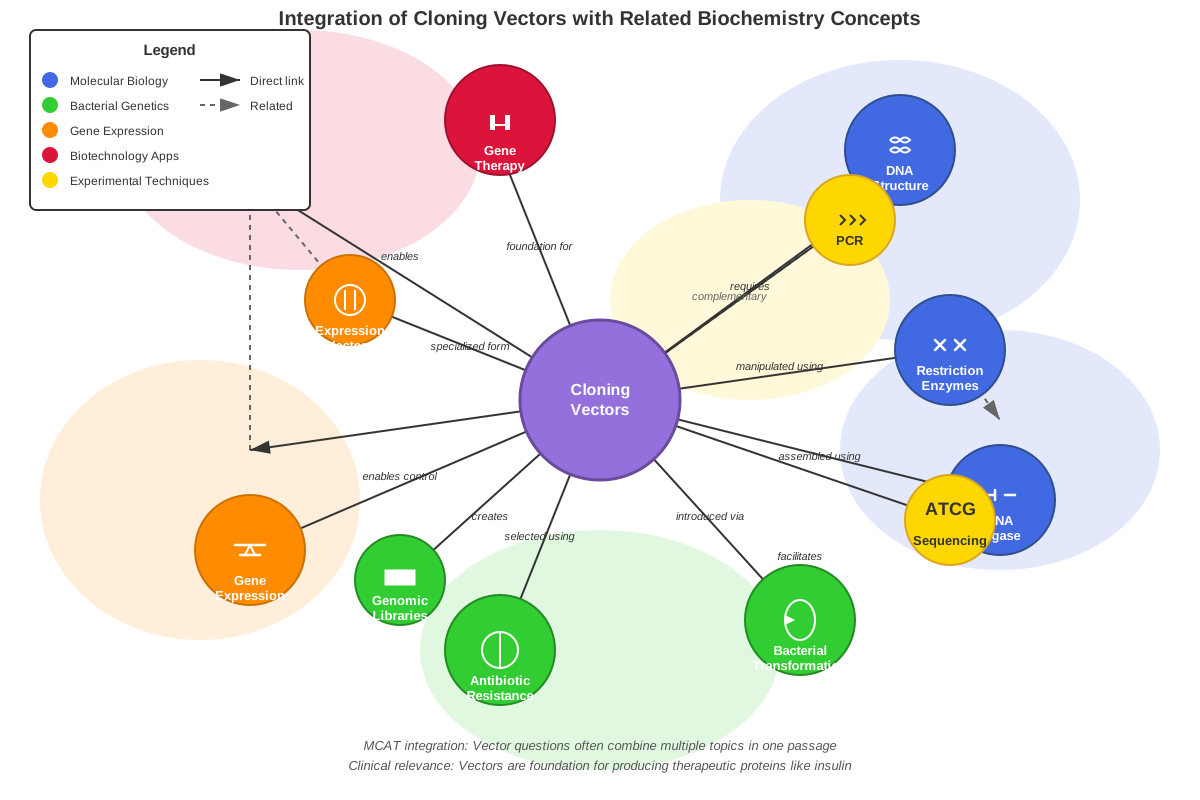
Cloning vectors are essential molecular tools in Biochemistry that enable scientists to replicate and manipulate specific DNA sequences. These specialized DNA molecules serve as vehicles to carry foreign genetic material into host cells, where the DNA can be replicated, expressed, and studied. In the context of Nucleic Acids and Biotechnology, cloning vectors represent a fundamental technology that bridges theoretical molecular biology with practical applications in research, medicine, and industry. Understanding cloning vectors requires integration of knowledge about DNA structure, bacterial genetics, restriction enzymes, and gene expression—making this topic a nexus point for multiple biochemical concepts.
For the MCAT, Cloning vectors Biochemistry is a high-yield topic that appears frequently in both passage-based and discrete questions within the Biological and Biochemical Foundations of Living Systems section. The exam tests not only factual knowledge about vector components and types but also the ability to analyze experimental designs, interpret cloning strategies, and troubleshoot molecular biology protocols. Questions often present research scenarios where students must identify appropriate vectors, predict experimental outcomes, or explain why certain cloning approaches succeed or fail.
The significance of Cloning vectors MCAT preparation extends beyond memorization to conceptual understanding of how these tools exploit natural bacterial processes for biotechnological purposes. Mastery of this topic demonstrates comprehension of plasmid biology, antibiotic resistance mechanisms, gene regulation, and recombinant DNA technology—all concepts that interconnect throughout the Biochemistry curriculum and appear in various contexts on the exam.
Learning Objectives
- [ ] Define cloning vectors using accurate Biochemistry terminology
- [ ] Explain why cloning vectors matters for the MCAT
- [ ] Apply cloning vectors to exam-style questions
- [ ] Identify common mistakes related to cloning vectors
- [ ] Connect cloning vectors to related Biochemistry concepts
- [ ] Compare and contrast different types of cloning vectors and their appropriate applications
- [ ] Analyze the essential components of a cloning vector and explain the function of each element
- [ ] Evaluate experimental cloning strategies and predict outcomes based on vector selection and design
Prerequisites
- DNA structure and replication: Understanding double-stranded DNA, complementary base pairing, and semiconservative replication is essential for comprehending how vectors are replicated within host cells
- Restriction enzymes: Knowledge of how restriction endonucleases recognize and cleave specific DNA sequences is fundamental to understanding how foreign DNA is inserted into vectors
- Bacterial cell biology: Familiarity with bacterial transformation, plasmids, and antibiotic resistance mechanisms provides context for how vectors function in host organisms
- Gene expression basics: Understanding promoters, transcription, and translation is necessary to comprehend how cloned genes can be expressed from vectors
- Recombinant DNA technology: General awareness of how DNA from different sources can be combined forms the conceptual foundation for cloning vector applications
Why This Topic Matters
Cloning vectors represent one of the most transformative technologies in modern biology and medicine. Clinically, vectors enable production of therapeutic proteins like insulin, human growth hormone, and clotting factors for patients with genetic disorders. Gene therapy approaches use modified vectors to deliver corrective genes to patients with inherited diseases. Vaccine development, including recent mRNA vaccine platforms, relies on principles derived from vector technology. Diagnostic tests for infectious diseases and genetic conditions depend on DNA amplification techniques that evolved from cloning methodologies.
On the MCAT, cloning vectors appear in approximately 3-5% of Biochemistry questions, making this a high-yield topic with excellent return on study investment. Questions typically appear in three formats: (1) passage-based questions describing research experiments where students must analyze cloning strategies, (2) discrete questions testing knowledge of vector components and selection methods, and (3) data interpretation questions requiring analysis of gel electrophoresis results or bacterial growth patterns following transformation. The AAMC frequently integrates cloning vectors into passages about genetic engineering, protein production, or molecular diagnostics.
Common exam scenarios include: researchers cloning a human gene into bacteria for protein expression, troubleshooting failed cloning experiments, selecting appropriate vectors for different insert sizes, interpreting antibiotic selection results, and analyzing restriction maps to design cloning strategies. Understanding cloning vectors also provides context for related topics like PCR, DNA sequencing, and CRISPR technology that may appear in the same passages.
Core Concepts
Definition and Purpose of Cloning Vectors
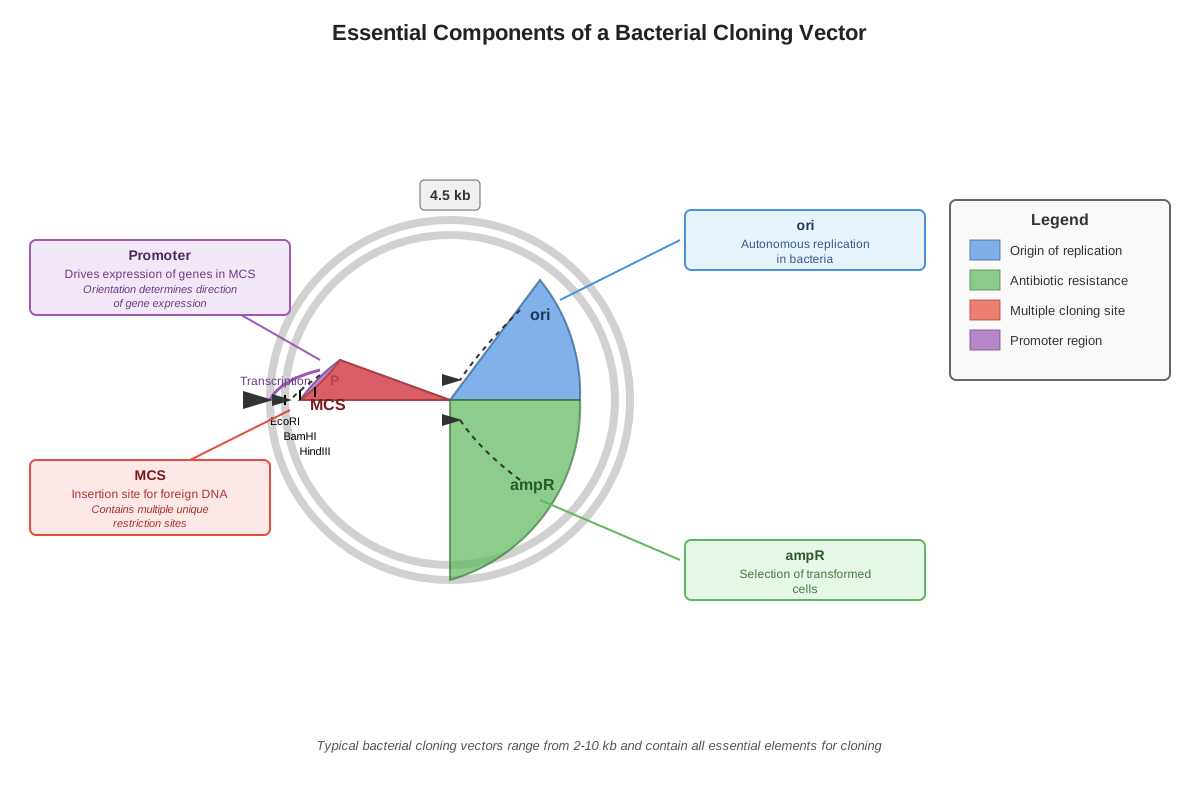
A cloning vector is a DNA molecule that serves as a vehicle to artificially carry foreign genetic material into a host cell, where it can be replicated, maintained, and potentially expressed. The vector must be capable of autonomous replication within the host organism, typically through an origin of replication (ori) sequence. When a DNA fragment of interest (the insert) is joined to a vector through molecular cloning techniques, the resulting molecule is called recombinant DNA. The primary purposes of cloning vectors include: amplifying specific DNA sequences to obtain sufficient quantities for analysis, expressing genes to produce proteins, creating DNA libraries for research, and enabling genetic manipulation of organisms.
Essential Components of Cloning Vectors
All functional cloning vectors share several critical features that enable their use in molecular biology:
Origin of Replication (ori): This DNA sequence allows the vector to replicate independently within the host cell. Different origins function in different organisms—bacterial vectors use bacterial origins, while vectors for eukaryotic cells require eukaryotic replication origins. The ori determines the copy number of the vector (how many copies exist per cell), which can range from single-copy to hundreds of copies. High copy number vectors produce more recombinant DNA but may be unstable if the insert is toxic to cells.
Selectable Marker: This gene allows identification and selection of cells that have successfully taken up the vector. The most common selectable markers are antibiotic resistance genes such as ampicillin resistance (ampR), kanamycin resistance (kanR), or tetracycline resistance (tetR). After transformation, cells are grown on media containing the corresponding antibiotic—only cells harboring the vector survive, while cells without vectors die. This positive selection dramatically enriches for transformed cells.
Multiple Cloning Site (MCS): Also called a polylinker, this short DNA region contains recognition sequences for multiple restriction enzymes arranged in tandem. The MCS provides flexibility in cloning strategy by offering numerous options for inserting foreign DNA. Importantly, each restriction site appears only once in the vector, ensuring that digestion with a particular enzyme opens the vector at a single, predictable location without fragmenting it.
Reporter Gene or Second Selectable Marker: Many vectors include additional features for identifying successful cloning events. Blue-white screening uses the lacZ gene (encoding β-galactosidase) positioned within the MCS. Intact lacZ produces blue colonies on X-gal-containing media, while insertion of foreign DNA disrupts lacZ, producing white colonies. This allows visual distinction between vectors that have incorporated inserts (white) versus those that have simply re-ligated without an insert (blue).
Types of Cloning Vectors
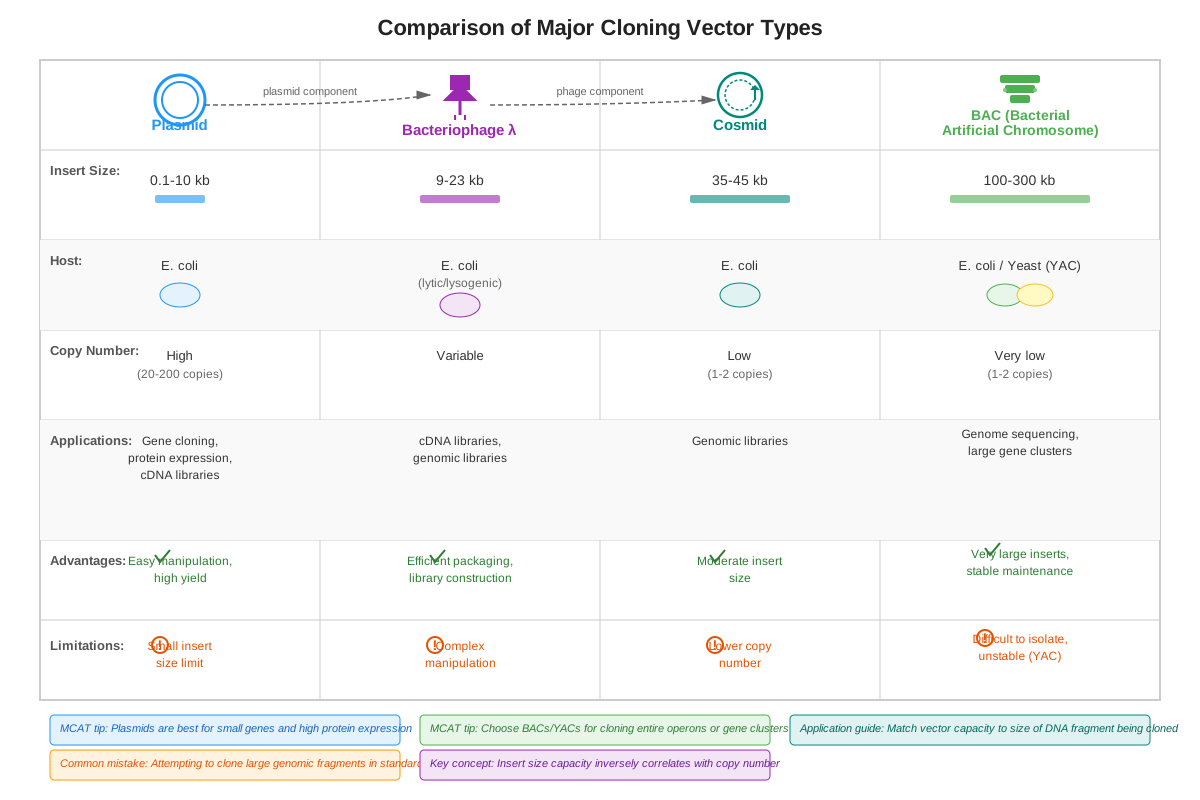
| Vector Type | Insert Size Capacity | Primary Applications | Key Features |
|---|---|---|---|
| Plasmids | Up to 10-15 kb | Gene cloning, protein expression, routine molecular biology | Circular, high copy number, easy to manipulate |
| Bacteriophages (λ phage) | 15-25 kb | cDNA libraries, genomic libraries | Efficient transformation, packaging constraints |
| Cosmids | 35-45 kb | Genomic libraries, large gene cloning | Combine plasmid and phage features |
| Bacterial Artificial Chromosomes (BACs) | 100-300 kb | Genome sequencing projects, large genomic regions | Very stable, low copy number |
| Yeast Artificial Chromosomes (YACs) | 100-1000 kb | Human genome project, very large inserts | Contain centromere and telomeres |
Plasmids are the most commonly used cloning vectors and the most relevant for MCAT preparation. These small, circular, double-stranded DNA molecules exist naturally in bacteria as extrachromosomal genetic elements. Plasmids replicate independently of the bacterial chromosome and often carry genes that provide selective advantages, such as antibiotic resistance. For molecular cloning, plasmids have been engineered to include all essential vector components while remaining small enough for easy manipulation and high-efficiency transformation.
Expression vectors represent a specialized category of plasmids designed not just to maintain foreign DNA but to produce the encoded protein. These vectors include a promoter sequence upstream of the MCS to drive transcription of the inserted gene. Bacterial expression vectors use strong bacterial promoters (like the lac promoter or T7 promoter), while eukaryotic expression vectors contain eukaryotic promoters (like CMV or SV40 promoters). Expression vectors may also include ribosome binding sites (Shine-Dalgarno sequences in bacteria), transcription terminators, and affinity tags (like His-tags or GST-tags) to facilitate protein purification.
The Cloning Process
The molecular cloning workflow involves several sequential steps:
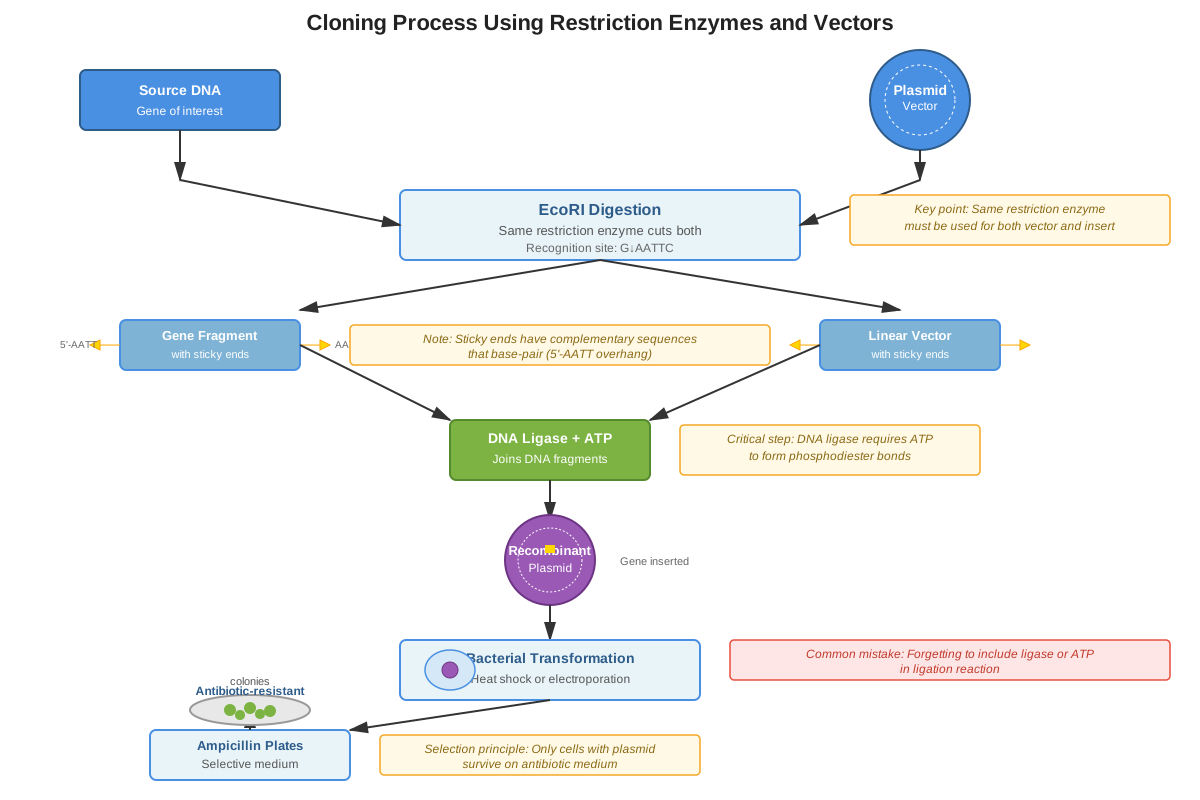
- Vector and Insert Preparation: Both the vector and the DNA fragment to be cloned are digested with the same restriction enzyme(s), creating compatible cohesive ends (sticky ends) or blunt ends. Using the same enzyme ensures complementary overhangs that can base-pair.
- Ligation: The enzyme DNA ligase catalyzes formation of phosphodiester bonds between the insert and vector, creating a recombinant plasmid. The reaction mixture contains both successfully ligated recombinant vectors and vectors that have re-ligated without inserts.
- Transformation: The ligation mixture is introduced into competent bacterial cells (usually E. coli) through heat shock or electroporation. Competent cells have been treated to make their membranes permeable to DNA.
- Selection: Transformed bacteria are plated on media containing the appropriate antibiotic. Only cells that have taken up vector (with or without insert) survive.
- Screening: Surviving colonies are screened to identify those containing recombinant vectors with inserts. Methods include blue-white screening, colony PCR, restriction digestion analysis, or DNA sequencing.
- Amplification and Analysis: Positive clones are grown in liquid culture to amplify the recombinant plasmid, which can then be isolated and analyzed or used for protein expression.
Vector Selection Considerations
Choosing an appropriate vector depends on several experimental parameters:
- Insert size: The vector must accommodate the DNA fragment length
- Purpose: Cloning for sequencing requires different features than cloning for protein expression
- Host organism: Bacterial, yeast, mammalian, or plant cells require different vector systems
- Expression requirements: If protein production is needed, an expression vector with appropriate regulatory elements is essential
- Copy number: High copy number increases DNA yield but may stress cells if the gene product is toxic
- Selection method: The available antibiotics and screening capabilities influence vector choice
Concept Relationships
Cloning vectors integrate multiple biochemical concepts into a unified technology. The origin of replication connects to DNA replication mechanisms, requiring understanding of DNA polymerase, leading and lagging strand synthesis, and semiconservative replication. The antibiotic resistance genes link to protein synthesis, gene expression, and enzyme function—the resistance proteins must be transcribed, translated, and properly folded to inactivate antibiotics. Restriction enzyme sites in the MCS relate to DNA-protein interactions and sequence-specific recognition, connecting to concepts of enzyme specificity and DNA structure.
The cloning process itself demonstrates the central dogma: DNA → RNA → Protein. When using expression vectors, the cloned gene is transcribed into mRNA and translated into protein, illustrating gene expression regulation through promoters and ribosome binding sites. The transformation step connects to membrane biology and bacterial physiology, as competent cells must temporarily alter membrane permeability to allow DNA uptake.
Cloning vectors serve as prerequisite knowledge for understanding more advanced biotechnology topics. PCR (polymerase chain reaction) can be viewed as "cell-free cloning" that amplifies DNA without vectors. DNA sequencing often requires cloning DNA fragments into vectors before analysis. CRISPR-Cas9 gene editing systems are delivered using modified viral vectors. Recombinant protein production for therapeutics relies entirely on expression vector technology.
The relationship map flows: DNA structure → Restriction enzymes → Vector design → Transformation → Selection → Gene expression → Protein production. Each step depends on the previous one, and understanding this progression enables analysis of complex experimental designs on the MCAT.
Quick check — test yourself on Cloning vectors so far.
Try Flashcards →High-Yield Facts
⭐ Cloning vectors must contain an origin of replication (ori) to replicate autonomously within host cells
⭐ Antibiotic resistance genes serve as selectable markers, allowing identification of transformed cells through growth on antibiotic-containing media
⭐ The multiple cloning site (MCS) contains unique restriction enzyme recognition sequences that allow insertion of foreign DNA without fragmenting the vector
⭐ Blue-white screening uses the lacZ gene to visually distinguish colonies with recombinant vectors (white) from those with non-recombinant vectors (blue)
⭐ Plasmids are the most common cloning vectors, with insert capacity up to 10-15 kb, suitable for most gene cloning applications
- Expression vectors include promoters and other regulatory elements necessary for transcription and translation of the inserted gene
- Competent cells have been chemically or physically treated to increase membrane permeability for DNA uptake during transformation
- Restriction enzymes that create cohesive (sticky) ends generally produce higher ligation efficiency than those creating blunt ends
- High copy number vectors produce more recombinant DNA per cell but may be unstable if the insert or its gene product is toxic
- BACs and YACs accommodate much larger inserts (100+ kb) than plasmids but are more complex to manipulate and have lower transformation efficiency
Common Misconceptions
Misconception: All bacteria naturally take up DNA from their environment, so any bacterial culture can be transformed with vectors.
Correction: Bacteria must be made competent through chemical treatment (calcium chloride) or electroporation to take up exogenous DNA. Natural competence is rare and inefficient in most laboratory bacterial strains like E. coli.
Misconception: The antibiotic resistance gene is what gets cloned and studied in molecular biology experiments.
Correction: The antibiotic resistance gene is a selectable marker used only to identify cells that have taken up the vector. The gene of interest (insert) is a separate DNA fragment cloned into the MCS. The resistance gene remains intact regardless of whether an insert is present.
Misconception: Blue colonies in blue-white screening contain the recombinant DNA with the insert.
Correction: White colonies contain recombinant vectors with inserts, while blue colonies contain vectors that re-ligated without inserts. Insert DNA disrupts the lacZ gene in the MCS, preventing β-galactosidase production and eliminating blue color formation.
Misconception: Larger vectors are always better because they can accommodate bigger inserts.
Correction: Vector choice depends on experimental needs. Larger vectors (BACs, YACs) are more difficult to manipulate, have lower transformation efficiency, and are unnecessary for most routine cloning applications. Plasmids are preferred when insert size permits because they are simpler and more efficient.
Misconception: Once a vector is inside a bacterial cell, the cloned gene is automatically expressed and produces protein.
Correction: Standard cloning vectors maintain DNA but don't necessarily express it. Expression vectors with appropriate promoters, ribosome binding sites, and regulatory elements are required for protein production. Many cloning vectors lack these features and serve only to amplify DNA.
Misconception: The same cloning vector can be used in any organism (bacteria, yeast, mammalian cells).
Correction: Vectors are organism-specific because they require compatible origins of replication, selectable markers, and regulatory elements. Bacterial vectors don't replicate in eukaryotic cells, and eukaryotic promoters don't function in bacteria. Shuttle vectors that function in multiple organisms exist but contain multiple sets of organism-specific elements.
Worked Examples
Example 1: Analyzing a Cloning Strategy
Scenario: A researcher wants to clone a 3 kb human gene into bacteria for protein expression. She digests both the gene (PCR product with added restriction sites) and a plasmid vector with EcoRI, which creates 5' overhangs. After ligation and transformation into E. coli, she plates bacteria on LB agar containing ampicillin and X-gal. The plasmid contains ampR (ampicillin resistance) and lacZ genes, with an EcoRI site within lacZ.
Question: What colony colors indicate successful cloning, and why do some colonies appear blue?
Solution:
Step 1: Identify the selection method. Ampicillin in the media selects for cells containing the plasmid (with or without insert), since only these cells have the ampR gene. Cells without any plasmid die.
Step 2: Understand blue-white screening. The lacZ gene encodes β-galactosidase, which cleaves X-gal to produce a blue product. The EcoRI site is within lacZ.
Step 3: Analyze recombinant vectors. When the 3 kb insert is ligated into the EcoRI site, it disrupts the lacZ gene. These recombinant plasmids cannot produce functional β-galactosidase, so colonies appear white.
Step 4: Analyze non-recombinant vectors. Some plasmids re-ligate without incorporating an insert, maintaining an intact lacZ gene. These produce functional β-galactosidase and form blue colonies.
Answer: White colonies indicate successful cloning with the insert. Blue colonies contain plasmids that re-ligated without inserts. The researcher should select white colonies for further analysis. This example demonstrates understanding of both positive selection (antibiotic resistance) and screening (blue-white) mechanisms.
Example 2: Troubleshooting a Failed Cloning Experiment
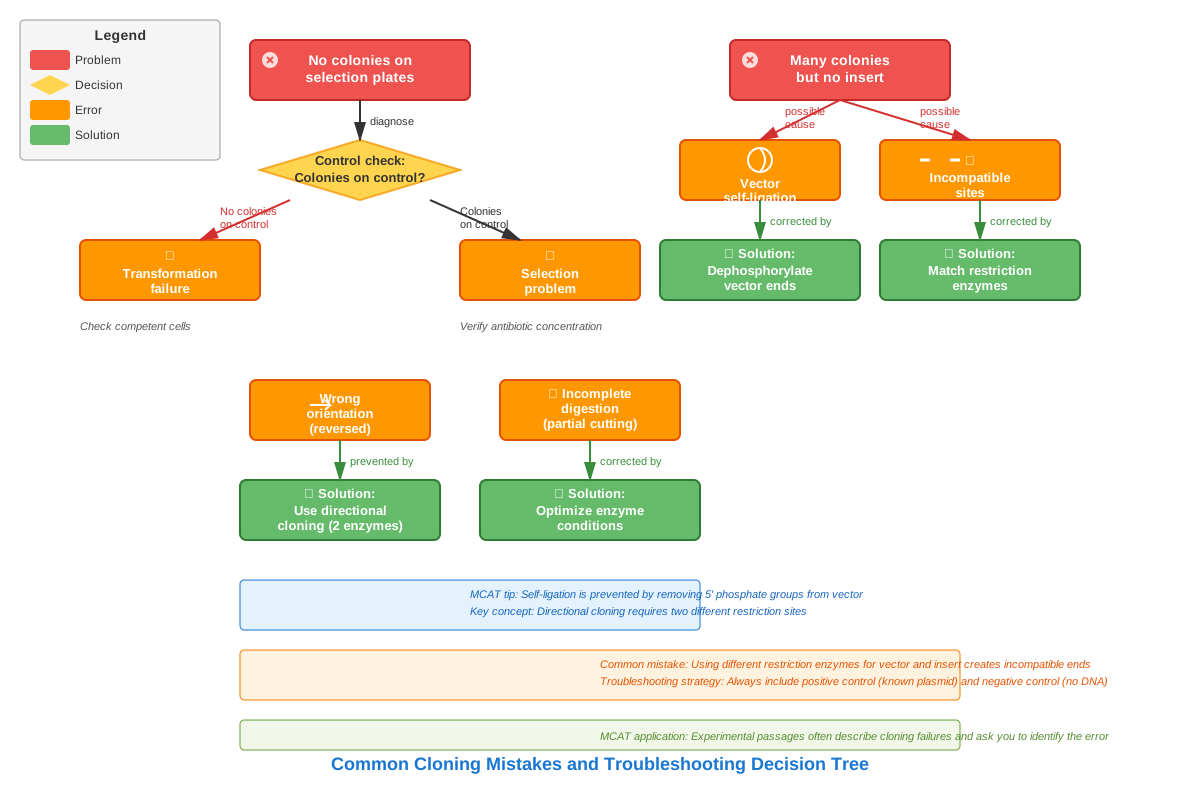
Scenario: A student attempts to clone a 5 kb gene into a plasmid vector. After transformation, many colonies grow on ampicillin plates, but restriction analysis reveals that none contain the insert—all colonies have the original vector that re-ligated without the insert.
Question: What are three possible explanations for this result, and how could each be addressed?
Solution:
Explanation 1: Incomplete vector digestion. If the restriction enzyme didn't completely digest the vector, uncut circular plasmids transform bacteria very efficiently and don't require ligation. These would appear as colonies but lack inserts.
Solution: Ensure complete digestion by using excess enzyme, longer incubation, or fresh enzyme. Verify complete digestion by gel electrophoresis before ligation.
Explanation 2: Vector self-ligation. Linear vectors can re-ligate to themselves without incorporating an insert, especially if the insert concentration is too low relative to vector concentration.
Solution: Treat digested vector with alkaline phosphatase to remove 5' phosphate groups, preventing self-ligation. Optimize the insert:vector molar ratio (typically 3:1 to 5:1 insert:vector).
Explanation 3: Insert preparation problems. The insert DNA might be degraded, at too low concentration, or have incompatible ends if different restriction enzymes were used.
Solution: Verify insert quality and quantity by gel electrophoresis. Ensure the same restriction enzyme(s) were used for both vector and insert to create compatible ends. Purify the insert away from PCR primers and enzymes before ligation.
Additional consideration: The ligation reaction itself might be ineffective due to inactive ligase, incorrect buffer, or inappropriate temperature.
This example demonstrates critical thinking about experimental design and troubleshooting—skills frequently tested on the MCAT through passage-based questions about research experiments.
Exam Strategy
When approaching MCAT questions about cloning vectors, first identify what the question is really asking: Is it testing knowledge of vector components, understanding of the cloning process, or ability to analyze experimental results?
Trigger words that signal cloning vector questions include: "plasmid," "transformation," "recombinant DNA," "restriction enzyme," "antibiotic selection," "blue-white screening," "expression vector," and "multiple cloning site." When these appear, immediately recall the essential vector components (ori, selectable marker, MCS) and the cloning workflow (digest, ligate, transform, select, screen).
For passage-based questions, carefully read the experimental description to identify: (1) what type of vector is being used, (2) what the goal is (DNA amplification vs. protein expression), (3) what selection and screening methods are employed, and (4) what results are expected. Draw a simple diagram if needed to visualize the vector, insert, and restriction sites.
Process-of-elimination strategies:
- Eliminate answers that confuse selection (antibiotic resistance) with screening (blue-white)
- Eliminate answers suggesting vectors replicate without an ori
- Eliminate answers that claim bacterial vectors work in eukaryotic cells without modification
- Eliminate answers confusing the insert (gene of interest) with the selectable marker
Common question types:
- "Which colonies should the researcher select?" → Look for white colonies in blue-white screening, or colonies growing on antibiotic media
- "Why did the experiment fail?" → Consider incomplete digestion, self-ligation, or incompatible ends
- "What is the purpose of [vector component]?" → Match each component to its function
- "Which vector is most appropriate?" → Match insert size and experimental goal to vector type
Time allocation: Discrete questions about vector components should take 30-45 seconds. Passage-based questions requiring analysis of experimental designs may take 60-90 seconds. Don't get bogged down drawing elaborate diagrams—a quick sketch of the key elements is sufficient.
Exam Tip: If a question describes an experiment where "no colonies grew on antibiotic plates," the problem is with transformation or the selectable marker, not with the insert or screening method. If "all colonies are blue," the problem is with insert ligation, not with transformation or selection.
Memory Techniques
MNEMONIC for essential vector components: "O-S-M" = Origin of replication, Selectable marker, Multiple cloning site. Think "Oh So Many clones!"
MNEMONIC for cloning steps: "D-L-T-S-S" = Digest, Ligate, Transform, Select, Screen. Think "Don't Let Transformation Stop Science"
Visualization for blue-white screening: Picture a white lab coat (recombinant/insert present) versus blue scrubs (non-recombinant/no insert). The white coat represents the "dressed up" vector with its new insert, while blue scrubs are the "plain" vector.
Acronym for expression vector requirements: "P-R-T" = Promoter, Ribosome binding site, Terminator. Think "PRoTein production"
Memory aid for vector types by size:
- Plasmids: Petite (small, <15 kb)
- Cosmids: Considerable (medium, 35-45 kb)
- BACs: Big (large, 100-300 kb)
- YACs: Yuge (very large, up to 1000 kb)
Conceptual anchor: Think of cloning vectors as "molecular taxis" that carry passenger DNA (the insert) into the bacterial "city" (host cell). The taxi needs a license to operate (ori), a way to identify it (selectable marker), and a door for passengers to enter (MCS).
Summary
Cloning vectors are engineered DNA molecules that enable replication and manipulation of foreign genetic material within host cells, representing a cornerstone technology in molecular biology and biotechnology. All functional vectors share three essential components: an origin of replication for autonomous replication, a selectable marker (typically antibiotic resistance) for identifying transformed cells, and a multiple cloning site for inserting foreign DNA. Plasmids are the most common vectors for routine molecular biology, while larger vectors like BACs and YACs accommodate bigger inserts for specialized applications. The cloning process involves digesting vector and insert DNA with restriction enzymes, ligating them together, transforming competent bacteria, selecting transformed cells with antibiotics, and screening for successful recombinants using methods like blue-white screening. Expression vectors include additional regulatory elements (promoters, ribosome binding sites) to enable protein production from cloned genes. Understanding cloning vectors requires integration of concepts including DNA structure, restriction enzymes, bacterial transformation, gene expression, and antibiotic resistance mechanisms. For the MCAT, students must be able to identify vector components, analyze cloning strategies, troubleshoot experimental problems, and predict outcomes based on vector selection and design.
Key Takeaways
- Cloning vectors must contain an origin of replication (ori), selectable marker, and multiple cloning site (MCS) to function effectively
- Antibiotic resistance genes enable positive selection of transformed cells, while blue-white screening distinguishes recombinant from non-recombinant vectors
- Plasmids are the most common cloning vectors with 10-15 kb capacity, suitable for most gene cloning and protein expression applications
- The cloning workflow follows: digest → ligate → transform → select → screen, with each step building on the previous one
- Expression vectors differ from standard cloning vectors by including promoters and regulatory elements necessary for gene transcription and translation
- Vector choice depends on insert size, experimental purpose, host organism, and whether protein expression is required
- White colonies in blue-white screening indicate successful insertion of foreign DNA, while blue colonies represent vectors without inserts
Related Topics
PCR (Polymerase Chain Reaction): This cell-free DNA amplification technique can be viewed as an alternative to cloning for generating multiple copies of DNA sequences. Understanding cloning vectors provides context for why PCR revolutionized molecular biology by eliminating the need for bacterial transformation in many applications.
Recombinant Protein Production: Mastery of expression vectors enables understanding of how therapeutic proteins (insulin, antibodies, vaccines) are manufactured using genetically engineered bacteria or eukaryotic cells.
DNA Sequencing: Many sequencing protocols require cloning DNA fragments into vectors before analysis, making vector knowledge essential for understanding genomics and molecular diagnostics.
Gene Therapy: Modified viral vectors deliver therapeutic genes to patients with genetic diseases, representing a clinical application of vector technology.
CRISPR-Cas9 Gene Editing: This revolutionary technology uses plasmid vectors to deliver gene-editing components into cells, building directly on cloning vector principles.
Practice CTA
Now that you've mastered the fundamentals of cloning vectors, it's time to solidify your understanding through active practice. Work through the practice questions to test your ability to apply these concepts to MCAT-style scenarios. Use the flashcards to reinforce memorization of key components, vector types, and experimental strategies. Remember, the MCAT tests not just factual recall but also your ability to analyze experimental designs and troubleshoot molecular biology protocols—skills that improve dramatically with practice. Each question you work through builds the pattern recognition and critical thinking abilities that lead to confident, accurate performance on test day. You've built a strong foundation; now strengthen it through deliberate practice!
Sign up free to keep reading
Create a free AnvayaPrep account to finish this MCAT guide on Cloning vectors — plus flashcards and practice questions.