Overview
Nucleic acid structure forms the molecular foundation of genetics and heredity, representing one of the most critical topics in Biochemistry for the MCAT. Nucleic acids—DNA and RNA—are biological macromolecules composed of nucleotide monomers that store, transmit, and express genetic information in all living organisms. Understanding the structural hierarchy of nucleic acids, from individual nucleotides to complex three-dimensional conformations, is essential for answering questions across multiple MCAT sections, particularly in Biochemistry and Molecular Biology passages.
The MCAT extensively tests nucleic acid structure because it serves as the conceptual bridge between molecular biology and cellular function. Questions may present experimental scenarios involving DNA denaturation, RNA synthesis, or mutations affecting base pairing. Test-takers must recognize structural features such as the antiparallel orientation of DNA strands, the differences between purines and pyrimidines, and the significance of major and minor grooves. These structural details directly impact DNA replication, transcription, translation, and gene regulation—all high-yield topics for the exam.
Within the broader context of Nucleic Acids and Biotechnology, nucleic acid structure provides the mechanistic basis for understanding recombinant DNA technology, PCR, sequencing methods, and molecular cloning. The structural properties of DNA and RNA dictate how these molecules can be manipulated in laboratory and clinical settings. Mastery of this topic enables students to tackle complex passages involving genetic engineering, diagnostic techniques, and therapeutic interventions, making it indispensable for achieving a competitive MCAT score.
Learning Objectives
- [ ] Define nucleic acid structure using accurate Biochemistry terminology
- [ ] Explain why nucleic acid structure matters for the MCAT
- [ ] Apply nucleic acid structure to exam-style questions
- [ ] Identify common mistakes related to nucleic acid structure
- [ ] Connect nucleic acid structure to related Biochemistry concepts
- [ ] Distinguish between the structural features of DNA and RNA at the molecular level
- [ ] Predict the stability of nucleic acid structures based on base composition and environmental conditions
- [ ] Analyze how structural modifications affect nucleic acid function in biological systems
Prerequisites
- Basic organic chemistry functional groups: Understanding carbonyl, hydroxyl, amino, and phosphate groups is essential for recognizing nucleotide components and the chemical basis of phosphodiester bonds
- Hydrogen bonding principles: Knowledge of hydrogen bond donors and acceptors explains complementary base pairing and the stability of the DNA double helix
- Polymer chemistry fundamentals: Familiarity with monomers, polymers, and condensation reactions provides context for nucleotide polymerization
- pH and acid-base chemistry: Understanding protonation states helps explain nucleic acid behavior under different pH conditions and the role of phosphate groups in creating a negatively charged backbone
- Carbohydrate structure: Recognition of pentose sugars (ribose and deoxyribose) is necessary for distinguishing DNA from RNA
Why This Topic Matters
Clinical and Real-World Significance
Nucleic acid structure underpins virtually every aspect of modern molecular medicine. Genetic diseases result from structural alterations in DNA, including point mutations that disrupt base pairing, deletions that remove critical sequences, and insertions that shift reading frames. Diagnostic techniques such as Southern blotting, Northern blotting, and fluorescence in situ hybridization (FISH) rely on the principle of complementary base pairing to detect specific DNA or RNA sequences. Cancer therapies increasingly target nucleic acid structure—chemotherapeutic agents like cisplatin cross-link DNA strands, while antisense oligonucleotides and siRNA therapeutics exploit RNA structure to silence disease-causing genes. Understanding nucleic acid structure is also fundamental to personalized medicine, where genetic sequencing informs treatment decisions based on individual DNA variations.
MCAT Exam Statistics and Question Types
Nucleic acid structure appears in approximately 15-20% of Biochemistry passages on the MCAT, making it one of the highest-yield topics in the Nucleic Acids and Biotechnology unit. Questions typically fall into several categories: discrete questions testing basic structural knowledge (e.g., identifying purines versus pyrimidines), passage-based questions requiring interpretation of experimental data (e.g., DNA melting curves or gel electrophoresis results), and application questions connecting structure to function (e.g., how mutations affect protein synthesis). The MCAT frequently presents research passages describing novel nucleic acid-binding proteins, modified nucleotides, or synthetic oligonucleotides, requiring students to apply structural principles to unfamiliar contexts.
Common Exam Passage Contexts
MCAT passages commonly present nucleic acid structure in the context of DNA replication fidelity, where structural complementarity ensures accurate copying; transcription regulation, where DNA structure affects transcription factor binding; and biotechnology applications, where structural properties enable techniques like PCR and DNA sequencing. Passages may describe experiments measuring DNA stability under varying salt concentrations or temperatures, requiring students to predict structural changes. Other passages explore RNA structure, including secondary structures like hairpins and stem-loops that regulate gene expression, or ribozymes that catalyze biochemical reactions through their three-dimensional conformations.
Core Concepts
Nucleotide Structure: The Building Blocks
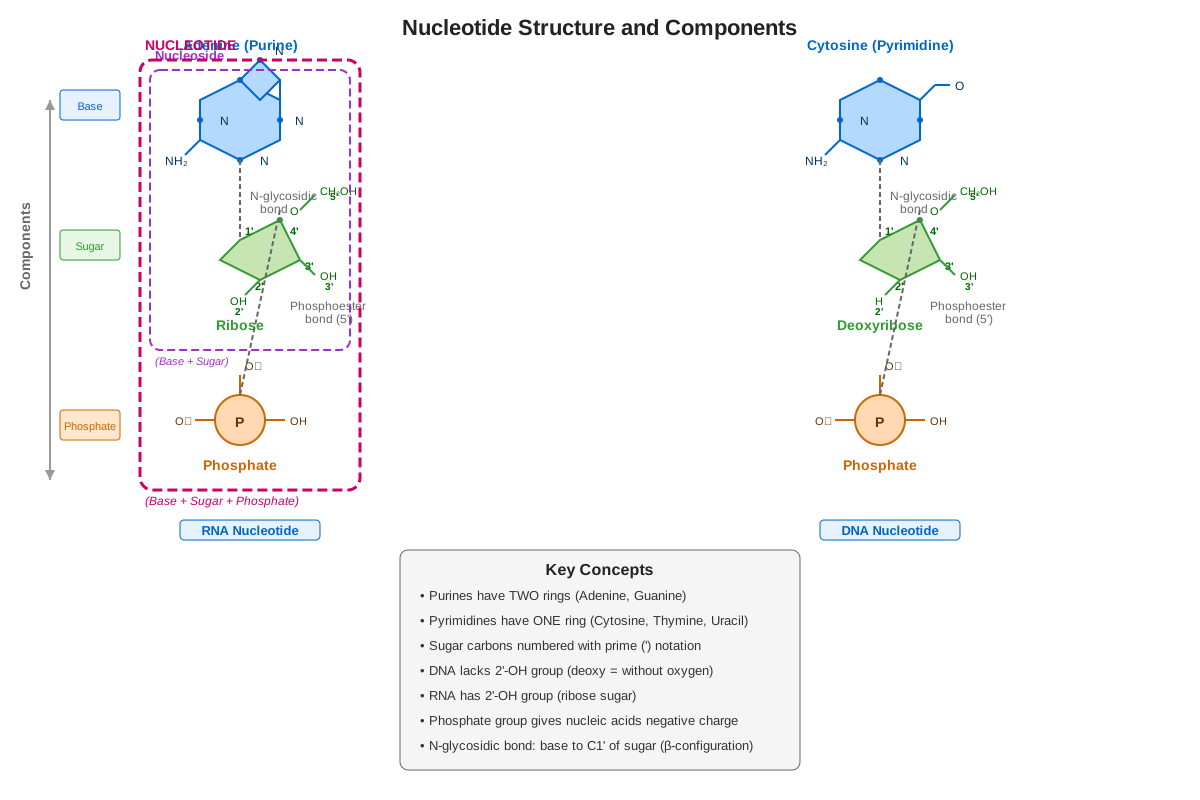
Nucleotides are the monomeric units of nucleic acids, each consisting of three components: a nitrogenous base, a pentose sugar, and one or more phosphate groups. The nitrogenous bases fall into two categories: purines (adenine and guanine) contain fused five- and six-membered rings, while pyrimidines (cytosine, thymine, and uracil) contain a single six-membered ring. This structural distinction is critical for understanding base pairing and DNA geometry.
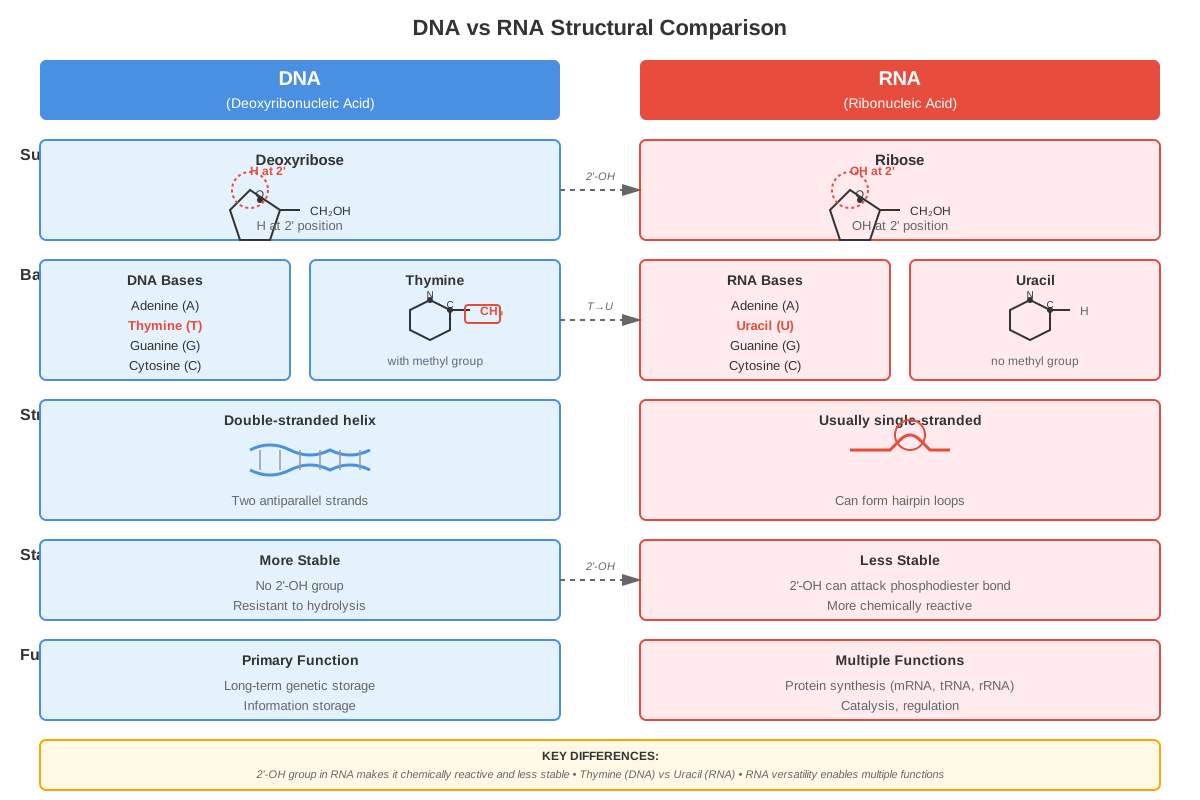
The pentose sugar differs between DNA and RNA: deoxyribose in DNA lacks a hydroxyl group at the 2' carbon position, while ribose in RNA contains a hydroxyl group at this position. This single structural difference has profound functional consequences—the 2'-OH group in RNA makes it more chemically reactive and less stable than DNA, explaining why DNA serves as the long-term genetic storage molecule while RNA functions in more transient roles.
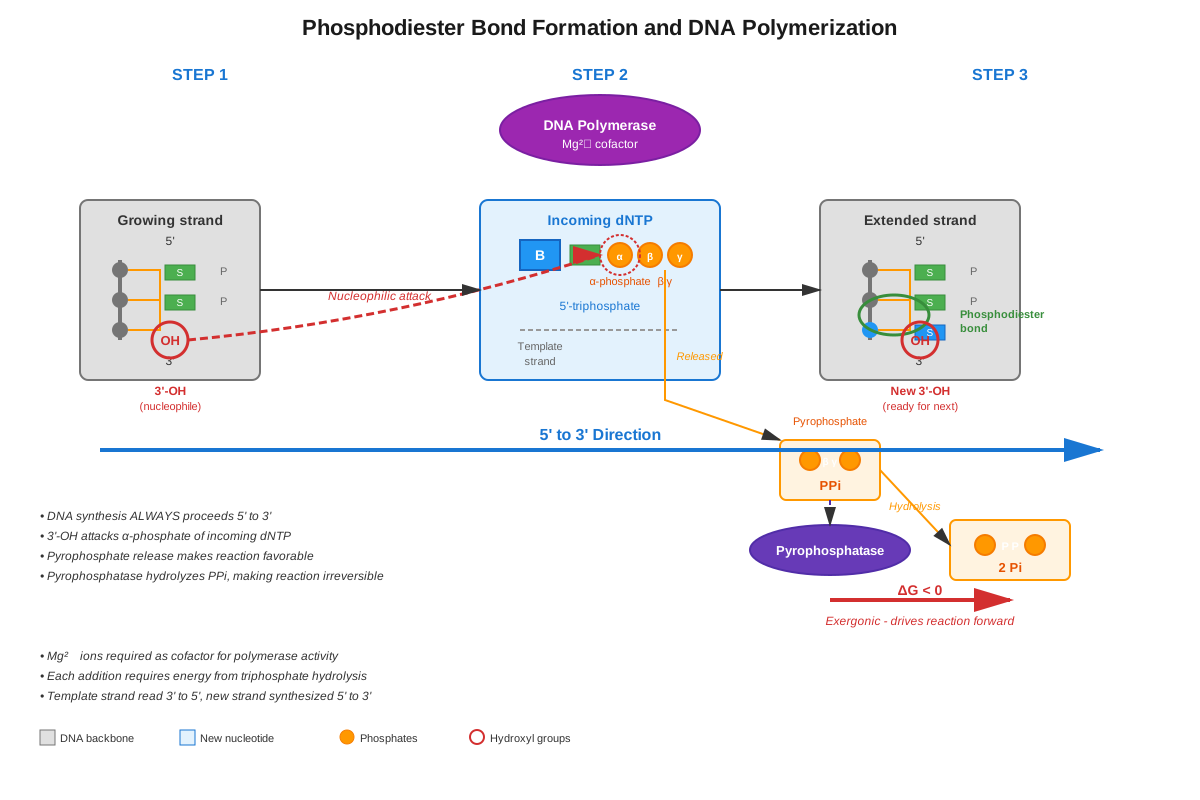
The phosphate group attaches to the 5' carbon of the pentose sugar through an ester bond. In nucleic acid polymers, phosphate groups form phosphodiester bonds connecting the 5' carbon of one nucleotide to the 3' carbon of the next, creating a sugar-phosphate backbone with a directional polarity. This 5' to 3' directionality is fundamental to all nucleic acid synthesis processes.
Primary Structure: Nucleotide Sequence
The primary structure of a nucleic acid refers to the linear sequence of nucleotides, conventionally written in the 5' to 3' direction. This sequence contains the genetic information encoded in DNA and RNA. The sequence is specified by listing only the bases (e.g., ATCG for DNA or AUCG for RNA), with the sugar-phosphate backbone implied.
The phosphodiester backbone creates a repeating pattern of sugar and phosphate groups, with bases projecting from the 1' carbon of each sugar. The backbone is highly negatively charged due to the phosphate groups, which exist as phosphate anions at physiological pH. This negative charge causes electrostatic repulsion between nucleic acid strands and attracts positively charged ions and proteins that stabilize nucleic acid structures.
Secondary Structure: Base Pairing and Helical Geometry
Secondary structure describes the three-dimensional arrangement of the nucleic acid backbone and the hydrogen bonding patterns between bases. The most famous secondary structure is the DNA double helix, first described by Watson and Crick in 1953.
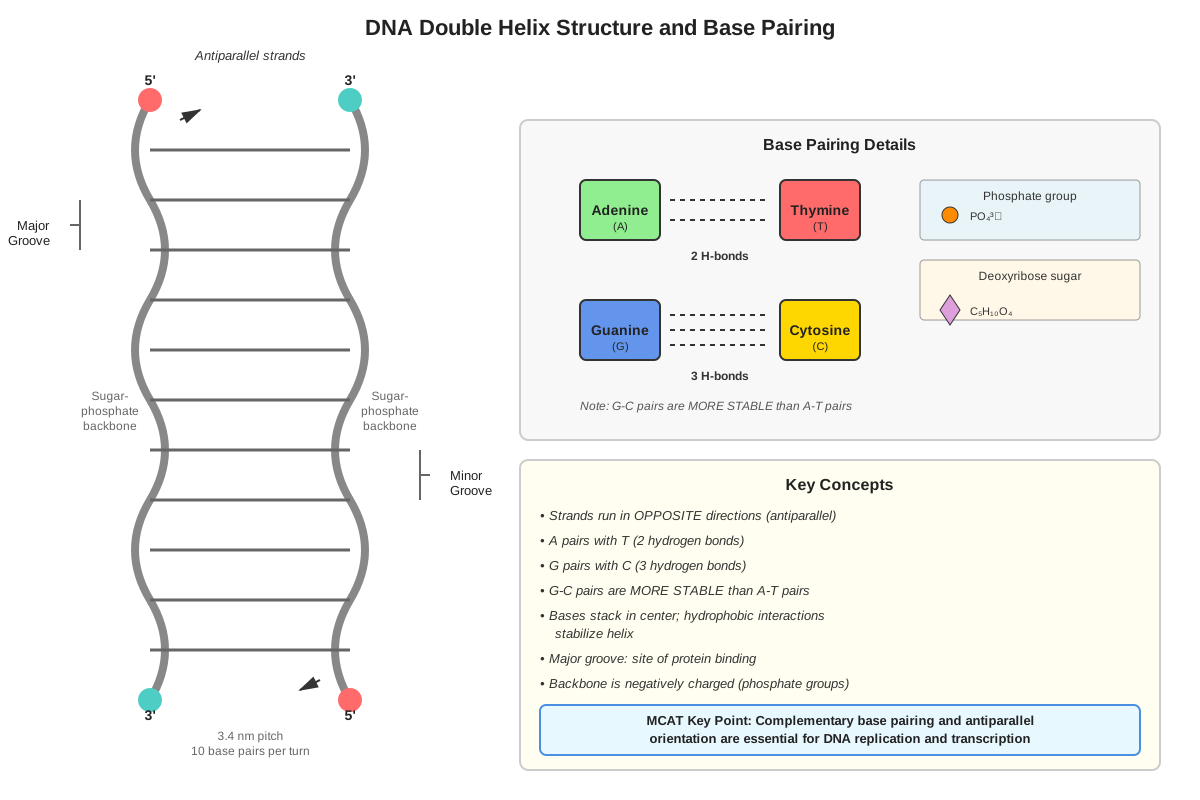
Complementary base pairing follows specific rules: adenine pairs with thymine (or uracil in RNA) through two hydrogen bonds, while guanine pairs with cytosine through three hydrogen bonds. This Watson-Crick base pairing creates a stable double helix with uniform width because each pair consists of one purine and one pyrimidine.
| Base Pair | Hydrogen Bonds | Stability |
|---|---|---|
| A-T (A-U) | 2 | Less stable |
| G-C | 3 | More stable |
The antiparallel orientation of DNA strands is crucial: one strand runs 5' to 3' while the complementary strand runs 3' to 5'. This antiparallel arrangement allows optimal hydrogen bonding geometry and is essential for DNA replication and transcription mechanisms.
DNA Helical Forms
DNA can adopt several helical conformations depending on sequence composition and environmental conditions. B-DNA is the predominant form under physiological conditions, featuring a right-handed helix with approximately 10 base pairs per complete turn, a rise of 3.4 Å per base pair, and a diameter of 20 Å. The major groove (wider) and minor groove (narrower) result from the asymmetric attachment of base pairs to the sugar-phosphate backbone. These grooves are critical for protein-DNA recognition, as transcription factors and other DNA-binding proteins insert amino acid side chains into the grooves to "read" the DNA sequence.
A-DNA forms under dehydrating conditions and is a wider, more compact right-handed helix with 11 base pairs per turn. Z-DNA is a left-handed helix that forms in sequences with alternating purines and pyrimidines (especially GC repeats) and may play regulatory roles in gene expression.
RNA Secondary Structure
Unlike DNA, RNA typically exists as a single strand that can fold back on itself to form complex secondary structures through intramolecular base pairing. Common RNA secondary structures include:
- Hairpin loops: Formed when a sequence pairs with a complementary sequence downstream, creating a stem-loop structure
- Bulges: Unpaired nucleotides on one strand within a double-stranded region
- Internal loops: Unpaired nucleotides on both strands within a double-stranded region
- Pseudoknots: Complex structures where a loop region pairs with a complementary sequence outside the loop
These secondary structures are functionally important in transfer RNA (tRNA), ribosomal RNA (rRNA), and regulatory RNAs like microRNAs and riboswitches.
Tertiary Structure: Three-Dimensional Folding
Tertiary structure refers to the overall three-dimensional shape of a nucleic acid molecule, resulting from interactions between secondary structure elements. While DNA tertiary structure primarily involves supercoiling (discussed below), RNA tertiary structure can be highly complex. The three-dimensional folding of tRNA creates an L-shaped structure essential for its function in translation. Ribosomal RNA folds into intricate three-dimensional structures that form the catalytic core of the ribosome.
DNA Supercoiling
In cells, DNA exists in a supercoiled state where the double helix is further twisted upon itself. Negative supercoiling (underwinding) is the predominant form in prokaryotes and eukaryotes, facilitating DNA strand separation during replication and transcription. Positive supercoiling (overwinding) occurs ahead of replication forks and transcription bubbles. Topoisomerases are enzymes that regulate DNA supercoiling by temporarily breaking and rejoining DNA strands.
Nucleic Acid Stability and Denaturation
The stability of nucleic acid structures depends on several factors:
- GC content: Higher GC content increases stability due to the three hydrogen bonds in GC pairs versus two in AT pairs
- Length: Longer double-stranded regions are more stable than shorter ones
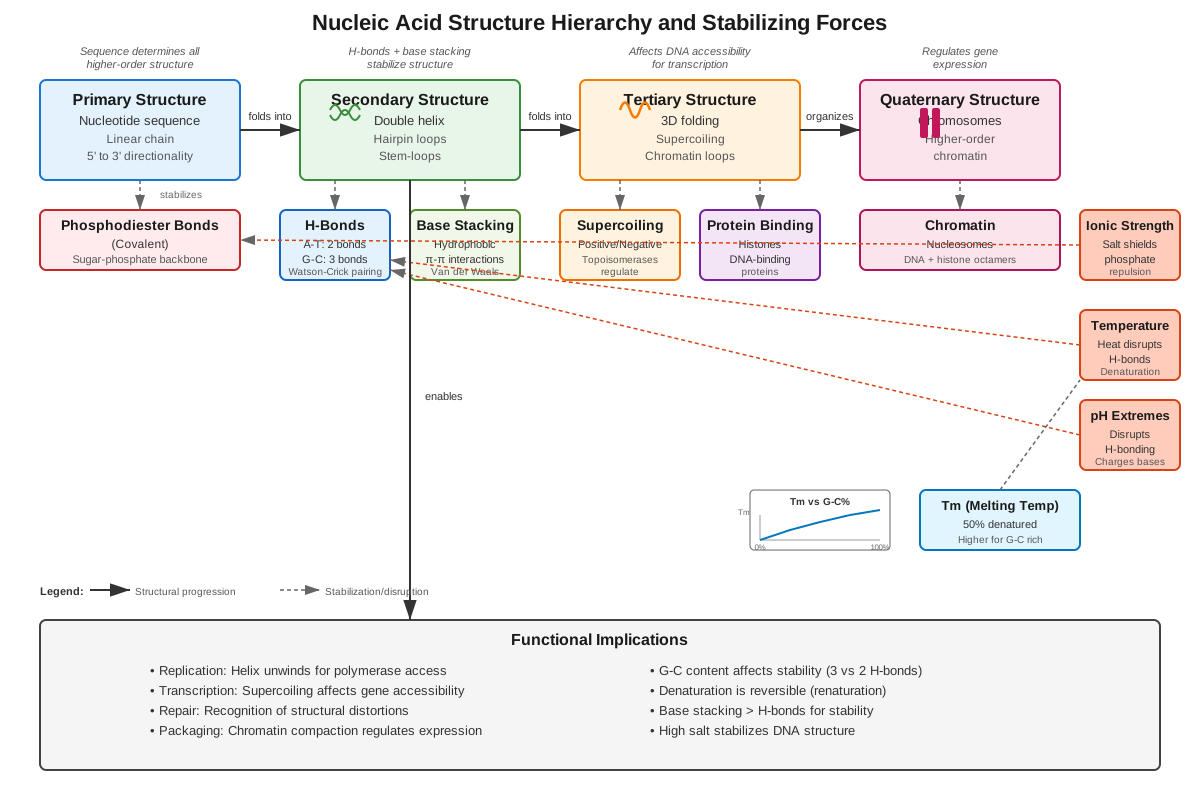
- Salt concentration: Higher ionic strength shields negative charges on the phosphate backbone, stabilizing the double helix
- Temperature: Higher temperatures disrupt hydrogen bonds, leading to denaturation
Denaturation (melting) occurs when hydrogen bonds between base pairs break, causing strand separation. The melting temperature (Tm) is the temperature at which 50% of DNA molecules are denatured. Tm increases with GC content and can be calculated approximately using the formula:
Tm = 2°C × (A + T) + 4°C × (G + C)Renaturation (annealing) occurs when complementary strands reassociate as temperature decreases. This principle underlies PCR and hybridization techniques.
Chemical Properties and Modifications
The chemical properties of nucleic acids influence their biological functions. The 2'-OH group in RNA makes it susceptible to base-catalyzed hydrolysis, explaining RNA's instability compared to DNA. Modified bases occur naturally in some nucleic acids—for example, methylated cytosine in DNA plays roles in gene regulation and epigenetics, while modified bases in tRNA are essential for proper translation.
The UV absorption properties of nucleic acids result from the conjugated π-electron systems in the nitrogenous bases, with maximum absorption at 260 nm. This property enables spectrophotometric quantification of nucleic acid concentration and purity assessment using the A260/A280 ratio.
Concept Relationships
The structural hierarchy of nucleic acids flows logically from simple to complex: nucleotide structure (primary building blocks) → primary structure (linear sequence) → secondary structure (base pairing and helical geometry) → tertiary structure (three-dimensional folding and supercoiling). Each level of organization depends on the previous level and determines the functional properties of the nucleic acid.
The distinction between DNA and RNA structure stems from the single chemical difference at the 2' position of the pentose sugar, which cascades into functional differences: DNA's stability suits long-term information storage, while RNA's reactivity enables catalytic and regulatory functions. This structural difference connects to the prerequisite knowledge of carbohydrate chemistry and functional group reactivity.
Base pairing rules connect directly to hydrogen bonding principles (prerequisite knowledge) and explain the mechanisms of DNA replication, transcription, and translation (related topics). The antiparallel orientation of DNA strands, determined by the directionality of phosphodiester bonds, dictates the mechanisms of DNA polymerase and RNA polymerase function.
Nucleic acid stability integrates concepts from thermodynamics and chemical kinetics, connecting to prerequisite knowledge of pH and acid-base chemistry. The factors affecting stability (GC content, length, ionic strength, temperature) explain experimental observations in techniques like PCR, Southern blotting, and DNA sequencing.
The relationship map can be summarized as:
Nucleotide components → Phosphodiester bond formation → Primary structure → Complementary base pairing → Secondary structure (double helix) → Tertiary structure (supercoiling) → Functional properties → Biotechnology applications
Quick check — test yourself on Nucleic acid structure so far.
Try Flashcards →High-Yield Facts
⭐ Purines (adenine and guanine) have two-ring structures; pyrimidines (cytosine, thymine, uracil) have one-ring structures
⭐ DNA contains deoxyribose (no 2'-OH); RNA contains ribose (has 2'-OH)
⭐ Adenine pairs with thymine via 2 hydrogen bonds; guanine pairs with cytosine via 3 hydrogen bonds
⭐ DNA strands are antiparallel: one runs 5' to 3', the complementary strand runs 3' to 5'
⭐ Higher GC content increases DNA melting temperature (Tm) due to three hydrogen bonds versus two in AT pairs
- Phosphodiester bonds connect the 5' carbon of one nucleotide to the 3' carbon of the next nucleotide
- B-DNA is the predominant physiological form with ~10 base pairs per helical turn and a diameter of 20 Å
- The major groove is wider than the minor groove, allowing proteins to recognize specific DNA sequences
- RNA typically exists as single-stranded molecules that can form complex secondary structures through intramolecular base pairing
- Negative supercoiling (underwinding) predominates in cells and facilitates strand separation during replication and transcription
- Nucleic acids absorb UV light maximally at 260 nm due to the conjugated π-electron systems in nitrogenous bases
- The sugar-phosphate backbone is negatively charged at physiological pH, creating electrostatic repulsion between strands
- Denaturation (melting) separates DNA strands by breaking hydrogen bonds; renaturation (annealing) allows complementary strands to reassociate
- Modified bases like methylated cytosine play important roles in epigenetic gene regulation
- The 2'-OH group in RNA makes it more chemically reactive and less stable than DNA
Common Misconceptions
Misconception: DNA strands run parallel to each other in the double helix
Correction: DNA strands are antiparallel—one strand runs 5' to 3' while the complementary strand runs 3' to 5'. This antiparallel orientation is essential for proper base pairing geometry and is critical for understanding DNA replication and transcription mechanisms.
Misconception: Purines pair with purines and pyrimidines pair with pyrimidines
Correction: Purines pair with pyrimidines (A with T, G with C). This purine-pyrimidine pairing maintains uniform width of the DNA double helix. Purine-purine pairs would be too wide, and pyrimidine-pyrimidine pairs would be too narrow to maintain stable helical geometry.
Misconception: The phosphodiester bond connects two bases directly
Correction: The phosphodiester bond connects the 5' carbon of one sugar to the 3' carbon of the next sugar, forming the sugar-phosphate backbone. Bases are attached to the 1' carbon of the sugar and project from the backbone; they interact through hydrogen bonds, not covalent bonds.
Misconception: RNA is always single-stranded and never forms double-stranded regions
Correction: While RNA is typically single-stranded, it frequently forms double-stranded regions through intramolecular base pairing, creating secondary structures like hairpins, stem-loops, and pseudoknots. Some viruses even have double-stranded RNA genomes. The key distinction is that RNA molecules can fold back on themselves, unlike the intermolecular base pairing in DNA.
Misconception: Higher temperature always denatures all nucleic acids equally
Correction: The melting temperature (Tm) varies based on GC content, length, and ionic strength. DNA with higher GC content requires higher temperatures to denature because GC pairs have three hydrogen bonds versus two in AT pairs. Short oligonucleotides denature at lower temperatures than long DNA molecules.
Misconception: The major and minor grooves are functionally equivalent
Correction: The major groove is wider and exposes more base pair information, making it the primary site for sequence-specific protein-DNA recognition. The minor groove is narrower and provides less sequence information. Most transcription factors and DNA-binding proteins insert amino acid side chains into the major groove to "read" DNA sequences.
Misconception: Thymine and uracil are structurally identical
Correction: Thymine has a methyl group at the 5 position of the pyrimidine ring, while uracil has only a hydrogen at this position. This methyl group distinguishes thymine from uracil and allows DNA repair mechanisms to recognize and remove uracil that results from cytosine deamination.
Worked Examples
Example 1: Calculating Melting Temperature and Predicting Stability
Question: Two DNA oligonucleotides have the following sequences:
- Oligonucleotide A: 5'-ATATATATATAT-3'
- Oligonucleotide B: 5'-GCGCGCGCGCGC-3'
Both are 12 nucleotides long. Which oligonucleotide has a higher melting temperature, and approximately what are their Tm values?
Solution:
Step 1: Count the number of each base type
- Oligonucleotide A: 6 A's and 6 T's (0 G's, 0 C's)
- Oligonucleotide B: 6 G's and 6 C's (0 A's, 0 T's)
Step 2: Apply the simplified Tm formula for short oligonucleotides
Tm = 2°C × (A + T) + 4°C × (G + C)For Oligonucleotide A:
Tm = 2°C × (6 + 6) + 4°C × (0 + 0) = 2°C × 12 = 24°CFor Oligonucleotide B:
Tm = 2°C × (0 + 0) + 4°C × (6 + 6) = 4°C × 12 = 48°CStep 3: Interpret the results
Oligonucleotide B has a higher melting temperature (48°C vs. 24°C) because it consists entirely of GC base pairs, which form three hydrogen bonds each compared to the two hydrogen bonds in AT pairs. This makes Oligonucleotide B approximately twice as stable as Oligonucleotide A.
Connection to Learning Objectives: This example demonstrates how to apply nucleic acid structure principles to predict physical properties. Understanding that GC content determines stability is essential for interpreting experimental data on MCAT passages involving DNA denaturation, PCR primer design, or hybridization conditions.
Example 2: Analyzing RNA Secondary Structure
Question: An RNA molecule has the following sequence:
5'-GCGCGCAAAAGCGCGC-3'
Describe the most likely secondary structure this RNA will form and explain the structural basis.
Solution:
Step 1: Identify potential complementary regions
Looking at the sequence, the first six nucleotides (5'-GCGCGC-3') are complementary to the last six nucleotides (5'-GCGCGC-3') when read in the opposite direction. The middle four nucleotides (AAAA) cannot form base pairs with any other part of the sequence.
Step 2: Predict the secondary structure
This RNA will form a hairpin (stem-loop) structure:
- The stem consists of the first six nucleotides base-pairing with the last six nucleotides through intramolecular Watson-Crick base pairing
- The loop consists of the four adenine nucleotides in the middle that remain unpaired
Step 3: Describe the base pairing
The stem region will have the following base pairs:
- G (position 1) pairs with C (position 16)
- C (position 2) pairs with G (position 15)
- G (position 3) pairs with C (position 14)
- C (position 4) pairs with G (position 13)
- G (position 5) pairs with C (position 12)
- C (position 6) pairs with G (position 11)
All six base pairs are GC pairs, making this stem very stable (three hydrogen bonds per pair).
Step 4: Functional implications
Hairpin structures like this are common in RNA and serve various functions:
- In mRNA, they can regulate translation by blocking ribosome binding
- In rRNA and tRNA, they contribute to the overall three-dimensional structure
- In regulatory RNAs, they can serve as recognition sites for RNA-binding proteins
Connection to Learning Objectives: This example illustrates how RNA secondary structure arises from the primary sequence and demonstrates the principle of complementary base pairing in a single-stranded context. Understanding RNA secondary structures is crucial for MCAT questions about gene regulation, RNA processing, and ribozyme function.
Exam Strategy
Approaching MCAT Questions on Nucleic Acid Structure
When encountering nucleic acid structure questions, first identify whether the question focuses on DNA or RNA, as structural differences between these molecules often form the basis of correct answers. Read the question stem carefully to determine which level of structure is being tested—primary (sequence), secondary (base pairing and helical geometry), or tertiary (three-dimensional folding and supercoiling).
For passage-based questions, pay close attention to experimental conditions described in the passage, particularly temperature, pH, and salt concentration, as these factors affect nucleic acid stability and structure. If a passage presents data on DNA melting curves or gel electrophoresis, immediately consider how GC content, length, and structural modifications would affect the results.
Trigger Words and Phrases
Watch for these key terms that signal specific concepts:
- "Complementary" → Think Watson-Crick base pairing rules (A-T, G-C)
- "Antiparallel" → Consider 5' to 3' directionality and implications for replication/transcription
- "Denaturation" or "melting" → Focus on factors affecting stability (GC content, temperature, ionic strength)
- "Major groove" or "minor groove" → Consider protein-DNA recognition and binding
- "Supercoiling" → Think about topoisomerases and DNA topology
- "Hairpin" or "stem-loop" → Focus on RNA secondary structure and intramolecular base pairing
- "Purine" or "pyrimidine" → Recall ring structures and base pairing rules
- "2'-OH" → Distinguish RNA from DNA and consider chemical reactivity
Process-of-Elimination Tips
When evaluating answer choices:
- Eliminate options that violate base pairing rules (e.g., A pairing with G, or purines pairing with purines)
- Eliminate options that incorrectly describe strand orientation (e.g., both strands running 5' to 3')
- Eliminate options that confuse DNA and RNA structural features (e.g., thymine in RNA or uracil in DNA)
- Eliminate options that incorrectly state the number of hydrogen bonds in base pairs
- For stability questions, eliminate options that suggest AT-rich regions are more stable than GC-rich regions
Time Allocation Advice
Discrete questions on nucleic acid structure should take 60-90 seconds if you have mastered the core concepts. These questions typically test straightforward factual knowledge about base pairing, strand orientation, or structural differences between DNA and RNA.
Passage-based questions may require 90-120 seconds, as you need to integrate information from the passage with your knowledge of nucleic acid structure. Budget time to carefully analyze any figures showing DNA structures, melting curves, or experimental results before attempting the questions.
If a question requires calculations (e.g., Tm estimation), quickly assess whether precise calculation is necessary or if qualitative reasoning (e.g., "higher GC content means higher Tm") is sufficient to eliminate wrong answers.
Memory Techniques
Mnemonics for Base Pairing
"Pure As Gold" - Purines are Adenine and Guanine (both start with vowels)
"CUT the Py" - Cytosine, Uracil, and Thymine are Pyrimidines
"Two for AT, Three for GC" - Remember the number of hydrogen bonds in each base pair
Mnemonic for DNA vs. RNA
"RNA is OH-so reactive" - RNA has the 2'-OH group that makes it more reactive and less stable than DNA
"DNA is Deoxy, RNA is Oxy" - DNA has deoxyribose (no oxygen at 2' position), RNA has ribose (oxygen at 2' position)
Visualization Strategy for Antiparallel Strands
Visualize DNA strands as two arrows pointing in opposite directions:
5' ————————————————————> 3'
3' <———————————————————— 5'
Always draw the 5' and 3' ends when sketching DNA structures to avoid confusion about strand orientation.
Acronym for Factors Affecting DNA Stability
"GLTS" - GC content, Length, Temperature, Salt concentration
Higher GC content, longer length, and higher salt concentration increase stability; higher temperature decreases stability.
Memory Palace for Nucleotide Components
Imagine a three-story building:
- Ground floor: Phosphate group (foundation of the structure)
- Middle floor: Pentose sugar (connects everything)
- Top floor: Nitrogenous base (the distinctive feature that varies)
This spatial organization helps remember that phosphate connects to the 5' carbon, sugar is in the middle, and base attaches to the 1' carbon.
Summary
Nucleic acid structure encompasses the molecular architecture of DNA and RNA, from individual nucleotides to complex three-dimensional conformations. Nucleotides consist of a nitrogenous base (purine or pyrimidine), a pentose sugar (deoxyribose in DNA, ribose in RNA), and phosphate groups that form the backbone through phosphodiester bonds. The primary structure is the linear sequence of nucleotides with 5' to 3' directionality. Secondary structure involves Watson-Crick base pairing (A-T/U and G-C) between antiparallel strands, forming the iconic DNA double helix with major and minor grooves. RNA typically exists as single strands that fold into complex secondary structures like hairpins. Tertiary structure includes DNA supercoiling and RNA three-dimensional folding. Nucleic acid stability depends on GC content, length, temperature, and ionic strength, with higher GC content and longer sequences conferring greater stability. Understanding these structural principles is essential for interpreting MCAT questions on DNA replication, transcription, gene regulation, and biotechnology applications.
Key Takeaways
- Nucleotides contain three components: nitrogenous base (purine or pyrimidine), pentose sugar (deoxyribose or ribose), and phosphate group(s)
- Watson-Crick base pairing follows strict rules: A pairs with T (or U) via 2 hydrogen bonds; G pairs with C via 3 hydrogen bonds
- DNA strands are antiparallel: one runs 5' to 3' while the complementary strand runs 3' to 5', critical for replication and transcription mechanisms
- GC content determines stability: higher GC content increases melting temperature because GC pairs have three hydrogen bonds versus two in AT pairs
- RNA differs from DNA by having ribose (with 2'-OH) instead of deoxyribose, making RNA more reactive and less stable
- Secondary structures include the DNA double helix with major and minor grooves, and RNA hairpins, stem-loops, and other folded conformations
- Denaturation and renaturation are reversible processes affected by temperature, pH, and ionic strength, forming the basis for PCR and hybridization techniques
Related Topics
DNA Replication: Understanding nucleic acid structure is prerequisite for learning how DNA polymerase synthesizes new strands in the 5' to 3' direction, how helicase unwinds the double helix, and how the antiparallel nature of DNA necessitates leading and lagging strand synthesis.
Transcription and RNA Processing: The structural differences between DNA and RNA explain why RNA polymerase synthesizes RNA from DNA templates, and how RNA secondary structures affect splicing, stability, and translation.
Translation and Protein Synthesis: The three-dimensional structure of tRNA, including its cloverleaf secondary structure and L-shaped tertiary structure, directly determines its function in delivering amino acids to ribosomes.
Gene Regulation: DNA structure affects transcription factor binding through major and minor groove recognition, while RNA secondary structures regulate translation and mRNA stability.
Biotechnology Techniques: PCR, DNA sequencing, Southern and Northern blotting, and molecular cloning all exploit the structural properties of nucleic acids, particularly complementary base pairing and denaturation/renaturation.
Mutations and DNA Repair: Understanding how base pairing maintains genetic fidelity explains how mutations arise from base mispairing and how DNA repair mechanisms recognize and correct structural abnormalities.
Practice CTA
Now that you have mastered the core concepts of nucleic acid structure, challenge yourself with practice questions and flashcards to reinforce your understanding. Focus on applying these structural principles to experimental scenarios and clinical contexts, as the MCAT emphasizes application over rote memorization. Test your ability to predict how structural changes affect function, interpret experimental data involving DNA or RNA, and connect nucleic acid structure to broader biochemical processes. Consistent practice with high-quality questions will build the pattern recognition and analytical skills needed to excel on test day. Remember: understanding nucleic acid structure is not just about memorizing facts—it's about developing the conceptual framework to tackle any question the MCAT throws at you. You've got this!
Sign up free to keep reading
Create a free AnvayaPrep account to finish this MCAT guide on Nucleic acid structure — plus flashcards and practice questions.