Overview
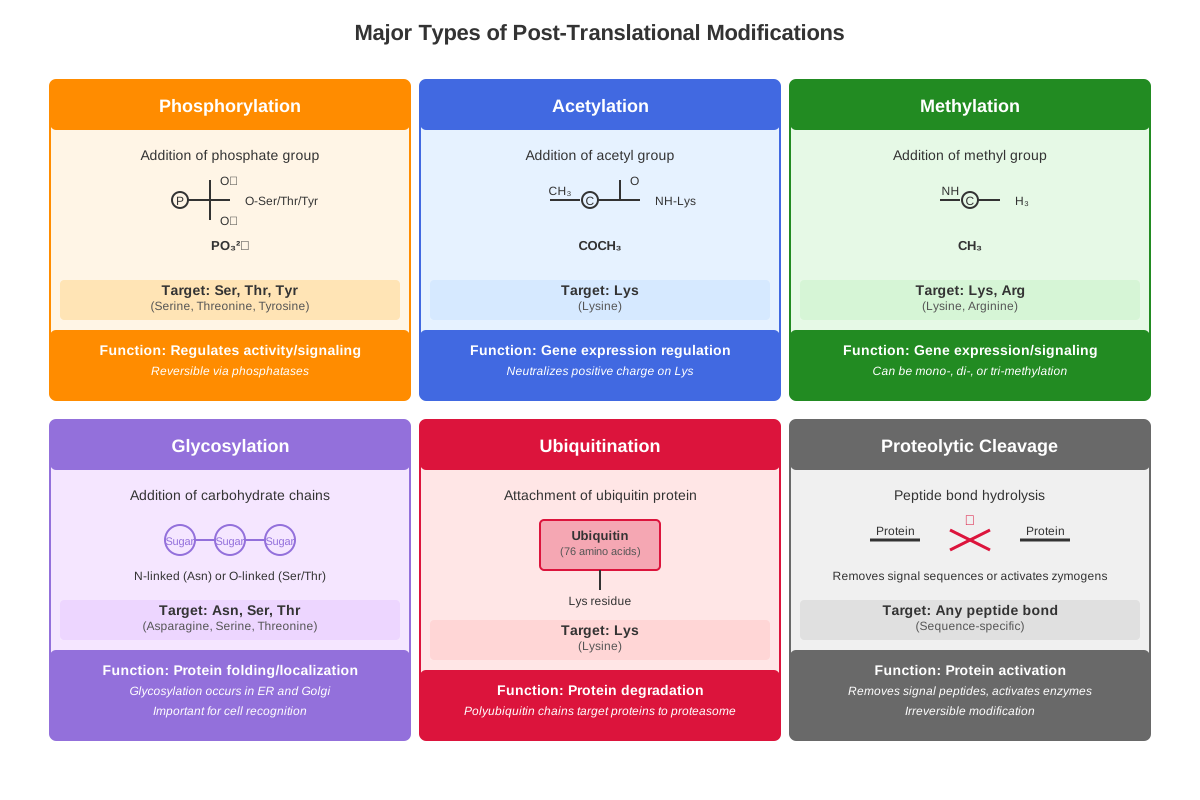
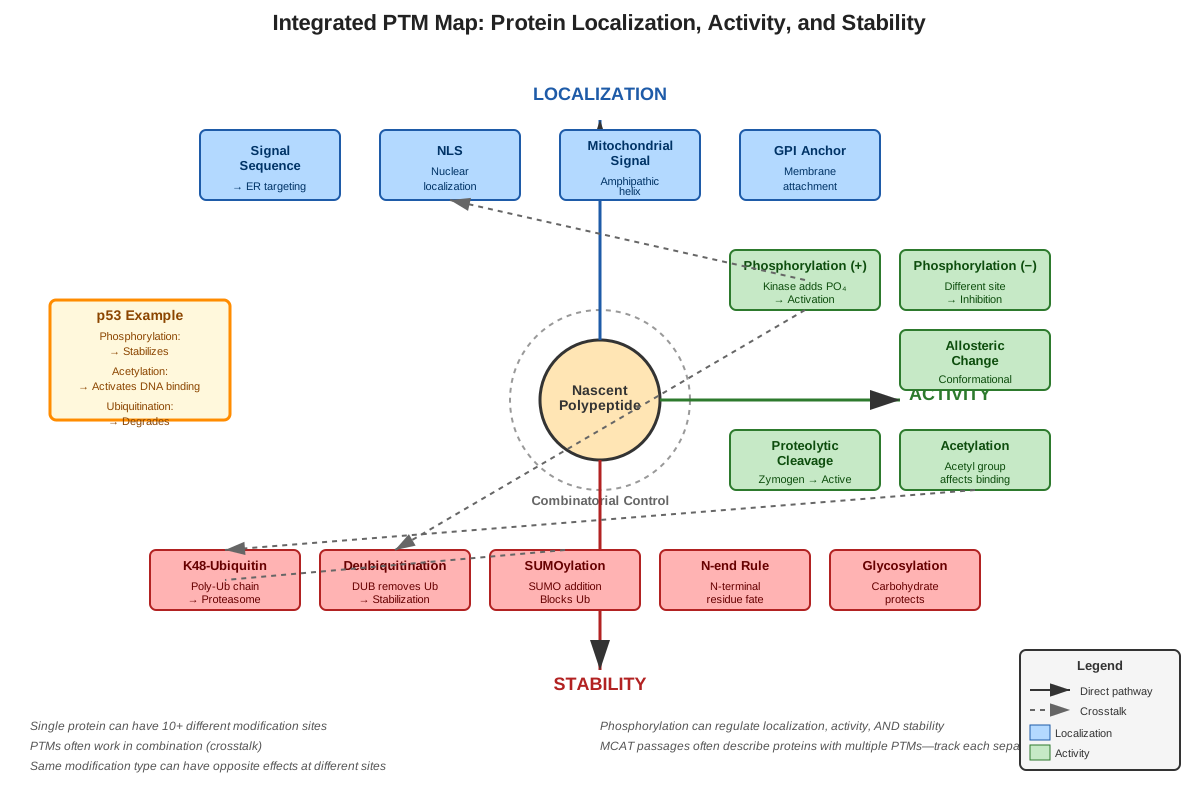
Post-translational modification (PTM) represents one of the most critical regulatory mechanisms in cellular biology, transforming newly synthesized polypeptide chains into fully functional proteins. After a ribosome completes translation and releases a nascent polypeptide, the protein rarely exists in its final, active form. Instead, cells employ an extensive repertoire of chemical modifications—including phosphorylation, glycosylation, acetylation, methylation, ubiquitination, and proteolytic cleavage—to fine-tune protein structure, localization, activity, and stability. These modifications dramatically expand the functional diversity of the proteome without requiring changes to the underlying genetic code, allowing a single gene to produce multiple protein variants with distinct biological roles.
For MCAT preparation, post-translational modification stands as a high-yield topic that bridges multiple disciplines tested on the exam. Questions frequently integrate Biochemistry concepts with cell biology, molecular biology, and even physiology, making PTMs a common feature in passage-based questions. Understanding PTMs is essential for interpreting experimental data about protein function, enzyme regulation, signal transduction pathways, and disease mechanisms. The MCAT particularly emphasizes how modifications affect protein localization (such as signal sequences directing proteins to organelles), enzyme activity (through phosphorylation cascades), and protein degradation (via ubiquitin tagging).
Within the broader context of Nucleic Acids and Biotechnology, post-translational modifications represent the final step in the central dogma of molecular biology: DNA → RNA → Protein → Modified Protein. This topic connects intimately with gene expression regulation, protein structure and function, enzyme kinetics, and cellular signaling. Mastering PTMs enables students to understand how cells achieve remarkable regulatory precision and respond dynamically to environmental changes, concepts that appear throughout MCAT passages involving experimental biochemistry, disease pathology, and pharmaceutical interventions.
Learning Objectives
- [ ] Define post-translational modification using accurate Biochemistry terminology
- [ ] Explain why post-translational modification matters for the MCAT
- [ ] Apply post-translational modification concepts to exam-style questions
- [ ] Identify common mistakes related to post-translational modification
- [ ] Connect post-translational modification to related Biochemistry concepts
- [ ] Distinguish between different types of post-translational modifications and their functional consequences
- [ ] Predict how specific modifications affect protein localization, activity, and stability
- [ ] Analyze experimental data involving post-translational modifications in MCAT passage contexts
Prerequisites
- Protein structure (primary, secondary, tertiary, quaternary): PTMs alter amino acid side chains and affect all levels of protein structure
- Amino acid chemistry and functional groups: Understanding which residues can be modified (Ser, Thr, Tyr for phosphorylation; Lys for acetylation/ubiquitination)
- Translation and ribosome function: PTMs occur after the ribosome releases the polypeptide chain
- Basic enzyme mechanisms: Many PTMs involve enzymatic addition or removal of chemical groups
- Cell organelles and compartmentalization: PTMs often determine protein localization to specific organelles
- ATP and energy metabolism: Several modifications (phosphorylation, ubiquitination) require ATP
Why This Topic Matters
Clinical and Real-World Significance
Post-translational modifications govern virtually every cellular process and represent major therapeutic targets. Aberrant phosphorylation drives many cancers—kinase inhibitors like imatinib (Gleevec) specifically target dysregulated phosphorylation in chronic myeloid leukemia. Glycosylation defects cause congenital disorders of glycosylation (CDG), affecting multiple organ systems. The ubiquitin-proteasome system, when disrupted, contributes to neurodegenerative diseases like Parkinson's and Alzheimer's. Insulin signaling, a cornerstone of metabolic regulation, depends entirely on phosphorylation cascades. Understanding PTMs illuminates drug mechanisms, disease pathogenesis, and normal physiology—all frequent MCAT themes.
MCAT Exam Statistics and Question Types
Post-translational modifications appear in approximately 15-20% of Biochemistry passages and discrete questions on the MCAT. The exam tests PTMs through multiple question formats: interpreting Western blots showing phosphorylated versus unphosphorylated proteins, analyzing mutations that prevent glycosylation, predicting effects of kinase inhibitors on signaling pathways, and understanding how signal sequences direct protein trafficking. Passages frequently present experimental manipulations of PTMs (adding phosphatase inhibitors, mutating modification sites) and ask students to predict functional outcomes.
Common Exam Passage Contexts
MCAT passages integrate PTMs into scenarios involving: signal transduction cascades (MAPK, insulin signaling), protein trafficking experiments (ER-to-Golgi transport), enzyme regulation studies (glycogen phosphorylase activation), cancer biology (oncogenic kinases), and biotechnology applications (producing glycosylated therapeutic proteins in different expression systems). Questions often require students to connect modification type with functional consequence or interpret data showing how blocking a specific modification affects cellular processes.
Core Concepts
Definition and Overview of Post-Translational Modifications
Post-translational modification refers to the covalent chemical alteration of a protein after its synthesis by ribosomes during translation. These modifications occur co-translationally (while the protein is still being synthesized) or after translation is complete, transforming the nascent polypeptide into its mature, functional form. PTMs involve adding chemical groups (phosphate, acetyl, methyl, carbohydrate chains, lipids), cleaving peptide bonds, or attaching entire proteins (ubiquitin, SUMO). Over 400 different types of PTMs have been identified, though the MCAT focuses on the most physiologically significant modifications.
Major Types of Post-Translational Modifications
Phosphorylation
Phosphorylation represents the most common and extensively studied PTM, involving the enzymatic addition of a phosphate group (PO₄³⁻) from ATP to specific amino acid residues. Protein kinases catalyze phosphorylation, while protein phosphatases remove phosphate groups, creating a reversible regulatory switch. The primary target residues are serine (Ser), threonine (Thr), and tyrosine (Tyr), which possess hydroxyl (-OH) groups on their side chains that can form phosphoester bonds with phosphate.
Phosphorylation profoundly affects protein function through multiple mechanisms:
- Conformational changes: The negatively charged phosphate group introduces electrostatic repulsion, altering protein shape and activity
- Creation of binding sites: Phosphorylated residues create docking sites for proteins containing phospho-recognition domains (SH2, PTB domains)
- Enzyme activation or inhibition: Phosphorylation can activate enzymes (glycogen phosphorylase) or inhibit them (glycogen synthase)
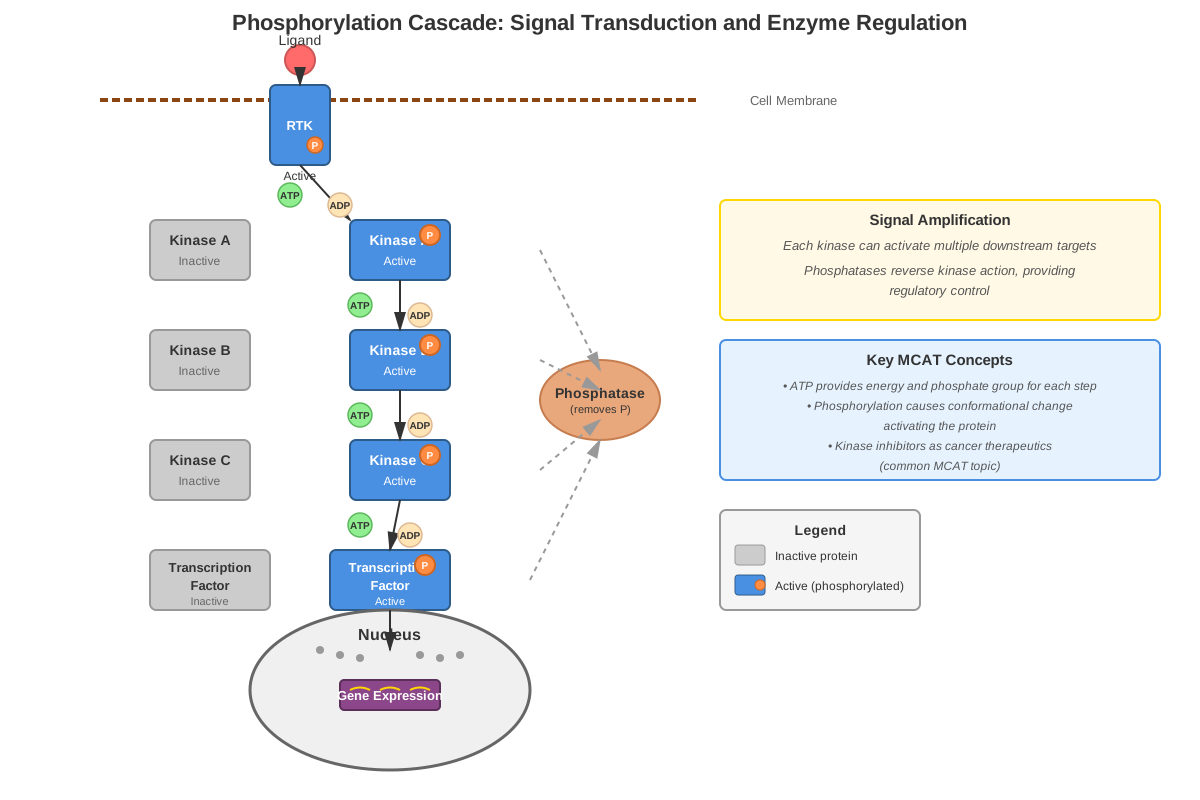
- Signal amplification: Kinase cascades amplify signals through sequential phosphorylation events
MCAT Exam Tip: When passages describe signal transduction, immediately consider phosphorylation cascades. Questions often ask how blocking a specific kinase affects downstream events.
Glycosylation
Glycosylation involves the enzymatic attachment of carbohydrate chains (oligosaccharides) to proteins, creating glycoproteins. This modification occurs primarily in the endoplasmic reticulum (ER) and Golgi apparatus and represents one of the most complex PTMs. Two major types exist:
N-linked glycosylation: Carbohydrate chains attach to the nitrogen atom in the side chain of asparagine (Asn) residues, specifically within the consensus sequence Asn-X-Ser/Thr (where X is any amino acid except proline). This modification begins in the ER lumen when a preformed oligosaccharide is transferred en bloc to the nascent polypeptide.
O-linked glycosylation: Carbohydrate chains attach to the oxygen atom in the hydroxyl groups of serine or threonine residues. This modification occurs primarily in the Golgi apparatus and involves sequential addition of individual sugar residues.
Glycosylation serves multiple critical functions:
- Protein folding and stability: Glycans assist proper folding and protect proteins from degradation
- Cell-cell recognition: Surface glycoproteins mediate immune recognition and cell adhesion
- Protein trafficking: Glycosylation patterns direct proteins to specific cellular locations
- Modulation of protein activity: Glycans can affect enzyme activity and receptor binding
| Feature | N-linked Glycosylation | O-linked Glycosylation |
|---|---|---|
| Target residue | Asparagine (Asn) | Serine (Ser) or Threonine (Thr) |
| Consensus sequence | Asn-X-Ser/Thr | No strict consensus |
| Location initiated | Endoplasmic reticulum | Golgi apparatus |
| Mechanism | En bloc transfer | Sequential addition |
| Common in | Secreted proteins, membrane proteins | Mucins, extracellular proteins |
Proteolytic Cleavage
Proteolytic cleavage involves the irreversible cutting of peptide bonds by proteases, removing portions of the polypeptide chain. This modification activates many proteins synthesized as inactive precursors:
- Signal sequence removal: The N-terminal signal peptide directs proteins to the ER; signal peptidase cleaves it after translocation
- Zymogen activation: Digestive enzymes (pepsinogen → pepsin, trypsinogen → trypsin) and blood clotting factors are synthesized as inactive zymogens and activated by specific cleavage
- Prohormone processing: Insulin is synthesized as preproinsulin, then processed through multiple cleavages to remove the signal peptide and C-peptide, yielding mature insulin with A and B chains connected by disulfide bonds
- Removal of pro-sequences: Many proteins contain pro-regions that assist folding but must be removed for full activity
Acetylation
Acetylation involves adding an acetyl group (CH₃CO-) from acetyl-CoA to amino acid residues, primarily the ε-amino group of lysine (Lys). Histone acetyltransferases (HATs) add acetyl groups, while histone deacetylases (HDACs) remove them. Though named for their histone substrates, these enzymes modify many non-histone proteins.
Acetylation neutralizes lysine's positive charge, affecting:
- DNA-histone interactions: Acetylated histones bind DNA less tightly, promoting transcriptional activation
- Protein-protein interactions: Acetylation can create or disrupt binding interfaces
- Protein stability: Acetylation of certain lysines prevents ubiquitination at those sites
Methylation
Methylation adds methyl groups (CH₃) from S-adenosylmethionine (SAM) to amino acid residues, particularly lysine and arginine. Unlike acetylation, methylation does not alter charge. Lysine can be mono-, di-, or trimethylated; arginine can be mono- or dimethylated (symmetrically or asymmetrically).
Methylation primarily regulates:
- Chromatin structure: Histone methylation marks create binding sites for chromatin-modifying complexes
- Gene expression: Different methylation patterns activate or repress transcription (H3K4me3 activates; H3K9me3 represses)
- Signal transduction: Methylation of non-histone proteins affects various signaling pathways
Ubiquitination
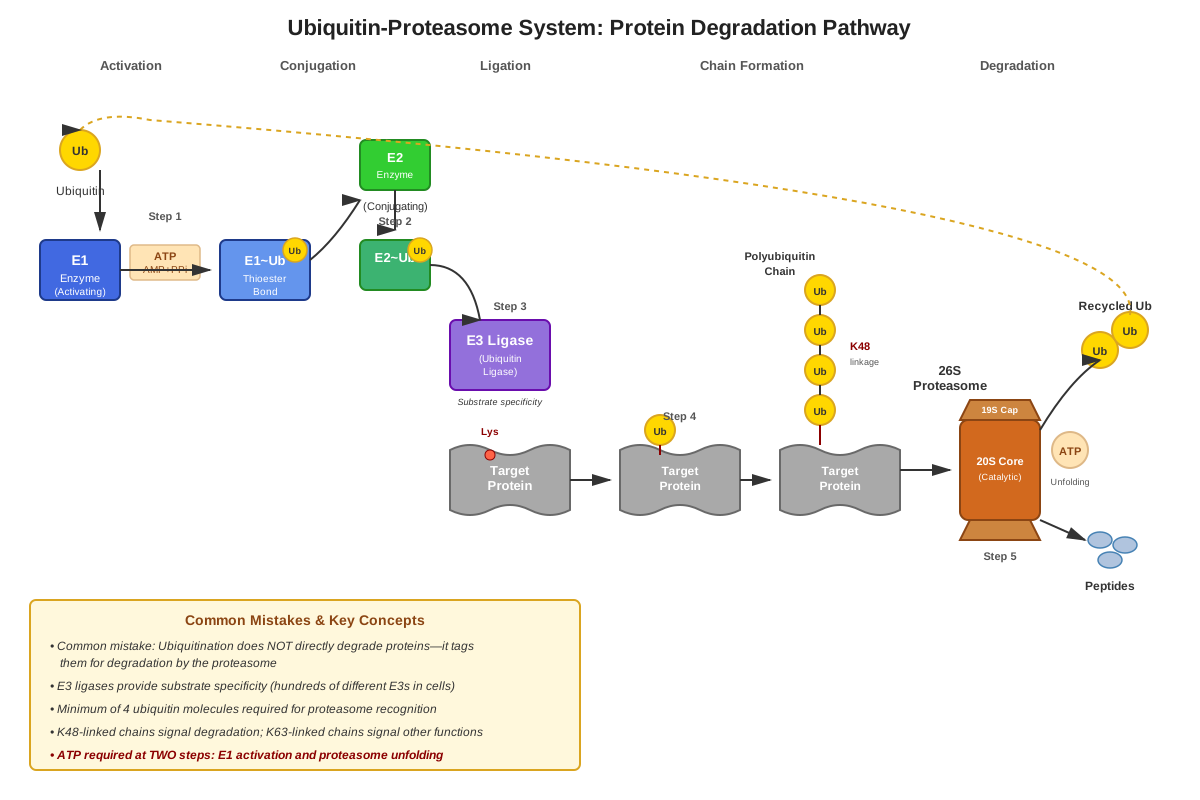
Ubiquitination involves attaching ubiquitin, a small 76-amino acid protein, to lysine residues on target proteins. This modification requires three enzymes working sequentially:
- E1 (ubiquitin-activating enzyme): Activates ubiquitin using ATP
- E2 (ubiquitin-conjugating enzyme): Transfers activated ubiquitin
- E3 (ubiquitin ligase): Provides substrate specificity, attaching ubiquitin to target protein
Ubiquitin can be attached as:
- Monoubiquitination: Single ubiquitin molecule; affects protein localization and activity
- Polyubiquitination: Chain of ubiquitin molecules linked through specific lysine residues
- K48-linked chains: Target proteins for proteasomal degradation
- K63-linked chains: Regulate signaling, DNA repair, and endocytosis
The ubiquitin-proteasome system represents the cell's major protein degradation pathway. Proteins tagged with K48-linked polyubiquitin chains are recognized by the 26S proteasome, a large protein complex that unfolds and degrades target proteins into small peptides.
Lipid Modifications
Several PTMs attach lipid groups to proteins, anchoring them to membranes:
Palmitoylation: Addition of palmitic acid (16-carbon saturated fatty acid) to cysteine residues via thioester bonds; reversible modification that regulates membrane association
Myristoylation: Addition of myristic acid (14-carbon saturated fatty acid) to N-terminal glycine residues via amide bonds; typically irreversible and occurs co-translationally
Prenylation: Addition of farnesyl (15-carbon) or geranylgeranyl (20-carbon) isoprenoid groups to cysteine residues near the C-terminus; important for membrane localization of small GTPases like Ras
GPI anchor attachment: Glycosylphosphatidylinositol (GPI) anchors attach to the C-terminus, anchoring proteins to the extracellular face of the plasma membrane
Functional Consequences of Post-Translational Modifications
Protein Localization and Trafficking
PTMs serve as molecular "zip codes" directing proteins to specific cellular destinations:
Signal sequences: N-terminal sequences (typically 15-30 amino acids) direct proteins to the ER. The signal recognition particle (SRP) recognizes the signal sequence during translation, pausing synthesis and directing the ribosome to the ER membrane. After translocation, signal peptidase cleaves the signal sequence.
Nuclear localization signals (NLS): Short sequences rich in basic amino acids (Lys, Arg) direct proteins to the nucleus. Phosphorylation can regulate NLS function, controlling nuclear import.
Mitochondrial targeting sequences: N-terminal amphipathic helices direct proteins to mitochondria. These sequences are cleaved after import.
Peroxisomal targeting signals: C-terminal tripeptide sequences (typically Ser-Lys-Leu) direct proteins to peroxisomes.
Regulation of Protein Activity
PTMs provide rapid, reversible control of protein function without requiring new protein synthesis:
Allosteric regulation through phosphorylation: Glycogen phosphorylase exists in inactive (b) and active (a) forms. Phosphorylation of Ser14 by phosphorylase kinase converts the b form to the a form, activating the enzyme for glycogen breakdown.
Enzyme cascade amplification: Signal transduction pathways use sequential phosphorylation to amplify signals. In the MAPK pathway, one activated receptor can activate multiple Ras proteins, each activating multiple Raf kinases, each activating multiple MEK kinases, each activating multiple ERK kinases—producing exponential signal amplification.
Competitive modification: The same lysine residue can be acetylated or ubiquitinated, creating regulatory competition. Acetylation protects from ubiquitination and degradation.
Protein Stability and Degradation
PTMs control protein half-life and turnover:
Ubiquitin-mediated degradation: K48-linked polyubiquitination marks proteins for proteasomal degradation, controlling levels of cell cycle regulators (cyclins), transcription factors (NF-κB inhibitor IκB), and misfolded proteins.
N-end rule pathway: The identity of the N-terminal amino acid after proteolytic cleavage determines protein stability. Destabilizing residues (Arg, Lys, Phe, Leu, Trp) promote rapid ubiquitination and degradation.
Glycosylation and stability: Glycans protect proteins from proteolytic degradation and increase serum half-life of therapeutic proteins.
Quick check — test yourself on Post translational modification so far.
Try Flashcards →Concept Relationships
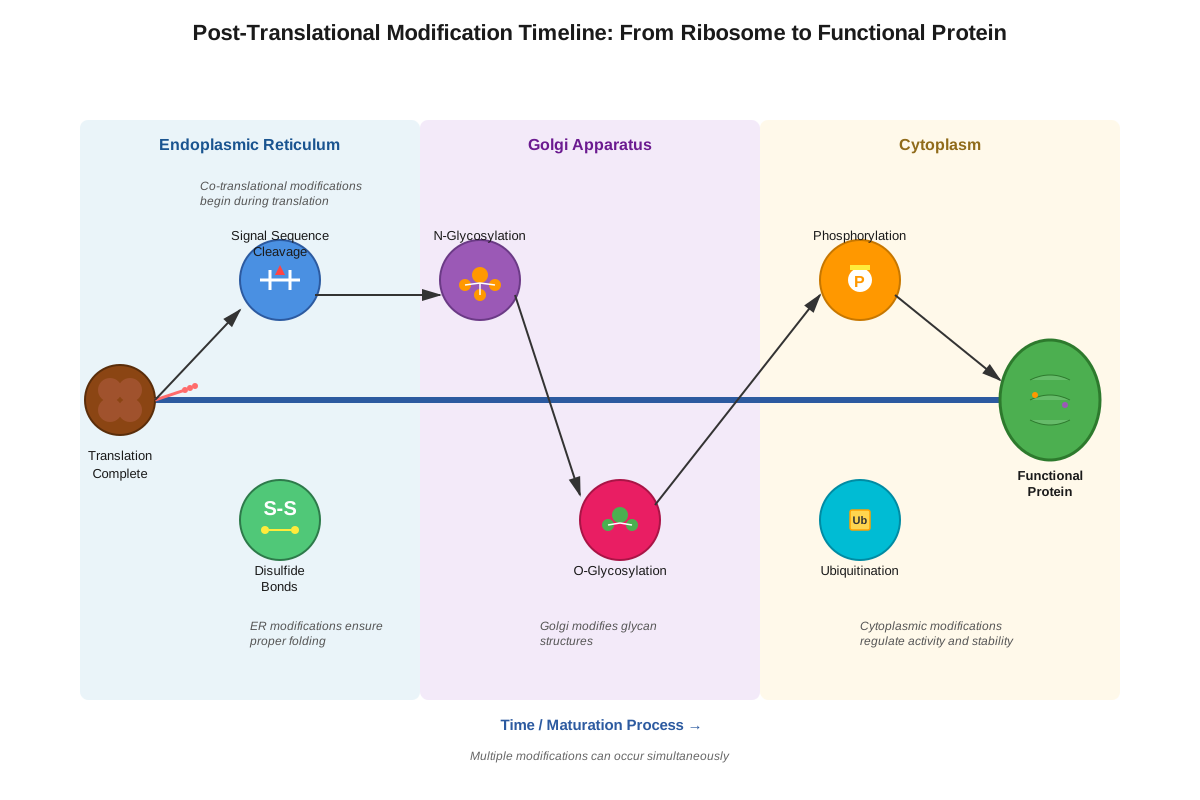
Post-translational modifications form an interconnected regulatory network within cellular biochemistry. Translation produces the nascent polypeptide → signal sequences (a type of PTM through proteolytic cleavage) direct proteins to appropriate organelles → glycosylation occurs in the ER and Golgi during protein trafficking → phosphorylation regulates protein activity in response to signals → ubiquitination marks proteins for degradation, completing the protein lifecycle.
PTMs connect intimately with enzyme kinetics: modifications change Vmax (by altering enzyme conformation) or affect enzyme concentration (through degradation). They link to cell signaling: receptor activation triggers phosphorylation cascades that amplify signals and activate transcription factors. They relate to protein structure: modifications can stabilize or destabilize specific conformations, affecting all levels of protein structure from primary (proteolytic cleavage) to quaternary (phosphorylation-induced oligomerization).
The relationship between different PTMs creates regulatory complexity: acetylation and ubiquitination compete for the same lysine residues; phosphorylation can create binding sites for ubiquitin ligases, linking activation to subsequent degradation; glycosylation affects protein folding, which influences susceptibility to other modifications. This interconnectedness means MCAT questions often test understanding of how multiple modifications work together to regulate cellular processes.
High-Yield Facts
⭐ Phosphorylation targets serine, threonine, and tyrosine residues and is the most common reversible PTM, regulated by kinases (add phosphate) and phosphatases (remove phosphate)
⭐ N-linked glycosylation occurs at asparagine residues in the consensus sequence Asn-X-Ser/Thr and begins in the endoplasmic reticulum
⭐ K48-linked polyubiquitination targets proteins for proteasomal degradation, while K63-linked chains regulate signaling and DNA repair
⭐ Signal sequences are N-terminal sequences that direct proteins to the ER and are cleaved by signal peptidase after translocation
⭐ Proteolytic cleavage irreversibly activates zymogens (inactive enzyme precursors) like pepsinogen, trypsinogen, and proinsulin
- O-linked glycosylation occurs at serine and threonine residues, primarily in the Golgi apparatus, without a strict consensus sequence
- Acetylation of lysine residues neutralizes positive charge and is catalyzed by histone acetyltransferases (HATs) and reversed by histone deacetylases (HDACs)
- Lipid modifications (palmitoylation, myristoylation, prenylation) anchor proteins to membranes and regulate protein localization
- Methylation of lysine and arginine residues does not change charge and primarily regulates chromatin structure and gene expression
- Phosphorylation cascades amplify signals exponentially, with each kinase activating multiple downstream kinases
- Glycosylation increases protein stability, assists proper folding, and mediates cell-cell recognition
- The ubiquitin-proteasome system requires ATP and involves E1, E2, and E3 enzymes working sequentially to tag proteins for degradation
Common Misconceptions
Misconception: All post-translational modifications occur after translation is completely finished.
Correction: Many PTMs occur co-translationally while the ribosome is still synthesizing the polypeptide. Signal sequence recognition and cleavage, N-terminal myristoylation, and some phosphorylation events begin before translation completes.
Misconception: Phosphorylation always activates enzymes.
Correction: Phosphorylation can activate OR inhibit enzymes depending on the specific protein. Glycogen phosphorylase is activated by phosphorylation, while glycogen synthase is inhibited by phosphorylation—this reciprocal regulation ensures coordinated control of glycogen metabolism.
Misconception: Ubiquitination only marks proteins for degradation.
Correction: While K48-linked polyubiquitination does target proteins for proteasomal degradation, monoubiquitination and K63-linked polyubiquitination serve non-degradative functions including signal transduction, DNA repair, endocytosis, and protein trafficking.
Misconception: N-linked and O-linked glycosylation occur in the same cellular location.
Correction: N-linked glycosylation begins in the ER (with further processing in the Golgi), while O-linked glycosylation occurs exclusively in the Golgi apparatus. This spatial separation reflects different mechanisms and functions.
Misconception: Signal sequences remain part of the mature protein.
Correction: Signal sequences are typically cleaved by signal peptidase after directing the protein to its destination. The mature protein lacks the signal sequence, though some targeting sequences (like nuclear localization signals) remain part of the functional protein.
Misconception: All lysine residues can be equally modified by acetylation, methylation, or ubiquitination.
Correction: Specific lysine residues are targeted by particular modifying enzymes based on surrounding sequence context, protein structure, and accessibility. Different lysines on the same protein often have distinct modification patterns with different functional consequences.
Worked Examples
Example 1: Insulin Processing and Secretion
Question: Insulin is synthesized as preproinsulin in pancreatic β-cells. Describe the post-translational modifications required to produce mature, active insulin and explain how each modification contributes to insulin function.
Solution:
Step 1: Identify the initial translation product
Preproinsulin is synthesized on ribosomes with an N-terminal signal sequence that directs the nascent polypeptide to the ER.
Step 2: Signal sequence cleavage
As preproinsulin enters the ER lumen, signal peptidase cleaves the N-terminal signal sequence (approximately 24 amino acids), producing proinsulin. This modification is essential for proper ER localization and subsequent processing.
Step 3: Disulfide bond formation
Within the ER, proinsulin folds and forms three disulfide bonds: two interchain bonds connecting what will become the A and B chains, and one intrachain bond within the A chain. These disulfide bonds are catalyzed by protein disulfide isomerase (PDI) and are critical for insulin stability and biological activity.
Step 4: Proteolytic cleavage of C-peptide
Proinsulin moves to the Golgi and then to secretory vesicles, where prohormone convertases (PC1/3 and PC2) cleave at two sites, removing the C-peptide (connecting peptide). This produces mature insulin consisting of A chain (21 amino acids) and B chain (30 amino acids) connected by disulfide bonds.
Step 5: Functional significance
The C-peptide removal is essential for insulin activity—proinsulin has only ~5% of insulin's biological activity. The C-peptide itself serves as a clinical marker for endogenous insulin production. The disulfide bonds maintain the three-dimensional structure required for insulin receptor binding.
MCAT Connection: This example illustrates multiple PTM types (signal sequence cleavage, disulfide bond formation, proteolytic processing) working sequentially to produce a functional hormone. MCAT questions might ask about the consequences of mutations preventing specific cleavages or about using C-peptide levels to distinguish endogenous from exogenous insulin.
Example 2: Phosphorylation Cascade Analysis
Question: A researcher studies a signaling pathway where growth factor binding activates Receptor Tyrosine Kinase (RTK), which phosphorylates and activates Protein A. Activated Protein A phosphorylates and activates Protein B, which phosphorylates and activates Protein C, the final effector. The researcher adds a specific phosphatase that removes phosphate groups only from Protein B. Predict the effects on Protein A, B, and C activity levels.
Solution:
Step 1: Analyze the normal cascade
Growth factor → RTK activation → Protein A phosphorylation/activation → Protein B phosphorylation/activation → Protein C phosphorylation/activation
Step 2: Identify the intervention point
The phosphatase specifically dephosphorylates Protein B, converting it from the active (phosphorylated) form to the inactive (dephosphorylated) form.
Step 3: Predict upstream effects
Protein A activity will remain HIGH. The phosphatase acts downstream of Protein A, so Protein A continues to be phosphorylated by the active RTK. Protein A will continue attempting to phosphorylate Protein B, but the phosphatase immediately removes these phosphate groups.
Step 4: Predict direct target effects
Protein B activity will be LOW/ABSENT. The phosphatase continuously removes phosphate groups from Protein B, maintaining it in the inactive state despite ongoing phosphorylation by Protein A. This creates a "futile cycle" where phosphorylation and dephosphorylation occur simultaneously.
Step 5: Predict downstream effects
Protein C activity will be LOW/ABSENT. Without active Protein B to phosphorylate it, Protein C remains in its inactive, dephosphorylated state. Any existing phosphorylated Protein C will be dephosphorylated by endogenous phosphatases and not replaced.
Key Principle: Phosphorylation cascades are unidirectional—blocking one step prevents downstream activation but doesn't affect upstream components. This principle is exploited therapeutically (kinase inhibitors in cancer treatment) and experimentally (using phosphatase inhibitors to study signaling).
MCAT Connection: This type of question tests understanding of signal transduction logic and the reversibility of phosphorylation. Similar questions might involve kinase inhibitors, mutations preventing phosphorylation, or comparing effects of interventions at different cascade levels.
Exam Strategy
Approaching MCAT Questions on Post-Translational Modifications
Strategy 1: Identify the modification type from context clues
When passages describe experimental manipulations, determine which PTM is involved:
- "Kinase inhibitor" or "phosphatase" → phosphorylation
- "Proteasome inhibitor" or "ubiquitin ligase" → ubiquitination
- "Glycosylation mutant" or "ER/Golgi trafficking" → glycosylation
- "Signal sequence" or "protein targeting" → proteolytic cleavage
- "Histone modification" with charge changes → acetylation or methylation
Strategy 2: Connect modification to function
Immediately link the PTM type to its primary functions:
- Phosphorylation → enzyme activity regulation, signal transduction
- Glycosylation → protein stability, cell recognition, trafficking
- Ubiquitination → protein degradation (K48) or signaling (K63)
- Proteolytic cleavage → activation (zymogens) or localization (signal sequences)
Strategy 3: Consider reversibility
Determine if the modification is reversible or irreversible:
- Reversible: phosphorylation, acetylation, methylation, ubiquitination, palmitoylation
- Irreversible: proteolytic cleavage, myristoylation, prenylation, GPI anchor attachment
This distinction helps predict whether effects are transient or permanent.
Trigger Words and Phrases
Watch for these high-yield terms that signal PTM involvement:
- "Signal sequence," "targeting sequence" → protein localization via cleavage
- "Kinase," "phosphatase," "phosphorylation site mutant" → phosphorylation
- "Proteasome," "protein degradation," "ubiquitin" → ubiquitin-proteasome system
- "Glycosylation mutant," "N-linked," "O-linked" → glycosylation
- "Zymogen," "inactive precursor," "proteolytic activation" → proteolytic cleavage
- "Histone modification," "chromatin remodeling" → acetylation/methylation
Process-of-Elimination Tips
For questions about enzyme regulation:
- Eliminate answers suggesting irreversible modifications (cleavage) when the passage describes rapid, reversible regulation
- Eliminate phosphorylation if the target amino acid is not Ser, Thr, or Tyr
For questions about protein localization:
- Eliminate answers that don't match the organelle (N-linked glycosylation requires ER; eliminate if protein never enters ER)
- Eliminate signal sequence involvement if the protein is cytoplasmic
For questions about protein stability:
- Eliminate K63-linked ubiquitination when degradation is described (K48-linked is correct)
- Eliminate modifications that increase stability when rapid turnover is needed
Time Allocation Advice
PTM questions often appear in passages with experimental data (Western blots, immunoprecipitation, localization studies). Allocate time as follows:
- 1 minute: Read the passage, identifying which PTMs are being studied
- 30 seconds per question: Most PTM questions test straightforward concept application
- 1 minute for complex questions: Questions requiring multi-step reasoning about cascades or multiple modifications
Don't get bogged down in passage details about specific proteins you've never heard of—focus on the PTM principles being tested, which remain constant regardless of the specific protein.
Memory Techniques
Mnemonic for Major PTM Types
"Please Give Protein Ample Modifications Urgently"
- Phosphorylation
- Glycosylation
- Proteolytic cleavage
- Acetylation
- Methylation
- Ubiquitination
Phosphorylation Target Residues
"STaY phosphorylated"
- Serine
- Threonine (represented by "Ta")
- Yrosine
All three have hydroxyl (-OH) groups that can be phosphorylated.
N-linked Glycosylation Consensus Sequence
"N-X-S/T: Never eXclude Serine/Threonine"
The consensus sequence is Asn-X-Ser/Thr, where X can be any amino acid except proline.
Ubiquitin Chain Functions
"K48 = Degradate, K63 = Regulate"
- K48-linked chains → proteasomal degradation
- K63-linked chains → signaling regulation
Lipid Modification Memory Aid
"My Pal Prefers GPI" (in order of carbon chain length)
- Myristoylation (14 carbons)
- Palmitoylation (16 carbons)
- Prenylation (15 or 20 carbons)
- GPI anchor (complex lipid structure)
Visualization Strategy for Signal Sequences
Visualize protein synthesis as a "zip code system":
- Ribosome reads mRNA
- Signal sequence emerges (like writing an address on an envelope)
- SRP recognizes signal (postal service picks up mail)
- Ribosome docks at ER (mail delivered to correct address)
- Signal peptidase clips signal (removing the used address label)
This mental model helps remember that signal sequences are temporary guides, not permanent protein features.
Summary
Post-translational modifications represent the final, critical step in producing functional proteins, transforming nascent polypeptides into mature proteins with precise activities, localizations, and stabilities. The major PTM types—phosphorylation, glycosylation, proteolytic cleavage, acetylation, methylation, ubiquitination, and lipid modifications—each serve distinct regulatory functions while working together in integrated networks. Phosphorylation provides rapid, reversible regulation of enzyme activity and signal transduction through kinase and phosphatase action on serine, threonine, and tyrosine residues. Glycosylation, occurring in the ER (N-linked) and Golgi (O-linked), stabilizes proteins and mediates cell recognition. Proteolytic cleavage irreversibly activates zymogens and removes targeting sequences. Ubiquitination marks proteins for degradation (K48-linked) or regulates signaling (K63-linked). For MCAT success, students must recognize PTM types from experimental contexts, predict functional consequences of modifications, and understand how modifications integrate with broader biochemical processes including enzyme regulation, signal transduction, and protein trafficking.
Key Takeaways
- Post-translational modifications chemically alter proteins after translation, dramatically expanding proteome diversity without changing genetic code
- Phosphorylation (on Ser/Thr/Tyr) is the most common reversible PTM, regulated by kinases and phosphatases, controlling enzyme activity and signal transduction
- N-linked glycosylation occurs at Asn-X-Ser/Thr in the ER, while O-linked glycosylation occurs at Ser/Thr in the Golgi
- K48-linked polyubiquitination targets proteins for proteasomal degradation, while K63-linked chains regulate signaling
- Signal sequences direct proteins to organelles and are typically cleaved after translocation
- Proteolytic cleavage irreversibly activates zymogens and processes prohormones like insulin
- PTMs integrate with all major biochemical processes: enzyme kinetics, signal transduction, gene expression, and protein trafficking
Related Topics
Enzyme Kinetics and Regulation: PTMs directly affect enzyme Vmax and Km values; understanding allosteric regulation and covalent modification deepens PTM comprehension
Signal Transduction Pathways: MAPK, insulin, and growth factor pathways depend entirely on phosphorylation cascades; mastering PTMs enables understanding of cellular signaling
Protein Structure and Folding: PTMs affect all levels of protein structure; connecting modifications to conformational changes explains functional consequences
Cell Biology and Organelles: Protein trafficking between organelles depends on PTMs; understanding ER, Golgi, and proteasome function contextualizes modifications
Gene Expression and Chromatin Remodeling: Histone acetylation and methylation regulate transcription; linking PTMs to epigenetics reveals gene regulation mechanisms
Cancer Biology: Dysregulated kinases and ubiquitin ligases drive oncogenesis; understanding PTMs illuminates cancer mechanisms and therapeutic targets
Practice CTA
Now that you've mastered the core concepts of post-translational modifications, it's time to solidify your understanding through active practice. Work through the practice questions to apply these concepts to MCAT-style scenarios, and use the flashcards to reinforce high-yield facts and relationships. Remember: understanding PTMs unlocks comprehension of enzyme regulation, signal transduction, and protein function—concepts that appear throughout the MCAT Biochemistry section. Your investment in mastering this topic will pay dividends across multiple question types and passages. You've got this!
Sign up free to keep reading
Create a free AnvayaPrep account to finish this MCAT guide on Post translational modification — plus flashcards and practice questions.