Overview
Protein translation biochemistry is the fundamental process by which cells synthesize proteins from messenger RNA (mRNA) templates, representing the final step in the central dogma of molecular biology. This intricate molecular mechanism occurs at the ribosome and involves the coordinated action of transfer RNAs (tRNAs), ribosomal RNA (rRNA), numerous protein factors, and the genetic code itself. Translation converts the nucleotide language of mRNA into the amino acid language of proteins, making it essential for virtually every cellular function from enzymatic catalysis to structural support.
For the MCAT, protein translation biochemistry represents a high-yield topic that bridges multiple disciplines including Biochemistry, molecular biology, and genetics. The exam frequently tests translation through passage-based questions involving experimental manipulations, antibiotic mechanisms, genetic mutations, and biotechnology applications. Understanding translation requires integrating knowledge of nucleic acid structure, the genetic code, energy metabolism (GTP hydrolysis), and protein structure—making it a conceptual hub within the Nucleic Acids and Biotechnology unit.
The broader significance of translation extends beyond isolated molecular events. Translation connects transcriptional regulation to functional protein output, links mutations in DNA to phenotypic consequences, and provides the mechanistic basis for understanding how antibiotics selectively target bacterial ribosomes. Mastery of translation biochemistry enables students to predict experimental outcomes, interpret research findings, and understand clinical scenarios involving protein synthesis disorders—all common question formats on the MCAT.
Learning Objectives
- [ ] Define Protein translation biochemistry using accurate Biochemistry terminology
- [ ] Explain why Protein translation biochemistry matters for the MCAT
- [ ] Apply Protein translation biochemistry to exam-style questions
- [ ] Identify common mistakes related to Protein translation biochemistry
- [ ] Connect Protein translation biochemistry to related Biochemistry concepts
- [ ] Diagram the complete translation cycle including initiation, elongation, and termination
- [ ] Compare and contrast prokaryotic and eukaryotic translation mechanisms
- [ ] Predict the effects of specific mutations, antibiotics, and experimental manipulations on protein synthesis
Prerequisites
- DNA and RNA structure: Understanding nucleotide composition, base pairing rules, and the antiparallel nature of nucleic acids is essential for comprehending codon-anticodon interactions
- Transcription and mRNA processing: Translation requires mature mRNA templates, so knowledge of how mRNA is produced and modified provides necessary context
- Genetic code: Familiarity with codons, the degeneracy of the code, and start/stop signals is fundamental to understanding how mRNA directs amino acid incorporation
- Amino acid structure: Recognizing amino acids and their properties enables understanding of how translation produces functional proteins
- ATP and GTP hydrolysis: Translation is energy-intensive, requiring comprehension of how nucleotide triphosphate hydrolysis drives molecular processes
Why This Topic Matters
Clinical and Real-World Significance
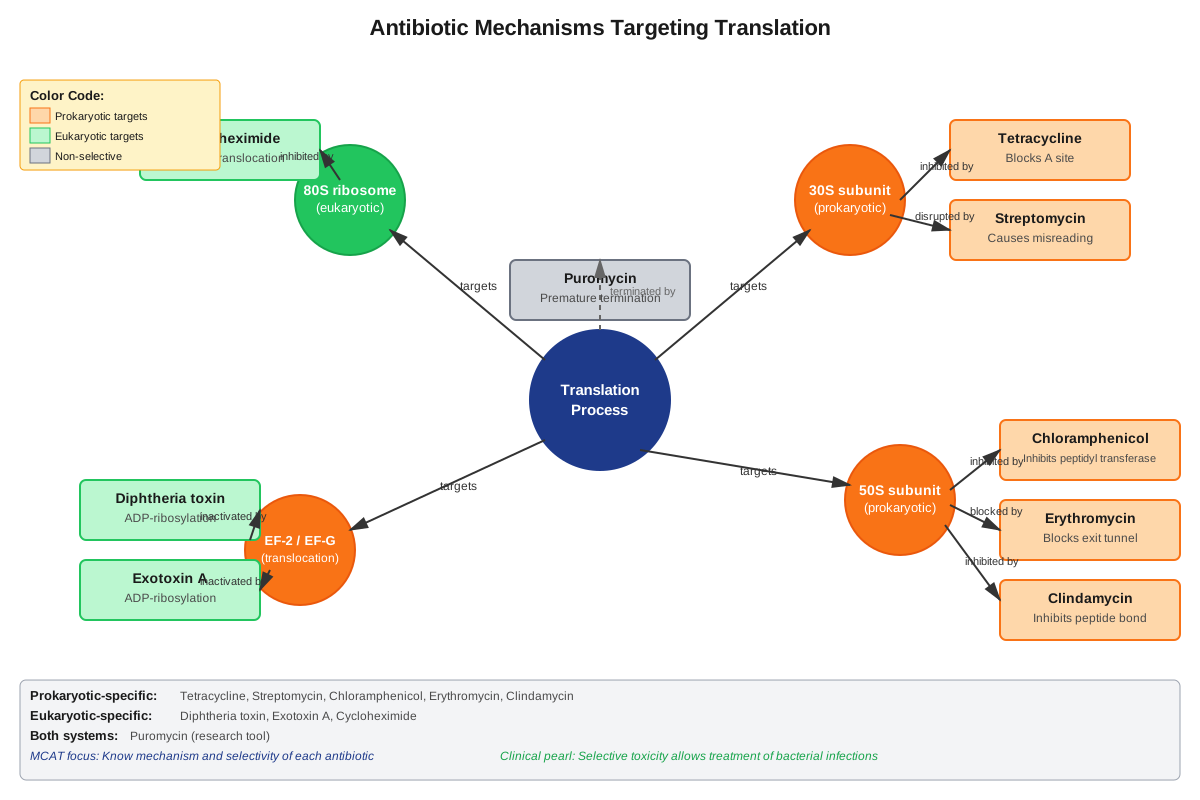
Translation defects underlie numerous human diseases, from inherited disorders affecting ribosomal proteins to acquired conditions involving toxin exposure. Diphtheria toxin, for example, inactivates elongation factor EF-2 through ADP-ribosylation, halting protein synthesis and causing severe illness. Many antibiotics exploit differences between prokaryotic and eukaryotic translation machinery—streptomycin causes misreading of mRNA in bacteria, while tetracycline blocks aminoacyl-tRNA binding to bacterial ribosomes. Understanding translation mechanisms explains both therapeutic strategies and antibiotic resistance patterns.
MCAT Exam Statistics
Translation appears in approximately 15-20% of Biochemistry passages on the MCAT, often integrated with molecular biology and genetics content. Questions typically assess:
- Mechanism-based reasoning (40% of translation questions)
- Experimental interpretation involving translation inhibitors or mutations (35%)
- Genetic code application and mutation consequences (25%)
The MCAT favors questions requiring multi-step reasoning rather than simple recall, such as predicting how a specific antibiotic affects bacterial versus human cells, or determining the phenotypic outcome of a nonsense mutation in different genetic contexts.
Common Exam Presentations
Translation appears in MCAT passages through several recurring formats: research studies investigating novel translation factors, clinical vignettes involving antibiotic mechanisms, biotechnology applications using modified translation systems, and genetic scenarios requiring prediction of mutation effects. Discrete questions often test the genetic code, ribosome structure, or energy requirements. Recognizing these patterns helps students quickly identify relevant concepts during the exam.
Core Concepts
The Ribosome: Structure and Function
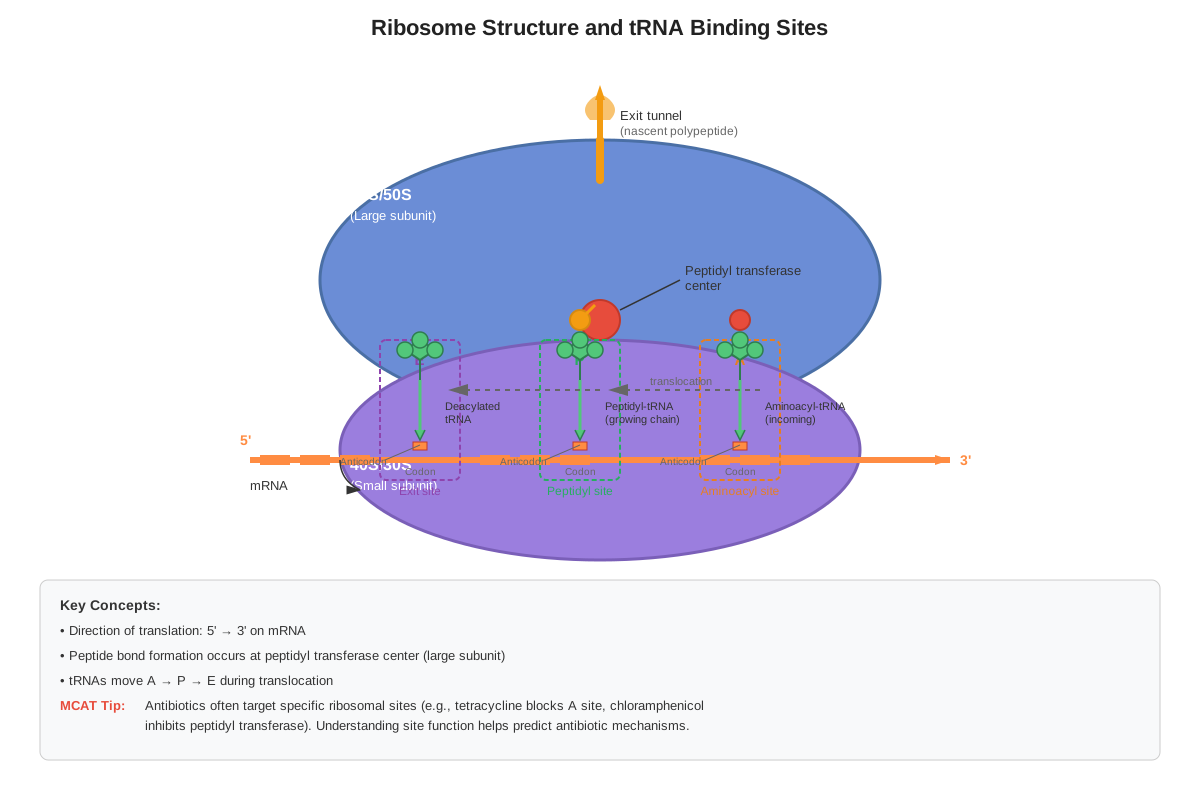
The ribosome is a massive ribonucleoprotein complex consisting of two subunits that catalyze peptide bond formation. In prokaryotes, the 70S ribosome comprises a 30S small subunit and a 50S large subunit (S refers to Svedberg units measuring sedimentation rate). Eukaryotic 80S ribosomes contain 40S and 60S subunits. The small subunit binds mRNA and ensures codon-anticodon accuracy, while the large subunit contains the peptidyl transferase center—the catalytic site where peptide bonds form.
The ribosome contains three crucial tRNA binding sites:
- A site (aminoacyl site): Accepts incoming aminoacyl-tRNA
- P site (peptidyl site): Holds tRNA attached to the growing peptide chain
- E site (exit site): Briefly holds deacylated tRNA before release
The rRNA molecules within ribosomes provide catalytic activity, making the ribosome a ribozyme. The 23S rRNA in prokaryotes (28S in eukaryotes) catalyzes peptide bond formation through precise positioning of substrates rather than traditional acid-base catalysis.
Transfer RNA: The Adapter Molecule
Transfer RNA (tRNA) molecules serve as adapter molecules that decode mRNA codons into amino acids. Each tRNA exhibits a characteristic cloverleaf secondary structure that folds into an L-shaped tertiary structure. The anticodon loop contains three nucleotides complementary to mRNA codons, while the acceptor stem terminates in a CCA-3' sequence where amino acids attach.
Aminoacyl-tRNA synthetases catalyze the attachment of specific amino acids to their cognate tRNAs in a two-step reaction:
- Amino acid + ATP → aminoacyl-AMP + PPi
- Aminoacyl-AMP + tRNA → aminoacyl-tRNA + AMP
This aminoacylation reaction is highly specific—each of the 20 aminoacyl-tRNA synthetases recognizes both a specific amino acid and the corresponding tRNA(s). Many synthetases possess proofreading activity that hydrolyzes incorrectly attached amino acids, ensuring translation fidelity exceeds 99.99%.
Wobble base pairing at the third codon position (5' position of the anticodon) allows some tRNAs to recognize multiple codons. This explains why cells contain fewer than 61 different tRNAs despite 61 sense codons—degeneracy in the genetic code permits this flexibility.
Translation Initiation
Initiation establishes the correct reading frame and positions the ribosome at the start codon. Prokaryotic and eukaryotic initiation differ significantly:
Prokaryotic Initiation:
- The 30S ribosomal subunit binds to the Shine-Dalgarno sequence (ribosomal binding site) located 5-8 nucleotides upstream of the AUG start codon
- Initiation factor IF-2 (bound to GTP) escorts fMet-tRNA (formylmethionyl-tRNA) to the P site
- The 50S subunit joins, forming the 70S initiation complex, GTP is hydrolyzed, and initiation factors dissociate
Eukaryotic Initiation:
- The 40S subunit binds the 5' methylguanosine cap of mRNA with help from eIF4 (eukaryotic initiation factor 4)
- The 43S preinitiation complex (40S + Met-tRNA + eIF2-GTP) scans from the 5' cap toward the 3' end
- Scanning continues until the first AUG in favorable context (Kozak sequence) is encountered
- The 60S subunit joins, GTP is hydrolyzed, and initiation factors release
MCAT Tip: Prokaryotes can initiate translation while transcription is ongoing (coupled transcription-translation) because they lack a nucleus. Eukaryotes require complete mRNA processing before translation begins.
Translation Elongation
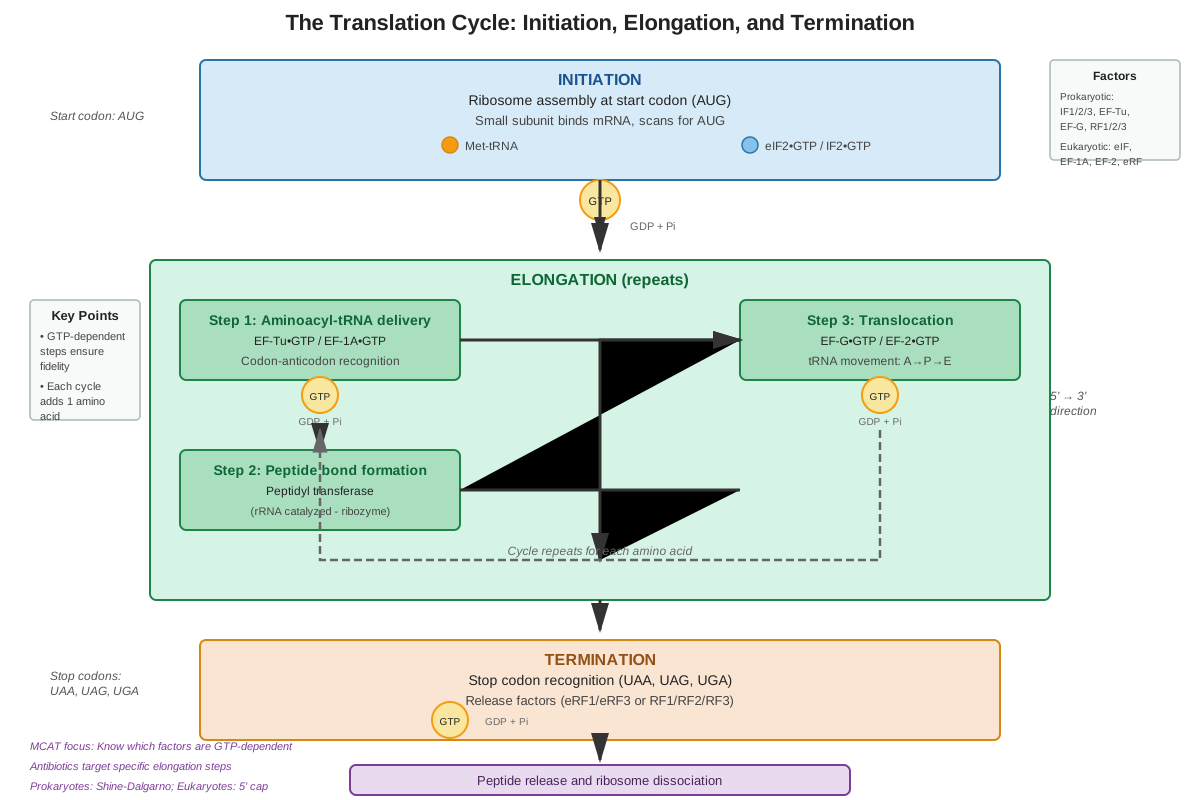
Elongation is the cyclic process of adding amino acids to the growing polypeptide chain. Each cycle consumes two GTP molecules and involves three steps:
1. Aminoacyl-tRNA Delivery:
- Elongation factor EF-Tu (EF1A in eukaryotes) binds aminoacyl-tRNA and GTP
- The ternary complex (EF-Tu•GTP•aminoacyl-tRNA) delivers aminoacyl-tRNA to the A site
- Correct codon-anticodon pairing triggers GTP hydrolysis
- EF-Tu•GDP dissociates; EF-Ts catalyzes GDP/GTP exchange to regenerate EF-Tu•GTP
2. Peptide Bond Formation:
- The peptidyl transferase center catalyzes nucleophilic attack by the A-site amino acid's amino group on the P-site ester bond
- The peptide chain transfers from P-site tRNA to A-site tRNA
- The P-site now contains deacylated tRNA; the A-site holds peptidyl-tRNA with one additional amino acid
3. Translocation:
- Elongation factor EF-G (EF2 in eukaryotes) binds GTP and promotes ribosome movement
- The ribosome advances exactly three nucleotides (one codon) in the 3' direction
- A-site tRNA moves to P site; P-site tRNA moves to E site; E-site tRNA dissociates
- GTP hydrolysis provides energy; EF-G dissociates
- The A site is now vacant, ready for the next aminoacyl-tRNA
| Step | Energy Source | Key Factor | Result |
|---|---|---|---|
| Aminoacyl-tRNA binding | GTP (EF-Tu) | EF-Tu/EF1A | Charged tRNA in A site |
| Peptide bond formation | None (ribozyme) | 23S/28S rRNA | Peptide chain extended by one residue |
| Translocation | GTP (EF-G) | EF-G/EF2 | Ribosome advances one codon |
Translation Termination
Termination occurs when the ribosome encounters a stop codon (UAA, UAG, or UGA). These codons are not recognized by tRNAs but instead by release factors:
Prokaryotic Termination:
- RF1 recognizes UAA and UAG
- RF2 recognizes UAA and UGA
- Release factors promote hydrolysis of the ester bond between the peptide and P-site tRNA
- RF3 (a GTPase) facilitates release factor dissociation
- The ribosome recycling factor (RRF) and EF-G dissociate the ribosomal subunits
Eukaryotic Termination:
- eRF1 recognizes all three stop codons
- eRF3 (a GTPase) works with eRF1 to promote peptide release
- Ribosomal subunits dissociate and can be recycled
The completed polypeptide is released and begins folding, often with assistance from chaperone proteins. The mRNA and ribosomal subunits are recycled for subsequent rounds of translation.
Polyribosomes and Translation Efficiency
A single mRNA molecule can be translated simultaneously by multiple ribosomes, forming a polyribosome or polysome. This arrangement dramatically increases protein production efficiency—a single mRNA can direct synthesis of many protein copies concurrently. In prokaryotes, polysomes form on mRNA still being transcribed. In eukaryotes, polysomes form in the cytoplasm after mRNA export from the nucleus. Membrane-bound polysomes synthesize proteins destined for secretion or membrane insertion, while free polysomes produce cytosolic proteins.
Prokaryotic vs. Eukaryotic Translation Differences
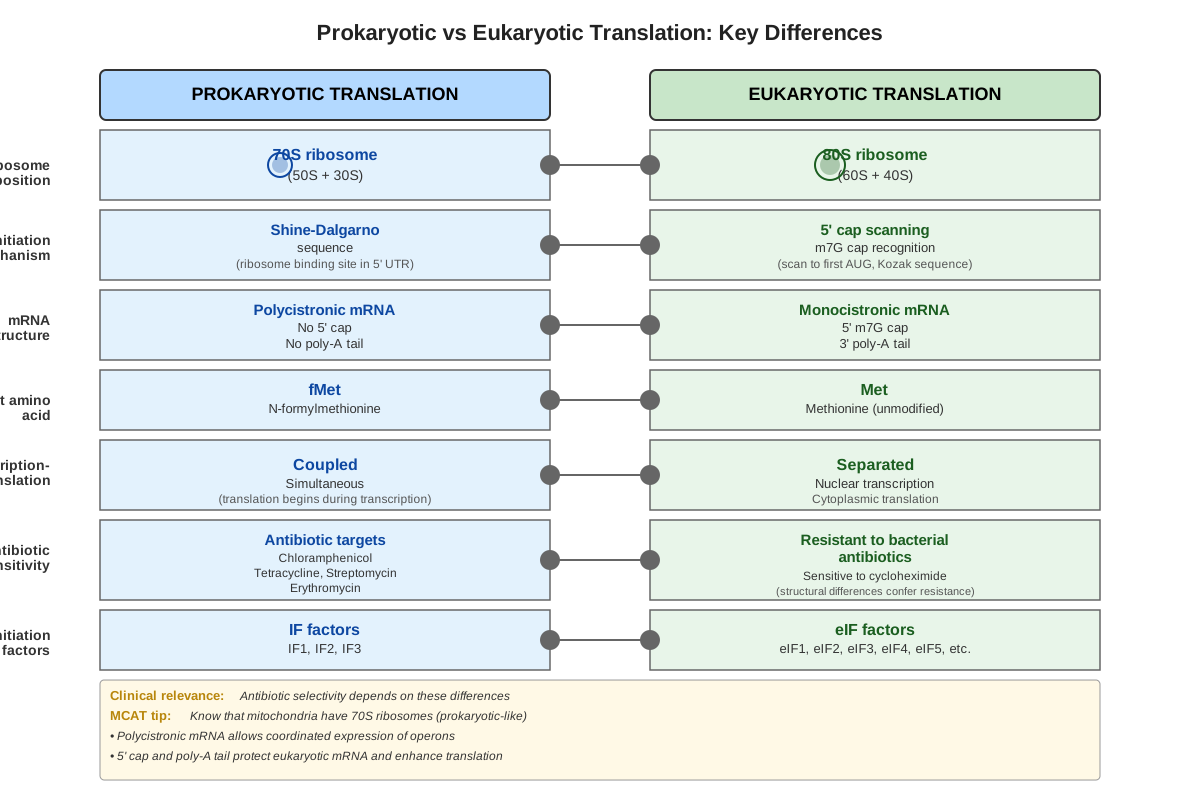
| Feature | Prokaryotes | Eukaryotes |
|---|---|---|
| Ribosome size | 70S (30S + 50S) | 80S (40S + 60S) |
| Initiation site | Shine-Dalgarno sequence | 5' methylguanosine cap |
| First amino acid | N-formylmethionine (fMet) | Methionine (Met) |
| mRNA structure | Polycistronic (multiple ORFs) | Monocistronic (single ORF) |
| Coupling | Transcription-translation coupled | Separated by nuclear envelope |
| Initiation factors | IF1, IF2, IF3 | eIF1, eIF2, eIF3, eIF4, etc. (>12 factors) |
MCAT High-Yield: Antibiotic selectivity exploits prokaryotic-eukaryotic differences. Drugs targeting 70S ribosomes affect bacteria but not human cells.
Post-Translational Modifications
Newly synthesized polypeptides often require post-translational modifications to become functional:
- Proteolytic cleavage: Removal of signal sequences or activation of zymogens
- Phosphorylation: Addition of phosphate groups regulates protein activity
- Glycosylation: Attachment of carbohydrate groups in the ER and Golgi
- Acetylation: Addition of acetyl groups affects protein stability and localization
- Ubiquitination: Tagging proteins for degradation by the proteasome
- Disulfide bond formation: Cysteine oxidation stabilizes protein structure
These modifications expand protein diversity beyond what the genetic code alone can specify and provide additional regulatory control over protein function.
Concept Relationships
Translation biochemistry integrates multiple molecular processes into a coherent system. Transcription produces the mRNA template that translation requires, establishing a direct information flow from DNA → RNA → protein. The genetic code serves as the dictionary that translation machinery uses to convert nucleotide sequences into amino acid sequences, making code comprehension essential for predicting translation outcomes.
Aminoacyl-tRNA synthetases connect amino acid metabolism to translation by charging tRNAs, representing the critical link between small molecule biochemistry and macromolecular synthesis. Energy metabolism (specifically GTP hydrolysis) powers the conformational changes that drive ribosome movement and factor cycling, illustrating how translation depends on cellular energetics.
Within translation itself, concepts flow sequentially: Initiation → Elongation → Termination → Post-translational modification. However, regulation can occur at any stage—initiation is most commonly controlled, but elongation rates and termination efficiency also respond to cellular conditions. Ribosome structure determines the spatial organization that enables all translation steps, while tRNA structure provides the molecular recognition that ensures fidelity.
Translation connects forward to protein folding and protein targeting (signal sequences direct proteins to specific cellular locations), and backward to gene regulation (translation rates affect gene expression levels). Understanding these relationships enables prediction of how perturbations at one level affect downstream processes—a common MCAT question format.
Quick check — test yourself on Protein translation biochemistry so far.
Try Flashcards →High-Yield Facts
⭐ The ribosome is a ribozyme—the 23S rRNA (prokaryotes) or 28S rRNA (eukaryotes) catalyzes peptide bond formation, not ribosomal proteins
⭐ Each elongation cycle requires two GTP molecules—one for aminoacyl-tRNA delivery (EF-Tu) and one for translocation (EF-G)
⭐ Prokaryotic ribosomes are 70S (30S + 50S); eukaryotic ribosomes are 80S (40S + 60S)—this difference enables selective antibiotic targeting
⭐ The Shine-Dalgarno sequence in prokaryotes and the 5' cap in eukaryotes serve as ribosome binding sites, representing a fundamental mechanistic difference
⭐ Wobble base pairing at the third codon position allows one tRNA to recognize multiple codons, explaining why fewer than 61 tRNAs exist
- The A, P, and E sites of the ribosome sequentially bind aminoacyl-tRNA, peptidyl-tRNA, and deacylated tRNA respectively
- Aminoacyl-tRNA synthetases use ATP to charge tRNAs with amino acids in a two-step reaction producing aminoacyl-tRNA + AMP + PPi
- Prokaryotes use N-formylmethionine (fMet) as the first amino acid; eukaryotes use unmodified methionine (Met)
- Release factors (RF1/RF2 in prokaryotes, eRF1 in eukaryotes) recognize stop codons and promote peptide release through ester bond hydrolysis
- Polyribosomes (polysomes) allow multiple ribosomes to translate a single mRNA simultaneously, increasing protein production efficiency
- Prokaryotic mRNA is polycistronic (encodes multiple proteins); eukaryotic mRNA is monocistronic (encodes one protein)
- The Kozak sequence (consensus: GCCRCCAUGG) in eukaryotes provides optimal context for translation initiation at AUG codons
- Antibiotics like streptomycin, tetracycline, and chloramphenicol specifically target bacterial ribosomes without affecting eukaryotic translation
Common Misconceptions
Misconception: Translation always begins at the first AUG codon in an mRNA sequence.
Correction: In prokaryotes, translation begins at AUG codons preceded by Shine-Dalgarno sequences, which may not be the first AUG. In eukaryotes, scanning from the 5' cap usually identifies the first AUG in good context (Kozak sequence), but leaky scanning can bypass weak context AUGs.
Misconception: Each amino acid has exactly one corresponding tRNA.
Correction: Due to wobble base pairing, multiple codons can be recognized by a single tRNA species. Conversely, some amino acids (like leucine and serine with six codons each) are served by multiple distinct tRNAs. The relationship between amino acids, codons, and tRNAs is complex, not one-to-one.
Misconception: Peptide bond formation requires direct energy input from GTP or ATP hydrolysis.
Correction: Peptide bond formation is catalyzed by ribosomal RNA acting as a ribozyme and does not directly consume GTP or ATP. The energy for forming the peptide bond comes from the high-energy ester bond between the amino acid and tRNA (created during aminoacylation). GTP hydrolysis powers conformational changes in elongation factors and ribosome translocation, not peptide bond formation itself.
Misconception: The ribosome moves along mRNA by actively "walking" using motor proteins.
Correction: Ribosome translocation is driven by conformational changes induced by EF-G (EF2) GTP hydrolysis, not by motor proteins. The ribosome undergoes ratchet-like movements between hybrid states, with EF-G stabilizing the translocated state. This is a passive ratcheting mechanism, not active motor-driven movement.
Misconception: All antibiotics that inhibit translation are toxic to humans because human cells also perform translation.
Correction: Many antibiotics selectively target prokaryotic ribosomes (70S) without significantly affecting eukaryotic ribosomes (80S) due to structural differences. For example, tetracycline binds the 30S subunit, and chloramphenicol targets the 50S subunit—both are specific to bacterial ribosomes. This selectivity is the basis for their therapeutic use.
Misconception: Stop codons are recognized by special "stop tRNAs."
Correction: Stop codons (UAA, UAG, UGA) are not recognized by tRNAs at all. Instead, protein release factors (RF1/RF2 in prokaryotes, eRF1 in eukaryotes) recognize stop codons and catalyze hydrolysis of the peptidyl-tRNA bond, releasing the completed polypeptide. No tRNA exists with anticodons complementary to stop codons.
Worked Examples
Example 1: Antibiotic Mechanism Analysis
Question: Streptomycin is an antibiotic that binds to the 30S ribosomal subunit in bacteria and causes misreading of mRNA codons. A researcher treats bacterial cells with streptomycin and observes that protein synthesis continues but produces nonfunctional proteins. Explain the molecular basis for this observation and why human cells are unaffected by therapeutic doses of streptomycin.
Solution:
Step 1: Identify the target and mechanism.
Streptomycin binds the 30S subunit of bacterial 70S ribosomes. The 30S subunit is responsible for mRNA binding and ensuring accurate codon-anticodon pairing at the A site.
Step 2: Explain the "misreading" phenomenon.
By binding the 30S subunit, streptomycin distorts the decoding center, reducing the accuracy of codon-anticodon recognition. This allows incorrect (near-cognate) aminoacyl-tRNAs to be accepted at the A site. Translation continues, but wrong amino acids are incorporated at various positions.
Step 3: Connect to the observed outcome.
The resulting proteins contain amino acid substitutions throughout their sequences. These substitutions disrupt proper folding, active site geometry, and protein-protein interactions, rendering the proteins nonfunctional. The bacteria cannot survive without functional proteins, explaining streptomycin's bactericidal effect.
Step 4: Explain selectivity for bacteria.
Human cells contain 80S ribosomes (40S + 60S subunits) with significantly different structure from bacterial 70S ribosomes. Streptomycin's binding site on the 30S subunit does not exist in the eukaryotic 40S subunit. At therapeutic concentrations, streptomycin binds bacterial ribosomes with high affinity but does not significantly bind human ribosomes, providing selective toxicity.
Key Concept: This example illustrates how structural differences between prokaryotic and eukaryotic ribosomes enable selective antibiotic targeting—a high-yield MCAT concept connecting translation biochemistry to pharmacology.
Example 2: Mutation Effect Prediction
Question: A mutation in a bacterial gene changes codon 45 from UGG (tryptophan) to UGA (stop codon). Predict the effect on the protein product. A second mutation in a tRNA gene creates a tRNA with anticodon 3'-ACU-5' that is charged with tryptophan by the tryptophan aminoacyl-tRNA synthetase. How would this "suppressor tRNA" affect translation of the mutant gene?
Solution:
Step 1: Analyze the original mutation.
UGG → UGA converts a sense codon (tryptophan) to a stop codon. When the ribosome reaches position 45, release factors will recognize UGA, terminate translation prematurely, and release a truncated 44-amino acid polypeptide instead of the full-length protein. This truncated protein is almost certainly nonfunctional.
Step 2: Determine the phenotypic consequence.
The mutation is a nonsense mutation creating a premature stop codon. The organism would lose function of this protein, potentially causing a mutant phenotype depending on the protein's role.
Step 3: Analyze the suppressor tRNA.
The suppressor tRNA has anticodon 3'-ACU-5', which is complementary to 5'-UGA-3' (reading anticodon 3'→5' pairs with codon 5'→3'). This tRNA is charged with tryptophan, so it delivers tryptophan to UGA codons.
Step 4: Predict the suppression effect.
When the ribosome encounters UGA at position 45 in the mutant mRNA, the suppressor tRNA can compete with release factors for binding. If the suppressor tRNA binds, tryptophan is incorporated at position 45, and translation continues to the normal stop codon, producing full-length protein. This "suppresses" the nonsense mutation phenotype.
Step 5: Consider complications.
The suppressor tRNA will also recognize normal UGA stop codons throughout the genome, causing read-through at legitimate termination sites. This could produce extended proteins with C-terminal extensions. However, if suppression is inefficient (suppressor tRNA competes with release factors but doesn't always win), some normal termination still occurs. The balance between suppression and termination determines the phenotypic outcome.
Key Concept: This example demonstrates understanding of the genetic code, codon-anticodon pairing, competition between tRNAs and release factors, and the concept of suppressor mutations—all testable on the MCAT.
Exam Strategy
Approaching Translation Questions
When encountering translation questions on the MCAT, follow this systematic approach:
- Identify the stage: Determine whether the question involves initiation, elongation, or termination. Each stage has distinct factors, energy requirements, and regulatory mechanisms.
- Recognize prokaryotic vs. eukaryotic context: Many questions test understanding of differences. Look for clues like "bacterial," "E. coli," or "70S ribosome" (prokaryotic) versus "human," "mammalian," or "80S ribosome" (eukaryotic).
- Track energy requirements: Translation is energy-intensive. Initiation requires GTP, each elongation cycle requires 2 GTP, and aminoacylation requires ATP. Questions about energy efficiency or ATP/GTP depletion effects require this knowledge.
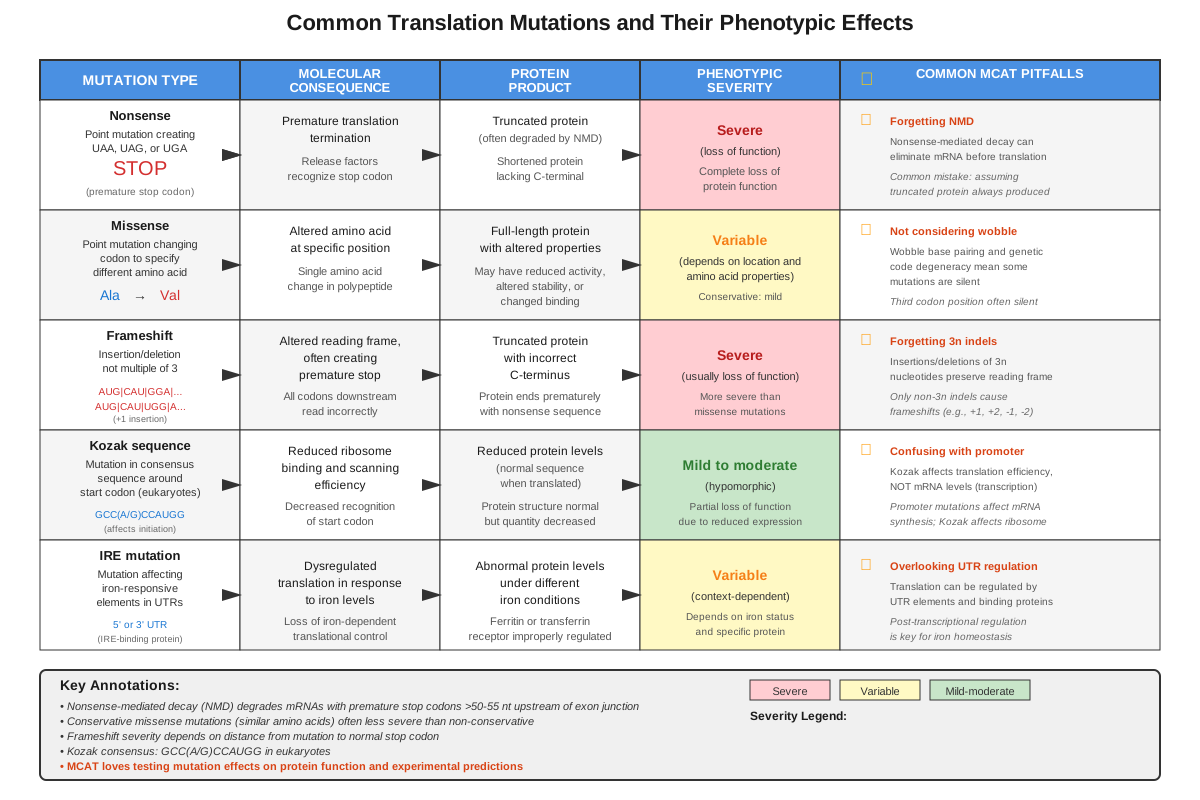
- Apply the genetic code carefully: When predicting mutation effects, write out the codon change and determine whether it's synonymous (silent), missense, nonsense, or frameshift. Remember wobble pairing affects which mutations are silent.
Trigger Words and Phrases
- "Shine-Dalgarno sequence" → prokaryotic initiation mechanism
- "5' cap" or "cap-dependent" → eukaryotic initiation mechanism
- "Polycistronic mRNA" → prokaryotic; multiple proteins from one mRNA
- "Coupled transcription-translation" → prokaryotic; occurs simultaneously
- "Aminoacyl-tRNA synthetase" → tRNA charging; think about specificity and proofreading
- "Release factor" → termination; recognizes stop codons
- "Wobble position" → third codon position; allows degeneracy
- "Antibiotic" or "drug resistance" → likely testing ribosome structure differences or mutation effects
Process of Elimination Tips
When uncertain between answer choices:
- Eliminate options confusing transcription and translation: If an answer mentions RNA polymerase, promoters, or splicing in a translation question, it's likely wrong.
- Eliminate energetically impossible scenarios: Translation requires energy input. Options suggesting translation proceeds without GTP/ATP are incorrect.
- Check for prokaryotic/eukaryotic mixing: Answers that attribute prokaryotic features to eukaryotes (or vice versa) are usually wrong. For example, "human ribosomes use the Shine-Dalgarno sequence" is false.
- Verify codon-anticodon pairing: Answers must respect antiparallel, complementary base pairing (A-U, G-C). Check that anticodons are written 3'→5' when paired with 5'→3' codons.
Time Allocation
For discrete translation questions, spend 45-60 seconds. For passage-based questions:
- Spend 1-2 minutes identifying the experimental setup and which translation stage is being manipulated
- Reference the passage for specific details (sequences, experimental conditions) rather than relying on memory
- Allocate 60-90 seconds per question, using passage information to eliminate wrong answers
Memory Techniques
Mnemonics for Ribosome Sites
"All People Eat" → Aminoacyl site, Peptidyl site, Exit site (in the order tRNA moves through the ribosome)
Elongation Factor Functions
"Tu Delivers, G Goes"
- EF-Tu (or EF1A): Delivers aminoacyl-tRNA to the A site
- EF-G (or EF2): Promotes ribosome movement (translocation)
Prokaryotic vs. Eukaryotic Ribosome Sizes
"Prokaryotes are smaller": 70S (30+50) vs. 80S (40+60)
Remember that S units don't add arithmetically (30S + 50S = 70S, not 80S) because they measure sedimentation rate, not mass.
Stop Codons
"U Are Annoying, U Are Gross, U Go Away"
- UAA = U Are Annoying
- UAG = U Are Gross (also called "amber")
- UGA = U Go Away (also called "opal")
Initiation Factor Numbers
"Prokaryotes are simpler": 3 initiation factors (IF1, IF2, IF3) vs. >12 eukaryotic factors (eIF1, eIF2, eIF3, eIF4, etc.)
Visualization Strategy
Picture the ribosome as a molecular machine with three slots (A, P, E sites). Visualize tRNA molecules as L-shaped adapters moving through these slots like items on a conveyor belt: entering at A, moving to P (where the peptide chain grows), then exiting through E. The mRNA thread feeds through the small subunit, advancing three nucleotides (one codon) with each cycle. This dynamic mental model helps track the elongation cycle.
Summary
Protein translation biochemistry encompasses the ribosome-mediated synthesis of polypeptides from mRNA templates, representing the final step in gene expression. The process occurs in three stages: initiation (ribosome assembly at start codon), elongation (cyclic addition of amino acids), and termination (release at stop codons). Ribosomes contain three tRNA binding sites (A, P, E) and catalyze peptide bond formation through ribosomal RNA acting as a ribozyme. Transfer RNAs serve as adapters, charged with specific amino acids by aminoacyl-tRNA synthetases and delivering them according to codon-anticodon pairing rules. Each elongation cycle requires two GTP molecules—one for aminoacyl-tRNA delivery via EF-Tu and one for translocation via EF-G. Prokaryotic and eukaryotic translation differ fundamentally in ribosome size (70S vs. 80S), initiation mechanisms (Shine-Dalgarno vs. 5' cap scanning), and mRNA structure (polycistronic vs. monocistronic), differences exploited by selective antibiotics. Understanding translation biochemistry enables prediction of mutation effects, interpretation of experimental manipulations, and comprehension of antibiotic mechanisms—all high-yield MCAT applications.
Key Takeaways
- Translation converts mRNA nucleotide sequences into polypeptide amino acid sequences through ribosome-catalyzed peptide bond formation between aminoacyl-tRNAs
- The ribosome contains three tRNA binding sites (A, P, E) and functions as a ribozyme, with rRNA catalyzing peptide bond formation
- Each elongation cycle consumes two GTP molecules (EF-Tu for delivery, EF-G for translocation) and adds one amino acid to the growing chain
- Prokaryotic (70S) and eukaryotic (80S) ribosomes differ structurally, enabling selective antibiotic targeting of bacterial translation
- Aminoacyl-tRNA synthetases ensure translation fidelity by specifically charging tRNAs with correct amino acids using ATP
- Initiation mechanisms differ fundamentally: prokaryotes use Shine-Dalgarno sequences while eukaryotes scan from the 5' cap
- Wobble base pairing at the third codon position allows one tRNA to recognize multiple codons, explaining genetic code degeneracy
Related Topics
Post-Translational Modifications and Protein Targeting: After translation, proteins undergo modifications (phosphorylation, glycosylation, cleavage) and are directed to specific cellular locations via signal sequences. Mastering translation provides the foundation for understanding how proteins acquire final functional forms.
Gene Expression Regulation: Translation rate control represents a major regulatory mechanism. Topics include ribosome binding site accessibility, upstream open reading frames (uORFs), and regulatory RNA-binding proteins. Understanding translation mechanics enables comprehension of these regulatory strategies.
Mutations and Genetic Disorders: Translation connects genotype to phenotype. Studying point mutations (silent, missense, nonsense), frameshift mutations, and their effects on protein products requires solid translation knowledge.
Antibiotic Mechanisms and Resistance: Many clinically important antibiotics target translation. Understanding ribosome structure and translation steps explains both drug mechanisms and resistance mutations—a common MCAT topic bridging biochemistry and medicine.
Biotechnology Applications: Techniques like in vitro translation, recombinant protein production, and CRISPR-based therapies manipulate translation machinery. Mastery of translation biochemistry enables understanding of these applications.
Practice CTA
Now that you've mastered the core concepts of protein translation biochemistry, it's time to solidify your understanding through active practice. Work through the accompanying practice questions to test your ability to apply these concepts to MCAT-style scenarios. Use the flashcards to reinforce high-yield facts and ensure rapid recall during the exam. Remember, translation is a high-yield topic that integrates multiple biochemistry concepts—investing time here will pay dividends across many question types. You've built a strong foundation; now demonstrate your mastery through practice!
Sign up free to keep reading
Create a free AnvayaPrep account to finish this MCAT guide on Protein translation biochemistry — plus flashcards and practice questions.