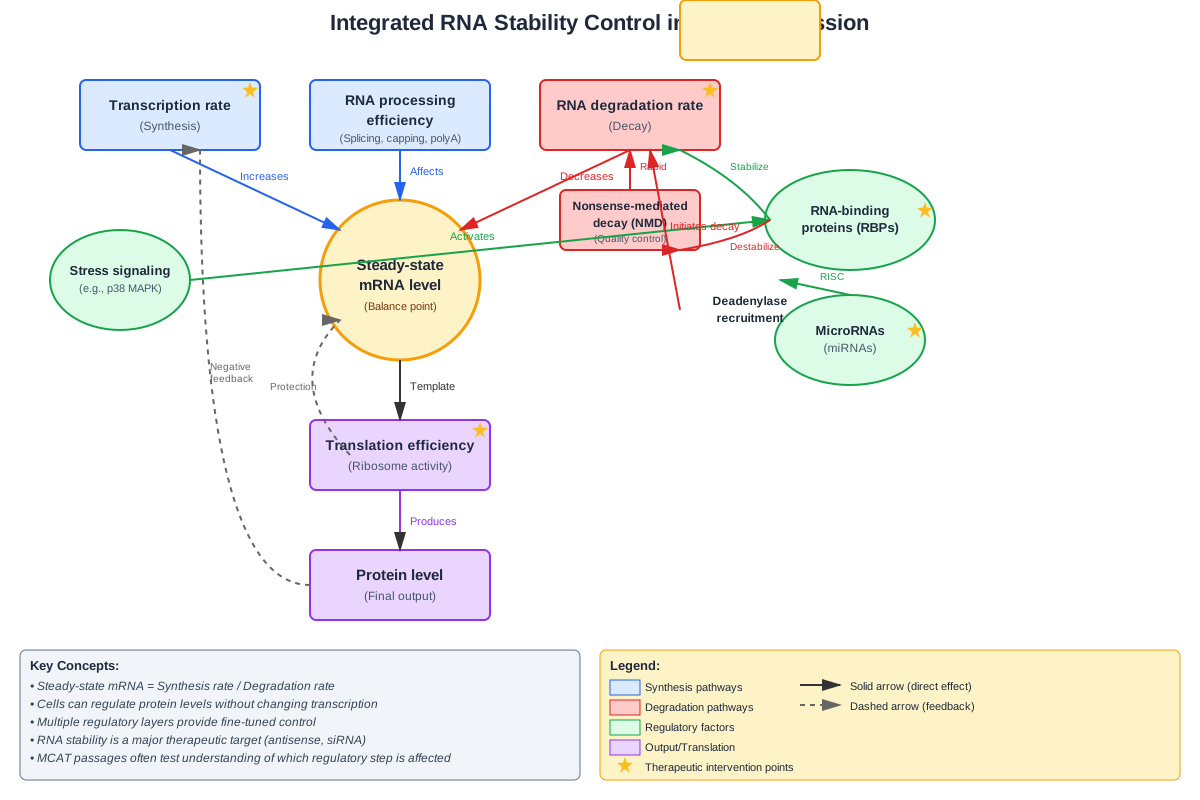
Overview
RNA stability refers to the resistance of RNA molecules to degradation and their persistence within the cell over time. Unlike DNA, which is designed for long-term storage of genetic information, RNA molecules serve diverse and often transient functions, requiring precise control over their lifespan. The stability of RNA is governed by multiple factors including its secondary structure, chemical modifications, the presence of protective elements (such as the 5' cap and 3' poly-A tail in eukaryotic mRNA), and interactions with RNA-binding proteins. Understanding RNA stability Biochemistry is fundamental to comprehending gene expression regulation, as the steady-state level of any RNA species depends on both its rate of synthesis and its rate of degradation.
For the MCAT, RNA stability MCAT questions frequently appear in passages discussing gene regulation, biotechnology applications, and cellular responses to environmental changes. The exam tests whether students can predict how modifications to RNA structure affect its half-life, understand the mechanisms cells use to degrade unwanted transcripts, and apply these principles to experimental scenarios. This topic bridges molecular biology and biochemistry, connecting transcription, translation, and post-transcriptional regulation into an integrated understanding of gene expression control.
Within the broader context of Nucleic Acids and Biotechnology, RNA stability connects directly to topics including RNA processing, gene expression regulation, and biotechnology techniques such as RNA interference (RNAi) and antisense therapy. The principles governing RNA stability also underpin modern therapeutic approaches and diagnostic tools, making this both a high-yield exam topic and a clinically relevant area of Biochemistry. Students who master RNA stability gain insight into how cells fine-tune protein production without altering transcription rates, a concept that appears repeatedly across MCAT passages.
Learning Objectives
- [ ] Define RNA stability using accurate Biochemistry terminology
- [ ] Explain why RNA stability matters for the MCAT
- [ ] Apply RNA stability to exam-style questions
- [ ] Identify common mistakes related to RNA stability
- [ ] Connect RNA stability to related Biochemistry concepts
- [ ] Compare and contrast the structural features that enhance versus diminish RNA stability
- [ ] Predict the effects of specific mutations or modifications on RNA half-life
- [ ] Analyze experimental data involving RNA degradation kinetics and interpret results
Prerequisites
- DNA and RNA structure: Understanding the chemical differences between DNA and RNA (2'-OH group, uracil vs. thymine) is essential because these structural features directly impact stability
- Transcription and RNA processing: Knowledge of how eukaryotic mRNA is synthesized, capped, spliced, and polyadenylated provides context for the protective modifications that affect stability
- Translation basics: Familiarity with ribosome function helps explain how actively translated mRNAs are protected from degradation
- Enzyme kinetics: Understanding first-order decay kinetics allows interpretation of RNA half-life data
- Protein-nucleic acid interactions: Recognition that proteins can bind RNA and either protect or target it for degradation
Why This Topic Matters
Clinical and Real-World Significance
RNA stability plays a critical role in human health and disease. Many genetic disorders result not from absent transcription but from premature mRNA degradation. For example, nonsense-mediated decay (NMD) eliminates transcripts containing premature stop codons, which can convert a potentially functional truncated protein into complete absence of protein—the difference between a mild and severe phenotype. Cancer cells often dysregulate RNA stability pathways to overexpress oncogenes or silence tumor suppressors. Additionally, the therapeutic potential of RNA-based treatments (mRNA vaccines, antisense oligonucleotides, siRNA therapeutics) depends entirely on controlling RNA stability to achieve desired pharmacokinetics.
MCAT Exam Statistics
RNA stability appears in approximately 8-12% of Biochemistry passages on the MCAT, often integrated with gene regulation, biotechnology, or cell signaling topics. Questions typically present experimental scenarios where researchers manipulate RNA stability through mutations, chemical modifications, or protein knockdowns, then ask students to predict outcomes or interpret data. The topic appears most frequently in:
- Passage-based questions requiring data interpretation (graphs showing RNA decay over time)
- Discrete questions testing knowledge of RNA structural features
- Experimental design questions involving RNA interference or stability assays
Common Exam Contexts
MCAT passages featuring RNA stability often involve:
- Northern blot or RT-PCR experiments measuring mRNA levels after transcription inhibition
- Mutations in UTRs (untranslated regions) affecting transcript half-life
- Biotechnology applications using modified nucleotides to enhance therapeutic RNA stability
- Cellular stress responses where selective mRNA stabilization or degradation occurs
- Comparison of prokaryotic versus eukaryotic RNA stability mechanisms
Core Concepts
Intrinsic Chemical Instability of RNA
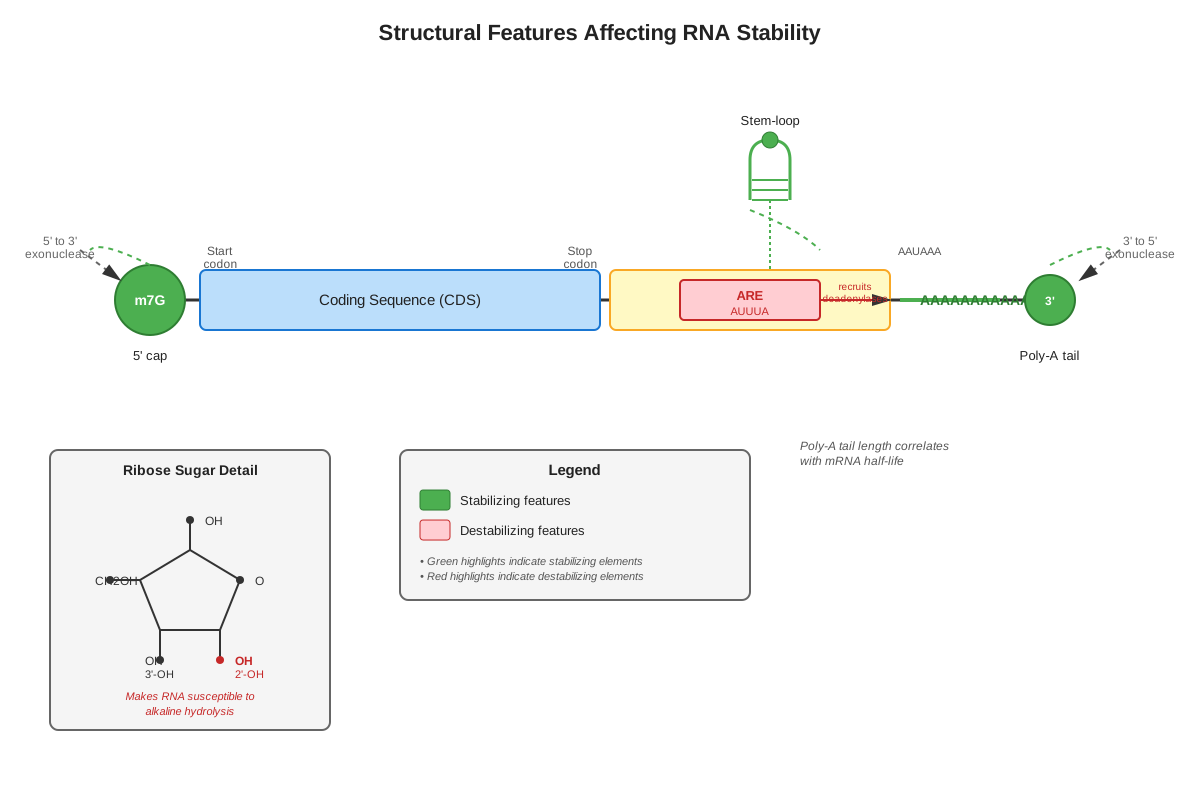
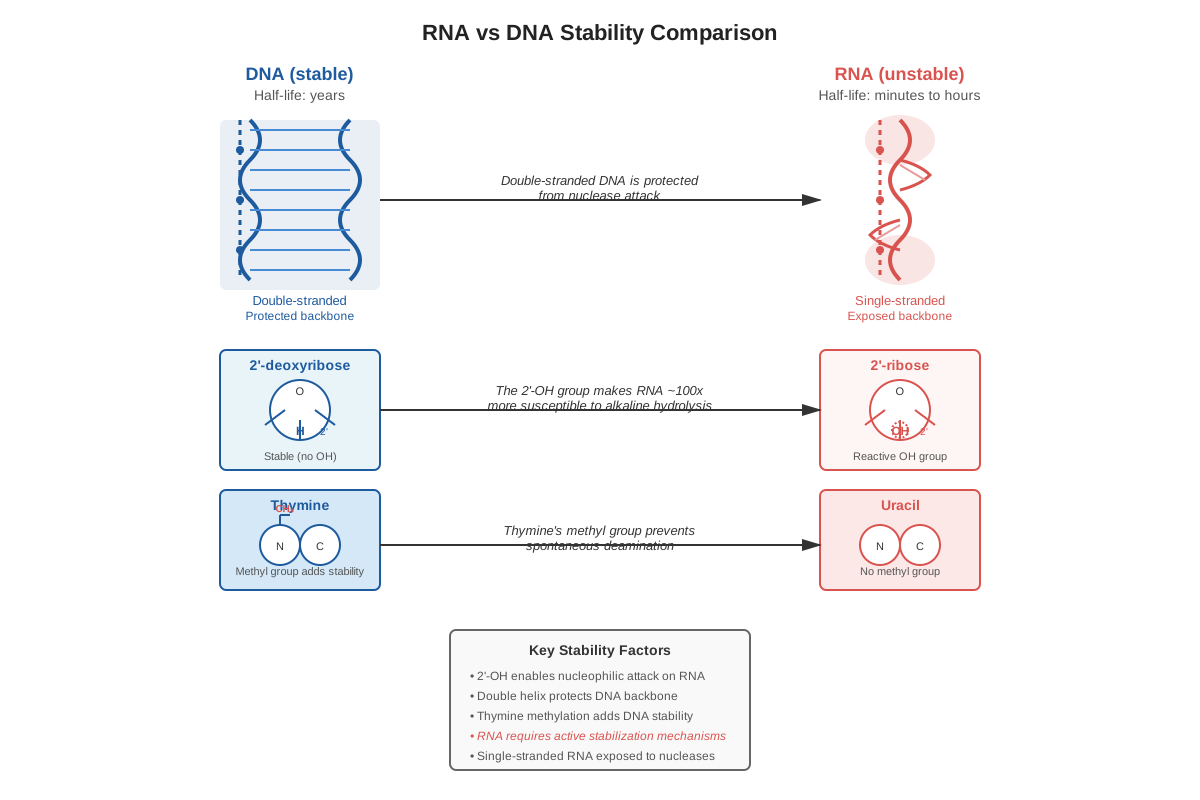
RNA is inherently less stable than DNA due to the presence of a 2'-hydroxyl group on the ribose sugar. This hydroxyl group makes RNA susceptible to base-catalyzed hydrolysis through intramolecular attack on the adjacent phosphodiester bond, forming a 2',3'-cyclic phosphate intermediate that then hydrolyzes to yield cleaved RNA fragments. This chemical property explains why RNA has a shorter half-life than DNA even in the absence of enzymatic degradation. The MCAT may present scenarios where pH changes affect RNA stability—alkaline conditions accelerate this non-enzymatic cleavage, while DNA remains stable under the same conditions.
The presence of uracil instead of thymine also contributes to RNA's transient nature. While this doesn't directly affect chemical stability, it represents an evolutionary adaptation consistent with RNA's role as a temporary information carrier. Additionally, RNA typically exists as single-stranded molecules (except in certain viruses and secondary structures), making bases more accessible to chemical modification and enzymatic attack compared to the protected double helix of DNA.
Structural Elements Affecting mRNA Stability
The 5' Cap Structure
Eukaryotic mRNAs possess a 7-methylguanosine cap (m7G cap) at their 5' end, connected through an unusual 5'-5' triphosphate linkage. This structure serves multiple functions:
- Protects the 5' end from exonuclease degradation
- Facilitates ribosome binding during translation initiation
- Marks the transcript as "self" rather than foreign RNA
The cap is added co-transcriptionally by three enzymatic activities: RNA triphosphatase, guanylyltransferase, and methyltransferases. Loss of the cap structure dramatically reduces mRNA half-life, as decapping enzymes (like Dcp1/Dcp2 in yeast and mammals) remove the cap to initiate 5'→3' degradation by exonucleases such as Xrn1. MCAT questions may ask students to predict the effect of mutations in capping enzymes or to interpret experiments using cap analogs.
The 3' Poly-A Tail
Most eukaryotic mRNAs contain a poly-adenine tail (poly-A tail) of approximately 200-250 adenine residues at their 3' end, added post-transcriptionally by poly-A polymerase. The poly-A tail:
- Protects against 3'→5' exonuclease degradation
- Enhances translation efficiency through interactions with poly-A binding proteins (PABPs)
- Facilitates mRNA export from the nucleus
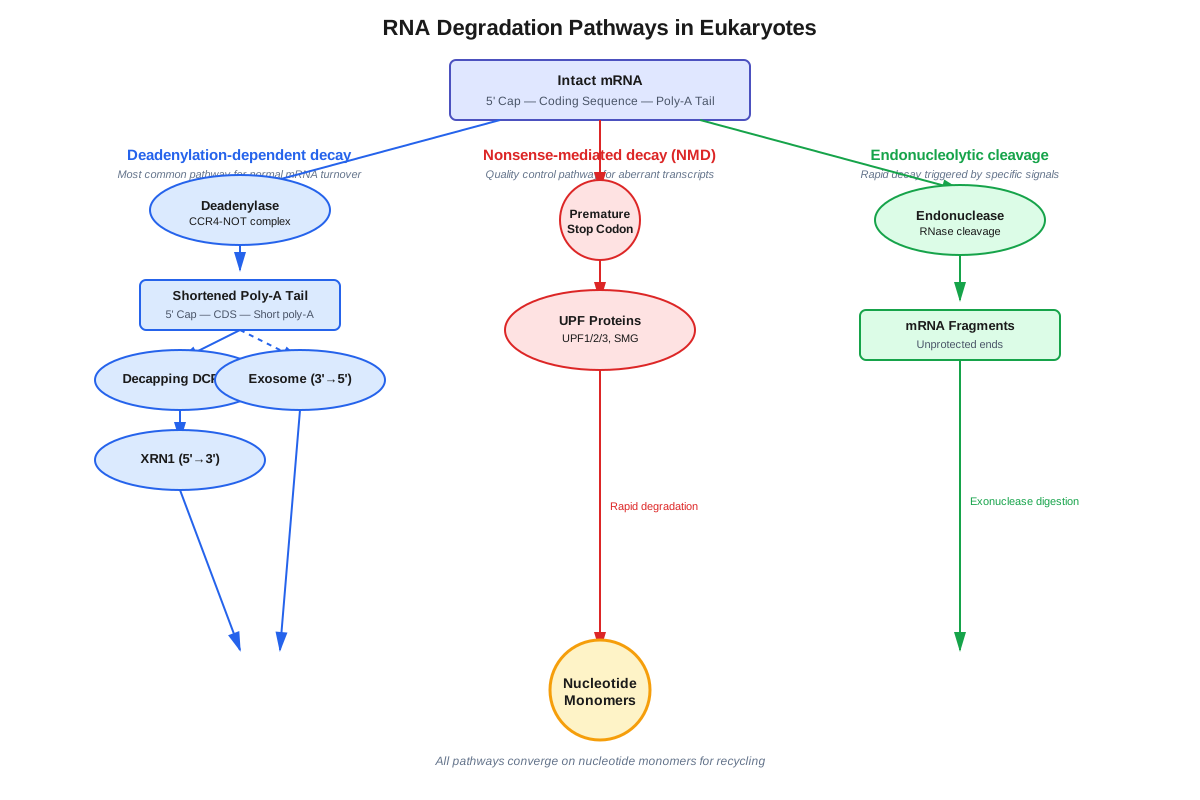
Deadenylation (shortening of the poly-A tail) is typically the rate-limiting step in mRNA decay. Deadenylase complexes (CCR4-NOT complex, PARN) progressively remove adenine residues. Once the tail reaches a critical length (~10-30 nucleotides), the mRNA becomes susceptible to either:
- Decapping followed by 5'→3' degradation, or
- Continued 3'→5' degradation by the exosome complex
The interplay between the 5' cap and 3' poly-A tail creates a "closed-loop" structure mediated by proteins that bridge these elements, simultaneously protecting both ends and enhancing translation.
RNA Secondary Structure and Stability
The formation of secondary structures through intramolecular base pairing significantly impacts RNA stability. Stable hairpin loops, stem-loops, and pseudoknots can:
- Physically block exonuclease progression
- Mask or expose recognition sites for RNA-binding proteins
- Influence ribosome access and translation efficiency
Specific structural elements have well-characterized effects:
| Structure Type | Effect on Stability | Mechanism | MCAT Relevance |
|---|---|---|---|
| AU-rich elements (AREs) | Decrease stability | Recruit destabilizing proteins | Common in cytokine/growth factor mRNAs |
| GC-rich regions | Increase stability | Form stable base pairs resistant to unwinding | Predict relative stability between sequences |
| Stem-loops in 3' UTR | Variable (context-dependent) | Can block or recruit regulatory factors | Interpret mutation effects |
| Iron-response elements (IREs) | Conditional stability | Protein binding depends on iron levels | Gene regulation integration |
AU-rich elements (AREs) deserve special attention for the MCAT. These sequences, typically containing multiple AUUUA pentamers in the 3' untranslated region (UTR), are found in ~8% of human genes, particularly those encoding cytokines, growth factors, and proto-oncogenes—proteins that must be rapidly regulated. AREs recruit proteins like TTP (tristetraprolin) and AUF1 that promote deadenylation and decapping, dramatically shortening mRNA half-life from hours to minutes.
Enzymatic RNA Degradation Pathways
Exonucleolytic Degradation
Exonucleases remove nucleotides sequentially from RNA ends:
5'→3' Exonucleases:
- Require prior decapping in eukaryotes
- Xrn1 (cytoplasmic) and Rat1 (nuclear) are major enzymes
- Processive (continue degrading without dissociating)
3'→5' Exonucleases:
- The exosome complex is the primary 3'→5' degradation machinery
- Contains multiple subunits with exonuclease activity
- Requires prior deadenylation to access the mRNA body
- Functions in both nucleus and cytoplasm
Endonucleolytic Cleavage
Endonucleases cleave internal phosphodiester bonds, creating entry points for exonucleases:
- RNase E (prokaryotes) initiates decay of many bacterial mRNAs
- Endonucleolytic cleavage in nonsense-mediated decay (NMD)
- MicroRNA-guided cleavage by Argonaute proteins (discussed below)
Prokaryotic versus Eukaryotic RNA Stability
Understanding the differences between prokaryotic and eukaryotic RNA stability is high-yield for the MCAT:
Prokaryotic mRNA characteristics:
- No 5' cap or 3' poly-A tail (with rare exceptions)
- Very short half-life (typically 2-8 minutes)
- Degradation often initiated by endonucleolytic cleavage by RNase E
- Polycistronic (multiple genes per transcript)
- Translation can begin while transcription continues (coupled transcription-translation)
- Rapid turnover allows quick response to environmental changes
Eukaryotic mRNA characteristics:
- Protected by 5' cap and 3' poly-A tail
- Longer half-life (30 minutes to >24 hours, depending on the gene)
- Monocistronic (one gene per transcript)
- Transcription and translation separated by nuclear envelope
- More complex regulatory mechanisms involving UTRs and RNA-binding proteins
This fundamental difference reflects the distinct lifestyles of prokaryotes (rapid adaptation to changing environments) versus eukaryotes (more stable internal environment, complex developmental programs).
RNA-Binding Proteins and Stability Control
RNA-binding proteins (RBPs) are major determinants of RNA stability, recognizing specific sequence or structural elements:
Stabilizing proteins:
- HuR (ELAV family): Binds AREs and stabilizes mRNA, often upregulated in cancer
- Poly-A binding proteins (PABPs): Protect poly-A tail and enhance translation
- Iron regulatory proteins (IRPs): Stabilize transferrin receptor mRNA when iron is low
Destabilizing proteins:
- TTP (tristetraprolin): Promotes decay of ARE-containing mRNAs
- AUF1: Recruits degradation machinery to target transcripts
- KSRP: Facilitates both mRNA decay and microRNA maturation
The balance between stabilizing and destabilizing RBPs determines mRNA fate. MCAT passages may describe experiments where RBP expression is manipulated, requiring students to predict effects on target mRNA levels.
MicroRNAs and RNA Stability
MicroRNAs (miRNAs) are ~22-nucleotide non-coding RNAs that regulate gene expression post-transcriptionally. After processing from longer precursors, mature miRNAs are loaded into the RNA-induced silencing complex (RISC), which contains Argonaute proteins. The miRNA guides RISC to target mRNAs through base pairing with complementary sequences (typically in the 3' UTR).
Effects on target mRNA stability depend on complementarity:
- Perfect or near-perfect complementarity: Argonaute endonucleolytic cleavage, rapid degradation (common in plants)
- Partial complementarity: Translational repression and/or deadenylation-dependent decay (common in animals)
In mammals, most miRNA-mediated regulation involves recruiting deadenylase complexes (CCR4-NOT, PARN) to target mRNAs, initiating the normal decay pathway. This mechanism allows fine-tuning of protein expression without completely eliminating the transcript. The MCAT may present experiments using miRNA mimics or inhibitors (antagomirs) to test understanding of this regulatory layer.
Specialized Decay Pathways
Nonsense-Mediated Decay (NMD)
Nonsense-mediated decay is a quality control mechanism that eliminates mRNAs containing premature termination codons (PTCs), which could produce truncated, potentially harmful proteins. The mechanism involves:
- During splicing, the exon junction complex (EJC) is deposited ~20-24 nucleotides upstream of each exon-exon junction
- During the pioneer round of translation, ribosomes remove EJCs as they traverse the mRNA
- Normal stop codons are in the last exon, so no EJCs remain downstream
- A PTC in an upstream exon leaves EJCs downstream of the stop codon
- The terminating ribosome recruits UPF proteins (UPF1, UPF2, UPF3) that interact with downstream EJCs
- This triggers rapid mRNA degradation through both decapping and deadenylation
NMD has clinical significance: some genetic diseases result from nonsense mutations, and NMD efficiency determines whether any protein is produced. NMD inhibitors are being explored therapeutically to allow production of partially functional truncated proteins.
No-Go Decay and Non-Stop Decay
No-go decay (NGD) targets mRNAs where ribosomes stall due to secondary structures, chemical damage, or rare codons. Stalled ribosomes are recognized, and endonucleolytic cleavage occurs near the stall site.
Non-stop decay (NSD) eliminates mRNAs lacking a stop codon, preventing ribosome stalling at the 3' end. The ribosome translates into the poly-A tail, triggering recognition by quality control factors and rapid degradation.
These pathways ensure that aberrant transcripts don't produce harmful proteins or sequester translation machinery.
Concept Relationships
The concepts within RNA stability form an interconnected regulatory network. Chemical instability (2'-OH group) establishes the baseline susceptibility to degradation, which is then modulated by protective structures (5' cap, 3' poly-A tail). These protective elements are themselves subject to removal by enzymatic activities (decapping enzymes, deadenylases), which initiate degradation pathways (5'→3' and 3'→5' exonucleases). Secondary structures and sequence elements (like AREs) influence how quickly these pathways proceed by recruiting RNA-binding proteins that either stabilize or destabilize transcripts. MicroRNAs add another regulatory layer by guiding degradation machinery to specific targets. Finally, quality control pathways (NMD, NGD, NSD) ensure that aberrant transcripts are rapidly eliminated.
This topic connects to prerequisite knowledge: Transcription produces the initial RNA transcript → RNA processing adds protective modifications → RNA stability determines transcript persistence → Translation produces protein from stable mRNAs. Understanding RNA stability is essential for subsequent topics including gene regulation (how cells control protein levels without changing transcription), biotechnology applications (designing stable therapeutic RNAs), and signal transduction (how cells rapidly respond to stimuli by altering mRNA stability).
The relationship map: Chemical structure → Protective modifications → Binding proteins → Degradation machinery → Quality control → Steady-state RNA levels → Protein expression
Quick check — test yourself on RNA stability so far.
Try Flashcards →High-Yield Facts
⭐ RNA contains a 2'-hydroxyl group that makes it chemically less stable than DNA, susceptible to base-catalyzed hydrolysis
⭐ The 5' cap (m7G) and 3' poly-A tail protect eukaryotic mRNA from exonuclease degradation; their removal initiates decay
⭐ Deadenylation (poly-A tail shortening) is typically the rate-limiting step in mRNA degradation
⭐ AU-rich elements (AREs) in 3' UTRs decrease mRNA stability by recruiting destabilizing proteins like TTP
⭐ Prokaryotic mRNAs lack 5' caps and poly-A tails, resulting in much shorter half-lives (2-8 minutes) compared to eukaryotic mRNAs (30 minutes to >24 hours)
- The exosome complex performs 3'→5' exonucleolytic degradation, while Xrn1 performs 5'→3' degradation in the cytoplasm
- MicroRNAs guide RISC to target mRNAs, typically causing deadenylation and translational repression in mammals
- Nonsense-mediated decay (NMD) eliminates mRNAs with premature stop codons, requiring exon junction complexes downstream of the termination codon
- HuR is a stabilizing RNA-binding protein often overexpressed in cancer, while TTP is a destabilizing protein important for inflammatory response regulation
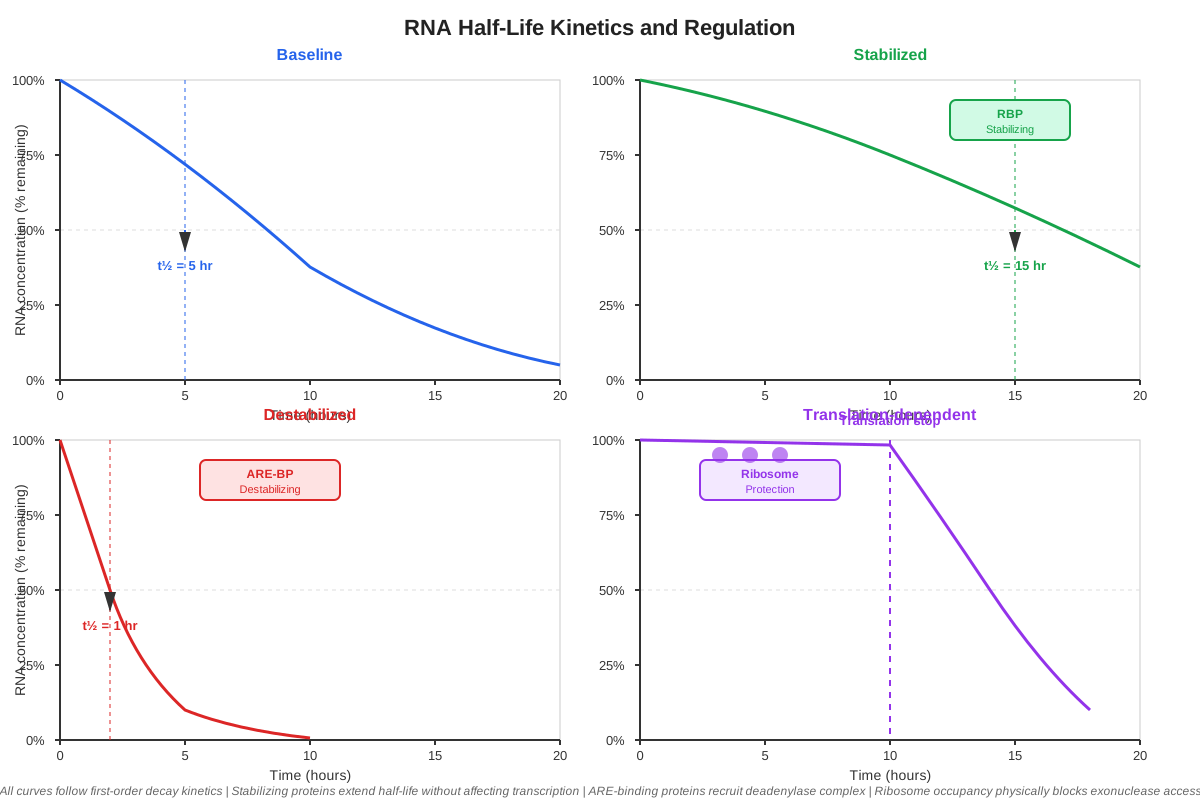
- Actively translated mRNAs are generally more stable because ribosome binding protects against degradation machinery access
- Iron-response elements (IREs) in UTRs allow conditional stability control based on cellular iron levels through IRP binding
- The CCR4-NOT complex is a major deadenylase that initiates mRNA decay in eukaryotes
Common Misconceptions
Misconception: RNA is unstable only because it's single-stranded, while DNA is stable because it's double-stranded.
Correction: The primary chemical difference is the 2'-OH group on RNA's ribose sugar, which enables base-catalyzed hydrolysis. Single-stranded DNA is much more stable than single-stranded RNA. Double-stranded RNA (like in some viruses) is also less stable than double-stranded DNA.
Misconception: The poly-A tail is added during transcription by RNA polymerase.
Correction: The poly-A tail is added post-transcriptionally by poly-A polymerase after cleavage of the primary transcript. RNA polymerase II transcribes past the polyadenylation signal, and the transcript is cleaved before poly-A addition.
Misconception: All eukaryotic mRNAs have the same half-life.
Correction: Eukaryotic mRNA half-lives vary dramatically (from <30 minutes to >24 hours) depending on sequence elements (especially in UTRs), secondary structures, and the cellular context. Rapidly regulated genes (cytokines, transcription factors) typically have short-lived mRNAs.
Misconception: MicroRNAs always cause mRNA cleavage and degradation.
Correction: In mammals, most miRNA-target interactions involve imperfect complementarity and result in translational repression and/or deadenylation-dependent decay, not direct endonucleolytic cleavage. Perfect complementarity (common in plants) leads to Argonaute-mediated cleavage.
Misconception: Removing the 5' cap or 3' poly-A tail immediately destroys the mRNA.
Correction: Decapping or deadenylation makes the mRNA susceptible to exonuclease degradation but doesn't directly cleave it. The actual degradation is performed by exonucleases (Xrn1 for 5'→3', exosome for 3'→5') that processively remove nucleotides.
Misconception: RNA stability is only controlled at the level of degradation.
Correction: While degradation is crucial, RNA stability is also influenced by protection mechanisms (ribosome binding during translation, storage in stress granules, sequestration in specific cellular compartments) and by localization (some mRNAs are stabilized when transported to specific cellular regions).
Worked Examples
Example 1: Interpreting an RNA Stability Experiment
Scenario: Researchers studying a cytokine gene create two constructs: Construct A contains the normal 3' UTR with three AUUUA repeats (ARE), while Construct B has these sequences deleted. They transfect cells with each construct, then add actinomycin D (transcription inhibitor) at time 0 and measure mRNA levels by RT-qPCR at various time points. Results show Construct A mRNA decreases with a half-life of 45 minutes, while Construct B mRNA has a half-life of 6 hours.
Question: Explain these results using principles of RNA stability.
Solution:
Step 1: Identify the key difference between constructs.
- Construct A: Contains AU-rich elements (AREs)
- Construct B: AREs deleted
Step 2: Recall the function of AREs.
- AREs are destabilizing elements typically found in 3' UTRs
- They recruit RNA-binding proteins like TTP and AUF1
- These proteins promote deadenylation and decapping
- Result: Shortened mRNA half-life
Step 3: Interpret the experimental design.
- Actinomycin D blocks new transcription
- Any decrease in mRNA levels reflects degradation, not reduced synthesis
- This is a "pulse-chase" type experiment measuring decay kinetics
Step 4: Explain the results.
- Construct A (with AREs): Half-life of 45 minutes indicates rapid degradation
- The AREs recruit destabilizing proteins that accelerate deadenylation
- Once the poly-A tail is shortened, exonucleases degrade the transcript
- Construct B (without AREs): Half-life of 6 hours indicates much slower degradation
- Without AREs, destabilizing proteins cannot bind efficiently
- The mRNA undergoes only basal degradation through default pathways
- The 8-fold difference in half-life demonstrates the powerful effect of AREs
Step 5: Connect to biological significance.
- Cytokines need rapid regulation to prevent excessive inflammation
- Short mRNA half-lives allow quick shutdown of cytokine production
- This is why many cytokine genes contain AREs in their 3' UTRs
MCAT Connection: This type of experiment tests whether students can interpret RNA decay kinetics and connect sequence elements to functional outcomes. Watch for graphs showing exponential decay and questions asking about the effect of UTR mutations.
Example 2: Predicting Effects of Mutations on RNA Stability
Scenario: A patient has a genetic disorder caused by reduced levels of Protein X. Sequencing reveals a point mutation in the gene's 3' UTR that creates a new microRNA binding site with perfect complementarity to miR-123, an abundant microRNA in the affected tissue. The mutation does not affect the coding sequence or splicing.
Question: Explain how this mutation causes reduced Protein X levels and predict what would happen if the patient's cells were treated with an antagomir (inhibitor) specific to miR-123.
Solution:
Step 1: Analyze the mutation's location and effect.
- Mutation is in the 3' UTR (doesn't change amino acid sequence)
- Creates a new microRNA binding site
- Perfect complementarity to miR-123
Step 2: Recall microRNA mechanisms.
- MicroRNAs guide RISC complex to target mRNAs
- Perfect complementarity → Argonaute endonucleolytic cleavage
- This is the mechanism in plants and occurs in mammals with perfect matches
- Cleavage creates unprotected 5' and 3' ends
- Rapid exonucleolytic degradation follows
Step 3: Explain reduced protein levels.
- The mutation creates a new target site for miR-123
- miR-123 is abundant in the affected tissue
- RISC/miR-123 complex binds to the mutant mRNA
- Argonaute cleaves the mRNA at the binding site
- The cleaved fragments are rapidly degraded by exonucleases
- Result: Reduced steady-state mRNA levels → reduced protein production
- This explains the disease phenotype despite normal transcription
Step 4: Predict antagomir treatment effect.
- Antagomirs are chemically modified oligonucleotides complementary to specific miRNAs
- They bind to and sequester the target miRNA
- An antagomir against miR-123 would prevent it from loading into RISC
- Without functional miR-123, the mutant mRNA would not be cleaved
- The mRNA would have a normal half-life
- Protein X levels would increase toward normal
- This could be a therapeutic strategy for this patient
Step 5: Consider alternative scenarios.
- If the mutation created imperfect complementarity instead, the mechanism would be deadenylation and translational repression rather than direct cleavage
- The phenotype would still be reduced protein, but the mRNA might be detectable at higher levels
- This distinction matters for interpreting experimental data
MCAT Connection: This example integrates RNA stability with gene regulation and therapeutic applications. The MCAT often presents clinical vignettes requiring students to trace from genotype through molecular mechanism to phenotype, then predict intervention outcomes.
Exam Strategy
Approaching RNA Stability Questions
- Identify the experimental manipulation: MCAT passages often describe mutations, drug treatments, or protein knockdowns. Determine what aspect of RNA stability is being affected (cap, poly-A tail, UTR elements, RNA-binding proteins, etc.).
- Predict the direction of change: Will the manipulation increase or decrease stability? Use the principle that protective elements (cap, poly-A tail, stabilizing proteins) increase half-life, while destabilizing elements (AREs, miRNAs, degradation enzymes) decrease it.
- Consider steady-state levels: Remember that mRNA levels depend on both synthesis and degradation rates. A decrease in mRNA levels could result from reduced transcription OR increased degradation. Look for clues about which is being manipulated.
- Watch for time-course experiments: Graphs showing mRNA levels over time after transcription inhibition directly measure degradation. The slope indicates stability (shallow slope = stable, steep slope = unstable).
Trigger Words and Phrases
- "After treatment with actinomycin D" or "transcription inhibitor": Signals an RNA decay experiment; focus on degradation mechanisms
- "3' UTR" or "5' UTR": Indicates regulatory elements affecting stability; consider AREs, miRNA sites, IREs
- "Half-life": Quantitative measure of stability; shorter half-life = less stable
- "Poly-A tail length": Deadenylation is rate-limiting; shorter tail = imminent degradation
- "AU-rich" or "ARE": Destabilizing element; expect decreased stability
- "Cap analog" or "decapping": Affects 5' end protection
- "MicroRNA" or "siRNA": Post-transcriptional silencing; consider target mRNA degradation
- "Nonsense mutation" or "premature stop codon": Think NMD; mRNA will be degraded
Process of Elimination Tips
- Eliminate answers suggesting DNA-like stability for RNA (RNA is always less stable)
- Eliminate answers that confuse transcriptional and post-transcriptional regulation
- If a question asks about prokaryotic RNA, eliminate answers mentioning 5' caps or poly-A tails (prokaryotes lack these)
- If a mutation is in a UTR, eliminate answers suggesting altered protein sequence (UTRs aren't translated)
- For miRNA questions, eliminate answers suggesting transcriptional effects (miRNAs act post-transcriptionally)
Time Allocation
RNA stability questions typically appear in passages with experimental data (graphs, tables). Budget:
- 1.5-2 minutes to read and understand the passage
- 1-1.5 minutes per question
- Focus on understanding the experimental design first; this makes questions easier
- If a graph shows RNA decay kinetics, quickly identify which condition has the steepest slope (least stable) and shallowest slope (most stable)
Memory Techniques
Mnemonics
"CAP and TAIL protect the MAIL": The 5' CAP and 3' poly-A TAIL protect mRNA from degradation, ensuring the genetic message (MAIL) reaches the ribosome.
"ARE you UNSTABLE?": AU-Rich Elements make RNA UNSTABLE (decreased half-life).
"Dead Poly-A, Dead mRNA": Deadenylation (removal of poly-A tail) leads to dead (degraded) mRNA.
"NMD: No More Defects": Nonsense-Mediated Decay eliminates transcripts with defects (premature stop codons).
"Prokaryotes are FAST": Prokaryotic mRNA is Fragile (no cap/tail), Accessible (no nucleus), Short-lived, Transient (minutes, not hours).
Visualization Strategy
Picture mRNA as a rope with protective caps on both ends (like the plastic tips on shoelaces, called aglets). The 5' cap is a hard plastic shield, and the 3' poly-A tail is a long, flexible protective coating. Degradation enzymes are scissors that can only cut from the ends. Removing either protective cap exposes the rope to the scissors. AU-rich elements are like "cut here" signs that attract the scissors. RNA-binding proteins are either guards (protecting the rope) or saboteurs (removing the protective caps or guiding the scissors).
Acronym for Degradation Pathway
"DEAD" pathway for mRNA decay:
- Deadenylation (rate-limiting step)
- Exposure of mRNA body
- Attack by exonucleases (or decapping first)
- Degradation complete
Summary
RNA stability is a critical determinant of gene expression, reflecting the balance between protective structural elements and degradation machinery. Unlike DNA, RNA is chemically unstable due to its 2'-hydroxyl group, making it susceptible to hydrolysis. Eukaryotic cells protect mRNA through 5' cap structures and 3' poly-A tails, which must be removed before exonucleolytic degradation can proceed. Deadenylation is typically the rate-limiting step, followed by either decapping and 5'→3' degradation or continued 3'→5' degradation by the exosome. Sequence elements, particularly AU-rich elements in 3' UTRs, dramatically affect stability by recruiting RNA-binding proteins that either stabilize or destabilize transcripts. MicroRNAs add another regulatory layer by guiding degradation machinery to specific targets. Prokaryotic mRNAs lack protective modifications and have much shorter half-lives, reflecting their need for rapid adaptation. Quality control pathways like nonsense-mediated decay ensure aberrant transcripts are eliminated. For the MCAT, students must be able to predict how structural changes affect RNA half-life, interpret experimental data from RNA decay assays, and connect RNA stability to broader concepts in gene regulation and biotechnology.
Key Takeaways
- RNA is inherently less stable than DNA due to the 2'-OH group, which enables base-catalyzed hydrolysis
- The 5' m7G cap and 3' poly-A tail are essential protective structures; their removal initiates mRNA degradation
- Deadenylation is the rate-limiting step in eukaryotic mRNA decay, followed by exonucleolytic degradation from either end
- AU-rich elements (AREs) in 3' UTRs decrease mRNA stability by recruiting destabilizing proteins
- Prokaryotic mRNAs lack caps and poly-A tails, resulting in half-lives of minutes versus hours for eukaryotic mRNAs
- RNA-binding proteins and microRNAs provide sequence-specific control over mRNA stability
- Quality control pathways (NMD, NGD, NSD) eliminate aberrant transcripts to prevent production of harmful proteins
Related Topics
Post-transcriptional Gene Regulation: RNA stability is one component of post-transcriptional control, along with alternative splicing, RNA editing, and translational regulation. Mastering RNA stability provides the foundation for understanding how cells fine-tune protein expression without altering transcription rates.
MicroRNA Biogenesis and Function: While this guide covered how miRNAs affect target mRNA stability, a deeper exploration of miRNA processing (Drosha, Dicer, RISC loading) and their roles in development and disease extends this knowledge.
RNA Interference and Biotechnology: Understanding RNA stability principles is essential for designing therapeutic siRNAs, antisense oligonucleotides, and mRNA vaccines. Chemical modifications that enhance stability (phosphorothioate linkages, 2'-O-methyl modifications) are based on the concepts covered here.
Stress Granules and P-Bodies: These cytoplasmic structures sequester mRNAs during cellular stress, affecting both stability and translation. They represent specialized compartments where RNA fate decisions occur.
Epitranscriptomics: Chemical modifications of RNA (m6A, pseudouridine, inosine) affect stability, localization, and translation. This emerging field builds on fundamental RNA stability principles.
Practice CTA
Now that you've mastered the core concepts of RNA stability, it's time to reinforce your understanding through active practice. Work through the practice questions and flashcards to test your ability to apply these principles to MCAT-style scenarios. Pay special attention to experimental interpretation questions, as these frequently appear on the exam. Remember: understanding RNA stability gives you insight into a major control point in gene expression, a concept that appears across multiple MCAT topics. Your investment in mastering this material will pay dividends throughout your Biochemistry preparation. You've got this!
Sign up free to keep reading
Create a free AnvayaPrep account to finish this MCAT guide on RNA stability — plus flashcards and practice questions.