Overview
Apoptosis is a fundamental process of programmed cell death that plays a critical role in maintaining tissue homeostasis, embryonic development, and immune system function. Unlike necrosis, which results from acute cellular injury and triggers inflammation, apoptosis is a highly regulated, energy-dependent process that allows cells to die in a controlled manner without damaging surrounding tissues. Understanding apoptosis is essential for MCAT preparation because it bridges multiple disciplines tested on the exam: cell biology, molecular biology, immunology, and even cancer biology.
For the MCAT, apoptosis represents a medium-yield topic that frequently appears in passage-based questions, particularly those involving cancer research, developmental biology, or immune system function. Test-makers favor this topic because it requires students to integrate knowledge across multiple biological systems and apply mechanistic reasoning to experimental scenarios. Questions may present research passages describing novel apoptotic pathways, ask students to predict the consequences of apoptotic dysfunction, or require interpretation of data from cell viability assays.
The significance of apoptosis extends beyond isolated cell biology concepts. This process connects to cell cycle regulation, signal transduction pathways, mitochondrial function, and gene expression control. Dysregulation of apoptotic pathways underlies numerous disease states, including cancer (insufficient apoptosis), neurodegenerative disorders (excessive apoptosis), and autoimmune conditions (failure to eliminate self-reactive immune cells). Mastering apoptosis provides a foundation for understanding how cells make life-or-death decisions and how these decisions impact organismal health—concepts that appear throughout the Biology and Biochemistry sections of the MCAT.
Learning Objectives
- [ ] Define Apoptosis using accurate Biology terminology
- [ ] Explain why Apoptosis matters for the MCAT
- [ ] Apply Apoptosis to exam-style questions
- [ ] Identify common mistakes related to Apoptosis
- [ ] Connect Apoptosis to related Biology concepts
- [ ] Distinguish between intrinsic and extrinsic apoptotic pathways at the molecular level
- [ ] Predict the physiological consequences of apoptotic pathway dysfunction
- [ ] Analyze experimental data involving apoptotic markers and cell death assays
Prerequisites
- Cell structure and organelles: Understanding mitochondrial structure is essential because the intrinsic apoptotic pathway centers on mitochondrial membrane permeabilization
- Signal transduction: Knowledge of receptor-ligand interactions and intracellular signaling cascades is necessary to comprehend how death signals initiate apoptosis
- Protein structure and function: Apoptosis involves proteolytic enzymes (caspases) whose structure-function relationships determine pathway progression
- Gene expression and regulation: The decision to undergo apoptosis involves transcriptional regulation of pro-apoptotic and anti-apoptotic genes
- Basic immunology: Understanding T cells and immune surveillance helps contextualize apoptosis in eliminating infected or cancerous cells
Why This Topic Matters
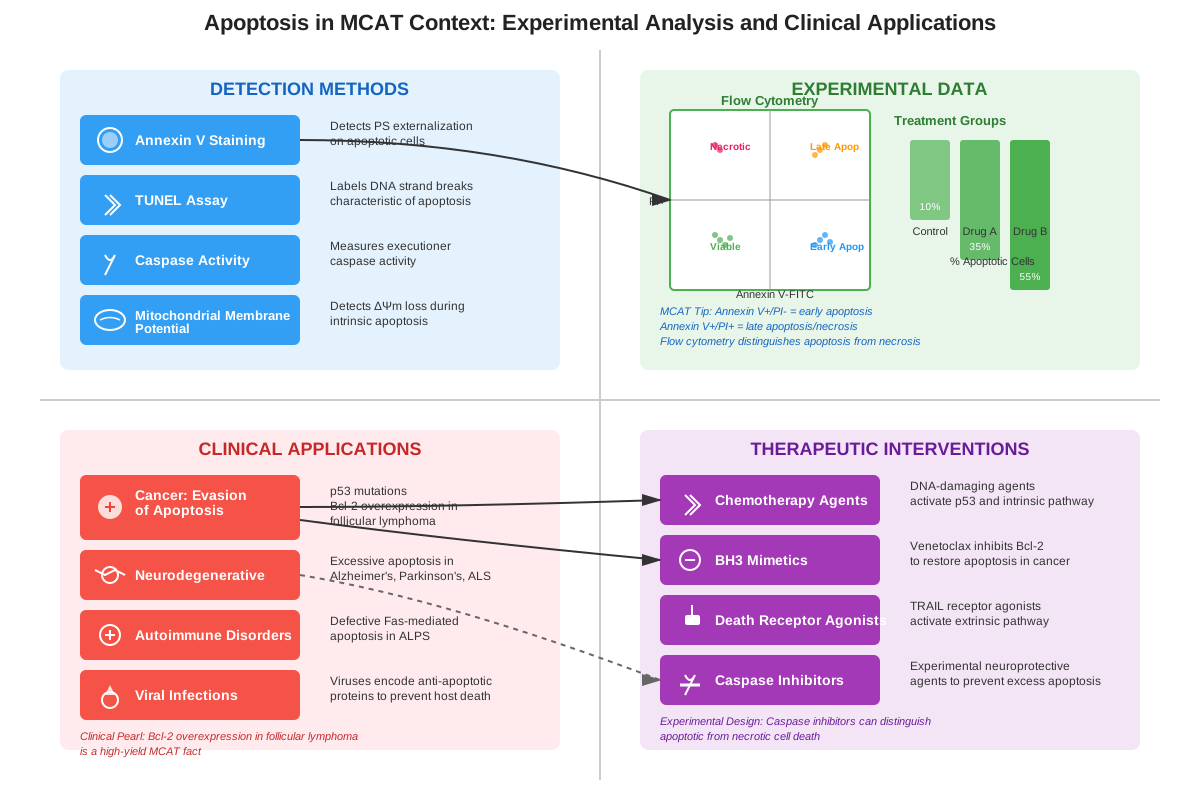
Apoptosis has profound clinical significance across multiple medical specialties. In oncology, cancer cells often evade apoptosis through mutations in p53 (the "guardian of the genome") or overexpression of anti-apoptotic proteins like Bcl-2. Many chemotherapeutic agents work by triggering apoptotic pathways in rapidly dividing cancer cells. In neurology, excessive apoptosis contributes to Alzheimer's disease, Parkinson's disease, and stroke-related brain damage. In immunology, proper apoptotic elimination of self-reactive T cells prevents autoimmune diseases, while apoptosis of infected cells limits viral spread.
From an MCAT perspective, apoptosis appears in approximately 3-5% of Biology questions, making it a medium-yield topic that students cannot afford to ignore. Questions typically fall into three categories: (1) passage-based questions requiring interpretation of experimental manipulations of apoptotic pathways, (2) discrete questions testing knowledge of specific molecular players (caspases, Bcl-2 family proteins, cytochrome c), and (3) application questions asking students to predict outcomes of apoptotic dysfunction in disease contexts.
Common passage themes include: research investigating novel cancer therapeutics that induce apoptosis, developmental biology studies examining digit formation through apoptosis, immunology experiments testing T cell selection in the thymus, and molecular biology passages exploring the role of mitochondria in cell death. The MCAT frequently presents data from flow cytometry experiments using Annexin V staining (which detects phosphatidylserine externalization, an early apoptotic marker) or assays measuring caspase activity. Students must be able to interpret these experimental results and connect them to underlying mechanisms.
Core Concepts
Definition and Characteristics of Apoptosis
Apoptosis is a form of programmed cell death characterized by distinct morphological and biochemical features that distinguish it from necrosis. The term derives from Greek, meaning "falling off," analogous to leaves falling from a tree. This process is energy-dependent (requires ATP), genetically controlled, and proceeds through a stereotyped sequence of events that prevent inflammatory responses.
Key morphological features include:
- Cell shrinkage (pyknosis): The cell decreases in volume as water exits
- Chromatin condensation: Nuclear DNA condenses into compact masses along the nuclear envelope
- Nuclear fragmentation (karyorrhexis): The nucleus breaks into discrete fragments
- Membrane blebbing: The plasma membrane forms bubble-like protrusions
- Apoptotic body formation: The cell fragments into membrane-enclosed vesicles containing intact organelles
- Phagocytic removal: Neighboring cells or macrophages rapidly engulf apoptotic bodies, preventing contents from spilling into extracellular space
Biochemically, apoptosis involves:
- DNA fragmentation into ~180 base pair segments (nucleosomal ladder pattern)
- Phosphatidylserine externalization: This phospholipid normally restricted to the inner membrane leaflet flips to the outer surface, serving as an "eat me" signal
- Caspase activation: A cascade of cysteine proteases executes the death program
- Maintenance of membrane integrity (until late stages): Unlike necrosis, the plasma membrane remains intact, preventing inflammatory mediator release
The Caspase Cascade
Caspases (cysteine-aspartic proteases) are the executioners of apoptosis. These enzymes cleave proteins after aspartate residues and exist as inactive proenzymes (procaspases) that require proteolytic activation. Caspases are classified into two functional groups:
Initiator caspases (caspase-8, caspase-9, caspase-10):
- Contain long prodomains with protein-protein interaction motifs
- Activated by dimerization on scaffolding platforms
- Cleave and activate executioner caspases
- Each initiator caspase is associated with a specific pathway
Executioner caspases (caspase-3, caspase-6, caspase-7):
- Contain short prodomains
- Activated by initiator caspases through proteolytic cleavage
- Cleave hundreds of cellular substrates, dismantling the cell
- Key substrates include nuclear lamins (causing nuclear envelope breakdown), ICAD (releasing CAD nuclease to fragment DNA), and cytoskeletal proteins
The caspase cascade amplifies the death signal: one initiator caspase can activate multiple executioner caspases, and each executioner caspase can cleave numerous substrate molecules, ensuring rapid and irreversible commitment to death.
Intrinsic (Mitochondrial) Pathway
The intrinsic pathway responds to intracellular stress signals such as DNA damage, oxidative stress, growth factor withdrawal, or endoplasmic reticulum stress. This pathway centers on mitochondrial outer membrane permeabilization (MOMP), which represents the "point of no return" in apoptosis.
Sequence of events:
- Stress detection: Cellular stress activates BH3-only proteins (a subset of Bcl-2 family proteins)
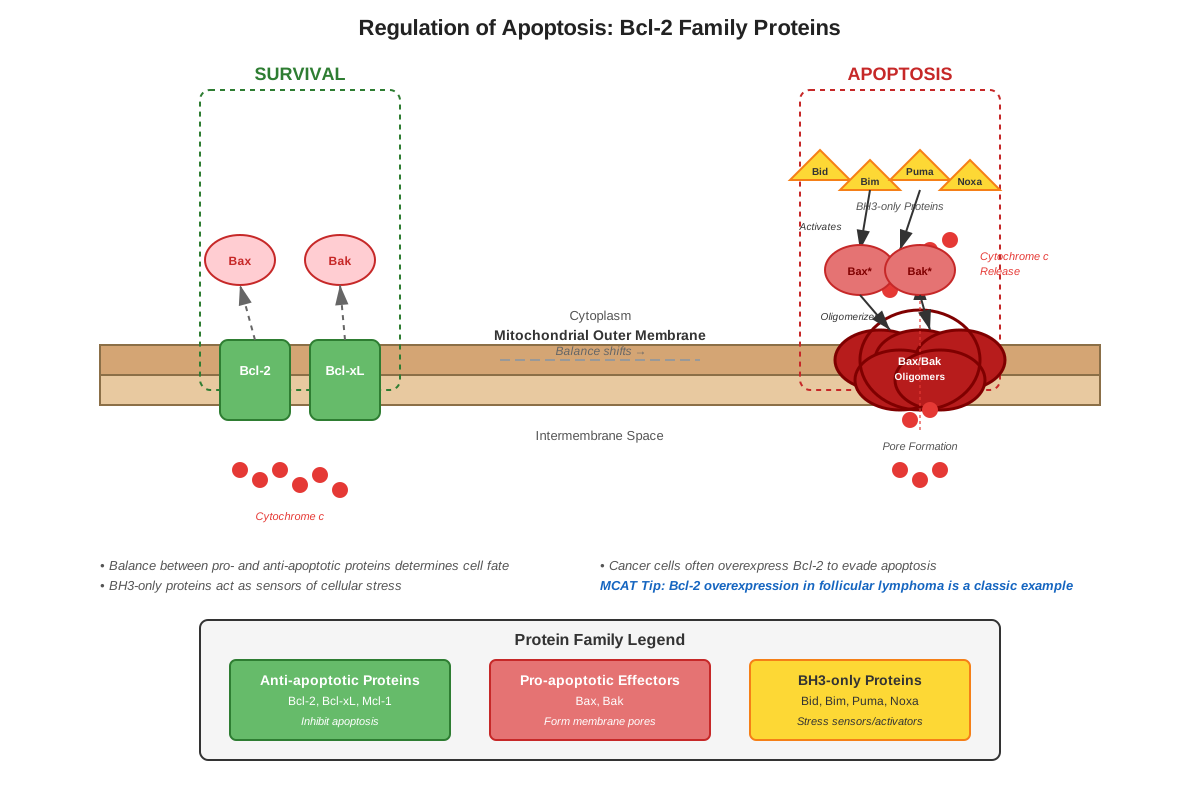
- Bcl-2 family protein regulation: The balance between pro-apoptotic (Bax, Bak) and anti-apoptotic (Bcl-2, Bcl-xL) proteins determines cell fate
- Bax/Bak activation: BH3-only proteins (Bid, Bim, Puma) either directly activate Bax/Bak or neutralize anti-apoptotic Bcl-2 proteins
- MOMP: Activated Bax and Bak oligomerize in the mitochondrial outer membrane, forming pores
- Cytochrome c release: This electron transport chain component exits through Bax/Bak pores into the cytosol
- Apoptosome formation: Cytochrome c binds Apaf-1 (apoptotic protease activating factor-1), causing conformational change and oligomerization into a wheel-shaped structure
- Caspase-9 activation: Procaspase-9 binds the apoptosome, becomes activated through proximity-induced dimerization
- Executioner caspase activation: Active caspase-9 cleaves and activates caspase-3 and caspase-7
- Cell dismantling: Executioner caspases cleave cellular substrates, producing apoptotic morphology
p53's role: The tumor suppressor protein p53 plays a critical role in DNA damage-induced apoptosis. When DNA damage is irreparable, p53 transcriptionally upregulates pro-apoptotic genes (Puma, Noxa, Bax) while repressing anti-apoptotic genes, tipping the balance toward death.
Extrinsic (Death Receptor) Pathway
The extrinsic pathway is initiated by extracellular death signals binding to cell surface death receptors, members of the tumor necrosis factor (TNF) receptor superfamily. This pathway allows the immune system or neighboring cells to trigger apoptosis in target cells.
Key death receptors:
- Fas (CD95/APO-1): Binds Fas ligand (FasL)
- TNF-R1: Binds tumor necrosis factor-α
- TRAIL receptors (DR4/DR5): Bind TNF-related apoptosis-inducing ligand
Sequence of events:
- Ligand binding: Death ligand (e.g., FasL) binds and trimerizes death receptor
- DISC formation: The death-inducing signaling complex assembles at the receptor's intracellular death domain
- Adaptor recruitment: FADD (Fas-associated death domain protein) binds to the death domain
- Procaspase-8 recruitment: Multiple procaspase-8 molecules bind FADD through death effector domains
- Caspase-8 activation: High local concentration induces procaspase-8 dimerization and auto-proteolytic activation
- Two possible routes:
- Type I cells: Active caspase-8 directly cleaves executioner caspases (caspase-3) in sufficient quantity to trigger apoptosis
- Type II cells: Caspase-8 cleaves Bid (a BH3-only protein) to truncated Bid (tBid), which activates the intrinsic pathway, amplifying the signal
This pathway is particularly important in immune system function, where cytotoxic T lymphocytes use FasL to eliminate infected or cancerous cells.
Bcl-2 Family Proteins: The Gatekeepers
The Bcl-2 family proteins are central regulators of the intrinsic pathway, determining whether a cell lives or dies. All family members share at least one of four Bcl-2 homology (BH) domains. The family divides into three functional groups:
| Group | Members | Function | Mechanism |
|---|---|---|---|
| Anti-apoptotic | Bcl-2, Bcl-xL, Mcl-1 | Promote survival | Sequester pro-apoptotic proteins; prevent Bax/Bak activation |
| Pro-apoptotic effectors | Bax, Bak | Execute MOMP | Oligomerize to form pores in mitochondrial outer membrane |
| BH3-only proteins | Bid, Bim, Puma, Noxa, Bad | Initiate apoptosis | Activate Bax/Bak or neutralize anti-apoptotic proteins |
The rheostat model explains how these proteins interact: the ratio of pro-apoptotic to anti-apoptotic proteins determines cell fate. When pro-apoptotic proteins predominate, MOMP occurs and apoptosis proceeds. When anti-apoptotic proteins predominate, cells survive even in the presence of stress signals.
BH3-only proteins act as stress sensors:
- Bid: Cleaved by caspase-8, linking extrinsic and intrinsic pathways
- Bim: Released from sequestration when growth factors are withdrawn
- Puma and Noxa: Transcriptionally upregulated by p53 in response to DNA damage
- Bad: Inactivated by phosphorylation (via survival signals like growth factors); dephosphorylation activates it
Regulation and Inhibition of Apoptosis
Cells possess multiple mechanisms to prevent inappropriate apoptosis:
IAPs (Inhibitor of Apoptosis Proteins):
- Directly bind and inhibit caspase-3, caspase-7, and caspase-9
- Contain BIR (baculovirus IAP repeat) domains that interact with caspases
- XIAP is the most potent caspase inhibitor
- During apoptosis, mitochondria release Smac/DIABLO, which binds IAPs and relieves caspase inhibition
Survival signaling pathways:
- PI3K/Akt pathway: Akt phosphorylates and inactivates Bad and FoxO transcription factors (which would otherwise upregulate pro-apoptotic genes)
- NF-κB pathway: Transcriptionally upregulates anti-apoptotic genes (Bcl-xL, IAPs)
- Growth factor signaling: Maintains expression of anti-apoptotic proteins
Decoy receptors:
- DcR1 and DcR2 bind TRAIL but lack functional death domains
- Compete with death receptors for ligand binding
- Protect cells from death receptor-mediated apoptosis
Apoptosis in Development and Physiology
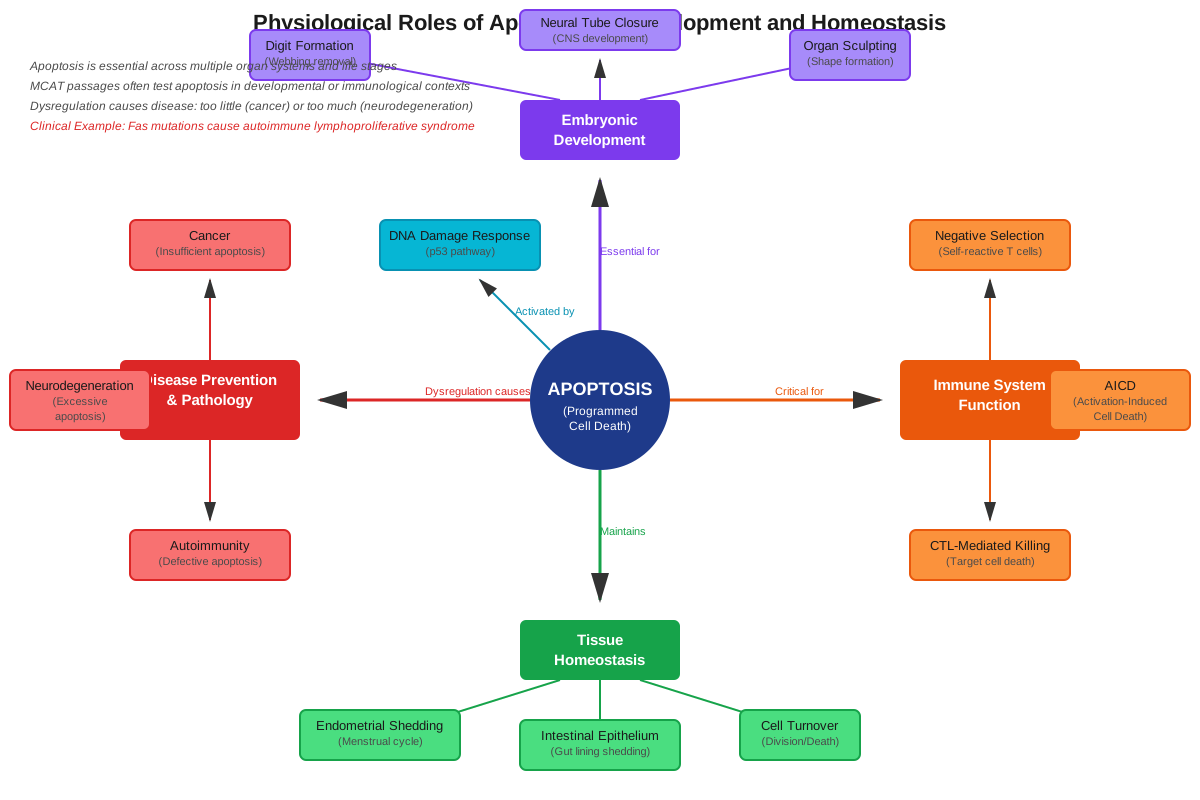
Apoptosis serves essential physiological functions:
Embryonic development:
- Digit formation: Interdigital webbing undergoes apoptosis to separate fingers and toes
- Neural development: ~50% of neurons die during development, refining neural circuits
- Organ sculpting: Hollowing of solid structures (e.g., forming the lumen of the gut)
Immune system:
- Negative selection: Thymocytes that strongly recognize self-antigens undergo apoptosis, preventing autoimmunity
- Activation-induced cell death: Eliminates autoreactive T cells in the periphery
- Immune response resolution: After infection clearance, most activated lymphocytes die, maintaining homeostasis
Tissue homeostasis:
- Intestinal epithelium: Cells at villus tips undergo apoptosis after 3-5 days
- Skin: Keratinocytes undergo apoptosis as they differentiate and move toward the surface
- Endometrium: Menstrual shedding involves apoptosis when progesterone levels drop
Apoptosis vs. Necrosis
Understanding the distinction between apoptosis and necrosis is crucial for the MCAT:
| Feature | Apoptosis | Necrosis |
|---|---|---|
| Trigger | Physiological or mild stress | Severe injury, toxins, ischemia |
| Energy requirement | ATP-dependent | ATP-independent (passive) |
| Cell size | Shrinkage | Swelling |
| Membrane integrity | Maintained until late | Early loss |
| DNA fragmentation | Orderly (nucleosomal ladder) | Random |
| Inflammation | Absent | Present (contents released) |
| Physiological role | Normal development/homeostasis | Pathological |
| Reversibility | Committed after MOMP | May be reversible early |
A third form, necroptosis, shares features of both: it is programmed (like apoptosis) but results in membrane rupture and inflammation (like necrosis). This pathway involves RIP1 and RIP3 kinases and occurs when apoptosis is blocked but death signals persist.
Concept Relationships
The concepts within apoptosis form an integrated network. The caspase cascade serves as the central execution mechanism, activated by either the intrinsic pathway (responding to internal stress) or the extrinsic pathway (responding to external death signals). These pathways converge at the level of executioner caspases, which dismantle the cell.
Bcl-2 family proteins regulate the intrinsic pathway, acting as a molecular switch that integrates multiple stress signals. The balance between pro- and anti-apoptotic Bcl-2 proteins determines whether mitochondrial outer membrane permeabilization occurs—the committed step in the intrinsic pathway. Once MOMP occurs, cytochrome c release triggers apoptosome formation, activating caspase-9.
The extrinsic and intrinsic pathways are interconnected: in Type II cells, caspase-8 (from the extrinsic pathway) cleaves Bid, creating tBid, which activates the intrinsic pathway. This cross-talk amplifies death signals and ensures robust apoptosis.
Apoptosis connects to prerequisite topics: signal transduction explains how death receptors transmit signals, mitochondrial biology underlies the intrinsic pathway, protein structure determines caspase specificity, and gene regulation controls expression of Bcl-2 family proteins. The topic extends to related concepts: cell cycle regulation (p53 links DNA damage checkpoints to apoptosis), cancer biology (apoptotic evasion is a hallmark of cancer), and immunology (T cell selection and cytotoxic killing).
Relationship map:
- External death signals → Death receptors → DISC formation → Caspase-8 activation → Executioner caspases → Cell death
- Internal stress → BH3-only proteins → Bax/Bak activation → MOMP → Cytochrome c release → Apoptosome → Caspase-9 → Executioner caspases → Cell death
- Caspase-8 → Bid cleavage → tBid → Intrinsic pathway amplification
- p53 activation → Pro-apoptotic gene expression → Intrinsic pathway initiation
- Survival signals → Akt activation → Bad phosphorylation → Anti-apoptotic protein function preserved
Quick check — test yourself on Apoptosis so far.
Try Flashcards →High-Yield Facts
⭐ Apoptosis is ATP-dependent and non-inflammatory, while necrosis is ATP-independent and triggers inflammation
⭐ The intrinsic pathway centers on mitochondrial outer membrane permeabilization (MOMP), which releases cytochrome c
⭐ Cytochrome c binds Apaf-1 to form the apoptosome, which activates caspase-9
⭐ The extrinsic pathway begins with death receptor activation (Fas, TNF-R1, TRAIL receptors) and activates caspase-8
⭐ Bcl-2 family proteins regulate the intrinsic pathway: Bcl-2/Bcl-xL are anti-apoptotic, Bax/Bak are pro-apoptotic effectors, and BH3-only proteins are initiators
- Executioner caspases (caspase-3, -6, -7) cleave cellular substrates including nuclear lamins, ICAD, and cytoskeletal proteins
- Phosphatidylserine externalization serves as an "eat me" signal for phagocytes, preventing inflammation
- p53 induces apoptosis in response to irreparable DNA damage by upregulating pro-apoptotic genes (Puma, Noxa, Bax)
- IAPs (inhibitor of apoptosis proteins) block caspase activity; Smac/DIABLO released from mitochondria inhibits IAPs
- Cancer cells often evade apoptosis through p53 mutations, Bcl-2 overexpression, or loss of pro-apoptotic proteins
- Caspase-8 links extrinsic and intrinsic pathways by cleaving Bid to tBid in Type II cells
- Apoptotic DNA fragmentation produces a characteristic "ladder" pattern of ~180 bp fragments (nucleosomal units)
- Fas-FasL interactions mediate immune cell killing and activation-induced cell death of lymphocytes
- Developmental apoptosis sculpts tissues (interdigital webbing removal, neural pruning, organ hollowing)
- Anoikis is a specialized form of apoptosis triggered when epithelial cells detach from the extracellular matrix
Common Misconceptions
Misconception: Apoptosis and necrosis are interchangeable terms for cell death.
Correction: Apoptosis is programmed, energy-dependent, and non-inflammatory, while necrosis results from acute injury, is energy-independent, and triggers inflammation. The MCAT expects students to distinguish these processes based on morphological features, energy requirements, and inflammatory consequences.
Misconception: Cytochrome c directly kills the cell when released from mitochondria.
Correction: Cytochrome c itself is not toxic; rather, it serves as a cofactor that binds Apaf-1, triggering apoptosome formation and caspase-9 activation. The caspases, not cytochrome c, execute the death program. This distinction matters when interpreting experimental manipulations of the intrinsic pathway.
Misconception: All Bcl-2 family proteins promote apoptosis.
Correction: The Bcl-2 family includes both pro-apoptotic (Bax, Bak, BH3-only proteins) and anti-apoptotic (Bcl-2, Bcl-xL, Mcl-1) members. The balance between these opposing groups determines cell fate. Overexpression of Bcl-2 (anti-apoptotic) is oncogenic because it prevents cancer cells from dying.
Misconception: The extrinsic and intrinsic pathways are completely independent.
Correction: These pathways converge at executioner caspases and can cross-talk. In Type II cells, caspase-8 (extrinsic) cleaves Bid, creating tBid, which activates the intrinsic pathway. This amplification loop ensures robust apoptosis and is particularly important when death receptor signals alone are insufficient.
Misconception: p53 directly causes apoptosis.
Correction: p53 is a transcription factor that upregulates pro-apoptotic genes (Puma, Noxa, Bax) and downregulates anti-apoptotic genes. It initiates the apoptotic program but does not directly execute cell death. Loss of p53 function (common in cancer) prevents DNA damage from triggering apoptosis, allowing damaged cells to survive and accumulate mutations.
Misconception: Once apoptosis begins, it can be reversed.
Correction: While early apoptotic signals can be counteracted by survival signals, MOMP represents a "point of no return." Once cytochrome c is released and caspases are activated, the process becomes irreversible. This is why MOMP is considered the committed step in apoptosis.
Misconception: Apoptosis only occurs in disease states.
Correction: Apoptosis is essential for normal physiology, including embryonic development (digit formation, neural pruning), immune system function (T cell selection, response resolution), and tissue homeostasis (intestinal epithelium turnover). Approximately 50-70 billion cells undergo apoptosis daily in an adult human.
Worked Examples
Example 1: Interpreting an Experimental Manipulation
Question: Researchers create a cell line that overexpresses Bcl-2. When these cells are treated with a chemotherapy drug that causes DNA damage, they survive at much higher rates than control cells. However, when the same cells are treated with an antibody that activates Fas (a death receptor), they undergo apoptosis at rates similar to control cells. Explain these observations.
Solution:
Step 1 - Identify the pathways involved:
- DNA damage activates the intrinsic (mitochondrial) pathway
- Fas activation triggers the extrinsic (death receptor) pathway
Step 2 - Analyze Bcl-2's mechanism:
- Bcl-2 is an anti-apoptotic protein that prevents MOMP
- It sequesters pro-apoptotic proteins (Bax, Bak) and neutralizes BH3-only proteins
- Bcl-2 specifically regulates the intrinsic pathway, not the extrinsic pathway
Step 3 - Explain DNA damage resistance:
- DNA damage normally activates p53, which upregulates pro-apoptotic genes (Puma, Noxa)
- These BH3-only proteins would activate Bax/Bak, causing MOMP
- Overexpressed Bcl-2 neutralizes these pro-apoptotic signals
- MOMP is prevented, cytochrome c remains in mitochondria, and cells survive
Step 4 - Explain Fas sensitivity:
- Fas activation recruits FADD and caspase-8 to form the DISC
- In Type I cells, caspase-8 directly activates executioner caspases, bypassing mitochondria
- Bcl-2 cannot block this pathway because it acts at the mitochondrial level
- Therefore, Fas-mediated apoptosis proceeds normally despite Bcl-2 overexpression
Step 5 - Consider Type II cells:
- If these were Type II cells, caspase-8 would cleave Bid to tBid
- tBid would activate the intrinsic pathway
- In this case, Bcl-2 overexpression might provide partial protection even against Fas
- The question states similar apoptosis rates, suggesting these are Type I cells
Conclusion: Bcl-2 overexpression specifically protects against intrinsic pathway activation (DNA damage) but not extrinsic pathway activation (Fas), demonstrating pathway-specific regulation. This concept frequently appears in MCAT passages about cancer drug resistance.
Example 2: Predicting Phenotypic Consequences
Question: A genetic mutation prevents cytochrome c from binding to Apaf-1. Predict the consequences of this mutation for: (a) development, (b) immune function, and (c) cancer risk. Explain your reasoning.
Solution:
Step 1 - Identify the affected process:
- Cytochrome c binding to Apaf-1 is required for apoptosome formation
- Without apoptosome formation, caspase-9 cannot be activated
- The intrinsic apoptotic pathway is blocked
Step 2 - Determine which apoptotic pathway remains functional:
- The extrinsic pathway (death receptors → caspase-8) remains intact
- However, in Type II cells, amplification through the intrinsic pathway is lost
- Overall apoptotic capacity is significantly reduced
Step 3 - Predict developmental consequences:
- Developmental apoptosis (digit separation, neural pruning) often relies on the intrinsic pathway
- Prediction: Syndactyly (webbed digits), excess neurons, and developmental abnormalities
- Severe cases might be embryonic lethal if apoptosis is essential for organ formation
- This mirrors phenotypes seen in Apaf-1 knockout mice
Step 4 - Predict immune consequences:
- Negative selection in the thymus eliminates self-reactive T cells through apoptosis
- If intrinsic pathway-dependent selection is impaired, autoreactive cells survive
- Prediction: Increased risk of autoimmune disease
- Immune response resolution after infection may be impaired, leading to lymphoproliferation
Step 5 - Predict cancer risk:
- DNA damage normally triggers p53-mediated apoptosis through the intrinsic pathway
- Cells with damaged DNA would fail to undergo apoptosis
- Prediction: Dramatically increased cancer risk due to accumulation of mutations
- This would phenocopy p53 loss-of-function mutations
- Cells would be resistant to chemotherapy drugs that induce DNA damage
Step 6 - Consider compensatory mechanisms:
- The extrinsic pathway might partially compensate
- However, this requires external death signals, not autonomous detection of internal damage
- Compensation would be incomplete
Conclusion: This mutation would cause developmental abnormalities, autoimmune tendencies, and increased cancer susceptibility—all consequences of impaired intrinsic pathway apoptosis. This type of reasoning (predicting phenotypes from molecular defects) is common in MCAT passages.
Exam Strategy
Approaching apoptosis questions on the MCAT:
- Identify the pathway: Determine whether the question involves intrinsic (mitochondrial, stress-induced) or extrinsic (death receptor) pathways. Look for trigger words: "DNA damage," "growth factor withdrawal," and "oxidative stress" suggest intrinsic; "Fas," "TNF," "death receptor," and "immune killing" suggest extrinsic.
- Map the sequence: Apoptosis questions often test whether students understand the order of events. For intrinsic: stress → BH3-only proteins → Bax/Bak → MOMP → cytochrome c → apoptosome → caspase-9 → executioner caspases. For extrinsic: ligand → receptor → DISC → caspase-8 → executioner caspases.
- Focus on regulation: Many questions ask about Bcl-2 family proteins. Remember: Bcl-2/Bcl-xL are anti-apoptotic (prevent MOMP), Bax/Bak are pro-apoptotic effectors (cause MOMP), and BH3-only proteins are initiators (activate effectors or neutralize anti-apoptotic proteins).
- Distinguish from necrosis: If a question describes cell death, determine which type. Key distinguishing features: energy requirement (apoptosis requires ATP), inflammation (necrosis causes it, apoptosis doesn't), and membrane integrity (maintained in apoptosis until late stages).
- Connect to cancer: Many passages link apoptosis to cancer. Remember that cancer cells evade apoptosis through p53 mutations, Bcl-2 overexpression, or loss of pro-apoptotic proteins. Chemotherapy often works by inducing apoptosis.
Trigger words and phrases:
- "Programmed cell death" → apoptosis
- "Caspase activation" → apoptosis execution phase
- "Cytochrome c release" → intrinsic pathway, MOMP has occurred
- "Death receptor" or "Fas" → extrinsic pathway
- "DNA fragmentation" → late-stage apoptosis
- "Phosphatidylserine externalization" → early apoptotic marker
- "Bcl-2 overexpression" → resistance to intrinsic pathway apoptosis
- "p53 mutation" → loss of DNA damage-induced apoptosis
Process of elimination tips:
- If an answer choice suggests apoptosis causes inflammation, eliminate it (that's necrosis)
- If a choice claims Bcl-2 blocks the extrinsic pathway, eliminate it (Bcl-2 regulates the intrinsic pathway)
- If a choice states cytochrome c directly kills cells, eliminate it (cytochrome c triggers caspase activation)
- If a choice suggests apoptosis is always pathological, eliminate it (apoptosis is essential for normal development)
Time allocation:
For discrete questions on apoptosis, spend 30-45 seconds. For passage-based questions, allocate 1-1.5 minutes per question, using 3-4 minutes to read and annotate the passage. Focus annotation on identifying which pathway is being studied and what experimental manipulations are being performed.
Memory Techniques
Mnemonic for Bcl-2 family functions:
"BAX and BAK Break the membrane" (pro-apoptotic effectors cause MOMP)
"Bcl-2 Blocks Bad things" (anti-apoptotic proteins prevent death)
Mnemonic for intrinsic pathway sequence:
"Stressed Bees Build Many Combs And Create Excellent Cells"
- Stress signal
- BH3-only proteins activated
- Bax/Bak oligomerization
- MOMP (mitochondrial outer membrane permeabilization)
- Cytochrome c release
- Apoptosome formation
- Caspase-9 activation
- Executioner caspases activated
- Cell dismantling
Mnemonic for extrinsic pathway:
"Lazy Rabbits Don't Find Carrots Easily"
- Ligand binding
- Receptor trimerization
- DISC formation
- FADD recruitment
- Caspase-8 activation
- Executioner caspases activated
Visualization for MOMP:
Picture mitochondria as a dam holding back water (cytochrome c). Bax and Bak are like dynamite that blows holes in the dam. Bcl-2 is the security guard preventing the dynamite from being placed. BH3-only proteins are the saboteurs who either place the dynamite or distract the security guard. Once the dam breaks (MOMP), the flood (cytochrome c release) is irreversible.
Acronym for apoptotic morphology:
"SCNMB" = "Shrinkage, Chromatin condensation, Nuclear fragmentation, Membrane blebbing, Body formation"
Memory aid for distinguishing Type I and Type II cells:
Type I = Immediate (caspase-8 directly activates executioner caspases)
Type II = IIntrinsic amplification (caspase-8 activates intrinsic pathway via Bid)
Summary
Apoptosis is a highly regulated, ATP-dependent form of programmed cell death essential for development, immune function, and tissue homeostasis. The process is executed by caspases, which are activated through two main pathways: the intrinsic (mitochondrial) pathway responds to internal stress and centers on mitochondrial outer membrane permeabilization (MOMP), while the extrinsic (death receptor) pathway responds to external death signals. Bcl-2 family proteins regulate the intrinsic pathway, with anti-apoptotic members (Bcl-2, Bcl-xL) preventing MOMP and pro-apoptotic members (Bax, Bak, BH3-only proteins) promoting it. Once MOMP occurs, cytochrome c release triggers apoptosome formation and caspase-9 activation. The extrinsic pathway begins with death receptor activation, DISC formation, and caspase-8 activation. Both pathways converge on executioner caspases (caspase-3, -6, -7), which dismantle the cell while maintaining membrane integrity to prevent inflammation. Dysregulation of apoptosis underlies cancer (insufficient apoptosis), neurodegenerative diseases (excessive apoptosis), and autoimmune disorders (failure to eliminate self-reactive cells). For the MCAT, students must distinguish apoptosis from necrosis, understand pathway-specific regulation, and predict consequences of apoptotic dysfunction.
Key Takeaways
- Apoptosis is programmed, energy-dependent cell death characterized by cell shrinkage, chromatin condensation, membrane blebbing, and absence of inflammation
- The intrinsic pathway is triggered by internal stress, regulated by Bcl-2 family proteins, and committed at MOMP when cytochrome c is released to form the apoptosome
- The extrinsic pathway is initiated by death receptor activation (Fas, TNF-R1, TRAIL receptors), leading to DISC formation and caspase-8 activation
- Caspases are the executioners: initiator caspases (8, 9) activate executioner caspases (3, 6, 7), which cleave cellular substrates to dismantle the cell
- Bcl-2 family proteins determine cell fate: anti-apoptotic (Bcl-2, Bcl-xL) prevent death, pro-apoptotic effectors (Bax, Bak) cause MOMP, and BH3-only proteins initiate apoptosis
- p53 links DNA damage to apoptosis by transcriptionally upregulating pro-apoptotic genes; loss of p53 function is a common mechanism of cancer cell survival
- Apoptosis serves essential physiological roles in development (digit formation, neural pruning), immune function (T cell selection, response resolution), and tissue homeostasis
Related Topics
Cell Cycle and Cancer Biology: Understanding how p53 integrates cell cycle checkpoints with apoptosis explains why p53 mutations are so common in cancer. Mastering apoptosis provides foundation for understanding oncogenesis and tumor suppressor function.
Mitochondrial Structure and Function: The intrinsic apoptotic pathway depends on mitochondrial biology, particularly the electron transport chain (source of cytochrome c) and membrane structure. This connection reinforces understanding of mitochondrial roles beyond ATP synthesis.
Signal Transduction: Death receptor signaling exemplifies receptor-mediated signal transduction. The PI3K/Akt survival pathway, which opposes apoptosis, illustrates how growth factor signaling promotes cell survival.
Immunology: Apoptosis is central to T cell selection (negative selection eliminates autoreactive cells), cytotoxic T cell function (Fas-FasL killing), and immune response resolution (activation-induced cell death). Understanding apoptosis deepens comprehension of immune tolerance and effector mechanisms.
Developmental Biology: Apoptosis sculpts developing tissues through processes like digit separation and neural pruning. This topic connects cellular mechanisms to organismal development, a common MCAT theme.
Practice CTA
Now that you've mastered the core concepts of apoptosis, it's time to test your understanding with practice questions and flashcards. Focus on questions that require you to distinguish between intrinsic and extrinsic pathways, predict consequences of Bcl-2 family protein dysregulation, and interpret experimental data from apoptosis assays. Remember, the MCAT rewards not just memorization but the ability to apply mechanistic understanding to novel scenarios. You've built a strong foundation—now reinforce it through active practice. Each question you work through strengthens your ability to think like a scientist and reason through complex biological problems. You've got this!
Sign up free to keep reading
Create a free AnvayaPrep account to finish this MCAT guide on Apoptosis — plus flashcards and practice questions.