Overview
Exocytosis is a fundamental cellular process by which cells transport materials from the interior to the exterior environment by fusing membrane-bound vesicles with the plasma membrane. This mechanism is essential for numerous physiological functions, including neurotransmitter release at synapses, hormone secretion from endocrine glands, and the insertion of membrane proteins into the cell surface. Understanding exocytosis is critical for MCAT success because it integrates multiple high-yield concepts in Cell Biology, including membrane dynamics, signal transduction, cellular communication, and energy-dependent transport mechanisms.
For the MCAT, exocytosis Biology represents a medium-difficulty topic that frequently appears in both passage-based and discrete questions within the Biological and Biochemical Foundations of Living Systems section. Questions may test the mechanism itself, its regulation, its role in physiological processes like synaptic transmission, or its relationship to other membrane transport processes. The topic bridges cellular and systems physiology, making it particularly valuable for integrated passages that combine molecular mechanisms with organ system function.
The big-picture significance of exocytosis MCAT content lies in its connection to broader biological themes. Exocytosis links to endocytosis (forming a complete cycle of membrane trafficking), connects to signal transduction pathways that regulate secretion, relates to protein synthesis and processing through the endomembrane system, and underlies critical physiological processes tested on the exam including neural transmission, immune responses, and endocrine function. Mastering this topic provides a foundation for understanding how cells communicate with their environment and maintain homeostasis.
Learning Objectives
- [ ] Define exocytosis using accurate Biology terminology
- [ ] Explain why exocytosis matters for the MCAT
- [ ] Apply exocytosis to exam-style questions
- [ ] Identify common mistakes related to exocytosis
- [ ] Connect exocytosis to related Biology concepts
- [ ] Distinguish between constitutive and regulated exocytosis pathways
- [ ] Describe the molecular machinery involved in vesicle fusion, including SNARE proteins
- [ ] Analyze the role of calcium ions in triggering regulated exocytosis
- [ ] Predict the consequences of impaired exocytosis on cellular and organismal function
Prerequisites
- Membrane structure and function: Understanding phospholipid bilayers, membrane fluidity, and membrane proteins is essential because exocytosis involves membrane fusion events
- Endomembrane system: Knowledge of the Golgi apparatus, endoplasmic reticulum, and vesicle formation provides context for where secretory vesicles originate
- Protein synthesis and trafficking: Familiarity with how proteins are synthesized, modified, and sorted explains what materials undergo exocytosis
- ATP and cellular energy: Exocytosis requires energy for vesicle formation, transport, and fusion machinery
- Basic cell signaling: Understanding how extracellular signals trigger intracellular responses is necessary for comprehending regulated exocytosis
Why This Topic Matters
Clinical and Real-World Significance
Exocytosis underlies numerous essential physiological processes that have direct clinical relevance. Neurotransmitter release at synapses occurs exclusively through exocytosis, making this process fundamental to all nervous system function, including cognition, movement, and sensation. Disruptions in exocytotic mechanisms contribute to neurological disorders such as myasthenia gravis, botulism (where botulinum toxin cleaves SNARE proteins), and certain forms of epilepsy. Endocrine function depends entirely on exocytosis for hormone secretion—insulin release from pancreatic beta cells, for example, occurs through calcium-triggered exocytosis, and defects in this process contribute to diabetes pathophysiology.
The immune system relies heavily on exocytosis for both antibody secretion by plasma cells and cytotoxic granule release by natural killer cells and cytotoxic T lymphocytes. Understanding exocytosis is therefore essential for comprehending immune responses, a high-yield MCAT topic. Additionally, exocytosis plays roles in wound healing (through platelet degranulation), digestion (through enzyme secretion from pancreatic acinar cells), and even fertilization (through the acrosomal reaction in sperm).
Exam Statistics and Question Types
Exocytosis appears on the MCAT with moderate frequency, typically in 2-4 questions per exam either as the primary focus or as part of integrated passages. Questions commonly appear in several formats: mechanism-based questions asking students to identify the steps or molecular components of exocytosis; comparative questions contrasting exocytosis with endocytosis or other transport mechanisms; application questions requiring students to predict outcomes when exocytosis is enhanced or inhibited; and passage-based questions embedded in contexts like neurotransmission, hormone secretion, or experimental manipulations of cellular secretion.
The topic frequently appears in passages discussing synaptic transmission (often integrated with action potentials and neurotransmitter receptors), endocrine physiology (particularly insulin secretion), immune function, or experimental cell biology studies using fluorescent markers to track vesicle movement. Students should expect questions that test both conceptual understanding and the ability to apply knowledge to novel experimental scenarios.
Core Concepts
Definition and Basic Mechanism
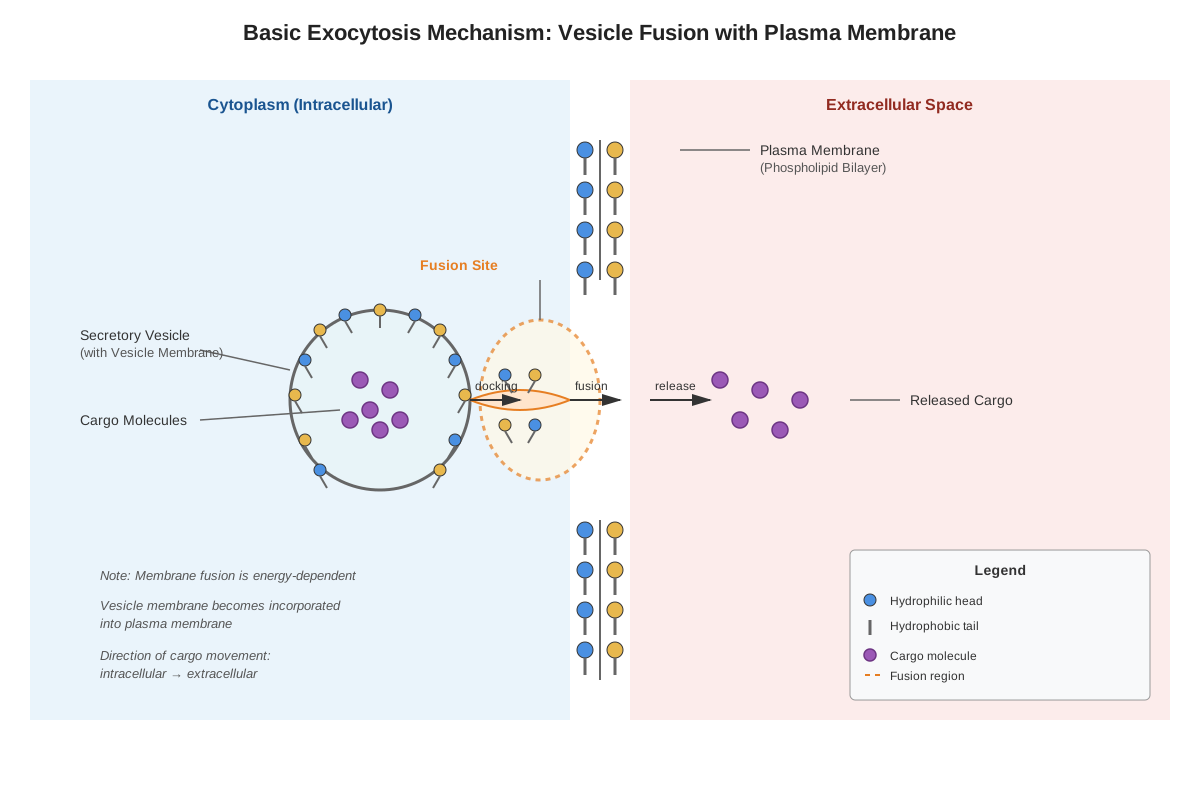
Exocytosis is the active, energy-dependent process by which cells secrete materials contained within membrane-bound vesicles to the extracellular space. The process involves the transport of secretory vesicles to the plasma membrane, docking of vesicles at specific sites, and fusion of the vesicle membrane with the plasma membrane, resulting in the release of vesicle contents to the cell exterior. This mechanism serves dual purposes: it expels materials from the cell and simultaneously adds the vesicle membrane to the plasma membrane, increasing membrane surface area and inserting membrane proteins into the cell surface.
The fundamental principle underlying exocytosis is membrane fusion—two separate lipid bilayers (the vesicle membrane and plasma membrane) merge to become continuous. This process requires overcoming significant energy barriers because bringing two membranes close enough to fuse requires displacing water molecules and overcoming electrostatic repulsion between the negatively charged phospholipid head groups. Specialized protein machinery has evolved to catalyze this energetically unfavorable process.
Types of Exocytosis
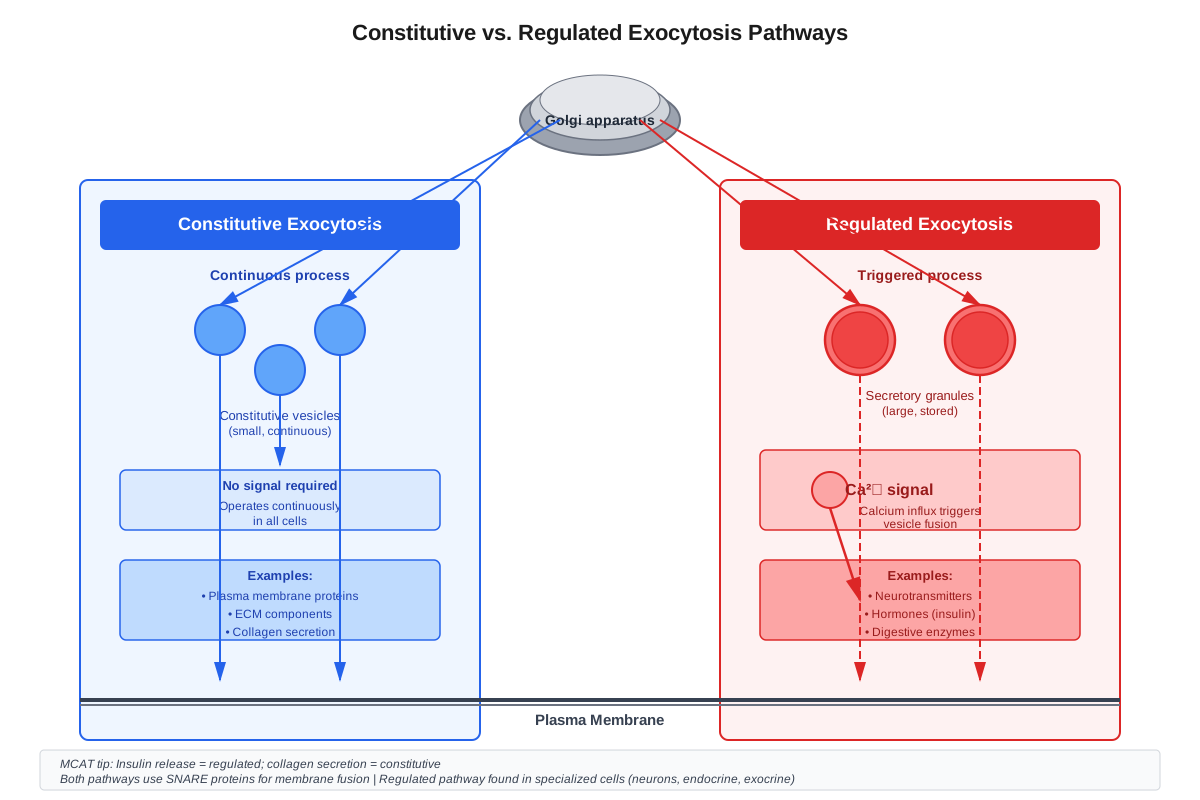
| Feature | Constitutive Exocytosis | Regulated Exocytosis |
|---|---|---|
| Trigger | Continuous, no specific signal required | Specific extracellular signal (often Ca²⁺) |
| Vesicle storage | Vesicles fuse immediately after formation | Vesicles stored until signal received |
| Cell types | All cells | Specialized secretory cells (neurons, endocrine, exocrine) |
| Cargo examples | Plasma membrane proteins, ECM components | Neurotransmitters, hormones, digestive enzymes |
| Regulation | Minimal regulation | Highly regulated by signaling pathways |
| Speed | Continuous baseline rate | Rapid burst upon stimulation |
Constitutive exocytosis occurs continuously in all cells and does not require external signals. This pathway delivers newly synthesized plasma membrane lipids and proteins to the cell surface, replaces membrane lost through endocytosis, and secretes extracellular matrix components. The constitutive pathway is essential for maintaining membrane homeostasis and cell surface composition.
Regulated exocytosis occurs only in response to specific extracellular signals and is characteristic of specialized secretory cells. Secretory vesicles accumulate in the cytoplasm and remain docked at the plasma membrane until a triggering signal—most commonly an increase in intracellular calcium concentration—initiates rapid fusion. This pathway allows cells to release large quantities of specific molecules precisely when needed, enabling rapid cellular responses to environmental changes.
Molecular Machinery of Exocytosis
The fusion of vesicles with the plasma membrane requires several protein families that work in concert:
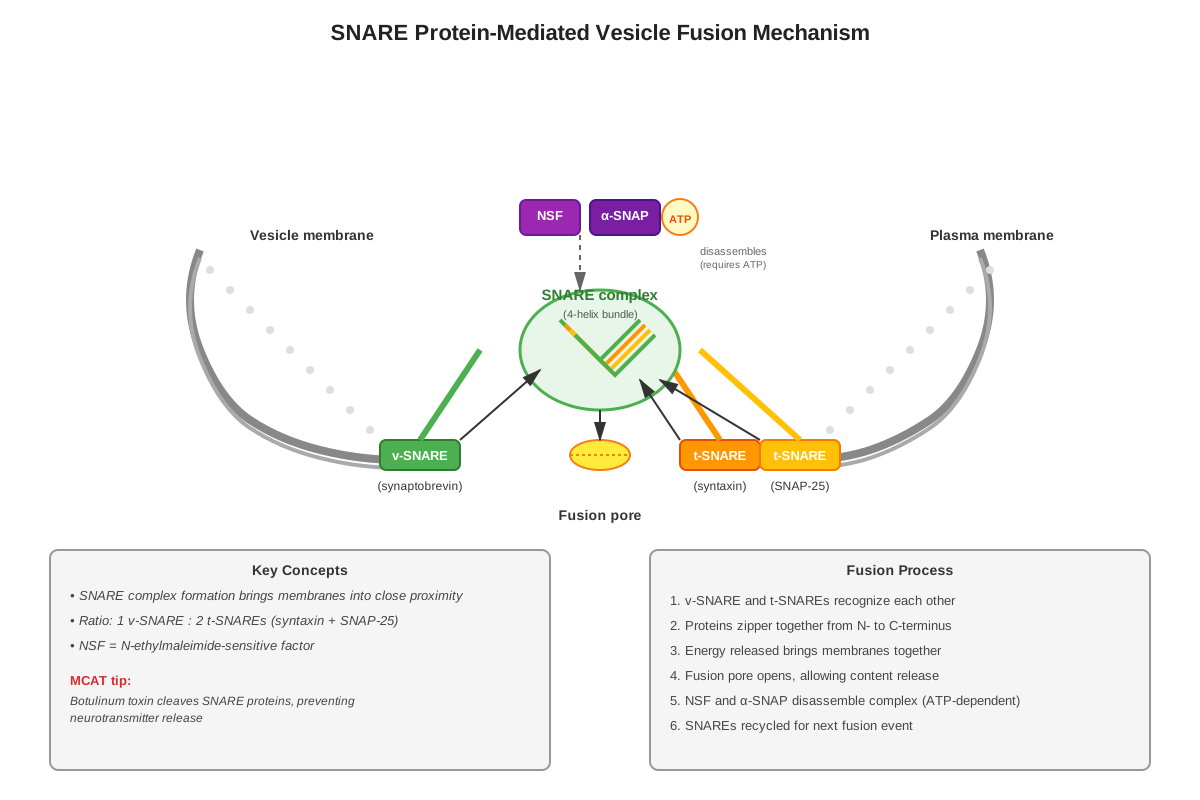
SNARE proteins (Soluble N-ethylmaleimide-sensitive factor Attachment protein REceptors) are the core fusion machinery. These proteins are divided into v-SNAREs (vesicle SNAREs, such as synaptobrevin/VAMP) located on vesicle membranes and t-SNAREs (target SNAREs, such as syntaxin and SNAP-25) located on target membranes like the plasma membrane. During fusion, v-SNAREs and t-SNAREs interact to form an extremely stable four-helix bundle called the SNARE complex. Formation of this complex brings the two membranes into close proximity and provides energy to drive membrane fusion. The specificity of SNARE pairing helps ensure that vesicles fuse with the correct target membrane.
Rab GTPases are small GTP-binding proteins that regulate vesicle trafficking and tethering. Different Rab proteins localize to different organelles and vesicle types, providing another layer of specificity to membrane trafficking. Rab proteins in their GTP-bound (active) state recruit tethering factors that help capture vesicles near their target membrane before SNARE-mediated fusion occurs.
Calcium sensors, particularly synaptotagmin in neurons, detect increases in intracellular calcium concentration and trigger rapid vesicle fusion in regulated exocytosis. Synaptotagmin contains calcium-binding domains that, when bound to Ca²⁺, insert into membranes and promote membrane curvature and fusion. This calcium-sensing mechanism explains why regulated exocytosis occurs within milliseconds of calcium influx.
NSF (N-ethylmaleimide-Sensitive Factor) and SNAP proteins (not to be confused with SNAP-25, a t-SNARE) function after fusion to disassemble SNARE complexes using ATP hydrolysis, recycling SNARE proteins for subsequent rounds of fusion.
Steps of Exocytosis
- Vesicle formation and cargo loading: Secretory proteins are synthesized in the endoplasmic reticulum, modified in the Golgi apparatus, and packaged into vesicles that bud from the trans-Golgi network. Cargo molecules are concentrated in forming vesicles through receptor-mediated sorting.
- Vesicle transport: Motor proteins (kinesins, dyneins) transport vesicles along cytoskeletal tracks (microtubules, actin filaments) toward the plasma membrane. This directed transport ensures vesicles reach appropriate locations on the cell surface.
- Tethering: Rab proteins and tethering factors capture vesicles near the target membrane, bringing them into proximity for SNARE interactions.
- Docking: v-SNAREs on the vesicle begin interacting with t-SNAREs on the plasma membrane, forming loose SNARE complexes. The vesicle is now physically attached to the plasma membrane but not yet fused.
- Priming: SNARE complexes tighten, bringing membranes closer together. In regulated exocytosis, vesicles may remain in this primed state until a triggering signal arrives.
- Fusion: In constitutive exocytosis, fusion proceeds immediately after priming. In regulated exocytosis, calcium influx triggers calcium sensors like synaptotagmin, which catalyze the final fusion step. The lipid bilayers merge, creating a fusion pore through which vesicle contents are released.
- Cargo release: Vesicle contents diffuse through the fusion pore into the extracellular space. The fusion pore may expand fully, incorporating the entire vesicle membrane into the plasma membrane (full fusion), or the vesicle may transiently fuse and then separate (kiss-and-run fusion).
- Membrane recycling: To maintain cell size and membrane composition, cells retrieve membrane through endocytosis, often at sites near exocytosis. SNARE proteins are disassembled by NSF and recycled.
Calcium's Role in Regulated Exocytosis
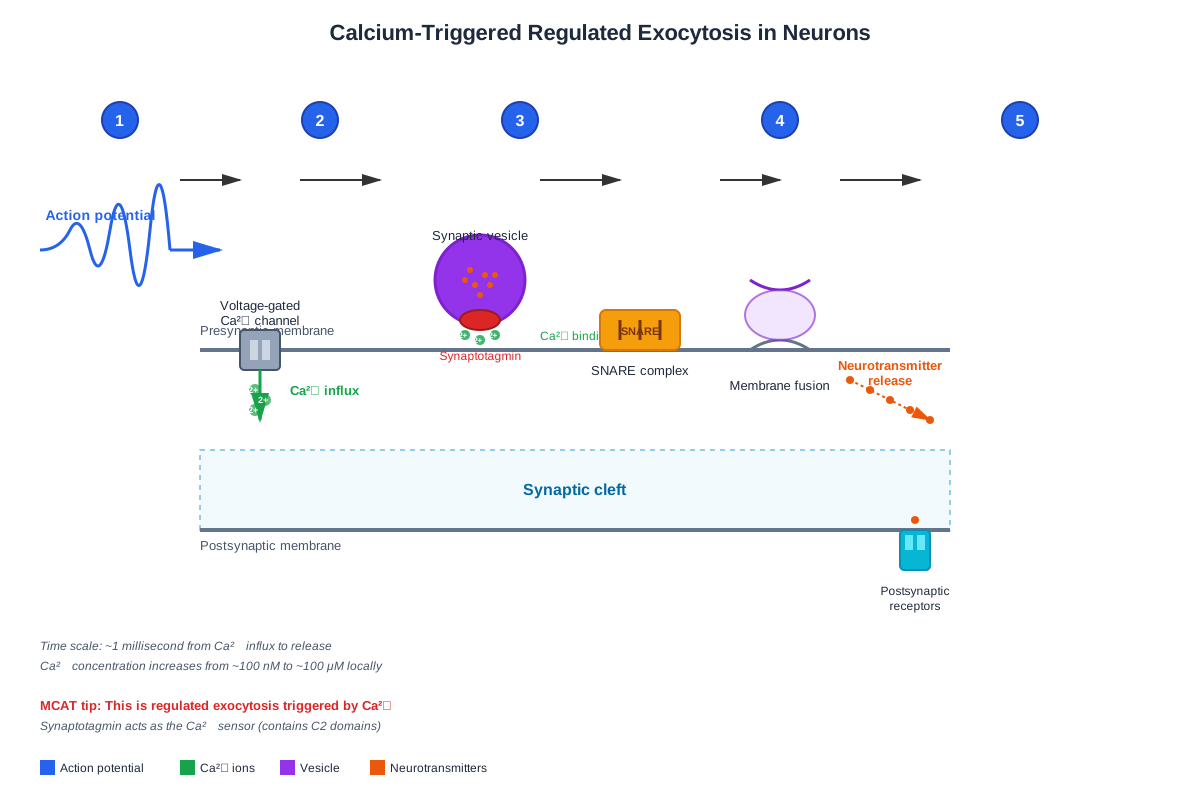
The increase in intracellular calcium concentration serves as the primary trigger for regulated exocytosis in most systems. In resting cells, cytoplasmic calcium concentration is maintained at approximately 100 nM through active transport mechanisms. Upon stimulation—such as when an action potential reaches a nerve terminal—voltage-gated calcium channels open, allowing calcium to flow down its concentration gradient into the cell. Local calcium concentration near open channels can reach 10-100 μM, a 100-1000 fold increase.
This calcium influx is detected by calcium-binding proteins, particularly synaptotagmin in neurons. Synaptotagmin contains C2 domains that bind multiple calcium ions cooperatively, meaning the protein's activity increases steeply with calcium concentration. When calcium-bound, synaptotagmin undergoes conformational changes that promote membrane fusion, possibly by inserting into lipid bilayers and inducing membrane curvature. The calcium-dependence of fusion explains the rapid, synchronous release of neurotransmitters following action potentials and the proportional relationship between calcium influx and secretion magnitude.
Physiological Examples
Synaptic transmission: When an action potential reaches the axon terminal of a neuron, voltage-gated calcium channels open, calcium enters, and synaptotagmin triggers fusion of synaptic vesicles containing neurotransmitters. Neurotransmitters are released into the synaptic cleft within 1-2 milliseconds, enabling rapid neural communication. A single action potential can trigger fusion of hundreds of vesicles.
Insulin secretion: Pancreatic beta cells release insulin through regulated exocytosis triggered by elevated blood glucose. Glucose metabolism increases ATP production, which closes ATP-sensitive potassium channels, causing membrane depolarization. This depolarization opens voltage-gated calcium channels, and the resulting calcium influx triggers fusion of insulin-containing vesicles. This mechanism directly couples nutrient availability to hormone secretion.
Immune cell degranulation: Cytotoxic T lymphocytes and natural killer cells store perforin and granzymes in secretory lysosomes. Upon recognizing target cells, these immune cells undergo regulated exocytosis, releasing cytotoxic molecules that induce target cell death. This directed secretion allows precise elimination of infected or cancerous cells.
Concept Relationships
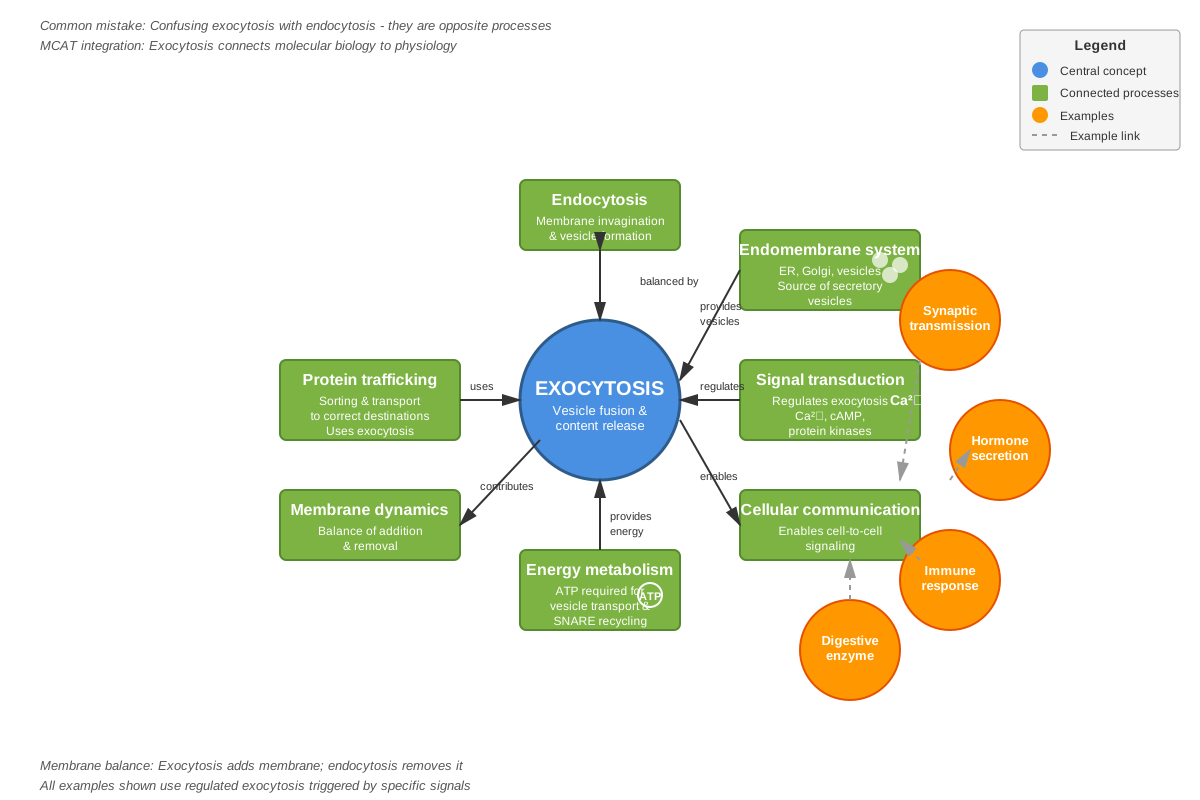
Exocytosis is intimately connected to multiple cellular processes, forming a network of relationships essential for understanding cell biology. The process begins with the endomembrane system: proteins destined for secretion are synthesized in the rough endoplasmic reticulum, modified and sorted in the Golgi apparatus, and packaged into secretory vesicles. This connection means that understanding exocytosis requires knowledge of protein trafficking through the secretory pathway.
Exocytosis and endocytosis form complementary processes that together maintain membrane homeostasis. While exocytosis adds membrane to the cell surface and releases materials, endocytosis removes membrane and internalizes materials. Many cells coordinate these processes spatially and temporally—neurons, for example, rapidly retrieve synaptic vesicle membrane through endocytosis after exocytosis to maintain a constant pool of vesicles. This relationship creates a membrane trafficking cycle: ER → Golgi → secretory vesicles → exocytosis → plasma membrane → endocytosis → endosomes → recycling or degradation.
The regulation of exocytosis connects to signal transduction pathways. Extracellular signals (hormones, neurotransmitters) bind receptors that activate intracellular signaling cascades, often culminating in calcium release from intracellular stores or calcium influx through channels. This links exocytosis to topics like G-protein coupled receptors, receptor tyrosine kinases, and second messengers. For example, acetylcholine binding to muscarinic receptors can trigger IP₃ production, which releases calcium from the endoplasmic reticulum, which can then trigger exocytosis in secretory cells.
Exocytosis also relates to membrane transport concepts more broadly. Unlike passive transport (diffusion, facilitated diffusion) or primary/secondary active transport (which move individual molecules), exocytosis moves bulk quantities of materials in vesicles. This makes it essential for secreting large molecules like proteins that cannot cross membranes through channels or carriers. Understanding this distinction helps students categorize transport mechanisms appropriately on the MCAT.
Relationship map: Protein synthesis (ER) → Protein modification (Golgi) → Vesicle formation → Cytoskeletal transport → Membrane fusion (exocytosis) → Extracellular release → Membrane retrieval (endocytosis) → Vesicle recycling. Parallel pathway: Extracellular signal → Receptor activation → Signal transduction → Calcium increase → Regulated exocytosis trigger.
Quick check — test yourself on Exocytosis so far.
Try Flashcards →High-Yield Facts
⭐ Exocytosis is an active, energy-dependent process that requires ATP for vesicle formation, transport, and SNARE complex disassembly.
⭐ SNARE proteins are the core fusion machinery; v-SNAREs on vesicles pair with t-SNAREs on target membranes to drive membrane fusion.
⭐ Constitutive exocytosis occurs continuously in all cells without specific signals, while regulated exocytosis occurs only in specialized cells in response to specific triggers, usually calcium influx.
⭐ Calcium ions serve as the primary trigger for regulated exocytosis; synaptotagmin acts as the calcium sensor in neurons.
⭐ Exocytosis serves dual functions: releasing vesicle contents to the extracellular space and inserting vesicle membrane proteins into the plasma membrane.
- Botulinum toxin and tetanus toxin are proteases that cleave SNARE proteins, preventing exocytosis and causing paralysis.
- Synaptic vesicle fusion occurs within 1-2 milliseconds of calcium influx, making it one of the fastest membrane fusion events in biology.
- Rab GTPases provide specificity to vesicle trafficking by ensuring vesicles dock at correct target membranes.
- NSF (N-ethylmaleimide-Sensitive Factor) uses ATP to disassemble SNARE complexes after fusion, recycling SNAREs for reuse.
- Exocytosis increases plasma membrane surface area; cells balance this through endocytosis to maintain constant cell size.
- The fusion pore that forms during exocytosis may fully expand (full fusion) or transiently open and close (kiss-and-run fusion).
- Insulin secretion from pancreatic beta cells exemplifies regulated exocytosis triggered by glucose metabolism increasing intracellular ATP and calcium.
Common Misconceptions
Misconception: Exocytosis is a passive process that occurs spontaneously when vesicles contact the plasma membrane.
Correction: Exocytosis is an active, energy-dependent process requiring ATP for multiple steps including vesicle formation, motor protein-driven transport, and SNARE complex disassembly. Membrane fusion requires specialized protein machinery (SNAREs) to overcome the energy barrier of bringing two membranes together.
Misconception: All cells perform only constitutive exocytosis; regulated exocytosis is rare.
Correction: While all cells perform constitutive exocytosis to maintain membrane homeostasis, regulated exocytosis is widespread in specialized cells including all neurons, endocrine cells, exocrine cells, immune cells, and many others. Regulated exocytosis is essential for rapid, controlled secretion in response to physiological signals.
Misconception: Exocytosis only releases materials from cells and has no other function.
Correction: Exocytosis serves multiple functions: releasing secretory cargo, inserting membrane proteins into the plasma membrane (including receptors, channels, and transporters), adding membrane lipids to increase surface area, and repairing membrane damage. The insertion of membrane proteins is particularly important for processes like neurotransmitter receptor trafficking.
Misconception: Calcium triggers exocytosis by directly causing membranes to fuse.
Correction: Calcium does not directly fuse membranes; rather, it binds to calcium-sensing proteins like synaptotagmin, which then undergo conformational changes that promote membrane fusion. The calcium-bound sensor proteins interact with SNARE complexes and lipid membranes to catalyze the final fusion step.
Misconception: SNARE proteins are consumed during fusion and must be synthesized anew for each fusion event.
Correction: SNARE proteins are recycled after fusion. Following membrane fusion, NSF and SNAP proteins use ATP to disassemble SNARE complexes, freeing individual SNARE proteins to participate in subsequent fusion events. This recycling is essential because cells undergo thousands of exocytosis events and could not synthesize SNAREs quickly enough to sustain secretion without recycling.
Misconception: Exocytosis and secretion are synonymous terms.
Correction: While related, these terms are not identical. Secretion is the general process of releasing materials from cells and can occur through multiple mechanisms including exocytosis, but also through membrane transporters (e.g., ABC transporters secreting drugs) or direct diffusion (e.g., steroid hormones). Exocytosis specifically refers to vesicle-mediated secretion.
Worked Examples
Example 1: Neurotransmitter Release Analysis
Question: A researcher treats cultured neurons with a drug that prevents voltage-gated calcium channels from opening. When these neurons are stimulated with an action potential, what effect would this have on neurotransmitter release, and why?
Solution:
Step 1: Identify the normal mechanism
Neurotransmitter release occurs through regulated exocytosis. When an action potential reaches the axon terminal, voltage-gated calcium channels open, allowing calcium to flow into the cell down its concentration gradient.
Step 2: Determine calcium's role
The increase in intracellular calcium concentration is the trigger for regulated exocytosis. Calcium binds to synaptotagmin, the calcium sensor protein, which then catalyzes the fusion of synaptic vesicles with the presynaptic membrane.
Step 3: Predict the effect of the drug
If voltage-gated calcium channels cannot open, calcium cannot enter the cell even when the membrane depolarizes during an action potential. Without increased intracellular calcium, synaptotagmin remains in its calcium-free state and cannot trigger vesicle fusion.
Step 4: State the conclusion
The drug would prevent or severely reduce neurotransmitter release. Synaptic vesicles would remain docked at the presynaptic membrane in a primed state but would not fuse. This would block synaptic transmission even though action potentials still propagate to the terminal.
Step 5: Connect to broader concepts
This mechanism explains how calcium channel blockers can affect neural function and why calcium influx is considered the universal trigger for regulated exocytosis. It also demonstrates the distinction between electrical signaling (action potential propagation, which would still occur) and chemical signaling (neurotransmitter release, which would be blocked).
Learning objective addressed: This example demonstrates application of exocytosis concepts to experimental scenarios and connects the molecular mechanism to physiological function.
Example 2: Comparing Transport Mechanisms
Question: A passage describes three different mechanisms by which a cell releases insulin: (A) through fusion of secretory vesicles with the plasma membrane, (B) through an ABC transporter protein, and (C) through simple diffusion across the lipid bilayer. Which mechanism(s) accurately describe(s) how pancreatic beta cells release insulin?
Solution:
Step 1: Analyze the properties of insulin
Insulin is a peptide hormone consisting of two polypeptide chains linked by disulfide bonds. It is hydrophilic and relatively large (approximately 5.8 kDa).
Step 2: Evaluate mechanism C (simple diffusion)
Simple diffusion across lipid bilayers is limited to small, nonpolar molecules. Insulin is large and hydrophilic (charged and polar), so it cannot cross the hydrophobic core of the membrane through simple diffusion. Mechanism C is incorrect.
Step 3: Evaluate mechanism B (ABC transporter)
ABC transporters typically transport small molecules, ions, or lipids. While some ABC transporters can move peptides, insulin is synthesized in the ER, processed through the Golgi, and stored in secretory vesicles—the classic secretory pathway. Insulin is not a substrate for ABC transporters. Mechanism B is incorrect.
Step 4: Evaluate mechanism A (vesicle fusion/exocytosis)
Insulin follows the secretory pathway: it is synthesized as preproinsulin in the ER, processed to proinsulin, transported to the Golgi, further processed to mature insulin, and packaged into secretory vesicles. These vesicles undergo regulated exocytosis in response to elevated blood glucose (which increases intracellular ATP and calcium). Mechanism A is correct.
Step 5: Confirm with physiological knowledge
Insulin secretion is a classic example of regulated exocytosis triggered by glucose metabolism. This mechanism allows rapid, large-scale release of insulin when blood glucose rises, which is essential for glucose homeostasis.
Answer: Only mechanism A accurately describes insulin release. This is exocytosis, specifically regulated exocytosis triggered by metabolic signals.
Learning objective addressed: This example requires distinguishing exocytosis from other transport mechanisms and applying knowledge of protein properties to predict appropriate transport routes.
Exam Strategy
Approaching MCAT Questions on Exocytosis
When encountering exocytosis questions, first determine whether the question asks about the mechanism itself or about a physiological process that involves exocytosis. Mechanism questions typically require knowledge of the steps, molecular players (especially SNAREs and calcium), and energy requirements. Physiological questions embed exocytosis within contexts like neurotransmission, hormone secretion, or immune function and require connecting the molecular mechanism to the larger process.
Trigger words and phrases to recognize:
- "Vesicle fusion," "secretory vesicles," "membrane fusion" → directly indicate exocytosis
- "Neurotransmitter release," "hormone secretion," "enzyme secretion" → physiological processes involving exocytosis
- "SNARE proteins," "synaptotagmin," "calcium-dependent release" → molecular components of exocytosis
- "Constitutive" vs. "regulated" → distinguishing between exocytosis types
- "Botulinum toxin," "tetanus toxin" → inhibitors of exocytosis that cleave SNAREs
Process-of-Elimination Tips
When evaluating answer choices about exocytosis:
Eliminate answers that:
- Describe exocytosis as passive or energy-independent (it requires ATP)
- Confuse exocytosis with endocytosis (opposite directions of transport)
- Suggest that large proteins can cross membranes without vesicles
- State that constitutive exocytosis requires specific signals (it's continuous)
- Claim that calcium directly fuses membranes without protein machinery
Favor answers that:
- Mention SNARE proteins as fusion machinery
- Identify calcium as the trigger for regulated exocytosis
- Distinguish between constitutive and regulated pathways
- Connect exocytosis to the secretory pathway (ER → Golgi → vesicles)
- Describe both functions: cargo release AND membrane protein insertion
Time Allocation
For discrete questions on exocytosis, allocate 60-90 seconds. These typically test straightforward conceptual knowledge or require simple application. For passage-based questions, allocate 90-120 seconds per question, as you'll need to integrate passage information with your background knowledge. If a passage describes an experiment manipulating exocytosis, quickly identify what aspect is being manipulated (calcium levels, SNARE function, vesicle formation) and predict the expected outcome before reading the questions.
Exam Tip: If a question asks about the effect of blocking exocytosis, systematically consider both functions: cargo release will be prevented AND membrane protein insertion will be blocked. Many students remember only the secretion function and miss questions about surface protein levels.
Memory Techniques
Mnemonics
SNARE - "Secretion Needs Accurate Recognition for Exocytosis"
Helps remember that SNARE proteins provide specificity to vesicle fusion.
Exocytosis steps - "Formation, Transport, Tethering, Docking, Priming, Fusion, Release, Recycling"
Use the mnemonic "Fresh Tomatoes Taste Delicious, Particularly Fried, Really Remarkable" to remember the sequence.
Calcium's role - "Calcium Catalyzes Cell Communication"
Emphasizes that calcium triggers regulated exocytosis, which is essential for cell-to-cell communication.
Visualization Strategies
Visualize the SNARE zipper: Picture v-SNAREs and t-SNAREs as two sides of a zipper. As the zipper closes from the N-terminus to the membrane-proximal C-terminus, it pulls the two membranes together like closing a zipper pulls fabric together. This image helps remember that SNARE complex formation provides the mechanical force for fusion.
Visualize the calcium wave: Picture an action potential as a wave traveling down an axon. When it reaches the terminal, imagine calcium channels as gates that swing open, allowing a flood of calcium ions (visualize as glowing particles) to rush in. These calcium particles then bind to synaptotagmin (visualize as a lock), which "unlocks" the vesicles to fuse. This dynamic visualization connects electrical signaling to chemical secretion.
Visualize the membrane cycle: Draw a circular diagram showing membrane flowing from the ER → Golgi → vesicles → plasma membrane (via exocytosis) → endocytic vesicles → back to Golgi or lysosomes. This circular flow emphasizes that exocytosis and endocytosis are balanced processes maintaining membrane homeostasis.
Acronyms
CORE functions of exocytosis:
- Cargo release
- Outward transport
- Receptor/protein insertion
- Expansion of membrane surface area
RECS for Regulated Exocytosis Components and Signals:
- Rab proteins (tethering)
- Elevated calcium (trigger)
- Calcium sensors (synaptotagmin)
- SNAREs (fusion machinery)
Summary
Exocytosis is the active, energy-dependent process by which cells transport materials from the interior to the exterior by fusing membrane-bound vesicles with the plasma membrane. This fundamental mechanism serves dual purposes: releasing secretory cargo into the extracellular space and inserting membrane proteins and lipids into the cell surface. Two major types exist: constitutive exocytosis occurs continuously in all cells to maintain membrane homeostasis, while regulated exocytosis occurs in specialized secretory cells only in response to specific signals, typically calcium influx. The molecular machinery centers on SNARE proteins—v-SNAREs on vesicles pair with t-SNAREs on target membranes to drive fusion. In regulated exocytosis, calcium sensors like synaptotagmin detect increased intracellular calcium and trigger rapid vesicle fusion. This process is essential for neurotransmitter release, hormone secretion, immune responses, and numerous other physiological functions, making it a high-yield topic for the MCAT that integrates cellular mechanisms with systems physiology.
Key Takeaways
- Exocytosis is active transport requiring ATP for vesicle formation, cytoskeletal transport, and SNARE recycling, distinguishing it from passive transport mechanisms
- SNARE proteins are the core fusion machinery, with v-SNAREs and t-SNAREs forming complexes that bring membranes together and drive fusion
- Constitutive exocytosis occurs continuously without signals in all cells, while regulated exocytosis requires specific triggers (usually calcium) in specialized secretory cells
- Calcium serves as the universal trigger for regulated exocytosis, detected by calcium-sensing proteins like synaptotagmin that catalyze the final fusion step
- Exocytosis has dual functions: releasing cargo molecules AND inserting membrane proteins into the plasma membrane, both of which are testable on the MCAT
- Physiological examples include neurotransmitter release (synaptic transmission), insulin secretion (glucose homeostasis), and immune cell degranulation (cytotoxic responses)
- Exocytosis connects to multiple topics: the endomembrane system (vesicle formation), signal transduction (regulation), membrane transport (comparison with other mechanisms), and systems physiology (neural, endocrine, immune)
Related Topics
Endocytosis: The complementary process to exocytosis by which cells internalize materials by forming vesicles from the plasma membrane. Understanding both processes together reveals how cells maintain membrane homeostasis and regulate surface protein composition. Mastering exocytosis provides the foundation for understanding receptor-mediated endocytosis, phagocytosis, and membrane trafficking cycles.
Synaptic Transmission: The process by which neurons communicate at synapses, heavily dependent on exocytosis for neurotransmitter release. Understanding exocytosis enables deeper comprehension of how action potentials trigger chemical signaling, how synaptic strength is modulated, and how drugs and toxins affect neural communication.
Endomembrane System: The network of organelles (ER, Golgi, vesicles) involved in protein synthesis, modification, and trafficking. Exocytosis represents the final step of the secretory pathway, so understanding the endomembrane system provides context for where secretory vesicles originate and how cargo is sorted.
Signal Transduction: The mechanisms by which extracellular signals are converted to intracellular responses. Many signal transduction pathways culminate in calcium release or influx, which triggers regulated exocytosis. Understanding these pathways explains how hormones, neurotransmitters, and other signals regulate secretion.
Membrane Structure and Dynamics: The properties of lipid bilayers that enable membrane fusion and the role of membrane proteins in cellular processes. Exocytosis depends on membrane fluidity and the ability of lipid bilayers to fuse, making membrane structure foundational to understanding the mechanism.
Practice CTA
Now that you've mastered the core concepts of exocytosis, it's time to reinforce your understanding through active practice. Attempt the practice questions and flashcards associated with this topic to test your ability to apply these concepts in exam-style scenarios. Focus particularly on distinguishing between constitutive and regulated exocytosis, identifying the roles of SNARE proteins and calcium, and connecting the molecular mechanism to physiological processes like neurotransmission and hormone secretion. Remember that the MCAT rewards not just memorization but the ability to apply concepts to novel situations—practice questions will develop this critical skill. Your investment in understanding exocytosis thoroughly will pay dividends not only for direct questions on this topic but also for integrated passages involving neural, endocrine, and immune systems. You've got this!
Sign up free to keep reading
Create a free AnvayaPrep account to finish this MCAT guide on Exocytosis — plus flashcards and practice questions.