Overview
Eukaryotic cells represent one of the two fundamental domains of cellular organization in biology, distinguished from prokaryotic cells by the presence of membrane-bound organelles and a true nucleus. Understanding eukaryotic cell structure and function forms the cornerstone of Cell Biology and is essential for mastering numerous topics tested on the MCAT. These cells comprise all multicellular organisms—including animals, plants, and fungi—as well as many single-celled organisms like protists. The complexity of eukaryotic cellular organization enables sophisticated regulatory mechanisms, compartmentalization of biochemical processes, and the specialization necessary for multicellular life.
For the MCAT, Eukaryotic cells Biology encompasses not only structural knowledge but also functional understanding of how organelles coordinate to maintain cellular homeostasis, respond to signals, and execute specialized functions. Questions frequently integrate eukaryotic cell concepts with biochemistry, molecular biology, and physiology, making this topic a high-yield area that appears across multiple sections of the exam. The Eukaryotic cells MCAT content emphasizes comparative analysis with prokaryotic cells, organelle-specific functions, and the relationship between cellular structure and disease states.
The study of eukaryotic cells connects directly to virtually every other topic in Biology, from genetics (nuclear organization and gene expression) to metabolism (mitochondrial function and energy production), from cell signaling (membrane receptors and signal transduction) to reproduction (meiosis and gamete formation). Mastering eukaryotic cell biology provides the foundation for understanding tissue organization, organ systems, and the pathophysiology of diseases—all critical for success on both the Biological and Biochemical Foundations section and the Psychological, Social, and Biological Foundations of Behavior section of the MCAT.
Learning Objectives
- [ ] Define Eukaryotic cells using accurate Biology terminology
- [ ] Explain why Eukaryotic cells matters for the MCAT
- [ ] Apply Eukaryotic cells to exam-style questions
- [ ] Identify common mistakes related to Eukaryotic cells
- [ ] Connect Eukaryotic cells to related Biology concepts
- [ ] Compare and contrast eukaryotic and prokaryotic cell structures and functions
- [ ] Describe the structure and function of each major eukaryotic organelle
- [ ] Explain the endomembrane system and its role in protein trafficking
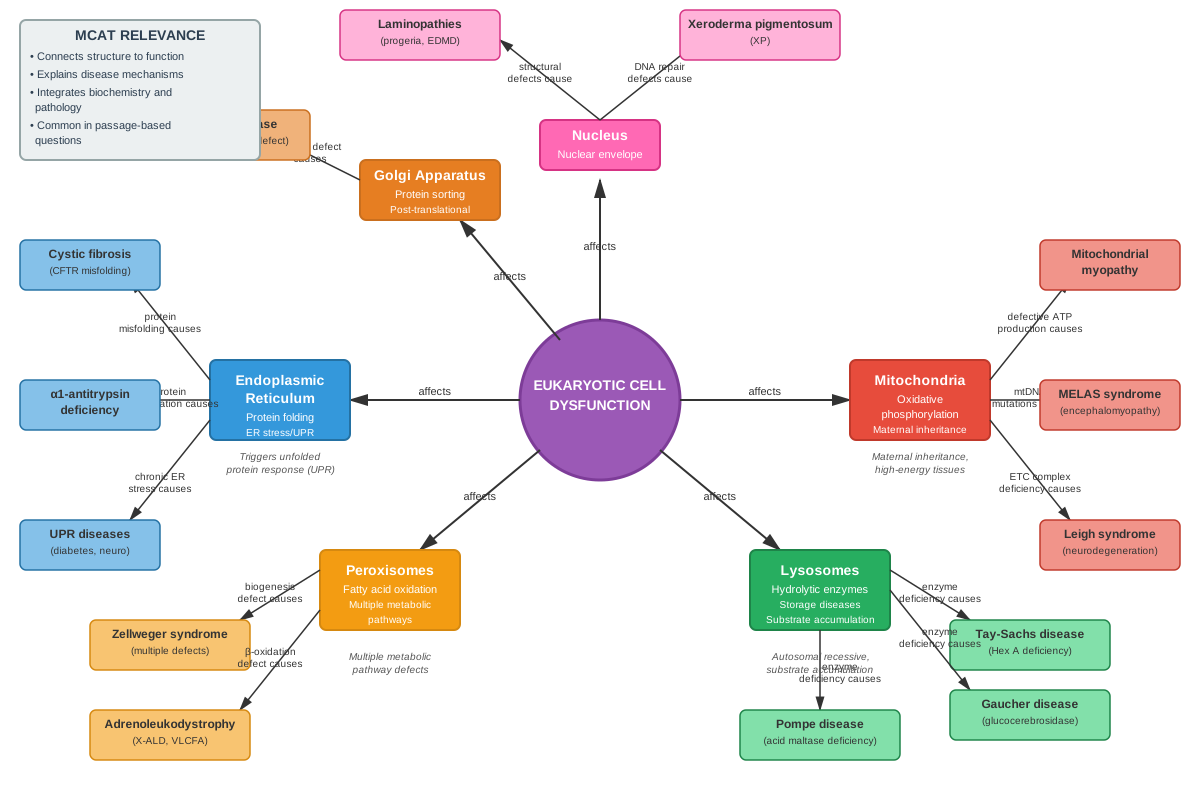
- [ ] Analyze how organelle dysfunction leads to disease states
Prerequisites
- Basic cell theory: Understanding that cells are the fundamental unit of life provides context for why eukaryotic organization represents an evolutionary advancement
- Membrane structure and function: Knowledge of phospholipid bilayers is essential since eukaryotic cells are defined by their membrane-bound compartments
- Basic biochemistry: Familiarity with proteins, lipids, carbohydrates, and nucleic acids enables understanding of organelle composition and function
- Energy concepts: Understanding ATP and basic thermodynamics is necessary for comprehending mitochondrial function and cellular energetics
- DNA structure: Knowledge of nucleic acid structure underpins understanding of the nucleus and genetic material organization
Why This Topic Matters
Clinical and Real-World Significance
Eukaryotic cell dysfunction underlies countless human diseases. Mitochondrial disorders affect energy production, leading to conditions ranging from myopathies to neurodegenerative diseases. Lysosomal storage diseases result from defective enzymes within these organelles, causing toxic accumulation of substrates. Cancer fundamentally represents dysregulation of eukaryotic cell cycle control and apoptosis mechanisms. Understanding eukaryotic cell structure enables comprehension of how pathogens (viruses, bacteria, parasites) exploit cellular machinery, how drugs target specific organelles, and how genetic mutations manifest as disease phenotypes.
MCAT Exam Statistics and Question Types
Eukaryotic cell content appears in approximately 15-20% of Biological and Biochemical Foundations questions, making it a medium-to-high yield topic. Questions typically present in three formats: (1) discrete questions testing organelle function or structure, (2) passage-based questions integrating cellular processes with experimental data, and (3) comparative questions contrasting eukaryotic and prokaryotic features. The MCAT frequently tests this material through research passages describing cellular experiments, requiring students to predict outcomes based on organelle function or interpret microscopy data.
Common Exam Passage Contexts
MCAT passages commonly present eukaryotic cell content through: experimental manipulations of organelles (e.g., inhibiting mitochondrial function and measuring ATP levels), disease states resulting from organelle dysfunction (e.g., peroxisomal disorders), drug mechanisms targeting specific cellular compartments (e.g., chemotherapy agents affecting microtubules), protein trafficking experiments using fluorescent tags, and comparative studies between different eukaryotic cell types (e.g., plant vs. animal cells). Understanding the fundamental organization of eukaryotic cells enables rapid interpretation of these diverse passage types.
Core Concepts
Defining Characteristics of Eukaryotic Cells
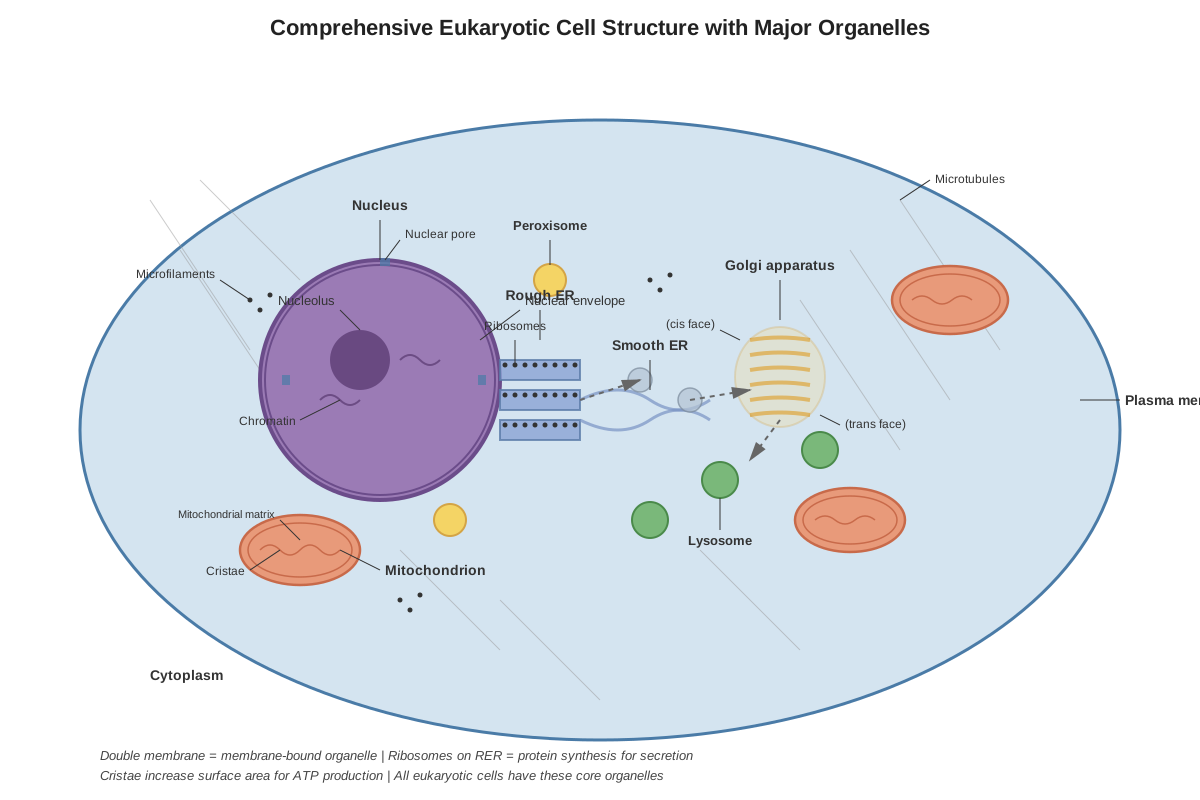
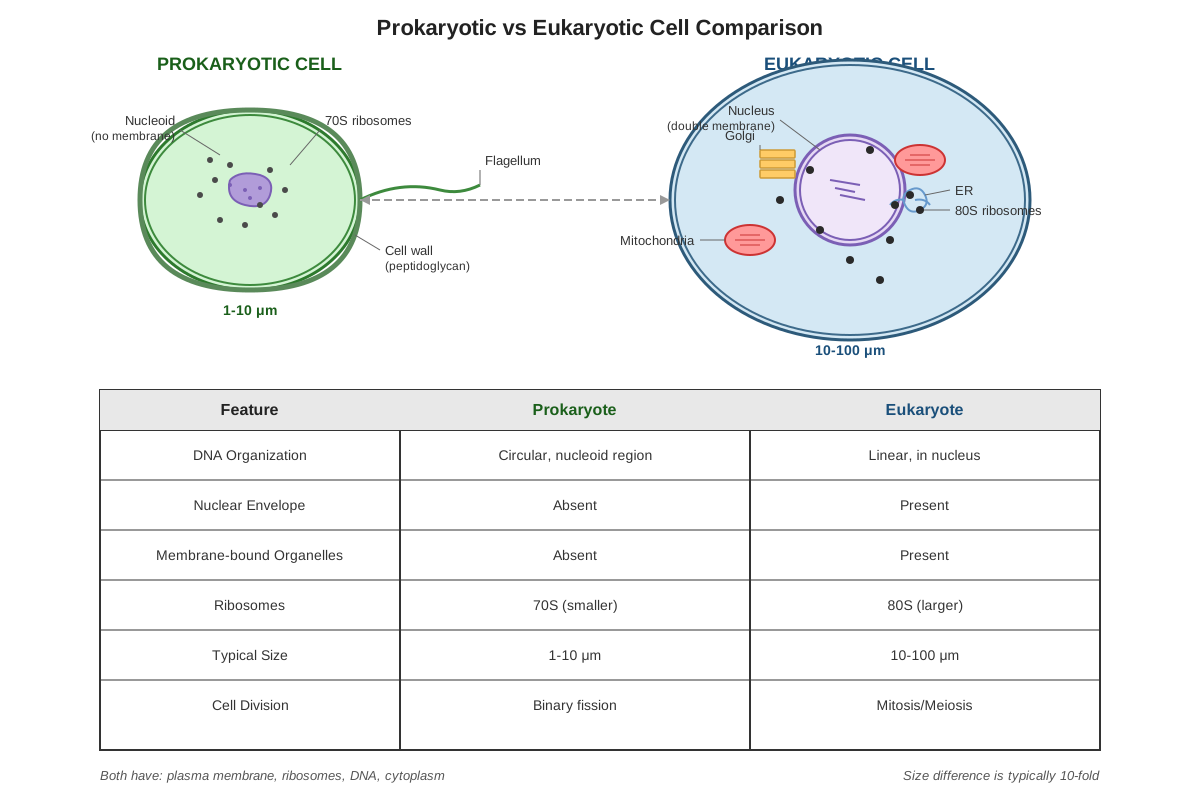
Eukaryotic cells are defined by the presence of a membrane-bound nucleus containing genetic material and multiple membrane-bound organelles that compartmentalize cellular functions. The term "eukaryotic" derives from Greek roots meaning "true nucleus," distinguishing these cells from prokaryotic cells (bacteria and archaea) that lack membrane-bound compartments. Eukaryotic cells are typically 10-100 micrometers in diameter, significantly larger than prokaryotic cells (1-10 micrometers), and possess linear chromosomes associated with histone proteins rather than circular chromosomes. The cytoplasm of eukaryotic cells contains a complex cytoskeleton composed of microfilaments, intermediate filaments, and microtubules that provide structural support, enable intracellular transport, and facilitate cell movement.
The plasma membrane of eukaryotic cells contains cholesterol (in animal cells) that modulates membrane fluidity and contains complex receptor proteins enabling sophisticated cell signaling. Eukaryotic cells exhibit extensive internal membrane systems, collectively termed the endomembrane system, which includes the endoplasmic reticulum, Golgi apparatus, lysosomes, and vesicles. This compartmentalization allows simultaneous biochemical reactions that would be incompatible in a single compartment, enables regulation through sequestration of enzymes and substrates, and permits specialization of cellular regions for specific functions.
The Nucleus and Genetic Organization
The nucleus serves as the control center of eukaryotic cells, housing the genetic material and coordinating gene expression. Bounded by a double membrane called the nuclear envelope, the nucleus contains pores (nuclear pore complexes) that regulate bidirectional transport of molecules between the nucleus and cytoplasm. The nucleoplasm contains chromatin (DNA-protein complexes), the nucleolus (site of ribosomal RNA synthesis), and various nuclear bodies involved in RNA processing.
Eukaryotic DNA organization differs fundamentally from prokaryotic organization. Eukaryotic chromosomes are linear rather than circular, associated with histone proteins forming nucleosomes, and undergo extensive packaging into chromatin. This organization enables sophisticated regulation of gene expression through chromatin remodeling and epigenetic modifications. The nuclear envelope disassembles during mitosis, allowing chromosome segregation, then reassembles around daughter nuclei—a process absent in prokaryotes that divide by binary fission.
The Endomembrane System
The endomembrane system comprises interconnected membrane-bound organelles that function coordinately in protein synthesis, modification, and trafficking. This system includes the endoplasmic reticulum (ER), Golgi apparatus, lysosomes, vesicles, and the nuclear envelope. Understanding the endomembrane system is crucial for MCAT questions involving protein trafficking, secretion, and cellular digestion.
The rough endoplasmic reticulum (RER) is studded with ribosomes on its cytoplasmic surface and functions in synthesis of membrane proteins and secreted proteins. Proteins synthesized on RER-bound ribosomes enter the ER lumen, where they undergo folding and initial glycosylation. The smooth endoplasmic reticulum (SER) lacks ribosomes and functions in lipid synthesis, calcium storage, and detoxification reactions (particularly in liver cells). The ratio of RER to SER varies by cell type, reflecting functional specialization.
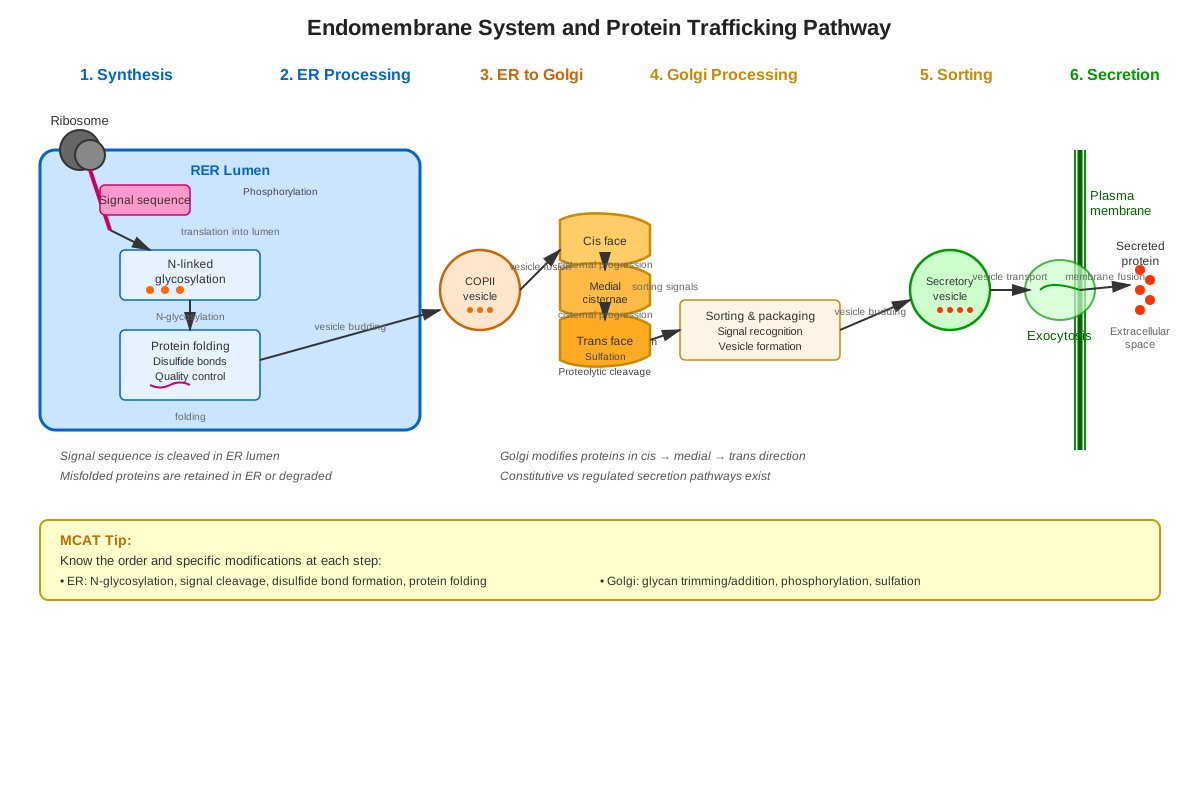
The Golgi apparatus (or Golgi complex) consists of flattened membrane sacs called cisternae organized into cis, medial, and trans regions. Proteins arrive at the cis face in transport vesicles from the ER, undergo sequential modifications as they progress through the Golgi stack, and exit from the trans face in vesicles destined for various cellular locations. The Golgi performs post-translational modifications including glycosylation, phosphorylation, and proteolytic cleavage, and sorts proteins for delivery to lysosomes, the plasma membrane, or secretion.
Lysosomes are membrane-bound organelles containing approximately 50 different hydrolytic enzymes that function optimally at acidic pH (around 5). These organelles digest macromolecules through autophagy (digestion of cellular components), phagocytosis (digestion of engulfed particles), and endocytosis (digestion of receptor-bound molecules). The lysosomal membrane contains proton pumps that maintain the acidic internal environment and protective glycoproteins that prevent self-digestion. Lysosomal storage diseases result from deficiency of specific lysosomal enzymes, causing accumulation of undigested substrates.
Energy-Producing Organelles
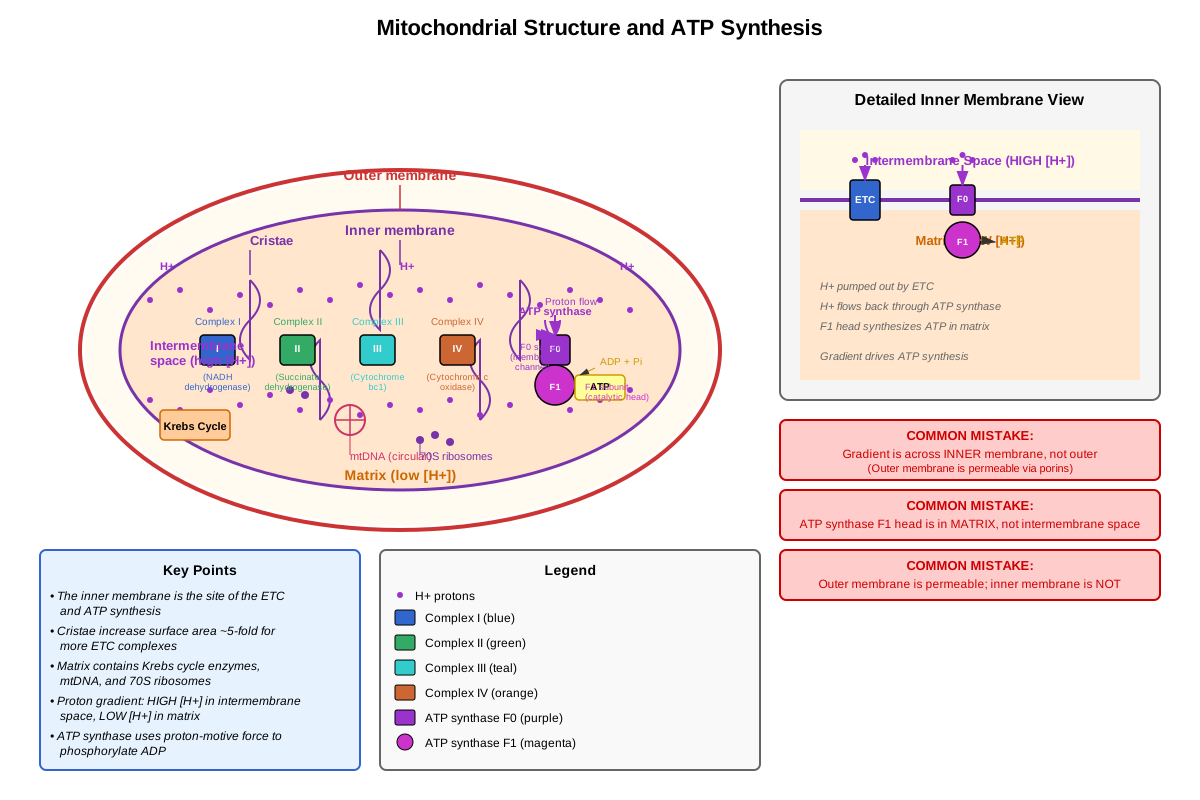
Mitochondria are double-membrane-bound organelles that generate ATP through oxidative phosphorylation, earning them the designation "powerhouses of the cell." The outer mitochondrial membrane is smooth and permeable to small molecules, while the inner membrane is highly folded into cristae and contains the electron transport chain complexes. The mitochondrial matrix contains enzymes for the citric acid cycle, mitochondrial DNA (circular, resembling bacterial DNA), and mitochondrial ribosomes (70S, also resembling bacterial ribosomes)—evidence supporting the endosymbiotic theory of mitochondrial origin.
Mitochondria exhibit several unique features: they contain their own DNA and ribosomes, reproduce independently through binary fission, are maternally inherited in most organisms, and possess a double membrane consistent with an endosymbiotic origin. The number of mitochondria per cell varies dramatically by tissue energy demands—cardiac muscle cells contain thousands of mitochondria, while less metabolically active cells contain fewer. Mitochondrial dysfunction causes diseases affecting high-energy-demand tissues (brain, heart, muscle) and contributes to aging through accumulation of reactive oxygen species.
Chloroplasts (found in plant cells and algae) are double-membrane-bound organelles that perform photosynthesis, converting light energy into chemical energy. Like mitochondria, chloroplasts contain their own DNA and ribosomes and likely originated through endosymbiosis. The internal membrane system forms flattened sacs called thylakoids organized into stacks called grana, where light-dependent reactions occur. The stroma (fluid-filled space) contains enzymes for the Calvin cycle (light-independent reactions). While chloroplasts are less emphasized on the MCAT than mitochondria, understanding their structure and function is important for comparative questions.
Cytoskeleton and Cell Movement
The cytoskeleton is a dynamic network of protein filaments that provides structural support, enables cell movement, facilitates intracellular transport, and positions organelles. Three types of cytoskeletal elements exist in eukaryotic cells, each with distinct structures and functions:
Microfilaments (actin filaments) are the thinnest cytoskeletal elements (7 nm diameter), composed of actin protein subunits arranged in a helical structure. They function in cell movement (through interaction with myosin), muscle contraction, cytokinesis (formation of the contractile ring), and maintenance of cell shape. Microfilaments are particularly concentrated in the cell cortex beneath the plasma membrane.
Intermediate filaments (8-10 nm diameter) provide mechanical strength and resistance to shear stress. Unlike microfilaments and microtubules, intermediate filaments are composed of various proteins depending on cell type (e.g., keratin in epithelial cells, vimentin in connective tissue cells, neurofilaments in neurons). These filaments are more stable than other cytoskeletal elements and form a network extending from the nucleus to the plasma membrane.
Microtubules are the largest cytoskeletal elements (25 nm diameter), composed of α-tubulin and β-tubulin dimers arranged in hollow tubes. They function in intracellular transport (serving as tracks for motor proteins kinesin and dynein), chromosome segregation during mitosis (forming the mitotic spindle), and cell shape maintenance. Microtubules radiate from the centrosome (microtubule organizing center) near the nucleus. Many chemotherapy drugs target microtubules, preventing cell division.
Specialized Structures and Organelles
Peroxisomes are single-membrane-bound organelles containing oxidative enzymes that break down fatty acids through β-oxidation and detoxify harmful substances. They contain catalase, which converts hydrogen peroxide (a toxic byproduct of oxidative reactions) into water and oxygen. Peroxisomal disorders, such as Zellweger syndrome, result from defective peroxisome biogenesis or enzyme deficiencies.
Centrioles are cylindrical structures composed of nine triplets of microtubules arranged in a characteristic 9+0 pattern. Pairs of centrioles form the centrosome, which organizes microtubules and forms the spindle apparatus during cell division. Centrioles also serve as basal bodies for cilia and flagella.
Cilia and flagella are hair-like projections extending from the cell surface that enable cell movement or movement of substances across the cell surface. Both structures contain a core of microtubules arranged in a 9+2 pattern (nine doublet microtubules surrounding two central microtubules) called the axoneme. Cilia are typically shorter and more numerous than flagella. Ciliary dysfunction causes primary ciliary dyskinesia, affecting respiratory clearance and other ciliated tissues.
Comparison Table: Eukaryotic vs. Prokaryotic Cells
| Feature | Eukaryotic Cells | Prokaryotic Cells |
|---|---|---|
| Nucleus | Membrane-bound, contains linear chromosomes | No membrane-bound nucleus; nucleoid region with circular chromosome |
| Size | 10-100 μm | 1-10 μm |
| Organelles | Membrane-bound organelles present | No membrane-bound organelles |
| Ribosomes | 80S (60S + 40S subunits) | 70S (50S + 30S subunits) |
| DNA organization | Linear chromosomes with histones | Circular chromosome without histones |
| Cell division | Mitosis and meiosis | Binary fission |
| Cytoskeleton | Complex (microfilaments, intermediate filaments, microtubules) | Simple (FtsZ, MreB proteins) |
| Reproduction | Sexual and asexual | Primarily asexual |
| Gene expression | Transcription in nucleus, translation in cytoplasm (separated) | Transcription and translation coupled |
| Examples | Animals, plants, fungi, protists | Bacteria, archaea |
Concept Relationships
The concepts within eukaryotic cell biology form an interconnected network where structure determines function and organelles coordinate to maintain cellular homeostasis. The nucleus serves as the central control hub → directing protein synthesis through transcription → producing mRNA that exits through nuclear pores → to ribosomes in the cytoplasm or on the rough ER. The endomembrane system represents a functional continuum: rough ER synthesizes proteins → which are packaged into vesicles → transported to the Golgi apparatus → where they undergo modifications → before being sorted to final destinations (lysosomes, plasma membrane, or secretion).
Mitochondria connect to virtually all cellular processes by providing ATP → which powers active transport across membranes → drives protein synthesis → enables cytoskeletal dynamics → and supports all energy-requiring cellular functions. The cytoskeleton integrates cellular organization by positioning organelles → providing tracks for intracellular transport → enabling cell division → and facilitating cell movement. Lysosomes connect to the endomembrane system through endocytosis and autophagy → recycling cellular components → providing building blocks for biosynthesis → and maintaining cellular homeostasis.
These concepts connect to prerequisite knowledge: membrane structure enables organelle compartmentalization, biochemistry underlies organelle function, and DNA structure relates to nuclear organization. They also connect forward to advanced topics: cell signaling involves membrane receptors and signal transduction pathways, metabolism occurs in specific organelles (glycolysis in cytoplasm, citric acid cycle in mitochondria), and genetics depends on nuclear organization and gene expression regulation.
Quick check — test yourself on Eukaryotic cells so far.
Try Flashcards →High-Yield Facts
⭐ Eukaryotic cells are defined by the presence of a membrane-bound nucleus and membrane-bound organelles, distinguishing them from prokaryotic cells
⭐ The endomembrane system (ER, Golgi, lysosomes, vesicles) functions coordinately in protein synthesis, modification, and trafficking
⭐ Mitochondria contain their own circular DNA and 70S ribosomes, supporting the endosymbiotic theory of their origin
⭐ Lysosomes contain hydrolytic enzymes functioning at acidic pH (~5) and digest cellular components through autophagy, phagocytosis, and endocytosis
⭐ The cytoskeleton consists of three components: microfilaments (7 nm, actin), intermediate filaments (8-10 nm, various proteins), and microtubules (25 nm, tubulin)
- Eukaryotic ribosomes are 80S (composed of 60S and 40S subunits), while prokaryotic ribosomes are 70S (50S and 30S subunits)
- The rough ER is studded with ribosomes and synthesizes membrane and secreted proteins, while the smooth ER synthesizes lipids and stores calcium
- The Golgi apparatus has distinct regions (cis, medial, trans) where sequential protein modifications occur
- Nuclear pore complexes regulate bidirectional transport between nucleus and cytoplasm, allowing mRNA export and protein import
- Peroxisomes contain catalase that converts hydrogen peroxide to water and oxygen, protecting cells from oxidative damage
- Centrioles organize microtubules and form the mitotic spindle during cell division
- Chloroplasts (in plant cells) contain thylakoids organized into grana where light-dependent reactions occur
- Motor proteins (kinesin and dynein) transport cargo along microtubules using ATP energy
- The nuclear envelope disassembles during mitosis and reassembles around daughter nuclei
- Eukaryotic chromosomes are linear and associated with histone proteins, forming nucleosomes
Common Misconceptions
Misconception: All eukaryotic cells contain all organelles described in textbooks → Correction: Eukaryotic cells exhibit tremendous diversity in organelle composition depending on cell type and function. Red blood cells lack nuclei and mitochondria, plant cells contain chloroplasts and cell walls absent in animal cells, and the number of mitochondria varies dramatically by tissue energy demands. Understanding this variation is crucial for MCAT questions comparing different cell types.
Misconception: The nucleus controls all cellular activities directly → Correction: While the nucleus houses genetic material and directs protein synthesis through gene expression, many cellular processes occur autonomously in other organelles. Mitochondria contain their own DNA and synthesize some of their proteins independently. Cellular regulation involves complex feedback between organelles, not unidirectional control from the nucleus.
Misconception: Lysosomes only digest material from outside the cell → Correction: Lysosomes digest both extracellular material (through phagocytosis and endocytosis) and intracellular components (through autophagy). Autophagy is crucial for recycling damaged organelles, removing protein aggregates, and maintaining cellular homeostasis. This distinction frequently appears in MCAT questions about cellular stress responses.
Misconception: The smooth ER and rough ER are separate organelles → Correction: The smooth and rough ER are continuous regions of a single organelle, distinguished by the presence or absence of ribosomes. The ratio of smooth to rough ER varies by cell type and function—liver cells have extensive smooth ER for detoxification, while plasma cells have extensive rough ER for antibody synthesis. MCAT questions may test understanding of how ER composition relates to cell function.
Misconception: Mitochondria only produce ATP → Correction: While ATP synthesis is the primary mitochondrial function, mitochondria also participate in calcium signaling, apoptosis regulation, heme synthesis, steroid hormone synthesis, and thermogenesis (in brown adipose tissue). They also generate reactive oxygen species as byproducts of oxidative phosphorylation. Understanding these diverse functions is important for passage-based questions involving mitochondrial dysfunction.
Misconception: The cytoskeleton is a static structural framework → Correction: The cytoskeleton is highly dynamic, with constant assembly and disassembly of microfilaments and microtubules. This dynamic nature enables cell movement, intracellular transport, and cell division. Many drugs and toxins target cytoskeletal dynamics—colchicine and taxol affect microtubules, while cytochalasins affect microfilaments. MCAT questions frequently test understanding of how disrupting cytoskeletal dynamics affects cellular processes.
Worked Examples
Example 1: Protein Trafficking Pathway
Question: A researcher uses fluorescent microscopy to track a newly synthesized secreted protein from synthesis to secretion. Describe the pathway this protein follows through the cell, including all organelles involved and the modifications that occur at each step.
Solution:
Step 1: Identify the starting point. Secreted proteins contain a signal sequence that directs ribosomes to the rough endoplasmic reticulum (RER). Translation begins on free ribosomes in the cytoplasm, but the signal sequence directs the ribosome-mRNA complex to the RER membrane.
Step 2: Synthesis and initial processing in the RER. The protein is synthesized into the RER lumen as translation continues. Within the RER, the protein undergoes folding (assisted by chaperone proteins), disulfide bond formation, and initial N-linked glycosylation (addition of core oligosaccharide chains to asparagine residues). The signal sequence is typically cleaved off.
Step 3: Transport to the Golgi apparatus. The properly folded protein is packaged into transport vesicles that bud from the RER. These vesicles fuse with the cis face of the Golgi apparatus, delivering their protein cargo.
Step 4: Modification in the Golgi apparatus. As the protein moves through the Golgi stack (cis → medial → trans), it undergoes further modifications: trimming and modification of N-linked oligosaccharides, addition of O-linked oligosaccharides (to serine or threonine residues), phosphorylation, sulfation, and proteolytic cleavage if necessary.
Step 5: Sorting and packaging for secretion. At the trans-Golgi network, the protein is sorted and packaged into secretory vesicles. For constitutive secretion, vesicles continuously fuse with the plasma membrane. For regulated secretion, vesicles accumulate and fuse with the membrane only upon receiving appropriate signals.
Step 6: Secretion. Secretory vesicles fuse with the plasma membrane through exocytosis, releasing the protein into the extracellular space.
Key concept: This pathway demonstrates the coordinated function of the endomembrane system. Each organelle performs specific modifications, and vesicular transport connects the organelles. Disruption at any step (e.g., defective glycosylation enzymes, impaired vesicle formation) would prevent proper protein secretion—a common theme in MCAT passages.
Example 2: Mitochondrial Dysfunction and Disease
Question: A patient presents with progressive muscle weakness, exercise intolerance, and lactic acidosis. Genetic testing reveals a mutation in mitochondrial DNA affecting Complex I of the electron transport chain. Explain why this mutation causes the observed symptoms, and why muscle tissue is particularly affected.
Solution:
Step 1: Understand normal mitochondrial function. Mitochondria generate ATP through oxidative phosphorylation, which requires the electron transport chain (Complexes I-IV) to pump protons across the inner mitochondrial membrane, creating a proton gradient that drives ATP synthase. Complex I (NADH dehydrogenase) is the entry point for electrons from NADH.
Step 2: Analyze the effect of Complex I dysfunction. A mutation affecting Complex I reduces electron transport chain efficiency, decreasing proton pumping and ATP production. Cells must rely more heavily on glycolysis for ATP production, which is far less efficient (2 ATP per glucose vs. approximately 32 ATP through complete oxidation).
Step 3: Explain lactic acidosis. Increased reliance on glycolysis produces excess pyruvate. When oxidative phosphorylation is impaired, pyruvate cannot be efficiently processed through the citric acid cycle. Instead, it is converted to lactate, causing lactic acidosis. This is particularly pronounced during exercise when ATP demand increases.
Step 4: Explain tissue-specific effects. Muscle tissue has extremely high energy demands, especially during contraction. Skeletal muscle and cardiac muscle contain numerous mitochondria to meet these demands. When mitochondrial function is impaired, high-energy-demand tissues are disproportionately affected, causing muscle weakness and exercise intolerance. Tissues with lower energy demands may function relatively normally with reduced mitochondrial capacity.
Step 5: Consider inheritance pattern. Mitochondrial DNA is maternally inherited because sperm mitochondria are typically degraded after fertilization. This mutation would show maternal inheritance—all children of an affected mother would inherit the mutation, but children of an affected father would not.
Key concept: This example illustrates how organelle dysfunction causes disease, why certain tissues are preferentially affected based on their metabolic demands, and how understanding cellular biology enables prediction of clinical manifestations. MCAT passages frequently present disease scenarios requiring students to connect molecular defects to physiological consequences.
Exam Strategy
Approaching MCAT Questions on Eukaryotic Cells
When encountering eukaryotic cell questions, first identify whether the question tests structural knowledge (organelle identification, composition) or functional understanding (organelle roles, interactions). Structural questions typically require straightforward recall, while functional questions demand application of principles to novel scenarios. For passage-based questions, quickly identify which organelles are relevant to the experimental manipulation or disease state described.
Trigger Words and Phrases
Certain phrases signal specific organelles or processes: "protein secretion" or "glycosylation" → endomembrane system (ER and Golgi); "energy production" or "ATP synthesis" → mitochondria; "degradation" or "digestion" → lysosomes; "detoxification" or "lipid synthesis" → smooth ER; "cell movement" or "chromosome segregation" → cytoskeleton; "maternal inheritance" → mitochondrial DNA; "signal sequence" → protein targeting to ER. Recognizing these triggers enables rapid question interpretation.
Process-of-Elimination Tips
For questions comparing eukaryotic and prokaryotic cells, eliminate answers that incorrectly attribute prokaryotic features to eukaryotic cells (e.g., circular chromosomes, 70S ribosomes in cytoplasm, lack of membrane-bound organelles). For organelle function questions, eliminate answers that confuse similar organelles (e.g., attributing lysosomal functions to peroxisomes, or confusing rough ER and Golgi functions). For protein trafficking questions, eliminate answers that violate the directional flow (ER → Golgi → destination), as retrograde transport is less common and usually specifically indicated.
Time Allocation Advice
Discrete questions on eukaryotic cells should take 60-90 seconds—they typically test straightforward recall or simple application. Passage-based questions may take 90-120 seconds, as they require integrating passage information with background knowledge. If a question requires extensive calculation or complex reasoning, flag it and return after completing more straightforward questions. For questions asking about multiple organelles or complex pathways, quickly sketch the pathway or list the organelles to organize thinking before selecting an answer.
Memory Techniques
Mnemonic for Endomembrane System Flow
"Really Good Lysosomal Vesicles" represents the protein trafficking pathway:
- Rough ER (synthesis and initial modification)
- Golgi apparatus (further modification and sorting)
- Lysosomes or secretory vesicles (final destinations)
- Vesicles (transport between organelles)
Mnemonic for Cytoskeletal Elements by Size
"MIM" from smallest to largest:
- Microfilaments (7 nm, actin)
- Intermediate filaments (8-10 nm, various proteins)
- Microtubules (25 nm, tubulin)
Visualization Strategy for Mitochondrial Structure
Visualize a mitochondrion as a "powerhouse building": the outer membrane is the building exterior (smooth, permeable), the inner membrane is the machinery floor with extensive equipment (cristae containing electron transport chain), and the matrix is the control room (containing citric acid cycle enzymes and mitochondrial DNA). This spatial organization helps remember that different processes occur in different mitochondrial compartments.
Acronym for Lysosomal Functions
"APE" represents the three main lysosomal digestive processes:
- Autophagy (digesting cellular components)
- Phagocytosis (digesting engulfed particles)
- Endocytosis (digesting receptor-bound molecules)
Memory Aid for Organelles with Own DNA
"Mitochondria and Chloroplasts are Bacterial Cousins" reminds students that these organelles contain their own circular DNA and 70S ribosomes (like bacteria), supporting the endosymbiotic theory. This connection helps remember their unique features and maternal inheritance pattern.
Summary
Eukaryotic cells represent a fundamental organizational level in biology, distinguished by membrane-bound organelles and a true nucleus that compartmentalize cellular functions and enable sophisticated regulation. The nucleus houses genetic material and controls gene expression, while the endomembrane system (rough ER, smooth ER, Golgi apparatus, lysosomes, and vesicles) coordinates protein synthesis, modification, and trafficking. Mitochondria generate ATP through oxidative phosphorylation and contain their own DNA, supporting their endosymbiotic origin. The cytoskeleton provides structural support and enables cell movement through three components: microfilaments, intermediate filaments, and microtubules. Understanding eukaryotic cell organization is essential for MCAT success because these concepts integrate with virtually all other biology topics and frequently appear in both discrete questions and passage-based scenarios. Mastery requires not only memorizing organelle structures and functions but also understanding how organelles coordinate, how dysfunction causes disease, and how eukaryotic organization differs from prokaryotic organization.
Key Takeaways
- Eukaryotic cells are defined by membrane-bound organelles and a true nucleus, enabling compartmentalization and sophisticated regulation absent in prokaryotic cells
- The endomembrane system (ER → Golgi → lysosomes/secretion) functions as an integrated pathway for protein synthesis, modification, and trafficking
- Mitochondria are the primary ATP-generating organelles and contain their own circular DNA and 70S ribosomes, evidence for endosymbiotic origin
- The cytoskeleton consists of three distinct components (microfilaments, intermediate filaments, microtubules) that provide structure, enable movement, and facilitate intracellular transport
- Organelle dysfunction causes tissue-specific diseases, with high-energy-demand tissues (muscle, brain) particularly affected by mitochondrial disorders
- Understanding the relationship between cellular structure and function enables prediction of experimental outcomes and disease manifestations on MCAT passages
- Comparative knowledge of eukaryotic vs. prokaryotic features is frequently tested and essential for eliminating incorrect answer choices
Related Topics
Prokaryotic Cells: Understanding prokaryotic cell structure and function provides essential contrast for eukaryotic cell questions and enables comparative analysis frequently tested on the MCAT.
Cell Membrane and Transport: Mastery of membrane structure, passive transport, and active transport builds on eukaryotic cell knowledge and explains how organelles maintain distinct internal environments.
Cellular Respiration: Detailed understanding of glycolysis, citric acid cycle, and oxidative phosphorylation requires knowledge of mitochondrial structure and connects directly to eukaryotic cell energy production.
Protein Synthesis and Processing: Gene expression, translation, and post-translational modifications integrate nuclear function with the endomembrane system, building on eukaryotic cell organization.
Cell Cycle and Division: Mitosis and meiosis depend on nuclear organization, centrosome function, and cytoskeletal dynamics, all rooted in eukaryotic cell structure.
Cell Signaling: Signal transduction pathways involve membrane receptors, cytoplasmic signaling molecules, and nuclear transcription factors, requiring understanding of eukaryotic cell compartmentalization.
Practice CTA
Now that you have mastered the core concepts of eukaryotic cells, challenge yourself with practice questions and flashcards to reinforce your understanding. Focus on applying these concepts to novel scenarios, as the MCAT emphasizes critical thinking over simple recall. Practice identifying organelles from experimental descriptions, predicting outcomes of organelle dysfunction, and comparing eukaryotic and prokaryotic features. Your solid foundation in eukaryotic cell biology will serve as a springboard for mastering related topics and achieving your target MCAT score. Remember: understanding cellular organization is not just about memorizing structures—it's about recognizing how form enables function and how disruption of normal processes leads to disease. Keep practicing, and you'll develop the pattern recognition and analytical skills necessary for MCAT success!
Sign up free to keep reading
Create a free AnvayaPrep account to finish this MCAT guide on Eukaryotic cells — plus flashcards and practice questions.