Overview
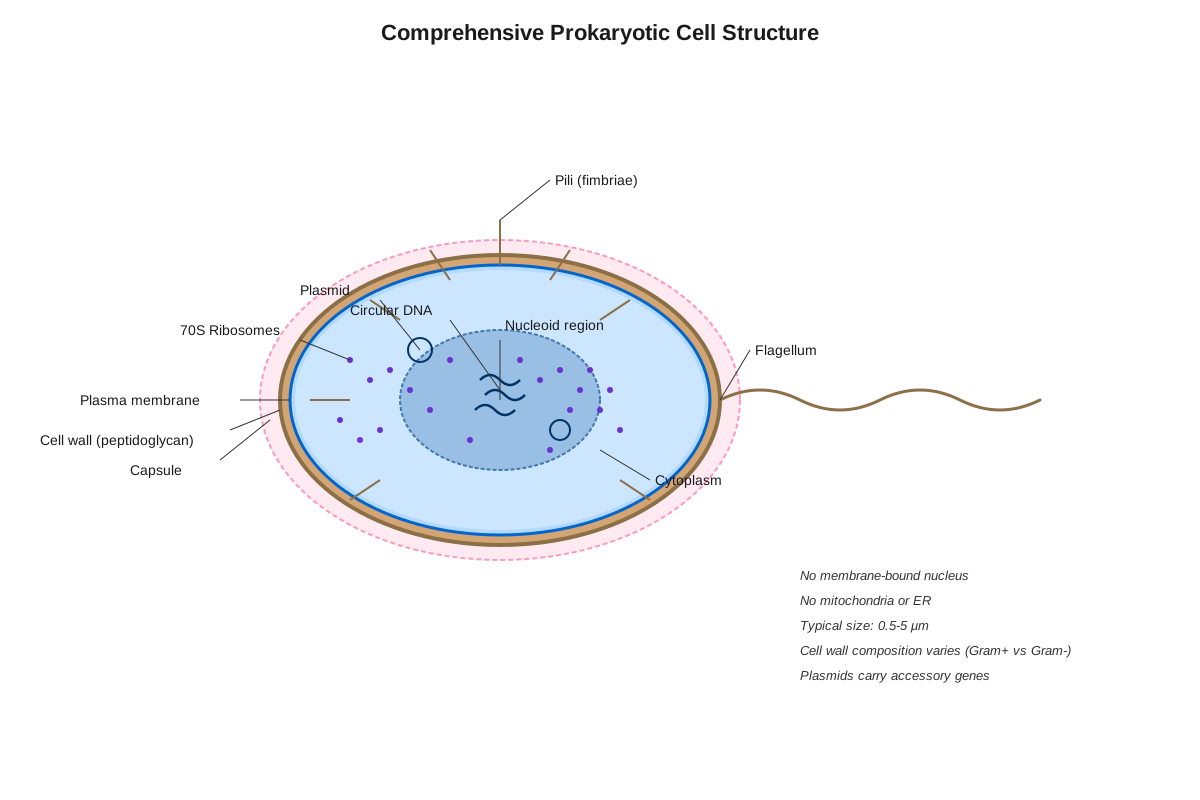
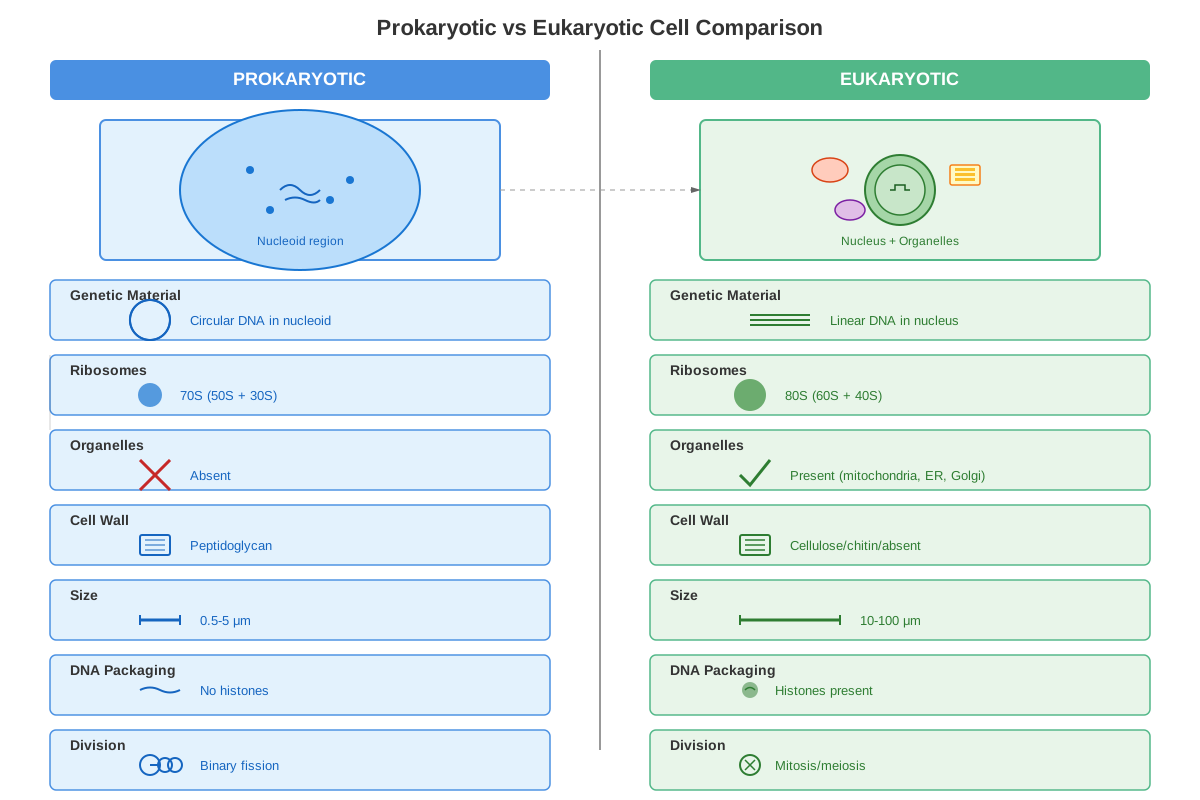
Prokaryotic cells represent one of the two fundamental domains of cellular life on Earth, distinguished from eukaryotic cells by their simpler structural organization and lack of membrane-bound organelles. These cells, which include all bacteria and archaea, are characterized by their nucleoid region containing circular DNA, absence of a true nucleus, smaller ribosomes (70S), and often the presence of additional structures such as cell walls, capsules, and flagella. Understanding prokaryotic cell structure and function is essential for Cell Biology mastery, as these organisms serve as model systems for fundamental biological processes and represent important pathogens, symbionts, and biotechnology tools.
For the MCAT, Prokaryotic cells Biology appears regularly across multiple sections, particularly in Biological and Biochemical Foundations of Living Systems. Questions may test structural components, metabolic capabilities, genetic organization, or comparative features with eukaryotic cells. The topic frequently appears in passage-based questions involving antibiotic mechanisms, bacterial genetics, or evolutionary biology, as well as in discrete questions testing structural knowledge. Approximately 3-5% of biology questions on the MCAT directly or indirectly assess prokaryotic cell knowledge, making this a medium-yield but essential topic.
The study of prokaryotic cells connects to numerous high-yield MCAT topics including cellular respiration, protein synthesis, gene regulation, evolution, and immunology. Understanding prokaryotic structure provides the foundation for comprehending antibiotic resistance mechanisms, horizontal gene transfer, and the evolutionary origins of eukaryotic organelles through endosymbiotic theory. This topic also bridges molecular biology and organismal biology, making it a conceptual hub within the Biology curriculum.
Learning Objectives
- [ ] Define Prokaryotic cells using accurate Biology terminology
- [ ] Explain why Prokaryotic cells matters for the MCAT
- [ ] Apply Prokaryotic cells to exam-style questions
- [ ] Identify common mistakes related to Prokaryotic cells
- [ ] Connect Prokaryotic cells to related Biology concepts
- [ ] Compare and contrast prokaryotic and eukaryotic cell structures at the molecular level
- [ ] Analyze how prokaryotic cell structures relate to their functions and survival strategies
- [ ] Predict the effects of structural disruptions (e.g., antibiotics) on prokaryotic cell viability
Prerequisites
- Basic cell theory: Understanding that cells are the fundamental units of life provides context for distinguishing prokaryotic from eukaryotic organization
- Biomolecule structure: Knowledge of proteins, lipids, carbohydrates, and nucleic acids is necessary to understand cell membrane composition and genetic material
- DNA structure and replication: Familiarity with double helix structure and base pairing enables comprehension of prokaryotic genetic organization
- Protein synthesis fundamentals: Basic understanding of transcription and translation helps contextualize ribosome function and gene expression
- Membrane structure: Knowledge of phospholipid bilayers and membrane proteins is essential for understanding cell envelope organization
Why This Topic Matters
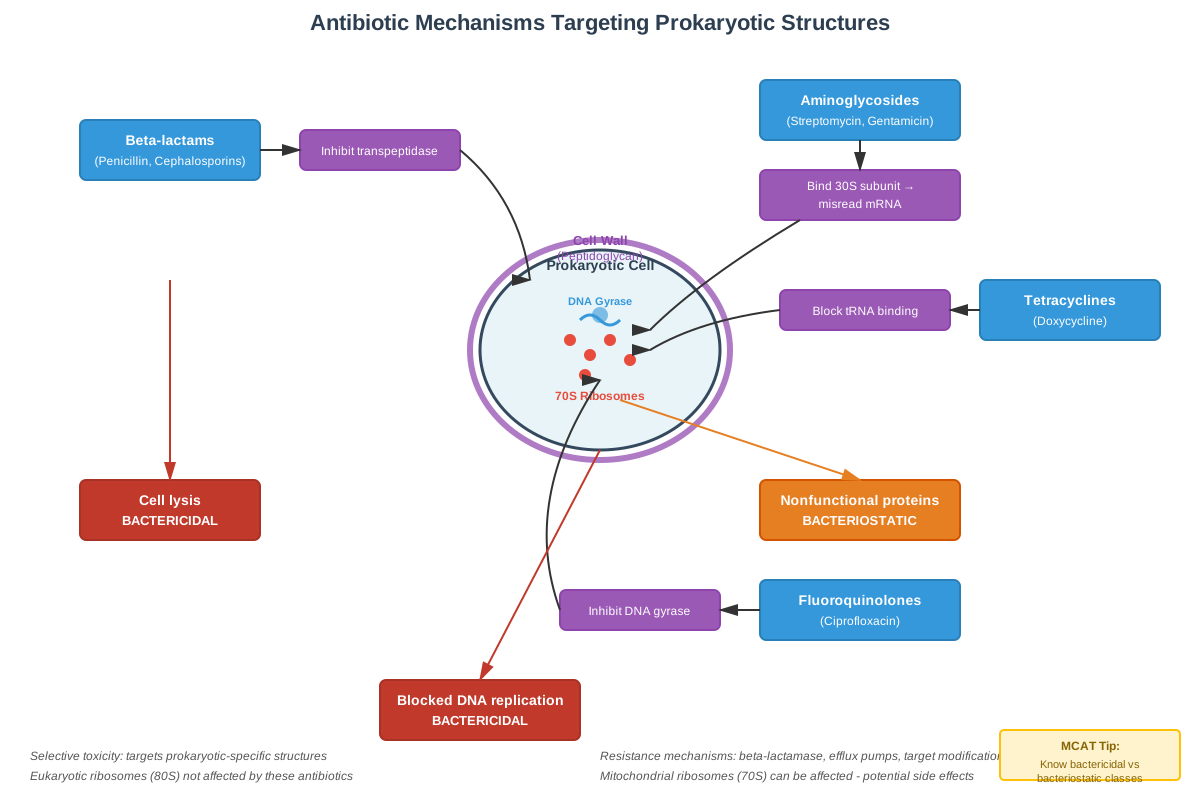
Clinical and Real-World Significance: Prokaryotic cells are directly relevant to human health as both pathogens and beneficial organisms. Bacterial infections remain leading causes of morbidity and mortality worldwide, and understanding prokaryotic structure is fundamental to antibiotic development and resistance mechanisms. The cell wall, for instance, is the target of beta-lactam antibiotics like penicillin, while ribosomes are targeted by aminoglycosides and tetracyclines. Additionally, prokaryotes play crucial roles in human microbiomes, nitrogen fixation, biotechnology (insulin production, CRISPR technology), and environmental processes.
Exam Statistics: On the MCAT, prokaryotic cells appear in approximately 3-5% of biology questions, with particular emphasis on structural comparisons with eukaryotes, antibiotic mechanisms, and genetic organization. Questions typically appear as:
- Passage-based questions involving experimental manipulation of bacterial systems
- Discrete questions testing structural knowledge and function
- Comparative questions requiring distinction between prokaryotic and eukaryotic features
- Application questions involving antibiotic resistance or genetic engineering
Common Exam Contexts: This topic frequently appears in passages discussing antibiotic resistance mechanisms, bacterial transformation experiments, gene regulation studies (lac operon), evolutionary biology discussions, or biotechnology applications. The MCAT often tests this material through questions requiring students to predict experimental outcomes, interpret data from bacterial studies, or apply knowledge of prokaryotic structure to novel scenarios.
Core Concepts
Defining Characteristics of Prokaryotic Cells
Prokaryotic cells are defined by several fundamental characteristics that distinguish them from eukaryotic cells. The most defining feature is the absence of a membrane-bound nucleus; instead, genetic material is organized in a nucleoid region, an irregularly shaped area where a single circular chromosome resides. This chromosome is not associated with histone proteins (with rare exceptions in archaea) and exists as a supercoiled, double-stranded DNA molecule typically ranging from 0.5 to 10 million base pairs.
Prokaryotic cells are generally smaller than eukaryotic cells, typically ranging from 0.2 to 2.0 micrometers in diameter, compared to 10-100 micrometers for eukaryotic cells. This size difference has important metabolic implications: the high surface-area-to-volume ratio of prokaryotes allows for efficient nutrient uptake and waste removal through the plasma membrane. The smaller size also means faster reproduction rates, with some bacteria dividing every 20 minutes under optimal conditions.
Cell Envelope Structure
The cell envelope of prokaryotic cells consists of multiple layers that provide structural support, protection, and selective permeability. The innermost layer is the plasma membrane (also called cell membrane or cytoplasmic membrane), composed of a phospholipid bilayer with embedded proteins. Unlike eukaryotic membranes, prokaryotic membranes typically lack sterols (except in mycoplasma), though some contain similar molecules called hopanoids that provide membrane stability.
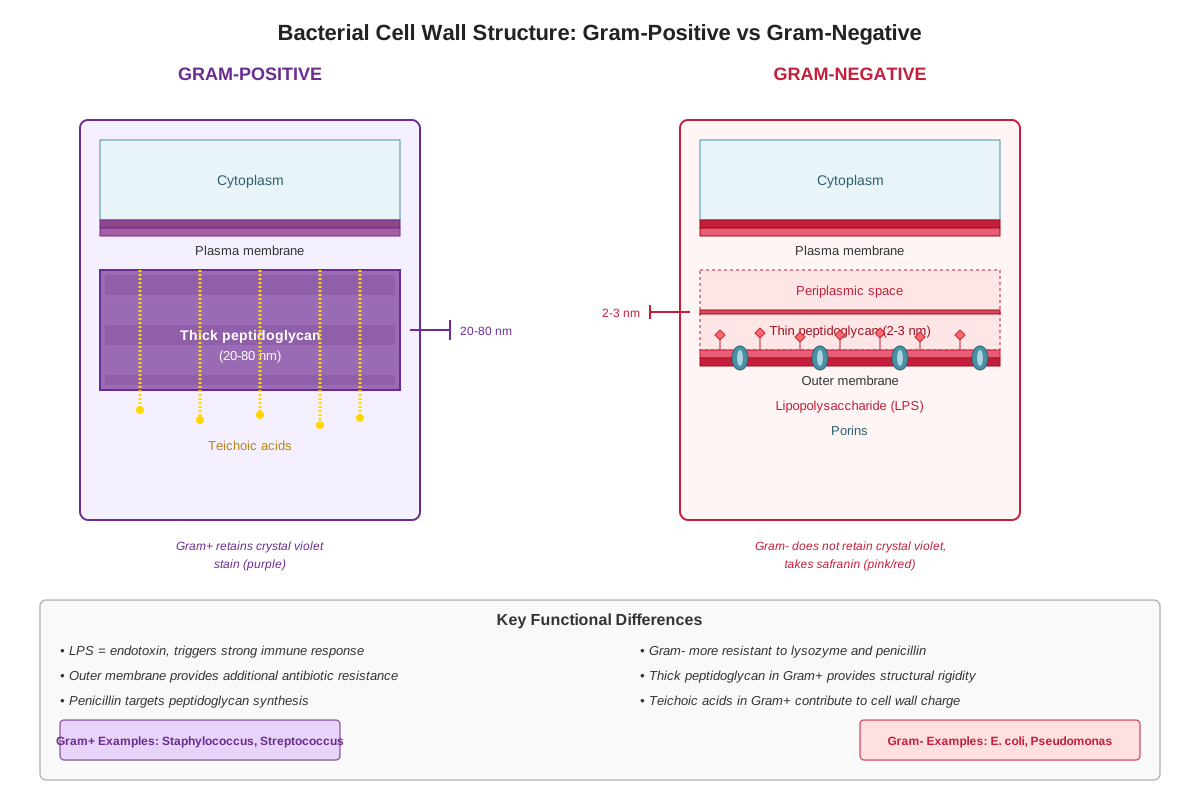
The cell wall is a rigid structure external to the plasma membrane that prevents osmotic lysis and maintains cell shape. In bacteria, cell walls are composed primarily of peptidoglycan (also called murein), a polymer consisting of alternating N-acetylglucosamine (NAG) and N-acetylmuramic acid (NAM) sugars cross-linked by short peptide chains. The structure and thickness of the peptidoglycan layer forms the basis for Gram staining, a critical diagnostic technique:
| Feature | Gram-Positive Bacteria | Gram-Negative Bacteria |
|---|---|---|
| Peptidoglycan layer | Thick (20-80 nm) | Thin (5-10 nm) |
| Outer membrane | Absent | Present |
| Lipopolysaccharide (LPS) | Absent | Present in outer membrane |
| Teichoic acids | Present | Absent |
| Periplasmic space | Absent or minimal | Present |
| Staining result | Retains crystal violet (purple) | Takes up safranin (pink/red) |
Gram-negative bacteria possess an additional outer membrane containing lipopolysaccharide (LPS) in its outer leaflet. LPS consists of lipid A (endotoxin), core polysaccharide, and O-antigen. The periplasmic space between the inner and outer membranes contains enzymes and transport proteins.
External Structures and Appendages
Flagella are long, whip-like appendages used for motility in many prokaryotic species. Prokaryotic flagella differ fundamentally from eukaryotic flagella in structure and mechanism. They consist of three parts:
- Filament: composed of flagellin protein subunits arranged in a helical structure
- Hook: connects filament to basal body
- Basal body: anchored in cell envelope, acts as rotary motor powered by proton-motive force
The flagellum rotates like a propeller, driven by the flow of protons (or sometimes sodium ions) through the motor complex, achieving rotation speeds up to 100,000 rpm. This mechanism is entirely different from eukaryotic flagella, which use ATP-powered dynein motors and a 9+2 microtubule arrangement.
Pili (singular: pilus) are shorter, hair-like appendages with various functions:
- Fimbriae: numerous short pili used for attachment to surfaces
- Sex pili: longer, fewer in number, used for conjugation (horizontal gene transfer)
The capsule (or slime layer when loosely attached) is a polysaccharide or polypeptide layer external to the cell wall that provides protection from phagocytosis, desiccation, and antibiotics. Capsules are important virulence factors in pathogenic bacteria like Streptococcus pneumoniae.
Internal Organization and Structures
Despite lacking membrane-bound organelles, prokaryotic cells maintain internal organization through various mechanisms. The cytoplasm contains the cytosol (aqueous component), ribosomes, and various inclusions. Ribosomes in prokaryotes are 70S ribosomes, composed of 50S and 30S subunits (compared to 80S ribosomes with 60S and 40S subunits in eukaryotes). This difference is clinically significant as it allows selective targeting by antibiotics such as chloramphenicol, tetracycline, and aminoglycosides.
Plasmids are small, circular, extrachromosomal DNA molecules that replicate independently of the chromosomal DNA. They typically carry genes for antibiotic resistance, virulence factors, or metabolic capabilities. Plasmids can be transferred between cells through conjugation, contributing to rapid spread of antibiotic resistance.
Some prokaryotes contain specialized internal structures:
- Gas vesicles: protein-bound compartments providing buoyancy in aquatic bacteria
- Magnetosomes: iron-containing structures for navigation along magnetic fields
- Inclusion bodies: storage granules for nutrients (glycogen, lipids, sulfur, phosphate)
- Carboxysomes: protein-enclosed compartments containing enzymes for carbon fixation
Genetic Organization and Gene Expression
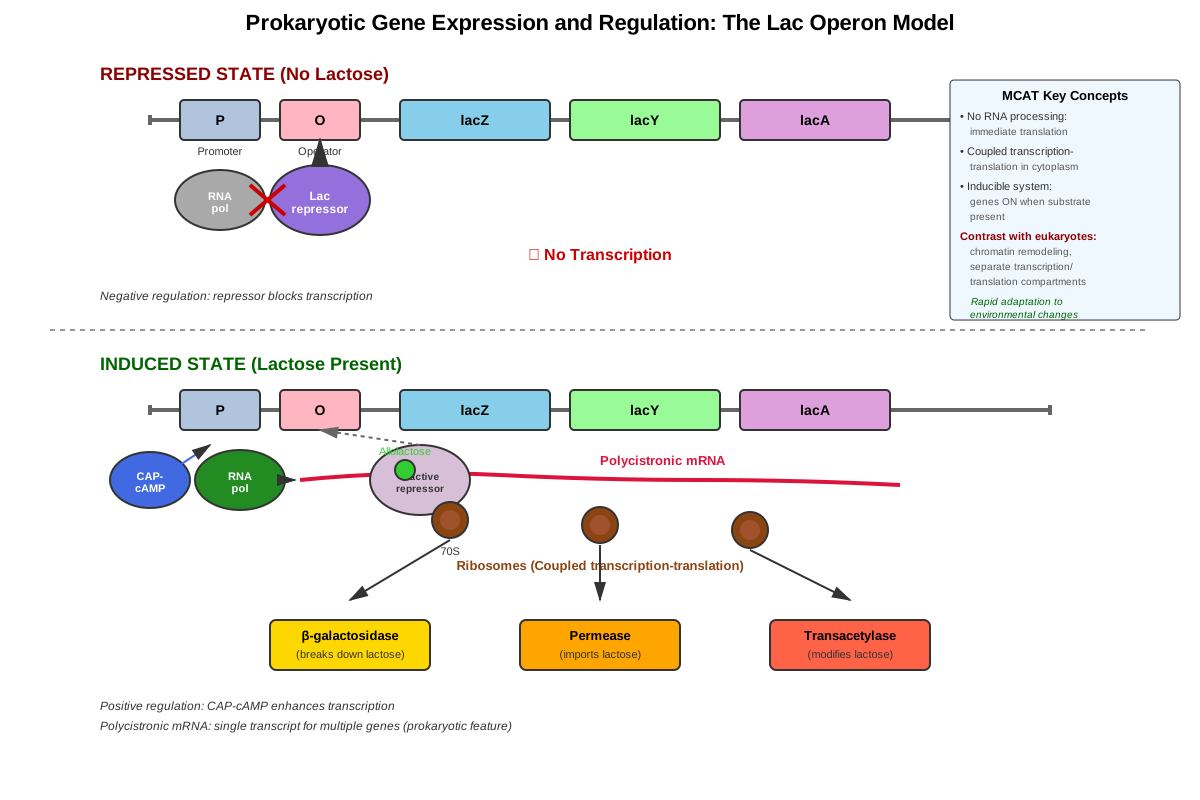
Prokaryotic genetic material is organized fundamentally differently from eukaryotic DNA. The single circular chromosome is located in the nucleoid region and is not separated from the cytoplasm by a membrane. This organization allows for coupled transcription-translation, where ribosomes begin translating mRNA while it is still being transcribed, a process impossible in eukaryotes due to nuclear compartmentalization.
Prokaryotic genes are often organized into operons, clusters of functionally related genes under control of a single promoter. This allows coordinated regulation of genes involved in the same metabolic pathway. The classic example is the lac operon, which regulates lactose metabolism genes.
Key differences in prokaryotic gene expression include:
- No introns (genes are continuous coding sequences)
- No post-transcriptional modifications (no 5' cap or poly-A tail)
- Shine-Dalgarno sequence (ribosome binding site) rather than Kozak sequence
- Polycistronic mRNA (single mRNA encoding multiple proteins)
Reproduction and Growth
Prokaryotes reproduce primarily through binary fission, an asexual process involving:
- DNA replication beginning at the origin of replication (oriC)
- Cell elongation with DNA molecules moving to opposite poles
- Septum formation at the cell midpoint
- Cell separation producing two identical daughter cells
Under optimal conditions, some bacteria can complete this cycle in 20 minutes, allowing exponential population growth. However, prokaryotes also engage in horizontal gene transfer through three mechanisms:
- Transformation: uptake of naked DNA from environment
- Transduction: DNA transfer via viral vectors (bacteriophages)
- Conjugation: direct transfer through sex pili
These mechanisms contribute to genetic diversity and rapid adaptation, including antibiotic resistance spread.
Concept Relationships
The structural features of prokaryotic cells are intimately connected to their functional capabilities. The nucleoid organization → enables coupled transcription-translation → allows rapid response to environmental changes. The absence of membrane-bound organelles → necessitates plasma membrane localization of respiratory enzymes → results in the plasma membrane serving multiple functions analogous to mitochondria in eukaryotes.
The cell wall structure → determines Gram staining properties → influences antibiotic susceptibility patterns → affects clinical treatment decisions. For example, the thick peptidoglycan layer in Gram-positive bacteria makes them susceptible to lysozyme and beta-lactam antibiotics, while the outer membrane of Gram-negative bacteria provides additional protection.
Ribosome structure (70S) → creates selective antibiotic targets → enables development of antibacterial drugs that don't affect human (80S) ribosomes. This connection between structure and function is frequently tested on the MCAT.
The small cell size → provides high surface-area-to-volume ratio → enables rapid nutrient uptake and waste removal → supports fast reproduction rates → contributes to rapid evolution and adaptation. This relationship chain explains why bacteria can quickly develop antibiotic resistance.
Plasmid presence → facilitates horizontal gene transfer → accelerates spread of antibiotic resistance genes → creates clinical challenges in treating bacterial infections. Understanding this relationship is crucial for passages involving antibiotic resistance mechanisms.
High-Yield Facts
⭐ Prokaryotic ribosomes are 70S (50S + 30S subunits), while eukaryotic ribosomes are 80S (60S + 40S subunits), making ribosomes selective antibiotic targets
⭐ Prokaryotic DNA is circular, not associated with histones (generally), and located in the nucleoid region rather than a membrane-bound nucleus
⭐ Gram-positive bacteria have thick peptidoglycan layers and no outer membrane; Gram-negative bacteria have thin peptidoglycan and an outer membrane containing LPS
⭐ Prokaryotic flagella rotate via proton-motive force, while eukaryotic flagella undulate using ATP-powered dynein motors
⭐ Prokaryotic gene expression features coupled transcription-translation, polycistronic mRNA, and no RNA splicing
- Prokaryotic cells lack membrane-bound organelles including mitochondria, endoplasmic reticulum, Golgi apparatus, and lysosomes
- The peptidoglycan cell wall is the target of beta-lactam antibiotics (penicillin, cephalosporins) which inhibit cross-linking
- Plasmids are extrachromosomal DNA that can carry antibiotic resistance genes and be transferred via conjugation
- Binary fission is the primary reproductive mechanism, producing two genetically identical daughter cells
- The periplasmic space in Gram-negative bacteria contains enzymes for nutrient processing and detoxification
- Prokaryotic mRNA lacks a 5' cap and poly-A tail, and uses the Shine-Dalgarno sequence for ribosome binding
- Endospores formed by some bacteria (Bacillus, Clostridium) are highly resistant dormant structures that can survive extreme conditions
Quick check — test yourself on Prokaryotic cells so far.
Try Flashcards →Common Misconceptions
Misconception: All prokaryotes are bacteria → Correction: Prokaryotes include two distinct domains: Bacteria and Archaea. While they share basic prokaryotic organization, archaea have unique features including different membrane lipids (ether linkages vs. ester linkages), distinct ribosomal RNA sequences, and some species use histones.
Misconception: Prokaryotes have no internal organization or compartmentalization → Correction: While prokaryotes lack membrane-bound organelles, they maintain spatial organization through protein-based compartments (carboxysomes, magnetosomes), cytoskeletal elements (FtsZ, MreB), and localization of specific processes to the plasma membrane or nucleoid region.
Misconception: The nucleoid is an organelle → Correction: The nucleoid is simply a region where DNA is concentrated; it is not surrounded by a membrane and therefore is not an organelle. The term "nucleoid" describes the location and appearance of genetic material, not a distinct structural compartment.
Misconception: Prokaryotic and eukaryotic flagella are similar structures → Correction: These structures are analogous (similar function) but not homologous (different evolutionary origin and mechanism). Prokaryotic flagella are composed of flagellin, rotate like propellers powered by proton-motive force, and have a simple structure. Eukaryotic flagella contain microtubules in a 9+2 arrangement, undulate using ATP-powered dynein motors, and are enclosed by plasma membrane.
Misconception: All prokaryotes have cell walls → Correction: While most prokaryotes have cell walls, some lack them entirely. Mycoplasma species naturally lack cell walls and are therefore resistant to beta-lactam antibiotics. Additionally, L-forms are cell-wall-deficient variants that can arise from antibiotic treatment.
Misconception: Prokaryotes cannot perform aerobic respiration without mitochondria → Correction: Prokaryotes perform aerobic respiration using the plasma membrane as the site for the electron transport chain and ATP synthesis. The plasma membrane serves the function that the inner mitochondrial membrane serves in eukaryotes, supporting the endosymbiotic theory that mitochondria evolved from prokaryotic ancestors.
Misconception: Gram staining results are based solely on cell wall thickness → Correction: While peptidoglycan thickness is important, the Gram stain result depends on the entire cell envelope structure. Gram-negative bacteria appear pink/red not just because of thin peptidoglycan, but because the outer membrane is dissolved by alcohol treatment, allowing the crystal violet-iodine complex to wash out and safranin counterstain to be taken up.
Worked Examples
Example 1: Antibiotic Mechanism Analysis
Question: A researcher is studying a novel antibiotic that specifically inhibits bacterial growth but has no effect on human cells. The antibiotic binds to the 50S ribosomal subunit and prevents peptide bond formation. Based on this information, answer the following:
a) Why does this antibiotic not affect human cells?
b) What type of bacteria (Gram-positive or Gram-negative) might be more resistant to this antibiotic if it is a large, hydrophilic molecule?
c) If bacteria develop resistance by modifying their ribosomes, what might be the fitness cost?
Solution:
a) Why no effect on human cells?
- Human cells contain 80S ribosomes (60S + 40S subunits) in their cytoplasm
- The antibiotic specifically targets the 50S subunit found only in prokaryotic 70S ribosomes
- This structural difference allows selective toxicity—the drug can inhibit bacterial protein synthesis without affecting human protein synthesis
- This is the same principle used by antibiotics like chloramphenicol and macrolides (erythromycin)
b) Which bacteria might be more resistant?
- Gram-negative bacteria would likely show greater resistance
- Gram-negative bacteria have an outer membrane containing lipopolysaccharide that acts as a permeability barrier
- Large, hydrophilic molecules have difficulty crossing this outer membrane
- The outer membrane contains porins that allow passage of small hydrophilic molecules, but large molecules are excluded
- Gram-positive bacteria lack this outer membrane, so the antibiotic would more easily reach the ribosomes after crossing only the cell wall and plasma membrane
- This explains why some antibiotics are more effective against Gram-positive bacteria
c) Fitness cost of ribosome modification?
- Ribosomes are essential for protein synthesis, and their structure is highly conserved
- Mutations that confer antibiotic resistance by altering ribosome structure may reduce ribosomal efficiency
- This could result in slower protein synthesis rates, reduced growth rate, and decreased competitive fitness in antibiotic-free environments
- This fitness cost explains why antibiotic-resistant bacteria may be outcompeted by wild-type bacteria when antibiotics are absent
- However, in the presence of antibiotics, the resistance benefit outweighs the fitness cost
Example 2: Experimental Design and Prokaryotic Structure
Question: An experiment involves treating bacterial cells with lysozyme, an enzyme that cleaves the glycosidic bonds in peptidoglycan. The bacteria are suspended in three different solutions: isotonic, hypotonic, and hypertonic. Predict the outcome for each condition and explain the underlying mechanisms.
Solution:
Isotonic solution (equal osmotic pressure inside and outside cell):
- Lysozyme degrades the peptidoglycan cell wall
- Without the rigid cell wall, the cell loses structural support
- However, in isotonic solution, there is no net water movement
- The cell may survive as a protoplast (cell without cell wall)
- The plasma membrane remains intact and functional
- The cell becomes spherical regardless of original shape (rod, spiral, etc.)
- The cell is fragile and susceptible to mechanical stress
Hypotonic solution (lower solute concentration outside than inside):
- Lysozyme degrades the peptidoglycan cell wall
- Water moves into the cell by osmosis due to higher internal solute concentration
- Without the rigid cell wall to resist osmotic pressure, the plasma membrane cannot withstand the pressure
- The cell undergoes osmotic lysis (bursting)
- This is the mechanism by which lysozyme acts as an antimicrobial agent in tears, saliva, and mucus
- This demonstrates the critical protective function of the cell wall
Hypertonic solution (higher solute concentration outside than inside):
- Lysozyme degrades the peptidoglycan cell wall
- Water moves out of the cell by osmosis
- The cell undergoes plasmolysis (cytoplasm shrinks away from cell wall remnants)
- The cell survives but is dehydrated and metabolically inactive
- The plasma membrane pulls away from where the cell wall was located
- This condition is reversible if the cell is returned to isotonic conditions
Key concepts demonstrated:
- The cell wall provides protection against osmotic lysis, not just structural support
- The plasma membrane is selectively permeable but cannot resist significant osmotic pressure
- Understanding the relationship between cell wall integrity and osmotic environment is crucial for predicting experimental outcomes
- This type of analysis is common in MCAT passages involving bacterial cell structure and experimental manipulation
Exam Strategy
Approaching MCAT Questions on Prokaryotic Cells:
When encountering prokaryotic cell questions, first identify whether the question is asking about structure, function, or comparison with eukaryotes. Structure questions typically require recall of specific components; function questions require understanding mechanisms; comparison questions require systematic analysis of differences.
Trigger Words and Phrases:
- "Bacterial cells" or "prokaryotic organisms" → activate knowledge of prokaryotic-specific structures
- "Antibiotic mechanism" → think about structural targets (cell wall, ribosomes, DNA gyrase)
- "Gram-positive" or "Gram-negative" → recall cell envelope differences and implications
- "Horizontal gene transfer" → consider transformation, transduction, or conjugation
- "Coupled transcription-translation" → recognize prokaryotic-specific gene expression
- "70S ribosome" → prokaryotic cells and organelles of endosymbiotic origin (mitochondria, chloroplasts)
- "Nucleoid" → prokaryotic DNA organization without membrane-bound nucleus
Process-of-Elimination Tips:
For comparison questions, eliminate answers that:
- Attribute eukaryotic features to prokaryotes (membrane-bound nucleus, 80S ribosomes, introns)
- Attribute prokaryotic features to eukaryotic cytoplasm (70S ribosomes, circular DNA, coupled transcription-translation)
- Confuse prokaryotic and eukaryotic flagellar mechanisms
- Incorrectly describe Gram staining results or cell envelope structure
For antibiotic mechanism questions, eliminate answers that:
- Suggest antibiotics target structures absent in prokaryotes
- Propose mechanisms that would equally affect human cells
- Ignore the role of outer membrane in Gram-negative bacteria
Time Allocation Advice:
Discrete questions on prokaryotic structure should take 30-45 seconds—these test straightforward recall. Passage-based questions involving experimental scenarios or antibiotic mechanisms may require 90-120 seconds for careful analysis. If a question requires comparing multiple structural features, quickly create a mental table of prokaryotic vs. eukaryotic characteristics rather than trying to reason through each feature independently.
For questions involving predictions about experimental outcomes, systematically consider: (1) which structure is affected, (2) what is the normal function of that structure, (3) what happens when that function is disrupted, and (4) are there any compensatory mechanisms or secondary effects.
Memory Techniques
Mnemonic for Prokaryotic Characteristics - "PROCARY":
- Plasmids present
- Ribosomes are 70S
- One circular chromosome
- Cell wall with peptidoglycan
- Absence of membrane-bound organelles
- Reproduction by binary fission
- Yield coupled transcription-translation
Mnemonic for Gram-Positive vs. Gram-Negative - "POSITIVE = PURPLE, THICK":
- Gram-POSITIVE bacteria retain crystal violet and appear PURPLE
- They have THICK peptidoglycan layers
- Gram-NEGATIVE bacteria are NEGATIVE for outer membrane absence (they have one)
- They appear piNK (negative sounds like pink)
Visualization Strategy for Cell Envelope:
Imagine Gram-positive bacteria as wearing a thick sweater (peptidoglycan) over a shirt (plasma membrane). Gram-negative bacteria wear a thin sweater (thin peptidoglycan) but also have a raincoat on top (outer membrane with LPS). The raincoat makes it harder for things to get through, explaining antibiotic resistance patterns.
Acronym for Horizontal Gene Transfer - "TTC":
- Transformation (uptake of naked DNA)
- Transduction (viral vector transfer)
- Conjugation (direct transfer via pilus)
Memory Aid for Ribosome Sizes:
"Seventy (70S) is smaller than eighty (80S)" seems obvious, but remember: prokaryotes are smaller cells with smaller ribosomes. The "S" stands for Svedberg units (sedimentation coefficient), and they don't add linearly: 50S + 30S = 70S, and 60S + 40S = 80S. The subunits are named by their sedimentation rates, not their mass ratios.
Summary
Prokaryotic cells represent a fundamental domain of life characterized by the absence of membrane-bound organelles, presence of a nucleoid region containing circular DNA, 70S ribosomes, and typically a peptidoglycan cell wall. These structural features enable unique functional capabilities including coupled transcription-translation, rapid reproduction through binary fission, and horizontal gene transfer mechanisms. The distinction between Gram-positive and Gram-negative bacteria based on cell envelope structure has profound implications for antibiotic susceptibility and pathogenicity. Understanding prokaryotic cell structure is essential for MCAT success, as it connects to numerous high-yield topics including antibiotic mechanisms, gene regulation, evolution, and biotechnology. The key to mastering this topic lies in understanding not just the structures themselves, but their functional significance and how they differ from eukaryotic counterparts. Questions on this topic frequently require application of structural knowledge to predict experimental outcomes, explain antibiotic mechanisms, or analyze evolutionary relationships.
Key Takeaways
- Prokaryotic cells lack membrane-bound organelles and have genetic material organized in a nucleoid region rather than a true nucleus
- The 70S ribosome (50S + 30S subunits) is a critical distinguishing feature and selective antibiotic target, contrasting with eukaryotic 80S ribosomes
- Gram-positive bacteria have thick peptidoglycan walls; Gram-negative bacteria have thin peptidoglycan plus an outer membrane containing LPS
- Prokaryotic flagella rotate via proton-motive force and differ fundamentally from eukaryotic flagella in structure and mechanism
- Coupled transcription-translation, polycistronic mRNA, and operon organization characterize prokaryotic gene expression
- Horizontal gene transfer (transformation, transduction, conjugation) enables rapid genetic adaptation including antibiotic resistance spread
- The cell wall provides protection against osmotic lysis and is the target of major antibiotic classes including beta-lactams
Related Topics
Eukaryotic Cell Structure: Understanding prokaryotic cells provides the foundation for appreciating the complexity of eukaryotic organization, including membrane-bound organelles, nuclear organization, and cytoskeletal systems. Mastering prokaryotic structure enables meaningful comparison and understanding of evolutionary relationships.
Endosymbiotic Theory: The structural similarities between prokaryotic cells and mitochondria/chloroplasts (70S ribosomes, circular DNA, double membranes) support the theory that these organelles evolved from endosymbiotic prokaryotes. This connection is frequently tested on the MCAT.
Antibiotic Mechanisms and Resistance: Detailed knowledge of prokaryotic structure is essential for understanding how antibiotics work (targeting cell walls, ribosomes, DNA replication) and how resistance develops through structural modifications or horizontal gene transfer.
Gene Regulation (Lac Operon): The organization of prokaryotic genes into operons represents a unique regulatory mechanism that contrasts with eukaryotic gene regulation, making this a high-yield comparative topic.
Bacterial Genetics and Biotechnology: Understanding prokaryotic cell structure and genetics enables comprehension of how bacteria are used as tools in molecular biology, including plasmid vectors, transformation techniques, and recombinant protein production.
Practice CTA
Now that you've mastered the core concepts of prokaryotic cells, it's time to reinforce your understanding through active practice. Challenge yourself with practice questions that require you to apply this knowledge to novel scenarios, analyze experimental data, and make predictions about bacterial behavior under different conditions. Focus particularly on questions involving antibiotic mechanisms, structural comparisons with eukaryotes, and experimental manipulations of bacterial cells. Use flashcards to drill the high-yield facts, especially the structural differences between prokaryotic and eukaryotic cells, Gram-positive versus Gram-negative characteristics, and ribosome sizes. Remember: understanding prokaryotic cells isn't just about memorizing structures—it's about recognizing how structure determines function and how this knowledge applies to real-world scenarios you'll encounter on test day. Your investment in mastering this foundational topic will pay dividends across multiple areas of the MCAT biology section!
Sign up free to keep reading
Create a free AnvayaPrep account to finish this MCAT guide on Prokaryotic cells — plus flashcards and practice questions.